
Office: (404) 975-4800

Uncategorized

truck insurance (1)

Best Insurance Choices for New Commercial Truck Drivers

truck insurance (1)
Multiple insurance companies offer commercial truck insurance policies, and their terms vary based on several factors. Identifying the best trucking insurance provider from the many options available can be challenging if you’re a new commercial truck driver.

To make things easier for you, we’ve curated a list of the best insurance choices for new truck drivers you should consider.

We weighed how well each company meets the insurance needs of new commercial truck drivers in terms of coverage types, policy customization options, pricing, state and federal filings, customer service, and more.

Commercial Truck Insurance For New Drivers

Tailoring commercial truck insurance is crucial for new drivers. Company truck drivers may not need coverage for equipment breakdown, while lease owner-operators must scrutinize agreements for additional required coverage.

Owner-operators under their authority should ensure comprehensive coverage for their vehicle and cargo to support commercial operations.

General Requirements for New Drivers

Both federal and state laws provide specific guidelines that truck drivers must meet to prove they have sufficient coverage to protect their commercial vehicles if an accident occurs.

These laws vary from state to state, but there are a few general requirements your trucking insurance policy must have, including:

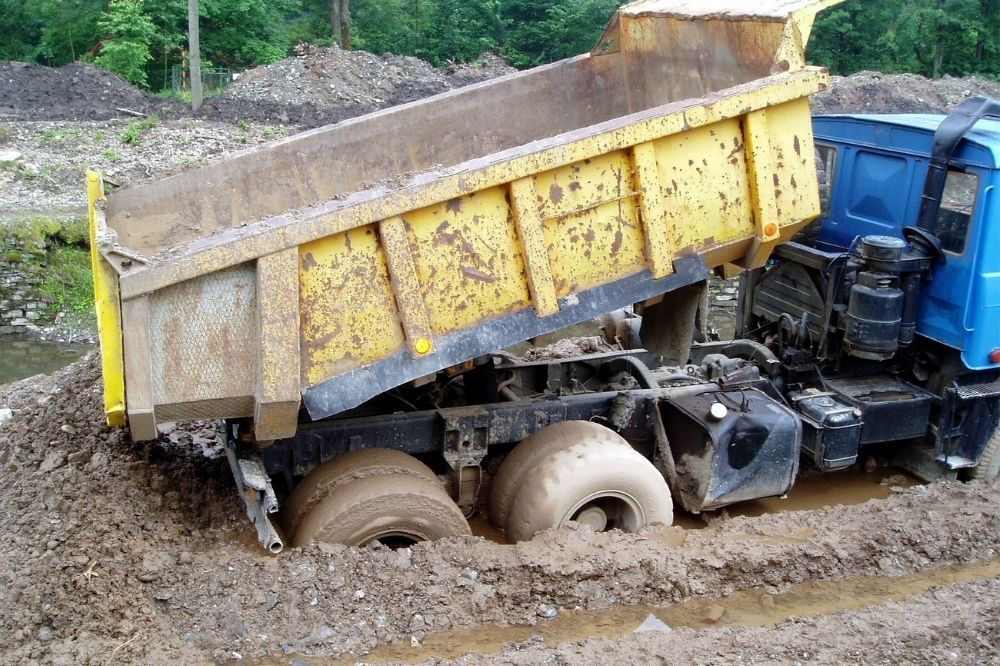
truck crash insurance

Primary Liability Insurance

Primary liability insurance is the minimum auto liability coverage mandated for owner-operators. It provides compensation for bodily injury and physical damage in at-fault accidents.

The Federal Motor Carrier Safety Administration (FMCSA) has specific filing requirements for commercial truck drivers, and states set minimum insurance limits for compensation. Check your state’s requirements before purchasing to determine your commercial truck insurance cost.

Physical Damage Coverage

Physical damage insurance protects commercial vehicles against several risks while on the road. These risks include collisions, theft, vandalism, physical damage due to harsh weather, and more.

You can purchase physical damage liability insurance in two ways:

  • As collision coverage to cover your truck after crashes
  • As comprehensive coverage to protect your truck against all collision and non-collision losses, including fires, theft, vandalism, bad weather, you name it.

General Liability Insurance

General liability insurance covers bodily injuries and physical damages involving your trucking business but unrelated to driving your truck. It covers incidents from your day-to-day commercial operations, like loading delivery errors and slip-and-fall accidents.

Non-trucking Liability Coverage

Non-trucking liability insurance covers you when driving your truck for non-business purposes.

hazard insurance

Motor Truck Cargo Insurance

Motor truck cargo insurance is vital for freight transportation, particularly hazardous cargo. Coverage requirements vary by state; in Mississippi, which has affordable commercial truck insurance, hazmat transporters need a minimum of $5M, while household goods movers require $300,000.

In addition to the general requirements above, new drivers can benefit from several optional insurance coverage options. Some include rental reimbursement, medical payments, and trailer interchange insurance. Check out our comprehensive guide on commercial vehicle insurance to learn more about this.

Best 5 Commercial Truck Insurance Providers for New Drivers

The best commercial truck insurance companies for new drivers have several features. They meet state insurance liability requirements for different commercial vehicles, offer discounts to help you save on monthly premiums, provide assistance in filing several federal and state paperwork, and have stellar customer service.

With this in mind, here are the top 5 commercial trucking insurance carriers to consider if you’re a new driver:

1. Progressive Commercial Insurance Company

Progressive Insurance, with a solid nationwide reputation, provides comprehensive commercial truck insurance for various vehicles, including optional coverage like garage keepers liability and roadside assistance.

The company handles insurance needs, from filing documents to assisting with liability claims.

Note, however, that primary liability coverage is restricted in Hawaii, Louisiana, Alaska, and New York for owner-operators with an operating radius over 500 miles.

You must also liaise with an agent to purchase coverage, even though the website provides detailed info about the company’s policy offerings.

roadside assistance

Pros

  • Being one of the largest and oldest insurance companies, progressive offers competitive pricing for new and experienced drivers.
  • Offers several discounts to reduce monthly payments, including discounts for using electronic logging gadgets and bundling multiple coverage types
  • Offer free online insurance quotes.

Cons

  • Some coverage options are limited to the driver’s operating radius.
  • New drivers may not qualify for some discounts.

2. Nationwide Insurance Company

Nationwide is another highly-ranked commercial truck insurance company that offers several coverage options. On top of all essential coverage, Nationwide provides specialty coverage options for specific types of motor truck cargo and trucks not offered by most competitors. The company also has specialized pricing for new drivers, plus discounts for using anti-theft devices.

Pros

  • Excellent customer service
  • Affordable specialty coverage that most competitors don’t provide
  • Online quotes are available
  • Tailored pricing for new drivers and discounts

Cons

  • You can only purchase insurance through a local agent
  • Coverage has higher monthly premiums than other insurance carriers
  • It’s not available in some states.

customer service

3. Sentry Insurance

Unlike Progressive and Nationwide insurance carriers, Sentry specializes in commercial trucking coverage. The company only caters to the commercial insurance needs of truckers. It has in-house insurance claim adjusters who are trucking specialists.

Pros

  • Excellent customer service team with professional experts on commercial truck insurance coverage
  • Offers flexible coverage for new and experienced drivers
  • Available in all states
  • They have a user-friendly online portal for making monthly payments and filing claims

Cons

  • Services are available through local agents only
  • They don’t offer online quotes.

4. Lancer Insurance

Lancer Insurance Company is highly sought after for its customer-centric approach. With a team of independent agents, it connects trucking companies and owner-operators with tailored commercial truck insurance.

The company’s call center operates 24/7, offering around-the-clock claims reporting and coverage maintenance. Additionally, they provide free towing for damaged trucks after covered accidents through their commercial auto and garage system.

Pros

  • Responsive customer service with a 24/7 call center
  • Handles claims in-house
  • Free towing if you get involved in an accident covered in your policy

Cons

  • Although licensed nationwide, not all coverage options are available in each state.

5. Evolution Insurance Brokers

Evolution Insurance offers commercial truck insurance to high-risk entities. By high risk, we mean owner-operators who haul hazardous cargo, those with poor driving records, and those with previous criminal or other legal records. The company is well-versed in the trucking industry and can advise on the best specialized high-risk coverage options for such trucking businesses.

Pros

  • Offers a range of specialized trucking insurance options that meet the needs of various short and long-haul trucking businesses.
  • It has an easy-to-use mobile app for fast claims reporting and more.

Cons

  • Average pricing on coverage is higher compared to most competitors

asad-No_MubXJkXs-unsplash-1

What Commercial Truck Insurance Does Not Cover

Most commercial truck insurance providers have a list of commercial truck operations and items they don’t cover. These exclusions differ per insurer. It’s advisable to confirm whether an insurance company has any exclusions before signing up with them. A few of these may be:

  • Intentional damage – commercial insurance companies don’t cover injuries or damages as a result of deliberate harm to third parties or their property
  • Personal property of drivers
  • Business property in the vehicle involved in a covered accident

Final Thoughts

When choosing the best commercial truck insurance, consider your current and future business needs. You want to purchase a policy that fits your business like a glove and offers enough room to expand your business operations.

All the insurance choices on our list provide the necessary commercial insurance new drivers need, and their customer service is supportive.

When comparing quotes from multiple insurers, there are several critical features you need to look for. Check out our detailed guide on everything you need to know about commercial truck insurance for small businesses for more on this.

You can also visit our blog to learn more about commercial insurance, including how much trucking insurance costs.

truckers

7 Types Of Commercial Truck Driving Jobs (2026 Guide)

truckers

A commercial truck driving job typically involves operating large vehicles to transport goods, materials, or freight as part of a business operation. If you’re thinking about starting a career in the trucking industry, this guide will help you pick a path that fits your life.

We break down seven types of commercial truck driving jobs, including freight-based roles like dry van, reefer, flatbed, and tanker, plus route-based options like local, regional, and over-the-road (OTR).

You’ll get a clearer view of what the work looks like day to day, what schedule to expect, and what training or endorsements may matter before you apply.

7 Types Of Commercial Truck Driving Jobs

There are several types of trucking jobs based on the:

  • type of truck you can drive
  • type of goods you transport
  • number of miles you travel

The commercial driver’s license (CDL) you hold or are planning to get will also dictate what types of trucking jobs you qualify for.

You can choose from three commercial driver’s licenses: Class A, B, and C CDL.

CDL A allows drivers to operate large semi-trucks with trailers, weighing over 26,000 pounds, plus a trailer over 10,000 pounds.

CDL B permits operation of a single vehicle over 26,000 pounds or a vehicle towing a trailer under 10,000 pounds GVWR.

CDL C is for small vehicles, often transporting hazardous materials, and can include driving other vehicle combinations with proper endorsements.

waste management

Dry Van Truck Driver

Dry van truck drivers haul boxed or palletized freight that does not require temperature control. This is one of the most common roles in the trucking industry and often the starting point for many drivers.

Day to day, dry van drivers run scheduled routes, manage dock appointments, and handle either drop-and-hook trailers or live loads. Routes may be long-haul or regional, depending on the carrier and freight network.

Most dry van jobs require a CDL A; additional endorsements are rarely needed. Because the freight is straightforward, many trucking companies allow new drivers to start here.

This role is best for drivers who want steady work and broad job availability.

Reefer Truck Driver

Reefer commercial truck drivers transport refrigerated freight, such as food and medical supplies, as well as other temperature-sensitive cargo. The trailer requires constant monitoring to protect the load.

Daily work includes checking temperature settings, verifying paperwork, and managing tighter delivery windows. Wait times at shippers and receivers can be longer, especially at food distribution centers.

You need a CDL A, and experience helps because carriers expect drivers to manage time-sensitive freight responsibly.

This job is best for drivers who are detail-oriented and comfortable with stricter schedules.

Flatbed Truck Driver

Flatbed drivers haul cargo that is not enclosed, including construction materials or machinery. The freight is visible and requires careful handling.

The day often involves securing loads with straps or chains and tarping when required. Work is more physical, and weather conditions play a larger role than in enclosed trailer jobs because the cargo is exposed to the elements.

A CDL A is required. While endorsements are not always mandatory, carriers value securement experience.

This role is best for drivers who prefer hands-on work and physical activity.

A truck carrying an oversize load is heading toward an oncoming car on Route 79 in the small town of Windsor in Broome County in Upstate NY. Taking up 2 lanes of rural road.

Tanker Truck Driver

Tanker truck drivers transport liquid freight, including fuel, chemicals, food-grade liquids, and other bulk fluids. Because liquid cargo moves inside the tank, braking distances are longer and turns require smoother, more controlled handling – especially when hauling partial loads.

Some tanker roles involve hazardous materials, including fuel, chemicals, or other regulated substances. These loads require stricter safety procedures, precise documentation, and full compliance with federal and state regulations, since mistakes can pose serious safety and environmental risks.

Daily work includes following exact loading and unloading protocols, monitoring surge while driving, and maintaining a strong safety record. Routes may be local or long-haul depending on the product and customer.

Most tanker jobs require a CDL A with a tanker endorsement. Hazmat loads additionally require a hazmat endorsement and background checks.

This role is best for drivers who prioritize safety and controlled driving – as well as those who want to earn more and are comfortable operating under higher compliance standards.

Over-The-Road (OTR) Truck Driver

OTR truck drivers operate across the country, often traveling long distances between pickup and delivery points. Routes regularly cross state lines.

Drivers may stay on the road for weeks at a time, with dispatch assigning freight based on availability rather than geography. Home time is limited, but miles are consistent.

A CDL A is required, and experience improves route flexibility and pay potential.

Because of the long hours, this position is best for drivers focused on maximizing miles and income.

Moving business middle rig semi truck with big box trailer loading customers goods standing on the city street near the apartment

Regional Truck Driver

Regional drivers operate within a defined area of the country, usually covering several neighboring states. Freight patterns are more predictable than OTR.

Drivers typically stay out for several days before returning home, often on a weekly schedule. Routes are shorter than long-haul but still cover significant distances. So, while it is more predictable, it still involves long hours on the road.

Companies require a CDL A, and often prefer some prior experience.

This role is best for drivers who want a balance between mileage and home time.

Local Truck Driver

Local truck drivers operate close to their home base, running short routes with frequent stops. Freight may include deliveries to stores, warehouses, or job sites.

Workdays often involve city traffic, strict dock times, smaller urban roads, and physical tasks such as unloading. Drivers usually return home daily, but shifts can be long and physically demanding.

Depending on the vehicle, a CDL A or CDL B may be required. Straight trucks usually fall under CDL B, while combination vehicles or trucks pulling heavier trailers require CDL A.

Being a local truck driver is a good option if you have a routine schedule and want to go home every day.

What To Look At Before You Pick A Driving Job

Before choosing among different types of commercial truck driving jobs, look at:

    • Home time expectations: “Home weekly” can still move around based on freight, appointments, and dispatch. Ask what a normal week looks like, what happens when loads run late, and whether you’re more likely to reset at home or on the road.
    • Physical demands: Flatbed can mean securement and tarping, local work can mean multiple stops and unloading, and reefer can mean more dock time. Don’t just picture driving, picture what you’ll do after you park.
    • Route predictability: Some lanes stay consistent week to week, while others change based on season, contract freight, or customer volume. Regional or local routes often feel steadier than long-haul trucking, but the day can still run long.
    • Equipment type and cargo rules: Dry van freight is usually simpler; reefers require temperature checks and tighter windows; and tankers or hazmat require safety standards and higher compliance.
    • Pay structure: Strong pay per mile doesn’t help if you sit at docks or lose runs to short loads. Ask how detention is handled and whether loads are drop-and-hook or live load.
    • Long-term growth opportunities: Some roles help you build clean experience fast, while others require proven safety performance before you qualify.

For a clearer picture of what day-to-day life really looks like, familiarize yourself with the average life of a truck driver. Lifestyle fit matters as much as pay.

Portrait of delivery driver

Which Truck Driving Jobs Are Best For New CDL Drivers?

If you’re new, you want a lane that helps you build steady miles and a clean experience record without stacking too many variables at once. These are strong entry paths:

  • Delivery driver: Local delivery driver jobs help you build experience with routing and logistics while showing employers you understand how goods move.
  • Dry van trucking: Common freight, simpler cargo rules, and lots of openings with major carriers.
  • Regional routes: Shorter lanes than long haul and home time that’s easier to plan around.
  • Local delivery and straight-truck roles: You build confidence fast with repeated routes, but expect more physical work.
  • Construction-adjacent hauling: Often local and often Class B; a practical fit if you want to stay close to home.

Do You Need Endorsements For Commercial Truck Driving Jobs?

Some trucking jobs require endorsements beyond your CDL license. Use this as general guidance, then verify what your carrier and state require.

  • Dry van truck driver: No endorsement required.
  • Reefer truck driver: In most cases, you don’t need an endorsement.
  • Flatbed truck driver: Usually no endorsement required, but securement skills matter.
  • Tanker truck driver: A tanker endorsement is typically required.
  • Hazmat truck driver: Hazmat endorsement and background checks are required.
  • Fuel hauling: Many roles require both tanker and hazmat endorsements.

Conclusion

You can build a solid career in the trucking industry, but you’ll make better money and protect your home time when you pick a lane that fits your life.

Start by choosing the work you can run consistently, then add skills over time through experience and endorsements, such as tanker or hazmat.

If you’re still deciding where to start, use our step-by-step guide on how to become a semi-truck driver to map out your next move.

When you’re ready to step into owner-operator work and buy your own truck, reach out to Mission Financial Services. We offer customized commercial vehicle and semi-truck loans to help you finance new or used semi-truck purchases. Start your credit application today.

truck owner

Financing Your Semi Truck As An Owner-Operator

truck owner
Semi-truck financing can be intimidating for first-time buyers. However, it’s a necessary path to take when starting an owner-operator trucking business.

To help you secure the right financing for your commercial vehicle, here’s everything you need to know about applying for semi-truck loans.

Financing Criteria for Semi Truck Owners

Owner financing semi trucks can only be done when owner-operators meet the proper criteria. Here are the key things owner-operators must focus on to achieve financing.

Credit Score Requirements for Commercial Truck Loans

Commercial truck loans often have specific credit score requirements that potential borrowers need to meet.

Lenders use credit scores as a measure of an individual’s creditworthiness. A good credit score significantly influences loan approval and interest rates. Most lenders prefer credit scores above 650 for commercial truck loans.

Higher credit scores usually lead to lower interest rates and better loan terms. Bad credit scores may result in higher interest rates or additional requirements like larger down payments.

Establishing Your Business: LLC or Corporation for Truck Ownership

Deciding on your business structure when owning a semi-truck is also crucial for owner-operator financing.

Truck owners typically opt for a sole proprietorship or a Limited Liability Company (LLC). An LLC separates personal assets from business liabilities, protecting the owner’s assets in case of business debts or lawsuits.

Sole proprietors have no separation between their business and personal assets. This means owner-operator trucking companies under this structure need to take out semi-truck financing under their personal name.

applying for finance
Valuing Experience: Essential for Both You and Your Seller

Experience in the trucking industry is highly valuable, not just for the truck owner but also in the eyes of sellers or lenders.

Lenders often consider a borrower’s industry experience as a factor in loan approval. In most cases, the longer you’ve held your commercial driver’s license, the easier it will be to get semi-truck financing.

Ensuring a Smooth Process: Preparing the Necessary Documents

You’ll need all the correct paperwork to apply for a semi-truck loan. Preparing this in advance will make the semi-truck financing process much easier to manage.

Here’s a breakdown of the typical kind of paperwork you’ll need for loans on commercial vehicles:

  • Personal Identification: Valid government-issued identification (driver’s license, passport, etc.)
  • Business Documentation: If applicable, legal documents proving business existence, such as Articles of Incorporation, LLC Operating Agreement, or Partnership Agreement.
  • Financial Statements: Personal and business bank statements for the last six months.
  • Tax Returns: For the past two to three years ( personal and business).
  • Credit Information: Credit reports from major credit bureaus (Equifax, Experian, TransUnion).
  • Truck Information: Details of the truck being purchased, including VIN, make, model, year, mileage, and purchase price.
  • Insurance Documentation: Proof of commercial truck insurance coverage.
  • Business Plan or Proposal: An outline of your business goals, operations, and how the truck purchase fits your business strategy.

buy or lease

Weighing Options: Comparing Semi-Truck Leasing and Purchasing

New owner-operators looking for semi-truck financing need to consider all of their options. This includes semi-truck leasing and purchasing.

Here’s a brief breakdown of the two.

Semi-Truck Leasing

Pros

  • Lower Initial Costs: Leasing often requires a smaller upfront payment than a truck purchase. If you need more working capital, this can be an attractive option.
  • Maintenance Benefits: Some leases include maintenance and repair costs.
  • Flexibility: Leasing allows for easy upgrades to newer models at the end of the lease term.
  • Tax Deductions: Lease payments might be tax-deductible as a business expense.

Cons

  • No Ownership: The big disadvantage is that you don’t own the truck at the end of the lease term.
  • Mileage Restrictions: Leases sometimes impose limitations on annual mileage, with penalties for exceeding the set limit.
  • Long-Term Cost: Over time, leasing may cost more than purchasing due to continuous payments without asset ownership.

Semi-Truck Purchasing

Pros

  • Ownership: You get full ownership rights and can use the truck as desired.
  • Equity and Asset: Owning the truck builds equity, allowing for potential resale or trade-in value.
  • No Mileage Restrictions: There are no limitations on mileage or usage, which gives you flexibility for your business needs.
  • Long-Term Cost Efficiency: While the initial costs are higher, purchasing can be more cost-effective over the long term.

Cons

  • Higher Initial Costs: Purchasing a truck requires a substantial upfront payment or a larger down payment.
  • Maintenance Responsibility: Owners bear the full cost of maintenance and repairs.
  • Depreciation: Trucks depreciate over time, which can affect resale value significantly.

micheile-henderson-ZVprbBmT8QA-unsplash

Exploring No Credit Check Commercial Truck Leasing

Traditional leasing or financing options can be challenging for those with a low credit score or limited credit history. However, no credit check commercial truck leasing does exist to help you secure financing for a new truck.

Approval of the financing is based more on income stability and the ability to make lease payments rather than credit scores. Lease terms may vary and be shorter, with options for ownership at the end of the period.

However, no credit check leases might come with higher interest rates or overall costs due to increased risk for the lessor.

The Benefits of Commercial Truck Financing

Whether you’re looking to purchase box trucks, dump trucks, or semi-trucks, you’ll need to get financing first. While this is intimidating, the right financing solution comes with its benefits.

  • Financing allows you to own the truck, building equity and potential for resale.
  • Interest payments and depreciation can be tax-deductible expenses.
  • You can improve cash flow management and spread the cost over time with fixed monthly payments.
  • Various financing plans with tailored terms and down payment choices exist, helping your trucking business find the most suitable option.
  • Financing lets you retain cash reserves for other business needs.
  • Timely payments can help you build a strong credit score for future financial opportunities.

Final Thoughts

Make sure that you weigh up your financing options carefully and choose the one that offers the most benefits for your situation.

If you’re looking for an easy solution for semi-truck financing, contact us at Mission Financial Services. Regardless of credit scores and history, we can help all truck drivers gain financing.


Classic Commercial Vehicle Insurance Explained

Classic Commercial Vehicle Insurance Explained

Classic Commercial Vehicle Insurance Explained

Are you looking for a classic vehicle insurance policy but wondering where to start? We’ve got you covered.

This guide explains everything you need to know about classic vehicle insurance policies – from the eligibility criteria to the different types of coverage you should consider.

Defining Commercial Vehicle Insurance

Commercial vehicle insurance is a specialized insurance that protects vehicles used for business operations.

Based on the terms of the commercial auto policy you purchase, an insurance company can protect your business vehicles against several risks, like accidents, theft, vandalism, and damage from harsh weather conditions.

For classic vehicles insurance policies cater to the unique needs of the vehicle owners. This includes paying for the hard-to-find replacement parts if your classic or antique vehicle gets damaged in an accident or any other unexpected event.

The type of classic car insurance you qualify for and should get depends on the qualities of your classic truck and how you use it.

Qualities of Classic Trucks

The term ‘classic truck’ commonly refers to an old truck that is at least 15 or 20 years old. But there’s more to a classic vehicle than just age. Almost all classic vehicles have the following qualities:

  • Their value increases as they age, according to the vehicle’s make, model, year, design, and physical condition.
  • They participate in car shows, parades, and other exhibitions.
  • Most classic trucks are rare collector vehicles with enough historical interest to make them worth restoring and preserving.

classic truck show
The Necessity of Specialized Coverage

To most car enthusiasts, classic vehicles are prized possessions that cost a fortune to acquire and restore.

With the ongoing collectible cars investment craze, classic cars command millions of dollars at car auctions. Comprehensive specialized coverage is, therefore, necessary to help classic car owners protect their investments.

What Does Classic Truck Insurance Cover?

Classic car insurance policies typically offer the same coverage as regular auto insurance policies, plus more options specific to classic and exotic cars.

Some of the usual insurance coverage to expect include:

  • Medical payments and personal injury protection to cover the medical expenses of injured accident victims
  • Property damage liability insurance
  • Comprehensive insurance
  • Uninsured and under-insured motorist insurance coverage.

Check out our comprehensive guide on commercial vehicle insurance to learn more about what commercial insurance policies for regular-use vehicles cover.

In addition, there are a few policy provisions specific to collector cars you ought to consider:

Spare Parts Coverage

towing a classic truck
Because classic trucks are rare, finding spare parts for repairs after an accident is often challenging and expensive. Be keen to purchase adequate spare parts coverage to help you access original spare parts without breaking the bank.

Towing Coverage

Towing coverage can be helpful when transporting your collectible car over long distances for auto shows and other occasions.

Worldwide Coverage

This collector car insurance cover protects your vehicle when operating out of the U.S. It’s helpful if you plan to take your classic truck to shows and events abroad.

Auto Show Medical Cover

Auto show medical covers you if someone gets injured at a car show or other events your collector vehicle participates in.

Specialized Care Coverage

You can also get specialized care to have your classic truck worked on by mechanics specialized in your specific type of collector car.

Agreed Value Coverage

Agreed value coverage guarantees maximum compensation for your classic car’s value if it gets damaged beyond repair after an accident. ‘Agreed value’, in this case, refers to the amount you and your insurance company decided the classic truck was worth when you took the classic car insurance policy.

Determining Eligibility for Classic Car Insurance

Usually, an insurance company will look at the body type of your collector truck, its year, make, model, and engine size to determine its eligibility for collector car insurance. The company will also assess your classic truck’s condition and perform a car valuation to determine its value.

Besides this, you’ll have to meet the following requirements to qualify for classic car insurance:

  • Have a clean driving record
  • No more than one at-fault accident within the previous three years
  • Own another vehicle for your daily use
  • Don’t use the classic car for racing
  • Store your collector car in a fully closed or climate-controlled garage
  • Be at least 25 years old

terms
Limits on Classic Truck Usage

Once you qualify and purchase your collector truck insurance, there are a few guidelines you’ll need to follow for the policy to remain valid. Some of these include the limits on your classic truck usage. The limits vary from one classic truck insurer to another, but most of them specify that:

  • You shouldn’t use your collector car for typical daily driving, like commuting to work or running errands.
  • Off-road driving is off-limits to the point some insurance providers might decide not to insure your vehicle if they suspect you’ve modified your classic truck for off-road usage.
  • Other insurers allow flexible usage, including hauling and towing in certain situations. It’s best to check with your potential insurer what your usage limits are before purchasing your classic auto policy.

Tips for Securing Classic Truck Insurance

Here are a few tips for securing the best classic truck insurance affordably:

  • Evaluate your classic truck usage. Understanding how you’ll use your truck will help you choose the coverage you need. If you plan to use it occasionally, consider getting flexible mileage options.
  • Provide as much detail as you can during vehicle valuation to promote accuracy. Include any modification and all restoration work to ensure you agree on an accurate value for your classic truck.
  • Check if you qualify for multiline discounts to lower your premiums. You likely qualify for these discounts if you use one insurance provider and can combine different types of insurance into a bundle.

Final Thoughts

Remember, insurance coverage for classic vehicles differs from regular commercial vehicle insurance. You want to get adequate coverage that is broad and flexible enough to match how you use your classic truck.

To find the perfect classic truck insurance policy, research top providers and compare quotes from each firm. You can also work with some of the best commercial truck insurance brokers to determine the best and most affordable coverage for your classic truck.

We’ve also prepared several detailed guides about commercial vehicle insurance and financing to help you choose the best insurance policies for your needs. Check out our blog to learn more.

Semi-Truck Driver Gifts for Every Budget

trucker gift
Looking for a gift to appreciate your trucker friends and family this holiday season but unsure what to get? We’ve got you covered.

Because of the long hours most truck drivers spend away from their loved ones, they cherish gifts that simplify their on-the-road lifestyle and make them feel close to home. These could be devices that promote their health, safety, and comfort or customized ornaments that cheer them up when driving long distances.

We’ve prepared a list of our top truck driver gifts for every budget to help you pick the perfect gift for your favorite trucker.

Creative Truck Driver Gifts

For creative truck driver gifts, go for simple items engraved with hearty messages or handmade crafts. They transform a truck into a heartwarming space and make truck drivers light up whenever they use or look at them.

Here are a few unique gift ideas to get your creative juices flowing:

tumbler

1. Customized Stainless Steel Tumblers

Getting plain stainless steel tumblers customized with your favorite trucker’s name and a personal message is an ideal way to celebrate the truck drivers in your life.

Most truck drivers need tumblers to stay hydrated when on the road for extended periods. By adding a simple personal message to it, you make the truck driver in your life feel more seen and appreciated. Simple inscriptions like ‘best trucker dad ever’ or ‘thinking of you always: keep on truckin’ under their name will do.

2. Personalized Polarized Sunglasses

For truck drivers, polarized sunglasses are a stylish item and a needed protective gear. A good pair filters out light in a way that protects a truck driver’s eyes from excess exposure to direct sunlight while still allowing them to see the road.

Encase the polarized sunglasses in a beautiful, handmade, preferably wooden gift box with the trucker’s initials to make the gift more personal. You may have to order the glasses and the case separately, but the effort will be worth it.

sunglasses

3. Custom Trucker Portrait

Custom trucker portraits are a fun, unique, and budget-friendly gift idea, especially if you go for cartoon portraits. You’ll require a high-quality photo of the truck driver for this, and the final cartoon-like drawing will be perfect for printing on various media, including any canvases, posters, plain t-shirts, hoodies, key chains, etc.

It’s best to frame the truckers’ cartoon replica and strategically hang it on the truck’s roof. It will put a warm smile on their face whenever they see it.

4. Bespoke Metal Trucker Sign

If the truck driver in your life is an owner-operator, a custom-made metal truck sign with an image of their big rig, business name, and company logo makes a great gift. Owner-operators can place the gift inside the truck or outside, depending on their preferences. Metal trucker signs last for years, and your favorite truckers will be well-pleased every time they see their business name on display.

Practical Truck Driver Gifts

Practical truck driver gifts show you understand the challenges of truck driving and care enough to get your favorite trucker something that will make their job more manageable. The following gifts often go the extra mile to ensure truck drivers remain safe, comfortable, healthy, and at ease on the job:

memory foam pillow
5. Memory Foam Sleeping Gear

Truckers drive for long hours, most logging in up to eleven hours at a time. They need quality sleep to reset and keep moving. Memory foam mattresses can give them the cradling comfort they require to recharge. These mattresses conform to the trucker’s body shape, responding to their body heat while relieving pressure.

Consider purchasing a memory foam mattress to help your truck driver get the good night’s sleep they need and undoubtedly deserve. Specifically, get the memory foam mattresses designed to fit into the sleeper area of most trucks if you choose this option. You may include memory foam pillows and an electric heated throw blanket in this trucker gift package to help your trucker sleep soundly through cold nights.

6. Ergonomic Seat

As a trucker gift, ergonomic seats fall on the pricey side, but they’re worth every penny. They help prevent bad back pain, which affects most professional truck drivers. Most ergonomic seats for truck drivers also help relieve ligament strains and muscle tension, prevent spinal disc degeneration, and improve blood circulation.

There are several seat options to choose from. Check out our top 6 semi-truck seats for back pain to find the perfect gift for your trucker.

gel foam seat cushion

Credit: Amazon

If you prefer a more affordable back pain relieving gift for semi-truckers, get a gel foam seat cushion. It absorbs road shock and vibrations, providing firm back support and reducing back pain. The right semi-truck seat cushion also helps long-haul truckers maintain proper driving posture.

Here’s a quick guide with our top picks for the best semi-truck seat cushions to help you find the perfect seat cushion for your truck-driving friends and family.

7. Compression Socks And Gloves

Compression socks are the ideal gifts for long-haul truckers. They are clinically proven to improve blood flow and prevent leg pain from sitting behind the steering wheel for too long. Compression socks also minimize the risk of blood clotting in the trucker’s legs. They’re a must-have item for long-haul trucking.

A good pair of hand gloves is another excellent gift for long-haul truckers. Hand gloves are helpful when the steering wheel gets hot after long driving hours.

8. Instant Pot & Other Kitchen Items

Finding well-cooked hot meals can be a real hassle for most truckers. Many prefer quick fixes, like on-the-go fast food, because they’re often in new, unfamiliar territories, and finding good restaurants can be time-consuming. An instant pot to help truck drivers prepare their food can make a big difference in a trucker’s life.

Besides enjoying nutritious hot meals similar to home-cooked food, truckers save money since buying food from restaurants is almost always more expensive than cooking.

Additional kitchen items to consider purchasing as gifts for your truck drivers include:

A cooler or portable mini fridge to keep all food items, like fruits, cool and fresh
Portable espresso maker for caffeine-loving truckers to make and keep their coffee hot with minimal effort

9. Hands-Free Devices

Hands-free devices keep truck drivers safe. They are great gifts to help truckers avoid distracted driving and stay focused on the road. Some essential hands-free devices you can purchase include:

  • GPS device – some big rig drivers, particularly those new to the trucking industry, need a hands-free GPS device to know where they’re going without getting their eyes off the road.

Alternatively, you can consider a hands-free driving display, which reflects directions from a truck driver’s phone onto a translucent surface. These              are relatively more affordable than GPS devices.

  • A hands-free wireless headset – hands-free wireless headsets help truck drivers stay connected with customers, friends, and family without interfering with their jobs.
  • A wide-angle dash cam – a dashboard camera is handy when trying to prove fault after an accident. The best dash cam should capture clear images at a nearly 180° visibility range day and night.

sleep alert

Credit: Amazon

Anti-sleep Alarm

An anti-sleep alarm is a life-saving gift for drivers and all other road users. It detects drowsiness and fatigue, then alerts the truck driver to stop and rest, preventing them from falling asleep behind the wheel.

Trucker Storage Items

Compact storage items allow truck drivers to organize their space, making them more efficient at their jobs. For example, a front seat organizer on the passenger seat helps truck drivers keep everything they need during trips within reach. These may be registration documents, clipboards, maps, phone chargers, emergency flashlights, you name it.

You could also get your trucker a portable diversion safe to help them store their valuable items safely.

Gift Cards

Prepaid gift cards make it easy for truckers to buy things at a truck stop. They’re also safer for truck drivers to carry around than cards. You’ll never go wrong with this option.
Multi-tool Extractor

An extractor is a critical all-in-one tool all truck drivers require. They’re helpful during emergencies. Drivers can use the laser-sharp blade to cut any seat belt fast and the glass-breaking tack to shatter windows when needed.

All-Purpose First Aid Kit

An all-purpose first aid kit contains over 250 ways a truck driver can handle minor injuries and health issues in transit. It is one of the most affordable, helpful gifts you can get for any trucker.

Final Thoughts

Truck drivers keep America moving. They are the reason we’re all well-supplied with household necessities, groceries, and other deliveries. When choosing gifts for truck drivers, consider the item’s durability and how it improves the trucker’s life.

Also, add a personal touch to every gift by including simple appreciation notes. This way, the truckers in your life will know their hard work and sacrifice don’t go unnoticed.

To get more gift ideas for truckers, visit our blog. We have several gift guides to help you find thoughtful gifts for different occasions. You can check out this guide on the top Father’s Day gifts for truckers for more truck driver gift ideas.

happy truck driver

Salary Structure for Amazon Semi Truck Drivers

happy truck driver

Commercial truck drivers can do many things– including working for Amazon. There’s always a strong demand for Amazon truck driver jobs.

Whether you’re an owner-operator or are looking for consistent employment, then handling deliveries for Amazon could be a good option.

Let’s explore what you can expect from a job as an Amazon semi-truck driver and how much these drivers typically make.

Amazon Class A Truck Driver Earnings: An Overview

Thinking of becoming an Amazon truck driver? There are plenty of work opportunities in this field, and there are various options for being a delivery driver.

While salaries for Amazon delivery employees can vary based on many different factors, here are some key insights on how much commercial truck driving positions pay at Amazon.

Starting Pay for Amazon Class A Truck Drivers

Like any commercial truck driver salary, the starting pay for Class A truck drivers at Amazon can vary based on several factors, including location, experience, and the specific job role.

In general, Amazon Class A truck drivers can expect to earn a competitive salary that may include benefits and other compensation packages. The estimated total pay for a Class A Truck Driver at Amazon is $68,977 per year. Remember that this is a rough estimate, and pay rates may differ.

To get the most accurate and current information about starting pay for Amazon Class A truck drivers, visit the Amazon jobs website.

salary

Maximum Pay Potential for Amazon Class A Truck Drivers

An Amazon semi-truck driver’s salary can vary greatly depending on where the driver operates, how frequently they drive, what level of experience they hold, and so on.

According to ZipRecruiter, the top pay level for Amazon truck driver jobs is $87k per year. This is a significant increase from the lower level of $55k per year that some Amazon truck driver jobs offer.

It’s important to note that most drivers earn somewhere in the middle. As with any job, your first year will probably yield lower pay than an employee who has been with the company for a more extended time.

Hourly Pay Rates for CDL Drivers at Amazon

Most Amazon truck driver jobs are paid hourly. This is one of the main factors why Amazon delivery service partners can earn significantly varying amounts.

According to ZipRecruiter, the average hourly pay for an Amazon CDL Driver in the United States is $36.16. However, as mentioned above, delivery drivers with a CDL license can earn varying amounts depending on their experience, the CDL class, and more.

Of course, overtime rates per week should also be considered, as CDL drivers often have to work extra hours.

Many drivers work for Amazon full-time, while some Amazon CDL drivers are strictly part-time. This could affect the driver’s pay.

loading trucks
Compensation for Loading and Unloading Tasks by Amazon Class A Truck Drivers

There are many different tasks and responsibilities involved in the trucking industry. Beyond simply driving deliveries, you can also work on various loading and unloading tasks. Employers like Amazon pay truck drivers specifically for these tasks.

As already mentioned, the compensation for loading and unloading tasks for Amazon Class A truck drivers can vary based on various factors, including the specific job role, location, and whether the driver is responsible for these tasks. In some cases, CDL drivers will have dedicated unloaders.

In other cases, Amazon may offer additional compensation, such as bonuses or hourly pay differentials, for loading and unloading tasks. However, not all Class A truck driver positions at Amazon require drivers to perform these tasks.

Some positions may involve drop-and-hook operations, where the driver’s primary responsibility is to transport goods between Amazon facilities and not necessarily handle loading and unloading.

If you are considering job opportunities as an Amazon truck driver, be sure to review specific job listings for precise details. Most positions typically offer a competitive starting salary, overtime rates, and a comprehensive benefits package.

Sign-On Bonuses for Amazon Class A Truck Drivers

Sign-on bonuses for Amazon Class A truck drivers can be offered as part of their compensation package, and the amount of the bonus can vary depending on factors such as location, job role, and current hiring needs. These bonuses are typically provided to attract and retain qualified drivers.

sign on bonus

The specific amounts and eligibility criteria of sign-on bonuses can change. According to some recent job postings on Indeed, Amazon sign-on bonuses can vary from around $1000 to $3000. This will change depending on whether you’re a yard driver, delivery van driver, CDL driver, etc.

The best way to find the most up-to-date information regarding sign-on bonuses for Amazon Class A truck drivers is to visit Amazon’s official jobs website or contact their human resources department. They will be able to provide details about any current sign-on bonus offers and the requirements for eligibility.

Keep in mind that bonus amounts and availability can vary by location and may change over time, so it’s essential to check with Amazon directly for the most accurate and current information.

Bonuses for Amazon Class A Truck Drivers: What to Expect

Bonuses for Amazon Class A truck drivers can vary depending on job role, location, and current hiring needs. Amazon may offer various types of bonuses to attract and retain qualified drivers.

While specific bonus amounts and eligibility criteria may change over time, here are some general types of bonuses that Amazon drivers might expect.

Sign-On Bonuses

Amazon may offer sign-on bonuses to incentivize new truck drivers to join the company. The amount can vary based on the position and location.

Sign-on bonuses are typically paid out after the driver completes a specified period of employment.

Performance Bonuses

Drivers who meet or exceed performance targets, such as on-time deliveries or safety metrics, may be eligible for performance bonuses.

These bonuses can serve as an additional incentive for drivers to excel.

happy driver

Referral Bonuses

Amazon may have a referral program that rewards current employees, including truck drivers, for referring qualified candidates. If you refer someone who gets hired and meets specific criteria, you could receive a referral bonus.

Retention Bonuses

In some cases, Amazon may offer retention bonuses to encourage experienced drivers to stay with the company for an extended period. These bonuses are typically paid out at predetermined intervals.

Safety Bonuses

Amazon places a strong emphasis on safety. Truck drivers who maintain a safe driving record and adhere to safety protocols may be eligible for safety-related bonuses.

Overtime Pay in the Compensation Package for Amazon Class A Truck Drivers

Overtime pay is an important component of the compensation package for Amazon Class A truck drivers, as it provides additional compensation for hours worked beyond the standard 40-hour workweek.

Amazon, like many other employers, is typically required to pay overtime in accordance with federal and state labor laws in the United States.

The standard practice in the United States for most non-exempt employees, including truck drivers, is to receive overtime pay at a rate of 1.5 times their regular hourly wage for each hour worked more than 40 hours in a workweek.

Remember that specific policies and rates may vary depending on factors like location, employment contract, and union agreements, among others. Amazon typically adheres to labor laws and industry standards for compensating its employees, but the exact details of overtime pay can be subject to change.

employee benefits
Benefits Package for Amazon Class A Truck Drivers

Amazon typically offers a comprehensive benefits package to its Class A truck drivers. Here are some of the common benefits that Amazon Class A truck drivers could expect:

  • Health Insurance: Amazon often provides medical, dental, and vision insurance options for its employees, including truck drivers.
  • 401(k) Retirement Plan: Many Amazon employees, including truck drivers, may have access to a 401(k) plan with a company match. This allows employees to save for retirement with the benefit of employer contributions.
  • Paid Time Off: Amazon typically offers paid time off (PTO) that may include vacation days, personal days, and holidays. The amount of PTO can depend on years of service and job role.
  • Employee Assistance Program: Amazon often provides an Employee Assistance Program (EAP) to support employees in various aspects of their lives, such as counseling, legal assistance, and financial advice.
  • Discounts: Amazon employees, including truck drivers, may be eligible for discounts on Amazon products and services.

Final Thoughts

Amazon truck driver jobs can vary greatly depending on various factors. However, there’s always money to be made through this employment option. The good news is that Amazon truck drivers can also be found in all locations nationwide – from Salt Lake City to New York and everywhere in between!

Owner-operators interested in these positions may need to purchase their own semi-truck first. Get in touch with us at Mission Financial Services, where we can help you secure easy financing for your commercial vehicle.

Archives

Sign Me Up!

Stay up to date with the latest news in the commercial trucking industry.

Contact Us
close slider