
Office: (404) 975-4800

Uncategorized

accident claim

Understanding Semi Truck Accident Claims

Curious about semi-truck accident claims? You’ve come to the right place.

This guide covers everything you need to know about truck accident claims. You’ll understand the steps you need to take to get maximum compensation if you or your loved one gets involved in a semi-truck accident.

Seeking compensation after a semi-truck accident isn’t just a legal option – it’s your right. With the right guidance, you can navigate this process successfully.

What is a Semi-Truck Accident Claim?

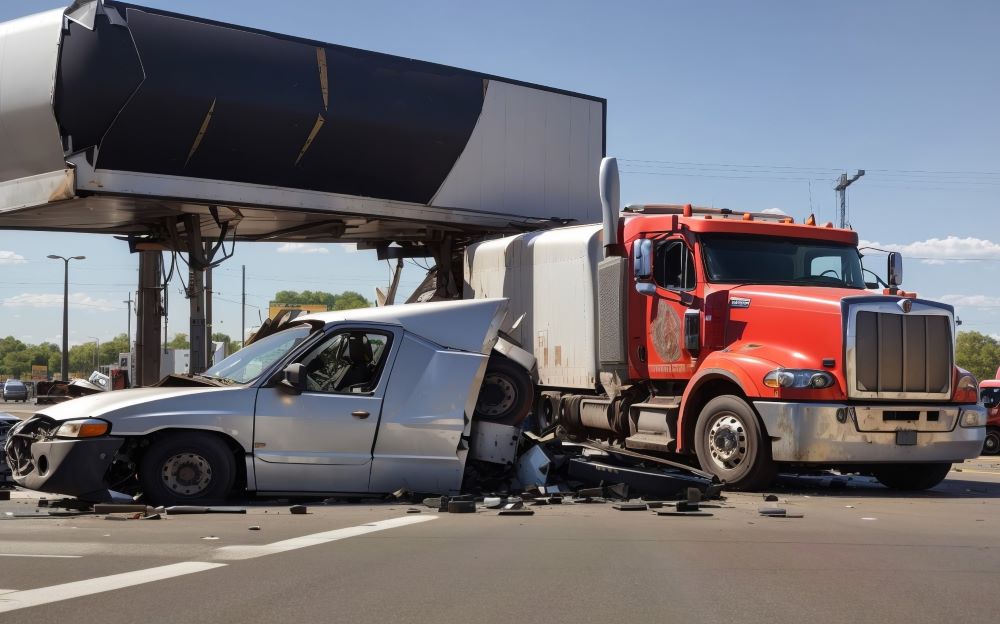
Truck accident claims refer to any effort a truck accident victim makes to seek compensation for injuries and losses incurred after an accident. Usually, these claims are made against the party whose negligence led to the accident that injured the victim or damaged their property.

There are different types of truck accident claims, depending on the type of commercial truck involved in an accident and the specific details of the truck crash. A semi-truck accident claim, in particular, is the process followed to recover compensation after an accident involving a semi-truck.

It is critical to note that the underlying framework behind a truck accident claim process is the same even though commercial truck accidents differ.

evidence
How Truck Accident Claims Work

The truck accident claims process is a legal process provided for by both federal and state laws. It involves a series of negotiations and, sometimes, a lawsuit if the negotiations fail.

You’ll need an experienced truck accident lawyer to help you build a strong truck accident case and guide you throughout the claims process, which includes:

  • Gathering evidence to prove negligence by the at-fault party
  • Determining the extent of your truck accident injuries and property damage
  • Calculating the financial payment amount equivalent to the losses and injuries sustained
  • Presenting and arguing your personal injury case to all liable parties, thus ensuring fair compensation

You and your personal injury lawyer must take several steps to pursue your personal injury claim successfully after a commercial truck accident.

Filing Truck Accident Claims

One of the most crucial things to do when handling a semi-truck accident is to identify a reputable law firm and partner with an experienced attorney to start working on your personal injury case.

After getting a truck accident lawyer, expect the following legal steps to file and follow your semi-truck accident settlement claim.

agreement with lawyer

1. Signing An Agreement Or Contract With Your Truck Accident Attorney

Signing a contract to establish a professional relationship with your truck accident attorney is the first step to filing a semi-truck accident claim.

Also known as a retainer agreement or a letter of engagement, the contract acknowledges that your truck accident claim process has begun and outlines how the attorney may handle the case.
Investigating Or Collecting Evidence

Once you’ve signed the contract, your legal team takes over. They investigate the truck accident to gather enough evidence to help your cause. Generally, this step includes:

2. Appointing qualified accident scene investigators to conduct a truck crash site review

Reviewing police reports and medical records to determine the extent of your injuries. Medical records also help truck accident lawyers calculate medical costs, which helps figure out the settlement offer.

  • Meeting with insurance adjusters
  • Carrying out accident reconstruction, where necessary
  • Locating and talking to eyewitnesses
  • Getting additional evidence from the trucking company involved
  • Talking to the trucking company’s legal team and their insurance company

Your truck accident lawyer will also coach you on how to describe the semi-truck accident accurately and consistently. To avoid jeopardizing the case, don’t give details of the accident to third parties, especially insurance company representatives and the legal reps of the truck driver and trucking company responsible for the accident.

demand letter

3. Sending Personal Injury Demand Letter

Having gathered enough evidence, your truck accident lawyer will draft an injury demand letter and send it to the insurance company of the party responsible for the accident.

The letter outlines how the semi-truck accident affected you (the claimant) physically, emotionally, financially, and beyond. It also includes the demand or settlement offer you’ll accept as fair compensation for your troubles.

Since semi-truck accidents are handled differently than auto accidents involving passenger vehicles, multiple parties could be responsible for the accident. These include the truck driver, trucking company, commercial vehicle manufacturer, maintenance company, dispatcher, etc.

When multiple parties are liable, they receive a demand letter with the financial payment amount you seek as compensation and become the defendants in your truck accident claim.

4. Negotiating Settlement

In this step, the truck company or any other defendant in your truck accident claim reviews the evidence and demands presented by your truck accident lawyer.

Depending on the case’s details, they might accept your demands and settle the matter out of court. Or negotiate the terms of your offer and present a counteroffer. The negotiation process involves back-and-forth and can take a while.

trial

5. Going To Trial

If the negotiating parties disagree, your attorney can file a lawsuit, taking the case to trial. A judge or jury hears both sides and determines the case in court. If you win, you’ll get fair compensation for various damages.

What Damages Can I Collect for a Truck Accident Injury?

An expert truck accident lawyer will help you get adequate compensation for the following types of damages:

Economic Damages

Economic damages are monetary. That is, they are easy to calculate and require proof to recover. Typical economic damages you can collect include:

  • Medical expenses, including medical bills for all medical procedures and care received because of the accident. Compensation for medical costs also covers medical bills for future medical care if nursing severe injuries that may take a while to heal.
  • Lost wages and loss of earning capacity if the severe injuries sustained prevent you from working
  • Property damage
  • Legal fees

Non-Economic Damages

On the other hand, non-economic damages are not straightforward and require expertise to determine their value. They include fear, anxiety, mental anguish, and other emotional pain and suffering as a result of the accident.

wrongful death

Wrongful Death Damages

For fatal crashes where lives are lost, families can collect wrongful death damages on behalf of their departed loved ones. These may include:

  • Medical bills for all medical care their loved one received
  • Pain and suffering their loved one endured
  • Loss of companionship
  • Funeral and burial costs

Punitive Damages

Although not common, punitive damages are available for some semi-truck accident cases if the wrongdoer’s actions indicate malice, fraud, or willful misconduct. They aim to punish the wrongdoer to discourage them from repeating their mistakes instead of compensating the victim.

Final Thoughts

Seeking compensation after semi-truck accidents is your legal right. However, you need the right truck accident attorney to help you successfully pursue your truck accident claim. Here’s a quick guide to finding the best semi-truck accident lawyer.

Call us if you ever need help financing your truck after an accident. We’re always ready to help you get up and running as soon as possible.


semitruck accidents

Semi-Truck Driver Accidents: What You Need To Know

semitruck accidents

Semi-truck driver accidents are a frequent occurrence in the U.S., with approximately 388,000 incidents annually. In certain years, like 2021, this number surpassed the half-a-million mark.

The prevalence of these accidents is due to various factors. As a truck driver, understanding these causes is crucial. It enables you to take necessary precautions, ultimately reducing the likelihood of trucking accidents.

This article looks at top causes of semi-truck accidents and how you can prevent them to make our roads safer for all road users.

Common Causes of Semi-Truck Driver Accidents

According to a truck crash causation study conducted by the Federal Motor Carrier Safety Administration (FMCSA), the common causes of semi-truck accidents fall under three main categories:

  • Driver error
  • Equipment failure or vehicle malfunction
  • Environmental conditions

Let’s take a look at each of these in turn.

Driver Error

Driver error is an umbrella term referring to any mistake a driver makes that leads to an accident. This is the number one cause of semi-truck driver accidents because almost all trucks are entirely human-driven.

Oversight by truckers includes non-performance errors, that is, mistakes unrelated to the driver’s driving skills, and performance errors, i.e., those related to their driving habits, and may include the following:

distracted truck driver

Distraction Behind the Wheel

A slight lapse in concentration when driving a semi-truck can lead to a fatal semi-truck driver accident, killing or injuring several people. This is because driving a semi-truck is different from driving regular cars. It requires more calculation, such as ensuring there is enough space (about 40% more) before stopping.

Distracted drivers can easily miscalculate their next move and cause a crash. Often, truck drivers get distracted trying to use their phones and other hand-held devices while driving.

Case in point: a trucker was recently charged with five counts of manslaughter. He hit another commercial vehicle, which crashed into two other cars, killing five people on the scene.

Driver Fatigue

Truckers are usually compensated based on the number of miles they drive, motivating many to extend their work hours for increased mileage. However, the FMCSA has established strict hours-of-service regulations that all truckers must follow.

Despite these guidelines, the pressure to cover more distance often leads to fatigue, and some truckers may find themselves dozing off behind the wheel, contributing to the occurrence of truck crashes.

Substance abuse

Alcohol or substance abuse impairs one’s judgment, and truck drivers are not immune to their effects. A truck driver can become drowsy and slow to respond to different situations or conditions on the road when under the influence. Fatal truck crashes are more likely to occur as a result.

Traffic Violations

Flaunting interstate traffic laws is a common practice among truckers. Most run stop lights, fail to obey road signs, or overspeed, increasing their risk of getting involved in semi-truck accidents.

blind spot

Failure to Check Blind Spots

Because of their large size and weight, there are several blind spots a trucker must check before switching lanes or turning. Some drivers fail to check their mirrors as needed and hit other vehicles or pedestrians.

Aggressive driving

Road rage affects nearly all drivers, truckers included. More often than not, it leads to reckless or aggressive driving, where one driver might try to crash into another who made them angry deliberately.

Inexperienced Drivers

Inexperienced drivers are more likely to cause a crash, especially on interstate roads, compared to their experienced counterparts.

Equipment Failure Or Vehicle Malfunctions

The Insurance Institute for Highway Safety (IIHS) conducted another large truck crash causation study and realized that equipment failure or vehicle malfunctions are among the top causes of semi-truck accidents. Nearly 55% of the trucks involved in the crashes studied had one mechanical failure at the very least.

If your vehicle or any of its parts fail when you are on the road, a truck crash becomes unavoidable because the situation is almost always out of your control. There are several types of equipment failures or vehicle malfunctions to note, including:

  • Part manufacturing defects
  • Wrongly Loaded Cargo
  • Transmission failure
  • Improperly inflated or worn-out tires
  • Missing safety equipment, like underride rails
  • Overall poor vehicle maintenance, including poorly maintained brakes

rain
Environmental Conditions

Unpredictable weather and changing road conditions can also cause semi-truck accidents. Heavy rains or storms, for instance, make roads wet and slippery, increasing the risk of accidents. Some roads are also poorly maintained and demand more cautious driving.

If a truck driver fails to drive keenly on uneven roads or those with large potholes, fading road markings, and missing signage, they will likely cause a crash.

Steps You Can Take to Prevent the Causes of Most Truck Accidents

As you can tell, most causes of semi-truck driver accidents are things or situations within your control. Here are a few steps you can take to drive safely and prevent truck accidents:

  • Focus – be keen while driving to stay alert and respond to changing road conditions accordingly. Avoid taking your eyes off the road to use your phone or any other gadget when behind the wheel.
  • Maintain your semi-truck properly regularly – this helps identify and handle mechanical issues quickly, minimizing the risk of accidents. Also, follow the required pre-trip vehicle inspection process to ensure your truck is always in good shape before getting on the road.
  • Obey traffic rules and regulations – these rules are there to protect you and other road users.
  • Maintain a safe distance from other vehicles to give yourself enough room to maneuver.
  • Avoid overloading and ensure all cargo is secured perfectly before making a trip.
  • Don’t drink or use any street drugs and drive.
  • Get enough rest, especially if you’re a long-distance truck driver. It prevents fatigue and helps you stay alert while driving.

road rules

Final Thoughts

It is essential to note that most truck accidents happen due to a combination of factors. For example, a semi-truck driver might run stop lights due to brake failure or make sudden, unpredictable turns due to poor road conditions.

Because of this, it’s advisable always to drive defensively and follow all the tips for preventing trucking accidents discussed above.

That said, there are a few things you ought to do if you ever find yourself in a truck crash. Follow our safety guide to learn how to handle a semi-truck accident.

Also, contact us if you need financial help to replace your truck after an accident. We’re always ready to help.

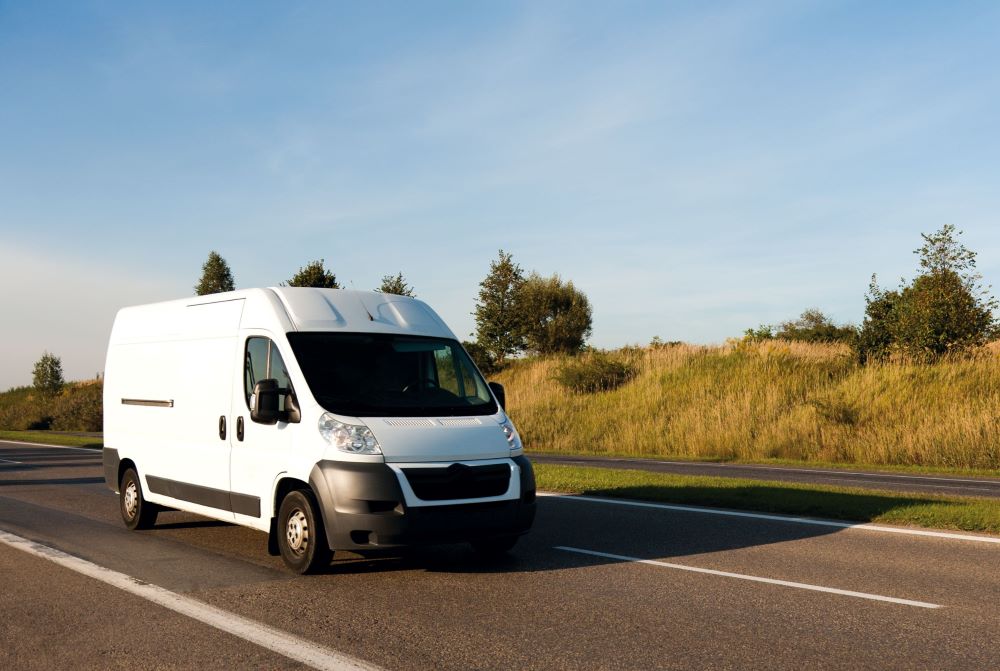
commercial van

Insuring Your Commercial Vehicle for Personal Use

Using a commercial vehicle for personal reasons is quite common among business owners. However, it’s essential to realize that your insurance may not cover such usage.

If you’re driving your commercial vehicle for personal errands or even heading home after work, you might not have the right insurance coverage.

To ensure you’re adequately protected in these situations, follow these steps when using your commercial vehicle for personal purposes.

Understand Your Insurance Policy

Start by reviewing your current commercial vehicle insurance policy.

It’s vital to know what is covered and any limitations on personal use. Some commercial policies may have restrictions or exclusions for personal use.

If you need help understanding each point in your commercial auto insurance policy, then reach out to your insurance provider to explain it to you. You must take time to understand all the technicalities of your policy, as this will allow you to make a more informed decision.

Contact Your Insurance Provider

Once you know exactly what your commercial vehicle insurance covers, it’s time to discuss your policy with your broker.

Contact your insurance company or agent to discuss your intentions to use the commercial vehicle for personal use. They can advise you on how to proceed and what changes may be necessary.

After checking your policy, your insurance company or agent will offer valuable insights on the best way to switch to personal auto insurance coverage. Make sure you hear them out before making any moves.


Add Endorsements or Coverage

Transitioning from commercial vehicle insurance to personal use insurance can often be a relatively simple process. Nevertheless, it’s essential to ensure that your policy adequately covers your needs.

Depending on your insurance provider and the nature of your commercial vehicle, you might be required to incorporate particular endorsements or coverage options into your policy to guarantee comprehensive coverage for personal use. This could include:

  • Non-Owned Vehicle Coverage: This extends your policy to cover non-owned vehicles, like your personal car, when you use them for business purposes. It can also be useful for personal use of commercial vehicles.
  • Personal Use Endorsement: Some insurance companies offer this endorsement, which explicitly allows for personal use of a commercial vehicle. It can help bridge the gap between private and commercial insurance.

Of course, different commercial auto insurance providers have different rules and coverage limits when you insure your commercial vehicle for personal use. Added endorsement or coverage depends on the provider you’re using and what your specific policy covers.

Discuss Usage Patterns

When taking out a commercial auto insurance policy covering personal use, you must establish exactly what kind of personal use you’ll get out of the vehicle.

Be honest with your insurance provider about how often and for what purposes you’ll use the commercial vehicle for personal use. This will help them determine the appropriate coverage and premiums.

It’s important not to lie here in an attempt to save on costs. By being honest, you’ll ensure your vehicle is adequately covered for all scenarios.


Consider Liability Limits

When taking out auto insurance coverage, one of the most important considerations is your liability limit.

Ensure that the liability limits on your policy are sufficient for both personal and business use. If you’re using the vehicle for personal use, it’s essential to have adequate coverage in case of an accident.

Chances are, business vehicles require greater coverage compared to a personal car insurance policy. So, make sure that your coverage is sufficient for the driving you plan to do.

Pay Attention to Premiums

Of course, one of the most important considerations for any commercial or personal auto insurance policy is the premiums.

Adding personal use coverage to your commercial policy may affect your premiums. Discuss any potential cost increases with your insurance provider.

While affordable insurance is always attractive, it’s also important to note that cheap insurance policies aren’t always worth it. It’s a good idea to compare different commercial insurance options and see how high the premiums are for various insurance coverage solutions. This will help you choose the best value policy that provides enough coverage.

Maintain Accurate Records

Insuring a commercial vehicle for personal use can get confusing – especially if different rules apply to your commercial auto policy and personal auto coverage. This is why it’s so essential to document all of your driving carefully.

safety

Keep detailed records of how you use the vehicle, including dates, times, and purposes. This documentation can be helpful if you need to file a claim or prove that you were using the vehicle for personal use.

This information is also helpful if you want to renew your insurance policy, as you’ll have a more detailed and realistic overview of how you use the vehicle for business and personal use.

Drive Safely

Regardless of the use of your vehicle, it’s essential to drive safely and follow traffic laws to avoid accidents and insurance issues.

Make sure you understand the leading causes of commercial truck accidents and pay attention to any of these potential issues arising. By being alert, you’ll be able to drive safer – which is vital for your commercial and personal insurance.

Many insurance providers offer incentives for safer drivers – something that can help you secure lower insurance premiums. So, whether you’re using your vehicle for personal or commercial use, driving safely is essential.

Conclusion

Remember that the process of insuring a commercial vehicle for personal use may vary depending on your location, the insurance company, and the specific vehicle. To ensure you have the right coverage, always consult with your insurance provider and ask them to clarify any questions or concerns you may have.

Looking to purchase a new commercial vehicle? Then speak to us at Mission Financial Services, where we can help you secure easy vehicle financing.


gps

Choosing the Best Commercial Truck Driver GPS Systems in 2026

gps

Picking the right commercial truck driver GPS system can make or break a long haul. In our years of financing trucks for owner-operators and small fleets, we’ve seen how the right unit saves drivers from wasted miles, missed exits, and a scrape with a bridge that’s too low for a loaded trailer. A regular car GPS just won’t cut it once you’re hauling 80,000 pounds.

In this guide, we’ll cover what makes a truck GPS different from a consumer one, the features worth paying for, and which truck GPS systems stand out.

What Is a Truck GPS Tracker?

A GPS tracker, or Global Positioning System tracker, is a device that pinpoints a vehicle’s exact location in real time. It works by communicating with satellites orbiting the earth to calculate speed, direction, and position.

Truck GPS units take this a step further. They factor in your truck’s height, weight, and length before mapping a route. Drivers who skip a truck-specific unit often end up backing out of a road they never should have turned onto.

GPS trackers also support fleet management, theft prevention, and driver accountability. For owner-operators, this same data can double as proof of route and delivery times when a customer disputes a load.

Why a Truck GPS Beats a Regular Car GPS

A truck GPS uses the same satellite technology as a car GPS, but it’s built around a much bigger, heavier vehicle. The difference shows up in two places: the route itself and what your back office can see.

Routing Built for Big Rigs

Truck-specific systems route around low bridges, weight-restricted roads, and HazMat-restricted streets. They also flag tight turns and steep grades that a car GPS would never catch.

Anyone who’s backed up half a mile after hitting an unexpected low bridge knows exactly why this matters.

The Federal Highway Administration’s bridge weight formula explains why some roads carry strict limits in the first place, and a good truck GPS routes around them automatically.

Visibility for Fleet Owners

If you run more than one truck, a commercial GPS gives your back office a window into every route. Dispatchers can plan multi-stop routes, update drivers in real time, and spot extra load opportunities along the way.

Small fleet owners save real money simply by catching off-route miles before they add up. Good route planning starts with having the right data in front of you.

Laptop screen displaying a GPS tracking map with a fleet location marked

What Types of Commercial Vehicles Need a Truck GPS App?

Truck GPS apps aren’t just for long-haul rigs. Several types of commercial vehicles benefit from truck-specific navigation.

Semi-Trucks and Tractor-Trailers

Long-haul trucks moving freight across state lines need routes built around their height, weight, and length. This matters even more for commercial truck drivers hauling heavy freight day after day.

Delivery Trucks

Box trucks and delivery vans making multiple local stops need precise navigation to keep their routes tight and their fuel costs down.

Construction and Utility Vehicles

Crews heading to remote job sites rely on truck GPS apps to find locations that don’t always show up clearly on standard maps.

Oversized and Specialty Loads

Vehicles hauling oversized freight or hazardous materials need routing that accounts for these restrictions from the start, not as an afterthought.

Fleet Vehicles

Businesses running several trucks use GPS units to track location, monitor driver behavior, and keep every vehicle running efficiently. This is especially useful as a small fleet grows past a couple of trucks.

How to Choose the Right Truck GPS for You

Picking a truck GPS comes down to a handful of practical factors.

  • Screen Size: Go with a large, clear screen you can read at a glance. A bigger display means less squinting and fewer distractions while driving.
  • Ease of Use: Look for a simple, intuitive interface. You shouldn’t need a manual just to enter a destination.
  • Durability: Trucks vibrate, heat up, and freeze depending on the season. Your GPS should hold up to all of it without glitching out.
  • Installation: Some units need professional mounting, while others clip onto a dash or windshield in minutes. Decide which fits your setup before you buy.
  • Software Updates and Long-Term Support: Pick a brand that keeps pushing map updates and new features. Roads change constantly, and outdated maps lead to bad routes.
  • Storage Space: Make sure the unit has enough internal storage, or supports a memory card, for large map files and frequent updates.

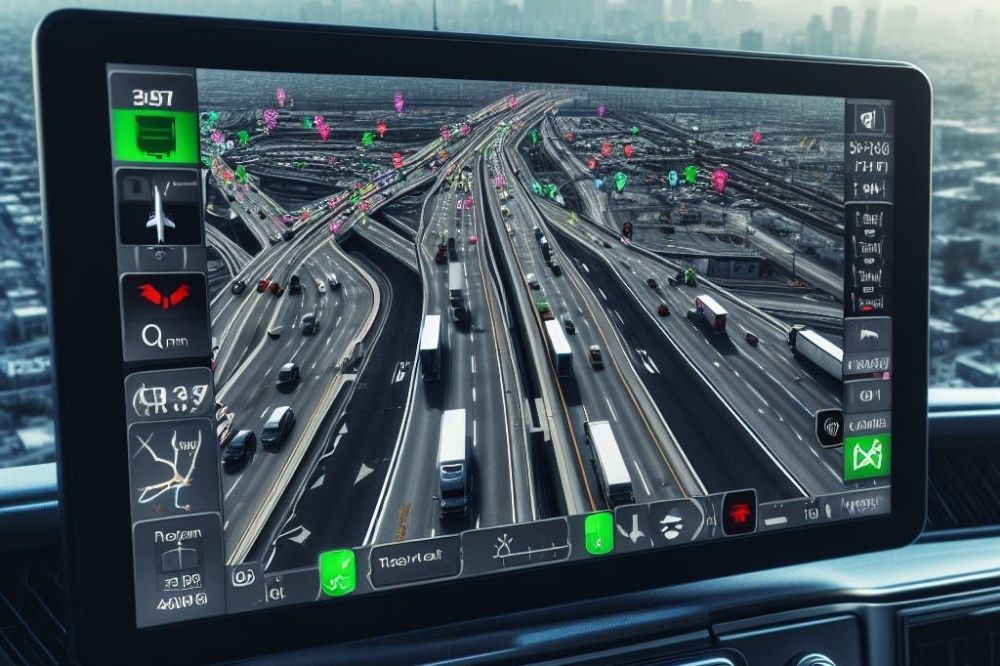
gps screen

Must-Have Features for a Commercial Truck GPS

A handful of features separate a true commercial GPS from a basic car unit:

  • Up-to-date maps showing truck stops, parking, and rest areas
  • Driver safety alerts for fatigue, speed limits, and narrow roads
  • Drive assist tools like lane guidance and intersection views
  • Accurate turn-by-turn directions with voice prompts
  • Truck-specific routing based on weight, height, length, and HazMat status
  • Real-time traffic updates to dodge delays
  • Road restriction alerts for low bridges and weight limits
  • Toll road and highway bypass options
  • Fuel-efficient route suggestions
  • Trip logging and fleet management data

These features matter even more once you factor in federal rules. Hours of service regulations limit how long a driver can stay behind the wheel, and a GPS that flags rest stops and parking early helps drivers stay compliant without scrambling at the last minute.

Truck parking shortages make this even more pressing. Recent research from the American Transportation Research Institute found there’s roughly one public truck parking space for every 11 truck drivers nationwide.

A GPS that surfaces parking options well before a driver’s clock runs out can be the difference between a safe stop and a forced one on the shoulder.

Weigh stations matter too. The Commercial Vehicle Safety Alliance runs roadside inspections throughout the year, and a GPS that flags upcoming weigh stations helps drivers prepare instead of getting caught off guard.

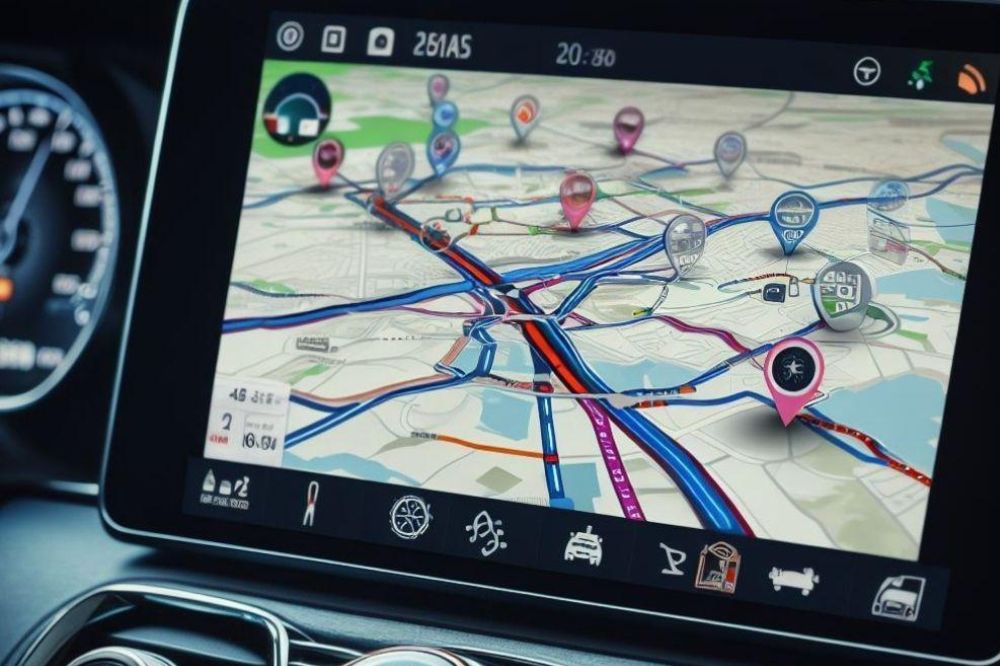
gps precision of navigation

Best Truck GPS Systems for Owner-Operators and Small Fleets in 2026

If you’re running one truck or a fleet of ten, you don’t need enterprise software built for hundreds of trucks. Here are some of the top truck GPS systems:

Garmin dēzl OTR Series

Launched in 2024, Garmin’s dēzl OTR series (models OTR620 through OTR1020) routes around bridge heights, weight limits, and HazMat restrictions right out of the box. Screen sizes run from 6 to 10 inches, and the units tap into a community of fellow drivers to surface rated parking spots and loading dock info.

They keep working without a data connection once maps are loaded, which matters on rural routes where cell service disappears.

Rand McNally TND Series

Rand McNally pairs truck routing with IFTA fuel logging tools and integrates with its separate ELD device via the DriverConnect app. For owner-operators who want navigation and compliance tools that talk to each other, this combination saves time on separate logins and separate hardware.

Trucker Path

This free app leans on its driver community for real-time parking, fuel prices, and weigh station updates. Trucker Path is a solid pick for owner-operators who want strong features without paying for a dedicated device.

TruckMap

TruckMap offers free truck-specific navigation with crowd-sourced parking and weigh station data. It’s a smart starting point for new owner-operators easing into the cost of running their own truck.

CoPilot Truck

CoPilot Truck by Trimble is one of the few apps built around offline maps. It downloads route data to your device so you get full truck-specific navigation even where cell service drops out. For drivers running rural routes or areas with spotty coverage, that reliability is hard to replace. It’s subscription-based and available on both iOS and Android.

Motive

Motive combines GPS tracking with dash cams and driver coaching tools. Small fleets that want safety monitoring alongside navigation often find this bundle worth the higher price tag.

When weighing your options, think about whether you want a dedicated hardware device or a phone-based app. Hardware units tend to work better without cell service, while apps update faster and cost less upfront. Either way, expect most providers to charge a monthly fee to keep their map data current.

Choosing the Right GPS Comes Down to Your Operation

The best truck GPS system depends on your routes, your budget, and how many trucks you’re running. A solo owner-operator hauling local freight has different needs than a ten-truck fleet running cross-country. Think through the features that matter most for your operation, then pick a system built to support them.

A reliable GPS is one of many tools that keeps your trucking business running smoothly, right alongside the right financing for your equipment. If you’re looking to purchase a semi-truck or upgrade your fleet, get in touch with us at Mission Financial. We help drivers and small fleets secure financing that fits their business.

commercial accident

Commercial Vehicle Accident Explained


As a truck driver, commercial vehicle accidents are only too familiar. Nearly 388,000 truck accidents happen annually across the U.S.

While you can’t always avoid accidents, you should be well informed on how to deal with them in case they do happen. Knowing what to do will help you deal with commercial truck accidents swiftly while minimizing the impact of these accidents.

Our guide covers the essential information related to these accidents and how to deal with them to help you be better prepared for potential truck accidents.

What Qualifies as a Commercial Vehicle Accident?

A commercial vehicle accident refers to any collision or accident involving a vehicle that is used for business or commercial purposes.

These accidents can vary in severity, from minor fender benders to catastrophic collisions. They Can involve various types of commercial vehicles.

Why are Commercial Vehicles at Risk for Accidents?

Commercial vehicles are at a higher risk for accidents due to their size, weight, limited visibility, and long hours on the road.

Many factors can cause commercial vehicle accidents, and even the most experienced truck drivers end up in accidents due to their high mileage and the inherent risk of operating a commercial vehicle.

distracted driver

Common Causes of Truck Accidents

Commercial truck accidents can result from many different factors. Here are some of the most common causes:

  • Driver Fatigue: Long hours on the road and tight schedules can lead to driver fatigue, impairing a truck driver’s reaction time and decision-making abilities.
  • Speeding: Excessive speed reduces a truck driver’s ability to react to sudden changes in traffic conditions and increases the severity of accidents.
  • Distracted Driving: Distractions like texting, phone calls, eating, or adjusting GPS devices can divert a truck driver’s attention from the road, leading to accidents.
  • Inadequate Training: Insufficient training in handling large commercial vehicles can result in errors and poor decision-making on the road.
  • Overloaded or Improperly Loaded Cargo: Improperly loaded or overweight cargo can affect the stability and handling of a truck, increasing the risk of rollovers and accidents.
  • Equipment Failure: Mechanical failures in the truck’s components, such as brakes, tires, or steering, can lead to accidents. Poor maintenance practices contribute to equipment failure.
  • Weather Conditions: Adverse weather, such as rain, snow, ice, or fog, can reduce visibility and traction, making accidents more likely.
  • Blind Spots: Large trucks have significant blind spots, making it challenging to see smaller vehicles. This can result in accidents, especially during lane changes or turns.
  • Hazardous Materials Incidents: Trucks carrying hazardous materials can pose additional risks, as spills, leaks, or explosions can result in severe accidents and environmental damage.

Common Injuries Resulting from Truck Accidents

Truck accidents can cause a range of injuries, often more severe than car accidents due to the size and weight of commercial vehicles.

Severe injuries could include whiplash, fractures, head and brain injuries, traumatic brain injuries, burns, and psychological trauma. Seeking prompt medical attention is crucial, as the injuries can vary from minor to life-altering, and early intervention is essential for recovery.

Steps to Take After a Commercial Vehicle Accident

Responding swiftly to commercial vehicle accidents is essential. Here are some of the most critical steps commercial drivers should take after an accident with a semi-truck.

Ensure Safety

First, check for injuries and move to a safe location if possible. Turn on hazard lights, set up warning devices, and secure the accident scene to prevent further collisions.

Call for Help

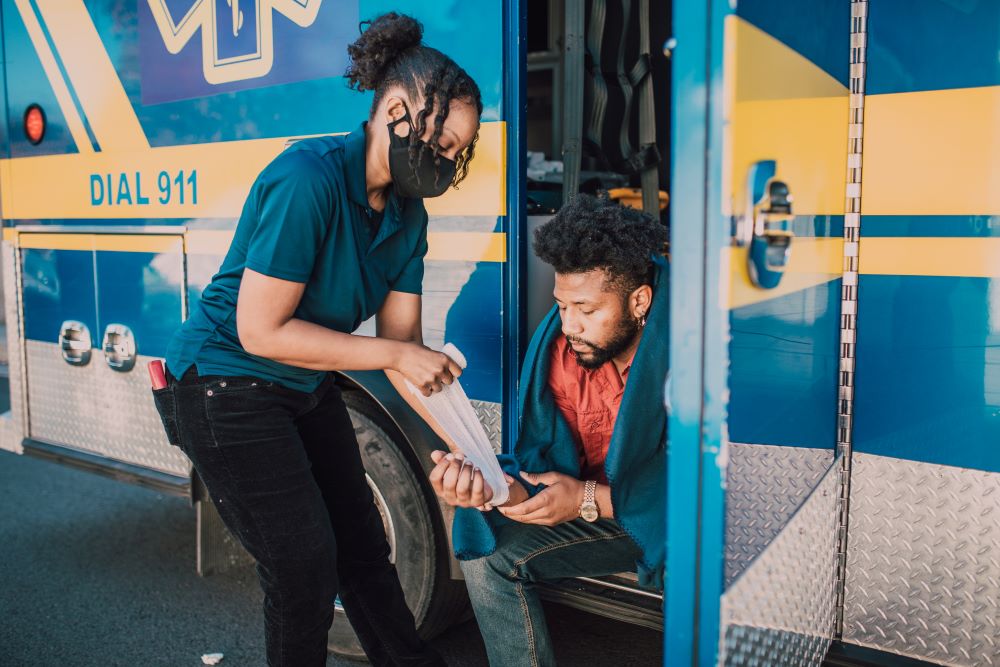
Dial 911 to report the accident and request medical assistance and law enforcement to the scene. Commercial accidents often involve severe injuries and may require specialized attention.

Exchange Information

Exchange contact and insurance information with the other parties involved, including witnesses. Note the other driver’s license plate number and insurance details.

Document the Scene

Take photos and notes of the accident scene, including vehicle damage, road conditions, and traffic signs. This documentation can be vital for insurance claims and legal purposes.

Seek Medical Attention

Even if you don’t feel injured directly after the accident, it’s crucial to see a healthcare professional. Some injuries may not be apparent immediately, and a medical record is essential for potential claims.

get a lawyer

Cooperate With Law Enforcement

Provide a statement to the police and answer their questions honestly. Request a copy of the police report for your records.

Notify Your Insurance Company

Inform your insurance company about the accident as soon as possible. Follow their guidance on filing a claim and provide all necessary information.

Consult An Attorney

Consider seeking legal counsel, especially if there are injuries or disputes regarding liability. An experienced truck accident attorney can help protect your rights and navigate complex commercial accident cases.

This is especially important if you’re involved in a personal injury lawsuit with accident victims claiming medical expenses. An experienced personal injury attorney will make this process a lot easier.

Preserve Evidence

Keep any evidence related to the accident, such as medical records, repair estimates, and correspondence with insurance companies or legal professionals. The more evidence you have, the stronger and easier your claims process will be.

Avoid Discussing the Accident

Refrain from discussing the accident on social media or with anyone other than your legal representation and insurance company. Statements made publicly can be used against you.

Final Thoughts

Remember that commercial vehicle accidents can be complex, and it’s essential to protect your rights and interests throughout the process. Seeking professional guidance from legal and medical experts is advisable to navigate potential legal and insurance challenges effectively.

It’s also vital that you understand the risks involved in commercial accidents and that you take all necessary precautions to avoid the accidents from happening in the first place. Ultimately, this comes down to responsible driving practices and taking good care of your vehicle.

If you’re looking to purchase a new semi-truck after a commercial vehicle accident, then you’ll probably need to find the right financing solution. Get in touch with us at Mission Financial, where we can help you secure financing for your commercial vehicle with ease.

accident truck

Semi Truck Accident (What To Do)

accident truck

There are roughly 388,000 semi-truck accidents each year in the US.

Semi-truck accidents are the last thing you want to experience as a professional truck driver. However, you can’t always avoid them.

You need to know how to deal with an accident swiftly and professionally. If you ever find yourself in a truck accident, make sure you follow these steps.

How To Handle a Semi-Truck Accident

1. Ensure Safety First

First and foremost, check yourself and others involved in the accident for injuries. Call 911 immediately if anyone is seriously injured.

While there’s a lot to do after a commercial truck accident, the first priority should always be making sure everyone is safe.

Even if the accident seemed minor and no real injuries seem present, you should still consider seeing a doctor after the incident just to make sure you’re safe. In many cases, injuries after an accident won’t show themselves immediately.

Once you’ve assessed the damage and have made any necessary calls to medics and emergency services, it’s time to start clearing the accident and gathering the necessary information for insurance companies.

2. Check Your Cargo

Semi-trucks could haul just about anything. After a semi-truck accident, you’ll want to make sure that your cargo is safe before moving the vehicle. In many cases, cargo can come loose, causing an even greater accident when you try to move the truck.

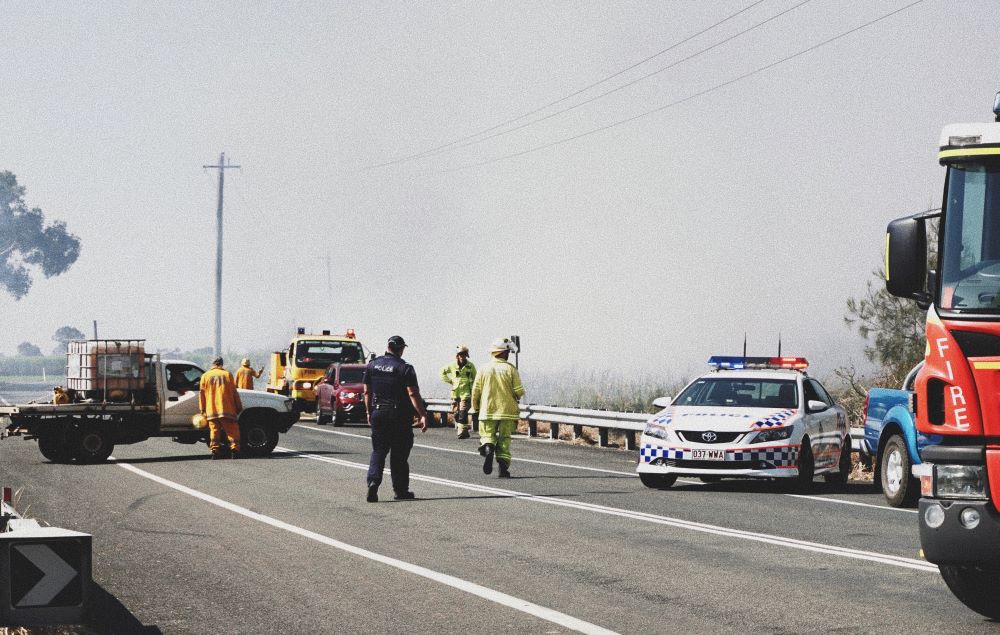
traffic obstruction

Of course, if you’re hauling dangerous cargo or if you crashed a tanker truck, then you’ll need to alert emergency services about this. Certain cargo could result in greater dangers, like the risk of fires or explosions, after the crash.

Once all people involved in the truck accident have been accounted for, and the cargo has been safely dealt with, then the next steps are all about dealing with the aftermath of the crash.

3. Move to a Safe Location

This might not always be possible, as vehicles are often damaged beyond use in truck accidents. But, if it’s safe to do so, move your vehicle(s) out of the flow of traffic to prevent further accidents or hazards.

If your truck is obstructing the road, try to just pull over to the side. You do not want to drive away or get too far from the accident scene, but you should try to clear up the road and any traffic if it’s possible.

If you are not able to clear any vehicles, make sure that local traffic services have been alerted so that they can redirect traffic.

4. Call the Police

Now that the immediate safety actions are out of the way, you’ll need to notify local police services about the accident.

Report the accident to the police, even if it seems minor. A police report can be crucial for insurance claims and legal purposes. As mentioned above, you might also need the police to help clear the road.

police-3274553_1280

Even if you don’t think it’s necessary at the moment, having an official police report of the incident will make dealing with the semi-truck accident far easier.

5. Exchange Information With the Driver

Now that the immediate actions after the semi-truck accident have been taken care of, it’s time to start gathering evidence of the event. The first step here is to exchange contact details with the owner of the other vehicle involved.

Exchange contact and insurance information with any other involved parties. Be sure to collect their:

  • Name, address, and phone number
  • Driver’s license number
  • License plate number
  • Insurance information

This information is essential for making your insurance claim or helping you negotiate a settlement with the driver.

When doing this, try your best not to get emotional or into an argument with the driver. Simply gather as many details as you can and start processing the post-accident activities.

6. Document the Scene

You’ll need to have a clear picture of the accident scene with as much relevant evidence as possible. The more you can document the accident scene, the easier it will be to make an insurance claim and potentially offer evidence against the other driver.

Take photos of the accident scene, vehicle damage, road conditions, and any relevant road signs or signals. This can be valuable evidence later. Always try to gather photo or video evidence first.

accident scene2

Accidents can happen very fast and the small details are often forgotten. So, before leaving the scene of the accident, ensure you recollect exactly what happened. It could be worth writing this down straight away so that you have a consistent and accurate story about how the accident took place.

7. Identify Witnesses

This isn’t always possible, but if there are witnesses to the accident, collect their contact information. They may be able to provide statements to support your case. They could also help supply you with a more accurate account of how the accident happened.

Simply gather their contact details and their perspective on the accident. The more accounts and evidence you have around the accident, the easier your claims process will be.

8. Get Your Truck Safely Removed From the Site

One of the most important parts of dealing with a truck accident is clearing the site of the accident.

This is much easier to do for regular cars, as tow trucks can simply pull them away. However, with a semi-truck, this gets more complicated.

Even if you think your truck is in good condition, it’s important that you thoroughly inspect it before driving away. A small issue with the truck could turn out to be a far bigger problem later on if you keep driving with it.

So, if you’re unsure about the state of your vehicle, then it would be best to have the truck professionally towed to a mechanic. They can give the semi-truck a detailed inspection before letting you drive off again with it.

You’ll also need to have the truck assessed by a recognized mechanic in order for you to get a cost of damage quote to show the insurance company.

Remember, your semi-truck is an incredibly valuable and important part of your trucking business. Spending a bit extra to have it carefully towed and assessed can end up saving you money in the long run.

medical attention 2

9. Seek Medical Attention

If you’ve just been involved in a semi-truck accident, then you’ll want to seek medical attention.

Even if you don’t feel seriously injured, it’s advisable to seek medical attention. Some injuries may not be immediately apparent, and a medical evaluation can document your condition.

And if you do have any medical issues that resulted from the accident, you’ll need to have a proper doctor’s account of your condition if you’re going to make any kind of medical claims.

10. Notify Your Insurance Company

Most of the hard work of “cleaning up” the accident is now behind you. However, one of the biggest steps in dealing with an accident is contacting your insurance provider and making an insurance claim.

Report the accident to your insurance company as soon as possible. The sooner they hear about the accident, the faster and easier your claims process will be.

Provide them with all the information you collected at the scene of the accident, including the pictures, witness statements, and your own account of the accident.

This is why it’s so important that you understand your commercial truck insurance broker’s claims process early on, as this will help you make swift and efficient claims if and when you need to.

11. Avoid Discussing Fault

Do not admit fault or apologize for the accident, even if you believe you may have contributed to it. Fault can be determined by a thorough investigation.

You can leave issues like this up to attorneys – it’s not something you should argue over.

attorney

12. Consult an Attorney

If you’re injured or if the accident involves complex legal issues, consider consulting an attorney who specializes in personal injury or accident cases. Finding the right attorney for commercial truck accidents is an important step for anyone who runs a trucking business, as they will help to make any disputes or claims a far easier process.

13. Preserve Evidence

Make sure that you keep all documents related to the accident, including medical records, repair estimates, and correspondence with insurance companies and legal counsel. You will need these documents for any claims or legal proceedings, and you never know when they might be requested.

14. Follow Through

Cooperate with law enforcement, your insurance company, and any legal representatives you hire.

Stay informed about the progress of your case and make sure you know what’s going on, but remember to be patient too. Unfortunately, delays with a semi-truck accident can take time.

Conclusion

While semi-truck accidents can’t always be avoided, the way you deal with them determines how quickly you’ll be able to get past the accident and back on the road. Following the steps above should help you achieve this.

If you need to replace your semi-truck after an accident, then you’ll need to find the right funding. Get in touch with us at Mission Financial to see just how easy accessing semi-truck financing can be.

Archives

Sign Me Up!

Stay up to date with the latest news in the commercial trucking industry.

Contact Us
close slider