Office: (404) 975-4800

Q&A

Is Truck Driving a Good Career? Pros, Cons, Pay & More

Is Truck Driving a Good Career? Pros, Cons, Pay & More

Young man working in towing service and driving his truck.

Truck driving is one of the most accessible careers in the country. You don’t need a four-year degree, and you can get started in just a few weeks through a truck driving school.

At the same time, it’s a demanding job. It requires long hours, time away from family, and a willingness to handle the realities of the road.

That’s the trade-off. A truck driving career can offer good money and long-term opportunity, but it also comes with challenges that don’t work for everyone.

If you’re deciding whether this path makes sense, you need a clear look at pay, lifestyle, job security, and where the career can lead.

Is Truck Driving a Good Career Right Now?

Yes, truck driving is a good career for many people, but it depends on your expectations.

The trucking industry still needs drivers. Freight demand hasn’t gone away, and CDL drivers are in steady demand across local routes, regional runs, interstate freight, and over-the-road positions.

Trucks moved roughly 72.7% of the nation’s freight by weight in 2024, and the Bureau of Labor Statistics projects about 237,600 openings for heavy and tractor-trailer truck drivers each year from 2024 to 2034.

That said, the market isn’t static. Freight demand shifts with the economy, which affects how much drivers work and how much they earn. When demand is strong, drivers see more loads and better pay. When it slows, opportunities can tighten.

If you’re looking for a career with steady demand and relatively fast entry, trucking still holds up well.

How Much Do Truck Drivers Make?

In 2026, the average yearly salary for a semi truck driver is $102,636. However, truck driver pay varies widely because not every driving job is the same.

A new company driver running regional freight won’t earn the same as an experienced long-haul truck driver hauling oversized loads or hazardous materials.

Company drivers usually earn a steadier paycheck because the carrier owns the truck and covers major operating expenses. Most new drivers start here while they build experience and get comfortable managing loads on the road.

Pay can increase as drivers take on longer routes, specialized freight, night driving, or more demanding schedules.

Owner-operators can earn more, but they also carry more responsibility. They own or finance the truck, cover fuel and maintenance, manage insurance, and handle downtime when the truck isn’t moving.

The biggest pay factors are experience, route type, freight type, and equipment ownership.

Local routes may offer more home time but lower earning potential, while over-the-road work can pay more because drivers spend longer stretches away from home.

The key point to note is that income can scale. Many drivers start as company drivers, build skills and savings, then move toward ownership when they’re ready for the business side of trucking.

The Biggest Benefits of a Truck Driving Career

A truck driving career can offer a practical path into steady work, especially if you want to start earning without spending years in school.

The strongest benefits come from the mix of fast entry and long-term room to grow.

  • You can get started faster than many careers: With CDL training, many new drivers can enter the workforce in just a few weeks instead of spending years in a community college or university program.
  • You can earn good money without a four-year degree: Truck drivers can build a solid income without taking on major student debt. That can put new drivers in a stronger financial position early.
  • You have different route options: Drivers can choose between local routes and over-the-road schedules. That flexibility helps you match the job to your family needs, income goals, and comfort with time away.
  • You can build toward ownership: Many company drivers use trucking as a first step toward becoming owner-operators. Over time, that can lead to more control, higher earning potential, and even a small fleet.

Woman truck driver working in logistics and transportation

The Downsides of Truck Driving You Should Know

Truck driving can be rewarding, but it isn’t an easy job. The trade-offs are real, and understanding them upfront helps you decide whether the lifestyle fits your goals.

  • You may spend time away from home: Long-haul truck driver roles often require days or weeks on the road. That can be difficult if you have family obligations or need a predictable home schedule.
  • The work can be physically and mentally demanding: Long hours behind the wheel, tight delivery windows, changing weather, and traffic all add pressure. You need patience and discipline to do the job well.
  • Income can fluctuate: Freight demand changes with the economy, route availability, and customer needs. Even experienced drivers can feel those shifts, especially if they depend on variable loads.
  • Ownership comes with upfront costs: If you plan to become an owner-operator, you’ll need to plan for truck payments, maintenance, insurance, and downtime. The earning potential can be higher, but the business side requires discipline.

Is Truck Driving a Good Career Long-Term?

Yes, commercial truck driving can be a good long-term career if you’re willing to keep learning, adapt to industry changes, and think beyond the first job.

Freight transportation still depends heavily on truck drivers. Technology is changing how the work gets done, but it isn’t removing the need for skilled drivers who can manage routes, handle cargo, communicate with dispatchers, and make safe decisions on the road.

The long-term opportunity comes from growth.

Experienced drivers can move into better-paying routes, specialized freight, owner-operator work, or small fleet ownership. Those paths require more responsibility, but they also give you more control over income and business decisions.

For drivers who plan carefully, trucking can become a career with independence and room to build a business over time.

truck driver

Conclusion

So, is truck driving a good career? It can be, especially if you want a practical path into the trucking industry without spending years in school.

A trucking career can offer strong earning potential, steady access to trucking jobs, and the freedom to choose a path that fits your goals.

For many people, trucking can become a great career when they plan beyond the first job. Learning from other drivers, building experience, and understanding the business side of the industry can help you move from company driver to owner-operator over time.

Mission Financial Services helps drivers take that next step with financing options built for the realities of trucking.

Whether you’re buying your first truck or preparing to grow your small fleet, we can help you move from earning behind the wheel to building a stronger future in the trucking industry. Get on the road and start your credit application today.

What Does GVWR Mean on a Truck? A Simple Guide

What Does GVWR Mean on a Truck? A Simple Guide

If you operate a commercial vehicle or plan to purchase one, you will eventually encounter the question: What is GVWR on a truck, and why does it matter?

The gross vehicle weight rating (GVWR) determines the maximum weight a truck can safely carry, including cargo, passengers, and equipment.

Understanding GVWR helps owner operators and fleet managers choose the right vehicle for the job. It also plays a major role in safety, licensing requirements, and the classification of trucks for commercial use.

Let’s explore how GVWR works and why these weight ratings matter for commercial drivers.

What Is the Gross Vehicle Weight Rating (GVWR) on a Truck?

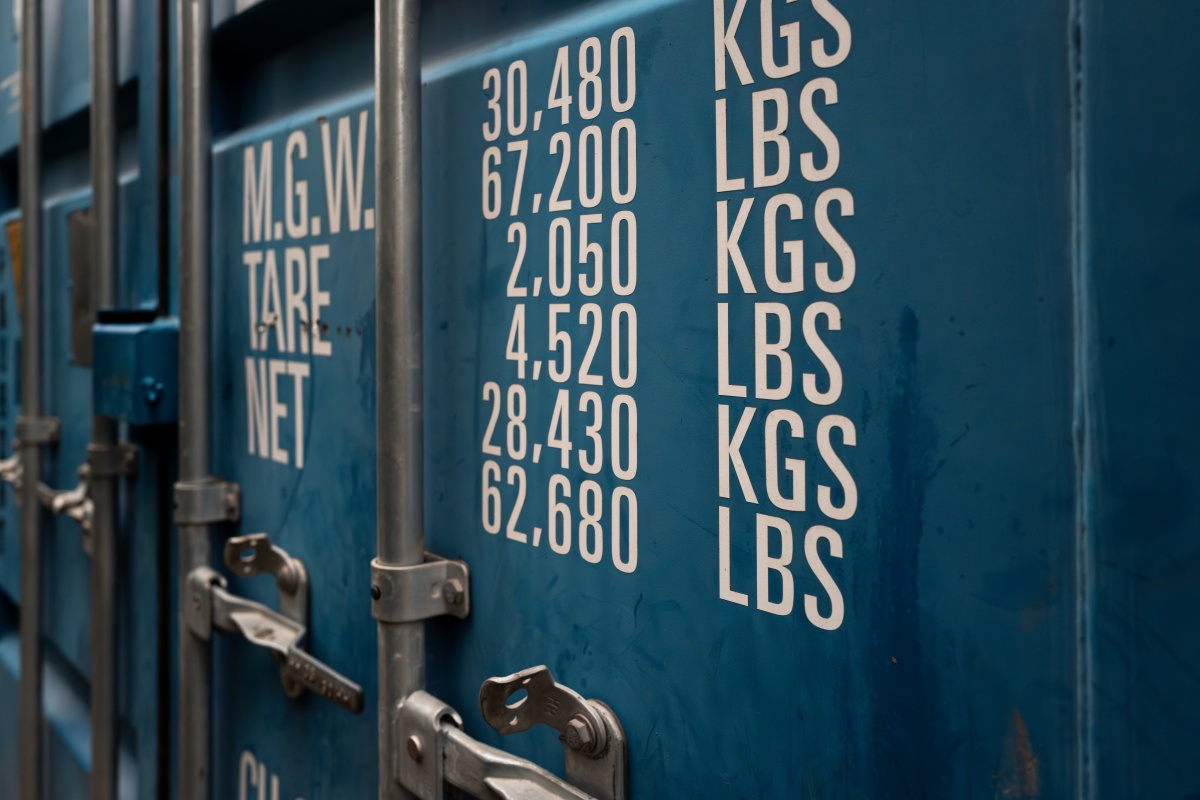
The gross vehicle weight rating (GVWR) is the maximum safe operating weight a truck can carry as determined by the manufacturer. This rating represents the most weight the vehicle’s structure, suspension, axles, tires, and braking system can safely handle.

GVWR includes the total weight of everything on the truck at a given moment. That means it accounts for both the vehicle itself and anything being transported.

Manufacturers determine GVWR during the vehicle design process by evaluating the strength of the frame, suspension components, axles, braking system, and tires. These components must work together to safely handle the maximum weight the truck may encounter during real-world operation.

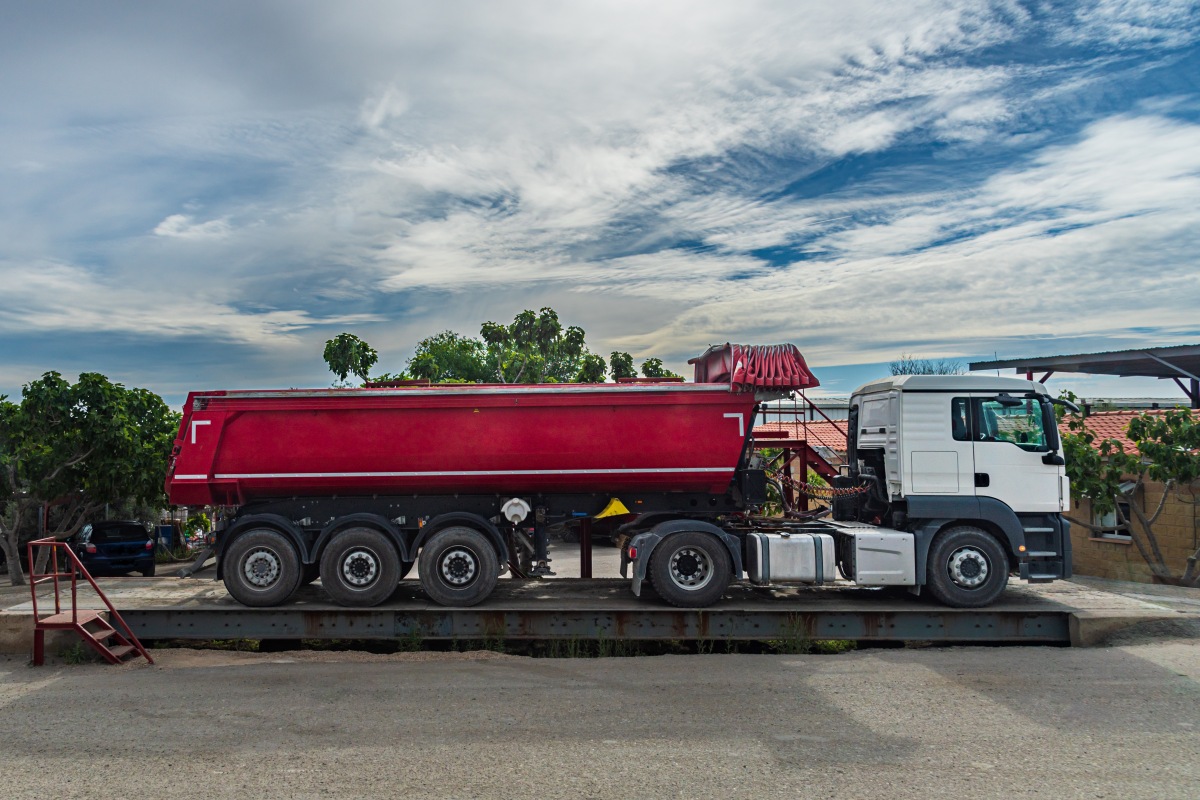
Truck with a dump semi-trailer for earthmoving mounted on an industrial weighing scale.

What Does GVWR Include?

GVWR is not just the weight of the vehicle alone. It includes several components that contribute to the total weight placed on the truck.

Understanding these pieces helps drivers calculate how much cargo or equipment they can carry safely.

Curb Weight

Curb weight refers to the weight of the truck itself with a full tank of fuel and all standard equipment installed. This includes items such as the engine, transmission, body structure, and factory-installed features.

The vehicle’s curb weight does not include passengers or cargo. It serves as the starting point for calculating available payload capacity.

Payload

Payload includes everything added to the truck beyond the vehicle’s curb weight. This can include cargo, tools, equipment, passengers, and supplies carried inside the vehicle.

For example, a contractor transporting building materials or a delivery driver loading freight into a box truck adds payload to the vehicle.

The total payload must remain within the maximum weight capacity allowed by the truck’s GVWR.

Tongue Weight (If Towing)

When a truck pulls a trailer, some of the trailer’s weight transfers to the truck through the hitch. This downward pressure is the tongue weight.

Although the trailer itself is not part of the truck’s GVWR, the tongue weight placed on the tow vehicle counts toward the truck’s vehicle weight rating GVWR.

Drivers must account for both the vehicle and the trailer when evaluating how much weight the truck can safely handle.

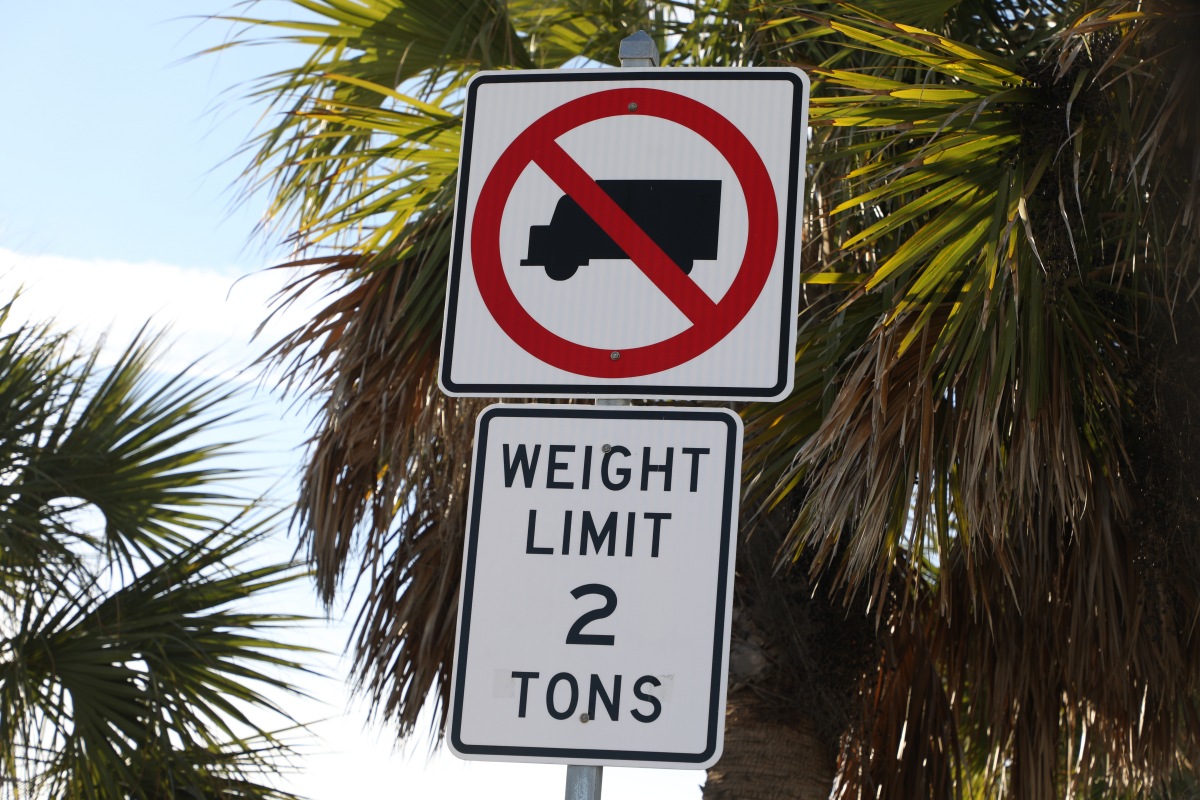
Truck Weight Limit Sign

GVWR vs Gross Combined Weight Rating (GCWR) vs Curb Weight

Commercial vehicles use several weight ratings to define safe operating limits. The table below explains how the most common ratings differ.

Term What It Means Includes Trailer? Why It Matters
GVWR Maximum safe operating weight of the truck itself No Determines payload capacity and CDL thresholds
GCWR Maximum total combined weight of truck and trailer Yes Limits total towing capability
Curb Weight Weight of the truck with fuel and standard equipment No Starting point for calculating payload
GAWR Maximum weight each axle can safely support No Protects suspension, axles, and tires

The gross combined weight rating (GCWR) applies when a truck is pulling a trailer. GCWR represents the maximum total combined weight of the truck, trailer, passengers, and cargo.

The gross axle weight rating (GAWR) specifies the maximum weight each axle can safely support. Exceeding this limit can place excessive stress on suspension components and tires.

Together, these weight ratings help drivers determine whether their vehicle can safely carry a load or tow a trailer without exceeding manufacturer limits.

Where Do You Find GVWR on a Truck?

Drivers can find the vehicle’s GVWR in several places on the truck itself or within the manufacturer’s documentation.

The most common location is the certification label on the driver’s side door jamb. This label lists several weight ratings, including GVWR and gross axle weight ratings.

GVWR may also appear on:

  • The truck’s VIN plate
  • The owner’s manual
  • Manufacturer specification sheets

The door certification label is usually the fastest way to verify a truck’s maximum weight capacity. This label is required by federal safety regulations and provides reliable weight information directly from the manufacturer.

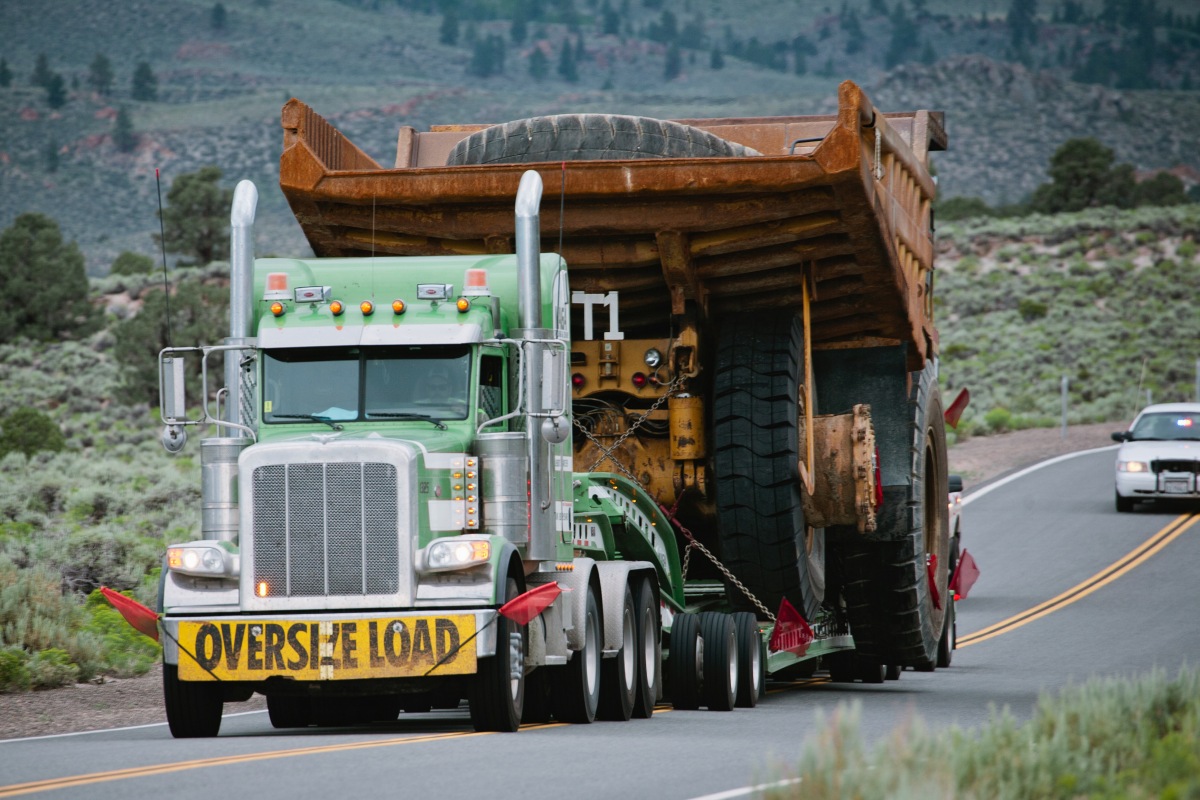
Oversized load truck with a police escort

Why Does GVWR Matter for Commercial Drivers?

GVWR and GCWR play a major role in how trucks are regulated and operated in the trucking industry. Commercial truck drivers must understand these limits to avoid compliance issues and safety risks.

One of the most important rules involves CDL weight requirements. In the United States, a CDL is generally required to operate a single vehicle with a GVWR of 26,001 pounds or more. This is a key threshold in CDL rules.

Class B typically applies to a single vehicle at 26,001+ GVWR, including that vehicle towing a unit with GVWR of 10,000 pounds or less. If the vehicle is part of a combination where the GCWR is 26,001+ and the towed unit exceeds 10,000 GVWR, that generally falls under Class A.

GVWR can also influence:

  • Vehicle registration classifications
  • Insurance premiums
  • DOT compliance requirements
  • Road restrictions in certain states

For fleet managers and owner operators, staying within the correct weight ratings helps reduce liability and prevent regulatory penalties.

What Happens If You Exceed GVWR?

Operating a truck above its GVWR can create serious safety and legal problems. When a vehicle carries excessive weight, several mechanical systems experience additional strain.

  • Brakes must work harder to slow the vehicle, which increases stopping distances. Tires also carry more load than they are designed to, increasing the risk of tire failure.
  • Suspension components and axles may experience accelerated wear under overloaded conditions.
  • Overweight vehicles can also create legal issues. Trucks may be required to stop at a weigh station, where enforcement officers check weight compliance. Exceeding weight limits can result in fines or operational restrictions.
  • In the event of an accident, operating an overloaded truck may increase liability exposure. Commercial vehicle insurance claims may become more complicated if investigators determine the truck exceeded its rated capacity.

How GVWR Affects Truck Financing

GVWR also plays a role when businesses finance commercial vehicles.

Heavier trucks typically cost more because they require stronger frames, larger engines, and reinforced suspension components.

That’s why lenders often evaluate the vehicle weight rating when reviewing commercial truck loan applications. The rating helps determine how the truck will be used, whether for long-haul freight or vocational work.

Higher GVWR trucks may require different financing structures depending on the vehicle type and business usage.

Mission Financial Services helps owner operators and fleet managers secure financing for a wide range of commercial trucks.

Whether you are purchasing a new work vehicle, expanding your fleet, or replacing older trucks, the right financing structure can help you acquire the equipment your business needs while managing operating costs. Get in touch to talk about your GWVR financing options today.

Conclusion

Understanding a truck’s GVWR helps drivers operate their vehicles safely and within legal limits. The gross vehicle weight rating defines the maximum amount of weight a truck can safely carry, including passengers, cargo, fuel, and equipment.

For commercial drivers, GVWR influences CDL requirements, vehicle classification, financing options, payload capacity, and overall safety.

Staying within the manufacturer’s weight ratings protects both the vehicle and the people sharing the road.

If you are planning to purchase a commercial truck, financing can make it easier to acquire the right equipment for your operation.

Mission Financial Services helps owner operators and fleet businesses secure financing for commercial vehicles so they can keep freight moving and operations growing. Start your credit application today for fast and secure financing from lenders who understand the industry.

Frequently Asked Questions

What Is GVWR on a truck?

GVWR on a pickup truck refers to the maximum total weight the vehicle can safely carry, including passengers, cargo, and fuel. The rating is determined by the manufacturer based on the strength of the frame, suspension, brakes, and axles.

Does GVWR Include the Trailer?

No. GVWR only includes the weight of the truck itself, along with passengers, cargo, and equipment. When towing a trailer, the combined weight is measured using the gross combined weight rating (GCWR).

Is GVWR the Same as Weight Limit?

GVWR represents the manufacturer’s recommended maximum operating weight for the vehicle. While it functions as a weight limit, legal limits for roads or bridges may vary depending on location and regulations.

What GVWR Requires a CDL?

In the United States, vehicles with a GVWR of 26,001 pounds or more generally require a commercial driver’s license. This threshold determines whether a truck falls into Class B CDL territory when operated as a single vehicle.

How Do I Calculate My Truck’s GVWR?

Drivers do not calculate GVWR themselves. The manufacturer determines the vehicle weight rating during the design process. Drivers can find this rating on the door certification label or in the vehicle’s manual.

Can I Buy A Semi Truck Without CDL

Can I Buy A Semi Truck Without CDL? (And Other FAQs)

Buying a semi truck often raises the same questions for first-time buyers, especially those entering the trucking business from the ownership side rather than the driver’s seat.

One of the most common concerns is whether you need a commercial driver’s license (CDL) to buy or finance a semi truck.

The answers below break down what is legally allowed, what lenders look for, and when buying a semi truck without a CDL makes sense.

Can I Buy a Semi Truck Without a Commercial Driver’s License (CDL)?

Yes, you can buy a semi truck without holding a CDL.

Ownership and operation are two separate things in the trucking industry.

You don’t need a CDL to purchase or own commercial motor vehicles because the person buying the vehicle doesn’t have to be the same person driving it.

Understanding Investor Buyers

In trucking, buyers without a CDL are commonly referred to as investor buyers.

Here’s a typical scenario:

You want to start a trucking business with a partner. You handle the business side and provide the capital to purchase the truck. Your partner has the CDL and handles the driving.

This arrangement is legal and quite common. The only requirement is that whoever operates the commercial vehicle on public roads must hold a valid CDL license, but that person doesn’t have to be the owner.

Financing Considerations for Non-CDL Buyers

While you can legally buy a truck without a CDL, financing options become more restricted.

Lenders assess risk based on who will actually operate the equipment. Since semi trucks require a CDL to operate, most lenders want assurance that a qualified driver will be behind the wheel.

Many financing programs also consider driving experience as part of their approval process. Borrowers with CDL credentials and verified road experience are typically viewed as lower-risk, which often translates to better loan terms, lower down payment requirements, and easier approval.

If you’re buying without a CDL, expect lenders to require:

  • Proof that a qualified CDL driver will operate the truck
  • Higher down payment amounts (often 15-25% or more)
  • Documentation of your business plan and driver arrangements
  • Potentially stricter credit requirements

Lenders want to see that you have a concrete plan for who will drive the truck and generate revenue, not just the capital to make the purchase.

Can I Run A Trucking Company Without A CDL?

Yes, you can. Ownership does not require a CDL, but operation does. You must hire qualified truck drivers who meet licensing and compliance requirements for the type of freight you haul.

The trucking industry supports a wide range of ownership models, including investors, fleet owners, and business operators who focus on logistics, dispatching, and customer relationships rather than driving.

What To Know Before Starting A Trucking Business Without A CDL

Starting a trucking company without a CDL adds responsibility on the business side. These areas deserve close attention before purchasing equipment.

Start-Up Costs

Starting small businesses requires money. When you do not drive, startup costs increase because payroll becomes a fixed expense from day one.

You must budget for driver wages, onboarding, operating expenses, insurance, payroll taxes, etc. while the business ramps up. Even if the truck is financed, the business must support operating costs before revenue stabilizes.

Insurance Requirements

Standard auto insurance does not cover commercial trucking operations. Business owners typically need commercial vehicle insurance along with cargo and liability coverage.

Common commercial trucking insurance coverage includes:

  • Commercial vehicle insurance
  • Cargo insurance to protect transported goods
  • General liability insurance for the business

Insurance costs vary based on truck type, cargo, operating radius, and driver history. If you are not driving, insurers may also want details on who will operate the truck and that driver’s experience and record.

insurance policy

Trucking Authority And Compliance

If you plan to haul freight for payment, you must obtain operating authority before your first paid load. Operating authority is the legal permission that allows your trucking business to transport cargo commercially. Without it, hauling for hire is illegal regardless of truck ownership.

The registration process involves obtaining specific numbers from the U.S. Department of Transportation (USDOT).

Businesses operating in interstate commerce must obtain a USDOT number, which tracks your company’s safety record and compliance history.

For-hire carriers that haul regulated freight across state lines must also obtain an MC number (Motor Carrier Number), which specifically authorizes you to transport goods for compensation.

Both registrations confirm that your business meets federal standards for safety, insurance coverage, and vehicle registration.

Even if you’re not driving the truck yourself, these compliance requirements still apply to your business. You remain responsible for ensuring all obligations under federal regulations and state laws are met before operating commercially.

How To Buy A Semi Truck Without A CDL

Most buyers finance their semi truck purchase rather than paying cash up front. Given that modern semi trucks range from under $100,000 for used models to over $150,000 for newer or fully equipped trucks, financing makes ownership accessible without tying up significant capital.

However, buyers without a CDL face a more limited financing landscape. While options like U.S. Small Business Administration (SBA) loans and commercial truck lenders exist, programs that accommodate non-CDL buyers are less common.

Expect higher down payment requirements, typically 15-25% or more, along with more extensive documentation to prove your business plan and driver arrangements.

The key to successful financing without a CDL is finding a lender who understands investor ownership models. Look for lenders who evaluate the full business picture (your industry experience, financial stability, and confirmed driver relationships) rather than focusing solely on whether you personally hold a CDL.

Before approaching them, prepare to demonstrate that you have a solid operational plan. This includes:

  • identifying your CDL driver (whether a business partner or employee)
  • showing proof of insurance
  • outlining how the truck will generate revenue

Lenders want to see that you understand the business side of trucking, not just the purchase itself.

At Mission Financial Services, we specialize in working with first-time buyers, investor owners, and business operators. We can help guide you through the lending process and take the stress out of it. With proper preparation and the right lending partner, buying a semi truck without a CDL becomes a structured path into commercial trucking rather than an obstacle.

Happy professional truck driver driving his truck and looking at camera.

Common Financing Options For Buyers Without A CDL

Buyers without a CDL generally access financing through a limited number of structured programs.

CDL Driver Guarantee Programs

A CDL driver guarantee program is the most common financing option for first-time buyers without a CDL. It requires forming a partnership where responsibilities are clearly divided between two parties.

One person holds the CDL and commits to operating the truck, while the other person provides the capital and handles business ownership.

Both partners must sign the financing agreement, which makes them jointly responsible for loan repayment. If one partner fails to meet their obligations, both parties remain liable for the full debt.

If the CDL holder stops driving, whether due to departure, illness, or license issues, the truck cannot legally operate, yet loan payments continue.

Have a contingency plan for replacing the driver or covering payments during downtime.

Industry Experience Without A CDL

Some lenders offer financing to non-CDL buyers who can demonstrate at least 3 years of experience in the trucking industry.

This option works for buyers with backgrounds in dispatching, freight brokerage, or fleet operations – roles that prove you understand the business side of trucking even without driving experience.

While you’ll typically face higher down payment requirements, your industry knowledge can substitute for driving credentials when lenders evaluate your application.

What Are The Financing Requirements For A Semi Truck?

Lenders look beyond the truck itself when reviewing a semi-truck financing application. Their goal is to understand risk, repayment ability, and whether the truck will remain operational.

This is what they look for:

  • CDL or driver experience: Lenders want to know who will operate the truck. If the owner does not have a CDL, lenders often require proof that a qualified driver is in place or that the buyer has relevant industry experience managing drivers.
  • Down payment amount: Buyers without a CDL typically face higher down payment requirements. A larger down payment reduces lender risk and shows financial commitment, especially when the borrower will not be driving the truck.
  • Credit history: Credit helps lenders assess payment reliability. Strong credit can offset limited driving experience, while weaker credit may require additional documentation or higher upfront cash.
  • Truck specifications: Year, make, model, mileage, gross vehicle weight rating (GVWR), and overall condition affect loan terms. Newer trucks or well-maintained used trucks usually qualify for better rates and longer terms than older, high-mileage equipment.
  • Business documentation: Lenders often require proof of business registration, operating authority, insurance, and, in some cases, contracts or dispatch arrangements. These documents confirm that the truck will generate income.

These factors help lenders structure loan terms that align with both the borrower’s profile and the asset’s risk.

glenn-carstens-peters-RLw-UC03Gwc-unsplash

When Buying Without A CDL May Not Be The Right Choice

Buying a semi truck without a CDL carries a higher risk when certain foundations are missing.

Missing foundations include:

  • No industry experience: Without understanding freight markets, driver management, or compliance, new buyers can struggle to keep the truck profitable.
  • Limited capital: Unexpected repairs, insurance costs, and driver turnover require cash reserves. Without sufficient capital, even short downtime can create financial strain.
  • No access to reliable CDL drivers: A truck that cannot be driven does not generate revenue. Buyers who lack reliable driver options may face delays, missed contracts, or insurance issues.

In these situations, gaining experience, securing capital, or partnering with knowledgeable operators before purchasing often leads to better outcomes.

Frequently Asked Questions

Do You Need A CDL To Buy A Semi Truck?

No, you do not need a CDL to buy or own a semi truck. A CDL is required to operate the truck on public roads, not to purchase it.

If the truck is used for non-commercial purposes, such as private hauling or certain farm use, CDL requirements depend on the truck’s weight and state rules.

Can An LLC Own A Semi Truck Without A CDL?

Yes. An LLC or other business entity can own a semi truck without holding a CDL. The business must ensure that any driver operating the truck has the proper license, endorsements, and insurance coverage required for the type of freight being hauled.

Can I Finance A Semi Truck Without A CDL?

Yes, but financing options are more limited for buyers without a CDL. Many lenders consider driver experience part of their risk evaluation, especially when the borrower will not operate the truck.

Can I Hire A Driver After Buying A Semi Truck?

Yes, you can hire a driver after purchasing the truck, but lenders and insurers may require proof that a qualified driver is in place before funding or coverage begins. This often includes verifying the driver’s CDL, driving record, and employment status.

Do Lenders Require CDL Experience?

Some lenders require CDL experience from the borrower, while others focus on who will operate the truck. Programs vary widely. Certain lenders will approve financing if a qualified CDL driver is identified, even if the owner has no driving background.

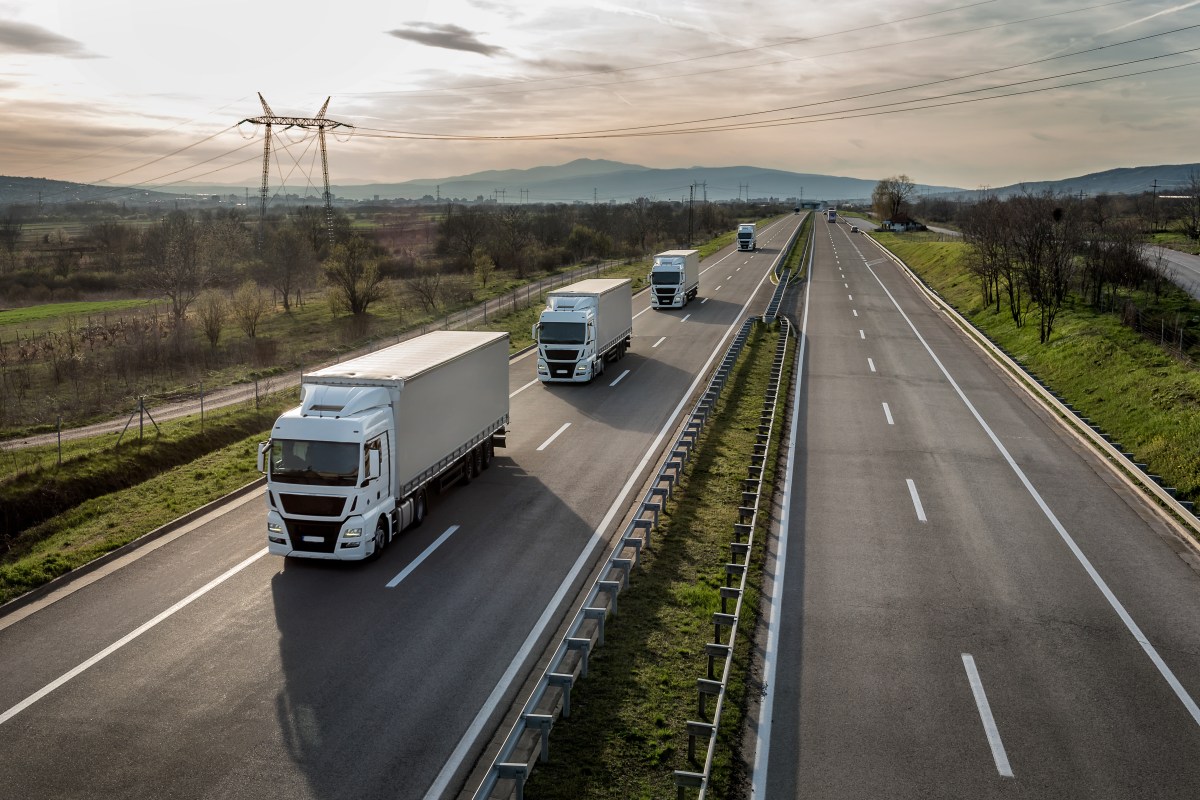
cargo truck on the higthway. cargo delivery driving on asphalt road through the mountains. seen from the air. Aerial view landscape. drone photography.

Conclusion

Buying a semi truck without a CDL is legally allowed, but it requires a clear plan and realistic expectations.

Ownership without driving shifts responsibility toward hiring, compliance, and cash flow management. Buyers who understand these responsibilities upfront are far more likely to build a sustainable operation rather than face delays, unexpected costs, or financing obstacles.

This path works best for buyers who approach truck ownership as a business decision, not a shortcut into trucking.

If you are considering buying a semi truck without a CDL and want financing that accounts for how your business actually operates, Mission Financial Services can help.

We work with first-time buyers and fleet operators to structure commercial truck financing based on real-world ownership models, not one-size-fits-all requirements.

Start your credit application today to explore financing options built around your plan, not just your license status.

can i drive a semi truck without a cdl

Can I Drive A Semi Truck Without CDL?

can i drive a semi truck without a cdl

“Can I drive a semi without a CDL?” It’s a question we hear often, but the answer isn’t straightforward. In most cases, no. If you’re operating a commercial vehicle on public roads, you need a commercial driver’s license (CDL).

The confusion comes from a few narrow exceptions and different state rules. Some situations allow you to drive without a CDL, but they’re limited and often misunderstood.

To clear up the confusion, let’s break down when you can and when you can’t, as well as what it takes to become a professional truck driver.

Can You Drive a Semi Without a CDL?

Yes, but only in some situations.

If the vehicle qualifies as a commercial motor vehicle (CMV), federal law under the Federal Motor Carrier Safety Administration (FMCSA) requires you to have a valid commercial driver’s license (CDL) to operate it.

These rules are defined under 49 CFR Part 383, which outlines CDL requirements for drivers of commercial vehicles.

At a minimum, you need a CDL if the vehicle:

  • Has a gross vehicle weight rating (GVWR) of 26,001 pounds or more
  • Is used in interstate or intrastate commerce
  • Transports goods, passengers, or hazardous materials

State laws follow these federal standards and may add their own requirements, but they don’t override them.

The key factor is how the vehicle is used. If you’re involved in commercial activity or operating a truck above federal weight thresholds, you need a CDL in almost every case.

Truck dashboard

When Can You Legally Drive a Semi-Truck Without a CDL?

There are a few situations where you can legally drive a semi without a CDL, but they don’t apply to most truck drivers.

Private Property Use

You don’t need a CDL license to drive semis or any other truck inside your property. This includes controlled environments like private yards, warehouses, or farms.

As long as you’re not operating on public roads, standard licensing requirements don’t apply in the same way.

Personal Use (Non-Commercial Driving)

If a vehicle meets the definition of a commercial motor vehicle (CMV), you can only drive it without a CDL if it’s used strictly for personal, non-commercial purposes. You’ll still need a valid driver’s license, but it doesn’t have to be a CDL.

This is where many drivers get confused. “Personal use” is defined very narrowly.

The FMCSA considers commerce to include any transportation that crosses state lines or affects interstate movement. Because of that, activities that seem personal can still qualify as commercial.

For example, driving an empty semi-truck across state lines for repairs or maintenance may feel like personal use, but it’s still considered interstate commerce. In that situation, a CDL is required.

CDL Exemptions

Some drivers are exempt from CDL requirements under federal or state law, depending on how the vehicle is used.

Common examples include:

  • Drivers operating military vehicles
  • Emergency service operators
  • Certain recreational vehicle (RV) drivers
  • Farm vehicles transporting agricultural products

These exemptions are limited and don’t apply to most commercial driving situations. Requirements can vary by state, so always confirm the rules where you’re operating before assuming you qualify.

Can I Buy A Semi Truck Without CDL

What Happens If You Drive Without a CDL Illegally

Driving commercial vehicles without a valid CDL can lead to major penalties. The penalties depend on your state, vehicle type, employer, and whether an accident occurred.

Common consequences include:

  • License suspension: You could lose driving privileges for months or longer, especially if you knowingly operated a commercial truck without the right license or endorsements.
  • Fines for the driver and employer: Drivers can face expensive fines, and a trucking company may also face penalties if it allows an unlicensed or improperly licensed employee to operate.
  • Out-of-service orders: Enforcement officers can stop the vehicle and remove it from service, which delays the load and may cost the business money.
  • Criminal charges after an accident: If a crash causes property damage, injuries, or worse, driving without a CDL can make the legal consequences much more serious.
  • Insurance and claim problems: An insurance company may review whether the driver was properly licensed. If not, the claim can become harder to resolve.
  • Job loss and hiring issues: Most employers require a valid CDL before they’ll hire a driver. A violation can damage your record and limit future trucking opportunities.

These penalties can follow you beyond one ticket. If you want to build a real career in trucking, staying properly licensed protects your income, your record, and your ability to keep working.

Can You Buy or Own a Semi Truck Without a CDL?

Yes, you can buy a semi-truck without a CDL. Ownership and operation are treated differently under the law.

You don’t need a commercial driver’s license to purchase or finance a truck. However, you cannot legally operate it for commercial purposes unless you have the proper CDL and endorsements.

This is common for business owners building fleets and for future owner-operators preparing to enter the industry.

Money

How to Get a CDL License

In most states, getting a CDL license is straightforward. The exact process depends on your state, but most drivers follow the same basic path.

1. Meet the Basic CDL Requirements

Most states require you to be at least 18 to drive a commercial vehicle within your state and 21 to drive across state lines. You’ll also need a valid standard driver’s license, proof of identity, proof of residency, and a clean enough driving record to qualify.

2. Complete Entry-Level Driver Training

If you’re getting a Class A CDL or Class B CDL for the first time, you’ll need training from a CDL training school. This training covers vehicle inspections, safe operation, backing, shifting, coupling, air brakes, and road driving.

3. Pass the Knowledge Test

Before you can drive with an instructor, you’ll need to pass the written knowledge test for your license class. You may also need extra tests for air brakes, combination vehicles, or hazardous materials if your future job requires those endorsements.

4. Get a Commercial Learner’s Permit

After passing the knowledge test, you’ll receive a commercial learner’s permit. Most drivers must hold the permit for at least 14 days before taking the skills test. During this period, you can practice with a properly licensed CDL driver in the vehicle.

5. Pass the CDL Skills Test

The skills test usually includes a pre-trip inspection, basic vehicle control, and an on-road driving test. You’ll need to show that you can inspect the truck, handle turns, shift properly, back safely, and operate without creating risk for other drivers.

Eye test

6. Consider Endorsements

Endorsements expand what you can legally haul or operate. Common examples include an air brake endorsement, tanker endorsement, doubles/triples endorsement, passenger endorsement, and hazardous materials endorsement.

The right endorsements can help you qualify for better-paying truck driving jobs.

Conclusion

You can drive a semi-truck without a CDL, although you’ll have to be cautious to do so legally.

In real-world trucking, a CDL is required in almost every situation that involves work or public roads. The exceptions exist, but they don’t apply to most drivers.

If you’re serious about getting into trucking, the CDL is your first step. It opens the door to jobs and eventually building your own operation.

Mission Financial Services helps drivers take that next step with commercial truck financing, including owner-operator loans and first-time buyer options. Once you’re properly licensed, having access to financing can help you move from driver to owner and start building your own business.

If you’re ready to take the next step, start your credit application with us today.

Frequently Asked Questions

Can I Drive a Semi Truck Without a CDL?

Yes, you can drive a semi truck without a CDL only in limited situations, such as on private property, for certain non-commercial personal use, or under a legal CDL exemption. In most public-road or commercial situations, you need a valid CDL.

What Weight Requires a CDL?

You generally need a CDL when a commercial motor vehicle has a gross vehicle weight rating of 26,001 pounds or more. You may also need one when towing a trailer over 10,000 pounds if the combined vehicle rating exceeds 26,001 pounds.

Can I Buy a Semi Truck Without a CDL?

Yes, you can buy and own a semi truck without a CDL. However, you can’t legally operate it for commercial use unless you have the proper commercial driver’s license and endorsements.

2022 Walcott Truckers Jamboree: Recap

Photo Credit: Iowa80truckstop

An Interview with Charles Smith, Mission Financial

Iowa 80 Truckstop, The World’s Largest Truckstop, recently celebrated America’s truck drivers at the 43rd Walcott Truckers Jamboree. Approximately 45,053 drivers attended the event, along with their beloved friends and families, members of the local community, and visitors from over 27 different states and two Canadian provinces.

The Walcott Truckers Jamboree has been a yearly celebration, rain or shine, since 1979. The three-day extravaganza offers tons of features, including over 175 exhibits, an antique truck display, Iowa-style cookouts, the Trucker Olympics, contests, live concerts, an epic firework show, and so much more. And attendees didn’t have to worry about admission or parking for the event, because both were FREE!

The most popular feature of the Jamboree was the Super Truck Beauty Contest. This year featured 92 registered contestants, and the winners were something to admire. Ranging from turn-of-the-century trucks to modern marvels, there was something for everyone to appreciate.

This year, Mission Financial Services’ very own Charles Smith had the opportunity to attend the Walcott Truckers Jamboree.

“This was my first year attending, and while I didn’t participate in any of the exhibits or events, I was able to explore potential prospects for the future,” Charles said when asked about his time at the trucker’s event.

Charles also noted that there weren’t any other financial companies in attendance, which presents a huge opportunity for the commercial lender. “Mission Financial will definitely be attending the 2023 Walcott Trucker Jamboree. I encourage people to stop by our booth next year so they can take advantage of the industry knowledge and financial offers we specialize in everyday,” he said.

The 2023 Walcott Trucker Jamboree is scheduled for July 13-15, 2023. Click here to see the schedule of events.

Stay tuned for more information about the Mission Financial booth and the 2023 Walcott Trucker Jamboree!

Photo Credit: Iowa80

More Like This

–> Q&A: Trucking Expert Talks Inventory Shortage

Q&A: Trucking Expert Talks Inventory Shortage

What began as whispers of a potential vehicle shortage quickly became a leading source of concern for fleet owners and operators. This looming threat of operations being forced to shut down over inevitable repairs and mishaps or a lack of vehicles to move freight is troubling in these times of high demand. And with so much uncertainty regarding the issue, many in the industry are left with unanswered questions and concerns.

To answer the main questions surrounding the inventory shortage, we sat down with Charles Smith, Regional Business Development and Marketing Manager for Mission Financial Services. As an auto finance institution operating across the country, Mission Financial has provided Smith a unique opportunity to see behind the curtain on many of the industry’s pressing topics.

Exclusive Interview with Charles Smith

Q: What has been the most significant hardship for Mission Financial Services during the shortage, and how have you dealt with it?

A: The biggest hardship here at Mission Financial is the lack of applications being funded.

With the current situation, dealers just don’t have the inventory to meet the demand of the customer, which trickles down to financial institutions that are used to funding deals on a regular basis. One way we’ve dealt with this is to keep knocking on doors and letting my customers know that Mission Financial is still here for them.

Charles Smith, Mission Financial

Q: What has been the most considerable hardship for the dealers and/or others in the industry?

A: The biggest hardship for my dealers would be the lack of inventory. Now, the supply can’t keep with the demand. Not only is the trucking industry feeling the heat, but other industries are as well.

Q: Was COVID-19 the only cause of the vehicle shortage?

A: Yes, COVID-19 was the driving force of the shortage. When the pandemic hit China, the production of automotive microchips experienced a major decline, because that is where they are produced. Without these chips, manufacturers can’t produce new units, which is why we are where we are today. What we are currently experiencing is the result of a global domino effect.

Q: When and how do you think it will end?

A: Unfortunately, at the moment, I see no end in sight. According to recent market analysis, it may be another year before we can see some relief from this devastating virus. However, some of my dealers remain optimistic that we could feel some ease by the second quarter of 2022.

Q: Any advice for drivers, fleet owners, and other industry members?

A: To my drivers out there: keep your equipment well maintained so you can keep moving freight until you get the new rig you’ve probably already ordered. Plus, with spot rates at an all-time high, there’s a lot of money to be made out there. Just keep on truckin’ because we need you.

Related Content:

How to retain your top drivers during a shortage

Used truck prices continue to skyrocket

Archives

Sign Me Up!

Stay up to date with the latest news in the commercial trucking industry.

Contact Us
close slider