Office: (404) 975-4800

Accidents

Semi-Truck Accident Compensation | What You Can Expect

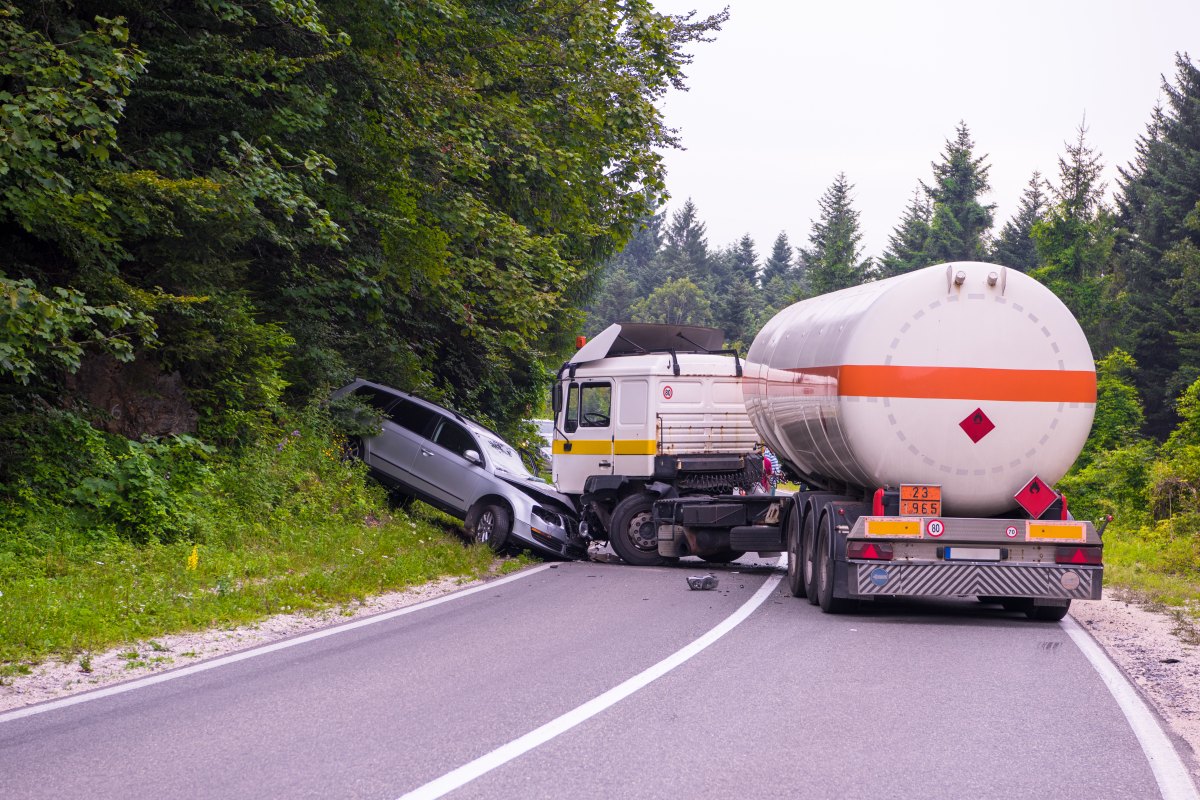
When you’re involved in a semi-truck accident, the aftermath can be both physically and emotionally overwhelming. Considering there has been an 18% increase in truck accidents since 2020, you can see the merits of good accident coverage.

The sheer size of a semi-truck (some weigh up to 80,000 pounds when fully loaded) means that any collision can result in catastrophic damage, severe injuries, and a long, challenging recovery journey.

Under these circumstances, understanding semi-truck accident compensation and the overall legal process is critical for compensation and recovery.

What Is Semi Truck Accident Compensation?

Semi-truck accident compensation is the financial recovery awarded to commercial truck crash victims. Unlike accidents with passenger vehicles, semi-truck accidents often involve multiple liable parties, such as the semi-truck driver, trucking company, and sometimes even maintenance providers or cargo loaders.

These cases can be very complicated. Establishing a clear chain of liability is essential in determining who’s responsible and how much compensation the injured party can expect.

When you file a truck accident case, you may encounter several types of compensation. Medical, lost wages, and pain and suffering reimbursement are the most common.

In these moments, having an accident attorney or a skilled personal injury lawyer by your side can help you navigate truck accident claims and the legal process.

Average Truck Accident Settlement and Detailed Financial Aspects

The average cost of truck accidents can vary widely, with settlements ranging from $100,000 to $500,000. However, if the accident resulted in severe injuries, such as traumatic brain injuries, spinal cord damage, or even fatal outcomes, settlements can exceed millions of dollars.

These figures are driven by the extent of property damage, higher medical bills, lost wages, and ongoing medical expenses.

Based on our research, insurance companies often try to minimize the payout. So, working with an experienced truck accident lawyer who can effectively counter the insurance adjuster’s tactics is essential.
Types of Compensation and Their Importance

When pursuing a truck accident lawsuit, you may be eligible for several types of compensation, including:

  • Lost Income and Lost Wages: If your injuries have resulted in a temporary or permanent inability to work, semi-truck accident compensation may include wages lost during recovery, lost income from diminished capacity, and future lost wages if your ability to work is reduced.
  • Medical Expenses and Medical Costs: This includes emergency treatment, ambulance services, hospital stays, surgeries, and physical therapy to long-term rehabilitation services. A well-documented personal injury lawsuit can help recover actual settlement amounts for these medical expenses.
  • Pain and Suffering and Emotional Distress: Beyond the tangible costs, compensation often covers non-economic damages such as emotional distress, mental anguish, and the overall pain and suffering caused by the accident. These factors are especially significant in cases involving severe injuries.
  • Property Damage: In a truck accident case, if your vehicle was damaged or destroyed, you may also claim compensation for property damage.

In cases where a trucking company or semi-truck driver acted with gross negligence (excessive speeding, falsifying logbooks, or operating a semi-truck with known mechanical defects), you might be liable for punitive damages. These are designed to punish the liable party and deter similar conduct in the future.
Factors Influencing Your Truck Accident Settlement

Several key factors affect how much compensation you can expect from a truck accident settlement:

  • Severity of Injuries: The extent of your injuries, including any traumatic brain injuries or spinal cord damage, is critical in determining a settlement. Severe injuries usually lead to higher truck accident settlements because of long-term rehabilitation and medical expenses.
  • Determining Liability: Crucial evidence is essential for establishing clear negligence. Evidence such as maintenance records, driving logs, and eyewitness testimonies helps determine liability among multiple parties, including the semi-truck driver and the trucking company.
  • Insurance Coverage and Adjusters: The scope of the insurance coverage held by the trucking company or semi-truck operator and the tactics employed by insurance companies and adjusters play a significant role in the final settlement amount. Understanding how much compensation you might receive requires a thorough examination of the insurance policies in place.
  • Legal Representation: The role of a personal injury lawyer or truck accident attorney cannot be overstated. A skilled attorney can negotiate with the insurance company, manage legal fees, and guide you through every step of the legal process—from filing the initial legal claim to reaching a final settlement amount that reflects fair settlement and fair semi-truck accident compensation.
The Legal Process and Your Rights

Navigating a truck accident lawsuit can be difficult. It’s a multifaceted process that demands thorough preparation and the expertise of a skilled personal injury lawyer or truck accident attorney.

After the accident, your legal team will initiate an investigation to collect all crucial evidence supporting your truck accident claims. This investigation typically involves gathering detailed medical records, emergency treatment reports, and documentation of lost wages, physical truck damage, and medical bills incurred after the crash.

This evidence is vital in determining liability for all the involved parties, including the semi-truck driver, trucking company, and even maintenance service providers.

As you move through the legal process, it’s up to you to present detailed information about your medical expenses and the full financial burden of your injuries.

When you clearly outline your pain and suffering, mentioning emergency care and hospital stays as well as rehab and mental health support, you strengthen your case and improve your chances of a successful outcome.

Remember, the final settlement should address all your economic and emotional losses.

This includes compensation for lost wages, lost income, and legal fees. Their work is crucial to making sure you receive fair compensation, covering both your immediate needs and the long-term financial impact of the accident. We’ve examined many cases and noticed how crucial specialized trucking legal advice is.

Only work with a firm specializing in truck accident cases. They’ll understand the nuances of commercial truck regulations, including FMCSA standards, and handle the more complex insurance coverage tactics used by trucking insurance companies.

Your legal claim is how you can hold all responsible parties accountable.

Essential Insights for Navigating Truck Accident Claims

Truck accident settlements can be complex and daunting when you’ve been involved in a severe semi-truck accident. Beyond the initial shock and physical injuries, understanding the intricacies of the legal process and your rights is crucial for any injured party.

Here are a few key points you should remember to pursue fair compensation effectively.

The Importance of Collecting Evidence

After a truck crash, one of the first tasks is gathering and preserving evidence. Detailed documentation is critical for building a strong truck accident claim that fairly and accurately showcases your case.

Take photographs of the accident scene, gather your emergency treatment records, and bring the medical bills to establish the extent of your injuries and property damage. Equally important are records of your lost wages and income, which can demonstrate the financial burden of the accident.

Collecting all this evidence is crucial for supporting your truck accident case and helping your legal team and courts determine how much compensation you can seek.

Understanding Settlement Variabilities

Every truck accident lawsuit is unique. No two cases are identical. While many may wonder about the average settlement or average truck accident settlement amount, the actual truck accident settlement amount depends on several unique factors.

For example, severe injuries like traumatic brain injuries, spinal cord damage, or other serious injuries often lead to higher financial compensation. In contrast, cases involving minor injuries might result in lower compensation.

Whether negotiating a semi-truck accident settlement or a broader compensation package, a skilled personal injury lawyer or truck accident lawyer can help you receive fair compensation that covers all aspects of your recovery journey.

The Role of Legal Representation

A knowledgeable truck accident attorney who understands the nuances of commercial truck regulations is vital. They’ll be able to handle complex cases involving multiple parties, such as the semi-truck driver, trucking company, or even maintenance service providers.

Legal professionals actively push back against the tactics insurance companies and adjusters often use to undervalue your claim.

Its legal representatives help recover compensation for medical expenses, legal fees, and property damage. They’re also more likely to secure additional damages for pain and suffering, emotional distress, and punitive damages in cases of extreme negligence.

Detailed Financial Considerations

After a semi-truck accident, the financial ramifications extend far beyond your immediate medical costs.

Your truck accident case should address short-term expenses, such as emergency treatment, hospital stays, and medical bills, as well as long-term losses, like future medical expenses, lost wages, and reduced earning capacity.

Comprehensive documentation of these losses is critical. Carefully track every medical expense and lost income to build a robust personal injury lawsuit that showcases your financial needs.

This level of detail ensures that when you discuss your truck accident settlement with your truck accident attorney, they consider every aspect of your life and loss.

Multiple Parties and Determining Liability

In truck accident cases, liability can extend beyond the immediate driver. Multiple parties, including the semi-truck driver, the trucking company, and third-party service providers, may share responsibility.

Establishing who is at fault is critical in determining the truck accident settlement amount.

This process involves meticulously investigating all evidence, from maintenance logs and driver records to eyewitness testimonies. By identifying the responsible parties, your legal team can effectively argue for a settlement in your favor.

Conclusion

A semi-truck accident can turn your world upside down. Speaking with a truck accident lawyer is critical to securing fair semi-truck accident compensation. Every case is different, so working with legal experts who understand trucking regulations gives you the best shot at a settlement that covers your losses.

And if you’re an independent owner-operator needing financial support after an accident, Mission Financial Services can help you get back on the road. Reach out today for fast, flexible loan options built for trucking businesses.

_Understanding the Commercial Vehicle Accident Procedure

Understanding the Commercial Vehicle Accident Procedure

_Understanding the Commercial Vehicle Accident Procedure

Being involved in a commercial vehicle accident can be overwhelming, but understanding the commercial vehicle accident procedure can make a significant difference in your recovery. Your actions immediately after the accident impact your safety, medical care, and legal rights.

Following the right steps ensures you receive timely medical attention and protects your claim for financial and non-financial damages.

Below, we outline everything you need to do after a commercial vehicle accident to help you secure maximum compensation and navigate the aftermath smoothly.

Key Differences Between Commercial Vehicle Accidents and Standard Auto Accidents

Before we discuss the commercial vehicle accident procedure, it’s important to understand how these accidents differ from regular auto collisions.

First, commercial vehicle accidents tend to be more severe than a car accident because of the size and weight of the vehicles, leading to greater injuries, damages, and a more complex compensation process.

Second, commercial vehicles are subject to stricter federal and state regulations, such as the Federal Motor Carrier Administration (FMCSA) insurance requirements, which raises the legal and financial stakes.

Immediate Steps to Take After a Commercial Vehicle Accident

Depending on how severe the accident is and whether you’ve sustained any serious injuries, here are the most important immediate steps you must take after a commercial vehicle accident to compile a comprehensive preliminary accident report:

Ensuring Safety and Calling for Help

  • Prioritize Safety: If the accident is minor and your vehicle is drivable, move to a safe roadside spot to prevent further collisions. If there are serious injuries or significant damage, leave the vehicles in place and use reflective triangles or flares to alert other drivers. Avoid moving injured individuals unless there’s immediate danger, such as fire or water.


  • Call Emergency Services: If you’re involved in an accident, always report it to the police, even if it seems minor. A police report is crucial for insurance claims. Seek medical assistance from a medical professional, even if you feel fine, to rule out hidden injuries.

_Understanding the Commercial Vehicle Accident Procedure2

Gathering Information from Involved Parties

Be keen to exchange contact information and other relevant details with all parties involved in the accident. These include:

  • Contact Information: Collect names, phone numbers, and addresses of drivers, passengers, and any other involved parties.
  • Insurance Information: Obtain the insurance provider name and policy number from all drivers.
  • Vehicle Details: Record the make, model, year, and color of each vehicle involved.
  • Driver’s License Number: Note the license number and issuing state of all drivers.
  • License Plate Numbers: Document the plate numbers of all vehicles to help with claim verification.
  • Witness Information: Get the names and contact details of any witnesses, as their statements may be crucial in determining fault.

Documenting the Scene of the Accident

Once you exchange information, try to capture the accident scene by noting as many details as possible, including:

  • Date and Time: Note the exact date and time of the accident, as this can help establish conditions and responsibilities.
  • Location: Identify the road, highway, or intersection where the accident occurred. If possible, include GPS coordinates.
  • Road Conditions: Describe any hazards, such as potholes, debris, or slick surfaces, that may have contributed to the crash.
  • Weather and Lighting: Record factors like rain, fog, snow, or poor visibility, as these can influence liability.
  • Traffic Signs and Mile Markers: Identify nearby signs, signals, or mile markers to provide context for the accident’s location.
  • Photos and Videos: Capture clear images of vehicle damage, skid marks, traffic signals, injuries, and any surrounding property damage for evidence.

_Understanding the Commercial Vehicle Accident Procedure3

Understanding Relevant Laws and Regulations

Commercial vehicles like semi-trucks and tractor-trailers must meet stricter safety standards than regular vehicles. Knowing key federal and state regulations can help you take the right steps after an accident. Important rules to be aware of include:

Federal Regulations for Commercial Vehicles


  • Trucking companies and their drivers must follow strict vehicle maintenance and inspection regulations. An accident resulting from improper vehicle maintenance means you can build a solid case and pursue compensation from several parties.

State-Specific Laws Impacting Accidents

State laws impact your ability to seek compensation after a truck accident, particularly comparative vs. contributory negligence rules.

  • Comparative negligence states (e.g., Indiana) allow the fault to be shared. Your compensation is reduced by your percentage of fault. If awarded $100,000 but 20% at fault, you receive $80,000.
  • Contributory negligence states bar compensation if you’re even slightly at fault. A 2% fault means you get nothing.

Given these complexities, consulting a legal expert ensures you file your claim correctly. Here’s a quick guide to navigating semi-truck accident claims.

Common Causes of Commercial Vehicle Accidents

Some of the major causes of commercial vehicle accidents include:

Driver Fatigue and Its Impact

Irregular sleep schedules, driving for long hours, and pressure to meet tight delivery schedules can lead to severe driver exhaustion. Exhaustion slows down the trucker’s reaction times, impairs their decision-making abilities, and might cause them to sleep behind the wheel, leading to accidents.

Poor Vehicle Maintenance and Inspections

Poor vehicle maintenance often leads to mechanical issues and other vehicle malfunctions, such as brake failures, steering malfunctions, and tire blowouts. These can cause severe accidents, especially if your vehicle breaks down unexpectedly in heavy traffic or highways.

_Understanding the Commercial Vehicle Accident Procedure 4

Distracted Driving and Other Human Factors

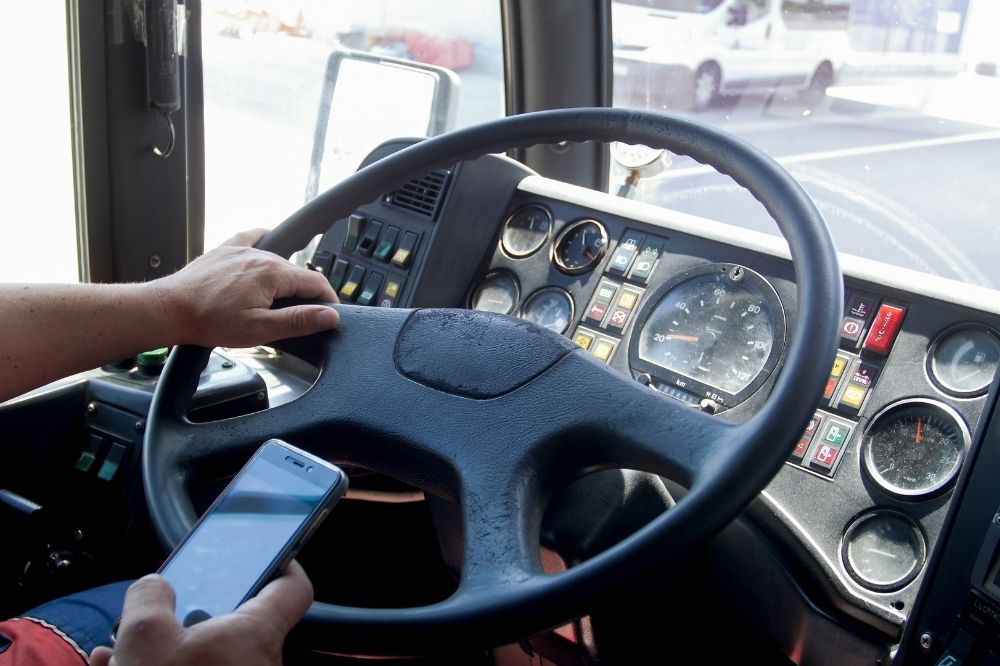
Common driving distractions, such as mobile phone use, eating while driving, or other distractions, divide a trucker’s attention from the road. Inattention, even for a split second, increases the likelihood of causing an accident.

The Investigation Process After an Accident

Building a strong case that’ll help you get the compensation you deserve after a commercial motor vehicle accident involves performing a thorough investigation in line with the correct truck driver accident procedures. Usually, your legal representative will have to contact different parties who play different roles throughout their investigations. A few of these include:

Role of Law Enforcement

The contribution of law enforcement agents toward the entire legal process begins at the accident scene. Because they’re among the first to get to the scene, the information they gather in their police report is one of the most reliable pieces of evidence you need to build your case.

Involvement of Insurance Companies

Insurance companies often send representatives to assess the accident scene and evaluate coverage. In many cases, insurance adjusters may try to persuade you to accept a lower settlement than you deserve. To protect your right to full compensation in a personal injury lawsuit, avoid speaking with them at the scene or afterward. Instead, let your lawyer handle all communications.

Evaluating Witness Statements

Witness statements play a crucial role in reconstructing events of the accident. Accident reconstruction is an indispensable step, if you want to achieve a favorable outcome in your claim. Reviewing credible witness accounts also helps your legal team uncover additional valuable info that can support your position.

Collecting Documentation and Evidence

Another significant aspect of creating a solid case that earns you maximum compensation is collecting relevant documentation and evidence, including the following:

Gathering Photos and Videos

Visual evidence enhances the credibility of your account and the witnesses’ accounts of what happened. They provide a tangible, undeniable representation of the accident, including the actual positions of vehicles involved, road conditions, damage to property, and other potential contributing factors.

_Understanding the Commercial Vehicle Accident Procedure 5

Securing Medical Records and Reports

Obtaining hospital records for injuries sustained in the accident helps determine the compensation amount you deserve. They provide proof of all the types of injuries, psychological effects, and trauma suffered as a result of the accident. It may be physical injuries, such as broken bones and head trauma, or long-term emotional effects, like PTSD or anxiety.

Keeping Records of Communication

Keeping records of all communication with relevant parties proves that you followed the required legal process to build your case. These records include logging emails, calls, and other correspondence with insurance or legal entities.

Understanding Legal Liability

As mentioned earlier, multiple parties can be liable for the injuries and damages caused by a commercial vehicle accident. Depending on the results of your investigations, you can seek compensation for medical expenses and other non-physical damages from the following potential liable parties:

  • Vehicle manufacturers or parts suppliers
  • Fleet owner or trucking company
  • Truck driver
  • Maintenance contractors
  • Cargo loading companies
  • Government entities

Conclusion

Accidents can be overwhelming, leaving you unsure of what to do next. This guide aims to clarify post-accident procedures, helping you gather essential facts while protecting your right to compensation.

The key is to stay calm and work with an experienced commercial vehicle accident lawyer. The right attorney will help you maximize your compensation and recover quickly. Check out our guide on finding the best legal team for your case.

If you need a new or used commercial vehicle after an accident, we’re here to help. We offer tailored commercial vehicle truck loans to finance repairs or replacements, getting you back on the road fast.

Commercial Vehicle Accident Loans

Commercial Vehicle Accident Loans

What To Look For In A Commercial Trucking Accident Lawyer carl-tronders-j5_k2Wco5bo-unsplash

If you’re involved in a commercial vehicle accident, chances are you’ll have a lot of unexpected expenses to deal with. This is where a commercial vehicle accident loan becomes incredibly valuable. 

These vehicle accident loans help you by providing pre-settlement funding, which can cover any immediate expenses from the accident. Let’s explore this in more detail in the guide below.

Understanding Commercial Auto Accident Loans (Legal Funding)

Commercial auto accident loans, also known as legal funding or car accident loans, provide financial assistance to people involved in commercial auto accidents. 

When you’re in a commercial auto accident, the costs can quickly add up – including medical bills and lost wages if you can’t work. These loans can help cover your expenses during this tough time. They’re designed to provide immediate financial relief, allowing you to manage your bills and daily expenses while you focus on recovery.

In many cases, people will take out a car accident loan to help see them through while waiting for a car accident settlement from the insurance company.

Consequences of Tractor-Trailer Injuries

Car accident settlement loans exist because occurrences like tractor-trailer injuries can have major consequences.

Because of the size and weight of tractor trailers, accidents involving them often result in severe injuries, including broken bones, spinal cord injuries, and traumatic brain injuries. These injuries can lead to long-term physical and emotional challenges, impacting a person’s ability to work and perform daily activities. 

Medical bills can quickly accumulate, causing financial strain. In some cases, victims may require ongoing medical treatment and rehabilitation, further adding to the financial burden. 

The psychological toll of these injuries can also be substantial, affecting one’s mental well-being and quality of life. 

This is why it’s crucial for anyone injured in tractor-trailer accidents to seek proper medical care and legal assistance to address their physical, emotional, and financial needs. Car accident claims from a personal injury lawsuit can cover these expenses, while a car accident loan can provide immediate relief.

pexels-karola-g-4968384

Are Commercial Accident Loans Actually Loans?

Commercial accident loans are not actually loans in the traditional sense. Instead, they’re types of cash advances provided based on the potential car accident settlement from the case. 

This means that repayment is based on the existence of a car accident settlement. If there is no settlement, there is no obligation to repay the borrowed amount.

While it’s called a car accident loan for convenience, it doesn’t fall under lending laws, as it doesn’t involve typical loan agreements or repayment terms. It’s more of a pre-settlement car accident payment as a cash advance than it is a loan.

How Exactly Will A Commercial Accident Loan Help Me?

Taking out a car accident settlement loan can provide a valuable cash advance for some of the biggest areas impacted by an accident.

Medical Expenses

A car accident loan can help cover your medical expenses, including hospital bills, medications, and rehabilitation costs. This financial support allows you to focus on your recovery without worrying about the burden of healthcare expenses.

Mortgage or Rent Payments

In the aftermath of an accident, a car accident loan can help with paying your mortgage or rent payments. This ensures that you can maintain stability in your housing situation during your recovery period – something that’s important if the accident puts you out of work.

School or Tuition Fees

Another benefit of a car accident loan is that it can help to cover school or tuition fees. Whether it’s for yourself or your dependents, this financial assistance ensures that education remains uninterrupted despite the accident’s impact on your finances.

How Do I Qualify for Legal Funding?

If you’ve been involved in a commercial accident, then securing a car accident settlement loan can also help you get funding for your legal needs. This is important to ensure you get the legal representation you deserve in a car accident lawsuit.

Qualifying for legal funding for a car accident lawsuit generally involves three key areas.

insurance policy

Liability

To qualify for legal funding, it’s essential to establish liability – meaning that someone else’s negligence led to the commercial vehicle accident that you were involved in. This can involve proving that the other party breached their duty of care, resulting in the accident and your injuries.

Insurance

Another crucial factor in qualifying for legal funding is having proper commercial truck insurance coverage from the right insurance company. 

Legal funding providers often rely on the potential for a settlement or judgment to recover their funds. Therefore, it’s necessary to have coverage from an insurance company that can compensate for the damages resulting from the accident.

Damages

To qualify for legal funding, the damages resulting from the accident must be substantial enough to warrant legal action and potential compensation. 

These damages from a car accident claim could include medical expenses, lost wages, property damage, and pain and suffering. Providing evidence of these damages is essential in showing the need for financial assistance through a lawsuit loan.

How Can I Use Legal Funding for My Truck Accident?

Car accident loans and legal funding can be incredibly valuable in navigating the aftermath of a truck accident. Here are some of the main ways that a car accident lawsuit loan, or legal funding, can help you.

Covering Immediate Expenses

One way to use legal funding is to cover immediate expenses resulting from the truck accident. This can include medical bills, vehicle repairs, and other out-of-pocket costs incurred as a direct result of the accident.

Having this available as a cash advance through car accident lawsuit funding ensures your life keeps on moving without interruption.

Replacing Lost Income

If your injuries from the truck accident prevent you from working, legal funding can help replace lost income during your recovery period. 

pexels-mikhail-nilov-8730374

Hiring Legal Representation

Legal funding can also be used to hire a commercial vehicle accident lawyer to advocate for your rights and pursue compensation on your behalf. 

This includes hiring a skilled attorney who can thoroughly investigate the accident, gather evidence, negotiate with insurance companies, and represent you in court.

Peace of Mind

Overall, legal funding provides peace of mind during a stressful and uncertain time.

By alleviating the immediate financial strain and providing the resources needed to pursue your case, legal funding allows you to focus on your recovery and achieve a fair outcome in your truck accident claim.

Is Getting a Commercial Accident Settlement Loan the Right Move for Me?

Deciding whether to go for car accident loans depends on your individual circumstances. If you’re facing financial strain from the accident, car accident loans can provide much-needed relief by covering these expenses upfront. 

However, it’s essential to understand how car accident loans work and to ensure a pre-settlement car accident loan is possible based on your specific situation. 

Final Thoughts

Auto accident settlement loans are always worth considering if you can secure them. Unlike traditional loans, they shouldn’t involve financial risk. When properly managed, a car accident cash advance can offer much-needed financial assistance to help you deal with the aftermath of the accident and see you through car accident lawsuits – which can be an expensive process.

Looking to purchase a new commercial vehicle after an accident? Then getting the right vehicle funding is essential. Speak to us at Mission Financial to see just how easy it is to get funding for your new semi-truck.


damaged semi truck

Physical Damage Insurance for Semi Trucks

damaged semi truck
Several risks can put your semi-truck out of commission unexpectedly. It could get damaged in a crash, fire, hailstorm, or other natural disasters. Worse still, your semi-truck can get vandalized or stolen.

What do you do if any of these unfortunate events occur and you don’t have cash set aside to repair or replace your truck? How do you get back to business fast? This is where semi-truck physical damage insurance comes into play.

We’ve prepared this quick guide to help you understand everything you should know about physical damage trucking insurance – what is it, and what exactly does it cover? Do you need a physical damage policy?

What Is Physical Damage Insurance?

Physical damage insurance encompasses various types of trucking insurance that safeguard commercial vehicles from a range of risks while on the road. These include:

  • Collision coverage: Covers repair or replacement costs if your commercial truck is damaged in a collision or overturns.
  • Comprehensive coverage: Covers repairs or replacement for non-collision incidents beyond your control, such as theft, vandalism, fire, glass and windshield damage, accidents involving animals, bad weather, or other acts of nature.
  • Fire and theft insurance with CAC (Combined Additional Coverage): A specialized form of comprehensive insurance for heavy vehicles, covering specific non-collision incidents like fire, theft, vandalism, floods, lightning, earthquakes, and other natural disasters, excluding windshield claims.

Most trucking companies rely on physical damage coverage to prevent business interruption and mitigate significant financial losses from unexpected events.

What Physical Damage Insurance Covers

Insurance policies differ per insurer. But nearly all physical damage insurance policies offer the following coverage options:

Roadside Assistance and Towing

Commercial vehicles break down often, and towing your vehicle after an unexpected event can be expensive. With roadside assistance and towing physical damage coverage, your insurance provider will:

  • Cover the expenses for onsite repair work if a covered loss occurs
  • Reimburse the cost of towing your damaged vehicle after an accident

Some of the best physical damage coverage policies provide an extended towing option. They’ll let you get your semi-truck towed to your garage or one that’s close to your trucking company’s main headquarters (instead of the nearest garage) at no additional charge.

Downtime Coverage

Extended truck downtime halts your business operations, resulting in daily financial losses. Downtime coverage provides compensation, typically a set amount per agreed time, until your vehicle is back on the road.

Emergency Expenses

This coverage is beneficial for over-the-road (OTR) truck drivers involved in distant accidents. It covers expenses for their safety post-incident and facilitates their safe return home, including additional lodging, food, and transportation costs.

Loan Gap Coverage

If your truck is declared a total loss because of a serious accident or theft, and you still owe money on the commercial vehicle loan, loan gap coverage steps in. This coverage fills the gap between the actual cash value of your truck at the time of the covered loss and the outstanding loan balance.

For example, if you owe $25,000 on your loan but the current actual cash value of your vehicle is $20,000, your insurer without loan gap coverage would only pay you $20,000 (minus deductible). With loan gap coverage, you’d receive the actual cash value of your truck ($20,000) plus the $5,000 loan gap amount, totaling $25,000 (minus deductible) to help settle the outstanding loan balance.

For more information on gap insurance, check out this detailed guide.

pexels-gustavo-fring-6720543

Truck Rental Costs

If a truck driver gets into an accident mid-trip, you must find a way to deliver the cargo to its final destination. Truck rental costs help you cover the costs of renting another truck to complete the trip and fulfill your obligation to a client.

Equipment Floater Insurance

Equipment floater insurance protects valuable tools or equipment not permanently attached to a truck, but necessary for specific trucking operations.

Rental Reimbursement

Rental reimbursement covers renting another truck to continue your trucking operations while your covered vehicle is under repair after a covered loss. Most insurance companies provide rental reimbursement for an agreed period – often up to 120 days after a covered loss.

What Physical Damage Won’t Cover – Exceptions and Restrictions

Physical damage insurance won’t cover the following risks:

  • Damage to cargo and personal effects, including a driver’s personal items, electronic equipment, chains, binders, and non-permanently attached equipment.
  • General wear and tear on various vehicle parts
  • Medical expenses
  • Lawsuit fees
  • Damage to other vehicles

Physical damage insurance doesn’t cover non-owned trailer damages, including those used in a trailer interchange agreement.

Who Needs Trucking Physical Damage Insurance?

You will benefit from and should consider purchasing physical damage coverage if you belong to any of the following three categories:

Owner-operators: Owner-operators are responsible for insuring all commercial vehicles against physical damages, even if they operate under a motor carrier’s lease. Usually, leased owner-operators only receive primary liability insurance through their motor carrier.

For-hire motor carriers: Unless exclusively working with owner-operators, trucking companies with a fleet of commercial vehicles need physical damage coverage.

Private carriers: Individuals transporting their own cargo require physical damage insurance to protect their vehicle.

Physical Damage Coverage Deductibles

When buying physical damage truck insurance, you’ll need to choose a deductible, which is the amount you’ll pay out-of-pocket when making an insurance claim. You have different deductible options to consider based on your insurance requirements:

  • Single deductible for accounts with multiple coverage options.
  • Customized aggregate deductible for fleets.

Select your deductible thoughtfully as it impacts your insurance costs. Opting for a higher deductible usually reduces monthly payments, but ensure it’s an amount you can comfortably afford to pay when necessary.

Final Thoughts

While the law doesn’t mandate purchasing physical damage insurance, it’s a crucial coverage policy to ensure the smooth operation of your trucking business.

To find the best physical damage insurance provider, obtain quotes from multiple insurers and compare them. Look for specific features and terms, such as discounts and the availability of a single deductible endorsement at no extra cost.

Assess how well their terms align with your business’s current and future objectives. Check out our detailed guide on commercial truck insurance for further insights into selecting an insurance provider.

Additionally, consider our add-on coverage options for extra protection. If you ever require vehicle financing to recover from an unforeseen setback, don’t hesitate to contact Mission Financial Services. We’re always here to assist you.


money

Average Cost Of A Commercial Truck Accident

money

One truck accident can cost far more than just fixing a damaged truck. For owner-operators and small trucking companies, a single crash can shut down operations and create long-term financial pressure.

The numbers tell the story. The average cost of a commercial truck accident can go over $300,000. If the accident involves fatal crashes, costs can exceed tens of millions. The direct and indirect costs can easily put you out of business for good if you’re not prepared.

That’s why if you operate a commercial truck, you need to understand what trucking accidents actually cost and how they affect your business.

What Is the Average Cost of a Commercial Truck Accident?

The average cost of a large truck crash is $49,398 for a non-injury crash, $326,810 for an injury crash, and $15,230,414 for a fatal crash.

Those numbers show why even a minor commercial truck accident can put pressure on a driver or small fleet. A non-injury truck accident can still cost nearly $50,000 once you account for vehicle repairs, towing, storage, downtime, and delayed freight.

When injuries are involved, the average cost goes up fast. Medical bills, medical expenses, lost wages, physical therapy, and settlement costs can push an injury-related truck accident claim into the hundreds of thousands.

Fatal crashes create the highest financial exposure. These cases can involve severe injuries, loss of life, legal fees, multiple parties, policy limits, and long settlement timelines.

Multiple factors drive these costs higher:

  • Multiple vehicles involved
  • Cargo damage and delayed freight
  • Cases involving gross negligence
  • Limited available insurance coverage

A moderate semi-truck accident can still create serious financial stress for owner-operators or small fleets. One crash can wipe out weeks or months of income if the truck is down and expenses keep coming.

And even if you know how to avoid commercial truck accidents, there’s still the possibility of being involved in one that isn’t your fault.

truck accident 3rd party

Direct and Indirect Costs of a Commercial Truck Accident

The headline numbers only tell part of the story. The real cost of a truck accident comes from how expenses stack across your entire operation.

Every commercial truck accident creates two types of costs: direct costs and indirect costs.

Direct costs are the immediate, measurable expenses tied to the accident itself. These include vehicle damage, property damage, medical bills, medical costs, towing, storage, cargo loss, and repairs at the accident scene.

Indirect costs are the business costs that show up after the crash. These include lost income, reduced productivity, delayed loads, claims management and legal expenses, higher insurance premiums, administrative time, and damaged relationships with brokers or shippers.

Most truck drivers focus on repairs and the insurance claim first, but that is only one part of it. For trucking companies, indirect costs can match or even exceed the direct costs of the crash because expenses continue while revenue pauses.

If you only plan for the obvious expenses, you leave your business exposed.

Direct Costs of Commercial Vehicle Accidents

Direct costs fall into two categories: third-party loss and first-party loss.

Third-party loss refers to costs associated with damage or injury to others not at fault in the accident. Liability insurance typically covers these.

First-party loss refers to costs related to your own vehicle, cargo, or injuries. These are typically covered by your own insurance policies, depending on your coverage.

Vehicle Damage

Vehicle damage is the most visible cost. A damaged semi truck can take you off the road immediately. If the truck is totaled, replacement costs can reach six figures depending on equipment and specifications.

  • Third-party loss: Repair or replacement of vehicles belonging to other parties involved in the accident.
  • First-party loss: Repair or replacement of your own truck, typically covered by collision insurance.

cargo

Cargo Damage

Cargo damage includes the loss, destruction, or delay of the goods being transported.

  • Third-party loss: Damage to cargo you are liable for, typically covered under liability or cargo insurance policies.
  • First-party loss: Loss of your own cargo or unreimbursed freight-related costs, depending on coverage.

Beyond the immediate loss, damaged or delayed freight can strain relationships with brokers and shippers and lead to lost future work.

Injuries and Medical Expenses

Medical costs drive the largest portion of most truck accident claim payouts. Serious injuries can require ongoing physical therapy, long-term care, and extensive medical documentation.

  • Third-party loss: Medical expenses, rehabilitation, and compensation for pain and suffering of other parties involved.
  • First-party loss: Medical expenses for the driver or passengers in your vehicle, typically covered by personal injury protection or medical payments coverage.

In more severe cases, truck accident victims may pursue full compensation for lost wages, emotional trauma, and long-term disability.

Towing and Storage

Towing and storage costs begin immediately after an accident and can escalate quickly, especially in multi-vehicle or severe crashes. Heavy-duty towing alone can cost thousands.

These costs are generally considered first-party losses, though coverage depends on your policy. Towing and labor may be included as an add-on, while storage fees may or may not be covered depending on the insurer and situation.

disability

Indirect Costs of Commercial Vehicle Accidents

Truck accident cases also involve a long list of potential indirect costs. While some indirect costs of a truck accident case are easy to identify and calculate, others can be more difficult to figure out.

Here are a few common indirect costs that might be involved in a truck accident settlement:

  • Lost revenue: When your truck is down, you’re not generating income. That creates immediate cash flow pressure.
  • Delayed deliveries and missed contracts: Late freight can damage relationships with brokers and shippers. If you can’t deliver on time, you may lose access to future loads.
  • Investigation and compliance costs: After a truck accident, you may deal with a police report, witness statements, and Federal Motor Carrier Safety Administration (FMCSA) reviews.
  • Higher insurance premiums: Insurance premiums often increase after a claim. Most companies adjust rates based on risk, and one accident can raise your long-term operating costs.
  • Reputation damage: Shippers and brokers prefer reliable carriers. One major incident can affect your standing in the market.
  • Lost work time and administrative burden: You may spend days handling paperwork, claims, and communication with your insurance company instead of driving.

Indirect costs can match or exceed direct costs, especially when downtime stretches longer than expected.

How a Truck Accident Impacts Cash Flow and Business Stability

When your truck is down, you lose income immediately. At the same time, your expenses continue.

You still have:

  • Truck payments
  • Insurance premiums
  • Fuel obligations tied to contracts

For owner-operators and small fleets, this creates real financial stress. Without backup equipment, you cannot keep moving freight. Lost income combined with ongoing costs puts pressure on your business. If the downtime stretches into weeks, it becomes a survival issue.

This is why planning for accidents matters so much. One event can disrupt your entire week or longer if you are not prepared.

Truck and Car crash accident

How to Reduce Financial Risk From Truck Accidents

You cannot eliminate risk, but you can control how much damage it causes.

  • Review your commercial trucking insurance coverage before renewal: Check your liability and physical damage coverage. Make sure your policy limits reflect the real cost of a commercial truck accident.
  • Inspect your truck before every trip: Look at tires, brakes, lights, fluids, and securement. Small issues can turn into expensive accidents or out-of-service violations.
  • Document maintenance and repairs: Keep organized records for inspections and service intervals. Strong documentation helps during claims, audits, and compliance reviews.
  • Follow hours of service (HOS) and safety rules every day: Track your driving time, rest breaks, and logs accurately. Avoiding violations reduces your exposure after fatigue-related crashes.
  • Build an emergency reserve: Set aside money for deductibles, towing, downtime, or temporary equipment needs. Cash on hand can keep your business moving while a claim gets processed.
  • Train drivers on accident response: Make sure every driver knows what to do after a truck accident, including how to secure the scene, call authorities, gather witness statements, take photos, and contact the insurance company quickly.
  • Keep financing options ready before you need them: If an accident puts your truck out of service, you may need to repair or replace equipment quickly. Mission Financial Services provides commercial truck financing, including repair financing and owner-operator loans, so qualified drivers can recover faster and keep their business moving.

Conclusion

A semi-truck accident can create repair bills, medical costs, downtime, higher insurance premiums, and lost income all at once. For owner-operators and small fleets, those costs can put real pressure on cash flow fast.

The best protection starts before an accident happens. Keep the right coverage, maintain your equipment, document your repairs, and understand how much downtime your business can handle.

If a crash leaves you needing to repair or replace a truck, Mission Financial Services can help with commercial truck financing.

Start your credit application today to explore financing options that can help you recover and keep your business moving when the going gets tough.

Frequently Asked Questions

What Is the Average Cost of a Commercial Truck Accident?

The average cost of a large truck crash is $49,398 for a non-injury crash, $326,810 for an injury crash, and $15,230,414 for a fatal crash, according to FMCSA estimates in 2023.

Who Pays for a Truck Accident?

The at-fault party’s insurance company usually pays for a truck accident, up to the policy limits. If multiple parties share liability, more than one insurer may be involved.

Why Are Truck Accident Costs So High?

Truck accident costs are high because commercial trucks can cause expensive vehicle damage, cargo loss, medical bills, lost income, and long-term injury costs.

Do Truck Accidents Affect Insurance Rates?

Yes. Truck accidents can raise insurance rates because insurers view a claim as a higher risk signal, especially when the accident involves injuries, property damage, or compliance issues.

Archives

Sign Me Up!

Stay up to date with the latest news in the commercial trucking industry.

Contact Us
close slider