Office: (404) 975-4800

News

Top 8 Ways to Celebrate Truck Driver Appreciation Week

Top 8 Ways to Celebrate Truck Driver Appreciation Week

Truck drivers have been essential to our nation since the end of the 19th Century. They work tirelessly to safely, securely, and on time transport 11.27 billion tons of freight every year.

Truck drivers carry significant responsibility. They manage long hours, heavy traffic, tight delivery schedules, and unpredictable weather while keeping goods moving across the country.

From restocking grocery stores to supporting local communities, their role in the economy continues to grow.

That’s why, every year, we take an entire week to pay respect to and thank the country’s truck drivers for their hard work and dedication to one of our nation’s most demanding jobs. We call this week National Truck Driver Appreciation Week.

What Is Truck Driver Appreciation Week?

America observes National Truck Driver Appreciation Week during the second week in September. 2026’s National Truck Driver Appreciation Week is from September 13th to the 19th.

Truck Driver Appreciation Week is a time to recognize drivers and honor their dedication to keeping the transportation system moving. Fleets, vendors, and industry partners across America use this week to show meaningful appreciation.

From small operations to larger fleets, every company has an opportunity to acknowledge the people behind the wheel who keep deliveries on track and customers satisfied.

Why Driver Appreciation Matters for Your Business

Driver appreciation directly impacts your operation. It is not just about recognition; it affects retention and long-term growth.

Replacing a driver takes time, increases costs, and creates unnecessary downtime. Recruiting, interviewing, onboarding, and covering missed loads can quickly disrupt your team and affect service for your customers.

When you consistently recognize drivers, you build loyalty. And employees who feel respected are more likely to stay and maintain consistent performance on every trip.

A strong driver appreciation week strategy can extend year-round, improving morale among truckers and helping your business stay stable in an increasingly competitive market.

Young African American garbage removal worker driving a waste tr

8 National Truck Driver Appreciation Week Ideas to Celebrate Your Drivers

The best Truck Driver Appreciation Week ideas focus on practical support that improves drivers’ daily lives on the road, not just one-time perks.

1. Take Advantage of Parts and Service Deals

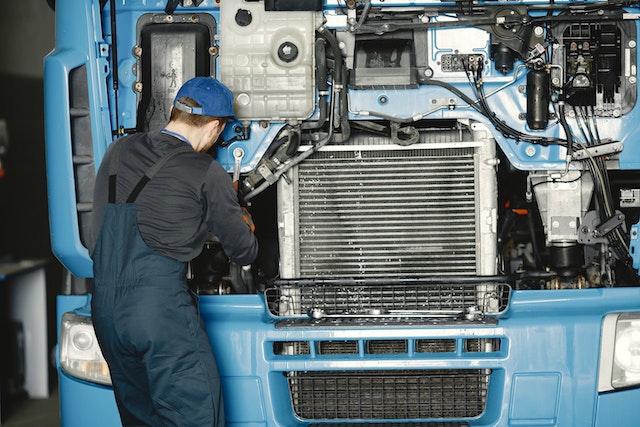
Many companies offer special promotions on parts, maintenance, and repair services during Truck Driver Appreciation Week. This is a good opportunity to take care of routine maintenance or address issues you may have been putting off.

Saving on essential services like tires, inspections, or repairs can help reduce operating costs and prevent unexpected breakdowns later. Staying ahead on maintenance not only protects your truck but also keeps you on schedule and earning consistently.

Using these deals strategically allows you to improve reliability without taking on the full cost at once – something every driver and fleet can benefit from.

2. Run Weekly Incentives or Performance-Based Giveaways

If you’re a fleet owner, you can celebrate your drivers by hosting daily giveaways. Daily drawings will keep everyone excited throughout the week. But to build more enthusiasm, why not raffle off a grand prize at the end of the week?

Make those prizes useful. Cash bonuses, prepaid cards, and practical support like meal credits or extra paid time off have a direct impact on drivers’ day-to-day lives.

The most effective rewards are the ones drivers actually feel outside of their normal work expenses. When appreciation translates into real value – whether that’s time, flexibility, or extra income – it carries more weight and leaves a lasting impression.

For example, you could offer incentives for:

  • The highest on-time rate during the week
  • Zero preventable safety violations
  • The best fuel-efficiency improvement versus that driver’s normal average

This turns a fun initiative into a performance driver that benefits both your team and your bottom line.

Driver standing near his truck

3. Give Practical, Driver-First Gifts

A strong truck driver appreciation strategy focuses on gifts that solve real problems drivers face every day.

  • Cab interior accessories that help drivers sleep better after long night runs, improving alertness and reducing fatigue
  • Safety gear supports drivers dealing with unpredictable weather, roadside stops, and high-traffic environments
  • Technology tools reduce friction during dispatch, navigation, and communication, saving time on every trip

The goal is simple: give something that improves the driver’s experience behind the wheel, not something that sits unused in the cab.

4. Provide Meals or Food Credits on the Road

Some favorite food spots offer discounts to truck drivers during National Truck Driver Appreciation Week. Food is one of the most immediate ways to show appreciation, especially for drivers spending long stretches away from home.

Think in terms of places drivers can realistically access on a route: major travel centers like Pilot/Flying J, Love’s, TA, and Petro, quick-service restaurants inside those stops, or local diners with truck parking.

These are the kinds of locations where a prepaid card, meal stipend, or stop credit is actually useful on the road.

Access to a reliable meal, coffee, or quick snacks at a rest stop helps drivers recharge and stay focused.

5. Host a Driver Appreciation Event

Truck drivers spend long hours (sometimes even days) on the road and away from those they love. If you’re a fleet owner-operator, you could celebrate your drivers by throwing a family and friends event.

Events create connections beyond the job. Bringing drivers, their families, and your company together builds trust and loyalty in a way that a one-time gift or email never will.

For example, a small fleet could host a lunch at the yard with food, drinks, games for kids, and a short recognition segment.

During that time, you might recognize drivers for safe miles or extra effort during difficult runs, then give out a few practical prizes, such as fuel cards, maintenance credits, or branded hats.

If some drivers are still on the road, you can create a second option with mailed meal cards or a virtual shoutout so no one feels left out.

This kind of event gives drivers and their families a chance to meet the people behind the operation, put faces to names, and feel more connected to the team. That stronger relationship often leads to better retention, greater commitment, and more stable operations.

Delivery, container and happy truck driver moving industry cargo and freight at a shipping supply chain or warehouse. Smile, industrial and black man ready to transport ecommerce trade goods or stock

6. Recognize Drivers Publicly

Nothing says “I appreciate all you do” like a handwritten thank-you card to your favorite driver.

Recognition should be visible and specific. Call out drivers for safe miles, customer service, or going above expectations. Use internal channels, your website, or even social media to feature drivers and share their stories.

Simple actions like personalized letters or leadership acknowledgment help drivers feel seen. That sense of recognition builds pride and reinforces long-term loyalty.

7. Give Drivers Time Back

Time is one of the most valuable resources for drivers. Extra home time or additional paid days off allow drivers to reset and reconnect with their families.

After managing long hours, tight delivery windows, and constant time on the road, this kind of support stands out. From an operational standpoint, rested drivers make better decisions and improve overall safety, saving you money and boosting your reputation among drivers and clients.

8. Build Appreciation Into Year-Round Operations

The most effective driver appreciation efforts do not stop after one week. They become part of how your company operates every month.

That can look like checking in with drivers after difficult runs, responding quickly when they raise equipment concerns, or ensuring pay issues are fixed without delay. It can also mean providing drivers with a clear point of contact when they encounter delays or problems at a customer site.

For example, if a driver loses hours because a truck is down for repairs, year-round support might mean fast approval for the repair, regular updates while they are waiting, and a conversation afterward about how to prevent the same issue on the next trip.

If a driver has been covering extra loads during a busy stretch, it could mean recognizing that effort directly instead of letting it go unnoticed.

Long-term appreciation also shows up in small actions that drivers remember. For example, a dispatcher who communicates clearly or a manager who follows up after a hard night on the road.

Cheerful truck drivers have fun on parking lot.

Common Mistakes Companies Make During Driver Appreciation Week

Even strong driver appreciation week efforts can fall short if they are not aligned with what drivers actually need. The goal is to make drivers feel respected and genuinely appreciated in ways that improve their daily experience on the road.

To do that, avoid:

  • Treating driver appreciation week as a one-time event: A lunch or thank-you message helps but loses value without follow-through. If drivers feel overlooked again, the gesture is weak. The best company efforts link truck driver appreciation to year-round treatment.
  • Offering perks that do not help drivers day to day: Some perks seem appealing but don’t help the workers much. Gifts or novelty items are fun, but practical support like meal credits, fuel, maintenance, or extra time home often has a bigger impact by addressing actual challenges truckers face.
  • Ignoring drivers who are still on the road: Many truck drivers will be at a customer site, late trip, or rest stop during appreciation week. If they can’t participate, they should still get recognition through mailed gifts, meal cards, calls, or support that reaches them.
  • Not asking drivers what they actually want: A quick survey, one-on-one chats, or team feedback can prevent wasted effort. Drivers may prefer better food or practical resources over symbolic gestures. Asking first makes your appreciation feel more genuine.

The best truck driver appreciation week ideas come from listening to your drivers and responding with support that fits the way they actually work and live.

Conclusion

Driver appreciation is one of the most practical ways to improve your operation.

When you recognize drivers and support their day-to-day challenges, you reduce turnover, improve safety, and create a more reliable business. Stronger retention leads to better performance and more consistent growth.

That same mindset should carry into how you support your operation financially.

Whether you need help covering repairs, replacing a truck, or securing funding to grow, the right financing support can help you protect uptime and keep your team moving.

Mission Financial Services works with owner-operators and small fleets that need practical funding solutions, including drivers who may not fit traditional lending standards. Start your credit application today and let us help you and your drivers stay on the road and stay profitable.

More Like This

How to Retain Your Top Drivers During a Shortage

Where is the Best Place to Work as a Truck Driver?

How to Motivate Young Truck Drivers

How Does California’s AB5 Affect Truck Drivers?

A Trucker’s Guide to Assembly Bill 5

Regardless if you’re a California truck driver or not, you’ve probably heard about the recent employment legislation that could change the entire trucking industry. As of June 30, 2022, Assembly Bill 5 (AB5) is in effect and making sweeping changes throughout the transportation industry. Over the last few months, there has been an excessive amount of news and information surrounding the legislation and the impact it could potentially have. So, what’s the truth about AB5?

We’ve created a comprehensive guide to California’s Assembly Bill 5 that explains the bill and how it will affect truck drivers and the industry.

What is California’s AB5?

In September 2019, the California Governor, Gavin Newsom, signed Assembly Bill 5 into law to provide gig workers with more rights and benefits. Specifically, the law promises gig workers who classify as employees minimum wage with overtime pay, standard employee benefits, expense reimbursements, health insurance, adequate breaks, and other benefits that were not previously promised under California labor laws. So, how do employers determine who classifies as what?

The ruling of AB5 is based on a 2018 California Supreme Court ruling, known as Dynamex Operation West v. Superior Court. The legislation replaced the 11-prong Borello test with a 3-prong test and established that workers were classified as employees unless otherwise proven by the hiring company. The new 3-prong test, known as the ABC test, determines whether a person can be qualified as an independent contractor. 

For a worker to achieve this classification, the following three statements must be true:

  1. The worker is free from direct control or direction of the hiring entity when performing their duties.
  2. The tasks and services performed are outside the hiring entity’s usual business activities.
  3. The worker regularly performs independent services similarly performed for the hiring entity.

If a worker does not meet the three requirements, they must be classified or, in some cases, reclassified as an employee and receive the rights and benefits that come with that title. The problem with the new ABC test is that it has created rigorous standards for employers, and it’s challenging for workers to pass.

Pros and Cons of Assembly Bill 5

The main issue with AB5’s 3-prong test is that it has turned some independent contractors into employees. Specifically, item B poses the most risk to a worker’s livelihood because it states that a person performing any work similar to the company that hired them is presumed to be an employee. If a worker is classified as an employee, they must adhere to new standards that ultimately impact how they perform their job. For instance, while gig workers can choose when and when not to work, employees must abide by a set schedule.

However, the new legislation isn’t all bad. Pros and cons of AB5 include:

Pros:

  • The legislation creates equal opportunities for gig workers and regular employees.
  • Qualifying as an employee entitles workers to benefits and other perks.

Cons:

  • Being classified as an employee could cost workers their flexible schedule.
  • Reclassifying independent contractors as employees could increase prices for consumers.

And while AB5 does not guarantee that hiring entities will eliminate flexible scheduling, employers may exert more control once they begin incurring higher costs of paying employees versus contractors.

How will California’s AB5 impact the trucking industry?

The application of AB5 will undoubtedly impact motor carriers’ prices, routes, and services. On January 16, the District Court for the Southern District of California found AB5 preempted by the Federal Aviation Administration Authorization Act (FAAAA) and urged its application. This ultimately left the independent contractor model unaffected—at the time. The state of California was also pushed to appeal the lower court’s injunction to the 9th Circuit Court of Appeals (CTA). 

However, on April 28, 2021, the appeal was reversed after finding that implementing AB5 did not fully impact motor carriers’ prices, routes, or services. Therefore it did not fall under the FAAAA’s preemptive scope. So, the reversal cleared AB5 to take effect. But, on June 23, 2021, the 9th Circuit stayed the reversal’s effect, pending the resolution of the appeal to the United States Supreme Court.

Without comment or discussion, the Supreme Court decided not to review the case and left the 9th Circuit’s decision intact. AB5 was once again clear to take effect on motor carriers operating in the state of California. In the Supreme Court briefing, representatives from the State of California downplayed the impact AB5 would have on motor carriers and the trucking industry. 

Now, drivers operating in California are bracing themselves for the “highly impactful and disruptive” consequences of the bill. Many motor carriers and industry experts believe that additional legal challenges associated with AB5 and the ABC test are likely to occur. Still, for the time being, those operating in California will, unfortunately, have to carry the weight of AB5.

More Like This

What is the COVID HOS Emergency Declaration?

Trucking Action Plan: What You Need to Know

How Does Prop. 22 Affect App-Based Drivers?

Top 5 Toughest States for Speeding

pexels-caio-59596

Which states are toughest on commercial truck speeding-enforcement?

Every year the Commercial Vehicle Safety Alliance (CVSA) of truck-enforcement jurisdictions and other related agencies stage a traffic enforcement event called Operation Safe Driver. In 2020, the enforcement effort responded to an uptick in speed-related fatality crashes. And while the automobile accidents were across all vehicle types, most involved Class 8 vehicles.

After the 2020 Operation Safe Driver event, the CVSA found that truck drivers received nearly triple the number of speeding citations as passenger vehicle drivers. In 2021, the number increased again, with approximately 3,000 truck drivers receiving citations. Experts anticipate similar results following this year’s enforcement event. But, drivers are wondering: Are there some states that are more strict when it comes to speeding enforcement?

Which states have the strictest speeding laws?

Experts agree that there are states that are stricter when it comes to enforcing traffic laws than others. 

A recent study found that 75% of states have absolute speed limits, which means one mile per hour over the limit is enough for the state to convict you of speeding. The other 25% of the country has laws that allow you to plead your case in court. However, there are currently no states that have mandatory jail time for those convicted of reckless driving, which means you are liable to spend at least one night in jail if found guilty. 

And if you’re lucky enough to avoid jail time, you can still face a hefty fine. While the country’s average maximum speeding penalty is $742, there are some states where a single ticket could cost up to $5,000. 

The bottom line is that while keeping up with surrounding traffic may seem okay; there are some states where it’s ultimately safer to drive the exact speed limit.

5 toughest states for truck traffic enforcement

Delaware

In Delaware, the driving population speeds 21% more than the national average. And in January of this year, the state implemented cameras along I-95 in hopes of deterring speeding. So, even if there’s no cop in sight, you still need to be cautious of cameras.

West Virginia

If you’re in Virginia, go slow. The state has one of the harshest legal systems around traffic violations. For example, driving 80 miles per hour anywhere in the state or going 20 miles per hour the posted speed limit will result in a reckless driving charge. And you can receive a $2,500 fine and a year in jail for reckless driving.

Iowa

Iowa drivers are ticketed for speeding 66% more than average drivers, despite the state’s heavy police presence. In “The Hawkeye State,” there are 25 police officers per 10,000 drivers. Be sure to remember this ratio the next time you drive through Iowa.

Idaho

While Idaho has a low ratio of speed traps per mile, it ranks considerably high for issuing speeding citations. However, the fines aren’t as intimidating as in other states. If you’re driving anywhere between one and 15 miles per hour above the speed limit, you will be fined $75. Anything over 16 miles per hour will earn you a $140 ticket. 

South Carolina

South Carolina is considered more dangerous than any other state for driving. According to the NHTSA’s Traffic Safety report, the state has the highest rate of traffic fatalities per million miles traveled. And similar to Iowa, the state has 24 police officers per 10,000 drivers, So if you speed in the Palmetto State, you not only risk getting a ticket, but you also risk getting into an accident.


How speeding could impact your career

As a truck driver, receiving a speeding ticket is no minor inconvenience. In fact, a speeding ticket could lead to your CDL being revoked. In most states, exceeding the speed limit by at least 15 miles per hour is considered a severe violation for commercial motor vehicles (CMV). The violation could lead to a minimum 60-day license suspension. If you receive three violations within three years, you could face a 120-day CDL revocation. These violations could also appear on your record, ultimately affecting your next job opportunity. Plus, you could be fined up to $500. 

So, while driving can be frustrating and sometimes mundane, it’s safer to drive wisely and within the speed limit. After all, nothing is worth risking your CDL license and, above all, your life.


More Like This

How Drivers Can Avoid Drug and Alcohol Violations

Top 10 States With the Best Roads and Highways

-> Where is the Best Place to Work as a Truck Driver?

How to Motivate Young Truck Drivers

eddy-billard-lrjKKoW42MA-unsplash

What Factors are Most Important to Younger Drivers?

In the last few years, the trucking industry has seen a tremendous shortage of drivers. For instance, in 2018, approximately 60,800 drivers left the industry for good. This year, about 84,000 drivers have exited their careers; if trends continue, we can expect fleets to be short 160,000 drivers by 2030. The question on everyone’s mind is: “Why does the truck driving shortage even exist?”

And while there are a number of reasons, many believe the shortage is caused by high turnover rates, dwindling compensation, and the aging of the workforce. The good news is that there may be a way to combat the ever-increasing shortage of drivers, and it starts with the next generation.

Currently, young people searching for a career don’t see truck driving as a viable path, and if fleets do not work to change this mindset, the shortage will only worsen. 

But, how exactly are you supposed to appeal to younger drivers? The answers may not be what you expect.

Why are younger drivers so important to the industry?

In 2020, people learned the trucking industry’s true value and felt its impact on our country’s infrastructure. Now, as the driver shortage wages on, more and more truck drivers are retiring, but they aren’t being replaced at an acceptable rate. And when they are being replaced, it’s not by younger drivers. However, if we want to see the industry recover and the economy thrive, younger drivers may be the answer.

Millennials are now the nation’s largest generation, making up more than a third of the country’s domestic workforce. And now, they are searching for a promising career path with good pay and benefits. They may not realize that truck driving offers that and so much more. But what if we told you that fleets could also benefit from hiring younger drivers?

Hiring younger drivers will help fleets stabilize as the tide of retirement accelerates within the industry. Younger drivers will also help trucking companies slow down turnover and keep up with the high demand for shipped goods. But, to hire these drivers, fleets must first appeal to them.

How can fleets motivate younger drivers?

Many think the only way to recruit young drivers is by offering a competitive wage. However, there are more critical factors that young drivers consider before jumping into a career. In fact, the American Transportation Research Institute (ATRI) found that only 40% of drivers (ages 21 to 30) consider pay to be the main factor when joining a fleet. In comparison, 60% believe other factors hold equal or even more importance in their decision. These factors include career stability, work-life balance, career benefits, and company culture.

So, as long as your trucking company can offer a positive working environment and decent benefits, finding younger drivers won’t be as hard as one might expect. 

4 tips for attracting younger drivers

Other ways to attract younger drivers include:

1. Embracing social media.

It’s an age-old truth: to reach your target audience, you must go where they go. And if you are trying to reach a younger audience, you must use social media. Research shows that 86% of people (ages 18 to 29) use social media, and 88% are on Facebook.

A great way to reach younger drivers is through social media campaigns on platforms like Facebook and Instagram. These platforms have consistently ranked highly as a thriving source for driver leads. Using social media and reaching out to your local driving schools is a great way to bring young drivers into the industry.

2. Updating your promotional materials.

ATRI found that young drivers are more likely to apply for a job with a carrier if there is more initial information and transparency. An example would be creating a job posting with explicit expectations and requirements. Your company could even benefit from posting videos and other content that help convey what a day in the life of a truck driver is all about. Almost 25% of younger drivers believe that fleets should incorporate younger adults in their non-recruitment advertisements and company materials.

3. Modernizing your benefits.

According to the CDC, truck drivers are twice as likely to suffer from job-related health issues, like obesity, high blood pressure, and problems that come with a lack of sleep. And in today’s society, health is taking priority in younger people’s lives. Simply updating your wellness benefits could be the difference between a young driver accepting a job offer and declining it.

We suggest:

  • Starting a company-wide wellness program or paying for a wellness app subscription
  • Introducing incentives for incorporating healthy habits
  • Giving discounts on health insurance premiums
  • Offering more PTO and bonus opportunities
  • Supporting your drivers’ wellness in any way you can

4. Offering consistent scheduling.

Truck driving is known for putting a strain on drivers and their work-life balance, thanks to long hours, last-minute changes, and erratic scheduling. Offering more predictable off days and consistent scheduling could attract younger drivers to your company.


More Like This:

How to Retain Your Top Drivers During a Shortage

Why More Millennials Should Become Truck Drivers

Where is the Best Place to Work as a Truck Driver?

Rising Fuel Prices: An Ongoing Problem for Drivers

pexels-enginakyurt-11116151

5 Tips for Conserving Fuel

These days, the glowing numbers on gas station signs cause drivers to wince as they pass. What once was affordable for most drivers now costs anywhere between $4 and $6 a gallon in some areas. This surge in fuel prices has become a top concern for consumers, affecting drivers and the broader economy. 

Higher fuel prices, especially diesel, strain owners and operators, affect the cost of goods that require transportation via truck, and so much more. In this article, we will look at the reason behind increasing fuel prices, who they affect, and what drivers can do to conserve their fuel.

Fuel prices continue to climb, but why?

The Russian invasion of Ukraine primarily influences today’s surging fuel prices, however, prices were on the rise well before the war. Before the COVID-19 pandemic settled in, energy producers reduced their investments and cut back on projects that were less than profitable. Once the pandemic hit, these same producers minimized output even more as the need for petroleum diminished due to quarantine restrictions.

The economy has since reopened, goods are being manufactured, and the roadways are filled once again. The reboot of society led to a surge in demand and a tightening oil market that led President Biden to tap into the Strategic Petroleum Reserve in hopes of leveling prices, but this plan failed.Once Russia invaded Ukraine, the already fragile energy market was sent spiraling downward. With Russia being the largest oil exporter in the world and the U.S.’s ban on Russian oil imports, U.S. oil reached its highest price point since 2008 at $130 per barrel.  

Oil companies are now reluctant to drill and face obstacles like labor shortages and increasing prices for parts and raw materials. On top of that, Russian petroleum product exports are being sanctioned, pushing the price of diesel higher than ever.

All of these factors contributed to the national average of a gallon of gas reaching $4.589, according to AAA. Now, every state in the U.S. averages more than $4 per gallon. In some areas, like California, they’re averaging above $6. And diesel prices retail at an average of $5.577 a gallon, which is 76% higher than last year’s average.

Who is affected by rising fuel prices?

Higher fuel prices impact not only consumer spending but also company spending, affecting many industries, including transportation. For instance, Target is the latest company to speak out about its struggles with higher costs. Target CEO Brian Cornell said, “We did not anticipate that transportation and freight costs would soar the way they have as fuel prices have risen to all-time highs.” Cornell estimates that the higher fuel costs will run the company approximately $1 billion in incremental costs this fiscal year. Walmart executives had similar concerns, “fuel ran over $160 million higher for the quarter in the U.S. than we forecasted.”

But the prices aren’t just impacting domestic costs. Companies like Tractor Supply and Amazon have noted that their import freight costs have increased over the last year. Currently, the cost to ship an overseas container has doubled compared to pre-pandemic rates. Even the airline industry is experiencing the effects of higher fuel prices. The CEO of United Airlines explained that jet fuel prices would cost the company $10 billion more than in 2019.

The ultimate worry for freight companies is how the higher fuel prices will affect the overall cost of operations. A carrier moving shipments from the West Coast to the East Coast will have to pay approximately $1,000 more in fuel costs than in 2021. If things continue in the same direction, this inflation will impact truckload shipping, ocean freight shipping, air cargo shipping, and train shipping costs, which will ultimately cause a domino effect throughout the economy.

Source: truckstop.com

5 Tips for Conserving Fuel

Conserving fuel is no longer just a want or a good deed. It’s now something we must do to save money. In the U.S. alone, the trucking industry consumes approximately 38 billion gallons of diesel annually. And 39% of drivers’ operating expenses come from fueling their rig. So, drivers must do what they can to improve their fuel economy.

Here are a few ways they can do so:

1. Drive more responsibly

Follow speed limit signs and take things slow. Studies show that every 5 mph over 65 mph yields a 7% decrease in fuel economy. You can also do things like:

  • Switch off the air conditioner (weather permitting)
  • Avoid idling unnecessarily
  • Turn off your engine when not in use
  • Use cruise control on the highways (if possible)

2. Improve your truck’s aerodynamics

Research shows that about half of a truck’s fuel is consumed, overcoming aerodynamic drag while traveling at highway speeds. Lucky, there are a few simple ways to improve your truck’s aerodynamics, including using a roof-mounted cab deflector, a deep angled bumper, or a sun visor to push wind to the top of your trailer. You can also use side fairings to avoid turbulence underneath your trailer.

3. Be conscious of the traffic conditions

Every time you have to restart your rig due to stop-and-go traffic, you use a considerable amount of fuel. So, it’s essential to use your GPS and monitor traffic conditions to get to your next location efficiently. Avoiding traffic will also help your clutch last longer.

4. Engine oil & fuel

By simply using the recommended grade of motor oil for your truck, you could improve your fuel mileage by up to 2%.

We also recommend:

  • Filling up your truck first thing in the morning
  • Pump fuel at a low setting to minimize vapors
  • Fill up well before you reach ‘Empty’

5. Conduct regular maintenance checks

Regular maintenance can go a long way in saving you fuel.

Maintenance practices include:

  • Filling up your tires and changing them when needed
  • Checking your trailer and drive axle alignment
  • Watch for any fluid leaks
  • Invest in an engine overhaul if yours is older
  • Replace any old or worn-out parts, like fuel injectors

At the end of the day, improving your fuel efficiency by 2% to 3% can help you save your hard-earned money and keep your rig running like new.


More Like This:

How the Truck Parking Crisis Affects Us All

Top 6 Ways for Fleet Owners to Conserve Fuel

How to Save on Diesel Emissions Repair Costs

What to Expect from Amazon Prime Day 2022

anirudh-wKeZstqxKTQ-unsplash

Inflation, Labor Shortages, and the Supply Chain

Every year, deal seekers prepare for the highly-anticipated sales event, Amazon Prime Day. The retail giant will hold the two-day summer sale on July 12th and 13th and offer significant savings on thousands of products. Amazon recently gave Prime members a sneak peek at this year’s best offers, which include electronics, household staples, beauty products, and more. And while members won’t know the exact details of the sale until midnight EDT on July 12th, we can guess it will be comparable to previous Prime Days.

However, unlike in past years, this year’s event will happen despite some obstacles. So, what can the industry expect this Amazon Prime Day?

Potential obstacles facing Amazon Prime Day

Amazon Prime Day is held annually and offers members a chance to benefit from exclusive discounts and extremely low prices on thousands of items. This year’s sale is coming at an opportune time with some recent issues curbing consumer spending and, in turn, threatening the success of those in the shipping industry. 

So, while more sales are anticipated, we do expect a few impediments will get in the way, including:

1. Inflation

In May, the inflation rate was at 8.6% –the largest year-over-year increase the country has seen in 40 years. The elevated rate increased the prices of goods and services and decreased consumer spending. However, Amazon swears that its member-exclusive sale will change the tide with savings on products from national brands and small businesses. And there is nothing more valuable than a great deal in a tough economy. As the holiday season approaches and more companies attempt to unload excess inventory with low prices and sales events, consumers will resume spending, and the shipping industry, including the supply chain, will recover. 

2. Supply chain struggles

While Amazon still promises that Prime Day will be full of deals for various products, there’s no denying that this year’s selection will differ from previous years. While there will still be a variety of goods, it will be far less than what members are used to due to the shape of the world’s supply chain. But the retailer isn’t giving up. They accumulated their stocks and upped their inventory by almost 47% from Q1 2021 to Q1 2022. The retailer’s sales also increased by about 8% during that same period. So, the supply chain may see further strain depending on how Amazon handles this year’s exclusive event. But, as those within the supply chain have proven time and time again, there’s nothing they can’t handle.

3. Amazon labor shortages and unions

On top of mounting inflation and unrelenting supply chain issues, Amazon is also battling some in-house challenges. If things stay on their current trajectory, the retail giant could run out of workers by 2024. This loss could cripple Amazon’s service quality and growth plans. The memo that explained the labor shortage also explained how the crisis could be delayed, including raising wages and increasing automation. Still, the only way the company could significantly change the course they are on is by altering the way it manages its employees. The company also predicts that it could lose the availability of staff in some regions by the end of 2022. This loss could damage the potential for future sales events, like Prime Day, and, in turn, take a toll on those within the transportation industry who rely on Amazon’s sales.

Amazon Prime Day still has a lot to offer consumers

At the end of the day, Amazon is offering significant discounts on Prime Day that will draw people in regardless of the state of the economy or the supply chain. The deals will be available for items like Apple AirPods, TVs, gaming systems (PS5, Xbox, and Nintendo Switch), Echo devices, Fire TV Sticks, robot vacuums, and gift cards. To get people excited for Amazon Prime Day, the retailer is also offering early Prime Day deals to drum up some business that will have people returning for the actual sale.

As previously mentioned, those working within the supply chain could feel some strain during this time of year, but there will still be much to gain. As people hunt for online deals, supply chain workers and transportation professionals will be needed more than ever, meaning job security amid a shaky economy.


More Like This:

What We Can Learn From Amazon Prime Day

5 Things Owner/Operators Should Do to Achieve Success

Retail Delivery in the Age of Amazon

Archives

Sign Me Up!

Stay up to date with the latest news in the commercial trucking industry.

Contact Us
close slider