
Updated October 2026
To buy a used semi-truck safely, check the seller, the paperwork, and the truck itself before you sign. Ask for the maintenance records, the ECM report, and the last annual inspection report. Then get an independent inspection and line up financing.
This post covers whether buying used makes sense and the six checks we’d run on any used truck. You’ll also see what a used truck costs to finance and which trucks to walk away from.
Key Takeaways
- Used trucks cost less up front and are usually ready to drive right away.
- Ask for the condition report, history report, ECM report, and the last annual inspection report.
- Run the VIN through NHTSA’s free recall lookup before you buy.
- Private sellers can be a good deal if you get an independent inspection and a clean title.
- Mission Financial Services finances used trucks bought from dealerships and private sellers.
Is It Worth Buying a Used Semi-Truck?
For most first-time owner-operators, yes.
A used truck costs less, skips the steepest years of depreciation, and is usually available right away. The tradeoff is higher maintenance risk, so check the truck’s condition before buying to make an informed decision.
If you’re torn between a new or used semi, compare the total cost over the years you’ll own it. A new semi comes with full factory warranty coverage, but it means a higher price and a bigger loan.
Here are the main advantages of buying used:
- Cost savings: A lower purchase price leaves more cash for fuel, insurance, and repairs.
- Slower depreciation: New vehicles lose value fastest in their first few years. A used truck has already lost that value.
- Immediate availability: New trucks can mean waiting on build and delivery schedules. Used trucks are usually ready now.

How to Buy a Used Semi-Truck: 6 Checks Before You Sign
Buying used saves money, but only if you check the truck’s history and condition first. These are the six checks we’d run.
1. Buy From a Reputable Seller
Start with a seller who will be open about the truck’s history and condition. A reputable dealer will hand over reports and service records without pushback.
Look for dealers that belong to the Used Truck Association (UTA). Members agree to follow the UTA code of ethics, which covers honesty and integrity.
Research each dealer before you visit. Read their customer reviews and ask other drivers in your local trucking community about them.
Private sellers and auctions often have lower prices, but you get fewer reports and usually no warranty.
If you buy privately, pay for an independent inspection and confirm the seller holds a clean title. We finance private-party purchases, and we’ll ask for the title and photos of the truck.
2. Request and Review Key Reports
Reports show problems you can’t spot on a walk-around, so ask for all of them before you negotiate.
| Document | What it shows |
| Condition report | Current wear and items that need attention |
| Truck history report | Accidents, major repairs, and ownership changes |
| ECM (engine control module) report | Idle hours, fuel economy, and signs of hard use |
| Annual inspection report | Whether the truck passed its last federal inspection |
| Recall check | Open safety recalls on the VIN |
The ECM report also shows the truck’s average fuel economy, which tells you what fuel will cost on that truck.
Every commercial motor vehicle must pass a federal inspection at least once every 12 months under 49 CFR 396.17. The inspection covers parts like the brakes, steering, tires, and lights. A carrier can’t legally run the truck without a passing inspection from the past year.
Ask the seller for the most recent report and check the date. If it’s missing or more than a year old, get a new inspection before you buy.
Next, check for open safety recalls. A recall means the manufacturer found a safety defect in that model and offered a free fix. Not every owner gets that fix done, so the defect can still be there when the truck is sold.
An open recall doesn’t have to kill the deal. Ask the seller to get it repaired, or book the repair with a brand dealer right after you buy.
3. Investigate the Truck’s Background
Ask where the truck came from. The vehicle’s history shows how hard it worked and how well the previous owner looked after it. Trucks from well-run fleets usually have full, consistent service records.
Check the maintenance history to see whether the owner kept to the service schedule.
Also ask about repairs or modifications made before the sale. Confirm the shop used quality parts and qualified technicians did the work.
4. Check the Engine and Emissions System
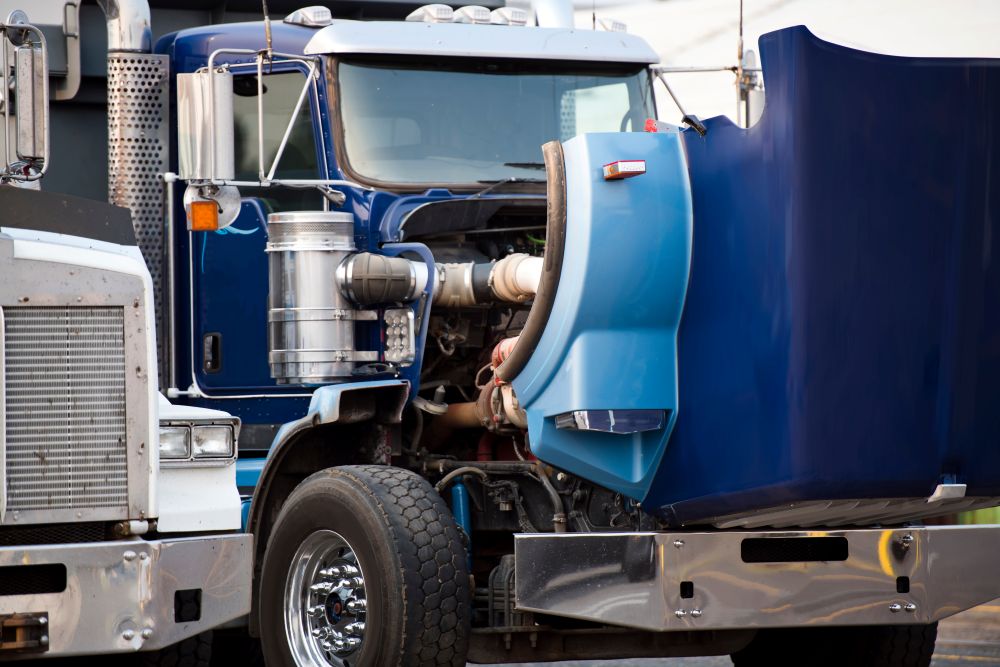
The engine is the most expensive part to fix, so check it for current and future problems.
Start with the engine model and its mileage. A semi-truck typically lasts around 750,000 miles, and good maintenance can push it past a million. Compare the odometer to that number. A truck at 600,000 miles has less working life left than one at 300,000, even if the prices are close. Lower mileage usually means less wear and a longer working life.
Then check the service records for an engine overhaul. An engine with a documented overhaul can have more life left than the odometer suggests.
Request an oil analysis. Metal particles, coolant, or fuel in the oil point to engine wear or leaks.
On newer trucks, check that the emissions system has been maintained. These systems keep the truck within federal emissions standards, and repairs to them can be expensive. A forced regeneration test confirms the emissions system works before you buy.
Keep in mind that lenders limit how old a truck they’ll finance. We finance trucks older than many lenders will, but financing older trucks comes with its own trade-offs.
5. Inspect the Used Truck’s Physical Condition
Don’t rely only on reports. Every truck has its own set of wear points, so inspect it in person and test drive it.
Pay close attention to handling, braking, and how the transmission shifts. Unusual noises or vibrations can point to mechanical problems.
Work through a written inspection checklist so you don’t skip anything.
Make sure the cab fits the job. Day cabs suit local and regional routes where you’re home most nights. Sleeper cabs make sense for long-haul runs where you’ll spend nights on the road.
Check the cab and sleeper for torn seats, broken storage, or climate controls that don’t work. On long hauls, driver comfort matters, so test the seat and the bunk.
6. Check for a Warranty and Financing Options
Ask whether the truck still has a transferable factory warranty. If not, ask about an extended warranty that covers major components.
Financing your semi-truck purchase keeps cash free for maintenance, fuel, and insurance. A used commercial vehicle loan works for both dealer and private-party purchases.

How Much Does a Used Semi-Truck Cost to Finance?
In our lending, first-time buyers typically finance $25,000 to $40,000, with 20% to 30% down.
Prices vary with age and mileage. Most used semi-trucks sell for $40,000 to $110,000.
Lenders price the loan on the truck as well as on you. The truck’s model year, mileage, and condition all affect whether you qualify and what terms you get.
Used models under 10 years old in good condition usually mean a smaller down payment and a lower monthly payment. Newer models usually get better terms too.
Older models cost less to buy but more to run, so they can cost more in the long run. Set aside cash for repairs either way.
Used trucks also carry higher commercial truck financing rates than new ones.
Section 179 may let your business deduct a used or financed truck’s price the year you start using it. You must use it more than 50% for business, so check IRS Publication 946 with your tax preparer.
What Do You Need to Finance a Used Semi-Truck?
To finance a used semi-truck, you’ll need a valid CDL, proof of income, and the truck’s details. Lenders want to see that your cash flow covers the loan payment plus fuel, insurance, and repairs.
Here’s what we ask for:
- Your CDL: At least three years of verified driving experience. Drivers with less experience can still qualify with a larger down payment, and we review those applications case by case.
- Income and cash flow: Bank statements or tax returns that show your cash flow.
- Business documents: Your LLC operating agreement or articles of incorporation, if you have one.
- Credit history: We review your overall credit, not only your score.
- Truck details: A spec sheet with the year, make, model, VIN, mileage, engine, and transmission.
In our experience, buyers who gather these before they shop close faster once they find the right truck.
Finance Your Used Semi-Truck With Mission Financial Services
A full set of reports and an independent inspection lower your risk of buying a truck that needs major repairs.
We help first-time buyers and owner-operators finance used trucks from dealers and private sellers. If you need cash against a truck you already own, ask about commercial vehicle title loans.
Have questions about a specific truck? Contact us before you make an offer.
Ready to buy? Get pre-approved before you shop, and we’ll respond within four hours.
Frequently Asked Questions
Is It Worth Buying a Used Semi-Truck?
For most first-time owner-operators, yes. A used semi-truck costs less up front and keeps your loan and down payment smaller. It also carries more repair risk than a new truck. Ask for maintenance records and an ECM report, and set aside cash for repairs.
What Is the Best Place to Buy a Used Commercial Truck?
Established dealers are the safest choice, especially UTA members. Fleet trade-ins from well-run fleets often come with full service records. Private sellers can offer better prices, but get an independent inspection and check the title first.
Can I Finance a Used Semi-Truck From a Private Seller?
Yes. Mission Financial Services finances used trucks from private sellers as well as dealerships. You’ll need a sales order, the title, truck photos, and a spec sheet with the VIN and mileage.
Which Used Trucks Should I Stay Away From?
Walk away from trucks with no maintenance records, open safety recalls, or a failed annual inspection. Be careful with trucks whose emissions systems show signs of skipped repairs. Those repairs can cost more than the discount you got on the price.
How Old a Truck Can I Finance?
It depends on the lender. Many lenders only finance trucks from the last 5 to 10 years. Mission Financial Services finances older trucks than that, though a newer truck usually gets better terms.
Can a Regular Person Buy a Semi-Truck?
Yes. You don’t need a business or a CDL to buy a semi-truck. You do need a CDL to drive one. Most lenders, including us, look at your CDL experience when you apply for financing.