

Office: (404) 975-4800

Business

Commercial truck driver

What Different Jobs Do Commercial Truck Drivers Do?

Understanding the different jobs commercial truck drivers do is essential, especially if you’re looking to build a solid career in the trucking industry.

There are several types of commercial truck drivers. Each has different tasks depending on the truck driven, goods hauled, and distance traveled.

We’ve prepared this quick guide to help you understand the most common types of commercial truck driver job categories and their typical duties. We’ll also briefly discuss some requirements and skills you need to excel at various commercial truck driving jobs.

Different Types Of Commercial Truck Driving Jobs

Here are nine common types of commercial truck driver job categories you can consider pursuing:

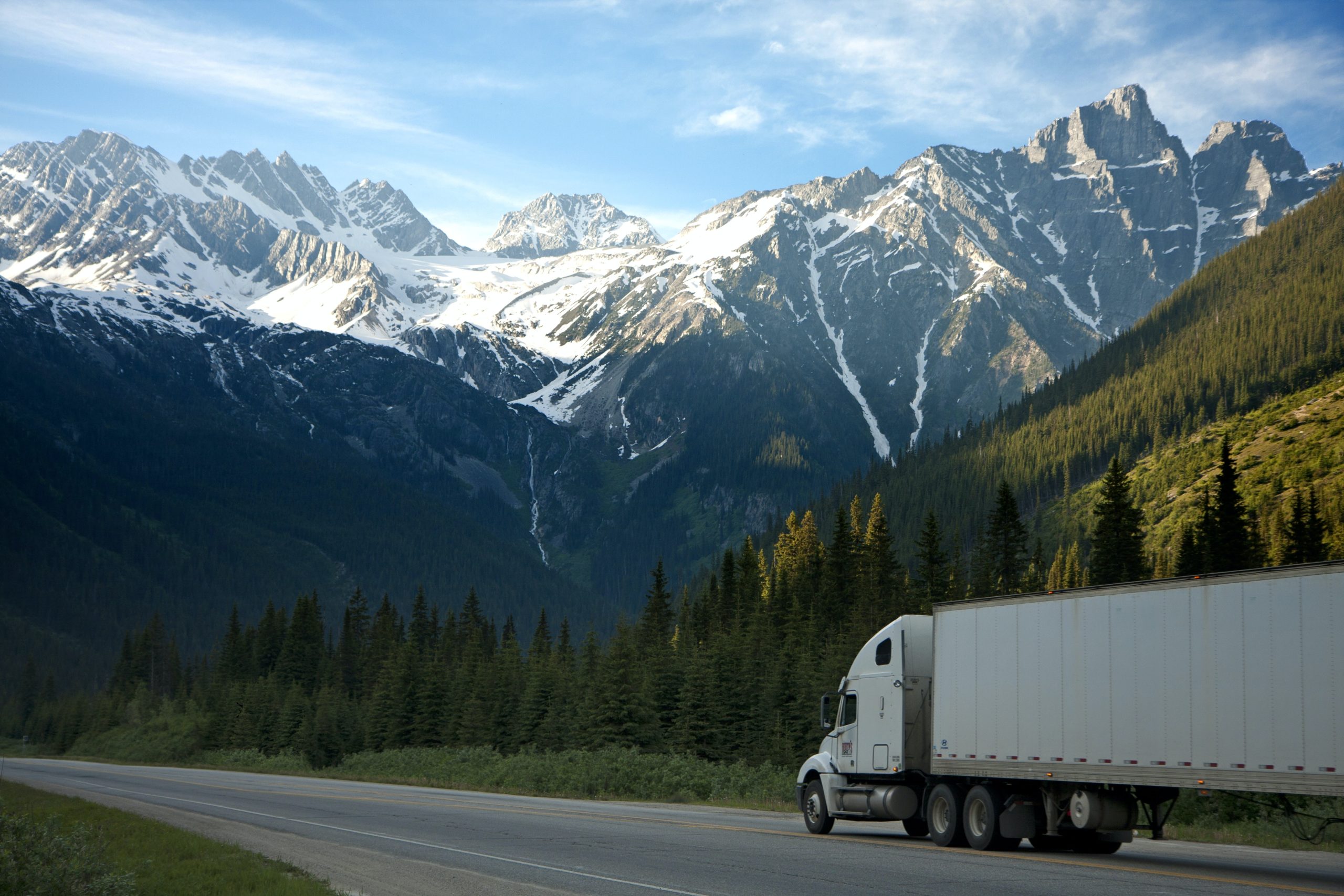
Dry Van Haulers

Dry van trucking is one of the most traditional truck driving jobs. It involves moving well-packaged, dry goods that don’t need strict temperature control. The dry van is usually a tractor-trailer combination resembling a box with all sides enclosed but has an opening (the door) at the back.

Primary Duties

The primary duty of dry van drivers is hooking up to loaded tractor-trailers and following assigned routes to deliver goods to various destinations. They don’t load or offload the cargo, but they may have to:

  • Inspect cargo before leaving their pickup station to ensure everything is loaded correctly.
  • Handle basic mechanical problems as needed.
  • Manage inventory and collect signatures to verify delivery.

Requirements

As a minimum, you need a class-A commercial driver’s license to secure a job as a dry van driver. This will allow you to drive commercial motor vehicles with a wide gross weight range.

You could, for instance, drive a tractor with over 26,000 pounds and drag one trailer with over 10,000 pounds. Or drive a tractor-trailer combination with double or triple trailers ranging from 120,000 to 148,000 in total weight. Hauling double and triple trailers requires additional doubles and triple endorsement.

Freight Haulers

In freight hauling, truck drivers transport and deliver all types of cargo that dry van hauling cannot deliver. These include specialty freight such as liquids and hazardous materials. Often, freight haulers move larger loads and equipment than small packages. They can also travel over short or long distances.

Primary Duties

  • Overseeing freight loading to ensure freight weight limits are adhered to.
  • Securing the freight in place to prevent damage during transport.
  • Performing basic motor vehicle service checks to ensure the tractor-trailer is in good order before departure. This may include checking the oil and fluid levels plus tire pressure.

Requirements

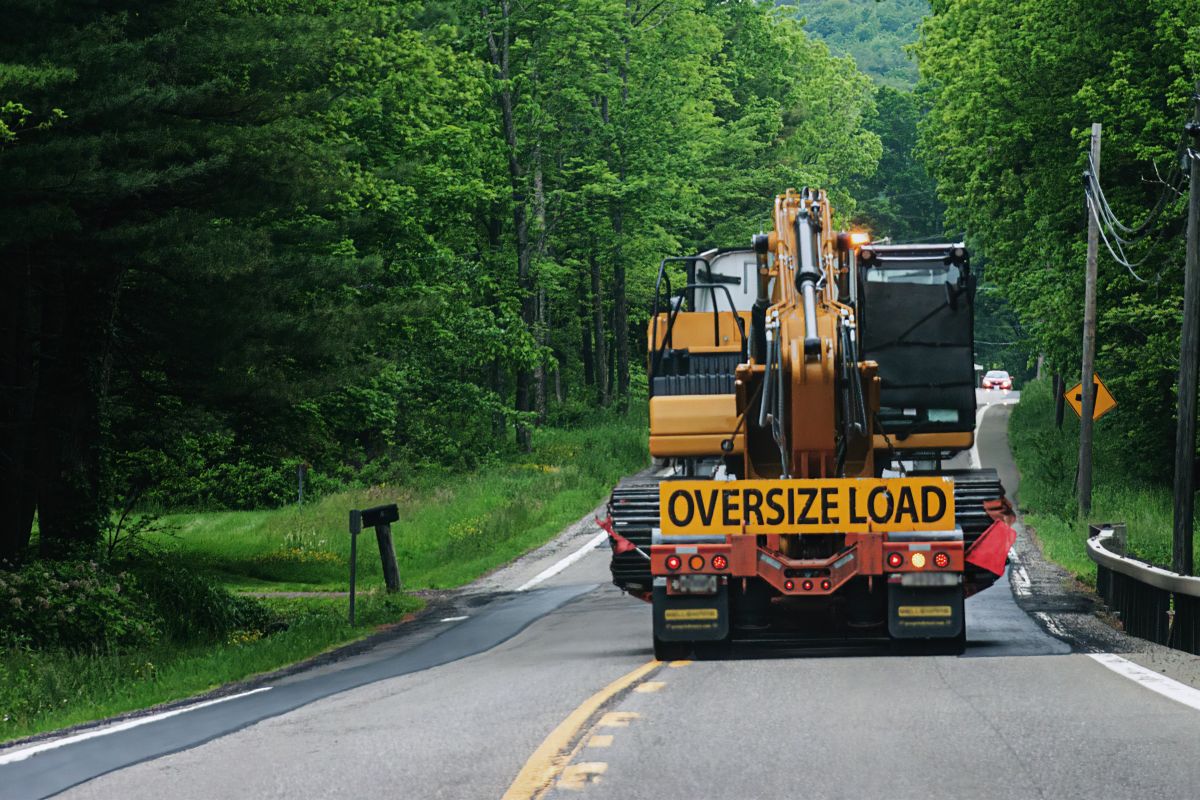
Besides an active class A commercial driver’s license, most employers require you to have experience transporting large freight. That’s because transporting oversized cargo requires proper balancing throughout the trip.

For specific cargo, like hazardous materials, you must follow a few safety procedures to comply with all federal laws governing the transportation of hazardous materials. Here’s a detailed guide on complying with federal hazardous materials safety regulations to help you understand all the required safety procedures.

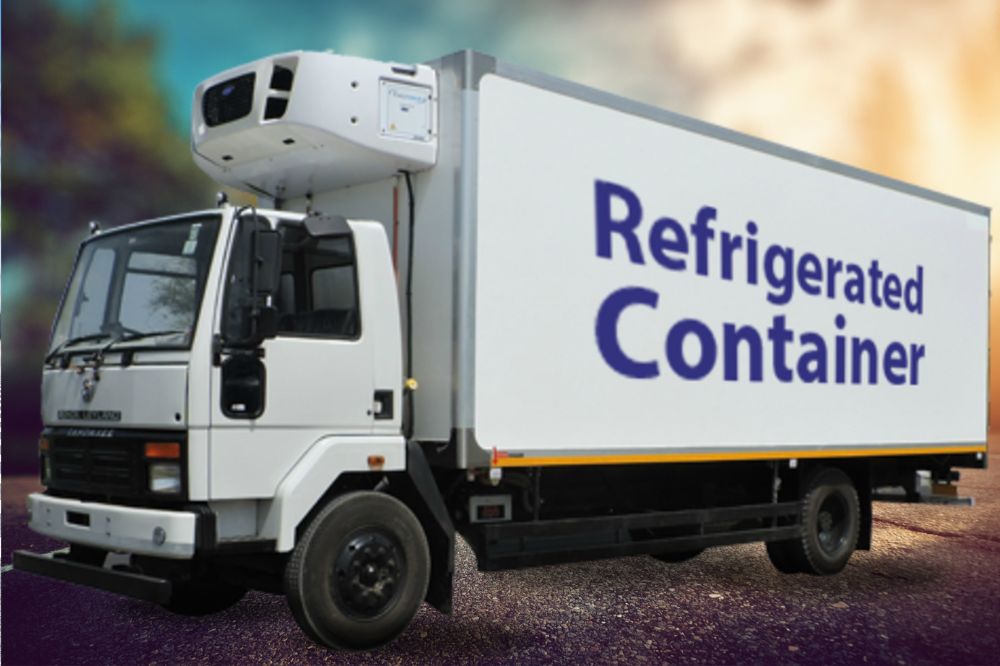
Reefer or Refrigerated Commercial Truck Drivers

As the name suggests, refrigerated or reefer commercial motor vehicle drivers haul goods that need specific temperature control. Most times, they transport perishable food items to grocery stores and restaurants.

Primary Duties

Apart from their standard driving duties, reefer tractor-trailer truck drivers are responsible for:

  • Ensuring their motor vehicle is always at the right temperature when transporting various goods.
  • Keeping their trailers clean and sanitary
  • Loading and unloading their tractor-trailers
  • Regular maintenance to fuel the cooling units and fix any refrigeration issues

Requirements

You require refrigerated trucking skills and all the skills class A CDL drivers must have. Some employers may request a specialized refrigeration certification as well for this job.

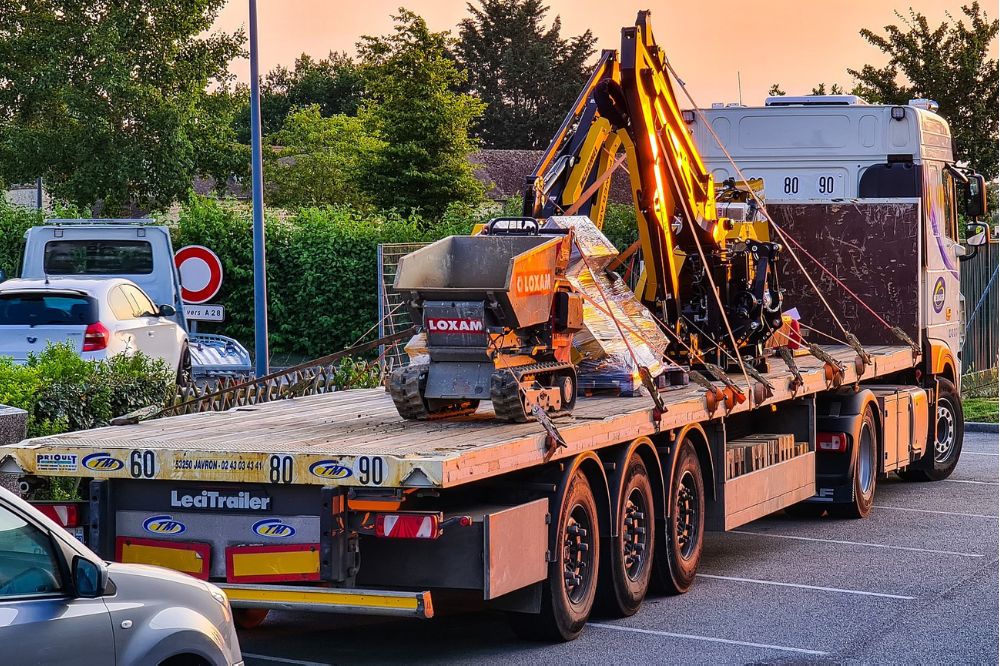
Flatbed Commercial Truck Drivers

Flatbed commercial motor vehicle drivers transport machinery and other dry products on open-air trailers. The cargo moved by flatbed drivers is usually too large or awkward and cannot fit into regular dry van trailers. These items may include lumber, steel pipes, or large tanks.

Primary Duties

  • Load and unload truck
  • Secure load with chains and tarps to prevent damage during transport
  • Inspect the vehicle to ensure it’s in safe working conditions before each trip
  • Prepare reports on cargo loads and deliveries for record-keeping
  • Prepare and maintain shipping documents like warehouse receipts, bills of lading, and sale
  • Communicate with dispatchers to get instructions on deliveries

Requirements

Because this job requires driving large trucks, you’ll have to undergo on-the-job training for about four weeks to learn how to operate flatbed trucks. This is in addition to the driving test you must pass to get your driver’s license CDL (class A) when learning to drive heavy trucks.

Most employers require a high school diploma or associate’s degree for this job. They may also assess your physical health and ability to lift and secure heavy loads since the role involves a bit of manual labor.

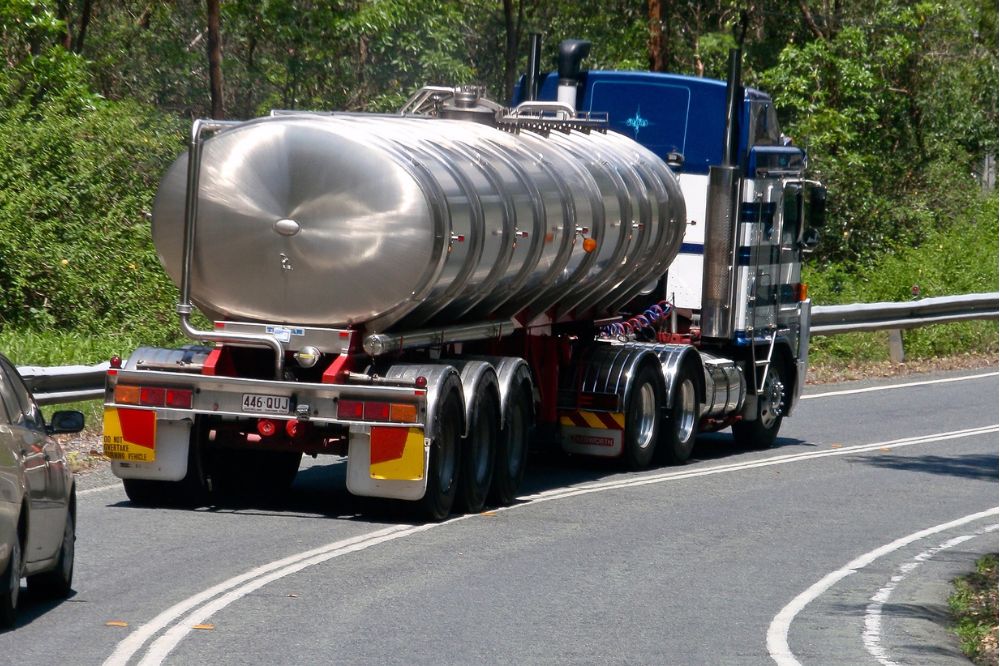
Tanker Commercial Truck Drivers

Tanker drivers operate trucks with liquids or gases. They transport different hazardous and non-hazardous loads, such as crude oil, diesel, gasoline, chemicals, or milk, over short and long distances.

Primary Duties

  • Adhering to strict safety regulations to prevent leakages
  • Supervise or assist in loading and unloading the tanker. This may include connecting hoses and pumps or removing utility hole covers to unload liquids into fuel tanks and other storage silos.
  • Maintain accurate logs of working hours and all trip activities.
  • Ensure the relevant staff receives the cargo and signs for their delivery.

Requirements

Tractor-trailer truck drivers require specialized training to handle tankers and the different types of loads they haul. Depending on the properties of the load you haul, you’ll need to learn how to handle various emergencies like chemical spills. You may also require special certifications, including occupational health and safety certificates, in addition to a class A commercial driver’s license (CDL).

You’ll have to follow all the dot regulations to get the required tank vehicle endorsement for operating tanker trucks. To receive this endorsement, you must pass a written knowledge test and practical exam. If hauling hazardous liquids, you must also abide by all FMCSA rules on transporting hazardous materials.

Location-to-location or Less than truckload (LTL)

LTL tractor-trailer truck drivers transport smaller loads or shipments and often make multiple trips a day. Most drivers drop several packages at various locations. Other drivers pick up or deliver packages to terminals, where they transfer the goods to other trucks, which then deliver the loads along designated routes.

Primary Duties

  • Safe transport of various types of goods at multiple locations daily
  • Load and unload trucks several times a day

Requirements

Like all other truck driving jobs, becoming an LTL truck driver requires a commercial driver’s license, but it doesn’t have to be a class A CDL. A class B CDL will do, although you’ll be limited to hauling specific types of trucks.

Most LTL drivers are company drivers, and employers require a few years of experience in a delivery position (about two years) with a clean driving record.

Local Commercial Truck Drivers

Local commercial motor vehicle truck drivers transport goods of varying sizes within their locality. They are different from regional commercial truck drivers who cover longer routes (roughly 1000 miles), even though both types of truck drivers perform almost the same duties.

Primary Duties

  • Local and regional tractor-trailer truck drivers must ensure their cargo remains safe and in excellent condition during transport.
  • Coordinate with their respective trucking companies to manage new loads effectively and transport them within specified time frames.
  • Local truck drivers often assist in loading and unloading cargo, whereas regional truck drivers don’t.

Requirements

Both types of commercial truck drivers require extensive knowledge of the routes they operate in. If you choose these trucking jobs, you’ll have to master the many routes in the geographical area you cover.

Over-the-road Commercial Truck Drivers

Over-the-road (OTR) truck drivers specialize in long-distance hauling. They transport goods over thousands of miles and are usually on the road for long periods.

This is one of the most lucrative trucking careers. CDL drivers earn a minimum of $78,113 annually and enjoy several benefits.

Usually, the drivers are required by law to take rest periods in transit. Because of this, some trucking companies employ team drivers to deliver time-critical cargo. Here, two drivers take turns to drive the same truck, delivering the load faster.

Primary Duties

  • Complying with all dot regulations, including the hours of service and gross vehicle weight restrictions.
  • Performing prescribed tractor-trailer inspections and documenting its working conditions before departure.
  • Supervising cargo loading and unloading. This includes managing inventory and getting clients’ signatures to confirm that all items were delivered in pristine condition.
  • Logging all trip activities, including the hours and miles driven, rest stop durations, plus fuel, repair, and toll road expenses.
  • Communicating delays or late deliveries due to breakdowns or accidents to dispatchers.

Requirements

Due to the long hours spent behind the wheel, you have to meet specific medical conditions to qualify for this job. You must pass vision tests and go through high blood pressure checks, among other medical tests.

Most employers may also require you to go through various skills tests before hiring you, even if you are a class A CDL driver with years of experience.

Vocational Commercial Truck Drivers

You can opt for vocational commercial truck driving, which includes tow truck drivers and drivers of garbage trunks or dump trucks.

Conclusion

The trucking industry is diverse and has several career growth opportunities. You can start out in one niche, say a dry van driver, then work your way to being an OTR driver, provided you have the required commercial driving license.

Your job security in the industry is secure if you maintain a clean driving record and possess various skills truck drivers need to succeed.

Read our guide on commercial truck driver salary expectations to estimate how much you’ll earn as a commercial truck driver. If you’re interested in buying a semi-truck and starting your own trucking business instead, contact Mission Financial Services! We’ll help finance your purchase.

commercial truck driver salary

Commercial Truck Driver Salary Expectations

commercial truck driver salary

How much does a truck driver make? This is a common question for job seekers in the transportation industry.

A commercial truck driver’s salary can vary in a pretty big way. This just depends on factors like what kind of vehicle you’re driving, what you’re hauling, what kind of truck driving distances you’re covering, how experienced you are, and so on.

In this guide, we’ll explore the average truck driver’s salary, as well as break down some of the critical elements that influence a truck driver’s salary.

What Influences a Commercial Truck Driver Salary?

Many different factors influence what truck drivers earn. This is because being a truck driver is an incredibly versatile job, with all kinds of different types of truck drivers out there.

Before we get into the average salary for truck drivers, let’s first explore some of the main factors that influence truck driver salaries.

Experience

One of the most significant factors that influence the average base salary of a truck driver is experience.

Entry-level drivers might earn less than those with many years of experience. Experienced drivers often have a better understanding of the industry. They could be more reliable, more efficient, and more valuable to trucking companies. This means more experienced drivers have a good chance of taking higher-paying positions.

Type of Trucking

There are many different types of commercial truck drivers out there, and the type of trucking you’re involved in can affect your pay.

Some drivers work in long-haul trucking, which might involve extended periods away from home but often pays more.

There could also be additional benefits to long-haul truck driving, such as food and accommodation allowances. While this doesn’t necessarily mean you earn more, it could reduce your living expenses if you’re on the road for long enough.

Local or regional trucking jobs might offer more predictable schedules and less time away but could have slightly lower pay than drivers who cover long distances.

The trucking industry is diverse, with all kinds of different routes, schedules, and types of trucking available. Generally speaking, the more time you spend driving, the more you will get paid. Of course, this is not a hard and fast rule.

What You’re Hauling

The transportation industry includes truckers that haul all kinds of different goods. Some truck drivers require special licenses and training to haul specific loads, which generally results in higher-paid roles.

For example, hazmat truck drivers or drivers of oversized loads will earn more, as they are more specialized. Truck drivers in more dangerous conditions, like ice road truckers, will likely also earn more than a regular truck driver.

Any type of truck driving that requires specialist knowledge and skills will probably generate more money. Pay could also vary based on the type of semi-truck you’re driving.

Company Size

Like any job, a truck driver’s salary can vary greatly depending on the company they work for.

The size and reputation of the trucking company play a big role in compensation. Larger, well-established companies might offer more competitive pay and benefits packages. Small-scale transportation companies might offer a lower salary.

If you’re an owner-operator, then how much you earn comes down to how much work you’re able to take on, and what kind of work you focus on.

Location

Salaries can vary greatly based on the region – each state pays truck drivers differently. Areas with a higher cost of living and greater demand for trucking services might offer higher pay to attract drivers.

It’s also important to understand that long-distance truck drivers often drive across multiple states or even countries. The average truck driver salary of these drivers that span multiple locations is often higher than regional truck drivers on shorter routes.

Benefits

When looking at the average salary of a truck driver, you also need to consider the full benefits package that may be available.

Some trucking companies offer additional benefits such as health insurance, retirement plans, and bonuses, which can impact the overall compensation package. A truck driver’s salary may often only be one portion of their entire compensation, so it’s important to understand the full picture.

Mileage vs. Hourly Pay

Companies hiring truck drivers make payments in different ways. Some trucking jobs pay drivers based on the number of miles driven, while others offer hourly wages.

Hourly pay might be more favorable in situations where drivers spend a lot of time waiting (e.g., at loading docks) or in traffic. However, drivers who earn based on their miles will earn more if they drive more.

So, there could be a broad range in pay when you compare regional drivers and local drivers against long-distance truckers.

Average Commercial Truck Driver Salary

Now that we know what influences a commercial truck driver’s salary, let’s look into how much a truck driver earns.

According to Talent.com, the average salary for a truck driver in the US is $62,483 per year. This is the median average salary, with the high end being $89,186 for top earners, and the low end being $48,750.

According to Indeed, the average base salary of a truck driver is $1551 per week. This could be broken down as:

  • $0.48 – $0.75 per mile for a company team driver
  • $0.40 – $0.64 per mile for a company solo driver
  • $0.94 – $1.79 per mile for an owner-operator driver

Indeed emphasizes the difference in pay between beginner truck drivers and more experienced commercial drivers.

Conclusion

This guide should give you a good idea of the average pay you can expect as a truck driver. Of course, this could vary greatly for solo drivers, ice road truckers, owner-operators, specialist truck drivers, and more.

Whatever the case, make sure you’re paid fairly when taking on a truck driving job.

Interested in buying a semi-truck and starting your own trucking business? Get in touch with us at Mission Financial, where we can help you gain financing for your commercial vehicle needs.

semi truck rental by owner

What To Look For In Semi Truck Rental Opportunities By Owner

semi truck rental by owner

Are you looking for semi-truck rental opportunities by owners? If you’re not quite ready to buy a semi-truck, renting one directly from an owner could be a great choice.

Semi truck rental by an owner is often cheaper than from an established rental business. Direct owner rentals could also include benefits like greater attention and support from the owner.

However, there is always risk involved in renting vehicles. This means you must consider a few crucial factors before entering any rental agreement.

Here are some of the most important things to look out for when considering semi truck rental opportunities offered by individual owners.

Factors to Watch Out For: Semi Truck Rental By Owner

Vehicle Condition

When you’re looking for trucks to rent from the owner, the first thing you’ll need to consider is the overall quality and condition of the vehicle.

Thoroughly inspect the semi truck’s condition, both visually and mechanically. Look for signs of wear and tear, proper maintenance, and overall cleanliness. Well-maintained trucks are less likely to experience an accident or breakdowns and delays during your rental period.

This means you’ll need to know how to look for bad shocks or damaged fuel filters. Even though you’re renting and not buying the semi-truck, driving a truck in poor condition can result in more significant issues later.

You’ll also want to ask about the truck’s fuel efficiency and average miles per gallon (MPG). Fuel-efficient trucks can save you money on long journeys.

Maintenance Records

A crucial part of understanding the truck’s condition is knowing how well looked after the semi-truck is.

Request maintenance and service records for the truck. A reliable owner will have a documented history of regular maintenance and repairs. This can give you confidence in the truck’s performance and reduce the risk of unexpected issues.

This is important when looking for semi-truck rental opportunities by owners, as the owner should have clear records of this. If the owner cannot show you the vehicle’s maintenance and service history, this could be a significant red flag that signals many potential issues you may face in the future.

Insurance and Liability

When looking for semi-truck rental opportunities by the owner, you’ll need to ensure the truck is adequately covered in case of an accident.

Ensure the truck is appropriately insured and the owner provides insurance coverage proof. Verify the insurance policy details to understand your responsibilities in case of accidents, damages, or other incidents.

It’s also important to know exactly what the insurance policy does and does not cover before you take the semi-truck onto the roads.

Rental Agreement

Now you have a good idea of the truck’s condition. If you’re happy with the semi-truck, it’s time to go through the rental agreement the owner offers.

Carefully review and understand all the details included in the rental agreement. This document should outline rental terms, rates, payment schedules, maintenance responsibilities, and any additional fees or charges.

If there is anything you need clarification on, clear it up before signing anything.

Rental Duration and Flexibility

Determine the rental period that best suits your needs. Some owners may offer flexible rental periods, which can be beneficial if your project timelines change.

Looking for a semi-truck rental opportunity by the owner can be a helpful way to start a trucking business. However, renting a truck is not as sustainable in the long run, so the rental agreement mustn’t tie you down too much. This could impact the future success of your business.

Cost and Fees

You’ll need to know what your rental agreement includes and what you must pay. The last thing you want is to rent a semi-truck only to discover a list of hidden fees when you start driving.

Compare rental rates with other truck owners to ensure you get a fair deal and competitive rates. Inquire about any hidden fees, such as mileage charges, late return fees, or maintenance costs, that may be your responsibility.

Owner Reputation and References

Researching the owner’s reputation within the industry is always a good idea. Ask for references from previous renters to gather feedback about their experiences and reliability.

While this can be tricky, it could be beneficial when uncovering information about the owner’s rental history.

Support and Assistance

One of the benefits of semi-truck rental opportunities by owners is that the owner may offer support while you rent the truck.

Ask about the owner’s availability for assistance during the rental period. A responsive owner who offers support for maintenance or technical issues can save you time and stress if any problems arise.

Cancellation Policy

Understand the owner’s cancellation policy if you need to end the rental arrangement earlier than planned. This will help you avoid any unnecessary financial issues.

Roadside Assistance

Roadside assistance can be a lifesaver for any semi-truck driver. Check if the owner provides roadside assistance or if you need to arrange for it separately. Knowing you have support in case of breakdowns or emergencies can give you peace of mind.

If the owner provides roadside assistance, understand what states and locations this is available. You’ll also need to understand what type of assistance is offered.

Communication

Ensure you have a transparent communication system in place with the semi-truck owner. Know how you’ll stay in touch with each other, and know how any issues or queries will be directed.

Precise and reliable communication is essential throughout the semi-truck rental period.

Conclusion

Finding the right semi-truck rental opportunities by owners can be ideal for starting or growing your business.

However, you’ll need to ensure the rental agreement and truck match your requirements.

If you’re looking to purchase a semi-truck, then get in touch with us at Mission Financial. We help all truck drivers access the financing they need to purchase their ideal vehicle – even if it’s an older model.

truck fleet

Renew Your Commercial Vehicle Insurance With These Steps

truck fleet

One of the most essential parts of operating a trucking business is ensuring you have the right commercial vehicle insurance coverage.

Insurance renewal is not just a routine administrative task. It protects your business, keeps your trucks legally on the road, and ensures you meet lender and Department of Transportation (DOT) requirements.

For truck owners and small fleets, the renewal process is also a chance to control costs, reassess risks, and make sure your coverage matches how your operation actually runs today.

Insurance costs across the trucking industry have increased over the past few years due to higher repair costs and tighter underwriting in the insurance market. Because of this, it is important to approach your commercial insurance renewal strategically instead of waiting until the last minute.

Here’s how to renew commercial vehicle insurance the right way.

Step 1: Start Your Business Insurance Renewal Process Early

Many truck owners wait until the last minute to begin the insurance renewal process. That approach can limit your options and sometimes lead to rushed underwriting decisions.

Starting your commercial insurance renewal 30–60 days before the renewal date gives you time to review your current policy and compare quotes from multiple providers in the insurance market.

Beginning early also helps prevent coverage lapses. If your policy expires before the new one is finalized, your trucks may temporarily operate without insurance coverage. That can lead to serious compliance issues and even registration problems.

Starting early allows you to:

  • Compare insurance rates without rushing
  • Complete a proper risk assessment of your fleet
  • Address underwriting questions from the insurance company
  • Ensure coverage stays active without interruptions

For trucking businesses that rely on their vehicles every day, avoiding even a short coverage gap is crucial.

towfiqu-barbhuiya-jpqyfK7GB4w-unsplash

Step 2: Review Your Current Insurance Policies Carefully

Before you renew commercial vehicle insurance, take the time to go through your current commercial auto insurance policy. Understand the coverage it provides, the premiums you’re paying, and any deductibles.

When reviewing your commercial auto policy, focus on the specific protections that matter for trucking operations.

Look closely at your:

  • Liability coverage limits
  • Cargo insurance
  • Physical damage protection
  • Non-trucking liability coverage
  • Rental reimbursement or downtime coverage

Your current policy may have worked well when you first purchased it, but your business operations may have changed since then.

Ask yourself: Does this coverage match how your trucks are actually operating today?

If your operations have expanded, your risks may have changed. Reviewing your policy line by line helps you determine whether your drivers and equipment are still properly covered.

Step 3: Understand Why Your Premium May Have Changed

Many trucking companies notice higher premiums during their commercial insurance renewal. Several factors across the industry are driving those increases.

Repair costs have risen significantly as trucks become more technologically advanced. Replacement parts, specialized sensors, telematics, and labor all contribute to higher insurance costs after an accident.

Another major factor is claims inflation. Courts have issued increasingly large verdicts in trucking liability cases, sometimes referred to as “nuclear verdicts.” These large settlements raise insurance rates across the entire industry.

Underwriters also examine safety records when calculating a premium. Issues like frequent claims, poor inspection history, or driver safety violations may lead to higher rates.

Your insurance advisor or insurer may review:

  • Driver records and violations
  • Safety scores and inspection data
  • Vehicle maintenance history
  • Operating regions and mileage

Understanding these influences helps you prepare for possible changes when your commercial insurance policy comes up for renewal.

piggy bank saving

Step 4: Reassess Your Business and Fleet Risk Profile

Your trucking business rarely stays the same from year to year. Even small operational changes can impact your insurance coverage.

During your renewal process, take a close look at how your operation has evolved.

Examples of operational changes include:

  • Adding new vehicles to your fleet
  • Hiring additional drivers or replacing employees
  • Operating in new states or regions
  • Hauling heavier cargo or different freight types
  • Increasing mileage or delivery routes

Each of these changes affects the level of risk an insurance company evaluates when renewing coverage.

Your policy should reflect your actual business purposes today, not how your company operated several years ago. A proper reassessment ensures your assets, equipment, and trucks remain protected.

Step 5: Shop Around but Compare More Than Price

While you can renew with your current insurer, it’s also an excellent opportunity to shop around for better rates and coverage options.

However, choosing the right insurance should never be based solely on the lowest quote. A cheaper insurance policy may include higher deductibles, narrower coverage limits, or exclusions that leave important risks uncovered.

When comparing policies from multiple providers, review:

  • Deductible amounts
  • Coverage exclusions
  • Claims response reputation
  • Financial strength of the insurance provider
  • Experience in insuring trucking fleets
  • Any open lawsuits

Independent rating agencies such as AM Best evaluate the financial stability of insurers. A strong rating indicates the company can reliably pay claims if a major event occurs.

Comparing these details helps ensure you select the right coverage, not just the lowest premium.

pexels-olly-3760067

Step 6: Confirm Lender and DOT Requirements

If your trucks are financed, your lender likely requires proof of active insurance coverage. Many commercial truck loans require:

  • Minimum liability limits
  • Loss payee designation for the lender
  • Proof of active coverage for the financed truck

If your policy lapses, your lender may take action to protect its collateral. In some cases, they may place forced insurance on the vehicle, which often costs significantly more.

DOT regulations also require commercial carriers to maintain appropriate liability coverage. Failure to maintain proper insurance can result in penalties or operating authority issues.

Before finalizing your commercial insurance renewal, confirm your policy satisfies both lender and regulatory requirements.

Step 7: Look for Safety and Fleet Discounts

Many trucking companies qualify for premium savings through safety programs and operational improvements. Your insurance company may offer discounts based on:

  • Telematics or electronic monitoring programs
  • Clean inspection history
  • Multi-vehicle fleets
  • Bundled insurance policies
  • Long-term customer relationships

Demonstrating a strong safety culture can significantly reduce long-term insurance costs. Maintaining detailed maintenance records, improving driver training, and reducing claims history can all contribute to lower premiums during future renewals.

Step 8: Review the Renewal Coverage Offer Line by Line

When you get the renewal offer, carefully review the details. Check for any changes in coverage, premiums, deductibles, and insurance policy terms. Even small adjustments can have a large financial impact over time.

Pay close attention to:

  • New exclusions added to the policy
  • Reduced coverage limits
  • Increased deductibles
  • Higher premium payment amounts

If anything appears unclear, ask your broker or insurance advisor to explain the change in writing. Clear documentation helps prevent confusion if you ever need to file a claim.

Aerial view of a brightly lit truck stop at night, full of semi-trucks parked for the evening.

Step 9: Avoid Gaps in Coverage

Allowing a commercial policy to lapse can create serious problems for trucking companies. Without active insurance, your vehicles may be unable to operate legally. A lapse may also affect your ability to renew registration or maintain operating authority.

Other consequences include:

  • Higher future insurance rates
  • Difficulty obtaining new coverage
  • Lender penalties on financed vehicles

Maintaining continuous coverage ensures your vehicles, cargo, and drivers remain protected.

Step 10: Pay on Time and Keep Documentation Accessible

After renewing your policy, keep a copy of your new insurance policy and proof of coverage in your commercial vehicles.

Today, many fleets maintain both physical and digital copies of insurance documents. Drivers should have quick access to proof of coverage during roadside inspections or accident reporting.

You should also share updated certificates of insurance with lenders, brokers, and any partners that require verification of coverage.

Maintaining organized documentation helps ensure your fleet remains compliant and fully protected.

Conclusion

Renewing your commercial truck insurance should never be treated as a routine paperwork task. It is a critical part of managing risk, controlling operating costs, and keeping your trucks compliant with lender and regulatory requirements.

Taking time to review your coverage and compare insurers helps ensure your fleet stays properly protected.

Careful planning around insurance costs also helps you make smarter financial decisions as your business grows.

At Mission Financial Services, we work with truck owners and small fleets every day who are balancing insurance costs with equipment financing and business growth. Planning these expenses properly can help you make better decisions when financing or expanding your fleet.

If you’re planning to purchase a new or used semi-truck, our team can help you explore commercial truck financing options designed for owner-operators and small fleets. Get in touch and start your credit application today.

Frequently Asked Questions

When Should I Renew My Commercial Truck Insurance?

Most trucking businesses should begin their renewal process about 30 to 60 days before the policy expiration date. Starting early provides enough time to review your policy, compare quotes, and avoid coverage gaps.

Why Did My Truck Insurance Premium Increase?

Premium increases are often tied to broader industry trends such as higher repair costs, increased claims settlements, and tighter underwriting standards. Individual factors like driving records, safety scores, or frequent claims can also affect pricing.

Can I Switch Insurance Providers Before Renewal?

Yes. Many trucking companies explore new providers during their commercial insurance renewal period. Comparing options across the insurance market helps determine whether another insurance company offers better pricing or coverage.

What Happens if My Commercial Insurance Lapses?

A lapse in insurance can lead to regulatory issues, lender penalties, and higher future premiums. Maintaining continuous coverage ensures your trucks remain legally compliant and financially protected.

Does My Lender Require Specific Insurance Limits?

Most lenders require minimum liability limits and designation as a loss payee on financed vehicles. Always verify the specific insurance requirements before finalizing your renewal.

Best Commercial Truck Insurance Brokers

Best Commercial Truck Insurance Brokers

Best Commercial Truck Insurance Brokers

Finding the best commercial truck insurance brokers can be a tricky task.

Before you go ahead and sign a policy with the first insurance provider you come across, make sure you understand what options are out there. Different commercial insurance plans can vary significantly in both cost and coverage. Your truck is your business’s most important asset, so you must protect it adequately.

This guide explores some of the best brokers to consider to help you find the right insurance company to match your commercial trucking needs.

How To Choose The Best Commercial Truck Insurance Brokers

There are many different commercial truck insurance companies- each offering its unique policies, pros, and cons.

Choosing the right commercial truck insurance company is one of the most important decisions when setting up your trucking business. Your insurance provider can majorly impact your business’s financial security and overall operations.

To help you make an informed choice, here are some crucial steps and considerations to consider when choosing between commercial truck insurance companies.

Assess Your Needs

Understand your business’s unique commercial trucking insurance needs. Factors like the type of trucks you have, the cargo you transport, the routes you take, and your safety record all play a role in the kind of commercial auto insurance you choose.

Research Reputation

Always look for commercial truck insurance companies with a solid reputation in the industry.

Read online reviews, ask for recommendations from other trucking businesses, and check the broker’s history of claims handling and customer service. Getting first-hand feedback from their clients is incredibly valuable when choosing a commercial truck insurance policy.

reputation

Expertise

Choose a broker with experience in the commercial trucking industry. Truck insurance can be complex, so working with a broker who understands the specific challenges and regulations of the trucking industry is essential.

Coverage Options

Understand the range of coverage options the commercial trucking broker offers. They should be able to customize policies to meet your unique needs, business size, and motor truck cargo.

This means small owner-operators or trucking companies operating a large fleet can find a suitable commercial truck insurance policy.

Compare Quotes

Getting quotes from multiple brokers to compare their commercial truck insurance premiums and coverage is always a good idea.

This will give you a clear picture of the market rates and help you identify unusually high or low quotes. It will also help you understand which commercial auto insurance policy offers the best coverage.

Claims Handling Process

Ask about the broker’s claims handling process. You want to look for a broker that offers smooth and efficient claims processing. The easier and faster it is to make claims, the more value you could get from the commercial insurance provider.

Transparency

The commercial truck insurance provider should be transparent about the terms and conditions of their policies. Avoid brokers who seem evasive or hesitant to provide clear information. Make sure you understand every detail of the insurance costs, terms, and coverage that they offer.

insurance coverage

Additional Services

Some brokers offer extra services like risk management advice, safety training resources, and compliance support. These value-added services can be valuable for your trucking business.

You’ll also want to understand the full range of coverage options the broker offers. Beyond simply insuring your vehicle, look for business insurance, general liability, non-trucking liability coverage, cargo insurance, medical costs, rental reimbursement, and more. There are many different elements that your commercial truck insurance policy can cover.

8 Best Commercial Truck Insurance Brokers To Consider

Now that you know what to look for in a commercial truck insurance broker, it’s time to compare different companies. Here are some of the best commercial truck insurance brokers to consider.

Progressive Commercial

Progressive Commercial is a big name in the insurance industry, offering a range of commercial insurance options. Additionally, Progressive vehicle insurance provides comprehensive coverage for commercial trucks, including plans for trucking businesses of all sizes.

Nationwide

Nationwide provides all kinds of insurance plans – including coverage for commercial trucks. The company has a strong presence in the insurance market and offers flexible plans to match your specific needs.

Allstate

Allstate offers tailored commercial truck insurance solutions. The company provides detailed coverage solutions, helping protect your vehicle and business. This includes collision coverage, liability coverage, comprehensive coverage, and more.

OOIDA

Owner Operator Independent Drivers Association (OOIDA) offers affordable coverage for small business owners. The association provides a full range of coverage options tailored to individual truck drivers’ needs.

insurance policy

Aon

Aon is a global company that offers a range of insurance products – including commercial truck insurance. Their policies are flexible to match your specific business needs.

CoverWallet

CoverWallet is technically not an insurance company – it’s an online insurance aggregator tool. However, comparing commercial trucking insurance options is beneficial to find the best broker for your needs.

Evolution Insurance Brokers

Evolution Insurance Brokers offers comprehensive coverage for truckers. Their commercial trucking insurance policies are designed to meet the needs of truckers and businesses of all sizes – including short and long-haul trucking insurance.

The Hartford

The Hartford is a well-respected and long-standing trucking insurance provider. This commercial trucking insurance company is ideal for large fleets, offering nationwide comprehensive coverage options. The company also offers multiple discounts, making the commercial truck insurance cost worthwhile.

Conclusion

These are some of the best commercial truck insurance companies out there. However, the broker and insurance policy you choose should come down to your specific business requirements. Always compare policies and providers to find a solution that matches your business needs perfectly.

Commercial truck insurance is an essential step in buying a semi-truck. You’ll also need to get the proper funding. If you’re interested in purchasing a new vehicle, then get in touch with us at Mission Financial, where we can help you gain the financing you’re after.

What To Expect From A Job As A Commercial Truck Driver

What To Expect From A Job As A Commercial Truck Driver

What To Expect From A Job As A Commercial Truck Driver

Are you interested in becoming a commercial truck driver? It can be a fantastic career path for the right person.

Being a truck driver involves much more than just sitting behind the wheel on a highway. You’ll need to manage many different responsibilities and skills on each delivery route you drive. No two days as a commercial truck driver are the same.

Fortunately, we’re here to break down what to expect based on real work hours and daily routines, and the trucking reality for modern truckers.

How Many Hours Do Truck Drivers Work?

Most truck drivers work up to 11 hours of driving time within a 14-hour on-duty window. That’s the standard set by federal hours of service regulations, often called HOS rules.

Here’s how the system works:

  • You can drive up to 11 hours after 10 consecutive hours off duty
  • You have a 14-hour driving window to complete your workday
  • You must take a 30-minute break after 8 hours of driving
  • You’re limited to 60 hours over 7 days or 70 hours over 8 days

These service rules apply to most commercial driver’s license (CDL) drivers, whether you’re running a local job or working as one of the many long-haul truck drivers running coast to coast.

Not all your work hours are spent driving. Your clock keeps running while you:

  • Wait at a dock
  • Handle unloading cargo
  • Complete inspections
  • Deal with paperwork

That means your day can stretch long even if your actual driving time stays under limits. Most truck drivers quickly learn that managing the full work window is more important than just tracking miles.

Driver fatigue is a real issue in this industry. The HOS regulations exist to reduce fatigue-related accidents and keep drivers safe during long periods behind the wheel. If you exceed your limits, you risk fines, violations, and shutdowns.

speed limit

What a Typical Day Looks Like for Long-haul Truck Drivers

A typical day in truck driving follows a general flow, but no two days ever run exactly the same.

You start with a pre-trip inspection. You check your truck, trailer, tires, lights, and load. Skipping this step leads to breakdowns, delays, or even an accident.

Then you hit the road. Driving usually happens in blocks. You plan your routes around fuel stops, required breaks, and traffic. If you’re an over-the-road driver, you may spend long hours covering hundreds of miles in a single day.

Throughout the day, you’ll:

  • Stop for your required break
  • Fuel your long-haul truck
  • Adjust your route for traffic or weather

Adverse driving conditions like storms or road closures can slow everything down. When that happens, your entire schedule shifts.

At your destination, you deal with delivery. That can mean waiting hours at a dock, helping with unloading, or verifying paperwork. After that, you log your hours, update records, and plan your next load.

Key Responsibilities of a Commercial Truck Driver

Being a truck driver is a dynamic and challenging job with various functions. While no two truck drivers’ jobs are the same, here are some primary responsibilities you can expect as a commercial truck driver.

Driving Long Hours

Of course, the main thing you can expect as a truck driver is spending long hours driving your semi-truck. Depending on the type of trucking you do, this could involve driving across states or even across countries. However, you could also do shorter local routes.

As a long-haul commercial truck driver, you can expect irregular work schedules and possibly overnight trips or extended stays away from home. Being a truck driver is all about traveling long distances and spending the bulk of your working hours behind the wheel.

Driving long hours directly impacts your income. The more miles you cover, the more money you typically earn. But pushing too hard leads to fatigue and compliance issues.

calendar

Safety Responsibilities

Safety is a top priority in commercial truck driving. You will be responsible for the safe operation of your vehicle, which involves maintaining a safe speed, following traffic laws, and being alert to potential hazards on the road.

You’ll also need to ensure you keep your cargo safe, as this is why you’re driving your trucking route in the first place. Depending on the type of cargo you’re carrying, you may need special skills and qualifications to manage it.

Safety affects everything. One violation or accident can shut down your operation or increase your insurance costs overnight.

Vehicle Inspections

Beyond just driving a truck, commercial truck drivers also need to make sure their trucks are in good condition and adhere to federal regulations. As your vehicle is vital to your job, you must spend plenty of time keeping it running well.

Before and after each trip, you’ll need to thoroughly inspect your truck, checking for any mechanical issues, leaks, or other problems that could affect its safety or performance. This means commercial truck drivers need to have a good understanding of the different parts of their truck and how their truck works.

Downtime costs money. A missed issue can turn into a breakdown that takes you off the road for days.

Maintaining a Delivery Schedule

The whole reason that commercial truck drivers are on the roads is to ensure their cargo is delivered to the right place on time. This means commercial truck driving involves managing delivery schedules and working within tight time frames.

As a commercial truck driver, you must know how to plan your routes and drive efficiently to keep your deliveries on schedule. Missed delivery windows can reduce pay or cost you future loads with a trucking company.

men loading a truck

Paperwork and Records

Everything you do as a commercial truck driver needs to be recorded. This is important for the smooth operation of your trucking business and for any legal reasons, like making a commercial insurance claim.

You’ll be responsible for maintaining accurate records, including logbooks, mileage reports, and delivery receipts. This documentation helps with compliance. It also makes it easier to get paid. If your logs are off, you risk audits and lost income.

How Much Does a Commercial Truck Driver Make?

Truck driver pay varies depending on experience, equipment, routes, and how you’re paid, but recent data shows that earnings are stronger than you might expect.

As of 2026, the average truck driver salary in the United States sits around $92,000 per year, based on aggregated job posting data.

Entry-level drivers or those in lower-paying local roles may earn closer to $45,000 annually, while experienced drivers, specialized haulers, or owner-operators can earn well into the six-figure range, with top earnings approaching $190,000 or more.

The biggest factor behind this range is how drivers are compensated. Company drivers are typically paid per mile, per load, or as a salary, while owner-operators earn based on revenue generated from loads, minus operating expenses like fuel, maintenance, and insurance. This means gross income for owner-operators can be significantly higher, but so are the costs.

Other key factors that impact earnings include:

  • Type of freight: Specialized loads (hazmat, oversized, refrigerated) often pay more
  • Route type: Long-haul (OTR) drivers usually earn more than local or regional drivers
  • Experience level: Higher-paying loads and contracts tend to go to more experienced drivers
  • Equipment ownership: Owning your truck opens up higher revenue potential but adds risk

Ultimately, truck driving income is less about a fixed salary and more about how you structure your operation. Drivers who optimize routes, control costs, and secure consistent work tend to earn the most over time.

Types of Truck Driving Jobs and How They Affect Your Schedule

Commercial truck driving could look very different for each commercial motor vehicle driver. This depends on the type of trucking you do.

  • Local drivers usually run shorter routes. You start and end at the same work reporting location each day. You get more predictable work hours and consistent home time.
  • Regional drivers cover a wider area. You might be out for several consecutive days, then home for a reset. Your schedule has more variation, but still some structure.
  • Long-haul drivers or over-the-road (OTR) drivers spend extended time on the road. You may live out of a sleeper berth and run across the country. These drivers deal with irregular schedules, long periods away from home, and heavier reliance on HOS rules.

Luckily, the demand for goods transport keeps the trucking industry relatively stable. This means you should have good job security as a reliable driver. In the end, your schedule, income, and lifestyle all depend on the type of routes you decide to run.

Woman truck driver working in logistics and transportation

The Skills You Need to Succeed as a Truck Driver

To become a commercial truck driver, you must match the right skills for the job. Here are some of the most essential skills you should possess:

  • Physical stamina: Truck driving can be physically demanding, as you may be required to load and unload cargo, handle paperwork, and spend extended periods sitting and driving. Make sure you’re up for the challenge.
  • Independence: While you may have a dispatcher or supervisor to guide you, commercial truck driving involves plenty of independence. You’ll be responsible for making decisions on the road and completing your deliveries. You’ll also be alone for long periods.
  • Time and stress management: Commercial truck drivers manage tight schedules. You must also know how to keep calm in emergencies or stressful driving conditions. Good planning helps you protect your driving window, avoid wasted hours, and keep loads moving on time.
  • Communication: Even though you spend long periods alone, you must also deal with multiple people in the supply chain. You’ll need to show good communication skills to everyone involved in your delivery schedule and other drivers. This is essential for smooth trucking operations. Clear updates with dispatchers, shippers, and receivers can prevent delays and protect your pay.

Licensing, Training, and Requirements

To become a commercial truck driver, you’ll need a CDL specific to the type of commercial vehicle you’ll be operating. The specific process and training in getting your commercial driver’s license can differ from state to state.

That CDL proves you have the baseline training to operate a commercial vehicle safely, but it’s only the starting point. New drivers also need to understand how their license connects to the type of truck they drive, the cargo they haul, and the routes they plan to run.

You must also have relevant qualifications and licenses to carry certain goods. Some types of dangerous cargo require additional training.

That’s where endorsements come in. Hazmat, tanker, and doubles/triples endorsements can open the door to more specialized freight. Those loads often come with stricter rules, but they can also give drivers access to better-paying opportunities and steadier work.

CDL drivers also need to ensure they stay updated with the laws and regulations around commercial trucking wherever they operate. These laws can often differ as you pass state borders, so ensure you understand what is required of you in each state you drive.

Rules affect your driving time, weight limits, inspection requirements, and paperwork. A missed requirement can lead to fines, delays, or lost loads.

For new drivers, staying compliant protects more than your license. It protects your income, your schedule, and your ability to keep moving.

a truck driver fills his tank with fuel before continuing on his route, after a break at a gas station

Conclusion

Being a commercial truck driver is full of challenges. It’s also an exciting career path for people with the right skills and motivation.

Truck driving is demanding, but it’s structured. If you understand how hours, service regulations, and scheduling work, you can build a stable income and long-term career in this industry.

Many drivers start as company drivers, then move into ownership to gain more control over their time and money. If you’re planning that next step, having the right financing partner makes a difference.

You may also need to purchase a semi-truck to start a trucking business. Mission Financial Services makes it easy for any commercial truck driver to gain financing for buying a vehicle. Start your credit application today for fast and easy financing.

Frequently Asked Questions

How Many Hours Do Truck Drivers Work?

Most truck drivers work up to 11 hours of driving within a 14-hour on-duty window, following federal HOS regulations.

How Many Hours Do Truck Drivers Work per Week?

Drivers can work up to 60 hours over 7 days or 70 hours over 8 days, depending on their schedule and employer.

Are Truck Driving Hours Flexible?

They can be. Local drivers have more predictable schedules, while long-haul drivers deal with more variation depending on routes and freight.

What are the 14 Hour HOS Rules for Truck Drivers?

The 14-hour rule limits how long you can stay on duty after starting your day. Once your 14-hour window closes, you must take the required rest before driving again.

Do Truck Drivers Make $100,000 a Year?

Yes, many truck drivers can earn $100,000 or more per year, but it depends on the type of work. Experienced drivers, long-haul (OTR) drivers, and those hauling specialized freight are the most likely to reach this level. Owner-operators can also exceed $100,000 in gross income, though they have higher expenses that reduce take-home pay.

Archives

Sign Me Up!

Stay up to date with the latest news in the commercial trucking industry.

Contact Us
close slider