
Office: (404) 975-4800

Commercial Financing

first time buyer semi truck loans

Commercial Truck Loans for First-Time Buyers: Complete Guide

first time buyer semi truck loans

Buying your first semi-truck is a big step toward building your own trucking business. But financing that truck brings its own set of hurdles, especially if you’re new to the industry or still building credit.

We’ll walk through the financing options available to first-time buyers and what lenders check before they approve you. We’ll also cover the steps that take you from application to keys in hand.

TL;DR

  • First-time buyer semi-truck loans work best when you come prepared.
  • Aim for a mid-600s credit score, a 10% to 20% down payment, and clean bank statements.
  • Lenders weigh your business plan and cash flow alongside your credit history, not instead of it.
  • Mission Financial Services works with new owner-operators every day and can help match you with a fitting loan structure.

Different Types Of Commercial Truck Financing

Semi-truck financing isn’t one-size-fits-all. Each option balances cost, ownership, and approval speed a little differently. It helps to see them side by side before you apply.

Financing Type Best For Typical Down Payment Who Owns The Truck
Commercial Vehicle Loan Buyers who want to own the truck outright 10% to 20% You, once paid off
First-Time Buyer Loan New owner-operators with a thin credit history Often 20% to 30% You, once paid off
Bad Credit Semi-Truck Loan Drivers working through credit challenges Usually higher You, once paid off
Lease-To-Own Buyers who want a lower entry cost Little to none You, after the rental period
Commercial Vehicle Title Loan Fast approval using an owned vehicle as collateral Not applicable You, but the vehicle is at risk if you default

The truck’s age, mileage, and condition also shape which loans you qualify for. Newer trucks with lower mileage typically qualify for the widest range of loan structures and the best rates.

If your credit history is still thin, a bad-credit semi-truck loan can still get you into a truck, though you’ll want to budget for a substantial down payment. Some first-time buyers also look at zero-down semi-truck financing to preserve cash for insurance and fuel in those first few months.

Hands

What Lenders Look For Before You Apply

Lenders want proof you can make the payment every month, and they want to understand your business model. Here’s what carries the most weight in that decision.

1. Credit Score

Your credit score influences your interest rate and how much down payment you’ll need. A higher score gets you better terms, but a limited credit history isn’t automatically a dealbreaker. If your score falls below 600, plan on a larger down payment. That’s often in the 20% to 30% range to offset the lender’s risk.

Lenders weigh your driving experience, cash position, and business plan too. Your score alone doesn’t tell the whole story.

It’s worth pulling your credit reports from all three bureaus before you apply. That way you know exactly where you stand and can dispute any errors ahead of time.

You can request these for free through the Consumer Financial Protection Bureau.

2. Down Payment

A larger down payment lowers your monthly payment. It also reduces the total interest you pay over the life of the loan.

First-time buyers with a shorter credit history often need to put more money down. That extra cash offsets the lender’s risk.

We’ve found that buyers who save for a down payment before applying tend to see faster approvals and better rates.

3. Business Entity And EIN

Most commercial lenders want your business structured as an LLC or sole proprietorship before you apply. Have your business license in hand too.

You’ll also want an Employer Identification Number (EIN), which the IRS issues for free online in a single sitting. An EIN separates your business credit from your personal credit. It also signals to lenders that you’re running an established operation, not just driving on the side.

4. Bank Statements And Documentation

Lenders typically ask for three to six months of bank statements, proof of income, and your business registration documents.

Steady deposits with no overdrafts show a lender you can cover a fixed monthly payment right now. That carries real weight even if your credit score is still thin.

If you don’t have an established business credit history yet, don’t worry. Some first-time buyer programs will consider your rental or utility payment history instead.

5. Working Capital Reserves

Lenders also like to see cash left over after your down payment. A working capital reserve of three to six months of operating expenses is what most lenders prefer. It shows you can weather a slow month without missing a payment. We look for this cushion because it often separates a borrower who recovers from one who defaults.

Loan Structures For First-Time Buyers

Once you know what lenders need, it helps to understand loan structures too. They shape your monthly payment and long-term ownership.

Mission Financial Services offers direct purchase loans, not lease-to-own or TRAC lease financing. The structures below are common across the industry, so it helps to know how they compare.

Structure Typical Term Monthly Cost Ownership
Term Loan 36 to 72 months Higher, builds equity You own the truck at payoff
TRAC Lease Set lease period Lower monthly payment Buy at residual value or return the truck
Lease-To-Own Rental period, then purchase Higher per dollar financed Ownership after the rental period

If you’d rather keep more cash in the business early on, our guide to lease-to-own semi trucks breaks down how the payments and residual value work in practice.

It’s also worth checking current commercial truck financing rates before you lock in a structure, since rates shift with the broader lending market.

How To Secure A First-Time Buyer Semi Truck Loan: 7 Steps

A commercial truck loan application is more straightforward once you know the order of operations.

Step 1: Determine Your Budget

Factor in the loan payment, insurance, maintenance, and fuel before you settle on a price range. It’s easy to focus on the sticker price and forget the ongoing costs that come with it.

Step 2: Check Your Credit

Pull your reports from all three bureaus and dispute any errors before a lender sees them. Correcting a mistake can move your score meaningfully in a matter of weeks.

Step 3: Set Up Your Business Structure

File your LLC or register as a sole proprietor, then apply for your EIN. Most lenders expect this to be in place before they’ll review your application.

Step 4: Research Lenders Who Work With First-Time Buyers

Specialty lenders, credit unions, and dealer financing are all worth comparing before you settle on one path.

Traditional banks and credit unions generally offer the lowest interest rates. They also tend to apply stricter approval requirements to first-time buyers and startups, though.

Specialty lenders cater to first-time buyers with flexible terms, and pre-approval can take as little as 24 to 72 hours.

Look for lenders who focus on commercial vehicle financing and have real experience with first-time buyers. That kind of background can speed up the approval process. Mission Financial Services is one such lender, and we work with new owner-operators daily.

Step 5: Gather Your Documentation

Have your bank statements, proof of income, employment history, and credit reports ready before you apply.

Having everything on hand speeds up the review process considerably. A complete credit application with these documents attached moves faster through underwriting.

Step 6: Apply And Compare Offers

Apply to multiple lenders at once so you can compare real offers side by side. Look past the interest rate alone. Compare the loan term, down payment requirement, and prepayment penalties. Check whether a personal guarantee is required before you accept an offer.

Step 7: Review Terms, Get Insured, And Close

Once approved, bind your commercial insurance before funds are released and confirm your driver’s license covers the truck you’re buying. Trucks with a gross combination weight rating of 26,001 pounds or more require a Class A commercial driver’s license or higher, so check this before you sign.

Common Pitfalls To Avoid

A few mistakes trip up first-time buyers more than any other, and they’re all avoidable with a little planning.

Overestimating Your Budget

Be realistic about your revenue and expenses before you commit to a payment. A truck payment you can’t sustain during a slow month puts the whole business at risk.

Skipping Pre-Approval

Get pre-approved before you start shopping for a truck. It gives you a clear budget and strengthens your position at the negotiating table.

Ignoring The Fine Print

Read your loan terms carefully and ask about prepayment penalties, balloon payments, and personal guarantee requirements before you sign. A good lender explains all of this upfront without you having to ask twice.

Strengthen Your Commercial Truck Loan Application With A Business Case

A one-page business plan beats a verbal pitch every time. Lenders want to see how the truck will generate revenue and cover the payment, not just hear that it will. If you’re starting from scratch, our guide on how to create a business plan for a trucking company walks through what to include. Our start-up checklist for owner-operators also covers the steps to take before you apply for financing at all.

SBA loans are worth exploring for larger financing needs. The 7(a) program can fund up to $5 million, with equipment repayment terms up to 10 years. Keep in mind that approval timelines are typically longer than a specialty commercial lender’s.

Two men shaking hands and smiling in front of a blue semi-truck, one wearing a cap and overalls with a lanyard, the other in a plaid shirt.

Final Thoughts

Financing your first semi-truck takes preparation, but it doesn’t have to be complicated. Mission Financial Services works with new owner-operators every day. We’ve built our process around borrowers who are just getting started.

We’re happy to walk you through the entire buying process, from application to closing. If you’re ready to apply or want to talk through your options, reach out to our team today or start your credit application.

Frequently Asked Questions

Do you have to put 20% down on a commercial loan?

Not necessarily. Down payments for first-time buyer semi-truck loans typically range from 10% to 20% of the truck’s price. Some lease-to-own programs accept less. A larger down payment can lower your rate and monthly payment, especially while your credit history is still developing.

How much is a $70,000 truck payment?

On a $70,000 loan over a 60-month term, expect a monthly payment somewhere between $1,500 and $1,900. The exact number depends on your interest rate and down payment. A shorter term raises the monthly payment but lowers your total interest cost over the life of the loan.

How to qualify for a $200,000 business loan?

Lenders look at your credit score, time in business, revenue, and available collateral before approving a loan amount this size. Expect to provide a detailed business plan, tax returns, and bank statements. Be ready for a down payment or added collateral requirement too.

How much is a $100,000 truck payment?

On a $100,000 loan over a 60-month term, monthly payments generally fall between about $2,100 and $2,700. The range depends on your interest rate and down payment amount. Actual payments vary by lender and credit profile. It’s worth getting a personalized quote before you budget around a number.

commercial vehicle loan rate of interest

Everything To Know About Commercial Vehicle Loan Rate Of Interest

commercial vehicle loan rate of interest

When it comes to financing a commercial vehicle, the rate of interest on your loan plays a major role. The rate of interest can vastly inflate the purchase price of the vehicle, so it’s important to understand how you can get the best possible deal.

Interest rates are determined by a few different factors. These rates also differ based on the lender, the truck you want to finance, and your profile.

In this guide, we’ll break down everything you need to know about the rate of interest in a business auto loan. We’ll also discuss how you can apply for commercial vehicle financing.

How To Get A Commercial Vehicle Loan

Acquiring a commercial vehicle loan is a slightly different process than taking out a personal loan or accessing other types of vehicle financing.

Here are the general steps involved in gaining a loan for commercial trucks.

Step 1: Determine Your Eligibility

The first step to commercial vehicle financing is determining what kind of vehicle loans you are eligible for. This could include buying a new business vehicle or leasing a truck.

Here are the most important factors to consider when determining what kind of commercial truck loans you qualify for:

  • Your credit score: The stronger your credit profile, the more commercial vehicle financing opportunities you will have available. This can also affect your interest rates, payment terms, and down payment options. Note that this depends on the lender you use, as some don’t consider credit history.
  • Down payment: First-time truck buyers generally make down payments of around 20% to 30%. The larger your down payment amount is, the easier it will be to secure a commercial truck loan.

  • Age of the vehicle: A commercial vehicle loan is usually only available to newer vehicles. However, older commercial vehicles can be financed through some providers. While older vehicles may be more affordable, the probable cost of repairs and maintenance will be higher.
  • Commercial Drivers License (CDL): While this is determined on a case-by-case basis, the longer you’ve held your CDL, the easier it will be to access a commercial truck loan.

Step 2: Gather Your Documents

Next, you’ll want to get all of your relevant documentation ready before you start looking for a truck. This will make your commercial vehicle loan application a lot easier when you find the right vehicle.

Some important documents include your tax returns, bank statements, proof of insurance, references, your CDL, and possibly your company articles of incorporation and operating agreements.

Step 3: Find the Right Vehicle

Now you can search for your ideal commercial vehicle. Make sure you have a list of requirements for the vehicle and look for a vehicle that best matches all of your specific requirements.

Once you have found the vehicle you want, you’ll need to get a written quote on it.

Step 4: Get Insurance

It’s possible to get pre-approved vehicle financing without insurance, but providing proof of insurance will make the process a lot easier. Ensure you get the right type of insurance for your truck and business.

Step 5: Apply for Financing

Now you can submit all of your documents to a commercial vehicle loans provider. Many different providers exist, offering different types of commercial auto loans.

When applying for a business auto loan, always try to have every document and bit of information you need ready from the start. This will make your application process much easier.

Commercial Vehicle Loan Rate Of Interest: What Can You Expect?

The interest rate is one of the most important elements of your commercial vehicle loan. This is what ultimately determines how expensive your loan will be, and how easily you will be able to pay off the business vehicle.

You can get flexible or set interest rates. Understanding how this interest rate works in your commercial auto loan is essential for determining how viable the loan is.

Interest rates are determined based on a number of factors. These include:

  • Credit score
  • Driving experience
  • Down payment
  • Loan term
  • Type of vehicle

Basically, when you apply for loans for commercial vehicles, the lender will want to know that you can reliably pay off the loan.

The better you prove that you are a low-risk borrower, the better the potential interest rates you can access.

Interest rates for vehicle and equipment financing are determined on a case-by-case basis. This is why it’s important to compare alternative lenders and different vehicle purchase options to see where you can get the best interest rates.

Many operators will get a standard 10% interest rate in their loan terms, for loans of 3 – 4 years. However, interest rates for loans of longer periods, or borrowers with weaker credit scores, could be around 15% or 20%.

Mission Financial offers some of the most competitive interest rates, as well as access to easy loan pre-approval.

Credit Score Needed To Buy A Semi-Truck

Your personal credit score can play a major role in accessing financing and determining your approved loan amount. All lenders will perform a credit approval process before offering a commercial auto loan.

Lenders typically look for a credit score of around 600 for anyone looking to purchase a semi-truck. This could be higher or lower based on the specific lender.

However, having bad credit won’t necessarily prevent you from accessing a commercial auto loan.

Credit history is just one factor that lenders and leasing companies take into consideration. In fact, many alternative lenders offer financing options for people with bad credit, such as Mission Financial Services. If you can offer the right personal guarantees and pay a solid down payment, your financing options may improve, even if your credit history is poor.

Final Thoughts

When you apply for a business auto loan, it’s essential that you understand your interest rates and how these affect your monthly payments. Getting a good interest rate on your loan can make a big difference in how affordable your vehicle actually is.

Understand what factors affect your interest rate, and make sure that you have all relevant documents to support your financing application.

If you’re looking for the best commercial vehicle loan rate of interest, consider Mission Financial Services. Contact us today for more information!

Commercial Vehicle Title Loans: Complete Guide

Commercial Vehicle Title Loans: Complete Guide

Did you know that you can get quick cash using your commercial vehicle title? Commercial vehicle title loans can offer fast access to capital when timing matters, but they aren’t right for every situation.

Approval often depends more on the vehicle, its equity, and your income than on a perfect credit score.

But what are commercial vehicle title loans? How do they work? Are there any drawbacks to getting these loans? By the end of this guide, you’ll have a clear picture of how commercial title loans work and everything else you need to know.

Commercial Vehicle Title Loans Explained

Commercial vehicle title loans are a type of loan where you offer your commercial vehicle title as collateral to a lending company. This way, you can meet your immediate financial obligations.

Most lenders accept various types of commercial vehicles as collateral when issuing auto title loans. These can include commercial trucks, like semi-trucks, dump trucks, box trucks, and cement trucks.

The loan amount you may qualify for is tied to the vehicle’s age and condition, along with your ability to repay the loan. Some lenders review credit history, but many focus more on income and the strength of the collateral.

In most cases, lenders require the truck title to be free and clear. If the truck still has a loan, you’ll need enough equity remaining after the payoff to secure the title loan.

How Commercial Vehicle Title Loans Work

The process of getting commercial truck title loans is straightforward once you have all the documents. Lenders will create the financing terms of your loan based on your vehicle’s fair market value.

Borrowers can often access a portion of the truck’s current market value, though the percentage varies by lender, loan type, and state regulations.

To illustrate how commercial truck title loans work, here’s an example:

Let’s say you own a semi-truck with a current market value of $20,000 and you need $7,000 in short-term funding.

If your truck is paid off and free of any liens, you have the full $20,000 in equity. Most lenders will offer a loan worth a portion of that value. In this case, you could qualify for up to $10,000, making it possible to get the $7,000 you need.

Approval depends on the truck’s condition and iif you have a steady income.

Now let’s say you still owe $2,000 on the truck. Your equity would be $18,000 ($20,000 market value minus the $2,000 balance).

Because your equity is lower, the lender may offer a slightly smaller loan – around $9,000. That amount would still be enough to cover your $7,000 need.

What Lenders Typically Review For A Commercial Vehicle Title Loan

Before approval, lenders usually look at:

  • The commercial truck’s value and condition: Expect questions about year, make/model, VIN, mileage, engine and transmission condition, maintenance history, and whether the truck is roadworthy. Some lenders may require photos or a vehicle inspection.
  • Proof of income or business cash flow: Be ready to show recent bank statements, settlement statements, invoices, or other proof that you have consistent income to cover the repayment schedule.
  • Title status and lien position: Lenders need to confirm who is on the title, whether the title is free and clear, and whether there are any liens. If the truck isn’t paid off, they’ll look at how much equity is available after the payoff amount.
  • State-specific requirements: Rules vary by state, so lenders may require specific disclosures, maximum fee or interest limits, a cooling-off period, or in-person signing depending on where the title is registered.

Title Loan Repayment Options: Single-Payment vs Installment

Customers can access a commercial truck title loan as a single payment or an installment loan.

Single-payment loans require you to pay the entire loan amount plus interest as a one-off payment at an agreed time. Because the full balance comes due at once, single-payment loans can be riskier if cash flow tightens unexpectedly.

Installment loans let you pay back the money in small, regular monthly payments over a specific period of time. In some cases, installment loans may run longer depending on income and loan size. Longer terms lower monthly payments, but usually increase total interest paid over time.

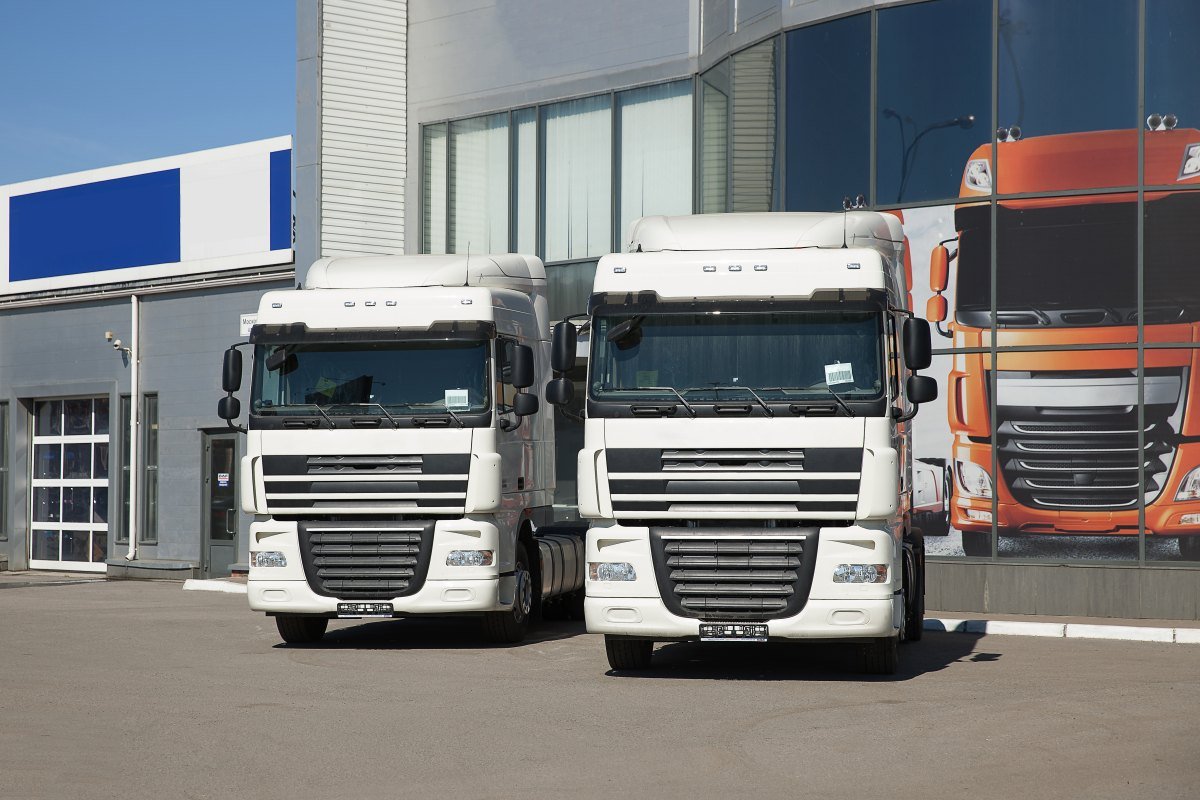
White trucks stand in line

Refinancing a Commercial Vehicle Title Loan

You can repay the loan in full at any time without penalties. You might also choose to refinance the loan.

Refinancing means replacing your current title loan with a new loan, often with a new repayment schedule. It can lower your monthly payment by extending the term, but that usually increases the total interest you pay over time.

Before you refinance, confirm the new annual percentage rate (APR), total cost of borrowing, fees, and whether the new loan resets any repossession risk triggers in the loan agreement.

How to Apply for a Commercial Truck Title Loan

You can apply online and get the process started. Visit the lender to complete the paperwork, get a vehicle inspection, and receive your funds.

To apply for a truck loan, most applications follow a simple flow:

  1. Submit a loan application
  2. Provide vehicle and title details
  3. Complete inspection or valuation
  4. Review and sign loan terms
  5. Receive funds, sometimes the same day

Documents you’ll need:

  • Truck title: Must show ownership and lien status. Some lenders require it to be free and clear, or they’ll verify available equity.
  • Government-issued ID: Used to confirm identity and match the name on the title.
  • Proof of insurance: Usually, current commercial insurance on the truck being used as collateral.
  • Proof of income or bank statements: Recent settlements, bank statements, or invoices showing cash flow to support repayment.
  • Vehicle details: VIN, mileage, year, make, model, and basic condition information.
  • Business information (sometimes required): Business name, EIN, or operating details if the truck is owned by an LLC or used in a business entity.

Trucks unloading in logostics center

Benefits of Commercial Truck Title Loans

Commercial vehicle title loans can be useful when you need working capital fast, and your truck has enough value to support the loan.

The upside isn’t that they’re “better” than other financing, it’s that they can solve a specific short-term cash problem when timing matters.

  • Keep operating while you borrow: You use your truck title as collateral, but you typically keep the truck and keep running loads while you repay. For owner-operators, this is key because the truck is what generates income.
  • Approval may rely more on the truck and income than credit alone: Because the loan is secured, some lenders weigh vehicle value, title status, and proof of income more heavily than a perfect credit profile. You may still qualify for financing with a bad credit score, depending on the lender’s requirements and the equity in the truck.
  • Faster funding than some traditional financing paths: Once the vehicle information is verified, documents are reviewed, and the loan agreement is signed, funding can move quickly. That can help when you’re covering fuel, repairs, insurance, or other business costs tied to keeping the truck on the road.

Risks and Drawbacks

A title loan is real money with real consequences. If you’re using your truck as collateral, you need to be clear-eyed about the downside before you sign.

  • Repossession risk if you default: If you miss payments and fall into default, the lender can repossess the truck. That’s not just losing an asset; it can stop your ability to generate income.
  • Higher total cost with some lenders: Some title loans carry higher interest rates, a higher annual percentage rate, or added fees compared to commercial truck loans. Always calculate the total cost over the set time period.
  • Tighter repayment timelines can squeeze cash flow: Short terms, especially single-payment structures, can force hard decisions if freight slows down or expenses spike.
  • Refinancing can cost more over time: Refinancing can lower monthly payments, but it often extends the loan and increases total interest paid. Treat it as a last-step option, not the plan.

If the payment only works in a “perfect month,” the risk is usually too high.

How to Compare Commercial Truck Loans So You Don’t Overpay

Two lenders can quote the same loan amount and still have very different total costs. Use this checklist to compare offers in a way that protects your cash.

  • Ask for the annual percentage rate and the interest rate, then confirm which one the lender is using when they quote you. APR is usually the clearer view of the true cost.
  • Don’t stop at the monthly payment. Ask what you will pay in total if you follow the full repayment schedule.
  • Confirm origination fees, processing fees, late fees, and any charges tied to inspections or paperwork. Small fees add up fast.
  • Compare single-payment versus installment, whether there’s a grace period, and whether you can pay early without penalties.
  • Read the loan agreement language on missed payments, cure periods, and when repossession can happen. This is the part most borrowers skip, and it matters.

A careful comparison helps you avoid surprises and choose the lowest-cost option you can realistically repay.

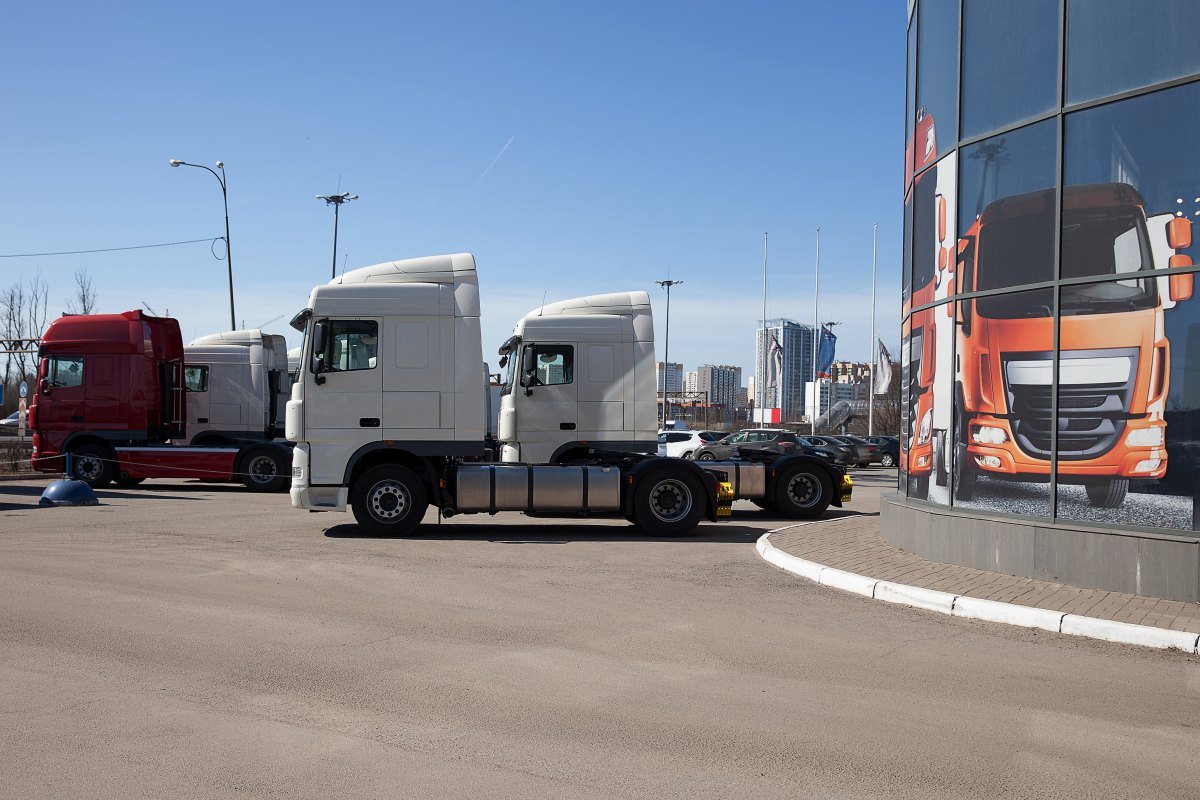
White trucks stand in line

Frequently Asked Questions

Can I Get a Title Loan If My Truck Isn’t Paid Off?

Yes, sometimes. You’ll need enough equity in the truck after subtracting what you still owe on the existing vehicle loan. The lender looks at the title status and lien position first, then determines whether the remaining value is enough collateral for a title loan.

How Fast Can I Get Funds From a Commercial Title Loan?

In some cases, you can receive funds within one business day after your loan application is approved and the vehicle is inspected or valued. Timing depends on how quickly you provide documents, how fast the lender verifies details, and any state requirements.

What Happens If I Miss a Payment?

Missing a payment can trigger late fees and put you in default under the loan agreement. If the account stays delinquent, the lender may have the right to repossess the truck because the title is collateral for the loan.

Are Commercial Vehicle Title Loans Available With Bad Credit?

They can be. Some lenders focus more on the truck’s value, your income, and your ability to repay than on credit alone. That said, bad credit may still affect your interest rate, fees, or approval terms, depending on the lender.

Is a Title Loan the Same as Commercial Vehicle Financing?

No. A title loan is usually a short-term loan secured by your truck title and can carry higher costs. Commercial vehicle financing is typically longer-term, designed for buying or refinancing commercial vehicles, and may offer more flexible terms.

Conclusion

Commercial vehicle title loans can provide fast access to working capital when timing is tight, but they aren’t the right tool for every situation.

Understanding how loan amounts are calculated, how repayment works, and where risks come into play helps you make a more informed decision.

If you’re weighing a title loan against other financing options, Mission Financial Services can help you compare paths and choose what fits your operation best.

We work with owner-operators and small fleets to secure commercial truck loans with competitive rates and flexible terms, so you can keep moving without taking on unnecessary risk.

Get in touch with us or start your credit application today.

Buying A Semi Truck For Business Owners (Top Tips)

Are you a business owner looking to invest in a semi-truck? Whether expanding your fleet or starting a new venture, buying a semi-truck for business can be a significant investment. Doing your research and understanding the process before making any decisions is essential.

We’ll provide you with top tips and advice to make an informed decision when buying a semi-truck for your business.

So whether you’re a seasoned business owner or just starting, let’s dive in and explore the top tips for buying a semi-truck for your business!

Buying A Semi-Truck For Business: How?

Here are the steps to buy a semi-truck for your business.

Step 1: Determine Your Business Needs

Before buying a semi-truck for business, you must determine what type of truck you need and what features are most important to your business. Consider the cargo you’ll be hauling, the distances you’ll be traveling, and any specific features important to your business.

Step 2: Research The Different Types Of Semi-Trucks

There are many different types of semi-trucks available, each with unique features and capabilities. Take some time to research the different types of trucks available and determine which type is best suited to your business needs.

Step 3: Set A Budget

Buying a semi-truck for business is a major investment, so it’s important to set a budget and stick to it. Consider the truck’s total cost, including the purchase price, taxes, and additional fees or expenses.

Step 4: Find A Reputable Dealer

Once you know what type of truck you need and your budget, it’s time to start shopping for a reputable dealer. Look for a dealer specializing in commercial trucks and with a good industry reputation.

Step 5: Check The Truck’s History

Before you make an offer on a semi-truck, it’s essential to check the truck’s history to ensure it has not been involved in any accidents or suffered significant damage.

Step 6: Inspect The Truck

Before finalizing the purchase, inspecting the truck thoroughly to ensure it is in good working condition is crucial. Look for signs of wear and tear, and test drive the truck to ensure it’s safe to drive on the road.

Step 7: Secure Financing

When buying a semi-truck for business, you might need a financing option. In that case, finding a lender specializing in commercial vehicle loans is crucial. Gather the documents required for a commercial truck loan.

Work with your lender to determine the best financing solution for your business needs.

By following these steps, you can ensure that you make an intelligent investment when buying a semi-truck for your business.

How To Finance A Semi-Truck

Once you’ve found the right semi-truck for your business, you’ll need to consider how to finance the purchase. Here are some semi-truck financing options you can consider.

  • Commercial vehicle and semi-truck loans: This is a standard loan option for purchasing a semi-truck. These loans are designed for commercial truck purchases and typically offer competitive interest rates.

  • Semi-truck loans with bad credit: If you have poor credit, you may still be able to secure financing for a semi-truck purchase. These loans are perfect for those with bad credit and typically have higher interest rates and stricter repayment terms.
  • Commercial vehicle title loans: If you already own a semi-truck, you can use the truck’s title as collateral for a loan. These loans typically have higher interest rates than traditional loans. Still, they may be easier to secure if you have a poor credit score.
  • Semi-truck repair loans: Consider a repair loan to cover any necessary repairs or maintenance if purchasing a used semi-truck. These commercial truck loans typically have shorter repayment terms and higher interest rates than traditional commercial vehicle loans.
  • Used semi-truck loans: If you’re purchasing a used semi-truck, you can apply for a used truck loan. These loans typically have higher interest rates than new truck loans. Still, they may be more affordable if you’re on a budget.

When considering truck financing, shopping around and comparing rates and terms from multiple lenders is essential. Work with a lender specializing in truck financing. By doing so, you can secure the financing you need to purchase the semi-truck your business needs to succeed.

Are Semi-Truck Businesses Profitable?

Statista reports that the trucking industry generated a revenue of over $723 billion in 2020! Operating a commercial truck business can be a lucrative opportunity for those with experience in the industry. Still, it can also be risky and costly for those new to the field.

One factor to consider is the cost of operating a trucking business. The costs can be high, including the purchase or lease of a new semi-truck, fuel expenses, maintenance costs, and insurance premiums. Additionally, there may be unexpected expenses such as repairs, roadside assistance, and compliance with regulations.

On the other hand, there are several advantages to operating a semi-truck business that can lead to profitability. For instance, the demand for the transportation of goods across the country is always high. You can expect to find work if you have a reliable and efficient truck.

Overall, semi-truck businesses can be profitable, but it’s important to carefully consider the costs and challenges associated with operating a trucking company. Doing so lets you make informed decisions and take steps to ensure your business’s success.

Top Tips For Profitable Semi-Truck Businesses

Here are some tips for starting a profitable semi-truck business:

Monitor Your Expenses

Keep track of all your expenses and ensure they don’t exceed your revenue. Reviewing your expenses helps you identify areas to cut costs and improve profitability. For example, consider using fuel cards to track your fuel expenses, which can help you save more money on fuel and simplify your accounting.

Focus On Maintenance

Maintaining your vehicle is crucial. This ensures that it runs smoothly and reduces the risk of unexpected breakdowns. Keeping your truck in good condition can also help you save cash on repairs and fuel expenses.

It’s essential to have a maintenance schedule and stick to it, which includes regular oil changes, tire rotations, and brake checks.

Build Relationships

Building solid relationships with your customers and other businesses in the industry can help you secure repeat business and new opportunities. Communicate well with your customers, deliver loads on time, and provide excellent customer service. Additionally, networking with other drivers in the industry can help you learn about new opportunities and stay up-to-date on industry trends.

Stay Up-to-Date With Regulations

The trucking industry is heavily regulated. Staying up-to-date with the latest regulations and compliance requirements is essential. Failure to comply with regulations can lead to significant fines and legal issues that can hurt your business’s profitability. You can stay informed by joining industry associations, attending seminars, and consulting with other drivers.

Following these tips and taking practical steps ensures that your semi-truck business runs efficiently and profitably.

Final Thoughts

We hope the information and tips we’ve provided guide you toward a successful and profitable business.

At Mission Financial Services, we specialize in providing loans and financing options for commercial truck owners and operators. If you want to finance your next semi-truck purchase, consider our team of experienced financial advisors.

Contact us today to learn more about our financing options and how we can help you with buying a semi-truck for business.

How to Get a Used Commercial Vehicle Loan (Even With Bad Credit)

How to Get a Used Commercial Vehicle Loan (Even With Bad Credit)

Man walking through a lot of parked semi-trucks while shopping for a used commercial vehicle loan

You can get a used commercial vehicle loan by applying with a lender that finances pre-owned trucks, vans, or specialty vehicles. The lender secures the loan against the vehicle itself. That means approval depends less on years in business and more on your credit, down payment, and the vehicle’s condition.

Most lenders fund approved loans within a few business days.

This guide covers eligibility rules, interest rates, tax benefits, and the steps small business owners need for business vehicle financing.

TL;DR

  • A used commercial vehicle loan finances a pre-owned truck, van, or specialty vehicle instead of a new one.
  • Lenders secure the loan against the vehicle’s title.
  • Your rate depends on your credit score, down payment, and time in business.
  • Many owner-operators and first-time buyers qualify through alternative lenders even when traditional banks turn them down.
  • Once your documents are in, approval typically takes a few business days.

What Is a Used Commercial Vehicle Loan?

A used commercial vehicle loan, or business auto loan, finances a pre-owned box truck, semi-truck, or van for business purposes. You get the funds in a lump sum based on the vehicle’s purchase price. Then you repay the loan plus interest in fixed monthly payments.

The lender holds a lien on the vehicle for the life of the loan. If you default, they can repossess it to recover their money, the same way as with personal auto loans. It’s also why these loans tend to have more accessible approval requirements than unsecured business credit.

Used vs. New Commercial Vehicle Financing

Used and new business vehicle loans work the same way structurally, but the numbers differ. Used trucks have already taken their steepest depreciation hit, so your loan-to-value ratio stays more stable over the loan term. That can mean less risk of owing more than the vehicle is worth.

Used vehicles also cost less upfront, which lowers your total loan amount and monthly payment.

The tradeoff is a shorter remaining service life and a higher chance of needing repairs sooner.

Truck

Loans vs. Leasing: Which Fits Your Business?

A business loan builds equity. Once it’s paid off, the truck is yours outright. You can keep running it, sell it, or trade it in. Leasing usually means lower lease payments. You won’t own the vehicle at the end unless you pick a lease-to-own structure.

Leasing may carry mileage restrictions and penalties, so financing is better for high-mileage vehicle usage.

In our experience, most owner-operators keeping a truck for a few years come out ahead with a loan.

If you like flexibility to upgrade often, leasing can make more sense. Either way, your business use and cash flow should drive the decision, not just the monthly number.

Types of Commercial Vehicles Eligible for Financing

Most lenders that finance commercial vehicles cover a wide range of classes, from light-duty trucks to heavy-duty semis. The same process applies whether you’re buying a full rig or a smaller business auto.

Here’s a quick overview of what typically qualifies.

Vehicle Class Examples
Light-duty Cargo vans, pickup trucks, small box trucks
Medium-duty Box trucks, delivery trucks, flatbeds
Heavy-duty Semi-trucks, tractor-trailers, dump trucks
Specialty Reefer trucks, tow trucks, bucket trucks

When financing older commercial trucks, age and mileage matter too. Many lenders impose vehicle age and mileage limits on used vehicle loans. That often means capping financing at trucks under 5 to 10 years old.

Mission Financial Services offers more flexibility, financing used trucks up to 15 years old for qualified buyers.

Older equipment costs more to maintain, so weigh that against the lower purchase price.

papers

How a Used Commercial Vehicle Loan Is Structured

Three things determine your loan structure: down payment, collateral, and title.

Down payment

Most lenders ask for money down to reduce their risk and lower your monthly payment. Loan amounts typically range from $10,000 to $250,000, depending on the vehicle and your qualifications. A larger down payment can secure better loan terms.

At Mission Financial Services, first-time buyers commonly get financing between $25,000 and $40,000 with a 20-30% down payment.

Some owner-operators qualify for reduced or no money down financing.

Collateral

The vehicle itself secures the loan. This lets lenders offer more flexible terms to borrowers with limited credit history than an unsecured loan would allow.

Title and Ownership

The lender holds the title as lienholder until you pay off the loan. You keep operating the truck the entire time. Once the loan is satisfied, the lien is released and the title transfers fully to you.

Interest Rates and Loan Terms for Second-Hand Commercial Vehicles

Your interest rate depends mainly on your credit score, time in business, and down payment.

Lenders reserve their best terms for an excellent borrower credit history. That holds true at a bank, credit unions, or online lenders. The Consumer Financial Protection Bureau notes that comparing lenders within a short window counts as one credit inquiry. Shopping around won’t hurt your score.

Loan terms for used commercial vehicles commonly run from two to six years.

A shorter term means higher loan payments but less interest paid overall. A longer term frees up monthly cash flow but costs more over the life of the loan.

For a current snapshot of where rates stand, check our post on commercial truck financing rates.

truck in warehouse

Eligibility Requirements for a Commercial Vehicle Loan

Lenders carefully evaluate used commercial vehicle loan applications due to depreciation and mechanical risks. They weigh four main factors before approving you.

  • Credit history: Good credit unlocks better rates and terms, but bad credit doesn’t automatically disqualify you. Lenders weigh both your personal credit score and, once your company has some history, your standing with business credit bureaus.
  • Time in business: Lenders prefer businesses with an established track record and steady revenue. First-time buyers can still qualify by showing relevant experience.
  • CDL and experience: Your commercial driver’s license history helps demonstrate you can operate the vehicle safely. At Mission Financial Services, three or more years of experience typically qualifies you. Newer drivers can often qualify with a larger down payment. See FMCSA’s CDL requirements for the federal standards states must follow.
  • Documentation: Expect to provide a government-issued ID, proof of income or bank statements, and proof of insurance. You’ll also need references, a vehicle spec sheet, and a sales order. Business borrowers without a long credit history may also need a personal guarantee or formation documents like an LLC agreement.

How to Get a Used Commercial Vehicle Loan in 5 Steps

Follow these steps to move from research to approval.

  1. Find your truck. Research vehicles that match your hauling needs so you land the right vehicle for your routes. Check condition relative to age and mileage. Our tips for buying used commercial trucks can help you avoid costly surprises.
  2. Select the seller. Buy from a franchised dealer, a reputable used truck broker, or a private seller who can provide valid documentation.
  3. Inspect the vehicle. Confirm the engine, mileage, and maintenance records before you negotiate a price.
  4. Choose your lender. Compare rates and terms. Options range from SBA loans to specialized commercial vehicle lenders, often more flexible than a regular bank.
  5. Apply and submit documents. Gather your paperwork and complete the application. At Mission Financial Services, most applicants get loan approval within four hours.

Two men reviewing loan paperwork in front of a commercial truck during a vehicle inspection

Tax Benefits of Financing a Used Commercial Vehicle

Business financing instead of a cash purchase can also unlock tax savings. Under Section 179, qualifying used vehicles placed in service in 2026 can be deducted the year you start using them. This applies if you use the vehicle over 50% for business.

Heavy trucks over 14,000 pounds GVWR generally qualify for the full deduction, while some passenger-style SUVs face a lower cap.

Section 179 applies to new and used vehicles alike, as long as they’re new to you and bought fairly. Financing doesn’t disqualify you from the deduction. Always confirm current rules with your tax professional.

Financing Your Next Used Commercial Vehicle

A used commercial vehicle loan is one of the most practical ways to grow your fleet without draining cash reserves.

At Mission Financial Services, we work with owner-operators, first-time buyers, and small fleets that traditional banks often turn away.

We’re a direct lender across the continental U.S. and a preferred lender for dealerships in 28 states, also offering repair loans, operating capital, title loans, and lease purchase buyouts.

Frequently Asked Questions

What credit score do you need for a used commercial vehicle loan?

There’s no universal minimum. Traditional banks want stronger credit. Alternative commercial lenders regularly approve lower scores when your down payment or time in business is solid.

How much down payment do I need for a commercial vehicle loan?

It varies by lender and credit profile. Some programs require money down, while others offer reduced or zero-down options for qualified borrowers.

Do commercial loans require 20% down?

No. Down payments commonly range from 0% to 30% depending on the lender, program, and your credit profile. Many lenders ask for 10% to 20% as a baseline, though some direct lenders offer zero-down options for qualified buyers.

Mission Financial Services typically sees 20% to 30% from first-time buyers, with more flexible terms available case by case.

Can first-time owner-operators qualify for a commercial vehicle loan?

Yes. Lenders look at your credit and relevant experience, including CDL history, rather than years in business.

What is the average interest rate for a commercial vehicle loan?

There’s no single average. Bankrate puts the typical range at 6% to 35% or higher. It depends on your credit, the lender, and the loan type. Well-qualified borrowers can land close to 6%, while bad credit programs often run 20% or more.

How long does approval take?

It varies by lender. Mission Financial Services typically decides within four hours of a completed application. Full funding can take a few extra days.

Is leasing better than financing for a used truck?

It depends on your plans. Financing builds equity toward ownership, while leasing can lower monthly costs if you plan to upgrade vehicles often.

How much is a $70,000 truck payment?

It depends on your down payment, rate, and term. On a $70,000 truck with 20% down ($14,000), you’d finance $56,000. Over 60 months, that lands around $1,083 a month at 6% APR. At 20% APR, expect closer to $1,484 a month. Use these as a starting point, since your actual quote will reflect your credit and the truck’s condition.

Commercial Truck Loans For Veterans (2023 Update)

commercial truck loans for veterans

Are you a veteran looking to start your own business? Have you considered the booming semi-truck industry? With commercial truck loans for veterans, you can realize your entrepreneurial dreams.

In this guide, we’ll explore why veterans should consider a trucking business, how Mission Financial Services can help secure business loans, and the easy steps to apply for a commercial truck loan.

Why Should Veterans Consider A Semi-Truck Venture?

There are many reasons a veteran should consider becoming a small business owner. From management and daily operations, it offers veterans unique challenges that they can tackle. Here are some more reasons why veteran entrepreneurs will love managing a successful business in trucking.

Independence and Flexibility

For many veterans, transitioning back to civilian life or the business world can be challenging. Starting a semi-truck small business can provide a sense of independence and flexibility. You control your schedule, routes, and load types as an owner-operator. You can also earn a higher income than in a traditional job. For veterans who value autonomy and self-sufficiency, owning a semi-truck business can be a great fit!

High Demand

The transportation industry is essential to the economy, and the demand for trucking services is always high. As the economy grows and consumer demand increases, so does the need for goods to be transported.

This creates steady work for semi-truck owners, allowing them to build successful businesses.

With many experienced truck drivers retiring, qualified drivers are still scarce.

As a veteran with experience driving large vehicles, you have an advantage in the trucking industry. You can leverage your skills to grow your small business.

Business Ownership

Starting a veteran owned business allows you to take control of their financial future by becoming their own boss. As veteran business owners, veterans can set schedules, make decisions, and be free to pursue their passions. They can choose their routes and clients, and work on their terms, making it a rewarding and fulfilling experience.

Additionally, owning a business allows veterans to build their legacy and create a company that can be passed down to future generations. This can provide a sense of pride and accomplishment that is hard to find in many careers. By starting a semi-truck business, veterans can significantly impact their own lives and the lives of their loved ones.

Commercial Truck Loans For Veterans With Mission Financial

At Mission Financial Services, we understand the unique needs of veterans entering the trucking industry. Unlike getting a bank truck loan, we offer flexible semi-truck financing options for small business owners with bad or no credit scores. Our team of experts will guide you through the entire business loan process, making it as easy as possible.

Semi-Truck Loan Process (4 Easy Steps To Success)

Securing commercial truck loans for veterans is straightforward. Here are the 4 steps to quickly obtain commercial truck financing for new veteran small business owners:

1. Pre-qualification

Pre-qualification is the first step in securing your first capital business finance loan for veterans with Mission Financial Services. The process is quick and easy and can be done online from the comfort of your home.

To get started, you only need to submit an online credit application with basic personal and business information. This information will determine your eligibility for a loan and give you a better understanding of what kind of small business loan terms you can expect.

The commercial truck financing application will ask for basic details, including your name, address, phone number, email address, and date of birth. Additionally, you’ll be asked to provide information about your business, such as your business name, business structure, and the type of truck you are interested in financing.

At Mission Financial Services, we understand that the pre-qualification process can be intimidating, especially if you have never applied for business loans before. That’s why we have a team of experienced semi-truck financing specialists available to help you through the small business loan process.

2. Loan Options

At Mission Financial Services, we understand that each veteran’s situation is unique. We offer various commercial truck loans tailored to your needs and budget.

Once you’ve completed the pre-qualification process, our experienced loan officers will review your application and match you with the business loan options that best suit your situation.

We offer semi-truck financing with competitive interest rates, flexible payment terms, and no prepayment penalties. Our small business loans and equipment financing include both new and used semi-truck financing, as well as commercial fleet financing.

Whether you’re looking for short-term or long-term semi-truck financing, our team can help you find the perfect financing solution for veteran business owners.

3. Approval

After pre-qualification, you’ll receive a small business loan that meets your business needs and budget. Once you select the option that works best for you, the next step is approval.

At this stage, Mission Financial Services will verify your business and personal information and the semi-truck or trailer you’re looking to finance. They’ll also check your personal credit score and business history to determine your eligibility for the loan amount.

If approved, you’ll be asked to provide any additional required documentation, such as your driver’s license, proof of insurance, and proof of income. Mission Financial’s loan specialists will guide you through the truck loan process and make it as easy as possible.

Once you’ve provided all the necessary documentation, you’ll sign the loan agreement. Congratulations, you’re one step closer to starting your own semi-truck business!

4. Funding

After completing the business loan approval process, you’ll be well on your way to starting your semi-truck business! Once everything is finalized, the loan amount will be paid into your bank account, allowing you to purchase the commercial trucks you need to start your own business.

From there, it’s up to you to put in the hard work and dedication required to make your own business a success. Remember to develop a business plan and to track business expenses and cash flow. You can also go for business training such as veterans business development or small business administration to ensure your business continues to succeed.

Final Thoughts

Congratulations! You can now start your own small business with the help of Mission Financial Services. Take the first step towards your entrepreneurial journey and apply for a truck loan today.

Contact us to learn more about our small business loans and how we can help make your small business dreams a reality.

Archives

Sign Me Up!

Stay up to date with the latest news in the commercial trucking industry.

Contact Us
close slider