
Office: (404) 975-4800

Q&A

Can I Buy A Semi Truck Without CDL

Can I Buy A Semi Truck Without CDL? (And Other FAQs)

Buying a semi truck often raises the same questions for first-time buyers, especially those entering the trucking business from the ownership side rather than the driver’s seat.

One of the most common concerns is whether you need a commercial driver’s license (CDL) to buy or finance a semi truck.

The answers below break down what is legally allowed, what lenders look for, and when buying a semi truck without a CDL makes sense.

Can I Buy a Semi Truck Without a Commercial Driver’s License (CDL)?

Yes, you can buy a semi truck without holding a CDL.

Ownership and operation are two separate things in the trucking industry.

You don’t need a CDL to purchase or own commercial motor vehicles because the person buying the vehicle doesn’t have to be the same person driving it.

Understanding Investor Buyers

In trucking, buyers without a CDL are commonly referred to as investor buyers.

Here’s a typical scenario:

You want to start a trucking business with a partner. You handle the business side and provide the capital to purchase the truck. Your partner has the CDL and handles the driving.

This arrangement is legal and quite common. The only requirement is that whoever operates the commercial vehicle on public roads must hold a valid CDL license, but that person doesn’t have to be the owner.

Financing Considerations for Non-CDL Buyers

While you can legally buy a truck without a CDL, financing options become more restricted.

Lenders assess risk based on who will actually operate the equipment. Since semi trucks require a CDL to operate, most lenders want assurance that a qualified driver will be behind the wheel.

Many financing programs also consider driving experience as part of their approval process. Borrowers with CDL credentials and verified road experience are typically viewed as lower-risk, which often translates to better loan terms, lower down payment requirements, and easier approval.

If you’re buying without a CDL, expect lenders to require:

  • Proof that a qualified CDL driver will operate the truck
  • Higher down payment amounts (often 15-25% or more)
  • Documentation of your business plan and driver arrangements
  • Potentially stricter credit requirements

Lenders want to see that you have a concrete plan for who will drive the truck and generate revenue, not just the capital to make the purchase.

Can I Run A Trucking Company Without A CDL?

Yes, you can. Ownership does not require a CDL, but operation does. You must hire qualified truck drivers who meet licensing and compliance requirements for the type of freight you haul.

The trucking industry supports a wide range of ownership models, including investors, fleet owners, and business operators who focus on logistics, dispatching, and customer relationships rather than driving.

What To Know Before Starting A Trucking Business Without A CDL

Starting a trucking company without a CDL adds responsibility on the business side. These areas deserve close attention before purchasing equipment.

Start-Up Costs

Starting small businesses requires money. When you do not drive, startup costs increase because payroll becomes a fixed expense from day one.

You must budget for driver wages, onboarding, operating expenses, insurance, payroll taxes, etc. while the business ramps up. Even if the truck is financed, the business must support operating costs before revenue stabilizes.

Insurance Requirements

Standard auto insurance does not cover commercial trucking operations. Business owners typically need commercial vehicle insurance along with cargo and liability coverage.

Common commercial trucking insurance coverage includes:

  • Commercial vehicle insurance
  • Cargo insurance to protect transported goods
  • General liability insurance for the business

Insurance costs vary based on truck type, cargo, operating radius, and driver history. If you are not driving, insurers may also want details on who will operate the truck and that driver’s experience and record.

insurance policy

Trucking Authority And Compliance

If you plan to haul freight for payment, you must obtain operating authority before your first paid load. Operating authority is the legal permission that allows your trucking business to transport cargo commercially. Without it, hauling for hire is illegal regardless of truck ownership.

The registration process involves obtaining specific numbers from the U.S. Department of Transportation (USDOT).

Businesses operating in interstate commerce must obtain a USDOT number, which tracks your company’s safety record and compliance history.

For-hire carriers that haul regulated freight across state lines must also obtain an MC number (Motor Carrier Number), which specifically authorizes you to transport goods for compensation.

Both registrations confirm that your business meets federal standards for safety, insurance coverage, and vehicle registration.

Even if you’re not driving the truck yourself, these compliance requirements still apply to your business. You remain responsible for ensuring all obligations under federal regulations and state laws are met before operating commercially.

How To Buy A Semi Truck Without A CDL

Most buyers finance their semi truck purchase rather than paying cash up front. Given that modern semi trucks range from under $100,000 for used models to over $150,000 for newer or fully equipped trucks, financing makes ownership accessible without tying up significant capital.

However, buyers without a CDL face a more limited financing landscape. While options like U.S. Small Business Administration (SBA) loans and commercial truck lenders exist, programs that accommodate non-CDL buyers are less common.

Expect higher down payment requirements, typically 15-25% or more, along with more extensive documentation to prove your business plan and driver arrangements.

The key to successful financing without a CDL is finding a lender who understands investor ownership models. Look for lenders who evaluate the full business picture (your industry experience, financial stability, and confirmed driver relationships) rather than focusing solely on whether you personally hold a CDL.

Before approaching them, prepare to demonstrate that you have a solid operational plan. This includes:

  • identifying your CDL driver (whether a business partner or employee)
  • showing proof of insurance
  • outlining how the truck will generate revenue

Lenders want to see that you understand the business side of trucking, not just the purchase itself.

At Mission Financial Services, we specialize in working with first-time buyers, investor owners, and business operators. We can help guide you through the lending process and take the stress out of it. With proper preparation and the right lending partner, buying a semi truck without a CDL becomes a structured path into commercial trucking rather than an obstacle.

Happy professional truck driver driving his truck and looking at camera.

Common Financing Options For Buyers Without A CDL

Buyers without a CDL generally access financing through a limited number of structured programs.

CDL Driver Guarantee Programs

A CDL driver guarantee program is the most common financing option for first-time buyers without a CDL. It requires forming a partnership where responsibilities are clearly divided between two parties.

One person holds the CDL and commits to operating the truck, while the other person provides the capital and handles business ownership.

Both partners must sign the financing agreement, which makes them jointly responsible for loan repayment. If one partner fails to meet their obligations, both parties remain liable for the full debt.

If the CDL holder stops driving, whether due to departure, illness, or license issues, the truck cannot legally operate, yet loan payments continue.

Have a contingency plan for replacing the driver or covering payments during downtime.

Industry Experience Without A CDL

Some lenders offer financing to non-CDL buyers who can demonstrate at least 3 years of experience in the trucking industry.

This option works for buyers with backgrounds in dispatching, freight brokerage, or fleet operations – roles that prove you understand the business side of trucking even without driving experience.

While you’ll typically face higher down payment requirements, your industry knowledge can substitute for driving credentials when lenders evaluate your application.

What Are The Financing Requirements For A Semi Truck?

Lenders look beyond the truck itself when reviewing a semi-truck financing application. Their goal is to understand risk, repayment ability, and whether the truck will remain operational.

This is what they look for:

  • CDL or driver experience: Lenders want to know who will operate the truck. If the owner does not have a CDL, lenders often require proof that a qualified driver is in place or that the buyer has relevant industry experience managing drivers.
  • Down payment amount: Buyers without a CDL typically face higher down payment requirements. A larger down payment reduces lender risk and shows financial commitment, especially when the borrower will not be driving the truck.
  • Credit history: Credit helps lenders assess payment reliability. Strong credit can offset limited driving experience, while weaker credit may require additional documentation or higher upfront cash.
  • Truck specifications: Year, make, model, mileage, gross vehicle weight rating (GVWR), and overall condition affect loan terms. Newer trucks or well-maintained used trucks usually qualify for better rates and longer terms than older, high-mileage equipment.
  • Business documentation: Lenders often require proof of business registration, operating authority, insurance, and, in some cases, contracts or dispatch arrangements. These documents confirm that the truck will generate income.

These factors help lenders structure loan terms that align with both the borrower’s profile and the asset’s risk.

glenn-carstens-peters-RLw-UC03Gwc-unsplash

When Buying Without A CDL May Not Be The Right Choice

Buying a semi truck without a CDL carries a higher risk when certain foundations are missing.

Missing foundations include:

  • No industry experience: Without understanding freight markets, driver management, or compliance, new buyers can struggle to keep the truck profitable.
  • Limited capital: Unexpected repairs, insurance costs, and driver turnover require cash reserves. Without sufficient capital, even short downtime can create financial strain.
  • No access to reliable CDL drivers: A truck that cannot be driven does not generate revenue. Buyers who lack reliable driver options may face delays, missed contracts, or insurance issues.

In these situations, gaining experience, securing capital, or partnering with knowledgeable operators before purchasing often leads to better outcomes.

Frequently Asked Questions

Do You Need A CDL To Buy A Semi Truck?

No, you do not need a CDL to buy or own a semi truck. A CDL is required to operate the truck on public roads, not to purchase it.

If the truck is used for non-commercial purposes, such as private hauling or certain farm use, CDL requirements depend on the truck’s weight and state rules.

Can An LLC Own A Semi Truck Without A CDL?

Yes. An LLC or other business entity can own a semi truck without holding a CDL. The business must ensure that any driver operating the truck has the proper license, endorsements, and insurance coverage required for the type of freight being hauled.

Can I Finance A Semi Truck Without A CDL?

Yes, but financing options are more limited for buyers without a CDL. Many lenders consider driver experience part of their risk evaluation, especially when the borrower will not operate the truck.

Can I Hire A Driver After Buying A Semi Truck?

Yes, you can hire a driver after purchasing the truck, but lenders and insurers may require proof that a qualified driver is in place before funding or coverage begins. This often includes verifying the driver’s CDL, driving record, and employment status.

Do Lenders Require CDL Experience?

Some lenders require CDL experience from the borrower, while others focus on who will operate the truck. Programs vary widely. Certain lenders will approve financing if a qualified CDL driver is identified, even if the owner has no driving background.

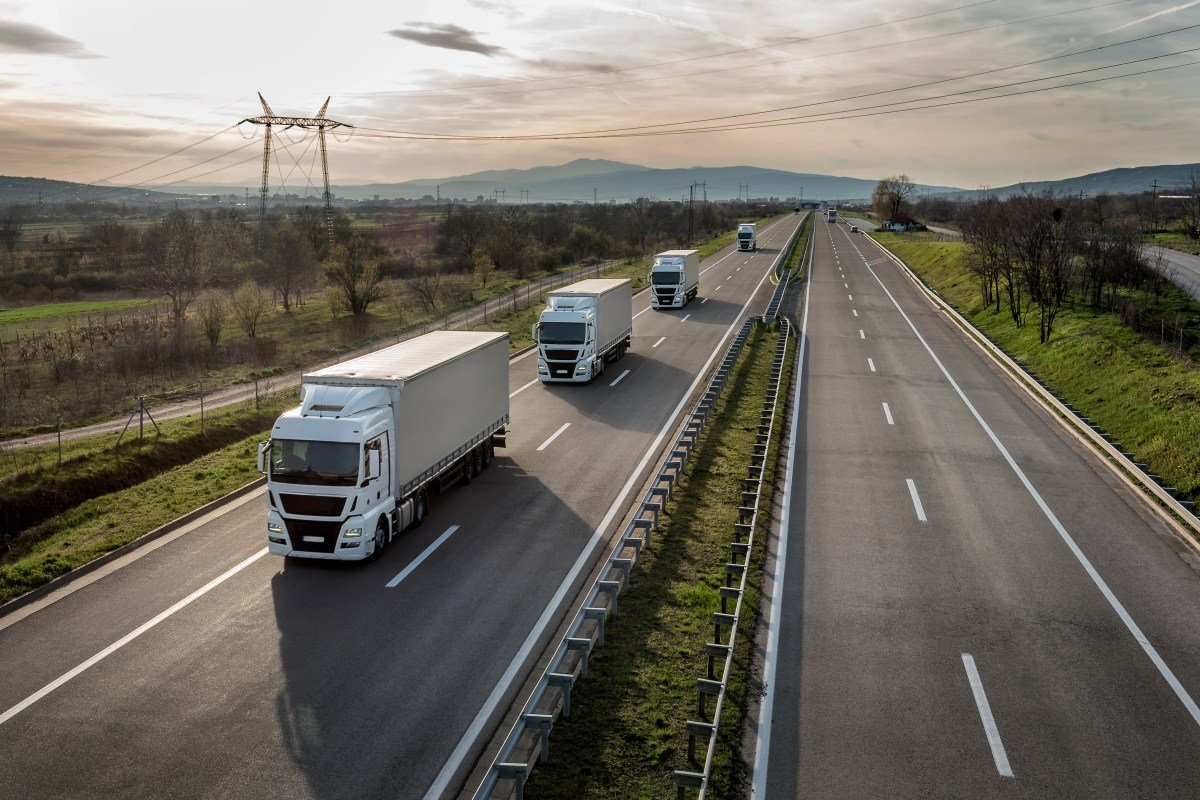
cargo truck on the higthway. cargo delivery driving on asphalt road through the mountains. seen from the air. Aerial view landscape. drone photography.

Conclusion

Buying a semi truck without a CDL is legally allowed, but it requires a clear plan and realistic expectations.

Ownership without driving shifts responsibility toward hiring, compliance, and cash flow management. Buyers who understand these responsibilities upfront are far more likely to build a sustainable operation rather than face delays, unexpected costs, or financing obstacles.

This path works best for buyers who approach truck ownership as a business decision, not a shortcut into trucking.

If you are considering buying a semi truck without a CDL and want financing that accounts for how your business actually operates, Mission Financial Services can help.

We work with first-time buyers and fleet operators to structure commercial truck financing based on real-world ownership models, not one-size-fits-all requirements.

Start your credit application today to explore financing options built around your plan, not just your license status.

can i drive a semi truck without a cdl

Can I Drive A Semi Truck Without CDL?

can i drive a semi truck without a cdl

Have you ever wondered, “Can I drive a semi-truck without CDL?”

Many beginners and truck-driving enthusiasts ask this question hoping for a straightforward answer.

There are several misunderstandings surrounding this topic. This is due to the varying state laws on issuing and using a commercial driver’s license (CDL).

Let’s discuss this question in detail to help you understand the subject. We’ll also explain how to get a CDL license. So, when the time is right, you can land truck-driving jobs with ease!

Can I Drive A Semi Truck Without CDL? When?

The short answer is yes, you can. However, it’s not as simple as it sounds.

Driving a semi-truck without CDL is legal under specific circumstances. Some include those listed below.

Driving Within The Confines Of Your Private Property

You don’t need a CDL license to drive semis or any other truck inside your property.

You can drive different types of trucks, like warehouse trucks, dump trucks, delivery trucks, and straight trucks, without a CDL this way.

But, things change when you get out on a public road. You’ll almost always need a CDL to drive semis on a public road unless you operate the truck for personal use.

Driving For Personal Use

This point can be confusing if you’re trying to answer the question, “Can I drive a semi-truck without a CDL?”

What does driving a semi for personal or commercial use mean, and how does it determine the license you need?

Truck dashboard

Basically, if your vehicle qualifies as a commercial motor vehicle and you operate it for commerce, you need a CDL. This is a mandatory requirement by the Federal Motor Carrier Safety Administration (FMCSA).

If your vehicle qualifies as a commercial vehicle, and you use it non-commercially, you can drive it without a CDL. You’ll still require a valid license, but it doesn’t have to be a commercial driver’s license (CDL).

So, based on FMCSA, what does commerce mean?

FMCSA defines commerce as any transportation, trade, or traffic within or across state lines. It is also any transportation, trade, or traffic that affects transportation, trade, or traffic between different points intra- and interstate.

Going by this broad definition, you can tell that there is no clear distinction between using semi-trucks as personal vehicles and for commercial purposes.

Sometimes, what seems like personal use may turn out to be commercial.

Personal Use Versus Commercial Use

A good example is driving an empty truck across states for repair or maintenance. It may appear as personal use, but it counts as interstate commerce.

You’ll need a CDL for such a trip. If you’re caught driving without a CDL license, you could face legal action.

Can I Buy A Semi Truck Without CDL

Ensure that your truck’s Gross Vehicle Weight Rating (GVWR), or combined gross weight, doesn’t exceed 26 000 lbs. On weight, it doesn’t matter whether you operate the truck for personal or commercial purposes. The truck’s gross weight must be 26 000 lbs. or less for you to drive without a CDL.

It’s worth noting that a driver can qualify for a CDL exemption if they fall under specific categories laid out by their state law. We call these drivers non-CDL drivers.

CDL Exemptions

You can drive a semi without a commercial license if you qualify as a non-CDL driver. Be sure to check the law of the state you’re in, and ensure you have the right qualifications for CDL exemptions.

State laws vary, and different states offer various exemptions for a CDL. In Florida, for instance, some CDL exemptions include:

  • Military personnel driving commercial vehicles for military purposes.
  • Authorized emergency vehicle drivers.
  • Drivers of recreational vehicles.

Penalties For Driving Semi-Trucks Without A CDL

Driving commercial vehicles without a valid CDL can lead to major penalties. These penalties vary from state to state. Let’s discuss these.

  • License Suspension: This is one of the most common penalties for driving without a CDL illegally. The suspension may last between one and ten years, depending on your situation.
  • Criminal Charges: You may face criminal charges under certain circumstances. For instance, if an accident happened.

Money

  • Fines: Fines for CDL violations are hefty. You can pay thousands of dollars depending on your state’s laws. The company you work for can also pay more than $10 000 in fines if they knowingly let you drive a semi without the required license.
  • Job loss: A CDL is a minimum requirement for most trucking companies. If you lie about having one, and the company you work for finds out later, you may lose your job.

How To Get A CDL

In most states, getting CDL licenses is straightforward. But there are several CDL requirements you must meet. We’ve summarized the entire process below to help you get your license stress-free.

Step 1: Submit CDL Application

The minimum age requirement to apply for a CDL is 18 years. However, you must first complete the FMCSA driver training before you make your application if you want to get a class A or class B CDL license.

Get this training from an FMCSA-approved driving school or training provider.

Step 2: Identity Verification

You must verify your identity and provide the required proof of address indicating that you’re a resident of the US and a specific state.

Different states may ask for different documents, but verifying your social security number is common in most states.

Step 3: Health Examination

For this step, you must provide two valid medical forms and pass a vision test. These forms include a medical examination report and a medical examiner’s certificate.

Eye test

Step 4: Knowledge Exam

Depending on the license class you seek, you’ll need to pass a knowledge exam. It might include:

  • General knowledge test.
  • Combinations and air brakes knowledge test.
  • Other tests such as one for the H endorsement (this will allow you to carry hazardous materials).

Once you pass your knowledge exam, you’ll get a commercial learner’s permit (CLP). Then, you’ll need to wait for 14 days before you schedule a road skills test.

Step 5: Skills Test

You must pass the pre-trip inspection and the driving skills test for the specific vehicle you’d like to drive.

Step 6: Pay Required Fees

After passing the skills test, pay the fees required by your state to get your CDL.

How Much Does A CDL Cost?

The cost of a CDL varies state-wise and depends on the type of CDL you want to get.

However, the total cost of a CDL ranges from $2000 to $5000, including the general fees and training school.

General fees may include fees for applications, tests, screenings, and background checks for endorsements to transport hazardous materials.

Final Thoughts

In summary, you can drive a semi-truck without a CDL, although you’ll have to be cautious to do so legally. We’ve outlined most conditions for driving vehicles without a CDL above.

However, if you wish to have a career as a truck driver, you need a CDL. You’ll qualify for more truck-driving jobs with more trucking companies. With a CDL, you can operate across various states, including some of the best places for truck drivers to work.

Whether or not you have a CDL, you might be interested in starting a semi truck business. Mission Financial Services may be your best bet!

2022 Walcott Truckers Jamboree: Recap

Photo Credit: Iowa80truckstop

An Interview with Charles Smith, Mission Financial

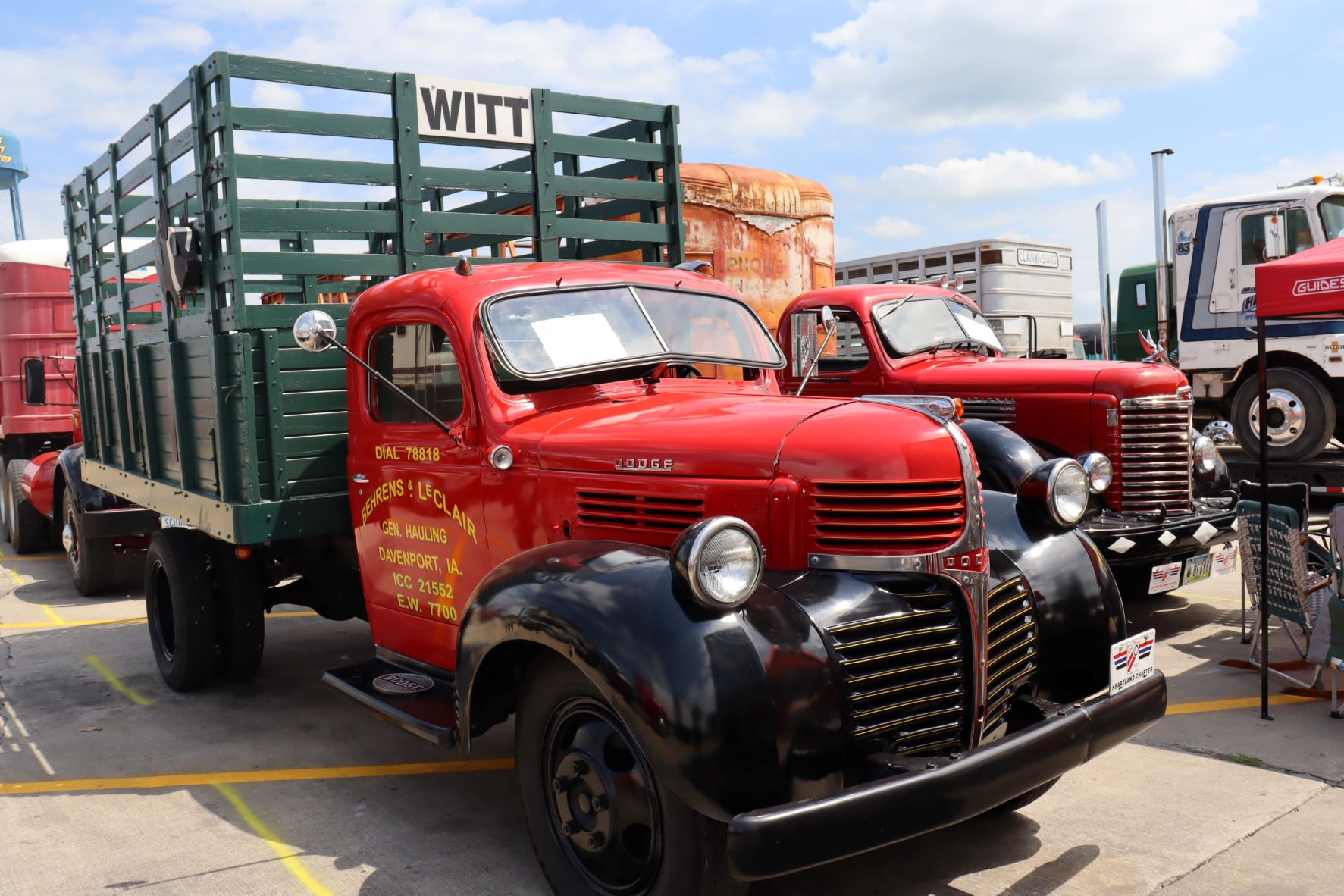
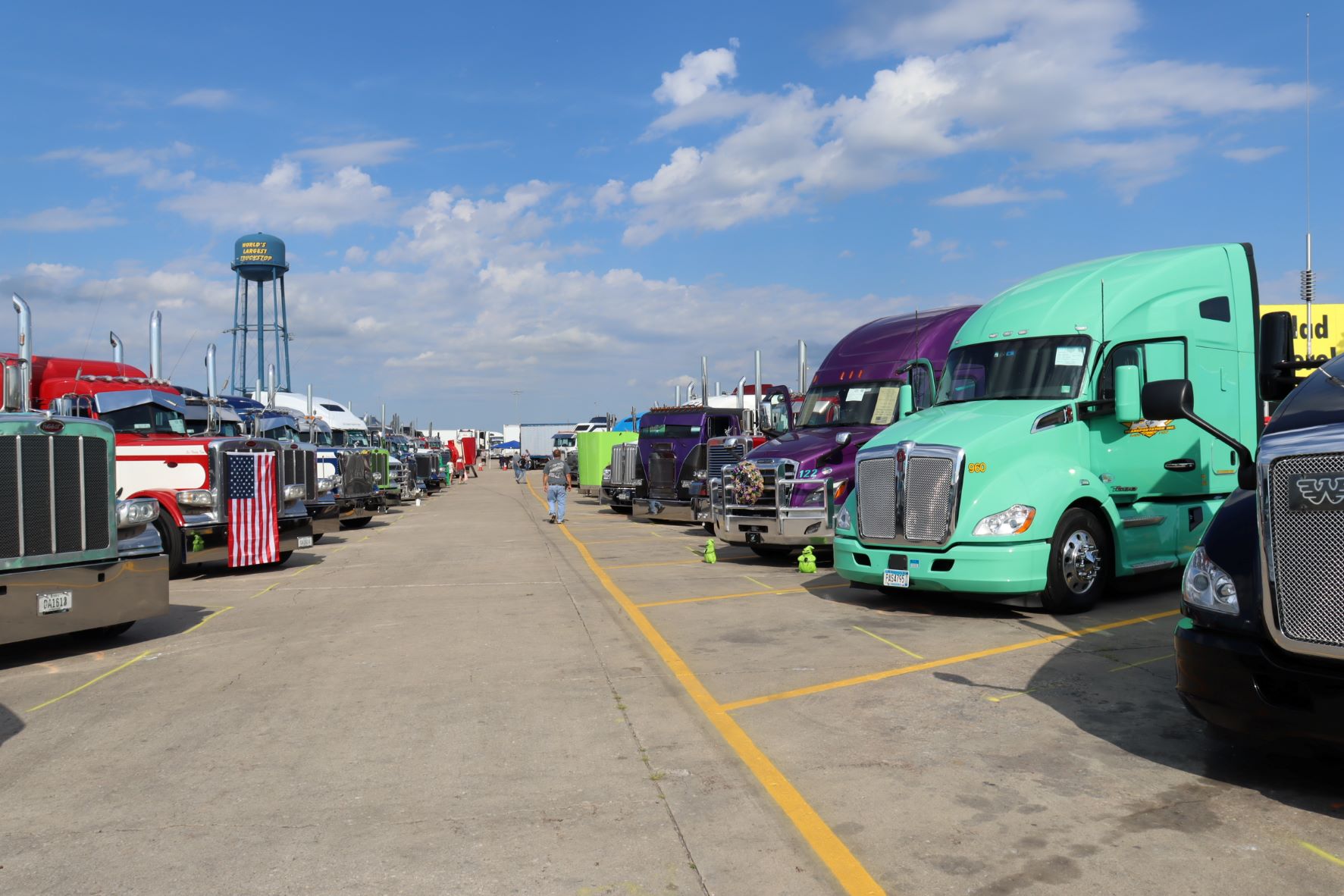
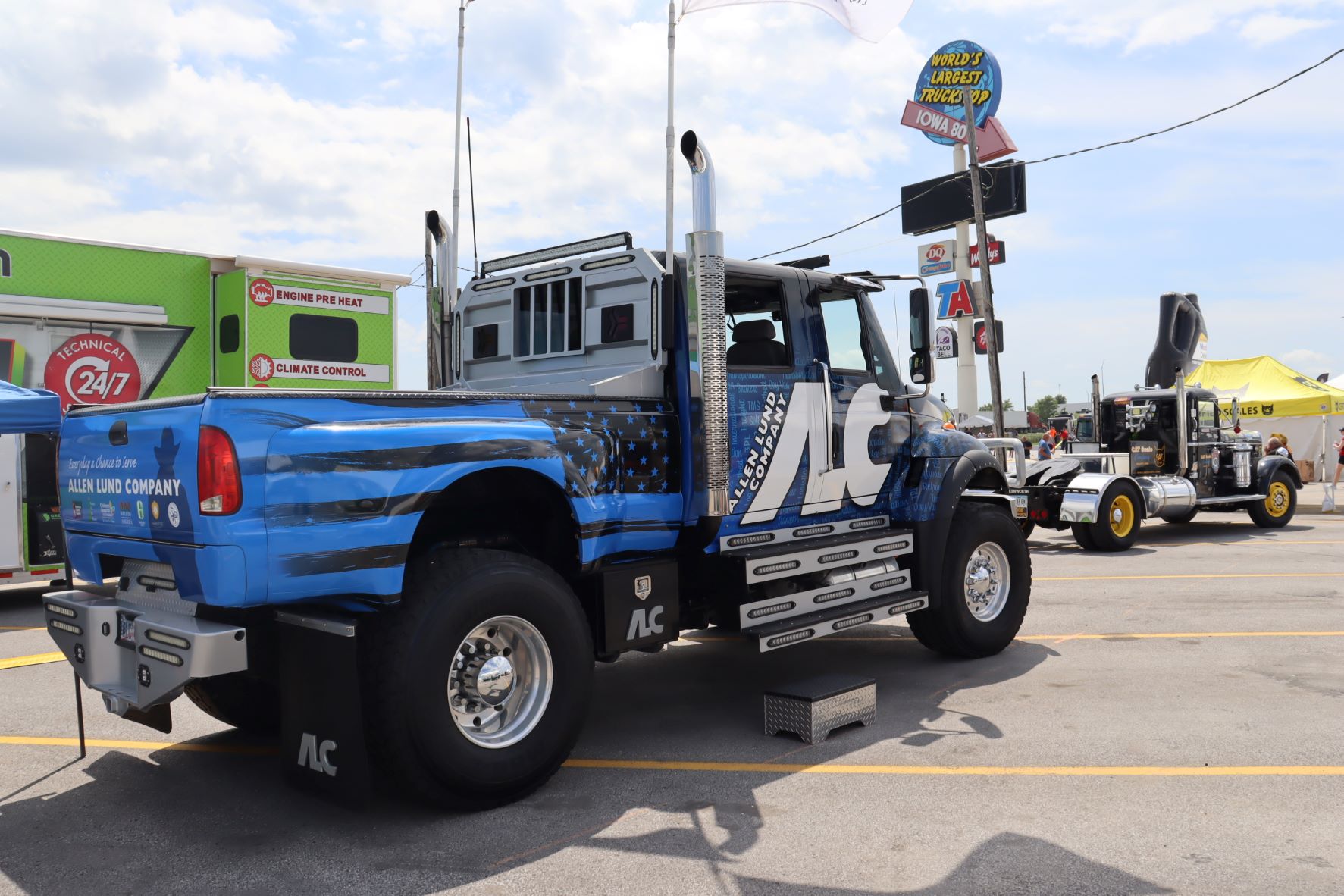
Iowa 80 Truckstop, The World’s Largest Truckstop, recently celebrated America’s truck drivers at the 43rd Walcott Truckers Jamboree. Approximately 45,053 drivers attended the event, along with their beloved friends and families, members of the local community, and visitors from over 27 different states and two Canadian provinces.

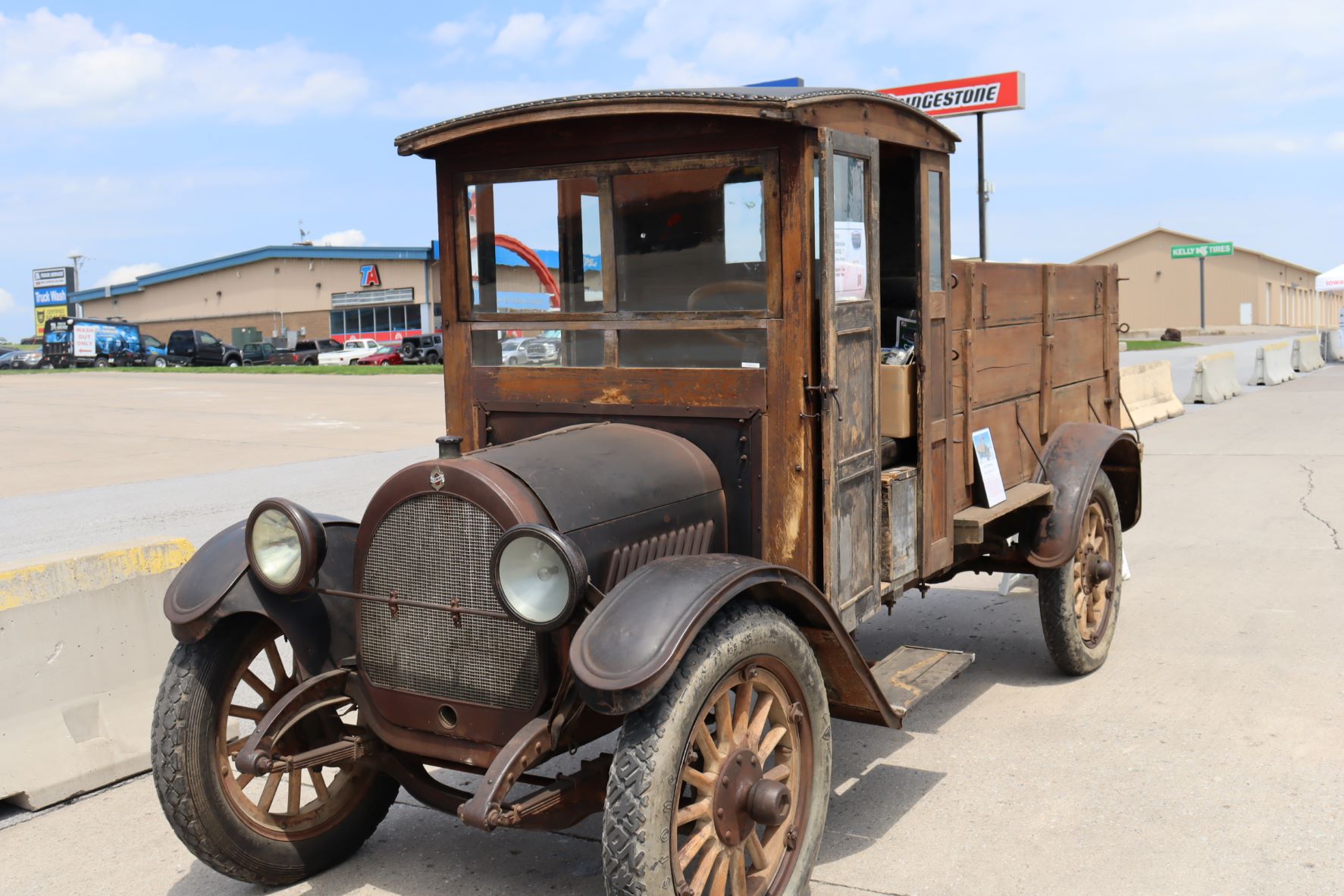
The Walcott Truckers Jamboree has been a yearly celebration, rain or shine, since 1979. The three-day extravaganza offers tons of features, including over 175 exhibits, an antique truck display, Iowa-style cookouts, the Trucker Olympics, contests, live concerts, an epic firework show, and so much more. And attendees didn’t have to worry about admission or parking for the event, because both were FREE!

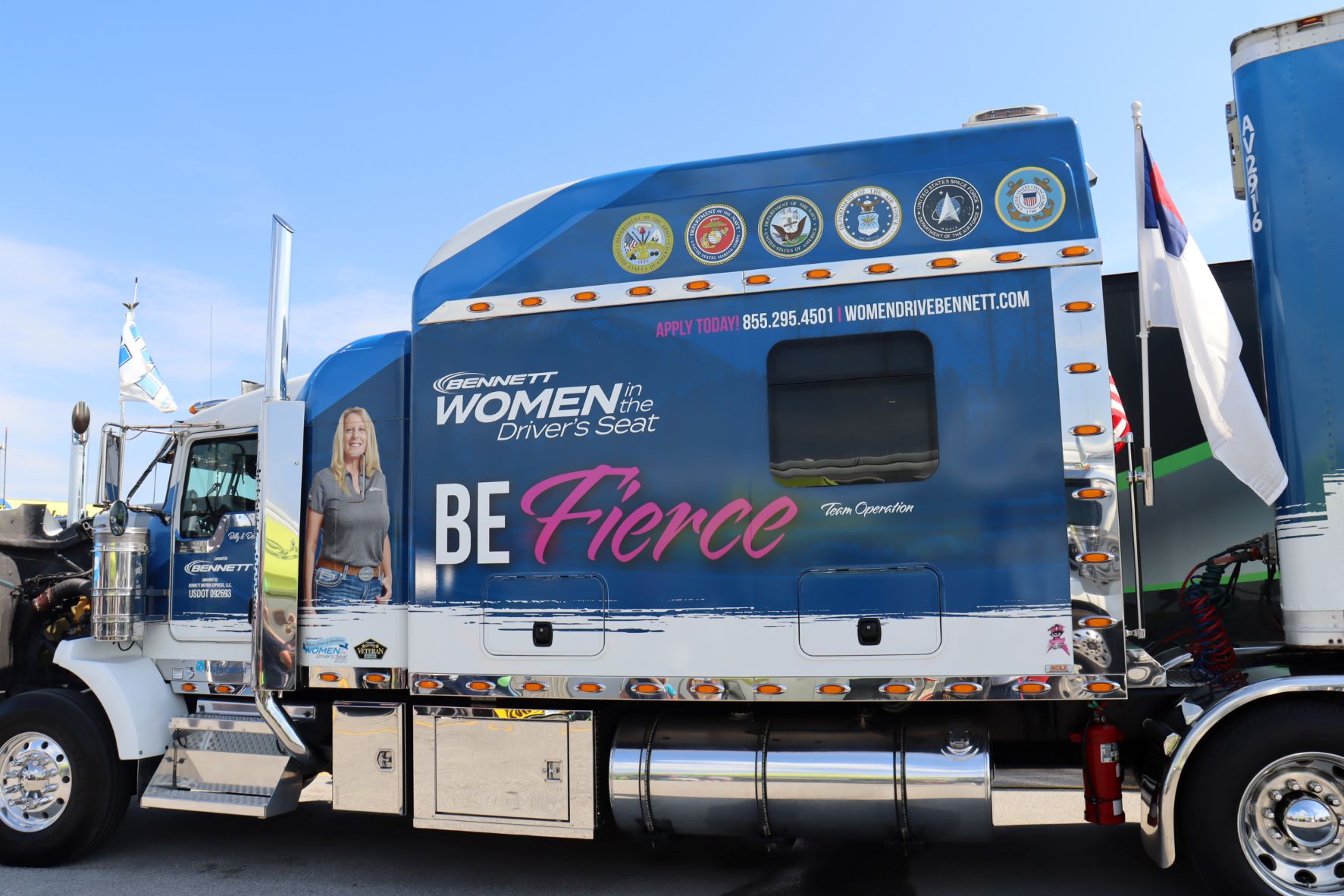
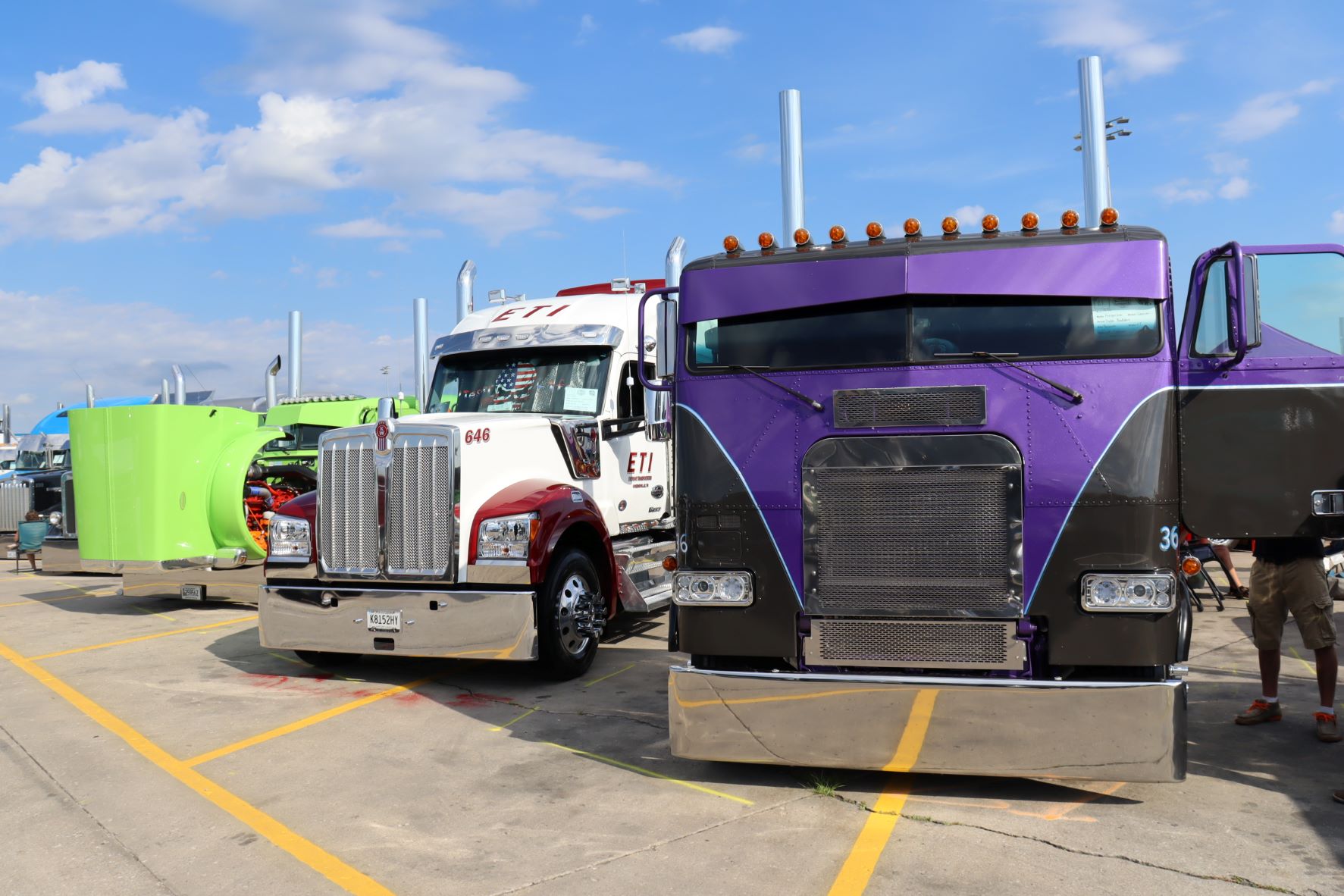
The most popular feature of the Jamboree was the Super Truck Beauty Contest. This year featured 92 registered contestants, and the winners were something to admire. Ranging from turn-of-the-century trucks to modern marvels, there was something for everyone to appreciate.

This year, Mission Financial Services’ very own Charles Smith had the opportunity to attend the Walcott Truckers Jamboree.

“This was my first year attending, and while I didn’t participate in any of the exhibits or events, I was able to explore potential prospects for the future,” Charles said when asked about his time at the trucker’s event.

Charles also noted that there weren’t any other financial companies in attendance, which presents a huge opportunity for the commercial lender. “Mission Financial will definitely be attending the 2023 Walcott Trucker Jamboree. I encourage people to stop by our booth next year so they can take advantage of the industry knowledge and financial offers we specialize in everyday,” he said.

The 2023 Walcott Trucker Jamboree is scheduled for July 13-15, 2023. Click here to see the schedule of events.

Stay tuned for more information about the Mission Financial booth and the 2023 Walcott Trucker Jamboree!

Photo Credit: Iowa80

More Like This

–> Q&A: Trucking Expert Talks Inventory Shortage

Q&A: Trucking Expert Talks Inventory Shortage

What began as whispers of a potential vehicle shortage quickly became a leading source of concern for fleet owners and operators. This looming threat of operations being forced to shut down over inevitable repairs and mishaps or a lack of vehicles to move freight is troubling in these times of high demand. And with so much uncertainty regarding the issue, many in the industry are left with unanswered questions and concerns.

To answer the main questions surrounding the inventory shortage, we sat down with Charles Smith, Regional Business Development and Marketing Manager for Mission Financial Services. As an auto finance institution operating across the country, Mission Financial has provided Smith a unique opportunity to see behind the curtain on many of the industry’s pressing topics.

Exclusive Interview with Charles Smith

Q: What has been the most significant hardship for Mission Financial Services during the shortage, and how have you dealt with it?

A: The biggest hardship here at Mission Financial is the lack of applications being funded.

With the current situation, dealers just don’t have the inventory to meet the demand of the customer, which trickles down to financial institutions that are used to funding deals on a regular basis. One way we’ve dealt with this is to keep knocking on doors and letting my customers know that Mission Financial is still here for them.

Charles Smith, Mission Financial

Q: What has been the most considerable hardship for the dealers and/or others in the industry?

A: The biggest hardship for my dealers would be the lack of inventory. Now, the supply can’t keep with the demand. Not only is the trucking industry feeling the heat, but other industries are as well.

Q: Was COVID-19 the only cause of the vehicle shortage?

A: Yes, COVID-19 was the driving force of the shortage. When the pandemic hit China, the production of automotive microchips experienced a major decline, because that is where they are produced. Without these chips, manufacturers can’t produce new units, which is why we are where we are today. What we are currently experiencing is the result of a global domino effect.

Q: When and how do you think it will end?

A: Unfortunately, at the moment, I see no end in sight. According to recent market analysis, it may be another year before we can see some relief from this devastating virus. However, some of my dealers remain optimistic that we could feel some ease by the second quarter of 2022.

Q: Any advice for drivers, fleet owners, and other industry members?

A: To my drivers out there: keep your equipment well maintained so you can keep moving freight until you get the new rig you’ve probably already ordered. Plus, with spot rates at an all-time high, there’s a lot of money to be made out there. Just keep on truckin’ because we need you.

Related Content:

How to retain your top drivers during a shortage

Used truck prices continue to skyrocket

Archives

Sign Me Up!

Stay up to date with the latest news in the commercial trucking industry.

Contact Us
close slider