
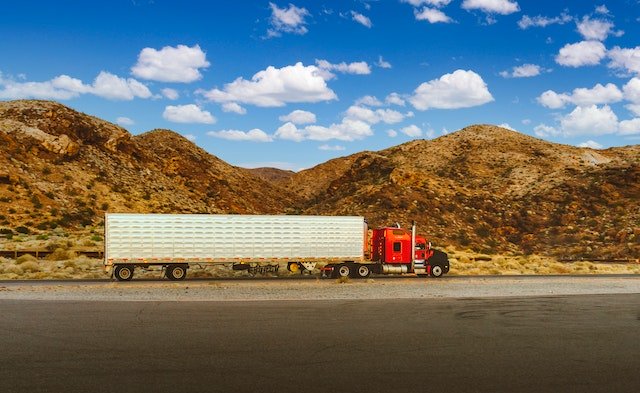
“Can I drive a semi without a CDL?” It’s a question we hear often, but the answer isn’t straightforward. In most cases, no. If you’re operating a commercial vehicle on public roads, you need a commercial driver’s license (CDL).
The confusion comes from a few narrow exceptions and different state rules. Some situations allow you to drive without a CDL, but they’re limited and often misunderstood.
To clear up the confusion, let’s break down when you can and when you can’t, as well as what it takes to become a professional truck driver.
Can You Drive a Semi Without a CDL?
Yes, but only in some situations.
If the vehicle qualifies as a commercial motor vehicle (CMV), federal law under the Federal Motor Carrier Safety Administration (FMCSA) requires you to have a valid commercial driver’s license (CDL) to operate it.
These rules are defined under 49 CFR Part 383, which outlines CDL requirements for drivers of commercial vehicles.
At a minimum, you need a CDL if the vehicle:
- Has a gross vehicle weight rating (GVWR) of 26,001 pounds or more
- Is used in interstate or intrastate commerce
- Transports goods, passengers, or hazardous materials
State laws follow these federal standards and may add their own requirements, but they don’t override them.
The key factor is how the vehicle is used. If you’re involved in commercial activity or operating a truck above federal weight thresholds, you need a CDL in almost every case.

When Can You Legally Drive a Semi-Truck Without a CDL?
There are a few situations where you can legally drive a semi without a CDL, but they don’t apply to most truck drivers.
Private Property Use
You don’t need a CDL license to drive semis or any other truck inside your property. This includes controlled environments like private yards, warehouses, or farms.
As long as you’re not operating on public roads, standard licensing requirements don’t apply in the same way.
Personal Use (Non-Commercial Driving)
If a vehicle meets the definition of a commercial motor vehicle (CMV), you can only drive it without a CDL if it’s used strictly for personal, non-commercial purposes. You’ll still need a valid driver’s license, but it doesn’t have to be a CDL.
This is where many drivers get confused. “Personal use” is defined very narrowly.
The FMCSA considers commerce to include any transportation that crosses state lines or affects interstate movement. Because of that, activities that seem personal can still qualify as commercial.
For example, driving an empty semi-truck across state lines for repairs or maintenance may feel like personal use, but it’s still considered interstate commerce. In that situation, a CDL is required.
CDL Exemptions
Some drivers are exempt from CDL requirements under federal or state law, depending on how the vehicle is used.
Common examples include:
- Drivers operating military vehicles
- Emergency service operators
- Certain recreational vehicle (RV) drivers
- Farm vehicles transporting agricultural products
These exemptions are limited and don’t apply to most commercial driving situations. Requirements can vary by state, so always confirm the rules where you’re operating before assuming you qualify.

What Happens If You Drive Without a CDL Illegally
Driving commercial vehicles without a valid CDL can lead to major penalties. The penalties depend on your state, vehicle type, employer, and whether an accident occurred.
Common consequences include:
- License suspension: You could lose driving privileges for months or longer, especially if you knowingly operated a commercial truck without the right license or endorsements.
- Fines for the driver and employer: Drivers can face expensive fines, and a trucking company may also face penalties if it allows an unlicensed or improperly licensed employee to operate.
- Out-of-service orders: Enforcement officers can stop the vehicle and remove it from service, which delays the load and may cost the business money.
- Criminal charges after an accident: If a crash causes property damage, injuries, or worse, driving without a CDL can make the legal consequences much more serious.
- Insurance and claim problems: An insurance company may review whether the driver was properly licensed. If not, the claim can become harder to resolve.
- Job loss and hiring issues: Most employers require a valid CDL before they’ll hire a driver. A violation can damage your record and limit future trucking opportunities.
These penalties can follow you beyond one ticket. If you want to build a real career in trucking, staying properly licensed protects your income, your record, and your ability to keep working.
Can You Buy or Own a Semi Truck Without a CDL?
Yes, you can buy a semi-truck without a CDL. Ownership and operation are treated differently under the law.
You don’t need a commercial driver’s license to purchase or finance a truck. However, you cannot legally operate it for commercial purposes unless you have the proper CDL and endorsements.
This is common for business owners building fleets and for future owner-operators preparing to enter the industry.

How to Get a CDL License
In most states, getting a CDL license is straightforward. The exact process depends on your state, but most drivers follow the same basic path.
1. Meet the Basic CDL Requirements
Most states require you to be at least 18 to drive a commercial vehicle within your state and 21 to drive across state lines. You’ll also need a valid standard driver’s license, proof of identity, proof of residency, and a clean enough driving record to qualify.
2. Complete Entry-Level Driver Training
If you’re getting a Class A CDL or Class B CDL for the first time, you’ll need training from a CDL training school. This training covers vehicle inspections, safe operation, backing, shifting, coupling, air brakes, and road driving.
3. Pass the Knowledge Test
Before you can drive with an instructor, you’ll need to pass the written knowledge test for your license class. You may also need extra tests for air brakes, combination vehicles, or hazardous materials if your future job requires those endorsements.
4. Get a Commercial Learner’s Permit
After passing the knowledge test, you’ll receive a commercial learner’s permit. Most drivers must hold the permit for at least 14 days before taking the skills test. During this period, you can practice with a properly licensed CDL driver in the vehicle.
5. Pass the CDL Skills Test
The skills test usually includes a pre-trip inspection, basic vehicle control, and an on-road driving test. You’ll need to show that you can inspect the truck, handle turns, shift properly, back safely, and operate without creating risk for other drivers.

6. Consider Endorsements
Endorsements expand what you can legally haul or operate. Common examples include an air brake endorsement, tanker endorsement, doubles/triples endorsement, passenger endorsement, and hazardous materials endorsement.
The right endorsements can help you qualify for better-paying truck driving jobs.
Conclusion
You can drive a semi-truck without a CDL, although you’ll have to be cautious to do so legally.
In real-world trucking, a CDL is required in almost every situation that involves work or public roads. The exceptions exist, but they don’t apply to most drivers.
If you’re serious about getting into trucking, the CDL is your first step. It opens the door to jobs and eventually building your own operation.
Mission Financial Services helps drivers take that next step with commercial truck financing, including owner-operator loans and first-time buyer options. Once you’re properly licensed, having access to financing can help you move from driver to owner and start building your own business.
If you’re ready to take the next step, start your credit application with us today.
Frequently Asked Questions
Can I Drive a Semi Truck Without a CDL?
Yes, you can drive a semi truck without a CDL only in limited situations, such as on private property, for certain non-commercial personal use, or under a legal CDL exemption. In most public-road or commercial situations, you need a valid CDL.
What Weight Requires a CDL?
You generally need a CDL when a commercial motor vehicle has a gross vehicle weight rating of 26,001 pounds or more. You may also need one when towing a trailer over 10,000 pounds if the combined vehicle rating exceeds 26,001 pounds.
Can I Buy a Semi Truck Without a CDL?
Yes, you can buy and own a semi truck without a CDL. However, you can’t legally operate it for commercial use unless you have the proper commercial driver’s license and endorsements.