Office: (404) 975-4800

Lifestyle

Semi-Truck Accident Lawsuit

How To Handle A Semi-Truck Accident Lawsuit

Semi-Truck Accident Lawsuit

Want to know how to handle a semi-truck accident lawsuit? This guide has you covered.

You’ll find info on what to do and what to avoid if you’re involved in a semi-truck accident. Understanding this is crucial. It will prevent you from doing or saying something that might waive your rights to file a claim and end the case before it even begins.

Ensuring your right to file a truck accident lawsuit isn’t tampered with is the first step to handling a semi-truck accident case successfully.

This guide also explains how truck accident lawsuits work so you know how to navigate them smoothly.

What To Do When Involved In A Semi-Truck Accident

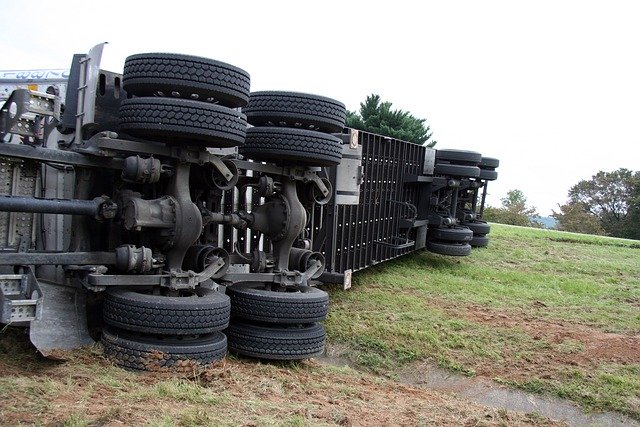
If you find yourself in a semi-truck accident, say a commercial truck rams into your car, don’t panic or leave the scene. Instead, try to remain calm and remember the following:

Don’t Admit To Anything

Anything you say can and will likely be used as evidence against your truck accident claim in court. As a result, be careful who you talk to and what you say at the accident scene and afterward.

Specifically, be keen when describing the accident to relevant authorities. Don’t admit fault to anyone, the police included, even if you think you played a part in causing it.
Also, understand that a truck accident settlement can take place anytime from the moment the accident occurs to right before a jury delivers its verdict. This means that representatives from the insurance companies involved can approach you with settlement offers anytime. Some might do this a few days after the accident before you even file your truck accident case.

Often, an insurance company will make such truck accident settlement offers to take advantage of your vulnerable situation after the accident. The offer amount will almost always be less than you deserve, and accepting it means waiving your right to adequate compensation.

It’s best to completely avoid talking to representatives from the commercial truck company or other parties who can be liable for the accident. Find an experienced truck accident attorney instead and let them do the talking on your behalf.

Document Everything

Trucking accidents are more complicated than car accidents involving other vehicles. They require extensive research to prove you deserve to be compensated an X amount for all the injuries, pain, and suffering the accident caused.

Start collecting the evidence you’ll need to build a strong truck accident case immediately after the accident by documenting everything.

Take clear photos of the entire accident scene. Get the details of the trucking company and truck driver, including their name, address, phone number, and registration information. You also want to get the contact information of any eyewitnesses around.
Seek Medical Attention

Always seek proper medical attention after a trucking accident, even if it appears minor. That’s because accidents involving large trucks can cause severe injuries, like a head injury, which may not be very obvious initially.

Going for a check-up will reveal any issue and help you get the right medical treatment in good time. Otherwise, you might suffer medical complications from unattended internal injuries later on. Ensure you keep all records of your medical expenses. They’ll come in handy when your personal injury lawyer needs to calculate the truck accident settlement amount fit for your case.

Get A Truck Accident Lawyer

An experienced truck accident lawyer will file your commercial vehicle accident lawsuit correctly to help you get significant compensation from multiple parties, where applicable. They’ll be keen to follow all necessary steps to ensure you build a solid case from the start. But you have to contact them in time so they can have a good chance to do this.

On average, you have roughly 2-3 years from the date of the accident to file a personal injury claim or wrongful death lawsuit. But the deadline varies depending on your state and the details of your trucking accident.

It’s shorter (about a year) in some states like Louisiana and longer in other states like Florida (4 years), Missouri (5 years), and Maine (6 years). In legal terms, this time limit for filing truck accident cases is known as a statute of limitations.

Commercial Vehicle Insurance Cost

Most states implement their statute of limitations after years (not days or weeks) to allow truck accident victims to heal before pursuing justice.

However, it’s always best to file an accident lawsuit as early as possible – almost immediately after the accident. Your experienced personal injury lawyer will have ample time to collect accurate evidence from witnesses this way.

That’s because the details of the semi-truck accident will still be fresh in the witnesses’ memory. The lawyer can also move fast to prevent the trucking company and other parties involved from destroying crucial evidence. This is essential, especially during the early stages of handling truck accident cases.

How Truck Accident Lawsuits Work Step by Step

An average truck accident settlement case follows six distinct steps. We’ll discuss these and explain how you can handle each phase effectively.

Step 1: Claim Assessment

In this step, your personal injury lawyer conducts a thorough assessment of your semi-truck accident case for two major reasons:

Establishing Whether You Have A Valid Case

The lawyer will listen to the accident details carefully and explore your legal options and rights based on the facts you provide. Because of this, it is essential to describe the accident as accurately as you can. Also, provide any documentation you might have of the semi-truck accident scene.

Your role in this step is to help your lawyer accurately assess the accident to establish solid grounds for the case. If you think you were at fault, mention it. Your lawyer will ask follow-up questions to determine whether this is true. Most times, you’ll realize other circumstances you’re unaware of might have led to the accident, and you were not at fault.

Determining Liability And Damages You Should Receive Compensation For

If you were not at fault, the lawyer will evaluate the case details to identify the parties responsible for the semi-truck accident.

In most situations, truck drivers are the first party to blame, but semi-truck accidents present several legal liability routes. Multiple parties can be held liable for the accident depending on the specific causes.

For instance, the big rig truck might have rammed into your car due to driver fatigue or break failure. In each of these cases, a different party is responsible. It could be the truck company, vehicle owner, or truck manufacturer. It’s also possible that the truck driver failed to see you due to distracted driving or DUI.

Experienced attorneys will identify all parties liable and consider filing different liability claims to ensure you get maximum compensation.

They’ll also calculate the settlement amount various parties owe you based on every possible factor for determining truck accident lawsuit damages. These may include:

  • Current and future medical bills
  • Lost wages – calculating lost wages considers loss of current employment and earning capacity in the future.
  • The extent of physical injuries, mental anguish, pain, and suffering. For serious injuries, such as a traumatic brain injury or disability, the future cost of continuous medical care and rehabilitation is included.
  • Loss of consortium
  • Property damage
  • Punitive damages

At the end of this step, the lawyer has a good foundation for your truck accident lawsuit. You’ll also get a rough idea of how much the parties liable for the semi-truck accident owe you. It’s important to note that claim assessment happens during the initial free consultation with your lawyer.
Step 2: Investigation

Once you’ve established an attorney-client relationship with your personal injury lawyer, the next step is investigation. Here, lawyers work to preserve any evidence that might help win truck accident settlements.

They’ll send letters to multiple defendants to legally demand that they preserve all evidence of your case. These might include photographs, the vehicles involved in the semi-truck accident, the truck driver’s records of operation, and other vital data. Your role in step 2 becomes passive. You don’t have to do anything except follow your lawyer’s directives when called upon.

Step 3: File And Complaint

After the investigation phase, your lawyer will formally file a truck accident lawsuit against all parties deemed negligent in the semi-truck accident. Your role here is also passive, like in step 2 above.

Step 4: Case Discovery

Case discovery is the case-building phase. Lawyers actively gather evidence from several parties to prove a duty of care and its violation.

They’ll talk to witnesses and obtain analyses from experts, including semi-trailer truck accident reconstructionists and medical personnel, to ensure your accident lawsuit succeeds. Like in steps two and three, your role during case discovery remains passive.

Step 5: Begin Mediation

The mediation process begins once attorneys gather enough evidence for truck accident claims. During this phase, both parties (truck accident victims and defendants), accompanied by their lawyers, meet to see if they can reach a fair settlement. You’ll have to attend the mediation and work closely with your lawyer throughout the meeting.

Step 6: Go To Trial

If you don’t reach a settlement during step 5, the accident lawsuit will proceed to trial, where a judge or jury will hear and determine the case. You might be called upon to testify during the trial, but don’t worry! Your lawyer will prepare you adequately for this.

Conclusion

Unfortunately, accidents involving commercial motor vehicles are common, and they can be fatal. The latest research shows about 4,998 accidents involving large trucks and buses happened in 2020, leading to nearly 108,000 injury crashes.

Knowing how to handle semi-truck accident lawsuits is vital to getting fair compensation for yourself or loved ones in case of an accident. We hope this article helps you with this.

You can also check out our blog to learn more about dealing with semi-truck accidents, including how to find an experienced commercial truck accident attorney.


 

All About Self-driving Semi-trucks

All About Self-driving Semi-trucks

self driving semi trucks
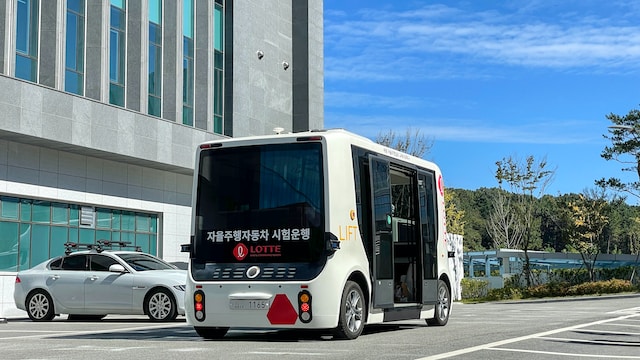
2027 is the year that some experts believe self-driving semi-trucks will get on the highways, although a few road tests are already underway. This will shake up the trucking industry!
It may affect you, whether you’re a seasoned truck driver or new to trucking. What are self-driving trucks? Are they a good idea? Will they replace human truck drivers?

In this post, we discuss everything you should know about self-driving semi-trucks to help you plan and avoid any disruption to your livelihood.

What Are Self-driving Semi-trucks?

Self-driving or automated semi-trucks are eighteen-wheelers capable of traveling independently, i.e., without input from human drivers. They can go anywhere traditional trucks go and do almost everything human drivers do.

These trucks depend on self-driving technology, including sensors, actuators, machine learning systems, and powerful processors to navigate. They create and keep a clear map of their environment using several sensors and cameras strategically placed in various parts of the vehicle.

Some of these include:

  • Radar sensors scan the positions of any vehicles nearby.
  • Light detection and ranging (Lidar) sensors identify lane markings, detect road edges, and measure distances.
  • Video cameras look for pedestrians, track other vehicles, read road signs, and detect traffic lights.
  • Ultrasonic sensors in the truck’s wheels detect other vehicles when parking.

Once the sensors receive relevant input, they send it to sophisticated software for processing. The software then plots a path and instructs the car’s actuators to control steering, acceleration, and braking.

Predictive modeling, hard-coded rules, obstacle recognition, and avoidance algorithms help the software navigate obstacles and obey all traffic rules.

At the moment, very few semi-trucks, which are still in their testing phase, can operate entirely on their own. Most require human drivers to act as safety drivers and take control if anything goes wrong. But this is changing fast as autonomous technology continues to improve.

Key car manufacturers in the autonomous trucking industry are also channeling more resources to perfect self-driving technology and eliminate the need for drivers. So far, there are a few types (about 6) of self-driving trucks, each with a different driving automation capacity.

Types of Self-driving Trucks

Driverless trucks are categorized according to their levels of automation or how much human input the vehicles require to operate on public roads. The less human involvement the autonomous vehicle needs to operate, the higher the automation and the category.

Some common levels of autonomous driving include the below.

Level 0: No Automation

Such a vehicle requires manual driving. A human driver must be behind the wheel to perform most driving tasks like steering and acceleration. There could be a few automated truck features, such as automatic emergency braking, blind spot, and lane departure warning. But they are limited to offering warnings and momentary assistance.

Also, the driver has to supervise these features constantly to maintain safety. Most trucks currently fall under this category.

Level 1: Driver Assistance

Level 1 semi-trucks have the most basic form of automation. They come with at least one automated driving system to support the driver’s efforts. It could be a brake or /acceleration driver support system, lane centering, or adaptive cruise speed monitoring control. But not all three.

Level 2: Partial Automation

For level 2 trucks, there is an advanced driving assist system (ADAS) with lane centering and adaptive cruise control. The system provides steering and acceleration plus brake support to the driver. However, the driver still needs to remain alert and monitor all driving operations behind the wheel.

Level 3: Conditional Automation

Autonomous semi-trucks at level 3 have sophisticated self-driving features like environmental detection capabilities. The trucks can perform nearly all the driving tasks but under limited conditions. These conditions must all be met for the automated driving systems to work.

A human driver must also be present to take over upon request by the Artificial Intelligence (AI) systems or during an emergency.

Level 4: High Automation

Level 4 autonomous semi-trucks can perform all driving operations. This includes stopping in case of a system failure or emergency. They don’t require truck drivers.

These autonomous vehicles also don’t need pedals or a steering wheel. Their self-driving autonomous system can take the truck from one point to another following preprogrammed route set via geofencing.

Level 5: Full Automation

Full driving automation for level 5 autonomous trucks lets the vehicle travel to any place through all conditions. It doesn’t require any human interaction or geofencing. Such a system only needs the final destination details, and it takes care of all driving tasks.

Are Driverless Trucks A Good Idea?

Cass transportation index

Like most opinions, the answer to whether self-driving trucks are a good idea depends on an individual’s perspective. Some people believe autonomous trucks are a good idea for the same reasons others think they are not.

For example, big players in self-driving truck companies and fleet managers support autonomous trucks because they’ll revolutionize the trucking industry by eliminating driver shortages. At the same time, most truck drivers see automated trucks as a threat because they might lose their jobs.

We’ve outlined some of the advantages and disadvantages of self-driving trucks below. So you can weigh and judge for yourself whether they’re a good idea or not.

Advantages Of Autonomous Trucks

Improved Efficiency

With advanced technology comes increased efficiency, and autonomous trucking technology is no exception.

A self-driving semi maximizes performance in terms of the time taken to deliver freight and fuel efficiency. It can choose the most effective route to deliver freight in the shortest time possible. Also, shorter transportation time may push companies to expand their operations. More distribution centers with an increased variety of products can emerge because of this.

Increased Safety

Autonomous trucks will enhance road safety by eliminating human error – one of the most common causes of truck accidents. All the high-tech sensors and software we mentioned earlier work jointly to promote excellent driving and minimize the chances of road accidents.

Minimum to No Breaks

Unlike a human driver, a self-driving truck can operate round-the-clock, including off-peak hours, without any breaks. This means that it can transport more loads faster than human truck drivers and whenever the need arises.

Fleet managers also don’t have to stress about drivers complying with the strict logging requirements by the Department of Transportation.

Reduced Operating Costs

As a result of all the benefits above, automated trucks lower operating costs. Specifically, faster freight delivery and fuel efficiency reduce fuel expenses. While increased safety translates to substantial savings in insurance claims, settlements, and accident repairs. Having no drivers also lowers labor costs for trucking companies.

Disadvantages Of Autonomous Trucks

System Failures

Picture a fully loaded automated vehicle, say a semi-truck at about 80,000 pounds. It’s taking instructions from its high-tech system, cruising the highways. Then, the system fails. What would happen?

Critics of autonomous trucking argue that accidents ensuing from driverless trucks are more damaging than those with truck drivers for one main reason: They lack the human connection and live-saving instincts humans have.

In this scenario, if a human driver were behind the wheel, they could make eye contact with other drivers, send subtle cues, and make split-second judgment calls to prevent the accident or minimize its impact. A self-driving truck cannot do the same.

Security Threats

Self-driving technology is susceptible to cyber criminals, including hackers. Malicious attacks can bring trucking operations to a halt, affecting the entire supply chain and leading to losses.

Weather Conditions

Unpredictable weather poses a significant challenge to most self-driving vehicles. Can the sensors still identify lane markings if they’re obscured by snow?

Automotive engineers are working hard to ensure autonomous cars can operate under all weather conditions. But the uncertainty of weather and other natural phenomenon may pose new challenges with time.

Government Regulation and Legal Liability

What happens when one autonomous semi-truck collides with another? Who will be accountable or liable for the accident? What if the truck collided with a non-self-driving vehicle?

The regulatory process for self-driving cars shifted from federal control to state-by-state mandate. However, most states are yet to polish their autonomous vehicle laws to clarify such matters. Things are likely to change over time, but until then, government regulation on the operation of autonomous trucks remains a challenge.

Overreliance On Big Tech

Automated trucks will require periodic software updates to operate optimally. Because of this, big tech companies currently working to make driving automation a reality, like Torc Robotics, might take control of the transportation industry. If this happens, fleet managers may lose control of their fleet management costs.

Will Self-driving Semi-trucks Replace Human Drivers?

The truth is that trucking jobs, as we know them, will change significantly. And yes, a good number of truck drivers will lose their jobs. But self-driving semi-trucks will only displace as opposed to completely replacing human drivers.

Research estimates that automated trucks may displace more than 2 million truck drivers in the United States and Europe. The demand for new drivers will also reduce by about 70% as most current professional trucking jobs will become redundant.

New opportunities are likely to emerge. Following the trends from the ongoing driverless testing pilot programs, truck drivers may be required to take on a supervisory role. That is, supervising the truck and cargo and ensuring everything goes smoothly. They may also need to conduct emergency repairs from time to time.

Also, short-distance truck drivers will keep their jobs longer to help the trucks navigate congested urban areas. However, if you work long-haul routes, you will have to adjust since the trucks are made to automate highway driving. You can switch to short-distance trucking to continue driving. This can mean reduced working hours which will translate into a pay cut.

Alternatively, you can acquire more maintenance and supervisory skills. Or take new training and explore new roles like being an automated truck technician.

The good news is we still have a few years before driverless trucks become the norm on our highways. So, you’ll have enough time to adjust and prepare for the change.

How Soon Will Large-Scale Use Of Driverless Trucks Become A Reality?

As noted before, we might start seeing a good number of self-driving trucks on our highways as soon as 2027. But the full transition into autonomous trucking will occur gradually throughout the next decade.

The automated trucks will be made available for use in four distinct phases, using a fleet of self-driving trucks connected through wireless technology:

  • Phase one: A fleet of semi-trucks follows a lead truck closely on the highway. Each truck will have a human driver to take control of the wheel on some, mostly smaller, roads and allow the AI program to take over driving on freeways. This technique is commonly referred to as platooning.
  • Phase two: In this phase, only the lead truck will have a human driver, as a convoy of automated trucks follows closely behind. It may become a reality by 2025.
  • Phase three: For the third phase, the lead truck will be completely self-driving on the highway. Meaning the entire convoy will be autonomous. However, a human driver might have to be present in the lead truck to help navigate loading docks and small roads.
  • Phase four: The final phase will see 100% automated trucks on the highways at scale. There will be no human driver in any of the trucks. This may become a reality by early 2030.

What’s Next?

If you’re a truck driver, you may be required to adapt and take on a more passive but crucial role similar to pilots in the aviation industry.

New opportunities you can take advantage of will also emerge as automation continues to infiltrate the trucking industry.

Chances are, with time, other tasks like loading and unloading will get automated too. Overall, the transportation industry is staring at a completely digitized 24/7 supply chain, and hopefully, you are ready to make it work for you!

To stay updated with the latest news on self-driving AI and autonomous trucking, read our blog!


how much is insurance on a semi truck

How Much Is Insurance On A Semi-Truck? (+ FAQs)

how much is insurance on a semi truck

There’s a rise in trucking insurance costs. However, it’s crucial for protecting your truck, business, and you from potential risks and liabilities. If you’re wondering how much insurance is on a semi-truck, it can be complex due to various factors.

However, we’ve got the breakdown for you. With this article, you can view the estimate of what to expect when paying your commercial truck insurance cost. We’ve also added the primary benefits to help you understand how crucial it is to have semi-truck insurance.

If you’re an experienced trucker or new to the industry, we’ll help you understand the intricacies of semi-truck insurance rates. It’ll help empower you to make informed decisions and safeguard your investment.

How Much Is Insurance On A Semi-Truck?

How much is insurance on a semi-truck? It depends on several factors, such as the truck’s value, its intended use, and your driving experience. On average, you can expect to pay anything between $3000 to $18000 per year. However, here’s a more detailed breakdown:

  • Owner-operators that lease on to a motor carrier can expect to pay between $3000 and $5000 per year.
  • Owner-operators with their authority can spend an average of $9000 to $15000 per year.
  • For new authorities, you can pay between $12000 and $18000 per year.

When you apply, your trucking insurance company will also consider the type of cargo you’ll be transporting. The higher risk your shipment is to theft and damage, the more you expect to pay in commercial truck insurance costs.

To find the rate for your commercial trucking business, we recommend approaching multiple insurance companies to get a quote. Take care to make sure that the quotes offer the required coverage you need in case of accidents.

Why Should You Have Insurance?

Besides being a legal obligation in some jurisdictions, insurance protects your business from unforeseen accidents. Having commercial truck insurance can mean the difference between you having to find the finances for accident repairs or not.

Let’s dive into the benefits of semi-truck insurance.

Financial Protection

Your semi-truck and business are valuable assets that you need to protect. Financial protection is the key benefit of having semi-truck insurance. Accidents happen, and your insurance company is prepared to handle it.

In an accident, how much insurance on a semi-truck is minor to what damages can cost. Your insurance will cover the costs of repairing or replacing your semi-truck.

Insurance ensures your business won’t bear the financial burden, whether a collision with another vehicle or damage from non-collision incidents like theft or fire.

Insurance coverage for your semi-truck ensures that you have the financial resources to recover from unexpected events and continue operating your business smoothly.

It reduces the risk of significant financial losses that could otherwise impact your business’s survivability.

Liability Coverage

Primary liability coverage is a crucial part of semi-truck insurance. It protects you from potential legal claims and financial liabilities if your truck is involved in an accident or causes damage.

It ensures you’ve got the necessary finances to support these individuals and fulfill your legal obligations. Let’s take a look at two examples.

In the first example, your semi-truck causes bodily injury to someone else in an accident. That’s where your liability coverage steps in. It’ll cover all the necessary medical expenses, rehabilitation costs, and potentially lost wages for the injured person.

Let’s say your semi-truck damages someone else’s property. Liability coverage will help cover repairing or replacing the damaged property. It helps protect your business from potentially significant financial liabilities and ensures that the affected parties can recover their losses.

Legal Compliance

Legal compliance is crucial in commercial trucking; proper insurance coverage is vital in meeting those requirements.

Complying with insurance regulations protects you, other road users, and your business from legal repercussions and financial risks.

Legal compliance involves meeting insurance requirements and complying with regulations set by governing authorities. It’s not just about having insurance but also the necessary coverage, such as liability insurance, to operate legally.

Every jurisdiction will have different laws and requirements about what’s needed to be considered legal. It’s crucial to consult these laws and find out precisely what is required to give yourself peace of mind.

Contractual Obligations

Contractual obligations are an essential part of the commercial trucking industry, and commercial vehicle insurance is often one of the top requirements. By having insurance, you can quickly seal the deal on incoming contracts.

As a commercial trucking business, your contracts often involve transporting valuable goods and services. Clients asking for proof of insurance is a common practice to reduce the risk of accidents, thefts, or damage to the cargo.

With proper insurance coverage, you show that you’re responsible and committed to minimizing financial risks for everyone involved.

Fulfilling these obligations through insurance assures your clients and partners that you prioritize their protection and the smooth execution of contracts.

Peace Of Mind

Once you’ve taken all the necessary steps to insure your semi-truck, you can rest easy knowing you’re prepared for any potential accidents. Your business will also be protected, and you won’t have to splurge any unnecessary expenses.

Semi-truck insurance policies offer financial security, liability protection, compliance with legal requirements, and peace of mind. It’s a critical investment for truckers and fleet owners, safeguarding your assets and helping you navigate the challenges of the industry.

However, as truck drivers, don’t settle for cheap truck insurance. The chances are great they won’t cover everything you need to be legally compliant or keep safe from liability claims.

Final Thoughts

While semi-truck insurance costs are an extra expense, they provide crucial financial protection against potential risks and liabilities. Investing in the right insurance coverage can safeguard your business from unforeseen events and ensure its continuity.

Understanding the semi-truck insurance cost is vital for trucking businesses and individuals in the industry. How much insurance on a semi-truck is based on factors like coverage type, fleet size, and driving records.

It’s crucial to request quotes from reputable providers.

To begin securing your semi-truck and starting your commercial trucking service, contact Mission Financial Services. We’re professionals in the auto financing industry. Whether you’re a first time-driver or have less than perfect credit, we can help.


commercial truck insurance for small business

Everything To Know About Commercial Truck Insurance For Small Businesses

commercial truck insurance for small business

Hey there, small business owners in the trucking industry! Are you running a fleet of commercial trucks or considering venturing into this dynamic field? In that case, one crucial aspect you need to familiarize yourself with is commercial truck insurance.

It’s no secret that the road can be unpredictable, and protecting your business from potential risks and liabilities is essential.

Let’s delve into the world of trucking insurance, unravel its complexities, and provide you with essential insights to make informed decisions.

So, fasten your seatbelts and get ready to navigate the insurance landscape with confidence and peace of mind!

Commercial Truck Insurance For Small Business: All You Need To Know

Here’s everything you need to know when you purchase commercial truck insurance.

Types Of Commercial Truck Insurance

Understanding the types of commercial truck coverage is crucial for small businesses in the trucking industry. Each type of coverage addresses specific risks and liabilities, allowing you to tailor your personal auto insurance policies to the unique needs of your business.

By selecting the appropriate insurance coverage, you can protect your assets, comply with legal requirements, and confidently operate your small trucking business.

Here are the most common types of small business commercial vehicle insurance out there.

Primary Liability Insurance

Primary liability insurance is a legal requirement for all commercial trucks operating on public roads. It covers bodily injury and property damage caused to others in an accident where the insured truck is at fault. This insurance ensures victims receive compensation for their injuries or property damage, protecting your business from lawsuits.

commercial truck insurance for small business

Physical Damage Coverage

Physical damage coverage protects the insured commercial truck itself. It includes collision coverage, which covers damages from collisions with other vehicles or objects.

It also covers damages from non-collision incidents such as theft, vandalism, fire, or natural disasters. Physical damage coverage is critical if your truck has significant value or if you have financing or leasing obligations.

Cargo Insurance

Cargo insurance protects the goods or freight being transported by your commercial truck. It covers damage or loss of cargo due to accidents, theft, or other covered perils.

Cargo insurance is crucial for trucking businesses that transport valuable or sensitive cargo, providing peace of mind and financial protection in case of unforeseen incidents.

Non-Trucking Liability Insurance

Non-trucking liability insurance, or bobtail insurance, covers liability when the truck is operated for non-business purposes, such as when the semi-truck driver is off-duty or using the truck for personal use. This insurance fills the coverage gap that may exist when the primary liability insurance does not apply outside of business-related activities.

Motor Truck General Liability Insurance

Motor truck general liability insurance offers coverage beyond primary liability insurance. It covers bodily injury or property damage caused by non-trucking-related activities, such as when the driver is at a loading dock or engaged in other non-driving operations. This insurance protects your business from potential liability claims during trucking operations.

Trailer Interchange Insurance

Trailer interchange insurance covers damage or loss to non-owned trailers that a trucking company uses under a trailer interchange agreement.

White truck on road

This insurance is essential for rental reimbursement and when trucking companies interchange trailers with other companies or use trailers owned by others, ensuring that damages to the trailers are covered under your commercial truck insurance policy.

Umbrella Insurance

Umbrella insurance provides additional liability coverage that extends beyond the limits of your primary liability insurance. It offers extra protection against high-cost claims and lawsuits.

Umbrella insurance can benefit trucking businesses that want to increase their liability coverage limits and protect their assets in a catastrophic event.

What To Look For In Commercial Truck Insurance

When choosing the best commercial truck insurance for commercial vehicles, it’s essential to consider several factors to ensure you have the right coverage that meets your specific needs. Here are some key aspects to look for when evaluating commercial trucking insurance options:

Customizable Policies

Every trucking business is unique, and your insurance needs may vary depending on the type of cargo you transport, the distance you travel, and other specific factors. Look for insurance providers that offer customizable policies, allowing you to tailor the coverage to your business requirements. This ensures you only pay for the coverage you need without unnecessary extras.

Adequate Coverage Limits

Assess the coverage limits offered by the insurance policy. It’s crucial to have adequate coverage limits that align with your business’s potential risks and liabilities. Consider factors such as the value of your trucks, the nature of the cargo you transport, and the potential costs of accidents or lawsuits. Adequate coverage limits provide the financial protection you need in case of unforeseen events.

trucking business

Deductibles And Premiums

Evaluate the deductibles and premiums associated with the insurance policy. Deductibles are the amount you’re responsible for paying out of pocket before the insurance coverage kicks in. At the same time, premiums are the recurring payments you make for the policy. Consider your budget and financial capabilities to choose deductibles and premiums that are reasonable and affordable for your small business.

Claims Process And Customer Support

Look for an insurance provider with a straightforward and efficient claims process. In the event of an accident or loss, a responsive and supportive claims department can make a significant difference in quickly resolving issues and getting your business back on track. Read reviews and seek recommendations to gauge the quality of customer support the insurance company provides.

Insurance Company Reputation

Research the reputation and financial stability of the commercial truck insurance company you are considering. Look for insurance providers with a solid track record, strong financial ratings, and a history of providing reliable coverage and excellent customer service. Reputable commercial truck insurance providers will give you confidence that they’ll be there when you need them most.

Additional Services And Resources

Consider any additional services or resources offered by the insurance provider. Some companies provide risk management tools, safety training programs, or access to industry-specific expertise. These value-added services can help you enhance the safety of your operations, mitigate risks, and improve overall business performance.

Insuring Vs. Financing Your Semi-Truck

truck on road

When it comes to buying a semi-truck for businesses, you’ll likely face the decision of whether to insure or finance your vehicle.

Both options have their merits, and understanding the differences can help you make an informed decision. Let’s explore the considerations when it comes to insuring versus financing your semi-truck:

Insuring Your Semi-Truck

Insuring your semi-truck is critical in protecting your investment and managing potential risks. Commercial truck insurance companies offer coverage for liability, physical damage, motor truck cargo, and more.

Insuring your semi-truck protects your business from the financial implications of accidents, theft, damage, or other unforeseen events. Commercial auto insurance acts as a safety net, helping you recover financially and continue operations in the face of adversity.

It provides peace of mind, knowing that you’re adequately protected and can focus on your business without worrying about the potential financial burden of incidents on the road.

Financing Your semi-truck

Financing your semi-truck involves obtaining a loan or lease to acquire the vehicle. This option allows you to spread the cost of the truck over a predetermined period, making it more affordable in the short term.

Financing can be advantageous, especially if you don’t have the total funds upfront or prefer to allocate your capital to other aspects of your business.

By financing, you can secure a reliable and efficient semi-truck without depleting your cash reserves, enabling you to preserve working capital for operational needs or other investments.

However, it’s essential to consider the terms and interest rates associated with the financing option to ensure it aligns with your budget and financial goals.

contract

Making The Right Choice

The decision between insuring and financing your semi-truck ultimately depends on your specific circumstances and priorities. Assessing your business’s financial position, risk tolerance, and long-term goals is crucial.

If you have the financial capacity, insuring your semi-truck is a non-negotiable aspect of responsible business ownership. Insurance protects your investment, business reputation, and ability to bounce back from potential setbacks.

On the other hand, if you require additional funds to acquire a semi-truck and financing aligns with your financial strategy, securing a loan or lease can be a viable option. You’ll need to consider commercial truck insurance costs.

Most businesses choose a combination of both insurance and financing.

By insuring your semi-truck and financing its purchase, you can simultaneously enjoy the benefits of protection and affordability. This approach allows you to balance the need for insurance coverage with the financial flexibility provided by financing arrangements.

Ultimately, whether you choose to insure, finance, or pursue a combination of both for your semi-truck, consulting with professionals in the insurance and financing sectors is crucial.

Final Thoughts

Remember, insurance is not just a requirement like your commercial driver’s license, it’s an investment in the longevity and stability of your business.

Take the time to research and compare different insurance options, consult with professionals in the industry if needed, and choose a policy that aligns with your goals and risk tolerance.

With the right commercial truck coverage, you can focus on growing your business while knowing you’re protected against potential challenges and setbacks.

If you’re looking to insure your semi-truck, reach out to Mission Financial Services today.

semi truck business ideas

The 12 Best Semi-Truck Business Ideas

semi truck business ideas

Owning a semi-truck puts you in a rare position. You already have one of the most valuable assets in American logistics. Whether you’re an experienced driver or an aspiring entrepreneur, there are dozens of profitable ways to put that rig to work. 

From freight transportation to agricultural hauling and specialized services, the opportunities in 2026 are broader and more profitable than ever before. The American Trucking Associations projects that total U.S. freight tonnage will grow by 25.6% by 2030.

With the right commercial vehicle, a valid CDL, and a clear business plan, you can turn your truck into a thriving operation. 

And if you’re just getting started, flexible commercial vehicle loans from Mission Financial Services can make it easier to purchase or expand your fleet without straining cash flow. But first, let’s go over why you should start a semi truck business. 

Why Start a Semi-Truck Business?

Starting a semi-truck business is one of the fastest ways for owner-operators to gain financial freedom and long-term control over their careers. When you own your truck, you control your routes, your schedule, and, most importantly, your income potential.

The U.S. trucking industry continues to expand rapidly. Total freight tonnage is projected to grow by 25.6% by 2030. And with trucks already responsible for about 72% of all freight tonnage in the U.S., demand is both massive and enduring.

Operating your own trucking business means you can specialize in the type of freight you enjoy most. You might focus on long-haul cross-country deliveries, regional routes with shorter turnaround times, or niche markets like refrigerated or agricultural transport.

And when you’re ready to scale, you can hire other drivers and manage operations, turning a one-truck business into a profitable small fleet. 

With flexible commercial vehicle financing from Mission Financial Services, it’s easier than ever to expand without draining your cash flow.

truck

12 Best Semi-Truck Business Ideas

If you’re thinking of investing in a semi-truck, the good news is that plenty of trucking business opportunities and ideas are available. Each one comes with its own startup requirements, profit potential, and market niche. Let’s dig into it. 

1. Freight Transportation

One of the most popular trucking business ideas is to get into freight transportation. This is an enormous field you can join, with all kinds of different areas you can specialize in.

Freight hauling remains the backbone of the U.S. economy. Whether you’re moving raw materials, retail goods, hazardous waste, or industrial components, freight transportation gives you the flexibility to choose your loads and clients.

The two most common models are:

  • Less Than Truckload (LTL): Smaller shipments from multiple suppliers that share trailer space, which is ideal for maximizing capacity and reducing downtime.
  • Full Truckload (FTL): Dedicated loads for a single shipper, often with higher payout and simpler logistics.

Freight may be transported between different transport links (like rail, air, or sea), or you could transport freight from a supplier directly to a customer.

2. Agricultural Hauling

The farming and agriculture industry needs trucks to operate. This is another huge sector that you can build your trucking business around.

Agricultural and food-product shipments represent about 30% of all ton-miles across the U.S. freight transportation system, offering huge demand. You can focus on hauling livestock, grain, feed, fertilizer, or heavy farm machinery, depending on your trailer type and regional opportunities.

If you do decide to focus on the agricultural sector, it pays off to specialize in a certain type of trucking. Certain types of freight, like refrigerated dairy or bulk grain transport, can help you stand out and command premium contracts.

long road

3. Truck Rental or Leasing

If you own your truck, you might even consider starting a truck rental business. Renting or leasing out your semi-truck to other drivers or small carriers can generate steady passive income. 

This is especially true if your truck isn’t always in use. Many owner-operators use downtime between contracts to rent their trucks short-term through local listings or industry platforms.

This business model scales best when you own multiple rigs, but even a single truck can bring in consistent monthly revenue. Of course, this business idea works best if you own multiple trucks and not just one. 

To reduce risk, make sure to secure strong rental contracts and semi-truck insurance coverage. 

4. Moving and Relocation Services

When it comes to starting your own trucking company, you can also look at going into the moving business. While most moving companies use box trucks, semi-trucks are ideal for large-scale or long-distance relocations.

You can partner with corporate relocation firms, logistics providers, or government contractors to move offices, equipment, or bulk furnishings across states. 

Marketing your trucking business to industrial clients or large residential moves can make your services stand out in a crowded space.

Startup costs are relatively low since you already own the main asset: your truck. Focus on obtaining a USDOT number, operating authority, and proper cargo and liability insurance. 

If you plan to operate across state lines, you’ll also need an MC number from the FMCSA and any state-specific household goods carrier permits.

5. Courier and Delivery Contracts

Trucking businesses can also consider going into local shipping or courier services. This category has evolved a lot in recent years. With the continued rise of e-commerce and bulk retail, larger deliveries often require regional trucking capacity that smaller couriers can’t handle.

By targeting furniture stores, appliance retailers, or B2B delivery contracts, you can fill a profitable niche between local delivery and long-haul freight. Semi-truck courier services can haul larger items and larger loads using dry vans or curtain-side trailers designed for quick loading.

While profit margins depend on contract volume and fuel management, many regional delivery operators maintain steady weekly income thanks to repeat B2B contracts and short-haul routes that keep operating costs low. 

Financing additional trucks or trailers with the help of Mission Financial Services can further boost efficiency and earnings potential.

rosebox-BFdSCxmqvYc-unsplash

6. Waste and Recycling Removal

Hauling waste, recyclables, or scrap materials is an essential and often recession-proof trucking service. There will always be waste, from people and businesses. 

You can specialize in construction debris, commercial waste, metal recycling, or hazardous materials, depending on your equipment and certification level. Operators with hazmat or environmental transport endorsements can access higher-paying contracts that most competitors can’t bid on.

To operate legally, you’ll need a USDOT number, proper waste-hauling permits (issued at the state or local level), and insurance coverage for environmental and cargo liability.

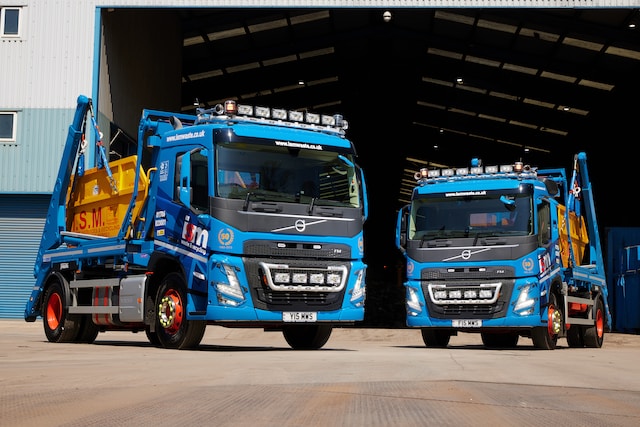
Startup costs depend on your equipment and the type of waste you move. Many operators use roll-off trailers for construction debris, dump trucks for bulk materials, sealed containers for liquid or hazardous waste, or flatbed trailers for recycling and scrap metal transport.

7. Car Hauling and Transportation

Car hauling is one of the most profitable ways to use a semi-truck, especially if you have the right trailer setup. Depending on your market, you can choose between open multi-car trailers (ideal for new car deliveries) or enclosed haulers that protect classic or luxury vehicles during transport.

Startup costs in car hauling are generally higher than in other trucking niches because of the specialized equipment and insurance requirements involved. You’ll need a reliable semi-truck with enough horsepower for heavy towing.

Success in this niche depends on establishing consistent partnerships with auto dealerships, auctions, rental agencies, or online vehicle marketplaces, such as Carvana and Bring a Trailer

To operate legally, you’ll need a USDOT number, an MC authority, and cargo insurance that covers vehicle damage in transit.

8. Construction Material Hauling

Construction haulers handle heavy materials such as steel, concrete, lumber, and aggregate, often navigating congested urban areas or job sites. It’s less about long-distance routes and more about coordinating multiple short runs that keep major projects on schedule.

To succeed, you’ll need a heavy-duty semi-truck, a flatbed or dump trailer, and the proper permits for overweight or oversize loads. 

Because deliveries are time-sensitive, maintaining clear communication and on-time performance is key to earning repeat contracts.

This niche rewards professionalism and reliability. It’s a strong fit if you’re an experienced driver who wants consistent, hands-on work supporting large-scale construction projects.

Semi Truck Insurance_ Coverage Types, Costs & Tips to Save 5

9. Snow Plow and Seasonal Services

In areas that experience harsh winters, converting a semi-truck into a snow plow is a practical way to generate income when freight slows. Many operators partner with local governments or private snow-removal contractors to clear roads, parking lots, school zones, and distribution centers.

All you need is a plow attachment and possibly a salt spreader to get started. Plow operations typically run overnight or in early morning hours after heavy snowfall, offering a dependable seasonal workload that complements long-haul driving.

This is a strong diversification option for owner-operators who want to keep their trucks profitable throughout the winter months.

10. Oversized Load Transportation

If you’re ready to take on more complex freight, oversized hauling offers both challenge and reward. 

You’ll move loads that exceed standard U.S. limits of 8.5 feet in width, around 13 ½ feet in height, or 80,000 pounds in total weight, though exact thresholds vary by state. These include industrial equipment, bridge beams, turbines, and modular buildings.

Each run is a project in itself, requiring detailed route planning, permitting, and coordination with pilot vehicles to move safely through multiple jurisdictions.

You’ll need specialized trailers such as lowboys, extendable flatbeds, or multi-axle setups designed for heavy or awkward cargo. Because only a small number of drivers are qualified and properly equipped, demand often outpaces supply, creating room for higher-paying contracts.

Every mile takes more planning, but it also brings the satisfaction of mastering one of trucking’s most respected specialties.

11. Semi-Truck Driving School or Training Service

The trucking industry faces an ongoing shortage of qualified CDL drivers and is projected to need roughly 1.2 million new drivers over the next decade. Using your truck for driver training can be a profitable and stable business model.

You can register as a private CDL training provider or partner with local trade schools to offer behind-the-wheel instruction for new drivers.

Operating legally requires meeting FMCSA training standards, maintaining liability and vehicle insurance, and equipping your truck with dual controls or instructor access features. 

Once certified, you can train students year-round, creating consistent revenue while helping to strengthen the future trucking workforce. This path suits seasoned drivers who want to leverage their experience while spending less time on the road.

12. Green or Electric Truck Logistics

Recent market analysis shows that the heavy-duty electric truck market is set to grow from about USD 1.22 billion in 2023 to USD 4.70 billion by 2030, a compound annual growth rate of roughly 20.6%. 

Federal and state programs also now offer meaningful incentives and tax credits for carriers that invest in zero-emission trucks. For example, companies purchasing qualified commercial clean vehicles may receive tax credits of up to $40,000 under the Inflation Reduction Act (Section 45W). 

EV adoption is still in its early stages, which means there’s room for new drivers and small operators to establish themselves before the market becomes crowded.

Begin by researching which electric trucks qualify for federal or state incentives. Many states also offer grants or rebates to help cover charging infrastructure and fleet conversion costs.

Next, look at where freight electrification is expanding fastest. Regions with existing EV infrastructure, such as California and Texas, are ideal for new operators entering green logistics.

If you’re new to the industry, consider starting with short-haul or regional routes where charging access is reliable and downtime is limited. These routes allow you to build experience while keeping costs predictable and operations sustainable.

load transportation

How to Choose the Right Semi-Truck Business Idea

Choosing the right trucking business idea starts with understanding your budget, licensing, and local market conditions. Here’s how to narrow your focus and pick a niche that fits.

1. Startup Capital and Equipment Needs

Assess how much you can invest upfront and whether your current equipment aligns with your goals. Lower-cost ideas like local courier services or junk hauling are ideal if you already own a rig and want to start earning quickly. 

In contrast, car hauling or oversized freight requires specialized gear such as step-deck or enclosed trailers and higher insurance coverage.

If you’re still exploring equipment options, consider whether it’s smarter to buy a used commercial truck or upgrade to a new commercial truck that meets the demands of heavier or long-haul work. 

Matching your truck’s capabilities to your chosen niche can significantly impact both profitability and safety.

2. Licensing and Experience Level

Your credentials will determine which lanes are open to you. Drivers with CDL endorsements for hazmat, doubles/triples, or tanker loads can move into premium freight markets with higher per-mile rates. 

If you’re newer to trucking, consider starting with lower-barrier options like regional freight or short-haul deliveries to gain hours, refine your safety record, and build professional contacts before expanding.

3. Local and Regional Demand

Study what industries dominate your region. Agricultural hauling thrives across the Midwest and South, while construction hauling is strong in fast-growing metro areas. In northern states, snowplow and seasonal services provide a reliable winter income. 

Tailoring your services to local demand helps reduce fuel costs, maintain regular routes, and secure repeat business from area clients.

Finally, outline a simple business plan that maps your target market, startup costs, and growth goals. This not only helps guide your operations but also positions you for financing or partnership opportunities when you’re ready to scale.

pexels-markusspiske-172074

Startup Costs and Financing Options

To start your trucking business, you’ll also need to budget for permits, insurance, maintenance, and ongoing compliance. Here are some ranges to expect going into the 2026 market. 

Expense Category Typical Range Details
Commercial Truck Purchase $80,000 – $150,000 (new) or $40,000 – $70,000 (used) Cost depends on truck age, model, and specifications. Buying used can significantly lower startup costs.
Insurance & Licensing $9,000 – $16,000 per year Covers primary liability, cargo, and physical damage policies. Rates vary by state, cargo type, and driving record.
Fuel & Maintenance $50,000 – $70,000+ per year Fuel is typically the largest annual expense; maintenance includes tires, oil changes, and preventive repairs.
Permits & Registration $500 – $3,000+ Includes USDOT/MC numbers, IFTA registration, IRP plates, and state-specific operating authority.
Business Setup & Marketing $2,000 – $5,000 Covers business licensing, software, website setup, and branding or advertising for new carriers.

Financing Your Trucking Business with Mission Financial Services

Mission Financial Services simplifies commercial vehicle financing with direct-lending options designed for real owner-operators. There are no middlemen and no unnecessary fees.

Whether you’re purchasing your first truck, rebuilding after credit challenges, or expanding into a small fleet, we offer tailored loan programs, including:

With flexible repayment options, fast approval, industry-specific solutions, and a team that understands the trucking business, Mission Financial Services helps you stay on the road and in control of your growth.

Frequently Asked Questions

How Much Does It Cost to Start a Semi-Truck Business?

Startup costs typically range from $100,000 to $200,000, depending on your truck type, insurance, and operating permits. Many new drivers lower their upfront investment by leasing or financing their first truck through Mission Financial Services.

What Is the Most Profitable Semi-Truck Business Idea?

Freight hauling, oversized load transport, and car hauling often provide the highest earning potential. Actual profits depend on your operating costs, route efficiency, and contract rates.

Can I Start a Trucking Company With One Truck?

Yes. Many successful owner-operators begin with a single truck, building a customer base before expanding. As your revenue grows, you can add drivers or finance additional vehicles through Mission Financial Services.

Do I Need an LLC for My Trucking Business?

Forming an LLC isn’t legally required but is highly recommended. It helps separate personal and business assets, provides liability protection, and may offer tax advantages for independent truckers.

dillon-kydd-G6VNKqR8NvM-unsplash

Conclusion

Starting a profitable trucking business is absolutely within reach. All it takes is the right truck, the proper licensing, and a clear plan that fits your skills and long-term goals.

Whether you focus on freight transport, specialized hauling, or driver training, your semi-truck can become the foundation of a lasting business.

If you’re ready to take the next step, Mission Financial Services can help you secure financing for your truck. From first-time buyers to experienced owner-operators, we provide direct-lending solutions that simplify startup costs and support steady growth.

With the right plan (and the right partner), you can keep your business moving forward, mile after mile. Start your credit application with us today.

best semi truck seat for bad back

The Best Semi Truck Seat For Bad Back Pain (Top 6)

best semi truck seat for bad back

Do you know that the best semi-truck seat for bad back pain can lengthen your career as a long-distance truck driver?

Great seats can increase comfort, reduce fatigue, and help you focus on the road during long hauls. They can also prevent musculoskeletal pain (MSP), which affects nearly 81% of professional truck drivers. Back pain is the most commonly reported MSP.

There are several semi-truck seat options for avoiding or relieving back pain. Let’s explore the best ones below. This way, you can find the perfect truck seat to protect your back and prolong your health.

Best Semi Truck Seat For Bad Back Pain

You cannot prevent or relieve back pain effectively without eliminating the causes. In this list, we considered brands that can deal with the causes of back pain.

We looked into brands that focused on these two factors:

  • Good posture: Poor posture behind the wheel is one of the top causes of chronic back pain in truckers. It’s important to use a truck seat that provides extra support for different parts of your body. We considered seats with a unique shape that can provide proper lumbar and upper back support. We also looked at the firmness of the truck seat cushion.
  • Road-shock absorption: Another major cause of bad back pain in truck drivers is sudden, jolty movements due to road shocks and vibrations. These strain your spinal ligaments and back muscles, creating painful pressure points along your spine and the back of your leg. Most air-ride seats can dampen road shocks and vibrations effectively. They also adjust to your body weight. You’ll experience a comfortable, smooth ride for the long hours you’re on the road.

In addition to the above, you should consider the following when picking the best semi-truck seat for bad back pain:

  • Height: Ensure your seat can accommodate your size and fit into your truck perfectly.
  • Adaptability and upgrades: Find a seat with adjustable features and possible upgrades like adjustable armrests, ventilation systems, and so on.

Here are our top 6 top picks for semi-truck seats for bad back pain.

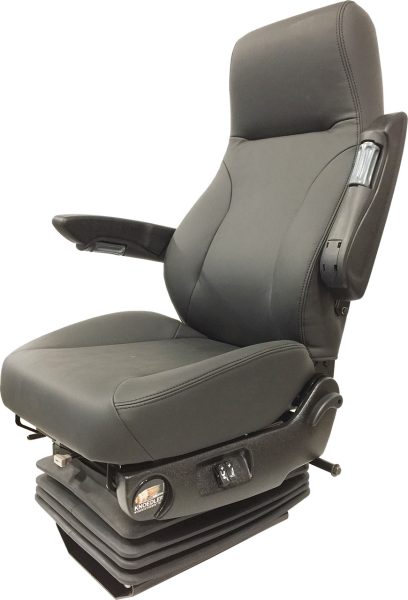
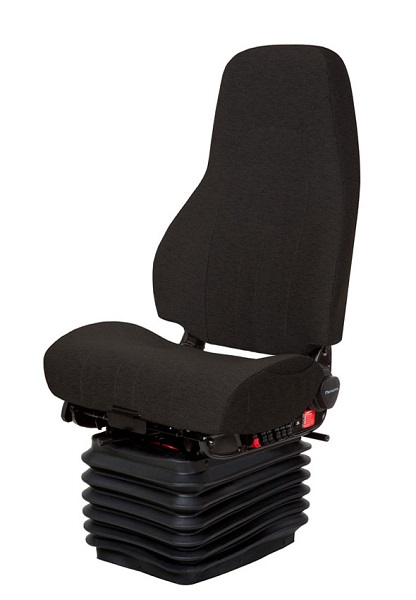
1. Knoedler Truck Seats (Air Chief)

Knoedler

Credit: Knoedler

Knoedler Manufacturing is well-known in the trucking industry for its comfortable, U-shaped seats. Good examples include the Knoedler air chief, power chief, low rider, and extreme low rider seats. All of these seat series provide superior lumbar support. They can reduce muscle soreness and relieve lower back pain.

If we had to pick one, it would be the Knoedler air chief series. This is for maximum back comfort and safety when riding for long periods. This semi-truck seat features a contoured surface and back cushion to relieve tailbone and lumbar pain.

It has a slanting, U-shaped design in the middle to reduce pressure on the back of your legs. You can extend and tilt the seat cushion into different positions. This might be the best option if you’ve been struggling with herniated discs or chronic sciatica pain.

This seat also has an air-suspension system with a bar that moves to encourage proper seat belt use. The adjustable back recline system allows the seat to recline back. You can adjust the headrest to improve your posture at any time. This is crucial to help you maintain focus on the road.

All the optional upgrades that come with this seat make it one of the most luxurious semi-truck seats. The following upgrades stand out:

  • Memory foam upgrade.
  • 23” wide cushion upgrade.
  • Massage system.
  • Heating and cooling in backrest and seat cushions.

2. National Commodore Seats

National commadore

Credit: National

If you’re looking for truck seats designed specifically for lower back pain relief, the National Commodore seats are a win.

They have advanced lumbar support technology, triple-chamber air lumbar support, and a back cycler system to help you minimize back pain and fatigue.

The back cycler system relieves muscle tension and ligament strains while improving blood circulation.
It also prevents spinal disc degeneration. Because of this, many truck drivers prefer the National Commodore seat as the long-term solution for avoiding back pain.

Truck drivers also appreciate this seat because of its inbuilt armrests, large back, and seat cushions.
Generally, the Commodore seat options are some of the best truck seats for reducing road shock and vibrations. Their isolating air suspension feature offers a smooth driving experience.

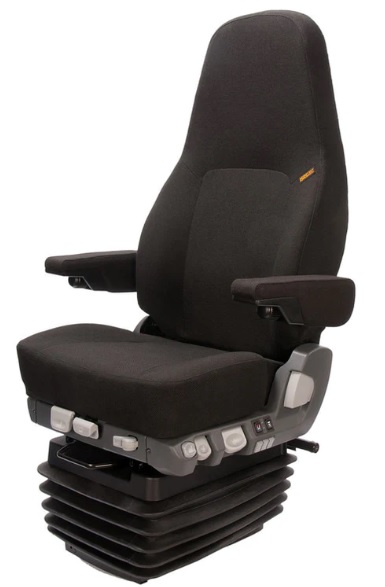
3. ISRI Truck Seats Series

ISRI 5030or880

Credit: Suburban

ISRI has a range of truck seats with an ergonomic design to provide maximum back support. The best semi-truck seat for bad back pain within the series is the ISRI 5030/880.

You can choose between the ISRI 5030/880 premium and elite seat options. Both options have similar features, like the lower and upper lumbar support systems. These ensure proper back support during long hauls.

They also have high-density seat cushions with length adjustments for added comfort. Other notable features of the 5030/880 premium and elite semi-truck seats include:

  • Multi-position tilt.
  • Horizontal slides.
  • Air-suspended height adjustment.

These features make both options some of the best semi-truck seats for shorter drivers. However, if you’re looking for a truck seat with a heating or ventilation system, settle for the ISRI elite option.

The elite option also has a map pocket, which most truck drivers welcome as added space. More space provides room to organize your truck, although you can always get a good seat organizer instead.

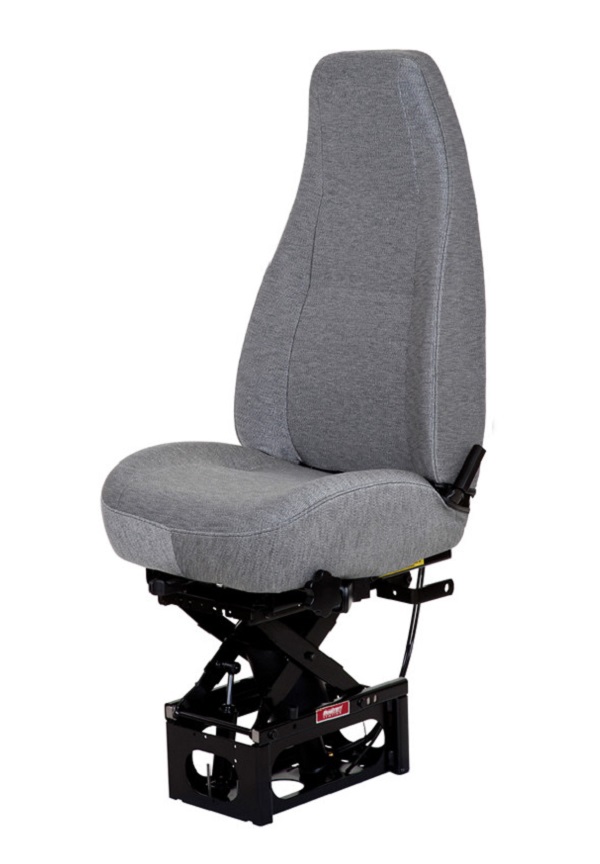
4. Bostrom Talladega T Series

Bostrom

Credit: Bostrom

If you’re looking to ease chronic back pain, you can never go wrong with the Bostrom T series. The seats have a flex support cushion system. These superior seat cushions can:

  • Reduce back compressions.
  • Prevent muscle stiffness.
  • Promote lumbar support.

The flex support system also ensures any movements you make don’t interfere with the back support offered by the seat cushions.

This works well with the scissor action suspension feature, which provides even weight distribution to give you a stable driving experience.

Another Bostrom semi-truck seat worth mentioning is the latest Wide Ride+Serta truck seat.

It combines Bostrom’s truck seat technology and Serta’s gel memory foam to deliver maximum back support.

The gel memory foam cushion is a comfortable cushion that prevents muscle stiffness. It does this at a higher level than a standard or premium memory foam cushion. It eases sciatica and tailbone pain.

It also provides an unmatched cooling ability for proper heat transfer away from your body when needed.

This seat features two climate options. A seat heater and a water-resistant, heat ventilation, leather-only system ensure you remain comfortable. You can experience comfort even when riding under harsh weather conditions. Learn more tips for winterizing your semi-truck to ride safely during winter.

Wide Ride+Serta gives you several optional upgrades like long armrests and cushion tilts to personalize the seat further.

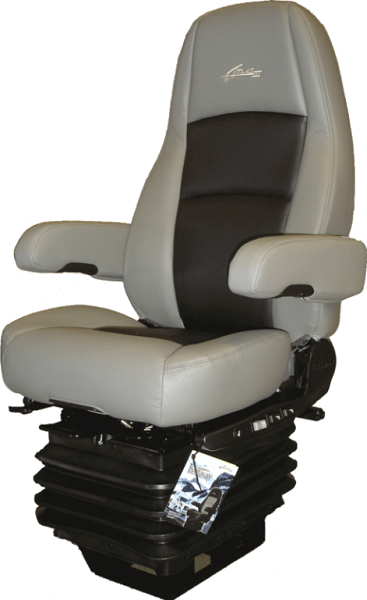
5. Sears Atlas DLX Semi-truck Seat

Atlas-II

Credit: Sears Seating

The Sears Atlas II semi-truck seat considers the natural shape of your spine to protect your back.

This is an ergonomic 22-inch wide seat with a standard back and high back cushion to help you ride pain-free for long periods.

The seat has perfect contours and a U-shaped cushion for extra support and maximum comfort. Its toggle link air suspension feature makes it stand out as one of the best semi-truck seats for back pain.

This feature provides superior lateral stability to minimize side-to-side rocking. It’s perfect for preventing and easing tailbone pain.

Sears Atlas II features quad-chamber air lumbar support and a seat cushion tilt or extension system to reduce sciatica pain.

If you want to upgrade this seat, consider getting a map pocket. You can also look at additional armrests or more cushion features. These include heating and massage options for enhanced relaxation.

6. Bose Ride Truck Seat

Bose

Credit: Bose

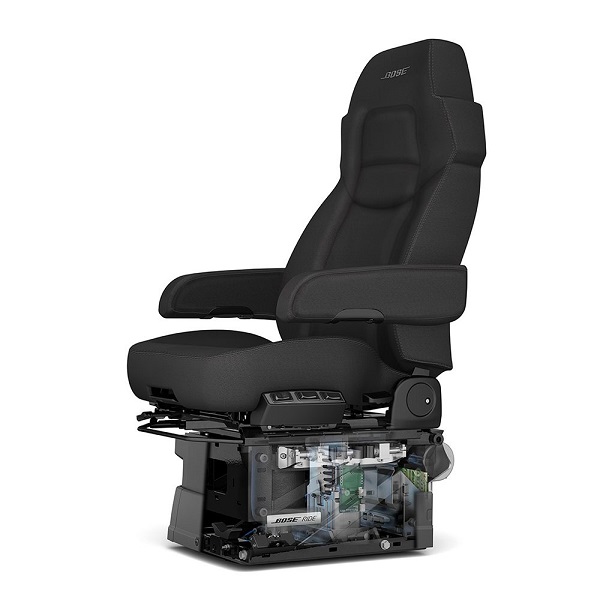
Bose Ride meets all the requirements for the best semi-truck seat for bad back pain. It has advanced technologies built into its suspension base to neutralize all road shocks and vibrations.

This technology senses, analyzes, and counteracts any bumps or jolts. So, you remain comfortable and pain-free throughout your ride.

The seat also has several adjustable features to promote proper posture and reduce fatigue. These include:

  • Individually controlled lumbar supports for the lower and upper lumbar region.
  • An adjustable back recline system that allows the seat to recline up to 26 degrees.
  • A three-position ride control selector.
  • Built-in armrests with height adjustment controls.

This seat cushion is high-density, U-shaped, and 22 inches wide. The cushion features allow Bose Ride to accommodate truck drivers of different builds and body sizes.

You can adjust the cushion to your preferred height and tilt angle for increased comfort and focus when riding for long hours.

Bose Ride is your answer if you’re looking for faster recovery from pain, as well as maximum comfort and safety.

Final Thoughts

Getting the best semi-truck seat for bad back pain is a great investment for any truck driver. It improves your health, helps you put in more miles, and lets you enjoy your career. With the options above, choosing the best seat to meet your needs shouldn’t be a hassle!

You may also want a good seat cushion, with an ergonomic wedge shape, to go with the seat you choose. Our article on the best semi-truck seat cushions can help you find the perfect cushion for any new seat!

Archives

Sign Me Up!

Stay up to date with the latest news in the commercial trucking industry.

Contact Us
close slider