
Office: (404) 975-4800

Commercial Financing

semi truck rental by owner

What To Look For In Semi Truck Rental Opportunities By Owner

semi truck rental by owner

Are you looking for semi-truck rental opportunities by owners? If you’re not quite ready to buy a semi-truck, renting one directly from an owner could be a great choice.

Semi truck rental by an owner is often cheaper than from an established rental business. Direct owner rentals could also include benefits like greater attention and support from the owner.

However, there is always risk involved in renting vehicles. This means you must consider a few crucial factors before entering any rental agreement.

Here are some of the most important things to look out for when considering semi truck rental opportunities offered by individual owners.

Factors to Watch Out For: Semi Truck Rental By Owner

Vehicle Condition

When you’re looking for trucks to rent from the owner, the first thing you’ll need to consider is the overall quality and condition of the vehicle.

Thoroughly inspect the semi truck’s condition, both visually and mechanically. Look for signs of wear and tear, proper maintenance, and overall cleanliness. Well-maintained trucks are less likely to experience an accident or breakdowns and delays during your rental period.

This means you’ll need to know how to look for bad shocks or damaged fuel filters. Even though you’re renting and not buying the semi-truck, driving a truck in poor condition can result in more significant issues later.

You’ll also want to ask about the truck’s fuel efficiency and average miles per gallon (MPG). Fuel-efficient trucks can save you money on long journeys.

Maintenance Records

A crucial part of understanding the truck’s condition is knowing how well looked after the semi-truck is.

Request maintenance and service records for the truck. A reliable owner will have a documented history of regular maintenance and repairs. This can give you confidence in the truck’s performance and reduce the risk of unexpected issues.

This is important when looking for semi-truck rental opportunities by owners, as the owner should have clear records of this. If the owner cannot show you the vehicle’s maintenance and service history, this could be a significant red flag that signals many potential issues you may face in the future.

Insurance and Liability

When looking for semi-truck rental opportunities by the owner, you’ll need to ensure the truck is adequately covered in case of an accident.

Ensure the truck is appropriately insured and the owner provides insurance coverage proof. Verify the insurance policy details to understand your responsibilities in case of accidents, damages, or other incidents.

It’s also important to know exactly what the insurance policy does and does not cover before you take the semi-truck onto the roads.

Rental Agreement

Now you have a good idea of the truck’s condition. If you’re happy with the semi-truck, it’s time to go through the rental agreement the owner offers.

Carefully review and understand all the details included in the rental agreement. This document should outline rental terms, rates, payment schedules, maintenance responsibilities, and any additional fees or charges.

If there is anything you need clarification on, clear it up before signing anything.

Rental Duration and Flexibility

Determine the rental period that best suits your needs. Some owners may offer flexible rental periods, which can be beneficial if your project timelines change.

Looking for a semi-truck rental opportunity by the owner can be a helpful way to start a trucking business. However, renting a truck is not as sustainable in the long run, so the rental agreement mustn’t tie you down too much. This could impact the future success of your business.

Cost and Fees

You’ll need to know what your rental agreement includes and what you must pay. The last thing you want is to rent a semi-truck only to discover a list of hidden fees when you start driving.

Compare rental rates with other truck owners to ensure you get a fair deal and competitive rates. Inquire about any hidden fees, such as mileage charges, late return fees, or maintenance costs, that may be your responsibility.

Owner Reputation and References

Researching the owner’s reputation within the industry is always a good idea. Ask for references from previous renters to gather feedback about their experiences and reliability.

While this can be tricky, it could be beneficial when uncovering information about the owner’s rental history.

Support and Assistance

One of the benefits of semi-truck rental opportunities by owners is that the owner may offer support while you rent the truck.

Ask about the owner’s availability for assistance during the rental period. A responsive owner who offers support for maintenance or technical issues can save you time and stress if any problems arise.

Cancellation Policy

Understand the owner’s cancellation policy if you need to end the rental arrangement earlier than planned. This will help you avoid any unnecessary financial issues.

Roadside Assistance

Roadside assistance can be a lifesaver for any semi-truck driver. Check if the owner provides roadside assistance or if you need to arrange for it separately. Knowing you have support in case of breakdowns or emergencies can give you peace of mind.

If the owner provides roadside assistance, understand what states and locations this is available. You’ll also need to understand what type of assistance is offered.

Communication

Ensure you have a transparent communication system in place with the semi-truck owner. Know how you’ll stay in touch with each other, and know how any issues or queries will be directed.

Precise and reliable communication is essential throughout the semi-truck rental period.

Conclusion

Finding the right semi-truck rental opportunities by owners can be ideal for starting or growing your business.

However, you’ll need to ensure the rental agreement and truck match your requirements.

If you’re looking to purchase a semi-truck, then get in touch with us at Mission Financial. We help all truck drivers access the financing they need to purchase their ideal vehicle – even if it’s an older model.

truck fleet

Renew Your Commercial Vehicle Insurance With These Steps

truck fleet

One of the most essential parts of operating a trucking business is ensuring you have the right commercial vehicle insurance coverage.

Insurance renewal is not just a routine administrative task. It protects your business, keeps your trucks legally on the road, and ensures you meet lender and Department of Transportation (DOT) requirements.

For truck owners and small fleets, the renewal process is also a chance to control costs, reassess risks, and make sure your coverage matches how your operation actually runs today.

Insurance costs across the trucking industry have increased over the past few years due to higher repair costs and tighter underwriting in the insurance market. Because of this, it is important to approach your commercial insurance renewal strategically instead of waiting until the last minute.

Here’s how to renew commercial vehicle insurance the right way.

Step 1: Start Your Business Insurance Renewal Process Early

Many truck owners wait until the last minute to begin the insurance renewal process. That approach can limit your options and sometimes lead to rushed underwriting decisions.

Starting your commercial insurance renewal 30–60 days before the renewal date gives you time to review your current policy and compare quotes from multiple providers in the insurance market.

Beginning early also helps prevent coverage lapses. If your policy expires before the new one is finalized, your trucks may temporarily operate without insurance coverage. That can lead to serious compliance issues and even registration problems.

Starting early allows you to:

  • Compare insurance rates without rushing
  • Complete a proper risk assessment of your fleet
  • Address underwriting questions from the insurance company
  • Ensure coverage stays active without interruptions

For trucking businesses that rely on their vehicles every day, avoiding even a short coverage gap is crucial.

towfiqu-barbhuiya-jpqyfK7GB4w-unsplash

Step 2: Review Your Current Insurance Policies Carefully

Before you renew commercial vehicle insurance, take the time to go through your current commercial auto insurance policy. Understand the coverage it provides, the premiums you’re paying, and any deductibles.

When reviewing your commercial auto policy, focus on the specific protections that matter for trucking operations.

Look closely at your:

  • Liability coverage limits
  • Cargo insurance
  • Physical damage protection
  • Non-trucking liability coverage
  • Rental reimbursement or downtime coverage

Your current policy may have worked well when you first purchased it, but your business operations may have changed since then.

Ask yourself: Does this coverage match how your trucks are actually operating today?

If your operations have expanded, your risks may have changed. Reviewing your policy line by line helps you determine whether your drivers and equipment are still properly covered.

Step 3: Understand Why Your Premium May Have Changed

Many trucking companies notice higher premiums during their commercial insurance renewal. Several factors across the industry are driving those increases.

Repair costs have risen significantly as trucks become more technologically advanced. Replacement parts, specialized sensors, telematics, and labor all contribute to higher insurance costs after an accident.

Another major factor is claims inflation. Courts have issued increasingly large verdicts in trucking liability cases, sometimes referred to as “nuclear verdicts.” These large settlements raise insurance rates across the entire industry.

Underwriters also examine safety records when calculating a premium. Issues like frequent claims, poor inspection history, or driver safety violations may lead to higher rates.

Your insurance advisor or insurer may review:

  • Driver records and violations
  • Safety scores and inspection data
  • Vehicle maintenance history
  • Operating regions and mileage

Understanding these influences helps you prepare for possible changes when your commercial insurance policy comes up for renewal.

piggy bank saving

Step 4: Reassess Your Business and Fleet Risk Profile

Your trucking business rarely stays the same from year to year. Even small operational changes can impact your insurance coverage.

During your renewal process, take a close look at how your operation has evolved.

Examples of operational changes include:

  • Adding new vehicles to your fleet
  • Hiring additional drivers or replacing employees
  • Operating in new states or regions
  • Hauling heavier cargo or different freight types
  • Increasing mileage or delivery routes

Each of these changes affects the level of risk an insurance company evaluates when renewing coverage.

Your policy should reflect your actual business purposes today, not how your company operated several years ago. A proper reassessment ensures your assets, equipment, and trucks remain protected.

Step 5: Shop Around but Compare More Than Price

While you can renew with your current insurer, it’s also an excellent opportunity to shop around for better rates and coverage options.

However, choosing the right insurance should never be based solely on the lowest quote. A cheaper insurance policy may include higher deductibles, narrower coverage limits, or exclusions that leave important risks uncovered.

When comparing policies from multiple providers, review:

  • Deductible amounts
  • Coverage exclusions
  • Claims response reputation
  • Financial strength of the insurance provider
  • Experience in insuring trucking fleets
  • Any open lawsuits

Independent rating agencies such as AM Best evaluate the financial stability of insurers. A strong rating indicates the company can reliably pay claims if a major event occurs.

Comparing these details helps ensure you select the right coverage, not just the lowest premium.

pexels-olly-3760067

Step 6: Confirm Lender and DOT Requirements

If your trucks are financed, your lender likely requires proof of active insurance coverage. Many commercial truck loans require:

  • Minimum liability limits
  • Loss payee designation for the lender
  • Proof of active coverage for the financed truck

If your policy lapses, your lender may take action to protect its collateral. In some cases, they may place forced insurance on the vehicle, which often costs significantly more.

DOT regulations also require commercial carriers to maintain appropriate liability coverage. Failure to maintain proper insurance can result in penalties or operating authority issues.

Before finalizing your commercial insurance renewal, confirm your policy satisfies both lender and regulatory requirements.

Step 7: Look for Safety and Fleet Discounts

Many trucking companies qualify for premium savings through safety programs and operational improvements. Your insurance company may offer discounts based on:

  • Telematics or electronic monitoring programs
  • Clean inspection history
  • Multi-vehicle fleets
  • Bundled insurance policies
  • Long-term customer relationships

Demonstrating a strong safety culture can significantly reduce long-term insurance costs. Maintaining detailed maintenance records, improving driver training, and reducing claims history can all contribute to lower premiums during future renewals.

Step 8: Review the Renewal Coverage Offer Line by Line

When you get the renewal offer, carefully review the details. Check for any changes in coverage, premiums, deductibles, and insurance policy terms. Even small adjustments can have a large financial impact over time.

Pay close attention to:

  • New exclusions added to the policy
  • Reduced coverage limits
  • Increased deductibles
  • Higher premium payment amounts

If anything appears unclear, ask your broker or insurance advisor to explain the change in writing. Clear documentation helps prevent confusion if you ever need to file a claim.

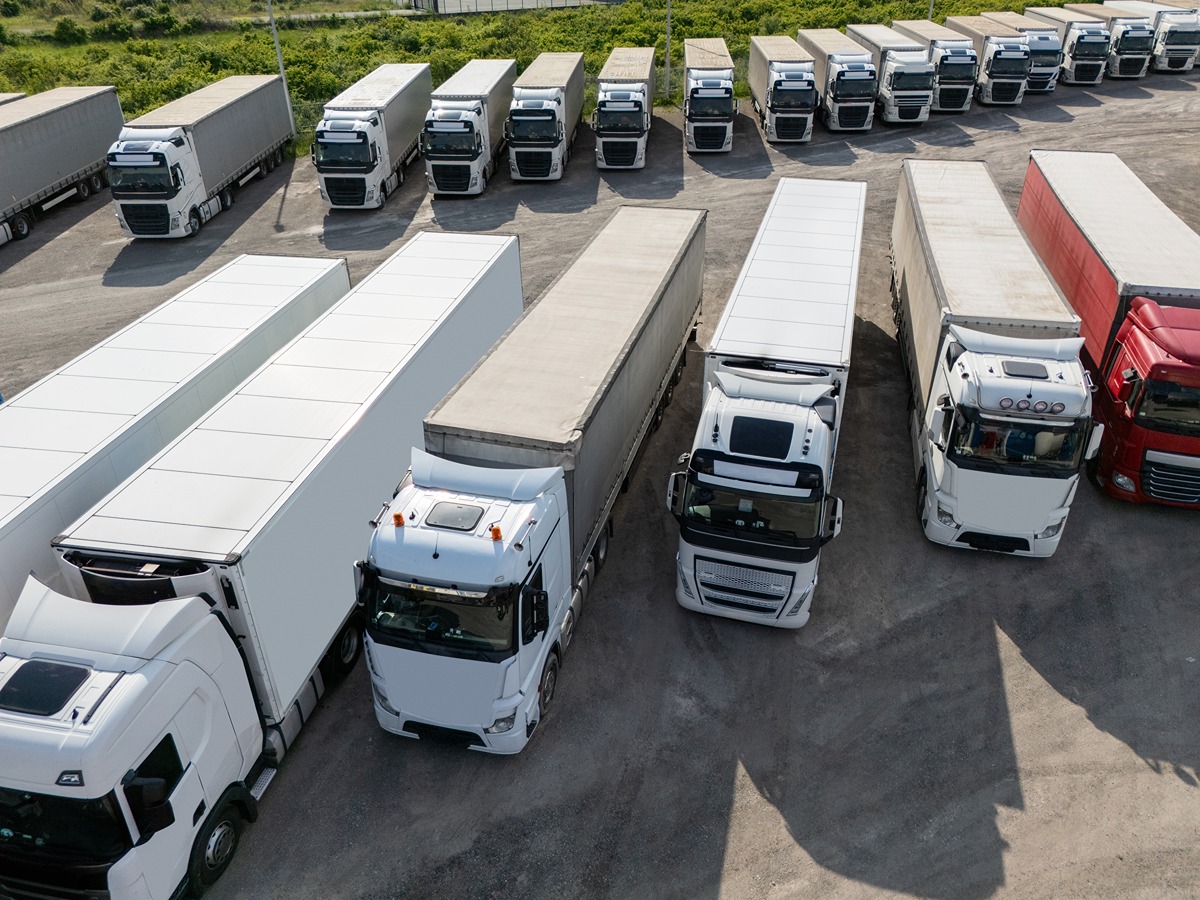
Aerial view of a brightly lit truck stop at night, full of semi-trucks parked for the evening.

Step 9: Avoid Gaps in Coverage

Allowing a commercial policy to lapse can create serious problems for trucking companies. Without active insurance, your vehicles may be unable to operate legally. A lapse may also affect your ability to renew registration or maintain operating authority.

Other consequences include:

  • Higher future insurance rates
  • Difficulty obtaining new coverage
  • Lender penalties on financed vehicles

Maintaining continuous coverage ensures your vehicles, cargo, and drivers remain protected.

Step 10: Pay on Time and Keep Documentation Accessible

After renewing your policy, keep a copy of your new insurance policy and proof of coverage in your commercial vehicles.

Today, many fleets maintain both physical and digital copies of insurance documents. Drivers should have quick access to proof of coverage during roadside inspections or accident reporting.

You should also share updated certificates of insurance with lenders, brokers, and any partners that require verification of coverage.

Maintaining organized documentation helps ensure your fleet remains compliant and fully protected.

Conclusion

Renewing your commercial truck insurance should never be treated as a routine paperwork task. It is a critical part of managing risk, controlling operating costs, and keeping your trucks compliant with lender and regulatory requirements.

Taking time to review your coverage and compare insurers helps ensure your fleet stays properly protected.

Careful planning around insurance costs also helps you make smarter financial decisions as your business grows.

At Mission Financial Services, we work with truck owners and small fleets every day who are balancing insurance costs with equipment financing and business growth. Planning these expenses properly can help you make better decisions when financing or expanding your fleet.

If you’re planning to purchase a new or used semi-truck, our team can help you explore commercial truck financing options designed for owner-operators and small fleets. Get in touch and start your credit application today.

Frequently Asked Questions

When Should I Renew My Commercial Truck Insurance?

Most trucking businesses should begin their renewal process about 30 to 60 days before the policy expiration date. Starting early provides enough time to review your policy, compare quotes, and avoid coverage gaps.

Why Did My Truck Insurance Premium Increase?

Premium increases are often tied to broader industry trends such as higher repair costs, increased claims settlements, and tighter underwriting standards. Individual factors like driving records, safety scores, or frequent claims can also affect pricing.

Can I Switch Insurance Providers Before Renewal?

Yes. Many trucking companies explore new providers during their commercial insurance renewal period. Comparing options across the insurance market helps determine whether another insurance company offers better pricing or coverage.

What Happens if My Commercial Insurance Lapses?

A lapse in insurance can lead to regulatory issues, lender penalties, and higher future premiums. Maintaining continuous coverage ensures your trucks remain legally compliant and financially protected.

Does My Lender Require Specific Insurance Limits?

Most lenders require minimum liability limits and designation as a loss payee on financed vehicles. Always verify the specific insurance requirements before finalizing your renewal.

What State Has The Cheapest Commercial Truck Insurance 2023

What State Has The Cheapest Commercial Truck Insurance 2023

We went digging to figure out what state has the cheapest commercial truck insurance in 2023 and noticed a few things:

Each state sets its minimum commercial truck insurance law requirements based on different factors affecting the insurance rates offered per state.

Insurance providers use different criteria to determine their truck insurance premiums. But there are a few steps you can take to find an insurance provider with the cheapest commercial truck insurance rates.

Read on for our findings on the state with the most affordable truck insurance. We’ll also share how to find cheap truck insurance to help you save money.

What State Has The Cheapest Commercial Truck Insurance

From our findings, the state with the cheapest commercial truck insurance is Mississippi.
In Mississippi, commercial truck insurance costs about $3,552 per year for local commercial truck drivers or owner-operators. If you operate across states, Mississippi’s average insurance cost increases to nearly $4,664 per year.

Still, it’s cheaper than in other states. Local trucking entrepreneurs in California pay around $11,834 per year, while interstate owner-operators pay approximately $14,041.

Meaning local and interstate owner-operators in Mississippi save about $8282 and $9377 in premium costs per year, respectively, compared to their counterparts in California.

This shows you can save tens of thousands of dollars in insurance premium costs by operating from states with affordable insurance costs.

Here is a summary of the top 5 states with the cheapest commercial truck insurance rates and the most expensive states for you to see the cost difference.


Top 5 States With The Cheapest Commercial Truck Insurance Costs

1. Mississippi

Average local truck insurance rates: $3, 552
Average national truck insurance rates: $4,664

2. Wyoming

Average local truck insurance rates: $4.927
Average national truck insurance rates: $7,149

3. Massachusetts

Average local truck insurance: $5,447
Average national truck insurance rates: $17,017

4. Iowa

Average local truck insurance: $5,615
Average national truck insurance rates: $8,866

5. Arizona

Average local truck insurance: $6,102
Average national truck insurance rates: $11,797

Top 5 States with the Most Expensive Commercial Truck Insurance Costs

1. New Jersey

Average local truck insurance rates: $20,763
Average national truck insurance rates: $20,255

2. Louisiana

Average local truck insurance rates: $19,736
Average national truck insurance rates: $23,453

3. Delaware

Average local truck insurance rates: $17,351
Average national truck insurance rates: $19,670

4. New York

Average local truck insurance rates: $16,949
Average national truck insurance rates: $17,585

5. Connecticut

Average local truck insurance rates: $16,946
Average national truck insurance rates: $17,004

From these comparisons, you can quickly tell the states to avoid, especially if you’re a new commercial truck driver looking to start your trucking business. Remember that these are the average insurance costs.

In Mississippi, the top state with the lowest insurance rates, the amount you’ll pay depends on two major factors:

  • State minimum requirements
  • How much coverage you get

What are the State Requirements of Commercial Truck Insurance in Mississippi?

Mississippi state law requires owner-operators to get minimum liability insurance premiums based on the type of freight they carry and where they carry it.

For example, owner-operators working within the state, that carry household goods must have a minimum of $300,000 commercial trucking insurance. While there is a $1,000,000 minimum for oil transport.

The requirements might be more extensive if you’re an owner-operator working interstate. You’ll have to meet the above and comply with other commercial auto insurance requirements by the federal government.

Check out the Federal Motor Carrier Safety Administration (FMCSA)’s insurance policy requirements for commercial trucks to understand which commercial truck insurance applies to you.

Mississippi State Minimums Amounts Payable by Insurers

Mississippi state law sets the minimum amount insurance companies must pay as compensation when trucking accidents occur. All auto insurance policies in the state must have a 25/50/25 minimum liability coverage limit. This means paying a minimum of:

  • $25,000 bodily injury liability for each person injured during trucking accidents involving your commercial trucks
  • $50,000 in bodily injury liability per trucking accident, and
  • $25,000 property damage liability

For adequate protection, it’s advisable to go for an insurance policy with higher coverage limits. Also, consider going for different types of truck insurance coverage suitable to your trucking business to cushion yourself from various costly claims.

What Insurance Coverage Options Does Mississippi Offer?

Primary Liability Insurance Coverage

Primary liability coverage is the most basic commercial trucking insurance required by all federal and state laws. It combines two different types of commercial trucking insurance into one – property damage liability and bodily injury liability.

Physical Damage Insurance

Physical damage insurance is comprehensive. It includes collision coverage, which pays for commercial truck repairs in case of collision damage, and coverage for damages from other incidents, such as vandalism. It’s essential liability insurance to have, although it’s not legally required, like primary liability coverage.

Non-trucking Liability Coverage

Non-trucking liability coverage protects your commercial truck if it causes injuries or damages property when out on personal or non-work-related errands. It’s different from personal auto insurance, which is insurance coverage for personal or non-commercial vehicles.

Cargo Insurance

Cargo insurance coverage compensates when the goods you haul get lost or damaged in transit. FMCSA does not require a motor carrier to have this type of semi-truck insurance. However, most for-hire interstate commercial trucking companies require autonomous truck drivers to purchase cargo insurance before hiring trucks.

Overall, each commercial trucking insurance option comes with its cost, and how much coverage you choose affects your total insurance cost. A trucker who gets a commercial truck insurance policy offering primary liability coverage will pay less than another who chooses more coverage options.


How To Find Cheap Truck Insurance

It’s unlikely that two trucking companies will pay the exact insurance costs even if they both operate in the same state and choose the same coverage options.

Different insurance companies consider various factors when setting their rates. A trucking business with high credit scores and experienced drivers with clean driving records will qualify for cheap trucking insurance from multiple insurance companies. In contrast, a similar trucking business with inexperienced truck drivers and low credit won’t.

To find cheap truck insurance, compare quotes from different insurance companies. Get help from a licensed insurance agent. Qualified insurance agents can help you identify the best insurance providers following your business needs and the type of contracts you plan to get.

Most licensed insurance agents are also aware of ongoing offers and discounts and can help you get the lowest insurance costs possible.

You can find the best commercial truck insurance agents close to you by doing a quick Google search and typing in your state and city. You’ll get a list of recommendations to start with. Ensure you read reviews of insurance agents that stand out to settle on the best one.

Conclusion

Commercial truck insurance takes different forms in different states, but if too costly it might affect your profit margins.

We’ve answered the question: What state has the cheapest commercial truck insurance? We’ve also shown you how to find the most affordable trucking insurance provider.

But remember, the cheapest state may not always be the best state for truckers. There’s a difference between the two. To learn more about this, head over to the Mission Financial Services blog.

Semi-Truck For Sale By Owner

All You Need To Know About Semi-Truck For Sale By Owner

Semi-Truck For Sale By Owner

Buying a used semi-truck is like gambling.

You can gain great fortune if you get a clean deal and buy a good model that will serve you for years. But it’s also possible to fall on the other end of the spectrum and incur losses.

Here’s the thing, though, you can increase your chances of getting a good deal by purchasing a semi-truck being sold by its owner. Below, we’ll discuss the advantages and disadvantages of choosing this option.

We’ll also discuss what you need to do to avoid losing money when buying semi-trucks that are on sale by the owner.

Advantages And Disadvantages Of Buying A Semi-Truck For Sale By Owner

Generally, you have two options for purchasing used semi-trucks for sale by owner:

  • Buying directly from another trucker
  • Buying from a fleet owner looking to upgrade their fleet of semi-trucks to the latest models

Here are the advantages and downsides of both:

Advantages

When buying a semi-truck from its owner, you can build a good relationship with the seller and get all the information you require about the truck. This is especially true if you’re buying the truck from another trucker.

Truckers have enough experience driving the specific semi-truck. They can provide first-hand information on how the truck works on the road. It’s easy to find out if the truck has any issues and decide whether you’ll work with it this way.

Fleet owners, on the other hand, might not have driven the truck you’re looking to buy. But they can give their view of the model from their experience as a fleet operator and connect you with the driver upon request.

Another advantage of buying semi-trucks for sale by their owners is the flexibility of the purchase process. You’ll have the owner’s contact information, including their phone and email. With this, you can contact them anytime to request more details about the truck, including up-to-date proof of features.

You may request real-time videos of a semi-truck on a listing to examine its current condition. You could also ask for a video of a specific part of a vehicle for further scrutiny.

It’s also beneficial to purchase semi-trucks for sale by owners due to their price. They’re less expensive than semi-trucks from dealerships, although the makes and models may be similar.

That’s because owners can sell the latest models from top manufacturers, like Freightliner, International, Peterbilt, and Kenworth, at low prices and still make a good profit. They don’t have salespeople or other overhead costs to consider, like dealerships.

For example, you can purchase a used 2020 Freightliner Cascadia for about $49,500 from a private seller in Texas. Dealerships in the same location may sell the same model for around $79,995.

Disadvantages

The main disadvantage of purchasing semi-trucks for sale by owner is financing. Most private sellers don’t offer any financing options to help you make your purchase. It’s different from getting your truck from dealerships or other traders.

Some dealerships partner with financing companies, like Mission Financial Services, to offer financial support in the form of loans to customers. Others can work out a payment plan based on your financial situation to help you buy your truck without breaking the bank.

Another drawback of getting used trucks from private owners is the number of options available. Dealerships provide more options than private sellers because of their wide selection of semi-trucks.

Still, you must research thoroughly to get the best used truck for your needs. To do this, there are a few steps to take and things to look out for.

What To Do When Purchasing A Semi-Truck On Sale By Owner

Evaluate Your Needs

First, assess your needs to identify the type of truck you require. Single out the specs the truck must have to perform the type of job you’re looking to do.

What type of trailers are you hauling, and what type of engine and transmission do you require to operate efficiently? Doing this is crucial because getting an underpowered truck for hauling heavy loads can be an expensive mistake.

Also, consider your budget. Understand your finances and determine how much you can comfortably spend on the truck.

Check Documentation

Ensure the truck owner you’re buying from has proper registration and proof of ownership documentation. Also, check the truck’s service history. You can request copies of the vehicle’s maintenance records to confirm if it has been maintained as it should.

Inspect The Vehicle

Carry out a thorough vehicle inspection to check if everything is in order. Specifically, look at the truck’s odometer reading to confirm its mileage.

Progressive Commercial Truck Insurance

If it has over 500,000 miles on it, you might have to replace the engine soon, and this is something you should consider. Engine repairs, including complete overhauls, are expensive.

Replacing a Kenworth engine, for instance, might cost between $20,000 and $40,000. If you don’t factor this in during purchase, you’ll spend more than planned.

Also, examine the truck’s interior and exterior features. Look for any signs of wear and tear on the interior. These could be rust in the areas surrounding the door handles or torn fabric and cushions.

On the outside, look at the tires to confirm if they’re still in good condition. You want to ensure all tires have enough tread and there are no bald spots or cracks. Investigate the bottom of the semi-truck for any dents or rust spots and check the paint to ensure it’s not peeling or cracked.

You may also want to listen to the truck’s engine and transmission for any sounds that point to damage.

All these signs might indicate the need for repairs and can help you determine the truck’s actual value.

Overall, we recommend getting your mechanic to help with the inspection process. They can accurately analyze the health and reliability of the truck’s features, including the engine, transmission, and tires. Your mechanic can also advise you whether the deal is worth it based on their professional view.

Conclusion

You can find decent used semi-trucks on popular online traders and listing websites like eBay. But be thorough with your research to ensure you get a used truck that can serve you almost as well as a new one.

Remember to ask as many questions as possible to get all the details you need to make an informed decision. If you do this and notice the seller is dodging or withholding certain information, stop the process and walk away from the deal.

If you want to buy a semi-truck and are looking for a lending institution to finance your purchase, contact us. We offer direct and dealership lending options for seasoned and first-time buyers of commercial trucks.


semi truck accident

What to Do After a Semi Truck Accident

semi truck accident

Accidents happen, even if you’re an experienced truck driver who follows every rule. A semi-truck accident can happen fast, and what you do next affects your safety and your business.

The steps you take at the accident scene directly impact your insurance claim, your ability to recover fair compensation, and how quickly you get your commercial truck back on the road. This is why it’s so important to know exactly what to do after experiencing an accident.

What to Do After a Truck Accident: Step-by-Step Guide

If you’re involved in a truck accident, follow the steps outlined below. This will help protect your safety, your insurance claim, and your ability to recover income and stay compliant.

Step 1: Secure Safety and Control the Situation

The first priority after a semi-truck accident is safety.

Check yourself for injuries, then check on others involved in the crash. If you’re operating a passenger vehicle, make sure all occupants are accounted for and note any visible injuries.

Turn on your hazard lights immediately. If the truck is drivable, move it to the shoulder or a safe area. If not, stay clear of traffic lanes and wait for emergency services.

If it’s safe to do so, place warning triangles or other devices behind your truck to alert approaching traffic. Give extra distance on curves, hills, or high-speed roads.

A disabled semi-truck creates a high-risk zone. Your goal is to prevent a secondary collision while avoiding further harm.

Step 2: Call Emergency Services and Start the Official Record

Call 911 immediately to report the accident and request medical assistance if needed.

Provide your exact location, including the highway, direction of travel, nearest exit, mile marker, or a clear landmark. Let dispatch know how many vehicles are involved and whether there are injuries.

When police arrive, they will document the scene and create an official accident report. This report is a key piece of evidence for insurance claims and helps prevent delays or disputes around fault.

Step 3: Collect Critical Information Immediately

As soon as everything is safe at the scene of the accident, the next step is to gather all of the necessary information about the accident. This is important for reporting semi-truck accidents and making sure you have all of the facts.

Collect information from all parties involved in the accident, including the semi-truck driver, witnesses, and passengers. If another commercial vehicle is involved in the crash, take down the details of the trucking company, too.

Get the following information:

  • Driver details: Name, phone number, driver’s license number, commercial driver’s license (CDL) number, and employer
  • Insurance details: Insurance company, policy number, and claims phone number
  • Vehicle details: License plates, unit number, VIN if available, and visible vehicle damage
  • Company details: Trucking company name, USDOT number, and dispatch or safety contact
  • Witness details: Names, phone numbers, and what each person saw

While this may seem like a hassle straight after a semi-truck accident, having this information available is essential.

If multiple parties are involved, small missing details can delay the claims process. Accurate and detailed information protects you if another driver changes their story or an insurance adjuster asks for proof later.

Step 4: Document the Truck Accident Like an Investigator

The next step in dealing with a semi-truck accident is making sure that you gather enough physical evidence about the crash. You’ll need this when reporting the accident and filing any insurance claims.

Use your phone to take pictures and videos of the accident scene and the vehicles involved. Having these visual records of the accident will make it a lot easier to file any claims and proceed with the legal aftermath of the accident.

Take wide photos first, then close-ups. Capture vehicle damage, property damage, road conditions, cargo condition, load shift, skid marks, traffic signals, weather, and final vehicle positions.

Record key details while they’re fresh, including the time, location, direction of travel, lane position, and anything unusual like distracted driving, poor visibility, or sudden braking.

Strong documentation supports your insurance claim, helps avoid disputes with insurance adjusters, and puts you in a better position to get a fair settlement or compensation if the claim is challenged.

Step 5: Report the Accident Without Admitting Fault

Report the accident to your insurance company as soon as possible. Provide them with accurate details of the incident and share the evidence you have gathered.

By filing a claim quickly, you’ll have a far smoother claims process. Gaining compensation for any damages or injuries will also be a lot quicker.

If you work for or lease onto a trucking company, report the truck wreck to dispatch or safety management right away.

Stick to facts. Share what you saw, where the accident occurred, and what damage you can confirm. Don’t guess or admit fault at the scene. Fault gets determined later through the investigation, police report, evidence, and insurance review with a truck accident lawyer.

Step 6: Seek Medical Attention and Keep Medical Records

You might not think you’re injured, but if you’ve been in a semi-truck accident, you should always seek medical attention to be safe. And don’t ignore symptoms after a smaller crash. Back injuries, internal injuries, and traumatic brain injuries can show up hours or days later.

Keep every medical record, bill, treatment note, and follow-up appointment summary. Those records support medical bills, medical expenses, lost wages, and any future personal injury claims.

Step 7: Preserve Evidence for the Truck Accident Claims Process

After you leave the scene, organize every document in one place. Save the police report, photos, videos, witness details, medical records, repair estimates, towing invoices, and all communication with the insurance company.

Don’t delete dashcam footage, ELD data, text messages, load documents, or maintenance records. That documentation related to the accident may help prove what happened and protect your right to seek compensation.

Good records help you move through the legal process faster, respond to insurance adjusters clearly, and protect your business if the accident leads to a disputed claim.

Step 8: File an Insurance Claim

Submit your claim with all relevant documentation as soon as possible.

Provide clear, accurate information and supporting evidence. The stronger your documentation, the smoother the process will be.

Insurance companies may investigate the claim, review fault, and request additional information. Stay organized and respond promptly to avoid delays.

Step 9: Consult With a Lawyer (If Needed)

This isn’t always an absolutely necessary step, but consulting with an attorney certainly has its advantages after a semi-truck accident.

Consulting with an experienced personal injury attorney who specializes in semi-truck accidents is ideal. They will evaluate your case, protect your rights, and guide you through the legal process. An attorney will handle negotiations with insurance companies, gather evidence, and represent your best interests if litigation becomes necessary.

Step 10: Negotiate a Settlement and Resolve the Claim

A key part of the claims process is negotiating a settlement. If you work with an attorney, then they will negotiate with the insurance company on your behalf.

Try to reach a fair settlement that compensates you for property damages, medical expenses, and possibly lost wages. Of course, the settlement you reach will depend on the specifics of the accident and the commercial insurance company.

If you cannot reach a suitable agreement with the insurance company, then you may need to pursue a lawsuit. This is not ideal, but can be worthwhile depending on the accident.

Step 11: Consider Legal Action

This isn’t always the case, but there are certain accidents where filing a lawsuit is necessary. You would do this to seek full compensation (which the insurance company isn’t offering) and to protect all of your rights.

If you do decide to take legal action, your attorney will guide you through the entire litigation process. They will represent your interests in court and work to get you the compensation you desire.

While filing a lawsuit can be very worthwhile, it really just depends on the specifics of your case. Each case is different, with some more suitable for lawsuits than others.

Step 12: Repair Your Truck and Get Back on the Road

There are plenty of legal challenges you have to face when dealing with a semi-truck accident. Despite all of this, you’ll still need to get your truck back on the road and your business back in operation as soon as possible. This will likely involve following through with semi-truck repairs.

Truck accidents are costly. You may need to take out a semi-truck repair loan in order to do this if you are still waiting on the insurance settlement. In some cases, you may even need to replace the entire semi-truck completely. Knowing how to buy a semi-truck and find the right semi-truck financing is important here.

The sooner you get your truck repaired, the faster you can get past the accident and back on the road.

Mission Financial Services helps drivers bridge this gap with commercial truck financing, including repair loans, owner-operator loans, and small fleet loans.

When insurance delays repairs or cash gets tight, fast access to capital can help you fix the truck and keep revenue moving.

Common Mistakes to Avoid After a Truck Accident

After a truck accident, small mistakes can create major problems during the claims process.

Avoid these common issues:

  • Leaving the accident scene too quickly: Stay until police officers finish the accident report and you’ve exchanged information with the other drivers involved. Leaving too soon can create legal problems and leave you without key documentation.
  • Failing to gather evidence: Take photos, videos, witness details, insurance information, license plates, and trucking company details before you leave the accident scene. Missing evidence can make it harder to prove what happened later.
  • Delaying contact with your insurance company: Report the accident as soon as possible. Waiting too long can slow the insurance claim and may create problems under your insurance policy.
  • Providing recorded statements without preparation: Insurance adjusters may ask for recorded statements early in the process. Stick to facts and consider seeking legal guidance from experienced truck accident attorneys before giving detailed statements in serious truck accident cases.
  • Admitting fault too early: Don’t apologize or accept blame before the full investigation. Fault can involve road conditions, vehicle damage, distracted driving, multiple parties, cargo issues, or another driver’s actions.

These mistakes can reduce your ability to recover fair compensation and delay repairs that create more downtime for your business.

Conclusion

Accidents are an unfortunate part of the trucking business. What matters is how quickly and effectively you respond.

Experiencing a semi-truck accident can be an incredibly difficult event. However, following the right steps and knowing what to do after the accident will make the whole process a lot easier to manage. By taking the right steps efficiently, you’ll be able to get past the accident faster and more positively.

Mission Financial Services offers commercial truck financing, including repair loans and small fleet loans, to help you get back on the road after an accident.

If a crash has left you dealing with downtime, repair bills, or the need for another truck, start your credit application with us today to explore financing options that keep your business up and running.

top 10 commercial truck insurance companies

Top 10 Commercial Truck Insurance Companies

top 10 commercial truck insurance companies

With so many commercial truck insurance providers out there, finding the best policy can be tricky.

When you buy a semi-truck, you must get the right commercial truck coverage for your business needs. The best commercial truck insurance depends on your specific business, vehicle, and scenario.

To help you find the right policy, here are the top 10 commercial truck insurance companies operating right now.

Top Commercial Truck Insurance Companies

Progressive

Progressive holds the largest market share of commercial truck insurance companies in the US, making it an easy choice for truck drivers.

This insurance provider is available in all 50 states and offers free state and federal insurance filings. Progressive also offers a wide variety of commercial truck insurance discounts to drivers.

Another one of the main reasons why Progressive is so popular is because their commercial trucking insurance is available to cover a large variety of truck types. No matter what kind of semi-truck business you run, there will be a suitable commercial auto insurance plan available from Progressive.

Sentry

If you’re looking for a commercial truck insurance company that focuses on single truck drivers, then Sentry is one of the best options. Unlike other truck insurance companies that focus on coverage for larger businesses and fleets, Sentry’s main focus is on individual trucks and drivers.

Their commercial insurance coverage is flexible depending on your vehicle and situation. Sentry is also available in all 50 states and offers more personalized insurance coverage for owner-operators in the trucking industry.

Hartford Trucking Insurance

Hartford is another one of the most popular commercial truck insurance companies available across all 50 states. Whether you’re an owner-operator or manage a large fleet, Hartford offers relevant insurance coverage for your needs.

Compared to other commercial truck insurance providers, Hartford offers some of the best discounts and complimentary coverages. They also provide special risk engineering services for fleets, which is a useful option for any larger trucking company.

While owner-operators can use Hartford, the company’s multi-vehicle truck insurance policies are the most popular.

State Farm

State Farm is consistently recognized as one of the top 10 commercial truck insurance companies thanks to its high level of customer service.

The company’s commercial truck insurance premiums are reasonable, and they offer various packages for individual owner-operators or fleet vehicles. State Farm’s commercial truck insurance is also available in all 50 states.

While State Farm offers good coverage to commercial truck drivers, their main differentiator is their consistently strong consumer satisfaction ratings.

CoverWallet

Technically, CoverWallet is not one of the top 10 commercial truck insurance companies because it’s an aggregator. However, if you’re looking for the best commercial truck insurance deal, then CoverWallet is one of the best places to find it.

You can use CoverWallet to compare commercial truck insurance costs, features, and coverage options across multiple premiums with instant quotes. The platform also offers comprehensive coverage options for owner-operators with bad credit history.

If you’re looking to purchase commercial truck insurance for any type of vehicle or business, then CoverWallet is a great place to start your journey.

Chubb

When it comes to commercial truck insurance in the US, Chubb is a market-leading name.

Chubb offers business insurance to all kinds of industries and business sizes, including a range of commercial trucking insurance policies. This includes truck insurance, motor truck cargo insurance, non-trucking liability coverage, and more.

Chubb has a large network of offices across the US, and its commercial truck insurance protects anyone from individual owner-operators to large fleets. Their flexible policies and premiums can be tailored to any trucking business.

Nationwide Insurance

As their name suggests, Nationwide Insurance is a top choice if you want comprehensive coverage across all 50 states.

Nationwide is one of the most popular commercial truck insurance companies thanks to being one of the most well-known personal and business insurance providers in the US. Unfortunately, this does mean that their commercial trucking insurance prices can be on the higher side.

However. Nationwide offers a wide range of policies for owner-operators and large fleets. You can access motor truck cargo insurance, commercial auto insurance, and semi-truck insurance for vehicles of all types and sizes. Coverage options are flexible and can include various discounts.

Berkshire Hathaway

Berkshire Hathaway offers truck insurance coverage through GEICO, biBERK, and THREE. These insurance companies are not as large as others, but they all offer a good range of commercial truck insurance and business insurance for companies of all sizes and types.

Berkshire Hathaway’s various insurance companies offer good policies for specific types of trucking businesses. This ranges from low-cost auto insurance to commercial insurance for businesses with specific needs.

Whether you’re looking for rental reimbursement policies, motor truck cargo insurance, non-trucking liability coverage, insurance that offers medical payments, or just straightforward coverage for commercial vehicles, BH’s subsidiaries will have a solution for you.

Farmers Insurance

Farmers Insurance does not offer the most extensive policies compared to other trucking insurance companies. However, the company is straightforward and transparent with its policies and offers good value for money.

Farmers Insurance is also known for its fast claims settlement process and attractive discounts for responsible drivers.

Allstate

If you’re after affordable insurance policies, then Allstate is certainly one of the top 10 commercial truck insurance companies out there. The company offers a wide range of commercial truck insurance policies and is known for its excellent customer service and claims processes.

Allstate also offers flexible commercial insurance coverage to match the specific needs of owner-operators or large fleets of commercial trucks.

Conclusion

We chose this list of the top 10 commercial truck insurance companies based on their variety of policies and coverage options available.

Whether you’re an individual with a semi-truck or operate a large commercial fleet, these truck insurance companies will offer a policy that works for your scenario.

Always compare quotes and shop around when choosing commercial truck insurance. This will help you get the best policy, premiums, and coverage for your trucking business needs.

If you’re looking to purchase a commercial truck, then you’ll also need to work with the right truck financing provider. At Mission Financial, we help everyone gain financing to match their needs – regardless of whether you have bad credit. Get in touch if you’re ready to buy your dream truck.

Archives

Sign Me Up!

Stay up to date with the latest news in the commercial trucking industry.

Contact Us
close slider