

Office: (404) 975-4800

Commercial Financing

What Is a Semi Truck Title Loan and How Does It Work?

What Is a Semi Truck Title Loan and How Does It Work?

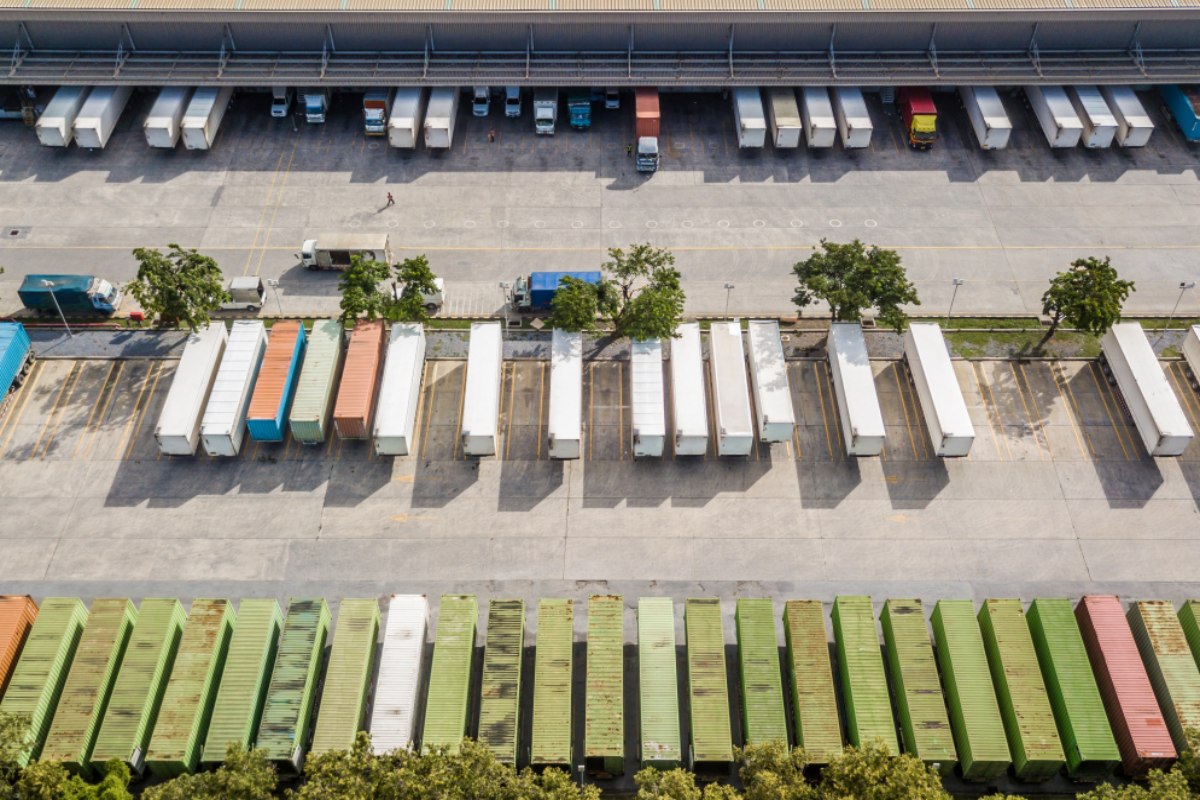
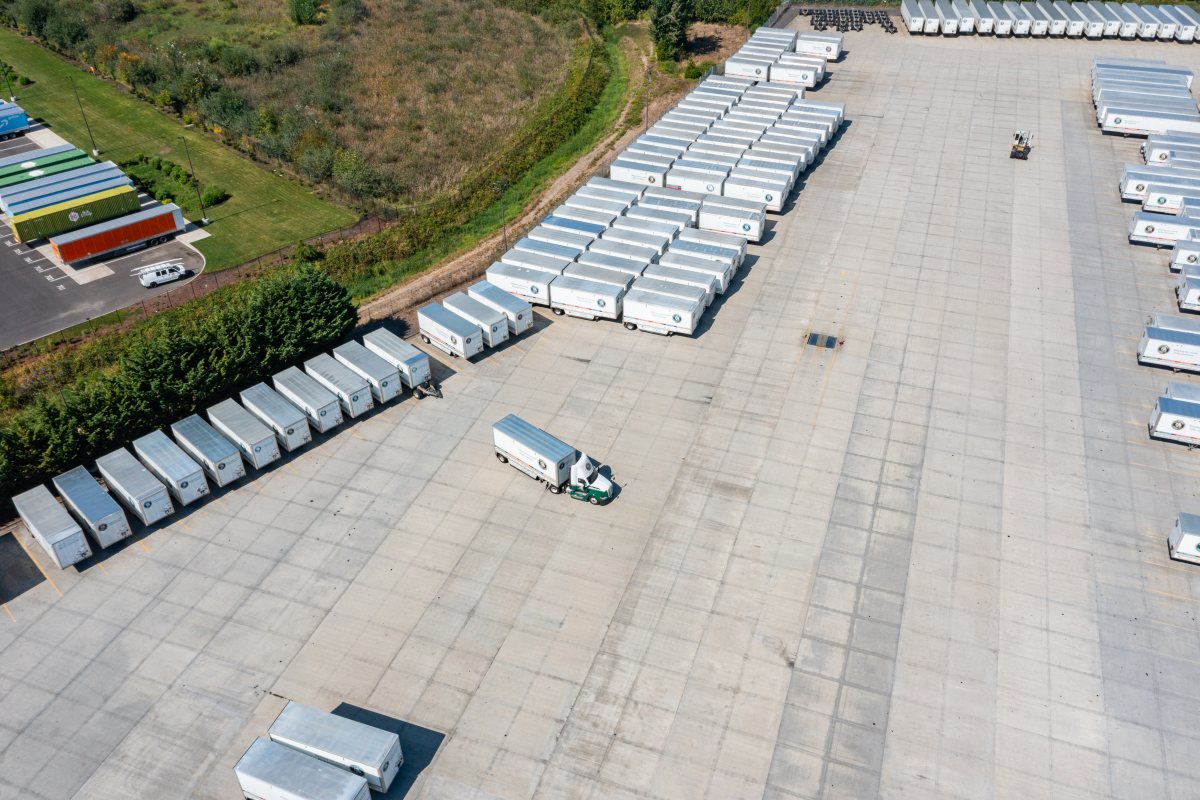
Portland, OR, USA - Sep 13, 2025 - Aerial drone picture of Old Dominion Freight Line distribution facility with rows of parked trailers, loading docks, and trucking yard focused on shipping and log

Running a trucking business often means balancing rising operating costs and unexpected repairs. When cash flow is strained or equipment needs attention, many owner-operators explore different financing options to keep their business moving.

One option you may come across is a semi truck title loan – a type of secured loan that uses the value of your existing vehicle to unlock fast working capital.

Let’s break down how semi truck title loans work, what’s required, the costs involved, and whether this type of commercial vehicle financing is the right fit for your business needs.

What Is a Semi Truck Title Loan?

A semi truck title loan, sometimes called a commercial title loan or commercial truck title loan, is a secured loan that uses your truck’s title as collateral. Instead of relying solely on credit history or time in business, the lender evaluates the truck’s value, condition, mileage, and equity.

In most cases, the title must be a clear title, meaning the truck is fully paid off, or the remaining balance is low enough to qualify.

These loans work for a wide range of commercial vehicles, including big rigs, box trucks, dump trucks, platform trucks, and car haulers.

Typical Loan Amounts and LTV

Semi truck title loans generally use loan-to-value (LTV) guidelines, where the loan amount is a percentage of the truck’s appraised value.

Loan amounts range between about 25% and 65% of the vehicle’s value, depending on the following factors:

  • Age and mileage
  • Truck condition
  • Maintenance history
  • Market demand
  • Type of vehicle (for example, specialty vehicles like dump trucks or box trucks may qualify differently)

Newer commercial trucks and well-maintained big rigs with strong resale value typically allow for higher LTV ranges.

Two Truck Drivers Discuss Logistics in a Transport Yard on a Clear Day

How This Differs From Other Financing

A semi truck title loan differs from unsecured business loans or personal loans because:

  • It uses the truck title as collateral
  • It may accept borrowers with bad credit or limited business history
  • It offers a more streamlined approval process
  • Funding is generally faster than waiting weeks for a traditional bank

Many lenders will still review both business credit and personal credit, especially for business owners seeking larger loan amounts.

A strong credit history can help you access competitive rates, but even borrowers with challenging credit may still qualify because the loan is asset-backed.

How Does a Semi Truck Title Loan Work?

Semi truck title loans follow a structured and predictable application process designed to assess the value of the truck, the borrower’s financial stability, and the business’s ability to manage repayment.

While details vary among direct lenders, the steps below outline how most semi truck title loans work from start to finish.

1. Confirm Ownership and Eligibility

The lender first verifies that you legally own the commercial vehicle and have a clear title or enough equity to qualify.

Most lenders require:

  • Proof of ownership
  • Title status showing no active liens (or a very low remaining balance)
  • VIN verification
  • Mileage documentation
  • Proof that the truck is being used for business purposes

Some lenders allow refinancing of an existing truck loan if enough equity has built up, but most cases require substantial ownership to secure the new loan.

2. Submit the Title for Collateral Hold

During underwriting, the lender places a temporary claim on the truck title. You continue using the semi-truck, big rig, or specialty vehicle for daily operations, but the lender remains the lienholder until you repay the loan.

This step is key because a title loan is a secured loan. The vehicle itself serves as collateral. If the borrower defaults, the lender has legal rights to reclaim or repossess the truck.

3. Provide Full Business Documentation

Unlike simple car title loans, semi truck title loans require business-level documentation.

Lenders typically request:

  • Business registration (LLC, corporation, sole proprietorship)
  • Government-issued ID for identity verification
  • Years in operation (business history)
  • Bank statements (3–12 months) to verify cash flow
  • Personal tax returns (1–2 years)
  • Business tax returns, if applicable
  • Financial statements (P&L, balance sheet, revenue reports)
  • Proof of business needs (working capital, repairs, upgrades)
  • Recent pay stubs for owner-operators who pay themselves payroll wages
  • A brief description of business operations or business model

This documentation helps the lender determine if the trucking business can meet the repayment schedule and manage future expenses.

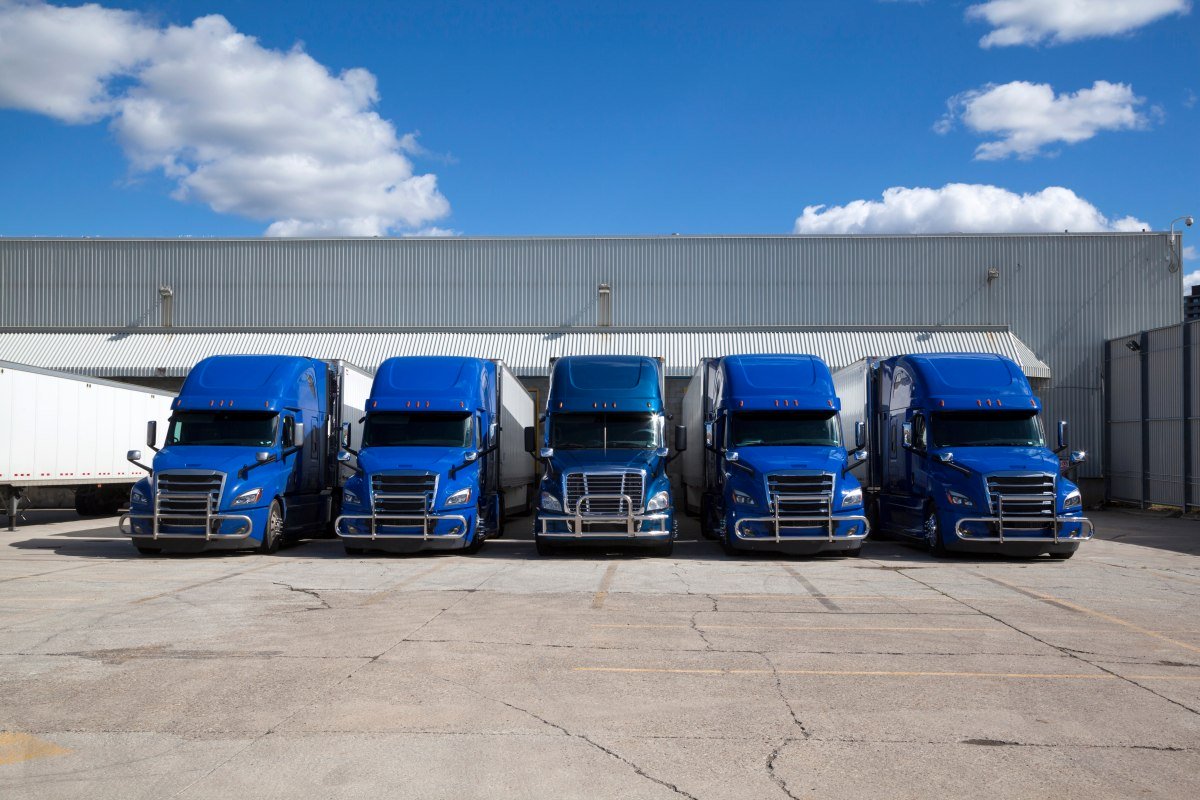
Blue Transport Trucks Lined Up in the Yard of a Warehouse

4. Vehicle Inspection and Valuation

A physical or digital inspection is performed to assess:

  • Year, make, and model
  • Engine type
  • Current mileage
  • Maintenance history
  • Aftermarket upgrades
  • Tire condition
  • Emissions compliance
  • Body and frame condition
  • Operational performance

The inspection directly affects the loan amount, since the lender uses the truck’s real-world resale value to calculate LTV.

Many lenders also apply mileage limits or age caps. Trucks over 700,000 miles, for example, may qualify for reduced LTV due to depreciation.

5. Credit Review and Risk Analysis

While title loans rely heavily on collateral, lenders still evaluate the borrower’s credit profile.

This may include:

  • A soft credit pull during pre-qualification (does not affect credit score)
  • A hard credit pull before final approval
  • Review of the borrower’s credit report, including payment history
  • Assessment of both personal credit score and business credit
  • Verification of trade lines and past commercial vehicle loans

Borrowers with excellent credit history may receive lower interest rates and more flexible terms. Those with bad credit or limited business tenure can still qualify, but may pay higher interest or receive shorter loan terms.

6. Approval, Underwriting, and Signed Agreement

Once underwriting is complete, the lender provides:

  • Final loan terms
  • Monthly payment amounts
  • Total loan amount
  • Full repayment schedule
  • Applicable fees
  • Interest structure (fixed or variable)
  • Explanation of payment requirements
  • Information on late payments, default clauses, and repossession procedures

Borrowers review and sign the agreement. Some lenders offer flexible terms, while others use strict payoff timelines typical of short-term title loans.

7. Funding and First Payment Requirements

Funding often occurs quickly (sometimes within the same day) because the loan is secured by the truck’s existing equity. Many borrowers use the funds for:

  • Working capital
  • Repairs
  • Bridging slow revenue periods
  • Paying taxes
  • Replacing business equipment
  • Covering emergency expenses

During the loan period, borrowers continue operating their commercial trucks normally. Monthly payments must be made according to the agreed repayment terms until the balance is paid off.

Once the loan is fully repaid, the lender releases the truck title, restoring full ownership.

How Do I Become a Truck Driver_ A Step-by-Step Guide Featured Image

What Does a Semi Truck Title Loan Cost?

The cost of a semi truck title loan varies based on the truck’s value, your credit history, business finances, and the lender’s pricing model. Here are some key factors that change the cost of a title loan.

Annual Percentage Rate (APR)

APR for semi-truck title loans can be significantly higher than for conventional commercial truck loans.

Standard semi truck financing ranges from 6% to 35% APR for qualified borrowers, but title-loan programs may reach 100% APR or higher for short terms or high-risk borrower profiles.

Fees

Many lenders charge fees that can affect the total loan amount, including:

  • Origination or processing fees
  • Title transfer costs
  • Inspection fees
  • Administrative charges
  • Late-payment fees

Reputable lenders disclose these costs up front, so borrowers understand the full repayment schedule before signing.

Loan Terms

Semi truck title loans generally offer shorter terms than traditional commercial loans.

Many lenders offer terms of 6–36 months, depending on the loan amount, truck value, and business cash flow.

Short-term structures create faster payoff opportunities, but they also bring higher monthly payments.

Loan Amount

Loan amounts depend heavily on the truck’s equity, condition, and valuation. Commercial truck title loan programs can offer loans starting around $2,500 and extending to $50,000 or more, depending on the vehicle’s year, mileage, and condition.

Heavy-duty trucks, vocational vehicles, and specialty rigs may support higher loan ranges when they hold strong resale value.

Collateral Impact

Although the loan is secured by the truck title, collateral alone doesn’t guarantee a low interest rate.

Lenders still evaluate:

  • Business income
  • Repayment ability
  • Vehicle information and mileage
  • Existing debt
  • Full credit approval results

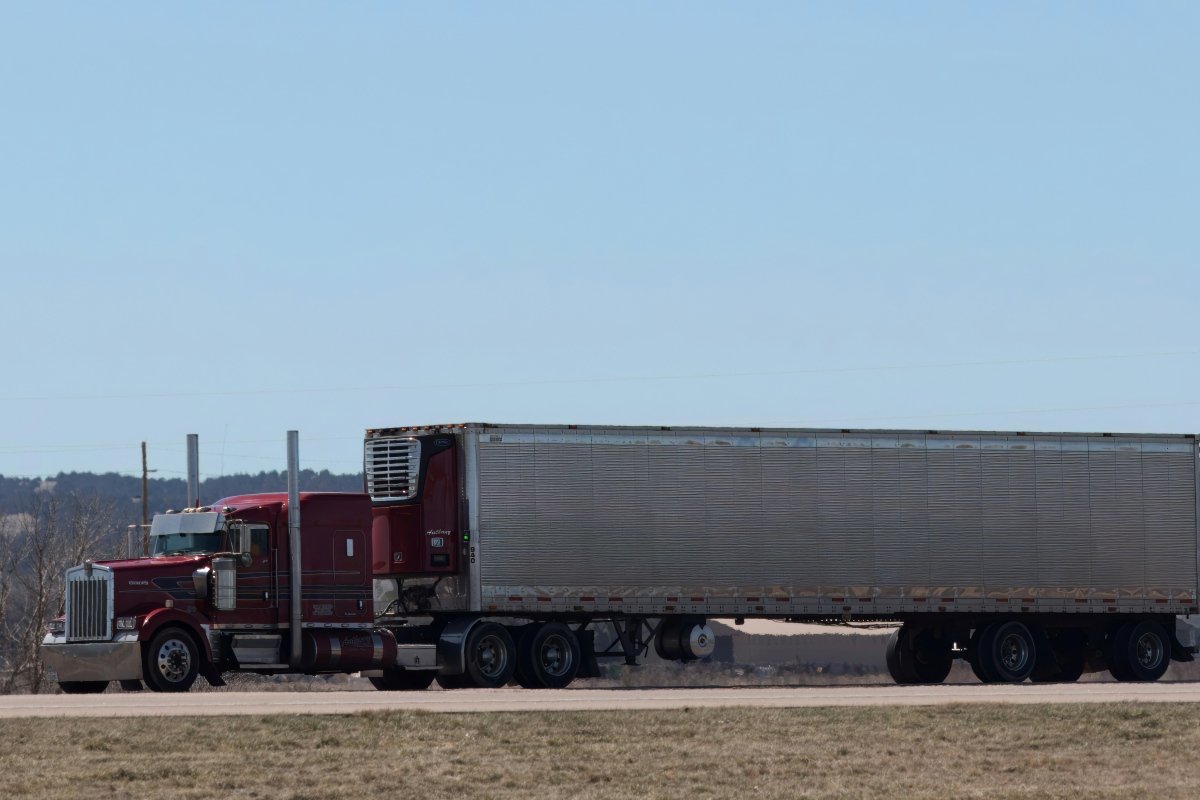
Trucks Lined up in a Storage Yard During Daytime

Conclusion

Semi truck title loans can be helpful when you need fast access to working capital and have equity in your truck. They can support business needs, cover urgent repairs, or keep operations moving during slow periods.

If a title loan seems like the right next step for your trucking business, we’re here to help you move forward with clarity and confidence.

Mission Financial Services offers commercial vehicle title loans designed for owner-operators and small fleets who need fast, reliable funding backed by the equity in their truck.

Our streamlined approval process and flexible options make it easier to access the working capital you need – whether you’re managing repairs, covering downtime, or just keeping your business rolling.

Get in touch and start your credit application today.

The Top Advantages of Commercial Vehicle Leasing for Truckers

The Top Advantages of Commercial Vehicle Leasing for Truckers

Commercial vehicle leasing gives you a straightforward way to get on the road without tying up cash in a costly purchase. You can choose terms that fit your business needs, keep more money for fuel and operations, and return or upgrade equipment at lease end.

For truckers facing steep prices, this approach matters more than ever. The average cost of a new Class 8 truck from 2020 to 2024 is $195,115, with further increases expected under the Environmental Protection Agency’s (EPA) 2027 rules. Leasing provides a way to control costs and protect your business from major financial strain.

That’s why understanding the top advantages of commercial vehicle leasing is essential. It can shape how you manage cash flow, expand a fleet, and stay competitive in a changing industry.

What Is Commercial Vehicle Leasing?

When you lease a commercial vehicle, you enter a financing agreement that allows you to use a truck for a set period (usually two to five years) in exchange for fixed monthly payments. Ownership stays with the leasing company, while you control the vehicle during the lease term under the conditions outlined in your lease agreement.

You’ll find two common options in the trucking industry.

  • A closed-end lease lets you return the vehicle at lease end without worrying about depreciation or resale.
  • An open-end lease gives fleets with higher mileage more flexibility by tying the final cost to the truck’s residual value.

Both structures provide clear terms so you know your obligations from start to finish.

For truckers focused on cash flow, leasing is often the smarter path to securing heavy-duty commercial trucks or specialty vehicles. Instead of tying up capital in a purchase, you pay manageable lease payments and keep your dollars working in other parts of your business.

The Top Advantages of Commercial Vehicle Leasing for Truckers 1

The Top Advantages of Commercial Leasing

Leasing comes with distinct financial, operational, and tax deduction advantages. For many drivers and small business owners, these benefits make leasing a more sustainable option than buying.

Below are the top reasons why leasing has become a leading solution for truckers across the United States.

1. Lower Up-Front Costs and Better Cash Flow

When you lease vehicles instead of buying them, you avoid tying up thousands of dollars in down payments and sales tax.

A typical purchase requires large capital outlays and immediate depreciation, while leasing a commercial vehicle usually starts with the first month’s payment and a modest security deposit.

This gives you breathing room to direct money toward fuel and insurance, two of the biggest ongoing expenses for truckers. It also frees up working capital to invest in contracts or add drivers.

With improved cash flow, you stay flexible and keep your business moving without draining reserves at the start.

2. Avoiding Depreciation and Vehicle Value Loss

You know better than anyone how quickly a truck loses value once it’s on the highway. High mileage, tough routes, and wear from hauling freight can mean a truck depreciates tens of thousands of dollars in just a few years.

With commercial vehicle leasing, the leasing company carries that burden, not you.

Instead of worrying about trade-in dollars or negotiating with a dealer, you can return the truck at lease end or step into a newer model. This eliminates the stress of resale and keeps your total cost of ownership predictable.

By letting someone else handle depreciation, you reduce financial risk and maintain stronger balance sheets.

3. Easier Commercial Fleet Upgrades and Access to Newer Trucks

When freight contracts change, so do equipment needs. Leasing allows you to upgrade faster, whether you want heavy-duty trucks for long hauls or box trucks for regional routes. Fleet leasing provides multiple options to match vehicles to your current workload, making it easier to adapt when demand shifts.

Access to the latest vehicles means you benefit from fuel economy improvements and new safety features.

At lease end, you can trade in for an updated model or extend your agreement with flexible terms. This cycle keeps your fleet modern and compliant with federal regulations without sinking money into outdated equipment.

4. Reduced Maintenance and Repair Expenses

Repairs are a fact of trucking, but they don’t need to derail your budget. Many commercial vehicle leasing agreements include coverage for routine maintenance and scheduled service, lowering the surprise costs that come from breakdowns.

Routine oil changes and tire rotations can be included in the contract, while larger repairs may be covered under extended warranties. Add-on coverage, such as roadside assistance and trip interruption coverage, provides extra protection.

If your truck goes down, you can get towing and a replacement so you’re not stuck off the road, losing revenue. With fewer repair bills to manage, you simplify fleet management and maintain steady earnings.

5. Tax Benefits of Commercial Vehicle Leasing

Leasing a truck also offers valuable tax advantages. In many cases, your lease payments are treated as tax-deductible operating expenses. This lowers taxable income and gives you savings that can be reinvested into fuel or payroll.

Another advantage is sales tax. Instead of paying the full amount upfront like you would with a purchase, you often pay sales tax only on the portion of the vehicle you lease. This structure can deliver meaningful savings year after year, especially when you run multiple vehicles.

Always review your lease agreement with a tax professional, but the benefits can add up quickly.

Portrait of young Caucasian bearded trucker with arms crossed standing by his truck vehicle. Transportation service.

6. Flexible Credit Requirements for Truckers

One of the biggest benefits of commercial vehicle leasing is that approval is often based on more than just a score. Leasing companies may look at your driving record and revenue potential, giving you a fair chance to secure a truck even if traditional lenders have turned you away.

This flexibility matters whether you’re recovering from bankruptcy or starting a business with limited credit. Instead of waiting years to rebuild, you can get on the road to generate a steady income and strengthen your financial profile along the way.

Mission Financial Services makes this advantage a reality by considering applicants with credit scores as low as 460. With options for first-time buyers and drivers with past credit challenges, we offer practical solutions that help you access equipment and keep your business moving forward.

7. Predictable Monthly Payments and Budget Planning

When you choose a lease agreement, you lock in predictable monthly payments that make planning easier. This stability is valuable in an industry where diesel prices and insurance premiums often fluctuate.

Knowing what you’ll pay each month allows you to budget confidently and avoid cash crunches.

Stable payments also create room for long-term planning. You can forecast payroll, invest in equipment upgrades, and save for expansion because you’re not guessing what your truck will cost you next quarter. Predictability supports smarter business decisions and reduces financial surprises that could disrupt operations.

African American professional truck driver setting up navigation for destination. Checking his route on tablet computer and standing by long vehicle. Transportation service.

8. Reduced Risk in a Changing Trucking Market

New tariffs, changing contractor rules, rising leasing costs, and EPA rule changes can all turn a once-profitable truck into a liability.

Leasing reduces your exposure by allowing you to adjust your fleet size at lease end. You can return underused equipment, swap into newer fuel types, or extend a contract if market conditions stay favorable.

Flexibility is especially important for small fleets. You avoid being locked into ownership of trucks that may no longer fit your routes or customer needs. Leasing lowers the risk tied to unpredictable market changes and helps you stay agile when the industry shifts.

9. Smart Option for Various Trucking Business Needs

If you’re starting your first trucking business, leasing provides an affordable way to get reliable vehicles without massive debt.

Instead of saving for years to buy, you can step into modern equipment with lower barriers to entry. You have the chance to prove yourself with shippers and brokers while building a track record of successful deliveries.

For a small fleet management company, leasing makes expansion possible without overextending cash flow. Multiple vehicles can be leased simultaneously, with flexible terms tailored to your budget. By focusing on revenue generation instead of ownership headaches, you lay the foundation for long-term success.

The Top Advantages of Commercial Vehicle Leasing for Truckers 5

Who Should Consider Commercial Vehicle Leasing?

Leasing is not for everyone, but it is an excellent fit for many drivers and businesses in the trucking sector.

Consider commercial vehicle leasing if you are a:

  • First-time buyer seeking access to your first truck with limited credit history.
  • Owner-operator who wants predictable monthly payments and reduced upfront costs.
  • Small fleet owner expanding operations without risking cash flow.
  • Driver with less-than-perfect credit who may not qualify for traditional loans.
  • Business that needs access to the latest vehicles and improved fuel economy.
  • Company seeking flexibility in case market conditions or contracts change.

If any of these describe your situation, leasing could provide the financial and operational advantages you need.

Conclusion

Commercial vehicle leasing gives you the tools to stay competitive without the heavy burden of ownership.

Lower upfront costs, predictable monthly payments, and reduced maintenance risk make it easier to manage your cash flow and keep your trucks running smoothly. Access to newer equipment and flexible lease-end options also helps you adapt quickly as freight markets and regulations change.

For first-time buyers and drivers with less-than-perfect credit, leasing isn’t just a way to get behind the wheel – it’s a smarter strategy for building long-term stability in the trucking business.

Ready to take advantage of the benefits of commercial vehicle leasing?

Mission Financial Services offers flexible solutions that put you on the road faster. Start your credit application today and keep your business moving forward.

Is Leasing a Semi Truck Right for You? Pros and Cons Explained

Is Leasing a Semi Truck Right for You? Pros and Cons Explained

Choosing whether to lease or finance a semi-truck can significantly impact your trucking career’s future. Leasing promises lower upfront costs and flexibility, while financing builds equity and long-term stability. Ultimately, the right choice depends on your goals, your finances, and how you plan to use the truck.

Today, we’re going to discuss what a semi truck lease actually involves, the major advantages and drawbacks, and how to decide whether leasing is the right path for you. We’ll also explore alternatives such as financing and direct lender loans, allowing you to create an informed plan for your business.

What Does It Mean to Lease a Semi Truck?

A semi-truck lease is an agreement where you pay a fixed monthly payment to use a truck for a specified lease term. Unlike buying, you don’t own the truck at the end of the contract unless it’s a lease-purchase deal, where you can buy the truck after making all scheduled payments.

There are different kinds of leasing options:

  • Full-service lease: The leasing company covers most maintenance, repairs, and substitute vehicles, allowing drivers to focus on hauling freight.
  • Lease-purchase agreements: These provide the option to own the truck at the end of the contract; however, the costs are often higher, and the lease agreement may have stricter financing requirements and terms.
  • Short-term rentals: Sometimes, fleets and companies lease trucks by the week or month to fill gaps in inventory or meet seasonal transportation demands.

In every case, you gain access to a truck without having to make the large down payment typically required for traditional financing.

See our guide on the Requirements for Leasing a Semi-Truck for more information.

Delivery, container and happy truck driver moving industry cargo and freight at a shipping supply chain or warehouse. Smile, industrial and black man ready to transport ecommerce trade goods or stock

Pros of a Semi Truck Lease

Leasing a truck comes with clear benefits, especially for new drivers or small businesses looking to improve cash flow. Here are the most prominent advantages.

Lower Upfront Costs Compared to Financing

With a semi truck lease, you don’t need to make a large down payment, which can be tens of thousands of dollars, if you were buying. Instead, you keep more money available for critical operating expenses like fuel, insurance, repairs, and taxes. For a company driver moving into independent contractor work or a new owner-operator, this means you can start hauling freight without draining your savings. In a tight freight market, having that extra cash flow for day-to-day business needs can be the difference between success and struggling to stay afloat.

Flexibility to Upgrade or Switch Trucks

Leasing makes it easier to stay equipped with newer, safer, and more fuel-efficient commercial trucks. At the end of your lease term, you can upgrade instead of being tied to an older vehicle. This matters in a shifting market, where keeping a truck that’s equipped with the latest technology can lower operating costs and improve safety scores. Newer trucks are also more attractive to customers and fleets looking for reliable transportation partners.

Fewer Maintenance Responsibilities and More Money For Business Expenses

With a full-service lease, many of the biggest repairs and routine maintenance tasks are covered by the leasing company. This often includes scheduled service, emergency repairs, and even substitute vehicles if your truck is down. That coverage reduces the hassle and unexpected expenses that can eat into your profit.

For independent contractors and small fleets, this translates into more money available for other business expenses, such as fuel, insurance, taxes, and driver support. Instead of tying up cash in unpredictable repair bills, you can stabilize cash flow and put funds toward growing your transportation business, finding new customers, or staying competitive in a shifting freight market.

Easier Credit Check Approval for Drivers With Bad Credit

Many leasing semi-truck programs have more flexible credit check requirements than traditional loans. This makes them a realistic option for drivers with poor or limited credit history who still want to lease a semi truck and start a business. While monthly payments may be higher than what the best-qualified buyers expect, a lease gives you access to a truck, the ability to haul freight, and a chance to build your record in the industry. A semi truck lease can be the entry point to proving yourself in the trucking market.

Cons of a Semi Truck Lease

A lease isn’t without its drawbacks. In many cases, the downsides outweigh the benefits, especially in the long run.

No Equity or Ownership at End of Lease

At the end of a lease term, you return the truck unless it’s a lease-purchase deal. Unlike financing, where you own a semi truck once it’s paid off, leasing leaves you without an asset to sell or leverage later. That means you can’t trade the vehicle in for an upgrade, borrow against it, or use it to expand your business. This limits long-term success and the ability to build real value and equity in your transportation company.

Higher Long-Term Costs Compared to Buying

A semi truck lease often has lower monthly payments than financing, but over time, the costs add up. Since you never gain ownership, you’re continually paying for access without building equity. Even if you save on repairs or maintenance through a full-service lease, the combined payments over several years may take more money out of your pocket than purchasing or financing a truck would. What initially was a cheaper option actually reduces your improved cash flow in the long run.

Lease Restrictions (Mileage, Customization, Early Termination Fees)

Most lease agreements include restrictions that directly affect how you operate your business:

  • Mileage limits penalize you if you haul too much freight, which can cut into profits during busy weeks in the freight market.
  • Rules against customizing the vehicle may stop you from adding safety technology, improving fuel efficiency, or branding the truck with your company name to attract more customers.
  • Early termination fees can cost thousands of dollars if you need to exit the lease before completion – a major risk if freight slows or your driving plan changes.

These restrictions add hassle and can make it more difficult for independent contractors or fleets to remain flexible.

Risk of Predatory Lease-Purchase Agreements

Some lease completion or lease-purchase programs advertise the opportunity to own a semi-truck after making payments for years. However, these predatory lease agreements often have hidden expenses, inflated costs, and unfair terms, resulting in the driver paying far more than the truck is worth.

In some cases, drivers never gain ownership of their vehicles. Industry experts caution drivers to review every lease agreement carefully, watch for unclear wording, and avoid deals that promise support but deliver little more than debt.

large freight truck on highway

Who Should Consider Leasing a Semi Truck?

Leasing can be a suitable option for some, depending on your goals and circumstances.

First-Time Owner-Operators Testing the Industry

For a first-time owner-operator, a semi truck lease gives you access to a truck without having to come up with a large down payment. Leasing lets you haul freight as an independent contractor while you test the waters of the trucking business. You can focus on gaining experience, serving customers, and building confidence before you decide whether full ownership is the right move for your long-term success.

Drivers With Bad Credit or Limited Financing Options

If your credit history (or lack of it) keeps you from qualifying for traditional loans, leasing semi trucks may be your best option. While you won’t gain ownership at the end of the lease term, you’ll still be able to get on the road, start generating income, and strengthen your credit profile. Over time, this can improve your business standing and eventually make you eligible for financing programs with fewer restrictions and more money going back into your pocket.

Fleets Needing Short-Term or Seasonal Trucks

Leasing can help you cover business needs during peak demand. When seasonal freight volumes rise or your existing inventory of trucks is down for repairs, flexible rentals and short-term lease agreements make it possible to stay equipped without locking into a long contract. You’ll have the vehicle access you need to keep customers happy and your transportation plan running smoothly, while avoiding long-term expenses tied to buying additional trucks outright.

Semi Truck Insurance_ Coverage Types, Costs & Tips to Save 5

Alternatives to Leasing a Semi Truck

If you’re hesitant about a semi truck lease, there are other ways to gain access to a truck.

Financing Through a Direct Lender

Direct lenders, like Mission Financial Services, offer semi-truck loans without the restrictions of leasing. Financing may require a down payment and a credit check, but once the truck is paid off, you gain full ownership – an asset you can keep, sell, or leverage for business purposes.

Owner-Operator Loan Programs

Specialized loan programs help independent contractors become owner-operators. These loans often come with flexible terms, making them ideal if you want to transition from company driver status to owning your own commercial trucks.

Options for Bad Credit or First-Time Buyers

Even if you have low credit, there are bad credit loans designed to help. Mission Financial works with drivers who may not qualify elsewhere, offering financing for semi trucks and commercial vehicles that other lenders won’t cover. Unlike some lease-purchase programs, these loans are structured for fairness and business success.

When Buying or Financing May Be the Better Choice

For many, financing or buying a semi truck makes more sense than leasing. If you plan to stay in the industry long term, financing builds ownership and stability. Once your truck is paid off, you can continue using it without monthly payments, improving cash flow and reducing expenses. Financing also gives you the freedom to customize your vehicle, manage your own maintenance plan, and eventually sell or trade the truck. If you want to build a career and own your business, financing is often the better investment.

Conclusion

Leasing a semi truck can be a smart way to get started, especially if you’re new to the industry, running a fleet with short-term needs, or working with limited credit. But it also comes with trade-offs: no equity, higher long-term costs, and restrictions that limit your flexibility.

If you’re serious about building equity, improving cash flow, and creating long-term stability in your trucking business, financing a truck may be the better move. The right path ultimately depends on your goals and how you want to shape your career.

Mission Financial Services makes that next step easier. We offer flexible financing programs designed for independent drivers, small fleets, and first-time buyers so you can move beyond leasing, own your truck, and grow your business with confidence.

Start your credit application today and take control of your future in the trucking industry.

Cass Transportation Indexes July 2025: Freight Volumes Decline and Tariffs Hit Hard

Cass Transportation Indexes July 2025: Freight Volumes Decline and Tariffs Hit Hard

The July 2025 Cass Freight Index confirms what many drivers have already felt: loads are lighter, costs remain stubborn, and tariffs are reshaping the market.

For semi-truck owner-operators, small fleets, and first-time buyers, the combination of weaker volumes and higher costs is pushing margins thin – and making access to reliable trucking financing more critical than ever.

July 2025 Cass Index Reveals Freight Slowdown

According to the Cass Freight Index report, shipment volumes fell 1.8% month-over-month and 6.9% year-over-year, marking the steepest annual decline so far in 2025.

While volumes retreated, expenditures only slipped 1.5% from June and actually ticked up 0.4% compared to July 2024, showing that carriers are still paying nearly the same for less freight.

The real standout is the “inferred freight rate,” calculated by dividing expenditures by shipments. In July, this metric jumped 7.9% year-over-year, meaning the cost per unit of freight rose sharply even though volume shrank.

Analysts from ACT Research, which partners with Cass on index analysis, describe it as an “air pocket” in demand worsened by tariffs and uneven inventory cycles.

Tariffs Intensify Pressure on Trucking Costs

The July report makes it clear that new tariffs introduced in 2025 are magnifying the strain.

Tariff increases, including a 25% duty on most goods from Canada and Mexico, plus tariffs on Chinese imports that have increased from 10% to 20% retroactively, have reverberated across supply chains, disrupting pricing and sourcing strategies.

Some shippers pulled freight forward earlier in the year to beat tariff deadlines, leaving a mid-year demand slump in their wake.

Tariffs also raise costs beyond freight demand. Higher import prices mean more expensive replacement parts, tires, and even new trucks, squeezing owner-operators already contending with volatile diesel prices and elevated insurance premiums.

As Cass notes, freight demand is weakening at the same time operating expenses remain high – a double hit for small commercial truck carriers.

What Declining Freight Means for Small Carriers

For large carriers, diversified contracts and stronger shipper relationships provide some cushion. Conversely, the July Cass Index depicts a harsher scenario for independent drivers and small fleets:

  • Fewer load opportunities: With shipment volume down nearly 7% year-over-year, competition intensifies for every available haul.
  • Rising cost per mile: Even as freight spend softens, higher inferred rates reflect modal shifts toward truckload, leaving small carriers paying more to move less.
  • Cash flow uncertainty: Reduced freight options can delay truck payments, repairs, and insurance premiums – critical obligations for small operators.
  • Tariff exposure: With imported equipment and parts becoming more expensive, repair costs climb at the worst possible time.

These pressures are especially acute for first-time buyers or drivers with limited credit history. Without steady access to capital, even one unexpected repair bill or fuel price spike can take a truck off the road.

Financing as a Lifeline for Owner-Operators

This is where Mission Financial Services becomes a critical partner. While banks and traditional lenders may tighten credit in soft freight markets, we continue to provide tailored solutions for drivers often overlooked elsewhere.

With approvals in as little as four hours and consideration for credit scores as low as 460, Mission Financial Services supports:

By smoothing cash flow, ensuring trucks stay operational, and covering unexpected costs, financing becomes a lifeline for small carriers navigating downturns.

Practical Takeaways from the July Cass Index

The July 2025 Cass Index is more than a set of figures. It’s a guide for how drivers and fleets should respond in a shifting market.

Key takeaways include:

  • Prepare for tighter competition: With shipment volumes down 6.9% year-over-year, expect fewer freight opportunities and more carriers bidding for the same loads.
  • Track costs against revenue: Tariffs and inflation are driving up prices on parts, tires, and equipment. Using tools like the Cass Index to ensure you’re not hauling freight at a loss.
  • Protect your cash flow: In a downturn, steady access to working capital is just as important as finding loads. Flexible financing options, such as commercial truck repair loans or title loans, can cover expenses when income dips.
  • Plan with cycles in mind: Cass data shows freight markets move in waves, not straight lines. Positioning your business with a strong financial footing now ensures you’re ready to scale when demand rebounds.

Final Thoughts

The July 2025 Cass Freight Index tells a tough story: freight volumes are shrinking, tariffs are raising costs, and small carriers feel the pinch most. Yet downturns don’t last forever.

By combining smart load evaluation with steady access to financing, owner-operators and small fleets can stay in business today and be ready for tomorrow’s rebound.

Ready to keep your operation moving despite freight headwinds? Start your credit application with Mission Financial Services today, and get the financing support you need to stay on the road and ahead of the curve.

Understanding Commercial Box Truck Financing

Box trucks are essential for business owners in delivery, logistics, and moving services. While they’re vital parts of these businesses, they’re also expensive to get your hands on.

Financing helps owner-operators and companies grow a box truck fleet without large upfront costs. A good credit score improves loan terms, but lenders also consider a company’s monthly revenue and other factors.

In this guide, we’ll cover financing options, approval tips, and managing consistent monthly revenue to help with financing.

What is Commercial Box Truck Financing?

Commercial box truck financing programs provide a way for businesses to purchase or lease box trucks without paying the full cost upfront.

Instead of spending a large amount of cash all at once, trucking companies can spread the expense over time through fixed monthly payments. These financing solutions make it easier to acquire a truck while keeping cash flow available for other business needs.

Commercial truck financing can be done through loans, leases, or specialized equipment financing.

A loan lets you own the truck outright once it’s paid off, while leasing gives you access to a truck with lower monthly payments and the option to upgrade at the end of the lease. Equipment financing is similar to a loan, but it’s specifically designed for commercial vehicles, often covering the full cost of the truck.

Who Qualifies for Box Truck Loans?

To qualify for a box truck loan, most lenders look at credit score, time in business, and revenue.

A good business credit score improves your chances of getting approved with better terms. Some lenders work with lower scores if other factors are strong.

Many box truck financing programs prefer businesses operating for at least a year, but startups may still qualify with a strong financial plan or a larger down payment. Steady cash flow is also important since lenders want to see that you can handle monthly payments.

Box truck financing solutions are common for various businesses that rely on transportation. Owner-operators, trucking companies, logistics providers, and contractors often look towards commercial truck financing to purchase or expand their fleets.

Moving companies, delivery services, and independent couriers also use box truck loans to keep up with demand.

Key Benefits of Financing a Box Truck

The biggest advantage of different box truck financing options is that they help businesses avoid large upfront costs, which can be a major barrier to growth.

With commercial fleet financing, companies can invest in new vehicles without depleting their working capital. This is especially beneficial for small businesses, startups, and expanding fleets.

Predictability is another benefit. A box truck finance solution works on structured monthly payments, so businesses can better plan their budgets and manage expenses this way.

In some cases, financing can even offer tax benefits, as payments and interest could be tax deductible as business expenses.

Ultimately, box truck financing makes it easier to expand your fleet. Whether adding your first truck or scaling up to meet demand, flexible loan and lease options allow you to grow without putting too much strain on your finances.

Comparing Your Financing Choices

If you’re looking for commercial vehicle financing, you have three main options to consider, each with its pros and cons:

  • Traditional bank loans – Offer low interest rates but require strong credit and a long business history. Approval can take time, and a large down payment may be needed.
  • Equipment financing – Uses the truck as collateral, making it easier to qualify. Payments are spread over time, and you own the truck once it’s paid off.
  • Leasing options – Lower monthly payments with the flexibility to upgrade or return the truck at the end of the lease. Ideal for businesses that want to avoid long-term ownership commitments.

What Influences Your Financing Rates?

One of the most important aspects of choosing box truck financing is the financing rate on offer. Here are the main factors that influence this rate:

  • Your credit history – A higher credit score helps secure lower interest rates, while a lower score may lead to higher costs or stricter terms. This could be your personal credit history as well as your trade business credit score.
  • Down payment considerations – A larger down payment reduces the loan amount, which means lower monthly payments and better interest rates.
  • Truck condition and age – Newer trucks often qualify for better rates, while older trucks may come with higher interest due to depreciation and maintenance risks.
  • Your business finances – Lenders look at revenue, time in business, and overall financial health to assess risk and determine loan terms.

How to Apply for Commercial Box Truck Financing

While all commercial trucking industry financing providers have different systems, here’s the general process.

To apply for commercial truck financing, review your credit score and business finances to understand your eligibility.

Gather all the essential documents, including financial statements, tax returns, bank statements, and a detailed business plan. You’ll also need information about the truck, like its make, model, age, and price.

Submit your box truck financing application to a lender, who will review your credit history, revenue, and overall financial stability.

The approval process can take a few hours to several days, depending on the lender. If approved, you’ll receive financing terms outlining your loan amount, interest rate, and repayment schedule.

Tips for Securing the Best Loan

While it’s not always entirely within your control, here are a few things trucking companies can do to improve their financing opportunities:

  • Improving your credit score – Pay off any outstanding debts you owe, make timely payments, and avoid new credit inquiries to boost your score and qualify for better rates.
  • Creating a strong business plan – A clear plan showing revenue projections, industry demand, and growth strategy helps lenders see your ability to repay the loan.
  • Organizing your financials – Keep accurate records of income, expenses, and tax filings to show lenders that your business is stable and financially responsible.

Getting Approved with a Low Credit Score

Getting approved for box truck financing with a low credit score is possible, but it often comes with higher interest rates and stricter terms.

However, there are lenders out there, like Mission Financial Services, who specialize in bad credit loans, offering financing options for higher-risk borrowers. This means no matter your financial situation, it’s always possible to find the right financing for your box truck.

Generally, with low credit score loans, you can expect larger down payments, shorter loan terms, or the need for collateral to offset the lender’s risk. However, you may be able to bypass these issues if you can show the lender that you are financially responsible and that your business is in a good position to repay the loan.

Ultimately, a credit score is just one factor, and using it alone does not provide a holistic overview of your financial situation and trustworthiness.

However, it’s still always a good idea to improve your approval chances by working on paying down existing debt, providing proof of steady business income, and considering a co-signer or higher upfront investment.

Conclusion

Financing a box truck is a smart way for business owners to grow without straining cash flow. Whether you’re an owner-operator or expanding a fleet, the right loan can make all the difference.

Ready to get started? Explore your options with Mission Financial Services to see how you can get tailored financing, regardless of your credit score.

truck owner

Financing Your Semi Truck As An Owner-Operator

truck owner
Semi-truck financing can be intimidating for first-time buyers. However, it’s a necessary path to take when starting an owner-operator trucking business.

To help you secure the right financing for your commercial vehicle, here’s everything you need to know about applying for semi-truck loans.

Financing Criteria for Semi Truck Owners

Owner financing semi trucks can only be done when owner-operators meet the proper criteria. Here are the key things owner-operators must focus on to achieve financing.

Credit Score Requirements for Commercial Truck Loans

Commercial truck loans often have specific credit score requirements that potential borrowers need to meet.

Lenders use credit scores as a measure of an individual’s creditworthiness. A good credit score significantly influences loan approval and interest rates. Most lenders prefer credit scores above 650 for commercial truck loans.

Higher credit scores usually lead to lower interest rates and better loan terms. Bad credit scores may result in higher interest rates or additional requirements like larger down payments.

Establishing Your Business: LLC or Corporation for Truck Ownership

Deciding on your business structure when owning a semi-truck is also crucial for owner-operator financing.

Truck owners typically opt for a sole proprietorship or a Limited Liability Company (LLC). An LLC separates personal assets from business liabilities, protecting the owner’s assets in case of business debts or lawsuits.

Sole proprietors have no separation between their business and personal assets. This means owner-operator trucking companies under this structure need to take out semi-truck financing under their personal name.

applying for finance
Valuing Experience: Essential for Both You and Your Seller

Experience in the trucking industry is highly valuable, not just for the truck owner but also in the eyes of sellers or lenders.

Lenders often consider a borrower’s industry experience as a factor in loan approval. In most cases, the longer you’ve held your commercial driver’s license, the easier it will be to get semi-truck financing.

Ensuring a Smooth Process: Preparing the Necessary Documents

You’ll need all the correct paperwork to apply for a semi-truck loan. Preparing this in advance will make the semi-truck financing process much easier to manage.

Here’s a breakdown of the typical kind of paperwork you’ll need for loans on commercial vehicles:

  • Personal Identification: Valid government-issued identification (driver’s license, passport, etc.)
  • Business Documentation: If applicable, legal documents proving business existence, such as Articles of Incorporation, LLC Operating Agreement, or Partnership Agreement.
  • Financial Statements: Personal and business bank statements for the last six months.
  • Tax Returns: For the past two to three years ( personal and business).
  • Credit Information: Credit reports from major credit bureaus (Equifax, Experian, TransUnion).
  • Truck Information: Details of the truck being purchased, including VIN, make, model, year, mileage, and purchase price.
  • Insurance Documentation: Proof of commercial truck insurance coverage.
  • Business Plan or Proposal: An outline of your business goals, operations, and how the truck purchase fits your business strategy.

buy or lease

Weighing Options: Comparing Semi-Truck Leasing and Purchasing

New owner-operators looking for semi-truck financing need to consider all of their options. This includes semi-truck leasing and purchasing.

Here’s a brief breakdown of the two.

Semi-Truck Leasing

Pros

  • Lower Initial Costs: Leasing often requires a smaller upfront payment than a truck purchase. If you need more working capital, this can be an attractive option.
  • Maintenance Benefits: Some leases include maintenance and repair costs.
  • Flexibility: Leasing allows for easy upgrades to newer models at the end of the lease term.
  • Tax Deductions: Lease payments might be tax-deductible as a business expense.

Cons

  • No Ownership: The big disadvantage is that you don’t own the truck at the end of the lease term.
  • Mileage Restrictions: Leases sometimes impose limitations on annual mileage, with penalties for exceeding the set limit.
  • Long-Term Cost: Over time, leasing may cost more than purchasing due to continuous payments without asset ownership.

Semi-Truck Purchasing

Pros

  • Ownership: You get full ownership rights and can use the truck as desired.
  • Equity and Asset: Owning the truck builds equity, allowing for potential resale or trade-in value.
  • No Mileage Restrictions: There are no limitations on mileage or usage, which gives you flexibility for your business needs.
  • Long-Term Cost Efficiency: While the initial costs are higher, purchasing can be more cost-effective over the long term.

Cons

  • Higher Initial Costs: Purchasing a truck requires a substantial upfront payment or a larger down payment.
  • Maintenance Responsibility: Owners bear the full cost of maintenance and repairs.
  • Depreciation: Trucks depreciate over time, which can affect resale value significantly.

micheile-henderson-ZVprbBmT8QA-unsplash

Exploring No Credit Check Commercial Truck Leasing

Traditional leasing or financing options can be challenging for those with a low credit score or limited credit history. However, no credit check commercial truck leasing does exist to help you secure financing for a new truck.

Approval of the financing is based more on income stability and the ability to make lease payments rather than credit scores. Lease terms may vary and be shorter, with options for ownership at the end of the period.

However, no credit check leases might come with higher interest rates or overall costs due to increased risk for the lessor.

The Benefits of Commercial Truck Financing

Whether you’re looking to purchase box trucks, dump trucks, or semi-trucks, you’ll need to get financing first. While this is intimidating, the right financing solution comes with its benefits.

  • Financing allows you to own the truck, building equity and potential for resale.
  • Interest payments and depreciation can be tax-deductible expenses.
  • You can improve cash flow management and spread the cost over time with fixed monthly payments.
  • Various financing plans with tailored terms and down payment choices exist, helping your trucking business find the most suitable option.
  • Financing lets you retain cash reserves for other business needs.
  • Timely payments can help you build a strong credit score for future financial opportunities.

Final Thoughts

Make sure that you weigh up your financing options carefully and choose the one that offers the most benefits for your situation.

If you’re looking for an easy solution for semi-truck financing, contact us at Mission Financial Services. Regardless of credit scores and history, we can help all truck drivers gain financing.


Archives

Sign Me Up!

Stay up to date with the latest news in the commercial trucking industry.

Contact Us
close slider