Office: (404) 975-4800

Insurance

box truck

Commercial Box Truck Insurance Explained

box truck
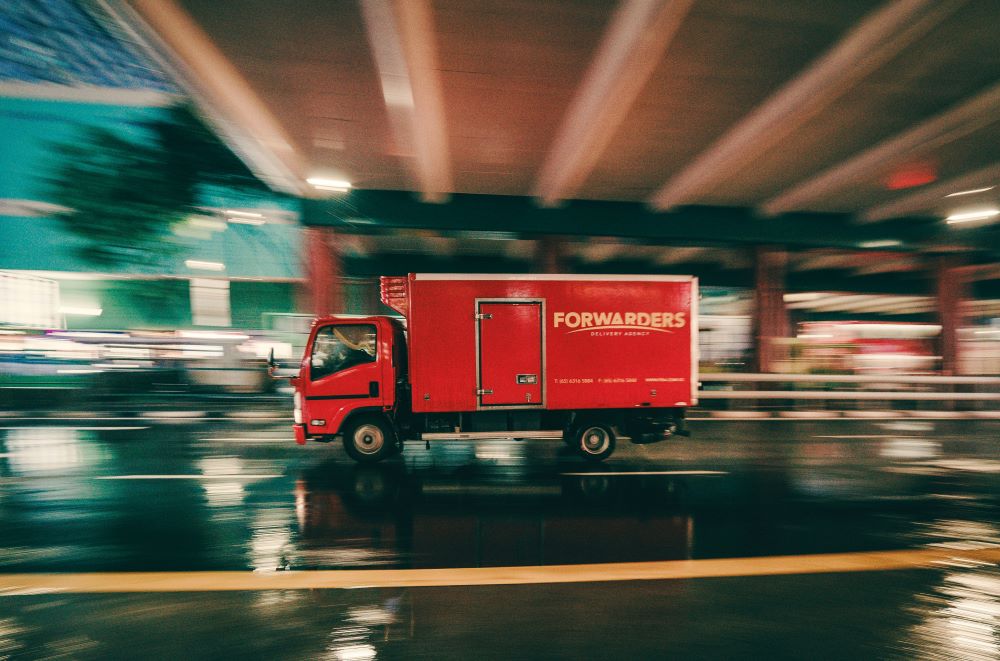
Box trucks are a pillar of the transportation industry. They pick up where rail and truck-trailer transport leave off, delivering essential materials and goods to homes and other locations across cities or towns.

If you rely on box trucks for business operations, you require commercial box truck insurance to protect your company assets from frequent short-haul box trucking risks. This type of truck insurance coverage will secure your business in a way a standard commercial auto insurance policy won’t.

Here’s everything you need to know about commercial box truck insurance to protect your business and thrive long term.

What is Box Truck Insurance?

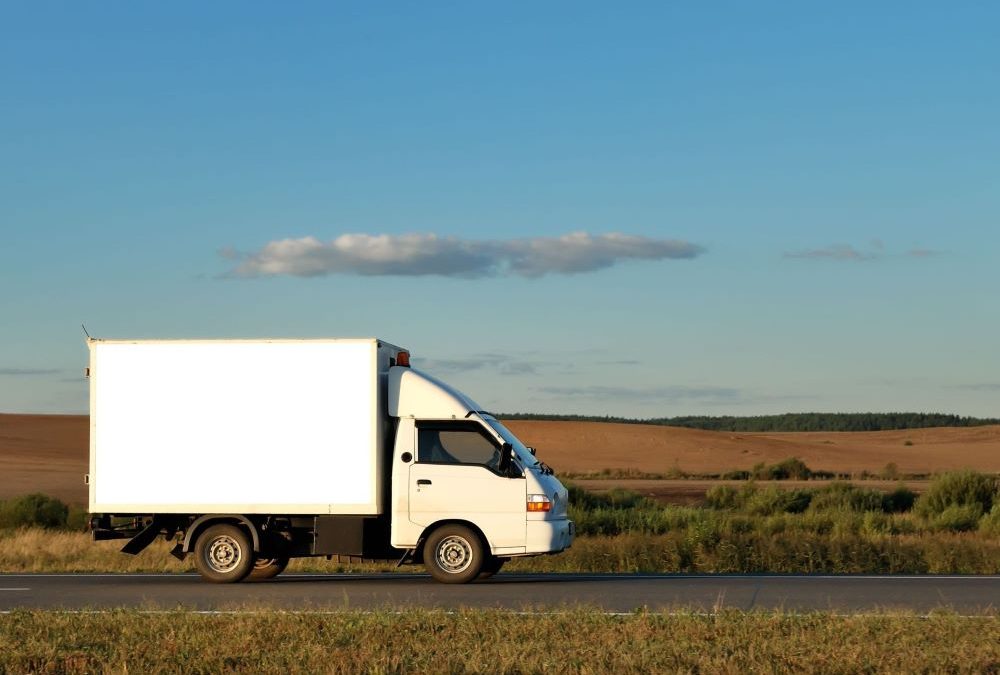
Box truck insurance is a commercial auto insurance for companies that conduct business operations using box or straight trucks, i.e. trucks with enclosed cuboid-shaped cargo areas.

It covers several risks that come with the constant movement of your trucks to and from warehouses, depots, and other distribution centers.

With the right box truck insurance coverages, you can protect your trucks, their drivers, and the cargo you haul on and off-road. This safeguards your entire business from financial losses due to lawsuits if any of your box truck drivers cause an accident since your insurance provider will help pay for:

  • All bodily injury and property damage claims (up to your policy limit)
  • Losses from unexpected incidents, like vandalism, theft, and natural disasters
  • Your legal fees throughout the settlement claim cases (separate from your policy amount)

delivery van

Types of Box Trucks

Box trucks come in different shapes and sizes based on their uses. Some common types include the following:

Parcel Vans

Because they are used for delivery services, parcel vans have multiple compartments for transporting different packages safely.

Dry Vans

The most popular type of box truck, dry vans transport a range of cargo that doesn’t require specialized handling or temperature control. They have features for loading and unloading cargo and, thus, are essential assets in the manufacturing and retail industry.

Refrigerated Trucks

Unlike dry vans, refrigerated trucks have cooling systems for transporting perishable goods. The refrigerated section maintains a controlled temperature to prevent spoilage. These trucks benefit the food, pharmaceuticals, and floral distribution industries.

Straight Trucks

Box truck insurance covers straight trucks, even though they don’t fall under the box trucks category per se. These trucks have one compartment for the driver and cargo. Most commercial truck business owners use them for delivery and moving services.

Businesses That Need Box Truck Insurance

All businesses that use box trucks for business need box truck insurance to safeguard their assets, business operations, and overall financial well-being. A few examples of these businesses include:

  • Retail shipping companies
  • Delivery services
  • Moving companies
  • Catering services
  • Construction and contracting companies
  • Landscaping and maintenance companies
  • Manufacturing companies
  • Wholesalers
  • Waste collection and disposal
  • Courier services

Box Truck Insurance Coverages

A box truck insurance policy can have various coverage options, including:

Cargo Insurance

Cargo insurance covers the value of the goods you haul if anything happens to them during transportation. You’ll never have to worry if the cargo you’re hauling gets damaged or stolen in transit.

Comprehensive Coverage

Comprehensive coverage pays for your trucks’ repairs or replacement if they get damaged in non-collision incidents. These incidents may be natural disasters, fires, theft, vandalism, etc.

Collision Coverage

Collision insurance covers repair or replacement costs if your box trucks collide with other vehicles or hit objects like poles or walls.

Property Damage Liability

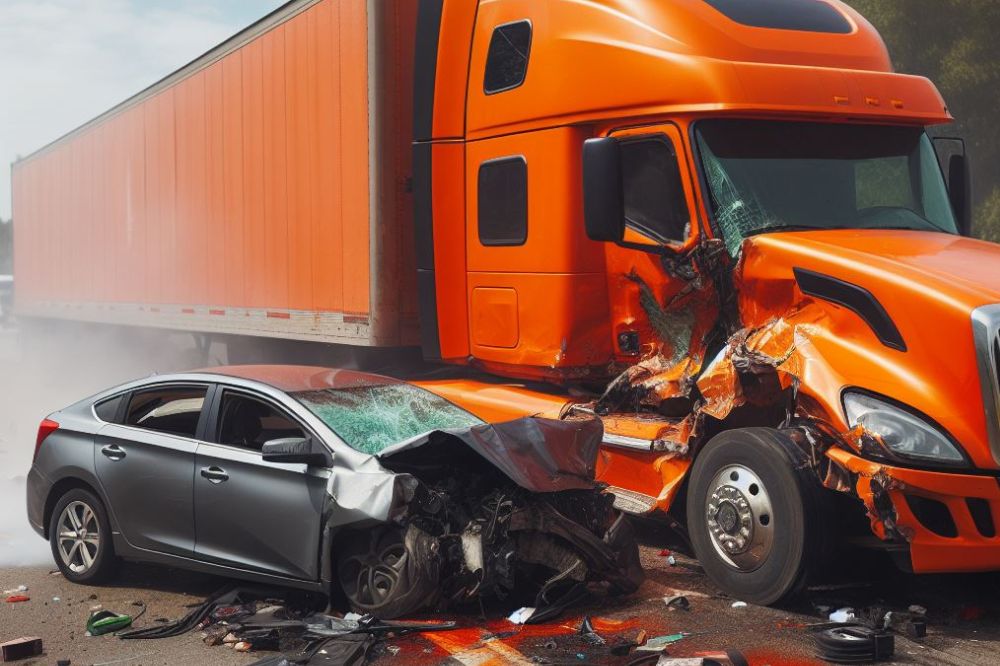
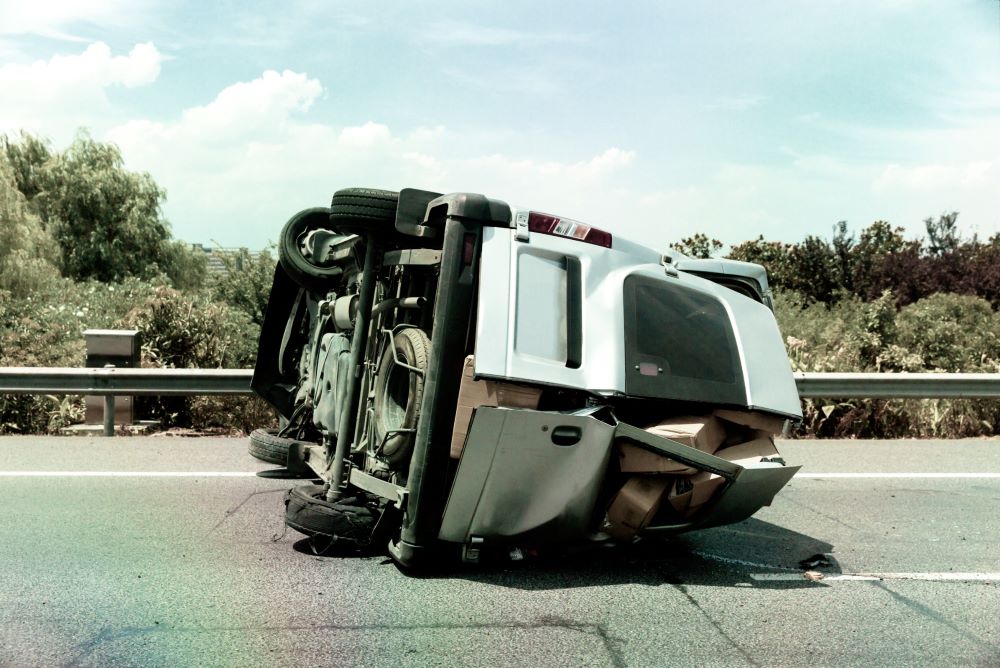
If you or your truck drivers cause an auto accident and damage other people’s property, your property damage liability coverage kicks in to pay for the damages.

This type of liability insurance covers repairs for the vehicles involved in the accident and any damaged buildings nearby. If the vehicles get damaged beyond repair, your insurer covers replacement costs.
box truck collision

Bodily Injury Liability

Bodily injury liability insurance pays the medical bills of injured victims in an accident where you or your truck drivers are at fault. Apart from compensation for victims’ bodily injuries, this insurance covers funeral expenses if the accident leads to fatalities.

Bodily injury and property damage liability coverage is mandatory for all truck business owners. Several state laws dictate how much your minimum coverage limits for both types of coverage should be.

Also, there are more coverage options for box trucks you ought to consider, especially if you are an independent trucker with your own trucking business. Some of these include:

  • Unattended truck coverage. Adding unattended truck coverage protects your box truck when you’re resting during a long-haul trip.
  • Trailer interchange – trailer insurance protects exchanged trailers after a trailer interchange service.
  • Accessories coverage – covers truckers who carry expensive extra accessories or equipment that can get damaged in an accident.

Choose The Right Box Truck Insurance For Your Business

Different insurance companies offer various box truck commercial insurance policies at different rates. Follow these steps to find the right insurance for your business:

  1. Evaluate your business needs by considering current and future goals and your budget.
  2. Research top insurance firms that align with your needs, focusing on the top 3 to 5 options. Our guide on the best insurance choices for commercial truckers might help you here.
  3. Request quotes from these top firms and compare them based on insurance cost, customer service, and claims handling.

Assess each company’s box truck insurance cost, customer service, and how it handles claims when comparing quotes from multiple insurance providers. Learn more about this in our article on commercial truck insurance for small businesses.

insurance cover

Final Thoughts

Finding the right box truck insurance policy requires effort, but it’s a long-term investment worth your time.

You can seek the help of qualified commercial truck insurance agents or brokers to make the process easier. The best insurance brokers will help you find the most fitting policies for your business fast and assist in handling claims when necessary.

If you ever need financing to repair or replace your truck after an accident, reach out to us. At Mission Financial Services we offer several commercial vehicle loans and can customize our loan packages to your situation to help you get back to business sooner.
fleet

Complete Guide To Commercial Motor Fleet Insurance

fleet

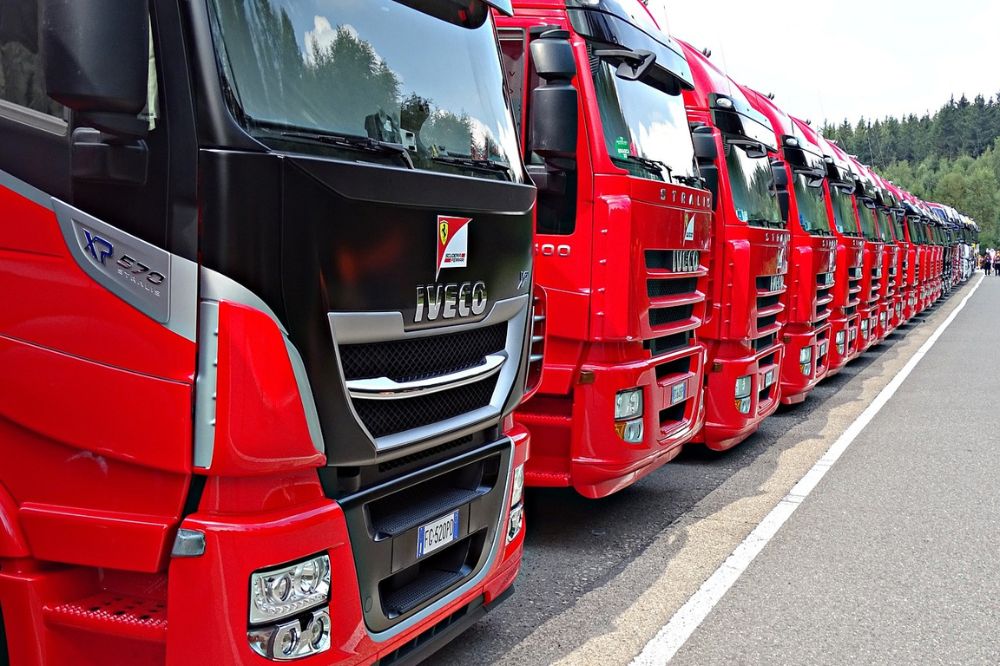
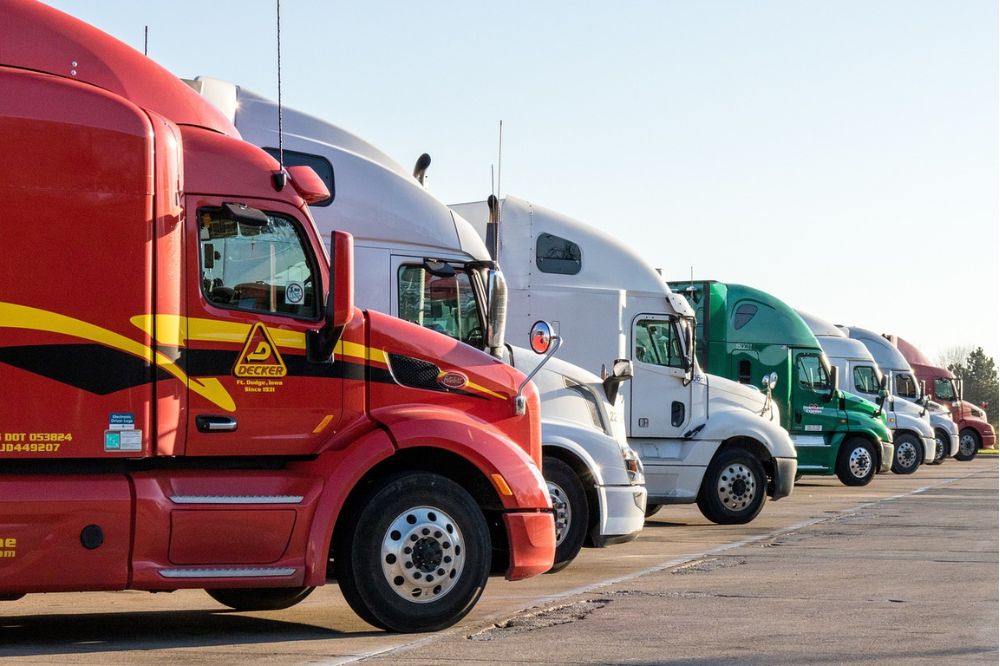
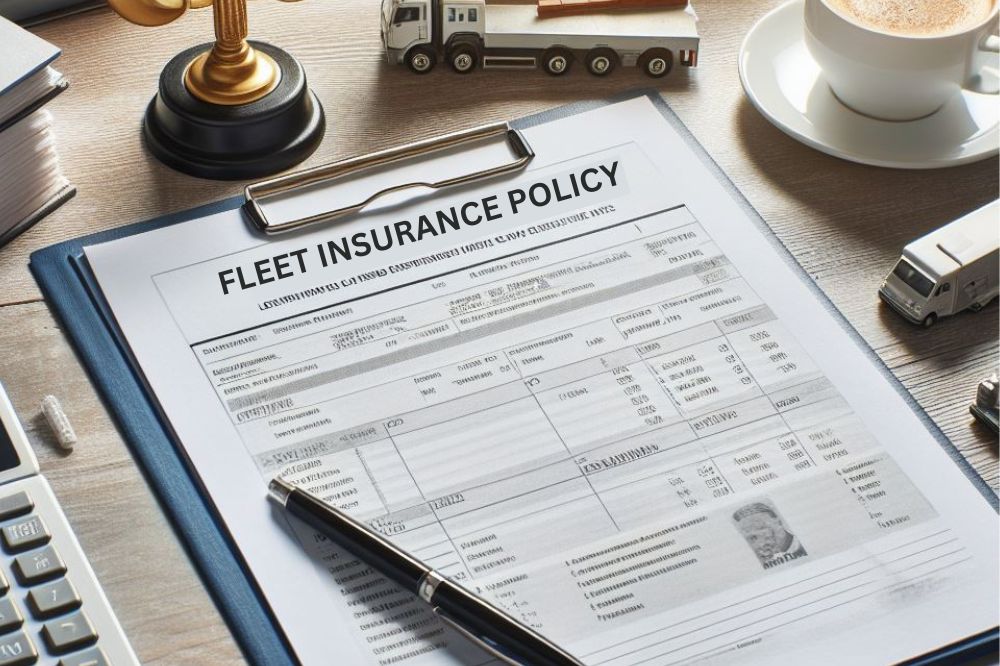
Commercial fleet insurance is a corner of commercial insurance suitable for trucking companies running more than one truck. It covers multiple vehicles under one policy instead of insuring each vehicle individually. It’s designed for owner-operators and small fleets that need liability, cargo, and physical damage protection.

Fewer policies to track means fewer renewal dates to miss, which keeps business operations running smoothly. It also means fewer chances for a coverage gap to slip through.

This guide breaks down what fleet insurance covers and how many trucks you need to qualify. It also covers what drives the price and how it ties into financing your next truck.

TL;DR

  • Fleet insurance bundles coverage for multiple trucks under one policy, one bill, and one renewal date.
  • Most insurers set the bar at a few vehicles, usually between two and five, for small fleet coverage.
  • Federal law sets minimum coverage limits as high as $750,000 for most trucks. Hazmat carriers face limits up to $5 million.
  • Driver records, vehicle type, cargo, and claims history drive most of the cost swings between fleets.
  • Lenders often want proof of coverage from your insurance provider before they’ll fund a truck purchase.

What Is Fleet Insurance?

A fleet insurance policy is one contract that covers vehicles owned outright as well as leased vehicles. It pays for legal costs, medical expenses, and property damage after an accident. It works much like individual semi-truck insurance, just wider in scope.

Coverage isn’t optional for most carriers. Motor carriers must carry a commercial auto insurance policy that meets regulatory requirements before FMCSA grants operating authority. The minimum depends on the vehicle’s weight and what it hauls.

Here’s how that breaks down.

Carrier and Vehicle Type Minimum Liability Coverage
Non-hazardous freight, GVWR under 10,001 lbs $300,000
Non-hazardous freight, GVWR 10,001 lbs or more $750,000
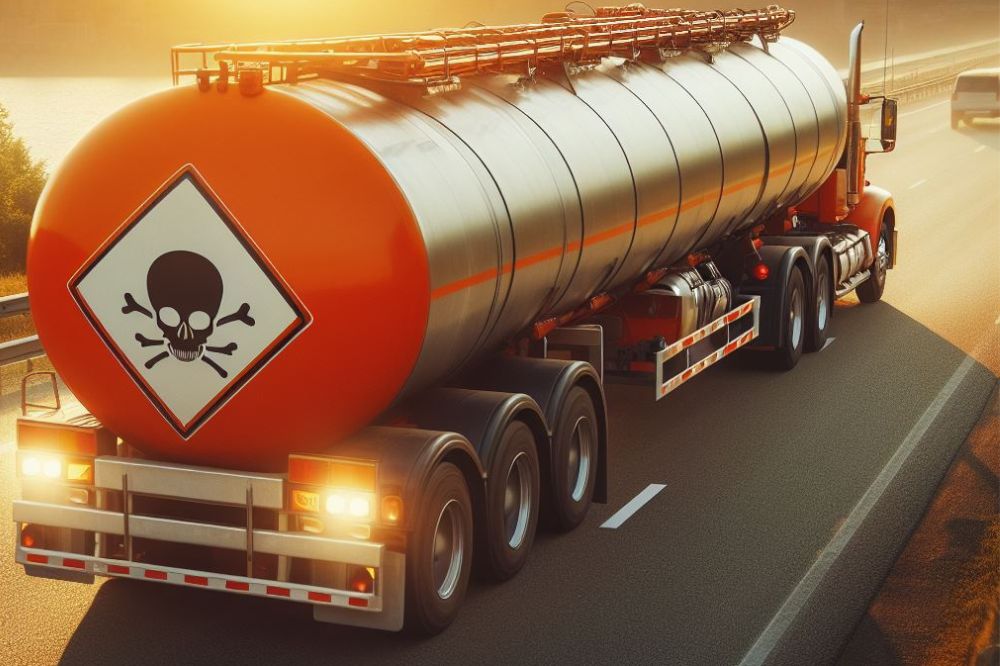
Certain hazardous materials $1,000,000
Explosives, poison gas, or radioactive materials $5,000,000

These are floors, not targets. Most general freight carriers running heavy fleet vehicles carry the $750,000 minimum under FMCSA’s insurance filing requirements. Many choose higher limits once they weigh the cost of a serious accident. The underlying rule is 49 CFR Part 387, worth a look if you want the full legal text.

fleet INSURANCE

How Many Vehicles Do You Need for Fleet Insurance?

Most insurance companies split fleet coverage into small fleet and large fleet categories, based on the number of vehicles. There’s no universal cutoff. Some insurers require just two trucks to write a small fleet policy. Others want at least five vehicles before they’ll call it a fleet.

Large fleet policies typically start around 20 to 30 vehicles. A handful of insurers care more about the combined value of the fleet than the headcount.

Why Do You Need Commercial Fleet Insurance?

Fleet insurance exists because insuring several trucks separately gets expensive and hard to track. It’s also a basic piece of risk management for any trucking business.

Here’s what one fleet policy actually buys you.

Adequate Financial Protection

A fleet policy accounts for the heightened risk of running multiple trucks. Without it, one bad accident with medical claims and repair bills could drain your working capital fast.

Easier to Manage

One policy means one renewal date and one point of contact. You skip the hassle of managing separate policies for each truck.

Claims and adjustments move faster too, since your insurer already knows your whole operation.

Cost-Effective

Fleet insurance premiums usually come in lower than the sum of several standalone policies. You also make one payment instead of tracking multiple due dates and fees.

Flexibility

Fleet insurance covers more than one vehicle type. Your policy might include cars, vans, and Class 8 trucks side by side.

Most policies flex with you. Add more vehicles when business booms, or remove vehicles you’ve retired. Many also let any authorized driver operate any covered truck, which suits fleets with multiple drivers.

small fleet

Types of Fleet Insurance Coverage

A fleet policy is really a bundle of separate commercial auto coverage types built around your trucks. The core pieces, like comprehensive coverage and liability, are in nearly every policy. A few optional coverage options fill the gaps that general freight haulers may run into.

Coverage Type What It Covers
Comprehensive Non-collision losses like theft, vandalism, weather, and animal strikes
Collision Repair or replacement costs after a crash
Uninsured/underinsured motorist Your damages when the at-fault driver lacks enough coverage
Combined single limit liability Bodily injury and property damage liability under one limit
Cargo coverage Loss or damage to the freight you’re hauling
Trailer interchange Damage to trailers you’re pulling but don’t own
Rental reimbursement Pays for a temporary truck while yours is in the shop

If you regularly swap trailers with other carriers, take a closer look at how trailer interchange coverage works. Your standard commercial auto policy usually doesn’t include it.

If employees drive personal vehicles for business purposes, non-owned auto coverage extends protection to those trips.

Fleet Insurance vs. a Business-Use Endorsement

Fleet insurance covers trucks your company owns or leases. A business-use endorsement instead extends a driver’s personal auto insurance to cover occasional business errands in their own vehicle. The two aren’t interchangeable.

Business auto insurance covers a lot of ground, from a single company car to a full trucking fleet. Not every driver on your payroll needs a truck under a fleet policy.

Fleet insurance is the right call once your company owns or leases the trucks. That usually means company-owned vehicles used to haul freight or pull trailers for the business. A business-owned vehicle used only for occasional errands may qualify for a simpler endorsement instead of full fleet coverage.

Say a driver uses their own vehicle for a parts run. A business-use endorsement on their personal policy might cover that trip, but it’s not a substitute for commercial coverage.

Mixing up the two is a common gap we see, and it tends to surface after a claim gets denied.

large fleet

Factors That Influence the Cost of Fleet Insurance

Fleet insurance pricing varies by insurer. Most carriers weigh a similar set of factors when they build your quote, including the following:

  • Vehicle type and age: Large and older trucks usually cost more to insure
  • Driver history: Clean driving records and experienced drivers lower your rate
  • Cargo and route: Hazardous materials and high-risk routes raise premiums
  • Miles driven: More road time means more accident exposure
  • Claims history: Frequent claims signal higher risk to underwriters

Rising litigation costs are also pushing commercial auto premiums higher across the industry. Triple-I and the Casualty Actuarial Society studied auto liability claims from 2014 to 2023. They found that social inflation alone added about $21 billion to those losses between 2014 and 2019. That’s on top of normal economic inflation. Insurers pass a share of that back to policyholders through higher rates.

Requirements for Getting a Commercial Fleet Insurance Quote

Insurers need a clear picture of your entire fleet before they can price a policy accurately. Having these documents ready speeds up the insurance process:

  • Declarations page from your current commercial vehicle policy
  • VINs and safety features for every truck in the fleet
  • CDL numbers and driving histories for each driver
  • Recent financial statements
  • Lease agreements or trip lease contracts
  • IFTA mileage reports by state
  • Fleet maintenance records and safety ratings

The U.S. Small Business Administration recommends you compare rates from several providers. It’s one of the simplest ways to confirm you’re getting fair terms.

Ways to Reduce Fleet Insurance Costs

You can’t control every factor in your premium. A few practical moves still help reduce risk over time.

Keep Your SAFER Score Clean

FMCSA’s Safety and Fitness Electronic Records system tracks your safety history. A low score signals more violations to underwriters. Insurers often reward strong safety programs with better rates.

Raise Your Deductible

Raise your deductible if your cash flow can absorb it. A higher deductible usually means lower premiums.

Pay annually instead of monthly when you can, since lump-sum payments often earn a discount.

Implement a Safety Program

A documented fleet safety program shows insurers you’re serious about preventing accidents before they start. Build it around a few basics:

Install dashcams, ELDs, and GPS trackers to give insurers hard evidence that your trucks run safely.

Say a driver picks up a pattern of hard braking or distracted driving. A written program gives you a paper trail to address it before it turns into a claim. Carriers that document these steps often qualify for safety-based discounts insurers don’t always advertise upfront. It’s worth asking your provider directly.

ROAD RULES5

How Fleet Insurance Fits Into Financing Your Trucks

In our experience financing trucks for owner-operators and small fleets, insurance and financing aren’t separate conversations.

Lenders typically want proof of adequate coverage before funding closes. The truck itself is often the collateral securing the loan. Borrowers who line up coverage early usually move through underwriting faster than those who scramble at the last minute.

If you’re weighing individual policies while you scale toward a fleet policy, pair that decision with your financing plan. Our commercial vehicle finance options are built with this timeline in mind. A quick conversation with our team can help you sequence insurance and financing correctly.

Fleet insurance earns its keep the moment your business runs more than one truck. It simplifies your paperwork, often costs less than separate policies, and scales as you add vehicles. Match your coverage to your fleet size, cargo, and claims history. Then shop around before you commit to a carrier.

Frequently Asked Questions

What is fleet insurance?

Fleet insurance is a single commercial auto policy that covers multiple business vehicles. It typically includes liability, collision, comprehensive, and uninsured motorist coverage.

What types of vehicles can be included in a fleet?

Most fleet policies cover any mix of commercial vehicles. That includes cars, vans, box trucks, and Class 8 semi-trucks used for business.

How many vehicles do you need for fleet insurance?

It depends on the insurer. Some will write a small fleet policy for two vehicles. Others require at least five, and large fleet policies usually start around 20.

Is fleet insurance cheaper than insuring trucks separately?

Usually, yes. Bundling coverage under one policy typically costs less than several standalone policies. It also cuts down on fees tied to multiple payment plans.

What does commercial fleet insurance cost?

Cost varies widely by fleet size, vehicle type, driver records, cargo, and claims history. The most reliable number comes from quotes based on your actual trucks and drivers.

Who needs commercial fleet insurance?

Any business running more than one commercial vehicle for freight, routes, or operations generally benefits from fleet coverage. For more specific questions, our commercial truck insurance FAQ covers more ground.

light commercial

Insurance For Light Commercial Vehicles

light commercial 

Finding the right commercial auto policy can be challenging, especially if you’re a small business owner. But we are here to help. Depending on the type of your business vehicle and commercial use, you may need one of two types of commercial auto policies – light or heavy commercial auto insurance policy. 

 Light commercial vehicle insurance covers business vehicles that transport lightweight commercial goods and have a gross vehicle weight of 3.5 metric tons or less. On the other hand, heavy commercial vehicle auto insurance covers larger commercial vehicles with a gross weight of over 3.5 tons.

 This guide explains everything you need to know about insurance for light commercial vehicles to help you get the right coverage for your business needs.

What is Commercial Vehicle Insurance for Business? 

 Commercial vehicle insurance for business is a must-have coverage for companies that use vehicles for business purposes. It offers coverage for various usage and situations not covered by your regular personal auto insurance policies.

 With a commercial auto policy, you get comprehensive insurance coverages and higher liability limits to protect your business assets adequately based on their value, frequency of use, and other factors. Your business assets may include all company vehicles and employees.

 Commercial auto insurance policy also protects your business from financial losses due to lawsuits you may face after an at-fault accident. 

food delivery

When do you need commercial vehicle insurance?

 The law requires you to get commercial vehicle insurance if you move people or goods across state lines. You also need a commercial auto insurance policy in most states if you and your employees use vehicles to perform for-profit work or work-related tasks, like:

  • Delivering food and other products locally
  • Acting as a taxi service
  • Going for client meetings and sales calls
  • Shopping for office supplies
  • Moving small company packages to a shipper, and so on.

 Additionally, you require commercial car insurance if you’ve registered your vehicle as a commercial vehicle or carry a commercial license tag.

What Kind of Vehicles Are Covered by A Light Commercial Auto Insurance Policy?

Commercial vehicle insurance policies generally encompass a wide range of commercial vehicles.

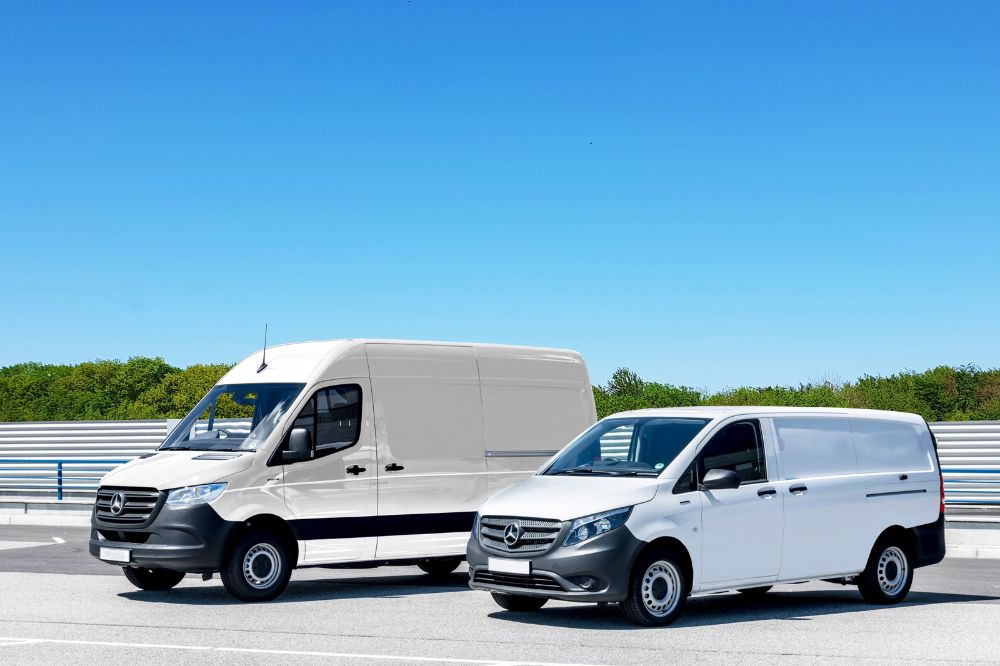
Light commercial insurance specifically caters to minivans, small pick-up trucks, box trucks, and service utility vehicles. It also extends coverage to regular cars used for business purposes.

If you own a light commercial vehicle, you need light commercial vehicle coverage to ensure your insurance suits your vehicle’s intended use.

What does Commercial Vehicle Insurance Cover?

Commercial car insurance offers several coverage options. Some common coverages you may get include: 

roadside assistance

Liability Coverage

Insurance carriers typically offer two main types of liability coverage: bodily injury (which covers injuries to third parties) and property damage (which covers damage to third-party property). 

This coverage also includes funeral expenses and legal fees in case of fatalities or lawsuits resulting from accidents you cause. 

You can purchase bodily injury and property damage coverage separately or combined as a single cover, known as combined single limit (CSL) liability coverage.

Uninsured/Underinsured Motorist 

Uninsured motorist coverage pays for bodily injury you or the occupants of your covered company-owned vehicle sustain in an accident caused by an uninsured driver. This coverage also protects you in a hit-and-run. 

 For situations where the at-fault driver has a car insurance policy, but it’s not enough to cover all damages caused, underinsured motorist coverage comes in handy.

Medical payments

Medical payments coverage pays for your medical expenses and the expenses of your passengers if injured in a covered accident. It doesn’t matter whether you are the at-fault party or not.

Roadside assistance

Roadside assistance covers on-site repairs if your insured vehicle breaks down while on the road. This type of coverage is essential, especially for small business owners just getting started in the trucking industry.

Hired auto

Hired auto liability coverage provides bodily injury and property damage compensation to third parties injured in an accident caused by a vehicle you’ve hired, leased, or borrowed for business use.

insurance policy

How Does Commercial Auto Insurance Work?

Commercial auto insurance works similarly to personal car insurance. In an accident caused by you or your employees, where injuries or property damage occur, the affected parties can seek compensation through a claim or lawsuit.

With appropriate commercial vehicle coverage, your insurance company covers the claim amount up to your policy limit. You only incur out-of-pocket costs if the claim exceeds your policy limit, in which case you cover the excess amount.

Additionally, your insurance company handles the legal expenses for defending you and your employees in the lawsuit, often separately from your policy limit.

Does Personal Auto Insurance Cover Business Use?

 Most personal auto policies don’t cover business use. They only cover vehicles driven for personal use. If you use your private vehicle to perform work duties, you may have to get commercial auto insurance to stay protected.

 A few sole proprietors may find personal auto insurance sufficient for business activities. They can thrive without a commercial auto policy. But this largely depends on the specific situation.

It’s best to always check with your insurance provider and confirm if your small business falls under this category before you purchase your cover. 

insurance broker

How Do I Purchase Commercial Vehicle Insurance? 

To secure cost-effective commercial vehicle insurance, assess your current and future business needs. Research top commercial auto insurers in your state, compare quotes and select one that aligns with your business goals.

Consider factors such as insurer reputation, policy customization features (coverage limits, deductibles, and premiums for businesses like yours), claims handling, customer support quality, and available discounts or resources.

Choose an insurer that ensures compliance with federal and state commercial auto insurance laws while offering tailored coverage. 

Alternatively, consider using a certified independent insurance agent for a streamlined process, as they can quickly identify the best coverage for your small business and guide you through claims processes.

Final Thoughts

Remember, the right commercial auto policy is an investment for your small business. It minimizes unexpected business expenditures, giving you a steady cash flow and the financial stability you need to expand your business operations.

 Adequate commercial vehicle insurance also offers maximum protection against unpredictable events, allowing you to bounce back faster after a setback. Take enough time to research and find the best insurance provider, knowing you are securing your business long-term.

 To learn more about commercial vehicle insurance for small businesses, check out our blog. Also, call us if you need critical additional coverage, like GAP protection add-on coverage. We’re always ready to help.


Hotshot Commercial Truck Insurance

Hotshot Commercial Truck Insurance

hotshot

Many different types of trucking businesses exist – with hotshot trucking being a popular area.

As this is a unique type of trucking, it comes with its specialized insurance requirements. This is why hotshot trucking operators need the right insurance policy that matches their business needs and operations.

If you only offer hotshot trucking services, taking out a regular commercial trucking insurance policy could waste money.

To help you out, here are some of the critical things you need to know about hotshot commercial truck insurance.

What is Hot Shot Trucking?

Hot shot trucking is a trucking and delivery service that involves transporting relatively small, time-sensitive loads. With hot shot trucking, you use smaller trucks, typically one-ton or medium-duty trucks. These are classified as less-than-truckload (LTL) vehicles.

Unlike traditional freight services that use large semi-trucks or tractor-trailers, hot shot trucking utilizes smaller vehicles that can quickly transport goods and cargo to their destination.

Hot shot trucking can cater to various industries, including oil and gas, construction, agriculture, and manufacturing, where the fast delivery of smaller loads is necessary.

The advantage of hot shot trucking is faster delivery times and more personalized service compared to larger freight carriers. This niche transportation service is valuable for its flexibility, speed, and quick response to time-sensitive transport needs.

Who Needs Hotshot Trucking Insurance?

Hotshot trucking insurance is essential for anyone who offers this trucking service.

This insurance is essential for owner-operators running smaller trucks or small trucking companies specializing in rapid delivery. Freelance drivers offering on-demand services may also need a hotshot trucking insurance policy.

Hotshot truckers require specialized insurance coverage to protect against liabilities, cargo damage, and unforeseen incidents on the road.

Getting the right hotshot trucking insurance provides financial protection and peace of mind for the transporter and their clients in the event of accidents or mishaps during transit.

Hot Shot Trucking Coverage

Hotshot trucking insurance refers to commercial trucking insurance that can be applied to specialized hotshot truckers. Coverage can include:

  • Liability Insurance: Covers bodily injury or property damage liabilities arising from accidents while operating the truck.
  • Comprehensive Insurance: Protects against non-collision incidents like theft, vandalism, or natural disasters.
  • Collision Insurance: Covers damages to the truck resulting from collisions.
  • Cargo Insurance: Protects the value of the cargo being transported against damage, loss, or theft during transit.
  • Loading and Unloading Insurance: Covers liabilities during loading or unloading cargo.
  • Towing and Storage Insurance: Covers costs related to towing and storing the truck in case of breakdowns or accidents.
  • Bobtail Coverage Insurance: Covers the truck when operated without a trailer, such as when driving back to the home base.
  • Downtime Insurance: Provides coverage for income lost due to downtime resulting from accidents or covered incidents.
  • Earned Freight Insurance: Covers the income lost if the cargo can’t be delivered due to a covered incident.
  • Equipment Coverage: Protects additional equipment used for transportation, such as trailers, chains, and tarps.
  • Debris Removal Insurance: Covers costs associated with the removal of debris resulting from covered incidents.
  • Broadened Pollution Insurance: Covers liabilities for environmental damage caused by hazardous material spills during transit.
  • Loss Mitigation Insurance: Covers expenses incurred to prevent further damage or loss after an incident occurs.
  • Medical Payments Insurance: Covers medical expenses for injuries sustained by the driver or passengers in the truck.
  • Family Emergency Expenses Insurance: Provides coverage for emergency expenses incurred by the driver’s family due to a covered incident.
  • GAP Coverage: This covers the difference between the truck’s actual cash value and the amount still owed on a lease or loan in the event of a total loss.
  • Umbrella Insurance: Provides additional liability coverage beyond the limits of primary insurance policies.

Cost of Hotshot Trucking Insurance

The cost of hotshot trucking insurance policies varies based on a range of factors.

Most importantly, your premiums depend on what types of coverage you have. The more comprehensive coverage your policy offers, the more expensive your insurance will be.

The following factors can also affect how much your insurance policy costs:

  • Type of equipment being covered
  • Coverage limits
  • Driving history
  • Cargo
  • Location
  • Deductibles

The bottom line is the more you need to be covered, the more expensive your policy will be.

Lowering the Cost of Hotshot Insurance

Want to get the best deal on hotshot trucking insurance? It’s possible to lower the cost of your premiums by:

  • Comparing quotes to see which company offers the best deal
  • Increase deductibles to lower your monthly premiums
  • Get only essential cover to reduce how much you pay

If you want to purchase hotshot insurance on a budget, only cover the essentials. This could add risks over the long run, but it will decrease your monthly premiums.

find insurance

How to Find Hot Shot Insurance Cover

Contact insurance companies specializing in commercial trucking or freight transportation and ask if they offer any specialized hotshot insurance options. Request quotes tailored to your specific needs and the nature of your hot-shot trucking business.

Comparing multiple quotes and understanding the details of coverage options will help you choose the most suitable insurance broker for your operations.

Final Thoughts

The right commercial truck insurance policy is essential for the smooth operation of any trucking business. Make sure you compare quotes and understand exactly what coverage options you have. Choosing the right policy can make a significant impact on your business.

If you’re in the hotshot trucking business, you must acquire the right vehicle. At Mission Financial Services, we make it easy for owner-operators to access the financing they need to purchase a commercial truck. Get in touch with us to see how easy the application process is.

food trucks

General Liability Insurance For Commercial Food Trucks

food trucks
The right food truck insurance policy is essential for anyone operating a mobile food business.

Insurance for food trucks is vital, as it can cover your vehicle, business, and customer-related incidents. Choosing the right commercial insurance broker is essential in starting a food truck business.

Here’s everything you need to know about this insurance.

What Is Food Truck Insurance?

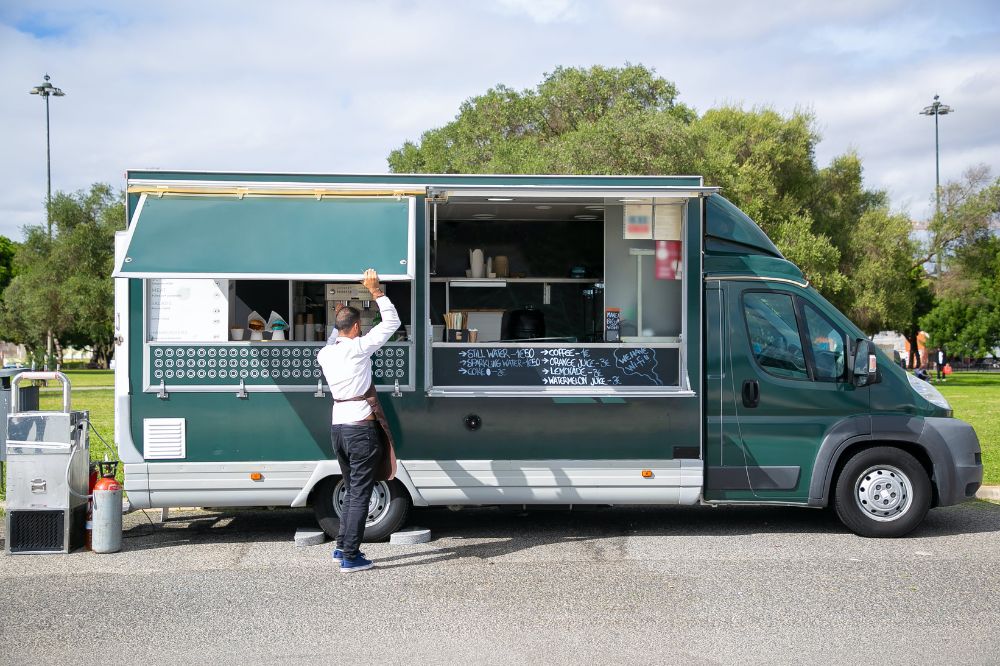
Food truck insurance is a specialized type designed to protect owners and operators from various risks and liabilities associated with running a mobile food business.

This insurance covers potential losses and damages that could occur while operating a food truck.

Who Needs Food Truck Insurance?

Quite simply, food truck insurance is essential for anyone operating a business with a food truck.

Regardless of the scale of operations, whether it’s a small local food truck or a more extensive mobile catering business, having proper insurance is essential to protect against unforeseen accidents, damages, liabilities, or interruptions to your business that could result in financial losses.

Basic Food Truck Insurance Cover

While each commercial insurance broker offers different plans and types of coverage, basic food truck insurance coverage typically includes two cover areas.

food truck liability

General Liability Insurance

General liability insurance for a food truck typically covers:

  • Third-party bodily injury: This covers medical expenses if someone is injured due to your food truck’s operations.
  • Third-party property damage: If your food truck or your operations cause damage to someone else’s property, this coverage helps pay for repairs or replacements.

How much commercial general liability insurance do food trucks need? This depends on your specific business and operational plan.

Commercial Auto Insurance

Commercial auto insurance for your food truck covers:

  • Accidents and collisions: This coverage helps pay for repairs to your food truck if it’s damaged in an accident, regardless of fault.
  • Liability for auto accidents: If your food truck is involved in an accident that causes injuries or property damage to others, this coverage helps cover related expenses.

Other Insurance Coverage You Might Need

We’ve covered the foundations of food truck insurance. However, depending on your food truck operation’s specific needs and risks, additional business insurance coverage options might be worth looking into.

While this raises food truck insurance costs, it could be valuable for the right business.

food spoilage

Here are some extra options to consider:

  • Business Interruption Insurance: Helps cover lost income and expenses if your food truck business is temporarily unable to operate.
  • Commercial Umbrella Insurance: Provides additional liability coverage above the limits of your general liability, commercial auto, or other primary policies in case of a significant claim.
  • Inland Marine Insurance: Protects movable or specialized property (e.g., equipment, tools) when transported over land. It can cover items off your premises, such as when your food truck is in transit.
  • Product Liability Insurance: Covers costs if someone claims your food products harmed them.
  • Liquor Liability Insurance: If your food truck serves alcohol, this insurance covers liabilities from alcohol-related incidents, such as injuries or property damage.
  • Employment Practices Liability Insurance: Protects your food truck business against claims related to employment issues like discrimination, wrongful termination, or harassment.
  • Equipment Breakdown Insurance: Covers the cost of repairing or replacing essential business equipment that breaks down due to mechanical or electrical issues.
  • Food Spoilage and Contamination Insurance: Reimburses the cost of spoiled or contaminated food due to equipment failure, power outages, or other covered causes.
  • Workers’ Compensation Insurance: Provides medical benefits and wage replacement to injured employees. It’s mandatory in most states if you have employees working on your food truck.
  • Hired and Non-Owned Auto Insurance: Covers liability expenses when using vehicles not owned by your business (such as employee-owned vehicles used for business purposes) or renting a vehicle for business use.

food truck
What Influences Food Truck Insurance Premiums?

It’s important that you understand how food truck insurance costs are calculated. Here are some of the main factors that can influence food truck insurance premiums.

Type of Coverage

The extent and types of coverage you choose for your food truck insurance will directly impact the premium.

More comprehensive insurance for food trucks or higher coverage limits typically result in higher premiums.

Location

The area where your food truck operates can significantly affect insurance costs.

Urban areas with higher population density or areas prone to higher crime rates or traffic accidents might have higher premiums on the food truck insurance policy.

Value of Equipment and Assets

The value of your food truck, cooking equipment, appliances, and other assets you want to insure will influence the costs of food truck insurance policies. Higher-value items generally mean higher premiums.

Claims History

Your insurance history and past claims for food truck businesses play a role in determining premiums.

If you’ve had previous claims or a history of frequent claims, it might increase your food truck insurance cost.

Driving Record

If your food truck requires commercial auto insurance, the driving records of the operators can affect premiums. A clean driving record usually results in lower premiums.

Business Experience

The length of time your food truck business has been operating can influence premiums. Established businesses with a track record of safe operations might qualify for lower rates.

food truck owner

Security Measures

Installing security systems, fire suppression systems, or implementing safety protocols can potentially lower insurance premiums by reducing risks of theft, fire, or accidents.

Number of Employees

Your number of employees can impact premiums, especially for workers’ compensation insurance and insurance covering medical costs or lost wages. More employees may result in higher premiums.

Final Thoughts

Take time to choose and compare food truck insurance policies carefully. Like commercial property insurance, the right policy can enormously affect how your business operates.

Looking for financing for a new commercial vehicle? Then get in touch with us at Mission Financial Services – we make the process of obtaining financing easy.


truck insurance (1)

Best Insurance Choices for New Commercial Truck Drivers

truck insurance (1)
Multiple insurance companies offer commercial truck insurance policies, and their terms vary based on several factors. Identifying the best trucking insurance provider from the many options available can be challenging if you’re a new commercial truck driver.

To make things easier for you, we’ve curated a list of the best insurance choices for new truck drivers you should consider.

We weighed how well each company meets the insurance needs of new commercial truck drivers in terms of coverage types, policy customization options, pricing, state and federal filings, customer service, and more.

Commercial Truck Insurance For New Drivers

Tailoring commercial truck insurance is crucial for new drivers. Company truck drivers may not need coverage for equipment breakdown, while lease owner-operators must scrutinize agreements for additional required coverage.

Owner-operators under their authority should ensure comprehensive coverage for their vehicle and cargo to support commercial operations.

General Requirements for New Drivers

Both federal and state laws provide specific guidelines that truck drivers must meet to prove they have sufficient coverage to protect their commercial vehicles if an accident occurs.

These laws vary from state to state, but there are a few general requirements your trucking insurance policy must have, including:

truck crash insurance

Primary Liability Insurance

Primary liability insurance is the minimum auto liability coverage mandated for owner-operators. It provides compensation for bodily injury and physical damage in at-fault accidents.

The Federal Motor Carrier Safety Administration (FMCSA) has specific filing requirements for commercial truck drivers, and states set minimum insurance limits for compensation. Check your state’s requirements before purchasing to determine your commercial truck insurance cost.

Physical Damage Coverage

Physical damage insurance protects commercial vehicles against several risks while on the road. These risks include collisions, theft, vandalism, physical damage due to harsh weather, and more.

You can purchase physical damage liability insurance in two ways:

  • As collision coverage to cover your truck after crashes
  • As comprehensive coverage to protect your truck against all collision and non-collision losses, including fires, theft, vandalism, bad weather, you name it.

General Liability Insurance

General liability insurance covers bodily injuries and physical damages involving your trucking business but unrelated to driving your truck. It covers incidents from your day-to-day commercial operations, like loading delivery errors and slip-and-fall accidents.

Non-trucking Liability Coverage

Non-trucking liability insurance covers you when driving your truck for non-business purposes.

hazard insurance

Motor Truck Cargo Insurance

Motor truck cargo insurance is vital for freight transportation, particularly hazardous cargo. Coverage requirements vary by state; in Mississippi, which has affordable commercial truck insurance, hazmat transporters need a minimum of $5M, while household goods movers require $300,000.

In addition to the general requirements above, new drivers can benefit from several optional insurance coverage options. Some include rental reimbursement, medical payments, and trailer interchange insurance. Check out our comprehensive guide on commercial vehicle insurance to learn more about this.

Best 5 Commercial Truck Insurance Providers for New Drivers

The best commercial truck insurance companies for new drivers have several features. They meet state insurance liability requirements for different commercial vehicles, offer discounts to help you save on monthly premiums, provide assistance in filing several federal and state paperwork, and have stellar customer service.

With this in mind, here are the top 5 commercial trucking insurance carriers to consider if you’re a new driver:

1. Progressive Commercial Insurance Company

Progressive Insurance, with a solid nationwide reputation, provides comprehensive commercial truck insurance for various vehicles, including optional coverage like garage keepers liability and roadside assistance.

The company handles insurance needs, from filing documents to assisting with liability claims.

Note, however, that primary liability coverage is restricted in Hawaii, Louisiana, Alaska, and New York for owner-operators with an operating radius over 500 miles.

You must also liaise with an agent to purchase coverage, even though the website provides detailed info about the company’s policy offerings.

roadside assistance

Pros

  • Being one of the largest and oldest insurance companies, progressive offers competitive pricing for new and experienced drivers.
  • Offers several discounts to reduce monthly payments, including discounts for using electronic logging gadgets and bundling multiple coverage types
  • Offer free online insurance quotes.

Cons

  • Some coverage options are limited to the driver’s operating radius.
  • New drivers may not qualify for some discounts.

2. Nationwide Insurance Company

Nationwide is another highly-ranked commercial truck insurance company that offers several coverage options. On top of all essential coverage, Nationwide provides specialty coverage options for specific types of motor truck cargo and trucks not offered by most competitors. The company also has specialized pricing for new drivers, plus discounts for using anti-theft devices.

Pros

  • Excellent customer service
  • Affordable specialty coverage that most competitors don’t provide
  • Online quotes are available
  • Tailored pricing for new drivers and discounts

Cons

  • You can only purchase insurance through a local agent
  • Coverage has higher monthly premiums than other insurance carriers
  • It’s not available in some states.

customer service

3. Sentry Insurance

Unlike Progressive and Nationwide insurance carriers, Sentry specializes in commercial trucking coverage. The company only caters to the commercial insurance needs of truckers. It has in-house insurance claim adjusters who are trucking specialists.

Pros

  • Excellent customer service team with professional experts on commercial truck insurance coverage
  • Offers flexible coverage for new and experienced drivers
  • Available in all states
  • They have a user-friendly online portal for making monthly payments and filing claims

Cons

  • Services are available through local agents only
  • They don’t offer online quotes.

4. Lancer Insurance

Lancer Insurance Company is highly sought after for its customer-centric approach. With a team of independent agents, it connects trucking companies and owner-operators with tailored commercial truck insurance.

The company’s call center operates 24/7, offering around-the-clock claims reporting and coverage maintenance. Additionally, they provide free towing for damaged trucks after covered accidents through their commercial auto and garage system.

Pros

  • Responsive customer service with a 24/7 call center
  • Handles claims in-house
  • Free towing if you get involved in an accident covered in your policy

Cons

  • Although licensed nationwide, not all coverage options are available in each state.

5. Evolution Insurance Brokers

Evolution Insurance offers commercial truck insurance to high-risk entities. By high risk, we mean owner-operators who haul hazardous cargo, those with poor driving records, and those with previous criminal or other legal records. The company is well-versed in the trucking industry and can advise on the best specialized high-risk coverage options for such trucking businesses.

Pros

  • Offers a range of specialized trucking insurance options that meet the needs of various short and long-haul trucking businesses.
  • It has an easy-to-use mobile app for fast claims reporting and more.

Cons

  • Average pricing on coverage is higher compared to most competitors

asad-No_MubXJkXs-unsplash-1

What Commercial Truck Insurance Does Not Cover

Most commercial truck insurance providers have a list of commercial truck operations and items they don’t cover. These exclusions differ per insurer. It’s advisable to confirm whether an insurance company has any exclusions before signing up with them. A few of these may be:

  • Intentional damage – commercial insurance companies don’t cover injuries or damages as a result of deliberate harm to third parties or their property
  • Personal property of drivers
  • Business property in the vehicle involved in a covered accident

Final Thoughts

When choosing the best commercial truck insurance, consider your current and future business needs. You want to purchase a policy that fits your business like a glove and offers enough room to expand your business operations.

All the insurance choices on our list provide the necessary commercial insurance new drivers need, and their customer service is supportive.

When comparing quotes from multiple insurers, there are several critical features you need to look for. Check out our detailed guide on everything you need to know about commercial truck insurance for small businesses for more on this.

You can also visit our blog to learn more about commercial insurance, including how much trucking insurance costs.

Archives

Sign Me Up!

Stay up to date with the latest news in the commercial trucking industry.

Contact Us
close slider