

Office: (404) 975-4800

Bridgette

first time buyer semi truck loans

Your Guide To First Time Buyer Semi Truck Loans

first time buyer semi truck loans

Buying your first semi-truck is an exciting step in your career as a commercial truck driver or owner-operator.

However, securing financing for your first truck can be challenging, especially if you’re new to the industry or have limited credit history.

First-time buyer semi-truck loans can help you finance your first semi-truck purchase. It’s important to understand what this process entails, and how to navigate it.

Let’s discuss the different loan options out there, and how to apply for one as a first-time buyer!

Different Types Of Semi-Truck Loans

Semi-truck financing can be complicated, but it doesn’t have to be.

There are different commercial vehicle loans available to entrepreneurs and fleet managers. Here are some popular commercial truck financing options for owner-operators and experienced drivers.

Commercial Vehicle and Semi-Truck Loans

These loans are best for individuals or companies looking to finance the purchase of a semi-truck. Banks, credit unions, and specialized commercial vehicle financing companies typically offer them. They usually require a downpayment and have fixed interest rates.

Semi-Truck Loans With Bad Credit

These loans are best for individuals with bad credit who need financing for a semi-truck. They may have higher interest rates or require a larger down payment to mitigate the loan risk.

Commercial Vehicle Title Loans

These loans are best for individuals or companies needing fast approval. In this case, owners are willing to use their commercial vehicles as collateral. These loans can be easier to obtain than traditional loans. Still, they often have higher interest rates and may put your vehicle at risk if you cannot make your payments.

Hands

Semi-Truck Repair Loans

These loans are best for small business owners who need financing to cover the cost of unexpected repairs for their semi-truck.

Used Semi-Truck Loans

These loans are best for individuals or companies looking to finance the purchase of a used semi-truck. They are similar to standard commercial vehicle loans but may have different requirements or interest rates.

First-Time Buyer Semi-Truck Loans

First-time buyer semi-truck loans are designed specifically for individuals buying new and used trucks for the first time. Specialized commercial vehicle financing companies typically offer these loans. They may have different requirements and interest rates in comparison to standard commercial vehicle loans.

These loans are best if you’re new to the commercial trucking industry, or don’t have an established credit history or a large down payment.

These can help first-time buyers get started in the industry by providing the financing needed to purchase their first semi-truck.

The application process for a first-time buyer semi truck loan is similar to that of other commercial vehicle loans. If applicable, you must provide documentation of your income, employment, and credit history. You may also need to provide a down payment, although the amount required may be lower than that of a traditional loan.

Once approved for the loan, you can use the funds to purchase the semi-truck. You must then make regular payments on the loan until it is fully paid off.

How To Secure A First-Time Buyer Semi Truck Loan: 7 Easy Steps!

Applying for first-time buyer semi-truck loans is relatively straightforward. Here’s how you do it:

Step 1: Determine Your Budget

Determining the budget is the first step in securing first-time buyer semi-truck loans. You’ll need to consider the cost of the semi-truck and any associated expenses, such as insurance and maintenance costs. It’s essential to clearly understand your budget before applying for a loan.

Step 2: Research Lenders

The next step is to research lenders who offer first-time buyer semi-truck loans. You’ll want to look for lenders specializing in commercial vehicle financing and who have experience working with first-time buyers.

Mission Financial Services is one such lender that can help!

Step 3: Gather Documentation

Once you’ve found a lender, you must gather the documentation required for a commercial vehicle loan. This documentation will support your loan application. It may include proof of income, bank statements, employment history, and credit reports.

Suppose you don’t have an established credit history. Some semi-truck finance programs may consider alternative factors like your rental or utility payment history.

Step 4: Apply For The Loan

With your documentation in hand, you can apply for a first-time buyer semi truck loan. You can typically apply online or in person, depending on the lender. You’ll need to provide all necessary documentation and answer any questions the lender may have.

Step 5: Review The Loan Terms

If you are approved for the loan, the lender will provide you with the loan terms, including the interest rate, repayment period, and any associated fees.

It’s important to review these terms carefully and ask any questions you may have before accepting the loan.

Step 6: Purchase The Semi-Truck

With the loan secured, you can use the funds to purchase a semi-truck. Work with a reputable dealer and thoroughly inspect the vehicle before making the purchase!

Step 7: Make Payments

Once you have purchased your semi-truck, you’ll need to begin making monthly payments on the commercial vehicle loan. It’s essential to make your payments on time and in full to avoid any penalties or late fees.

Final Thoughts

We hope you found this guide helpful in understanding the loan application process and finding the financing you need for your first semi-truck.

Mission Financial Services specializes in providing commercial vehicle loans and financing. We help new owner-operators start the semi-truck business of their dreams.

Our team of experienced advisors can help you navigate the loan application process and find the right financing solution.

If you’re ready to take the next step and secure a first-time buyer semi truck loan, or if you have any questions about our services, we invite you to contact us today. Why not start the credit application process?


commercial vehicle loan rate of interest

Everything To Know About Commercial Vehicle Loan Rate Of Interest

commercial vehicle loan rate of interest

When it comes to financing a commercial vehicle, the rate of interest on your loan plays a major role. The rate of interest can vastly inflate the purchase price of the vehicle, so it’s important to understand how you can get the best possible deal.

Interest rates are determined by a few different factors. These rates also differ based on the lender, the truck you want to finance, and your profile.

In this guide, we’ll break down everything you need to know about the rate of interest in a business auto loan. We’ll also discuss how you can apply for commercial vehicle financing.

How To Get A Commercial Vehicle Loan

Acquiring a commercial vehicle loan is a slightly different process than taking out a personal loan or accessing other types of vehicle financing.

Here are the general steps involved in gaining a loan for commercial trucks.

Step 1: Determine Your Eligibility

The first step to commercial vehicle financing is determining what kind of vehicle loans you are eligible for. This could include buying a new business vehicle or leasing a truck.

Here are the most important factors to consider when determining what kind of commercial truck loans you qualify for:

  • Your credit score: The stronger your credit profile, the more commercial vehicle financing opportunities you will have available. This can also affect your interest rates, payment terms, and down payment options. Note that this depends on the lender you use, as some don’t consider credit history.
  • Down payment: First-time truck buyers generally make down payments of around 20% to 30%. The larger your down payment amount is, the easier it will be to secure a commercial truck loan.

  • Age of the vehicle: A commercial vehicle loan is usually only available to newer vehicles. However, older commercial vehicles can be financed through some providers. While older vehicles may be more affordable, the probable cost of repairs and maintenance will be higher.
  • Commercial Drivers License (CDL): While this is determined on a case-by-case basis, the longer you’ve held your CDL, the easier it will be to access a commercial truck loan.

Step 2: Gather Your Documents

Next, you’ll want to get all of your relevant documentation ready before you start looking for a truck. This will make your commercial vehicle loan application a lot easier when you find the right vehicle.

Some important documents include your tax returns, bank statements, proof of insurance, references, your CDL, and possibly your company articles of incorporation and operating agreements.

Step 3: Find the Right Vehicle

Now you can search for your ideal commercial vehicle. Make sure you have a list of requirements for the vehicle and look for a vehicle that best matches all of your specific requirements.

Once you have found the vehicle you want, you’ll need to get a written quote on it.

Step 4: Get Insurance

It’s possible to get pre-approved vehicle financing without insurance, but providing proof of insurance will make the process a lot easier. Ensure you get the right type of insurance for your truck and business.

Step 5: Apply for Financing

Now you can submit all of your documents to a commercial vehicle loans provider. Many different providers exist, offering different types of commercial auto loans.

When applying for a business auto loan, always try to have every document and bit of information you need ready from the start. This will make your application process much easier.

Commercial Vehicle Loan Rate Of Interest: What Can You Expect?

The interest rate is one of the most important elements of your commercial vehicle loan. This is what ultimately determines how expensive your loan will be, and how easily you will be able to pay off the business vehicle.

You can get flexible or set interest rates. Understanding how this interest rate works in your commercial auto loan is essential for determining how viable the loan is.

Interest rates are determined based on a number of factors. These include:

  • Credit score
  • Driving experience
  • Down payment
  • Loan term
  • Type of vehicle

Basically, when you apply for loans for commercial vehicles, the lender will want to know that you can reliably pay off the loan.

The better you prove that you are a low-risk borrower, the better the potential interest rates you can access.

Interest rates for vehicle and equipment financing are determined on a case-by-case basis. This is why it’s important to compare alternative lenders and different vehicle purchase options to see where you can get the best interest rates.

Many operators will get a standard 10% interest rate in their loan terms, for loans of 3 – 4 years. However, interest rates for loans of longer periods, or borrowers with weaker credit scores, could be around 15% or 20%.

Mission Financial offers some of the most competitive interest rates, as well as access to easy loan pre-approval.

Credit Score Needed To Buy A Semi-Truck

Your personal credit score can play a major role in accessing financing and determining your approved loan amount. All lenders will perform a credit approval process before offering a commercial auto loan.

Lenders typically look for a credit score of around 600 for anyone looking to purchase a semi-truck. This could be higher or lower based on the specific lender.

However, having bad credit won’t necessarily prevent you from accessing a commercial auto loan.

Credit history is just one factor that lenders and leasing companies take into consideration. In fact, many alternative lenders offer financing options for people with bad credit, such as Mission Financial Services. If you can offer the right personal guarantees and pay a solid down payment, your financing options may improve, even if your credit history is poor.

Final Thoughts

When you apply for a business auto loan, it’s essential that you understand your interest rates and how these affect your monthly payments. Getting a good interest rate on your loan can make a big difference in how affordable your vehicle actually is.

Understand what factors affect your interest rate, and make sure that you have all relevant documents to support your financing application.

If you’re looking for the best commercial vehicle loan rate of interest, consider Mission Financial Services. Contact us today for more information!

Commercial Vehicle Title Loans: Complete Guide

Commercial Vehicle Title Loans: Complete Guide

Did you know that you can get quick cash using your commercial vehicle title? Commercial vehicle title loans can offer fast access to capital when timing matters, but they aren’t right for every situation.

Approval often depends more on the vehicle, its equity, and your income than on a perfect credit score.

But what are commercial vehicle title loans? How do they work? Are there any drawbacks to getting these loans? By the end of this guide, you’ll have a clear picture of how commercial title loans work and everything else you need to know.

Commercial Vehicle Title Loans Explained

Commercial vehicle title loans are a type of loan where you offer your commercial vehicle title as collateral to a lending company. This way, you can meet your immediate financial obligations.

Most lenders accept various types of commercial vehicles as collateral when issuing auto title loans. These can include commercial trucks, like semi-trucks, dump trucks, box trucks, and cement trucks.

The loan amount you may qualify for is tied to the vehicle’s age and condition, along with your ability to repay the loan. Some lenders review credit history, but many focus more on income and the strength of the collateral.

In most cases, lenders require the truck title to be free and clear. If the truck still has a loan, you’ll need enough equity remaining after the payoff to secure the title loan.

How Commercial Vehicle Title Loans Work

The process of getting commercial truck title loans is straightforward once you have all the documents. Lenders will create the financing terms of your loan based on your vehicle’s fair market value.

Borrowers can often access a portion of the truck’s current market value, though the percentage varies by lender, loan type, and state regulations.

To illustrate how commercial truck title loans work, here’s an example:

Let’s say you own a semi-truck with a current market value of $20,000 and you need $7,000 in short-term funding.

If your truck is paid off and free of any liens, you have the full $20,000 in equity. Most lenders will offer a loan worth a portion of that value. In this case, you could qualify for up to $10,000, making it possible to get the $7,000 you need.

Approval depends on the truck’s condition and iif you have a steady income.

Now let’s say you still owe $2,000 on the truck. Your equity would be $18,000 ($20,000 market value minus the $2,000 balance).

Because your equity is lower, the lender may offer a slightly smaller loan – around $9,000. That amount would still be enough to cover your $7,000 need.

What Lenders Typically Review For A Commercial Vehicle Title Loan

Before approval, lenders usually look at:

  • The commercial truck’s value and condition: Expect questions about year, make/model, VIN, mileage, engine and transmission condition, maintenance history, and whether the truck is roadworthy. Some lenders may require photos or a vehicle inspection.
  • Proof of income or business cash flow: Be ready to show recent bank statements, settlement statements, invoices, or other proof that you have consistent income to cover the repayment schedule.
  • Title status and lien position: Lenders need to confirm who is on the title, whether the title is free and clear, and whether there are any liens. If the truck isn’t paid off, they’ll look at how much equity is available after the payoff amount.
  • State-specific requirements: Rules vary by state, so lenders may require specific disclosures, maximum fee or interest limits, a cooling-off period, or in-person signing depending on where the title is registered.

Title Loan Repayment Options: Single-Payment vs Installment

Customers can access a commercial truck title loan as a single payment or an installment loan.

Single-payment loans require you to pay the entire loan amount plus interest as a one-off payment at an agreed time. Because the full balance comes due at once, single-payment loans can be riskier if cash flow tightens unexpectedly.

Installment loans let you pay back the money in small, regular monthly payments over a specific period of time. In some cases, installment loans may run longer depending on income and loan size. Longer terms lower monthly payments, but usually increase total interest paid over time.

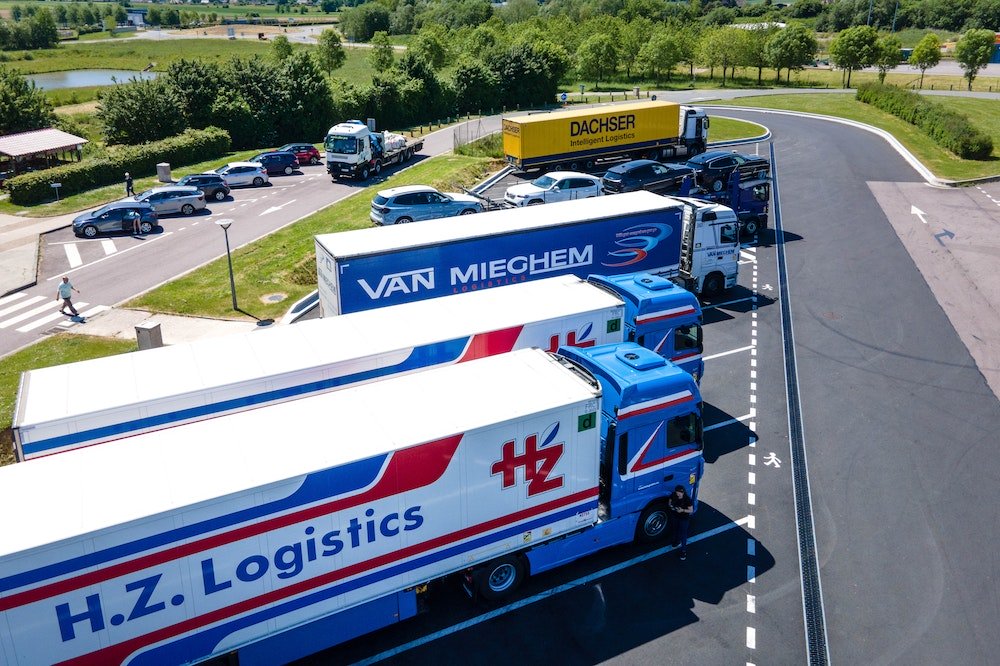
White trucks stand in line

Refinancing a Commercial Vehicle Title Loan

You can repay the loan in full at any time without penalties. You might also choose to refinance the loan.

Refinancing means replacing your current title loan with a new loan, often with a new repayment schedule. It can lower your monthly payment by extending the term, but that usually increases the total interest you pay over time.

Before you refinance, confirm the new annual percentage rate (APR), total cost of borrowing, fees, and whether the new loan resets any repossession risk triggers in the loan agreement.

How to Apply for a Commercial Truck Title Loan

You can apply online and get the process started. Visit the lender to complete the paperwork, get a vehicle inspection, and receive your funds.

To apply for a truck loan, most applications follow a simple flow:

  1. Submit a loan application
  2. Provide vehicle and title details
  3. Complete inspection or valuation
  4. Review and sign loan terms
  5. Receive funds, sometimes the same day

Documents you’ll need:

  • Truck title: Must show ownership and lien status. Some lenders require it to be free and clear, or they’ll verify available equity.
  • Government-issued ID: Used to confirm identity and match the name on the title.
  • Proof of insurance: Usually, current commercial insurance on the truck being used as collateral.
  • Proof of income or bank statements: Recent settlements, bank statements, or invoices showing cash flow to support repayment.
  • Vehicle details: VIN, mileage, year, make, model, and basic condition information.
  • Business information (sometimes required): Business name, EIN, or operating details if the truck is owned by an LLC or used in a business entity.

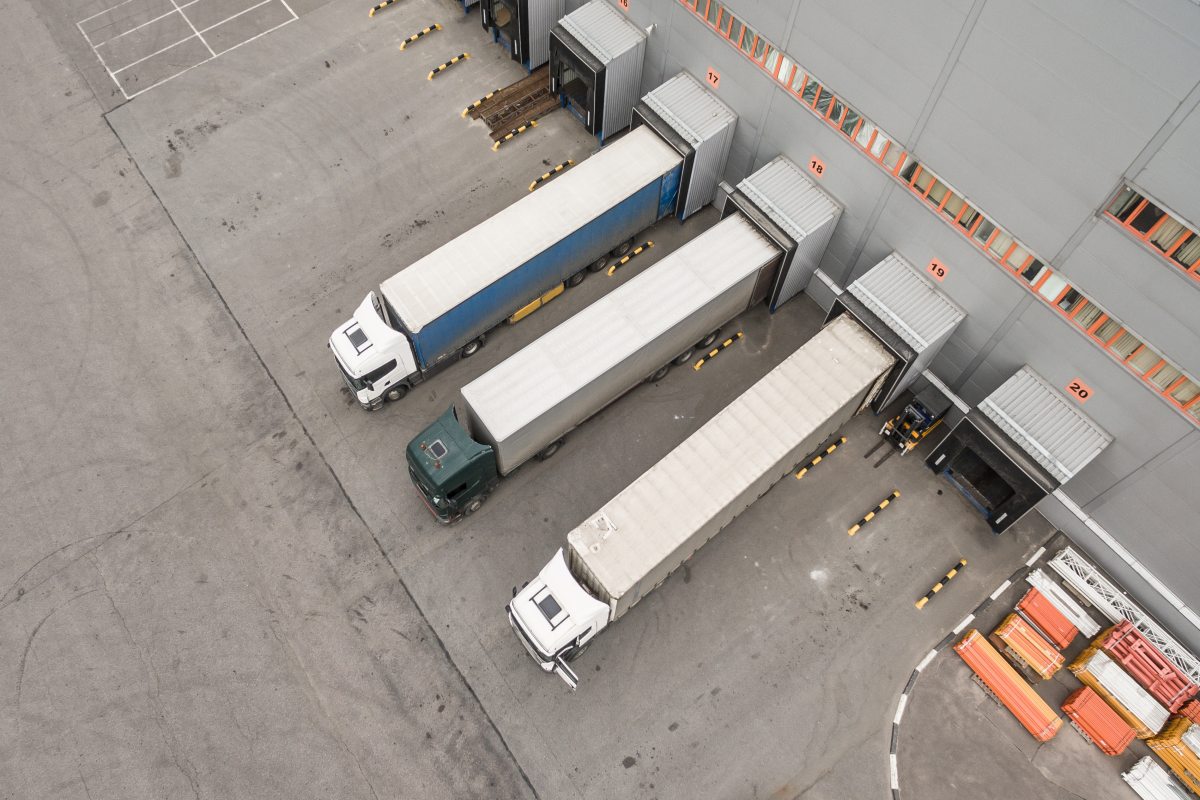
Trucks unloading in logostics center

Benefits of Commercial Truck Title Loans

Commercial vehicle title loans can be useful when you need working capital fast, and your truck has enough value to support the loan.

The upside isn’t that they’re “better” than other financing, it’s that they can solve a specific short-term cash problem when timing matters.

  • Keep operating while you borrow: You use your truck title as collateral, but you typically keep the truck and keep running loads while you repay. For owner-operators, this is key because the truck is what generates income.
  • Approval may rely more on the truck and income than credit alone: Because the loan is secured, some lenders weigh vehicle value, title status, and proof of income more heavily than a perfect credit profile. You may still qualify for financing with a bad credit score, depending on the lender’s requirements and the equity in the truck.
  • Faster funding than some traditional financing paths: Once the vehicle information is verified, documents are reviewed, and the loan agreement is signed, funding can move quickly. That can help when you’re covering fuel, repairs, insurance, or other business costs tied to keeping the truck on the road.

Risks and Drawbacks

A title loan is real money with real consequences. If you’re using your truck as collateral, you need to be clear-eyed about the downside before you sign.

  • Repossession risk if you default: If you miss payments and fall into default, the lender can repossess the truck. That’s not just losing an asset; it can stop your ability to generate income.
  • Higher total cost with some lenders: Some title loans carry higher interest rates, a higher annual percentage rate, or added fees compared to commercial truck loans. Always calculate the total cost over the set time period.
  • Tighter repayment timelines can squeeze cash flow: Short terms, especially single-payment structures, can force hard decisions if freight slows down or expenses spike.
  • Refinancing can cost more over time: Refinancing can lower monthly payments, but it often extends the loan and increases total interest paid. Treat it as a last-step option, not the plan.

If the payment only works in a “perfect month,” the risk is usually too high.

How to Compare Commercial Truck Loans So You Don’t Overpay

Two lenders can quote the same loan amount and still have very different total costs. Use this checklist to compare offers in a way that protects your cash.

  • Ask for the annual percentage rate and the interest rate, then confirm which one the lender is using when they quote you. APR is usually the clearer view of the true cost.
  • Don’t stop at the monthly payment. Ask what you will pay in total if you follow the full repayment schedule.
  • Confirm origination fees, processing fees, late fees, and any charges tied to inspections or paperwork. Small fees add up fast.
  • Compare single-payment versus installment, whether there’s a grace period, and whether you can pay early without penalties.
  • Read the loan agreement language on missed payments, cure periods, and when repossession can happen. This is the part most borrowers skip, and it matters.

A careful comparison helps you avoid surprises and choose the lowest-cost option you can realistically repay.

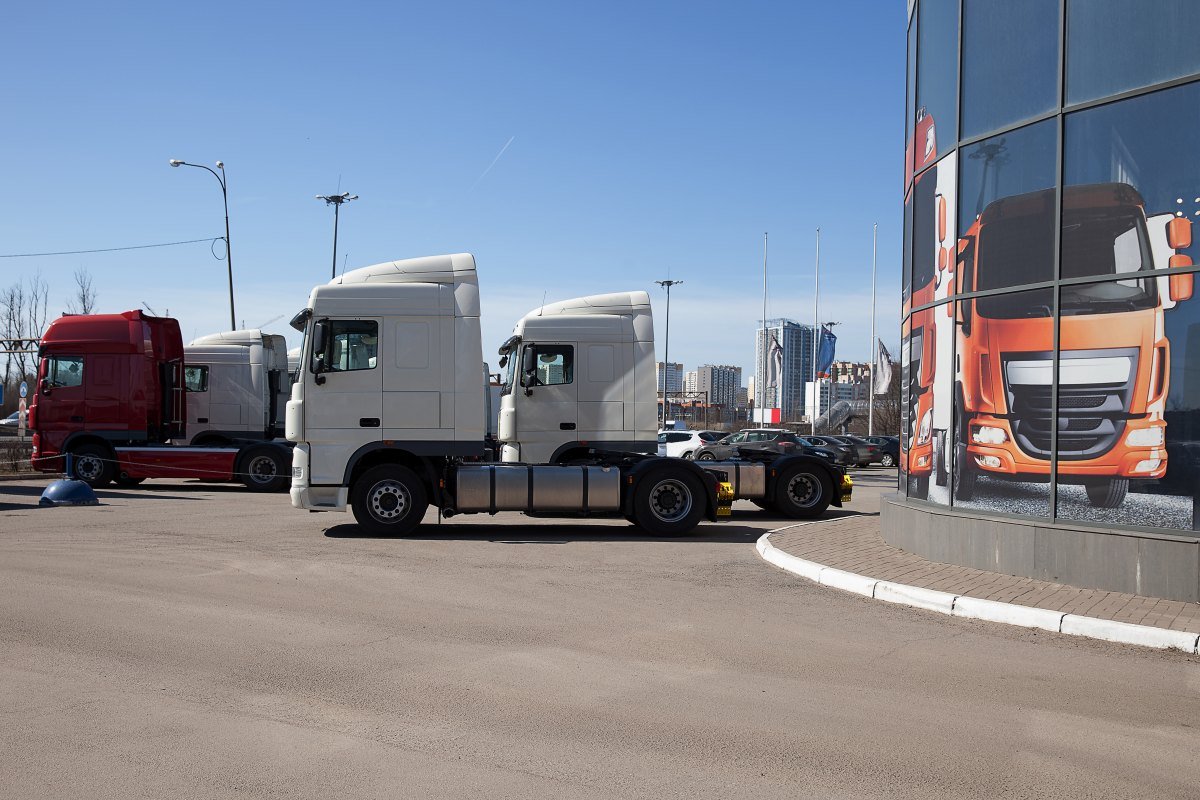
White trucks stand in line

Frequently Asked Questions

Can I Get a Title Loan If My Truck Isn’t Paid Off?

Yes, sometimes. You’ll need enough equity in the truck after subtracting what you still owe on the existing vehicle loan. The lender looks at the title status and lien position first, then determines whether the remaining value is enough collateral for a title loan.

How Fast Can I Get Funds From a Commercial Title Loan?

In some cases, you can receive funds within one business day after your loan application is approved and the vehicle is inspected or valued. Timing depends on how quickly you provide documents, how fast the lender verifies details, and any state requirements.

What Happens If I Miss a Payment?

Missing a payment can trigger late fees and put you in default under the loan agreement. If the account stays delinquent, the lender may have the right to repossess the truck because the title is collateral for the loan.

Are Commercial Vehicle Title Loans Available With Bad Credit?

They can be. Some lenders focus more on the truck’s value, your income, and your ability to repay than on credit alone. That said, bad credit may still affect your interest rate, fees, or approval terms, depending on the lender.

Is a Title Loan the Same as Commercial Vehicle Financing?

No. A title loan is usually a short-term loan secured by your truck title and can carry higher costs. Commercial vehicle financing is typically longer-term, designed for buying or refinancing commercial vehicles, and may offer more flexible terms.

Conclusion

Commercial vehicle title loans can provide fast access to working capital when timing is tight, but they aren’t the right tool for every situation.

Understanding how loan amounts are calculated, how repayment works, and where risks come into play helps you make a more informed decision.

If you’re weighing a title loan against other financing options, Mission Financial Services can help you compare paths and choose what fits your operation best.

We work with owner-operators and small fleets to secure commercial truck loans with competitive rates and flexible terms, so you can keep moving without taking on unnecessary risk.

Get in touch with us or start your credit application today.

Cass transportation index

Cass Transportation Index | 2022 Key Points

Cass transportation index

If you work in the transportation and freight industry, then the Cass Freight Index is one of the most valuable resources available online.

This resource is used to understand transportation trends, volumes, and expenditures across the U.S. Since its conception, it’s been a valuable source of information in the industry.

In this guide, we’ll cover everything you need to know about the Cass Transportation Index and how it works. We’ll focus on some key points from the December 2022 index, mainly looking at the index insights into the trucking industry.

What is the Cass Transportation Index?

The Cass Freight Index measures the overall freight volumes and monthly freight expenditures in North America. The index has been published since 1955.

This index covers all intra-continental foresight shipments, including raw materials and finished goods. The index covers all modes of domestic transport, although truck hauls make up more than 75% of all activity.

The Cass Freight Index data is updated with monthly statistics on shipment volumes and expenditures. This data is important for understanding freight industry trends through an ongoing monthly comparison.

The Cass Freight Index is compiled by Cass Information Systems, an automated payment systems provider. Cass Freight Index shipments cover over 1200 divisions of more than 400 manufacturers and companies.

Other Indexes Related To The Cass Transportation Index

How to start a semi truck business

Cass Information Systems also produces the Cass Truckload Linehaul Index, which measures the fluctuations in U.S. domestic baseline truckload costs. The purpose of this is to separate the linehaul elements of truckload costs from other trucking cost components – such as fuel costs.

There is also the Cass Intermodal Price Index. With intermodal transport, the cargo stays in the same container while being transferred across different modes of transport. This index monitors changes across U.S. intermodal costs. So while the Linehaul Index only covers linehaul rates, this index monitors all costs.

There are also other indexes similar to the Cass Transportation Indexes, such as the Transportation Services Index compiled by the U.S. Department of Transportation (DOT), and the Morgan Stanley Proprietary Truckload Freight Index. These are all useful supply chain indicators and valuable resources for monitoring freight trends.

The Cass Truckload Linehaul Index

As mentioned above, the Cass Truckload Linehaul Index monitors baseline truckload costs in the U.S. This monthly index measures the market fluctuations in truckload linehaul rates per mile. This index provides an accurate indication of market fluctuations in truckload pricing in the U.S.

Because this index only looks at the linehaul component of truckload costs, the freight transportation industry can use it as an accurate reflection of trends in baseline truckload prices. As trucking makes up the vast majority of recorded Cass shipment volumes, this index offers some of the most valuable industry insights.

How is it Measured?

Data from the Truckload Linehaul Index comes from freight invoices paid on behalf of the entire Cass client base, a combination of contract and spot rates.

Highway

As Cass manages $44 billion in freight spending each year, this data provides meaningful insight into transportation industry trends.

To measure freight shipments in this index, the per-mile linehaul rates are monitored, independent of any other cost factors – like accessorials or fuel.

Key Points: Cass Transportation Index December 2022

The Cass Freight Index is a valuable source of information for anyone involved in the transportation industry. Here are some key takeaways from the December 2022 Cass Shipments Index:

  • Cass Freight Index shipments were measured at 1.161, a -3.9% year-over-year change.
  • Cass Freight Index expenditures were measured at 4.231, a -4.3% year-over-year change.
  • Freight rates are on track to fall 5% in 2023, based on the normal seasonal pattern of this index.
  • Cass Inferred Freight Rates were measured at 3.644, a -0.4% year-over-year change.
  • The index saw sharp declines in ocean rates and many commodity prices.
  • Expenditures in the Cass Freight Index rose 23% in 2022 after a record 38% increase in 2021.

Key Points From The Truckload Linehaul Index

  • Truckload Linehaul Index was measured at 150.54, up by 1.7% on a year-over-year basis.
  • Spot rates were down significantly on this index.
  • The larger contract market is adjusting downward more gradually.
  • New truckload contracts are mostly being renewed with notable rate reductions.

documents required for commercial vehicle loan

Final Thoughts

If you’re going to stay on top of monthly trends in the freight and supply chain sector, then the Cass Index is possibly the best place to access this data. Understanding this index and monitoring monthly data changes will help any trucking and freight business make more informed decisions.

Looking at the key trends from the December 2022 report is important, as it helps you better understand the state of the industry going into the new year. This provides valuable insights into trends for the year ahead.


Buying A Semi Truck For Business Owners (Top Tips)

Are you a business owner looking to invest in a semi-truck? Whether expanding your fleet or starting a new venture, buying a semi-truck for business can be a significant investment. Doing your research and understanding the process before making any decisions is essential.

We’ll provide you with top tips and advice to make an informed decision when buying a semi-truck for your business.

So whether you’re a seasoned business owner or just starting, let’s dive in and explore the top tips for buying a semi-truck for your business!

Buying A Semi-Truck For Business: How?

Here are the steps to buy a semi-truck for your business.

Step 1: Determine Your Business Needs

Before buying a semi-truck for business, you must determine what type of truck you need and what features are most important to your business. Consider the cargo you’ll be hauling, the distances you’ll be traveling, and any specific features important to your business.

Step 2: Research The Different Types Of Semi-Trucks

There are many different types of semi-trucks available, each with unique features and capabilities. Take some time to research the different types of trucks available and determine which type is best suited to your business needs.

Step 3: Set A Budget

Buying a semi-truck for business is a major investment, so it’s important to set a budget and stick to it. Consider the truck’s total cost, including the purchase price, taxes, and additional fees or expenses.

Step 4: Find A Reputable Dealer

Once you know what type of truck you need and your budget, it’s time to start shopping for a reputable dealer. Look for a dealer specializing in commercial trucks and with a good industry reputation.

Step 5: Check The Truck’s History

Before you make an offer on a semi-truck, it’s essential to check the truck’s history to ensure it has not been involved in any accidents or suffered significant damage.

Step 6: Inspect The Truck

Before finalizing the purchase, inspecting the truck thoroughly to ensure it is in good working condition is crucial. Look for signs of wear and tear, and test drive the truck to ensure it’s safe to drive on the road.

Step 7: Secure Financing

When buying a semi-truck for business, you might need a financing option. In that case, finding a lender specializing in commercial vehicle loans is crucial. Gather the documents required for a commercial truck loan.

Work with your lender to determine the best financing solution for your business needs.

By following these steps, you can ensure that you make an intelligent investment when buying a semi-truck for your business.

How To Finance A Semi-Truck

Once you’ve found the right semi-truck for your business, you’ll need to consider how to finance the purchase. Here are some semi-truck financing options you can consider.

  • Commercial vehicle and semi-truck loans: This is a standard loan option for purchasing a semi-truck. These loans are designed for commercial truck purchases and typically offer competitive interest rates.

  • Semi-truck loans with bad credit: If you have poor credit, you may still be able to secure financing for a semi-truck purchase. These loans are perfect for those with bad credit and typically have higher interest rates and stricter repayment terms.
  • Commercial vehicle title loans: If you already own a semi-truck, you can use the truck’s title as collateral for a loan. These loans typically have higher interest rates than traditional loans. Still, they may be easier to secure if you have a poor credit score.
  • Semi-truck repair loans: Consider a repair loan to cover any necessary repairs or maintenance if purchasing a used semi-truck. These commercial truck loans typically have shorter repayment terms and higher interest rates than traditional commercial vehicle loans.
  • Used semi-truck loans: If you’re purchasing a used semi-truck, you can apply for a used truck loan. These loans typically have higher interest rates than new truck loans. Still, they may be more affordable if you’re on a budget.

When considering truck financing, shopping around and comparing rates and terms from multiple lenders is essential. Work with a lender specializing in truck financing. By doing so, you can secure the financing you need to purchase the semi-truck your business needs to succeed.

Are Semi-Truck Businesses Profitable?

Statista reports that the trucking industry generated a revenue of over $723 billion in 2020! Operating a commercial truck business can be a lucrative opportunity for those with experience in the industry. Still, it can also be risky and costly for those new to the field.

One factor to consider is the cost of operating a trucking business. The costs can be high, including the purchase or lease of a new semi-truck, fuel expenses, maintenance costs, and insurance premiums. Additionally, there may be unexpected expenses such as repairs, roadside assistance, and compliance with regulations.

On the other hand, there are several advantages to operating a semi-truck business that can lead to profitability. For instance, the demand for the transportation of goods across the country is always high. You can expect to find work if you have a reliable and efficient truck.

Overall, semi-truck businesses can be profitable, but it’s important to carefully consider the costs and challenges associated with operating a trucking company. Doing so lets you make informed decisions and take steps to ensure your business’s success.

Top Tips For Profitable Semi-Truck Businesses

Here are some tips for starting a profitable semi-truck business:

Monitor Your Expenses

Keep track of all your expenses and ensure they don’t exceed your revenue. Reviewing your expenses helps you identify areas to cut costs and improve profitability. For example, consider using fuel cards to track your fuel expenses, which can help you save more money on fuel and simplify your accounting.

Focus On Maintenance

Maintaining your vehicle is crucial. This ensures that it runs smoothly and reduces the risk of unexpected breakdowns. Keeping your truck in good condition can also help you save cash on repairs and fuel expenses.

It’s essential to have a maintenance schedule and stick to it, which includes regular oil changes, tire rotations, and brake checks.

Build Relationships

Building solid relationships with your customers and other businesses in the industry can help you secure repeat business and new opportunities. Communicate well with your customers, deliver loads on time, and provide excellent customer service. Additionally, networking with other drivers in the industry can help you learn about new opportunities and stay up-to-date on industry trends.

Stay Up-to-Date With Regulations

The trucking industry is heavily regulated. Staying up-to-date with the latest regulations and compliance requirements is essential. Failure to comply with regulations can lead to significant fines and legal issues that can hurt your business’s profitability. You can stay informed by joining industry associations, attending seminars, and consulting with other drivers.

Following these tips and taking practical steps ensures that your semi-truck business runs efficiently and profitably.

Final Thoughts

We hope the information and tips we’ve provided guide you toward a successful and profitable business.

At Mission Financial Services, we specialize in providing loans and financing options for commercial truck owners and operators. If you want to finance your next semi-truck purchase, consider our team of experienced financial advisors.

Contact us today to learn more about our financing options and how we can help you with buying a semi-truck for business.

Semi Truck Financing Terms | Simple Breakdown

Semi Truck Financing Terms | Simple Breakdown

semi truck financing terms

If you’re looking to purchase a semi-truck, there are many different commercial truck financing options available. As purchasing a truck is such a major investment, it’s essential that you understand the details of each financing option in order to choose a commercial truck loan that is best for your requirements.

To do this, you’ll need to understand the different semi-truck financing terms laid out in your agreement. You’ll also need to choose an agreement that offers your business the best long-term value.

In this guide, we’ll break down the different terms and types of financing agreements you’ll come across. Understanding this is essential before deciding on a commercial truck financing solution.

Semi Truck Financing Terms

When looking at a commercial truck financing agreement, there are certain terms that operators need to understand and adhere to. Here is a breakdown of the important terms you’ll find in agreements for semi-truck loans.

Hire Purchase

Hire purchase is a type of commercial truck leasing agreement, where you essentially rent out the truck until you have paid it off. In these agreements, ownership is transferred to the operator at the end of the commercial truck loan contract.

In a hire purchase agreement, you will typically finance a semi-truck over the course of around three to five years. First, a down payment will be paid (usually around 10% of the price), and then regular payments are made to cover the total cost of the truck.

These monthly payments include interest and fees. Once all payments have been made, truck ownership is moved from the supplier.

Some suppliers allow for a balloon payment at the end of the hire purchase agreement. This is when a larger final payment is made to reduce the monthly payments.

Hire purchase agreements are different from a traditional semi truck loan, as you don’t actually own the truck for the years you pay off the vehicle.

Contract Purchase

Contract purchase agreements are another type of commercial truck financing option similar to hire purchase. In these types of commercial truck loans, repayments cover the depreciation of the vehicle during the contract period, and not just the vehicle’s entire cost.

At the start of these commercial truck leasing contracts, the supplier establishes an estimate of the truck’s residual value. The operator makes a down payment and monthly payments. When the contract period is over, operators can make a final balloon payment to buy the truck, or they can return the truck to the supplier.

This approach to commercial truck financing is useful because there is more flexibility at the end of the contract. If the truck’s actual market value is greater than the final balloon payment, you will likely choose to pay this and own the vehicle. If the balloon payment is greater than the market value of the truck, you can simply return the vehicle.

Finance Lease

A finance lease is one of the more popular semi-truck financing options. In these agreements, the operator never actually takes on ownership of the vehicle. However, they can sell the truck to a third party at the end of the term, and keep the vast majority of the sale price.

Finance leases work by paying regular rental payments on the semi-truck that covers the truck’s value. If operators do not sell the vehicle at the end of the term, they can also choose to continue renting the commercial truck at a reduced price.

Operating Lease

Operating leases are a type of commercial vehicle loan where the truck’s residual value is factored in. The lease period for these is significantly shorter than the truck’s life, and the operator pays for the depreciation during that period, as well as the finance costs. The operator does not pay for the entire cost of the vehicle.

The semi-truck supplier sells the vehicle to a third party at the end of the lease term, which is how they recover the difference in costs. The downside of this is that the operator does not gain an asset at the end of the operating lease agreement.

Contract Hire

Contract hire agreements are very similar to operating lease agreements, except they include a maintenance and repair contract. In these agreements, the operator gets a more inclusive deal, with fleet management services often included. Hire periods on these agreements generally run for 12 to 60 months.

Annual Percentage Rate (APR)

The annual percentage rate (APR) is the total cost of the semi-truck loan calculated as a yearly rate. This includes all fees and interest.

The APR takes the compounding interest of each month into consideration, which means the APR will be greater than the nominal annual rate of interest. It’s important that operators understand the APR so that they can compare rates and make more informed decisions.

Flat Rate

While the APR displays the interest charged on outstanding debt, the flat rate is charged on the original amount borrowed. This means a flat rate in commercial fleet financing does not take into consideration how much of the debt has been repaid.

Off-Balance Sheet Finance

When looking at semi-truck financing, it’s important to understand off-sheet balances. This term covers contract hire and operating leases, where the commercial vehicles never appear on the operator’s balance sheet as an asset (because they don’t own the semi-truck).

This means there are no debts for the commercial vehicles listed under the balance sheet’s liabilities.

Off-balance sheet financing options help make the company’s debt-to-equity ratio look better, which makes the company’s financial position look stronger. The opposite of this is on-balance sheet finance.

Capital Allowances

Capital allowances let companies write off the costs of their taxable assets (their commercial truck fleet) against their taxable income. It’s important to understand what capital allowances and limits apply to your business when choosing a semi-truck financing solution.

Credit Score

Your credit score is an important factor in determining what semi-truck financing options are available to you, and what kind of interest rates you will pay. Bad credit doesn’t mean you won’t be able to access truck financing, but it can affect what semi-truck financing options are available.

While credit score requirements vary by lender, you will typically need a credit score of around 600 or more for the lender to offer semi-truck financing. The higher your credit score, the lower your interest rate and down payment could be.

Some lenders, like Mission Financial Services, do not take your credit score into consideration. Commercial truck financing also takes other factors into account: how long you’ve held a commercial driver’s license, your driving history, your revenue stream, and more.

Loan Terms

In semi-truck financing, loan terms are based on the specific lender’s policies.

Commercial truck loan terms will typically lie between 12 to 84 months. The specific term length and details are established by the lender based on the type of vehicle, your profile, and more.

Should You Purchase Or Lease a Semi Truck?

Buying or leasing a semi-truck is a big decision when comparing commercial truck financing options. Both have their pros and cons.

The obvious advantage of buying a semi-truck is that you end up with an asset, which holds value for your business. You can sell the semi-truck at a later stage and reclaim some of your costs. Insurance on a semi-truck you’ve purchased is also typically lower.

Leasing a semi-truck is often more accessible for many businesses. There is also a lower risk associated with leasing the truck. However, leasing payments can often work out to be more expensive than if you purchased the truck, and you don’t end up with an asset.

Buying a semi-truck is generally considered the smarter long-term financial investment. Although, it comes down to what kind of commercial truck loan you can access and how this aligns with your business requirements.

Final Thoughts

The right semi-truck financing agreement will make a major difference to your business performance and bottom line. This will most likely be your business’s largest asset and investment, so choosing an agreement with the right terms is essential when you finance a semi-truck.

Always understand the full details of your commercial fleet financing agreements, and use this to compare your options. This will help you end up with a commercial truck agreement that offers the most value, and makes the most sense, for your business.

Semi-truck financing terms can be tricky, but Mission Financial Services aims to make the financing process simple. Contact us today to find out how we can help you!

Archives

Sign Me Up!

Stay up to date with the latest news in the commercial trucking industry.

Contact Us
close slider