

Office: (404) 975-4800

Uncategorized

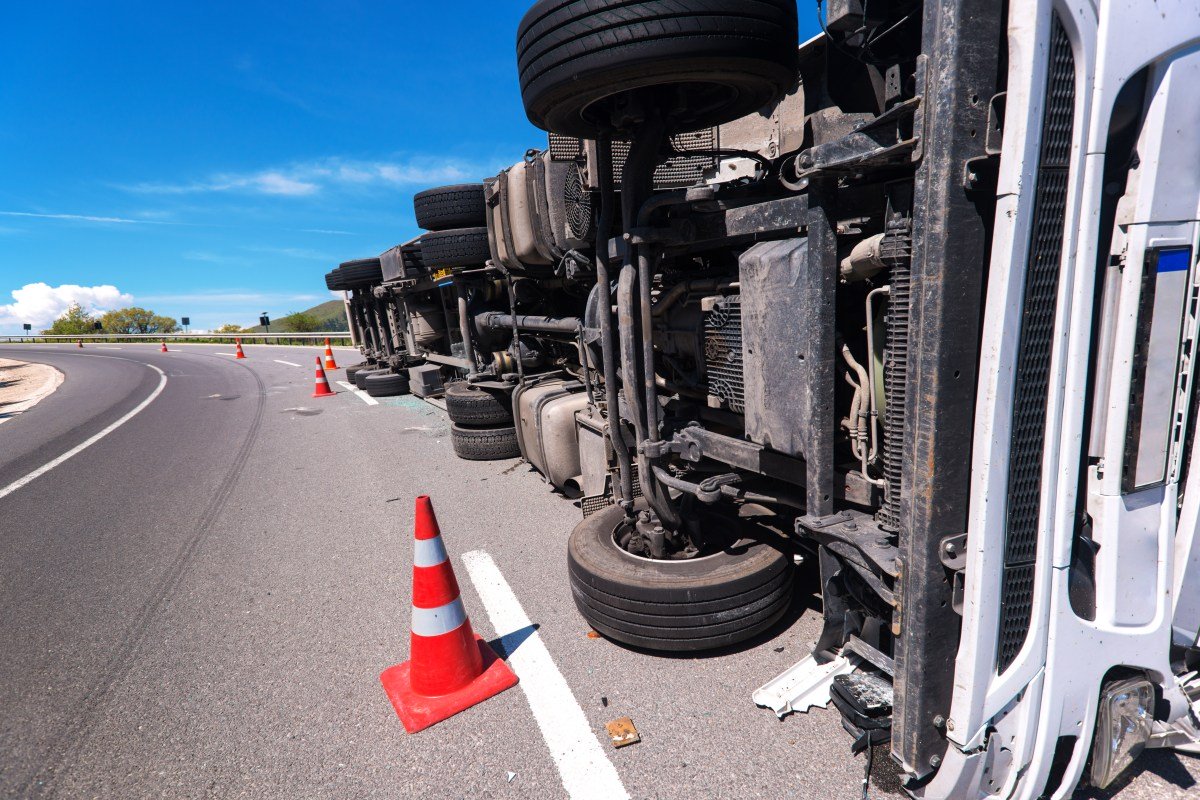
How To Avoid Commercial Truck Accidents

How To Avoid Commercial Truck Accidents

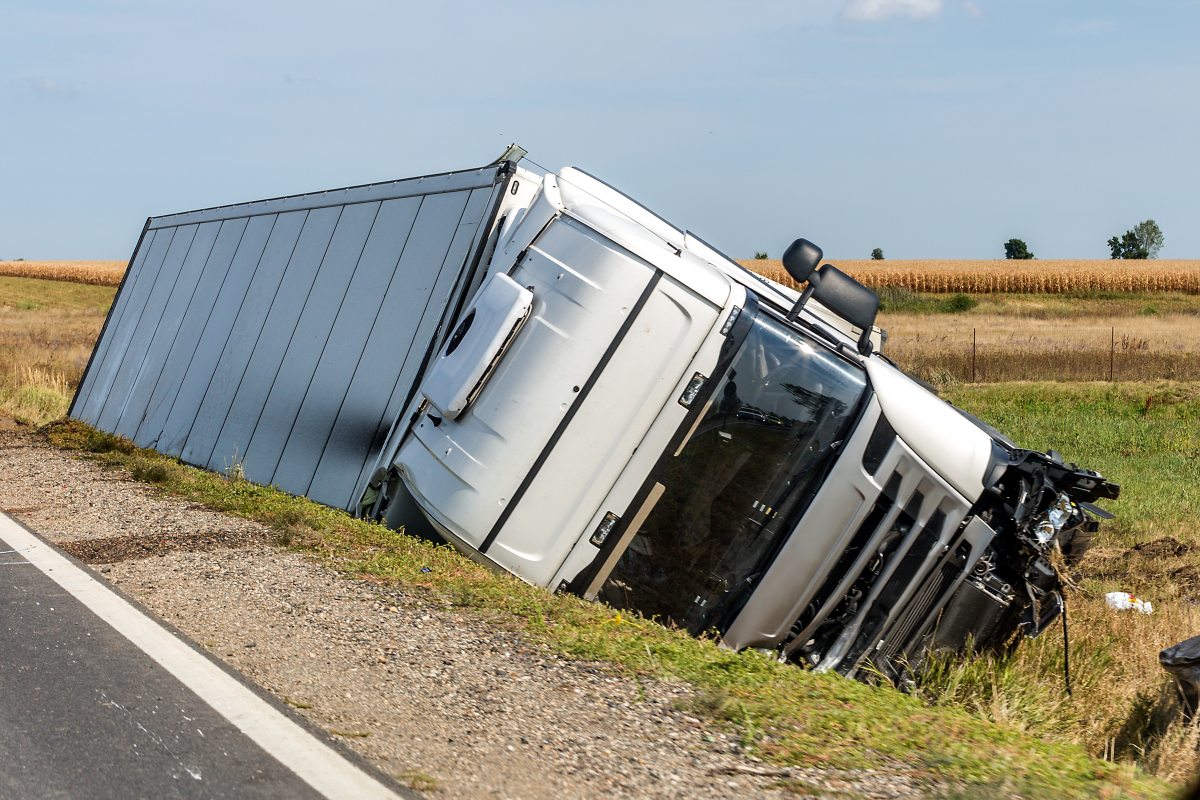
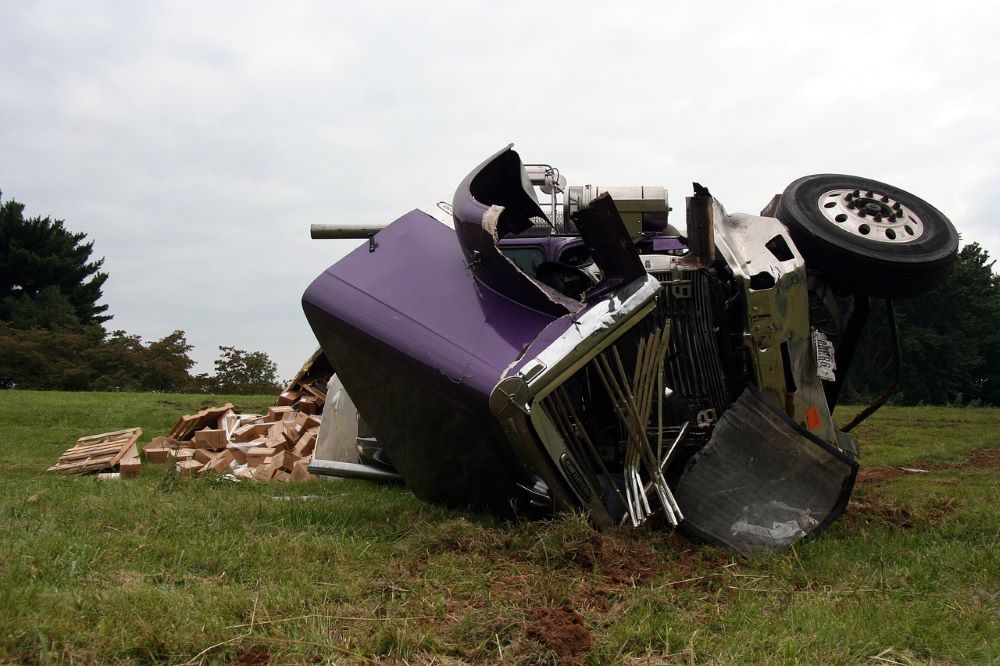
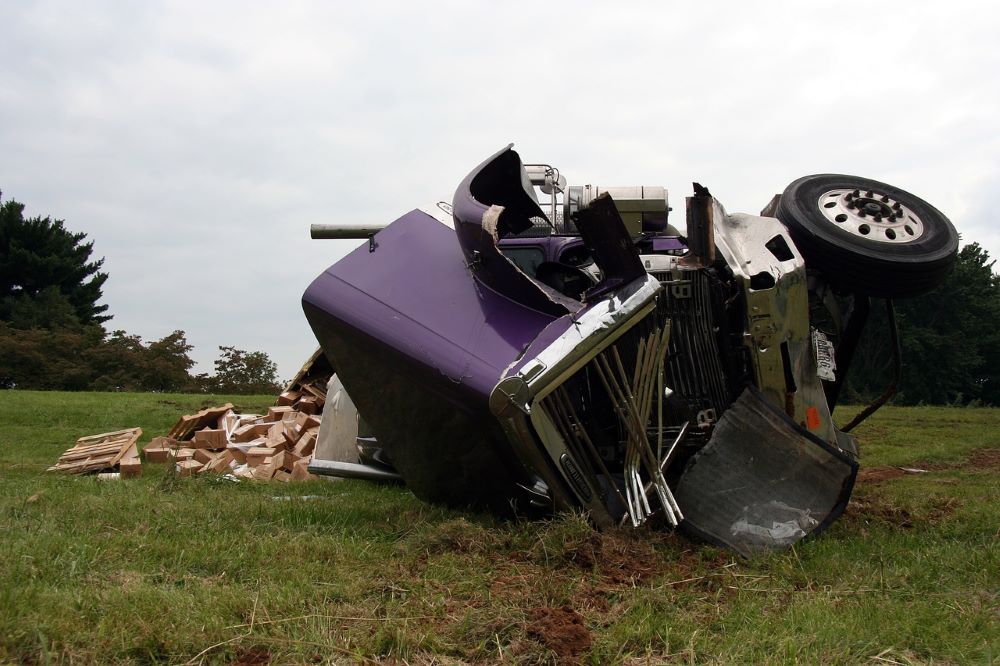
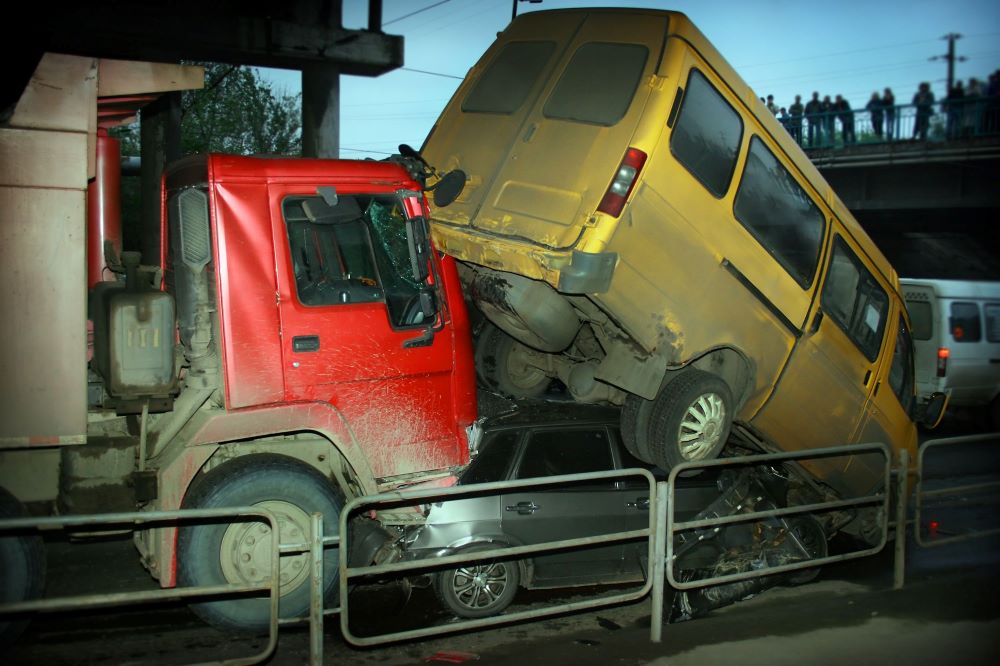
Commercial truck accidents are one of the biggest risks of running a trucking business. Even the most experienced commercial truck drivers can get caught up in an accident, so it’s essential to be alert at all times and aware of all possible accident causes.

While you never know what lies ahead when operating a truck, drivers must be prepared for all possible scenarios. To help you out, this guide explores some of the key causes of commercial truck accidents and how to avoid them.

How to Avoid Commercial Truck Accidents as a Driver

You can never predict when a commercial truck accident will take place. However, as a truck driver, you must do everything you can to prevent these accidents.

Here are some of the most important steps and considerations to avoid minor or fatal truck accidents.

Regular Maintenance

The most critical step in avoiding truck accidents is to make sure your vehicle is in good running condition. 10% of truck accidents result from vehicle errors, so ensuring your vehicle is taken care of will immediately reduce any risk of an accident.

Ensure that the commercial trucks are well-maintained. Regular inspections, maintenance, and repairs will help prevent mechanical failures that could lead to accidents.

Be sure to check all common issues before each truck journey. This includes looking for bad shocks, fuel filter issues, a bad starter, or faulty brakes. Keep your truck’s tire pressure at the right level, maintain correct oil levels, and pay attention to any strange noises or movements coming from the truck.

If you experience anything unusual, report this to a mechanic or take the truck in for maintenance. Not only will fixing issues early on help you avoid more significant accidents, but it can also be cheaper in the long-term maintenance of your vehicle.

Beyond the regular checks a truck driver should perform, you must never miss a service. Regularly servicing the truck will help you detect any possible issues that could result in accidents.

Secure Your Load

Truck accident statistics show that the cargo causes a large portion of accidents. Truck drivers must ensure their cargo is secured correctly and safely handled to avoid any cargo-related accidents.

Improperly secured cargo can shift, causing loss of control and accidents. The truck driver must understand the cargo they are transporting and how best to manage it. Some difficult types of cargo even require special licenses and training – ensure you are equipped with this if it applies.

When driving on multi-day trips, always check the cargo at the start and end of each day. Cargo can often shift around during long days on the road, so staying on top of it can play a significant role in avoiding truck crashes.

Driver Training

Of course, most truck accidents happen as a result of poor driving. You must have a good driver behind the wheel to avoid truck accidents.

Employ qualified and trained drivers who understand the unique challenges of driving commercial trucks. Provide ongoing training to keep their skills up-to-date.

The best way to minimize the risk of truck crashes is to use a driver with plenty of experience in the route, experience with the vehicle, and experience with the cargo they’re hauling. The longer the driver has had their commercial driver’s license (CDL), the better.

While gaining experience takes time, younger drivers can improve their odds against truck crashes with ongoing training. Consistently keeping up to date with best practices in truck driving safety is essential.

Drivers can also enroll in short courses to improve their truck driving skills and knowledge for different scenarios. For example, you could take a short course in driving in the snow or a course in driving vehicles that carry abnormal loads to better equip yourself with different types of commercial truck driving.

Vehicle Knowledge

Following on from the point above, many commercial truck accidents happen when the driver is unfamiliar with handling the vehicle.

A critical step in avoiding fatal crashes is gaining plenty of experience in the specific type of truck you’re driving. Understand the gross vehicle weight rating, know the total vehicle miles, and get accustomed to the tractor-trailer setup. The better truck operators know their vehicle and how to handle it, the easier it will be to avoid large truck crashes.

Hours of Service

Even the most knowledgeable and experienced truck operators can cause fatal crashes if they’re overly tired. Long-haul truck drivers need to get enough rest when driving their routes.

Always adhere to hours of service regulations to prevent driver fatigue. Make regular use of truck stops, and know when you need rest.

A significant number of commercial truck accident statistics result from fatigue. So, getting enough rest is essential if you’re driving a large truck. Not only does this protect the truck driver, but it protects any other passenger vehicles on the road. This is why national highway traffic safety places so much emphasis on truck drivers resting when necessary.

Avoid Distracted Driving

Drivers must stay focused on the road and avoid distractions like cell phones or other electronic devices. Fatal crashes can easily occur when the truck driver takes their eyes off the road for only a moment.

As a truck driver, you must always keep this in mind and practice absolute vigilance when driving.
Speed Management
This is another basic rule for truck driving, but it significantly reduces fatal crashes. fatal crashes.

Always follow speed limits and adjust speed based on road conditions, weather, and traffic. Speeding is a common cause of commercial truck accidents, but it’s an easy issue to avoid.

Even if you’re driving behind schedule, sticking to the speed limit can help you get your cargo to its destination safely – which is more important than getting there quickly.

Safe Following Distance

Always maintain a safe following distance from other vehicles. Commercial trucks require more time to stop due to their size and weight, so large trucks must keep their distance from other passenger vehicles.
Fatal truck crashes often result from drivers not having enough time to stop. So, keep your distance, and you’ll be a far safer driver.

Weather Awareness

While the weather is beyond your control, anyone driving a large truck needs to understand how to drive in different weather conditions.

Always check the weather report before taking to the road, and be prepared for different weather conditions. Slow down and exercise extra caution in adverse weather conditions like rain, snow, or fog.

Defensive Driving

Train drivers to anticipate the actions of other drivers and be prepared to react appropriately. This can help avoid collisions caused by other drivers’ mistakes.

The truck driver doesn’t always cause commercial truck accidents. Instead, negligence may be due to passenger vehicle drivers. However, when trucks get involved in fatal crashes, the situation becomes a lot worse.

Large truck occupants need to know how to react swiftly to other vehicles on the road. Taking a defensive driving course is always a good idea for commercial drivers.

Avoid Aggressive Driving

Being a truck driver can get frustrating, but drivers must always stay calm and collected on the road.

Avoid any aggressive driving behaviors such as tailgating, road rage, and abrupt lane changes. Crashes involving large trucks are often caused by these brief moments of aggression – which can quickly turn into a fatal accident.

Use Mirrors

Any large truck occupants need to make the most out of their mirrors.

Make proper use of mirrors to be aware of the surroundings. Blind spots are larger for commercial trucks, so use mirrors to stay informed. Always double-check the mirror, even if you think the road is clear.

Observe Traffic Signs

Another obvious one is that road signs are there to keep truck drivers safe. As driving a large truck is a different experience, truck drivers must closely monitor road signs that relate to them.

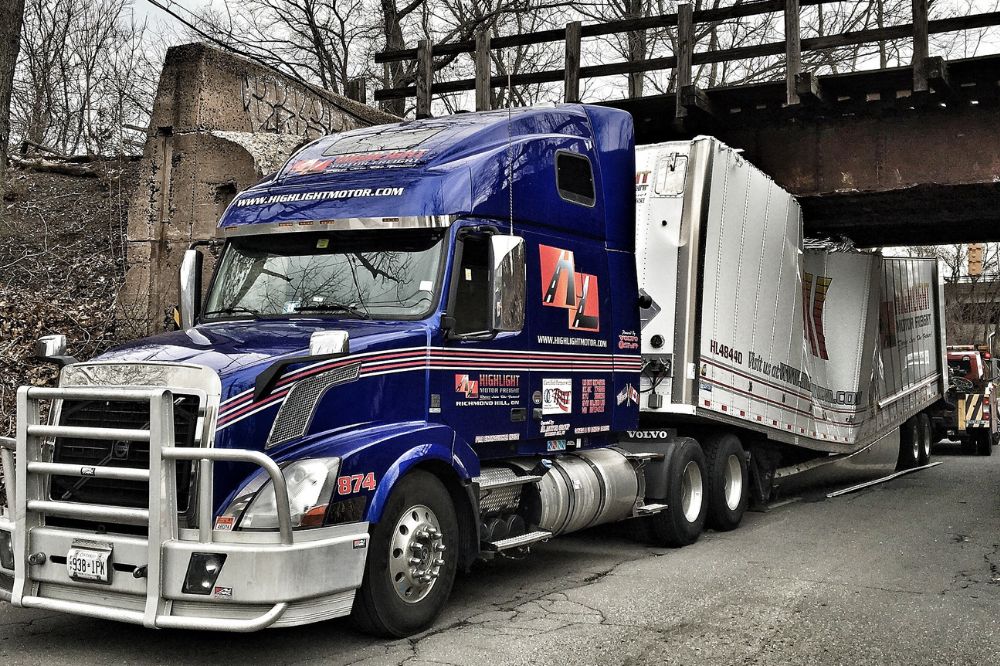
Follow all traffic rules and signs, including weight limits, height restrictions, and other commercial vehicle-specific regulations. Of course, drivers also need to understand their truck’s height and weight before setting out on a journey.

Conclusion

Knowing how to avoid commercial truck accidents is essential to being a truck driver. Always be aware of the common accident causes and be alert about how to avoid them. This is one of the most critical functions of anyone operating a large truck.

Looking to purchase a semi-truck for your business? Get in touch with us at Mission Financial Services where we help all kinds of truck drivers acquire commercial vehicle financing, regardless of credit score.

third party coverage

All About Third-Party Commercial Vehicle Insurance

If you use vehicles to operate your business, one of the best things you can do to thrive is to get third-party commercial vehicle insurance.

Third-party commercial auto insurance policy offers excellent financial protection for your business. It minimizes significant financial losses due to unpredictable events when your business vehicles are on the road. This type of commercial vehicle insurance policy is also very affordable, so the costs of your business operations remain low.

Here is everything you need to know about third-party commercial auto insurance.

What Is Third-Party Commercial Vehicle Insurance?

Third-party business vehicle insurance is basic liability coverage for commercial motor vehicles. It covers losses, including property damage and bodily injury to third parties only (not you) if your business vehicles cause an accident.

It’s different from comprehensive insurance, which offers personal injury protection and collision coverage for your vehicles, even if you are the at-fault party in an accident.
‘Third party’ often refers to external entities involved in the accident and not associated with your company. This may be people or businesses.

How Does Third-Party Commercial Auto Insurance Policy Work?

Suppose you have third-party commercial auto insurance coverage for your business vehicles, and one of these vehicles is involved in an accident that causes harm to others and damage to their property. In that case, those affected individuals can take legal action to seek compensation for the injuries and property damage they’ve suffered.

In such a situation, your insurance provider will step in to cover the costs associated with the property damage and injuries sustained by the victims.

You won’t have to pay a dime out-of-pocket unless the claim made exceeds your business vehicle coverage limits. In such a scenario, you’ll pay for the amount above your commercial vehicle policy limit. Still, commercial vehicle insurance companies cover a chunk of the total cost needed to compensate victims of commercial vehicle accidents.

In addition to bodily injury and property damage compensation, your insurance provider covers your legal expenses throughout the lawsuit. A third-party commercial auto insurance cover ultimately saves your business from substantial financial losses in claim settlements and legal fees after an accident.

What Coverage Options Does Third-party Insurance Policy Provide?

Third-party commercial auto insurance policy offers two major types of liability coverage:

Bodily Injury Liability Coverage

Bodily injury commercial auto coverage includes medical payments coverage, where the insurance company covers the medical bills of third parties injured during the accident. These may be occupants of other vehicles involved in the accident or non-occupants like motorcyclists and pedestrians. Insurance providers also cover funeral expenses for third parties who lose their lives.

Property Damage Liability Coverage

Property damage liability insurance covers physical damages to others’ property in an accident. Third-party property damages extend beyond the damage to the injured victims’ cars and might include buildings nearby that get damaged as a result of your accident.

Insurance providers offer physical damage liability coverage through replacement costs settlements or actual cash value settlements.

Who Needs Third-Party Commercial Vehicle Insurance?

You need third-party commercial auto coverage if you own or lease vehicles and use them for business operations. It’s the basic business liability coverage legally required in most states. Most states set specific minimum liability coverage limits you must meet for bodily injury and property damage compensation, affecting your commercial auto insurance cost.

You are also required, by law, to get business auto insurance for your vehicles if you transport goods or people from state to state. You may need commercial truck insurance for larger commercial vehicles, like semi-trucks.

Accidents involving larger commercial vehicles, such as tractor-trailers, are often more severe than those involving other business autos. Regular commercial car insurance, therefore, may not provide adequate coverage for your large commercial vehicles.

Note that additional specialized coverage is mandatory if you use your business-owned vehicles for the following business purposes:

  • Transporting hazardous materials
  • Delivering food
  • Offering taxi services

Further, the law requires all vehicles registered as commercial vehicles and those with a commercial license tag to have a commercial auto insurance policy. These may include:

  • Hired passenger-type vehicles to transport people.
  • Pick-up trucks that have a permanently attached camper
  • Station wagons
  • Multipurpose vehicles

You may also benefit from a third-party business auto insurance policy if you use your private vehicle for work-related errands like shopping for office supplies. Most personal auto policies don’t cover bodily injury or property damage incurred when using your private vehicle for business purposes.

Should You Finance Your Truck and Get Insurance?

Insurance is mandatory. Business vehicle owners require the minimum third-party commercial car insurance to operate in all states except Virginia and New Hampshire. Yet, purchasing commercial auto insurance in these states is still advisable.

On the other hand, financing your truck is a personal preference. We recommend it because it’s an affordable way to start or grow your business. This is especially true if you partner with expert truck financing institutions like Mission Financial Services.

Typically, the two go hand in hand. Most commercial vehicle loan lenders require that you purchase commercial auto insurance if they finance your truck.

Other Reasons To Consider Getting Commercial Auto Insurance

A commercial auto insurance policy helps you run your business at ease. It reduces the uncertainty of dealing with the risks your business autos are exposed to.

Business insurance promotes a steady cash flow. You can write off the insurance as a business expense and plan for your finances accordingly.

Liability Insurance saves you money. You avoid hefty financial penalties by complying with all statutory and contractual requirements. You also save thousands to millions of dollars when commercial auto insurance covers medical payments, property damage, and legal expenses during a claim.

You get a no-claim bonus discount if you want to renew your vehicle insurance at the end of a policy period and are yet to face a claim. This reduces your business costs.

Commercial vehicle insurance also offers some relief to injured victims. Medical payments, in particular, lift the financial burden of medical expenses, allowing those injured to focus on getting better.

Final Thoughts

When purchasing a commercial auto policy for your business autos, compare commercial auto insurance quotes from multiple providers. You’ll find a good insurance company with the most competitive rates this way.

You should get help from a qualified insurance agent. They’ll evaluate your business’s needs, type of business autos, and frequency of use, among other factors, to help you to help you afford optimal coverage. The best agent can also guide you step-by-step through the claims process whenever an accident occurs.

For more information on commercial vehicle insurance coverage options and their costs, hop over to Mission Financial Services and read our blog.

Top High-Risk Commercial Truck Insurance Companies

Top High-Risk Commercial Truck Insurance Companies

High-risk truck insurance can be tricky to secure. Although getting a good insurance plan is essential for a truck driver, finding the right insurer can also be challenging if you don’t meet all the ideal conditions.

Not only this, but many insurance companies who do accept high-risk drivers will charge a lot extra. And as you probably know, expensive insurance premiums can make a serious dent in your trucking business’s finances.

So, how do you know which high-risk commercial truck insurance companies are best to use?

In this guide, we’ll break down some of the best options for high-risk truck insurance.

High-Risk Commercial Truck Insurance Companies

Having the right high-risk truck insurance is vital if you run a trucking company. Commercial trucking is a high-risk industry, so having a reliable commercial truck insurance provider on your side is essential.

While your specific trucking insurance policy depends on your situation, here are some of the best high-risk commercial truck insurance companies to consider.

Progressive Commercial

Progressive Commercial is a major insurance provider known for offering various commercial truck insurance options, including coverage for high-risk drivers and businesses.

The insurance company offers various coverage options for commercial truck drivers. Whether you’re looking to cover a fleet or are an independent owner-operator, Progressive offers commercial truck insurance premiums and plans that can cover your needs.

The Hartford

The Hartford specializes in commercial insurance and has a strong reputation for providing coverage to high-risk businesses, including those in the trucking industry.

While there are many insurance companies, The Hartford stands out as one of the top options for commercial truck insurance. Their flexible policies can match the specific needs of any trucking business. Of course, their coverage for high-risk commercial truck insurance is solid.

Evolution Insurance Brokers

This commercial truck insurance company provides solutions for all kinds of trucks and business purposes. Evolution Insurance includes customizable options to meet the insurer’s specific needs.

From short-haul to long-haul trucking, auto liability, trailer interchange covers, and much more, this is one of the most extensive insurance providers for the commercial trucking industry.

Nationwide Insurance

If you’re looking for commercial truck insurance policies, then you’re bound to come across Nationwide Insurance. This is one of the most popular and reputable commercial truck insurance companies.

Nationwide offers commercial truck insurance, including options for high-risk drivers and businesses, focusing on customizable coverage. Their commercial truck insurance works for businesses of all sizes, with varying coverage and vehicle needs.

GEICO Commercial

GEICO, a well-known insurance company, also offers commercial truck insurance solutions, including coverage for high-risk situations.

This is one of the more prominent insurance companies out there, so you can be sure they have coverage available to match your specific needs. Whether you’re an owner-operator or manage a large fleet, trucking companies can use GEICO Commercial for their insurance coverage.

Berkshire Hathaway GUARD Insurance Companies

This insurer provides commercial auto insurance and may consider high-risk applicants, particularly those with a history of accidents or violations. As one of the major insurance companies, they offer a wide range of coverage options for trucking businesses.

Liberty Mutual

Liberty Mutual offers a variety of commercial insurance products, including coverage for high-risk commercial trucking operations.

This major insurance provider offers a wide range of insurance plans, including general liability insurance, bodily injury insurance, physical damage coverage, comprehensive coverage for trucks, and more.

Zurich North America

Zurich is a global insurance provider that offers commercial truck insurance solutions for a range of businesses, including high-risk ones.

Their Motor Truck Cargo (MTC) program offers MTC coverage to “for hire” common and contract motor carriers. If you’re looking for a versatile and flexible truck insurance provider, then this may be a good option to consider.

AIG

AIG is another international insurer that provides commercial truck insurance coverage, and they may consider high-risk applicants.

If you operate commercial trucks, AIG should offer a good range of coverage solutions. The company offers flexible insurance coverage options to meet your specific business needs. Their truck insurance is more suitable for experienced truck drivers and companies, although there are options for more high-risk cases.

AmTrust Financial Services

AmTrust provides insurance solutions to small and mid-sized businesses, including high-risk commercial trucking operations. While most other insurance companies prefer to cover drivers with plenty of experience, AmTrust is available for trucking companies with varying levels of experience.

Their truck insurance is ideal for local areas or truckers who travel the entire country. They insure all fleet sizes and all types of trucking businesses – making AmTrust an ideal choice for those looking for high-risk commercial truck insurance.

Great American Insurance Group

Great American Insurance Group is a leading commercial truck insurance provider in the US. This company focuses on long-haul trucking and specializes in service to owner-operators.

Great American Insurance Group offers a range of insurance products, including commercial truck insurance, and may consider high-risk applicants. Whether you’re looking to protect your truck against physical damage or looking for non-trucking liability, contingent liability, or more, this company has a wide range of commercial insurance solutions to match your needs.

Conclusion

These are some of the best high-risk truck insurance companies out there. However, finding the right commercial truck insurance is subjective.

Policies and premiums can differ for each applicant, and so can the weight of risk that different insurance companies place on you.

The best option is to gather quotes from different commercial truck insurance providers and compare your options. This will help you find the most suitable insurance plan for your trucking business.

Other than insuring your vehicle, finding financing for your commercial truck can also be a tricky process. We make it easy at Mission Financial Services, where we help all kinds of truck drivers with all levels of risk secure the funding they need to purchase a semi-truck. Get in touch today to see how we can help you.
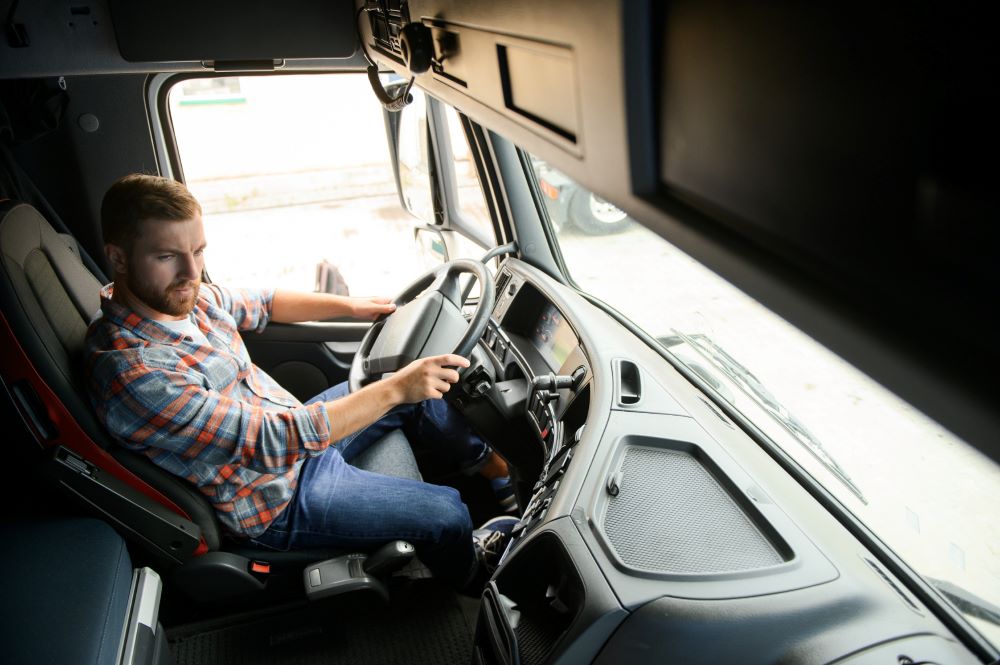
 

Commercial truck driver

What Different Jobs Do Commercial Truck Drivers Do?

Understanding the different jobs commercial truck drivers do is essential, especially if you’re looking to build a solid career in the trucking industry.

There are several types of commercial truck drivers. Each has different tasks depending on the truck driven, goods hauled, and distance traveled.

We’ve prepared this quick guide to help you understand the most common types of commercial truck driver job categories and their typical duties. We’ll also briefly discuss some requirements and skills you need to excel at various commercial truck driving jobs.

Different Types Of Commercial Truck Driving Jobs

Here are nine common types of commercial truck driver job categories you can consider pursuing:

Dry Van Haulers

Dry van trucking is one of the most traditional truck driving jobs. It involves moving well-packaged, dry goods that don’t need strict temperature control. The dry van is usually a tractor-trailer combination resembling a box with all sides enclosed but has an opening (the door) at the back.

Primary Duties

The primary duty of dry van drivers is hooking up to loaded tractor-trailers and following assigned routes to deliver goods to various destinations. They don’t load or offload the cargo, but they may have to:

  • Inspect cargo before leaving their pickup station to ensure everything is loaded correctly.
  • Handle basic mechanical problems as needed.
  • Manage inventory and collect signatures to verify delivery.

Requirements

As a minimum, you need a class-A commercial driver’s license to secure a job as a dry van driver. This will allow you to drive commercial motor vehicles with a wide gross weight range.

You could, for instance, drive a tractor with over 26,000 pounds and drag one trailer with over 10,000 pounds. Or drive a tractor-trailer combination with double or triple trailers ranging from 120,000 to 148,000 in total weight. Hauling double and triple trailers requires additional doubles and triple endorsement.

Freight Haulers

In freight hauling, truck drivers transport and deliver all types of cargo that dry van hauling cannot deliver. These include specialty freight such as liquids and hazardous materials. Often, freight haulers move larger loads and equipment than small packages. They can also travel over short or long distances.

Primary Duties

  • Overseeing freight loading to ensure freight weight limits are adhered to.
  • Securing the freight in place to prevent damage during transport.
  • Performing basic motor vehicle service checks to ensure the tractor-trailer is in good order before departure. This may include checking the oil and fluid levels plus tire pressure.

Requirements

Besides an active class A commercial driver’s license, most employers require you to have experience transporting large freight. That’s because transporting oversized cargo requires proper balancing throughout the trip.

For specific cargo, like hazardous materials, you must follow a few safety procedures to comply with all federal laws governing the transportation of hazardous materials. Here’s a detailed guide on complying with federal hazardous materials safety regulations to help you understand all the required safety procedures.

Reefer or Refrigerated Commercial Truck Drivers

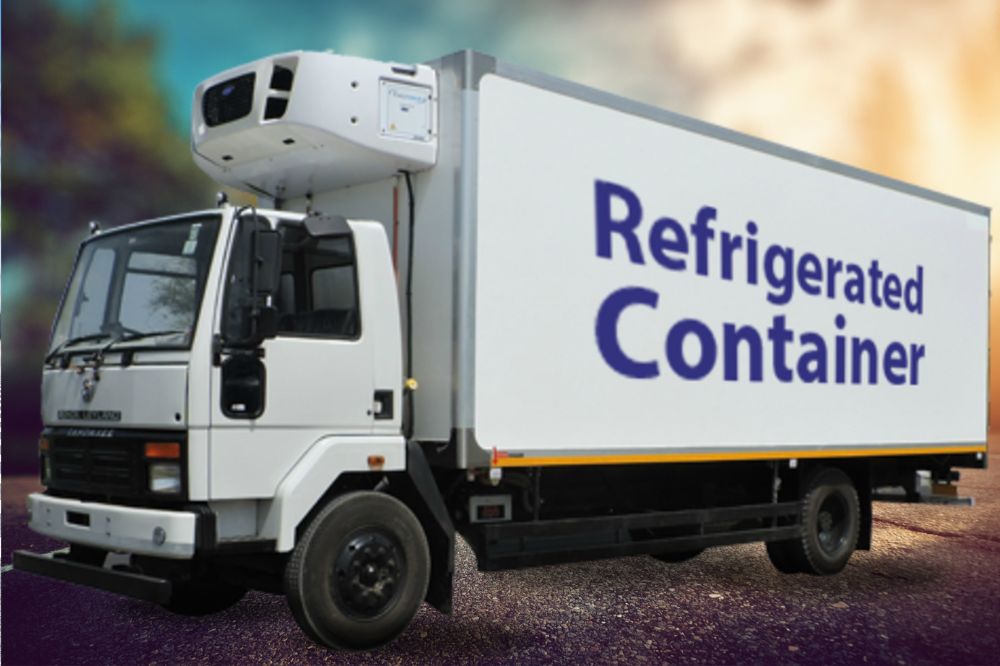
As the name suggests, refrigerated or reefer commercial motor vehicle drivers haul goods that need specific temperature control. Most times, they transport perishable food items to grocery stores and restaurants.

Primary Duties

Apart from their standard driving duties, reefer tractor-trailer truck drivers are responsible for:

  • Ensuring their motor vehicle is always at the right temperature when transporting various goods.
  • Keeping their trailers clean and sanitary
  • Loading and unloading their tractor-trailers
  • Regular maintenance to fuel the cooling units and fix any refrigeration issues

Requirements

You require refrigerated trucking skills and all the skills class A CDL drivers must have. Some employers may request a specialized refrigeration certification as well for this job.

Flatbed Commercial Truck Drivers

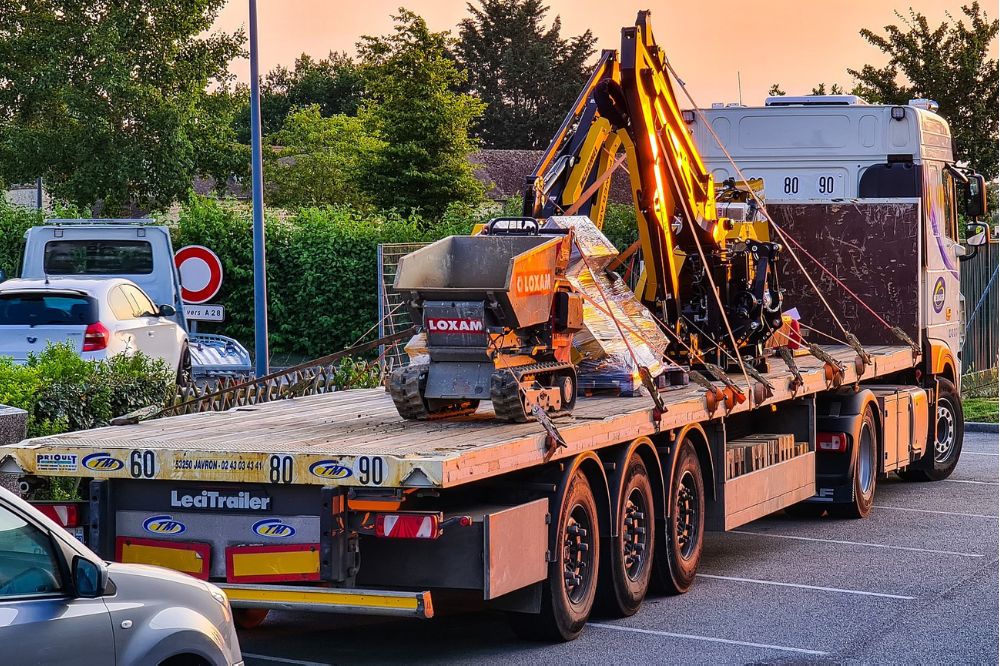
Flatbed commercial motor vehicle drivers transport machinery and other dry products on open-air trailers. The cargo moved by flatbed drivers is usually too large or awkward and cannot fit into regular dry van trailers. These items may include lumber, steel pipes, or large tanks.

Primary Duties

  • Load and unload truck
  • Secure load with chains and tarps to prevent damage during transport
  • Inspect the vehicle to ensure it’s in safe working conditions before each trip
  • Prepare reports on cargo loads and deliveries for record-keeping
  • Prepare and maintain shipping documents like warehouse receipts, bills of lading, and sale
  • Communicate with dispatchers to get instructions on deliveries

Requirements

Because this job requires driving large trucks, you’ll have to undergo on-the-job training for about four weeks to learn how to operate flatbed trucks. This is in addition to the driving test you must pass to get your driver’s license CDL (class A) when learning to drive heavy trucks.

Most employers require a high school diploma or associate’s degree for this job. They may also assess your physical health and ability to lift and secure heavy loads since the role involves a bit of manual labor.

Tanker Commercial Truck Drivers

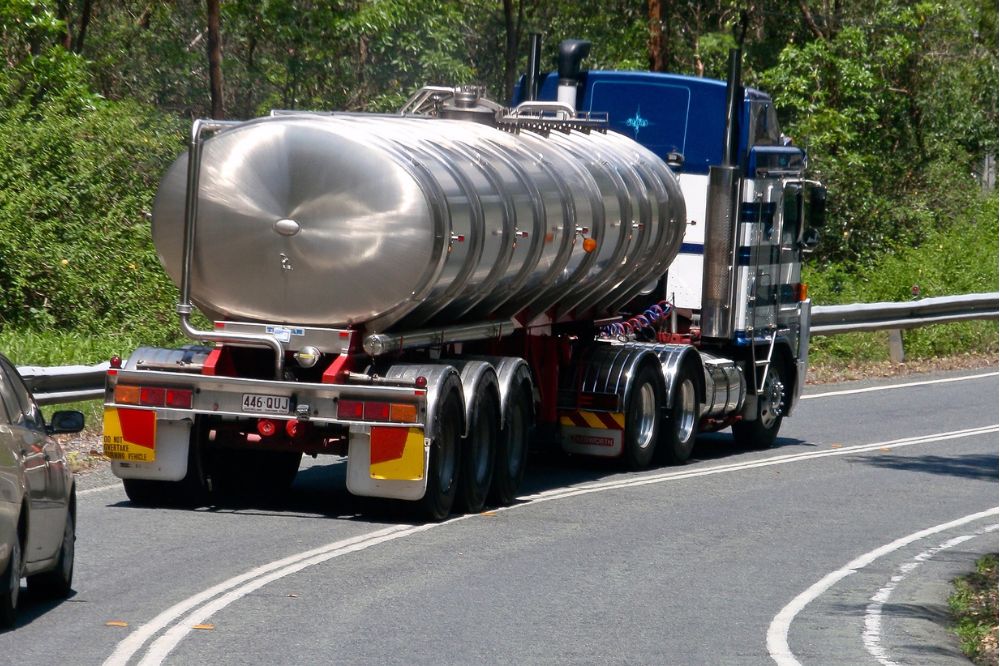
Tanker drivers operate trucks with liquids or gases. They transport different hazardous and non-hazardous loads, such as crude oil, diesel, gasoline, chemicals, or milk, over short and long distances.

Primary Duties

  • Adhering to strict safety regulations to prevent leakages
  • Supervise or assist in loading and unloading the tanker. This may include connecting hoses and pumps or removing utility hole covers to unload liquids into fuel tanks and other storage silos.
  • Maintain accurate logs of working hours and all trip activities.
  • Ensure the relevant staff receives the cargo and signs for their delivery.

Requirements

Tractor-trailer truck drivers require specialized training to handle tankers and the different types of loads they haul. Depending on the properties of the load you haul, you’ll need to learn how to handle various emergencies like chemical spills. You may also require special certifications, including occupational health and safety certificates, in addition to a class A commercial driver’s license (CDL).

You’ll have to follow all the dot regulations to get the required tank vehicle endorsement for operating tanker trucks. To receive this endorsement, you must pass a written knowledge test and practical exam. If hauling hazardous liquids, you must also abide by all FMCSA rules on transporting hazardous materials.

Location-to-location or Less than truckload (LTL)

LTL tractor-trailer truck drivers transport smaller loads or shipments and often make multiple trips a day. Most drivers drop several packages at various locations. Other drivers pick up or deliver packages to terminals, where they transfer the goods to other trucks, which then deliver the loads along designated routes.

Primary Duties

  • Safe transport of various types of goods at multiple locations daily
  • Load and unload trucks several times a day

Requirements

Like all other truck driving jobs, becoming an LTL truck driver requires a commercial driver’s license, but it doesn’t have to be a class A CDL. A class B CDL will do, although you’ll be limited to hauling specific types of trucks.

Most LTL drivers are company drivers, and employers require a few years of experience in a delivery position (about two years) with a clean driving record.

Local Commercial Truck Drivers

Local commercial motor vehicle truck drivers transport goods of varying sizes within their locality. They are different from regional commercial truck drivers who cover longer routes (roughly 1000 miles), even though both types of truck drivers perform almost the same duties.

Primary Duties

  • Local and regional tractor-trailer truck drivers must ensure their cargo remains safe and in excellent condition during transport.
  • Coordinate with their respective trucking companies to manage new loads effectively and transport them within specified time frames.
  • Local truck drivers often assist in loading and unloading cargo, whereas regional truck drivers don’t.

Requirements

Both types of commercial truck drivers require extensive knowledge of the routes they operate in. If you choose these trucking jobs, you’ll have to master the many routes in the geographical area you cover.

Over-the-road Commercial Truck Drivers

Over-the-road (OTR) truck drivers specialize in long-distance hauling. They transport goods over thousands of miles and are usually on the road for long periods.

This is one of the most lucrative trucking careers. CDL drivers earn a minimum of $78,113 annually and enjoy several benefits.

Usually, the drivers are required by law to take rest periods in transit. Because of this, some trucking companies employ team drivers to deliver time-critical cargo. Here, two drivers take turns to drive the same truck, delivering the load faster.

Primary Duties

  • Complying with all dot regulations, including the hours of service and gross vehicle weight restrictions.
  • Performing prescribed tractor-trailer inspections and documenting its working conditions before departure.
  • Supervising cargo loading and unloading. This includes managing inventory and getting clients’ signatures to confirm that all items were delivered in pristine condition.
  • Logging all trip activities, including the hours and miles driven, rest stop durations, plus fuel, repair, and toll road expenses.
  • Communicating delays or late deliveries due to breakdowns or accidents to dispatchers.

Requirements

Due to the long hours spent behind the wheel, you have to meet specific medical conditions to qualify for this job. You must pass vision tests and go through high blood pressure checks, among other medical tests.

Most employers may also require you to go through various skills tests before hiring you, even if you are a class A CDL driver with years of experience.

Vocational Commercial Truck Drivers

You can opt for vocational commercial truck driving, which includes tow truck drivers and drivers of garbage trunks or dump trucks.

Conclusion

The trucking industry is diverse and has several career growth opportunities. You can start out in one niche, say a dry van driver, then work your way to being an OTR driver, provided you have the required commercial driving license.

Your job security in the industry is secure if you maintain a clean driving record and possess various skills truck drivers need to succeed.

Read our guide on commercial truck driver salary expectations to estimate how much you’ll earn as a commercial truck driver. If you’re interested in buying a semi-truck and starting your own trucking business instead, contact Mission Financial Services! We’ll help finance your purchase.

Bobtail Insurance for Semi-Truck Drivers

Bobtail Insurance for Semi-Truck Drivers

When you purchase a semi-truck, one of the first things you must do is get it properly insured. This involves getting primary liability insurance, as well as considering bobtail insurance.

Many drivers overlook Bobtail insurance, also known as non-trucking liability insurance. While it’s not always necessary to own a truck, this insurance can add significant value if you’re involved in a semi-truck accident while not driving on a delivery route.

This guide explores exactly what non-trucking liability insurance is, what it covers, and whether you should get bobtail insurance for your semi-truck.

What is Bobtail Insurance Coverage?

Bobtail insurance protects commercial truck drivers when operating their trucks without a trailer or cargo. It’s sometimes also referred to as non-trucking liability insurance.

Bobtail insurance is important because most commercial trucking insurance policies only provide coverage when the truck is driving or hauling freight. However, all kinds of possible issues could happen to your semi-truck while it’s not in action – which is when bobtail liability insurance will cover you.

Bobtail insurance is a different product from primary commercial trucking insurance. Primary insurance covers the truck while it’s engaged in commercial activities, such as hauling cargo. Bobtail insurance specifically covers the truck during non-business use or when it’s operating without a trailer.

Having both primary commercial truck insurance and non-trucking liability insurance provides complete coverage for your vehicle.

What Does Bobtail Insurance for Semi-Trucks Cover?

Insurance policies change with each broker, so each bobtail insurance plan is unique. However, bobtail liability insurance typically provides two main areas of coverage.

Non-Commercial Use

Bobtail insurance covers situations when a commercial truck is being driven for non-business or personal use. For example, if a trucker is driving the tractor (the front part of the truck) without a trailer for personal reasons, like going home after delivery, this coverage can protect them.

Bobtail insurance can also provide coverage for a parked semi-truck when it’s not in commercial use. Many commercial truck insurance companies only offer coverage when the truck is in active service.

Liability Coverage

The main focus of bobtail insurance is on liability protection. This type of truck insurance can help cover the costs if the truck driver is involved in an accident while not hauling a trailer and they are found to be at fault. This includes bodily injury and property damage liability. Truckers must have proper liability coverage at all times.

Who Needs Bobtail Insurance?

Anyone who owns a semi-truck can benefit from having non-trucking liability insurance.

This is especially true if you’re an owner-operator, as you’ll probably drive your truck’s trailer non-commercially at times. As your semi-truck is such a valuable asset, you’ll want to make sure it’s adequately insured at all times – which is why bobtail insurance is so valuable.

Trucking companies or truck lease agreements might sometimes require bobtail insurance. So, some truck drivers may need to take out a bobtail insurance policy to buy a semi-truck. You could get bobtail insurance coverage for a single commercial vehicle or this non-trucking liability coverage for an entire fleet.

If you often drive your truck without a trailer, then getting bobtail insurance is worth considering. Bobtailing is also known to be more dangerous than driving a loaded truck, so having this coverage can add a great deal of value. Without it, you may have to pay enormous legal fees and damages costs in the event of an accident.

Even if it’s not legally mandated, it’s a good idea for truckers who operate their vehicles without trailers to have this coverage to avoid potential financial risks.

How Much Does Bobtail Insurance Cost?

As with any commercial vehicle insurance policy, the cost of non-trucking liability insurance depends on various factors. These are mainly focused on:

  • Your personal driving history: It’s more likely for truck drivers with a longer driving record and more experience with a CDP to get lower premiums on their non-trucking liability insurance.
  • Usage: How long you plan to need bobtail liability insurance based on how often you drive without a trailer will be considered. The more you bobtail, the more expensive your insurance premiums could be.
  • Insurance history: Any bobtail insurance company considers past insurance claims and policies to understand your risk profile.
  • Your coverage limits: Of course, the amount you want to be covered up to in liability costs dictates how much you’ll pay for your bobtail truck insurance. The higher your coverage is, the higher your costs will be.

So, the cost of bobtail insurance can vary greatly depending on the driver’s circumstances. Different bobtail insurance companies will also charge differently.

However, East Insurance Group says drivers often pay around $400 to carry bobtail insurance. Temporary bobtail insurance policies are also available at lower annual premiums.

Where to Find Bobtail Truck Insurance

Many commercial vehicle insurance providers offer bobtail coverage. Most insurers provide quotes on their websites. It’s also worth looking into insurance comparison sites to see what bobtail and trucking liability insurance options are available. This also makes it easy to compare quotes.

Take a look at our roundup of the top commercial truck insurance brokers to help you find the best bobtail insurance coverage.

Conclusion

While saving money on insurance costs may seem attractive, being caught short without insurance can be an absolute killer for your trucking business. This is why it’s essential to consider non-trucking liability insurance if it makes sense for your situation.

You might even need non-trucking liability insurance to purchase a semi-truck in the first place.

If you’re looking to buy a new truck, contact us at Mission Financial Services. We make it easy for all commercial truck drivers to gain financing for their ideal semi-truck.

Commercial Truck Insurance For New Drivers

Commercial Truck Insurance For New Drivers

As a new commercial truck driver, it can be difficult to find good insurance coverage for your vehicle. Insurance companies often see new drivers as risky and only provide coverage to those who have been driving trucks for two or more years.

Additionally, the companies that do offer insurance for new drivers often charge high rates. This means you may end up paying two or three times more than experienced drivers. However, there are ways to find affordable insurance coverage if you know what type of coverage you need and how to search for cheaper options.

What Type of Coverage Do New Truck Drivers Need?

The type of commercial trucking insurance coverage you need as a new driver depends on the category of commercial truck drivers you belong to. There are two main categories of commercial truck drivers:

Company Drivers

Company drivers work for a trucking company as employees or independent contractors. You don’t need commercial trucking insurance if you’re a new truck driver directly employed by a trucking company. The company is responsible for insurance coverage.

However, you may need insurance coverage if you’re an independent truck driver working for a trucking business.

Owner-Operators

Owner-operators have their own trucking business and operate their commercial vehicles. There are two types of owner-operators: those who work under the authority of a motor carrier (leased owner-operators) and those who operate on their authority.

Leased Owner-operators

Leased owner-operators are covered by their motor carriers’ commercial truck insurance coverage.

Depending on the requirements of a motor carrier, an owner-operator with leased authority may need to purchase motor truck cargo or bobtail commercial truck insurance. If you fall under this category, read your lease agreement carefully to determine which additional insurance coverage you need.

Own Authority Owner-operators

Own authority owner-operators are solely responsible for purchasing all the mandatory commercial truck insurance policies they require to thrive. This includes some or all of the essential truck insurance coverage options outlined below.

What does Commercial Truck Insurance for New Drivers Cover?

Commercial auto policies for new drivers offer various essential and optional insurance coverage.

Essential Commercial Truck Insurance for New Drivers

Essential trucking insurance for new drivers is coverage all new truck drivers should consider to protect their ventures from significant financial losses. These coverage options include:

Trucking Primary Liability Coverage

Primary liability coverage is the minimum commercial truck insurance all trucking companies and owner-operators must have to operate in nearly all states. It includes bodily injury and physical damage coverage if you cause an accident. With a primary liability cover, your insurance company pays for the injured parties’ medical expenses and covers any damages to their vehicles.

Physical Damage Liability Insurance

Physical damage coverage protects your commercial trucks from all losses and damages they are exposed to on the road. Most commercial insurance companies offer this coverage in two parts:

Collision coverage: This insurance helps pay for repairing or replacing your vehicle if it is damaged in a collision with another vehicle or object.

Comprehensive coverage: This cover includes compensation for non-collision losses such as theft, fire, vandalism, and harsh weather conditions.

Unlike primary liability insurance, physical damage coverage is not required by law. However, it’s critical commercial truck insurance for new drivers as it protects the main asset, providing business security.

Non-Trucking Liability Insurance

Non-trucking liability coverage protects you if you get into an accident when driving your commercial truck for errands unrelated to work.

General Liability Insurance

Motor truck general liability insurance coverage pays for bodily injury and physical damages unrelated to driving your commercial truck but involving your business. This includes bodily injury compensation for accidents on your business property or those for-hire truckers caused away from your location.

Motor Truck Cargo Coverage

Motor truck cargo coverage protects the goods you haul. It’s an essential coverage option for most leased owner-operators as some motor carriers require truck drivers under their lease to carry cargo insurance.

Optional Commercial Truck Insurance For New Drivers

As a new driver, you should get more coverage to reduce risk and ensure you succeed. To do this, consider the following optional commercial truck insurance for new drivers:

Loss mitigation: Used to cover any losses that exceed your truck insurance policy limits.

GAP protection: GAP (Guaranteed Asset Protection) insurance is optional. This coverage covers any “gap” between the actual cash value of your vehicle at the time of loss and what you owe on your auto loan or lease.

How To Find Affordable Commercial Truck Insurance For New Drivers

There are three steps you can take to find affordable truck insurance for new drivers.

Step 1: Evaluate Your Business Needs

Evaluating your business needs will help you identify the coverage you need to avoid purchasing excess or unnecessary coverage. To do this, assess the common factors insurance providers use to set their commercial truck insurance premiums. These include your operating radius, vehicle and cargo type, FMCSA requirements, location, etc.

Step 2: Compare Quotes From Multiple Commercial Truck Insurance Companies

Get quotes from several commercial truck insurance companies and settle for one with high-quality coverage at an affordable rate.

Look at how the rates of different commercial truck insurance providers fare compared to the national average rates. Here’s a guide to help you understand the average commercial truck insurance cost for various coverage options.

Also, evaluate different commercial truck insurance companies based on their reputation, customer support, and availability to get the best insurance company.

You can get quotes from multiple commercial truck insurance providers at once through commercial trucking insurance brokers like Evolution Insurance Brokers.

Step 3: Negotiate Best Deal

Once you’ve identified the best commercial truck insurance providers, negotiate with each and settle for the best deal. Major insurance companies might be reluctant to offer discounts to new truck drivers, but it’s worth a try.

Final Thoughts

Getting the right commercial truck insurance policy gives you the financial stability and peace of mind you need to grow your venture. You might lose thousands to millions of dollars in settlement claims without insurance.

For additional peace of mind and security for your trucking business, we’ve partnered with TrüNorth™ to provide comprehensive commercial truck warranty protection. We can also help finance your commercial truck purchases to help you grow, even if you’re a first-time buyer. Contact us to learn more.

Archives

Sign Me Up!

Stay up to date with the latest news in the commercial trucking industry.

Contact Us
close slider