
Office: (404) 975-4800

Uncategorized

semi truck owner (1)

How To Be A Successful Semi Truck Owner Operator

semi truck owner (1)

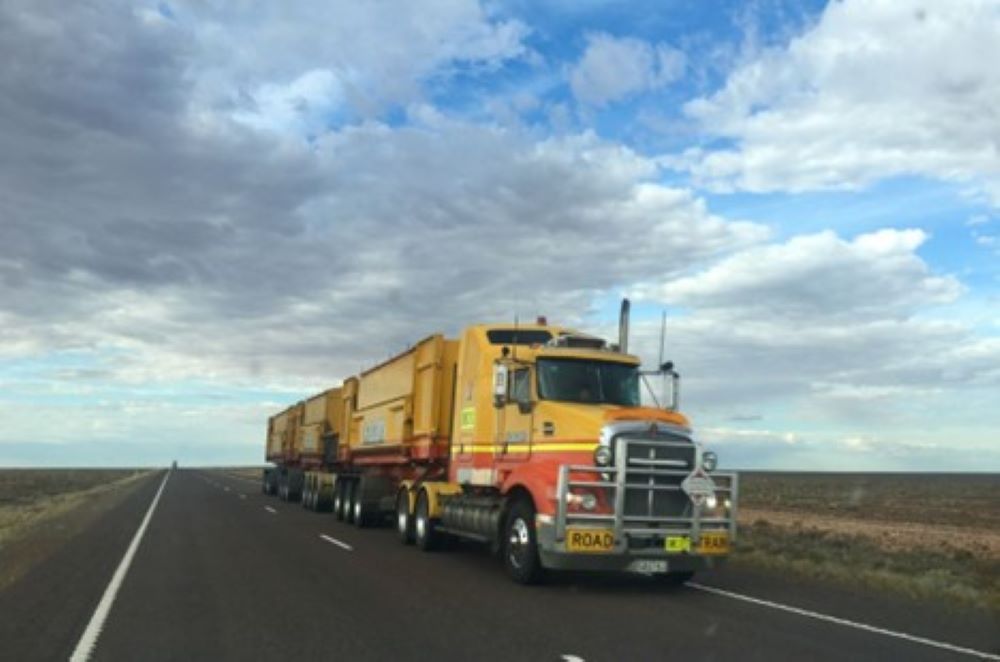
Running your own trucking business may be a dream. However, there’s a lot that goes into being a successful semi truck owner-operator, and it’s essential that you know all the different elements involved in managing a business.

Follow this guide to learn some of the most important tactics and responsibilities that owner-operators should show.
What is an Owner-Operator?
An owner-operator is an individual who owns and operates their own trucking business.

Instead of working as an employee for a trucking company, an owner-operator owns the truck they drive and may either work independently or lease their services to carriers or logistics companies.

A successful owner-operator is responsible for managing their truck, handling maintenance costs, fuel expenses, insurance, and other overheads associated with running a trucking business.

Owner-operators can choose their routes and schedules and sometimes negotiate their compensation rates.

Tips to Becoming a Successful Owner-Operator

If you own a semi-truck, then establishing a successful owner-operator business is undoubtedly appealing. Here are a few essential tips for truck owner-operators to keep in mind.

Ensure You Have Enough Experience

Gaining experience is crucial before transitioning into an owner-operator role within the trucking industry.

Working as a truck driver provides invaluable knowledge about the nuances of the job, from managing different cargo types to understanding diverse routes and handling various situations on the road.

Acquiring hands-on experience also familiarizes individuals with different equipment, truck maintenance, industry regulations, and the administrative aspects of the business. You’ll probably also need to hold and use your commercial driver’s license for some time to help you get better rates on truck financing and commercial insurance.

Create a Business Plan

Crafting a comprehensive business plan is essential to the success of any owner-operator business.

This plan should outline your business goals in detail. This might involve expanding a fleet, specializing in certain cargo types, or targeting specific geographic areas.

It’s crucial also to perform thorough market research, identify your target audience, study your competitors, and pinpoint your unique selling propositions. Within your business plan, include a detailed financial strategy.

business plan

Assess Your Finances

Understanding your costs is an essential step in starting any kind of business. As you’ll be running your own truck and operating your own business, all costs involved are your responsibility.

Your financial evaluation should cover startup costs, including the purchase or lease of a truck, insurance, permits, and licenses. Understanding ongoing expenses such as fuel, maintenance, repairs, and taxes is also crucial.

Distinguishing between fixed costs (insurance, truck payments) and variable costs (fuel, maintenance) is essential for gaining a clear picture of the financial health of your business.

You’ll need to realistically understand your finances and know how to track them in order to run a successful owner-operator business.

Understand Freight Cycles

A comprehensive understanding of freight cycles for commercial motor vehicles is vital for your operational success.

Study seasonal trends and industry cycles to help anticipate busy and slow periods in freight demand.

You’ll want to diversify your client base or adapt your services during slower periods to maintain consistent income. During peak seasons, you can develop strategies to capitalize on increased demand by efficiently planning routes and securing higher-paying contracts.

Know How to Generate Revenue

Owner-operators can make money in the trucking industry in a couple of different ways.

Explore different types of commercial trucking opportunities such as load boards, freight brokers, direct contracts with shippers, or participation in dedicated freight programs offered by larger companies. Building a solid network within the industry is also crucial for securing repeat business and referrals.

credit score

Have a Maintenance Reserve

Being a small business owner can be expensive – especially when you have to maintain a commercial truck.

Make sure that you allocate funds for truck maintenance and unexpected repairs. By setting aside a portion of earnings into a designated maintenance reserve, unexpected breakdowns, and repairs can be managed without causing financial strain or disrupting business operations.

Regularly scheduled preventive maintenance helps avoid costly breakdowns and extends the lifespan of your equipment, ensuring continued smooth operations.

Protect Your Credit

Maintaining strong credit is a vital element of your owner-operator career.

Ask other owner-operators, and they’ll tell you that good credit is so much more than just a way to help your cash flow; it’s a way to manage your business.

Timely bill payments, responsible debt management, and regular monitoring of credit reports help you achieve a good credit score. A good credit score opens up better financing options, lower interest rates on loans, and increased credibility when negotiating contracts or leases.

Create Your Own Schedule

The flexibility of being an owner-operator means you can create personalized schedules that maximize productivity.

Effective route planning, workload balancing, and rest period management are essential for running a trucking operation.

deals

Negotiate Your Own Deals

Developing strong negotiation skills is essential for owner-operators to secure the rates, terms, and contracts they want.

Understanding market rates, industry standards, and the value of services helps you confidently manage negotiations. Building strong relationships while negotiating fosters mutually beneficial agreements that prioritize long-term partnerships and profitability.

This is essential for a successful owner-operator business.

Final Thoughts

If you own and operate your commercial truck, you must have solid business management skills and trucking abilities. Follow the tips above, and you’ll be in an excellent position to manage a successful business.

If you want to purchase a semi-truck, you’ll need to gain the right financing. Get in touch with us at Mission Financial Services to make acquiring financing an easy process.

light commercial

Insurance For Light Commercial Vehicles

light commercial 

Finding the right commercial auto policy can be challenging, especially if you’re a small business owner. But we are here to help. Depending on the type of your business vehicle and commercial use, you may need one of two types of commercial auto policies – light or heavy commercial auto insurance policy. 

 Light commercial vehicle insurance covers business vehicles that transport lightweight commercial goods and have a gross vehicle weight of 3.5 metric tons or less. On the other hand, heavy commercial vehicle auto insurance covers larger commercial vehicles with a gross weight of over 3.5 tons.

 This guide explains everything you need to know about insurance for light commercial vehicles to help you get the right coverage for your business needs.

What is Commercial Vehicle Insurance for Business? 

 Commercial vehicle insurance for business is a must-have coverage for companies that use vehicles for business purposes. It offers coverage for various usage and situations not covered by your regular personal auto insurance policies.

 With a commercial auto policy, you get comprehensive insurance coverages and higher liability limits to protect your business assets adequately based on their value, frequency of use, and other factors. Your business assets may include all company vehicles and employees.

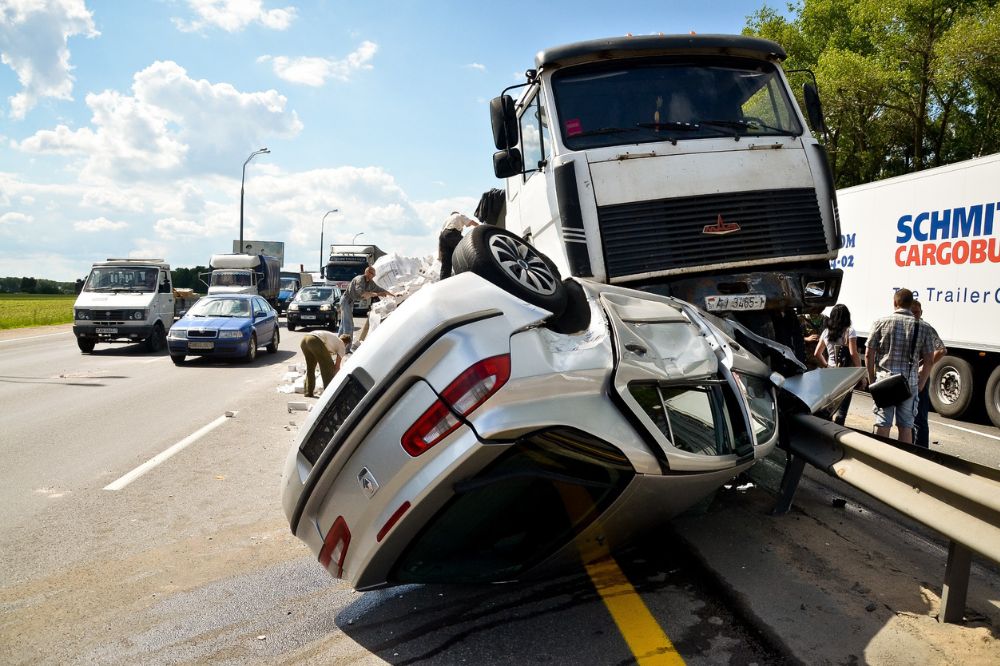
 Commercial auto insurance policy also protects your business from financial losses due to lawsuits you may face after an at-fault accident. 

food delivery

When do you need commercial vehicle insurance?

 The law requires you to get commercial vehicle insurance if you move people or goods across state lines. You also need a commercial auto insurance policy in most states if you and your employees use vehicles to perform for-profit work or work-related tasks, like:

  • Delivering food and other products locally
  • Acting as a taxi service
  • Going for client meetings and sales calls
  • Shopping for office supplies
  • Moving small company packages to a shipper, and so on.

 Additionally, you require commercial car insurance if you’ve registered your vehicle as a commercial vehicle or carry a commercial license tag.

What Kind of Vehicles Are Covered by A Light Commercial Auto Insurance Policy?

Commercial vehicle insurance policies generally encompass a wide range of commercial vehicles.

Light commercial insurance specifically caters to minivans, small pick-up trucks, box trucks, and service utility vehicles. It also extends coverage to regular cars used for business purposes.

If you own a light commercial vehicle, you need light commercial vehicle coverage to ensure your insurance suits your vehicle’s intended use.

What does Commercial Vehicle Insurance Cover?

Commercial car insurance offers several coverage options. Some common coverages you may get include: 

roadside assistance

Liability Coverage

Insurance carriers typically offer two main types of liability coverage: bodily injury (which covers injuries to third parties) and property damage (which covers damage to third-party property). 

This coverage also includes funeral expenses and legal fees in case of fatalities or lawsuits resulting from accidents you cause. 

You can purchase bodily injury and property damage coverage separately or combined as a single cover, known as combined single limit (CSL) liability coverage.

Uninsured/Underinsured Motorist 

Uninsured motorist coverage pays for bodily injury you or the occupants of your covered company-owned vehicle sustain in an accident caused by an uninsured driver. This coverage also protects you in a hit-and-run. 

 For situations where the at-fault driver has a car insurance policy, but it’s not enough to cover all damages caused, underinsured motorist coverage comes in handy.

Medical payments

Medical payments coverage pays for your medical expenses and the expenses of your passengers if injured in a covered accident. It doesn’t matter whether you are the at-fault party or not.

Roadside assistance

Roadside assistance covers on-site repairs if your insured vehicle breaks down while on the road. This type of coverage is essential, especially for small business owners just getting started in the trucking industry.

Hired auto

Hired auto liability coverage provides bodily injury and property damage compensation to third parties injured in an accident caused by a vehicle you’ve hired, leased, or borrowed for business use.

insurance policy

How Does Commercial Auto Insurance Work?

Commercial auto insurance works similarly to personal car insurance. In an accident caused by you or your employees, where injuries or property damage occur, the affected parties can seek compensation through a claim or lawsuit.

With appropriate commercial vehicle coverage, your insurance company covers the claim amount up to your policy limit. You only incur out-of-pocket costs if the claim exceeds your policy limit, in which case you cover the excess amount.

Additionally, your insurance company handles the legal expenses for defending you and your employees in the lawsuit, often separately from your policy limit.

Does Personal Auto Insurance Cover Business Use?

 Most personal auto policies don’t cover business use. They only cover vehicles driven for personal use. If you use your private vehicle to perform work duties, you may have to get commercial auto insurance to stay protected.

 A few sole proprietors may find personal auto insurance sufficient for business activities. They can thrive without a commercial auto policy. But this largely depends on the specific situation.

It’s best to always check with your insurance provider and confirm if your small business falls under this category before you purchase your cover. 

insurance broker

How Do I Purchase Commercial Vehicle Insurance? 

To secure cost-effective commercial vehicle insurance, assess your current and future business needs. Research top commercial auto insurers in your state, compare quotes and select one that aligns with your business goals.

Consider factors such as insurer reputation, policy customization features (coverage limits, deductibles, and premiums for businesses like yours), claims handling, customer support quality, and available discounts or resources.

Choose an insurer that ensures compliance with federal and state commercial auto insurance laws while offering tailored coverage. 

Alternatively, consider using a certified independent insurance agent for a streamlined process, as they can quickly identify the best coverage for your small business and guide you through claims processes.

Final Thoughts

Remember, the right commercial auto policy is an investment for your small business. It minimizes unexpected business expenditures, giving you a steady cash flow and the financial stability you need to expand your business operations.

 Adequate commercial vehicle insurance also offers maximum protection against unpredictable events, allowing you to bounce back faster after a setback. Take enough time to research and find the best insurance provider, knowing you are securing your business long-term.

 To learn more about commercial vehicle insurance for small businesses, check out our blog. Also, call us if you need critical additional coverage, like GAP protection add-on coverage. We’re always ready to help.


truck leasing

Guide To Commercial Truck Leasing

truck leasing

There are two main ways to acquire a commercial truck: purchasing one or leasing one.

Commercial truck leasing is a convenient solution for getting access to a semi-truck. The upfront costs are lower, and you eliminate many risks associated with owning a truck. However, commercial truck leasing also comes with its downsides.

We’ll explore everything you need to know about this in the guide below.

What is Commercial Truck Leasing?

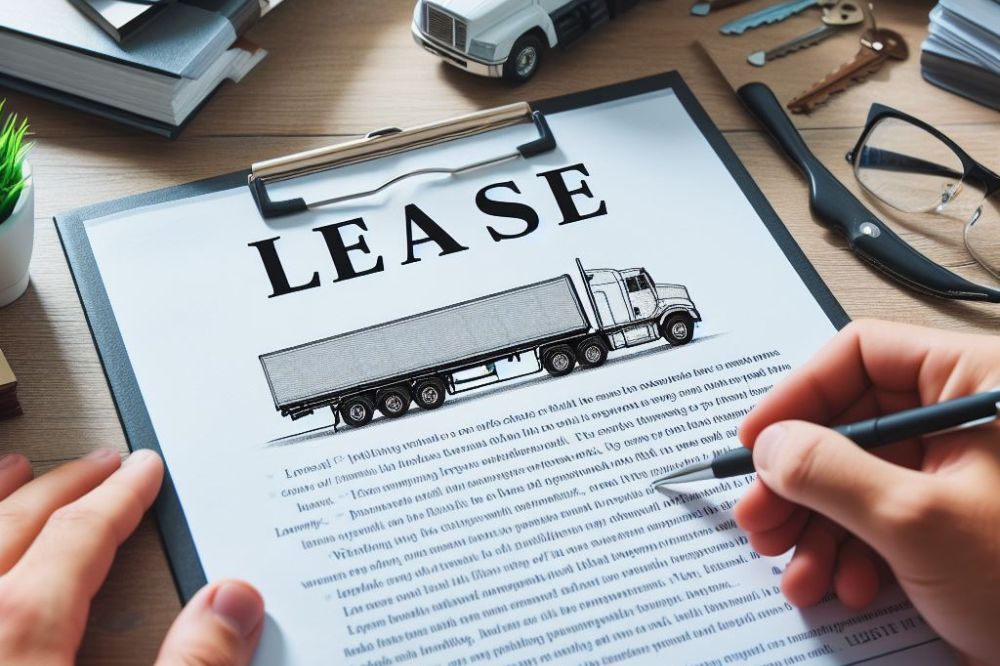
Commercial truck leasing is when you rent a truck for a specified period instead of purchasing it outright. Leasing commercial vehicles involves a contract between the lessee (the party renting the truck) and the lessor (the owner or leasing company providing the truck).

Under a commercial truck lease, the lessee pays a regular monthly fee for using the truck over a predetermined period. The lease terms could include maintenance responsibilities, mileage limitations, insurance requirements, and potential penalties for excessive wear and tear on the vehicle.

There are various types of truck leasing options available, such as:

  • Full-Service Leasing: This type of lease covers most costs associated with the truck, including maintenance, repairs, insurance, and sometimes even registration fees.
  • Finance Lease: Also known as a capital lease, it’s more like a loan where the lessee assumes most of the responsibilities of ownership, including maintenance and insurance.
  • Operating Lease: A short-term lease where the lessee doesn’t take on the risks of ownership. This type of lease often allows for easier upgrades to newer vehicles.
truck lease agreement

Essential Elements of a Commercial Truck Lease

While you can have different types of agreements for leased trucks, a leased vehicle agreement should include the following elements. Understanding the fine print of these different elements is essential before leasing a commercial vehicle.

Identification of Parties

The lease should clearly identify the lessor (owner or leasing company) and the lessee (the individual or business renting the truck).

Description of the Truck

The agreement should specify the truck’s details, including make, model, year, Vehicle Identification Number (VIN), and any additional features or equipment.

Lease Term

The agreement should state the duration of the lease, such as the start date and end date, or the duration of the lease period in months or years.

Payment Terms

This section outlines the financial aspects, including the amount of monthly lease payments, due dates, additional fees, and penalties for late payments or breaches of the agreement.

Maintenance and Repairs

The lease should define the responsibilities for maintaining and servicing the truck, specifying whether the lessor or lessee is responsible for preventive maintenance, repairs, and insurance coverage.

Usage Restrictions

Details covering how the truck can be used, mileage limits, geographical restrictions, and any prohibited activities should be clearly outlined.

Return Conditions

Conditions for returning the truck at the end of the lease term. This includes requirements for its condition, any excess wear-and-tear charges, and potential charges for exceeding agreed-upon mileage.

truck inspection

Insurance Requirements

Specifications regarding the types and levels of insurance coverage required for the leased truck, including liability, collision, and comprehensive coverage.

Early Termination or Buyout Options

Any provisions regarding early termination of the lease or options for the lessee to purchase the truck at the end of the lease term should be clearly stated.

Comparing Commercial Truck Leasing vs. Purchasing Options

Should you purchase or lease a commercial truck? Each option has its trade-offs.

Leasing offers lower initial costs, predictable monthly expenses, potential tax benefits, and easy upgrades. However, you don’t get ownership equity, and the long-term costs can add up.

On the other hand, buying a truck involves a higher upfront investment, but it gives you ownership of a significant asset, flexibility in your truck’s usage, and potential long-term cost savings.

However, ownership also involves bearing all maintenance costs and facing depreciation impacting resale value.

Choosing between leasing and purchasing should depend on your immediate cash flow, long-term business strategies, and operational requirements.

Owning a vehicle is typically preferred, but many trucking companies don’t have the cash to purchase a new truck. Leasing is also a standard solution for substitute vehicles to keep a fleet running and the business moving.
truck lease pros and cons

Commercial Truck Lease Pros and Cons

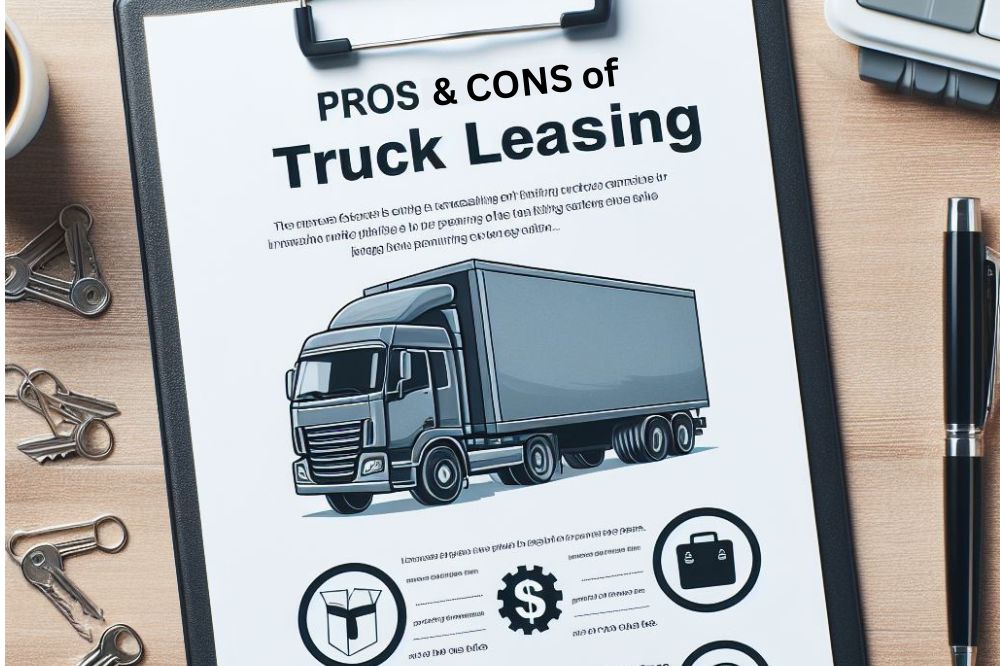
As we’ve already mentioned, commercial truck leasing comes with its pros and cons.

Pros

  • Lower initial costs
  • Monthly lease payments are more predictable
  • Lease payments might be tax-deductible as a business expense
  • Some leases include maintenance services
  • Easier access to newer vehicle models at the end of the lease term

Cons

  • Lessees do not gain ownership or equity in the truck.
  • Lease agreements often involve mileage limits and usage constraints
  • The long-term costs of leasing might be greater than ownership

Costs to Consider When Leasing Commercial Trucks

Leasing a commercial vehicle involves various costs. Here’s a breakdown of what you can expect.

Monthly Lease Payments

The main cost is the monthly lease payment, which covers truck use. This payment varies based on the type of lease, truck model, and your lease terms.

Down Payment or Initial Fees

Some leases require a down payment or initial fees upfront. These costs can vary and may include security deposits or the first month’s payment.

Maintenance and Repairs

Depending on the lease agreement, lessees might be responsible for maintenance and repair costs. Some leases include maintenance services, while others require lessees to cover these expenses separately.

costs
Insurance

Lessees are typically required to have insurance coverage for the leased truck. Insurance costs vary based on coverage types, deductibles, and the truck’s value.

Excess Mileage or Usage Fees

Lease agreements often include a maximum mileage limit. If this limit is exceeded, additional fees per mile might apply.

Taxes and Fees

There may be taxes, registration fees, and administrative costs associated with leasing a commercial truck.

Early Termination Fees

Terminating a lease before the agreed-upon term might result in penalties or early termination fees.

Final Thoughts

Leasing a truck might seem like an attractive option, but in the long run, it’s generally best to own a vehicle.

Luckily, it’s possible to access affordable vehicle financing that makes purchasing a commercial truck an easy process. Get in touch with Mission Financial Services to gain the funding for your dream truck.
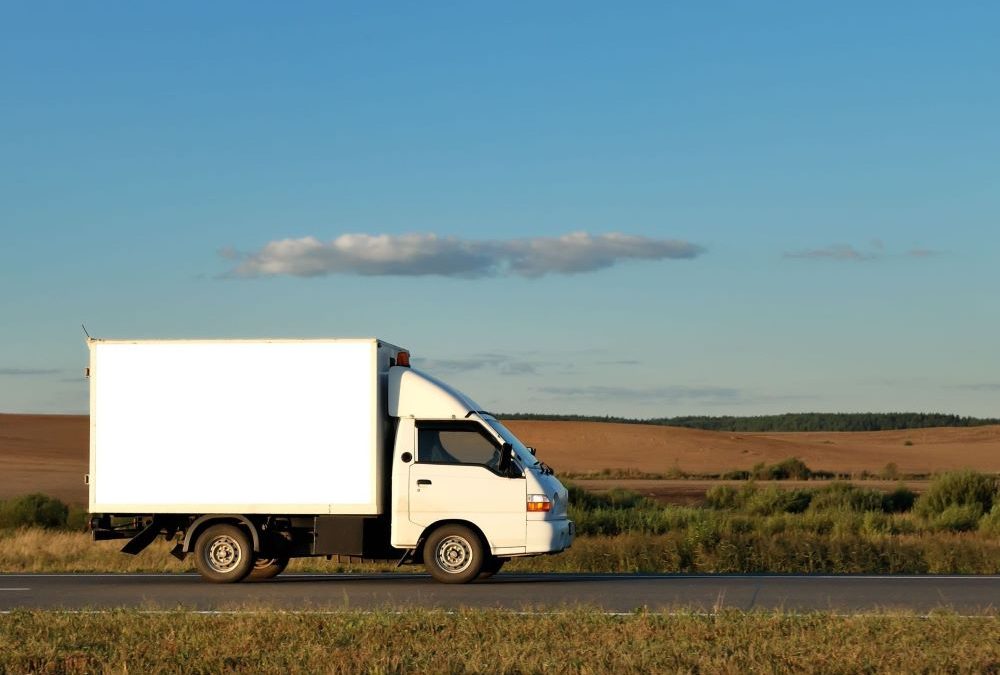
Hotshot Commercial Truck Insurance

Hotshot Commercial Truck Insurance

hotshot

Many different types of trucking businesses exist – with hotshot trucking being a popular area.

As this is a unique type of trucking, it comes with its specialized insurance requirements. This is why hotshot trucking operators need the right insurance policy that matches their business needs and operations.

If you only offer hotshot trucking services, taking out a regular commercial trucking insurance policy could waste money.

To help you out, here are some of the critical things you need to know about hotshot commercial truck insurance.

What is Hot Shot Trucking?

Hot shot trucking is a trucking and delivery service that involves transporting relatively small, time-sensitive loads. With hot shot trucking, you use smaller trucks, typically one-ton or medium-duty trucks. These are classified as less-than-truckload (LTL) vehicles.

Unlike traditional freight services that use large semi-trucks or tractor-trailers, hot shot trucking utilizes smaller vehicles that can quickly transport goods and cargo to their destination.

Hot shot trucking can cater to various industries, including oil and gas, construction, agriculture, and manufacturing, where the fast delivery of smaller loads is necessary.

The advantage of hot shot trucking is faster delivery times and more personalized service compared to larger freight carriers. This niche transportation service is valuable for its flexibility, speed, and quick response to time-sensitive transport needs.

Who Needs Hotshot Trucking Insurance?

Hotshot trucking insurance is essential for anyone who offers this trucking service.

This insurance is essential for owner-operators running smaller trucks or small trucking companies specializing in rapid delivery. Freelance drivers offering on-demand services may also need a hotshot trucking insurance policy.

Hotshot truckers require specialized insurance coverage to protect against liabilities, cargo damage, and unforeseen incidents on the road.

Getting the right hotshot trucking insurance provides financial protection and peace of mind for the transporter and their clients in the event of accidents or mishaps during transit.

Hot Shot Trucking Coverage

Hotshot trucking insurance refers to commercial trucking insurance that can be applied to specialized hotshot truckers. Coverage can include:

  • Liability Insurance: Covers bodily injury or property damage liabilities arising from accidents while operating the truck.
  • Comprehensive Insurance: Protects against non-collision incidents like theft, vandalism, or natural disasters.
  • Collision Insurance: Covers damages to the truck resulting from collisions.
  • Cargo Insurance: Protects the value of the cargo being transported against damage, loss, or theft during transit.
  • Loading and Unloading Insurance: Covers liabilities during loading or unloading cargo.
  • Towing and Storage Insurance: Covers costs related to towing and storing the truck in case of breakdowns or accidents.
  • Bobtail Coverage Insurance: Covers the truck when operated without a trailer, such as when driving back to the home base.
  • Downtime Insurance: Provides coverage for income lost due to downtime resulting from accidents or covered incidents.
  • Earned Freight Insurance: Covers the income lost if the cargo can’t be delivered due to a covered incident.
  • Equipment Coverage: Protects additional equipment used for transportation, such as trailers, chains, and tarps.
  • Debris Removal Insurance: Covers costs associated with the removal of debris resulting from covered incidents.
  • Broadened Pollution Insurance: Covers liabilities for environmental damage caused by hazardous material spills during transit.
  • Loss Mitigation Insurance: Covers expenses incurred to prevent further damage or loss after an incident occurs.
  • Medical Payments Insurance: Covers medical expenses for injuries sustained by the driver or passengers in the truck.
  • Family Emergency Expenses Insurance: Provides coverage for emergency expenses incurred by the driver’s family due to a covered incident.
  • GAP Coverage: This covers the difference between the truck’s actual cash value and the amount still owed on a lease or loan in the event of a total loss.
  • Umbrella Insurance: Provides additional liability coverage beyond the limits of primary insurance policies.

Cost of Hotshot Trucking Insurance

The cost of hotshot trucking insurance policies varies based on a range of factors.

Most importantly, your premiums depend on what types of coverage you have. The more comprehensive coverage your policy offers, the more expensive your insurance will be.

The following factors can also affect how much your insurance policy costs:

  • Type of equipment being covered
  • Coverage limits
  • Driving history
  • Cargo
  • Location
  • Deductibles

The bottom line is the more you need to be covered, the more expensive your policy will be.

Lowering the Cost of Hotshot Insurance

Want to get the best deal on hotshot trucking insurance? It’s possible to lower the cost of your premiums by:

  • Comparing quotes to see which company offers the best deal
  • Increase deductibles to lower your monthly premiums
  • Get only essential cover to reduce how much you pay

If you want to purchase hotshot insurance on a budget, only cover the essentials. This could add risks over the long run, but it will decrease your monthly premiums.

find insurance

How to Find Hot Shot Insurance Cover

Contact insurance companies specializing in commercial trucking or freight transportation and ask if they offer any specialized hotshot insurance options. Request quotes tailored to your specific needs and the nature of your hot-shot trucking business.

Comparing multiple quotes and understanding the details of coverage options will help you choose the most suitable insurance broker for your operations.

Final Thoughts

The right commercial truck insurance policy is essential for the smooth operation of any trucking business. Make sure you compare quotes and understand exactly what coverage options you have. Choosing the right policy can make a significant impact on your business.

If you’re in the hotshot trucking business, you must acquire the right vehicle. At Mission Financial Services, we make it easy for owner-operators to access the financing they need to purchase a commercial truck. Get in touch with us to see how easy the application process is.

food trucks

General Liability Insurance For Commercial Food Trucks

food trucks
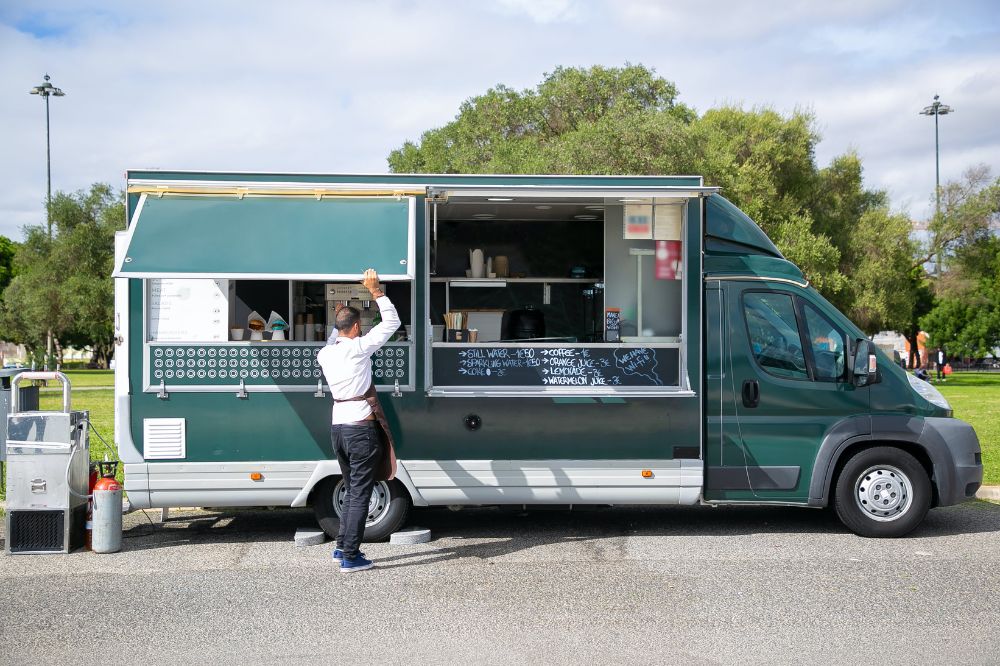
The right food truck insurance policy is essential for anyone operating a mobile food business.

Insurance for food trucks is vital, as it can cover your vehicle, business, and customer-related incidents. Choosing the right commercial insurance broker is essential in starting a food truck business.

Here’s everything you need to know about this insurance.

What Is Food Truck Insurance?

Food truck insurance is a specialized type designed to protect owners and operators from various risks and liabilities associated with running a mobile food business.

This insurance covers potential losses and damages that could occur while operating a food truck.

Who Needs Food Truck Insurance?

Quite simply, food truck insurance is essential for anyone operating a business with a food truck.

Regardless of the scale of operations, whether it’s a small local food truck or a more extensive mobile catering business, having proper insurance is essential to protect against unforeseen accidents, damages, liabilities, or interruptions to your business that could result in financial losses.

Basic Food Truck Insurance Cover

While each commercial insurance broker offers different plans and types of coverage, basic food truck insurance coverage typically includes two cover areas.

food truck liability

General Liability Insurance

General liability insurance for a food truck typically covers:

  • Third-party bodily injury: This covers medical expenses if someone is injured due to your food truck’s operations.
  • Third-party property damage: If your food truck or your operations cause damage to someone else’s property, this coverage helps pay for repairs or replacements.

How much commercial general liability insurance do food trucks need? This depends on your specific business and operational plan.

Commercial Auto Insurance

Commercial auto insurance for your food truck covers:

  • Accidents and collisions: This coverage helps pay for repairs to your food truck if it’s damaged in an accident, regardless of fault.
  • Liability for auto accidents: If your food truck is involved in an accident that causes injuries or property damage to others, this coverage helps cover related expenses.

Other Insurance Coverage You Might Need

We’ve covered the foundations of food truck insurance. However, depending on your food truck operation’s specific needs and risks, additional business insurance coverage options might be worth looking into.

While this raises food truck insurance costs, it could be valuable for the right business.

food spoilage

Here are some extra options to consider:

  • Business Interruption Insurance: Helps cover lost income and expenses if your food truck business is temporarily unable to operate.
  • Commercial Umbrella Insurance: Provides additional liability coverage above the limits of your general liability, commercial auto, or other primary policies in case of a significant claim.
  • Inland Marine Insurance: Protects movable or specialized property (e.g., equipment, tools) when transported over land. It can cover items off your premises, such as when your food truck is in transit.
  • Product Liability Insurance: Covers costs if someone claims your food products harmed them.
  • Liquor Liability Insurance: If your food truck serves alcohol, this insurance covers liabilities from alcohol-related incidents, such as injuries or property damage.
  • Employment Practices Liability Insurance: Protects your food truck business against claims related to employment issues like discrimination, wrongful termination, or harassment.
  • Equipment Breakdown Insurance: Covers the cost of repairing or replacing essential business equipment that breaks down due to mechanical or electrical issues.
  • Food Spoilage and Contamination Insurance: Reimburses the cost of spoiled or contaminated food due to equipment failure, power outages, or other covered causes.
  • Workers’ Compensation Insurance: Provides medical benefits and wage replacement to injured employees. It’s mandatory in most states if you have employees working on your food truck.
  • Hired and Non-Owned Auto Insurance: Covers liability expenses when using vehicles not owned by your business (such as employee-owned vehicles used for business purposes) or renting a vehicle for business use.

food truck
What Influences Food Truck Insurance Premiums?

It’s important that you understand how food truck insurance costs are calculated. Here are some of the main factors that can influence food truck insurance premiums.

Type of Coverage

The extent and types of coverage you choose for your food truck insurance will directly impact the premium.

More comprehensive insurance for food trucks or higher coverage limits typically result in higher premiums.

Location

The area where your food truck operates can significantly affect insurance costs.

Urban areas with higher population density or areas prone to higher crime rates or traffic accidents might have higher premiums on the food truck insurance policy.

Value of Equipment and Assets

The value of your food truck, cooking equipment, appliances, and other assets you want to insure will influence the costs of food truck insurance policies. Higher-value items generally mean higher premiums.

Claims History

Your insurance history and past claims for food truck businesses play a role in determining premiums.

If you’ve had previous claims or a history of frequent claims, it might increase your food truck insurance cost.

Driving Record

If your food truck requires commercial auto insurance, the driving records of the operators can affect premiums. A clean driving record usually results in lower premiums.

Business Experience

The length of time your food truck business has been operating can influence premiums. Established businesses with a track record of safe operations might qualify for lower rates.

food truck owner

Security Measures

Installing security systems, fire suppression systems, or implementing safety protocols can potentially lower insurance premiums by reducing risks of theft, fire, or accidents.

Number of Employees

Your number of employees can impact premiums, especially for workers’ compensation insurance and insurance covering medical costs or lost wages. More employees may result in higher premiums.

Final Thoughts

Take time to choose and compare food truck insurance policies carefully. Like commercial property insurance, the right policy can enormously affect how your business operates.

Looking for financing for a new commercial vehicle? Then get in touch with us at Mission Financial Services – we make the process of obtaining financing easy.


Archives

Sign Me Up!

Stay up to date with the latest news in the commercial trucking industry.

Contact Us
close slider