

Office: (404) 975-4800

News

Commercial Truck Loans For Veterans (2023 Update)

commercial truck loans for veterans

Are you a veteran looking to start your own business? Have you considered the booming semi-truck industry? With commercial truck loans for veterans, you can realize your entrepreneurial dreams.

In this guide, we’ll explore why veterans should consider a trucking business, how Mission Financial Services can help secure business loans, and the easy steps to apply for a commercial truck loan.

Why Should Veterans Consider A Semi-Truck Venture?

There are many reasons a veteran should consider becoming a small business owner. From management and daily operations, it offers veterans unique challenges that they can tackle. Here are some more reasons why veteran entrepreneurs will love managing a successful business in trucking.

Independence and Flexibility

For many veterans, transitioning back to civilian life or the business world can be challenging. Starting a semi-truck small business can provide a sense of independence and flexibility. You control your schedule, routes, and load types as an owner-operator. You can also earn a higher income than in a traditional job. For veterans who value autonomy and self-sufficiency, owning a semi-truck business can be a great fit!

High Demand

The transportation industry is essential to the economy, and the demand for trucking services is always high. As the economy grows and consumer demand increases, so does the need for goods to be transported.

This creates steady work for semi-truck owners, allowing them to build successful businesses.

With many experienced truck drivers retiring, qualified drivers are still scarce.

As a veteran with experience driving large vehicles, you have an advantage in the trucking industry. You can leverage your skills to grow your small business.

Business Ownership

Starting a veteran owned business allows you to take control of their financial future by becoming their own boss. As veteran business owners, veterans can set schedules, make decisions, and be free to pursue their passions. They can choose their routes and clients, and work on their terms, making it a rewarding and fulfilling experience.

Additionally, owning a business allows veterans to build their legacy and create a company that can be passed down to future generations. This can provide a sense of pride and accomplishment that is hard to find in many careers. By starting a semi-truck business, veterans can significantly impact their own lives and the lives of their loved ones.

Commercial Truck Loans For Veterans With Mission Financial

At Mission Financial Services, we understand the unique needs of veterans entering the trucking industry. Unlike getting a bank truck loan, we offer flexible semi-truck financing options for small business owners with bad or no credit scores. Our team of experts will guide you through the entire business loan process, making it as easy as possible.

Semi-Truck Loan Process (4 Easy Steps To Success)

Securing commercial truck loans for veterans is straightforward. Here are the 4 steps to quickly obtain commercial truck financing for new veteran small business owners:

1. Pre-qualification

Pre-qualification is the first step in securing your first capital business finance loan for veterans with Mission Financial Services. The process is quick and easy and can be done online from the comfort of your home.

To get started, you only need to submit an online credit application with basic personal and business information. This information will determine your eligibility for a loan and give you a better understanding of what kind of small business loan terms you can expect.

The commercial truck financing application will ask for basic details, including your name, address, phone number, email address, and date of birth. Additionally, you’ll be asked to provide information about your business, such as your business name, business structure, and the type of truck you are interested in financing.

At Mission Financial Services, we understand that the pre-qualification process can be intimidating, especially if you have never applied for business loans before. That’s why we have a team of experienced semi-truck financing specialists available to help you through the small business loan process.

2. Loan Options

At Mission Financial Services, we understand that each veteran’s situation is unique. We offer various commercial truck loans tailored to your needs and budget.

Once you’ve completed the pre-qualification process, our experienced loan officers will review your application and match you with the business loan options that best suit your situation.

We offer semi-truck financing with competitive interest rates, flexible payment terms, and no prepayment penalties. Our small business loans and equipment financing include both new and used semi-truck financing, as well as commercial fleet financing.

Whether you’re looking for short-term or long-term semi-truck financing, our team can help you find the perfect financing solution for veteran business owners.

3. Approval

After pre-qualification, you’ll receive a small business loan that meets your business needs and budget. Once you select the option that works best for you, the next step is approval.

At this stage, Mission Financial Services will verify your business and personal information and the semi-truck or trailer you’re looking to finance. They’ll also check your personal credit score and business history to determine your eligibility for the loan amount.

If approved, you’ll be asked to provide any additional required documentation, such as your driver’s license, proof of insurance, and proof of income. Mission Financial’s loan specialists will guide you through the truck loan process and make it as easy as possible.

Once you’ve provided all the necessary documentation, you’ll sign the loan agreement. Congratulations, you’re one step closer to starting your own semi-truck business!

4. Funding

After completing the business loan approval process, you’ll be well on your way to starting your semi-truck business! Once everything is finalized, the loan amount will be paid into your bank account, allowing you to purchase the commercial trucks you need to start your own business.

From there, it’s up to you to put in the hard work and dedication required to make your own business a success. Remember to develop a business plan and to track business expenses and cash flow. You can also go for business training such as veterans business development or small business administration to ensure your business continues to succeed.

Final Thoughts

Congratulations! You can now start your own small business with the help of Mission Financial Services. Take the first step towards your entrepreneurial journey and apply for a truck loan today.

Contact us to learn more about our small business loans and how we can help make your small business dreams a reality.
semi truck financing requirements

Semi-Truck Financing Requirements: What You Need to Qualify

semi truck financing requirements

To finance a semi-truck, most lenders in the trucking industry want a down payment, a CDL, and driving experience. They’ll also ask for proof of insurance and details on the truck.

At Mission Financial, first-time buyers usually put down 20% to 30%. We look for three years of verified driving experience and trucks from model year 2000 or newer. Bad credit doesn’t rule you out. We’ve approved drivers with past bankruptcies and repossessions, as long as they’re more than a year old.

This guide covers each requirement and the paperwork truck buyers need to start a trucking business.

Semi-Truck Financing Requirements at a Glance

This table sums up what we ask for at Mission Financial. Other lenders set their own rules, so compare multiple lenders before you apply.

Requirement What we ask for
Down payment Usually 20% to 30% for first-time buyers
Credit We review your overall credit, not just the score
Driving experience Three years of verified experience. Less may work with a bigger down payment.
Truck age Model year 2000 or newer
Insurance Proof of insurance with at least a $1,000 deductible
Loan term Up to 42 months, or 48 months for 2012 and newer trucks with five years’ experience
Documents Credit application, CDL, bank statements or tax returns, references, spec sheet, and sales order

The Main Requirements to Finance a Semi-Truck

Lenders check six things: your down payment, credit, driving experience, income, the truck, and your insurance. Lenders use each one to judge your risk (the chance you’ll fall behind on loan payments).

Down Payment

First-time buyers with us usually put down 20% to 30% of the truck’s price. That’s typically between $25,000 and $30,000.

If you can’t buy the truck outright, the size of your down payment shapes the rest of the loan.

A bigger down payment lowers your loan amount and gives you a lower monthly payment. It also improves your odds if your credit or experience is thin.

A lower down payment leaves more working capital for fuel, insurance, and repairs.

Before deciding how much cash to put down, work out how much working capital you’ll need until freight payments arrive.

In our experience, a modest down payment with healthy cash reserves beats emptying your account to shrink the loan.

Some lenders advertise zero-down semi-truck financing, but those deals usually need strong credit.

truck in warehouse

Credit History

A good credit score in the high 600s usually gets you better financing options. It’s only part of the picture, though. We’re a common-sense lender, so we look at your overall credit.

On-time payments on your home or car count in your favor. You don’t need to own a home or have prior truck credit.

If you’ve just formed an LLC, lenders will rely on your personal credit. Your business credit won’t have much history yet. Existing debt matters too, since bigger monthly bills leave less room for a truck payment.

The ideal applicant has:

  • No bankruptcies or repossessions in the past year
  • Minimal tax liens or child support issues
  • A steady record of paying bills on time

We review foreclosures case by case.

CDL and Driving Experience

Owner-operators need a current CDL. We look for three years of verified driving experience. Drivers with less experience can still apply. A larger down payment helps, and we review those applications case by case.

You can buy a semi-truck without a CDL if you plan to hire a driver.

Income and Business History

Lenders want proof your trucking business can cover loan payments and operating expenses. We ask for bank statements, tax returns, or both. Banks and credit unions often ask for more, like business tax returns, profit and loss statements, and other financial statements.

We work with first-time owner-operators who don’t have established revenue yet. In that case, your driving record and personal credit count for more.

A simple business plan showing your expected loads and cash flow helps any lender understand your numbers.

Truck Age and Condition

The truck is the collateral, so its age, mileage, and condition shape your loan. Age and mileage also set the purchase price.

Many lenders only finance trucks from the last five to 10 years. We finance trucks as far back as model year 2000, so a new rig isn’t required.

A used truck with higher mileage can mean higher rates and more repairs, though. In our experience, a truck under 10 years old with good service records is the sweet spot. Financing older commercial trucks is possible, but budget for the extra maintenance.

shaking hands

Insurance

You can get pre-approved without insurance, but you’ll need proof of coverage before we fund the loan.

If the truck is your main business asset, you’ll likely need primary liability, physical damage, bobtail, and cargo coverage. For-hire carriers hauling general freight need at least $750,000 in liability coverage (FMCSA). Premiums are a big part of operating expenses, so check what commercial truck insurance costs before budgeting.

Documents You’ll Need to Apply

Having your documents ready speeds up the financing process. Here’s what we ask for:

  • A completed credit application
  • Your current CDL
  • Bank statements, tax returns, or both
  • Six references (or 10 if you don’t have an active phone bill)
  • A spec sheet with the year, make, model, VIN, mileage, engine, transmission, and accessories
  • A complete sales order with the cash price, sales tax, DMV fees, and dealer fees
  • Pictures of the truck
  • Proof of insurance with at least a $1,000 deductible

If your trucking company is an LLC or corporation, add your LLC agreement or articles of incorporation.

Rates, Terms, and Fees to Expect

Commercial truck loans carry higher interest rates than car loans. With us, contract rates run from 18% to 29.95%, depending on your credit and the truck.

Our standard loan term runs up to 42 months. You can stretch it to 48 months with a 2012 or newer truck.

That longer term also needs five years of driving experience and no bankruptcies or repossessions on record.

Watch for hidden fees in any financing agreement. We list ours up front: every contract includes a 16% prepaid finance charge and a $495 loan doc fee.

Your loan agreement lists the full repayment schedule, so read it before you sign.

Here’s a rough idea of monthly payments at 20% APR, before fees:

Amount financed 42 months 48 months
$30,000 About $999 About $913
$40,000 About $1,332 About $1,217

Always compare the APR, not only the advertised rate. FreightWaves reports truck loan APRs in 2026 run from roughly 6% to 35%.

Your credit, the truck’s age, and the loan term all affect your commercial truck financing rates.

Money

Can You Finance a Semi-Truck With Bad Credit?

Yes. Many lenders turn down low scores, but we specialize in bad credit loans for owner-operators with less-than-perfect credit. Collections, charge-offs, and old bankruptcies don’t automatically rule you out. Your rate will likely be higher, though.

To improve your odds with challenged credit:

  • Save for a bigger down payment
  • Pick a newer truck with lower mileage
  • Show on-time payments on your home or car
  • Check your credit score and dispute any errors

Traditional financing through a bank usually needs stronger credit. The Small Business Administration also backs loan programs through partner banks and credit unions. SBA loans can help small business owners secure financing if they have strong credit and a business track record.

Should You Lease or Buy?

Equipment financing builds equity, while leasing costs less upfront. Our loans are for purchases, including lease-purchase buyouts.

A lease frees up cash for business growth. With a standard lease agreement, though, you don’t own the truck at the end.

Comparing leasing vs. buying a semi-truck side by side shows which financing options fit your cash flow.

documents

Final Thoughts

Semi-truck financing requirements vary by lender. Most come down to your down payment, credit, experience, income, truck, and insurance.

Get your documents together before you shop, and you’ll move faster when you find the right truck.

Contact us or start your application to see what you qualify for.

Frequently Asked Questions

How Much Is the Down Payment on a Semi-Truck?

With Mission Financial, first-time buyers usually put down 20% to 30%. That’s typically $25,000 to $30,000.

Can I Finance a Truck With a 500 Credit Score?

It’s possible. We look at your overall credit and payment history, not only the number. In some cases, we can finance scores as low as the 400s.

How Long Can I Finance a Semi-Truck?

Our contracts run up to 42 months. Trucks from 2012 or newer can qualify for 48 months if you have five years of experience. New trucks may have longer financing terms than used trucks.

How Fast Can I Get Approved for Semi-Truck Financing?

We guarantee a response within four hours once we have your application.

how to become a semi truck driver

How To Become A Semi Truck Driver (Top Insights)

how to become a semi truck driver

Have you been wondering how to become a semi-truck driver? Well, you’re in luck. This guide is here to break down all the important information you’ll need on your journey.

You must follow all the initial steps correctly to abide by the Federal Motor Carrier Safety Administration (FMCSA)’s regulations. Failing to do so might cause inconveniences later on and prevent you from getting your Commercial Driver’s License (CDL).

How To Become A Semi Truck Driver

Truck driving is a rewarding career. According to the Bureau of Labor Statistics, you can earn a decent annual salary as a new driver. Your pay will increase as you gain more experience in the trucking industry.
To start your new career as a semi-truck driver on the right foot, follow the steps below.

Step 1: Determine Your Eligibility

Before you get on the path to becoming a semi-truck driver, you must first ensure that you meet all the minimum requirements. Some of these requirements include those listed below.

Age

By law, you must be at least 18 years old to become a truck driver. But, you’ll be under strict restrictions regarding the type of trips you can make at this age. In most states, young drivers between 18 and 21 years can only make local trips within their home state.

You’ll qualify to ride across state lines at 21 years. Most truck companies prefer working with drivers 21 years and above.

Regular Driver’s License

You cannot get a CDL without having a current driver’s license.

So, if you do not have a regular license, get one first. Ensure you pass your home state’s standard driver’s license exam and spend some time behind the wheel of a non-commercial vehicle.

It’ll help you build the courage and confidence you need to drive tractor-trailers when the time comes.

Clean Driving Record

Your chances of joining the trucking industry as a truck driver are higher when you have a clean driving record.

Most companies and driving schools may overlook minor traffic violations like wrong parking. But a history of reckless driving, or driving under the influence (DUI), minimizes your chances of getting trucking jobs.

That’s because driving a combination vehicle, such as a semi-truck, requires responsibility. All stakeholders in transportation, including the Department of Transportation (DOT), must ensure commercial drivers are competent to keep all road users safe.

High School Education

Most truck companies, especially those that employ long-haul truck drivers, require applicants to have a high school diploma.

A GED equivalent works well too. Some driving schools also request these documents for you to join.

It might be a good idea to get your GED if you don’t have a high school diploma. It’ll keep your driving school options open and help you qualify for more employment opportunities.

Drug And Alcohol Tests

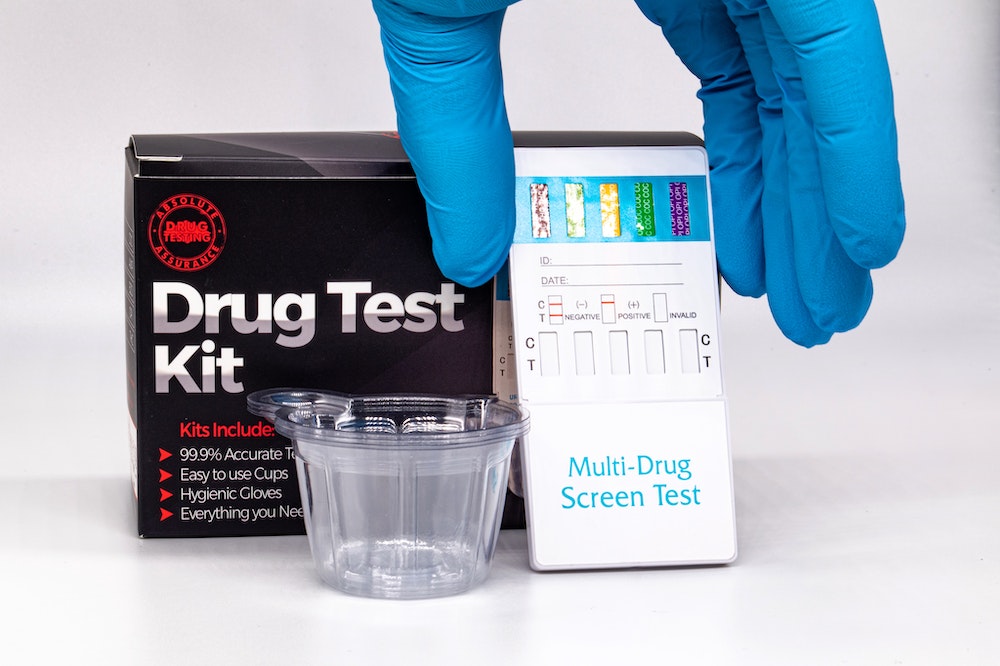
Drug testing isn’t necessary for getting a CDL, but it is for being employed as a truck driver.

You should know from the start that drugs and alcohol testing will be frequent throughout your career as a truck driver.

Most employers perform random drug tests from time to time to ensure their drivers are always fit to drive.

drug test

In addition to the above, there are some factors you should take keen note of if you want to become a truck driver. These issues can prevent you from obtaining your CDL in most states. We’ve outlined some below.

  • Medical conditions, like sleep apnea or high blood pressure.
  • Certain prescription medications.
  • Felony convictions for extortion, arson, and kidnapping.

Address these issues before you start your journey to becoming a truck driver. For example, you could get a written waiver from your physician to show the medical conditions won’t interfere with your ability to drive safely.

Once you’ve met all the requirements for becoming a semi-truck driver, you’re ready to begin training.

Step 2: Attend A Professional Truck Driving Program

Finding a high-quality truck driving school or program is essential for your career.

You want to find FMCSA-accredited truck driver training programs to go through your training. This is required by law.

There are several truck driving training options you can choose from to get your CDL training. Some take a few weeks to complete, while others may take a few months.

Different options also charge different amounts to go through their courses. But there are FMCSA-approved programs that offer financial aid to reduce your costs.

The most common types of CDL training you can go through include:

Private Schools

Although tuition costs vary from one school to another, private CDL schools are generally the most expensive CDL training option.

You may have to pay thousands of dollars upfront to complete the training in a few weeks or months. But this depends on the specific school you attend.

truck

Private driving schools are also one of the most flexible options because they run all year round. You can attend and finish your CDL training anytime.

Some reputable private driving schools have partnered with truck companies to offer students a truck driving job placement once they finish training.

Community College Training Programs

Community colleges take longer than private CDL training. They’re also less flexible since they only run a few times annually.

Consider this option if you’d like to get your CDL part-time. It’s the best option if you’re in no hurry to get behind the wheel of any commercial vehicle.

You may have to pay tuition fees for most programs. But there are several funding options to help with the costs, like the federal Pell Grant.

Paid CDL Training Program

If you wish to pay the least money for your CDL training, choose this training option. It’s also known as company-sponsored CDL training or free CDL truck training.

In this program, large trucking companies sponsor students to get their CDL. In turn, students commit to work for the sponsoring company for a while (approximately one year) once they complete their training.

The vast majority of potential truck drivers go for this option for two reasons:

  • There are no upfront costs.
  • It guarantees a truck driving job right after training.

If you choose this option, do your research! Ensure you commit to a company you genuinely want to work for in your career.

truck driving

Paid CDL training is always ongoing. They also take the shortest time. You can have your CDL and start working within a few weeks (around 4 to 6 weeks).

Here are a few factors to consider when selecting a training program:

  • How much money do you wish to spend on training?
  • How much time do you have to spend in training or driving school?
  • How fast would you like to start working as a truck driver?

Step 3: Get Your Commercial Driver’s License (CDL)

CDLs come in different classes. You get class A, B, and C licenses.

Each CDL class allows you to drive a specific type of commercial vehicle, depending on its weight and size.

The more the weight limit you can drive, the more commercial vehicles you’ll be in a position to drive. In addition, the more career options you’ll be able to explore.

For a commercial truck driver, the class A CDL license might be the best option for you. It has minimum restrictions and allows you to drive large trucks internationally. This gives you more versatility in your career.

How To Get A CDL

There are a few steps that all potential semi-truck drivers must follow to get a CDL license. We’ve outlined these steps below.

Submit Your CDL application

Whether you want a class A or class B license, you must fill in and submit your application. You’ll need to provide a few personal documents, such as identification, proof of address, social security number, and a utility bill.

laptop

Pass Various Tests

Next up, you’ll need to pass physical, hearing, and sight CDL tests from a certified Department of Transportation (DOT) physician. You’ll get a DOT medical card indicating that you’re medically fit to be a long-distance driver.

The knowledge test is also important. This includes a written CDL exam that may cover the technicalities of driving a truck and road regulations. Once you’ve passed all the tests, you’ll get your commercial learner’s permit (CLP).

With your learner’s permit, you can practice driving a semi-truck while waiting for your final road test. A qualified commercial driver’s license holder must be with you when doing this.

Ace Your Road Test

Lastly, you’ll need to pass your road skills test. This will test your road skills with a qualified test evaluator. You may have to go through several tests to demonstrate that you can drive large commercial vehicles, like tractor-trailers.

Some tests may include handling common mechanical issues and a basic controls test.

After completing all these steps successfully, you’ll get your CDL. You can then get hired and become a truck driver on the road!

Double Check CDL Requirements

It’s worth noting that CDL requirements vary from one state to another. In most cases, you’ll need further endorsements to drive certain special vehicles like school buses or vehicles transporting hazardous materials.

Always check your state’s Department of Motor Vehicles (DMV) regulations to ensure you meet all the requirements.

driving truck

You may also learn more about endorsements and restrictions from the FMCSA to ensure you’re always on the safe side.

Step 4: Get Hired

Once you have your CDL, you can become a truck driver in any trucking company. If you selected the paid training option, which offers CDL training and a truck driving job in step two, you might skip the job search!

Most schools have truck driving job placement programs. Many trucking companies hire their drivers directly from driving schools.

Step 5: Complete Employee Training And Orientation

Once recruited, you’ll need to complete the in-house training for the recruiting trucking company before you go out on the road.

The goal of such sessions, often known as driver finishing programs, is to introduce you to the company’s vehicles and equipment.

Such programs also cover the truck company’s mode of operation. They may last approximately 3 to 4 weeks.

How To Get Your Own Semi Truck

Because trucks are expensive, the best way to get your own is by getting a loan. There are two main types of loans you can apply for to get enough funds to buy your truck.

Small Business Administration (SBA) loans

The government helps finance small businesses so that they can grow. You can use an SBA- backed loan to get your truck.

These loans have lower rates and longer terms compared to conventional loans. If you’re an experienced owner-operator, they’re a good option.

To apply for an SBA loan:

  • Visit the SBA loans page.
  • Navigate to the ‘find lenders’ section and provide the necessary details to get connected to potential lenders. You’ll see a list of lenders interested in financing your loan.
  • Talk to the lenders to find the best one for you.
  • Apply for the loan, get approved, and buy your truck!

shaking hands

Company lenders

Many companies offer loans for purchasing commercial vehicles, including semi-trucks.

Most of them are flexible and can give you a loan tailored to your needs. Mission Financial Services is the perfect example.

You can get different types of owner-operator loans from company lenders. You can finance your semi-truck if you are a:

  • Driver with limited experience.
  • First-time owner-operator.
  • Owner-operator with bankruptcies or bad credit.
  • Small fleet owner.

Read this guide on commercial vehicle financing to learn more about your financing options.

You might also want to follow this step-by-step guide on how to get a loan for a semi-truck to apply for one today!

Final Thoughts

Becoming a truck driver is straightforward if you follow the steps we’ve laid out.

Once you pass the background check and meet all the initial legal requirements, you’ll get your CDL and can start your semi-truck driving journey.

If you’re interested in financing your semi-truck dreams, contact Mission Financial Services today. This lender can help you to realize your goals, and kickstart your trucking business.

credit score needed to buy semi truck

Credit Score Needed To Buy Semi Truck | All You Need To Know

credit score needed to buy semi truck

So, what is the credit score needed to buy semi trucks?

Your score can play an important role in obtaining financing for your business. However, as we will discuss, this is not always the case. Often, the credit score required will depend on the lender.

Let’s discuss the typical credit score needed to buy semi trucks. We’re also going to look into other factors that can influence your loan approval, such as cash flow and monthly payments.

Read on to equip yourself with all of the credit score information you’ll need on your financing journey.

Credit Score Needed To Buy A Semi Truck

Typically, the credit score needed to buy semi trucks is around 650. Any lender will likely approve your commercial truck loan if your score is 650 or above.

But, what if your credit score is lower? In this case, you’ll be considered a high-risk borrower. You may be required to pay a higher interest rate. You also might have a less favorable commercial vehicle loan.

Some lenders don’t take credit scores into account, although they will almost certainly ask to look at them before approving your loan.

Understanding FICO Scores

To understand the credit score needed to buy semi trucks, you must understand FICO scores. FICO score ranges are a way to categorize credit scores into different levels.

credit card

The FICO score is the most widely used credit score, ranging from 300 to 850. The higher your score, the better your credit history and creditworthiness.

Here is a breakdown of the FICO score ranges in simple terms:

  • 300 – 579: A score in this range is considered ‘very poor’.
  • 580 – 669: A score in this range is considered ‘fair’.
  • 670 – 739: A score in this range is considered ‘good’.
  • 740 – 799: A score in this range is considered ‘very good’.
  • 800 – 850: A score in this range is considered ‘exceptional’.

Statistically speaking, most people tend to score between 600 and 720. This means that most credit applicants fall in the fair to good range. Sometimes, a good credit score is needed to finance a semi-truck.

Semi Truck Financing With Bad Credit

At Mission Financial Services, we understand that not everyone has perfect credit.

For this reason, we don’t consider the credit score needed to buy semi trucks. Having a history of bad credit or bankruptcy does not impact our decision to approve your loan.

If you have poor credit, options like a bad credit loan are available to you. Let’s discuss the steps you can take to finance your semi truck with an imperfect credit score.

1. Complete The Credit Application

The first step in the semi-truck financing process is to complete a credit application. You’ll need to include certain documents in your application. These include pictures of the vehicle you wish to purchase, proof of truck insurance, and potentially a valid driver’s license or commercial driver’s license.

Hands

These documents help lenders to better understand your current situation. From here, they can make an informed decision regarding your loan application.

2. Provide A Spec Sheet

Next up, you’ll need to provide a spec sheet for the semi-truck you wish to purchase. If you’re looking to finance a lease agreement, rather than purchase a semi-truck, you’ll also need to provide a spec sheet.

Spec sheets document detailed information about the vehicle you want to buy, such as the motor carrier number. You can expect to include the following information in your spec sheet:

  • Year: The year the truck was manufactured.
  • Make: The manufacturer of the truck.
  • Model: The specific model of the truck.
  • Vehicle Identification Number (VIN): This is a unique 17-digit number that identifies specific vehicles.
  • Mileage: The current mileage of the commercial vehicle.
  • Engine: The type of engine in the semi-truck.
  • Transmission Type: The type of transmission in the semi-truck.
  • Accessories: Any additional features or equipment on the semi-truck, such as an auxiliary power unit, refrigerated trailer, or GPS.

Providing a detailed spec sheet will help lenders to understand the value of the semi-truck you’re interested in financing. The information on the spec sheet must be accurate and verifiable to help determine your eligibility.

3. Secure A Purchase Order

The final step in the semi-truck financing application process is to provide a purchase order for the new truck.

documents

A purchase order is an agreement between a buyer and a seller. It outlines the details of the sale, including the cash sales price or purchase price and any applicable fees such as sales tax, DMV fees, and dealer fees.

Assessing a purchase order allows the lender to understand the total cost of the new truck. It also helps them ensure that the loan amount is sufficient to cover the purchase.

Other Factors Influencing Semi-Truck Loans

While the credit score needed to buy semi trucks can be important, depending on the lender you choose, other factors can also influence your financing eligibility. Understanding these factors will ensure a smooth and favorable loan application.

1. Driving Experience

Lenders want to ensure that you have the necessary skills and experience to operate a semi-truck safely and efficiently. A proven driving experience record can help boost your case for semi-truck financing.

For example, if you’ve been driving for 10 years, have a clean driving record, and have completed a commercial driver’s training program, this will be viewed favorably by a lender. This is applicable if you will be driving the truck.

2. Annual Revenue Stream

Lenders want to see that you have a stable source of income to make monthly payments. A steady annual revenue stream is important for self-employed individuals or small trucking business owners.

For example, can you demonstrate that your business has been profitable and that have enough cash flow to cover monthly payments? You can do this by providing bank statements. In this case, you’ll probably be viewed favorably by a lender.

report

3. Different Types Of Credit

Different types of credit, such as installment credit, can also help you to look favorable.

Examples of installment credit include a mortgage or business auto loan. Having a mix of different credit types, such as revolving credit and installment credit, shows lenders that you can handle different types of credit responsibly.

4. Co-signer

If the credit score needed to buy semi trucks from your chosen lender is a touch too high, the lender may require a co-signer on your commercial truck loan. A co-signer is someone willing to take on the legal responsibility of repaying the business auto loan if you cannot make the payments. The co-signer can be a family member or friend with a good credit score. Of course, they must be willing to co-sign the loan!

5. Down Payment

A down payment can make you more attractive to lenders. The down payment shows that you have skin in the game and are invested in the purchase. A larger down payment can also help you secure a lower interest rate and better loan terms on your semi-truck financing journey.

It’s important to note that different financing companies may have other requirements and may weigh these factors differently. However, by understanding these factors, you can better prepare yourself for the loan application process and increase your chances of getting commercial fleet financing.

Man in truck

Final Thoughts

The credit score needed to buy semi trucks varies depending on the lender.

If your chosen lender takes credit scores into account, a score of 650 and above is considered suitable for semi-truck financing. Other factors, such as driving experience and an established revenue stream, can boost your loan eligibility.

If you have an imperfect credit score, consider financing your semi truck through Mission Financial Services. We take your current situation into account, rather than your history. Contact us today to kickstart your semi-truck loan process!

Can I Buy A Semi Truck Without CDL

Can I Buy a Semi Truck Without a CDL? (And Other FAQs)

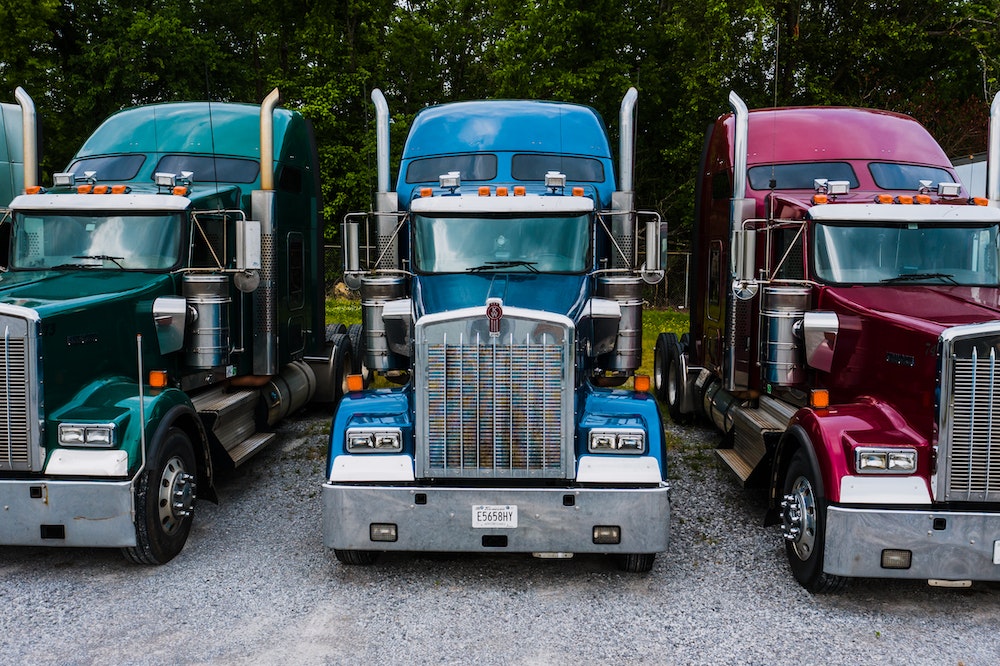
New trucks lined up in a lot, ready for purchase

Yes, you can buy and own a semi truck without a commercial driver’s license (CDL). You just can’t drive it on public roads.

Whoever gets behind the wheel needs a valid CDL. That person doesn’t have to be the owner.

Owning a truck you don’t drive is legal, but financing gets tougher. You also take on hiring, insurance, and compliance.

Do You Need a CDL to Buy a Semi Truck?

No. Federal CDL requirements apply to the person driving the truck. Nothing in the licensing requirements stops you from buying or titling one.

Federal regulations set the license classes for commercial motor vehicles. A Class A CDL covers combinations with a gross combination weight rating of 26,001 pounds or more.

That applies when the towed trailer has a GVWR over 10,000 pounds (49 CFR 383.91). Nearly every tractor-trailer on the road falls into this class.

When You Don’t Need a CDL at All

Trucks under the federal weight limit don’t need a CDL. A single truck with a gross vehicle weight rating (GVWR) of 26,000 pounds or less doesn’t need a CDL. The exception is hauling placarded hazardous materials or 16 or more passengers.

That’s why most 26-foot box trucks don’t need one. Check the GVWR on the door sticker before you assume. State requirements can differ for farm vehicles, so check yours too.

A recreational vehicle is a separate case. A motorhome with sleeping and cooking facilities, kept for private use, usually isn’t a commercial vehicle.

Most states don’t require a CDL to drive one. Some ask for a special non-commercial license for heavy RVs.

Federal guidance also lets states extend CDL rules to RV drivers (FMCSA).

Can You Run a Trucking Company Without a CDL?

Yes. Plenty of owners handle dispatch, sales, and billing while hired truck drivers handle the road.

Here’s how it works: You put up the money and run the business side. Your partner or hired driver holds the CDL and runs the loads. You’ll need qualified drivers, and you’ll have to ensure compliance with federal and state rules.

Your Responsibilities as the Owner

If you run under your own authority, you’re the motor carrier, even with just one truck. That makes you responsible for:

  • Checking every driver’s CDL, driving record, and DOT medical card
  • Tracking when each driver’s CDL expires and when their medical card is due for renewal
  • Making sure drivers stay within hours-of-service limits and record them on electronic logging devices (ELDs)
  • Running drug and alcohol testing
  • Keeping the truck inspected, repaired, and maintained

A weigh station stop can turn into a roadside inspection. Any violations your driver gets go on your carrier’s safety record.

Driver rules have tightened since 2025. The Federal Motor Carrier Safety Administration (FMCSA) now places drivers who fail English proficiency checks out of service.

A February 2026 FMCSA rule also limits non-domiciled CDLs to H-2A, H-2B, and E-2 visa holders. Check both before you hire.

What It Costs to Own a Truck You Don’t Drive

Owning without driving adds payroll, insurance, and registration costs from day one. Count all three in your start-up costs before you buy your first truck.

Driver Pay

Driver pay is your biggest new expense. In 2025, carriers paid 81.8 cents per mile in driver wages, according to the American Transportation Research Institute (ATRI). Benefits added another 21 cents per mile (Transport Topics).

At those averages, a driver running 100,000 miles a year costs you about $102,800.

Insurance

Personal auto insurance won’t cover a commercial vehicle. Most owners need primary liability, physical damage, and cargo coverage.

For-hire carriers hauling general freight in trucks over 10,000 pounds need at least $750,000 in liability coverage.

Insurers will check your driver’s record, since you’re not the one driving. That record, as well as your cargo and routes, affects commercial truck insurance costs.

insurance policy

Operating Authority

To haul freight for pay in interstate commerce, you need a USDOT number and an MC number. Most people just call the first one your DOT number.

FMCSA moved registration to its new Motus system on May 19, 2026.

Getting your MC authority also takes an insurance filing and a process agent (BOC-3) on file.

Can You Finance a Semi Truck Without a CDL?

Yes. You can finance a semi truck without a CDL, but fewer lenders offer it. You’ll also likely need a bigger down payment.

Lenders care most about who’s driving and how the truck will earn. Expect lenders to ask for:

  • A named driver with a valid CDL and a clean record
  • A larger down payment than a CDL holder would need
  • A business plan showing how the truck will earn
  • Your credit history and bank statements
  • An insurance quote and the truck’s specs

Semi-truck financing requirements vary by lender, so ask for the full list before you apply.

Co-Borrowing With a CDL Holder

A common route is signing the loan with a CDL holder who commits to driving. Both of you are then on the hook for the full debt. If the driver quits or loses their license, you still owe every payment while the truck sits. Your best bet is to line up a backup driver before you sign.

SBA and Bank Loans

If your credit and business history are strong, SBA-backed loans are another option. Expect more paperwork and a longer wait for approval.

When Buying Without a CDL Doesn’t Make Sense

Buying without a CDL is risky if you’re missing experience, cash, or a reliable driver.

  • No industry experience: Freight rates, driver turnover, and compliance can sink a new owner fast.
  • Thin cash reserves: One big repair or a week without a driver can wipe out a month’s profit.
  • No reliable driver: A parked truck earns nothing while the loan payment keeps coming.

In these cases, get some experience or build your cash reserves before you buy.

Happy professional truck driver driving his truck and looking at camera.

Conclusion

You can legally buy a semi truck without a CDL. Success depends on a reliable driver, enough cash, and a plan for compliance.

Treat the purchase like starting a trucking business, and budget for driver pay, insurance, and repairs before you sign.

If you’re planning to drive the truck yourself, earning your CDL first gives you the most financing options.

At Mission Financial Services, a current CDL is one of the documents we ask for when you apply. Our semi truck financing works with first-time buyers and owners with less-than-perfect credit.

Once your CDL is in hand, start your credit application to see what you qualify for.

Frequently Asked Questions

Can an LLC own a semi truck without a CDL?

Yes. An LLC can own a semi truck, as long as its drivers hold the right CDL and endorsements. An LLC can also limit your personal liability, though lenders may still ask for a personal guarantee. Limited liability is why many owners choose an LLC as the business structure for a trucking company.

Can I hire a driver after buying a semi truck?

Yes. But lenders and insurers may want your driver named before funding or coverage starts.

What happens if someone drives a semi without a CDL?

It’s illegal, and state laws set the penalties for the driver. The same goes for hauling a load without the endorsement it needs, like hazmat or tanker. Federal rules let FMCSA penalize a carrier that knowingly allows it (49 CFR 383.53). It can also put your insurance coverage at risk.

What credit score do you need to buy a semi truck?

There’s no single minimum. Each lender sets its own. At Mission Financial, we look at your overall credit, not just the score, and we offer bad credit loans.

Should I get a CDL anyway?

If you can, it helps. A CDL opens up more financing options and lets you cover shifts when a driver calls out. Earning your own CDL license takes a knowledge test, a skills test, and entry-level driver training. Test in a truck with air brakes, or your CDL will carry an air brake restriction, which will keep you out of nearly every semi. People often call it an air brake endorsement, but federal rules treat it as a restriction.

documents required for commercial vehicle loan

Documents Required For A Commercial Vehicle Loan (The Ultimate Guide)

documents required for commercial vehicle loan

Are you wondering about the documents required for commercial vehicle loan applications?

With the trucking industry valued at $800 billion in the US, you might want to hop on board! To kickstart your new venture, you may need to take out a commercial vehicle loan. You’ll need to gather and submit certain documents for your loan to be approved.

In this article, we’ll look at the documents required for a commercial vehicle loan and what you can expect when applying for your commercial vehicle loan. Your commercial vehicles are right around the corner!

Documents Required For A Commercial Vehicle Loan

Most documents required for commercial vehicle loans are fairly standard. However, there are extra documents you’ll need to provide that are specific to a commercial loan. The following list includes documents required for a commercial vehicle loan. Each lender has different requirements, so it’s essential to consult them.

Let’s take a look. Your vehicle finance journey starts here!

Personal Details

  • Personal identity: Your identity document is a requirement by law. You can use your driver’s license, passport, or another government-issued identity document. Your document needs to show your photograph and your name.
  • Proof of residence: This is to verify and prove your residency address. It’s also used for security purposes to prevent fraud. You can include your rental agreement or your utility bill as proof.

documents

  • Commercial driver’s license: To finance commercial vehicles, you might need to provide your CDL. This proves that you (or your partner) can drive the vehicle.

Income And Business Details

Proof of income and employment: Your lender will want to see that you can repay your loan. You might need to provide your payslips for three months, six-month bank statements, and an employment contract to prove your income.

  • Proof of business ownership or a business plan: Showing business ownership or a business plan when starting your own trucking business will indicate how the vehicle will benefit you.
  • Down payment: Providing proof of your down payment to your lender is crucial. Some lenders have a minimum amount that you’ll need to provide. How much you put down also determines your repayments.
  • ITR proof: You may need to provide an updated ITR document alongside the documents required for commercial vehicle loans.
  • Loan repayment track: If you have any existing loans, it is a good idea to provide evidence of your repayments.
    Extra Documentation
  • Application form: Each lender has its own loan application form to fill out. Find out from them which document applies to your commercial truck loan application. You’ll probably need to provide two passport-size photographs with your application to finance commercial vehicles.
  • Proof of experience: If you’re a first-time buyer, you’ll need to provide evidence of your experience with commercial vehicles.
  • Vehicle details: If applicable, and you have a vehicle you’d like to buy, providing valuation documents and vehicle details is important.
  • Vehicle insurance: If you have an existing fleet, you can provide details of your insurance to cover accidents and repairs.

papers

Do You Need A Lawyer To Review The Documents?

While having a lawyer review the documents required for a commercial vehicle loan is not always necessary, it can be helpful.

A lawyer can help you to ensure that all the documents are prepared correctly and meet all the legal requirements. They can also help ensure that the loan is structured in a way that will benefit you. It will be helpful to have a lawyer review documents required for a commercial vehicle loan if the loan is complex.

However, as much as having a lawyer can be beneficial to your loan application, it’s an extra expense on top of the loan. So, there’s a tradeoff. Make sure you vet the lender you choose to go to, to ensure they are trustworthy. A company like Mision Financial Services wants the best outcome for both parties and will work to ensure you understand the entire loan process.

Commercial Truck Financing

Commercial truck financing will allow you to purchase trucks for business purposes. These vehicles include semi-trucks, box trucks, and flatbed trucks.

It’s a great option if you’re looking to buy your first vehicle, or add to your fleet. A loan term typically ranges from 24 to 72 months. The interest rates you’re offered will depend on your creditworthiness, the value of the truck, and your lender’s policies.

If you’re looking for commercial truck financing, keep reading to determine if you’re eligible for a loan.

Requirements For A Commercial Truck Loan

To qualify for a commercial vehicle loan, you’ll need to meet specific criteria set out by your lender. Each lender will indicate the documents required for commercial vehicle finance. Typically, lenders consider the following:

  • Creditworthiness: Lenders will check your credit score. A good credit history can improve your chances of getting a loan. Many companies are willing to help those with subpar credit scores.
  • Financial income: Your business or individual finances need to be in check. Lenders want to see if you’ll be able to repay the loan.
  • Experience: The more experience you have in driving a commercial vehicle, the better your chances are. If you own a business – the longer it’s been around, the better!
  • Permanent residence: You’ll need to show permanent residence status in your country of application.
  • Down payment: Every company has a different percentage required for a down payment for your vehicle loan. What you can provide determines your eligibility. Your credit rating may also affect this.
    Understanding loan eligibility requirements with your lender is crucial. The company you choose may require additional information and documentation.

How To Qualify For A Loan

We’ve discussed all of the important information you need to know about requirements. So, how do you qualify for a loan?

Shaking hands

Depending on your credit score, it may take longer to qualify. Below are some factors that you’ll need to take into consideration.

  • Credit score: Try to increase your credit score by paying accounts on time and not missing payments. Luckily, some companies can assist you even if your credit score is low.
  • Business plan: This step is similar to a business loan! If you’re starting your own company, have an effective business plan to help you secure your first commercial truck loan.
  • Income: If your income doesn’t meet your specific loan requirement criteria, you’ll need to increase it to be able to afford loan repayments. You’ll need to show a stable income through six months of bank statements.
  • Experience: If you’re relatively new to the trucking scene, you may need more experience before getting approved for a loan. If this is the case, gaining more experience as a commercial vehicle driver will help.
  • Down payment: Every company has its requirements for a down payment. Having the necessary funds is crucial to getting your loan approved.

Ultimately, you will have to ensure that you meet all the requirements above to qualify for your commercial truck loan. Some cases require extra time, effort, and savings before you can be approved.

How To Apply For A Loan

The application process may differ from company to company. The circumstances surrounding the loan may also impact the time to approval. For example, if the lender requires additional information to process your loan application.

In a nutshell, the application process can be simplified as follows:

  • Choose your lender: Research what each option offers. Choosing a lender specializing in commercial vehicle financing is crucial. These companies are usually more flexible in their terms and will understand your business needs better.

Golden piggy bank

  • Gather your documents: Once you’ve found your ideal lender, it’s time to gather all the documentation required for the application process.
  • Complete the application form: When you’ve gathered all your documents, you can fill out and hand in the application form.
  • Wait for approval: Your lender will review your application and the supporting documents and decide whether to approve the loan. They may also ask for any additional information.
  • Sign the loan contract: Once approved, your lender will provide you with a loan agreement to review and sign. This document will detail the terms of the loan, including the interest rate, the loan amount, and the schedule for monthly repayments.
  • Provide collateral (if required): Some lenders may require collateral, such as a lien on the vehicle, or a personal guarantee, to secure the loan.
  • Receive the loan: Once all the paperwork is complete, the loan will be granted, and you’ll receive the money to purchase your commercial vehicle!

When applying for a commercial vehicle loan, it’s crucial to get as much information as possible from the lender regarding requirements and eligibility. The more you can find out and get done, the smoother the loan application will go.

Final Thoughts

Commercial truck financing is a top choice for those buying their first vehicle or adding to their existing fleet. Ensure that you understand the documents required for commercial vehicle loans. These may be specific to each lender, so do your research!

Gathering these documents will ensure a smooth and quick application process. If you prepare in advance, you’ll be in your new vehicle in no time!

Archives

Sign Me Up!

Stay up to date with the latest news in the commercial trucking industry.

Contact Us
close slider