

Office: (404) 975-4800
Select Page

Commercial Financing

Parts & Labor Costs Up 27% Since 2019: Why Fleet Financing Has to Be Part of Your Maintenance Strategy

Parts & Labor Costs Up 27% Since 2019: Why Fleet Financing Has to Be Part of Your Maintenance Strategy

Potential Semi Truck Buyer

Combined truck parts and labor expenses have surged across the trucking industry over the last several years. Combined fleet maintenance costs increased 27.4% between 2020 and 2025, while labor expenses alone jumped 33.5%.

For owner-operators and small fleets, maintenance is no longer just a repair problem. It has become a cash flow problem, a downtime problem, and increasingly, a financing problem.

Running older trucks longer used to look like the cheaper option. Today, rising labor rates, expensive parts, technician shortages, and repeated breakdowns are changing things.

That shift is forcing many operators to rethink the relationship between maintenance and financing. In many situations, financing newer equipment may create less operational risk than continuing to run aging trucks into the ground.

Fleet Maintenance Costs Are Rising Faster Than Many Fleets Expected

The latest Decisiv/TMC benchmarking data shows how aggressively fleet maintenance costs have climbed across the industry.

Between 2020 and 2025:

  • Combined parts and labor costs increased 27.4%
  • Labor costs rose 33.5%
  • Parts costs climbed 23.8%

Several major repair categories saw especially sharp increases:

  • Cab and sheet metal costs rose nearly 64%
  • Rear axle repair costs increased 20.6%
  • Wheels, hubs, and bearings climbed 15.5%
  • Filter kit costs rose another 11.9%

Those increases affect nearly every type of fleet vehicle, from long-haul sleepers to vocational equipment and regional delivery trucks.

Even fleets with strong preventive maintenance programs are struggling to control rising maintenance expenses because pricing pressure now affects labor, parts sourcing, diagnostics, and downtime simultaneously.

For small fleets operating with tighter margins, those higher costs add pressure quickly.

Truck drivers handshaking making business agreement

Fleet Management Cost Analysis: Why Repair Bills Are Climbing Across The Industry

Several operational pressures are driving higher repair invoices across trucking.

Technician Shortages Are Driving Labor Costs Higher

Qualified diesel technicians remain difficult to recruit across much of the country. Shops are paying higher wages to attract experienced technicians, which pushes hourly labor rates higher for fleets and owner-operators.

At the same time, many repair facilities are dealing with scheduling backlogs that keep trucks parked longer before work even begins.

That downtime compounds expenses fast.

A truck sitting for four days waiting on diagnostics still generates insurance costs, truck payments, permit obligations, and lost revenue. For smaller operations, every parked truck immediately affects cash flow and dispatch capacity.

Parts Inflation Has Become a Major Problem

Parts inflation now drives a large share of rising maintenance costs across commercial trucking. The issue extends far beyond major engine failures.

Several factors continue pushing repair invoices higher at the same time, including supply chain disruptions, tariffs, and labor availability.

Fleets are seeing higher pricing across:

  • Rear axle components
  • Bearings and hubs
  • Brake systems
  • Air compressor components
  • Cooling systems
  • Filter systems
  • Electrical components

For aging semi trucks, those costs stack quickly because older equipment often needs repairs across multiple systems at once instead of isolated component replacements.

Aging Semi Trucks Require More High-Dollar Repairs

As heavy-duty trucks accumulate mileage, they often transition from predictable service intervals into expensive component failures.

That’s when fleets begin dealing with repeated repairs involving:

  • Diesel Particulate Filter (DPF) systems
  • Selective Catalytic Reduction (SCR) systems
  • Turbochargers
  • Cooling failures
  • Electrical diagnostics
  • Transmission work
  • Emissions-related sensors

The issue usually isn’t one catastrophic repair. Instead, fleets often enter a cycle where trucks require repeated high-dollar repairs every few months. One quarter may involve turbocharger work. The next may involve emissions diagnostics, wheel-end repairs, or cooling system failures.

At that point, maintenance spending becomes increasingly expensive long-term and much harder to forecast accurately.

Trucker New Purchase

Why Maintenance Strategy Is Now a Financing Decision

Many trucking businesses used to separate maintenance planning from capital planning. The old mindset was just to keep the truck running as long as possible.

But today, rising fleet maintenance costs are making operators ask a different question: At what point does repair volatility become more expensive than replacement financing?

And that is changing how fleets evaluate equipment ownership.

A stronger fleet management cost analysis can help fleet managers understand whether they’re actually reducing operating expenses or simply delaying larger repair bills.

For many small operations, financing newer equipment can help:

  • Reduce catastrophic repair exposure
  • Improve uptime consistency
  • Stabilize monthly operating costs
  • Reduce emergency cash drain
  • Improve reliability
  • Reduce downtime risk
  • Support long-term business growth

Predictable monthly payments are often easier to manage than unpredictable repair spikes.

A financed truck with stable operating performance may create less financial risk than an older paid-off truck generating repeated $8,000 to $15,000 repair events throughout the year.

The Hidden Cost of Running Older Trucks Too Long

Repair invoices rarely show the full operational impact of aging equipment. Older trucks can look cheaper because they’re paid off, but repeated downtime and unpredictable scheduling can erase those savings fast.

Here’s how:

  • Downtime can cost more than the repair itself: Missed loads, tow bills, hotel expenses, rental equipment, driver disruptions, delayed delivery schedules, and lost customer confidence can all hit at once. For small fleets, even one parked truck can hurt weekly revenue and dispatch efficiency.
  • Emergency repairs usually cost more: Breakdowns rarely happen at convenient times. Fleets may face rush parts sourcing, higher rates from repair shops, roadside service premiums, secondary component damage, and expedited towing costs.
  • Unplanned repairs make it harder to reduce costs: It’s easier to schedule maintenance than react to a truck that fails mid-route. Planned work gives owners more control over timing, parts, and shop availability.
  • Older trucks don’t always save money: A paid-off truck may still become expensive if it keeps generating repair bills, downtime, and lost revenue. At a certain point, replacing equipment can help owners save money without sacrificing quality or reliability.
  • Repair volatility makes financial planning harder: Large repair spikes can disrupt payroll timing, fuel purchasing, insurance payments, expansion plans, working capital, and driver scheduling. That volatility creates stress for small businesses trying to protect uptime and customer relationships.

How Small Fleets Should Evaluate Repair Costs vs Replacement Costs

Replacement decisions should rely on operational data, not emotion or habit.

Fleet owners should evaluate:

  • Monthly repair spend per truck
  • Downtime frequency
  • Cost per mile
  • Revenue lost during repairs
  • Maintenance trends over 12 months
  • Repeat repair patterns

Fleets using fleet management software or internal maintenance data can track repairs by mileage, downtime, and vehicle wear, so decisions are based on actual operating trends instead of guesswork.

For example, a truck generating multiple large repair events annually may cost more operationally than replacing the equipment with newer, financed models.

new modern truck in the parking lot of the dealership. Heavy Duty Transportation and Automotive Industry Theme

Signs Your Fleet May Be Reaching A Replacement Point

At a certain point, the truck stops functioning like a productive business asset and starts operating like a financial liability.

Common warning signs include:

  • Repairs are becoming more frequent
  • Major systems are failing repeatedly
  • Downtime is hurting customer relationships
  • Drivers are losing confidence in the equipment
  • Parts delays extend repair timelines
  • Maintenance spending is becoming unpredictable
  • Driver behavior and mileage trends are increasing repair frequency

How To Prepare Financially Before Replacing Equipment

Before replacing equipment, look beyond the latest repair invoice and evaluate the bigger operating picture.

Review repair frequency, average monthly maintenance spend, downtime patterns, cost-per-mile trends, and how often trucks are sitting instead of generating revenue. A truck that constantly needs repairs may quietly drain profitability even if it’s fully paid off.

Build a full operating budget, not just a payment estimate. Include

  • Fuel
  • Insurance
  • Maintenance reserves
  • Driver pay
  • Loan payments
  • Registration costs
  • Compliance expenses
  • Fixed costs like taxes and permits

Breaking expenses into fixed and variable categories helps fleets understand the true total cost of ownership and identify where they might be able to reduce expenses before financing another truck.

It’s also smart to organize financing documents early. Buyers who prepare ahead of time usually have more flexibility when the right truck becomes available.

Mission Financial Services helps owner-operators and small fleets approach replacement decisions strategically, not reactively.

Whether you’re trying to replace unreliable equipment, protect cash flow from escalating repair bills, or expand without overextending your business, we can help you with financing options that support long-term operational stability.

New trucks for sale

Conclusion

Rising fleet maintenance costs are no longer a slow-moving industry trend. They have become a major operational pressure point for fleets of every size.

Higher labor rates, expensive parts, technician shortages, and growing downtime are forcing trucking businesses to rethink how long aging equipment should remain on the road.

For many owner-operators and small fleets, financing newer equipment isn’t simply about adding trucks. It’s about improving reliability, protecting cash flow, reducing downtime exposure, and creating more predictable operating costs.

At Mission Financial Services, we know you only make money when your trucks are on the road.

If repair bills keep cutting into your cash flow, we can help you look at financing options for repairs or fleet growth, even if your credit history isn’t perfect.

Start your credit application today and get one step closer to a truck that works as hard as you do.

Class 8 Orders Surge 131%: What It Means for Trucking Financing Right Now

Class 8 Orders Surge 131%: What It Means for Trucking Financing Right Now

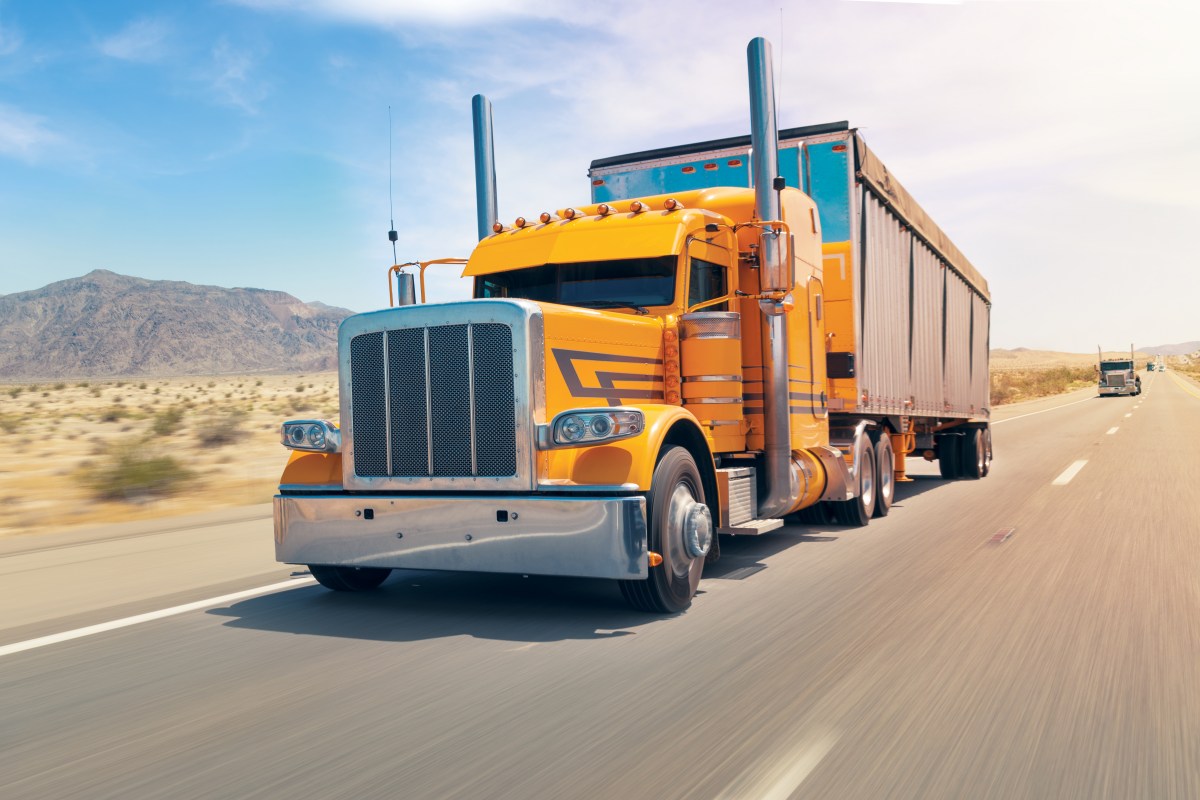
big american orange truck on the speed way

North American Class 8 orders surged in March 2026, creating a major shift for buyers trying to decide whether to finance a truck now or wait. According to ACT Research, preliminary net orders reached 38,050 units in March, up 131% year over year. This signals renewed momentum across the trucking industry.

That sharp increase comes at a complicated time. Oil and fuel prices remain volatile – WTI crude has risen as much as 70% since the US-Iran conflict began. And many carriers are already expecting higher equipment costs because of 2027 emissions regulations.

At the same time, freight rates have shown signs of improvement in recent months, helping support a broader demand recovery across the market. This could directly affect truck availability and pricing pressure in the coming months.

To fully understand what all this means, it’s important to learn why Class 8 truck orders are climbing so quickly, what analysts believe is driving the trend, and how owner-operators and fleets can prepare financially before the market tightens further.

What Happened With Class 8 Orders in March 2026?

ACT Research reported that final North American Class 8 orders reached 38,050 units in March 2026, up 131% year over year. The jump marked one of the strongest order months the industry has seen in recent history and came in well above normal seasonal expectations.

Medium-duty Class 5-7 orders also increased, climbing to 20,693 units, up 12% from the previous year. According to ACT, stronger medium-duty activity reflected resilient consumer spending and some regulation-driven dealer stocking.

For Class 8 trucks, ACT connected the surge to firmer freight rates, improving spot market conditions, and better regulatory visibility.

Analysts also noted that some fleets may be pulling purchases forward ahead of the expected 2027 emissions-related equipment cost increases.

Why does this matter? Because Class 8 orders reflect future buying confidence across the trucking industry. When carriers and fleets increase orders at this pace, it often signals expectations for stronger freight demand or rising equipment prices in the coming months.

Stronger order activity can eventually affect truck availability, build slots, financing timelines, and used truck pricing, especially if manufacturers begin facing larger backlogs later in 2026.

Semi trailer truck on highway at sunset

Why Are Class 8 Truck Orders Rising So Fast?

Several major forces are driving the current rise in Class 8 orders. ACT Research tied the March surge to firmer freight rates and better visibility around future equipment planning. At the same time, many carriers delayed truck purchases throughout the freight downturn in 2024 and through much of 2025.

Freight Rates Are Showing Signs of Improvement

One major reason Class 8 truck orders are climbing is that freight conditions look better than they did a year ago.

Spot rates and contract freight rates have improved in recent months after prolonged pressure across the trucking industry. Parts of the market are showing early signs of capacity tightening, which is giving carriers more confidence that the rate environment will hold.

In the long term, stronger freight pricing makes revenue easier to forecast. When weekly cash flow becomes more predictable, carriers usually feel more comfortable taking on truck payments, maintenance costs, insurance increases, and elevated financing costs.

The ongoing driver shortage is also affecting capacity. As weaker carriers leave the market and fewer new drivers enter long-haul trucking, remaining fleets may gain more pricing power.

Fleets May Be Buying Ahead of 2027 Equipment Costs

Future emissions regulations are another major reason demand is rising. Many buyers expect 2027 emissions standards, like the EPA’s Clean Trucks Plan, to increase truck pricing due to new aftertreatment systems and extended warranty requirements.

There is also uncertainty surrounding future NOx pre-compliance systems. Some fleets worry future trucks could bring both higher upfront costs and additional maintenance complexity compared to current equipment.

Even though many details around future equipment remain uncertain, fleets appear more willing to commit to purchases now rather than risk tighter availability later.

Parked American semi trucks at the rest area, on a vibrant sunset evening

Dealer Stocking May Be Picking Up

Dealer inventory trends may also be contributing to stronger order activity. ACT noted that medium-duty growth reflected resilient vocational demand and some dealer stocking behavior.

That’s significant because dealerships spent years dealing with inconsistent production schedules, limited inventory, and supply chain disruptions.

Manufacturers are working to ramp production, but supply conditions still aren’t completely stable. Suppliers, labor shortages, tariffs, and component delays can still create backlogs quickly if demand accelerates too fast.

For truck buyers, inventory conditions can change fast once orders start climbing across the industry. Even when dealer lots look healthy, build slots for popular highway tractors and fuel-efficient specs can tighten quickly.

Why This Surge Matters for Truck Buyers

For owner-operators and small fleets, rising Class 8 orders could affect several financing and purchasing variables throughout the coming months.

It could create several challenges for buyers, including:

  • Longer wait times for factory orders
  • Higher down payment expectations
  • Reduced negotiating leverage
  • More competition for quality used equipment
  • Faster-moving dealer inventory

Buyers who wait too long could face a more competitive market if the current demand recovery gains momentum. That doesn’t mean everyone should rush into financing, but it does mean preparation matters more in a strengthening market.

What This Means for Semi-Truck Financing Right Now

Rising Class 8 orders make financing preparation more important. Buyers who organize documents early and review options before shopping can move faster if inventory tightens.

  • Prequalification can help buyers move faster: Prequalification gives you a clearer truck budget before negotiating. Mission Financial Services works with owner-operators, first-time buyers, and borrowers with limited credit history.
  • Down payment planning matters more in a hotter market: Higher equipment costs could raise cash needs. Plan for registration, insurance deposits, initial maintenance, fuel, and unexpected repairs.
  • Credit strength can affect timing and terms: Lenders often review credit history, bank statements, revenue, business experience, and current debt. Better credit may help timing, but stable cash flow can also support moving forward.
  • Used truck financing may become more competitive: If new trucks become harder to secure, more buyers may shift to used equipment. That can tighten availability for clean, well-maintained commercial vehicles.

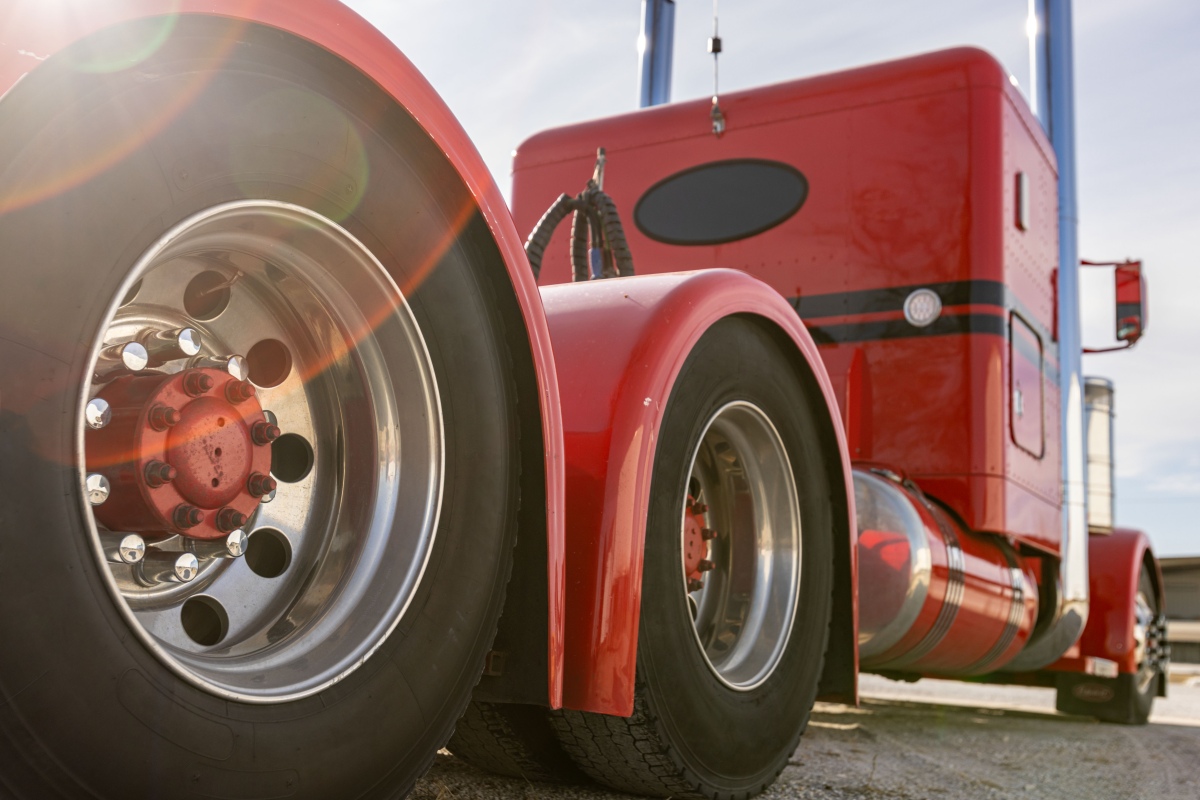
Classic red American semi truck in parking lot, detail of aluminum tandem axles with red hub caps. Low angle, rear view of big rig. Wide angle of powerful diesel US lorry.

Should Owner-Operators Finance a Truck Now or Wait?

The right timing depends on cash flow, operating costs, reserve savings, freight stability, and how reliable your current equipment is. Here’s what to consider.

Financing Now May Make Sense if You Have Strong Cash Flow

If you have steady freight contracts, predictable operating costs, reserve cash for repairs, and enough revenue to comfortably handle payments even if fuel prices rise, the current market may be worth acting on.

If your current truck is creating downtime or reliability issues, financing sooner could help you avoid bigger repair costs and potential pricing pressure if Class 8 orders continue climbing.

Waiting May Make Sense if Your Numbers Are Tight

You may benefit from waiting if your:

  • revenue depends heavily on volatile spot freight
  • down payment funds still need work
  • current truck remains reliable enough to keep operating

Improving your credit, building reserve cash, and stabilizing revenue first could put you in a stronger financing position later.

How Small Fleets Can Prepare For A Tighter Equipment Market

Small fleets operating between one and 10 trucks should start reviewing replacement plans now if aging equipment is creating reliability concerns.

Evaluate the:

  • Average truck age
  • Repair frequency
  • Downtime trends
  • Maintenance spending
  • Fuel efficiency

If Class 8 orders keep climbing, small fleets may have less room to wait on aging equipment. A truck that’s already missing loads or sitting too often can become harder to replace once inventory tightens.

Mission Financial Services gives qualified owner-operators and small fleets financing options for truck purchases and repairs – helping you protect uptime before equipment problems turn into lost revenue.

Conclusion

The 131% jump in Class 8 orders signals renewed activity across the trucking industry, but buyers still need to approach financing carefully. Improving freight rates, tightening capacity, stronger vocational demand, and concerns about future higher equipment costs are pushing more fleets back into the market.

At the same time, risks remain. Fuel prices and ongoing supply chain pressure could still affect operating costs and truck availability throughout the coming months.

For owner-operators and small fleets, preparation matters more than ever.

If you’re planning to purchase a Class 8 truck, replace aging equipment, or expand your fleet, Mission Financial Services can help. We offer financing solutions for owner-operators, first-time buyers, bad credit applicants, and small fleets looking to keep moving forward.

Start your credit application today and get the cash flow you need to keep your trucking business running and profitable.

Is Truck Driving a Good Career? Pros, Cons, Pay & More

Is Truck Driving a Good Career? Pros, Cons, Pay & More

Young man working in towing service and driving his truck.

Truck driving is one of the most accessible careers in the country. You don’t need a four-year degree, and you can get started in just a few weeks through a truck driving school.

At the same time, it’s a demanding job. It requires long hours, time away from family, and a willingness to handle the realities of the road.

That’s the trade-off. A truck driving career can offer good money and long-term opportunity, but it also comes with challenges that don’t work for everyone.

If you’re deciding whether this path makes sense, you need a clear look at pay, lifestyle, job security, and where the career can lead.

Is Truck Driving a Good Career Right Now?

Yes, truck driving is a good career for many people, but it depends on your expectations.

The trucking industry still needs drivers. Freight demand hasn’t gone away, and CDL drivers are in steady demand across local routes, regional runs, interstate freight, and over-the-road positions.

Trucks moved roughly 72.7% of the nation’s freight by weight in 2024, and the Bureau of Labor Statistics projects about 237,600 openings for heavy and tractor-trailer truck drivers each year from 2024 to 2034.

That said, the market isn’t static. Freight demand shifts with the economy, which affects how much drivers work and how much they earn. When demand is strong, drivers see more loads and better pay. When it slows, opportunities can tighten.

If you’re looking for a career with steady demand and relatively fast entry, trucking still holds up well.

How Much Do Truck Drivers Make?

In 2026, the average yearly salary for a semi truck driver is $102,636. However, truck driver pay varies widely because not every driving job is the same.

A new company driver running regional freight won’t earn the same as an experienced long-haul truck driver hauling oversized loads or hazardous materials.

Company drivers usually earn a steadier paycheck because the carrier owns the truck and covers major operating expenses. Most new drivers start here while they build experience and get comfortable managing loads on the road.

Pay can increase as drivers take on longer routes, specialized freight, night driving, or more demanding schedules.

Owner-operators can earn more, but they also carry more responsibility. They own or finance the truck, cover fuel and maintenance, manage insurance, and handle downtime when the truck isn’t moving.

The biggest pay factors are experience, route type, freight type, and equipment ownership.

Local routes may offer more home time but lower earning potential, while over-the-road work can pay more because drivers spend longer stretches away from home.

The key point to note is that income can scale. Many drivers start as company drivers, build skills and savings, then move toward ownership when they’re ready for the business side of trucking.

The Biggest Benefits of a Truck Driving Career

A truck driving career can offer a practical path into steady work, especially if you want to start earning without spending years in school.

The strongest benefits come from the mix of fast entry and long-term room to grow.

  • You can get started faster than many careers: With CDL training, many new drivers can enter the workforce in just a few weeks instead of spending years in a community college or university program.
  • You can earn good money without a four-year degree: Truck drivers can build a solid income without taking on major student debt. That can put new drivers in a stronger financial position early.
  • You have different route options: Drivers can choose between local routes and over-the-road schedules. That flexibility helps you match the job to your family needs, income goals, and comfort with time away.
  • You can build toward ownership: Many company drivers use trucking as a first step toward becoming owner-operators. Over time, that can lead to more control, higher earning potential, and even a small fleet.

Woman truck driver working in logistics and transportation

The Downsides of Truck Driving You Should Know

Truck driving can be rewarding, but it isn’t an easy job. The trade-offs are real, and understanding them upfront helps you decide whether the lifestyle fits your goals.

  • You may spend time away from home: Long-haul truck driver roles often require days or weeks on the road. That can be difficult if you have family obligations or need a predictable home schedule.
  • The work can be physically and mentally demanding: Long hours behind the wheel, tight delivery windows, changing weather, and traffic all add pressure. You need patience and discipline to do the job well.
  • Income can fluctuate: Freight demand changes with the economy, route availability, and customer needs. Even experienced drivers can feel those shifts, especially if they depend on variable loads.
  • Ownership comes with upfront costs: If you plan to become an owner-operator, you’ll need to plan for truck payments, maintenance, insurance, and downtime. The earning potential can be higher, but the business side requires discipline.

Is Truck Driving a Good Career Long-Term?

Yes, commercial truck driving can be a good long-term career if you’re willing to keep learning, adapt to industry changes, and think beyond the first job.

Freight transportation still depends heavily on truck drivers. Technology is changing how the work gets done, but it isn’t removing the need for skilled drivers who can manage routes, handle cargo, communicate with dispatchers, and make safe decisions on the road.

The long-term opportunity comes from growth.

Experienced drivers can move into better-paying routes, specialized freight, owner-operator work, or small fleet ownership. Those paths require more responsibility, but they also give you more control over income and business decisions.

For drivers who plan carefully, trucking can become a career with independence and room to build a business over time.

truck driver

Conclusion

So, is truck driving a good career? It can be, especially if you want a practical path into the trucking industry without spending years in school.

A trucking career can offer strong earning potential, steady access to trucking jobs, and the freedom to choose a path that fits your goals.

For many people, trucking can become a great career when they plan beyond the first job. Learning from other drivers, building experience, and understanding the business side of the industry can help you move from company driver to owner-operator over time.

Mission Financial Services helps drivers take that next step with financing options built for the realities of trucking.

Whether you’re buying your first truck or preparing to grow your small fleet, we can help you move from earning behind the wheel to building a stronger future in the trucking industry. Get on the road and start your credit application today.

Step-by-step Guide for Getting a Semi-Truck Loan

Step-by-step Guide for Getting a Semi-Truck Loan

Two engineer shaking hands with deals and congratulations on success, panorama image use for cover design.

Trucking is a critical part of daily life and the economy, but getting approved for semi-truck financing is not as simple as applying for a standard auto loan.

Lenders look at your full financial situation, including your experience, down payment, the type of commercial truck you are buying, and your ability to manage monthly payments over time.

If you understand what lenders are evaluating and how the financing process works, you can improve your approval odds and secure the right loan for your trucking business.

How to Get a Loan for a Semi-Truck

Getting a semi-truck loan follows a clear process. The more prepared you are at each stage, the smoother your approval will be.

1. Check Your Eligibility With Credit Unions

Before applying, you need to understand how you look on paper. Most lenders evaluate four core factors:

  • Credit score and credit history: Most lenders prefer a score in the mid-600s or higher, but that is not a universal cutoff. Some online lenders and direct lenders, like Mission Financial Services, will still work with applicants who have bad credit or a lower credit score.
  • Down payment: Your down payment will usually fall between 10% and 30% of the truck’s price. First-time buyers, new owner operators, and some new businesses may need a larger down payment to reduce lender risk.
  • Commercial driver’s license (CDL) experience: Driving experience also matters. Two to three years of CDL experience is often preferred, but first-time owner operators may still qualify if they bring higher income, cleaner credit, or more money down.
  • Truck age and condition: Truck age is another key factor. Some lenders only finance newer commercial vehicles, while others are more flexible with older equipment if the truck is in good condition.

From a lender’s perspective, every application comes down to risk. A stronger credit profile, steady income, and a larger down payment reduce that risk. If one area is weaker, such as limited experience or a lower score, strengthening another area can improve your approval odds.

2. Gather Your Documents

Before you start looking for the right truck, you need to get all of your documentation ready. You will typically need:

  • Valid ID and CDL
  • Income verification, such as bank statements or tax returns
  • Business documents if you are operating under a company (LLC or corporation)
  • Basic contact and application information

Incomplete documentation is one of the most common reasons applications get delayed. Lenders use these records to verify identity, income, business history, and your ability to make regular payments.

View from the driver's seat of a truck of the highway and a land

3. Choose the Right Truck

Finding a truck that meets both your business needs and your lender’s requirements can be a challenge.

The most important factor is matching the truck to the work you plan to do. A truck suited for regional freight may not work for car hauling, dump operations, or specialized cargo. Choosing equipment that aligns with your operation is a key part of both approval and long-term success.

You also need to balance your budget with your earning potential. A higher purchase price increases your loan amount, which raises monthly payments, total interest, and overall cost. The goal is to choose a truck that supports your revenue without stretching your finances too thin.

At the same time, focusing only on the lowest price can create bigger problems. While some lenders have strict age limits, others (like Mission Financial Services) are more flexible and may finance older trucks.

However, a lower upfront cost does not always mean a better investment. Older trucks are more likely to require frequent maintenance, experience breakdowns, and lack modern safety and comfort features. Over time, repair costs, downtime, and missed loads can quickly offset any initial savings.

Reliability plays a direct role in profitability. A truck that stays on the road and supports consistent work is often more affordable in the long run than a cheaper option that creates interruptions and unexpected expenses.

4. Secure Insurance

Before funding is finalized, you need the right insurance in place. Most lenders expect you to have these core coverages:

  • Liability coverage
  • Physical damage coverage
  • Cargo coverage
  • Non-trucking or bobtail coverage

The type of insurance you need depends on the type of business you have. An owner-operator leased to a motor carrier may not need the same coverage setup as a driver operating under their own authority.

Your cargo, routes, and equipment type also affect what insurers and lenders require, which is why liability, physical damage, cargo, and bobtail coverage should be reviewed based on how the truck will actually be used.

These policies protect both your operation and the lender’s asset. Insurance costs should also be part of your budgeting because they directly affect your monthly payments and total operating cost.

5. Apply For Commercial Truck Financing and Get Approved

Once you submit your loan application, the lender moves into underwriting. This review looks at your credit report, income, experience, truck details, and overall financial situation.

Some lenders begin with a soft credit check, while others move directly into a full review or hard credit inquiry.

Depending on the lender, the approval process may take a few hours or a few days. After approval, you review the final financing terms, including your interest rate, loan terms, payment structure, and any prepayment penalties, before funding is released.

Commercial Truck Loans Requirements

Understanding semi-truck financing requirements helps you prepare a stronger application and avoid common mistakes.

Credit Score and Credit History

Having good credit will help you qualify for a loan and get the best loan possible, especially as a first-time buyer. However, you may still qualify if you have a bad credit history.

Lenders look beyond a single number. They review your credit history, recent payment patterns, outstanding balances, and negative items such as tax liens.

A borrower with a lower score but consistent payments may look stronger than someone with a higher score and recent problems.

There is no single minimum credit score across the industry. Some lenders will want stronger numbers, while others are built to work with bad credit, thin files, or imperfect histories.

credit score

Down Payment Expectations

Your down payment is determined by the cost of the truck you want to buy. Most commercial truck loans require 10 to 30 percent down. A larger down payment reduces lender risk, lowers the amount financed, and can lead to lower monthly payments and better financing terms.

For first-time buyers, newer businesses, or borrowers with weaker credit, a higher upfront contribution often improves approval odds.

Driving Experience

The amount of time you have had your CDL is also a factor. Today, many lenders still prefer two to three years of experience, but exact standards vary. Less experience does not automatically stop approval. It usually means the rest of the file needs to work harder, whether that is higher income or better credit.

Truck Age and Condition

The truck itself is part of the lender’s risk analysis. Lenders often place limits on the truck mileage and condition because older equipment is more likely to create downtime and repair costs.

That matters because maintenance problems can interfere with cash flow and make it harder to keep up with regular payments.

If you are comparing multiple financing options, ask how truck age affects the interest rate and approval terms. A cheaper truck is not always the less expensive loan in the long run.

Professional middle aged truck driver in casual clothes driving

How Much Does It Cost to Finance a Semi-Truck?

The cost of truck financing depends on the truck’s price, your credit score, the lender, and the length of the loan.

Many borrowers can expect monthly payments somewhere in the range of roughly $1,500 to $3,000 or more, depending on the loan amount and loan terms.

Interest rates can vary widely, too. Borrowers with good credit and stronger profiles usually see better pricing, while applicants with bad credit or limited experience often face higher interest rates.

The biggest cost drivers usually include:

  • The purchase price
  • Your down payment
  • Your interest rate
  • The length of the loan
  • Your total operating expenses, including fuel costs, insurance, and maintenance

It is important to look beyond the payment itself. A loan that looks manageable on paper can still become a strain if the total cost of ownership is too high. The real goal is not just approval. It is sustainable financing.

That’s why it’s better to work with lenders who understand the trucking industry. Lenders like Mission Financial Service. With loans for everyone, from first-time buyers to drivers with bad credit, we understand the struggles of getting your truck on the road.

Business vs Personal Truck Loans

A semi-truck loan is very different from financing a personal vehicle.

Commercial lending is built around income generation and business risk. That means underwriting is usually more detailed than it is with a consumer auto loan. Lenders want to understand your revenue experience and whether the truck supports a viable business plan.

Borrowers may use banks, credit unions, online lenders, or specialized direct lenders, but the review process is different from a standard car loan.

While credit unions tend to offer competitive rates in some lending categories, commercial truck financing is still a more specialized product, and not every lender handles it the same way.

Some applications may also require a personal guarantee, especially for small business borrowers, established businesses without much collateral, or newer operations with a limited track record.

Conclusion

Getting approved for semi-truck financing depends on preparation, realistic budgeting, and understanding how lenders evaluate risk.

Reviewing your credit history, planning a proper down payment, selecting an appropriate truck, and submitting complete documents all strengthen your chances of successful approval.

Financing is not just a way to buy a semi-truck. It is a tool that helps keep your operation running.

Whether you need help purchasing equipment or supporting your next step as a business owner, the right loan structure can protect cash flow and keep your trucking business operational.

Mission Financial Services works with owner-operators, first-time buyers, and small fleets that need practical commercial truck financing solutions. Start your credit application today for trusted support that gets, and keeps, your business on the road.

When Truck Financing Costs More Than Expected: A Practical Guide for Owner-Operators

When Truck Financing Costs More Than Expected: A Practical Guide for Owner-Operators

Mock-up of tractor-trailer, coins placed on light background. Concept. Tariffs, calculation, freight transport costs by truck.

Many owner-operators begin shopping for a truck with a rough estimate of what the monthly payment might look like. Once offers arrive, though, the actual truck financing costs can be higher than expected.

While that can be frustrating, receiving an approval still means a lender is willing to fund the truck purchase – which is good news!

Understanding why financing terms change and how they affect your truck payment helps buyers make better decisions before signing a loan contract.

Below, we discuss the factors that influence commercial truck loans and how to structure financing so the purchase remains affordable for your business.

Why Truck Financing Costs Sometimes Come In Higher Than Expected

Several factors influence the cost of truck financing, and many of them relate to how lenders evaluate risk:

  • Credit history: A strong credit profile usually leads to lower interest rates, while limited credit or past issues can place the borrower in a higher-risk category. Lenders rely on credit reports to evaluate how reliably a borrower has handled debt in the past.
  • Time in business: Experienced operators with established revenue often qualify for better financing terms than first-time buyers. Lenders view a stable business history as a sign that the borrower can handle long-term obligations.
  • Type of truck: A used truck with high mileage may carry more risk than a newer vehicle because repairs and downtime can affect the borrower’s ability to make payments. Older trucks can still be good purchases, but lenders sometimes adjust loan terms to account for potential maintenance costs.
  • Down payment: A larger down payment reduces the amount owed on the loan and lowers the lender’s exposure. Buyers who contribute more capital upfront often receive better terms.
  • Market interest rate: The broader market conditions influence commercial lending. When interest rates rise across the financial markets, financing for vehicles and equipment typically increases as well.

Caucasian Semi Truck Driver Hitting the Road

What Higher Rates Actually Mean for Your Monthly Payment

When financing costs rise, many buyers focus only on the interest rate. While the rate matters, what really affects day-to-day operations is the monthly payment and the loan’s total cost over time.

Consider a simplified example for a commercial truck purchase. Assume a buyer finances $120,000 for a truck over a five-year loan term.

  • At a 7% interest rate, the monthly truck payment might be around $2,376.
  • At a 10% interest rate, the monthly payment increases to roughly $2,549.

That difference may not seem huge at first glance, but it changes the total amount paid over the life of the loan.

A higher rate increases the total cost of financing even if the monthly payment remains manageable. Over several years, those small differences in interest can add up to thousands of dollars.

Buyers should evaluate both the monthly affordability and the loan’s long-term cost. Tools such as affordability and payment calculators can help estimate how different rates and terms affect the total repayment amount.

The Difference Between Interest Rate, APR, and Total Loan Cost

Many truck buyers assume the interest rate tells the whole story, but financing costs involve several numbers that work together.

  • Interest rate: The interest rate is the annual rate used to calculate interest on the loan’s principal. It drives how much interest you pay as you make payments over time.
  • APR: The annual percentage rate (APR) is a standardized rate that reflects the yearly cost of borrowing by combining the interest rate with certain lender-required finance charges (such as origination fees).
  • Total loan cost: The loan term affects what you pay overall. A longer repayment schedule usually lowers the monthly payment, which can help with affordability. However, because you’re borrowing for longer, interest has more time to accrue. So it often increases the total amount paid over the life of the loan.

Truck Drivers Shift Work Vehicle Keys Transfer

How to Plan for Financing Before You Shop

Truck financing becomes easier when buyers prepare before they start shopping for vehicles. A little preparation helps determine what you can comfortably afford and reduces surprises during the approval process.

  1. Start by reviewing your credit report. Checking your credit early gives you time to correct errors or improve your credit profile before applying for financing.
  2. Next, evaluate your business income and expenses. Lenders want to see that your business’s cash flow supports the proposed payment. Gathering bank statements and financial records in advance helps demonstrate stability.
  3. It is also important to understand typical down payment requirements. Many commercial truck loans require a percentage of the purchase price upfront. Planning for that amount prevents delays when the right truck becomes available.
  4. Finally, think carefully about the type of vehicle you truly need. Buying the right truck for your workload often matters more than buying the newest model available.

What to Do if Your Loan Offer Is Higher Than Expected

If your truck loan offer comes back with a higher rate than you anticipated, the first step is to understand why.

Lenders evaluate several factors when pricing a loan, including credit history, time in business, the type of truck being financed, and the size of the down payment. Asking your lender to explain what influenced the terms can help clarify whether the rate reflects credit factors, market conditions, or the structure of the deal.

Next, look at ways to adjust the financing structure. Increasing the down payment, extending or shortening the loan term, or selecting a lower-priced truck can sometimes make the monthly payment more manageable. Even small changes to the loan structure can improve affordability.

It is also helpful to evaluate the loan in the context of your business. If the truck will generate reliable revenue, the key question is whether the payment fits comfortably within your expected cash flow.

Finally, remember that financing terms are not always permanent. Borrowers who make consistent payments and improve their credit profile may be able to refinance later at a lower rate.

Aerial top view of truck and cargo trailer unloading in logostics center.

Protecting Cash Flow When Financing Costs Are Higher

Commercial truck ownership involves more than the purchase price. Operating expenses such as insurance, maintenance, and fuel all affect profitability.

When financing costs rise, protecting cash flow becomes especially important. Structuring payments so they align with expected revenue helps prevent financial stress.

For example, a truck working consistent regional routes may generate predictable income. Matching the loan payment with those revenue patterns keeps the business stable.

Operators should also plan for maintenance. Even well-maintained vehicles eventually require repairs. Setting aside funds for suspension work or engine service helps avoid unexpected disruptions.

Insurance costs also influence affordability. Higher-value vehicles often carry higher insurance premiums, which can affect the overall cost of ownership.

Balancing all of these factors helps ensure the truck supports the business rather than becoming a financial burden.

Conclusion

When truck financing costs come in higher than expected, it does not automatically mean the purchase is a bad decision. What matters most is whether the monthly payment aligns with your business revenue and long-term goals.

Understanding how interest rates, loan terms, truck condition, and down payments affect the total cost of financing helps buyers make informed decisions.

If your truck financing costs came in higher than you expected, you don’t have to fight your way through the next step.

Mission Financial Services helps owner-operators, first-time buyers, and small fleets secure funding for commercial trucks with terms built around real-world cash flow, not perfect-credit assumptions.

So, if you are trying to lock in a workable monthly payment and get the right truck on the road without stalling your business, start your credit application with Mission Financial Services today.

Frequently Asked Questions

Why Is My Truck Loan Rate Higher Than I Expected?

Truck loan rates depend on several factors, including credit history, time in business, the type of truck being financed, and current market interest rates. Borrowers with limited credit or smaller down payments may see higher rates because lenders must account for additional risk.

Can I Lower My Commercial Truck Loan Rate?

Improving your credit score, increasing your down payment, or selecting a lower-priced truck can sometimes lower the interest rate lenders offer.

Does a Larger Down Payment Help?

Yes. A larger down payment reduces the amount borrowed and lowers the lender’s risk. This can sometimes result in better loan terms and a smaller monthly payment.

Should I Wait for Rates to Drop?

Interest rates move with broader economic conditions. While waiting may lower financing costs, it could also delay income opportunities if you need a truck for work.

How Much Down Payment Do You Need to Lease a Semi Truck?

How Much Down Payment Do You Need to Lease a Semi Truck?

Leasing a semi truck can be a convenient way to get on the road, but the deal can feel unclear until you know what you will actually need upfront. The first question most drivers ask is the right one: how much of a down payment will you need to lease a semi-truck?

The honest answer is that it depends on numerous factors, including your credit score, credit history, the truck you choose, and how the lease is structured.

Two drivers can look at the same truck and end up with very different down payment requirements and monthly payment numbers.

Below, we go over typical down payment ranges and the specific factors lenders consider when setting terms.

How Much Down Payment To Lease A Semi Truck: Quick Answer

For most drivers, the down payment to lease a semi truck typically falls between 0% and 15% in advertised down payment, depending on how the lease is structured and what costs are due at signing.

Here’s how it usually breaks down in real-world deals:

  • Low end (0%–5% down): Often limited to the first monthly payment plus fees, not truly zero cash due. These structures usually come with higher monthly payments and are most common for drivers with strong credit and stable income.
  • Mid-range (5%–10% down): A common range for many owner operators. This level helps secure approval while keeping the monthly payment manageable without draining cash flow.
  • Higher end (10%–15% or more): More likely when credit is challenged, the truck is older, or the lease carries more risk. A higher down payment reduces lender exposure and can improve approval odds.

Because down payment requirements vary so widely, working with a lender that understands the trucking industry can make a major difference.

For example, at Mission Financial Services, we focus on flexible commercial truck financing structures and fast approvals, helping drivers explore realistic and achievable options.

What Determines Your Down Payment For A Semi Truck Lease

There is no single down payment number that applies to every driver or every deal. When lenders decide how much money you need upfront, they look at a combination of credit, business stability, the truck itself, and how the lease is structured.

Each factor affects risk, and higher risk usually means more cash required at signing.

Here are the main factors lenders consider when setting a semi truck lease down payment:

  • Credit score and credit history: Strong credit often qualifies for lower down payments and more flexible terms. Bad credit or a thin credit file typically leads to higher down payment requirements.
  • Time in business and business history: New businesses and first-time buyers are considered higher risk, even with solid income. Established fleets with consistent revenue usually have more options.
  • Truck age, condition, and type: New semi trucks with controlled mileage are easier to place in a lease than older, high-mileage used semis. Truck type and expected value at the end of the lease also matter.
  • Monthly payment target and lease term: A longer lease with lower monthly payments may require a larger down payment. Shorter lease terms often shift more of the cost into the monthly payment instead.
  • Cash flow and bank statements: Lenders review how money moves through your business. Strong, steady cash flow can sometimes offset weaker credit or limited business history.

Leasing Vs Financing Options: Why Down Payments Work Differently

Leasing a semi-truck and financing a truck are not the same, and down payments work differently in each structure.

With a lease, the lender or leasing company typically retains ownership of the vehicle. Because the truck is not becoming your asset right away, the lease shifts risk differently. Mileage limits, wear guidelines, and end-of-lease conditions all factor into the payment requirements.

With a semi truck loan or financing, you are purchasing the vehicle. The down payment creates equity in the truck from day one. While financing often requires a larger down payment and longer loan term, it can be a better fit for drivers focused on ownership and long-term value.

Commercial vehicle financing may make more sense if you plan to keep the truck for many years or build equity as a part of your business finances. Leasing can be a convenient way to manage short-term costs and preserve cash, but it often leads to higher total costs over time.

Additional Upfront Costs When Leasing A Semi-Truck

The down payment is only part of the upfront cost to lease a semi truck. Even if the monthly payment looks affordable, these items can change what you can realistically budget before you take delivery.

Common upfront costs when leasing a semi truck include:

  • First payment and timing: Often due at signing, and some dealers collect the first and last payment up front.
  • Security deposit: Often required for new businesses or borrowers with limited credit. It’s typically refundable at the end of the lease, but it does tie up cash for the duration of the term.
  • Insurance down payment: Frequently one of the highest upfront costs, especially for an owner-operator with new authority.
  • Permits and compliance costs: IRP and IFTA setup, plates, and other required items can hit early in the process.
  • Sales tax, registration, and documentation fees: Sales tax varies by state and lease structure, but it adds to the total cost at delivery.
  • Maintenance reserves and warranty coverage: Used truck deals often require a stronger maintenance plan, and setting aside cash up front can reduce the risk of missing a payment later.

How To Lower Your Down Payment on a Commercial Truck

Lower down payments usually come from lowering lender risk. You do not have to be perfect, but you do need to make your credit application easy to approve and easy to price.

Here are practical ways to improve approval odds and reduce the down payment requirement:

  • Strengthen your credit profile before the credit check: Paying revolving balances and fixing errors can raise your credit score faster than most drivers expect. Even a small improvement can reduce your payment requirements or move you to better financing options.
  • Match the truck to lender guidelines: A new semi or a late-model used semi that fits common lender rules (reasonable miles, standard truck type, clean condition) is usually easier to secure with lower down payments than an older, high-mileage used truck.
  • Bring documentation that proves stability: Bank statements show cash flow and spending patterns. Tax returns show business history. Settlement statements and contracts show income consistency. Strong documentation can help offset bad credit or limited time in business.
  • Control your monthly obligation picture: Lenders look at whether the payment fits your budget. If you already have high debt payments, you may be pushed toward a higher down payment or higher monthly payments. Keeping debt-to-income in check improves the financing work behind the scenes.
  • Have a clear plan for the lease term and end of the lease: Lenders pay attention to long-term plans. If the plan is unclear, the deal is riskier. If your plan is stable, the structure can be more flexible.

Frequently Asked Questions

Can I Lease A Semi Truck With No Money Down?

True $0 down is uncommon once the paperwork is finalized. In most cases, “no money down” still means an upfront cost like the first payment, fees, or a security deposit, and the deal may be offset with higher monthly payments.

What Credit Score Do I Need To Lease A Semi Truck?

There is no single credit score cutoff because lenders also look at credit history, income documentation, and business stability. With bad credit, you may still qualify, but you may need a higher down payment or a structure similar to semi truck financing.

Do I Need A Down Payment If I Have A Co-Signer?

A co-signer can improve approval odds, especially if they have strong credit and a stable income. Even so, many lenders still require a down payment to reduce risk and confirm the borrower can contribute cash to the deal. A co-signer may also help you qualify for a better interest rate or more flexible truck financing terms.

Aerial view semi truck trailer cargo on mountain curve road, Semi truck trailer cargo business logistic transportation on green forest road curve, Semi truck delivery asphalt road green forest tree.

Conclusion

Locking down the numbers early keeps you in control of the deal instead of scrambling at the finish line.

Once you know what you can put down and what you need to keep in reserve, it’s much easier to choose terms that fit your monthly budget, protect cash flow, and support the way you want to run your business long term.

If you are comparing a lease to semi-truck financing, or want to see what approval could look like, Mission Financial Services can help you map out the most practical financing options. The right plan can protect your business vehicle and keep your finances steady as your business grows.

Get in touch with us or start your credit application online for fast approvals and comprehensive support.

Archives

Sign Me Up!

Stay up to date with the latest news in the commercial trucking industry.

Contact Us
close slider