

Office: (404) 975-4800

Bridgette

financing older commercial trucks

Complete Guide to Financing Older Commercial Trucks

financing older commercial trucks

Financing older commercial trucks can feel like an uphill battle, but it can be a smart path for owner-operators and small fleet owners who want to get on the road without overspending.

While many lenders hesitate to work with high-mileage or older models, the right financing partner can help you secure a dependable truck at a manageable cost.

Whether you’re buying your first used semi or adding an older rig to your fleet, this guide will show you the benefits, challenges, steps, and financing options available.

What Does It Mean to Finance an Older Commercial Truck?

Financing older commercial trucks typically involves using a loan or lease program to purchase a vehicle that is anywhere from 5 to 15 years old, with higher mileage.

Unlike new truck financing, where lenders often have strict credit and age requirements, used truck financing focuses on helping you afford equipment that may be more budget-friendly but still road-ready.

You’ll make monthly payments, plus interest, over an agreed term, just like with newer truck loans. The key difference is that many mainstream lenders place restrictions on truck age or mileage – a critical option if you want flexible terms on older rigs.

Why Do Some People Prefer Older Commercial Trucks?

Older semi-trucks remain popular among independent drivers and small fleets because they often make more financial and practical sense than new models.

Lower Purchase Price

Starting and growing a trucking company is expensive. Used trucks cost significantly less than new models. A brand-new Class 8 truck averages $195,115, while many older trucks sell for a fraction of that price.

That lower price tag reduces your financing burden, keeps monthly payments affordable, and frees up more cash for essentials like fuel, insurance, and permits.

For small operators, that difference can mean the ability to stay in business instead of taking on unmanageable debt.

Easier Loan Approval

Because older trucks carry a smaller price tag, loans are often easier to secure. Lower overall loan amounts can make lenders more willing to approve financing, even if your credit history isn’t perfect.

At Mission Financial Services, for example, we approve drivers every day who are buying older rigs, including first-time buyers and those with bad credit.

Simpler Maintenance and Repair Costs

Older rigs usually have fewer electronic systems and more straightforward mechanical parts. That simplicity matters because it keeps repair costs down, shortens downtime, and makes it easier to find parts at reasonable prices.

If you’re handy with tools, you can often handle minor fixes yourself instead of paying dealer rates for computer diagnostics. Lower maintenance costs mean more of your revenue stays in your pocket.

Classic Look and Style of Older Semi-Trucks

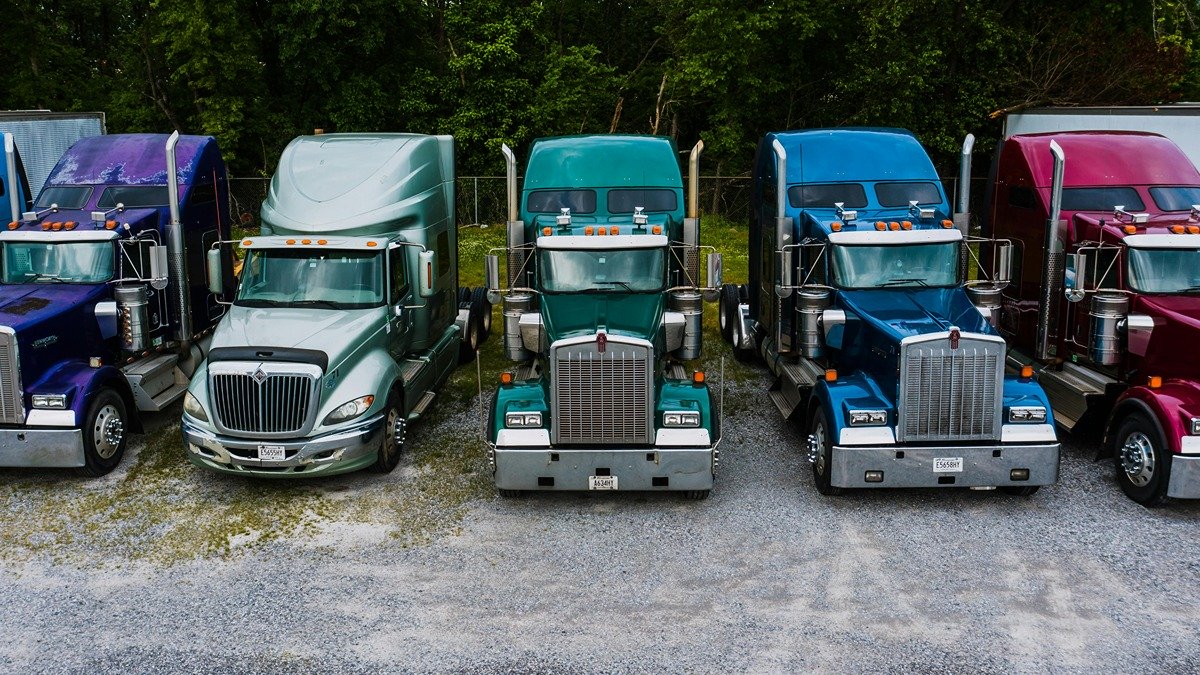
For some drivers, older trucks aren’t just about money. They’re also about identity. A well-kept older rig can turn heads, set you apart from cookie-cutter fleet trucks, and carry a sense of pride and tradition. That personal connection makes long hauls more enjoyable and helps you build a recognizable presence on the road.
Disadvantages of New Semi-Trucks

Some drivers choose older trucks not just for the savings, but because new models come with drawbacks that directly affect cost and long-term business planning.

High Upfront Costs

New semi-truck costs more, which means drivers may have a greater debt to pay off before their business even starts earning. That high purchase price drives up insurance premiums and registration fees as well, since coverage is based partly on the truck’s value.

Depreciation and Lower Resale Value

A brand-new truck begins losing value the moment it leaves the lot. Within the first two to three years, depreciation can wipe out tens of thousands of dollars.

If you need to sell or trade in early, you may still owe more than the truck is worth, leaving you upside down on the loan. For owner-operators, that means tying up capital in a truck that won’t return its value when it’s time to upgrade.

Costly Technology Upgrades and Repairs

Modern trucks include features like emissions controls and advanced trucking telematics. While these systems can boost efficiency, they can come with steep repair bills when they fail.

Repairs often require specialized technicians, driving up labor costs and extending downtime. For many drivers, the risk of being sidelined while waiting for parts or programming makes new trucks less attractive than simpler, older rigs.

Why Do Some Companies Not Finance Older Trucks?

Not every lender is willing to finance older commercial trucks. Traditional banks and big-name lenders often avoid them because of three main issues.

Age and Mileage Restrictions from Lenders

Many lenders set strict limits on the age and mileage of the trucks they finance because older vehicles present higher financial risk.

As a truck accumulates miles and years on the road, its resale value drops, and the likelihood of costly repairs increases. If the truck breaks down or loses value too quickly, it becomes harder for the lender to recover their money in the event of a default.

For that reason, a traditional bank may refuse to finance a rig more than 7–10 years old or one with over 700,000 miles, narrowing the pool of available trucks for buyers.

Safety and Emissions Standards Limitations

Older trucks may not meet the latest emissions or safety regulations, especially in states with strict environmental rules. Lenders see this as a risk, since noncompliant equipment could face fines, operational restrictions, or downtime that affects repayment ability.

Higher Risk of Breakdowns and Reduced Collateral Value

The older the truck, the greater the chance of breakdowns. Lenders view this as a risk because the truck is the collateral for the loan. If the vehicle loses value too quickly or becomes inoperable, the lender has less to recover in case of default.

This is why working with a specialized lender, such as Mission Financial Services, is so important. We understand the realities of older equipment and offer financing even when other companies won’t.

man in suit

How Much Does It Cost to Finance an Older Commercial Truck?

The cost of financing an older semi-truck depends on factors like your credit profile, down payment, truck age, mileage, and lender terms.

As a rough estimate for 2025:

  • Monthly payments: Many owner-operators financing mid-range used rigs see payments between $800 and $1,500 per month, depending on the sale price and rate.
  • Interest rates: Expect rates in the 6% to 35% range, with well-qualified buyers on the low end, and higher rates for riskier profiles.
  • Truck age and condition: A 5- to 7-year-old truck in solid shape usually qualifies for better terms than a 12-year-old, high-mileage unit.
  • Loan terms: Older-truck loans typically run from 24 to 60 months. Shorter terms mean higher payments but less interest over time.

Compared to new truck financing, these costs are significantly lower up front.

However, because interest rates are often higher on older equipment, your total financing cost over time may be greater. That’s why it’s important to work with a lender that balances flexible approvals with fair terms.

Mission Financial Services helps drivers with credit challenges and offers financing solutions even for trucks that mainstream banks consider “too old.”

Requirements for Financing Older Semi-Trucks

Financing an older commercial truck comes with a few more hurdles than buying new equipment, but knowing what lenders expect puts you in a stronger position.

While requirements vary by lender, here are the most common criteria you’ll need to meet:

  • Credit Score: Many traditional lenders want a score of 650 or higher, but specialized companies like Mission Financial Services consider applicants with scores as low as 460.
  • Down Payment: Expect to put down 10% to 20% of the truck’s purchase price. A larger down payment improves approval chances and lowers your monthly payment.
  • Truck Age and Mileage Caps: Some lenders refuse to finance trucks older than 7–10 years or with over 700,000 miles. Mission Financial Services is more flexible – we evaluate each truck’s condition and use case individually.
  • Business Documentation: Most lenders will ask for proof of income, recent bank statements, or tax returns to show you can cover monthly payments. If you’re new, projected revenue may also be reviewed.
  • Insurance Requirements: You’ll need proof of commercial truck insurance before the loan is finalized. This protects both you and the lender in case of an accident.
  • Title and Registration: A clean title and updated registration are usually required. Trucks with salvage titles or unresolved liens are much harder to finance.

Meeting these requirements helps you show lenders you’re a serious operator. Even if you fall short in one area (like credit history), working with a lender that specializes in truck financing gives you a much better chance of approval.

White bus on road near mountain

How To Secure Your Older Truck Loan in 5 Steps

Financing older commercial trucks doesn’t have to be complicated. With the right approach – and the right lender – you can move from application to funding quickly.

Here’s a five-step process that works for most truckers.

Step 1: Decide Between a Commercial Truck Lease or a Loan

Your first choice is whether to lease or finance outright.

A commercial truck lease gives you use of the truck for a set period with lower monthly payments. At the end of the term, you can return it, extend the lease, or purchase the vehicle.

A commercial truck loan allows you to buy the truck and build equity as you make payments.

While upfront costs and monthly payments may be higher, you own the truck once the loan is complete.

Step 2: Understand Your Credit History and Score

Credit history plays a major role in approval and interest rates. A higher score gives you access to lower rates and better terms, but even if your credit is less than perfect, you still have options.

Mission Financial Services works with drivers who have scores as low as 460, making financing possible for first-time buyers and drivers with bad credit.

Step 3: Get Pre-Approval for Used Truck Financing

Getting pre-approved shows you exactly how much you can finance before you start shopping. This makes negotiations with dealers easier and prevents you from wasting time on trucks outside your budget.

Mission Financial Services offers a fast online credit application that can give you an answer in as little as a few hours.
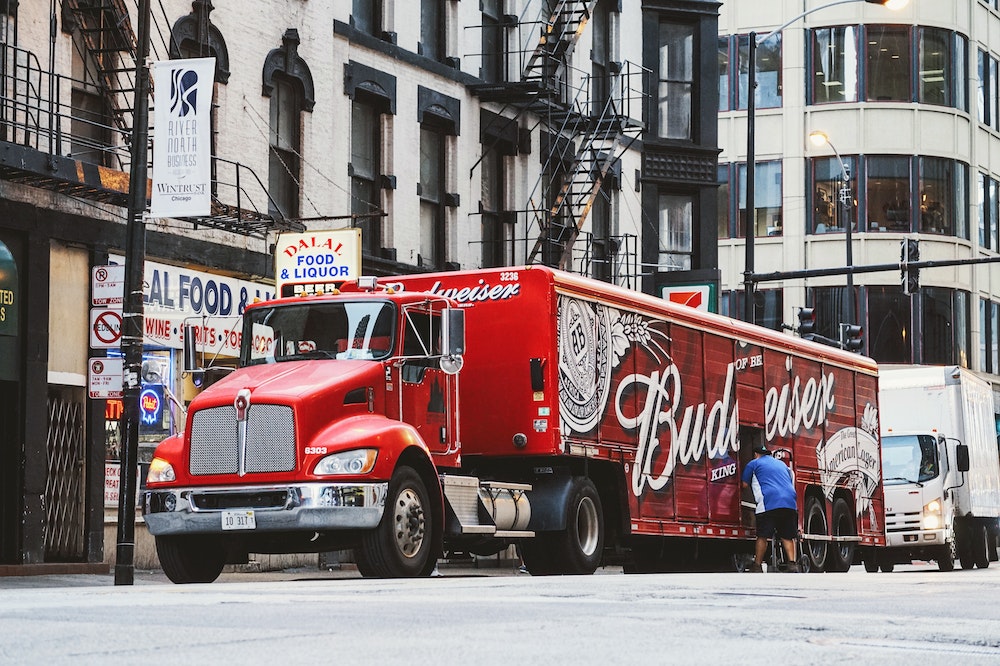
big truck

Step 4: Choose the Right Older Truck (Age, Mileage, History, Purpose)

Once you know your budget, look for the best used truck, one that’s reliable and suited to your business needs.

  • Age and mileage: A slightly newer, lower-mileage truck may cost more up front, but can reduce maintenance expenses.
  • History: Always check for accident records, maintenance logs, and prior ownership.
  • Purpose: Match the truck to your hauling needs, whether that’s long-haul freight, regional delivery, or specialty cargo.

Step 5: Start the Financing Process and Submit Documentation

After selecting your truck, provide details such as make, model, mileage, and purchase price to your lender. You’ll also provide proof of insurance, title documents, and income verification.

Once approved, funding is released, and you can get on the road.

Alternatives if You Can’t Finance an Older Semi-Truck

If financing an older commercial truck isn’t an option right now, you still have other ways to get behind the wheel:

  • Lease-to-Own Programs: Some dealers and lenders allow you to lease an older truck with the option to purchase it later. This spreads out costs and helps you build equity over time.
  • Refinancing an Existing Loan: If you already own a truck with financing, refinancing could free up cash or reduce monthly payments, making it easier to fund a second truck.
  • Repair Loans: If your current truck needs major repairs, a repair loan may be a more affordable solution than buying another used truck. Mission Financial Services offers truck repair loans designed to reduce downtime.
  • Cash Purchase with Smaller Loans: For lower-cost trucks, you may be able to combine savings with a smaller loan. This reduces your monthly burden and makes approval easier.

3 Tips to Improve Your Chances of Approval

Getting approved for older truck financing often comes down to showing lenders you’re reliable and prepared. A few smart steps before you apply can make the difference between a quick approval and another rejection.

Strengthen Your Credit Profile

Even if your score isn’t perfect, small improvements make a big difference. Pay down existing debt where possible, dispute errors on your credit report, and avoid missed payments in the months before applying.

Lenders see consistent payment history as a sign you’ll handle truck loan installments reliably. If your personal credit is limited, maintaining steady business finances (such as healthy cash flow and up-to-date tax filings) also helps.

Save for a Larger Down Payment

A bigger down payment lowers the amount you need to borrow and reassures lenders that you’re invested in the truck. For older rigs, aim to save at least 10% to 20% of the purchase price.

Putting down more upfront can reduce your monthly payment, offset the higher interest rates that sometimes come with used truck loans, and increase the odds of approval even if your credit isn’t strong.

Work With Specialized Lenders Like Mission Financial Services

Traditional banks often reject applications for older trucks because of age or mileage caps. Specialized lenders, like Mission Financial Services, understand the realities of trucking and regularly approve drivers that mainstream institutions turn away.

Whether you’re recovering from bankruptcy or working with a lower credit score, Mission Financial Services offers flexible terms and approvals designed to help you get on the road and stay competitive.

cars on road

Conclusion

Financing older commercial trucks is one of the smartest ways for independent drivers and small fleets to keep costs under control while still accessing reliable equipment. From lower purchase prices and simpler repairs to easier loan approval, older trucks can be the right choice when managed carefully.

While traditional lenders often turn away high-mileage rigs, specialized companies like Mission Financial Services make it possible for drivers with bad credit or small budgets to secure the trucks they need.

Ready to finance your next truck? Start your credit application with Mission Financial Services today and get on the road with flexible terms built for truckers like you.
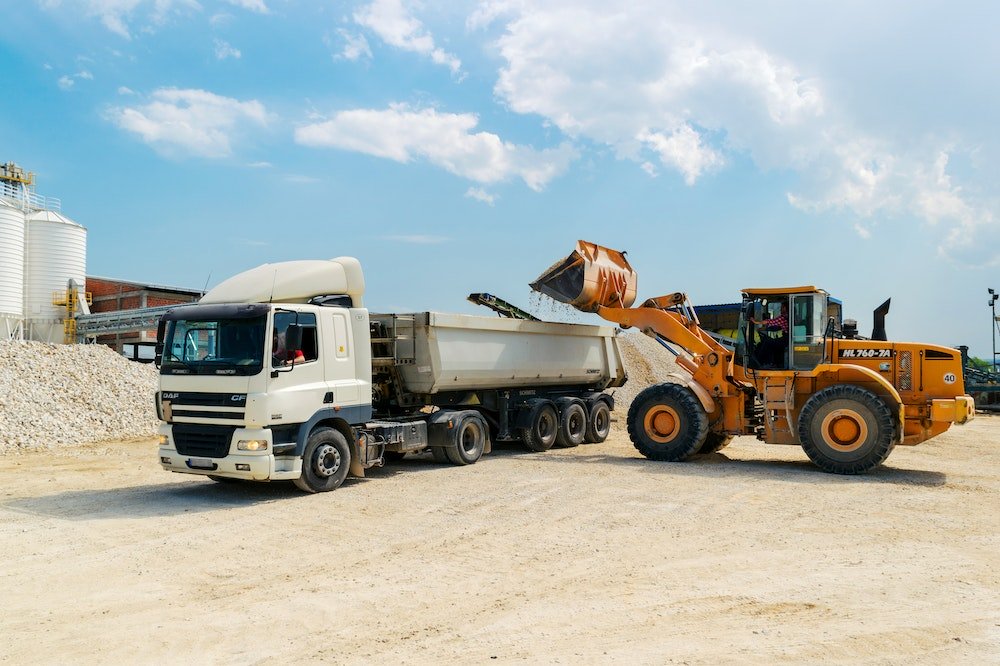
semi truck business ideas

The 12 Best Semi-Truck Business Ideas

semi truck business ideas

Owning a semi-truck puts you in a rare position. You already have one of the most valuable assets in American logistics. Whether you’re an experienced driver or an aspiring entrepreneur, there are dozens of profitable ways to put that rig to work. 

From freight transportation to agricultural hauling and specialized services, the opportunities in 2026 are broader and more profitable than ever before. The American Trucking Associations projects that total U.S. freight tonnage will grow by 25.6% by 2030.

With the right commercial vehicle, a valid CDL, and a clear business plan, you can turn your truck into a thriving operation. 

And if you’re just getting started, flexible commercial vehicle loans from Mission Financial Services can make it easier to purchase or expand your fleet without straining cash flow. But first, let’s go over why you should start a semi truck business. 

Why Start a Semi-Truck Business?

Starting a semi-truck business is one of the fastest ways for owner-operators to gain financial freedom and long-term control over their careers. When you own your truck, you control your routes, your schedule, and, most importantly, your income potential.

The U.S. trucking industry continues to expand rapidly. Total freight tonnage is projected to grow by 25.6% by 2030. And with trucks already responsible for about 72% of all freight tonnage in the U.S., demand is both massive and enduring.

Operating your own trucking business means you can specialize in the type of freight you enjoy most. You might focus on long-haul cross-country deliveries, regional routes with shorter turnaround times, or niche markets like refrigerated or agricultural transport.

And when you’re ready to scale, you can hire other drivers and manage operations, turning a one-truck business into a profitable small fleet. 

With flexible commercial vehicle financing from Mission Financial Services, it’s easier than ever to expand without draining your cash flow.

truck

12 Best Semi-Truck Business Ideas

If you’re thinking of investing in a semi-truck, the good news is that plenty of trucking business opportunities and ideas are available. Each one comes with its own startup requirements, profit potential, and market niche. Let’s dig into it. 

1. Freight Transportation

One of the most popular trucking business ideas is to get into freight transportation. This is an enormous field you can join, with all kinds of different areas you can specialize in.

Freight hauling remains the backbone of the U.S. economy. Whether you’re moving raw materials, retail goods, hazardous waste, or industrial components, freight transportation gives you the flexibility to choose your loads and clients.

The two most common models are:

  • Less Than Truckload (LTL): Smaller shipments from multiple suppliers that share trailer space, which is ideal for maximizing capacity and reducing downtime.
  • Full Truckload (FTL): Dedicated loads for a single shipper, often with higher payout and simpler logistics.

Freight may be transported between different transport links (like rail, air, or sea), or you could transport freight from a supplier directly to a customer.

2. Agricultural Hauling

The farming and agriculture industry needs trucks to operate. This is another huge sector that you can build your trucking business around.

Agricultural and food-product shipments represent about 30% of all ton-miles across the U.S. freight transportation system, offering huge demand. You can focus on hauling livestock, grain, feed, fertilizer, or heavy farm machinery, depending on your trailer type and regional opportunities.

If you do decide to focus on the agricultural sector, it pays off to specialize in a certain type of trucking. Certain types of freight, like refrigerated dairy or bulk grain transport, can help you stand out and command premium contracts.

long road

3. Truck Rental or Leasing

If you own your truck, you might even consider starting a truck rental business. Renting or leasing out your semi-truck to other drivers or small carriers can generate steady passive income. 

This is especially true if your truck isn’t always in use. Many owner-operators use downtime between contracts to rent their trucks short-term through local listings or industry platforms.

This business model scales best when you own multiple rigs, but even a single truck can bring in consistent monthly revenue. Of course, this business idea works best if you own multiple trucks and not just one. 

To reduce risk, make sure to secure strong rental contracts and semi-truck insurance coverage. 

4. Moving and Relocation Services

When it comes to starting your own trucking company, you can also look at going into the moving business. While most moving companies use box trucks, semi-trucks are ideal for large-scale or long-distance relocations.

You can partner with corporate relocation firms, logistics providers, or government contractors to move offices, equipment, or bulk furnishings across states. 

Marketing your trucking business to industrial clients or large residential moves can make your services stand out in a crowded space.

Startup costs are relatively low since you already own the main asset: your truck. Focus on obtaining a USDOT number, operating authority, and proper cargo and liability insurance. 

If you plan to operate across state lines, you’ll also need an MC number from the FMCSA and any state-specific household goods carrier permits.

5. Courier and Delivery Contracts

Trucking businesses can also consider going into local shipping or courier services. This category has evolved a lot in recent years. With the continued rise of e-commerce and bulk retail, larger deliveries often require regional trucking capacity that smaller couriers can’t handle.

By targeting furniture stores, appliance retailers, or B2B delivery contracts, you can fill a profitable niche between local delivery and long-haul freight. Semi-truck courier services can haul larger items and larger loads using dry vans or curtain-side trailers designed for quick loading.

While profit margins depend on contract volume and fuel management, many regional delivery operators maintain steady weekly income thanks to repeat B2B contracts and short-haul routes that keep operating costs low. 

Financing additional trucks or trailers with the help of Mission Financial Services can further boost efficiency and earnings potential.

rosebox-BFdSCxmqvYc-unsplash

6. Waste and Recycling Removal

Hauling waste, recyclables, or scrap materials is an essential and often recession-proof trucking service. There will always be waste, from people and businesses. 

You can specialize in construction debris, commercial waste, metal recycling, or hazardous materials, depending on your equipment and certification level. Operators with hazmat or environmental transport endorsements can access higher-paying contracts that most competitors can’t bid on.

To operate legally, you’ll need a USDOT number, proper waste-hauling permits (issued at the state or local level), and insurance coverage for environmental and cargo liability.

Startup costs depend on your equipment and the type of waste you move. Many operators use roll-off trailers for construction debris, dump trucks for bulk materials, sealed containers for liquid or hazardous waste, or flatbed trailers for recycling and scrap metal transport.

7. Car Hauling and Transportation

Car hauling is one of the most profitable ways to use a semi-truck, especially if you have the right trailer setup. Depending on your market, you can choose between open multi-car trailers (ideal for new car deliveries) or enclosed haulers that protect classic or luxury vehicles during transport.

Startup costs in car hauling are generally higher than in other trucking niches because of the specialized equipment and insurance requirements involved. You’ll need a reliable semi-truck with enough horsepower for heavy towing.

Success in this niche depends on establishing consistent partnerships with auto dealerships, auctions, rental agencies, or online vehicle marketplaces, such as Carvana and Bring a Trailer

To operate legally, you’ll need a USDOT number, an MC authority, and cargo insurance that covers vehicle damage in transit.

8. Construction Material Hauling

Construction haulers handle heavy materials such as steel, concrete, lumber, and aggregate, often navigating congested urban areas or job sites. It’s less about long-distance routes and more about coordinating multiple short runs that keep major projects on schedule.

To succeed, you’ll need a heavy-duty semi-truck, a flatbed or dump trailer, and the proper permits for overweight or oversize loads. 

Because deliveries are time-sensitive, maintaining clear communication and on-time performance is key to earning repeat contracts.

This niche rewards professionalism and reliability. It’s a strong fit if you’re an experienced driver who wants consistent, hands-on work supporting large-scale construction projects.

Semi Truck Insurance_ Coverage Types, Costs & Tips to Save 5

9. Snow Plow and Seasonal Services

In areas that experience harsh winters, converting a semi-truck into a snow plow is a practical way to generate income when freight slows. Many operators partner with local governments or private snow-removal contractors to clear roads, parking lots, school zones, and distribution centers.

All you need is a plow attachment and possibly a salt spreader to get started. Plow operations typically run overnight or in early morning hours after heavy snowfall, offering a dependable seasonal workload that complements long-haul driving.

This is a strong diversification option for owner-operators who want to keep their trucks profitable throughout the winter months.

10. Oversized Load Transportation

If you’re ready to take on more complex freight, oversized hauling offers both challenge and reward. 

You’ll move loads that exceed standard U.S. limits of 8.5 feet in width, around 13 ½ feet in height, or 80,000 pounds in total weight, though exact thresholds vary by state. These include industrial equipment, bridge beams, turbines, and modular buildings.

Each run is a project in itself, requiring detailed route planning, permitting, and coordination with pilot vehicles to move safely through multiple jurisdictions.

You’ll need specialized trailers such as lowboys, extendable flatbeds, or multi-axle setups designed for heavy or awkward cargo. Because only a small number of drivers are qualified and properly equipped, demand often outpaces supply, creating room for higher-paying contracts.

Every mile takes more planning, but it also brings the satisfaction of mastering one of trucking’s most respected specialties.

11. Semi-Truck Driving School or Training Service

The trucking industry faces an ongoing shortage of qualified CDL drivers and is projected to need roughly 1.2 million new drivers over the next decade. Using your truck for driver training can be a profitable and stable business model.

You can register as a private CDL training provider or partner with local trade schools to offer behind-the-wheel instruction for new drivers.

Operating legally requires meeting FMCSA training standards, maintaining liability and vehicle insurance, and equipping your truck with dual controls or instructor access features. 

Once certified, you can train students year-round, creating consistent revenue while helping to strengthen the future trucking workforce. This path suits seasoned drivers who want to leverage their experience while spending less time on the road.

12. Green or Electric Truck Logistics

Recent market analysis shows that the heavy-duty electric truck market is set to grow from about USD 1.22 billion in 2023 to USD 4.70 billion by 2030, a compound annual growth rate of roughly 20.6%. 

Federal and state programs also now offer meaningful incentives and tax credits for carriers that invest in zero-emission trucks. For example, companies purchasing qualified commercial clean vehicles may receive tax credits of up to $40,000 under the Inflation Reduction Act (Section 45W). 

EV adoption is still in its early stages, which means there’s room for new drivers and small operators to establish themselves before the market becomes crowded.

Begin by researching which electric trucks qualify for federal or state incentives. Many states also offer grants or rebates to help cover charging infrastructure and fleet conversion costs.

Next, look at where freight electrification is expanding fastest. Regions with existing EV infrastructure, such as California and Texas, are ideal for new operators entering green logistics.

If you’re new to the industry, consider starting with short-haul or regional routes where charging access is reliable and downtime is limited. These routes allow you to build experience while keeping costs predictable and operations sustainable.

load transportation

How to Choose the Right Semi-Truck Business Idea

Choosing the right trucking business idea starts with understanding your budget, licensing, and local market conditions. Here’s how to narrow your focus and pick a niche that fits.

1. Startup Capital and Equipment Needs

Assess how much you can invest upfront and whether your current equipment aligns with your goals. Lower-cost ideas like local courier services or junk hauling are ideal if you already own a rig and want to start earning quickly. 

In contrast, car hauling or oversized freight requires specialized gear such as step-deck or enclosed trailers and higher insurance coverage.

If you’re still exploring equipment options, consider whether it’s smarter to buy a used commercial truck or upgrade to a new commercial truck that meets the demands of heavier or long-haul work. 

Matching your truck’s capabilities to your chosen niche can significantly impact both profitability and safety.

2. Licensing and Experience Level

Your credentials will determine which lanes are open to you. Drivers with CDL endorsements for hazmat, doubles/triples, or tanker loads can move into premium freight markets with higher per-mile rates. 

If you’re newer to trucking, consider starting with lower-barrier options like regional freight or short-haul deliveries to gain hours, refine your safety record, and build professional contacts before expanding.

3. Local and Regional Demand

Study what industries dominate your region. Agricultural hauling thrives across the Midwest and South, while construction hauling is strong in fast-growing metro areas. In northern states, snowplow and seasonal services provide a reliable winter income. 

Tailoring your services to local demand helps reduce fuel costs, maintain regular routes, and secure repeat business from area clients.

Finally, outline a simple business plan that maps your target market, startup costs, and growth goals. This not only helps guide your operations but also positions you for financing or partnership opportunities when you’re ready to scale.

pexels-markusspiske-172074

Startup Costs and Financing Options

To start your trucking business, you’ll also need to budget for permits, insurance, maintenance, and ongoing compliance. Here are some ranges to expect going into the 2026 market. 

Expense Category Typical Range Details
Commercial Truck Purchase $80,000 – $150,000 (new) or $40,000 – $70,000 (used) Cost depends on truck age, model, and specifications. Buying used can significantly lower startup costs.
Insurance & Licensing $9,000 – $16,000 per year Covers primary liability, cargo, and physical damage policies. Rates vary by state, cargo type, and driving record.
Fuel & Maintenance $50,000 – $70,000+ per year Fuel is typically the largest annual expense; maintenance includes tires, oil changes, and preventive repairs.
Permits & Registration $500 – $3,000+ Includes USDOT/MC numbers, IFTA registration, IRP plates, and state-specific operating authority.
Business Setup & Marketing $2,000 – $5,000 Covers business licensing, software, website setup, and branding or advertising for new carriers.

Financing Your Trucking Business with Mission Financial Services

Mission Financial Services simplifies commercial vehicle financing with direct-lending options designed for real owner-operators. There are no middlemen and no unnecessary fees.

Whether you’re purchasing your first truck, rebuilding after credit challenges, or expanding into a small fleet, we offer tailored loan programs, including:

With flexible repayment options, fast approval, industry-specific solutions, and a team that understands the trucking business, Mission Financial Services helps you stay on the road and in control of your growth.

Frequently Asked Questions

How Much Does It Cost to Start a Semi-Truck Business?

Startup costs typically range from $100,000 to $200,000, depending on your truck type, insurance, and operating permits. Many new drivers lower their upfront investment by leasing or financing their first truck through Mission Financial Services.

What Is the Most Profitable Semi-Truck Business Idea?

Freight hauling, oversized load transport, and car hauling often provide the highest earning potential. Actual profits depend on your operating costs, route efficiency, and contract rates.

Can I Start a Trucking Company With One Truck?

Yes. Many successful owner-operators begin with a single truck, building a customer base before expanding. As your revenue grows, you can add drivers or finance additional vehicles through Mission Financial Services.

Do I Need an LLC for My Trucking Business?

Forming an LLC isn’t legally required but is highly recommended. It helps separate personal and business assets, provides liability protection, and may offer tax advantages for independent truckers.

dillon-kydd-G6VNKqR8NvM-unsplash

Conclusion

Starting a profitable trucking business is absolutely within reach. All it takes is the right truck, the proper licensing, and a clear plan that fits your skills and long-term goals.

Whether you focus on freight transport, specialized hauling, or driver training, your semi-truck can become the foundation of a lasting business.

If you’re ready to take the next step, Mission Financial Services can help you secure financing for your truck. From first-time buyers to experienced owner-operators, we provide direct-lending solutions that simplify startup costs and support steady growth.

With the right plan (and the right partner), you can keep your business moving forward, mile after mile. Start your credit application with us today.

Commerical Vehicle Loan Defaulter

Commercial Vehicle Loan Defaulter: What Now?

Commerical Vehicle Loan Defaulter

Are you in a fix and unable to make your auto loan payments? Perhaps you’ve already missed your payments for days or weeks and are wondering what’s next.

What happens if you fail to repay your debt on time and become a commercial vehicle loan defaulter?

Well, the penalties of an auto loan default come into play. But, there’s a grace period before this occurs. Also, the severity of these loan default penalties varies depending on the type of loan, terms, and lender.

Let’s talk more about commercial vehicle loan defaults below.

What Does It Mean To Default On a Loan?

To default on a loan means failing to pay back a loan as per the terms of the loan agreement.

When you borrow money from a lender, you must sign a contract agreeing to repay a specific amount, in a certain way, for a certain period. It could be daily, weekly, or monthly payments for one, two, or more years.

Defaulting happens when you fail to repay the agreed amount as regularly as you’re supposed to for several consecutive days (more about this below).

How Auto Loans Default Work

When a borrower misses their regular payment, the lender will send reminders to inform them of the contract breach.

These reminders serve as notifications that the borrower needs to take action to return to compliance or risk becoming a defaulter and getting penalized.

Usually, lenders give borrowers enough time to save the situation before categorizing them as defaulters.

files

The period between a borrower’s last loan payment and their categorization as a commercial vehicle loan defaulter is often called the delinquency period. It varies depending on the type of loan being repaid and the lender.

For commercial vehicle loans, borrowers have between 1 and 90 days of non-payment before it becomes a loan default.

So some lenders can set the delinquency period for their commercial vehicle loans as a minimum of 1 day, others the maximum of 90 days or anything in between. For other loans, like a mortgage, the maximum period of loan delinquency is usually 30 days.

We always advise consumers to contact their lenders when their vehicle loan is in delinquency to avoid defaulting.

Most lenders, particularly non-bank vehicle loan financing companies, are always willing to create new payment plans that their consumers can manage. You could get a payment holiday or have the vehicle loan terms extended based on your situation.

It’s essential to note that banks may not offer similar options to prevent loan defaults. Their loan repayment process and overall financial products are less flexible than alternative auto loan finance options.

Because of this, alternative commercial vehicle loan lenders, like Mission Financial Services, are changing the credit market. They’re becoming the leading finance solutions among business owners.

If the delinquency period ends before you contact your auto loan financing company and revisit the loan terms, you become a vehicle loan defaulter.

The lending company can penalize you and attempt to recover their funds according to the loan agreement.

documents

You’ll have a 10-day grace period before you face the consequences of defaulting on your commercial vehicle loan.

What Happens If You Are a Commercial Vehicle Loan Defaulter?

If you become a car loan defaulter, your credit rating decreases drastically. It also affects your ability to get credit in the future, especially if you made a personal guarantee to repay the loan.

Loan default penalties for personal loans may differ from those for business loans. But, overall, the lender can do the following:

Repossess Your Vehicle

Vehicle repossessions are the most common penalty when car loan borrowers fail to pay their debt. This is because the vehicle acts as security for auto loans, and unless the loan gets paid in full, the car legally belongs to the lender.

dashboard

Sell Your Vehicle

In this case, lenders aim to make enough money to cover the outstanding loan balance.

So if the vehicle fetches less than the principal plus interest amount owed after the sale, the lender can mark a lien on your other property to clear the debt.

This means the lenders can get court orders to repossess some of your other property and sell to clear the remaining cost. It all depends on the loan documentation.

Loan Agency Collection

Debt collectors can harass you, especially if you made a personal guarantee to pay the loan.

Can You Get A Commercial Vehicle Loan With Bad Credit?

Yes, you can get a commercial vehicle loan with bad credit. However, it might be tricky, especially now that the number of loan defaulters is growing.

Last year, vehicle loan defaults increased by 16.9% from the previous year (2021). So lenders are careful to only loan out to business owners with good credit to minimize their risk of getting losses.

Also, lending institutions are stepping back from financing vehicles. Meaning your chances of getting a car loan to purchase or repair business vehicles if you have bad credit are fewer.

signing contract

Consider getting your vehicle loan from a non-bank lending institution instead of a bank. You’ll have better luck with them as some won’t check your credit score to offer you a loan.

You may have to make a down payment and present your recent bank statements plus proof of income to get approved. Ensure you have these documents when applying for a loan with alternative lenders.

An example of such a lender is Mission Financial Services. The company has specific loan products for people with bad credit scores. If you’re interested in partnering with Mission Financials, check out this article on how to get a loan for a semi-truck for step-by-step instructions on financing your trucks.

Final Thoughts

As you can tell, defaulting on your loan has a long-term negative impact on your credit. It could also affect your business’s credit and prevent you from expanding your business operations.

If you’re struggling to make your loan payments, contact your lender and request loan restructuring before you become a defaulter. Many lenders are willing to work with you to make the loan manageable and avoid the cost of dealing with defaulters.

For any questions or concerns about commercial loan defaults, contact us. We’re always available and ready to help!

Small Business Commercial Vehicle Insurance

Everything To Know About Small Business Commercial Vehicle Insurance

Small Business Commercial Vehicle Insurance

Small business owners understand that reliable transportation is crucial to their daily operations. From delivering products to servicing clients, commercial vehicles play an essential role in the success of any business.

However, accidents and other unexpected incidents can happen at any time. Statista reports that there are over 12.15 million auto accidents yearly. So, having small business commercial vehicle insurance is essential.

Let’s discuss everything you need to know small business commercial vehicle insurance!

Small Business Commercial Vehicle Insurance

Business commercial vehicle insurance is a type of insurance policy that protects your business’s commercial vehicles from physical damage and liability. It’s similar to a personal auto insurance policy with a few significant differences.

For instance, business auto insurance is a must-have if your company owns or leases vehicles like trucks, vans, or cars. It covers damages and accidents that can happen while your vehicles are being driven for business purposes, such as making deliveries or transporting goods.

As financial advisors specializing in semi-truck financing requirements, we’ve seen firsthand how essential it is for small business owners to have commercial vehicle insurance. Small business commercial vehicle insurance can help safeguard your business from financial loss due to accidents, theft, or damage to your commercial vehicles.

How Does A Commercial Auto Insurance Policy Work?

The typical commercial auto insurance policy will include several types of coverage, such as liability, collision, and comprehensive coverage.

documents

Liability coverage is required by law and helps pay for damages and injuries your business is responsible for in an accident. Collision coverage helps pay for damages to your commercial vehicle in an accident. In contrast, comprehensive coverage covers non-collision-related incidents such as theft, fire, or natural disasters.

When you purchase a commercial auto insurance policy, you’ll pay a premium to the insurance company in exchange for coverage. Your premium will depend on several factors. We’ve learned the most important factors that influence small business commercial vehicle insurance coverage include:

  • The number of vehicles you insure
  • The type of vehicles
  • The driving record of your drivers
  • The level of coverage you select

If you ever need to file a claim, you’ll pay a deductible, and the insurance company will pay for the rest of the covered damages.

It’s important to note that every commercial auto insurance policy is different. At Mission Financial Services, we recommend you always work with a knowledgeable agent or broker. They can help you understand the coverage options available to you and select the right policy for your business.

Who Should Get Business Commercial Vehicle Insurance?

Like standard business insurance, any business that owns or leases business vehicles should consider getting commercial auto insurance coverage. Here are some examples of the companies that should have small business commercial vehicle insurance:

  • Delivery and courier services: If your business involves transporting goods, you’ll likely need commercial vehicle insurance. For example, if you own a package delivery service and use vans or trucks to deliver packages, you’ll need insurance to protect your vehicles and drivers in case of accidents.

  • Construction companies: Many construction companies use heavy-duty trucks and other commercial vehicles to transport materials and equipment to job sites. These vehicles are often subjected to harsh conditions, so having insurance coverage is critical.
  • Landscaping and lawn care services: Commercial vehicle insurance is a must-have if your business uses vehicles to transport lawn equipment and supplies to job sites. This coverage can help protect your business from financial loss if your vehicles are damaged or involved in an accident.
  • Food and beverage businesses: If your business is in the food and beverage industry, such as a food truck or catering company, and you use commercial vehicles to transport food and supplies. In these cases, commercial vehicle insurance can help protect your business in case of vehicle accidents or damages.
  • Any business with company-owned vehicles: Even if your business doesn’t fit into one of the above categories, if you own or lease vehicles for business purposes, you should strongly consider commercial vehicle insurance. It’s always better to be safe than sorry, and having insurance can provide peace of mind and financial protection in case of unexpected incidents.

What’s Covered By Commercial Auto Coverage?

A typical commercial vehicle insurance policy includes several types of coverage, each of which is designed to protect your business’s vehicles and drivers in different ways. Let’s look at some of the most common types of small business commercial vehicle insurance coverage included in a typical commercial auto policy:

view

  • Liability coverage: Also known as auto liability coverage, this type of coverage is required by law in most states. It helps pay for damages and injuries you are responsible for if you or one of your drivers causes an accident. For example, suppose one of your delivery drivers causes an accident, and the other driver is injured. In that case, liability insurance can help pay for medical payments, property damage, and other related expenses.
  • Collision coverage: Collision coverage helps pay for damages to your commercial vehicle if it’s involved in an accident or collision, regardless of who is at fault. For example, if your driver accidentally hits a curb and damages the front end of your delivery truck, collision coverage can help pay for the vehicle repairs.
  • Comprehensive coverage: This coverage helps pay for damages to your commercial vehicle caused by non-collision events. Non-collision events could be anything from theft, vandalism, or fire to weather-related damage. For example, comprehensive coverage can help pay for the repairs or replacement if your truck is stolen or damaged in a hailstorm.
  • Uninsured or underinsured motorists coverage: Another typical coverage, this one, protects your business if one of your drivers is involved in an accident with an uninsured or underinsured driver. For instance, if an uninsured driver hits your delivery truck, this coverage can help pay for damages and medical bills for your driver and passengers.

These types of coverage are essential for any business that uses commercial vehicles. Accidents and unexpected incidents can happen anytime.

documents

The right small business commercial vehicle insurance coverage can help protect your business from financial loss and legal liability.

Without proper insurance coverage, you could be held responsible for damages and injuries and may have to pay out of pocket for repairs and medical expenses. If you don’t have the funds for repairs, you may need to consider a semi-truck repair loan.

Understanding Commercial Auto Insurance Cost

Like personal auto insurance policies, the cost of commercial auto insurance can vary widely depending on several factors. Here are some of the typical costs to consider when looking at small business commercial vehicle insurance:

  • Type of business and vehicles: The kind of business you own and the type of insured vehicle you use can significantly impact the cost of insurance. For example, a construction company that uses heavy-duty trucks will likely pay more for insurance than a catering company that uses smaller delivery trucks.
  • The number of vehicles: The more vehicles you need to insure, the higher your insurance costs will be. Many insurance providers offer discounts for businesses that insure multiple vehicles, so it’s worth asking your provider if you’re eligible for any commercial fleet discounts.
  • Coverage limits: The higher your coverage limits, the more you’ll pay for insurance. However, it’s essential to have sufficient coverage to protect your business from financial loss in case of accidents or other incidents.
  • Driving history: Your driving record and the driving history of your employees can also affect your insurance rates. You may pay higher premiums if you or your employees have a history of accidents or traffic violations.

semi truck repair loans

  • Location: The location of your business and where your vehicles are driven can also impact your insurance rates. For example, companies in areas with high traffic or accident rates may pay more for insurance.

Overall, the cost of a small business auto insurance policy can range from a few hundred to several thousand dollars per year, depending on your business’s unique needs and circumstances. Working with an experienced insurance agent or broker is important to find the right coverage at a price that fits your budget.

Final Thoughts

If you want to become a semi-truck driver, you must understand commercial vehicle insurance. Having small business commercial vehicle insurance is a significant investment that can protect your business from financial loss and legal costs in case of accidents, theft, or other incidents.

At Mission Financial Services, we offer a range of easy financing options to help you purchase the commercial vehicles you need to keep your business moving forward.
Contact us today to learn more about our financing solutions. We can help you get the necessary vehicles to grow your business.

Commercial Fleet Vehicle Financing

Will I Be Approved For Commercial Fleet Vehicle Financing?

Commercial Fleet Vehicle Financing

If you’re considering vehicle financing for a commercial fleet but aren’t sure whether you’ll get approved, this article will guide you

First, note that you will get approved for commercial fleet vehicle financing only if you have the required licenses and documentation. Some lenders also set specific criteria you must meet to qualify for different commercial fleet financing options.

Others, like Mission Financial Services, aim to accommodate lenders regardless of their background.

We’ll discuss a few essential commercial fleet financing options and show you how to apply and get approved step-by-step below.

Commercial Fleet Vehicle Financing

What is commercial fleet vehicle financing?

In simple terms, commercial fleet financing is a type of loan that allows a fleet company to acquire commercial vehicles for commercial purposes.

The funding helps fleet owners to add more vehicles to their existing fleet and grow their business on credit. Some lenders also provide commercial truck fleet loans to relatively new drivers looking to finance a new fleet and start their fleet management business.

An example of such a lender is Mission Financial Services. You can qualify for a semi-truck fleet loan if you’re a new driver with at least three years of driving experience.

Generally, commercial fleet financing offers flexible terms to help you start or grow your business without overstretching your cash flow. You may get funding for different types of commercial vehicles, including commercial trucks, vans, and other specialty vehicles.

roads and truck

The interest rate for a commercial vehicle fleet loan varies based on the lender, financing option, and overall credit. It often ranges from 18 to 30%, paid in small monthly payments.

Commercial Fleet Financing Options

There are two main ways for small businesses to acquire a commercial fleet and expand: buying or leasing. Each is slightly different, and will require different financing options.

Purchasing Commercial Fleet Funding Options

You have two main financing options for buying a fleet.

1. A Finance Company or Bank Commercial Fleet Financing

You can get an equipment loan from a finance company or bank. This is one of the quickest and most popular ways to finance a commercial fleet.

We recommend making use of finance companies, such as Mission Financials Services, instead of a traditional bank for five main reasons

  • Loan terms are more flexible: You’ll benefit from quick credit approval processes and longer monthly payment terms. You’ll also require less documentation and can get customized equipment financing: a feature a traditional bank may lack.
  • Unique loan products: Some lenders also offer unmatched loan products like auction credit lines. These work best for business owners who prefer purchasing through auctions. You may not get similar loans from a bank. Also, a line of credit financing gives you more control over the loan usage and payment.
  • Most banks have high down payment requirements and may not consider a small business owner with poor credit.

White and red bus on road during night time

  • Often, finance companies use the vehicles under purchase as collateral for the loan, whereas banks may ask for additional security.
  • Higher loan amounts: Finance companies offer more money than banks. They can cover the total cost of the commercial asset. It’s unlikely to get the same from a bank.

2. Car Dealership Financing

Car dealership financing allows customers to purchase commercial equipment from a car dealer through higher purchase agreements.

In this case, you make an initial down payment for the commercial vehicles, then pay the remaining balance plus interest in small monthly payments. You’ll only take ownership of the fleet after repaying the loan.

Leasing Commercial Vehicles for Your Business

Leasing is the other popular commercial fleet vehicle financing method. Many fleet business owners find vehicle leasing more cost-effective than purchasing.

This is because equipment leasing spreads the cost of vehicle acquisition for the period they’re in use instead of funding the total cost.

You can choose between two vehicle leasing options:

Operating Lease

An operating lease works like rental houses. You pay a fixed amount every month for the lease period. You can return the vehicles when you no longer need them without incurring additional costs.

Finance Lease

A commercial fleet finance lease works like an operating lease but offers multiple options when your lease period ends.

You make regular monthly lease payments, but instead of simply returning the vehicle at the end, you could:

  • Renew your lease agreement
  • Return the vehicle and lease another
  • Purchase the vehicle and take full ownership of the asset following the terms of the terminal rental adjustment clause in the leasing contract

How can you be approved for commercial fleet vehicle financing?

Here is a step-by-step process to get financing for equipment purchases or leases:

Small Business Commercial Vehicle Insurance

Assess Your Business Needs And Find A Fleet

Always determine your business needs first, then find a fleet to match.

Remember, you’re solely responsible for finding the fleet you need. Most lenders don’t sell vehicles unless you choose the car dealership option. If this is the case, ensure your vehicle selection process is thorough.

Also, ensure you get a detailed invoice for the costs. You’ll need it for the application process.

Pick a Lender

Once you’ve found your fleet, select an equipment financing lender that aligns with your business goals.

The company can work with you to tailor the best commercial vehicle financing strategy for your specific truck business and current situation. This way, a bad credit score can’t prevent you from accessing commercial vehicle loans.

Gather documentation

Lenders may request various documents, such as:

  • Personal identification documents: These include your I.D, driver’s license, and social security number
  • Proof of residence documents: For example, a recent utility bill
  • Proof of income documents: These may be your latest bank statements
  • Information about the vehicles: Their make, model, mileage, and engine or transmission details
  • Fleet invoice or purchase order: This includes the sales price plus all taxes and fees

Apply

After gathering all the documents your preferred lender requires, follow their application process and await loan approval.

contracts

Assuming you choose Mission Financials, visit the credit application page, and follow the step-by-step instructions to apply.

Final Thoughts

Commercial fleet financing is a game-changer for small businesses. Other than maintaining cash flow by offsetting vehicle acquisition costs, these loans help fleet businesses with vehicle maintenance.

We hope this article helps you see that you will be approved for commercial fleet vehicle financing when you take the required steps.

If you have any concerns or questions regarding vehicle financing, contact us. We’ve been helping truck businesses get vehicle loans since 2000 and are always ready to help.


semi truck repair loans

All About Semi Truck Repair Loans

semi truck repair loans

Truck repairs are a necessary business expense if you’re a truck driver or owner-operator.

When your vehicle needs some TLC, semi-truck repair loans can make a big difference. Repairs can be expensive, and sometimes you won’t have the budget for fast maintenance!

Let’s talk about what semi-truck repair loans are below. We’ll also discuss your options and show you how to apply for these loans, even with bad credit.

Semi Truck Repair Loans: What Are They?

Semi-truck repair loans are a type of commercial vehicle financing solution that helps cover the increasing costs of truck repairs.

Most lenders will use your commercial truck as collateral to give you the money you need to pay for truck repair jobs upfront. You then repay the loan amount plus interest over some time. This way, you can keep your truck’s downtime to a minimum and get back on the road fast.

The interest rates and terms of semi-truck repair financing vary from lender to lender. But you’ll always have to make regular payments to repay your loan, based on a daily or monthly payment model.

Owner-operators and fleet owners use truck repair financing when they need major repairs for their commercial trucks. But there are truck repair loan options for small repairs, including common truck problems like wheel bearings issues.

Understanding how various types of semi-truck repair financing options work will help you choose the right one for your needs.

Types of Truck Repair Financing

Here are a few common types of truck repair loans:

1. Title Loans for Commercial Truck Repair

You can use commercial vehicle title loans to fund semi-truck repairs. They are one of the best truck repair financing options for those who own their semi-truck and have less-than-perfect credit.

The lender uses your commercial truck’s realistic market value to give you the money you can use for repairs and other business expenses. Generally, commercial vehicle title loans have higher interest rates than other loans.

2. Personal Loans for Semi-truck Repair

If you’re a professional truck driver, you can get a personal loan to pay for your truck repair needs.

These loans come with an attractive interest rate and flexible repayment terms, especially if you have good credit. But, the money you get from personal truck repair loans can be less than what you get with title loans.

3. Small Business Loans

Small business loans are great for financing semi-truck repairs. But, you require an established business plus a good minimum credit score to qualify. You’ll get the funds you need fast, usually within the same day of application, and you can repay these over several years.

4. Equipment Financing

Many trucking business owners use equipment financing to cover repair costs for their commercial trucks. It is a short-term loan readily available from online lenders and equipment leasing companies.

5. Business Line of Credit Financing

If you’re a fleet owner who deals with expensive repairs often, consider this type of truck repair financing. It lets you borrow exactly the amount you need and pay interest on it. You can also use the credit again whenever you pay back your loan, so you’ll always have money for repairs ready.

6. Business Credit Cards

Business credit cards are among the best semi-truck repair financing options for owner-operators who want to earn rewards while covering truck repair costs. The approval process for these cards is also the least strict of all truck repair funding options.

7. Working Capital Loans

These truck repair loans operate almost the same way as small business term loans. You get the money you require on the same day. The main difference comes from the payment model.

With working capital loans, the lender deducts money from your account daily, for example from Monday through Friday. But, for small business loans, you can make small monthly payments over a period to pay the loan.

How To Apply For A Semi Truck Repair Loan

The application process for semi-truck repair loans is simple. You can do it online with just a few clicks!

Different lending institutions will request various details and certified copies of documents.

With Mission Financial Services, you’ll need to provide the following information:

  • Contact details: These may include your name, phone number, email, residential address, driver’s license or commercial driver’s license (CDL), and social security number.

  • Financial details: These include information about, for example, your credit history.
  • Commercial truck details: Provide the vehicle identification number, make, model, engine transmission type, actual mileage, and accessories.
  • Sales price details: These include all applicable fees and taxes.

Once you’ve gathered the necessary information, the rest of the application process should take a few minutes:

  • Go to the credit application page.
  • Click the ‘get preapproved; button.
  • Fill in the information as required and click next to proceed until you reach the last page.
  • Confirm that you’ve provided all the necessary details, then click submit.

We’ll reach out after reviewing your application.

Repair Loans and Bad Credit

You might be wondering whether you can get truck repair financing if you have less-than-perfect credit. The answer is yes. But, it largely depends on the lender.

Most lenders require a minimum credit score to offer truck repair financing. Mission Financial Services doesn’t consider your credit score.

Other factors also contribute to the truck repair loan you qualify for and the loan terms you can get. Some can include your records of on-time payments toward other loans and clean accounts of repossession or bankruptcy.

semi truck repair loans

Do You Need A Truck Repair Loan To Grow Your Trucking Business?

In short – no. You don’t need a truck repair loan to grow your business. However, truck repair loans have several benefits, especially for professional truck drivers, owner-operators, and fleet managers.

Apart from being able to pay for your repairs fast, you can keep enough cash flow for other business operations. Also, paying off your repair loan helps you build credit for your commercial truck business. It may come in handy whenever you need more financing to expand your venture.

Final Thoughts

Overall, truck repair financing is a good idea for all stakeholders in the trucking industry. You’ll keep your truck moving and have the cash flow to expand your business when you’re ready.

If you have poor credit, choose financing companies with specific programs for individuals with bad credit scores. Contact Mission Financial Services today to find out how we can help!

Archives

Sign Me Up!

Stay up to date with the latest news in the commercial trucking industry.

Contact Us
close slider