
Office: (404) 975-4800

News

truck leasing

Comprehensive Guide To Commercial Truck Leasing in 2026

truck leasing

There are two main ways to get a commercial truck: buying one or leasing one.

Commercial truck leasing comes with lower upfront costs. And it cuts out a lot of the risk that comes with owning a truck outright. Still, leasing has trade-offs that catch plenty of owner-operators off guard.

In our experience, the leasing decision usually comes down to cash flow. It also depends on how long you actually need the truck.

This guide covers the lease types and the real costs. We’ll also walk through the questions worth asking before you sign anything.

What Is Commercial Truck Leasing?

Commercial truck leasing means renting a truck for a set period instead of buying it outright. You sign a contract between the lessee, the one using the truck, and the lessor, who owns or leases out the truck.

Under most leases, you pay a monthly fee to use the truck for an agreed period. The contract usually covers maintenance duties, mileage caps, insurance requirements, and penalties for excess wear and tear.

Most commercial leases fall into one of three categories.

Full-Service Leasing

This type of lease covers most of the costs tied to running the truck. That includes maintenance, repairs, insurance, and sometimes registration fees. It’s a solid fit if you want to minimize downtime and keep monthly costs predictable.

Finance Lease

Also called a capital lease, this option works more like a loan. The lessee takes on most ownership responsibilities, like maintenance and insurance. The truck still stays titled to the lessor.

Operating Lease

An operating lease is short-term, and the lessee doesn’t take on the risks tied to ownership. This structure makes it easier to upgrade to a newer truck once the term ends.

Closed-End vs Open-End Leases

Beyond the lease type, you’ll also run into closed-end and open-end structures. Each one handles the truck’s end-of-term value a little differently.

Closed-End Leases

A closed-end lease is often called a walk-away lease. The leasing company sets the truck’s residual value up front. You simply turn the truck in once the term ends.

Mileage limits typically run between 12,000 and 15,000 miles a year. You’ll pay extra for any miles or wear and tear above that.

Open-End Leases

With an open-end lease, you and the leasing company agree on a residual value together. You carry the risk if the truck’s actual value comes in lower at lease-end.

A Terminal Rental Adjustment Clause (TRAC) lease is the most common example in commercial trucking. If the truck sells for more than the residual, you get the difference back. If it sells for less, you cover the gap.

truck lease agreement

Essential Elements of a Commercial Truck Lease

Lease agreements vary widely, but a solid contract should spell out a handful of things before you sign anything. Here’s what we always tell drivers to check for.

  • Identification of parties: Name both the lessor and the lessee clearly.
  • Description of the truck: List the make, model, year, VIN, and any added equipment.
  • Lease term: Look for a clear start date, end date, and total length.
  • Payment terms: This covers the monthly amount, due dates, and any late fees.
  • Maintenance and repairs: State who handles preventive maintenance, repairs, and related costs.
  • Usage restrictions: Mileage limits, geographic restrictions, and prohibited uses should be clear.
  • Return conditions: This covers the truck’s required condition at turn-in, plus excess wear-and-tear charges.
  • Insurance requirements: Most interstate carriers need at least $750,000 in liability coverage under the FMCSA’s minimum financial responsibility rules. Your lease should spell out what’s required on top of that.
  • Early termination or buyout options: Check whether you can end the lease early. Also confirm what it costs to buy the truck at the end of the term.

Key Leasing Terms To Know

Lease contracts come loaded with industry jargon. Knowing these terms ahead of time helps you avoid surprises at signing.

  • Acquisition fee: Covers admin costs like credit checks and paperwork. Also called a bank fee.
  • Capitalized cost (cap cost): The truck’s agreed value at lease start, plus taxes and fees.
  • Residual value: The truck’s projected value at lease-end, used to set your monthly payment.
  • Money factor: A decimal some lessors use to calculate the interest portion of your payment.
  • Disposition fee: Covers the cost of prepping and selling the truck if you turn it in.
  • Security deposit: An upfront amount some lessors require at the start of the lease. It’s typically refundable at the end of the term, provided you’ve met all the contract conditions.

Leasing vs Purchasing: Which Makes Sense?

Should you lease or buy? Each option comes with real trade-offs. Leasing offers several clear benefits: lower upfront costs, predictable monthly payments, and easier access to newer trucks. You don’t build equity, though, and the long-term costs can add up fast.

Buying involves a bigger upfront investment, but you walk away owning a real asset. You also take on the full maintenance bill and the risk of depreciation hitting resale value down the road. Some owner-operators finance the purchase through an SBA-backed equipment loan instead of a conventional bank loan. This can soften the upfront cash requirement.

We’ve seen plenty of owner-operators choose ownership once they have the credit history and down payment to make it work. Leasing still has its place, especially for substitute vehicles or short-term contracts that keep a fleet running.

truck inspection

Commercial Truck Lease Pros and Cons:

Pros

  • Lower initial costs, sometimes with no down payment required
  • More predictable monthly payments
  • Lease payments may be tax-deductible as a business expense
  • Some leases bundle in maintenance coverage
  • Easier access to newer truck models once the term ends
  • On-time lease payments can strengthen your business credit history, which makes it easier to qualify for loans down the road
  • Full-service leases let you focus on hauling rather than managing maintenance logistics

Cons

  • You don’t build ownership equity in the truck
  • Mileage limits and usage restrictions are common
  • Long-term leasing costs can exceed the cost of ownership

The Lease-to-Own Option

Some leasing companies offer a lease-to-own arrangement, where a portion of each monthly payment goes toward the truck’s purchase price. At the end of the term, you make one final lump-sum payment to own it outright.

This is a useful path for drivers who want to build toward ownership. It avoids taking on the full purchase cost from day one.

It’s worth asking any lessor whether a lease-to-own option is available before you commit to a standard lease.

Costs To Consider When Leasing Commercial Trucks

Leasing a commercial truck comes with several layers of cost beyond the headline monthly payment. Here’s a breakdown of what to expect.

  • Monthly lease payments: This is the main cost, and it varies based on lease type, truck model, and term length.
  • Down payment or initial fees: Some leases require a security deposit or first month’s payment up front.
  • Maintenance and repairs: Depending on your lease type, you might cover these separately or have them bundled into your payment. Keeping up with the maintenance schedule is also tied directly to the truck’s performance, and most lessors will charge penalties at turn-in if it’s been neglected.
  • Insurance: Lessees typically need their own commercial truck insurance coverage to protect their business and meet the coverage minimums the lessor requires.
  • Excess mileage or usage fees: Going over your mileage cap usually triggers a per-mile charge.
  • Taxes and fees: Expect registration costs and administrative fees layered on top of your payment.
  • Early termination fees: Ending a lease early often comes with a penalty.

Estimating Your Fuel Costs

Fuel is one of the biggest variable costs tied to any leased truck. You can estimate it with a simple formula.

Divide your planned mileage by your truck’s fuel efficiency, then multiply by the current price per gallon.
truck lease pros and cons

Is Leasing the Right Fit for Your Operation?

Leasing tends to make the most sense for short-term needs. Think covering a temporary contract, testing a new route, or keeping a backup truck running when customers are counting on your schedule. It can also help newer operators who don’t yet have the credit history or down payment for a purchase.

That said, there are situations where leasing works against you. Watch out for these scenarios.

  • You run high mileage: Most commercial truck leases cap annual miles between 10,000 and 15,000. If your routes regularly push past that, overage charges can wipe out the cost advantage of leasing.
  • You haul hazmat: Some lessors won’t take on the risk. Hazmat operations often limit your pool of willing lessors significantly.
  • You need to hold the title: Certain regulatory requirements, contracts, or tax incentives require you to own the vehicle outright. A leased truck won’t qualify in those situations.
  • You operate mostly off-highway: Heavy off-road use can take vehicles outside what most lessors will accept for their fleet.

Buying usually wins out for drivers who plan to keep the same truck for years. It also makes sense if you run heavy mileage or want equity to borrow against later. If you’re scaling from one truck to a small fleet, compare lease terms against financing options built for fleet growth.

What Lessors Look For

Qualifying for a commercial truck lease works similarly to qualifying for a loan. Lessors typically review your personal and business credit scores. They also look at how long your business has been operating and whether you can show steady revenue.

Drivers with lower credit scores can still get approved, though the terms will vary. If your credit is thin or damaged, a standard lease may not be your best option. A financing option designed for owner-operators often gives you more flexibility.

Questions To Ask Before You Sign a Lease

Before signing anything, run through these questions with the leasing company.

  • What are the mileage limits, and what’s the exact overage charge per mile?
  • What are the turn-in conditions, and how is “normal wear and tear” defined?
  • What happens if you can’t meet the payment terms?
  • What’s the full price of the truck, including any ancillary services?
  • Are there hidden fees, and what exactly do they cover?
  • Is a lease-to-own option available, and what are the buyout terms?

costs

Final Thoughts

Leasing a truck can look appealing on the surface. In our experience, ownership usually pencils out better for drivers who keep running the same routes for years. Affordable vehicle financing makes purchasing a commercial truck a realistic option, even for first-time buyers or drivers rebuilding their credit.

Get in touch with Mission Financial Services to find the right funding for your next truck

truck accident stats

How Many Accidents Are Caused By Semi-Trucks?

truck accident stats
Large trucks, like semi-trucks, are essential in growing the U.S. economy. They’re the backbone of the overland freight transportation industry, which recent statistics indicate is worth over $730 billion. Simultaneously, these large and heavy trucks present a significant risk for fatal road accidents. So how many accidents are caused by semi-trucks?

We investigated how many accidents are caused by semi-trucks nationwide, their causes, and when they are most likely to happen.

The truck accident statistics research findings below provide insight that truck drivers like yourself can use to minimize or prevent motor vehicle crashes and make our roads safer for everyone.

How Common Are Semi-Truck Accidents?

Crashes involving large trucks have become a growing concern as their numbers increase yearly.

In 2021, there were approximately 523,796 police-reported large truck accidents that injured an estimated 154,993 people and killed 5,788 individuals across the U.S.

This was a significant increase (nearly 26% rise) from 2020, when about 415,444 large truck crashes happened, 141,613 people were injured, and 4,945 died.

High-Risk Times for Truck Accidents

Fatal semi-truck accidents peak between June and October, with the highest recorded in September 2021 at 515 crashes. Urban areas witness over half (54.53%) of these incidents, primarily on non-interstate highways (73.99%).

Most fatal and non-fatal accidents involving large trucks occur on weekdays between 6 a.m. and 6 p.m. As a semi-truck driver, vigilance is crucial, especially on non-interstate highways during weekdays, to prevent accidents and safeguard road users.

bus accident

Semi-Truck Accident Statistics

Here is a summary of essential semi-truck accident statistics commercial truck drivers need to note.

Truck Accidents Statistics by State

Texas leads in fatal crashes with approximately 568 fatal large truck accidents in 2020, followed by California with about 368 incidents. Florida, Georgia, and Illinois rank as the third, fourth, and fifth high-risk states, reporting 322, 210, and 155 fatal semi-truck accidents, respectively, in 2020.

Conversely, Washington stands is the safest state, recording only one fatal accident in 2020. States with the lowest rates include Vermont (4), Rhode Island (6), Hawaii (6), and Alaska (8).

Truck Accidents by Vehicle Type

This section highlights large truck accident statistics by vehicle type so you can see the extent of motor vehicle accident risk you face daily as you share the road with these different types of vehicles.

Semi -Truck Accidents

Semi-trucks are responsible for nearly all fatal large truck crashes because they have more blind spots and leave little room for error when driving. Of the fatal truck accidents in 2020, 74% included semi-trucks. Also, semi-truck accident victims suffer the most severe injuries.

Bus Accidents

Thousands of deadly bus accidents happen every year. In 2021, more than 100 people died as a result of school bus-related accidents alone. If we include data from fatal motor vehicle accidents involving private charter and public buses, the number of fatalities easily doubles.

reduce speed

Garbage Truck Accidents

Frequent and potentially fatal garbage truck accidents result from the poor driving habits of many garbage truck drivers. These drivers often operate in low-light conditions and tend to stop and start multiple times in the middle of their routes instead of pulling over, contributing to unavoidable fatal accidents.

Common Causes of Truck Accidents Statistics

Different types of commercial truck accidents may occur as a result of one or a combination of the following causes:

Truck Driver Error

The Federal Motor Carrier Safety Administration (FMCSA) conducted a large truck crash causation study, identifying truck driver errors as the primary cause of most accidents. These errors, categorized as non-performance, decision, recognition, and performance errors, accounted for 87% of all examined accidents.

The study underscores the need for heightened attentiveness among drivers of semi-trucks and large vehicles compared to drivers of passenger vehicles.

Speeding

Most inter- and non-interstate roads impose low-speed limits for truckers due to the vehicles’ large sizes and the longer distance needed to stop. However, speeding was a contributing factor in 7.3% of the fatal accidents that happened in 2020.

tired driver

Trucker Fatigue

FMCSA established hours of service guidelines to regulate the number of consecutive hours truckers can drive and how long they should rest before resuming work. Despite this, some truck drivers spend long hours on the road and fall asleep behind the wheel due to trucker fatigue. Trucker fatigue is a contributing factor in about 13% of truck accidents.

Drug Use

Alcohol and drug use impair a person’s ability to drive safely by affecting cognitive functions, resulting in diminished focus, impaired vision, and slower reaction times. In 2020, approximately 2.8% of truck drivers involved in accidents had a blood alcohol content (BAC) exceeding 0.08%.

Despite the Federal Motor Carrier Safety Administration (FMCSA) setting a stringent BAC limit of 0.04%, which can lead to license suspension, drug and alcohol use still contributes to nearly 20% of truck accidents.

Tire Defects

Tire defects, including tread separation, pressure loss, and full-on blowouts, can destabilize large trucks, causing truck drivers to lose control of their vehicles and crash. Tire problems lead to large truck crashes nearly 6% of the time.

Brake Problems

Brake problems resulting from stuck calipers, master cylinder failure, and leaking fluid lines usually prevent drivers from stopping in good time. They occur more frequently than tire defects and lead to large truck crashes almost 29% of the time.

Roadway Issues

Poor road conditions contribute to approximately 20% of large truck accidents. Common roadway issues include large potholes, missing road markings, and missing signage.

Final Thoughts

Reducing the unpredictability of truck accidents is possible through collective efforts. Avoid drinking and driving, consistently maintain your truck, and remain vigilant to prevent errors while driving.

In the unfortunate event of a semi-truck accident, it’s essential to know your rights and seek compensation for damages. Follow a step-by-step guide to navigate the aftermath successfully.

Additionally, engaging a competent lawyer is crucial for filing a truck accident case. Explore our blog for detailed guides on selecting the best commercial vehicle accident lawyers tailored to various motor vehicle accidents. Take proactive steps to enhance road safety and protect your rights.

dollars

How Much Do Commercial Truck Drivers Make?

dollars

How much do commercial truck drivers make? If you plan on getting into the trucking business, this is an essential question.

Unfortunately, there’s no straightforward answer here. Truck driver salaries can vary greatly depending on factors like the type of trucking being done, the driver’s experience, distances covered, and more.

By understanding these factors, you’ll be better positioned to get a fair-paying truck-driving job based on your experience.

To help you understand this better, we break down everything you need to know about truck driver salaries in the guide below.

Commercial Truck Drivers Salaries

The average truck driver’s salary in the US is $1,864 per week. This comes from a reported 434.6k salaries.

However, what truck drivers earn can differ vastly depending on various factors – like the driver’s experience, the type of trucking being done, the distance drivers cover, and more.

The average pay for an owner-operator can also differ vastly compared to a driver employed by a trucking company. Local drivers and regional drivers also earn differently compared to long-haul truckers.

Plus, different pay structures are involved in various types of trucking jobs.

Factors that Influence Truck Driver Pay

As mentioned above, a truck driver’s salary can differ vastly depending on various factors. Let’s break this down into more detail.

Salary of a Truck Driver by Route Type (Distance)

The salary of a truck driver can vary based on the type of route they drive.

Long-haul or cross-country routes often pay differently than shorter routes driven by regional truck drivers due to differences in distance, time commitment, and demand.

Salary of a Truck Driver by Operating Mode

The mode of operation can significantly impact a truck driver’s salary.

Drivers operating as owner-operators might earn differently than those employed by trucking companies. Specialized freight or specific industry-related transport may also influence pay scales.

For example, hazmat truck drivers, mining industry drivers, or OTR truck drivers have areas of specialization, which could result in earning more money and additional benefits compared to an Amazon delivery driver.

Salary of a Truck Driver by Experience

Experience plays a crucial role in determining a truck driver’s salary.

Drivers with more years in the industry often earn higher pay due to their expertise, knowledge of routes, safety records, and familiarity with the job’s demands.

The longer you’ve held a commercial driver’s license and have a clean driving record, the better your chances are of earning more money.

External Factors Affecting Salary

Various external factors can influence a truck driver’s salary, such as economic conditions, supply and demand for drivers, fuel prices, industry regulations, seasonal variations, and overall market dynamics.

These factors can fluctuate and impact pay levels within the trucking industry. This also means regional truck driver pay can differ in quite a big way.

ice road driver
What Types of Truck Driving Pay the Most?

There are various truck driving jobs, and those requiring special endorsements or licenses often tend to pay higher. This is because of the extra skills, training, and responsibilities involved.

Here are some types of truck driving jobs that typically pay more.

Hazmat Trucks (H Endorsement)

Drivers transporting hazardous materials (Hazmat) usually earn higher pay due to the increased risk and specialized training required to handle such cargo safely. This endorsement involves transporting any materials deemed hazardous by federal law.

Doubles/Triples (T Endorsement)

Truck drivers hauling double or triple trailers often command higher pay due to the complexity and skill required to maneuver these larger combinations of vehicles on the road safely.

This endorsement permits drivers to operate multiple trailers simultaneously.

Tankers (N Endorsement)

Drivers transporting liquids or gases in tanker trucks typically earn more due to the specific handling and driving skills necessary for these vehicles.

This endorsement is required for hauling liquids or gases in bulk.

Hazmat and Tanker (X Endorsement)

Combining Hazmat and Tanker endorsements (X Endorsement) typically increases pay. Drivers with this endorsement have the qualifications to transport hazardous materials and tanker loads, requiring a higher level of expertise and responsibility.

Ice Road Drivers

Ice road truckers who navigate frozen roads and extreme conditions in remote areas, such as Alaska or Northern Canada, tend to earn higher salaries.

This is due to the hazardous nature of the job, driving in extreme weather conditions, and the specialized skills required to operate a commercial vehicle in such environments.

hourly pay

Truck Driver Pay Models

To understand how much a truck driver’s salary is, it’s essential to understand the different pay structures involved.

Hourly Pay

Some truck drivers are paid based on the number of hours worked. This model calculates payment for the time spent driving, loading, unloading, or performing other work-related tasks.

Per Mile Pay

This model pays truck drivers a set rate for every mile they drive. It’s a common method where drivers receive a specific amount for each mile traveled, incentivizing longer distances and more driving hours.

Fixed Salary

Certain truck drivers receive a fixed salary regardless of the hours worked or miles driven. This model provides consistency in income, and drivers who prioritize stability over pay fluctuations based on hours or distance may prefer it.

Percentage of the Load

Truck drivers receive a percentage of the total revenue generated by the load they transport in this pay structure.

Team Driver Pay

Team drivers, where two drivers share driving responsibilities for a single truck, can get paid uniquely.

This could involve dividing the pay based on the miles driven, hours worked, or a fixed load percentage. This depends on the arrangement between the team members and the employer.

safety bonus

Types of Commercial Truck Driver Pay

Beyond pay structures, there are also various forms of truck driver pay that you should know about.

Per Diem Pay

This pay model compensates truck drivers for daily expenses incurred on the road, such as meals and lodging.

Per diem pay is a daily allowance provided to cover these expenses. It is often given in addition to the driver’s regular wages.

Stop Pay

Truck drivers sometimes receive stop pay for each stop or delivery made during a trip.

It compensates drivers for the time spent at various stops, including loading and unloading cargo, which can add up during multi-stop routes.

Detention Pay

When truck drivers experience delays at pickup or delivery locations beyond the agreed-upon waiting time, detention pay is provided.

This is to cover the extra time spent waiting due to delays in loading or unloading.

Fuel and Safety Bonuses

Some trucking companies offer bonuses to drivers based on fuel efficiency or safe driving practices.

Fuel bonuses reward drivers for achieving good fuel mileage, while safety bonuses acknowledge drivers for maintaining a safe driving record and sticking to safety regulations to avoid commercial vehicle accidents.

Accessorial Pay

Accessorial pay includes extra compensation for various non-driving tasks or services performed by truck drivers.

This could involve handling specialized equipment, assisting with loading or unloading, providing extra services beyond regular driving duties, or navigating challenging routes.

driver-7695071_1280

Final Thoughts

Various factors go into how much truck drivers earn and how they earn money. If you’re planning on entering the trucking business, then it’s essential to understand the different elements that go into a driver’s compensation package. This can help you build the right experience and endorsements to maximize your earning potential.

Are you looking to purchase a semi-truck for your trucking business? Then, you’ll need to get financing. Contact us at Mission Financial Services, where we help truck drivers get funding for their dream commercial vehicle – even if you have a bad credit score.

truck driver hire

Hiring A Driver For Your Semi Truck

truck driver hire
Hiring a truck driver is no easy business. There are many considerations you need to make when choosing a good driver. This goes beyond their experience and qualifications.

You must ensure your trucking business is adequately set up to take on a new driver. Before bringing them into your business, you’ll also need to understand the truck driver’s personality and how they operate.

Making the right hires can make a big difference to your success, while the wrong hires can cause all kinds of issues.

To help you hire truck drivers properly, here are all the steps and considerations you should follow.

long haul
How to Hire the Right Truck Driver

Knowing how to hire truck drivers is one of the most important things you’ll ever do when running a trucking business.

While it’s always possible to find truck drivers who can operate a commercial vehicle, the right drivers for your business should possess various other traits and skills. After all, the people behind your business determine its success.

Here are a few key steps to help you hire truck drivers that best align with your business needs.

Identify the Type of Truck Driver You Need

Identifying your business’s precise type of truck driver is the first essential step to a successful hiring process.

Whether it’s a short-haul driver for local deliveries, a long-haul driver for interstate transportation, a casual driver for occasional assignments, or even an owner-operator, understanding the specific qualifications and job requirements for each role is crucial.

You must thoroughly research the qualifications, certifications, and experience necessary for different driving positions. This will help you create job descriptions that attract suitable candidates and streamline selection.

Long-Haul and OTR Trucker

Long-haul and OTR (Over-the-Road) truckers are the backbone of the transportation industry, responsible for transporting goods across vast distances.

These truck drivers spend extended periods away from home, navigating diverse terrains and weather conditions while ensuring timely and safe deliveries. They must possess exceptional driving skills, a solid commitment to safety regulations, and the ability to manage their time efficiently to meet strict delivery schedules.

The role of long-haul and OTR truckers demands resilience and adaptability, as they often face unforeseen challenges on the road. Candidates for these positions should have a clean driving record, hold relevant commercial driving licenses (CDL), and have enough expertise in managing long-haul trips.

Looking for a truck driver with a reliable background in long-haul trucking is essential, as not all local truck drivers can easily adjust to this lifestyle.

heavy hauler
Heavy Hauler or Oversized Load Trucker

Heavy hauler drivers, or oversized load truckers, are specialized professionals who carry goods that exceed standard weight or size limits. These drivers need expertise in handling and transporting exceptionally large or heavy cargo, such as machinery, construction equipment, or industrial materials.

Their role demands unique skills, including an in-depth understanding of specialized equipment, securing loads, and complying with strict regulations governing oversized transportation.

These truck drivers are also often required to hold specialized permits and adhere to specific safety protocols to guarantee the secure and efficient transport of oversized loads.

Employers seeking heavy haulers prioritize candidates with extensive experience handling oversized cargo and a good knowledge of state and federal regulations regarding weight limits and permits.

truck insurance
Purchase Truck Insurance

Getting the right truck insurance is an essential part of hiring the right truck driver and ensuring the safety and security of your business. Before you take on qualified truck drivers, you must ensure that your vehicle and business will be protected when they’re behind the wheel.

Some insurance policies may be skeptical of offering complete protection if somebody new is driving the truck or the driver needs more experience in commercial driving.

Trucking companies need comprehensive insurance coverage that protects both their drivers and the transported cargo. Choosing the right insurance policy involves looking into various factors, like the type of freight being transported, the distance covered, and the specific risks associated with the routes.

Truck insurance typically includes liability coverage, cargo insurance, and physical damage coverage for the vehicles.

Liability coverage protects against damages or injuries caused by the truck driver. At the same time, cargo insurance covers the value of the transported goods. Physical damage coverage protects the trucks themselves against accidents or other physical damage.

Familiarize Yourself With Local and State Laws

Understanding and sticking to local and state laws is crucial when hiring the right truck driver for your business.

Different jurisdictions have specific regulations that govern various aspects of trucking operations, impacting everything from the type of driver and truck to the nature of the cargo and the intended destination.

Federal, state, and local laws cover a range of important considerations, including maximum load weight restrictions, prerequisites for CDL training and testing, mandatory insurance coverage, regulations concerning road and fuel taxes, and limitations on vehicle size.

You must adhere to these laws when filling a truck driver position as an employer. If you need to become more familiar with the local regulations, it may be worth talking to a lawyer before you find qualified truck drivers.

interview
Confirm That Your Business Insurance Covers Truck Drivers

Before finalizing the hiring process for any full-time or part-time truck driver, you must ensure that your business insurance covers the specific position adequately.

While commercial auto insurance is necessary for all truckers, extra insurance types such as trucking general liability coverage, business interruption insurance, and motor cargo coverage can fill potential gaps in protection.

Make sure that you have comprehensive insurance coverage that will protect your vehicle and business when you fill new truck driver jobs. This is also why hiring experienced drivers is so important.

Create Postings on Job Search Sites

The first place you’ll go to hire drivers is probably a job board. This is important, as it’s where most drivers in the trucking industry will be looking for work.

However, it’s not the only place you can look to find truck drivers. Think outside the box and consider reaching out to known drivers using social media channels. You can find groups of truckers in your area on social media – this is a great way to connect with local truck drivers.

Another good strategy is reaching out to recruiters specializing in the trucking industry. They will have a large pool of potential candidates in your area and may help you find experienced drivers who aren’t actively checking job boards.

Interview and Vet all Potential Drivers

If you plan on hiring drivers to help you operate your truck, you will need to make sure they are properly qualified. All drivers must have a valid CDL and meet the DOT’s medical requirements.

Make sure you get the right information from your next truck driver so that you can perform a background check. This could include:

  • Following up to make sure they have a clean driving record
  • Checking their personal identification number
  • Checking their verifiable address
  • Performing a drug screening
  • Assessing their qualifications to make sure they match your job needs

Reliable drivers need to have all of the right qualifications and experience, but they should also show a good attitude and have knowledge of your specific area of trucking.

onboard
Onboard your New Driver

Onboarding a new driver is essential in integrating them effectively into your trucking business.

Setting clear expectations for performance from the outset is crucial. This involves outlining key performance indicators, such as delivery schedules, safety protocols, and customer service standards.

Communicating company policies properly ensures that the driver understands and adheres to the rules of your trucking company.

You’ll also want to stress the importance of equipment inspections and maintenance procedures in your business. Provide guidance on regular inspections, explaining how drivers must report any issues promptly and follow scheduled maintenance routines.

This improves the driver’s accountability for the vehicle’s condition and contributes significantly to your business operations’ overall safety and efficiency.

Incorporating these aspects into your onboarding process creates a foundation for drivers to perform at their best while upholding the company’s standards and safety measures.

Final Thoughts

Take your time hiring a new truck driver, and ensure you follow all the proper steps and procedures. Making suitable hires is incredibly important for your business’s success, so never rush the process.

If you need to purchase a new semi-truck for your business, then you’ll also need to take the right steps in finding financing for your vehicle. Get in touch with us at Mission Financial Services – we can help all kinds of trucking business operators secure the right financing to match their business needs.

truckers

7 Types Of Commercial Truck Driving Jobs (2026 Guide)

truckers

A commercial truck driving job typically involves operating large vehicles to transport goods, materials, or freight as part of a business operation. If you’re thinking about starting a career in the trucking industry, this guide will help you pick a path that fits your life.

We break down seven types of commercial truck driving jobs, including freight-based roles like dry van, reefer, flatbed, and tanker, plus route-based options like local, regional, and over-the-road (OTR).

You’ll get a clearer view of what the work looks like day to day, what schedule to expect, and what training or endorsements may matter before you apply.

7 Types Of Commercial Truck Driving Jobs

There are several types of trucking jobs based on the:

  • type of truck you can drive
  • type of goods you transport
  • number of miles you travel

The commercial driver’s license (CDL) you hold or are planning to get will also dictate what types of trucking jobs you qualify for.

You can choose from three commercial driver’s licenses: Class A, B, and C CDL.

CDL A allows drivers to operate large semi-trucks with trailers, weighing over 26,000 pounds, plus a trailer over 10,000 pounds.

CDL B permits operation of a single vehicle over 26,000 pounds or a vehicle towing a trailer under 10,000 pounds GVWR.

CDL C is for small vehicles, often transporting hazardous materials, and can include driving other vehicle combinations with proper endorsements.

waste management

Dry Van Truck Driver

Dry van truck drivers haul boxed or palletized freight that does not require temperature control. This is one of the most common roles in the trucking industry and often the starting point for many drivers.

Day to day, dry van drivers run scheduled routes, manage dock appointments, and handle either drop-and-hook trailers or live loads. Routes may be long-haul or regional, depending on the carrier and freight network.

Most dry van jobs require a CDL A; additional endorsements are rarely needed. Because the freight is straightforward, many trucking companies allow new drivers to start here.

This role is best for drivers who want steady work and broad job availability.

Reefer Truck Driver

Reefer commercial truck drivers transport refrigerated freight, such as food and medical supplies, as well as other temperature-sensitive cargo. The trailer requires constant monitoring to protect the load.

Daily work includes checking temperature settings, verifying paperwork, and managing tighter delivery windows. Wait times at shippers and receivers can be longer, especially at food distribution centers.

You need a CDL A, and experience helps because carriers expect drivers to manage time-sensitive freight responsibly.

This job is best for drivers who are detail-oriented and comfortable with stricter schedules.

Flatbed Truck Driver

Flatbed drivers haul cargo that is not enclosed, including construction materials or machinery. The freight is visible and requires careful handling.

The day often involves securing loads with straps or chains and tarping when required. Work is more physical, and weather conditions play a larger role than in enclosed trailer jobs because the cargo is exposed to the elements.

A CDL A is required. While endorsements are not always mandatory, carriers value securement experience.

This role is best for drivers who prefer hands-on work and physical activity.

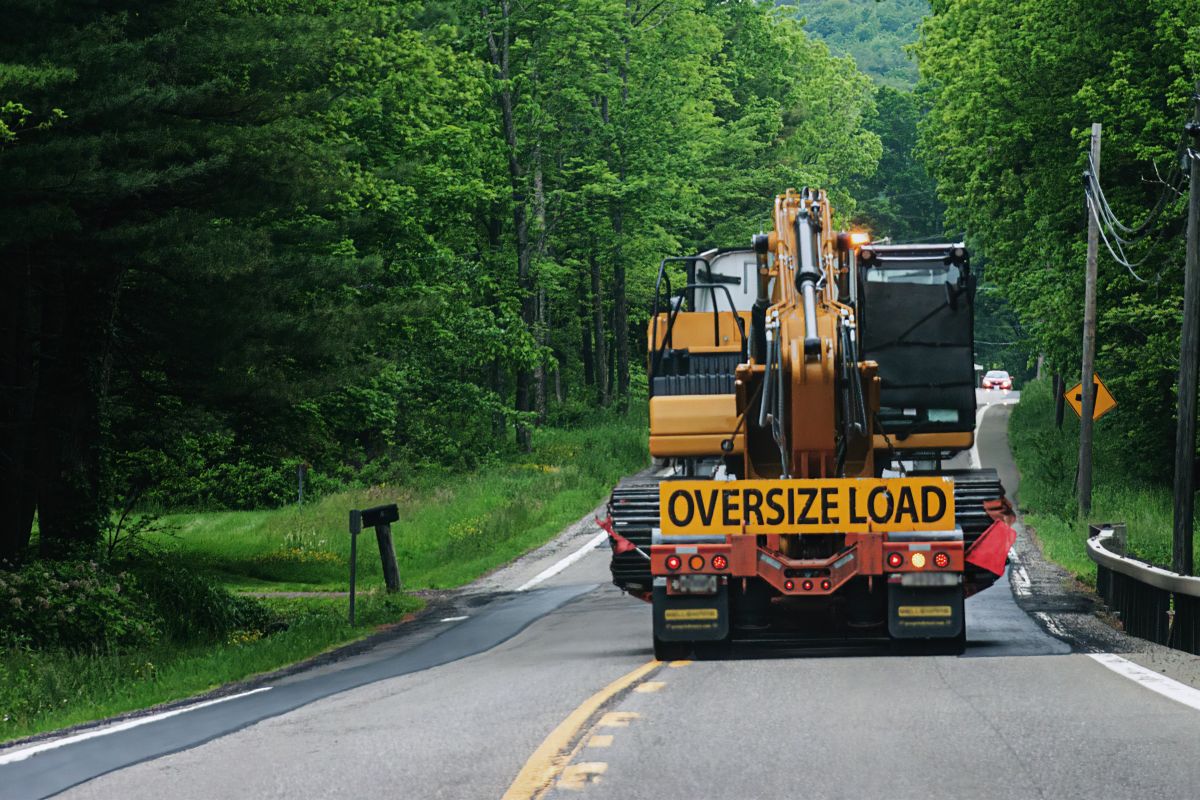
A truck carrying an oversize load is heading toward an oncoming car on Route 79 in the small town of Windsor in Broome County in Upstate NY. Taking up 2 lanes of rural road.

Tanker Truck Driver

Tanker truck drivers transport liquid freight, including fuel, chemicals, food-grade liquids, and other bulk fluids. Because liquid cargo moves inside the tank, braking distances are longer and turns require smoother, more controlled handling – especially when hauling partial loads.

Some tanker roles involve hazardous materials, including fuel, chemicals, or other regulated substances. These loads require stricter safety procedures, precise documentation, and full compliance with federal and state regulations, since mistakes can pose serious safety and environmental risks.

Daily work includes following exact loading and unloading protocols, monitoring surge while driving, and maintaining a strong safety record. Routes may be local or long-haul depending on the product and customer.

Most tanker jobs require a CDL A with a tanker endorsement. Hazmat loads additionally require a hazmat endorsement and background checks.

This role is best for drivers who prioritize safety and controlled driving – as well as those who want to earn more and are comfortable operating under higher compliance standards.

Over-The-Road (OTR) Truck Driver

OTR truck drivers operate across the country, often traveling long distances between pickup and delivery points. Routes regularly cross state lines.

Drivers may stay on the road for weeks at a time, with dispatch assigning freight based on availability rather than geography. Home time is limited, but miles are consistent.

A CDL A is required, and experience improves route flexibility and pay potential.

Because of the long hours, this position is best for drivers focused on maximizing miles and income.

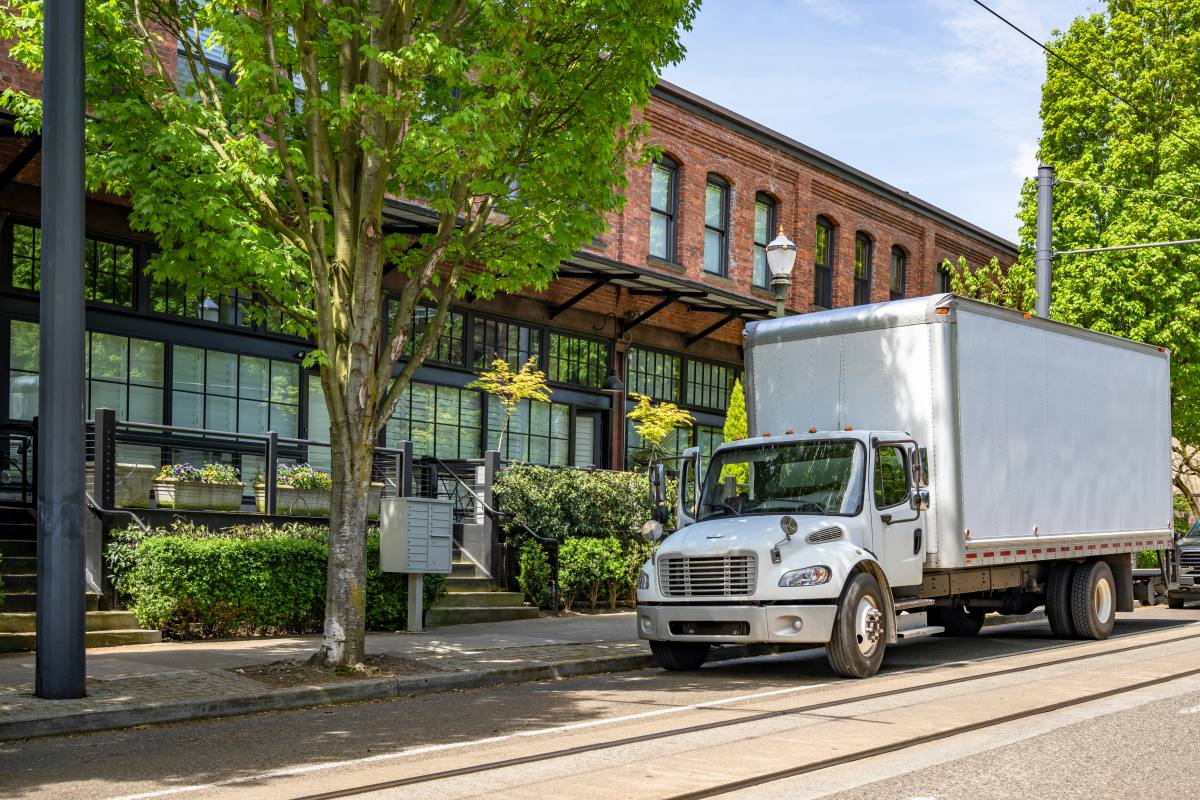
Moving business middle rig semi truck with big box trailer loading customers goods standing on the city street near the apartment

Regional Truck Driver

Regional drivers operate within a defined area of the country, usually covering several neighboring states. Freight patterns are more predictable than OTR.

Drivers typically stay out for several days before returning home, often on a weekly schedule. Routes are shorter than long-haul but still cover significant distances. So, while it is more predictable, it still involves long hours on the road.

Companies require a CDL A, and often prefer some prior experience.

This role is best for drivers who want a balance between mileage and home time.

Local Truck Driver

Local truck drivers operate close to their home base, running short routes with frequent stops. Freight may include deliveries to stores, warehouses, or job sites.

Workdays often involve city traffic, strict dock times, smaller urban roads, and physical tasks such as unloading. Drivers usually return home daily, but shifts can be long and physically demanding.

Depending on the vehicle, a CDL A or CDL B may be required. Straight trucks usually fall under CDL B, while combination vehicles or trucks pulling heavier trailers require CDL A.

Being a local truck driver is a good option if you have a routine schedule and want to go home every day.

What To Look At Before You Pick A Driving Job

Before choosing among different types of commercial truck driving jobs, look at:

    • Home time expectations: “Home weekly” can still move around based on freight, appointments, and dispatch. Ask what a normal week looks like, what happens when loads run late, and whether you’re more likely to reset at home or on the road.
    • Physical demands: Flatbed can mean securement and tarping, local work can mean multiple stops and unloading, and reefer can mean more dock time. Don’t just picture driving, picture what you’ll do after you park.
    • Route predictability: Some lanes stay consistent week to week, while others change based on season, contract freight, or customer volume. Regional or local routes often feel steadier than long-haul trucking, but the day can still run long.
    • Equipment type and cargo rules: Dry van freight is usually simpler; reefers require temperature checks and tighter windows; and tankers or hazmat require safety standards and higher compliance.
    • Pay structure: Strong pay per mile doesn’t help if you sit at docks or lose runs to short loads. Ask how detention is handled and whether loads are drop-and-hook or live load.
    • Long-term growth opportunities: Some roles help you build clean experience fast, while others require proven safety performance before you qualify.

For a clearer picture of what day-to-day life really looks like, familiarize yourself with the average life of a truck driver. Lifestyle fit matters as much as pay.

Portrait of delivery driver

Which Truck Driving Jobs Are Best For New CDL Drivers?

If you’re new, you want a lane that helps you build steady miles and a clean experience record without stacking too many variables at once. These are strong entry paths:

  • Delivery driver: Local delivery driver jobs help you build experience with routing and logistics while showing employers you understand how goods move.
  • Dry van trucking: Common freight, simpler cargo rules, and lots of openings with major carriers.
  • Regional routes: Shorter lanes than long haul and home time that’s easier to plan around.
  • Local delivery and straight-truck roles: You build confidence fast with repeated routes, but expect more physical work.
  • Construction-adjacent hauling: Often local and often Class B; a practical fit if you want to stay close to home.

Do You Need Endorsements For Commercial Truck Driving Jobs?

Some trucking jobs require endorsements beyond your CDL license. Use this as general guidance, then verify what your carrier and state require.

  • Dry van truck driver: No endorsement required.
  • Reefer truck driver: In most cases, you don’t need an endorsement.
  • Flatbed truck driver: Usually no endorsement required, but securement skills matter.
  • Tanker truck driver: A tanker endorsement is typically required.
  • Hazmat truck driver: Hazmat endorsement and background checks are required.
  • Fuel hauling: Many roles require both tanker and hazmat endorsements.

Conclusion

You can build a solid career in the trucking industry, but you’ll make better money and protect your home time when you pick a lane that fits your life.

Start by choosing the work you can run consistently, then add skills over time through experience and endorsements, such as tanker or hazmat.

If you’re still deciding where to start, use our step-by-step guide on how to become a semi-truck driver to map out your next move.

When you’re ready to step into owner-operator work and buy your own truck, reach out to Mission Financial Services. We offer customized commercial vehicle and semi-truck loans to help you finance new or used semi-truck purchases. Start your credit application today.

truck owner

Financing Your Semi Truck As An Owner-Operator

truck owner
Semi-truck financing can be intimidating for first-time buyers. However, it’s a necessary path to take when starting an owner-operator trucking business.

To help you secure the right financing for your commercial vehicle, here’s everything you need to know about applying for semi-truck loans.

Financing Criteria for Semi Truck Owners

Owner financing semi trucks can only be done when owner-operators meet the proper criteria. Here are the key things owner-operators must focus on to achieve financing.

Credit Score Requirements for Commercial Truck Loans

Commercial truck loans often have specific credit score requirements that potential borrowers need to meet.

Lenders use credit scores as a measure of an individual’s creditworthiness. A good credit score significantly influences loan approval and interest rates. Most lenders prefer credit scores above 650 for commercial truck loans.

Higher credit scores usually lead to lower interest rates and better loan terms. Bad credit scores may result in higher interest rates or additional requirements like larger down payments.

Establishing Your Business: LLC or Corporation for Truck Ownership

Deciding on your business structure when owning a semi-truck is also crucial for owner-operator financing.

Truck owners typically opt for a sole proprietorship or a Limited Liability Company (LLC). An LLC separates personal assets from business liabilities, protecting the owner’s assets in case of business debts or lawsuits.

Sole proprietors have no separation between their business and personal assets. This means owner-operator trucking companies under this structure need to take out semi-truck financing under their personal name.

applying for finance
Valuing Experience: Essential for Both You and Your Seller

Experience in the trucking industry is highly valuable, not just for the truck owner but also in the eyes of sellers or lenders.

Lenders often consider a borrower’s industry experience as a factor in loan approval. In most cases, the longer you’ve held your commercial driver’s license, the easier it will be to get semi-truck financing.

Ensuring a Smooth Process: Preparing the Necessary Documents

You’ll need all the correct paperwork to apply for a semi-truck loan. Preparing this in advance will make the semi-truck financing process much easier to manage.

Here’s a breakdown of the typical kind of paperwork you’ll need for loans on commercial vehicles:

  • Personal Identification: Valid government-issued identification (driver’s license, passport, etc.)
  • Business Documentation: If applicable, legal documents proving business existence, such as Articles of Incorporation, LLC Operating Agreement, or Partnership Agreement.
  • Financial Statements: Personal and business bank statements for the last six months.
  • Tax Returns: For the past two to three years ( personal and business).
  • Credit Information: Credit reports from major credit bureaus (Equifax, Experian, TransUnion).
  • Truck Information: Details of the truck being purchased, including VIN, make, model, year, mileage, and purchase price.
  • Insurance Documentation: Proof of commercial truck insurance coverage.
  • Business Plan or Proposal: An outline of your business goals, operations, and how the truck purchase fits your business strategy.

buy or lease

Weighing Options: Comparing Semi-Truck Leasing and Purchasing

New owner-operators looking for semi-truck financing need to consider all of their options. This includes semi-truck leasing and purchasing.

Here’s a brief breakdown of the two.

Semi-Truck Leasing

Pros

  • Lower Initial Costs: Leasing often requires a smaller upfront payment than a truck purchase. If you need more working capital, this can be an attractive option.
  • Maintenance Benefits: Some leases include maintenance and repair costs.
  • Flexibility: Leasing allows for easy upgrades to newer models at the end of the lease term.
  • Tax Deductions: Lease payments might be tax-deductible as a business expense.

Cons

  • No Ownership: The big disadvantage is that you don’t own the truck at the end of the lease term.
  • Mileage Restrictions: Leases sometimes impose limitations on annual mileage, with penalties for exceeding the set limit.
  • Long-Term Cost: Over time, leasing may cost more than purchasing due to continuous payments without asset ownership.

Semi-Truck Purchasing

Pros

  • Ownership: You get full ownership rights and can use the truck as desired.
  • Equity and Asset: Owning the truck builds equity, allowing for potential resale or trade-in value.
  • No Mileage Restrictions: There are no limitations on mileage or usage, which gives you flexibility for your business needs.
  • Long-Term Cost Efficiency: While the initial costs are higher, purchasing can be more cost-effective over the long term.

Cons

  • Higher Initial Costs: Purchasing a truck requires a substantial upfront payment or a larger down payment.
  • Maintenance Responsibility: Owners bear the full cost of maintenance and repairs.
  • Depreciation: Trucks depreciate over time, which can affect resale value significantly.

micheile-henderson-ZVprbBmT8QA-unsplash

Exploring No Credit Check Commercial Truck Leasing

Traditional leasing or financing options can be challenging for those with a low credit score or limited credit history. However, no credit check commercial truck leasing does exist to help you secure financing for a new truck.

Approval of the financing is based more on income stability and the ability to make lease payments rather than credit scores. Lease terms may vary and be shorter, with options for ownership at the end of the period.

However, no credit check leases might come with higher interest rates or overall costs due to increased risk for the lessor.

The Benefits of Commercial Truck Financing

Whether you’re looking to purchase box trucks, dump trucks, or semi-trucks, you’ll need to get financing first. While this is intimidating, the right financing solution comes with its benefits.

  • Financing allows you to own the truck, building equity and potential for resale.
  • Interest payments and depreciation can be tax-deductible expenses.
  • You can improve cash flow management and spread the cost over time with fixed monthly payments.
  • Various financing plans with tailored terms and down payment choices exist, helping your trucking business find the most suitable option.
  • Financing lets you retain cash reserves for other business needs.
  • Timely payments can help you build a strong credit score for future financial opportunities.

Final Thoughts

Make sure that you weigh up your financing options carefully and choose the one that offers the most benefits for your situation.

If you’re looking for an easy solution for semi-truck financing, contact us at Mission Financial Services. Regardless of credit scores and history, we can help all truck drivers gain financing.


Archives

Sign Me Up!

Stay up to date with the latest news in the commercial trucking industry.

Contact Us
close slider