
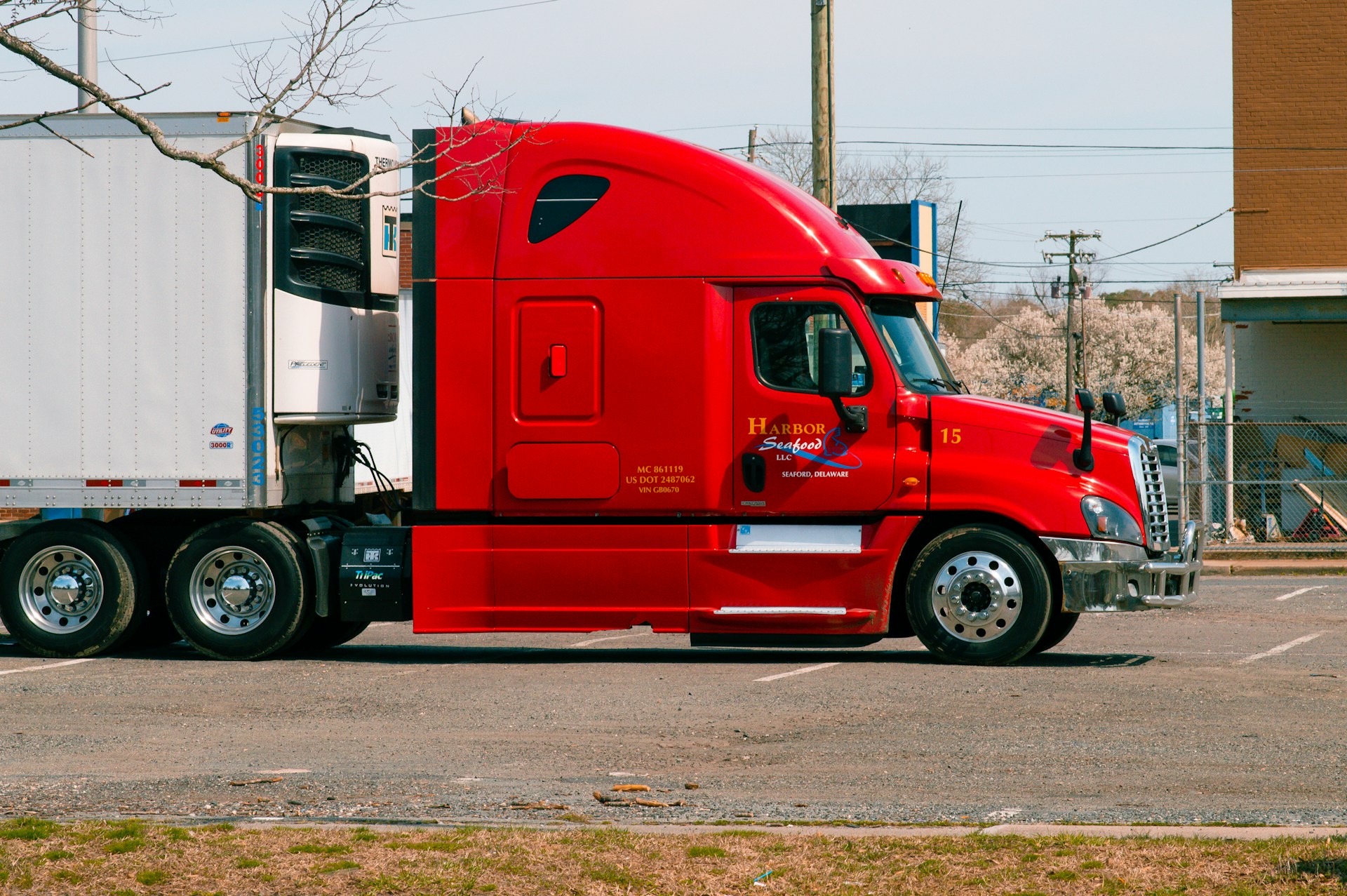
If you’ve been around commercial trucking for more than a minute, you’ve heard the word “reefer.”
Uber Freight’s 2025 rate data shows reefer spot rates averaging $2.35 per mile versus $2.06 for standard dry van freight. That’s a roughly 14% premium before seasonal spikes are factored in.
At Mission Financial, we work with owner-operators every day who are weighing whether to move into reefer freight. Because the numbers usually make a strong case.
This guide covers the basics: what it is, how it works, what it hauls, and how to finance one.
What Is a Reefer Truck?
A reefer truck is industry shorthand for a semi-truck that hauls a refrigerated trailer instead of a standard dry van. The name refers to the trailer, not the cab. The transport refrigeration unit mounts on the trailer separately from the truck’s main engine.
Reefer trucks form the backbone of cold chain logistics in the US and interestingly started with the ice cream industry. They connect farms, food manufacturers, pharmaceutical companies, and retailers across the country.
A standard reefer trailer maintains temperatures between 32°F and 39.2°F. That range preserves freshness without freezing.
Freezer trucks are a different category. They drop to 0°F or lower, with thicker insulation built for truly frozen cargo.
How Does a Reefer Unit Work?
A reefer container runs on a closed cooling cycle. Think of it like a diesel-powered version of your kitchen refrigerator, just scaled way up. The power source is either a diesel-powered generator or a cryogenic cooling system. Three core components drive the whole process:
The Compressor
The compressor is the engine of the reefer unit. It draws in gaseous refrigerant and compresses it into a hot, pressurized liquid. That liquid then moves to the condenser to kick off the cooling process.
The Condenser
The condenser sits outside the trailer with tubes and fins that cool the hot liquid refrigerant quickly. Fans pull in outside air to push the heat away. By the time the liquid refrigerant leaves the condenser, it’s ready for the next step.
The Evaporator
Inside the trailer, the cooled liquid refrigerant passes through a metering valve in the evaporator. As it expands, it absorbs heat from the cargo area and cools the surrounding air. Then it turns back into gas and cycles to the compressor to start again. The same air recirculates in a closed loop. That’s what keeps temperature-controlled freight stable even through loading and unloading stops.
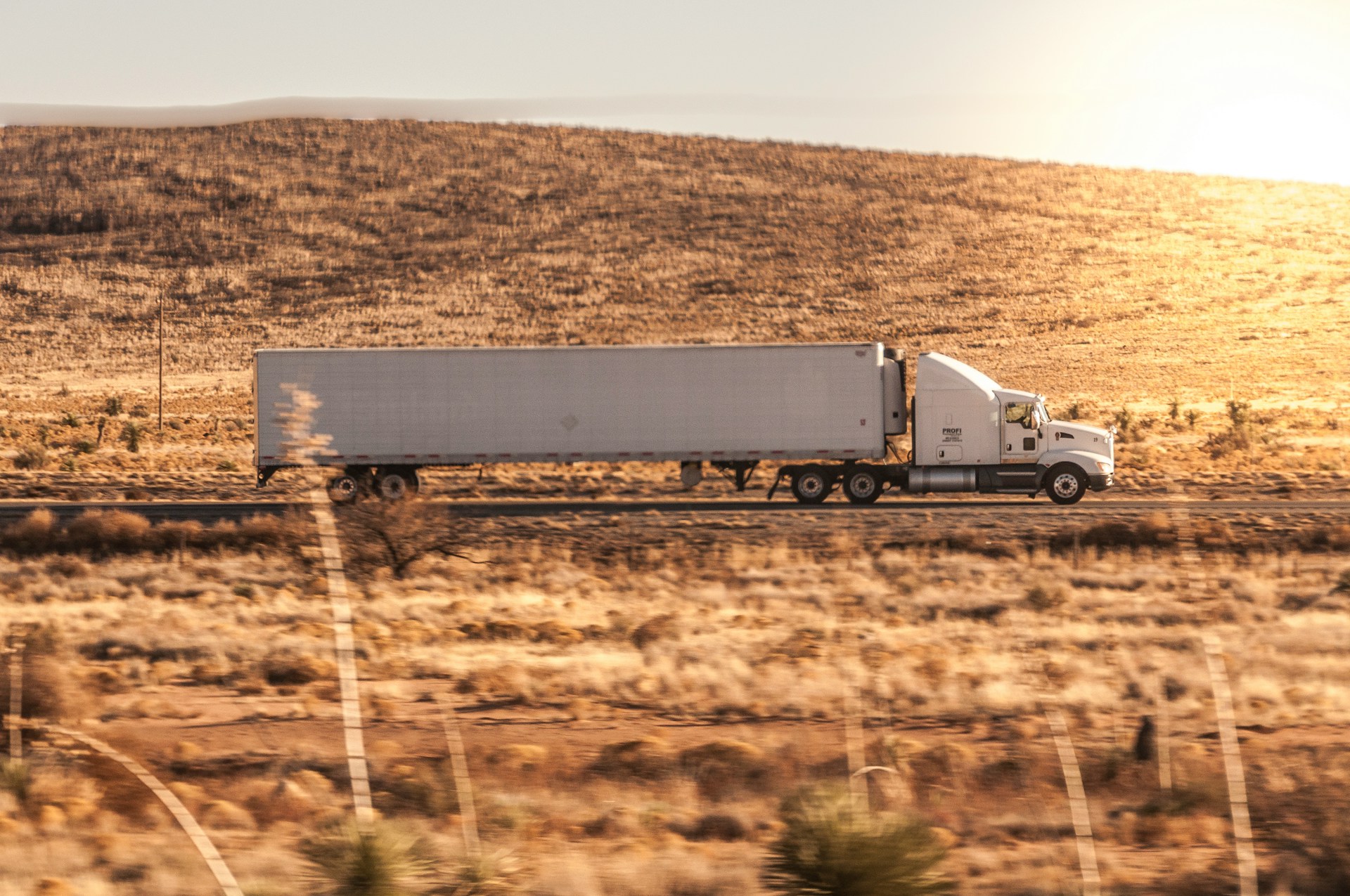
What Can You Haul in a Reefer Truck?
Most people picture groceries but refrigerated freight actually covers a lot more ground than fresh produce and frozen foods. That breadth is a big part of what makes reefer hauling such a smart business move for owner-operators looking to diversify.
Common reefer loads include:
- Fresh produce, meats, frozen foods, dairy, and other perishable goods
- Pharmaceuticals, vaccines, and medical supplies with strict temperature requirements
- Beverages including dairy, wine, and beer (typically kept between 33°F and 38°F)
- Hazardous materials like chemicals and acids that require climate control
- Fresh flowers, cosmetics, candles, and paint
Any reefer trailer used for food transport must comply with FDA standards under the FSMA Sanitary Transportation Rule. That means sanitizing between loads is a legal requirement.
In our experience, moving into pharmaceutical or beverage hauls after produce often pays off significantly. Pharma loads command higher rates because the compliance requirements keep competition low. Beverage hauls offer steadier year-round volume than produce.
Types of Reefer Trucks
Reefer trucks aren’t one-size-fits-all. The right option depends on your routes, load sizes, and the kind of freight you plan to haul. Here’s a quick breakdown of the main types.
Reefer Semi-Trailers
Standard reefer trailers run 48 to 53 feet long. The refrigeration unit mounts at the front of the trailer. Thick insulation in the walls keeps cargo at the desired temperature for extended long-haul runs. This is the go-to option for high-volume loads.
Grocery chains and large food distributors rely on this type the most.
Refrigerated Box Trucks
A reefer box truck (also called a straight truck) combines the cab and cargo area into one unit. Lengths run from 10 to 26 feet. They’re easier to maneuver in cities and suburbs, which makes them popular for regional deliveries and beverage runs.
The payload is smaller than a semi-trailer, but so is the purchase price. That makes them a solid entry point for new operators.
Multi-Temp Reefers
Multi-temp reefers use internal partitions to create multiple temperature zones in one trailer. One section might hold frozen goods at 5°F while another runs at 39°F for fresh produce.
For operators hauling mixed loads, this setup cuts down on trips and maximizes revenue per run.
Diesel-Powered vs. Vehicle-Powered Reefers
Diesel-powered reefers run a separate small diesel engine to power the cooling system. That engine stays on even when the truck’s main engine is off. It matters during fuel stops on long hauls.
Vehicle-powered (direct-drive) reefers pull from the truck’s main engine instead. No separate fuel cost, but cooling stops when the engine stops. They’re better suited to shorter regional routes.
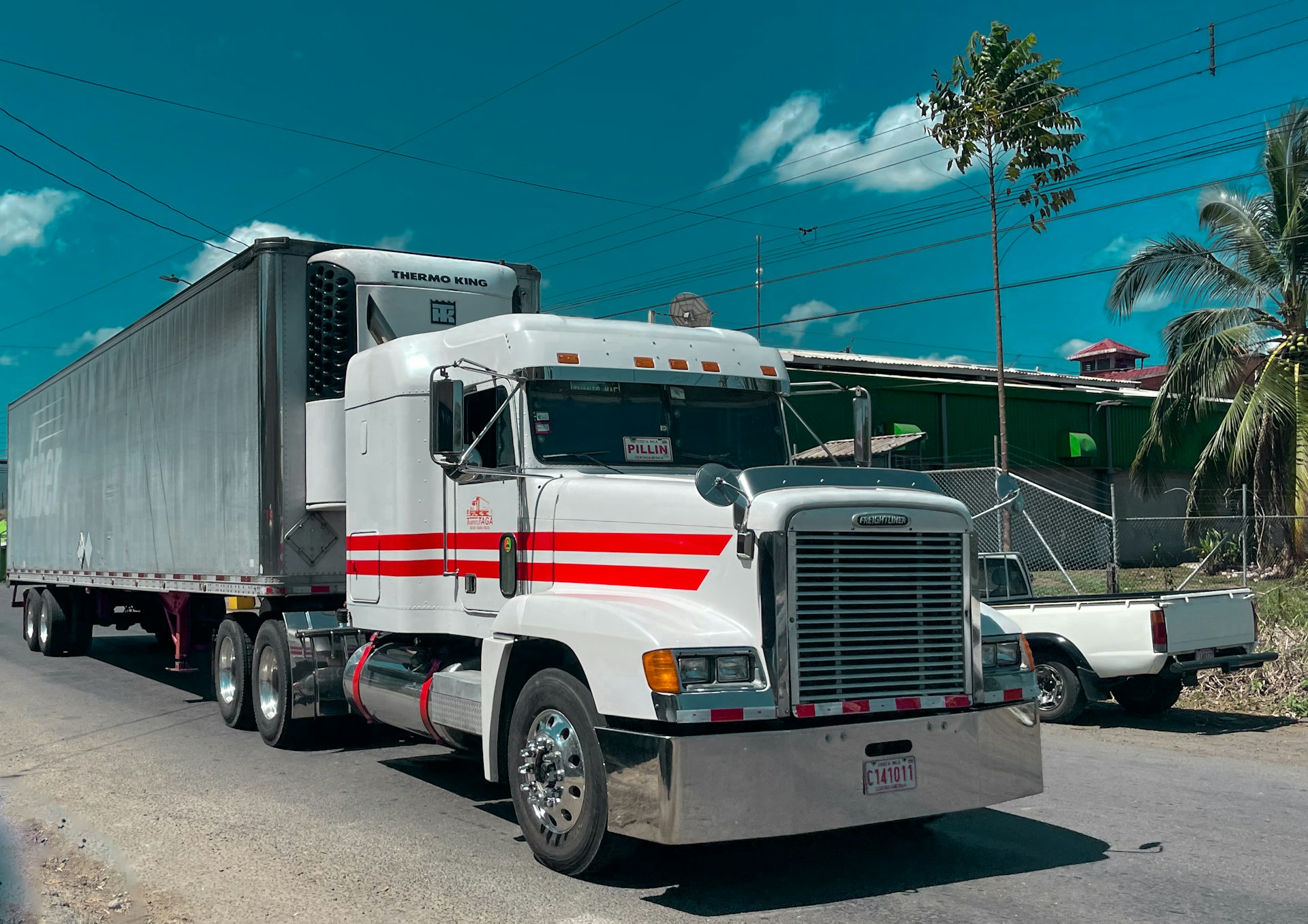
Benefits of Running a Reefer Truck
The upfront cost of a reefer is higher than a standard dry van. Most operators who make the switch find it pays off fairly quickly. Here’s where the real advantages show up.
Reefer Freight Pays More
Temperature-sensitive goods command a rate premium because it requires specialized equipment and extra care. According to Uber Freight’s 2025 rate data, reefer spot rates averaged $2.35 per mile compared to $2.06 for dry van freight. In our experience, drivers who add a reefer to their operation often see a meaningful increase in per-mile earnings.
Steady, Year-Round Demand
People need food and medicine regardless of what the economy is doing. Reefer freight doesn’t dry up the way dry van freight can during market downturns.
Fewer gaps between loads also means less deadhead mileage. Deadhead miles are one of the biggest silent costs for any owner-operator. Reefer operators deal with far fewer of them on average.
Built-In Versatility
Most reefer trailers can carry dry goods when the refrigeration unit is turned off. A standard dry van can’t haul temperature-sensitive cargo at all. That asymmetry works in your favor when reefer loads are tight. We’ve found this consistently across operators at all stages: reefer capability is one of the best ways to diversify revenue. It matters especially for anyone building toward a small fleet.
Costs to Keep in Mind Before Buying
It’s a strong investment but going in with a clear picture of the costs keeps surprises from hitting later. Here’s what to budget for beyond the sticker price.
Higher Upfront Purchase Price
A new reefer truck costs more than a comparable dry van because of the refrigeration unit and specialized insulation. Used reefers can lower the entry cost, but the reefer unit’s condition matters just as much as the truck itself. Most owner-operators finance the purchase rather than buying outright. And approval is available even for buyers with limited or bad credit history.
Ongoing Maintenance and Cleaning
Running a reefer adds maintenance costs that a dry van doesn’t have. The refrigeration unit needs regular servicing: compressor checks, refrigerant levels, and condenser and evaporator cleaning.
If you’re hauling food, add trailer sanitation to that list. FDA sanitation guidelines require cleaning between loads, and noncompliance can surface quickly during a DOT inspection.
Temperature monitoring systems are worth factoring in as well. They show you exactly what’s happening in the cargo hold in real time. That documentation protects you if a spoilage claim ever comes up.
Additional Insurance Requirements
Standard commercial auto liability doesn’t cover spoiled cargo. You’ll need refrigerated cargo liability coverage on top of your base policy.
If you’re adding a reefer to an existing fleet, bundling with your current provider is usually the most cost-effective option. The Federal Motor Carrier Safety Administration (FMCSA) outlines the minimum insurance requirements for commercial truck operators. Make sure your coverage matches what the freight you’re hauling requires.
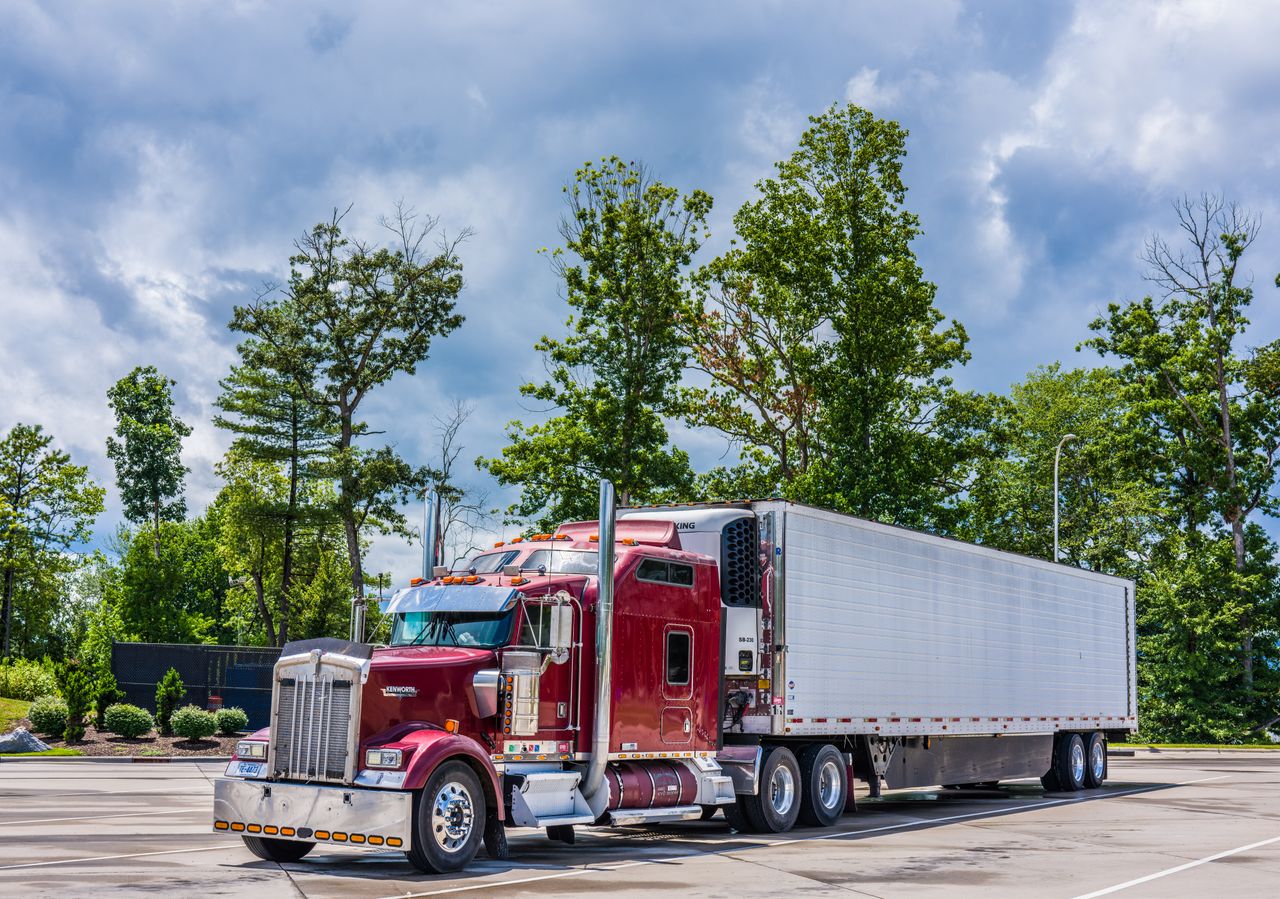
How to Finance a Reefer Truck
The upfront cost is the biggest barrier for most owner-operators. It doesn’t have to be a dealbreaker. Mission Financial specializes in commercial truck financing for owner-operators, including first-time buyers and drivers with less-than-perfect credit. We consider applicants with credit scores as low as 460, and approvals often come back within four hours.
Here are the loan options most relevant to reefer truck buyers:
- Owner-operator loans for purchasing new or used semi-trucks
- First-time buyer loans for drivers new to the industry with limited credit history
- Bad credit loans for those with past financial setbacks, including prior bankruptcies
- Small fleet loans if you’re building a multi-truck operation
We’ve helped a lot of drivers get into their first reefer who figured their credit history would count them out. We look at the full picture, not just a score. Source your vehicle through a dealership or private seller, and we’ll handle the financing side.
A reefer truck opens up higher-paying freight, more consistent demand, and real room for growth. Whether you’re running solo or scaling toward a small fleet, the investment makes sense for operators who are ready. The financing doesn’t have to hold you back.
Mission Financial works with all credit types and turns decisions around fast. Apply now or reach out to our team to find the right loan for your situation.