
Office: (404) 975-4800

Month: December 2020

3 Mistakes Every Owner/Operator Should Avoid

3 Mistakes Every Owner/Operator Should Avoid

Starting out as an owner/operator can be a difficult and complex endeavor. Purchasing the right long-haul vehicle, learning standard practices and procedures of the industry, and understanding how to file your taxes properly are just a few of the challenges rookie truckers face early on in their careers. This means drivers need to be aware of the pitfalls that often plague owner/operators, costing them time, money, or overall safety.

Here are the top three mistakes to avoid as an owner/operator.

1. Thinking It Will Be Easy

The decision to become an owner/operator can be done for a myriad reasons, but one of the worst cited reasons is because “it’s easy.” It’s not. To begin with, CDL training is not like getting a regular driver’s license; there are far more rules and regulations you must adhere to on the road. Furthermore, the training courses can last for up to 12 hours a day, five days a week, for three weeks depending on which state you get your license in. The test at the end of your training course covers general knowledge, combination vehicle types, exterior vehicle inspection, and even a test on air brakes. Drivers must also provide proof they passed a physical health exam or they will not receive their license.

It’s not just the licensing process that is difficult, either. Life on the road for a long-haul driver is tough, logging 11 hour days behind the wheel for days on end. Drivers must be cautious of other motor vehicles around them as well as driving conditions along their route. When stopped for a break, truckers must be cautious when leaving their truck and make sure their load, as well as their personal safety, is intact. Being a long-haul driver is difficult and can be dangerous, but if you maintain safe practices and stay cognizant of your surroundings, you’ll find success.

2. Neglecting Your Health

Another mistake novice drivers make is neglecting their health. The CDC has found that long-haul drivers are at an increased risk of dangerous health issues, including obesity, heart disease, high blood pressure, and even diabetes. These health issues are usually due to an unhealthy diet combined with an unavoidable sedentary lifestyle. Physical health issues aside, the isolation from being on the road for days—if not weeks—can impact a driver’s mental health and emotional well-being. Long-haul drivers suffer from higher rates of depression, anxiety, and even suicide. Protecting your mental health while on the road is especially difficult since there is a general lack of human connection for the vast majority of your time working. To combat these issues, some drivers perform calisthenic exercises at rest stops to improve their physical health and use hands-free technology to connect with their loved ones while on the road.

3. Ignoring Safety Practices

One of the worst mistakes truckers make is ignoring safety practices. Whether that be forgetting to perform an exterior inspection of the vehicle or driving for longer than the legal limit, ignoring safety practices is a surefire way to put yourself or others in harm’s way. Safety protocols are typically in place for a reason, and in the trucking industry, those reasons are serious. A semi-truck in the United States can have a maximum load weight of 80,000 pounds, which is not to be underestimated; a truck weighing 80,000 pounds traveling at a speed of 2 miles per hour has the same momentum as a 4,000-pound SUV traveling at 40 miles per hour. If a driver fails to perform a vehicle inspection prior to hitting the highway and has a blowout while traveling 70 miles per hour, the results could be cataclysmic.

Safety practices don’t just pertain to the vehicle. Drivers need to follow proper safety protocols when it comes to their rest and health. A tired driver is a dangerous driver, and it only takes a fraction of a second for something to go wrong. At 70 miles per hour, a vehicle travels over 100 feet per second, depending on the weather and road conditions. If an exhausted driver on their sixtieth work hour of the week closes their eyes for just one second, it could mean the difference between life and death for themselves and the people on the road around them.

Being an owner/operator can be an amazing and rewarding career for the right person. You get to travel the country seeing the beautiful landscape and meet new, interesting people in your industry. As you grow your owner/operator career, make sure not to let one of these three big mistakes have a negative impact on your profession or your life. Take your job seriously, protect your health, and follow all of the safety practices put in place. It’s that simple.


What’s the Difference Between an Owner/Operator and an Independent Contractor?

What’s the Difference Between an Owner/Operator and an Independent Contractor?

What's the Difference Between an Owner/Operator and an Independent Contractor?

The trucking industry keeps America moving, with more than 3.5 million professional drivers on the road. And with so many drivers, terms like owner-operator and independent contractor are used interchangeably, even though they mean very different things.

Understanding those differences matters. The path you choose shapes everything from your earning potential to how much freedom you have day to day.

Whether you’re exploring your first driving job or considering a shift into business ownership, knowing how each role works can help you make the choice that best supports your long-term career and income goals.

What Is an Owner/Operator?

An owner/operator is someone who both owns their equipment (or finances their equipment through a financial institution on their own accord) and operates their equipment as their career.

In other words, an owner/operator is “an independent contractor with a business attached to their name.”

Owner/operators have the ability to operate under their own authority, which means they can legally transport freight independently without a carrier company contracting them.

One of the upsides to being an owner/operator is that you get to keep all of the revenue generated for each haul. Because owner/operators own their trucks and function as businesses, they face more responsibilities than independent contractors.

Unlike many independent contractors, owner/operators are responsible for:

  • all of the maintenance and repairs on their trucks
  • the record-keeping for their taxes
  • the insurance for themselves as well as any other drivers they may employ
  • scheduling and planning out their pickups and deliveries

Leasing Options

Not all owner/operators are 100% independent, though. Some choose to lease onto a carrier company.

Leasing onto a carrier company means an owner/operator provides the company with a truck and driver in exchange for guaranteed steady workflow from the carrier company for the duration of the contract.

While this is a type of independent contracting, the driver still owns the truck and is therefore classified as an owner/operator.

However, owner-operators who lease onto a carrier operate under that carrier’s authority. Under Federal Motor Carrier Safety Administration (FMCSA) leasing regulations, that usually means the carrier controls the freight the driver hauls.

As a result, leased-on owner-operators generally cannot accept loads from outside brokers unless the carrier approves it.

White semi-truck on the highway delivering freight

Owner/Operator Pros

Owner-operators enjoy several leasing advantages that appeal to drivers who want maximum control and the potential for higher earnings.

  • Full control over freight choices (with own authority): Owner-operators decide which loads to accept and which lanes to run. This allows them to build routes that match their preferences and earning goals.
  • Higher earning potential per load: Since they keep full revenue, profitable lanes and strong business relationships can significantly boost income.
  • Ability to build equity in equipment: Owning the commercial truck creates an asset that holds value and can later be sold or traded.
  • Independence in business decisions: Everything from fuel strategy to maintenance vendors is under their control. As such, they have full authority over how their business operates.

Owner/Operator Cons

Despite the advantages, becoming an owner-operator comes with challenges and financial considerations that drivers should evaluate before committing.

  • High startup costs: Buying a truck or financing equipment requires capital, credit, or both, making the initial investment substantial.
  • Responsible for all maintenance and downtime: Breakdowns are expensive and can eliminate income while the truck is off the road.
  • More administrative and compliance work: Managing operating authority, insurance filings, and bookkeeping demands time and attention beyond driving.
  • Higher financial risk: Market fluctuations, unexpected repairs, and slow freight cycles can quickly impact profitability.

What Is an Independent Contractor?

An independent contractor is a driver who signs an agreement with a carrier company that will provide them with operating authority and guaranteed hauls for the duration of their contract.

In exchange for the operating authority and guaranteed hauls, independent contractors usually have to give a percentage of their earnings to the carrier as part of the contract agreement.

Furthermore, independent contractors do not necessarily own their trucks. They often lease the equipment from the carrier company that contracts them.

While leasing the equipment from the company is more cost-effective up-front, if the driver decides to leave the carrier, the truck stays with the company. So the driver is out of the money they paid to lease the vehicle during their time with the company.

Leasing Options

One major benefit to being an independent contractor is that contractors who are not in a lease-to-purchase agreement typically have less responsibility when it comes to the maintenance of the truck or any repairs that may come up during a haul, as the driver does not own the vehicle.

This is important because repairs on semi-trucks run anywhere between $13,000 and $16,000. And that’s without taking into account lost wages while the truck is off the road.

With this in mind, many novice drivers begin their careers as independent contractors until they are financially ready to branch off on their own.

Trucker standing in front of Cargo truck

Independent Contractor Pros

Independent contracting offers several advantages for drivers who want to enter the industry with fewer upfront costs and more support from a carrier.

  • Lower barrier to entry: Drivers can start earning without buying a truck. This makes the role accessible to newcomers or those waiting to purchase equipment.
  • Less responsibility for major repair costs: Carriers often cover large maintenance items, reducing unexpected expenses and helping contractors avoid costly downtime.
  • Predictable freight from a carrier: Contracted hauls provide stability and consistent work, which can be reassuring for drivers who want a steady income.
  • Good option for new drivers gaining experience: Independent contracting allows new drivers to learn the industry before assuming the full responsibilities of operating a trucking business.

Independent Contractor Cons

Independent contracting also has limitations that may affect income potential, flexibility, and long-term growth.

  • Less autonomy: Loads, routes, stipulations, and schedules are usually assigned by the carrier, reducing control over daily operations.
  • Lower earnings per load: A percentage or rate is retained by the carrier in exchange for authority, dispatching, and freight access.
  • No long-term asset if leasing a truck: Lease payments do not build equity unless the driver is in a lease-purchase program designed for ownership.
  • Schedule and freight controlled by the carrier: Limited flexibility can affect work-life balance, home time, and financial goals.

Key Differences Between Owner/Operators and Independent Contractors

Understanding the differences between owner/operators and independent contractors is essential for any driver evaluating their long-term career path.

While both roles fall under the broad category of self-employment in the trucking industry, the level of control, responsibility, earnings potential, and business risk varies significantly between the two.

At a high level, owner/operators function as small-business owners who operate their own equipment. Independent contractors operate under a carrier’s authority and often lease equipment rather than owning it outright.

Below is a breakdown of how the two paths compare:

Category Owner/Operator Independent Contractor
Truck Ownership Owns or finances their truck; holds full control and equity May lease a truck from a carrier or third party; may or may not own equipment
Operating Authority Can run under their own authority; can haul for any broker or shipper Must operate under the carrier’s authority; restricted to that carrier’s freight
Control Over Loads Chooses loads, lanes, and schedules independently Follows the carrier’s dispatch system and freight availability
Business Responsibilities Handles insurance, maintenance, repairs, bookkeeping, compliance, and customer relationships Carrier typically handles compliance, authority filings, and insurance filings; the driver focuses on hauling
Upfront Costs High initial investment (truck, insurance, permits) Lower barrier to entry; fewer upfront expenses
Maintenance Costs Fully responsible for all repairs and downtime Carrier may cover some or most repairs, depending on lease terms
Earning Structure Keeps 100% of freight revenue (after expenses) Earns a percentage of revenue or a mileage rate set by the carrier
Risk Level Higher financial risk due to equipment ownership and market volatility Lower financial risk; more predictable workload and support
Flexibility Maximum flexibility in choosing freight and partners Less flexibility; work tied to the carrier’s freight network
Long-Term Growth Builds equity in equipment; can scale into a fleet Limited opportunity for asset growth unless purchasing truck independently

Man trucker sitting in a cabin and looking through the window

What These Differences Mean for Drivers

Here’s how each factor plays out on the road and in your business.

Truck Ownership

Owner-operators build equity in their equipment and decide how and when to maintain it. This gives them control but also exposes them to large repair bills and downtime losses.

Independent contractors who lease a truck avoid the upfront cost of ownership, but they also miss out on long-term asset value and may face mileage or maintenance restrictions depending on their lease terms.

Operating Authority

Running under your own authority gives you the freedom to work with any broker or shipper, negotiate your own rates, and build direct relationships.

It also means handling FMSCA and DOT compliance, trucking insurance filings, and federal paperwork. Independent contractors skip these requirements by running under a carrier’s authority, but that limits load access to the carrier’s network.

Control Over Loads and Schedule

Owner-operators decide which loads to take, which lanes to run, and when to be on or off the road.

Independent contractors typically work through dispatch and accept loads the carrier assigns. This creates predictable work but reduces day-to-day flexibility and bargaining power.

Business and Administrative Responsibilities

Owner-operators run a full business, managing everything from bookkeeping and taxes to equipment compliance and fuel planning.

Independent contractors focus mainly on driving while the carrier handles most administrative tasks, making the role less demanding outside of driving hours.

Costs and Financial Risk

Owner-operators face higher exposure to financial swings, including repair costs, slow freight cycles, rising equipment prices, and fluctuating interest rates.

Independent contractors experience fewer financial shocks because many expenses are absorbed or managed by the carrier. The role is more stable for new drivers or those with tight budgets.

Earning Potential

Owner‐operators often gross $180,000-$350,000+ annually, though typical expenses can eat 60-80% of revenue, leaving net take-home often in the $60,000-$120,000 range.

Independent contractors, meanwhile, report average earnings of around $53,419-$68,892/year, with variation based on region, freight type, and contract terms.

Long-Term Career Growth

Long-term growth opportunities depend heavily on whether a driver owns their equipment.

Owner-operators have the ability to scale their business by purchasing additional trucks, hiring drivers, or moving into higher-paying freight niches such as specialized hauling.

Because they build equity in their equipment and operate under their own authority, they have more flexibility to negotiate directly with shippers and create dedicated lanes that support long-term stability.

Independent contractors, on the other hand, typically experience more limited advancement unless they move into ownership. Leasing a truck through a carrier doesn’t create equity, so long-term financial growth often requires transitioning into an owner-operator role.

However, independent contractors can still grow professionally by taking on specialized freight within a carrier’s network or using the role as a stepping stone to eventually purchase their own truck.

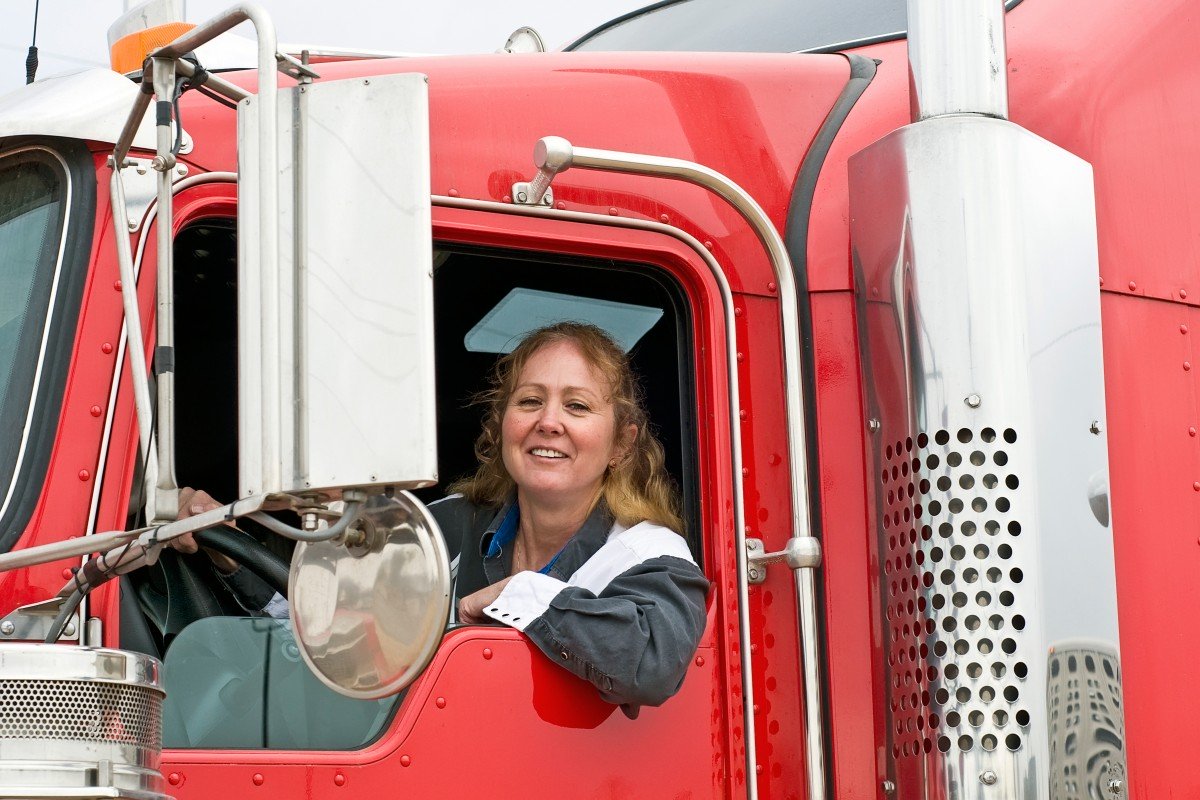
Woman Driving An Eighteen Wheeler

Which Option Is Right for You?

Choosing between becoming an owner-operator or an independent contractor depends on your goals, financial situation, and readiness to take on the responsibilities of running a business.

Here’s what to consider when choosing:

  • Your experience level: New drivers often start as independent contractors because it’s an accessible way to gain experience without taking on the full financial and administrative burden of running a trucking business.
  • Your financial stability: Owner-operators need enough savings or credit to cover a down payment, insurance, maintenance costs, and unexpected repairs. Independent contractors usually have lower upfront costs, making the role more attainable early in a driving career.
  • Your willingness to run a business: Owner-operators handle bookkeeping, taxes, maintenance planning, safety compliance, permits, and customer relationships. Independent contractors focus more on driving, while the carrier manages authority filings and much of the administrative work.
  • Your comfort with risk: Running under your own authority offers more autonomy, but it also comes with higher financial exposure. Independent contractors typically face fewer financial surprises, especially if they are leasing a truck through the carrier.
  • Your long-term career goals: Some drivers want independence, earning potential, and the ability to build equity in their equipment. Others prioritize predictable freight and fewer business obligations.

Many drivers begin as independent contractors to build savings and learn the industry. Once they are ready for greater control (and the risks and rewards that come with it), they transition to owner-operator status.

Conclusion

Both owner-operators and independent contractors are vital to the trucking industry, and each path offers meaningful opportunities depending on your goals.

Owner-operators enjoy more freedom and earning potential but take on higher financial and administrative responsibilities. Independent contractors benefit from lower barriers to entry and more predictable support from a carrier.

Choosing the right path comes down to understanding your financial readiness and long-term plans.

Whether you’re upgrading equipment or preparing to become an owner-operator, Mission Financial Services can help you get the financing you need. Learn more about our direct lending or start your credit application right away.

Find out what owner-operators should do to achieve success!

Read Now

Why Owner/Operators Should Run Hard This Holiday Season

There is no doubt that the COVID-19 pandemic has had an impact on the vast majority of industries throughout the country; the freight industry is no different. Currently, carrier rates are skyrocketing, surpassing the all-time high for rate prices several times throughout the course of the year. As we enter peak freight season, now is the time for owner/operators to run hard in order to maximize revenue and take full advantage of a unique holiday season where spot rates are at record highs. Traditionally, owner/operators tend to work fewer hours when carrier rates are at their highest. With higher rates, drivers are able to reach their financial goals faster, using the extra time to catch up on rest or family time. A little downtime will always be a good thing, but this holiday season is shaping up to be different; rather than take time off, more and more owner/operators plan to run hard through the new year for multiple reasons.

Possible Country-Wide Shutdown

As COVID-19 infection numbers throughout the United States spike to global highs and the country prepares for a shift in leadership, the economic uncertainty in the air is palpable. The transition from President Trump to President-Elect Biden brings with it a new plan for combating the pandemic, which could mean another country-wide shut down. In November, the president-elect’s coronavirus advisors proposed a plan to shut the country down for four to six weeks at the start of the new year to combat the virus. Shutting down the country has a very real impact on the trucking industry, and owner/operators should understand the possible impact a shutdown could have on business and revenue streams.

Increased Wait Times for Pickup and Dropoff

While on the road, a driver’s livelihood depends on their ability to drop off one load and pick up another quickly and efficiently. Turnaround time for freight drivers makes the difference between a successful season and an unsuccessful one. During the first shut down, many truckers faced drastically increased wait times at pick-up locations due to social distancing measures and decreased on-site staff. For drivers, every hour is valuable and when they spend more time waiting they spend less time driving, or worse, less time resting—a tired driver is a dangerous driver. Ultimately, the increased time waiting leads to less time spent driving and loss of revenue. If another shutdown is on the horizon, owner/operators should use this peak season to prepare their finances to account for delayed travel times or anticipated time off if necessary.

Closed Towns and Changed Routes

These increased wait times weren’t even the worst problem many drivers faced. Many of the towns, businesses, and rest stops long-haul drivers rely on closed as well, leaving drivers with few, if any, options along their routes. Long-haul life can be daunting and dangerous, and with limited access to clean and safe rest stops and restrooms, a shutdown would severely impact a driver’s quality of life while on the road, forcing some to make the decision to avoid those routes completely. When drivers are forced to change their routes navigating unfamiliar routes can lead to increased time on the road, unsafe conditions, and even delays in shipments costing drivers valuable time and money in the long run.

Possible Increase in Industry Unemployment

In the event of a second shutdown, owner/operators should be financially prepared to take time off of work. The first shutdown led to record unemployment rates in the trucking industry, with 88,000 people losing their jobs in the month of April alone. The previous record was set in April 1994 when 49,000 people in the industry lost their jobs. While unemployment numbers have gone down, the industry still faces the very stark reality that a second shutdown could have comparable effects. Owner/operators should take this opportunity to build a nest egg for their families while rates are at their highest and opportunities are available—before the new year brings further uncertainty to the United States economy.

Record High Rates

Even if the country doesn’t enter a second shut down, freight rates will likely never reach today’s record prices again. In October 2020, dry van spot rates were 60 cents higher than in October of 2019—a 30% increase year over year. This rise in prices is only expected to continue through the holiday season as e-commerce sales soar, making this the perfect time to execute one last push before 2021 brings unpredictability and doubt. With the inevitability of either a second shutdown or prices returning to industry norms, owner/operators don’t want to miss out on the current gold rush happening in the industry.

Whether the country faces another lockdown or not, the rates are bound to return back to normal early in 2021. Many owner-operators understand the importance of the next few weeks to reaching their financial goals for the year. As we enter the high-demand holiday season, driver’s should run hard to maximize their annual revenue before the start of the new year.

Archives

Sign Me Up!

Stay up to date with the latest news in the commercial trucking industry.

Contact Us
close slider