
Office: (404) 975-4800

News

driver accessories

Useful Accessories For Semi-Truck Drivers

driver accessories
Almost all truckers rely on tools and accessories to make their on-the-road lifestyle comfortable, and efficient. The right semi-truck driver accessories can also help improve a trucker’s safety and the safety of other drivers.

We’ve rounded up a list of essential accessories every trucker needs to make their truck feel like a second home. Whether you’re a short or long-haul truck driver, our top picks will make your trips safer and more enjoyable.

Truck Driver Accessories Every Trucker Needs

Opinions on what truckers’ must-haves are may vary from one truck driver to the next because different truckers have different needs. All the same, some accessories stand out as necessary items to bring along for any trip.

Truck Driving Essentials

Over-the-road (OTR) truck drivers spend approximately 300 days every year on the road. Truck driving essentials keep them at ease behind the wheel so their workdays become more manageable and stress-free.

GPS

Trucker GPS systems have several tools truck drivers require to navigate different terrain. They’ll help you plan your truck routes and avoid hazards like narrow roads, low bridges, and other places challenging for a big rig to pass through.

seat cushion
image: Amazon

Comfortable Seat

Because truck drivers spend many hours seated while driving, a comfortable seat is a must-have to prevent several health issues. The best seats offer proper lumbar support to protect you from chronic back pain, spinal disc degeneration, muscle tension, ligament strains, etc.

A good seat cushion can also make your seat more comfortable. Here’s a quick guide on the best semi-truck seat cushion to help you find a comfortable seat cushion without a hassle.

Cell Phone Holder

A rigid cell phone holder helps put your phone in place so you can stay connected with your loved ones during your long hauls. It also prevents distracted driving – one of the top causes of trucking accidents in the U.S.

Smartphone Charger

A good charger keeps your cell phone on, which is crucial for emergencies. You should have at least two portable cell phone chargers.

Bluetooth Headset

This hands-free device allows you to use your phone safely when you need to. A high-quality headset has clear speakers and a good microphone with background noise cancellation.

Dash Cam

A dash cam can save you from various liability claims if a trucking accident occurs. It also works as a security device, preventing thieves from breaking into your cab.

first aid
Emergency and Safety Essentials

Emergency and safety essentials improve safety behind the wheel and help you handle unexpected events. Some of these include:

Anti-sleep Alarms

These gadgets are designed to detect signs of drowsiness or fatigue while driving and alert the driver to take necessary breaks or corrective actions to prevent accidents. They monitor eye movements, head position, or vehicle lane deviation to assess driver alertness and trigger an alarm if they detect fatigue.

Toolbox

A trucker’s toolbox has several hand tools they can use to perform basic repairs when the need arises. These hand tools may include screwdrivers, tie-down stripes, pliers, wrenches, a tire pressure gauge, a pocket knife, you name it.

Emergency Kit

Like a toolbox, an emergency kit has several items to help you deal with changing road conditions and other unforeseen circumstances. A few essential items in an emergency kit are an all-purpose first aid kit, a flashlight, batteries, jumper cables, emergency flares, and bottled water.

Cold weather equipment like tire chains and a snow shovel can also be helpful during harsh winter weather.

Polarized Safety Glasses

A good pair of polarized sunglasses is a safety and health-promoting item. It minimizes eye strain and promotes your visibility on the road. These sunglasses keep your eyes healthy by preventing permanent eye damage due to prolonged exposure to direct sunlight.

matress
image :Amazon

Cab Comfort Essentials

Comfort truck driver accessories make your space feel cozy, like a home away from home.

Roll-up memory foam mattress

A memory foam mattress ensures you get enough high-quality sleep. Enough sleep is essential for you to stay alert when driving. Add an electric blanket and memory foam pillow for a complete set of comfortable sleeping accessories.

Organizational Items

Items like seat organizers, storage containers, and hooks help long-haul truckers save space and keep their trucks in good order. As a result, trips become more efficient because everything the truck driver needs during their long haul is within reach.

Cleaning Supplies

Several cleaning supplies, like an all-purpose cleaner, handheld vacuum, paper towels, and disinfectant wipes, keep your cab fresh and comfortable.

Cooking and Food Essentials

Long-haul truck drivers are at a higher risk of getting lifestyle diseases such as obesity, hypertension, diabetes, and heart diseases because of their unhealthy eating habits. Most prefer purchasing quick meals and snacks on the go to save time and log in more hours.

Cooking and food essentials help truckers maintain a healthy lifestyle by preparing and enjoying nutritious hot meals at their convenience instead of buying truck-stop fast food.

cooker

image Amazon

Slow Cooker

A slow cooker lets your food cook all day on the low. You’ll always have a hot dinner waiting at the end of a long day behind the wheel. Most truckers love this appliance because they don’t have to lose driving time to prepare meals.

Hot Plate

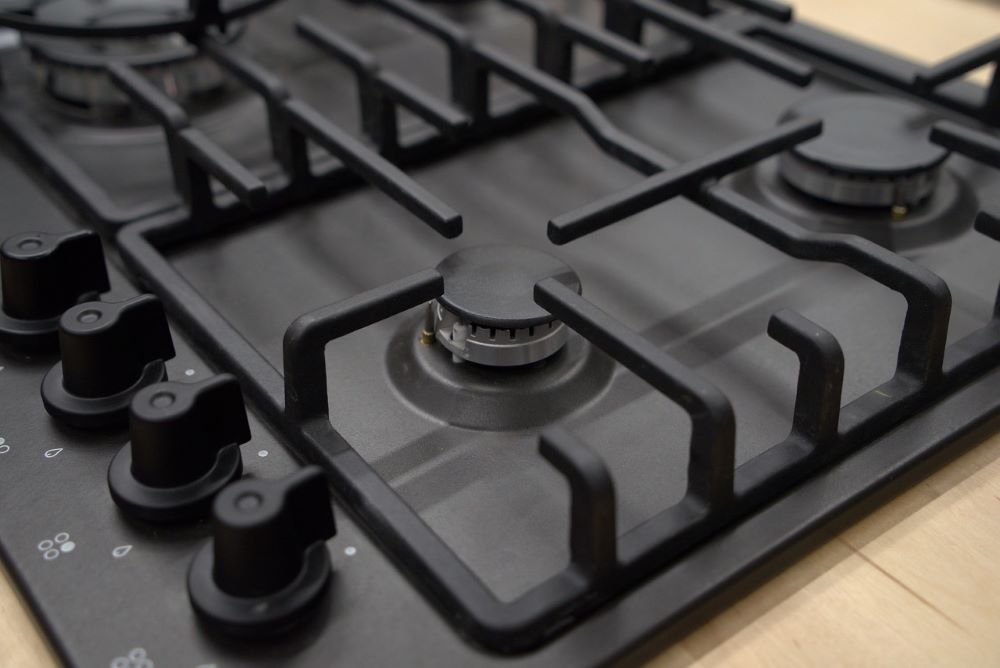
Another helpful cooking appliance for truck drivers is a hot plate. It doesn’t occupy too much space and often works well for preparing quick breakfast meals.

Mini-Fridge Or Coolers

A portable fridge or cooler keeps food items and snacks fresh throughout your trips. It helps you save money and time because you can purchase food ingredients in bulk and store them well. This prevents unnecessary stops, which eats into your working hours.

Final Thoughts

There are loads of products on the market today designed for truckers. Consider your needs, the size of your rig, and a product’s quality to find the best accessories for your cab. The goal is to get items that simplify your life on the road while promoting your health and safety.

Mission Financial Services is committed to helping you enjoy your trucking lifestyle and succeed in your business. That’s why we offer a range of vehicle financing options, including semi-truck repair loans, to help you keep your truck in tip-top shape and get the most out of it. Contact us to learn more about this.

truck driver log

How Long Can Semi Truck Drivers Drive

truck driver log

The Federal Motor Carrier Safety Administration (FMCSA) limits how long semi-truck drivers can drive in the U.S. to minimize the number of trucking accidents caused by exhausted truckers.

Understanding these limits is crucial if you’re looking to start your career as a truck driver. Violating these laws comes with penalties that might end your career before it kicks off.

Here’s everything you need to know about the FMCSA’s hours of service regulations to help you get started on the right foot.

What Are the Hours of Service Rules?

Hours of service regulations are guidelines FMCSA puts in place to ensure commercial truck drivers are not overworked. They outline how long a semi-truck driver can:

  • Drive at a time without stopping to take a break
  • Be on duty – this includes participating in non-driving work
  • Be off duty before starting their next shift
  • Work within a given period

Since truck drivers don’t follow conventional office work hours, the hours of service rules are based on the total number of hours worked instead of specific daytime hours.

8-Hour Rule

Truck drivers can drive for eight consecutive hours before taking a mandatory 30-minute break to rest and recharge. It’s critical to note that any non-driving period or interruption of at least 30 minutes straight satisfies this rule. A break includes having lunch, resting in the sleeper berth, or on duty but not behind the wheel.

work hours

11-Hour Rule

As a truck driver, you can only drive for 11 hours maximum within a 14-hour window. Once you reach 11 driving hours, you must spend a minimum of 10 consecutive hours off duty before you start another 11-hour shift.

Remember, you cannot drive for these 11 hours consecutively due to the 8-hour rule. You’d have to take a 30-minute break after traveling for 8 hours without a 30-minute-long interruption.

14-Hour Rule

The 14-hour rule specifies that truck drivers can only work a maximum of 14 hours per day or duty period. After 14 hours, the driver has to rest for ten consecutive hours, even if they haven’t exhausted their 11 hours of maximum driving time.

That means, if you want to maximize the 11 hours of driving time per shift, you’ll have to do it within 14 hours from the moment you start work. Starting your shift at 6 a.m. means you have until 8.00 p.m. (14 hours later) to end it.

Within this 14-hour window, you can only drive for 11 hours (following the 11-hour rule above). The remaining 3 hours are for performing other non-driving tasks like having meals, unloading the truck, fueling, handling repairs, etc.

60/70-Hour Limit

The 60/70-hour limit governs truck drivers’ weekly driving hours, calculated over a rolling schedule. Drivers can work up to 60 hours in seven consecutive days or 70 hours in eight days. Resetting requires 34 consecutive hours off duty.

It’s worth mentioning that all these regulations apply specifically to property-carrying truckers.

Passenger-carrying drivers, for instance, have a 10-hour driving limit and a 15-hour limit on their work day. Their resting period after every shift is less – 8 consecutive hours instead of 10.

weather

Exceptions to Hours of Service Regulations

It is important to note that there are some exceptions to the hours of service regulations.
Sleeper Berth Provision
This provision lets you split the ten consecutive hours of rest you need after every 14-hour on-duty period into two periods, as long as:

One off-duty period lasts at least 2 hours
The other involves spending a minimum of 7 consecutive hours in your sleeper berth

All sleeper berth pairings should add up to the required 10-hour off-duty period for property-carrying truckers and 8 hours for passenger-carrying drivers.

Adverse Driving Conditions

FMCSA allows you to extend your daily driving time by 2 hours if you experience adverse driving conditions. But, you must still follow the 14-hour and 30-minute break HOS regulations.

These include any challenging road conditions you were unaware of before you started your journey. They may have led to slower driving, causing unexpected delays. Some examples of such conditions are bad weather, road construction, and heavy traffic due to an accident.

Short-Haul Exception

Under this exception, qualifying drivers can extend the 14-hour workday limit by 2 hours to 16 hours.

You are eligible for this exception if you only drive within a short 150-air mile radius from your typical workplace and often return to this place after every shift. Most times, such drivers are exempt from keeping their daily logs.

sleeper berth

What Are Daily Driver’s Logs?

Drivers’ logs are records about how semi-truck drivers spend their hours on the road. Truckers manually fill in how they spend their non-driving time, whereas electronic logs automatically capture their driving time. Doing this ensures all drivers comply with the required hours of service regulations.

A typical daily truck driver’s log contains four categories of info:

  • Driving information—time spent operating the truck behind the wheel
  • On duty (not driving)—time spent conducting non-driving duties, like loading and unloading the truck, carrying out inspections, etc.
  • Sleeper berth—hours spent resting inside the sleeper berth
  • Off duty—time spent away from all kinds of trucking work

Who Must Comply With These Regulations?

All drivers who drive commercial motor vehicles across state lines must comply with the HOS regulations set by FMCSA. A commercial motor vehicle refers to any truck or trailer that:

  • Weighs 10,001 pounds and above
  • Has a gross combined weight rating (GCWR) and gross vehicle weight rating (GVWR) of 10,001 pounds or more
  • Transports hazardous material in large quantities, requiring placards

Penalties for Breaking HOS Rules

A few penalties that kick in if you break the HOS rules include:

  • Being placed out-of-service until you get enough off-duty time to stay in compliance
  • FMCSA imposes a fine of $1,000 to $11,000, depending on how severe the violation was
  • State and local law enforcement agencies can also charge additional hefty fines
  • The safety ratings of trucking companies decrease after repeated violations
  • You, the trucking company you work for, or both may face criminal charges

Final Thoughts

Following the hours of service rules is critical for your safety and the safety of other road users. It also ensures you have a successful truck driving career on the right side of the law.

We’ve provided a general overview of legal driving hours for truckers, but state regulations may vary slightly. Always verify the specific requirements in your state to ensure compliance.

If you’re looking to launch your trucking career, check out our resources on the different jobs commercial truck drivers do and what to expect from the position to prepare yourself adequately.

We also offer various commercial vehicle loans and can help you purchase your first truck with ease if you want to start as an independent trucker. Reach out to us to learn more about this.
choosing a semi truck

Best Semi Truck For Owner-Operators

choosing a semi truck

Whether purchasing your first truck or upgrading to a newer model, buying a semi-truck is a significant investment that requires many considerations. As an owner-operator, your truck is the most essential piece of equipment that your entire business relies on. So, choosing the right truck is vital.

There are many types of semi-trucks out there, each catering to different trucking needs and preferences. The type you choose should be carefully selected based on the specifics of your trucking business.

In this guide, we’ll break down some of the most important things to remember to help you choose the right semi-truck as an owner-operator.

Choosing The Truck For New Owner Operators

As a semi-truck owner-operator, one of the most critical business decisions you need to make is choosing the right truck for your business. Unfortunately, there’s no single “best truck” for owner-operators.

Picking your semi-truck brand and model depends on your preferences and the type of work the truck will do. Of course, different trucks offer different benefits. These include improved fuel efficiency, greater power, increased comfort, and advanced features, like driver performance assist.

However, the vehicle you choose should depend on the type of work you do in the trucking industry and what kind of truck you prefer.

trucks

Points To Consider When Buying A Semi Truck

There’s a lot to consider when choosing the right semi-truck for your business needs. Here are a few important considerations to ensure you select a reliable semi-truck.

Budget Wisely

Determining a realistic budget is the all-important initial step in choosing a semi-truck. Consider not only the upfront cost but also ongoing expenses like maintenance, fuel efficiency, insurance, and potential repairs.

Once you have a budget, you can narrow down your list of semi-truck brands, models, and years.

Age of the Truck

Decide whether you prefer an older or newer truck.

Newer trucks generally offer updated technology, better fuel efficiency, and fewer maintenance issues. Older trucks might be cheaper initially but may require more frequent repairs.

Some drivers prefer older classic American semi-trucks as a personal choice, while others like the latest models from truck manufacturers. Of course, your budget will also dictate how old or new your chosen truck will be. Just keep in mind that financing older trucks can be more difficult.

Technical Requirements for Routes and Freight

Assess the technical specifications required for your trucking business.

Consider factors like engine power, axle configuration, load capacity, fuel efficiency, and adaptability to different road conditions. If you need to haul oversized loads or unique cargo (like a tanker), then make sure your truck aligns with these needs.

truck cab

Cab Type – Day Cab or Sleeper

Determine whether you need a day cab for shorter routes or a truck with a sleeper compartment for long-haul trips. Sleeper cabs offer resting space and amenities for drivers during overnight stops.

Semi trucks with a sleeper cab are more expensive but they are necessary for long-haul trucking.

Transmission Preference

Decide between a manual transmission for more control or an automated manual transmission (AMT) for ease of use and potentially better fuel efficiency. This really just comes down to your personal preference for driving.

State Regulations on Vehicle Emissions

Understand the emission regulations in the states where you operate. Some areas have strict emission standards that might affect your choice of truck or require additional modifications.

Business Operator Strengths

Consider your strengths as a business operator.

Are you proficient in maintaining and repairing vehicles, or do you rely heavily on maintenance services? This can influence the type of truck that best suits your operation.

Truck Make Preference

Do you have a preferred truck manufacturer based on reputation, previous experience, or reliability? Choosing from the best semi-truck brands that you trust is always a good call.

Must-Haves

Identify any specific features or necessities that you need for your operations.

This might include advanced safety systems, comfort amenities, specific engine specifications, or warranty considerations.

truck use

Best Trucks For Long-Haul

Choosing the right truck for long-haul operations should come down to the vehicle’s reliability, comfort, fuel efficiency, and performance.

While this can vary depending on specific preferences and needs, here are some of the most popular options for long-haul trucking.

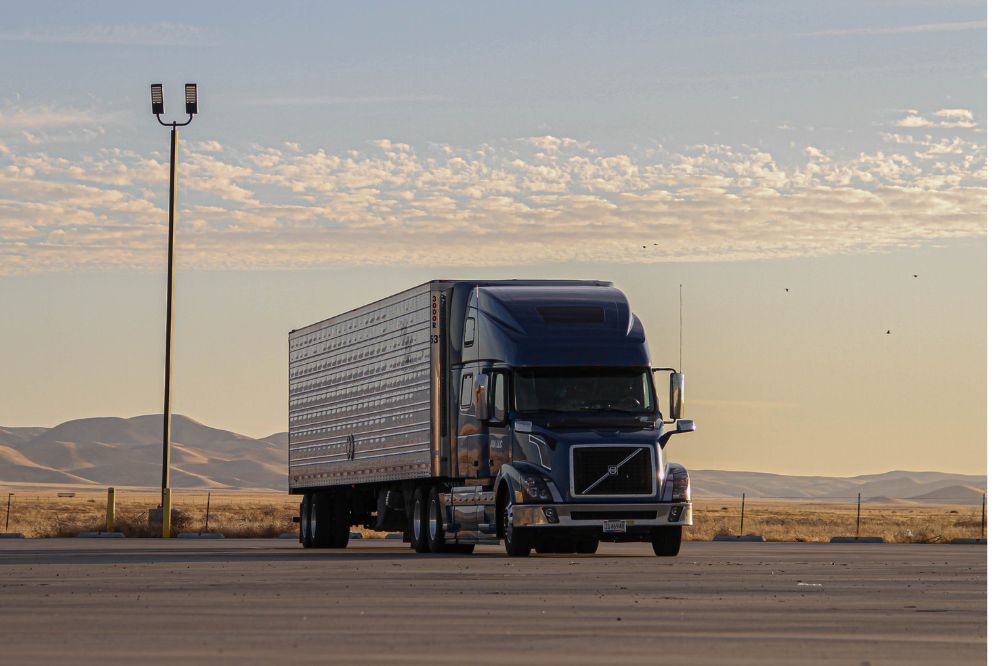
Volvo VNL Series

These trucks have earned a reputation for their comfort, safety features, and fuel efficiency.  They offer various sleeper cab options and advanced technology for long-haul comfort.

Freightliner Cascadia

These trucks have gained recognition for their fuel efficiency and aerodynamic design. This truck provides a range of sleeper cab configurations and advanced driver-assistance systems.

Kenworth T680/T880

The durability and driver comfort of these Kenworth trucks are renowned.  They offer customizable options for sleeper cabs and fuel-efficient engines.

Peterbilt 579/587

The main focus of these trucks is on fuel efficiency and aerodynamics. They provide sleeper cab options and have a reputation for reliability.

Mack Anthem

People know the Mack Anthem for its ruggedness and advanced safety features. This truck offers various sleeper cab configurations for long-haul comfort.
International LT Series

These popular trucks focus on providing driver comfort and fuel efficiency. They include sleeper cab options and advanced technology for long-haul operations.

mack

Best For Short-Haul Trucking

For short-haul trucking, where frequent stops and local deliveries are common, versatility, maneuverability, and efficiency are crucial. Here are some of the most reliable semi-trucks for these types of operations.

Isuzu NPR Series

This type of truck is known for its compact size and maneuverability. It’s ideal for urban deliveries and smaller loads with good fuel efficiency.

Ford F-650/F-750

These trucks offer a range of configurations suitable for various short-haul tasks. They’re known for their reliability and versatility for local deliveries.

Hino 155/195 Series

These are compact and efficient trucks suitable for urban deliveries. They’re known for their maneuverability and reliability in city driving.

Freightliner M2 106

The Freightliner are versatile and customizable trucks for various short-haul applications. They offer good maneuverability and fuel efficiency for local deliveries.

Chevrolet Silverado/GMC Sierra 4500/5500

These are solid and reliable trucks suitable for smaller-scale short-haul operations. They provide excellent versatility and ease of maneuverability for urban deliveries.

Ram 5500 Chassis Cab

These international trucks offer multiple configurations suitable for various short-haul tasks.
They’re known for their durability and capability for local deliveries.

mercedes

Best For Local Trucking

Local trucking involves frequent stops, city driving, and shorter distances. So, you’ll want trucks that offer maneuverability, durability, and efficiency in urban environments. Here are some of the most popular options.

Isuzu N-Series (NPR/NQR)

Known for compact size and maneuverability, these trucks are ideal for urban deliveries. They offer good fuel efficiency and durability for local routes.

Ford Transit

A versatile truck that’s available in various sizes suitable for local deliveries. These trucks provide excellent agility and efficiency for navigating city streets.

Mercedes-Benz Sprinter

This popular type of truck offers multiple body styles and configurations for local cargo transportation. It’s known for its comfort, efficiency, and maneuverability in urban settings.

Chevrolet Express/GMC Savana

Chevrolet Express are versatile vans suitable for various local delivery tasks. They’re durable and offer ample cargo space for urban deliveries.

Ram ProMaster

These smaller trucks offer customizable options for local cargo transportation. They’re known for their maneuverability and efficiency in city driving.

Nissan NV Series

The Nissan NV Series provides various configurations for local cargo transportation. They’re durable and reliable for urban delivery operations.

5 Best Semi-Truck Brands

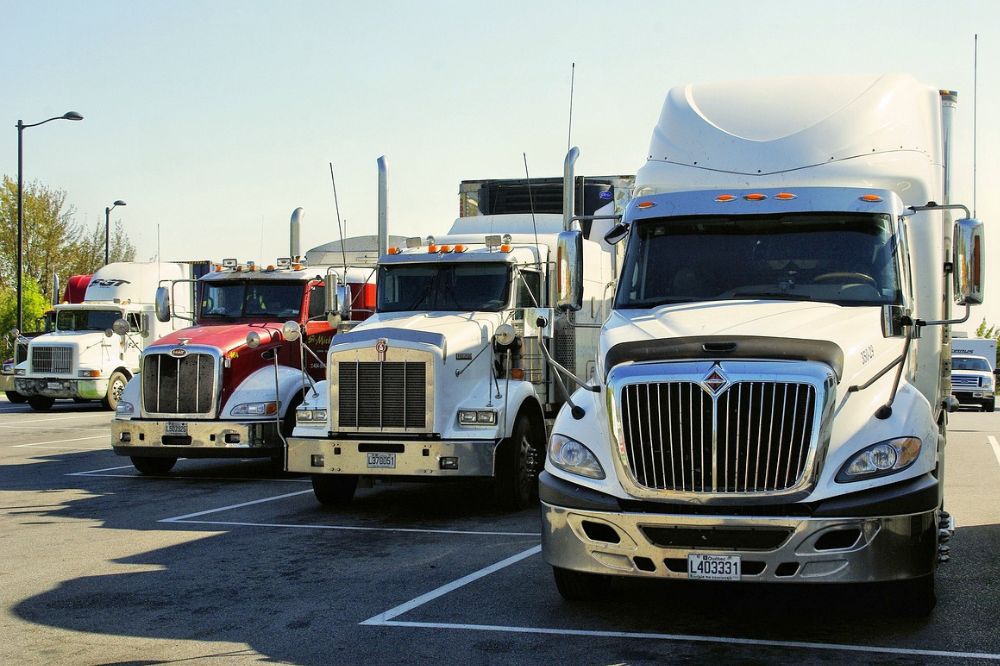
A massive part of choosing the best semi-trucks comes down to the brand. Here are five of the most reputable and widely recognized semi-truck brands known for their quality, reliability, and performance in the industry.

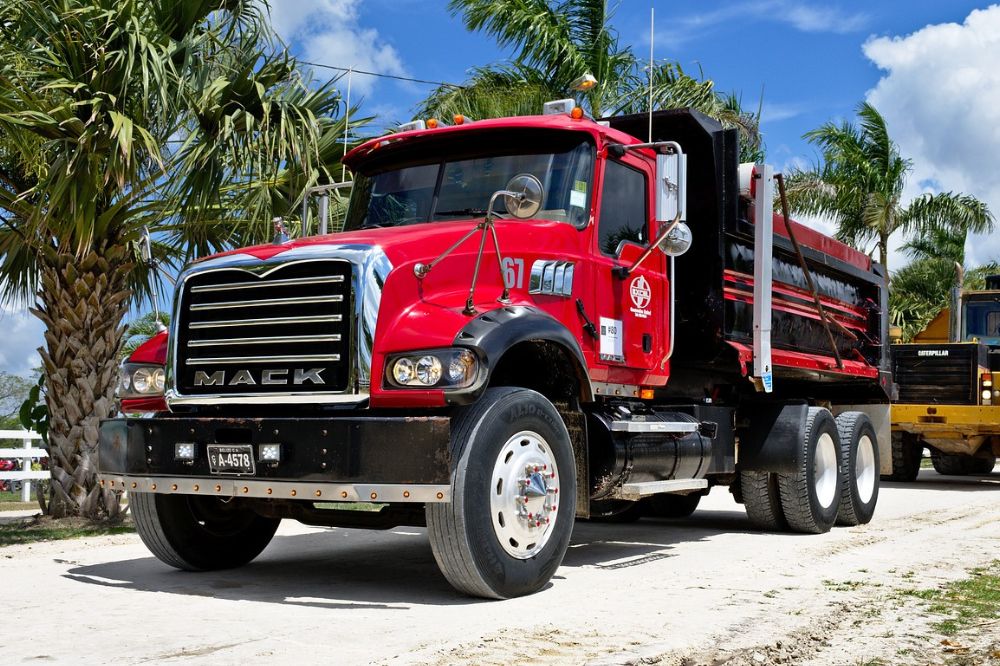
Mack Trucks

Their durability and ruggedness have made Mack trucks renowned. They’re recognized for their robust construction and strength, making them popular choices for various hauling applications.

volvo

Freightliner

Freightliner offers a wide range of trucks suitable for different operations. They’re known for their innovation, efficiency, and advanced technology in trucking.

Kenworth

These trucks generally focus on customization and driver comfort. Kenworth trucks are popular for their reliability, versatility, and personalized options.

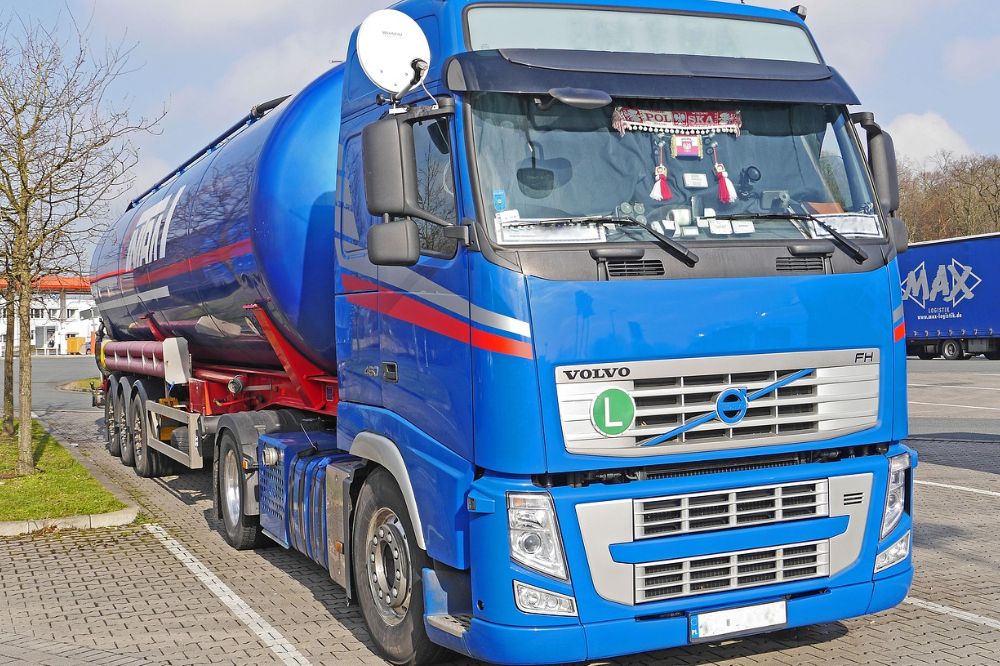
Volvo Trucks

Volvo takes up a huge share of the truck market. Volvo semi-trucks are focused on safety, fuel efficiency, and advanced technology. Volvo trucks are known for their innovation in safety features and environmental sustainability.

Peterbilt

Peterbilt trucks offer a combination of performance and style. They’re recognized for their distinctive design, reliability, and customizable options.

Great Condition is a Priority .

Regardless of the make, model, or production year, it’s essential that the semi-truck you purchase is in great condition.

The overall quality, maintenance history, and current condition of your trucking equipment is more important than the specific brand or model you choose. Ensuring that your truck is in top-notch shape is crucial to its performance, reliability, and longevity, ultimately impacting the efficiency and success of your operations.

Regular maintenance, thorough inspections, and verifying the equipment’s condition before purchase are critical steps to ensure it meets the necessary standards for your business needs. A well-maintained vehicle will also help you avoid commercial truck accidents.

Final Thoughts

Whatever make or model of semi-truck you choose, make sure that you focus on finding a quality vehicle that has been well-maintained. Of course, the truck you choose should tick all of the right boxes for your business needs.

When purchasing a semi-truck, you’ll also need to make sure that you work with the right financing supplier. Get in touch with us at Mission Financial Services to discover just how easy semi-truck financing can be – even if you have poor credit or are looking for an older model of truck.

GETTING a license

How To Obtain A Commercial Truck Driver License

GETTING a license

If you drive a commercial motor vehicle, you must hold a Commercial Driver’s License (CDL).
Getting a CDL can be a reasonably long process, depending on the type of license you’re applying for and what allowances and limitations this license holds.

It’s essential that you understand precisely what kind of CDL you need before getting involved in any commercial driving or trucking business.

We’ll break down everything you need to know in the guide below.

What is a Commercial Driver’s License?

A Commercial Driver’s License (CDL) is a specialized driver’s license required in the United States and some other countries to operate vehicles used for commercial purposes. This license allows individuals to legally drive vehicles larger or heavier than those permitted by a regular driver’s license.

Valid CDL holders are held to higher standards due to the nature of the vehicles they operate. They are subject to more stringent regulations regarding driving hours, vehicle maintenance, and compliance with traffic laws.

CDL License Classes Overview

CDLs are categorized into different commercial driver’s license classes, each allowing the holder to operate various types of vehicles based on their size, weight, and purpose.

Class A CDL

This class permits the operation of combination vehicles with a Gross Combination Weight Rating (GCWR) of 26,001 pounds or more, where the vehicle being towed has a Gross Vehicle Weight Rating (GVWR) of over 10,000 pounds.

Type of CDL
Class B CDL

With a Class B CDL, you can drive single vehicles with a GVWR of 26,001 pounds or more or operate such vehicles towing trailers with a GVWR not exceeding 10,000 pounds.

Class C CDL

This class is for vehicles that do not fit into Class A or Class B but are designed to transport 16 or more passengers (including the driver) or transport hazardous materials.

How Do I Get a Commercial Driver’s License?

Getting a commercial truck driver’s license is a lengthy process. Here are the main steps involved.

Check Eligibility Requirements

Ensure you meet the eligibility criteria set by your state’s Department of Motor Vehicles (DMV). Typically, you must be at least 18 years old to drive within the state and 21 years old to drive across state lines or transport hazardous materials.

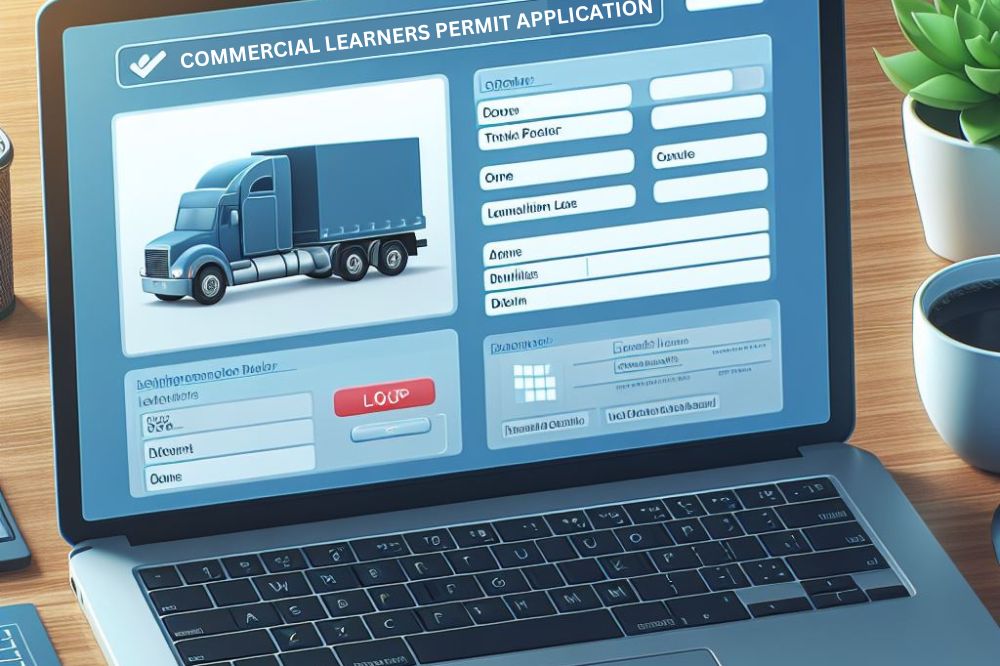
Apply for a Commercial Learner’s Permit

Start by applying for a CLP at your local DMV office.

You’ll need to pass the required knowledge tests specific to the type of CDL you’re seeking. These tests cover general knowledge, air brakes (if applicable), and any necessary endorsements, such as transporting hazardous materials or passenger vehicles.

LEARNERS application
Training and Practice

Consider enrolling in a CDL training program or school to learn the skills required for driving a commercial motor vehicle. Practice driving under the supervision of a licensed CDL holder to gain experience.

Schedule CDL Skills Test

Once you’ve held your commercial learner’s permit for the required period (typically a few weeks), schedule a CDL skills test with the DMV. This test includes a pre-trip vehicle inspection, basic vehicle control, and an on-road driving assessment.

Apply for CDL

Once you’ve passed all the required CDL exams, submit your application for the full CDL at the DMV office. You must pay the required fees and provide any additional information requested.

Commercial Driver’s License Program

There are a couple of stages involved in obtaining a license to drive commercial motor vehicles. Here’s a breakdown of what you have to go through.

Commercial Learner’s Permit (CLP)

Before the DMV can issue commercial driver’s licenses, you must first obtain a CLP. To do this, you’ll need to pass a written test specific to the type of CDL you’re applying for and any endorsements required for specialized driving.

The CLP allows you to practice driving a commercial vehicle under the supervision of a licensed CDL holder.

learner driver
Complete Entry-Level Driver Training

Many states and employers require the completion of Entry-Level Driver Training (ELDT) from a registered training provider.

This training covers classroom instruction and practical behind-the-wheel experience, teaching essential skills and safety practices for commercial driving. ELDT often includes vehicle operation, safety protocols, regulations, and hands-on driving practice.

Commercial Driver’s License (CDL)

After obtaining a CLP and completing the required training, you must pass a skills or road test to get your full CDL.

The skills test typically consists of three parts:

  • A pre-trip vehicle inspection
  • Basic vehicle control
  • An on-road driving assessment

Passing this test shows your ability to operate the specific commercial vehicle you intend to drive.

Once you successfully pass the skills test, you can apply for the full Commercial Driver’s License at your local DMV office. You must submit the necessary documentation, pay the required fees, and provide proof of completing the CLP and any mandated ELDT.

Training and Testing

Training for a CDL involves both classroom learning and practical training covering traffic laws, vehicle operation, safety protocols, and hands-on driving practice.

Candidates develop skills in vehicle inspection, control, and safe driving techniques, preparing for written knowledge and practical skills tests.

Specialized endorsements for tasks like hauling hazardous materials may require additional training and testing.

medical
Medical Certification

Medical certification is a requirement for obtaining and maintaining a CDL in the United States. It involves a physical examination by a certified medical professional who evaluates a driver’s health to ensure they meet the necessary medical standards for operating commercial vehicles.

The examination assesses various aspects of health, including vision, hearing, blood pressure, diabetes, cardiovascular health, and overall physical fitness.

Drivers must provide proof of meeting these medical standards by obtaining a Medical Examiner’s Certificate (MEC) or DOT Medical Card.

Drivers need to renew this certification periodically, usually every two years, to ensure they continue to meet the health requirements for safe commercial driving.

Endorsements, Restrictions and Waivers

Endorsements, restrictions, and waivers are extra permissions, limitations, or exceptions granted to drivers based on their qualifications or specific driving conditions. Federal law notes them on the CDL permit and controls them.

Endorsements

Endorsements are additional qualifications beyond the standard CDL that allow drivers to operate specialized vehicles or perform specific tasks. You’ll need the proper endorsement for whatever truck driver job you plan to do. This could include:

  • Hazardous Materials (Hazmat): Allows you to drive a truck carrying hazardous materials.
  • Tank Vehicles: Permits drivers to operate tankers.
  • Passenger Vehicles: Enables driving vehicles carrying a certain number of passengers, like buses.
  • School Bus: Allows drivers to operate school buses, typically requiring extra training and testing.

firefighters
Restrictions

These are limitations imposed on a CDL, specifying conditions or types of vehicles a driver is not allowed to operate. Restrictions could include:

  • E: Prohibits drivers from operating vehicles with manual transmissions.
  • L: Limits drivers to vehicles without air brakes.
  • Z: Indicates a full air brake restriction, excluding the operation of vehicles equipped with air brakes.

Waivers

These are exceptions granted to CDL applicants under specific circumstances. For example:

  • Skill Performance Evaluation (SPE) Certificate: Allows drivers with specific impairments, such as missing limbs, to qualify for a CDL after passing an additional evaluation.
  • Vision or Hearing Waivers: In some cases, drivers with impaired vision or hearing may qualify for a waiver if they can still demonstrate the right skills or use assistive devices that allow them to drive safely.

Exemptions

Certain types of commercial drivers are exempt from holding a Commercial Driver License. Here are some examples of CDL exemptions:

  • Taxi and Ride-Sharing Drivers: Drivers operating taxis or ride-sharing vans that transport fewer than seven passengers are often exempt from holding a CDL.
  • Firefighters: Firefighters operating emergency vehicles are typically exempt from CDL requirements when performing their official duties.
  • Rescue or First-Aid Squad Operators: Drivers operating vehicles for rescue or first-aid purposes as part of a squad or emergency response team may be exempt from needing a CDL.
  • Farmers: Farmers transporting their own agricultural products, machinery, or supplies within a specified distance (usually around 150 miles) from their farms might not need a CDL.

It’s important to note that while these exemptions exist in certain states or under specific circumstances, regulations can vary by jurisdiction. So, make sure you properly understand the CDl requirements of your situation.

Final Thoughts

Commercial Driver’s Licenses are relatively easy to get if you follow the proper process and take the right steps and training. Get the correct license, and a whole new world of commercial driving opportunities opens up.

Are you planning to purchase a commercial vehicle? Get in touch with us at Mission Financial Services, where we can help you easily obtain financing.

semi truck owner (1)

How To Be A Successful Semi Truck Owner Operator

semi truck owner (1)

Running your own trucking business may be a dream. However, there’s a lot that goes into being a successful semi truck owner-operator, and it’s essential that you know all the different elements involved in managing a business.

Follow this guide to learn some of the most important tactics and responsibilities that owner-operators should show.
What is an Owner-Operator?
An owner-operator is an individual who owns and operates their own trucking business.

Instead of working as an employee for a trucking company, an owner-operator owns the truck they drive and may either work independently or lease their services to carriers or logistics companies.

A successful owner-operator is responsible for managing their truck, handling maintenance costs, fuel expenses, insurance, and other overheads associated with running a trucking business.

Owner-operators can choose their routes and schedules and sometimes negotiate their compensation rates.

Tips to Becoming a Successful Owner-Operator

If you own a semi-truck, then establishing a successful owner-operator business is undoubtedly appealing. Here are a few essential tips for truck owner-operators to keep in mind.

Ensure You Have Enough Experience

Gaining experience is crucial before transitioning into an owner-operator role within the trucking industry.

Working as a truck driver provides invaluable knowledge about the nuances of the job, from managing different cargo types to understanding diverse routes and handling various situations on the road.

Acquiring hands-on experience also familiarizes individuals with different equipment, truck maintenance, industry regulations, and the administrative aspects of the business. You’ll probably also need to hold and use your commercial driver’s license for some time to help you get better rates on truck financing and commercial insurance.

Create a Business Plan

Crafting a comprehensive business plan is essential to the success of any owner-operator business.

This plan should outline your business goals in detail. This might involve expanding a fleet, specializing in certain cargo types, or targeting specific geographic areas.

It’s crucial also to perform thorough market research, identify your target audience, study your competitors, and pinpoint your unique selling propositions. Within your business plan, include a detailed financial strategy.

business plan

Assess Your Finances

Understanding your costs is an essential step in starting any kind of business. As you’ll be running your own truck and operating your own business, all costs involved are your responsibility.

Your financial evaluation should cover startup costs, including the purchase or lease of a truck, insurance, permits, and licenses. Understanding ongoing expenses such as fuel, maintenance, repairs, and taxes is also crucial.

Distinguishing between fixed costs (insurance, truck payments) and variable costs (fuel, maintenance) is essential for gaining a clear picture of the financial health of your business.

You’ll need to realistically understand your finances and know how to track them in order to run a successful owner-operator business.

Understand Freight Cycles

A comprehensive understanding of freight cycles for commercial motor vehicles is vital for your operational success.

Study seasonal trends and industry cycles to help anticipate busy and slow periods in freight demand.

You’ll want to diversify your client base or adapt your services during slower periods to maintain consistent income. During peak seasons, you can develop strategies to capitalize on increased demand by efficiently planning routes and securing higher-paying contracts.

Know How to Generate Revenue

Owner-operators can make money in the trucking industry in a couple of different ways.

Explore different types of commercial trucking opportunities such as load boards, freight brokers, direct contracts with shippers, or participation in dedicated freight programs offered by larger companies. Building a solid network within the industry is also crucial for securing repeat business and referrals.

credit score

Have a Maintenance Reserve

Being a small business owner can be expensive – especially when you have to maintain a commercial truck.

Make sure that you allocate funds for truck maintenance and unexpected repairs. By setting aside a portion of earnings into a designated maintenance reserve, unexpected breakdowns, and repairs can be managed without causing financial strain or disrupting business operations.

Regularly scheduled preventive maintenance helps avoid costly breakdowns and extends the lifespan of your equipment, ensuring continued smooth operations.

Protect Your Credit

Maintaining strong credit is a vital element of your owner-operator career.

Ask other owner-operators, and they’ll tell you that good credit is so much more than just a way to help your cash flow; it’s a way to manage your business.

Timely bill payments, responsible debt management, and regular monitoring of credit reports help you achieve a good credit score. A good credit score opens up better financing options, lower interest rates on loans, and increased credibility when negotiating contracts or leases.

Create Your Own Schedule

The flexibility of being an owner-operator means you can create personalized schedules that maximize productivity.

Effective route planning, workload balancing, and rest period management are essential for running a trucking operation.

deals

Negotiate Your Own Deals

Developing strong negotiation skills is essential for owner-operators to secure the rates, terms, and contracts they want.

Understanding market rates, industry standards, and the value of services helps you confidently manage negotiations. Building strong relationships while negotiating fosters mutually beneficial agreements that prioritize long-term partnerships and profitability.

This is essential for a successful owner-operator business.

Final Thoughts

If you own and operate your commercial truck, you must have solid business management skills and trucking abilities. Follow the tips above, and you’ll be in an excellent position to manage a successful business.

If you want to purchase a semi-truck, you’ll need to gain the right financing. Get in touch with us at Mission Financial Services to make acquiring financing an easy process.

truck leasing

Guide To Commercial Truck Leasing

truck leasing

There are two main ways to acquire a commercial truck: purchasing one or leasing one.

Commercial truck leasing is a convenient solution for getting access to a semi-truck. The upfront costs are lower, and you eliminate many risks associated with owning a truck. However, commercial truck leasing also comes with its downsides.

We’ll explore everything you need to know about this in the guide below.

What is Commercial Truck Leasing?

Commercial truck leasing is when you rent a truck for a specified period instead of purchasing it outright. Leasing commercial vehicles involves a contract between the lessee (the party renting the truck) and the lessor (the owner or leasing company providing the truck).

Under a commercial truck lease, the lessee pays a regular monthly fee for using the truck over a predetermined period. The lease terms could include maintenance responsibilities, mileage limitations, insurance requirements, and potential penalties for excessive wear and tear on the vehicle.

There are various types of truck leasing options available, such as:

  • Full-Service Leasing: This type of lease covers most costs associated with the truck, including maintenance, repairs, insurance, and sometimes even registration fees.
  • Finance Lease: Also known as a capital lease, it’s more like a loan where the lessee assumes most of the responsibilities of ownership, including maintenance and insurance.
  • Operating Lease: A short-term lease where the lessee doesn’t take on the risks of ownership. This type of lease often allows for easier upgrades to newer vehicles.

truck lease agreement

Essential Elements of a Commercial Truck Lease

While you can have different types of agreements for leased trucks, a leased vehicle agreement should include the following elements. Understanding the fine print of these different elements is essential before leasing a commercial vehicle.

Identification of Parties

The lease should clearly identify the lessor (owner or leasing company) and the lessee (the individual or business renting the truck).

Description of the Truck

The agreement should specify the truck’s details, including make, model, year, Vehicle Identification Number (VIN), and any additional features or equipment.

Lease Term

The agreement should state the duration of the lease, such as the start date and end date, or the duration of the lease period in months or years.

Payment Terms

This section outlines the financial aspects, including the amount of monthly lease payments, due dates, additional fees, and penalties for late payments or breaches of the agreement.

Maintenance and Repairs

The lease should define the responsibilities for maintaining and servicing the truck, specifying whether the lessor or lessee is responsible for preventive maintenance, repairs, and insurance coverage.

Usage Restrictions

Details covering how the truck can be used, mileage limits, geographical restrictions, and any prohibited activities should be clearly outlined.

Return Conditions

Conditions for returning the truck at the end of the lease term. This includes requirements for its condition, any excess wear-and-tear charges, and potential charges for exceeding agreed-upon mileage.

truck inspection

Insurance Requirements

Specifications regarding the types and levels of insurance coverage required for the leased truck, including liability, collision, and comprehensive coverage.

Early Termination or Buyout Options

Any provisions regarding early termination of the lease or options for the lessee to purchase the truck at the end of the lease term should be clearly stated.

Comparing Commercial Truck Leasing vs. Purchasing Options

Should you purchase or lease a commercial truck? Each option has its trade-offs.

Leasing offers lower initial costs, predictable monthly expenses, potential tax benefits, and easy upgrades. However, you don’t get ownership equity, and the long-term costs can add up.

On the other hand, buying a truck involves a higher upfront investment, but it gives you ownership of a significant asset, flexibility in your truck’s usage, and potential long-term cost savings.

However, ownership also involves bearing all maintenance costs and facing depreciation impacting resale value.

Choosing between leasing and purchasing should depend on your immediate cash flow, long-term business strategies, and operational requirements.

Owning a vehicle is typically preferred, but many trucking companies don’t have the cash to purchase a new truck. Leasing is also a standard solution for substitute vehicles to keep a fleet running and the business moving.

truck lease pros and cons

Commercial Truck Lease Pros and Cons

As we’ve already mentioned, commercial truck leasing comes with its pros and cons.

Pros

  • Lower initial costs
  • Monthly lease payments are more predictable
  • Lease payments might be tax-deductible as a business expense
  • Some leases include maintenance services
  • Easier access to newer vehicle models at the end of the lease term

Cons

  • Lessees do not gain ownership or equity in the truck.
  • Lease agreements often involve mileage limits and usage constraints
  • The long-term costs of leasing might be greater than ownership

Costs to Consider When Leasing Commercial Trucks

Leasing a commercial vehicle involves various costs. Here’s a breakdown of what you can expect.

Monthly Lease Payments

The main cost is the monthly lease payment, which covers truck use. This payment varies based on the type of lease, truck model, and your lease terms.

Down Payment or Initial Fees

Some leases require a down payment or initial fees upfront. These costs can vary and may include security deposits or the first month’s payment.

Maintenance and Repairs

Depending on the lease agreement, lessees might be responsible for maintenance and repair costs. Some leases include maintenance services, while others require lessees to cover these expenses separately.

costs
Insurance

Lessees are typically required to have insurance coverage for the leased truck. Insurance costs vary based on coverage types, deductibles, and the truck’s value.

Excess Mileage or Usage Fees

Lease agreements often include a maximum mileage limit. If this limit is exceeded, additional fees per mile might apply.

Taxes and Fees

There may be taxes, registration fees, and administrative costs associated with leasing a commercial truck.

Early Termination Fees

Terminating a lease before the agreed-upon term might result in penalties or early termination fees.

Final Thoughts

Leasing a truck might seem like an attractive option, but in the long run, it’s generally best to own a vehicle.

Luckily, it’s possible to access affordable vehicle financing that makes purchasing a commercial truck an easy process. Get in touch with Mission Financial Services to gain the funding for your dream truck.

Archives

Sign Me Up!

Stay up to date with the latest news in the commercial trucking industry.

Contact Us
close slider