Office: (404) 975-4800

Adie Marais

Section 179 and Semi-Truck Purchases: What Owners Should Know

Section 179 and Semi-Truck Purchases: What Owners Should Know

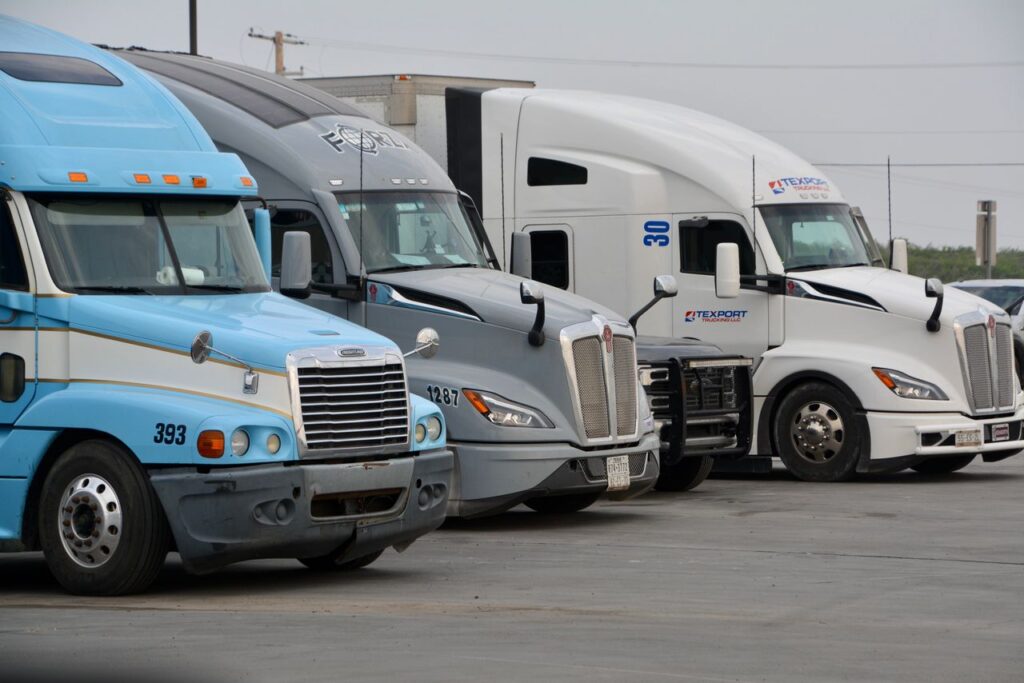
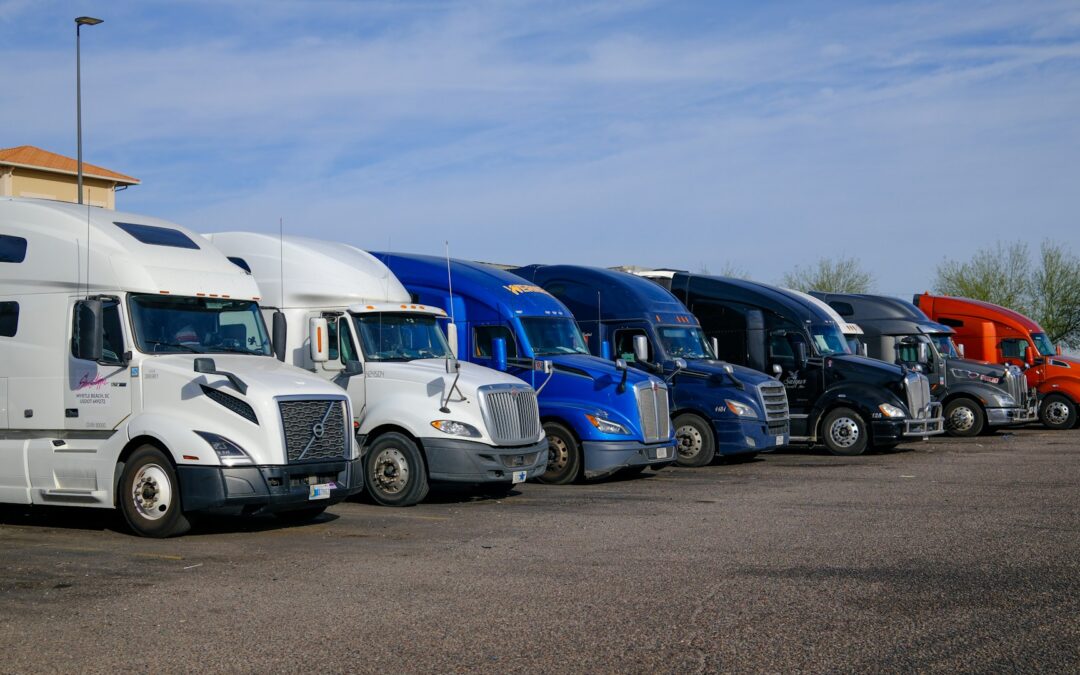
Row of Class 8 semi trucks in white, blue, black and orange parked side by side in a lot under a clear sky

Section 179 lets you deduct a qualifying semi-truck’s full purchase price in the same tax year it starts working. For 2026, the limit is $2,560,000, so a Class 8 truck fits well inside it.

This guide covers what qualifies, how the year-end deadline works, how financing fits in, and the mistakes to avoid.

TL;DR

  • The 2026 Section 179 limit is $2,560,000, and it starts phasing out once purchases pass $4,090,000.
  • A semi-truck qualifies if it’s used over 50% for business and placed in service by December 31.
  • Financed trucks qualify, so you can deduct the full cost while paying for the truck over time.
  • Bonus depreciation is now permanent at 100% for property acquired after January 19, 2025.

Note: Tax rules depend on your situation. Get advice from a qualified tax professional before you buy a truck for tax reasons.

What Is Section 179?

Section 179 is part of the Internal Revenue Code. It lets a business deduct qualifying equipment in the year it’s placed in service. Without it, you’d recover capital expenditures like a truck through depreciation over several years. Section 179 moves that whole deduction into year one, which means immediate tax savings.

For tax years beginning in 2026, the IRS set these limits in Revenue Procedure 2025-32:

  • Maximum deduction: $2,560,000
  • Phase-out threshold: The limit drops dollar for dollar once total qualifying purchases pass $4,090,000.
  • SUV cap: $32,000 for sport utility vehicles, which doesn’t apply to semi-trucks.

Most owner-operators and small business owners never get close to the phase-out. One or two trucks a year fit easily inside the limit.

Does a Semi-Truck Qualify for Section 179?

Yes, a semi-truck qualifies for Section 179 when it meets three tests.

  • Business use percentage must be over 50%: You use the truck more than half the time for your trucking business.
  • Placed in service this tax year: The truck must be working in your business before the tax year ends.
  • Acquired from an unrelated seller: Buying from a close family member or a business you control doesn’t count.

These rules come from IRS Publication 946, which explains how to depreciate business property.

Line of red, white, blue and yellow semi truck cabs parked outside a truck parts building, showing heavy commercial vehicles that can count toward a year-end Section 179 semi truck purchase

Used Trucks and Trailers

Used trucks qualify too, as long as the truck is new to your business. Trailers and other trucking equipment can also qualify.

A well-kept used commercial truck can give you the same first-year deduction as a new one, on a smaller loan.

Why Gross Vehicle Weight Rating Matters

Gross vehicle weight rating (GVWR) is the maximum loaded weight a manufacturer rates a vehicle for. It decides which vehicle limits apply.

  • 6,000 pounds or less: Passenger vehicles here face the tightest yearly depreciation caps.
  • 6,001 to 14,000 pounds: SUVs in this range get a higher deduction, capped at $32,000.
  • Over 14,000 pounds: Heavy commercial vehicles skip the SUV cap, so you can deduct the entire purchase price.

Some commercial vans also escape the SUV cap, such as cargo vans with no seating behind the driver.

A Class 8 semi-truck has a GVWR above 33,000 pounds, so neither cap applies.

For a semi-truck, the only dollar limit is the overall Section 179 maximum.

How Much Can You Deduct in 2026?

You can deduct a qualifying truck’s full price, up to $2,560,000, but not more than your business’s taxable income. This is called the business income limit. If your deduction is bigger than your taxable income from the business, the extra carries forward to future years.

Here’s a simple example:

Say you buy a $120,000 used truck and your business earns enough to absorb the full deduction. If all that income is taxed at 24% federally, the deduction could cut your tax bill by up to $28,800.

Your real savings depend on your income, state taxes, and business structure. A tax advisor can run your numbers before you buy. You can claim it alongside other truck driver tax deductions like fuel, maintenance, and insurance.

Section 179 vs. Bonus Depreciation vs. MACRS

Bonus depreciation and standard MACRS depreciation also recover a truck’s cost. They differ from Section 179 in timing and limits.

Method How it works Limits
Section 179 Deduct the full cost in year one $2,560,000 cap and the business income limit
Bonus depreciation Deduct 100% of the cost in year one No dollar cap or business income limit
MACRS Spread the cost over several years Set recovery periods for different assets

How Bonus Depreciation Works

Bonus depreciation is a first-year depreciation deduction for a set percentage of an asset’s cost. It’s now permanent at 100% for qualified property acquired after January 19, 2025 (IRS).

The One, Big, Beautiful Bill Act made that change. Before it, bonus depreciation was shrinking each year.

Unlike Section 179, bonus depreciation isn’t capped by your business income. It can create a loss you carry forward.

When Spreading Out Deductions Makes Sense

A big first-year deduction isn’t always the best move. If this year’s income is low, a large deduction may save you very little.

Standard MACRS depreciation (the IRS’s default system) spreads the deduction across future years. That can be worth more if you expect higher income later.

You claim Section 179 on IRS Form 4562. Your tax professional can help you choose a method when they file it.

White box truck and dark semi truck parked at a truck stop at sunset, with a car carrier loaded with vehicles on the right

Year-End Timing: Placed in Service by December 31

To claim Section 179 for 2026, the truck must be placed in service by December 31, 2026. That assumes a calendar tax year.

Placed in service means the truck is ready and available for its intended use. Signing a purchase order isn’t enough. A truck still at the dealer, waiting on repairs, or missing insurance on December 31 likely won’t qualify for 2026.

In our experience, December deals take longer than buyers expect. Titles, inspections, insurance, and holiday closures all slow things down. We’d start the financing process by early December at the latest. Getting pre-approved first lets you move as soon as you find the right truck.

Some fleets are also buying trucks ahead of EPA 2027 emission rules, which could tighten inventory at year-end.

Financing and Section 179

Yes, a financed truck qualifies for a Section 179 deduction. You can deduct the full cost this year, even though you pay for the truck over time.

IRS Publication 946 counts debt obligations as part of an asset’s cost. So your deduction is based on the purchase price, not only your down payment. The deduction is the same whether you pay cash or finance the truck.

That can help your cash flow. The tax savings arrive with this year’s return, while the payments spread across your loan term.

Our loans are purchase contracts, so you own the truck from day one. A true lease works differently. Capital leases (often $1 buyout leases) usually count as purchases, so the lessee claims Section 179. With operating leases, the leasing company usually takes the depreciation. Weighing leasing a semi-truck vs. buying one is worth doing before year-end for that reason.

If you’re buying more than one truck, small fleet loans can finance several vehicles at once.

Common Section 179 Mistakes to Avoid

Most Section 179 problems come from timing, business use, or buying for the wrong reasons. Watch for these:

  • Buying only for the deduction: A deduction saves you part of the cost, not all of it. Buy a truck because your business needs it.
  • Letting business use drop: If business use falls to 50% or less, you may owe back part of the deduction.
  • Skipping the paperwork: Keep mileage logs and business records to back up your claim in case of an audit.
  • Selling the truck early: Selling a fully deducted truck can trigger depreciation recapture, which is taxed as ordinary income.
  • Assuming your state matches: Section 179 is a federal deduction. Some states don’t follow it or federal bonus depreciation rules.
  • Missing the deadline: A truck delivered on January 2 counts toward next year, not this one.

Aerial view of semi trucks with white trailers parked in angled rows at a freight lot, the kind of equipment that can qualify for a Section 179 deduction

Why You Should Talk to a Tax Professional

A tax professional can tell you whether Section 179, bonus depreciation, or MACRS gives you the biggest benefit. They’ll check your business income limit, state rules, and how your business structure affects the deduction.

Bring your purchase agreement, loan contract, and delivery date. Those documents prove the cost and the placed-in-service date.

Final Thoughts

A year-end Section 179 semi-truck purchase can become a large first-year deduction. To qualify, the truck must be in service by December 31 and used mostly for business.

Talk to your tax professional first, then line up financing early so the truck is working before the year ends.

If you’re buying before December 31, start your credit application, and we’ll get back to you within four hours.

Frequently Asked Questions

Does a Used Semi-Truck Qualify for Section 179?

Yes, a used semi-truck qualifies if it’s new to your business and used more than 50% for business.

Can I Take Section 179 on a Financed Truck?

Yes, you can take Section 179 on a financed truck. The Section 179 deduction is based on the truck’s full cost, including the amount you borrow.

What’s the Deadline for Section 179 in 2026?

The truck must be placed in service by December 31, 2026, for calendar-year businesses. Buying it isn’t enough. It must be ready to work.

How Much Can I Deduct Under Section 179 in 2026?

You can deduct up to $2,560,000 in 2026, limited to your business’s taxable income. The limit starts phasing out above $4,090,000 in purchases.


What Credit Score Do You Need to Finance a Semi Truck?

What Credit Score Do You Need to Finance a Semi Truck?

Wooden letter tiles spelling “credit” on a rustic wood table, with loose tiles scattered around it

There’s no single minimum credit score to finance a semi truck, because every lender sets its own cutoff. Banks usually want a score above 700. Specialty truck lenders often work with scores in the 500s and 600s, and some go lower.

Below, we cover how your score affects your rate and down payment. We also explain what else lenders weigh and how to improve your odds.

TL;DR

  • Banks typically want a credit score above 700 for semi-truck financing.
  • Specialty and online lenders set minimums as low as 550, and some consider scores in the 400s.
  • Borrowers with scores under 680 usually pay 2 to 5 percentage points more in interest.
  • Lenders also weigh your CDL experience, time in business, down payment, and the truck itself.

Typical Credit Score Requirements for Semi Truck Loans

Credit requirements vary by lender type, but you can expect a stricter review than you’d get for a standard auto loan on a personal vehicle.

Commercial truck lenders usually check your personal credit score first, since new owner-operators rarely have a business credit score yet. They use your FICO score to sort applicants into credit tiers. FICO scores run from 300 to 850 and fall into five bands (myFICO).

FICO band Score range What it usually means for truck financing
Exceptional and very good 740 to 850 Bank and SBA loans are realistic, with the lowest rates
Good 670 to 739 Most lenders will approve you, but a score under 680 can add to your rate
Fair 580 to 669 Specialty truck lenders are your best bet, with higher rates and bigger down payments
Poor Below 580 Approval depends on your personal credit history, experience, and down payment

Banks typically want scores above 700, and online equipment lenders can have minimums as low as 550. Bank-backed SBA loans can finance trucks and other equipment for up to 10 years.

We go further for many applicants with flexible commercial truck financing. In some cases, we can finance scores as low as the 400s, depending on your overall credit.

Laptop screen showing an 825 credit score rated excellent on a credit monitoring dashboard

How Your Credit Score Affects Loan Terms for Commercial Truck Financing

Your credit score shapes three parts of your loan: the interest rate, the down payment, and your approval odds.

Interest Rates

Lower scores mean higher rates. FreightWaves found that specialty lenders typically charge 7% to 12% for qualified borrowers. At most specialty lenders, borrowers with scores under 680 pay roughly 2 to 5 percentage points more.

In our experience, rates for challenged credit usually land near 18% to 20%.

Here’s what a 5-point difference looks like on a $40,000 loan over 48 months:

  • At 15%: You’d pay about $1,113 a month and about $13,400 in total interest.
  • At 20%: You’d pay about $1,217 a month and about $18,400 in total interest.

That’s about $104 more each month and roughly $5,000 more over the life of the loan.

Your credit score isn’t the only factor. Your commercial truck financing rates also depend on the loan term and the truck’s age.

Down Payments

Lenders ask for a bigger down payment when your credit score is lower. A bigger down payment reduces lender risk and lowers your loan balance.

Borrowers with good credit usually put 10% to 20% of the purchase price down. Strong credit can also open up zero-down semi-truck financing with some lenders.

Weaker credit or a shorter business history pushes that higher. For example, a borrower with a 620 score and 18 months in business might need 25% to 30% down. On a $100,000 truck, that’s $25,000 to $30,000 upfront.

Approval Likelihood

A higher score lets you compare offers from banks, credit unions, and specialty lenders. A lower score narrows your options, but it doesn’t necessarily close them completely.

However, a bankruptcy or repossession within the last year would make approval much harder. Older marks matter less, especially with a steady payment record since.

Person holding a credit card while typing on a laptop, applying for semi truck financing online

What Lenders Look at Besides Your Credit Score

Most commercial truck lenders review your whole application, not only the number on your credit report. We call ourselves a common-sense lender for that reason.

Trucking Experience

Lenders want proof you can run a truck safely and profitably. A Class A CDL is the starting point.

We look for at least three years of verified driving experience. Newer drivers with a larger down payment are reviewed case by case.

If you plan to hire a driver instead, financing a semi-truck without a CDL follows different rules.

Time in Business

Banks usually want at least two years in business, and newer businesses often pay higher rates. A written business plan showing your expected lanes, rates, and costs gives a lender more to go on.

If you want to finance multiple trucks, your payment history on existing truck loans counts heavily.

An active DOT number and MC authority show you’re set up to haul. Choosing the best business structure for a trucking business also helps you build business credit over time.

Business Revenue and Bank Statements

Lenders usually ask for three to six months of business bank statements and two years of tax returns. They use them to check your annual revenue, cash flow, and debt-to-income ratio. Steady revenue through slow freight months helps your case.

Keep business and personal accounts separate. Mixed accounts make it harder for a lender to see what your trucking business earns.

Expect most specialty lenders to ask for a personal guarantee too. That makes you personally liable if your business can’t repay. Read the financing agreement carefully before you sign.

The Truck You Choose

The truck is the lender’s collateral, so the make, model, year, and mileage of your Class 8 truck all matter.

You’ll usually submit a spec sheet with the VIN number, engine, transmission, and mileage. Trucks over 10 years old with very high mileage are harder to finance. Mileage over 500,000 can add a risk premium to your rate.

We recommend a truck under 10 years old in good condition. It keeps maintenance costs down and helps your loan terms.

Three Class 8 semi trucks in light blue, gray, and white parked side by side in a truck lot

How to Get Approved With Challenged Credit

You can improve your approval odds before you apply, even with a low score. These steps make the biggest difference.

Check Your Credit Reports First

Errors on your credit report can drag down your score. You can check your reports from all three credit bureaus for free every week (FTC).

Dispute anything that’s wrong before your loan application. Errors can slow down the whole financing process.

Rebuild Your Credit Score

According to myFICO, payment history makes up 35% of a FICO score, so on-time payments help the most. Debt levels make up another 30%.

Pay every bill on time and pay down credit card balances. Avoid opening new accounts in the months before you apply.

Rebuilding credit takes months, so start well before you shop for a truck.

When a lender checks your credit for a loan application, it’s called a hard inquiry. Each one usually takes less than five points off your FICO score (myFICO). The effect fades after a year, so getting quotes from multiple lenders won’t sink your score.

Ask whether a lender can prequalify you with a soft credit pull, which doesn’t affect your score.

Save a Bigger Down Payment

A larger down payment lowers your loan balance and the lender’s risk. It’s the fastest way to offset a low credit score. A trade-in can count toward it, too.

It also means lower monthly payments, which leaves more cash for fuel costs, insurance, and maintenance.

Pick an Affordable Truck

The truck’s price sets your loan size, so a cheaper truck usually means an easier approval. Check how much a semi-truck costs before you set a budget. A well-kept used commercial truck often hits the right balance of price and reliability.

Your budget should also cover insurance, registration, fuel, and maintenance. Those costs start the day you take the keys.

Leasing is another route some drivers use to get started. It can look cheaper upfront because lease payments usually run lower than loan payments. However, you don’t own the truck at the end. So none of those payments build equity. Leases can also cap your annual miles and charge for excess wear, which hurts on long-haul routes. Our loans are purchase contracts, and we don’t offer leases.

If you plan to stay in trucking, buying builds equity you can trade in or sell later. Comparing leasing a semi-truck vs. buying one can help you run the numbers.

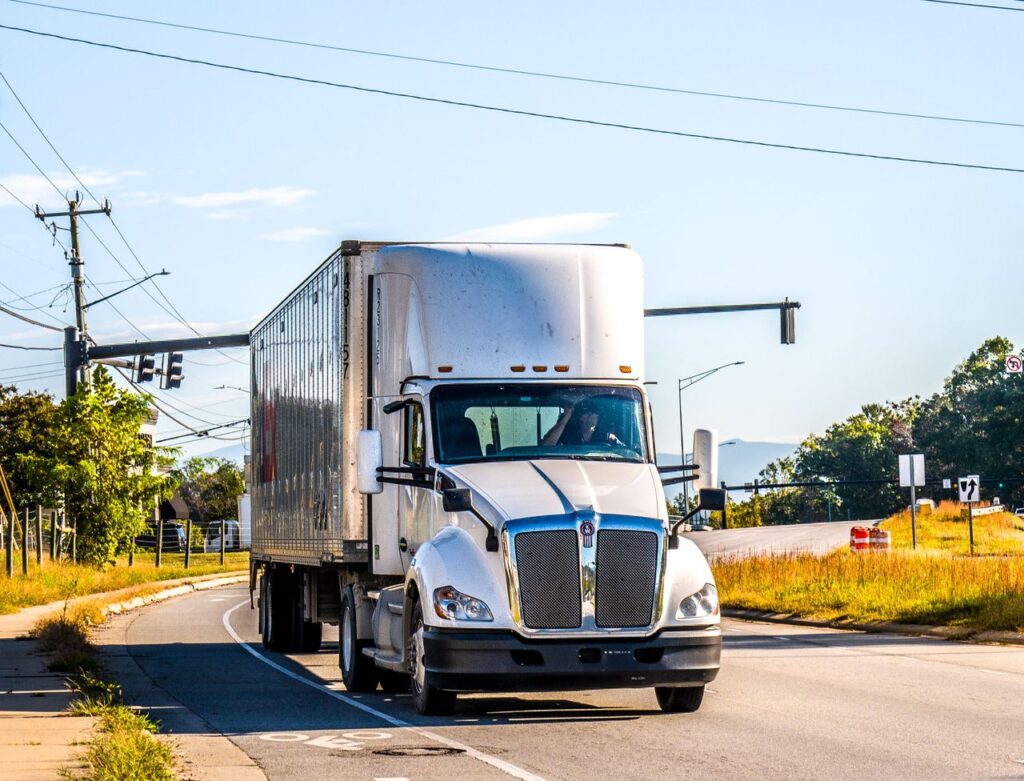
White semi truck pulling a dry van trailer down a highway on a sunny day, a common purchase for owner-operators checking what credit score they need to finance a semi truck

Final Thoughts

Your credit score matters for semi-truck financing, but it’s only one of the requirements that lenders weigh.

Banks usually want 700 or higher. Specialty lenders that focus on owner-operator financing look at your experience, down payment, and the truck too.

If your credit isn’t perfect, start your credit application anyway. We’ll review your full history and get back to you within four hours.

Frequently Asked Questions

Can I Finance a Semi-Truck With a 500 Credit Score?

Yes, some lenders will finance a semi truck with a 500 credit score. Expect a higher rate and a down payment of 20% to 30%. We review your overall credit, not only the score.

Can I Finance a Semi With Bad Credit?

Yes, specialty lenders, like Mission Financial, offer bad credit semi-truck loans. Collections, charge-offs, and older bankruptcies don’t automatically rule you out.

How Hard Is It to Get Financed for a Semi-Truck?

Financing a semi-truck is hard with a bank but much easier with a specialty truck lender. Your experience, down payment, and the truck’s condition matter as much as your score.

New drivers can look at first-time buyer semi-truck loans, which are built for applicants without a trucking track record.

How Much Is a Monthly Payment on a $70,000 Truck?

A $70,000 loan over 60 months costs about $1,557 a month at 12% or about $1,855 at 20%. Taxes, fees, and insurance aren’t included.

Hidden Costs in Truck Financing: What Lenders Don’t Put in the Ad

Hidden Costs in Truck Financing: What Lenders Don’t Put in the Ad

Man in a blue shirt looking up thoughtfully against a background of dollar signs while weighing truck financing costs

Truck loan ads often lead with a rate near 8%. Once fees, credit adjustments, and loan terms are added, the true cost is usually higher.

This guide covers the fees, terms, and requirements that raise your total cost. It ends with questions to ask before you sign.

TL;DR

  • Advertised truck loan rates start around 7.9% to 8.5%, but real APRs run from about 6% to 35%.
  • Compare the annual percentage rate (APR), not the interest rate, because the APR includes most fees.
  • Origination fees, documentation fees, and dealer add-ons can add thousands to what you finance.
  • Long loan terms, prepayment penalties, and personal guarantees raise your cost and your risk.

Why the Advertised Rate Isn’t the Rate Most Truckers Pay

An advertised rate is a best-case number. It usually goes to borrowers with strong credit, a newer truck, and years in business.

FreightWaves’ May 2026 review of the truck financing market found advertised starting interest rates of 7.9% to 8.5%.

Real APRs ranged from roughly 6% to 35%, depending on credit, lender type, time in business, and the truck. The same review found:

  • Traditional bank loans run about 4% to 8% APR, but banks usually want scores above 700.
  • A credit score below 680 can add roughly 2 to 5 percentage points at most specialty lenders.
  • Less than two years in business, or a truck over seven years old, can add a risk premium.
  • A 620-score carrier buying a 2017 truck with 650,000 miles could see rates of 15% to 25%.

Lenders only quote your real rate after credit checks and a full application. Your commercial truck financing rates depend on your whole file, not on the number in an ad.

Smartphone calculator on printed financial charts beside a notebook and laptop, used to work out hidden costs in truck financing

Interest Rate vs. APR: Which Number Should You Compare?

Compare the annual percentage rate (APR). The APR combines your interest rate with most upfront loan fees. That gives you a more complete yearly cost of borrowing than the rate alone.

Here’s how a single fee changes the math. Take a $100,000 loan at 8% for 60 months with a $2,500 origination fee.

The payment is about $2,028 a month. But if the lender deducts the fee from your funds, you only receive $97,500.

That pushes the APR to about 9.1%, even though the ad still says 8%.

APR doesn’t cover everything, though. Insurance, late fees, and prepayment penalties usually aren’t part of it.

Commercial lenders don’t always list an APR on a truck loan quote. If yours doesn’t, ask for it in writing before you sign.

Loan Fees That Don’t Show Up in the Ad

Fees cause most of the gap between an ad and a signed contract. These are the ones seen most often.

Origination and Documentation Fees

An origination fee covers the lender’s cost to set up your loan. A documentation fee covers the paperwork and filing.

Both can be a flat amount or a percentage of the loan. Ask for each one in dollars, in writing, before you sign.

Also ask whether any fees come out of the funds you receive at funding. For small fleets, these fees repeat on every truck you finance.

We list ours up front. Our dealership contracts, for example, include a $495 loan doc fee and a 16% prepaid finance charge. A prepaid finance charge is a finance cost paid when the loan starts. It’s built into your APR.

Dealer Fees and Add-Ons

Dealerships can add document fees, dealer preparation charges, extended warranties, and service contracts to the sales order.

Some add-ons are worth it. A service contract can save you from a major engine bill on an older truck. Others only raise the amount you finance, and you pay interest on every dollar of it.

Some dealers also earn a spread on the loans they arrange, which can raise your rate.

Sales Tax, Registration, and Licensing Fees

Sales tax and title costs depend on your state. So do registration and licensing fees. These additional costs can add thousands to the out-the-door price.

Interstate carriers also pay apportioned registration, which splits commercial truck license plate costs across the states they run.

Then there’s the federal heavy vehicle use tax. It applies to trucks at 55,000 pounds or more and reaches $550 a year above 75,000 pounds (IRS).

Buying new? Most heavy trucks and tractors carry a 12% federal excise tax on the first retail sale. Ask whether the dealer’s purchase price includes it. Used trucks don’t pay it again.

Man stacking piles of coins, representing costs

Loan Terms That Raise Your Total Cost

A long-term loan or a prepayment penalty can cost more than any single fee. Check these three terms closely.

Longer Loan Terms

A longer loan term gives you lower monthly payments but raises the total interest you pay. Here’s a $100,000 loan at 12%:

Loan term Monthly payment Total interest
60 months About $2,224 About $33,500
84 months About $1,765 About $48,300

The lower payment costs about $14,800 more in interest. Meanwhile, maintenance costs climb every year you own the truck.

A long term can also leave you owing more than the truck’s resale value, especially on an older truck.

We’ve found that shorter terms usually work out better for owner-operators. You build equity faster, and the loan ends before the big repair years start.

Prepayment Penalties

A prepayment penalty is a fee for paying off your loan early. Some lenders charge one, and others don’t.

Ask about it before you sign, especially on a long-term loan. A penalty can wipe out the savings from refinancing or selling the truck early.

We don’t charge a prepayment penalty. Our loans are simple interest contracts, so paying early reduces the interest you owe.

Personal Guarantees

A personal guarantee makes you personally responsible for the debt if your business can’t pay. Your home, savings, and other assets could be at risk.

Most specialty and online truck lenders require one. So does the SBA on most of its loans.

Ask whether the guarantee is limited to a set dollar amount or unlimited. An unlimited guarantee puts all of your personal assets at risk.

Three men talking and smiling around a laptop at an office table while reviewing truck loan options

Insurance and Down Payment Costs to Budget For

Every lender requires insurance and a down payment, and both hit your cash flow before your first load.

Required Insurance Coverage

Lenders require coverage that protects the truck, usually physical damage coverage on top of your liability policy.

Ask about the required deductible and whether the lender must be listed as loss payee. Get insurance quotes before you commit to a truck.

After a total loss, GAP insurance for semi-trucks covers what you owe beyond the truck’s value.

Down Payment and Cash Reserves

Most lenders want 10% to 20% down from borrowers with good credit. Weaker credit or less time in business can push that to 25% or 30%.

A larger down payment lowers your payment and can help with loan approval when your credit is thin.

Plan the down payment as its own expense. Paying it from your operating reserves can leave you short on fuel costs and unexpected repairs.

A zero-down semi-truck financing offer may look easier, but you finance more and pay interest on it all.

Questions to Ask Before You Sign a Truck Loan

The right questions expose hidden fees before they become part of your debt. Ask every lender these:

  • What is the APR, and how does it compare with the interest rate?
  • What fees are included, and how much is each one in dollars?
  • Is there a prepayment penalty?
  • Do I need a personal guarantee, and is it limited or unlimited?
  • What insurance do you require, and what deductible?
  • What is the total amount I’ll repay over the full loan term?
  • Is there a balloon payment at the end?

Get the answers in writing. If a lender won’t put a fee in writing, ask why before you go any further.

Signed contracts also come with lender protections, so read those terms as closely as the rate.

Borrowers who skip these questions are the ones most likely to find their truck financing costs more than expected.

Person holding a pencil over a notebook while using a calculator to add up truck loan fees and costs

Final Thoughts

The rate in a truck loan ad is only the starting point. Fees, loan terms, insurance, and the down payment all shape what you’ll pay.

Compare APRs and total repayment, not monthly payments alone. Get every fee in writing before you sign.

If you want a lender that lists its fees up front, start your credit application. We’ll get back to you within four hours.

Frequently Asked Questions

Is Financing a Truck a Good Idea?

Financing a truck is a good idea when its revenue covers the payment, insurance, and maintenance with room to spare. A truck is a business investment, and financing lets you start earning without paying cash.

What Is Low-Cost Financing?

Low-cost financing means a low APR, few fees, and a term short enough to limit total interest. The lowest advertised rate isn’t always the lowest total cost.

Are There Hidden Fees in Truck Loans?

Yes, truck loans often include origination, documentation, and dealer fees that aren’t in the ad. Ask for a written list of every fee before you sign.

Can I Pay Off a Truck Loan Early?

Usually, yes. Some lenders charge a prepayment penalty, so check your contract first. We don’t charge one on our contracts.

Cass Transportation Index Report September 2026: Shipments Rise for a Second Straight Month

Cass Transportation Index Report September 2026: Shipments Rise for a Second Straight Month

The Cass Transportation Index Report for September 2026 shows freight shipments rose 1.9% from a year ago. That’s the second annual gain in a row, following the longest freight downturn Cass has on record.

Freight spending jumped 20.4%, and truckload linehaul rates climbed 10.1% year over year. Below, we break down each index, ACT Research’s outlook, and how owner-operators can use the numbers.

TL;DR

  • Shipments rose 1.9% year over year in September, the second straight annual gain after a 42-month slide.
  • Freight expenditures jumped 20.4%, driven mostly by higher rates and fuel surcharges.
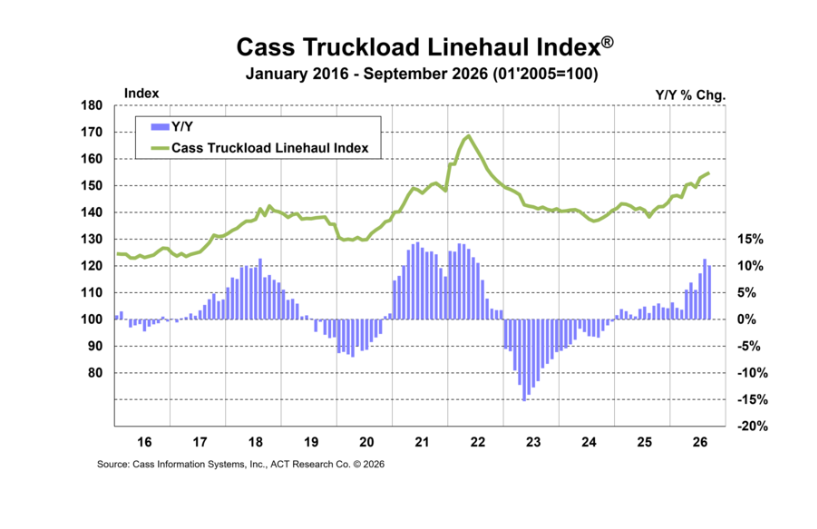
  • Truckload linehaul rates rose 10.1% year over year to 154.8, the 21st straight month of annual growth.
  • Diesel averaged $6.179 a gallon on October 12, so fuel still eats a large share of rate gains.

What Did the September 2026 Cass Report Show?

All three Cass measures rose again in September: shipments, spending, and truckload rates.

Here are the headline numbers from the Cass September 2026 report.

Index September 2026 Year over year 2-year stacked Month to month Month to month (seasonally adjusted)
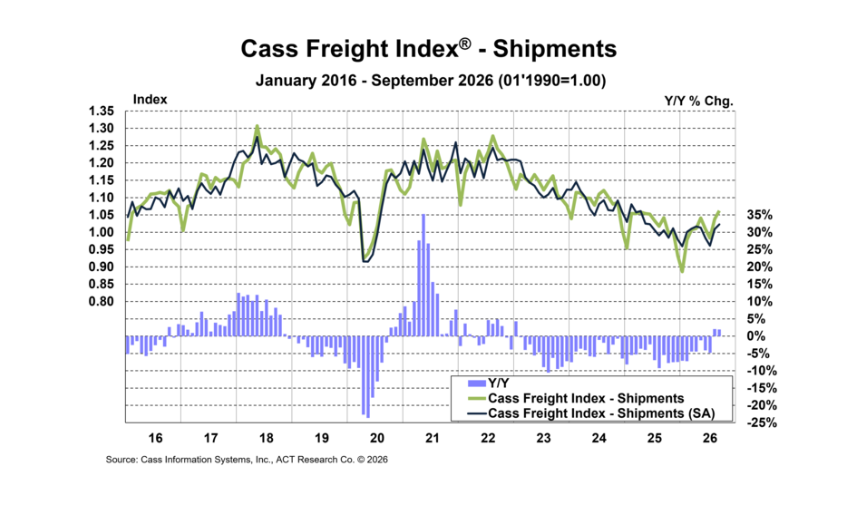
Cass Freight Index: Shipments 1.062 +1.9% -3.6% +2.3% +1.4%
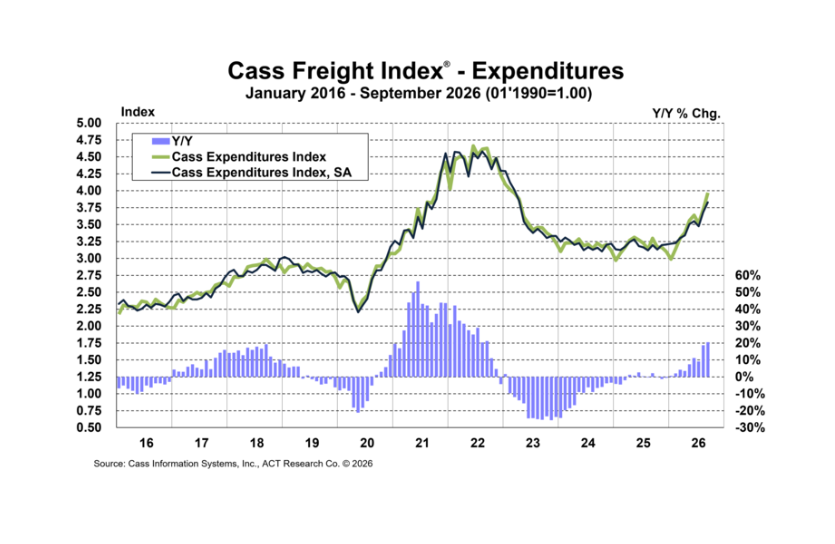
Cass Freight Index: Expenditures 3.970 +20.4% +23.1% +6.7% +4.0%
Truckload Linehaul Index 154.8 +10.1% +12.9% +0.6% Not reported

Cass builds the Cass Transportation Index Report from the freight bills it pays on behalf of shippers. So the numbers reflect freight that shippers paid to move.

Cass Freight Index Shipments Rose 1.9% Year Over Year

Cass Sep 2026 Shipments

Shipments rose 1.9% from September 2025 and 2.3% from August. Seasonally adjusted, they rose 1.4% after a 5.0% jump in August.

This is the second straight annual gain. It follows a 3.5-year downturn, the longest on record for this measure.

Volumes haven’t fully recovered yet, though. The 2-year stacked figure is still down 3.6%.

Last month, Cass expected shipments to rise about 1% in September. The actual 1.9% gain beat that by almost a full point.

ACT Research points to several drivers:

  • Modest economic growth: Retail and industrial activity both picked up.
  • Inventory restocking: Container imports are surging as shippers rebuild stock.
  • Rising equipment sales: Fleets are buying new trucks again.

In March 2026, Cass shipments were down roughly 4.5% year over year. If normal seasonal patterns hold, Cass expects shipments up about 4% year over year in October.

Freight Expenditures Jumped 20.4% Year Over Year

Cass Sep 2026 Expenditures

Freight expenditures rose 20.4% year over year in September, up from an 18.7% gain in August. This index measures what shippers pay in total to move freight, fuel included.

Shipments only rose 1.9% over the same period. So higher rates and fuel surcharges drove most of the 20.4% jump.

Seasonally adjusted, spending rose 4.0% from August while shipments rose 1.4%. That implies rates and fuel added about 2.6%.

Diesel is a big part of that. The U.S. average diesel price was $6.179 a gallon on October 12, 2026 (EIA). That’s $2.514 more than a year earlier.

The expenditures index fell in 2023, 2024, and 2025. Cass now has it on track for a 12% gain in 2026. October should run about 23% higher year over year.

Truckload Linehaul Rates Rose 10.1% Year Over Year

Cass Sep 2026 Truckload Linehaul

The Cass Truckload Linehaul Index rose to 154.8 in September. That’s up 0.6% from August and 10.1% from September 2025.

It tracks truckload linehaul pricing with fuel and accessorial charges stripped out. It covers both spot and contract freight.

September’s reading was the highest in four years and the 21st straight month of annual growth, according to FreightWaves.

The 0.6% monthly gain came in below the 0.9% year-to-date average. Spot rates eased a little, and contract bidding slowed for the season.

Contract rates, which cover most truckload freight, kept rising. That’s good news for carriers heading into fall bid season.

The index fell 10% in 2023 and 3.4% in 2024, then rose 1.8% in 2025. Cass has it on pace for a 7% gain in 2026.

What ACT Research Expects Next for the Freight Market

ACT Research expects freight to keep growing modestly into October, with fuel and interest rates as the main threats.

Intermodal Is Heading for a Record Year

ACT estimates North American intermodal volume will reach 19.3 million loads in 2026. That would beat the 2018 record of 18.9 million.

It expects 2027 to set another record. Railroad executives say they have spare capacity and are preparing chassis for more volume.

Intermodal competes most directly with long-haul truckload freight. If you run long dry van lanes, keep an eye on this number.

Risks to Watch

ACT names rising oil prices and interest rates as the two main limits on freight growth. Both hit owner-operators directly. Oil drives your fuel bill, and interest rates drive what you pay to finance a truck.

Final Thoughts

The September 2026 Cass report shows a second straight month of annual shipment growth. Linehaul rates are up 10.1%, and contract rates are still rising.

Diesel above $6 a gallon keeps margins tight. Track your costs closely and lock in solid lanes during bid season.

If you need to replace a truck, cover a repair, or add to your fleet, start your credit application. We’ll get back to you within four hours.

How to Refinance a Semi-Truck Loan (And When You Should)

How to Refinance a Semi-Truck Loan (And When You Should)

Truck owner reviewing paperwork on a clipboard with a mechanic in front of a blue semi truck.

To refinance a semi-truck loan, you take out a new loan that pays off your current one. The new lender then holds the lien on your title until you pay off the loan.

Most owner-operators refinance for a lower rate, a smaller monthly payment, or a way out of a bad lease-purchase deal.

At Mission Financial, we refinance truck loans and finance lease-purchase buyouts. We’ve seen which deals save drivers money and which ones only add months of payments.

What Is Semi-Truck Loan Refinancing?

Semi-truck loan refinancing means replacing your current truck loan with a new one that has different terms. The new lender pays off your old loan, and you make payments to the new lender instead. It’s a type of equipment financing, and your truck stays as the collateral.

When Does It Make Sense to Refinance a Semi-Truck Loan?

Refinancing makes sense when the new loan costs you less in total or fixes a cash flow problem. It doesn’t make sense when fees or a longer term wipe out the savings.

Good Reasons to Refinance

  • Your credit has improved: A higher credit score than when you bought the truck can qualify you for a lower rate.
  • Your payment is squeezing your cash flow: Lower monthly payments free up money for fuel, insurance, and slow freight weeks.
  • You’re stuck in a lease-purchase deal: A buyout loan makes the truck yours, with no carrier controlling your loads.
  • You’re juggling business debts: Rolling existing debt into a single monthly payment helps only if the combined rate is lower.

When Refinancing Won’t Help

  • You’re upside down: If you owe more than the truck is worth, expect lenders to want a larger down payment.
  • Your loan has a big prepayment penalty: The penalty can cancel out what you’d save on interest.
  • The truck is aging out: High-mileage trucks often only qualify for short terms or higher rates.

In our experience, the drivers who save the most refinance after a solid run of on-time payments. By then, their credit score usually reflects that history.

Young driver sitting in the open cab of a yellow commercial truck, looking back over his shoulder.

How to Refinance a Semi-Truck Loan in 6 Steps

The process for a refinance looks a lot like getting your original loan.

1. Review Your Current Loan Terms

Start with your last statement and your loan contract. Write down these numbers:

  • Your current interest rate and APR
  • The remaining balance and the number of payments left on your financing term
  • Your payoff amount, which sets your new loan amount (ask for a written payoff quote)
  • Any prepayment penalty or early payoff fee

A prepayment penalty is a fee some lenders charge if you pay a loan off early. Many commercial truck contracts carry clauses like this.

Also check whether your loan uses simple interest. With a simple interest contract, paying early cuts your interest. Some precomputed loans don’t give you that break.

2. Check Your Credit Score

Pull your credit report before any lender does. Look for errors and old collections you can clear up.

Most truck lenders check your personal credit with a hard credit pull. Established businesses may also have their business credit reviewed.

A hard inquiry usually takes less than five points off a FICO score.

FICO groups mortgage, auto, and student loan inquiries made within 14 to 45 days into one. A commercial truck inquiry may not get that treatment, so keep your shopping to a tight window.

3. Find Out What Your Truck Is Worth

Lenders compare your loan balance to the truck’s value. They call this loan-to-value, and if the balance is higher, you’re upside down. That gap shapes your down payment requirements. A used truck can be worth far less than its purchase price.

Check recent sale prices for similar trucks. If you’re upside down, GAP coverage for semi-trucks pays the difference if the truck is totaled.

4. Gather Your Documents

Most lenders will ask for:

  • Your current loan statement and payoff quote
  • The truck’s title and registration
  • Your CDL or driver’s license
  • Recent bank statements or tax returns
  • Proof of insurance
  • A spec sheet with the year, make, model, VIN, and mileage

Running an LLC or corporation? Add your operating agreement or articles of incorporation.

A newer trucking business with little history may need a business plan that shows how the truck brings in revenue.

Trucking business owner reviewing paperwork and filling out a financing application at a desk

5. Compare Lenders on APR and Terms

Compare lenders on APR. It includes fees, so it shows the full cost of the loan.

FreightWaves reports commercial truck loan APRs in 2026 run from about 6% to 35%.

Ask each lender if it charges an application fee. Be wary of any lender that claims to guarantee approval before it reviews your file.

Our guide to commercial truck financing rates explains what moves your rate across refinancing options.

6. Sign the New Loan and Transfer the Lien

Once you’re approved, check the rate, term, payment, fees, and payoff rules before you sign.

Your new lender pays off the old loan and records itself as the lienholder. Keep making old payments until the payoff is confirmed, or you risk a late fee and a credit ding.

How Much Can You Save by Refinancing?

Your savings depend on the rate drop, the term, and fees. Here’s an example with a $35,000 balance and 30 months left at 27% APR. Figures are estimates and exclude fees.

Option Monthly payment Total interest left
Keep current loan (27%, 30 months) About $1,617 About $13,509
Refinance at 20% for 30 months About $1,492 About $9,761
Refinance at 20% for 36 months About $1,301 About $11,826

The 30-month refinance is best for saving money, cutting interest costs by about $3,748. The 36-month option frees up about $316 a month. Stretch the term too far, though, and the extra interest eats your savings.

Common Refinancing Mistakes to Avoid

Most refinancing mistakes come from focusing on the monthly payment and ignoring the total cost.

  • Ignoring fees: Doc fees, title fees, and prepayment penalties all add to your equipment costs.
  • Overextending the term: A loan that outlasts the truck’s working life leaves you paying for a parked rig.
  • Paying off the truck with a personal loan: Unsecured loans have no collateral, so lenders price in more risk. The debt also sits in your name, not the business’s.
  • Hiding problems: Lenders find past repossessions or liens anyway, and surprises slow approval.
  • Skipping tax advice: A new loan can change your interest deduction, so check with your CPA or financial advisor.

White semi truck with a 53-foot dry van trailer parked on an asphalt lot at sunset.

How Refinancing Works at Mission Financial

We refinance semi-truck loans and lease-purchase buyouts for owner-operators and small fleets in every state except Alaska and Hawaii.

  • Short terms: Refinance terms run up to 36 months, and payments typically don’t exceed $1,300 a month.
  • No prepayment penalty: Our loans are simple interest contracts, so you can pay extra and save on interest.
  • Overall credit: We weigh your full credit history, down payment, and truck along with your score.
  • Credit building: We report to all major credit bureaus, so on-time payments help rebuild your credit.

Our financing options go beyond refinancing. We also finance used truck purchases from dealers and private sellers, small fleet loans for multiple trucks, and first trucks for a new owner-operator.

Worried about your score? Our bad credit truck loans are built for drivers other lenders turn down.

Final Thoughts

Run the numbers on total cost, check for prepayment penalties, and shop lenders within 14 days.

Ready to see what you’d save? Fill out our credit application, and we’ll get back to you within four hours.

Frequently Asked Questions

What is the 2% rule for refinancing?

The 2% rule is a mortgage rule of thumb. It says to refinance if you can cut your rate by two points. For truck loans, compare total interest plus fees on both loans instead.

Can I lower my monthly payments by refinancing my semi-truck loan?

Yes. A lower rate, a longer term, or both will lower your payment, but a longer term usually adds interest.

How does refinancing a semi-truck loan affect my credit score?

Expect a small, short-term dip from the hard inquiry. On-time payments on the new loan help your score recover.

Can I refinance a semi-truck loan with bad credit?

Yes, with the right lender. A lower credit score or challenged credit shortens your list of lenders, but it doesn’t empty it.

10 Fleet Management Best Practices That Keep Your Trucking Business Profitable

10 Fleet Management Best Practices That Keep Your Trucking Business Profitable

Smiling man in a beanie and black jacket leans against a wall near a lot of parked semi trucks

The best fleet management practices come down to controlling costs, preventing breakdowns, and keeping drivers safe and compliant.

For a small fleet, that means tracking cost per mile, following a preventive maintenance schedule, and using telematics. It also means managing fuel, training drivers, and planning when to replace trucks.

Margins are thin right now, so a few cents saved per mile adds up by year-end. We work with owner-operators and small fleets every day, and the ones that last treat these practices as routine.

Below, we cover 10 best practices, the KPIs to track, and answers to common fleet manager questions.

What Is Fleet Management?

Fleet management (sometimes called fleet vehicle management) is how you run your trucks, drivers, and costs. Done well, it makes sure every truck earns more than it costs to run.

Its core elements are maintenance, fuel, safety, compliance, and financing. For a fleet of 1–10 trucks, the owner often handles most fleet operations personally.

When the owner also runs dispatch, small fleet management depends on simple systems more than fancy tools.

10 Fleet Management Best Practices

A solid fleet management strategy builds from the foundation (knowing your numbers) up to long-term planning. Start with the first three if you’re just getting organized.

1. Know Your Cost Per Mile

Your cost per mile tells you whether each load makes or loses money.

ATRI puts the 2025 industry-average operating cost at $2.336 per mile, a record high. Without fuel, costs were $1.854 per mile.

Your numbers will differ, so calculate cost per mile for commercial trucking with your own figures.

Update it every month. A rate that paid well in spring might not cover your costs by fall.

2. Follow a Preventive Maintenance Schedule

Preventive maintenance (some shops call it preventative maintenance) means servicing trucks on a set schedule, before parts fail. It’s cheaper than paying for unscheduled breakdowns and missed loads.

Repair and maintenance costs rose 8.6% in 2025, one of the biggest increases of any cost line.

Build your schedule around mileage and engine hours. Use a commercial truck maintenance checklist that covers oil, filters, brakes, tires, and the aftertreatment system.

Fleet maintenance software can send service reminders by mileage, so no truck runs past its due date.

Keep a small parts inventory for the items you replace most. Filters, belts, and bulbs sitting on a shelf beat a two-day wait for delivery.

Technician in a plaid shirt inspects a truck air filter in a repair shop during preventive maintenance

3. Make Inspections a Daily Habit

Daily inspections catch potential problems before they turn into roadside violations or breakdowns.

Federal rules require carriers to systematically inspect, repair, and maintain their trucks. Drivers must file driver vehicle inspection reports when they find a defect. Repairs cost less when you address issues as soon as a driver reports them.

Every truck also needs an annual inspection. You’ll need to keep those records for 14 months.

Give drivers a pre-trip inspection checklist so nothing gets skipped on a busy morning.

4. Use Telematics and Fleet Management Software

Telematics devices increase visibility across your whole fleet. They track location, speed, idling, fuel use, and engine fault codes in real time.

Fleet management software turns that data into reports that help you make informed decisions about routes, repairs, and drivers.

You likely already have part of a fleet management system. Most trucks need an electronic logging device (ELD) that records driving time from the engine.

When comparing trucking software for small fleets, check whether the ELD includes GPS tracking, maintenance alerts, and driver scorecards. Most of these digital tools also come with mobile apps, so you can check a fault code from your phone.

5. Manage Fuel Consumption

Fuel is one of your highest costs, so fuel-efficient driving and maintenance pay off fast.

Idling burns fuel without moving freight. Long-haul trucks burn more than a billion gallons of fuel a year idling during rest stops.

Focus your fuel management on these areas:

  • Set idle limits and track them with telematics.
  • Use a fuel card to control spending and flag odd purchases.
  • Keep tires at the right pressure.
  • Plan routes to cut empty miles and avoid traffic.

Route optimization software automates much of efficient route planning. Lower cruising speeds and driver coaching are also cost-effective fuel-efficiency strategies that don’t need new equipment.

6. Build a Driver Safety Program

A driver safety program sets clear rules, trains drivers, and tracks driver performance over time. When you improve safety, you get fewer accidents, lower insurance costs, and less wear on your trucks.

Start with these basics:

  • Written policies on speeding, phone use, and following distance
  • Driver training when someone joins and refreshers every year
  • Scorecards that track hard braking, speeding, and idling
  • Rewards for drivers with clean records

Keep the scorecards fair and share them so drivers can monitor progress. Nobody likes being graded in secret.

Pair the scorecards with practical safety tips for commercial truck drivers, like adding following distance in rain and snow.

Semi truck with a curtain-side trailer driving on an empty divided highway under a cloudy sky

7. Stay on Top of Compliance

Compliance keeps your trucks on the road and your authority in good standing. Violations can mean fines, out-of-service orders, and higher insurance premiums.

Hours-of-service rules let property-carrying drivers drive 11 hours after 10 consecutive hours off duty (FMCSA).

Keep driver files, inspection reports, and maintenance records organized and easy to pull. Organized records also make it easier to prepare for roadside inspections.

8. Track the Right KPIs

Key performance indicators (KPIs) show whether your fleet performance is improving or slipping. Pick four or five key metrics and review them monthly.

KPI What it tells you
Cost per mile Whether your rates cover your costs
Revenue per mile How well your loads pay
Fuel economy (MPG) How efficiently each truck and driver uses fuel
Idle time How much fuel you’re burning while parked
Maintenance cost per mile Which trucks are getting expensive to keep
Downtime How many days each truck sits out of service
Empty miles How often trucks run without a paying load
Safety events Hard braking, speeding, and accidents per driver

Operations leaders at large carriers can track dozens of KPIs. In our experience, small fleets get the most from three: cost per mile, maintenance cost per mile, and downtime.

Reviewing those three each month helps you identify areas where one truck costs more than the rest.

9. Protect Your Fleet Data

Your telematics, ELD, and dispatch systems hold sensitive data, so protect those logins as carefully as your bank account.

  • Turn on two-factor authentication/login for every fleet platform.
  • Give each driver and dispatcher their own login.
  • Remove access the day someone leaves.
  • Be wary of emails asking you to “verify” load or payment details.

Good data security also protects you from freight fraud and double brokering scams.

10. Plan Vehicle Replacement and Financing Early

Replacing a truck before repair costs spiral protects your cash flow. Waiting until it dies usually means buying in a hurry.

Carriers ran trucks an average of 633,772 miles before replacing them in 2025. That was up nearly 50,000 miles, as weak rates pushed carriers to keep trucks longer.

Track each truck’s maintenance cost per mile. A steady climb is usually the first sign it’s time to replace the vehicle.

Line up financing before you need it. Our small fleet loans help owner-operators add or replace trucks without draining their reserves.

Person counting cash over financial reports, a phone calculator, and a laptop while budgeting for a truck purchase

Final Thoughts

The key takeaways from this guide are to know your numbers, maintain your trucks, and keep drivers safe and compliant.

Start with cost per mile, preventive maintenance, and daily inspections. Then add telematics and KPIs as your fleet grows.

When it’s time to add or replace a truck, contact Mission Financial to talk through your fleet financing options.

Frequently Asked Questions

What Are the 5 Pillars of Fleet Management?

There’s no official list. A common way to split effective fleet management is into five areas: cost control, maintenance, safety, compliance, and technology.

What Are the Best Practices for Fleet Maintenance?

Service trucks on a set schedule, require daily inspections, and fix defects before the truck goes back out. Keep records for every repair, and track maintenance costs for each truck.

What Are the KPIs for Fleet Management?

The most useful KPIs are cost per mile, revenue per mile, fuel economy, idle time, and downtime. Maintenance cost per mile and safety events matter too.

How Can a Small Fleet Reduce Costs?

Cut idling, stay on top of preventive maintenance, and plan routes to reduce empty miles. Shopping your insurance every year is another simple way to reduce fleet costs.

Archives

Sign Me Up!

Stay up to date with the latest news in the commercial trucking industry.

Contact Us
close slider