

Office: (404) 975-4800

semi trucking

What Is a Straight Truck? Everything You Need To Know

What Is a Straight Truck? Everything You Need To Know

If you’re shopping for a workhorse that can handle real freight without the complexity of tractor-trailers, you’re probably asking: What is a straight truck?

A straight truck is a commercial vehicle in which the cab and cargo area are built on the same frame, with the cargo box permanently attached in a single-unit setup. Understanding how a straight truck works helps owner-operators and small fleet owners choose the right business vehicle for the routes they run and the drivers they can hire.

What Is a Straight Truck?

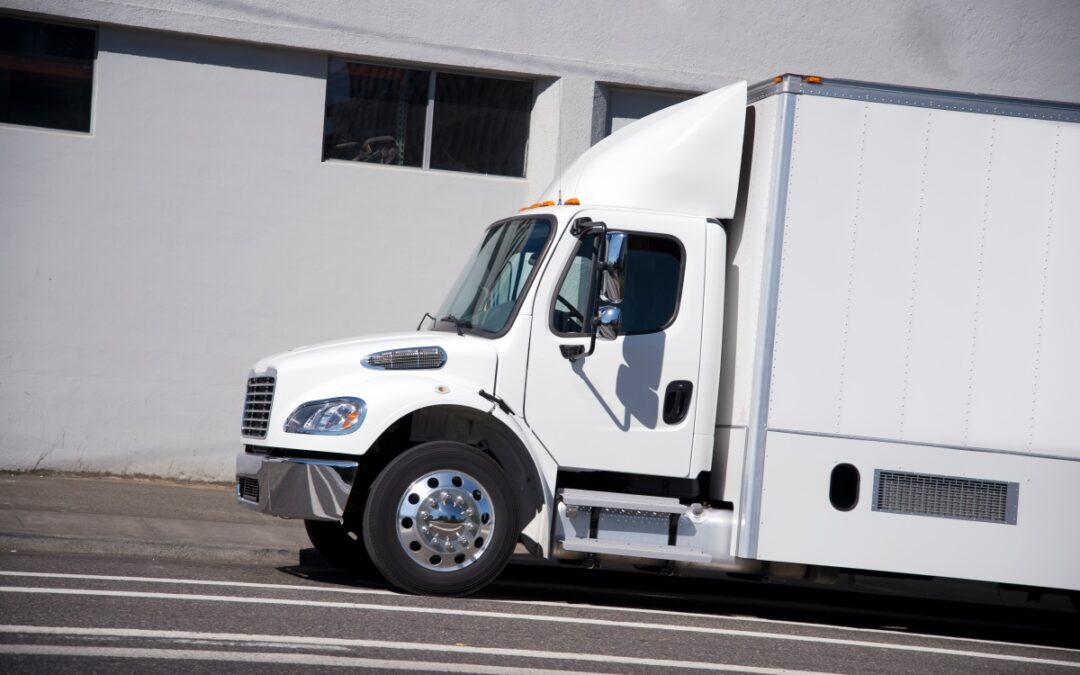
A straight truck is a commercial truck in which the cab and cargo box are mounted on the same frame and operate as one unit. This single-frame design means the cargo area cannot detach from the vehicle the way a semi-trailer separates from a truck tractor.

In simple terms, a straight truck is any regular tractor truck in which the cab and cargo box form a permanently attached structure. The driver sits in the cab at the front, while the cargo area sits directly behind it.

Many straight trucks go by different names depending on the industry or configuration. Common terms include:

  • Box truck
  • Cube truck
  • Cube van

Regardless of the label, these vehicles share the same structural concept: a cab and cargo box built on one chassis.

Many businesses rely on straight trucks for freight, e-commerce deliveries, appliance transport, and construction materials because they balance payload capacity with maneuverability.

How Is a Straight Truck Different From a Semi-Truck?

Understanding the difference between a straight truck and a semi truck is important for anyone entering the trucking industry. While both move freight, their structure and typical workloads vary significantly.

Structural Differences

The most obvious difference is the vehicle structure. A straight truck uses a single frame where the cab and cargo area remain permanently attached. The truck functions as a single-unit vehicle.

Semi trucks operate differently. A tractor truck connects to a detachable semi-trailer through a fifth wheel connection. This setup allows one tractor to pull multiple trailers.

Because the trailer can detach, semi trucks offer greater flexibility for long-haul freight shipping and large loads.

Size and Weight Capacity

Another major difference is payload and gross vehicle weight rating (GVWR). Straight trucks typically fall into the medium-duty category, usually Class 3 through Class 7.

Their gross vehicle weight rating typically ranges from 10,000 to 33,000 pounds.

Semi trucks are considered heavy-duty vehicles and often exceed 80,000 pounds combined weight with trailer and cargo.

This difference affects licensing requirements, insurance costs, the types of freight each vehicle can handle, and who you’re allowed to hire.

Operational Differences

Straight trucks tend to focus on short-haul deliveries rather than long-haul routes.

Their compact size allows them to operate in urban environments, tight streets, residential neighborhoods, and crowded loading docks.

Because many straight trucks carry smaller loads, they are often used in last-mile logistics where goods move from warehouses to businesses or homes.

What Is the Typical Weight and Size of a Straight Truck?

The straight truck size can vary depending on configuration and intended cargo.

Most straight trucks come with cargo boxes ranging from:

  • Small: 10-16 ft
  • Medium: 17-24 ft
  • Large: 26-ft

Gross Vehicle Weight Rating

The straight truck weight limit depends on the vehicle’s GVWR. GVWR measures the maximum allowable weight of the truck, including cargo, passengers, and fuel.

Straight trucks typically fall into these vehicle classes and weight ranges:

Vehicle Class GVWR Range
Class 3 10,001 – 14,000 lbs
Class 4 14,001 – 16,000 lbs
Class 5 16,001 – 19,500 lbs
Class 6 19,501 – 26,000 lbs
Class 7 26,001 – 33,000 lbs

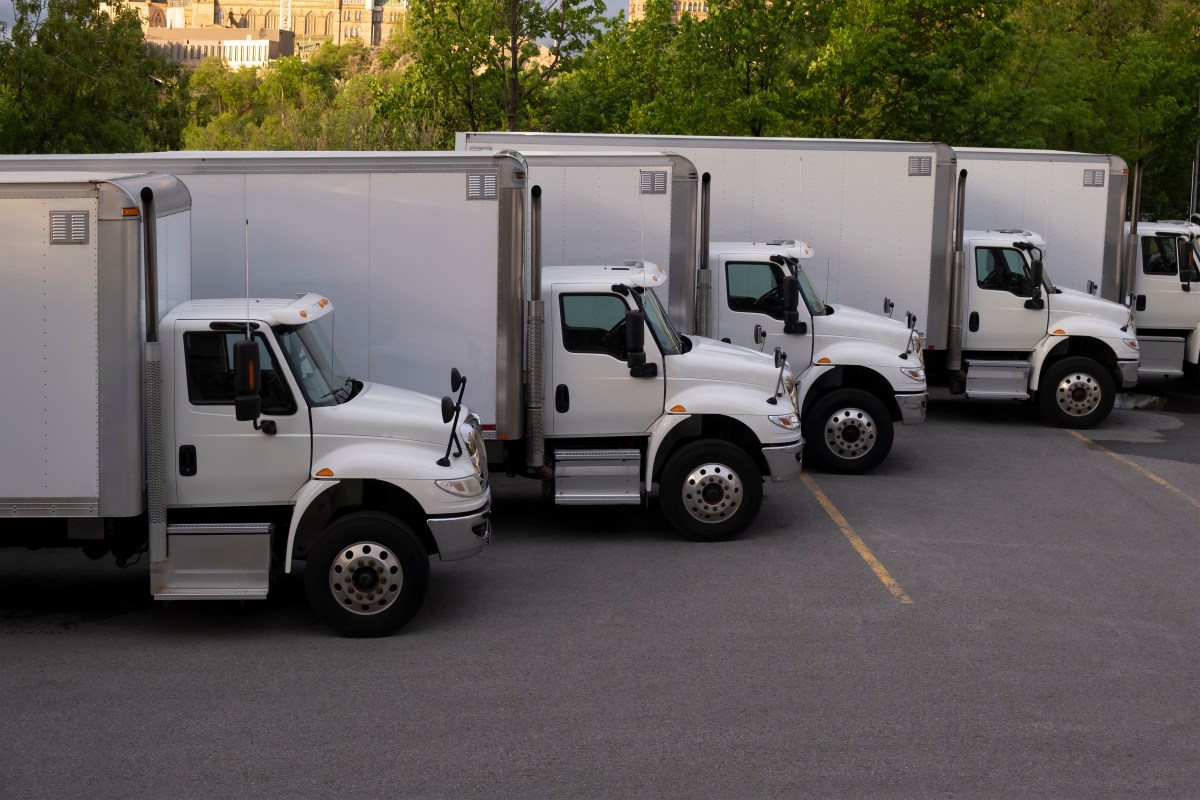
Trucks move under viaduck.

Do You Need a CDL to Drive a Straight Truck?

Many straight trucks operate below the 26,001-pound CDL threshold. Drivers can legally operate these vehicles with a standard driver’s license rather than a commercial driver’s license.

However, large straight trucks exceeding 26,001 pounds GVWR require a commercial driver’s license.

Straight Truck CDL Requirements

Straight truck CDL requirements generally follow these guidelines:

  • Vehicles under 26,001 pounds usually require only a standard driver’s license
  • Vehicles above 26,001 pounds require a Class B CDL
  • If the truck pulls a trailer exceeding 10,000 pounds, you may require a Class A CDL

For businesses, this licensing difference can influence hiring strategies. Many companies prefer straight trucks below the CDL threshold because the driver pool becomes much larger.

However, some transport companies use larger straight trucks because they offer higher payload capacity while still maintaining maneuverability in urban areas.

State regulations may vary slightly, so always check local licensing requirements.

Is a Straight Truck Right for Your Business?

Choosing the right commercial vehicle depends on the type of freight you move, as well as the operating range and your financial goals.

For many businesses, buying a straight truck makes financial sense because these vehicles deliver versatility with manageable operating costs.

Cost-Effective Operations

Straight trucks typically consume less fuel than semi trucks. Their lighter weight improves fuel efficiency, which can significantly reduce operating expenses for companies handling local freight routes.

Cars and trucks on the road through countryside, aerial view

Easier Driver Recruitment

Vehicles below the CDL threshold can be driven with a standard driver’s license. That expands the hiring pool and helps businesses avoid driver shortages.

Maintenance Advantages

Straight trucks generally have lower maintenance costs than tractor-trailers because they operate as a single unit. There are fewer mechanical components compared with tractor-trailer combinations that require additional trailer maintenance.

Insurance and Operational Simplicity

Insurance can be simpler with a straight truck because many operations run local or regional routes and spend less time in higher-risk long-haul situations like overnight parking and extended interstate exposure.

For small fleet owners or first-time buyers, this makes them a cost-effective entry point into freight transportation.

Straight Truck Financing Options

Buying a straight truck usually means protecting cash flow instead of tying up capital in one purchase.

Mission Financial Services is built for working drivers and small fleets, including first-time buyers and people with challenged credit, with a streamlined process and fast decisions so you can keep freight moving.

  • Owner-Operator Loans: Finance a straight truck with terms built around how you actually get paid, helping you manage monthly payments while you build steady revenue.
  • First-Time Buyer Loans: Get a path into the industry even if your credit file is thin, so you can secure equipment and start running loads sooner.
  • Bad Credit Loans: If past credit issues are keeping you out of a traditional approval box, MFS considers lower scores and works with drivers who have been turned away elsewhere.
  • Small Fleet Loans: Add capacity when you’re ready to grow beyond one unit, without stalling operations while you save up.

A straight truck can be the right move when your lanes are local or regional, your freight is consistent, and you want a business vehicle that earns without the complexity of tractor-trailers.

The right financing keeps that decision practical: you can put the truck to work, protect your cash flow, and scale repairs or growth around real revenue, rather than waiting for perfect timing.

A truck travels along an empty long straight road in the New South Wales countryside on a blue sky day at sunset.

Conclusion

A straight truck is a versatile commercial vehicle that combines the cab and cargo box on a single frame.

Because the truck operates as a single unit, it offers strong maneuverability, lower operating costs, more hiring options, and greater flexibility for businesses handling regional deliveries or specialty cargo.

For owner-operators, new drivers, and growing fleets, straight trucks provide a practical entry point into freight transportation.

If you are planning to purchase a straight truck, the right financing can make the process significantly easier.

Mission Financial Services helps truck drivers and small fleet owners secure fast approvals and loan programs designed for real trucking businesses.

Whether you are entering the industry or expanding your fleet, Mission Financial Services can help you get the equipment you need and get back on the road with confidence. Start your credit application today.

Frequently Asked Questions

Is a Box Truck the Same as a Straight Truck?

Yes. A box truck is simply another name for a straight truck. The term refers to the rectangular cargo box attached behind the cab.

What Class Truck Is a Straight Truck?

Straight trucks are classified by GVWR. Most operate between Class 3 and Class 7 trucks.

Do You Need a Class B CDL to Drive a Straight Truck?

In many cases, yes. If a straight truck has a gross vehicle weight rating (GVWR) of 26,001 pounds or more, the driver must hold a Class B CDL. Smaller straight trucks fall below that limit, which means they can often be driven with a standard driver’s license, depending on state regulations.

When Would a Class A CDL Be Required for a Straight Truck?

A Class A CDL is typically required when a vehicle operates as a combination unit. Most straight trucks operate as a single-unit vehicle, meaning the cab and cargo box are permanently attached.

Can You Pull a Trailer With a Straight Truck?

Some straight trucks can pull a small trailer if equipped with the proper hitch. However, they typically operate as a single-unit vehicle rather than a tractor pulling a trailer.

7 Practical Ways to Reduce Truck Emissions for Fleets

7 Practical Ways to Reduce Truck Emissions for Fleets

Reducing truck emissions is not just about meeting emission regulations. For owner-operators and small fleets, emissions problems usually show up as higher fuel costs and trucks that spend too much time parked instead of hauling freight.

If you run a commercial truck, every decision you make behind the wheel and in the shop affects fuel consumption, greenhouse gas emissions, and long-term reliability.

The good news is that most steps that reduce truck emissions also improve fuel efficiency, protect uptime, and lower operating costs. You do not need new technology to get started. You just need consistency.

Truck Greenhouse Gas Emissions: The Basics

Truck emissions include greenhouse gases, such as carbon dioxide, as well as pollutants such as nitrogen oxides (NOx) and nitrogen dioxide (NO2). These gases are usually emitted from engine exhaust.

These tailpipe emissions contribute to air pollution and increase health risks in busy freight corridors.

Heavy-duty diesel trucks emit pollutants when diesel engines burn fossil fuels. That includes time spent idling, running inefficient routes, hauling unnecessary weight, or operating with poorly maintained systems.

Why Daily Habits Drive Emissions

Fuel use is the biggest factor behind truck emissions. The more diesel a truck burns, the more greenhouse gas and carbon emissions it produces. Long idle times and hard acceleration both increase fuel consumption without moving more freight.

How and where a truck operates also makes a difference. Stop-and-go traffic and extended periods of low engine load are common on delivery routes, refuse routes, and in urban driving. These conditions raise emissions and put added strain on emissions systems that are designed to run hottest and cleanest at steady highway speeds.

Why Lower Emissions Usually Mean Better Uptime

Lower emissions usually mean your truck’s engine and aftertreatment systems are running closer to their ideal operating conditions. When fuel economy improves, the engine burns less diesel per mile you drive.

Trucks that burn less fuel produce fewer greenhouse gas emissions and cause less stress on critical components like diesel particulate filters and selective catalytic reduction systems.

A major study on medium- and heavy-duty vehicles found that these trucks contribute roughly 22% of total transportation energy use, largely due to their high fuel consumption.

Reducing fuel use directly lowers emissions, because fuel consumption and carbon output are tightly linked in diesel engines. Lower fuel use also means fewer trips through forced regeneration cycles and fewer opportunities for fault conditions, which keeps the truck on the road instead of in the shop.

When emissions stay high, the truck’s onboard systems work harder to meet the targets set by the Environmental Protection Agency (EPA). That extra work can trigger more fault codes and force the engine into protective behaviors that slow performance and interrupt your schedule.

Less strain on these systems means fewer breakdowns, less unscheduled maintenance, and more consistent uptime.

7 Practical Strategies to Reduce Truck Emissions

If you want to reduce your fleet’s greenhouse gas emissions, focus on daily habits and maintenance checks that cut fuel waste and prevent avoidable downtime.

1. Reduce Idle Time

Idle time adds emissions without moving freight. Waiting at the docks and extended winter warmups all burn diesel fuel while producing tailpipe emissions.

Shut the truck off during long waits. Limit warmups to what is needed for safe operation.

Cutting idle time immediately lowers fuel consumption and reduces wear on the engine and emissions systems.

smoky truck in a traffic jam

2. Keep DPF, DEF, And SCR Systems Healthy

DPF, DEF, and SCR systems are the main components that control emissions on modern heavy-duty diesel trucks.

The diesel particulate filter (DPF) traps soot and fine particles created during combustion. The truck periodically burns that buildup off during regeneration. When regeneration doesn’t happen enough, soot builds up and causes derates or forced regens.

The selective catalytic reduction (SCR) system reduces NOx emissions by injecting diesel exhaust fluid (DEF) into the exhaust stream. DEF reacts inside the SCR catalyst to break harmful gases into nitrogen and water vapor.

If DEF quality is poor, the level runs low, or a sensor fails, the system cannot do its job.

Small issues in any of these systems tend to snowball. Poor DEF quality, a failing sensor, or restricted exhaust flow can raise emissions and trigger forced regenerations.

Keeping DEF clean, paying attention to warning lights, and fixing problems early protects fuel efficiency and prevents downtime.

Healthy systems also reduce NOx emissions and help keep trucks legal in stricter markets like California.

3. Drive For Fuel Efficiency

Driving habits affect emissions because they control how hard the engine works and how much fuel it burns to do the job.

Smooth acceleration keeps the engine from dumping extra diesel fuel into the cylinders all at once. That reduces fuel burn at takeoff and lowers greenhouse gas emissions before the truck even gets up to speed.

Steady speeds matter for the same reason. Constant throttle lets the engine stay in its most efficient operating range instead of constantly correcting for speed changes.

Keeping RPMs in an efficient operating range (high enough to avoid lugging but low enough to prevent over-revving) helps reduce fuel use, limit excess heat, and extend engine life.

4. Stay On Top Of Tires And Alignment

Low tire pressure increases rolling resistance, which forces the engine to burn more fuel just to maintain speed.

Alignment problems add drag and raise fuel consumption.

Regular pressure checks and alignment inspections improve fuel efficiency without changing routes or schedules. This is one of the lowest-cost ways to reduce emissions.

A loaded truck ride on the road with thick black smoke from the exhaust

5. Cut Deadhead And Avoid Congestion

Empty miles burn fuel without generating revenue. Every unnecessary mile increases fuel consumption, raises emissions, and adds wear to the truck without improving the bottom line. Cutting deadhead miles is one of the most effective ways to lower emissions while improving overall efficiency.

Smart route planning is a big part of that strategy. Choose routes that reduce congestion to limit stop-and-go driving. Fewer starts and stops allow diesel engines to stay in more efficient operating ranges.

6. Handle Maintenance Before It Snowballs

Small maintenance issues often raise emissions before they cause breakdowns. Dirty air filters restrict airflow. Sensor problems affect fuel delivery. Minor exhaust leaks can skew emissions readings and trigger avoidable fault codes.

Fix these problems early to protect engine performance and keep fuel consumption under control.

7. Upgrade Equipment When The Numbers Work

Newer trucks often produce lower emissions because their engines run more efficiently and their aftertreatment systems are designed to handle stricter standards. Upgrading equipment can make sense when ongoing repair costs or recurring downtime exceed the monthly payment.

That does not mean every fleet needs zero-emission trucks or a switch to alternative fuels like natural gas. The goal is to match equipment to how you actually operate.

Telematics and AI help track fuel use and maintenance patterns so upgrades happen at the right time, when they support uptime and cash flow rather than create pressure.

Aerial view hydrogen truck on forest highway. Sustainable transportation. Blue zero emission vehicle driving through green landscape. Eco-friendly logistics solution. Clean energy freight delivery.

Frequently Asked Questions

What’s The Fastest Way To Reduce Truck Emissions?

Cutting idle time and fixing maintenance issues usually delivers the fastest results. These steps reduce fuel consumption and emissions almost immediately.

Does Idling Really Increase Emissions That Much?

Yes. Idling burns diesel fuel while the freight isn’t moving. That increases greenhouse gas emissions and air pollution while adding wear and tear on emissions systems.

Can Poor Maintenance Cause Higher Emissions?

Yes. Problems with diesel particulate filters, SCR systems, or sensors can increase emissions. Poor maintenance also increases downtime and repair costs.

Do Fuel-Saving Driving Habits Reduce Emissions Too?

They do. Driving habits that improve fuel economy also reduce carbon emissions and greenhouse gas emissions across the transportation sector.

Conclusion

Reducing truck emissions comes down to consistent habits. Small changes in driving, maintenance, and planning improve fuel efficiency, protect uptime, and lower operating costs over time.

For fleets and owner-operators, steady improvements matter more than chasing every new technology.

Staying compliant and efficient is easier when your equipment and financing strategy work together.

Whether you are managing repairs or upgrading to fuel-efficient engines, Mission Financial Services offers financing options designed for owner-operators and fleet owners.

Ready to get on the road with flexible truck financing? Start your credit application with Mission Financial Services today.

Class 8 Truck Emissions Regulations: What Carriers Need to Know

Class 8 Truck Emissions Regulations: What Carriers Need to Know

If you are shopping for a truck, class 8 truck emissions regulations can be the difference between buying a dependable rig and buying a problem you will keep paying for.

A low price is not a win if the truck cannot pass inspection where you run, keeps derating under low engine load, or needs a costly repair right after you sign. The rules affect which trucks you should consider by model year and what paperwork you need when lenders and dealerships review the deal.

Below, we’ll cover the systems on today’s diesel trucks, the federal vs. state regulatory landscape, and the practical steps that keep you compliant and on the road.

What Are Class 8 Truck Emissions Regulations?

Class 8 truck emissions regulations are federal and state rules that limit the amount of pollution heavy-duty vehicles can emit during operation.

These emissions regulations are enforced at the federal level by the Environmental Protection Agency (EPA) and, in certain states, through stricter local programs.

What Emissions Regulations Control

Emissions regulations focus on three primary outputs from heavy-duty diesel engines.

  • Nitrogen oxides, often referred to as NOx, contribute to smog and respiratory issues. They are heavily targeted by modern NOx standards and the low NOx omnibus regulations.
  • Particulate matter includes soot and fine particles that diesel engines produce under load, which are regulated through emission standards that require advanced filtration.
  • Greenhouse gas emissions contribute to climate change and are governed by standards tied to fuel efficiency and long-term carbon-reduction goals.

These rules apply across the trucking industry, from tractor-trailer trucks and sleeper cabs to day cabs, delivery trucks, public utility trucks, refuse haulers, and school buses.

While light-duty and medium-duty vehicles follow separate frameworks, heavy-duty trucks face more stringent standards due to their gross vehicle weight rating and heavy-duty engines.

Who These Rules Apply To

Truck makers and engine manufacturers must certify that new trucks and engines meet federal EPA standards.

Once the truck is in service, compliance becomes your responsibility. You must ensure all emissions equipment remains installed, functional, and legal in every state where you operate.

For fleet owners and owner-operators, staying compliant affects where trucks can operate and whether they can be registered in stricter states like California.

The smoke from the truck exhaust.soft focus

The Main Emissions Systems On Modern Class 8 Trucks

Modern heavy-duty diesel engines rely on several emissions systems working together. These systems are designed to meet tightening EPA regulations and evolving emission standards across the trucking industry.

Diesel Particulate Filter (DPF)

The diesel particulate filter captures particulate matter before it exits the exhaust. During regeneration, trapped soot burns off at high temperatures.

Commercial trucks that spend a lot of time idling or operating under low engine load often struggle to regenerate properly. Low-load operation is common in delivery trucks, refuse haulers, and some public utility trucks, thereby increasing the risk of DPF issues.

Selective Catalytic Reduction (SCR) And Diesel Exhaust Fluid (DEF)

Selective catalytic reduction systems reduce NOx emissions by injecting diesel exhaust fluid into the exhaust stream.

This process converts harmful gases into nitrogen and water vapor. SCR systems depend on DEF quality and working sensors.

Many newer heavy-duty vehicles also use dual-dosing systems to meet NOx limits across a wider range of test cycles.

Exhaust Gas Recirculation (EGR)

Exhaust gas recirculation lowers combustion temperatures inside the heavy-duty engine. It does this by routing some exhaust gases back into the intake.

This reduces NOx formation during combustion. EGR systems work alongside SCR and DPF systems to meet federal emission standards.

What Happens When These Systems Fail

DPF issues can lead to forced regenerations or engine derates. SCR or DEF faults can reduce power or prevent the truck from completing a run.

For fleet owners, that means downtime and unplanned repair costs that disrupt fleet operations and strain cash flow.

Black big rig classic semi truck with with thick black smoke coming from the exhaust pipes transporting cargo in bulk semi trailer running on the road polluting the environment

Federal Vs State Emission Standards: Why Location Matters

The regulatory landscape for heavy-duty trucks looks very different at the federal level compared to certain states.

EPA Baseline Standards At The Federal Level

At the federal level, the EPA sets emission standards for heavy-duty vehicles through regulations and formal rulemaking. The EPA finalized the Clean Trucks Plan, which tightens NOx standards starting with the 2027 model year and updates test procedures to better reflect real-world driving.

The agency also enforces greenhouse gas emissions standards through GHG standards that extend into the next decade. These vehicle standards aim to reduce greenhouse gas emissions by improving fuel economy and fuel efficiency across diesel trucks and other duty vehicles.

CARB-Style Rules And Stricter State Enforcement

California enforces its own emissions regulations under separate authority. Programs like Advanced Clean Trucks and the low NOx omnibus regulations go beyond federal standards.

These rules affect:

  • which heavy-duty trucks can be registered
  • where they can operate
  • how long they remain viable in the resale market

Other states may adopt similar rules, which creates added compliance challenges for many fleets that run interstate routes.

Model Year Rules And Why Older Trucks Can Be Riskier

Emissions requirements have tightened over time, and model year plays a much bigger role today than it did in the past when buying a truck.

Major changes began in the late 2000s and early 2010s as emission standards became more aggressive.

SCR systems became common, particulate matter limits dropped, and NOx standards tightened. The upcoming NOx rule under the Clean Trucks Plan represents another major shift starting with the 2027 model year.

Each change added complexity to heavy-duty diesel engines and increased reliance on emissions systems to meet federal regulations.

Why Cheap Older Trucks Can Be Expensive Long Term

Cheap older diesel trucks often come with lower upfront prices, but they also carry more risk. Aging emissions components, incomplete maintenance records, and past tampering can create serious compliance problems.

In states with stringent standards, older trucks may fail inspections or face operating restrictions.

For first-time buyers or drivers with limited credit, a surprise emissions repair can quickly turn an affordable truck into a financial setback.

Resale and Operating Restrictions

Resale value depends heavily on where the next owner plans to run the truck. Trucks that cannot meet emission standards in key markets lose value and take longer to sell.

Inspection failures, registration denials, and operating limits all affect long-term value for fleet owners and small operators.

Heavy-Duty Red Dump Truck On The Highway

How Heavy Duty Trucking Emissions Regulations Impact Fleet Costs

Emissions regulations will continue to shape costs across the trucking industry in the years ahead.

Maintenance Planning and Unexpected Repairs

Stricter emission standards make preventative maintenance more important than ever. Emissions systems are not optional. Delaying repairs often leads to forced downtime, larger repair bills, compliance failures, and lost tax deductions.

Fuel Economy Realities

Greenhouse gas emissions standards are pushing truck original equipment manufacturers (OEMs) toward greater fuel efficiency through engine tuning, aerodynamics, and advanced technologies such as telematics and AI.

Some improvements deliver savings, while others require careful planning to match real-world duty cycles and avoid low-engine-load issues.

Compliance-Related Downtime Risk

EPA regulations require inducement strategies that reduce engine performance when emissions systems fail. This turns emissions compliance into an operational issue. If the system is not working, the truck does not run the way it should.

Conclusion

Class 8 truck emissions regulations continue to shape how trucks are built and operated across the trucking industry.

As engine manufacturers’ associations work with regulators on cleaner standards for new motor vehicles, the rules will keep moving toward lower emissions, advanced technology, and, in some cases, zero-emission trucks.

For owner-operators and small fleet owners, the takeaway is simple. Planning ahead protects your uptime and your cash flow.

Staying compliant is easier when you have a financing plan that accounts for real-world operating costs.

Whether you need funds for repairs or you are adding another truck to your fleet, Mission Financial Services provides financing options tailored to the trucking industry.

Ready to get on the road with flexible truck financing? Start your credit application with Mission Financial Services today.

How Much Down Payment Do You Need to Lease a Semi Truck?

How Much Down Payment Do You Need to Lease a Semi Truck?

Leasing a semi truck can be a convenient way to get on the road, but the deal can feel unclear until you know what you will actually need upfront. The first question most drivers ask is the right one: how much of a down payment will you need to lease a semi-truck?

The honest answer is that it depends on numerous factors, including your credit score, credit history, the truck you choose, and how the lease is structured.

Two drivers can look at the same truck and end up with very different down payment requirements and monthly payment numbers.

Below, we go over typical down payment ranges and the specific factors lenders consider when setting terms.

How Much Down Payment To Lease A Semi Truck: Quick Answer

For most drivers, the down payment to lease a semi truck typically falls between 0% and 15% in advertised down payment, depending on how the lease is structured and what costs are due at signing.

Here’s how it usually breaks down in real-world deals:

  • Low end (0%–5% down): Often limited to the first monthly payment plus fees, not truly zero cash due. These structures usually come with higher monthly payments and are most common for drivers with strong credit and stable income.
  • Mid-range (5%–10% down): A common range for many owner operators. This level helps secure approval while keeping the monthly payment manageable without draining cash flow.
  • Higher end (10%–15% or more): More likely when credit is challenged, the truck is older, or the lease carries more risk. A higher down payment reduces lender exposure and can improve approval odds.

Because down payment requirements vary so widely, working with a lender that understands the trucking industry can make a major difference.

For example, at Mission Financial Services, we focus on flexible commercial truck financing structures and fast approvals, helping drivers explore realistic and achievable options.

What Determines Your Down Payment For A Semi Truck Lease

There is no single down payment number that applies to every driver or every deal. When lenders decide how much money you need upfront, they look at a combination of credit, business stability, the truck itself, and how the lease is structured.

Each factor affects risk, and higher risk usually means more cash required at signing.

Here are the main factors lenders consider when setting a semi truck lease down payment:

  • Credit score and credit history: Strong credit often qualifies for lower down payments and more flexible terms. Bad credit or a thin credit file typically leads to higher down payment requirements.
  • Time in business and business history: New businesses and first-time buyers are considered higher risk, even with solid income. Established fleets with consistent revenue usually have more options.
  • Truck age, condition, and type: New semi trucks with controlled mileage are easier to place in a lease than older, high-mileage used semis. Truck type and expected value at the end of the lease also matter.
  • Monthly payment target and lease term: A longer lease with lower monthly payments may require a larger down payment. Shorter lease terms often shift more of the cost into the monthly payment instead.
  • Cash flow and bank statements: Lenders review how money moves through your business. Strong, steady cash flow can sometimes offset weaker credit or limited business history.

Leasing Vs Financing Options: Why Down Payments Work Differently

Leasing a semi-truck and financing a truck are not the same, and down payments work differently in each structure.

With a lease, the lender or leasing company typically retains ownership of the vehicle. Because the truck is not becoming your asset right away, the lease shifts risk differently. Mileage limits, wear guidelines, and end-of-lease conditions all factor into the payment requirements.

With a semi truck loan or financing, you are purchasing the vehicle. The down payment creates equity in the truck from day one. While financing often requires a larger down payment and longer loan term, it can be a better fit for drivers focused on ownership and long-term value.

Commercial vehicle financing may make more sense if you plan to keep the truck for many years or build equity as a part of your business finances. Leasing can be a convenient way to manage short-term costs and preserve cash, but it often leads to higher total costs over time.

Additional Upfront Costs When Leasing A Semi-Truck

The down payment is only part of the upfront cost to lease a semi truck. Even if the monthly payment looks affordable, these items can change what you can realistically budget before you take delivery.

Common upfront costs when leasing a semi truck include:

  • First payment and timing: Often due at signing, and some dealers collect the first and last payment up front.
  • Security deposit: Often required for new businesses or borrowers with limited credit. It’s typically refundable at the end of the lease, but it does tie up cash for the duration of the term.
  • Insurance down payment: Frequently one of the highest upfront costs, especially for an owner-operator with new authority.
  • Permits and compliance costs: IRP and IFTA setup, plates, and other required items can hit early in the process.
  • Sales tax, registration, and documentation fees: Sales tax varies by state and lease structure, but it adds to the total cost at delivery.
  • Maintenance reserves and warranty coverage: Used truck deals often require a stronger maintenance plan, and setting aside cash up front can reduce the risk of missing a payment later.

How To Lower Your Down Payment on a Commercial Truck

Lower down payments usually come from lowering lender risk. You do not have to be perfect, but you do need to make your credit application easy to approve and easy to price.

Here are practical ways to improve approval odds and reduce the down payment requirement:

  • Strengthen your credit profile before the credit check: Paying revolving balances and fixing errors can raise your credit score faster than most drivers expect. Even a small improvement can reduce your payment requirements or move you to better financing options.
  • Match the truck to lender guidelines: A new semi or a late-model used semi that fits common lender rules (reasonable miles, standard truck type, clean condition) is usually easier to secure with lower down payments than an older, high-mileage used truck.
  • Bring documentation that proves stability: Bank statements show cash flow and spending patterns. Tax returns show business history. Settlement statements and contracts show income consistency. Strong documentation can help offset bad credit or limited time in business.
  • Control your monthly obligation picture: Lenders look at whether the payment fits your budget. If you already have high debt payments, you may be pushed toward a higher down payment or higher monthly payments. Keeping debt-to-income in check improves the financing work behind the scenes.
  • Have a clear plan for the lease term and end of the lease: Lenders pay attention to long-term plans. If the plan is unclear, the deal is riskier. If your plan is stable, the structure can be more flexible.

Frequently Asked Questions

Can I Lease A Semi Truck With No Money Down?

True $0 down is uncommon once the paperwork is finalized. In most cases, “no money down” still means an upfront cost like the first payment, fees, or a security deposit, and the deal may be offset with higher monthly payments.

What Credit Score Do I Need To Lease A Semi Truck?

There is no single credit score cutoff because lenders also look at credit history, income documentation, and business stability. With bad credit, you may still qualify, but you may need a higher down payment or a structure similar to semi truck financing.

Do I Need A Down Payment If I Have A Co-Signer?

A co-signer can improve approval odds, especially if they have strong credit and a stable income. Even so, many lenders still require a down payment to reduce risk and confirm the borrower can contribute cash to the deal. A co-signer may also help you qualify for a better interest rate or more flexible truck financing terms.

Aerial view semi truck trailer cargo on mountain curve road, Semi truck trailer cargo business logistic transportation on green forest road curve, Semi truck delivery asphalt road green forest tree.

Conclusion

Locking down the numbers early keeps you in control of the deal instead of scrambling at the finish line.

Once you know what you can put down and what you need to keep in reserve, it’s much easier to choose terms that fit your monthly budget, protect cash flow, and support the way you want to run your business long term.

If you are comparing a lease to semi-truck financing, or want to see what approval could look like, Mission Financial Services can help you map out the most practical financing options. The right plan can protect your business vehicle and keep your finances steady as your business grows.

Get in touch with us or start your credit application online for fast approvals and comprehensive support.

Truckload Spot Rate Spikes: What an 8% Jump Signals for 2026

Truckload Spot Rate Spikes: What an 8% Jump Signals for 2026

Truckload spot rate spikes have captured attention across the freight market after an 8% jump recorded over a recent two-week period.

For owner-operators, first-time buyers, and small fleets, this is a data point that hints at how fragile current market conditions remain and how quickly opportunity and risk can appear.

Many drivers are still operating through a prolonged freight recession, with demand remaining weak in several lanes and elevated costs continuing to pressure margins.

Understanding why sudden rate spikes happen and what they may signal for 2026 helps drivers decide when to secure financing before the next swing.

Why This Spot Rate Jump Matters

The 8% jump refers to truckload spot rates excluding fuel, a metric commonly tracked through the National Truckload Index (NTIL). While spot rates are not a perfect measure of overall market health, they are widely viewed as one of the fastest indicators of how carriers perceive the value of their services in real time.

Over the two-week period from November 19 to December 4, 2025, spot rates rose more sharply than they did around the same holiday window in the previous two years. Although similar seasonal moves have occurred in the past, the defining difference this year has been how sudden and abrupt those increases have become.

This pattern reflects a market that remains stuck between excess capacity and recovery. Capacity has been slowly exiting since early 2023, but weakening demand has offset much of that tightening. As a result, carriers appear hesitant to raise rates until it becomes absolutely clear that market conditions allow them to do so.

That hesitation may be masking a tighter underlying market than headline indicators suggest. When disruption does occur (whether from seasonal pressures, regulatory friction, or temporary capacity pullbacks), pricing reacts quickly.

These short, sharp rate movements highlight how fragile current market conditions remain and why volatility, rather than a smooth recovery, is increasingly shaping expectations for the period ahead.

View from the driver's seat of a truck of the highway and a land

Spot Rates Explained

Spot rates are the price you get for a load right now, usually booked one load at a time. They are different from contract rates, which are negotiated in advance and stay more stable over weeks or months.

Shippers use the spot market when they need quick coverage. That usually happens when they have a last-minute load, a route problem, or their usual contract carrier cannot take it.

If contract carriers are increasingly unwilling to haul certain freight or lanes, more loads spill into the truckload spot, and prices can change fast.

Spot rates move quickly because they react to what drivers are actually doing in real time.

If a lane gets short on trucks, prices jump. If winter weather slows down pickups and deliveries, fewer trucks are available, and rates climb. If the weather clears or more trucks reposition into that lane, rates can drop just as fast. Contract rates usually lag behind because they take longer to renegotiate and update.

This is why spot pricing is often an early signal for the freight market.

Spot rates react immediately to market conditions while contract rates adjust more slowly over time. Spot markets often reflect changes before contract pricing does, especially during seasonal disruptions or periods of regulatory pressure.

What’s Driving These Sudden Spikes Right Now

Truckload spot rate spikes rarely come from one single cause. Sudden rate spikes are happening because the system is less forgiving, so small disruptions create an outsized reaction.

These are the current drivers:

  • Capacity is thinner than it looks: Carrier details analysis suggests carrier attrition continues after the prolonged freight recession, with many motor carrier property authorities exiting. That can push carriers offline and reduce the cushion in trucking capacity, even when the truckload market still shows ample capacity on paper.
  • Winter weather disruptions create lane shortages: Winter weather across the Midwest and Northeast can disrupt networks and reduce available equipment. When that happens, shippers push more freight into the spot market to cover missed loads, which can raise rates quickly.
  • The market is hyper-sensitive right now: Equipment costs remain high, interest rates are elevated, and demand remains weak in parts of the housing market and the broader economy. Under normal seasonal pressure and typical seasonality, the market’s transition can swing fast, creating considerably more volatility.
  • Costs and regulatory pressure still matter: Higher costs and regulatory pressure continue to affect many transportation providers, which can contribute to ongoing carrier exits over time.

What This Could Mean For 2026 Freight Conditions

The most important point is that this does not confirm a durable market recovery. While some headlines suggest improvement, most freight data still shows uneven demand.

Freight demand remains below pre-recession levels, and increases in freight volumes have been limited to specific regions rather than across the entire truckload market.

Looking toward 2026, the more likely scenario is continued volatility rather than a smooth rebound. Spot rates may rise for short periods, fall back, then rise again as seasonal disruptions affect already fragile networks.

Contract rates could follow in select lanes, but the broader market has not fully worked through the excess capacity built up earlier in the cycle.

For carriers, this environment creates short, temporary leverage windows. When truckload spot rates move closer to contract rates, carriers gain negotiating power. Those moments tend to favor operators with strong cash flow, reliable equipment, and disciplined planning. Operators who are unprepared may struggle once rates normalize again.

Winding road in the forest in the fall with truck on the road

What Owner-Operators And Small Fleets Should Do Next

Truckload spot rate spikes should change how you operate this week, not just how you feel about the market. Treat them as signals that market conditions are tightening temporarily in certain lanes, not guarantees of higher earnings everywhere in the freight market.

The first step is setting a clear rate floor. Know your estimated cost per mile, using fuel, insurance, maintenance, and financing, then add your profit margin on top. If spot rates fall below that number, it is often smarter to reposition, shorten the run, or wait for a better reload than to run freight that damages your weekly average.

Next, tighten your lane plan so you can reload without burning unpaid miles. Lane discipline means sticking with lanes that repeatedly produce freight volumes and predictable reloads.

In practice, that often looks like running repeatable loops between major freight markets, where load options stay steady, and deadhead is easier to control. Chasing one high-paying load into a thin market can look good on the rate confirmation, but it often turns into extra deadhead and a lower weekly average once the next load is harder to secure.

Then, choose loads that protect your cash flow. In a volatile spot market, smart load selection means prioritizing shippers and brokers with reliable payment terms. Avoid freight that creates long waits, inconsistent schedules, or a difficult reload position.

How Financing Strategy Changes When Rates Start Moving

When spot rates swing week to week, your revenue becomes less predictable, even if you are hauling consistently. In a tighter underlying market, that unpredictability can be frustrating because you may see brief surges without enough consistency to count on them for monthly planning.

That is also why lenders mitigate risk by focusing on stability instead of your best week. Most commercial truck lenders evaluate a few core factors:

  • Credit history: How you have handled past credit, including late payments or charge-offs
  • Down payment: How much cash you can put into the deal upfront
  • Operating consistency: How steady your work history and income look over time

Drivers with bad credit or limited credit history are often turned away by traditional lenders, even when they are running viable operations. That can be a problem in a spot-driven freight market, because cash flow gaps show up quickly when repairs hit or loads soften.

Mission Financial Services is built for that reality. We specialize in owner-operator loans, first-time buyer loans, bad credit loans, and commercial truck repair loans designed to help drivers stay on the road and reduce downtime – even when waiting for a more durable market recovery.

The smartest move is to prep financing before you are forced to act. Having approval in place helps you move quickly when the right truck becomes available or when a repair cannot wait.

Semi truck on highway at sunset

Conclusion

Truckload spot rate spikes offer insight into the market’s transition, but they do not promise a smooth upward trend. The truckload market remains fragile, shaped by weakening demand, carrier exits, and sensitivity to disruption.

For owner-operators and small fleets, success is not about chasing headlines. It is about staying prepared.

Financing that supports repairs and growth at the right time can be the difference between surviving volatility and being forced out when conditions materially worsen.

Ready to get on the road with flexible truck financing? Start your credit application with Mission Financial Services today.

What You Need To Know Before Buying A Commercial Truck

What You Need To Know Before Buying A Commercial Truck

Buying a commercial truck usually means your business or plans are at a turning point. Either your trucking business has more work or an important contract on the table, or you need a commercial truck to become your owner-operator.

No matter the reason, getting a new commercial truck is a major financial decision.

So, before you sign any paperwork, it helps to understand what qualifies as a commercial truck and how different types serve different jobs. Truck class, carrying capacity, operating costs, and compliance requirements all shape how the vehicle performs in real-world use.

What Is A Commercial Truck?

A commercial truck is a vehicle used primarily for business purposes, such as hauling goods, transporting equipment, or delivering products to customers.

Commercial vehicles differ from personal vehicles in design, cargo/load capacity, durability, and regulatory treatment under the Federal Motor Carrier Safety Administration (FMCSA).

Common examples of commercial trucks include:

  • Semi-trucks
  • Box trucks
  • Dump trucks
  • Cargo vans
  • Service or delivery trucks

These vehicles are built to handle repeated business use and operating conditions that personal vehicles are not designed to support.

Because commercial trucks fall under different regulatory classifications, they are often treated differently for tax purposes.

Proper income tax treatment depends on how the vehicle is used, its weight rating, and the purchaser’s tax situation. Buyers should seek tax advice from a qualified tax advisor to understand whether any tax benefits apply under applicable tax laws.

semi trucks in line

Common Types Of Commercial Trucks

Commercial trucks are grouped into classes based on gross vehicle weight rating, which affects usage, cost, and licensing requirements.

  • Class 3–5 trucks are light-duty commercial vehicles. These include cargo vans, smaller box trucks, and pickup-based commercial trucks. Businesses use them for local delivery, service calls, and jobs where load capacity is limited. These trucks often facilitate easier loading and, in many cases, operate without CDL requirements (if under 26,001 lbs).
  • Class 6–7 trucks fall into the medium-duty category. These trucks offer higher carrying capacity and often use chassis cabs that accept bodies from independent suppliers. Common uses include utility service, regional delivery, construction support, and fleet operations that need durability without full heavy-duty cost.
  • Class 8 trucks are heavy-duty commercial trucks, including semi-trucks designed to pull trailers. These trucks support maximum payload ratings, heavy loads, and long-distance freight. Higher capability brings higher purchase price, stricter regulations, and increased maintenance demands.

How Commercial Trucks Are Used

Commercial trucks support a wide range of business operations, and how a truck is used should always drive the buying decision.

According to data from the American Trucking Associations, trucks move 72.7% of all freight by weight in the United States. They are central to everyday transportation and supply chains.

Many businesses rely on commercial trucks for freight hauling and long-distance transportation, especially in manufacturing and wholesale distribution.

Construction and contracting companies use trucks to move materials and equipment where durability and carrying capacity matter most.

Local delivery and service operations focus on efficiency, maneuverability, and frequent stops, which is why cargo vans and medium-duty trucks remain common in urban and regional routes.

Specialized businesses also depend on commercial trucks to haul people, operate mobile service units, or transport job-specific equipment.

With so many use cases, choosing a commercial truck without first defining its job often leads to higher costs or limited performance. The right truck supports the work, not the other way around.

Key Factors To Consider Before Buying A Commercial Truck

Before buying a commercial truck, it’s important to evaluate how the vehicle will perform in real business use.

These factors deserve careful consideration before finalizing a purchase:

  • Intended use and payload requirements: Start with how the truck will be used and what it needs to carry. Cargo and load capacity, maximum payload ratings, and whether load capacity is limited determine what the truck can legally and safely handle. Overloading increases safety risks and exposes the business to regulatory issues.
  • New versus used options: New commercial trucks may include a manufacturer’s warranty, updated safety features, and optional equipment configured for the job. Used trucks lower the purchase price but can increase maintenance costs. Carefully review the maintenance and service history, and any independent supplier alterations before committing.
  • Maintenance and operating costs: Costs continue long after the purchase. Fuel efficiency, parts availability, service access, and downtime all affect the total cost of ownership. Driver requirements also matter, since some commercial trucks require a commercial driver’s license based on weight and configuration.
  • Insurance and compliance requirements: Insurance costs and compliance obligations vary by truck class, location, and use. Regulations apply differently across fleets and business models, so confirming requirements early helps avoid delays and unexpected expenses.

How Much Does A Commercial Truck Cost?

Light-duty commercial trucks, such as cargo vans and smaller box trucks, often start in the $30,000 to $60,000 range.

Medium-duty trucks commonly fall between $60,000 and $100,000, depending on carrying capacity and body type.

Heavy-duty trucks, including semi-trucks built for long-haul or heavy loads, can exceed $150,000 or more.

The final price of a truck goes beyond the base vehicle. Dealer fees, optional equipment, accessories, independent supplier modifications, and inventory availability all affect total cost.

Commercial trucks cost more than consumer vehicles because manufacturers design them for continuous business use. Heavier frames, stronger drivetrains, higher weight ratings, and reinforced systems increase durability and safety, but they also raise the purchase price.

You should also account for ongoing costs, including maintenance, insurance, fuel, compliance, and downtime, in addition to the initial vehicle purchase.

Financing And Ownership Considerations

Most buyers finance a commercial truck rather than paying cash up front. Commercial financing works differently from auto loans and typically considers business income, credit history, down payment, and supporting documentation.

First-time buyers may face different approval criteria than established fleets, which is why understanding current commercial truck financing rates matters before committing to a purchase.

Cash flow planning also plays a central role in ownership. Monthly payments should align with revenue from the job or service the truck supports, not strain day-to-day operations.

Before finalizing a purchase, buyers should carefully review financing terms, warranty coverage, and required disclosures to avoid surprises after delivery.

A dedicated trucking financier like Mission Financial Services can help you get faster and fairer rates, even if you have bad credit or are a first-time buyer.

Frequently Asked Questions

What Qualifies As A Commercial Vehicle?

Commercial vehicles are trucks or vans used primarily for business purposes, not personal transportation. This includes vehicles used to deliver goods, haul equipment, transport people for work, or support service jobs. Weight rating, usage, and configuration determine whether a vehicle falls under commercial regulations and insurance requirements.

Are There Tax Benefits When Buying A Commercial Truck?

Yes, commercial truck purchases may qualify for tax benefits. Available tax benefits can include depreciation deductions or other forms of proper tax treatment under applicable federal tax laws. Because tax outcomes vary, buyers should consult a qualified tax advisor before relying on any potential tax benefit.

Is A Cargo Van Considered A Commercial Truck?

A cargo van can qualify as a commercial truck when used for business purposes such as delivery, service work, or transporting equipment. Cargo vans are common in local delivery and trade businesses because they offer enclosed space, easier loading, and lower operating costs compared to larger trucks.

What Are Chassis Cabs And When Are They Used?

Chassis cabs are commercial truck platforms that include the cab, engine, and frame, but no cargo body. Businesses use chassis cabs when they need a customized setup, such as utility bodies, dump beds, or service boxes installed by independent suppliers.

Conclusion

Buying a commercial truck is about choosing equipment that supports the work your business actually does. Truck class, carrying capacity, operating costs, and compliance requirements all shape how that vehicle performs once it is in service.

In the end, the right commercial truck is the one that supports your daily operations, protects cash flow, and allows your business to grow without creating unnecessary risk.

Ready to move forward with a commercial truck that fits your budget and workload?

Mission Financial Services helps first-time buyers, owner-operators, and growing fleets finance commercial trucks with terms designed for real-world business use.

Start your credit application today and secure financing that supports how you work, not just what you buy.

Archives

Sign Me Up!

Stay up to date with the latest news in the commercial trucking industry.

Contact Us
close slider