

Office: (404) 975-4800

scale

Parts & Labor Costs Up 27% Since 2019: Why Fleet Financing Has to Be Part of Your Maintenance Strategy

Parts & Labor Costs Up 27% Since 2019: Why Fleet Financing Has to Be Part of Your Maintenance Strategy

Potential Semi Truck Buyer

Combined truck parts and labor expenses have surged across the trucking industry over the last several years. Combined fleet maintenance costs increased 27.4% between 2020 and 2025, while labor expenses alone jumped 33.5%.

For owner-operators and small fleets, maintenance is no longer just a repair problem. It has become a cash flow problem, a downtime problem, and increasingly, a financing problem.

Running older trucks longer used to look like the cheaper option. Today, rising labor rates, expensive parts, technician shortages, and repeated breakdowns are changing things.

That shift is forcing many operators to rethink the relationship between maintenance and financing. In many situations, financing newer equipment may create less operational risk than continuing to run aging trucks into the ground.

Fleet Maintenance Costs Are Rising Faster Than Many Fleets Expected

The latest Decisiv/TMC benchmarking data shows how aggressively fleet maintenance costs have climbed across the industry.

Between 2020 and 2025:

  • Combined parts and labor costs increased 27.4%
  • Labor costs rose 33.5%
  • Parts costs climbed 23.8%

Several major repair categories saw especially sharp increases:

  • Cab and sheet metal costs rose nearly 64%
  • Rear axle repair costs increased 20.6%
  • Wheels, hubs, and bearings climbed 15.5%
  • Filter kit costs rose another 11.9%

Those increases affect nearly every type of fleet vehicle, from long-haul sleepers to vocational equipment and regional delivery trucks.

Even fleets with strong preventive maintenance programs are struggling to control rising maintenance expenses because pricing pressure now affects labor, parts sourcing, diagnostics, and downtime simultaneously.

For small fleets operating with tighter margins, those higher costs add pressure quickly.

Truck drivers handshaking making business agreement

Fleet Management Cost Analysis: Why Repair Bills Are Climbing Across The Industry

Several operational pressures are driving higher repair invoices across trucking.

Technician Shortages Are Driving Labor Costs Higher

Qualified diesel technicians remain difficult to recruit across much of the country. Shops are paying higher wages to attract experienced technicians, which pushes hourly labor rates higher for fleets and owner-operators.

At the same time, many repair facilities are dealing with scheduling backlogs that keep trucks parked longer before work even begins.

That downtime compounds expenses fast.

A truck sitting for four days waiting on diagnostics still generates insurance costs, truck payments, permit obligations, and lost revenue. For smaller operations, every parked truck immediately affects cash flow and dispatch capacity.

Parts Inflation Has Become a Major Problem

Parts inflation now drives a large share of rising maintenance costs across commercial trucking. The issue extends far beyond major engine failures.

Several factors continue pushing repair invoices higher at the same time, including supply chain disruptions, tariffs, and labor availability.

Fleets are seeing higher pricing across:

  • Rear axle components
  • Bearings and hubs
  • Brake systems
  • Air compressor components
  • Cooling systems
  • Filter systems
  • Electrical components

For aging semi trucks, those costs stack quickly because older equipment often needs repairs across multiple systems at once instead of isolated component replacements.

Aging Semi Trucks Require More High-Dollar Repairs

As heavy-duty trucks accumulate mileage, they often transition from predictable service intervals into expensive component failures.

That’s when fleets begin dealing with repeated repairs involving:

  • Diesel Particulate Filter (DPF) systems
  • Selective Catalytic Reduction (SCR) systems
  • Turbochargers
  • Cooling failures
  • Electrical diagnostics
  • Transmission work
  • Emissions-related sensors

The issue usually isn’t one catastrophic repair. Instead, fleets often enter a cycle where trucks require repeated high-dollar repairs every few months. One quarter may involve turbocharger work. The next may involve emissions diagnostics, wheel-end repairs, or cooling system failures.

At that point, maintenance spending becomes increasingly expensive long-term and much harder to forecast accurately.
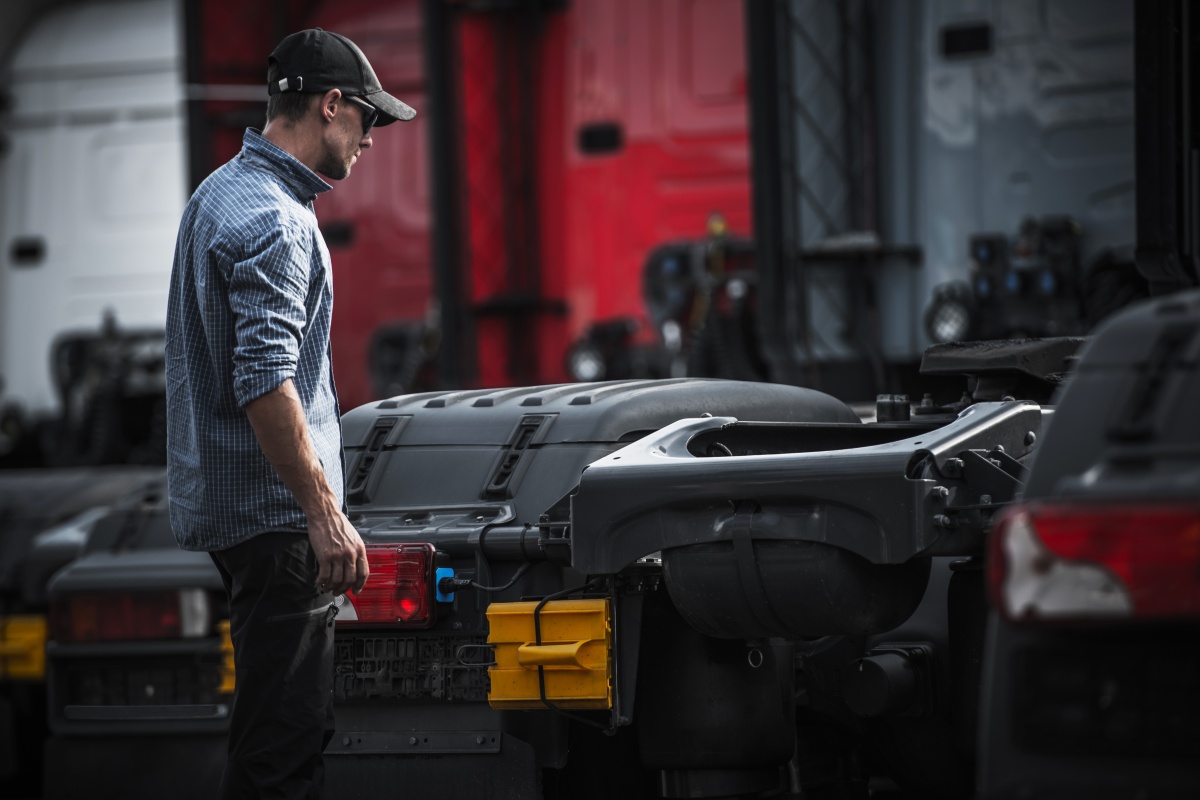
Trucker New Purchase

Why Maintenance Strategy Is Now a Financing Decision

Many trucking businesses used to separate maintenance planning from capital planning. The old mindset was just to keep the truck running as long as possible.

But today, rising fleet maintenance costs are making operators ask a different question: At what point does repair volatility become more expensive than replacement financing?

And that is changing how fleets evaluate equipment ownership.

A stronger fleet management cost analysis can help fleet managers understand whether they’re actually reducing operating expenses or simply delaying larger repair bills.

For many small operations, financing newer equipment can help:

  • Reduce catastrophic repair exposure
  • Improve uptime consistency
  • Stabilize monthly operating costs
  • Reduce emergency cash drain
  • Improve reliability
  • Reduce downtime risk
  • Support long-term business growth

Predictable monthly payments are often easier to manage than unpredictable repair spikes.

A financed truck with stable operating performance may create less financial risk than an older paid-off truck generating repeated $8,000 to $15,000 repair events throughout the year.

The Hidden Cost of Running Older Trucks Too Long

Repair invoices rarely show the full operational impact of aging equipment. Older trucks can look cheaper because they’re paid off, but repeated downtime and unpredictable scheduling can erase those savings fast.

Here’s how:

  • Downtime can cost more than the repair itself: Missed loads, tow bills, hotel expenses, rental equipment, driver disruptions, delayed delivery schedules, and lost customer confidence can all hit at once. For small fleets, even one parked truck can hurt weekly revenue and dispatch efficiency.
  • Emergency repairs usually cost more: Breakdowns rarely happen at convenient times. Fleets may face rush parts sourcing, higher rates from repair shops, roadside service premiums, secondary component damage, and expedited towing costs.
  • Unplanned repairs make it harder to reduce costs: It’s easier to schedule maintenance than react to a truck that fails mid-route. Planned work gives owners more control over timing, parts, and shop availability.
  • Older trucks don’t always save money: A paid-off truck may still become expensive if it keeps generating repair bills, downtime, and lost revenue. At a certain point, replacing equipment can help owners save money without sacrificing quality or reliability.
  • Repair volatility makes financial planning harder: Large repair spikes can disrupt payroll timing, fuel purchasing, insurance payments, expansion plans, working capital, and driver scheduling. That volatility creates stress for small businesses trying to protect uptime and customer relationships.

How Small Fleets Should Evaluate Repair Costs vs Replacement Costs

Replacement decisions should rely on operational data, not emotion or habit.

Fleet owners should evaluate:

  • Monthly repair spend per truck
  • Downtime frequency
  • Cost per mile
  • Revenue lost during repairs
  • Maintenance trends over 12 months
  • Repeat repair patterns

Fleets using fleet management software or internal maintenance data can track repairs by mileage, downtime, and vehicle wear, so decisions are based on actual operating trends instead of guesswork.

For example, a truck generating multiple large repair events annually may cost more operationally than replacing the equipment with newer, financed models.
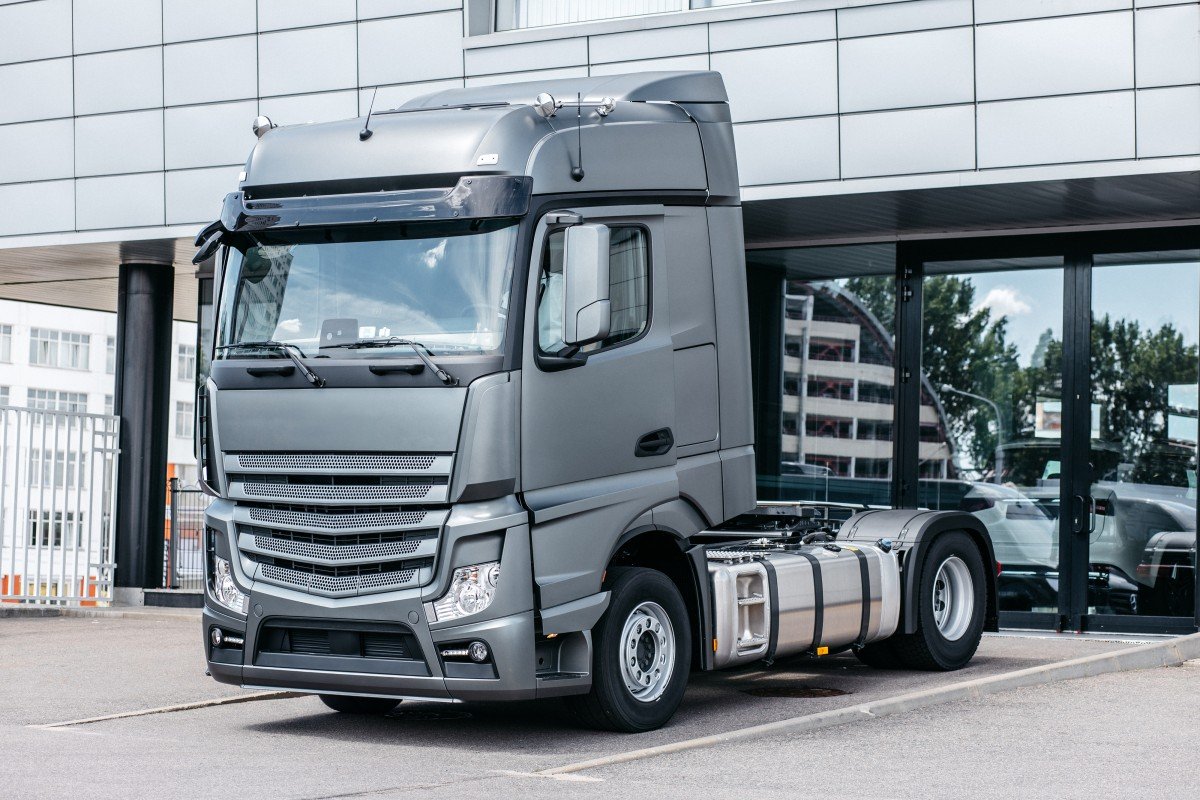
new modern truck in the parking lot of the dealership. Heavy Duty Transportation and Automotive Industry Theme

Signs Your Fleet May Be Reaching A Replacement Point

At a certain point, the truck stops functioning like a productive business asset and starts operating like a financial liability.

Common warning signs include:

  • Repairs are becoming more frequent
  • Major systems are failing repeatedly
  • Downtime is hurting customer relationships
  • Drivers are losing confidence in the equipment
  • Parts delays extend repair timelines
  • Maintenance spending is becoming unpredictable
  • Driver behavior and mileage trends are increasing repair frequency

How To Prepare Financially Before Replacing Equipment

Before replacing equipment, look beyond the latest repair invoice and evaluate the bigger operating picture.

Review repair frequency, average monthly maintenance spend, downtime patterns, cost-per-mile trends, and how often trucks are sitting instead of generating revenue. A truck that constantly needs repairs may quietly drain profitability even if it’s fully paid off.

Build a full operating budget, not just a payment estimate. Include

  • Fuel
  • Insurance
  • Maintenance reserves
  • Driver pay
  • Loan payments
  • Registration costs
  • Compliance expenses
  • Fixed costs like taxes and permits

Breaking expenses into fixed and variable categories helps fleets understand the true total cost of ownership and identify where they might be able to reduce expenses before financing another truck.

It’s also smart to organize financing documents early. Buyers who prepare ahead of time usually have more flexibility when the right truck becomes available.

Mission Financial Services helps owner-operators and small fleets approach replacement decisions strategically, not reactively.

Whether you’re trying to replace unreliable equipment, protect cash flow from escalating repair bills, or expand without overextending your business, we can help you with financing options that support long-term operational stability.
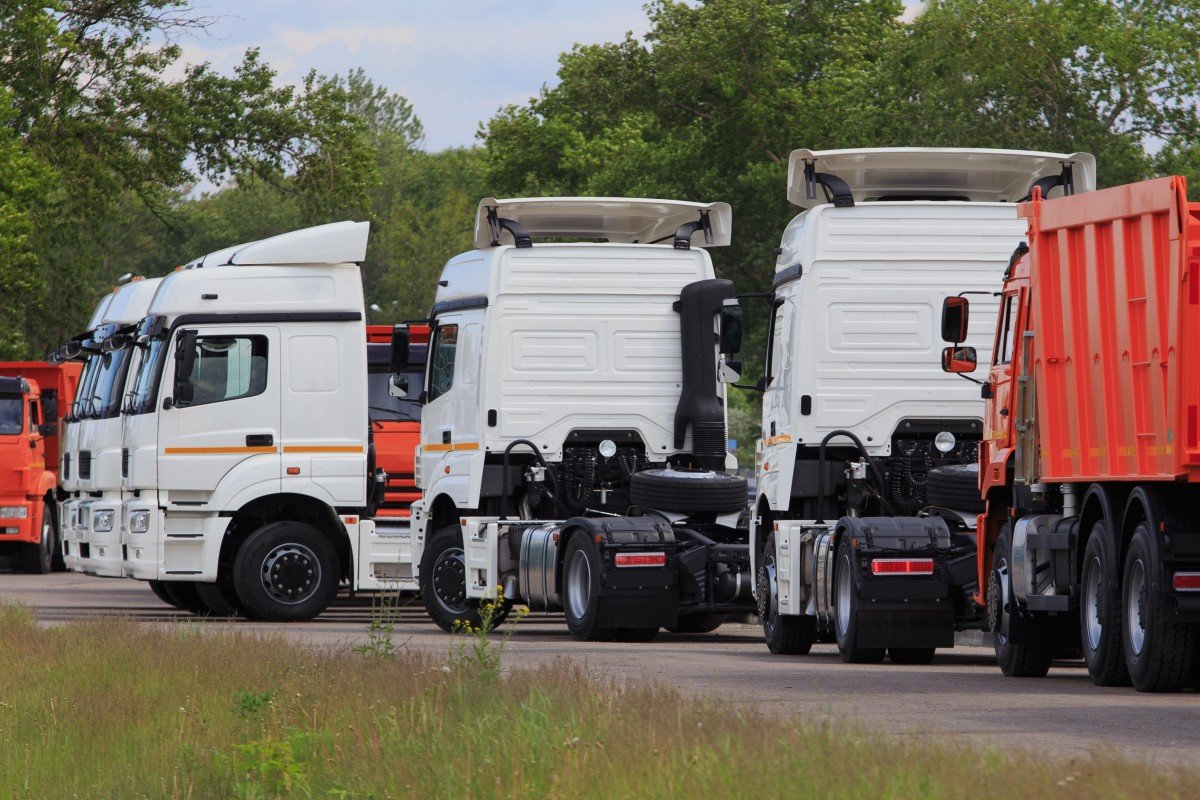
New trucks for sale

Conclusion

Rising fleet maintenance costs are no longer a slow-moving industry trend. They have become a major operational pressure point for fleets of every size.

Higher labor rates, expensive parts, technician shortages, and growing downtime are forcing trucking businesses to rethink how long aging equipment should remain on the road.

For many owner-operators and small fleets, financing newer equipment isn’t simply about adding trucks. It’s about improving reliability, protecting cash flow, reducing downtime exposure, and creating more predictable operating costs.

At Mission Financial Services, we know you only make money when your trucks are on the road.

If repair bills keep cutting into your cash flow, we can help you look at financing options for repairs or fleet growth, even if your credit history isn’t perfect.

Start your credit application today and get one step closer to a truck that works as hard as you do.


EPA 2027 Is Coming: Why Fleets Are Buying Trucks NOW

EPA 2027 Is Coming: Why Fleets Are Buying Trucks NOW

A truck-shaped lake in the midst of pristine nature, illustratin

Across the country, owner-operators and small fleets are reevaluating equipment plans because upcoming EPA 2027 diesel emissions standards could increase truck costs, change maintenance requirements, and tighten inventory availability.

Many drivers remember earlier emissions rollouts that brought expensive repairs and uncertainty.

Now, with EPA 2027 on the horizon, carriers are asking practical questions. Will new trucks cost significantly more? Could financing become harder? Will used truck prices stay elevated? Should operators buy before the new rules take full effect?

To avoid downtime and protect cash flow, it’s critical to understand what the EPA 2027 means without letting fear get in the way.

What Is EPA 2027?

EPA 2027 refers to the Environmental Protection Agency’s (EPA) final heavy-duty engine and vehicle emissions rule that starts with model year 2027 trucks.

The rule sets stringent standards for heavy-duty diesel engines, with a major focus on reducing nitrogen oxide (NOx) – a pollutant linked to smog and poor air quality.

The rule applies to new heavy-duty engines and vehicles, including many commercial trucks used in freight and fleet operations. It can also affect certain vehicle categories based on gross vehicle weight rating (GVWR), including heavy and medium-duty vehicles.

For truck buyers, the practical issue is what manufacturers must do to meet the new standards.

EPA 2027-compliant trucks are expected to use updated engine designs, emissions control technologies, additional sensors, expanded emissions monitoring technology, and, in many diesel applications, an updated SCR system.

Some manufacturers have already started previewing 2027-compliant engines, including updated platforms from Volvo and Mack.

That added technology may help reduce emissions, but it can also raise concerns around purchase price and long-term maintenance for heavy and medium-duty vehicles. For owner-operators and small fleets, those business impacts are why EPA 2027 is already influencing truck buying and financing decisions.

Eco-Friendly Journey: A White Truck Drives Through the Lush Green Hills and Forests, Symbolizing Sustainable Transportation Amidst Nature's Beauty

Why Fleets Are Paying Attention To EPA Finalized Emissions Standards Right Now

Truck replacement decisions don’t happen overnight. A fleet needs to budget for equipment, secure financing, spec a truck, and place an order months in advance, which means the 2027 deadline is already pressing on 2026 buying decisions.

The EPA’s heavy-duty NOx rule applies to model year 2027 and later heavy-duty vehicles, covering vocational trucks, day cabs, sleeper cabs, and certain emergency vehicles. The rule requires new diesel engines to meet much stricter emissions limits – roughly an 80% reduction in allowable NOx output. Manufacturers expect to achieve this through more advanced engine and aftertreatment systems.

The Phase 3 greenhouse gas rule was separately repealed by the EPA in February 2026, meaning federal GHG standards for heavy-duty vehicles no longer apply. The NOx rule, however, remains fully in effect.

Those new systems cost more to build. And that cost gets passed to buyers.

A higher truck price doesn’t just affect the sticker. It changes the down payment required, the monthly payment, the total interest paid, and the cash reserves left for fuel, insurance, tires, and repairs.

If demand surges ahead of the deadline, buyers could also face longer lead times and less room to negotiate on price or spec.

Why Many Fleets Are Pre-Buying Heavy Duty Vehicles

Many carriers see pre-buying as a way to reduce uncertainty before the next emissions transition fully arrives.

Fleets Want To Avoid Higher Equipment Costs

Industry analysts widely expect EPA 2027-compliant trucks to cost more than current models because manufacturers must redesign systems to meet stricter emissions standards.

Potential cost drivers include:

  • Engine redesigns
  • Updated aftertreatment technology
  • Additional electronic controls
  • Compliance testing expenses
  • Manufacturing adjustments

Estimates vary, but projections generally range from $8,000 to $10,000 more per truck depending on how EPA finalizes warranty and useful-life requirements.

For owner-operators and small fleets already working with tight margins, that difference can be enough to change whether a purchase pencils out at all.

However, there is some potential relief on the horizon. The EPA’s planned adjustments to the NOx rule are widely expected to eliminate the extended warranty provisions that were a major cost driver in the original rule. Warranty requirements alone were estimated to account for roughly half of the projected price increase.

If those provisions are removed, per-truck cost increases may land toward the lower end of current estimates.

Final pricing won’t be clear until EPA publishes its revised rule, so buyers should plan conservatively until there is more certainty.

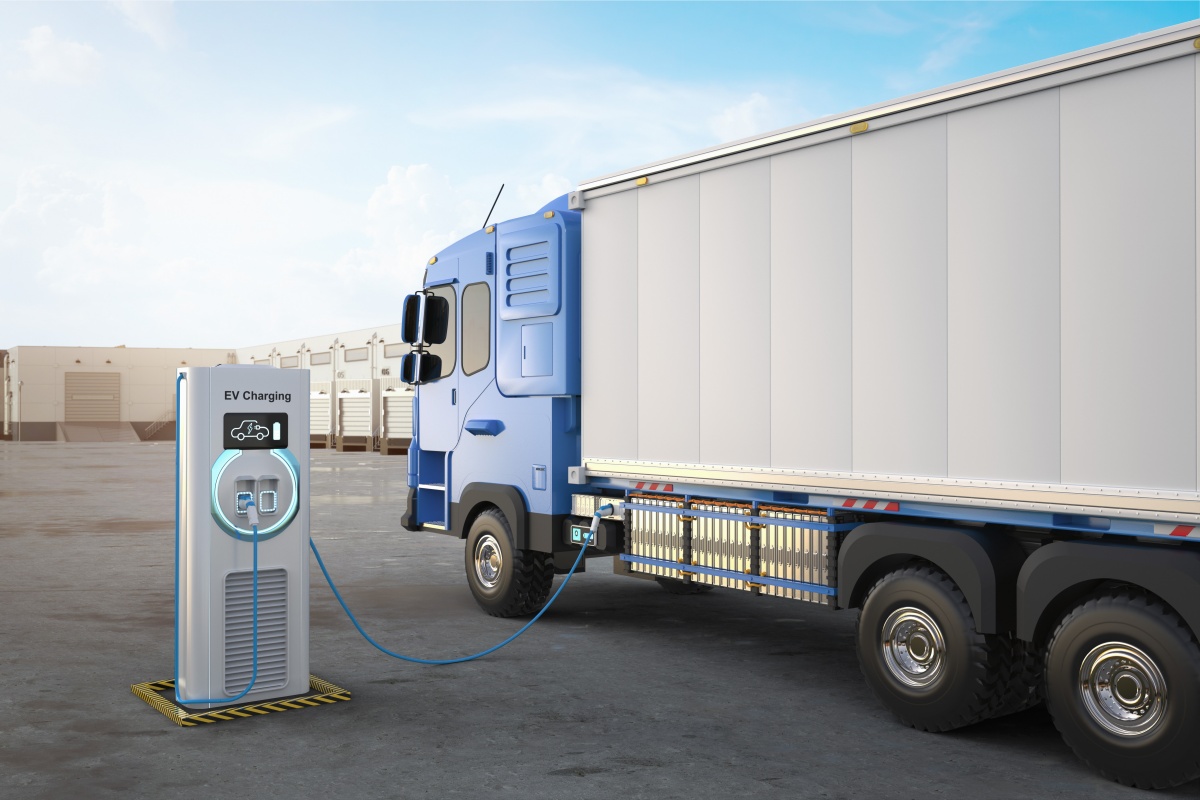
Ev logistic trailer truck or electric vehicle lorry at charging station

Fleets Remember Previous Greenhouse Gas Emissions Rollouts

Many trucking businesses still remember the 2007 and 2010 diesel emissions transitions, when new engines introduced diesel particulate filters and more complex regeneration systems.

Early adopters dealt with reliability problems, unexpected downtime, expensive repairs, and parts that were hard to find. These were costs that hit hard for smaller operations with little margin for error.

That history shapes how fleets approach new technology today. Some buyers prefer to stick with proven equipment rather than be first in line for systems that haven’t accumulated real-world miles yet. That doesn’t mean 2027-compliant trucks will repeat those problems, but operational predictability matters when a truck sitting in a shop means missed loads and lost revenue.

Used Truck Demand Could Rise

The ripple effect of the 2027 EPA regulations could also affect the used truck market. If carriers decide to hold onto pre-2027 equipment longer, used inventory may tighten further. That could keep prices elevated for desirable late-model diesel trucks.

Smaller operators may face more competition when shopping for dependable used equipment. Buyers who wait too long could find fewer options available within their budget. Limited supply can also reduce negotiating leverage at dealerships.

What EPA 2027 Could Mean For Truck Financing

EPA 2027 could affect financing because truck prices, repair risk, buyer demand, and inventory pressure may all shift at once.

For owner-operators and small fleets, that can mean:

  • Higher financed amounts: If new emissions-compliant trucks cost more, buyers may need to borrow more for the same type of equipment.
  • Larger monthly payments: A higher purchase price can raise monthly payments, total interest, insurance valuations, and sales tax.
  • More pressure on cash reserves: A bigger payment leaves less room for fuel, tires, maintenance, insurance, and emergency repairs.
  • More scrutiny from lenders: Buyers may need stronger bank statements, cleaner cash flow, a larger down payment, or clearer proof of revenue.
  • More urgency around pre-approval: If desirable pre-2027 trucks become harder to find, buyers who already know their financing range can move faster.
  • Greater downtime risk: More complex emissions systems may mean higher diagnostic costs or longer waits for parts if repairs are needed.
  • Tougher decisions for bad-credit buyers: First-time buyers and drivers with challenged credit may still qualify, but organized paperwork can make the process smoother.

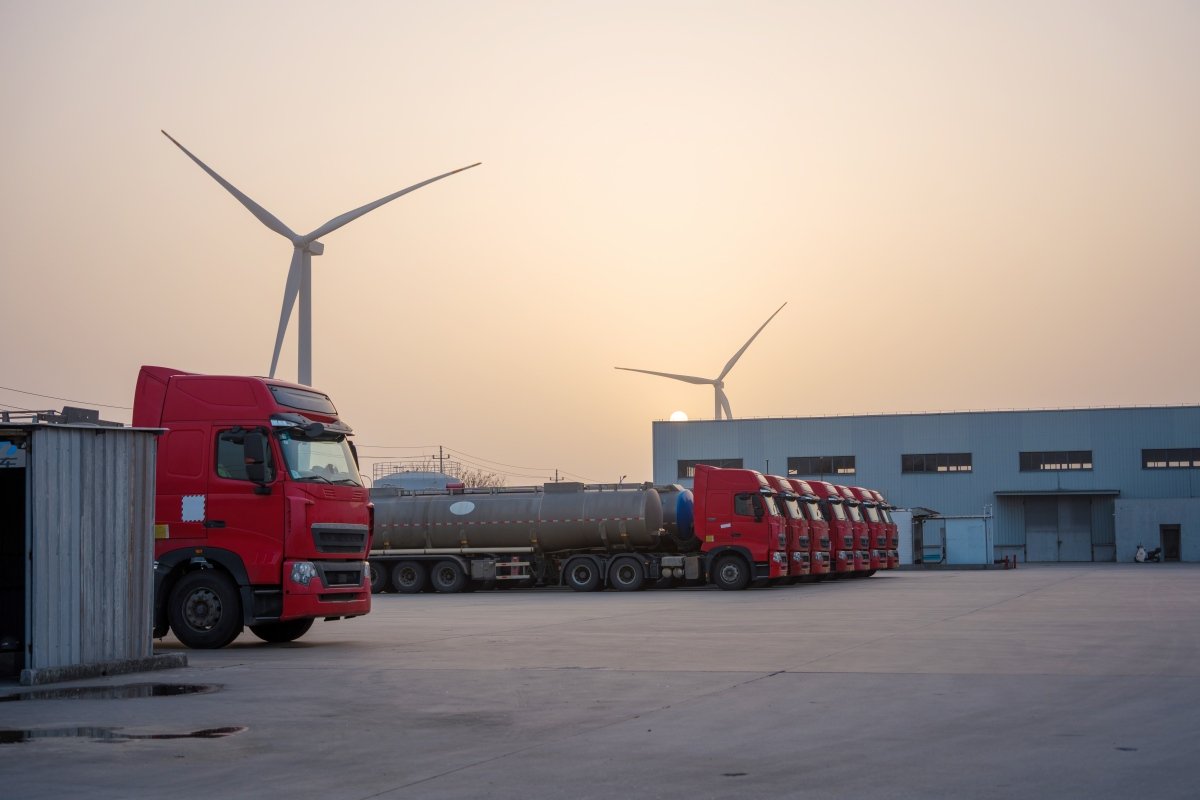
Red truck fleet parked at wind power plant industrial area during sunset

How Small Fleets Can Prepare Financially

Small fleets usually find equipment transitions harder than large national carriers because fewer trucks mean less room for downtime. One failed engine or unexpected emissions repair can affect dispatch schedules and payroll immediately.

In our experience, preparation ahead of the 2027 EPA regulations should focus on flexibility and financial security, not panic buying.

Fleet owners can start with a quick truck-by-truck review:

  • Which trucks have the highest repair frequency?
  • Which units are approaching expensive engine work?
  • Which trucks still generate strong profit margins?
  • Which units are becoming unreliable during peak freight periods?

Then take a few practical financial steps:

  • Build larger maintenance reserves.
  • Reduce unnecessary debt where possible.
  • Organize tax returns, bank statements, and proof of revenue now.
  • Review repair histories before deciding what to replace first.
  • Compare financing structures before inventory pressure increases.

This is also the right time to talk with Mission Financial Services. We work with small fleets that need financing for replacement trucks, added units, repair-related downtime, and growth beyond one truck.

If you’re unsure whether to buy now, wait, repair, or expand, Mission Financial Services can help you understand your financing position before EPA 2027 puts more pressure on truck pricing and availability.

Conclusion

EPA 2027 is already influencing truck buying behavior across the commercial transportation industry. Many fleets expect higher equipment costs, tighter inventory, and more complex emissions technology in the years ahead.

That doesn’t mean every owner-operator should rush into a purchase immediately. However, trucking businesses should understand how financing conditions, truck pricing, and inventory availability may shift as the regulations approach.

Preparation gives operators more flexibility and better financing opportunities.

Mission Financial Services helps owner-operators and small fleets secure commercial truck financing with fast approvals, flexible lending solutions, and support for buyers with challenged credit histories.

Whether you’re planning a truck purchase now or preparing for the changes ahead, we can help you stay ready for the road in front of you. Start your credit application today.

Class 8 Orders Surge 131%: What It Means for Trucking Financing Right Now

Class 8 Orders Surge 131%: What It Means for Trucking Financing Right Now

big american orange truck on the speed way

North American Class 8 orders surged in March 2026, creating a major shift for buyers trying to decide whether to finance a truck now or wait. According to ACT Research, preliminary net orders reached 38,050 units in March, up 131% year over year. This signals renewed momentum across the trucking industry.

That sharp increase comes at a complicated time. Oil and fuel prices remain volatile – WTI crude has risen as much as 70% since the US-Iran conflict began. And many carriers are already expecting higher equipment costs because of 2027 emissions regulations.

At the same time, freight rates have shown signs of improvement in recent months, helping support a broader demand recovery across the market. This could directly affect truck availability and pricing pressure in the coming months.

To fully understand what all this means, it’s important to learn why Class 8 truck orders are climbing so quickly, what analysts believe is driving the trend, and how owner-operators and fleets can prepare financially before the market tightens further.

What Happened With Class 8 Orders in March 2026?

ACT Research reported that final North American Class 8 orders reached 38,050 units in March 2026, up 131% year over year. The jump marked one of the strongest order months the industry has seen in recent history and came in well above normal seasonal expectations.

Medium-duty Class 5-7 orders also increased, climbing to 20,693 units, up 12% from the previous year. According to ACT, stronger medium-duty activity reflected resilient consumer spending and some regulation-driven dealer stocking.

For Class 8 trucks, ACT connected the surge to firmer freight rates, improving spot market conditions, and better regulatory visibility.

Analysts also noted that some fleets may be pulling purchases forward ahead of the expected 2027 emissions-related equipment cost increases.

Why does this matter? Because Class 8 orders reflect future buying confidence across the trucking industry. When carriers and fleets increase orders at this pace, it often signals expectations for stronger freight demand or rising equipment prices in the coming months.

Stronger order activity can eventually affect truck availability, build slots, financing timelines, and used truck pricing, especially if manufacturers begin facing larger backlogs later in 2026.

Semi trailer truck on highway at sunset

Why Are Class 8 Truck Orders Rising So Fast?

Several major forces are driving the current rise in Class 8 orders. ACT Research tied the March surge to firmer freight rates and better visibility around future equipment planning. At the same time, many carriers delayed truck purchases throughout the freight downturn in 2024 and through much of 2025.

Freight Rates Are Showing Signs of Improvement

One major reason Class 8 truck orders are climbing is that freight conditions look better than they did a year ago.

Spot rates and contract freight rates have improved in recent months after prolonged pressure across the trucking industry. Parts of the market are showing early signs of capacity tightening, which is giving carriers more confidence that the rate environment will hold.

In the long term, stronger freight pricing makes revenue easier to forecast. When weekly cash flow becomes more predictable, carriers usually feel more comfortable taking on truck payments, maintenance costs, insurance increases, and elevated financing costs.

The ongoing driver shortage is also affecting capacity. As weaker carriers leave the market and fewer new drivers enter long-haul trucking, remaining fleets may gain more pricing power.

Fleets May Be Buying Ahead of 2027 Equipment Costs

Future emissions regulations are another major reason demand is rising. Many buyers expect 2027 emissions standards, like the EPA’s Clean Trucks Plan, to increase truck pricing due to new aftertreatment systems and extended warranty requirements.

There is also uncertainty surrounding future NOx pre-compliance systems. Some fleets worry future trucks could bring both higher upfront costs and additional maintenance complexity compared to current equipment.

Even though many details around future equipment remain uncertain, fleets appear more willing to commit to purchases now rather than risk tighter availability later.

Parked American semi trucks at the rest area, on a vibrant sunset evening

Dealer Stocking May Be Picking Up

Dealer inventory trends may also be contributing to stronger order activity. ACT noted that medium-duty growth reflected resilient vocational demand and some dealer stocking behavior.

That’s significant because dealerships spent years dealing with inconsistent production schedules, limited inventory, and supply chain disruptions.

Manufacturers are working to ramp production, but supply conditions still aren’t completely stable. Suppliers, labor shortages, tariffs, and component delays can still create backlogs quickly if demand accelerates too fast.

For truck buyers, inventory conditions can change fast once orders start climbing across the industry. Even when dealer lots look healthy, build slots for popular highway tractors and fuel-efficient specs can tighten quickly.

Why This Surge Matters for Truck Buyers

For owner-operators and small fleets, rising Class 8 orders could affect several financing and purchasing variables throughout the coming months.

It could create several challenges for buyers, including:

  • Longer wait times for factory orders
  • Higher down payment expectations
  • Reduced negotiating leverage
  • More competition for quality used equipment
  • Faster-moving dealer inventory

Buyers who wait too long could face a more competitive market if the current demand recovery gains momentum. That doesn’t mean everyone should rush into financing, but it does mean preparation matters more in a strengthening market.

What This Means for Semi-Truck Financing Right Now

Rising Class 8 orders make financing preparation more important. Buyers who organize documents early and review options before shopping can move faster if inventory tightens.

  • Prequalification can help buyers move faster: Prequalification gives you a clearer truck budget before negotiating. Mission Financial Services works with owner-operators, first-time buyers, and borrowers with limited credit history.
  • Down payment planning matters more in a hotter market: Higher equipment costs could raise cash needs. Plan for registration, insurance deposits, initial maintenance, fuel, and unexpected repairs.
  • Credit strength can affect timing and terms: Lenders often review credit history, bank statements, revenue, business experience, and current debt. Better credit may help timing, but stable cash flow can also support moving forward.
  • Used truck financing may become more competitive: If new trucks become harder to secure, more buyers may shift to used equipment. That can tighten availability for clean, well-maintained commercial vehicles.

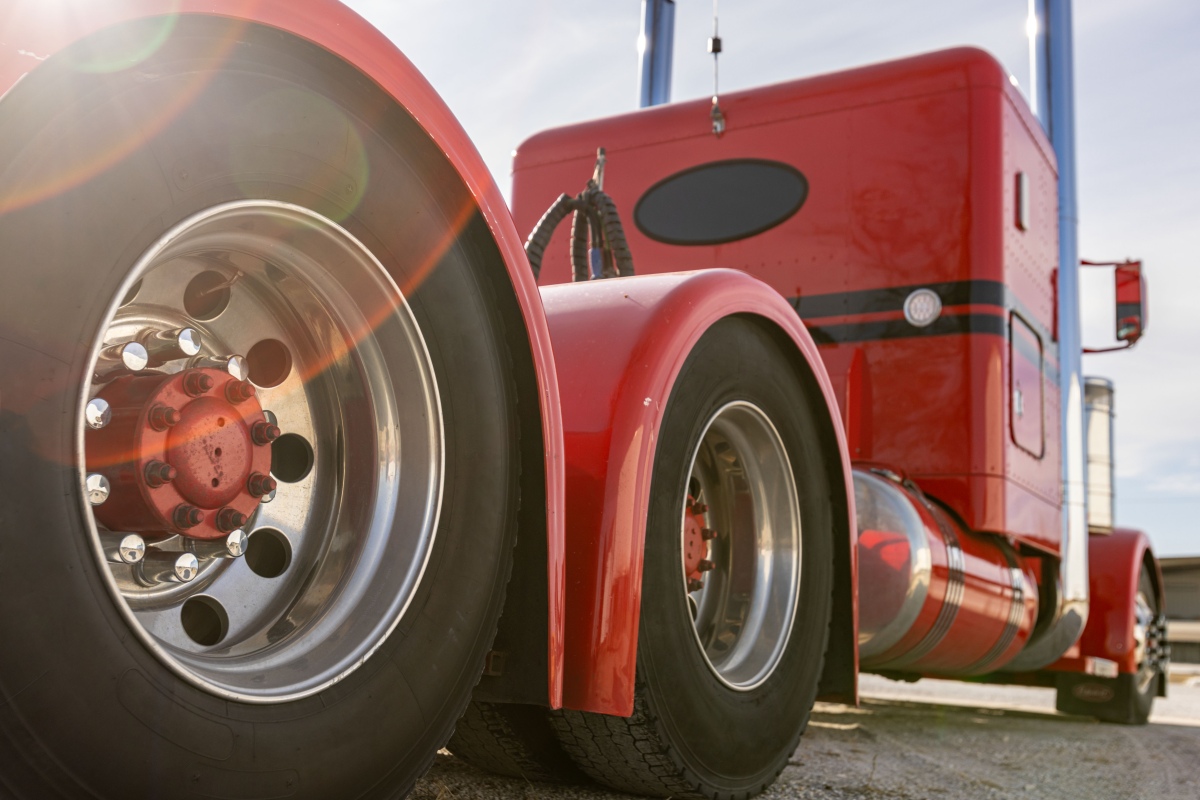
Classic red American semi truck in parking lot, detail of aluminum tandem axles with red hub caps. Low angle, rear view of big rig. Wide angle of powerful diesel US lorry.

Should Owner-Operators Finance a Truck Now or Wait?

The right timing depends on cash flow, operating costs, reserve savings, freight stability, and how reliable your current equipment is. Here’s what to consider.

Financing Now May Make Sense if You Have Strong Cash Flow

If you have steady freight contracts, predictable operating costs, reserve cash for repairs, and enough revenue to comfortably handle payments even if fuel prices rise, the current market may be worth acting on.

If your current truck is creating downtime or reliability issues, financing sooner could help you avoid bigger repair costs and potential pricing pressure if Class 8 orders continue climbing.

Waiting May Make Sense if Your Numbers Are Tight

You may benefit from waiting if your:

  • revenue depends heavily on volatile spot freight
  • down payment funds still need work
  • current truck remains reliable enough to keep operating

Improving your credit, building reserve cash, and stabilizing revenue first could put you in a stronger financing position later.

How Small Fleets Can Prepare For A Tighter Equipment Market

Small fleets operating between one and 10 trucks should start reviewing replacement plans now if aging equipment is creating reliability concerns.

Evaluate the:

  • Average truck age
  • Repair frequency
  • Downtime trends
  • Maintenance spending
  • Fuel efficiency

If Class 8 orders keep climbing, small fleets may have less room to wait on aging equipment. A truck that’s already missing loads or sitting too often can become harder to replace once inventory tightens.

Mission Financial Services gives qualified owner-operators and small fleets financing options for truck purchases and repairs – helping you protect uptime before equipment problems turn into lost revenue.

Conclusion

The 131% jump in Class 8 orders signals renewed activity across the trucking industry, but buyers still need to approach financing carefully. Improving freight rates, tightening capacity, stronger vocational demand, and concerns about future higher equipment costs are pushing more fleets back into the market.

At the same time, risks remain. Fuel prices and ongoing supply chain pressure could still affect operating costs and truck availability throughout the coming months.

For owner-operators and small fleets, preparation matters more than ever.

If you’re planning to purchase a Class 8 truck, replace aging equipment, or expand your fleet, Mission Financial Services can help. We offer financing solutions for owner-operators, first-time buyers, bad credit applicants, and small fleets looking to keep moving forward.

Start your credit application today and get the cash flow you need to keep your trucking business running and profitable.

What Truck Gets the Best Gas Mileage? Top Fuel-Efficient Trucks Compared

What Truck Gets the Best Gas Mileage? Top Fuel-Efficient Trucks Compared

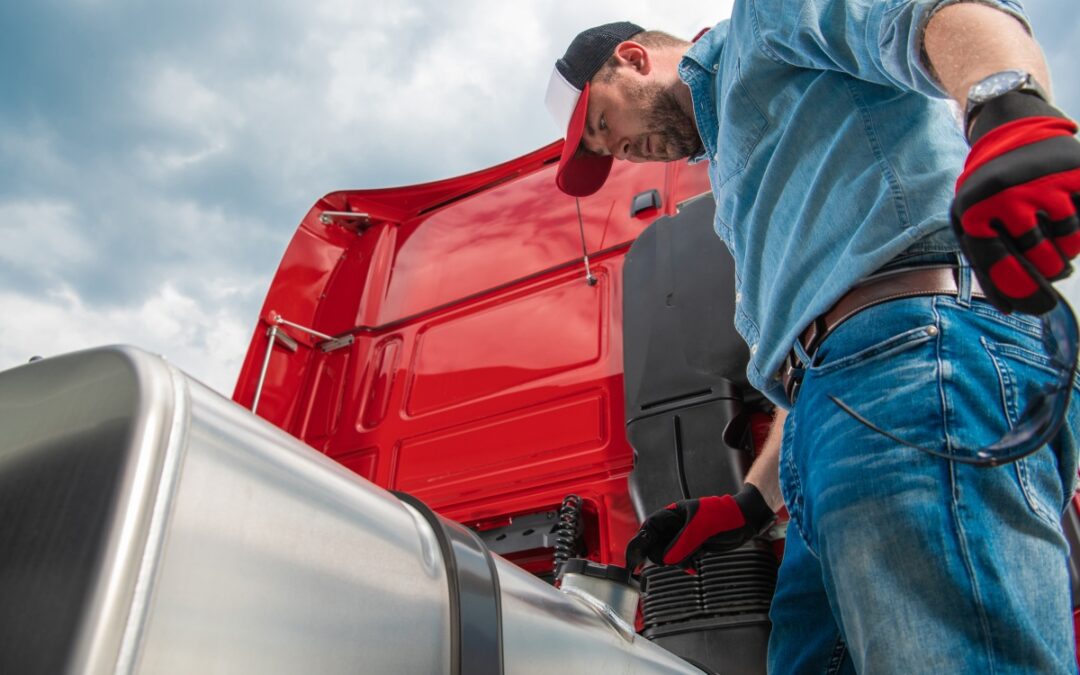
Semi Truck Driver Looking at Diesel Tank Cap

Fuel is one of the biggest expenses in trucking, so it’s no surprise that owner-operators keep asking: what truck gets the best gas mileage?

The problem is there isn’t one clear winner. A truck that performs well in one operation may fall short in another. Real fuel efficiency depends on spec, load type, route, and how the truck is actually run.

If you’re comparing options, it’s important to find the right setup that delivers consistent fuel savings in your specific operation. But before we start comparing models, let’s look at what good fuel mileage actually looks like for a semi truck.

What Good Fuel Mileage Looks Like for Semi Trucks

Most semi trucks average between 6.5 and 7.5 miles per gallon (MPG). Newer trucks built for fuel efficiency can reach 8 MPG or higher on long haul routes, but that usually requires steady highway speeds, lighter loads, strong aerodynamics, and consistent driving habits.

In real-world conditions, small changes can quickly push you outside that range. For example:

  • Running at 75 mph instead of 65 mph can increase air resistance enough to burn significantly more fuel
  • Pulling heavier freight increases engine load, which reduces miles per gallon
  • Stop-and-go routes reduce efficiency compared to steady highway speeds

That’s why fuel efficiency matters less as a number and more as a cost calculation. What you’re really managing is your cost per mile (CPM), not just what the dashboard shows.

A close-up of a gas station gun inserted into the fuel tank.

What Truck Gets the Best Gas Mileage in the Real World?

The most fuel-efficient trucks tend to combine low-drag aerodynamics, integrated powertrains, automated transmissions, and systems that help maintain steady speeds over long distances. These are the commercial trucks that consistently deliver strong fuel economy in real-world use.

Freightliner Cascadia

The Freightliner Cascadia is one of the strongest fuel-efficient models, and consistently ranked as one of the top semi truck brands.

The current Cascadia uses features like a Max Aero bumper, front wheel-well closeouts, an updated hood, and streamlined exterior components to reduce drag. Less drag at highway speeds means the engine needs less power to hold speed, which improves fuel economy over long distances.

Its Detroit powertrain is another major reason it performs well. Freightliner pairs Detroit engines, automated transmissions, and axle technology so the truck can run at efficient engine speeds for longer periods.

That setup helps reduce fuel consumption on long-haul routes where steady operation creates the biggest fuel savings.

Volvo VNL Series

The Volvo VNL is a great, fuel-efficient option because Volvo focuses heavily on powertrain integration.

The VNL pairs the D13 engine with the I-Shift automated manual transmission. The newer VNL can deliver up to 10% fuel efficiency improvement when powertrain upgrades are combined with aerodynamic changes.

That directly affects real-world mileage because semi truck fuel efficiency depends on how well the truck manages torque and road speed. Volvo’s setup helps keep the truck in an efficient operating range, especially on long hauls where smooth acceleration and steady speeds reduce fuel consumption.

Big rigs small rigs and middle rigs semi trucks refuel at the gas station

Peterbilt 579

Another powerful, fuel-efficient model is the class 8 Peterbilt 579. The 579 is its most advanced, fuel-efficient model, with design choices focused on efficiency and driver comfort.

The 579 UltraLoft combines advanced aerodynamics with a high-roof sleeper built for long-haul efficiency. That blend gives owner-operators better airflow, which helps reduce air resistance, while the practical design supports longer routes without sacrificing the driving experience.

For truck buyers comparing fuel-efficient semi trucks, the 579 offers a balance of comfort, performance, and better fuel economy.

Kenworth T680

The Kenworth T680 is another top fuel-efficient truck built around aerodynamic performance and PACCAR powertrain efficiency.

The newer T680’s exterior uses aerodynamic design features meant to squeeze every possible mile from every gallon, with up to 7% fuel savings compared with a similarly spec’d classic T680.

That makes it especially practical for long hauls. The T680 performs best when airflow, engine efficiency, and steady speeds work together. That consistency can make fuel costs easier to predict and reduce the cost per mile over time.

What Actually Impacts Fuel Mileage in Big Trucks

The truck matters, but how you operate it has just as much impact on the truck’s fuel economy.

Engine and Powertrain Setup

More power isn’t always better. Overspec’d engines burn more fuel without adding value if your loads don’t require it. Matching horsepower and torque to your freight type keeps fuel use efficient. Automated transmissions also help maintain optimal shift points, which improves fuel economy over time.

Aerodynamics

At highway speeds, wind resistance becomes the largest force your truck fights. Features like side skirts and wheel covers help reduce wind resistance, which directly improves MPG.

Even small gaps between the truck and trailer can increase drag, which increases fuel consumption. This is why modern trucks consistently outperform older models.

a truck driver fills his tank with fuel before continuing on his route, after a break at a gas station

Weight and Load Management

Every pound you haul requires energy. Heavier loads reduce miles per gallon, but poor load distribution can make it worse by forcing the engine to work unevenly. Balancing the load properly helps maintain efficiency and reduces unnecessary fuel burn.

Driving Habits

Driving style is one of the biggest controllable factors. Aggressive acceleration uses more fuel. Constant speed changes burn more fuel. High speeds increase air resistance. Maintaining steady speeds and smooth acceleration reduces fuel use and improves overall efficiency.

Newer Semi Trucks

Newer trucks are built with maximum efficiency in mind. Advances in diesel engines, airflow design, and onboard systems allow better fuel management.

These systems adjust fuel delivery in real time, helping reduce waste and improve performance. For truck buyers, that means a higher upfront cost, but better long-term savings.

Fuel Type Matters: Diesel vs Alternative Options

Diesel trucks still dominate long-haul trucking because they offer the best balance of range, power, fueling access, and payload flexibility.

Electric trucks are improving, but they aren’t a simple replacement for most small fleets yet. The challenge is that long-haul electric trucking still depends on charging access, dwell time, route planning, and higher upfront costs.

Natural gas can work for certain regional operations, but it has the same basic limitation: the route has to match the fueling network. If your lanes don’t give you dependable access to fuel, the savings can disappear quickly through delays or detours.

For most owner-operators, diesel remains the most practical fuel-efficient option because it supports long distances without forcing major changes to daily operations.

Alternative fuel trucks may make sense for fleets with depot charging or predictable delivery schedules, but for irregular freight, diesel still offers the strongest mix of range and control.\

Different big rig semi trucks with turned on headlights and loaded semi trailer standing on the truck stop gas station at night time fill up the trucks tanks to continue their routes in the morning

How to Improve Fuel Mileage in Your Current Truck

You don’t need a new truck to see better fuel economy. Small operational changes can reduce fuel consumption and improve cost per mile right away.

  • Reduce idle time: Idling burns fuel without moving the truck, which drives up fuel costs without generating revenue.
  • Maintain proper tire pressure: Underinflated tires increase rolling resistance, forcing the engine to use more fuel to maintain speed.
  • Optimize speed and use cruise control: Running at steady highway speeds reduces fuel burn compared to constant acceleration and braking.
  • Stay consistent with maintenance: Clean filters, proper engine tuning, and regular inspections help maintain efficiency and prevent excess fuel use.

Upgrading to a newer truck can also improve MPG significantly. More advanced aerodynamics and integrated systems can deliver long-term fuel savings, which is where the right financing strategy comes into play.

When repairs or credit challenges make fuel savings harder to reach, Mission Financial Services can help with title loans, first-time buyer financing, and bad credit loans that keep your operation moving.

Conclusion

The most fuel efficient trucks, like the Freightliner Cascadia, Volvo VNL, Peterbilt 579, and Kenworth T680, deliver strong results. But the real gains come from combining the right truck with the right operation.

For owner-operators, improving fuel economy means reducing costs, increasing stability, and building long-term success.

If you’re considering upgrading to a more fuel-efficient truck or replacing equipment that’s costing you more fuel every mile, Mission Financial Services can help you structure financing that supports your operation and keeps your business moving forward. Start your credit application now.

Step-by-step Guide for Getting a Semi-Truck Loan

Step-by-step Guide for Getting a Semi-Truck Loan

Two engineer shaking hands with deals and congratulations on success, panorama image use for cover design.

Trucking is a critical part of daily life and the economy, but getting approved for semi-truck financing is not as simple as applying for a standard auto loan.

Lenders look at your full financial situation, including your experience, down payment, the type of commercial truck you are buying, and your ability to manage monthly payments over time.

If you understand what lenders are evaluating and how the financing process works, you can improve your approval odds and secure the right loan for your trucking business.

How to Get a Loan for a Semi-Truck

Getting a semi-truck loan follows a clear process. The more prepared you are at each stage, the smoother your approval will be.

1. Check Your Eligibility With Credit Unions

Before applying, you need to understand how you look on paper. Most lenders evaluate four core factors:

  • Credit score and credit history: Most lenders prefer a score in the mid-600s or higher, but that is not a universal cutoff. Some online lenders and direct lenders, like Mission Financial Services, will still work with applicants who have bad credit or a lower credit score.
  • Down payment: Your down payment will usually fall between 10% and 30% of the truck’s price. First-time buyers, new owner operators, and some new businesses may need a larger down payment to reduce lender risk.
  • Commercial driver’s license (CDL) experience: Driving experience also matters. Two to three years of CDL experience is often preferred, but first-time owner operators may still qualify if they bring higher income, cleaner credit, or more money down.
  • Truck age and condition: Truck age is another key factor. Some lenders only finance newer commercial vehicles, while others are more flexible with older equipment if the truck is in good condition.

From a lender’s perspective, every application comes down to risk. A stronger credit profile, steady income, and a larger down payment reduce that risk. If one area is weaker, such as limited experience or a lower score, strengthening another area can improve your approval odds.

2. Gather Your Documents

Before you start looking for the right truck, you need to get all of your documentation ready. You will typically need:

  • Valid ID and CDL
  • Income verification, such as bank statements or tax returns
  • Business documents if you are operating under a company (LLC or corporation)
  • Basic contact and application information

Incomplete documentation is one of the most common reasons applications get delayed. Lenders use these records to verify identity, income, business history, and your ability to make regular payments.

View from the driver's seat of a truck of the highway and a land

3. Choose the Right Truck

Finding a truck that meets both your business needs and your lender’s requirements can be a challenge.

The most important factor is matching the truck to the work you plan to do. A truck suited for regional freight may not work for car hauling, dump operations, or specialized cargo. Choosing equipment that aligns with your operation is a key part of both approval and long-term success.

You also need to balance your budget with your earning potential. A higher purchase price increases your loan amount, which raises monthly payments, total interest, and overall cost. The goal is to choose a truck that supports your revenue without stretching your finances too thin.

At the same time, focusing only on the lowest price can create bigger problems. While some lenders have strict age limits, others (like Mission Financial Services) are more flexible and may finance older trucks.

However, a lower upfront cost does not always mean a better investment. Older trucks are more likely to require frequent maintenance, experience breakdowns, and lack modern safety and comfort features. Over time, repair costs, downtime, and missed loads can quickly offset any initial savings.

Reliability plays a direct role in profitability. A truck that stays on the road and supports consistent work is often more affordable in the long run than a cheaper option that creates interruptions and unexpected expenses.

4. Secure Insurance

Before funding is finalized, you need the right insurance in place. Most lenders expect you to have these core coverages:

  • Liability coverage
  • Physical damage coverage
  • Cargo coverage
  • Non-trucking or bobtail coverage

The type of insurance you need depends on the type of business you have. An owner-operator leased to a motor carrier may not need the same coverage setup as a driver operating under their own authority.

Your cargo, routes, and equipment type also affect what insurers and lenders require, which is why liability, physical damage, cargo, and bobtail coverage should be reviewed based on how the truck will actually be used.

These policies protect both your operation and the lender’s asset. Insurance costs should also be part of your budgeting because they directly affect your monthly payments and total operating cost.

5. Apply For Commercial Truck Financing and Get Approved

Once you submit your loan application, the lender moves into underwriting. This review looks at your credit report, income, experience, truck details, and overall financial situation.

Some lenders begin with a soft credit check, while others move directly into a full review or hard credit inquiry.

Depending on the lender, the approval process may take a few hours or a few days. After approval, you review the final financing terms, including your interest rate, loan terms, payment structure, and any prepayment penalties, before funding is released.

Commercial Truck Loans Requirements

Understanding semi-truck financing requirements helps you prepare a stronger application and avoid common mistakes.

Credit Score and Credit History

Having good credit will help you qualify for a loan and get the best loan possible, especially as a first-time buyer. However, you may still qualify if you have a bad credit history.

Lenders look beyond a single number. They review your credit history, recent payment patterns, outstanding balances, and negative items such as tax liens.

A borrower with a lower score but consistent payments may look stronger than someone with a higher score and recent problems.

There is no single minimum credit score across the industry. Some lenders will want stronger numbers, while others are built to work with bad credit, thin files, or imperfect histories.

credit score

Down Payment Expectations

Your down payment is determined by the cost of the truck you want to buy. Most commercial truck loans require 10 to 30 percent down. A larger down payment reduces lender risk, lowers the amount financed, and can lead to lower monthly payments and better financing terms.

For first-time buyers, newer businesses, or borrowers with weaker credit, a higher upfront contribution often improves approval odds.

Driving Experience

The amount of time you have had your CDL is also a factor. Today, many lenders still prefer two to three years of experience, but exact standards vary. Less experience does not automatically stop approval. It usually means the rest of the file needs to work harder, whether that is higher income or better credit.

Truck Age and Condition

The truck itself is part of the lender’s risk analysis. Lenders often place limits on the truck mileage and condition because older equipment is more likely to create downtime and repair costs.

That matters because maintenance problems can interfere with cash flow and make it harder to keep up with regular payments.

If you are comparing multiple financing options, ask how truck age affects the interest rate and approval terms. A cheaper truck is not always the less expensive loan in the long run.

Professional middle aged truck driver in casual clothes driving

How Much Does It Cost to Finance a Semi-Truck?

The cost of truck financing depends on the truck’s price, your credit score, the lender, and the length of the loan.

Many borrowers can expect monthly payments somewhere in the range of roughly $1,500 to $3,000 or more, depending on the loan amount and loan terms.

Interest rates can vary widely, too. Borrowers with good credit and stronger profiles usually see better pricing, while applicants with bad credit or limited experience often face higher interest rates.

The biggest cost drivers usually include:

  • The purchase price
  • Your down payment
  • Your interest rate
  • The length of the loan
  • Your total operating expenses, including fuel costs, insurance, and maintenance

It is important to look beyond the payment itself. A loan that looks manageable on paper can still become a strain if the total cost of ownership is too high. The real goal is not just approval. It is sustainable financing.

That’s why it’s better to work with lenders who understand the trucking industry. Lenders like Mission Financial Service. With loans for everyone, from first-time buyers to drivers with bad credit, we understand the struggles of getting your truck on the road.

Business vs Personal Truck Loans

A semi-truck loan is very different from financing a personal vehicle.

Commercial lending is built around income generation and business risk. That means underwriting is usually more detailed than it is with a consumer auto loan. Lenders want to understand your revenue experience and whether the truck supports a viable business plan.

Borrowers may use banks, credit unions, online lenders, or specialized direct lenders, but the review process is different from a standard car loan.

While credit unions tend to offer competitive rates in some lending categories, commercial truck financing is still a more specialized product, and not every lender handles it the same way.

Some applications may also require a personal guarantee, especially for small business borrowers, established businesses without much collateral, or newer operations with a limited track record.

Conclusion

Getting approved for semi-truck financing depends on preparation, realistic budgeting, and understanding how lenders evaluate risk.

Reviewing your credit history, planning a proper down payment, selecting an appropriate truck, and submitting complete documents all strengthen your chances of successful approval.

Financing is not just a way to buy a semi-truck. It is a tool that helps keep your operation running.

Whether you need help purchasing equipment or supporting your next step as a business owner, the right loan structure can protect cash flow and keep your trucking business operational.

Mission Financial Services works with owner-operators, first-time buyers, and small fleets that need practical commercial truck financing solutions. Start your credit application today for trusted support that gets, and keeps, your business on the road.

Guide to the UTA: Membership, Opportunities, and Events

Guide to the UTA: Membership, Opportunities, and Events

If you’re active in the used truck industry, access drives everything. The right connection can unlock inventory, financing, or a deal that never hits the open market. Without that network, you’re reacting instead of positioning.

The Used Truck Association (UTA) exists to close that gap. It brings together dealers, lenders, OEMs, and vendors into one place where relationships turn into real business.

Here’s how it works, what you get from membership, and some upcoming 2026 events.

What Is the Used Truck Association (UTA)?

The Used Truck Association (UTA) is a trade organization focused on the heavy-duty and medium-duty segment of the truck industry.

UTA brings together more than 800 allied members across the market, including dealers, original equipment manufacturers (OEMs), lenders, and suppliers.

These are the businesses that actively buy, sell, finance, and support used truck inventory every day.

The goal is to strengthen the used truck industry by connecting decision-makers, improving access to opportunities, and keeping members close to real-time market activity.

UTA Trucking Association Membership: What You Get

As an impartial organization of dealers, lenders, OEMs, and vendors, UTA membership is built around access and better positioning inside the market.

A Network That Opens Doors

The membership puts you in direct contact with people who move deals. You are not joining a passive directory. You are stepping into a live network of dealers, lenders, OEM reps, and service providers who influence how inventory, freight, and financing move across the market.

A single connection can help you source a used truck or structure a deal that would not happen through cold outreach.

Over time, those relationships compound. Many trucking companies and independent operators rely on repeat interactions inside networks like this to keep deals moving and attract steady business.

White concrete mixer truck driving on a paved road, representing commercial construction transportation equipment used for mixing and delivering cement materials

Actionable Industry Insights and Data

UTA keeps members connected to current conditions across the industry. You gain access to newsletters, industry insights, webinars, and market discussions focused on real-world issues such as tariffs and regulations. That includes shifts in supply, changes in demand, and updates tied to how freight and inventory are moving.

You stay closer to:

  • Inventory movement and availability
  • Pricing shifts across segments
  • Demand cycles tied to freight activity
  • Broader industry trends affecting supply and pricing

This kind of visibility helps you adjust faster. Whether you are buying, selling, or planning your next move, stronger insight reduces guesswork and protects margins.

Training That Drives Results

UTA supports ongoing education tied directly to performance. Members can access webinars, workshops, and in-person sessions focused on sales, operations, leadership, and digital strategy.

These are not abstract sessions. They are built around improving how your business runs day to day.

For dealerships and service providers, even small improvements in process or execution can show up quickly in revenue and efficiency.

Affordable Health Insurance for Small Businesses

UTA also offers access to group health insurance. For smaller teams, that becomes a practical advantage. It gives small business owners a way to manage costs without building separate solutions outside the association.

Scholarships and Member Support

UTA supports long-term growth across the industry, not just short-term transactions. Scholarship programs are available for members and their families, including support for college and technical education.

That investment helps develop the next generation of workers across the commercial truck industry, including technicians, operators, and future business owners.

Truck drivers discussing logistics on clipboard next to truck

Marketing and Exposure Opportunities

UTA also provides targeted exposure inside the used truck industry. Instead of broad marketing, you can position your products, financing solutions, or services directly in front of dealers, lenders, and vendors already active in the space.

This approach helps you:

  • Stay visible with decision-makers
  • Attract more qualified clients
  • Build recognition within a defined market

For businesses that depend on industry relationships, that level of targeted visibility can outperform general advertising.

Key UTA Events in 2026

UTA events bring the network to life. Some are large and structured. Others are smaller and built for deeper conversations.

Red River Shootout Fishing Trip (April 21–23, 2026)

The Red River Shootout Fishing event takes place at West Bay Casino and Resort and blends networking with a more relaxed setting.

Attendees spend time fishing, sharing meals, and building relationships without the pressure of a formal conference environment. Member registration is $525, while non-members pay $725.

It is a strong option if you want access to decision-makers in a setting where conversations happen naturally.

Kansas City Golf Scramble (June 2026)

The Kansas City Golf Scramble is one of the larger UTA events, drawing more than 200 attendees. It creates a high-energy environment where dealers, lenders, and vendors connect across a full schedule of networking and activities.

For businesses looking to increase visibility or meet new contacts, this event consistently delivers strong turnout and engagement.

TWOK Fishing Event (Sept. 29 – Oct. 1, 2026)

The TWOK event offers a more curated experience. It focuses on smaller groups, higher-end accommodations, and more focused interaction. That setting allows for deeper conversations, which can be valuable when building long-term partnerships or exploring more complex deals.

Two big rig orange and white semi trucks with tank semi trailer transporting liquid on the wide road in sunny day

UTA Annual Convention (Nov. 11–14, 2026)

The UTA Annual Convention is the largest and most important UTA event of the year.

With more than 700 attendees, it brings together a wide range of businesses across the used truck industry. The event includes training sessions, a vendor expo, and extensive networking opportunities. If you want a complete view of the market, this is the event that delivers it.

Is UTA Membership Worth It?

If you buy and sell used truck inventory, need financing partners, work closely with vendors or suppliers, or want better visibility into the used truck industry, the UTA membership is worth it.

One strong contact can lead to inventory access, a lending relationship, a new client, or a deal that more than covers the cost of membership.

It can also be worth it if you want to stay closer to the market. The UTA gives members access to events and conversations that help businesses react faster to pricing shifts, demand changes, and new opportunities across the truck industry.

At the same time, UTA membership may not be worth it for every company.

If you are not active in the used truck space, do not plan to attend events, and have no real need for industry networking, the return will be harder to justify.

The best fit is a business that plans to use the network. If you show up and build relationships, UTA can become a powerful resource.

Truck drivers handshaking making business agreement

Conclusion

In the used truck industry, growth comes from access and relationships. The right connection can move inventory, unlock financing, or put your business in front of the right buyers at the right time.

UTA brings those opportunities together. For dealers, lenders, vendors, and other businesses in the space, that kind of access can create real momentum.

But access only works if you can act on it. When the right truck or opportunity shows up, having financing in place makes the difference between watching and moving.

Mission Financial Services helps trucking businesses take advantage of those moments with flexible commercial vehicle financing and real-world support for owner operators and growing fleets.

If you are planning to expand inventory or purchase a used truck, the next step is making sure you are ready to move when the opportunity is there. Start your credit application today and prepare to take advantage of every opportunity that comes your way.

Archives

Sign Me Up!

Stay up to date with the latest news in the commercial trucking industry.

Contact Us
close slider