

Office: (404) 975-4800

lender

What Truck Gets the Best Gas Mileage? Top Fuel-Efficient Trucks Compared

What Truck Gets the Best Gas Mileage? Top Fuel-Efficient Trucks Compared

Semi Truck Driver Looking at Diesel Tank Cap

Fuel is one of the biggest expenses in trucking, so it’s no surprise that owner-operators keep asking: what truck gets the best gas mileage?

The problem is there isn’t one clear winner. A truck that performs well in one operation may fall short in another. Real fuel efficiency depends on spec, load type, route, and how the truck is actually run.

If you’re comparing options, it’s important to find the right setup that delivers consistent fuel savings in your specific operation. But before we start comparing models, let’s look at what good fuel mileage actually looks like for a semi truck.

What Good Fuel Mileage Looks Like for Semi Trucks

Most semi trucks average between 6.5 and 7.5 miles per gallon (MPG). Newer trucks built for fuel efficiency can reach 8 MPG or higher on long haul routes, but that usually requires steady highway speeds, lighter loads, strong aerodynamics, and consistent driving habits.

In real-world conditions, small changes can quickly push you outside that range. For example:

  • Running at 75 mph instead of 65 mph can increase air resistance enough to burn significantly more fuel
  • Pulling heavier freight increases engine load, which reduces miles per gallon
  • Stop-and-go routes reduce efficiency compared to steady highway speeds

That’s why fuel efficiency matters less as a number and more as a cost calculation. What you’re really managing is your cost per mile (CPM), not just what the dashboard shows.

A close-up of a gas station gun inserted into the fuel tank.

What Truck Gets the Best Gas Mileage in the Real World?

The most fuel-efficient trucks tend to combine low-drag aerodynamics, integrated powertrains, automated transmissions, and systems that help maintain steady speeds over long distances. These are the commercial trucks that consistently deliver strong fuel economy in real-world use.

Freightliner Cascadia

The Freightliner Cascadia is one of the strongest fuel-efficient models, and consistently ranked as one of the top semi truck brands.

The current Cascadia uses features like a Max Aero bumper, front wheel-well closeouts, an updated hood, and streamlined exterior components to reduce drag. Less drag at highway speeds means the engine needs less power to hold speed, which improves fuel economy over long distances.

Its Detroit powertrain is another major reason it performs well. Freightliner pairs Detroit engines, automated transmissions, and axle technology so the truck can run at efficient engine speeds for longer periods.

That setup helps reduce fuel consumption on long-haul routes where steady operation creates the biggest fuel savings.

Volvo VNL Series

The Volvo VNL is a great, fuel-efficient option because Volvo focuses heavily on powertrain integration.

The VNL pairs the D13 engine with the I-Shift automated manual transmission. The newer VNL can deliver up to 10% fuel efficiency improvement when powertrain upgrades are combined with aerodynamic changes.

That directly affects real-world mileage because semi truck fuel efficiency depends on how well the truck manages torque and road speed. Volvo’s setup helps keep the truck in an efficient operating range, especially on long hauls where smooth acceleration and steady speeds reduce fuel consumption.

Big rigs small rigs and middle rigs semi trucks refuel at the gas station

Peterbilt 579

Another powerful, fuel-efficient model is the class 8 Peterbilt 579. The 579 is its most advanced, fuel-efficient model, with design choices focused on efficiency and driver comfort.

The 579 UltraLoft combines advanced aerodynamics with a high-roof sleeper built for long-haul efficiency. That blend gives owner-operators better airflow, which helps reduce air resistance, while the practical design supports longer routes without sacrificing the driving experience.

For truck buyers comparing fuel-efficient semi trucks, the 579 offers a balance of comfort, performance, and better fuel economy.

Kenworth T680

The Kenworth T680 is another top fuel-efficient truck built around aerodynamic performance and PACCAR powertrain efficiency.

The newer T680’s exterior uses aerodynamic design features meant to squeeze every possible mile from every gallon, with up to 7% fuel savings compared with a similarly spec’d classic T680.

That makes it especially practical for long hauls. The T680 performs best when airflow, engine efficiency, and steady speeds work together. That consistency can make fuel costs easier to predict and reduce the cost per mile over time.

What Actually Impacts Fuel Mileage in Big Trucks

The truck matters, but how you operate it has just as much impact on the truck’s fuel economy.

Engine and Powertrain Setup

More power isn’t always better. Overspec’d engines burn more fuel without adding value if your loads don’t require it. Matching horsepower and torque to your freight type keeps fuel use efficient. Automated transmissions also help maintain optimal shift points, which improves fuel economy over time.

Aerodynamics

At highway speeds, wind resistance becomes the largest force your truck fights. Features like side skirts and wheel covers help reduce wind resistance, which directly improves MPG.

Even small gaps between the truck and trailer can increase drag, which increases fuel consumption. This is why modern trucks consistently outperform older models.

a truck driver fills his tank with fuel before continuing on his route, after a break at a gas station

Weight and Load Management

Every pound you haul requires energy. Heavier loads reduce miles per gallon, but poor load distribution can make it worse by forcing the engine to work unevenly. Balancing the load properly helps maintain efficiency and reduces unnecessary fuel burn.

Driving Habits

Driving style is one of the biggest controllable factors. Aggressive acceleration uses more fuel. Constant speed changes burn more fuel. High speeds increase air resistance. Maintaining steady speeds and smooth acceleration reduces fuel use and improves overall efficiency.

Newer Semi Trucks

Newer trucks are built with maximum efficiency in mind. Advances in diesel engines, airflow design, and onboard systems allow better fuel management.

These systems adjust fuel delivery in real time, helping reduce waste and improve performance. For truck buyers, that means a higher upfront cost, but better long-term savings.

Fuel Type Matters: Diesel vs Alternative Options

Diesel trucks still dominate long-haul trucking because they offer the best balance of range, power, fueling access, and payload flexibility.

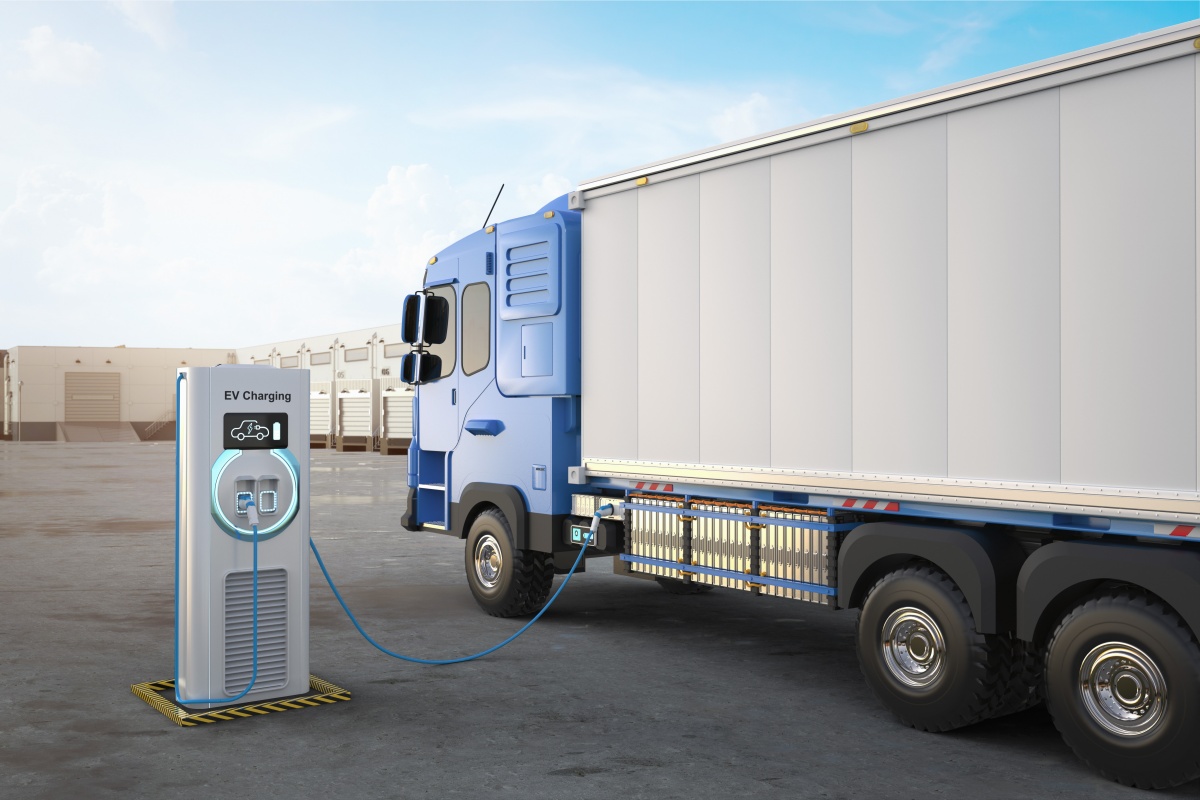
Electric trucks are improving, but they aren’t a simple replacement for most small fleets yet. The challenge is that long-haul electric trucking still depends on charging access, dwell time, route planning, and higher upfront costs.

Natural gas can work for certain regional operations, but it has the same basic limitation: the route has to match the fueling network. If your lanes don’t give you dependable access to fuel, the savings can disappear quickly through delays or detours.

For most owner-operators, diesel remains the most practical fuel-efficient option because it supports long distances without forcing major changes to daily operations.

Alternative fuel trucks may make sense for fleets with depot charging or predictable delivery schedules, but for irregular freight, diesel still offers the strongest mix of range and control.\

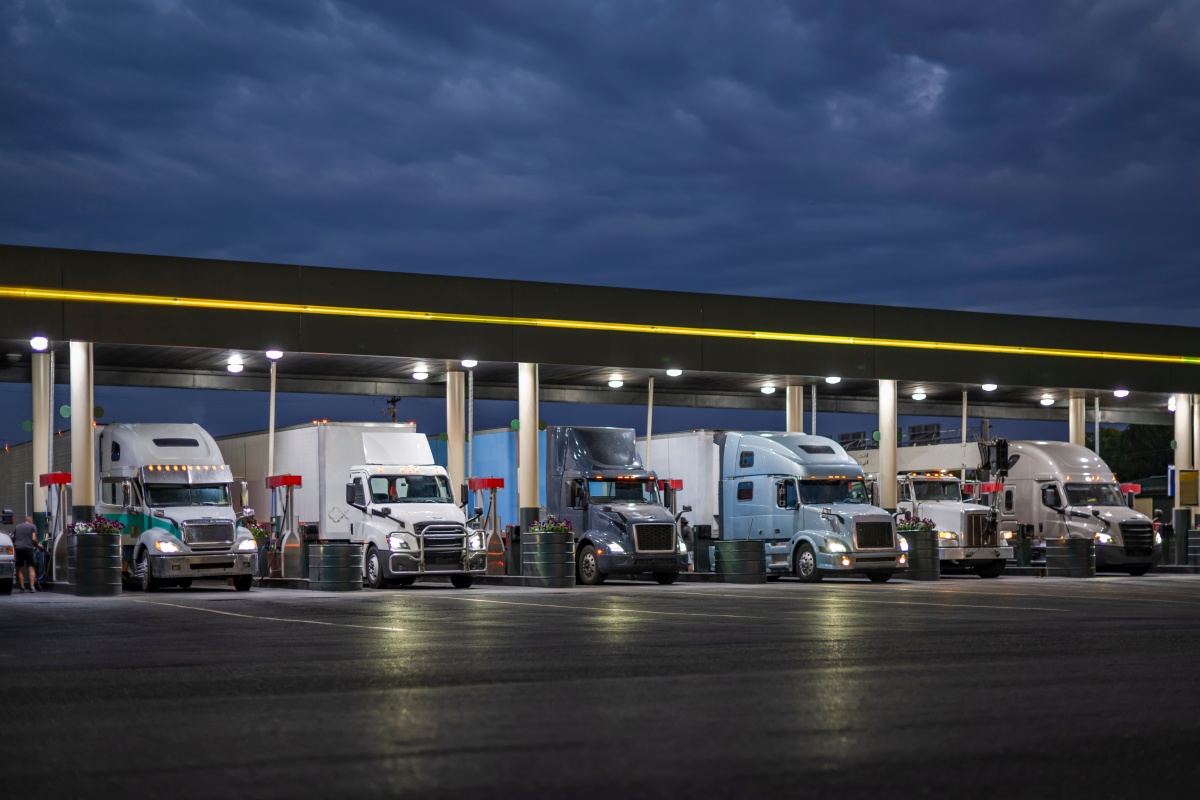
Different big rig semi trucks with turned on headlights and loaded semi trailer standing on the truck stop gas station at night time fill up the trucks tanks to continue their routes in the morning

How to Improve Fuel Mileage in Your Current Truck

You don’t need a new truck to see better fuel economy. Small operational changes can reduce fuel consumption and improve cost per mile right away.

  • Reduce idle time: Idling burns fuel without moving the truck, which drives up fuel costs without generating revenue.
  • Maintain proper tire pressure: Underinflated tires increase rolling resistance, forcing the engine to use more fuel to maintain speed.
  • Optimize speed and use cruise control: Running at steady highway speeds reduces fuel burn compared to constant acceleration and braking.
  • Stay consistent with maintenance: Clean filters, proper engine tuning, and regular inspections help maintain efficiency and prevent excess fuel use.

Upgrading to a newer truck can also improve MPG significantly. More advanced aerodynamics and integrated systems can deliver long-term fuel savings, which is where the right financing strategy comes into play.

When repairs or credit challenges make fuel savings harder to reach, Mission Financial Services can help with title loans, first-time buyer financing, and bad credit loans that keep your operation moving.

Conclusion

The most fuel efficient trucks, like the Freightliner Cascadia, Volvo VNL, Peterbilt 579, and Kenworth T680, deliver strong results. But the real gains come from combining the right truck with the right operation.

For owner-operators, improving fuel economy means reducing costs, increasing stability, and building long-term success.

If you’re considering upgrading to a more fuel-efficient truck or replacing equipment that’s costing you more fuel every mile, Mission Financial Services can help you structure financing that supports your operation and keeps your business moving forward. Start your credit application now.

Step-by-step Guide for Getting a Semi-Truck Loan

Step-by-step Guide for Getting a Semi-Truck Loan

Two engineer shaking hands with deals and congratulations on success, panorama image use for cover design.

Trucking is a critical part of daily life and the economy, but getting approved for semi-truck financing is not as simple as applying for a standard auto loan.

Lenders look at your full financial situation, including your experience, down payment, the type of commercial truck you are buying, and your ability to manage monthly payments over time.

If you understand what lenders are evaluating and how the financing process works, you can improve your approval odds and secure the right loan for your trucking business.

How to Get a Loan for a Semi-Truck

Getting a semi-truck loan follows a clear process. The more prepared you are at each stage, the smoother your approval will be.

1. Check Your Eligibility With Credit Unions

Before applying, you need to understand how you look on paper. Most lenders evaluate four core factors:

  • Credit score and credit history: Most lenders prefer a score in the mid-600s or higher, but that is not a universal cutoff. Some online lenders and direct lenders, like Mission Financial Services, will still work with applicants who have bad credit or a lower credit score.
  • Down payment: Your down payment will usually fall between 10% and 30% of the truck’s price. First-time buyers, new owner operators, and some new businesses may need a larger down payment to reduce lender risk.
  • Commercial driver’s license (CDL) experience: Driving experience also matters. Two to three years of CDL experience is often preferred, but first-time owner operators may still qualify if they bring higher income, cleaner credit, or more money down.
  • Truck age and condition: Truck age is another key factor. Some lenders only finance newer commercial vehicles, while others are more flexible with older equipment if the truck is in good condition.

From a lender’s perspective, every application comes down to risk. A stronger credit profile, steady income, and a larger down payment reduce that risk. If one area is weaker, such as limited experience or a lower score, strengthening another area can improve your approval odds.

2. Gather Your Documents

Before you start looking for the right truck, you need to get all of your documentation ready. You will typically need:

  • Valid ID and CDL
  • Income verification, such as bank statements or tax returns
  • Business documents if you are operating under a company (LLC or corporation)
  • Basic contact and application information

Incomplete documentation is one of the most common reasons applications get delayed. Lenders use these records to verify identity, income, business history, and your ability to make regular payments.

View from the driver's seat of a truck of the highway and a land

3. Choose the Right Truck

Finding a truck that meets both your business needs and your lender’s requirements can be a challenge.

The most important factor is matching the truck to the work you plan to do. A truck suited for regional freight may not work for car hauling, dump operations, or specialized cargo. Choosing equipment that aligns with your operation is a key part of both approval and long-term success.

You also need to balance your budget with your earning potential. A higher purchase price increases your loan amount, which raises monthly payments, total interest, and overall cost. The goal is to choose a truck that supports your revenue without stretching your finances too thin.

At the same time, focusing only on the lowest price can create bigger problems. While some lenders have strict age limits, others (like Mission Financial Services) are more flexible and may finance older trucks.

However, a lower upfront cost does not always mean a better investment. Older trucks are more likely to require frequent maintenance, experience breakdowns, and lack modern safety and comfort features. Over time, repair costs, downtime, and missed loads can quickly offset any initial savings.

Reliability plays a direct role in profitability. A truck that stays on the road and supports consistent work is often more affordable in the long run than a cheaper option that creates interruptions and unexpected expenses.

4. Secure Insurance

Before funding is finalized, you need the right insurance in place. Most lenders expect you to have these core coverages:

  • Liability coverage
  • Physical damage coverage
  • Cargo coverage
  • Non-trucking or bobtail coverage

The type of insurance you need depends on the type of business you have. An owner-operator leased to a motor carrier may not need the same coverage setup as a driver operating under their own authority.

Your cargo, routes, and equipment type also affect what insurers and lenders require, which is why liability, physical damage, cargo, and bobtail coverage should be reviewed based on how the truck will actually be used.

These policies protect both your operation and the lender’s asset. Insurance costs should also be part of your budgeting because they directly affect your monthly payments and total operating cost.

5. Apply For Commercial Truck Financing and Get Approved

Once you submit your loan application, the lender moves into underwriting. This review looks at your credit report, income, experience, truck details, and overall financial situation.

Some lenders begin with a soft credit check, while others move directly into a full review or hard credit inquiry.

Depending on the lender, the approval process may take a few hours or a few days. After approval, you review the final financing terms, including your interest rate, loan terms, payment structure, and any prepayment penalties, before funding is released.

Commercial Truck Loans Requirements

Understanding semi-truck financing requirements helps you prepare a stronger application and avoid common mistakes.

Credit Score and Credit History

Having good credit will help you qualify for a loan and get the best loan possible, especially as a first-time buyer. However, you may still qualify if you have a bad credit history.

Lenders look beyond a single number. They review your credit history, recent payment patterns, outstanding balances, and negative items such as tax liens.

A borrower with a lower score but consistent payments may look stronger than someone with a higher score and recent problems.

There is no single minimum credit score across the industry. Some lenders will want stronger numbers, while others are built to work with bad credit, thin files, or imperfect histories.

credit score

Down Payment Expectations

Your down payment is determined by the cost of the truck you want to buy. Most commercial truck loans require 10 to 30 percent down. A larger down payment reduces lender risk, lowers the amount financed, and can lead to lower monthly payments and better financing terms.

For first-time buyers, newer businesses, or borrowers with weaker credit, a higher upfront contribution often improves approval odds.

Driving Experience

The amount of time you have had your CDL is also a factor. Today, many lenders still prefer two to three years of experience, but exact standards vary. Less experience does not automatically stop approval. It usually means the rest of the file needs to work harder, whether that is higher income or better credit.

Truck Age and Condition

The truck itself is part of the lender’s risk analysis. Lenders often place limits on the truck mileage and condition because older equipment is more likely to create downtime and repair costs.

That matters because maintenance problems can interfere with cash flow and make it harder to keep up with regular payments.

If you are comparing multiple financing options, ask how truck age affects the interest rate and approval terms. A cheaper truck is not always the less expensive loan in the long run.

Professional middle aged truck driver in casual clothes driving

How Much Does It Cost to Finance a Semi-Truck?

The cost of truck financing depends on the truck’s price, your credit score, the lender, and the length of the loan.

Many borrowers can expect monthly payments somewhere in the range of roughly $1,500 to $3,000 or more, depending on the loan amount and loan terms.

Interest rates can vary widely, too. Borrowers with good credit and stronger profiles usually see better pricing, while applicants with bad credit or limited experience often face higher interest rates.

The biggest cost drivers usually include:

  • The purchase price
  • Your down payment
  • Your interest rate
  • The length of the loan
  • Your total operating expenses, including fuel costs, insurance, and maintenance

It is important to look beyond the payment itself. A loan that looks manageable on paper can still become a strain if the total cost of ownership is too high. The real goal is not just approval. It is sustainable financing.

That’s why it’s better to work with lenders who understand the trucking industry. Lenders like Mission Financial Service. With loans for everyone, from first-time buyers to drivers with bad credit, we understand the struggles of getting your truck on the road.

Business vs Personal Truck Loans

A semi-truck loan is very different from financing a personal vehicle.

Commercial lending is built around income generation and business risk. That means underwriting is usually more detailed than it is with a consumer auto loan. Lenders want to understand your revenue experience and whether the truck supports a viable business plan.

Borrowers may use banks, credit unions, online lenders, or specialized direct lenders, but the review process is different from a standard car loan.

While credit unions tend to offer competitive rates in some lending categories, commercial truck financing is still a more specialized product, and not every lender handles it the same way.

Some applications may also require a personal guarantee, especially for small business borrowers, established businesses without much collateral, or newer operations with a limited track record.

Conclusion

Getting approved for semi-truck financing depends on preparation, realistic budgeting, and understanding how lenders evaluate risk.

Reviewing your credit history, planning a proper down payment, selecting an appropriate truck, and submitting complete documents all strengthen your chances of successful approval.

Financing is not just a way to buy a semi-truck. It is a tool that helps keep your operation running.

Whether you need help purchasing equipment or supporting your next step as a business owner, the right loan structure can protect cash flow and keep your trucking business operational.

Mission Financial Services works with owner-operators, first-time buyers, and small fleets that need practical commercial truck financing solutions. Start your credit application today for trusted support that gets, and keeps, your business on the road.

Guide to the UTA: Membership, Opportunities, and Events

Guide to the UTA: Membership, Opportunities, and Events

If you’re active in the used truck industry, access drives everything. The right connection can unlock inventory, financing, or a deal that never hits the open market. Without that network, you’re reacting instead of positioning.

The Used Truck Association (UTA) exists to close that gap. It brings together dealers, lenders, OEMs, and vendors into one place where relationships turn into real business.

Here’s how it works, what you get from membership, and some upcoming 2026 events.

What Is the Used Truck Association (UTA)?

The Used Truck Association (UTA) is a trade organization focused on the heavy-duty and medium-duty segment of the truck industry.

UTA brings together more than 800 allied members across the market, including dealers, original equipment manufacturers (OEMs), lenders, and suppliers.

These are the businesses that actively buy, sell, finance, and support used truck inventory every day.

The goal is to strengthen the used truck industry by connecting decision-makers, improving access to opportunities, and keeping members close to real-time market activity.

UTA Trucking Association Membership: What You Get

As an impartial organization of dealers, lenders, OEMs, and vendors, UTA membership is built around access and better positioning inside the market.

A Network That Opens Doors

The membership puts you in direct contact with people who move deals. You are not joining a passive directory. You are stepping into a live network of dealers, lenders, OEM reps, and service providers who influence how inventory, freight, and financing move across the market.

A single connection can help you source a used truck or structure a deal that would not happen through cold outreach.

Over time, those relationships compound. Many trucking companies and independent operators rely on repeat interactions inside networks like this to keep deals moving and attract steady business.

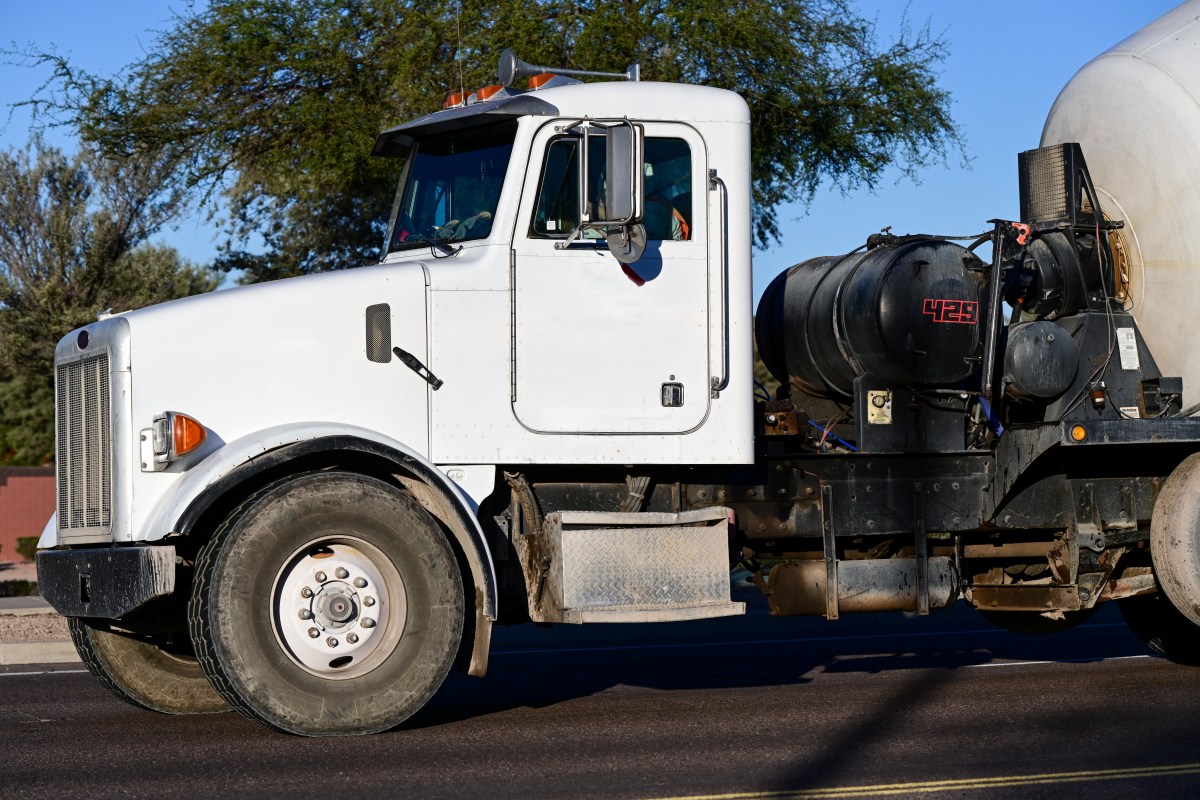
White concrete mixer truck driving on a paved road, representing commercial construction transportation equipment used for mixing and delivering cement materials

Actionable Industry Insights and Data

UTA keeps members connected to current conditions across the industry. You gain access to newsletters, industry insights, webinars, and market discussions focused on real-world issues such as tariffs and regulations. That includes shifts in supply, changes in demand, and updates tied to how freight and inventory are moving.

You stay closer to:

  • Inventory movement and availability
  • Pricing shifts across segments
  • Demand cycles tied to freight activity
  • Broader industry trends affecting supply and pricing

This kind of visibility helps you adjust faster. Whether you are buying, selling, or planning your next move, stronger insight reduces guesswork and protects margins.

Training That Drives Results

UTA supports ongoing education tied directly to performance. Members can access webinars, workshops, and in-person sessions focused on sales, operations, leadership, and digital strategy.

These are not abstract sessions. They are built around improving how your business runs day to day.

For dealerships and service providers, even small improvements in process or execution can show up quickly in revenue and efficiency.

Affordable Health Insurance for Small Businesses

UTA also offers access to group health insurance. For smaller teams, that becomes a practical advantage. It gives small business owners a way to manage costs without building separate solutions outside the association.

Scholarships and Member Support

UTA supports long-term growth across the industry, not just short-term transactions. Scholarship programs are available for members and their families, including support for college and technical education.

That investment helps develop the next generation of workers across the commercial truck industry, including technicians, operators, and future business owners.

Truck drivers discussing logistics on clipboard next to truck

Marketing and Exposure Opportunities

UTA also provides targeted exposure inside the used truck industry. Instead of broad marketing, you can position your products, financing solutions, or services directly in front of dealers, lenders, and vendors already active in the space.

This approach helps you:

  • Stay visible with decision-makers
  • Attract more qualified clients
  • Build recognition within a defined market

For businesses that depend on industry relationships, that level of targeted visibility can outperform general advertising.

Key UTA Events in 2026

UTA events bring the network to life. Some are large and structured. Others are smaller and built for deeper conversations.

Red River Shootout Fishing Trip (April 21–23, 2026)

The Red River Shootout Fishing event takes place at West Bay Casino and Resort and blends networking with a more relaxed setting.

Attendees spend time fishing, sharing meals, and building relationships without the pressure of a formal conference environment. Member registration is $525, while non-members pay $725.

It is a strong option if you want access to decision-makers in a setting where conversations happen naturally.

Kansas City Golf Scramble (June 2026)

The Kansas City Golf Scramble is one of the larger UTA events, drawing more than 200 attendees. It creates a high-energy environment where dealers, lenders, and vendors connect across a full schedule of networking and activities.

For businesses looking to increase visibility or meet new contacts, this event consistently delivers strong turnout and engagement.

TWOK Fishing Event (Sept. 29 – Oct. 1, 2026)

The TWOK event offers a more curated experience. It focuses on smaller groups, higher-end accommodations, and more focused interaction. That setting allows for deeper conversations, which can be valuable when building long-term partnerships or exploring more complex deals.

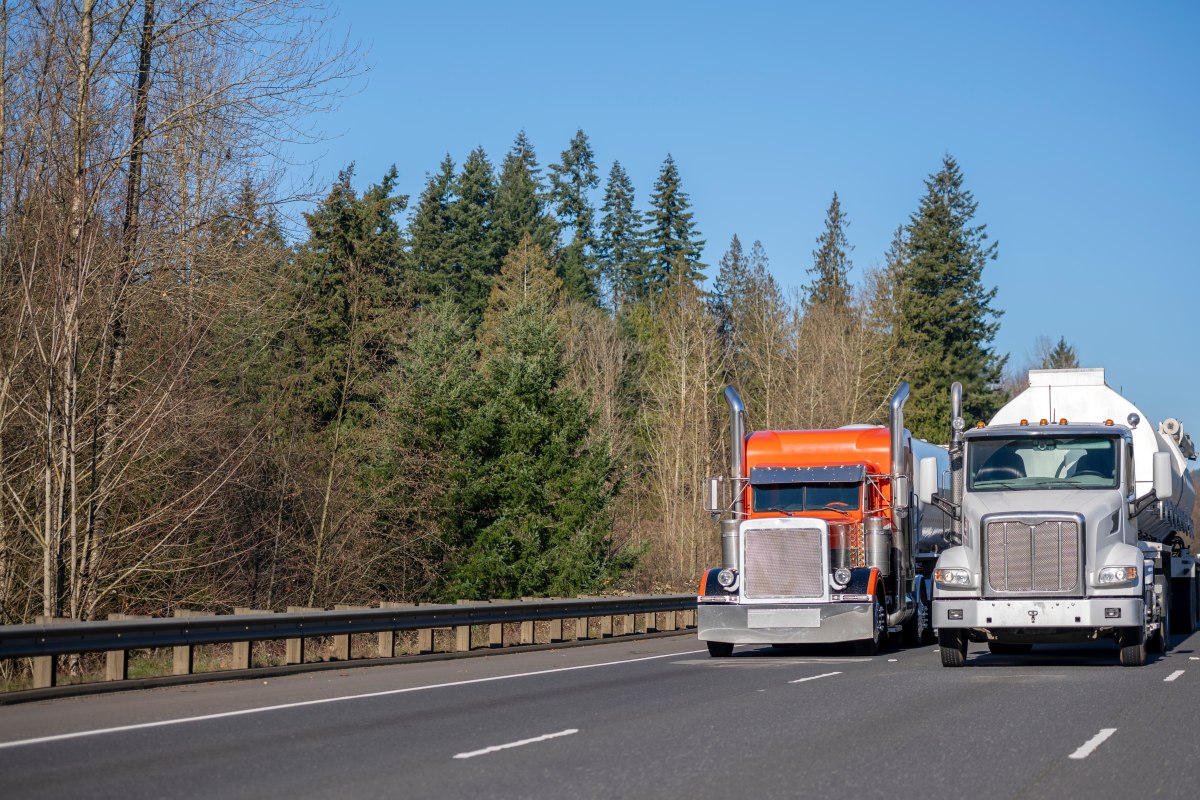
Two big rig orange and white semi trucks with tank semi trailer transporting liquid on the wide road in sunny day

UTA Annual Convention (Nov. 11–14, 2026)

The UTA Annual Convention is the largest and most important UTA event of the year.

With more than 700 attendees, it brings together a wide range of businesses across the used truck industry. The event includes training sessions, a vendor expo, and extensive networking opportunities. If you want a complete view of the market, this is the event that delivers it.

Is UTA Membership Worth It?

If you buy and sell used truck inventory, need financing partners, work closely with vendors or suppliers, or want better visibility into the used truck industry, the UTA membership is worth it.

One strong contact can lead to inventory access, a lending relationship, a new client, or a deal that more than covers the cost of membership.

It can also be worth it if you want to stay closer to the market. The UTA gives members access to events and conversations that help businesses react faster to pricing shifts, demand changes, and new opportunities across the truck industry.

At the same time, UTA membership may not be worth it for every company.

If you are not active in the used truck space, do not plan to attend events, and have no real need for industry networking, the return will be harder to justify.

The best fit is a business that plans to use the network. If you show up and build relationships, UTA can become a powerful resource.

Truck drivers handshaking making business agreement

Conclusion

In the used truck industry, growth comes from access and relationships. The right connection can move inventory, unlock financing, or put your business in front of the right buyers at the right time.

UTA brings those opportunities together. For dealers, lenders, vendors, and other businesses in the space, that kind of access can create real momentum.

But access only works if you can act on it. When the right truck or opportunity shows up, having financing in place makes the difference between watching and moving.

Mission Financial Services helps trucking businesses take advantage of those moments with flexible commercial vehicle financing and real-world support for owner operators and growing fleets.

If you are planning to expand inventory or purchase a used truck, the next step is making sure you are ready to move when the opportunity is there. Start your credit application today and prepare to take advantage of every opportunity that comes your way.

When Truck Financing Costs More Than Expected: A Practical Guide for Owner-Operators

When Truck Financing Costs More Than Expected: A Practical Guide for Owner-Operators

Mock-up of tractor-trailer, coins placed on light background. Concept. Tariffs, calculation, freight transport costs by truck.

Many owner-operators begin shopping for a truck with a rough estimate of what the monthly payment might look like. Once offers arrive, though, the actual truck financing costs can be higher than expected.

While that can be frustrating, receiving an approval still means a lender is willing to fund the truck purchase – which is good news!

Understanding why financing terms change and how they affect your truck payment helps buyers make better decisions before signing a loan contract.

Below, we discuss the factors that influence commercial truck loans and how to structure financing so the purchase remains affordable for your business.

Why Truck Financing Costs Sometimes Come In Higher Than Expected

Several factors influence the cost of truck financing, and many of them relate to how lenders evaluate risk:

  • Credit history: A strong credit profile usually leads to lower interest rates, while limited credit or past issues can place the borrower in a higher-risk category. Lenders rely on credit reports to evaluate how reliably a borrower has handled debt in the past.
  • Time in business: Experienced operators with established revenue often qualify for better financing terms than first-time buyers. Lenders view a stable business history as a sign that the borrower can handle long-term obligations.
  • Type of truck: A used truck with high mileage may carry more risk than a newer vehicle because repairs and downtime can affect the borrower’s ability to make payments. Older trucks can still be good purchases, but lenders sometimes adjust loan terms to account for potential maintenance costs.
  • Down payment: A larger down payment reduces the amount owed on the loan and lowers the lender’s exposure. Buyers who contribute more capital upfront often receive better terms.
  • Market interest rate: The broader market conditions influence commercial lending. When interest rates rise across the financial markets, financing for vehicles and equipment typically increases as well.

Caucasian Semi Truck Driver Hitting the Road

What Higher Rates Actually Mean for Your Monthly Payment

When financing costs rise, many buyers focus only on the interest rate. While the rate matters, what really affects day-to-day operations is the monthly payment and the loan’s total cost over time.

Consider a simplified example for a commercial truck purchase. Assume a buyer finances $120,000 for a truck over a five-year loan term.

  • At a 7% interest rate, the monthly truck payment might be around $2,376.
  • At a 10% interest rate, the monthly payment increases to roughly $2,549.

That difference may not seem huge at first glance, but it changes the total amount paid over the life of the loan.

A higher rate increases the total cost of financing even if the monthly payment remains manageable. Over several years, those small differences in interest can add up to thousands of dollars.

Buyers should evaluate both the monthly affordability and the loan’s long-term cost. Tools such as affordability and payment calculators can help estimate how different rates and terms affect the total repayment amount.

The Difference Between Interest Rate, APR, and Total Loan Cost

Many truck buyers assume the interest rate tells the whole story, but financing costs involve several numbers that work together.

  • Interest rate: The interest rate is the annual rate used to calculate interest on the loan’s principal. It drives how much interest you pay as you make payments over time.
  • APR: The annual percentage rate (APR) is a standardized rate that reflects the yearly cost of borrowing by combining the interest rate with certain lender-required finance charges (such as origination fees).
  • Total loan cost: The loan term affects what you pay overall. A longer repayment schedule usually lowers the monthly payment, which can help with affordability. However, because you’re borrowing for longer, interest has more time to accrue. So it often increases the total amount paid over the life of the loan.

Truck Drivers Shift Work Vehicle Keys Transfer

How to Plan for Financing Before You Shop

Truck financing becomes easier when buyers prepare before they start shopping for vehicles. A little preparation helps determine what you can comfortably afford and reduces surprises during the approval process.

  1. Start by reviewing your credit report. Checking your credit early gives you time to correct errors or improve your credit profile before applying for financing.
  2. Next, evaluate your business income and expenses. Lenders want to see that your business’s cash flow supports the proposed payment. Gathering bank statements and financial records in advance helps demonstrate stability.
  3. It is also important to understand typical down payment requirements. Many commercial truck loans require a percentage of the purchase price upfront. Planning for that amount prevents delays when the right truck becomes available.
  4. Finally, think carefully about the type of vehicle you truly need. Buying the right truck for your workload often matters more than buying the newest model available.

What to Do if Your Loan Offer Is Higher Than Expected

If your truck loan offer comes back with a higher rate than you anticipated, the first step is to understand why.

Lenders evaluate several factors when pricing a loan, including credit history, time in business, the type of truck being financed, and the size of the down payment. Asking your lender to explain what influenced the terms can help clarify whether the rate reflects credit factors, market conditions, or the structure of the deal.

Next, look at ways to adjust the financing structure. Increasing the down payment, extending or shortening the loan term, or selecting a lower-priced truck can sometimes make the monthly payment more manageable. Even small changes to the loan structure can improve affordability.

It is also helpful to evaluate the loan in the context of your business. If the truck will generate reliable revenue, the key question is whether the payment fits comfortably within your expected cash flow.

Finally, remember that financing terms are not always permanent. Borrowers who make consistent payments and improve their credit profile may be able to refinance later at a lower rate.

Aerial top view of truck and cargo trailer unloading in logostics center.

Protecting Cash Flow When Financing Costs Are Higher

Commercial truck ownership involves more than the purchase price. Operating expenses such as insurance, maintenance, and fuel all affect profitability.

When financing costs rise, protecting cash flow becomes especially important. Structuring payments so they align with expected revenue helps prevent financial stress.

For example, a truck working consistent regional routes may generate predictable income. Matching the loan payment with those revenue patterns keeps the business stable.

Operators should also plan for maintenance. Even well-maintained vehicles eventually require repairs. Setting aside funds for suspension work or engine service helps avoid unexpected disruptions.

Insurance costs also influence affordability. Higher-value vehicles often carry higher insurance premiums, which can affect the overall cost of ownership.

Balancing all of these factors helps ensure the truck supports the business rather than becoming a financial burden.

Conclusion

When truck financing costs come in higher than expected, it does not automatically mean the purchase is a bad decision. What matters most is whether the monthly payment aligns with your business revenue and long-term goals.

Understanding how interest rates, loan terms, truck condition, and down payments affect the total cost of financing helps buyers make informed decisions.

If your truck financing costs came in higher than you expected, you don’t have to fight your way through the next step.

Mission Financial Services helps owner-operators, first-time buyers, and small fleets secure funding for commercial trucks with terms built around real-world cash flow, not perfect-credit assumptions.

So, if you are trying to lock in a workable monthly payment and get the right truck on the road without stalling your business, start your credit application with Mission Financial Services today.

Frequently Asked Questions

Why Is My Truck Loan Rate Higher Than I Expected?

Truck loan rates depend on several factors, including credit history, time in business, the type of truck being financed, and current market interest rates. Borrowers with limited credit or smaller down payments may see higher rates because lenders must account for additional risk.

Can I Lower My Commercial Truck Loan Rate?

Improving your credit score, increasing your down payment, or selecting a lower-priced truck can sometimes lower the interest rate lenders offer.

Does a Larger Down Payment Help?

Yes. A larger down payment reduces the amount borrowed and lowers the lender’s risk. This can sometimes result in better loan terms and a smaller monthly payment.

Should I Wait for Rates to Drop?

Interest rates move with broader economic conditions. While waiting may lower financing costs, it could also delay income opportunities if you need a truck for work.

How Much Down Payment Do You Need to Lease a Semi Truck?

How Much Down Payment Do You Need to Lease a Semi Truck?

Leasing a semi truck can be a convenient way to get on the road, but the deal can feel unclear until you know what you will actually need upfront. The first question most drivers ask is the right one: how much of a down payment will you need to lease a semi-truck?

The honest answer is that it depends on numerous factors, including your credit score, credit history, the truck you choose, and how the lease is structured.

Two drivers can look at the same truck and end up with very different down payment requirements and monthly payment numbers.

Below, we go over typical down payment ranges and the specific factors lenders consider when setting terms.

How Much Down Payment To Lease A Semi Truck: Quick Answer

For most drivers, the down payment to lease a semi truck typically falls between 0% and 15% in advertised down payment, depending on how the lease is structured and what costs are due at signing.

Here’s how it usually breaks down in real-world deals:

  • Low end (0%–5% down): Often limited to the first monthly payment plus fees, not truly zero cash due. These structures usually come with higher monthly payments and are most common for drivers with strong credit and stable income.
  • Mid-range (5%–10% down): A common range for many owner operators. This level helps secure approval while keeping the monthly payment manageable without draining cash flow.
  • Higher end (10%–15% or more): More likely when credit is challenged, the truck is older, or the lease carries more risk. A higher down payment reduces lender exposure and can improve approval odds.

Because down payment requirements vary so widely, working with a lender that understands the trucking industry can make a major difference.

For example, at Mission Financial Services, we focus on flexible commercial truck financing structures and fast approvals, helping drivers explore realistic and achievable options.

What Determines Your Down Payment For A Semi Truck Lease

There is no single down payment number that applies to every driver or every deal. When lenders decide how much money you need upfront, they look at a combination of credit, business stability, the truck itself, and how the lease is structured.

Each factor affects risk, and higher risk usually means more cash required at signing.

Here are the main factors lenders consider when setting a semi truck lease down payment:

  • Credit score and credit history: Strong credit often qualifies for lower down payments and more flexible terms. Bad credit or a thin credit file typically leads to higher down payment requirements.
  • Time in business and business history: New businesses and first-time buyers are considered higher risk, even with solid income. Established fleets with consistent revenue usually have more options.
  • Truck age, condition, and type: New semi trucks with controlled mileage are easier to place in a lease than older, high-mileage used semis. Truck type and expected value at the end of the lease also matter.
  • Monthly payment target and lease term: A longer lease with lower monthly payments may require a larger down payment. Shorter lease terms often shift more of the cost into the monthly payment instead.
  • Cash flow and bank statements: Lenders review how money moves through your business. Strong, steady cash flow can sometimes offset weaker credit or limited business history.

Leasing Vs Financing Options: Why Down Payments Work Differently

Leasing a semi-truck and financing a truck are not the same, and down payments work differently in each structure.

With a lease, the lender or leasing company typically retains ownership of the vehicle. Because the truck is not becoming your asset right away, the lease shifts risk differently. Mileage limits, wear guidelines, and end-of-lease conditions all factor into the payment requirements.

With a semi truck loan or financing, you are purchasing the vehicle. The down payment creates equity in the truck from day one. While financing often requires a larger down payment and longer loan term, it can be a better fit for drivers focused on ownership and long-term value.

Commercial vehicle financing may make more sense if you plan to keep the truck for many years or build equity as a part of your business finances. Leasing can be a convenient way to manage short-term costs and preserve cash, but it often leads to higher total costs over time.

Additional Upfront Costs When Leasing A Semi-Truck

The down payment is only part of the upfront cost to lease a semi truck. Even if the monthly payment looks affordable, these items can change what you can realistically budget before you take delivery.

Common upfront costs when leasing a semi truck include:

  • First payment and timing: Often due at signing, and some dealers collect the first and last payment up front.
  • Security deposit: Often required for new businesses or borrowers with limited credit. It’s typically refundable at the end of the lease, but it does tie up cash for the duration of the term.
  • Insurance down payment: Frequently one of the highest upfront costs, especially for an owner-operator with new authority.
  • Permits and compliance costs: IRP and IFTA setup, plates, and other required items can hit early in the process.
  • Sales tax, registration, and documentation fees: Sales tax varies by state and lease structure, but it adds to the total cost at delivery.
  • Maintenance reserves and warranty coverage: Used truck deals often require a stronger maintenance plan, and setting aside cash up front can reduce the risk of missing a payment later.

How To Lower Your Down Payment on a Commercial Truck

Lower down payments usually come from lowering lender risk. You do not have to be perfect, but you do need to make your credit application easy to approve and easy to price.

Here are practical ways to improve approval odds and reduce the down payment requirement:

  • Strengthen your credit profile before the credit check: Paying revolving balances and fixing errors can raise your credit score faster than most drivers expect. Even a small improvement can reduce your payment requirements or move you to better financing options.
  • Match the truck to lender guidelines: A new semi or a late-model used semi that fits common lender rules (reasonable miles, standard truck type, clean condition) is usually easier to secure with lower down payments than an older, high-mileage used truck.
  • Bring documentation that proves stability: Bank statements show cash flow and spending patterns. Tax returns show business history. Settlement statements and contracts show income consistency. Strong documentation can help offset bad credit or limited time in business.
  • Control your monthly obligation picture: Lenders look at whether the payment fits your budget. If you already have high debt payments, you may be pushed toward a higher down payment or higher monthly payments. Keeping debt-to-income in check improves the financing work behind the scenes.
  • Have a clear plan for the lease term and end of the lease: Lenders pay attention to long-term plans. If the plan is unclear, the deal is riskier. If your plan is stable, the structure can be more flexible.

Frequently Asked Questions

Can I Lease A Semi Truck With No Money Down?

True $0 down is uncommon once the paperwork is finalized. In most cases, “no money down” still means an upfront cost like the first payment, fees, or a security deposit, and the deal may be offset with higher monthly payments.

What Credit Score Do I Need To Lease A Semi Truck?

There is no single credit score cutoff because lenders also look at credit history, income documentation, and business stability. With bad credit, you may still qualify, but you may need a higher down payment or a structure similar to semi truck financing.

Do I Need A Down Payment If I Have A Co-Signer?

A co-signer can improve approval odds, especially if they have strong credit and a stable income. Even so, many lenders still require a down payment to reduce risk and confirm the borrower can contribute cash to the deal. A co-signer may also help you qualify for a better interest rate or more flexible truck financing terms.

Aerial view semi truck trailer cargo on mountain curve road, Semi truck trailer cargo business logistic transportation on green forest road curve, Semi truck delivery asphalt road green forest tree.

Conclusion

Locking down the numbers early keeps you in control of the deal instead of scrambling at the finish line.

Once you know what you can put down and what you need to keep in reserve, it’s much easier to choose terms that fit your monthly budget, protect cash flow, and support the way you want to run your business long term.

If you are comparing a lease to semi-truck financing, or want to see what approval could look like, Mission Financial Services can help you map out the most practical financing options. The right plan can protect your business vehicle and keep your finances steady as your business grows.

Get in touch with us or start your credit application online for fast approvals and comprehensive support.

Truckload Spot Rate Spikes: What an 8% Jump Signals for 2026

Truckload Spot Rate Spikes: What an 8% Jump Signals for 2026

Truckload spot rate spikes have captured attention across the freight market after an 8% jump recorded over a recent two-week period.

For owner-operators, first-time buyers, and small fleets, this is a data point that hints at how fragile current market conditions remain and how quickly opportunity and risk can appear.

Many drivers are still operating through a prolonged freight recession, with demand remaining weak in several lanes and elevated costs continuing to pressure margins.

Understanding why sudden rate spikes happen and what they may signal for 2026 helps drivers decide when to secure financing before the next swing.

Why This Spot Rate Jump Matters

The 8% jump refers to truckload spot rates excluding fuel, a metric commonly tracked through the National Truckload Index (NTIL). While spot rates are not a perfect measure of overall market health, they are widely viewed as one of the fastest indicators of how carriers perceive the value of their services in real time.

Over the two-week period from November 19 to December 4, 2025, spot rates rose more sharply than they did around the same holiday window in the previous two years. Although similar seasonal moves have occurred in the past, the defining difference this year has been how sudden and abrupt those increases have become.

This pattern reflects a market that remains stuck between excess capacity and recovery. Capacity has been slowly exiting since early 2023, but weakening demand has offset much of that tightening. As a result, carriers appear hesitant to raise rates until it becomes absolutely clear that market conditions allow them to do so.

That hesitation may be masking a tighter underlying market than headline indicators suggest. When disruption does occur (whether from seasonal pressures, regulatory friction, or temporary capacity pullbacks), pricing reacts quickly.

These short, sharp rate movements highlight how fragile current market conditions remain and why volatility, rather than a smooth recovery, is increasingly shaping expectations for the period ahead.

View from the driver's seat of a truck of the highway and a land

Spot Rates Explained

Spot rates are the price you get for a load right now, usually booked one load at a time. They are different from contract rates, which are negotiated in advance and stay more stable over weeks or months.

Shippers use the spot market when they need quick coverage. That usually happens when they have a last-minute load, a route problem, or their usual contract carrier cannot take it.

If contract carriers are increasingly unwilling to haul certain freight or lanes, more loads spill into the truckload spot, and prices can change fast.

Spot rates move quickly because they react to what drivers are actually doing in real time.

If a lane gets short on trucks, prices jump. If winter weather slows down pickups and deliveries, fewer trucks are available, and rates climb. If the weather clears or more trucks reposition into that lane, rates can drop just as fast. Contract rates usually lag behind because they take longer to renegotiate and update.

This is why spot pricing is often an early signal for the freight market.

Spot rates react immediately to market conditions while contract rates adjust more slowly over time. Spot markets often reflect changes before contract pricing does, especially during seasonal disruptions or periods of regulatory pressure.

What’s Driving These Sudden Spikes Right Now

Truckload spot rate spikes rarely come from one single cause. Sudden rate spikes are happening because the system is less forgiving, so small disruptions create an outsized reaction.

These are the current drivers:

  • Capacity is thinner than it looks: Carrier details analysis suggests carrier attrition continues after the prolonged freight recession, with many motor carrier property authorities exiting. That can push carriers offline and reduce the cushion in trucking capacity, even when the truckload market still shows ample capacity on paper.
  • Winter weather disruptions create lane shortages: Winter weather across the Midwest and Northeast can disrupt networks and reduce available equipment. When that happens, shippers push more freight into the spot market to cover missed loads, which can raise rates quickly.
  • The market is hyper-sensitive right now: Equipment costs remain high, interest rates are elevated, and demand remains weak in parts of the housing market and the broader economy. Under normal seasonal pressure and typical seasonality, the market’s transition can swing fast, creating considerably more volatility.
  • Costs and regulatory pressure still matter: Higher costs and regulatory pressure continue to affect many transportation providers, which can contribute to ongoing carrier exits over time.

What This Could Mean For 2026 Freight Conditions

The most important point is that this does not confirm a durable market recovery. While some headlines suggest improvement, most freight data still shows uneven demand.

Freight demand remains below pre-recession levels, and increases in freight volumes have been limited to specific regions rather than across the entire truckload market.

Looking toward 2026, the more likely scenario is continued volatility rather than a smooth rebound. Spot rates may rise for short periods, fall back, then rise again as seasonal disruptions affect already fragile networks.

Contract rates could follow in select lanes, but the broader market has not fully worked through the excess capacity built up earlier in the cycle.

For carriers, this environment creates short, temporary leverage windows. When truckload spot rates move closer to contract rates, carriers gain negotiating power. Those moments tend to favor operators with strong cash flow, reliable equipment, and disciplined planning. Operators who are unprepared may struggle once rates normalize again.

Winding road in the forest in the fall with truck on the road

What Owner-Operators And Small Fleets Should Do Next

Truckload spot rate spikes should change how you operate this week, not just how you feel about the market. Treat them as signals that market conditions are tightening temporarily in certain lanes, not guarantees of higher earnings everywhere in the freight market.

The first step is setting a clear rate floor. Know your estimated cost per mile, using fuel, insurance, maintenance, and financing, then add your profit margin on top. If spot rates fall below that number, it is often smarter to reposition, shorten the run, or wait for a better reload than to run freight that damages your weekly average.

Next, tighten your lane plan so you can reload without burning unpaid miles. Lane discipline means sticking with lanes that repeatedly produce freight volumes and predictable reloads.

In practice, that often looks like running repeatable loops between major freight markets, where load options stay steady, and deadhead is easier to control. Chasing one high-paying load into a thin market can look good on the rate confirmation, but it often turns into extra deadhead and a lower weekly average once the next load is harder to secure.

Then, choose loads that protect your cash flow. In a volatile spot market, smart load selection means prioritizing shippers and brokers with reliable payment terms. Avoid freight that creates long waits, inconsistent schedules, or a difficult reload position.

How Financing Strategy Changes When Rates Start Moving

When spot rates swing week to week, your revenue becomes less predictable, even if you are hauling consistently. In a tighter underlying market, that unpredictability can be frustrating because you may see brief surges without enough consistency to count on them for monthly planning.

That is also why lenders mitigate risk by focusing on stability instead of your best week. Most commercial truck lenders evaluate a few core factors:

  • Credit history: How you have handled past credit, including late payments or charge-offs
  • Down payment: How much cash you can put into the deal upfront
  • Operating consistency: How steady your work history and income look over time

Drivers with bad credit or limited credit history are often turned away by traditional lenders, even when they are running viable operations. That can be a problem in a spot-driven freight market, because cash flow gaps show up quickly when repairs hit or loads soften.

Mission Financial Services is built for that reality. We specialize in owner-operator loans, first-time buyer loans, bad credit loans, and commercial truck repair loans designed to help drivers stay on the road and reduce downtime – even when waiting for a more durable market recovery.

The smartest move is to prep financing before you are forced to act. Having approval in place helps you move quickly when the right truck becomes available or when a repair cannot wait.

Semi truck on highway at sunset

Conclusion

Truckload spot rate spikes offer insight into the market’s transition, but they do not promise a smooth upward trend. The truckload market remains fragile, shaped by weakening demand, carrier exits, and sensitivity to disruption.

For owner-operators and small fleets, success is not about chasing headlines. It is about staying prepared.

Financing that supports repairs and growth at the right time can be the difference between surviving volatility and being forced out when conditions materially worsen.

Ready to get on the road with flexible truck financing? Start your credit application with Mission Financial Services today.

Archives

Sign Me Up!

Stay up to date with the latest news in the commercial trucking industry.

Contact Us
close slider