Office: (404) 975-4800

Insurance

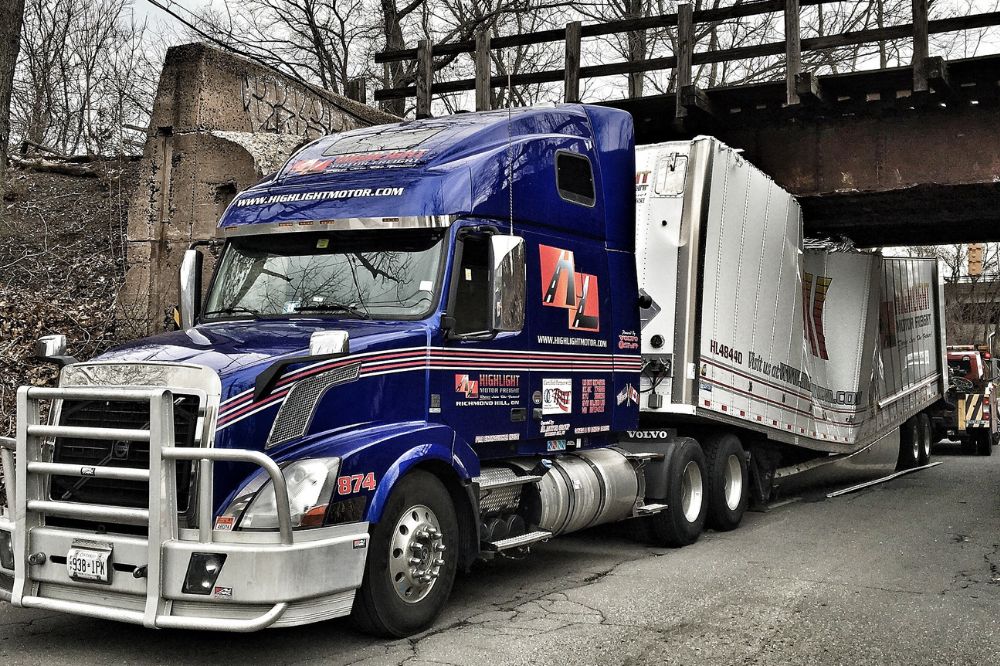
Bobtail Insurance for Semi-Truck Drivers

Bobtail Insurance for Semi-Truck Drivers

When you purchase a semi-truck, one of the first things you must do is get it properly insured. This involves getting primary liability insurance, as well as considering bobtail insurance.

Many drivers overlook Bobtail insurance, also known as non-trucking liability insurance. While it’s not always necessary to own a truck, this insurance can add significant value if you’re involved in a semi-truck accident while not driving on a delivery route.

This guide explores exactly what non-trucking liability insurance is, what it covers, and whether you should get bobtail insurance for your semi-truck.

What is Bobtail Insurance Coverage?

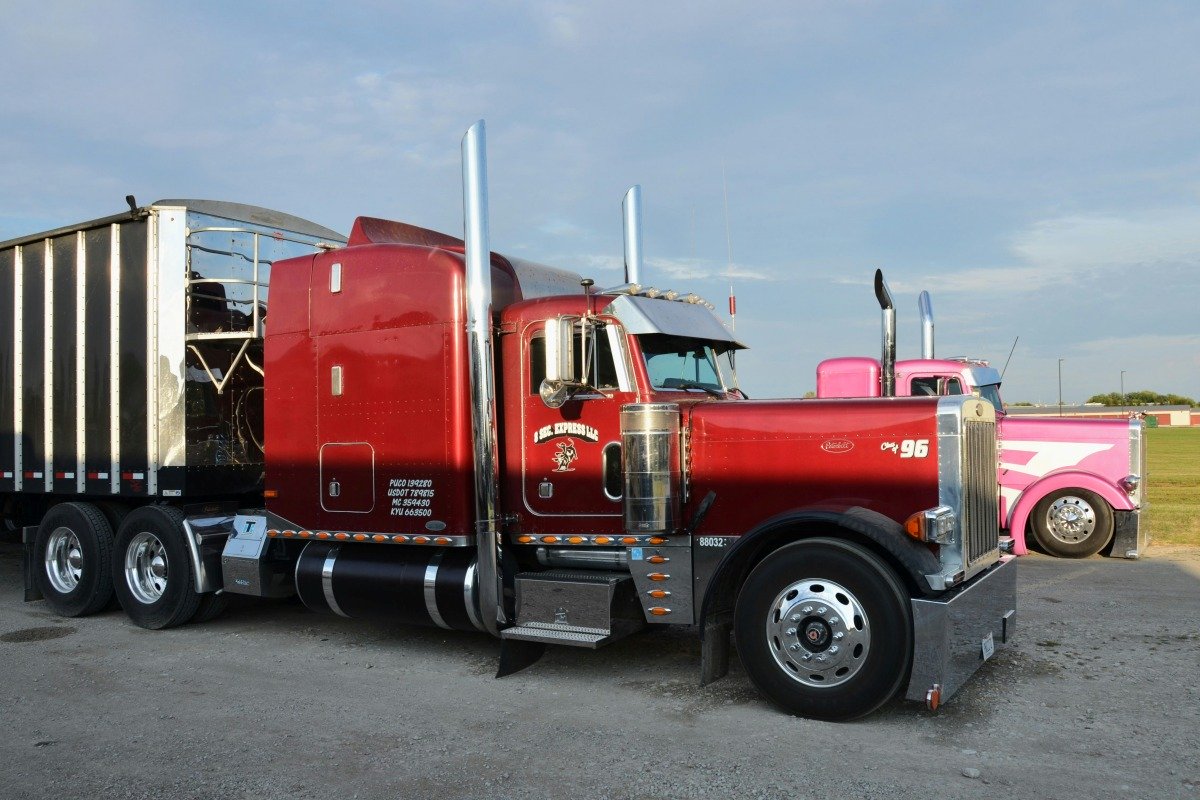
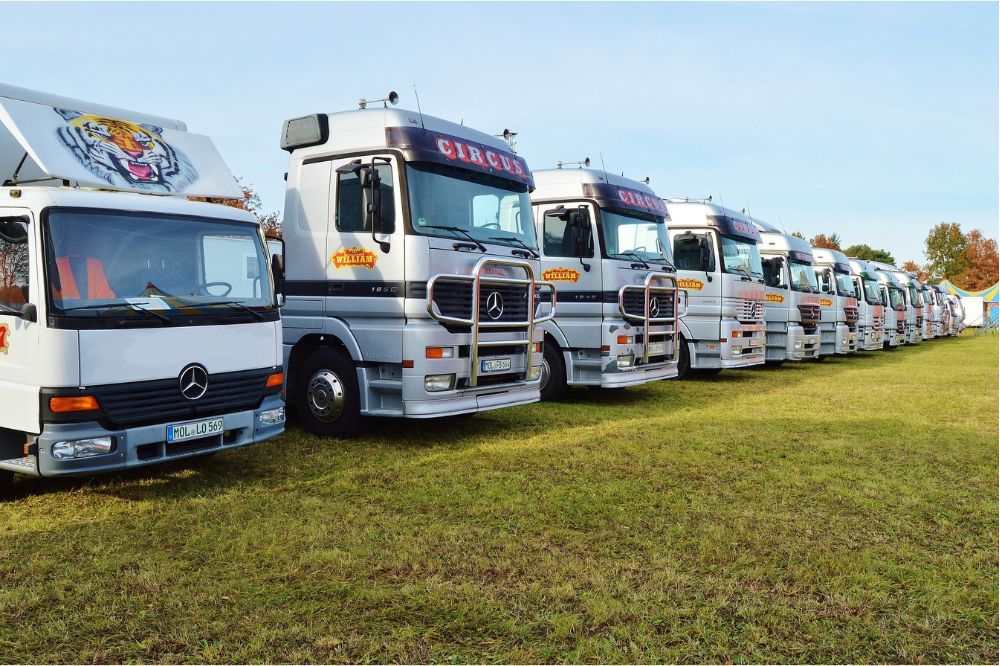
Bobtail insurance protects commercial truck drivers when operating their trucks without a trailer or cargo. It’s sometimes also referred to as non-trucking liability insurance.

Bobtail insurance is important because most commercial trucking insurance policies only provide coverage when the truck is driving or hauling freight. However, all kinds of possible issues could happen to your semi-truck while it’s not in action – which is when bobtail liability insurance will cover you.

Bobtail insurance is a different product from primary commercial trucking insurance. Primary insurance covers the truck while it’s engaged in commercial activities, such as hauling cargo. Bobtail insurance specifically covers the truck during non-business use or when it’s operating without a trailer.

Having both primary commercial truck insurance and non-trucking liability insurance provides complete coverage for your vehicle.
What Does Bobtail Insurance for Semi-Trucks Cover?

Insurance policies change with each broker, so each bobtail insurance plan is unique. However, bobtail liability insurance typically provides two main areas of coverage.

Non-Commercial Use

Bobtail insurance covers situations when a commercial truck is being driven for non-business or personal use. For example, if a trucker is driving the tractor (the front part of the truck) without a trailer for personal reasons, like going home after delivery, this coverage can protect them.

Bobtail insurance can also provide coverage for a parked semi-truck when it’s not in commercial use. Many commercial truck insurance companies only offer coverage when the truck is in active service.

Liability Coverage

The main focus of bobtail insurance is on liability protection. This type of truck insurance can help cover the costs if the truck driver is involved in an accident while not hauling a trailer and they are found to be at fault. This includes bodily injury and property damage liability. Truckers must have proper liability coverage at all times.

Who Needs Bobtail Insurance?

Anyone who owns a semi-truck can benefit from having non-trucking liability insurance.

This is especially true if you’re an owner-operator, as you’ll probably drive your truck’s trailer non-commercially at times. As your semi-truck is such a valuable asset, you’ll want to make sure it’s adequately insured at all times – which is why bobtail insurance is so valuable.

Trucking companies or truck lease agreements might sometimes require bobtail insurance. So, some truck drivers may need to take out a bobtail insurance policy to buy a semi-truck. You could get bobtail insurance coverage for a single commercial vehicle or this non-trucking liability coverage for an entire fleet.

If you often drive your truck without a trailer, then getting bobtail insurance is worth considering. Bobtailing is also known to be more dangerous than driving a loaded truck, so having this coverage can add a great deal of value. Without it, you may have to pay enormous legal fees and damages costs in the event of an accident.

Even if it’s not legally mandated, it’s a good idea for truckers who operate their vehicles without trailers to have this coverage to avoid potential financial risks.

How Much Does Bobtail Insurance Cost?

As with any commercial vehicle insurance policy, the cost of non-trucking liability insurance depends on various factors. These are mainly focused on:

  • Your personal driving history: It’s more likely for truck drivers with a longer driving record and more experience with a CDP to get lower premiums on their non-trucking liability insurance.
  • Usage: How long you plan to need bobtail liability insurance based on how often you drive without a trailer will be considered. The more you bobtail, the more expensive your insurance premiums could be.
  • Insurance history: Any bobtail insurance company considers past insurance claims and policies to understand your risk profile.
  • Your coverage limits: Of course, the amount you want to be covered up to in liability costs dictates how much you’ll pay for your bobtail truck insurance. The higher your coverage is, the higher your costs will be.

So, the cost of bobtail insurance can vary greatly depending on the driver’s circumstances. Different bobtail insurance companies will also charge differently.

However, East Insurance Group says drivers often pay around $400 to carry bobtail insurance. Temporary bobtail insurance policies are also available at lower annual premiums.

Where to Find Bobtail Truck Insurance

Many commercial vehicle insurance providers offer bobtail coverage. Most insurers provide quotes on their websites. It’s also worth looking into insurance comparison sites to see what bobtail and trucking liability insurance options are available. This also makes it easy to compare quotes.

Take a look at our roundup of the top commercial truck insurance brokers to help you find the best bobtail insurance coverage.

Conclusion

While saving money on insurance costs may seem attractive, being caught short without insurance can be an absolute killer for your trucking business. This is why it’s essential to consider non-trucking liability insurance if it makes sense for your situation.

You might even need non-trucking liability insurance to purchase a semi-truck in the first place.

If you’re looking to buy a new truck, contact us at Mission Financial Services. We make it easy for all commercial truck drivers to gain financing for their ideal semi-truck.


Commercial Truck Insurance For New Drivers

Commercial Truck Insurance For New Drivers

As a new commercial truck driver, it can be difficult to find good insurance coverage for your vehicle. Insurance companies often see new drivers as risky and only provide coverage to those who have been driving trucks for two or more years.

Additionally, the companies that do offer insurance for new drivers often charge high rates. This means you may end up paying two or three times more than experienced drivers. However, there are ways to find affordable insurance coverage if you know what type of coverage you need and how to search for cheaper options.

What Type of Coverage Do New Truck Drivers Need?

The type of commercial trucking insurance coverage you need as a new driver depends on the category of commercial truck drivers you belong to. There are two main categories of commercial truck drivers:

Company Drivers

Company drivers work for a trucking company as employees or independent contractors. You don’t need commercial trucking insurance if you’re a new truck driver directly employed by a trucking company. The company is responsible for insurance coverage.

However, you may need insurance coverage if you’re an independent truck driver working for a trucking business.

Owner-Operators

Owner-operators have their own trucking business and operate their commercial vehicles. There are two types of owner-operators: those who work under the authority of a motor carrier (leased owner-operators) and those who operate on their authority.

Leased Owner-operators

Leased owner-operators are covered by their motor carriers’ commercial truck insurance coverage.

Depending on the requirements of a motor carrier, an owner-operator with leased authority may need to purchase motor truck cargo or bobtail commercial truck insurance. If you fall under this category, read your lease agreement carefully to determine which additional insurance coverage you need.

Own Authority Owner-operators

Own authority owner-operators are solely responsible for purchasing all the mandatory commercial truck insurance policies they require to thrive. This includes some or all of the essential truck insurance coverage options outlined below.

What does Commercial Truck Insurance for New Drivers Cover?

Commercial auto policies for new drivers offer various essential and optional insurance coverage.

Essential Commercial Truck Insurance for New Drivers

Essential trucking insurance for new drivers is coverage all new truck drivers should consider to protect their ventures from significant financial losses. These coverage options include:

Trucking Primary Liability Coverage

Primary liability coverage is the minimum commercial truck insurance all trucking companies and owner-operators must have to operate in nearly all states. It includes bodily injury and physical damage coverage if you cause an accident. With a primary liability cover, your insurance company pays for the injured parties’ medical expenses and covers any damages to their vehicles.

Physical Damage Liability Insurance

Physical damage coverage protects your commercial trucks from all losses and damages they are exposed to on the road. Most commercial insurance companies offer this coverage in two parts:

Collision coverage: This insurance helps pay for repairing or replacing your vehicle if it is damaged in a collision with another vehicle or object.

Comprehensive coverage: This cover includes compensation for non-collision losses such as theft, fire, vandalism, and harsh weather conditions.

Unlike primary liability insurance, physical damage coverage is not required by law. However, it’s critical commercial truck insurance for new drivers as it protects the main asset, providing business security.

Non-Trucking Liability Insurance

Non-trucking liability coverage protects you if you get into an accident when driving your commercial truck for errands unrelated to work.

General Liability Insurance

Motor truck general liability insurance coverage pays for bodily injury and physical damages unrelated to driving your commercial truck but involving your business. This includes bodily injury compensation for accidents on your business property or those for-hire truckers caused away from your location.

Motor Truck Cargo Coverage

Motor truck cargo coverage protects the goods you haul. It’s an essential coverage option for most leased owner-operators as some motor carriers require truck drivers under their lease to carry cargo insurance.

Optional Commercial Truck Insurance For New Drivers

As a new driver, you should get more coverage to reduce risk and ensure you succeed. To do this, consider the following optional commercial truck insurance for new drivers:

Loss mitigation: Used to cover any losses that exceed your truck insurance policy limits.

GAP protection: GAP (Guaranteed Asset Protection) insurance is optional. This coverage covers any “gap” between the actual cash value of your vehicle at the time of loss and what you owe on your auto loan or lease.

How To Find Affordable Commercial Truck Insurance For New Drivers

There are three steps you can take to find affordable truck insurance for new drivers.

Step 1: Evaluate Your Business Needs

Evaluating your business needs will help you identify the coverage you need to avoid purchasing excess or unnecessary coverage. To do this, assess the common factors insurance providers use to set their commercial truck insurance premiums. These include your operating radius, vehicle and cargo type, FMCSA requirements, location, etc.

Step 2: Compare Quotes From Multiple Commercial Truck Insurance Companies

Get quotes from several commercial truck insurance companies and settle for one with high-quality coverage at an affordable rate.

Look at how the rates of different commercial truck insurance providers fare compared to the national average rates. Here’s a guide to help you understand the average commercial truck insurance cost for various coverage options.

Also, evaluate different commercial truck insurance companies based on their reputation, customer support, and availability to get the best insurance company.

You can get quotes from multiple commercial truck insurance providers at once through commercial trucking insurance brokers like Evolution Insurance Brokers.

Step 3: Negotiate Best Deal

Once you’ve identified the best commercial truck insurance providers, negotiate with each and settle for the best deal. Major insurance companies might be reluctant to offer discounts to new truck drivers, but it’s worth a try.

Final Thoughts

Getting the right commercial truck insurance policy gives you the financial stability and peace of mind you need to grow your venture. You might lose thousands to millions of dollars in settlement claims without insurance.

For additional peace of mind and security for your trucking business, we’ve partnered with TrüNorth™ to provide comprehensive commercial truck warranty protection. We can also help finance your commercial truck purchases to help you grow, even if you’re a first-time buyer. Contact us to learn more.

accident 3rd party

What to Do in an Accident With Semi Truck

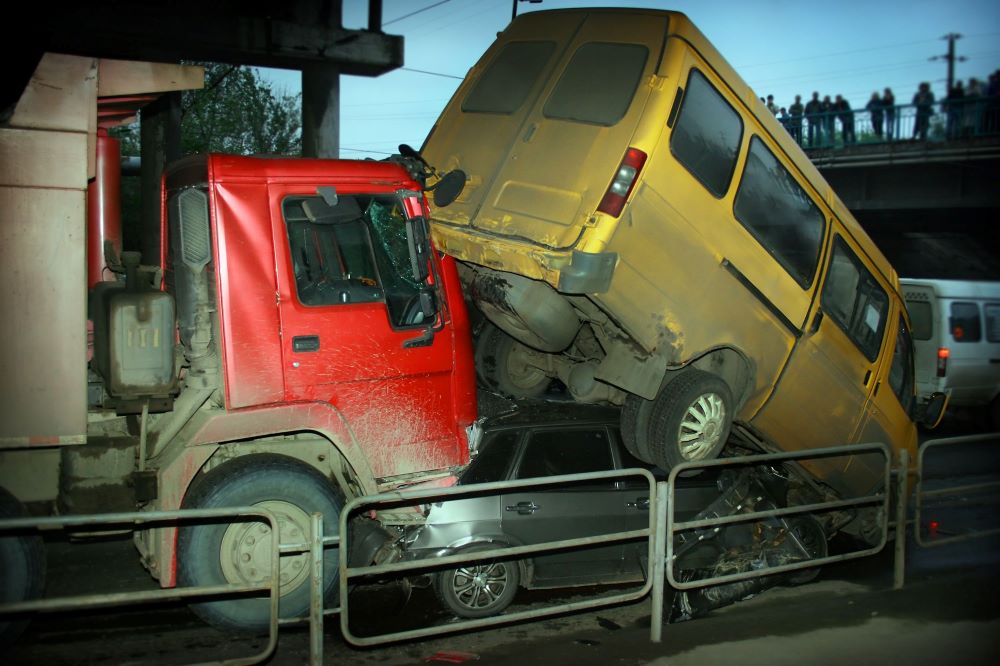
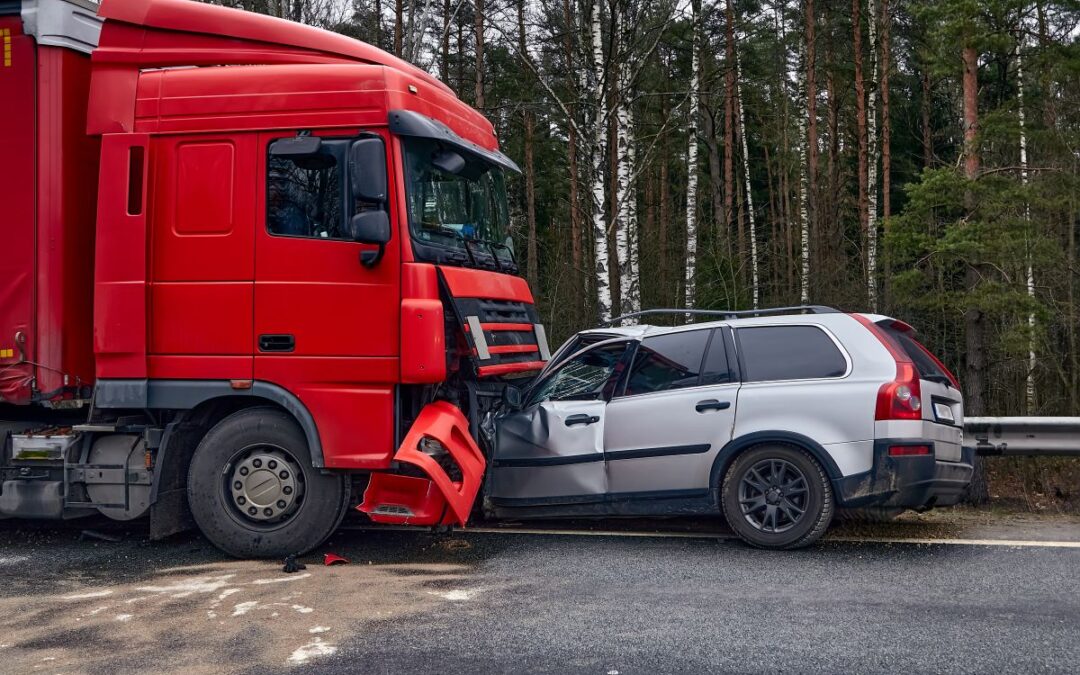
As a truck driver, you’ll need to know precisely how to deal with a semi-truck accident if one happens.

While it’s essential to know how to avoid accidents in the first place, accidents still happen all the time. Nearly 388,000 truck accidents happen annually across the U.S.

If you can’t prevent the accident from taking place, the best thing you can do is to deal with the accident as efficiently as possible. Each accident is different and will come with its challenges. However, the same general process can be followed after an accident occurs.

Here are the steps you should follow if you’ve experienced a semi-truck accident.

What to Do in an Accident With Semi Truck: Steps to Follow

Check for Injuries

First and foremost, check yourself and others involved for any injuries. While there’s much to consider during a truck accident, safety should always be your priority.

If anyone is injured, call 911 immediately to request immediate medical attention. Even minor injuries should be reported, as a complete medical evaluation may reveal the injuries to be more severe than suspected.

Identifying possible injuries will also help you understand how best to deal with the truck accident in terms of moving vehicles and clearing up any wreckage.

Once emergency services have been notified about any injuries, you can move on to dealing with the semi-truck accident.

call law enforcement
Move to Safety

If possible, move your vehicle to the side of the road or a safe location to avoid further accidents. Turn on hazard lights to alert other drivers.

This isn’t possible for some truck accidents, and it’s not a good idea to try to move any vehicles if they’re in hazardous situations. However, if your vehicle is alright and you can clear the road without causing any harm, then try to do this.

Before moving the vehicle, though, you’ll want to take pictures of the car accident. This is important for the truck accident investigation – more on this later.

Call Law Enforcement

Once the scene is as safe as possible, the next step is to alert the authorities about the truck accident.

Contact the police to report the accident, even if it’s minor. Having an official report can be valuable for insurance claims and legal purposes. If you’re a truck driver who crosses state boundaries, it’s wise to know which local law enforcement numbers to call for each state you travel through.

Exchange Information

You’ll need information to contact the other driver’s insurance company. Make sure you exchange this information before departing the scene of the accident.

Exchange contact, insurance, and driver’s license information with the other driver. Include their company name, contact number, and any relevant details. Semi-truck accidents can sometimes be tricky to report and follow through with insurance, but having the other driver’s contact details will help the process.

Gather Evidence

An essential part of dealing with a semi-truck accident is gathering enough evidence to report the accident to your insurance company.

If it’s safe to do so, take photos of the accident scene, the positions of the vehicles, any damage sustained, and road or weather conditions. Taking videos with your mobile phone will also be useful.
The more detailed your documentation is, the better, as this will all help make the insurance claims process go faster. So, take your time carefully documenting the scene of the accident.

Obtain Witnesses

If there were any witnesses to the accident, ask them for their contact information. Their statements can provide valuable support for your case.

While this isn’t always possible or necessary, having an extra witness statement is always helpful to help with any legal claims or police reports.

Limit Communication

While exchanging information with the involved parties is essential, avoid discussing fault or assigning blame at the scene. Stick to the facts when talking to the police, other drivers, and witnesses.

Always try to keep a cool head and focus purely on the accident and how best to deal with it. While your emotional condition can be difficult after a semi-truck accident, staying calm and collected will make the process easier to manage.

Contact Your Insurance Company

As soon as you’ve dealt with the accident, notify your insurance company about what happened. They will guide you on the necessary steps for filing a claim and getting compensation.

Having reliable insurance is one of the most essential parts of starting a trucking company. Once you’ve found the right commercial truck insurance provider, ensure you know how to reach them in an emergency.


Seek Medical Attention

Even if you don’t feel seriously injured, seeking medical attention after an accident is always advisable. Some injuries might not be immediately apparent and could become more significant as time passes.

Avoid Settlement Agreements

While this differs from case to case, it’s generally best to avoid settlement agreements immediately.

Do not sign any settlement agreements or release forms from the trucking company or their insurance representatives without consulting your legal counsel. Make sure you deal with a lawyer when going through settlement negotiations. This will help you get the best deal and compensation for your situation.

You must consult an attorney if the accident resulted in significant injuries, damages, or disputes. Try to consult with a personal injury attorney specializing in commercial vehicle accidents. They often offer a free consultation – so make use of these.

Conclusion

Semi-truck accidents may be the last thing you’ll ever want to deal with. However, they sometimes cannot be avoided.

Knowing how to deal with these accidents will help you get through the accident faster and safer. Following the proper steps will also make it easier to get an appropriate settlement after the accident.

If you need to purchase a new semi-truck, you may need to find the right financing solution to make it happen. Get in touch with us at Mission Financial Services, where we help all kinds of commercial truck drivers access the financing they need to purchase a semi-truck.

How Much Is Commercial Truck Insurance?

How Much Is Commercial Truck Insurance?

Commercial truck insurance is one of the largest operating expenses you face as an owner-operator or fleet manager. Rising premiums in recent years reflect higher repair costs and stricter safety requirements.

The average monthly cost for for-hire transport trucks is about $954, or more than $11,000 annually. Total coverage ranging anywhere from $3,500 to over $20,000 per year per truck, depending on the state, type of cargo, and driving history.

Understanding where these numbers come from can help you choose the right coverage and avoid overpaying for policies that don’t fit your business needs.

What Is Commercial Truck Insurance?

Commercial truck insurance is a specialized type of commercial auto coverage designed to protect you, your equipment, and the freight you haul.

Unlike standard commercial auto insurance, truck insurance is specifically tailored for Class 8 tractors, box trucks, semi-trucks, and specialty vehicles that face unique risks on the road.

Commercial truck insurance combines multiple policies (liability, physical damage, cargo, and non-trucking coverage) into a single package that meets federal and state requirements.

The Federal Motor Carrier Safety Administration (FMCSA) requires all for-hire truckers to carry minimum liability coverage, and most shippers and motor carriers require additional protection before you can haul loads.

This isn’t optional. Operating without the right truck insurance exposes you to fines, suspensions, and even loss of operating authority.

Closeup the silver ballpoint modern pen on insurance contract with planning in background.

What Is the Cost of Different Types of Commercial Insurance Coverage?

The cost of commercial truck insurance depends heavily on the type of coverage you choose. Some policies are required by law, while others are optional but critical to protecting your business from major losses.

Below are the most common types of coverage and what you can expect to pay in 2025 and beyond.

Primary Liability Coverage

Primary liability insurance is mandatory for all trucking businesses. It protects against bodily injury and property damage caused by your truck in an accident.

Owner-operators with authority (meaning you operate under your own FMCSA motor carrier number and carry all required insurance yourself) pay around $954 per month, or about $11,500 annually. If you’re leased to a motor carrier, that carrier usually provides primary liability on your behalf.

Physical Damage Coverage

Physical damage protects your truck and trailer against collision, theft, vandalism, and weather damage.

Premiums vary based on equipment value, but when combined with other required policies, the average total annual cost of insuring a Class 8 truck typically falls between $8,000 and $12,000.

If you finance or lease your truck, your lender will likely require physical damage insurance.

General Liability Coverage

General liability covers accidents and injuries that aren’t directly caused by your truck. For example, if a customer slips and falls at your office, this policy helps cover medical bills.

While standalone premiums can start as low as $600 annually, most trucking businesses purchase higher coverage limits or bundle general liability with other policies to save on overall costs.

Non-Trucking Liability Coverage

Non-trucking liability protects you when you drive your semi for personal reasons, not business. Say you take your truck to the store or run personal errands after dropping off a load. If you cause an accident, this coverage applies.

Premiums generally range from $400 to $1,600 annually, depending on your driving record and state requirements.

While it’s not legally required everywhere, most leased owner-operators need it to stay compliant with carrier contracts.

Bobtail Insurance

Bobtail coverage applies when you’re driving your tractor without a trailer, whether you’re on the way to pick up a load or heading home after a delivery. Most motor carriers require leased drivers to carry this policy.

You can expect to pay around $400 to $600 annually for bobtail insurance. Although it’s a relatively small expense compared to other coverages, it’s essential for avoiding uncovered liability when you’re operating without a trailer.

Motor Truck Cargo Insurance

Cargo insurance protects the freight you haul against theft, damage, or loss in transit. Coverage limits vary widely, with many shippers requiring at least $100,000 in protection. Some contracts demand up to $1 million in coverage, particularly for high-value or hazardous loads.

Premiums usually range from $1,000 to $4,000 per year, depending on cargo type and risk profile. Without this policy, a single damaged or stolen load could put your entire business at risk.

Umbrella Insurance

Umbrella insurance provides an extra layer of liability protection beyond your standard policies. It kicks in if a major accident or lawsuit exceeds the limits of your primary liability coverage.

For example, if damages total $1.5 million but your liability policy only covers $1 million, umbrella insurance can fill that gap.

The average cost for trucking umbrella insurance runs $5,000 to $7,000 per year, though actual premiums depend on your operation, routes, and claims history. Considering the rise in large jury verdicts against carriers, many fleets choose this additional coverage to safeguard against catastrophic losses.

How Much Does Commercial Truck Insurance Cost for Different Types of Drivers?

The price you pay for commercial truck insurance isn’t only about the truck itself. It’s also tied to your role in the industry. Whether you’re brand new with a Commercial Drivers License (CDL), running under your own authority, leasing onto a carrier, or managing a fleet, the numbers vary.

Here’s what you can expect.

New CDL Drivers

Financing as a new CDL driver will likely be your single biggest expense in year one. Insurers see new drivers as high risk due to limited experience, which drives up premiums. First-year drivers with authority can pay $12,000 to $16,000 annually for full coverage.

You can lower costs by taking safety courses, joining an association, or starting under a lease with an established carrier until you build experience. A clean driving record over the first two years will dramatically improve your rates.

Owner-Operators With Authority

When you operate under your own authority, you’re responsible for carrying all required coverages, including primary liability, cargo, and physical damage. On average, owner-operators pay between $9,000 and $16,000 annually per truck, depending on location, cargo, and driving record.

While these costs are higher than leased drivers face, having your own authority gives you more freedom to negotiate contracts, choose loads, and grow your business on your terms.

Leased Owner-Operators

If you’re leased to a motor carrier, the carrier typically covers your primary liability, which significantly lowers your insurance costs. You’ll still need bobtail, non-trucking liability, and possibly physical damage coverage.

Most leased owner-operators spend between $2,000 and $4,000 annually for these supplemental policies. This is one of the most affordable ways to get started in the industry, especially if you’re still building credit or saving capital for your own authority.

Small Fleet Owners

Running a small fleet (two to ten trucks) comes with higher costs overall, but you may qualify for bulk discounts if you insure all vehicles together. Fleet insurance is often quoted on a per-truck basis, and premiums vary widely by state and cargo type.

On average, small fleet owners pay $10,000 to $20,000 annually per truck, with higher-risk operations reaching even more. Bundling multiple coverages and maintaining strong safety programs can help you control these costs and keep your business competitive.

The truck and the car collided on the highway. Strong accident. Traffic accidents on the road. View from above. Traffic jam on the road.

Average Semi-Truck Insurance Costs by State

Insurance premiums for semi trucks vary dramatically depending on where you operate. Local laws, traffic density, litigation climate, and even weather risk all push rates higher or lower.

Here’s how five key state insurance costs compare, and what that means for you:

  • Texas ($10,533): Running a truck in Texas puts you in the mid-to-higher tier. This rate reflects heavy traffic corridors, oilfield operations, and high claims activity.
  • California ($11,834): With dense urban freight, strict regulations, and expensive liability risks, California tends to push your insurance costs upward.
  • Florida ($12,872): Exposure to hurricanes, theft, and complex freight routes combine to make Florida one of the costlier places to insure a semi truck.
  • Georgia ($15,200): Georgia’s high rate is driven by aggressive liability judgments and freight flow-intensity through its transportation hubs.
  • New Jersey ($20,763): At the high end, New Jersey reflects dense industrial corridors, high litigation exposure, and tight regulatory environments.

Operating in one of the higher-cost states means your insurance allotment must be not just sufficient, but built into every haul. If your freight contracts or route options let you choose where you register or base your trucks, these state cost differentials become strategic levers.

Also, if your operation crosses state lines, you’ll often carry the higher rate or face surcharges if servicing a more expensive jurisdiction. Knowing the “home state” baseline helps you anticipate premiums and avoid surprise cost jumps.

Other Factors Affecting Semi-Truck Insurance Costs

Beyond coverage type and driver status, many external and operational elements influence what you’ll pay in insurance premiums. Understanding these variables gives you leverage to reduce costs and negotiate better terms.

Liability Risks and Legal Environment

You pay not just for routine claims but also face large verdicts and litigation trends. Over the past few years, “nuclear verdicts” (jury awards exceeding $10 million) have pushed insurers to raise premiums across the board.

In 2024, social inflation and escalating lawsuit costs have become major drivers of rate increases. Because of these legal pressures, insurers price in higher risk. If your fleet operates in states with aggressive jury climates or few tort reforms, your base premium will reflect that.

Operational Costs and Inflation

Insurers pass the rising costs of repairs, labor, and claims onto drivers. In 2024, many trucking companies saw premium hikes of 12.5% or more, driven by higher parts costs, labor inflation, and rising claims severity.

Also, inflation affects the total cost of claims (medical bills, legal fees), pushing insurers to factor higher future exposure into current premiums.

Cargo Type, Route Risk, and Operating Radius

What you haul and where you haul it matter a lot. If you transport hazardous materials or high-value freight, insurers treat your operation as higher risk because the potential losses are greater and the cost of a single claim can be massive.

A spill of hazardous cargo can trigger environmental cleanup and lawsuits, while stolen electronics or luxury goods can cost hundreds of thousands of dollars in one incident.

Routes through high-density areas or regions with elevated theft rates or adverse weather also command higher premiums. Distance and route complexity directly raise your risk exposure and, therefore, your premium.

Driver Record, Experience, and Safety Programs

Your drivers are the first line of risk control. Insurers examine accident history, violation records, and years behind the wheel. Clean records and long experience reduce your risk profile.

Investing in driver training and adopting trucking telematics or ELD data sharing can qualify you for discounts. Those safety measures provide real proof to insurers that risk is controlled.

Vehicle Age, Equipment, and Safety Features

Newer trucks with advanced safety systems (collision avoidance, lane assist, electronic stability) are less of a liability in insurer models. Older trucks without modern safety gear attract higher premium rates.

Also, customized or heavily modified rigs often cost more to insure, because replacement parts and collision repairs become more complex.

Claims History and Loss Ratio

Insurers dig deep into your history of claims. Frequent small losses or one major claim raise your risk score.

If your loss ratio is high (i.e., claims eat up a lot of premiums), you’re more likely to see premium hikes. Consistency matters. A single catastrophic accident can create a spike in your rates for years beyond the incident.

Credit Score and Financial Stability

Many insurers review your business credit or your personal credit history. A stable credit profile suggests you’re less likely to default or under-report risk, so you may get better rates. Poor credit may lead to surcharges or reduced options.

Geographic Location and State Regulations

Where your trucks are registered and where they operate drives premium differences. States differ in minimum insurance mandates, tort laws, and local claim climates.

For example, states with more aggressive lawsuit environments or high accident rates command higher rates. Additionally, routes crossing into those states can raise your rate or trigger surcharges.

Regulatory and Industry Trends

New regulations, such as mandates for safety tech, emissions standards, or minimum coverage limits, can increase insurance baseline costs. Compliance burdens push insurers to raise premiums.

Emerging threats such as cargo theft, supply chain vulnerabilities, and cyber risk are also drawing underwriter attention, pushing the price of insurance upward.

Tips for Reducing Insurance Costs and Keeping Them Low

Once you’ve secured a policy, keeping premiums manageable requires consistent effort. These practical steps help you show insurers that your operation is lower risk, which translates to long-term savings:

  • Maintain a clean driving record: Fewer violations and accidents directly lower your risk profile and premium.
  • Monitor credit reports: Strong business or personal credit often qualifies you for better rates.
  • Optimize routes: Reduce unnecessary mileage and limit exposure to high-risk corridors.
  • Bundle coverage: Combine liability, cargo, and physical damage policies for discounts.
  • Ask about fleet programs: Insuring multiple trucks together usually earns volume savings.
  • Invest in safety technology: Telematics, dash cams, and electronic logging devices can qualify you for rate reductions.
  • Join associations: Membership in trucking associations or verified safety programs improves your risk rating.
  • Adjust deductibles: Higher deductibles mean lower premiums if you have the cash flow to cover occasional claims.
  • Review coverage annually: Updating policies as your business grows ensures you’re not overpaying for outdated limits.

How Much Is Commercial Truck Insurance_ 7

Conclusion

Commercial truck insurance is one of your largest ongoing expenses, but it’s also one of the most critical protections for your business. Whether you’re a new CDL driver facing higher premiums or a small fleet owner trying to keep trucks on the road, understanding coverage types and cost factors helps you stay prepared.

Premiums from $3,500 to over $20,000 per truck annually, managing insurance is about more than compliance – it’s about protecting your livelihood. With the tips above, you can keep costs under control without sacrificing coverage.

Mission Financial Services is here to help truckers like you navigate financing and keep your business moving forward.

If you’re ready to take control of your operating costs and secure the right coverage for your trucks, start your credit application with Mission Financial Services today.

Archives

Sign Me Up!

Stay up to date with the latest news in the commercial trucking industry.

Contact Us
close slider