Office: (404) 975-4800

Adie Marais

fleet

Complete Guide To Commercial Motor Fleet Insurance

fleet

Commercial fleet insurance is a corner of commercial insurance suitable for trucking companies running more than one truck. It covers multiple vehicles under one policy instead of insuring each vehicle individually. It’s designed for owner-operators and small fleets that need liability, cargo, and physical damage protection.

Fewer policies to track means fewer renewal dates to miss, which keeps business operations running smoothly. It also means fewer chances for a coverage gap to slip through.

This guide breaks down what fleet insurance covers and how many trucks you need to qualify. It also covers what drives the price and how it ties into financing your next truck.

TL;DR

  • Fleet insurance bundles coverage for multiple trucks under one policy, one bill, and one renewal date.
  • Most insurers set the bar at a few vehicles, usually between two and five, for small fleet coverage.
  • Federal law sets minimum coverage limits as high as $750,000 for most trucks. Hazmat carriers face limits up to $5 million.
  • Driver records, vehicle type, cargo, and claims history drive most of the cost swings between fleets.
  • Lenders often want proof of coverage from your insurance provider before they’ll fund a truck purchase.

What Is Fleet Insurance?

A fleet insurance policy is one contract that covers vehicles owned outright as well as leased vehicles. It pays for legal costs, medical expenses, and property damage after an accident. It works much like individual semi-truck insurance, just wider in scope.

Coverage isn’t optional for most carriers. Motor carriers must carry a commercial auto insurance policy that meets regulatory requirements before FMCSA grants operating authority. The minimum depends on the vehicle’s weight and what it hauls.

Here’s how that breaks down.

Carrier and Vehicle Type Minimum Liability Coverage
Non-hazardous freight, GVWR under 10,001 lbs $300,000
Non-hazardous freight, GVWR 10,001 lbs or more $750,000
Certain hazardous materials $1,000,000
Explosives, poison gas, or radioactive materials $5,000,000

These are floors, not targets. Most general freight carriers running heavy fleet vehicles carry the $750,000 minimum under FMCSA’s insurance filing requirements. Many choose higher limits once they weigh the cost of a serious accident. The underlying rule is 49 CFR Part 387, worth a look if you want the full legal text.

fleet INSURANCE

How Many Vehicles Do You Need for Fleet Insurance?

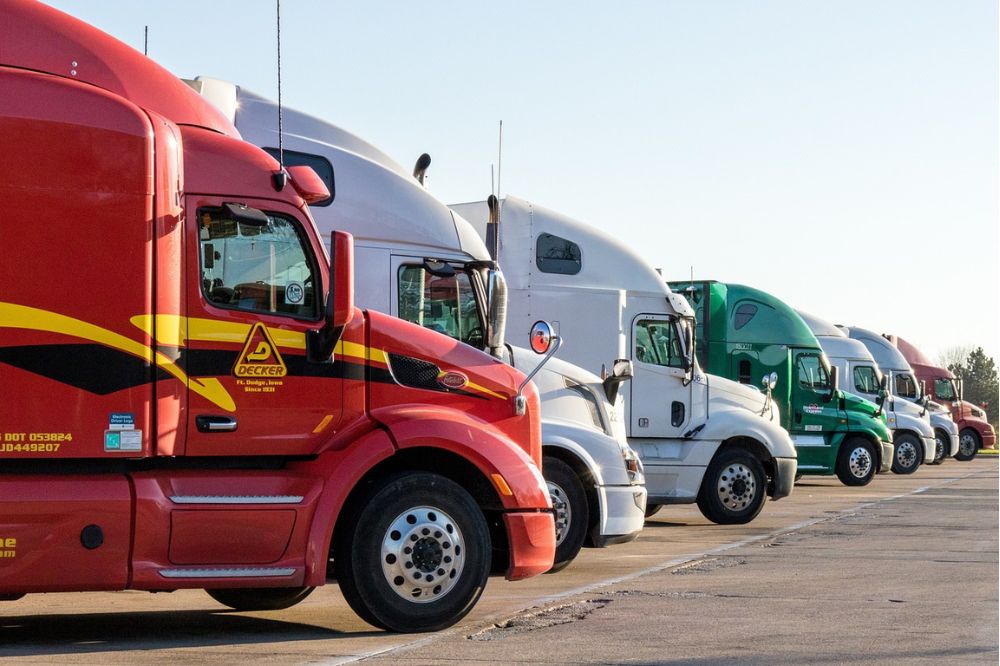
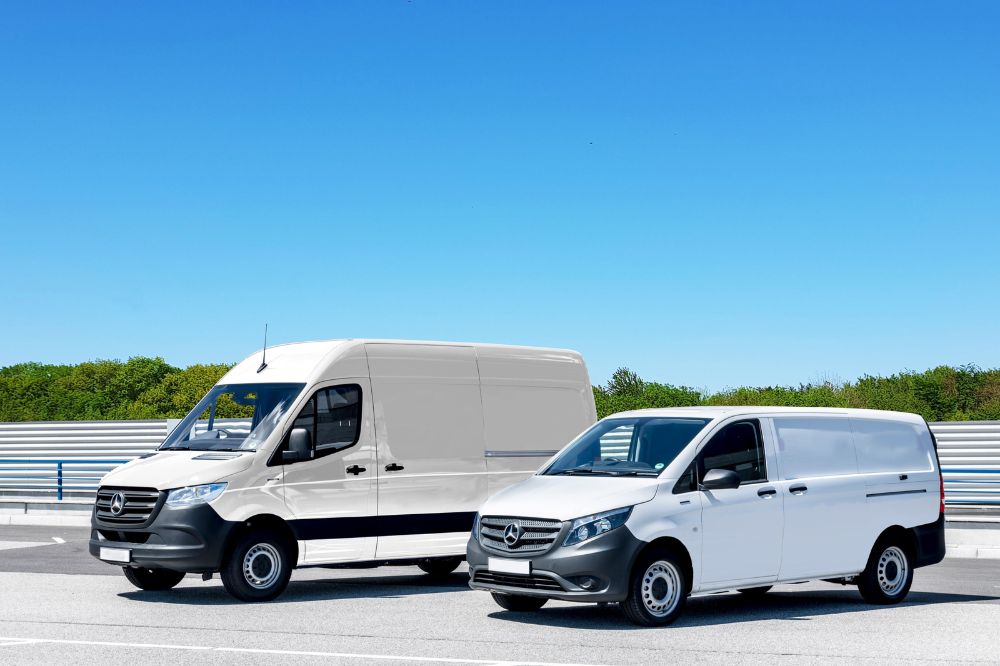
Most insurance companies split fleet coverage into small fleet and large fleet categories, based on the number of vehicles. There’s no universal cutoff. Some insurers require just two trucks to write a small fleet policy. Others want at least five vehicles before they’ll call it a fleet.

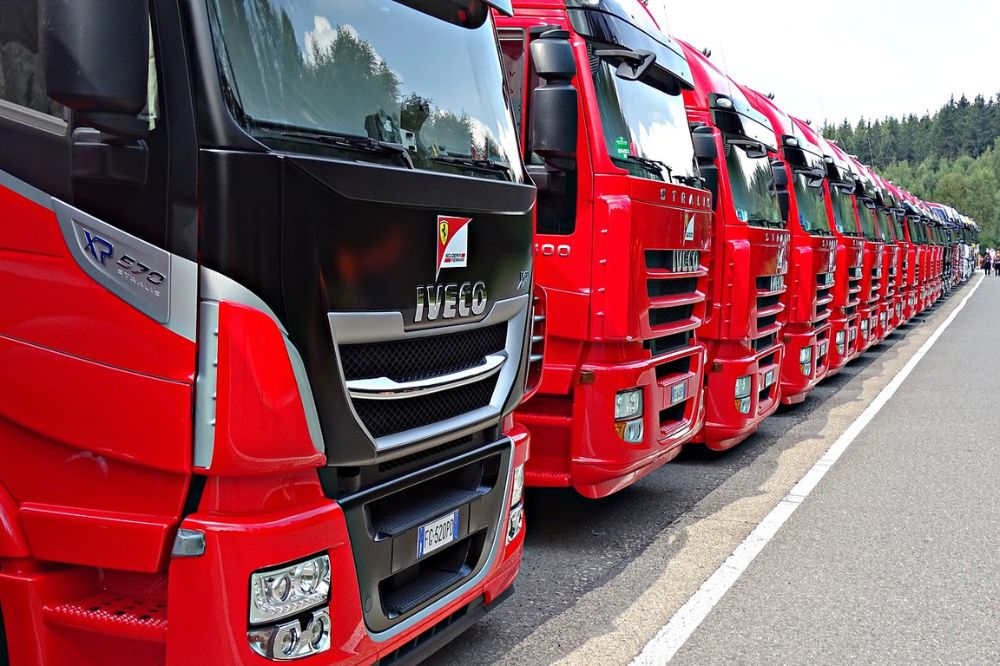
Large fleet policies typically start around 20 to 30 vehicles. A handful of insurers care more about the combined value of the fleet than the headcount.

Why Do You Need Commercial Fleet Insurance?

Fleet insurance exists because insuring several trucks separately gets expensive and hard to track. It’s also a basic piece of risk management for any trucking business.

Here’s what one fleet policy actually buys you.

Adequate Financial Protection

A fleet policy accounts for the heightened risk of running multiple trucks. Without it, one bad accident with medical claims and repair bills could drain your working capital fast.

Easier to Manage

One policy means one renewal date and one point of contact. You skip the hassle of managing separate policies for each truck.

Claims and adjustments move faster too, since your insurer already knows your whole operation.

Cost-Effective

Fleet insurance premiums usually come in lower than the sum of several standalone policies. You also make one payment instead of tracking multiple due dates and fees.

Flexibility

Fleet insurance covers more than one vehicle type. Your policy might include cars, vans, and Class 8 trucks side by side.

Most policies flex with you. Add more vehicles when business booms, or remove vehicles you’ve retired. Many also let any authorized driver operate any covered truck, which suits fleets with multiple drivers.
small fleet

Types of Fleet Insurance Coverage

A fleet policy is really a bundle of separate commercial auto coverage types built around your trucks. The core pieces, like comprehensive coverage and liability, are in nearly every policy. A few optional coverage options fill the gaps that general freight haulers may run into.

Coverage Type What It Covers
Comprehensive Non-collision losses like theft, vandalism, weather, and animal strikes
Collision Repair or replacement costs after a crash
Uninsured/underinsured motorist Your damages when the at-fault driver lacks enough coverage
Combined single limit liability Bodily injury and property damage liability under one limit
Cargo coverage Loss or damage to the freight you’re hauling
Trailer interchange Damage to trailers you’re pulling but don’t own
Rental reimbursement Pays for a temporary truck while yours is in the shop

If you regularly swap trailers with other carriers, take a closer look at how trailer interchange coverage works. Your standard commercial auto policy usually doesn’t include it.

If employees drive personal vehicles for business purposes, non-owned auto coverage extends protection to those trips.

Fleet Insurance vs. a Business-Use Endorsement

Fleet insurance covers trucks your company owns or leases. A business-use endorsement instead extends a driver’s personal auto insurance to cover occasional business errands in their own vehicle. The two aren’t interchangeable.

Business auto insurance covers a lot of ground, from a single company car to a full trucking fleet. Not every driver on your payroll needs a truck under a fleet policy.

Fleet insurance is the right call once your company owns or leases the trucks. That usually means company-owned vehicles used to haul freight or pull trailers for the business. A business-owned vehicle used only for occasional errands may qualify for a simpler endorsement instead of full fleet coverage.

Say a driver uses their own vehicle for a parts run. A business-use endorsement on their personal policy might cover that trip, but it’s not a substitute for commercial coverage.

Mixing up the two is a common gap we see, and it tends to surface after a claim gets denied.
large fleet

Factors That Influence the Cost of Fleet Insurance

Fleet insurance pricing varies by insurer. Most carriers weigh a similar set of factors when they build your quote, including the following:

  • Vehicle type and age: Large and older trucks usually cost more to insure
  • Driver history: Clean driving records and experienced drivers lower your rate
  • Cargo and route: Hazardous materials and high-risk routes raise premiums
  • Miles driven: More road time means more accident exposure
  • Claims history: Frequent claims signal higher risk to underwriters

Rising litigation costs are also pushing commercial auto premiums higher across the industry. Triple-I and the Casualty Actuarial Society studied auto liability claims from 2014 to 2023. They found that social inflation alone added about $21 billion to those losses between 2014 and 2019. That’s on top of normal economic inflation. Insurers pass a share of that back to policyholders through higher rates.

Requirements for Getting a Commercial Fleet Insurance Quote

Insurers need a clear picture of your entire fleet before they can price a policy accurately. Having these documents ready speeds up the insurance process:

  • Declarations page from your current commercial vehicle policy
  • VINs and safety features for every truck in the fleet
  • CDL numbers and driving histories for each driver
  • Recent financial statements
  • Lease agreements or trip lease contracts
  • IFTA mileage reports by state
  • Fleet maintenance records and safety ratings

The U.S. Small Business Administration recommends you compare rates from several providers. It’s one of the simplest ways to confirm you’re getting fair terms.

Ways to Reduce Fleet Insurance Costs

You can’t control every factor in your premium. A few practical moves still help reduce risk over time.

Keep Your SAFER Score Clean

FMCSA’s Safety and Fitness Electronic Records system tracks your safety history. A low score signals more violations to underwriters. Insurers often reward strong safety programs with better rates.

Raise Your Deductible

Raise your deductible if your cash flow can absorb it. A higher deductible usually means lower premiums.

Pay annually instead of monthly when you can, since lump-sum payments often earn a discount.

Implement a Safety Program

A documented fleet safety program shows insurers you’re serious about preventing accidents before they start. Build it around a few basics:

Install dashcams, ELDs, and GPS trackers to give insurers hard evidence that your trucks run safely.

Say a driver picks up a pattern of hard braking or distracted driving. A written program gives you a paper trail to address it before it turns into a claim. Carriers that document these steps often qualify for safety-based discounts insurers don’t always advertise upfront. It’s worth asking your provider directly.

ROAD RULES5

How Fleet Insurance Fits Into Financing Your Trucks

In our experience financing trucks for owner-operators and small fleets, insurance and financing aren’t separate conversations.

Lenders typically want proof of adequate coverage before funding closes. The truck itself is often the collateral securing the loan. Borrowers who line up coverage early usually move through underwriting faster than those who scramble at the last minute.

If you’re weighing individual policies while you scale toward a fleet policy, pair that decision with your financing plan. Our commercial vehicle finance options are built with this timeline in mind. A quick conversation with our team can help you sequence insurance and financing correctly.

Fleet insurance earns its keep the moment your business runs more than one truck. It simplifies your paperwork, often costs less than separate policies, and scales as you add vehicles. Match your coverage to your fleet size, cargo, and claims history. Then shop around before you commit to a carrier.

Frequently Asked Questions

What is fleet insurance?

Fleet insurance is a single commercial auto policy that covers multiple business vehicles. It typically includes liability, collision, comprehensive, and uninsured motorist coverage.

What types of vehicles can be included in a fleet?

Most fleet policies cover any mix of commercial vehicles. That includes cars, vans, box trucks, and Class 8 semi-trucks used for business.

How many vehicles do you need for fleet insurance?

It depends on the insurer. Some will write a small fleet policy for two vehicles. Others require at least five, and large fleet policies usually start around 20.

Is fleet insurance cheaper than insuring trucks separately?

Usually, yes. Bundling coverage under one policy typically costs less than several standalone policies. It also cuts down on fees tied to multiple payment plans.

What does commercial fleet insurance cost?

Cost varies widely by fleet size, vehicle type, driver records, cargo, and claims history. The most reliable number comes from quotes based on your actual trucks and drivers.

Who needs commercial fleet insurance?

Any business running more than one commercial vehicle for freight, routes, or operations generally benefits from fleet coverage. For more specific questions, our commercial truck insurance FAQ covers more ground.

GETTING a license

How To Obtain A Commercial Truck Driver License

GETTING a license

If you drive a commercial motor vehicle, you must hold a Commercial Driver’s License (CDL).
Getting a CDL can be a reasonably long process, depending on the type of license you’re applying for and what allowances and limitations this license holds.

It’s essential that you understand precisely what kind of CDL you need before getting involved in any commercial driving or trucking business.

We’ll break down everything you need to know in the guide below.

What is a Commercial Driver’s License?

A Commercial Driver’s License (CDL) is a specialized driver’s license required in the United States and some other countries to operate vehicles used for commercial purposes. This license allows individuals to legally drive vehicles larger or heavier than those permitted by a regular driver’s license.

Valid CDL holders are held to higher standards due to the nature of the vehicles they operate. They are subject to more stringent regulations regarding driving hours, vehicle maintenance, and compliance with traffic laws.

CDL License Classes Overview

CDLs are categorized into different commercial driver’s license classes, each allowing the holder to operate various types of vehicles based on their size, weight, and purpose.

Class A CDL

This class permits the operation of combination vehicles with a Gross Combination Weight Rating (GCWR) of 26,001 pounds or more, where the vehicle being towed has a Gross Vehicle Weight Rating (GVWR) of over 10,000 pounds.

Type of CDL
Class B CDL

With a Class B CDL, you can drive single vehicles with a GVWR of 26,001 pounds or more or operate such vehicles towing trailers with a GVWR not exceeding 10,000 pounds.

Class C CDL

This class is for vehicles that do not fit into Class A or Class B but are designed to transport 16 or more passengers (including the driver) or transport hazardous materials.

How Do I Get a Commercial Driver’s License?

Getting a commercial truck driver’s license is a lengthy process. Here are the main steps involved.

Check Eligibility Requirements

Ensure you meet the eligibility criteria set by your state’s Department of Motor Vehicles (DMV). Typically, you must be at least 18 years old to drive within the state and 21 years old to drive across state lines or transport hazardous materials.

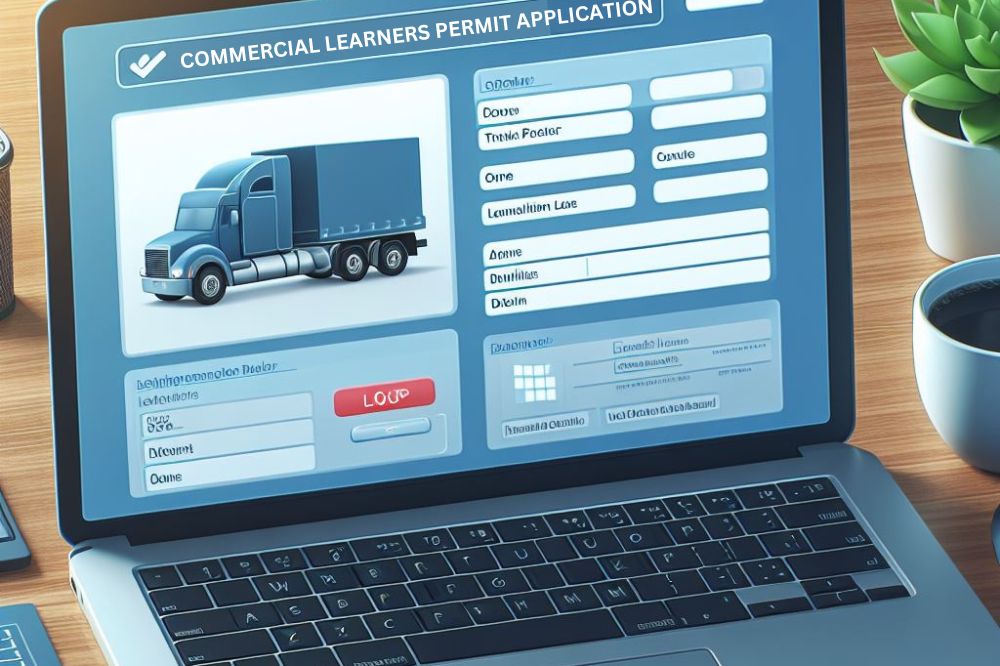
Apply for a Commercial Learner’s Permit

Start by applying for a CLP at your local DMV office.

You’ll need to pass the required knowledge tests specific to the type of CDL you’re seeking. These tests cover general knowledge, air brakes (if applicable), and any necessary endorsements, such as transporting hazardous materials or passenger vehicles.

LEARNERS application
Training and Practice

Consider enrolling in a CDL training program or school to learn the skills required for driving a commercial motor vehicle. Practice driving under the supervision of a licensed CDL holder to gain experience.

Schedule CDL Skills Test

Once you’ve held your commercial learner’s permit for the required period (typically a few weeks), schedule a CDL skills test with the DMV. This test includes a pre-trip vehicle inspection, basic vehicle control, and an on-road driving assessment.

Apply for CDL

Once you’ve passed all the required CDL exams, submit your application for the full CDL at the DMV office. You must pay the required fees and provide any additional information requested.

Commercial Driver’s License Program

There are a couple of stages involved in obtaining a license to drive commercial motor vehicles. Here’s a breakdown of what you have to go through.

Commercial Learner’s Permit (CLP)

Before the DMV can issue commercial driver’s licenses, you must first obtain a CLP. To do this, you’ll need to pass a written test specific to the type of CDL you’re applying for and any endorsements required for specialized driving.

The CLP allows you to practice driving a commercial vehicle under the supervision of a licensed CDL holder.

learner driver
Complete Entry-Level Driver Training

Many states and employers require the completion of Entry-Level Driver Training (ELDT) from a registered training provider.

This training covers classroom instruction and practical behind-the-wheel experience, teaching essential skills and safety practices for commercial driving. ELDT often includes vehicle operation, safety protocols, regulations, and hands-on driving practice.

Commercial Driver’s License (CDL)

After obtaining a CLP and completing the required training, you must pass a skills or road test to get your full CDL.

The skills test typically consists of three parts:

  • A pre-trip vehicle inspection
  • Basic vehicle control
  • An on-road driving assessment

Passing this test shows your ability to operate the specific commercial vehicle you intend to drive.

Once you successfully pass the skills test, you can apply for the full Commercial Driver’s License at your local DMV office. You must submit the necessary documentation, pay the required fees, and provide proof of completing the CLP and any mandated ELDT.

Training and Testing

Training for a CDL involves both classroom learning and practical training covering traffic laws, vehicle operation, safety protocols, and hands-on driving practice.

Candidates develop skills in vehicle inspection, control, and safe driving techniques, preparing for written knowledge and practical skills tests.

Specialized endorsements for tasks like hauling hazardous materials may require additional training and testing.

medical
Medical Certification

Medical certification is a requirement for obtaining and maintaining a CDL in the United States. It involves a physical examination by a certified medical professional who evaluates a driver’s health to ensure they meet the necessary medical standards for operating commercial vehicles.

The examination assesses various aspects of health, including vision, hearing, blood pressure, diabetes, cardiovascular health, and overall physical fitness.

Drivers must provide proof of meeting these medical standards by obtaining a Medical Examiner’s Certificate (MEC) or DOT Medical Card.

Drivers need to renew this certification periodically, usually every two years, to ensure they continue to meet the health requirements for safe commercial driving.

Endorsements, Restrictions and Waivers

Endorsements, restrictions, and waivers are extra permissions, limitations, or exceptions granted to drivers based on their qualifications or specific driving conditions. Federal law notes them on the CDL permit and controls them.

Endorsements

Endorsements are additional qualifications beyond the standard CDL that allow drivers to operate specialized vehicles or perform specific tasks. You’ll need the proper endorsement for whatever truck driver job you plan to do. This could include:

  • Hazardous Materials (Hazmat): Allows you to drive a truck carrying hazardous materials.
  • Tank Vehicles: Permits drivers to operate tankers.
  • Passenger Vehicles: Enables driving vehicles carrying a certain number of passengers, like buses.
  • School Bus: Allows drivers to operate school buses, typically requiring extra training and testing.

firefighters
Restrictions

These are limitations imposed on a CDL, specifying conditions or types of vehicles a driver is not allowed to operate. Restrictions could include:

  • E: Prohibits drivers from operating vehicles with manual transmissions.
  • L: Limits drivers to vehicles without air brakes.
  • Z: Indicates a full air brake restriction, excluding the operation of vehicles equipped with air brakes.

Waivers

These are exceptions granted to CDL applicants under specific circumstances. For example:

  • Skill Performance Evaluation (SPE) Certificate: Allows drivers with specific impairments, such as missing limbs, to qualify for a CDL after passing an additional evaluation.
  • Vision or Hearing Waivers: In some cases, drivers with impaired vision or hearing may qualify for a waiver if they can still demonstrate the right skills or use assistive devices that allow them to drive safely.

Exemptions

Certain types of commercial drivers are exempt from holding a Commercial Driver License. Here are some examples of CDL exemptions:

  • Taxi and Ride-Sharing Drivers: Drivers operating taxis or ride-sharing vans that transport fewer than seven passengers are often exempt from holding a CDL.
  • Firefighters: Firefighters operating emergency vehicles are typically exempt from CDL requirements when performing their official duties.
  • Rescue or First-Aid Squad Operators: Drivers operating vehicles for rescue or first-aid purposes as part of a squad or emergency response team may be exempt from needing a CDL.
  • Farmers: Farmers transporting their own agricultural products, machinery, or supplies within a specified distance (usually around 150 miles) from their farms might not need a CDL.

It’s important to note that while these exemptions exist in certain states or under specific circumstances, regulations can vary by jurisdiction. So, make sure you properly understand the CDl requirements of your situation.

Final Thoughts

Commercial Driver’s Licenses are relatively easy to get if you follow the proper process and take the right steps and training. Get the correct license, and a whole new world of commercial driving opportunities opens up.

Are you planning to purchase a commercial vehicle? Get in touch with us at Mission Financial Services, where we can help you easily obtain financing.

report bad driving

Reporting A Semi Truck Driver

report bad driving
Have you ever witnessed truck drivers driving unsafely and wondered if there was anything you could do to stop them? Well, you can report their unsafe driving to relevant authorities so they can address the issue before it’s too late.

Unsafe truck drivers put all road users at risk of severe injuries or death from fatal accidents. The Federal Motor Carrier Safety Administration (FMCSA) and other state bodies provide several avenues to report such dangerous truck drivers and minimize these risks.

Learn how to report a semi-truck driver effectively below and help promote road safety.

Why You Should Report Unsafe Driving

Truck accidents have become increasingly common across the U.S. as their numbers continue to increase annually. In 2021, for instance, there were over half a million (523,796) truck accidents, up from 415,444 incidents the previous year.

FMCSA, in one of their truck crash causation studies, cites driver-related errors as the top cause of most truck accidents.

By reporting unsafe truck drivers, you alert the relevant authorities to conduct an investigation and address the issue before the dangerous truck driver causes an accident and injures people. Reporting unsafe truck drivers ensures our roads stay safe for everyone.

truck accident

Unsafe Truck Driving Practices

A reckless driver violates road regulations willfully, disregarding their safety and the safety of other drivers. Such erratic behavior almost always leads to fatal accidents that cause catastrophic injuries. Some dangerous truck driving behaviors you should take note of and report include the following:

Illegal Passing

Large trucks limit on-road visibility for other drivers due to their large size. Because of this, transportation rules in most states prohibit professional drivers from passing on a curve, hill, and on the right.

Illegal passing happens when semi-truck drivers violate these regulations, limiting visibility for other drivers who require clear sight lines to avoid accidents. This unsafe driving behavior often leads to a semi-truck running other vehicles off the road.

Speeding

Some truck drivers drive too fast when trying to meet their demanding pick-up and drop-off schedules. Statistics from the Federal Highway Administration (FHA) reveal that speeding truckers often cause serious accidents that lead to fatalities because of increased forceful impact during a collision.

Failing to Yield

Most trucks don’t have the right of way. If you observe a semi-truck driver failing to yield to other drivers, report them as they’re likely to cause dangerous head-on and T-bone collisions.

Swerving

In most cases, swerving is a sign of an underlying problem that might affect the driver’s ability to control their vehicle, leading to a truck crash. The driver might be distracted, under the influence, or experiencing a medical emergency. It’s best to report such cases as emergencies (more on how to do this below).

speeding truck

Following Too Closely

Trucks require long distances and time to stop. Semi-truck drivers who follow other vehicles too closely can cause rear-end collisions, especially during heavy traffic and bad weather.

Camping in the Left Lane

Most states ban slow vehicles from using left lanes as their default driving lane on interstate or multi-lane highways. The left lanes are mostly for passing. Camping in the left lane, therefore, is a safety violation.

It’s an unsafe driving practice that forces vehicles to pass large trucks on the right side, where there are massive blind spots. This increases the chances of accidents occurring.

Where to Make a Report

If a truck driver’s unsafe behavior behind the wheel puts other road users in immediate danger, call 911 and report an emergency. Life-threatening driving behavior, such as swerving, counts as an emergency. The police will intercept the truck before an accident occurs.

For non-emergency cases, there are a few options for reporting an unsafe driver’s conduct, depending on your location and circumstances. Some of these include:

File a Complaint With the FMCSA

Reporting safety violations to the FMCSA is a highly effective method for maintaining road safety. The FMCSA investigates each complaint, penalizes the involved parties, and records them in the national consumer complaint database.

These complaints become a permanent part of a trucking company’s driving record, prompting companies to take necessary measures to ensure safe driving and avoid reputational damage or severe penalties.

Contact FMCSA by calling 1-888-DOT-SAFT (1-888-368-7238) or fill out their consumer safety violation complaint form if you’ve witnessed unsafe driving behaviors on an interstate highway.

highway patrol

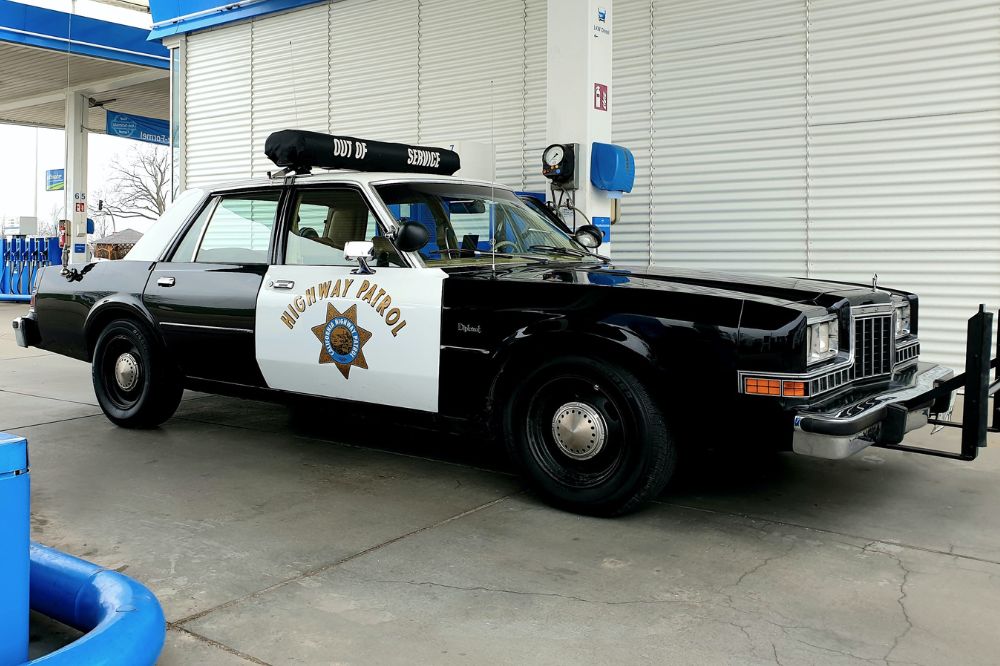
Contact the Highway Patrol

To report unsafe truck drivers on intrastate roads, file a complaint with the state’s Department of Transportation, highway patrol office, or the Public Utilities Commission. These agencies oversee the safety of roads within each state and can respond quickly to prevent truck crashes.

Provide relevant information to support your complaint, including any distinguishing characteristics of the unsafe driver and vehicle, as explained below.

Report Them to Their Employer

Most trucking companies provide a phone number you can call to report any commercial vehicle driver operating their trucks unsafely. You’ll almost always find this number on the conspicuous ‘How’s my driving’ sticker at the back of many commercial trucks.

You can also email the safety director of a trucking company explaining the unsafe driving practice along with other relevant details. A responsible trucking company will appreciate your report and evaluate the truck driver to see whether they’re fit to remain behind the wheel.

What Information To Report

Your report about an unsafe driver should include specific information relevant authorities can use to conduct an investigation, such as:

  • The location where you witnessed the road safety violations. Specify whether the road is intra- or inter-state, its name or number, plus any cross streets, mile markers, road signs, intersections, and exits relevant authorities can use to pinpoint the location.
  • A detailed description of the truck and the driver – providing any stand-out characteristics, like vehicle make and color, helps a lot
  • Identifying information about the trucking company, such as the company name and logo
  • License plate number plus the Department of Transportation (DOT) number
  • The time and date of your observation
  • An explanation of the unsafe behavior

call 911

How Do You Report a Trucking Company Anonymously?

Reporting a trucking company that encourages unsafe driving among its employees is similar to reporting an individual truck driver. You use the same channels and follow the same procedures we’ve discussed.

The only difference is – you’ll have to specify why you think the trucking company allows or supports unsafe driving practices as opposed to it being an individual trucker’s poor driving habit. Have you seen most of the company’s trucks speeding past your home repeatedly despite being driven by different drivers?

Some people fear harassment or retaliation by the trucking company and might not want to go to court or actively participate in any investigations. In this case, you can make an anonymous complaint, although it might be harder to investigate.

You have every right to withhold your name and other personal details when calling in a complaint. You can also omit your personal info when filling out a complaint form and use the ‘anonymous’ tag where your name is mandatory.

Avoid providing false identification info, as this counts as a crime. Sending a letter providing the necessary details only to the relevant authority also helps to hide your identity.

Final Thoughts

When you notice an unsafe truck driver, keep yourself safe first. Drive away from the dangerous driver, and avoid tailgating, speeding up, or engaging in unsafe driving behaviors while trying to collect information to make your complaint.

You can also report unsafe driving by a trucker to a truck accident lawyer, if you or your loved ones get injured in a truck accident. The right truck accident lawyer will help you get maximum compensation for medical bills, lost wages, and all other damages sustained.

We’ve prepared several guides to help you understand how to handle a truck accident and find the most competent truck accident lawyers afterward. Check out our blog to learn more about this.

semi truck owner (1)

How To Be A Successful Semi Truck Owner Operator

semi truck owner (1)

Running your own trucking business may be a dream. However, there’s a lot that goes into being a successful semi truck owner-operator, and it’s essential that you know all the different elements involved in managing a business.

Follow this guide to learn some of the most important tactics and responsibilities that owner-operators should show.
What is an Owner-Operator?
An owner-operator is an individual who owns and operates their own trucking business.

Instead of working as an employee for a trucking company, an owner-operator owns the truck they drive and may either work independently or lease their services to carriers or logistics companies.

A successful owner-operator is responsible for managing their truck, handling maintenance costs, fuel expenses, insurance, and other overheads associated with running a trucking business.

Owner-operators can choose their routes and schedules and sometimes negotiate their compensation rates.

Tips to Becoming a Successful Owner-Operator

If you own a semi-truck, then establishing a successful owner-operator business is undoubtedly appealing. Here are a few essential tips for truck owner-operators to keep in mind.

Ensure You Have Enough Experience

Gaining experience is crucial before transitioning into an owner-operator role within the trucking industry.

Working as a truck driver provides invaluable knowledge about the nuances of the job, from managing different cargo types to understanding diverse routes and handling various situations on the road.

Acquiring hands-on experience also familiarizes individuals with different equipment, truck maintenance, industry regulations, and the administrative aspects of the business. You’ll probably also need to hold and use your commercial driver’s license for some time to help you get better rates on truck financing and commercial insurance.

Create a Business Plan

Crafting a comprehensive business plan is essential to the success of any owner-operator business.

This plan should outline your business goals in detail. This might involve expanding a fleet, specializing in certain cargo types, or targeting specific geographic areas.

It’s crucial also to perform thorough market research, identify your target audience, study your competitors, and pinpoint your unique selling propositions. Within your business plan, include a detailed financial strategy.

business plan

Assess Your Finances

Understanding your costs is an essential step in starting any kind of business. As you’ll be running your own truck and operating your own business, all costs involved are your responsibility.

Your financial evaluation should cover startup costs, including the purchase or lease of a truck, insurance, permits, and licenses. Understanding ongoing expenses such as fuel, maintenance, repairs, and taxes is also crucial.

Distinguishing between fixed costs (insurance, truck payments) and variable costs (fuel, maintenance) is essential for gaining a clear picture of the financial health of your business.

You’ll need to realistically understand your finances and know how to track them in order to run a successful owner-operator business.

Understand Freight Cycles

A comprehensive understanding of freight cycles for commercial motor vehicles is vital for your operational success.

Study seasonal trends and industry cycles to help anticipate busy and slow periods in freight demand.

You’ll want to diversify your client base or adapt your services during slower periods to maintain consistent income. During peak seasons, you can develop strategies to capitalize on increased demand by efficiently planning routes and securing higher-paying contracts.

Know How to Generate Revenue

Owner-operators can make money in the trucking industry in a couple of different ways.

Explore different types of commercial trucking opportunities such as load boards, freight brokers, direct contracts with shippers, or participation in dedicated freight programs offered by larger companies. Building a solid network within the industry is also crucial for securing repeat business and referrals.

credit score

Have a Maintenance Reserve

Being a small business owner can be expensive – especially when you have to maintain a commercial truck.

Make sure that you allocate funds for truck maintenance and unexpected repairs. By setting aside a portion of earnings into a designated maintenance reserve, unexpected breakdowns, and repairs can be managed without causing financial strain or disrupting business operations.

Regularly scheduled preventive maintenance helps avoid costly breakdowns and extends the lifespan of your equipment, ensuring continued smooth operations.

Protect Your Credit

Maintaining strong credit is a vital element of your owner-operator career.

Ask other owner-operators, and they’ll tell you that good credit is so much more than just a way to help your cash flow; it’s a way to manage your business.

Timely bill payments, responsible debt management, and regular monitoring of credit reports help you achieve a good credit score. A good credit score opens up better financing options, lower interest rates on loans, and increased credibility when negotiating contracts or leases.

Create Your Own Schedule

The flexibility of being an owner-operator means you can create personalized schedules that maximize productivity.

Effective route planning, workload balancing, and rest period management are essential for running a trucking operation.

deals

Negotiate Your Own Deals

Developing strong negotiation skills is essential for owner-operators to secure the rates, terms, and contracts they want.

Understanding market rates, industry standards, and the value of services helps you confidently manage negotiations. Building strong relationships while negotiating fosters mutually beneficial agreements that prioritize long-term partnerships and profitability.

This is essential for a successful owner-operator business.

Final Thoughts

If you own and operate your commercial truck, you must have solid business management skills and trucking abilities. Follow the tips above, and you’ll be in an excellent position to manage a successful business.

If you want to purchase a semi-truck, you’ll need to gain the right financing. Get in touch with us at Mission Financial Services to make acquiring financing an easy process.

light commercial

Insurance For Light Commercial Vehicles

light commercial 

Finding the right commercial auto policy can be challenging, especially if you’re a small business owner. But we are here to help. Depending on the type of your business vehicle and commercial use, you may need one of two types of commercial auto policies – light or heavy commercial auto insurance policy. 

 Light commercial vehicle insurance covers business vehicles that transport lightweight commercial goods and have a gross vehicle weight of 3.5 metric tons or less. On the other hand, heavy commercial vehicle auto insurance covers larger commercial vehicles with a gross weight of over 3.5 tons.

 This guide explains everything you need to know about insurance for light commercial vehicles to help you get the right coverage for your business needs.

What is Commercial Vehicle Insurance for Business? 

 Commercial vehicle insurance for business is a must-have coverage for companies that use vehicles for business purposes. It offers coverage for various usage and situations not covered by your regular personal auto insurance policies.

 With a commercial auto policy, you get comprehensive insurance coverages and higher liability limits to protect your business assets adequately based on their value, frequency of use, and other factors. Your business assets may include all company vehicles and employees.

 Commercial auto insurance policy also protects your business from financial losses due to lawsuits you may face after an at-fault accident. 

food delivery

When do you need commercial vehicle insurance?

 The law requires you to get commercial vehicle insurance if you move people or goods across state lines. You also need a commercial auto insurance policy in most states if you and your employees use vehicles to perform for-profit work or work-related tasks, like:

  • Delivering food and other products locally
  • Acting as a taxi service
  • Going for client meetings and sales calls
  • Shopping for office supplies
  • Moving small company packages to a shipper, and so on.

 Additionally, you require commercial car insurance if you’ve registered your vehicle as a commercial vehicle or carry a commercial license tag.

What Kind of Vehicles Are Covered by A Light Commercial Auto Insurance Policy?

Commercial vehicle insurance policies generally encompass a wide range of commercial vehicles.

Light commercial insurance specifically caters to minivans, small pick-up trucks, box trucks, and service utility vehicles. It also extends coverage to regular cars used for business purposes.

If you own a light commercial vehicle, you need light commercial vehicle coverage to ensure your insurance suits your vehicle’s intended use.

What does Commercial Vehicle Insurance Cover?

Commercial car insurance offers several coverage options. Some common coverages you may get include: 

roadside assistance

Liability Coverage

Insurance carriers typically offer two main types of liability coverage: bodily injury (which covers injuries to third parties) and property damage (which covers damage to third-party property). 

This coverage also includes funeral expenses and legal fees in case of fatalities or lawsuits resulting from accidents you cause. 

You can purchase bodily injury and property damage coverage separately or combined as a single cover, known as combined single limit (CSL) liability coverage.

Uninsured/Underinsured Motorist 

Uninsured motorist coverage pays for bodily injury you or the occupants of your covered company-owned vehicle sustain in an accident caused by an uninsured driver. This coverage also protects you in a hit-and-run. 

 For situations where the at-fault driver has a car insurance policy, but it’s not enough to cover all damages caused, underinsured motorist coverage comes in handy.

Medical payments

Medical payments coverage pays for your medical expenses and the expenses of your passengers if injured in a covered accident. It doesn’t matter whether you are the at-fault party or not.

Roadside assistance

Roadside assistance covers on-site repairs if your insured vehicle breaks down while on the road. This type of coverage is essential, especially for small business owners just getting started in the trucking industry.

Hired auto

Hired auto liability coverage provides bodily injury and property damage compensation to third parties injured in an accident caused by a vehicle you’ve hired, leased, or borrowed for business use.

insurance policy

How Does Commercial Auto Insurance Work?

Commercial auto insurance works similarly to personal car insurance. In an accident caused by you or your employees, where injuries or property damage occur, the affected parties can seek compensation through a claim or lawsuit.

With appropriate commercial vehicle coverage, your insurance company covers the claim amount up to your policy limit. You only incur out-of-pocket costs if the claim exceeds your policy limit, in which case you cover the excess amount.

Additionally, your insurance company handles the legal expenses for defending you and your employees in the lawsuit, often separately from your policy limit.

Does Personal Auto Insurance Cover Business Use?

 Most personal auto policies don’t cover business use. They only cover vehicles driven for personal use. If you use your private vehicle to perform work duties, you may have to get commercial auto insurance to stay protected.

 A few sole proprietors may find personal auto insurance sufficient for business activities. They can thrive without a commercial auto policy. But this largely depends on the specific situation.

It’s best to always check with your insurance provider and confirm if your small business falls under this category before you purchase your cover. 

insurance broker

How Do I Purchase Commercial Vehicle Insurance? 

To secure cost-effective commercial vehicle insurance, assess your current and future business needs. Research top commercial auto insurers in your state, compare quotes and select one that aligns with your business goals.

Consider factors such as insurer reputation, policy customization features (coverage limits, deductibles, and premiums for businesses like yours), claims handling, customer support quality, and available discounts or resources.

Choose an insurer that ensures compliance with federal and state commercial auto insurance laws while offering tailored coverage. 

Alternatively, consider using a certified independent insurance agent for a streamlined process, as they can quickly identify the best coverage for your small business and guide you through claims processes.

Final Thoughts

Remember, the right commercial auto policy is an investment for your small business. It minimizes unexpected business expenditures, giving you a steady cash flow and the financial stability you need to expand your business operations.

 Adequate commercial vehicle insurance also offers maximum protection against unpredictable events, allowing you to bounce back faster after a setback. Take enough time to research and find the best insurance provider, knowing you are securing your business long-term.

 To learn more about commercial vehicle insurance for small businesses, check out our blog. Also, call us if you need critical additional coverage, like GAP protection add-on coverage. We’re always ready to help.


truck leasing

Comprehensive Guide To Commercial Truck Leasing in 2026

truck leasing

There are two main ways to get a commercial truck: buying one or leasing one.

Commercial truck leasing comes with lower upfront costs. And it cuts out a lot of the risk that comes with owning a truck outright. Still, leasing has trade-offs that catch plenty of owner-operators off guard.

In our experience, the leasing decision usually comes down to cash flow. It also depends on how long you actually need the truck.

This guide covers the lease types and the real costs. We’ll also walk through the questions worth asking before you sign anything.

What Is Commercial Truck Leasing?

Commercial truck leasing means renting a truck for a set period instead of buying it outright. You sign a contract between the lessee, the one using the truck, and the lessor, who owns or leases out the truck.

Under most leases, you pay a monthly fee to use the truck for an agreed period. The contract usually covers maintenance duties, mileage caps, insurance requirements, and penalties for excess wear and tear.

Most commercial leases fall into one of three categories.

Full-Service Leasing

This type of lease covers most of the costs tied to running the truck. That includes maintenance, repairs, insurance, and sometimes registration fees. It’s a solid fit if you want to minimize downtime and keep monthly costs predictable.

Finance Lease

Also called a capital lease, this option works more like a loan. The lessee takes on most ownership responsibilities, like maintenance and insurance. The truck still stays titled to the lessor.

Operating Lease

An operating lease is short-term, and the lessee doesn’t take on the risks tied to ownership. This structure makes it easier to upgrade to a newer truck once the term ends.

Closed-End vs Open-End Leases

Beyond the lease type, you’ll also run into closed-end and open-end structures. Each one handles the truck’s end-of-term value a little differently.

Closed-End Leases

A closed-end lease is often called a walk-away lease. The leasing company sets the truck’s residual value up front. You simply turn the truck in once the term ends.

Mileage limits typically run between 12,000 and 15,000 miles a year. You’ll pay extra for any miles or wear and tear above that.

Open-End Leases

With an open-end lease, you and the leasing company agree on a residual value together. You carry the risk if the truck’s actual value comes in lower at lease-end.

A Terminal Rental Adjustment Clause (TRAC) lease is the most common example in commercial trucking. If the truck sells for more than the residual, you get the difference back. If it sells for less, you cover the gap.

truck lease agreement

Essential Elements of a Commercial Truck Lease

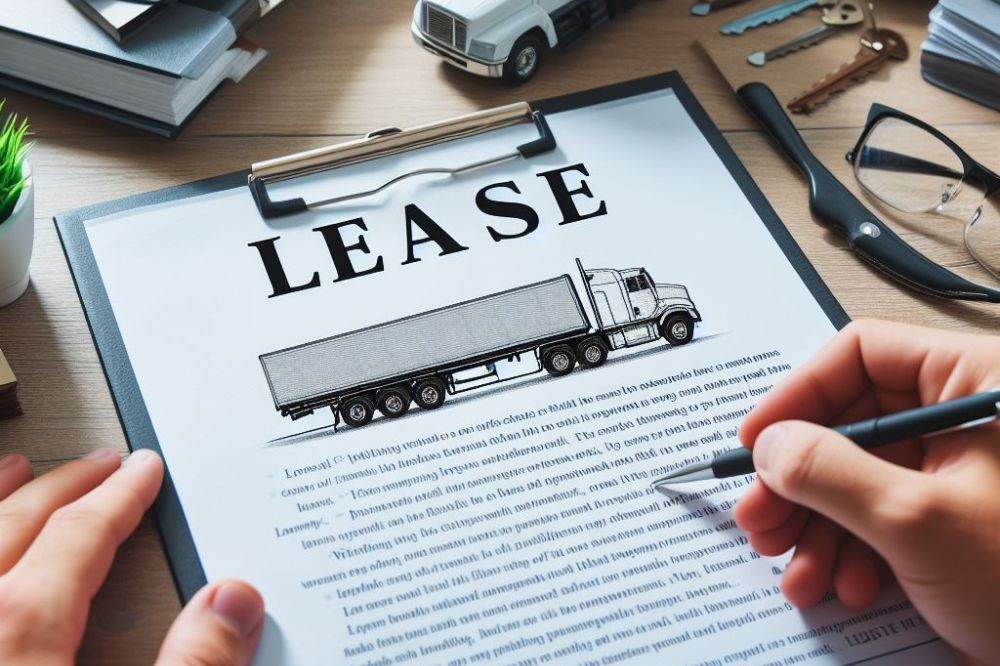
Lease agreements vary widely, but a solid contract should spell out a handful of things before you sign anything. Here’s what we always tell drivers to check for.

  • Identification of parties: Name both the lessor and the lessee clearly.
  • Description of the truck: List the make, model, year, VIN, and any added equipment.
  • Lease term: Look for a clear start date, end date, and total length.
  • Payment terms: This covers the monthly amount, due dates, and any late fees.
  • Maintenance and repairs: State who handles preventive maintenance, repairs, and related costs.
  • Usage restrictions: Mileage limits, geographic restrictions, and prohibited uses should be clear.
  • Return conditions: This covers the truck’s required condition at turn-in, plus excess wear-and-tear charges.
  • Insurance requirements: Most interstate carriers need at least $750,000 in liability coverage under the FMCSA’s minimum financial responsibility rules. Your lease should spell out what’s required on top of that.
  • Early termination or buyout options: Check whether you can end the lease early. Also confirm what it costs to buy the truck at the end of the term.

Key Leasing Terms To Know

Lease contracts come loaded with industry jargon. Knowing these terms ahead of time helps you avoid surprises at signing.

  • Acquisition fee: Covers admin costs like credit checks and paperwork. Also called a bank fee.
  • Capitalized cost (cap cost): The truck’s agreed value at lease start, plus taxes and fees.
  • Residual value: The truck’s projected value at lease-end, used to set your monthly payment.
  • Money factor: A decimal some lessors use to calculate the interest portion of your payment.
  • Disposition fee: Covers the cost of prepping and selling the truck if you turn it in.
  • Security deposit: An upfront amount some lessors require at the start of the lease. It’s typically refundable at the end of the term, provided you’ve met all the contract conditions.

Leasing vs Purchasing: Which Makes Sense?

Should you lease or buy? Each option comes with real trade-offs. Leasing offers several clear benefits: lower upfront costs, predictable monthly payments, and easier access to newer trucks. You don’t build equity, though, and the long-term costs can add up fast.

Buying involves a bigger upfront investment, but you walk away owning a real asset. You also take on the full maintenance bill and the risk of depreciation hitting resale value down the road. Some owner-operators finance the purchase through an SBA-backed equipment loan instead of a conventional bank loan. This can soften the upfront cash requirement.

We’ve seen plenty of owner-operators choose ownership once they have the credit history and down payment to make it work. Leasing still has its place, especially for substitute vehicles or short-term contracts that keep a fleet running.

truck inspection

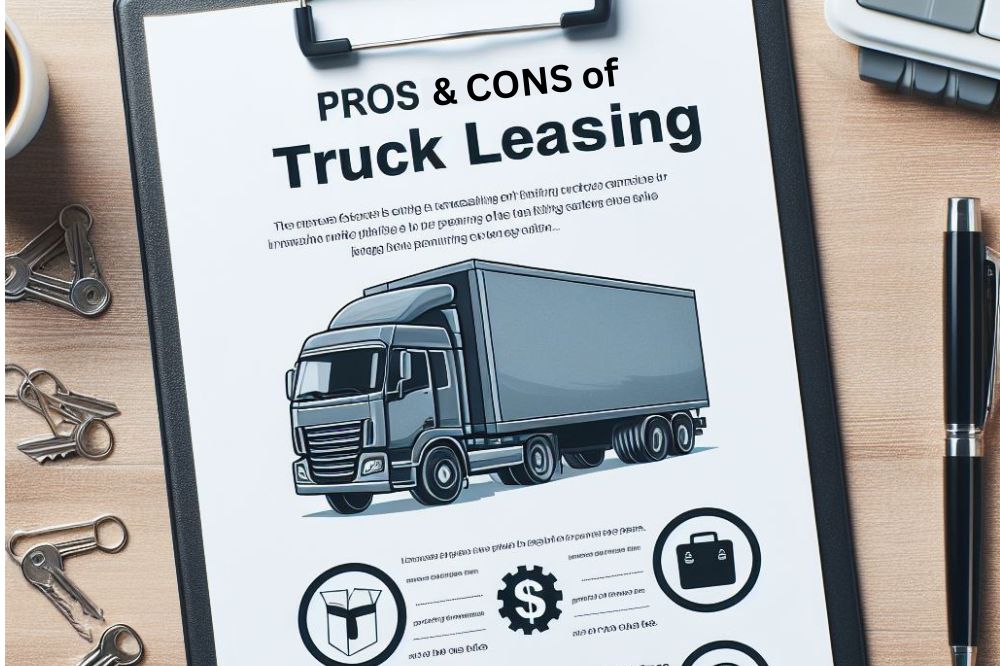
Commercial Truck Lease Pros and Cons:

Pros

  • Lower initial costs, sometimes with no down payment required
  • More predictable monthly payments
  • Lease payments may be tax-deductible as a business expense
  • Some leases bundle in maintenance coverage
  • Easier access to newer truck models once the term ends
  • On-time lease payments can strengthen your business credit history, which makes it easier to qualify for loans down the road
  • Full-service leases let you focus on hauling rather than managing maintenance logistics

Cons

  • You don’t build ownership equity in the truck
  • Mileage limits and usage restrictions are common
  • Long-term leasing costs can exceed the cost of ownership

The Lease-to-Own Option

Some leasing companies offer a lease-to-own arrangement, where a portion of each monthly payment goes toward the truck’s purchase price. At the end of the term, you make one final lump-sum payment to own it outright.

This is a useful path for drivers who want to build toward ownership. It avoids taking on the full purchase cost from day one.

It’s worth asking any lessor whether a lease-to-own option is available before you commit to a standard lease.

Costs To Consider When Leasing Commercial Trucks

Leasing a commercial truck comes with several layers of cost beyond the headline monthly payment. Here’s a breakdown of what to expect.

  • Monthly lease payments: This is the main cost, and it varies based on lease type, truck model, and term length.
  • Down payment or initial fees: Some leases require a security deposit or first month’s payment up front.
  • Maintenance and repairs: Depending on your lease type, you might cover these separately or have them bundled into your payment. Keeping up with the maintenance schedule is also tied directly to the truck’s performance, and most lessors will charge penalties at turn-in if it’s been neglected.
  • Insurance: Lessees typically need their own commercial truck insurance coverage to protect their business and meet the coverage minimums the lessor requires.
  • Excess mileage or usage fees: Going over your mileage cap usually triggers a per-mile charge.
  • Taxes and fees: Expect registration costs and administrative fees layered on top of your payment.
  • Early termination fees: Ending a lease early often comes with a penalty.

Estimating Your Fuel Costs

Fuel is one of the biggest variable costs tied to any leased truck. You can estimate it with a simple formula.

Divide your planned mileage by your truck’s fuel efficiency, then multiply by the current price per gallon.

truck lease pros and cons

Is Leasing the Right Fit for Your Operation?

Leasing tends to make the most sense for short-term needs. Think covering a temporary contract, testing a new route, or keeping a backup truck running when customers are counting on your schedule. It can also help newer operators who don’t yet have the credit history or down payment for a purchase.

That said, there are situations where leasing works against you. Watch out for these scenarios.

  • You run high mileage: Most commercial truck leases cap annual miles between 10,000 and 15,000. If your routes regularly push past that, overage charges can wipe out the cost advantage of leasing.
  • You haul hazmat: Some lessors won’t take on the risk. Hazmat operations often limit your pool of willing lessors significantly.
  • You need to hold the title: Certain regulatory requirements, contracts, or tax incentives require you to own the vehicle outright. A leased truck won’t qualify in those situations.
  • You operate mostly off-highway: Heavy off-road use can take vehicles outside what most lessors will accept for their fleet.

Buying usually wins out for drivers who plan to keep the same truck for years. It also makes sense if you run heavy mileage or want equity to borrow against later. If you’re scaling from one truck to a small fleet, compare lease terms against financing options built for fleet growth.

What Lessors Look For

Qualifying for a commercial truck lease works similarly to qualifying for a loan. Lessors typically review your personal and business credit scores. They also look at how long your business has been operating and whether you can show steady revenue.

Drivers with lower credit scores can still get approved, though the terms will vary. If your credit is thin or damaged, a standard lease may not be your best option. A financing option designed for owner-operators often gives you more flexibility.

Questions To Ask Before You Sign a Lease

Before signing anything, run through these questions with the leasing company.

  • What are the mileage limits, and what’s the exact overage charge per mile?
  • What are the turn-in conditions, and how is “normal wear and tear” defined?
  • What happens if you can’t meet the payment terms?
  • What’s the full price of the truck, including any ancillary services?
  • Are there hidden fees, and what exactly do they cover?
  • Is a lease-to-own option available, and what are the buyout terms?

costs

Final Thoughts

Leasing a truck can look appealing on the surface. In our experience, ownership usually pencils out better for drivers who keep running the same routes for years. Affordable vehicle financing makes purchasing a commercial truck a realistic option, even for first-time buyers or drivers rebuilding their credit.

Get in touch with Mission Financial Services to find the right funding for your next truck

Archives

Sign Me Up!

Stay up to date with the latest news in the commercial trucking industry.

Contact Us
close slider