Office: (404) 975-4800

Freightliner

What Is the Most Reliable Commercial Truck? 7 Top Models 

What Is the Most Reliable Commercial Truck? 7 Top Models 

If you rely on a truck to generate income, reliability is not a luxury. It determines whether loads move on schedule or sit while repairs are being handled.

That leads to the big question: what is the most reliable commercial truck?

In this post, we explain how reliability is evaluated in modern trucks and which semi-truck brands consistently perform well across North America.

How Is Truck Reliability Measured?

Reliability in the trucking industry involves more than whether an engine starts each morning. Fleet managers and long-haul drivers evaluate several indicators that reveal how well a commercial truck performs over time.

Repair frequency is one of the clearest signals. A reliable truck avoids repeated failures in critical systems like cooling components, emissions systems, or drivetrain hardware. When a problem does occur, widespread service networks and easy access to parts allow trucks to return to service faster.

Mileage durability is another key factor. Diesel trucks built for freight hauling often run several hundred thousand miles before major engine work becomes necessary. In long-haul applications, that durability directly affects profitability.

Fuel efficiency also plays a major role. Modern trucks incorporate aerodynamic design and advanced engine calibration that improve fuel economy on long-haul routes. Even small gains in fuel efficiency can reduce operating costs significantly for fleet operators.

Safety technology has also become part of the reliability conversation. Advanced safety features, such as collision mitigation systems and lane assist, help prevent accidents that could sideline trucks for weeks.

Finally, the market itself often reflects reliability through resale value. Trucks with a strong reputation for durability tend to maintain higher value in the used trucks market because buyers trust their long-term performance.

Top 7 of the Most Reliable Trucks in 2026

The trucks below are among the most reliable used across modern transportation. They are widely recognized for durability, consistent performance, widespread parts availability, and the ability to operate efficiently over long distances.

1. Freightliner Cascadia

The Freightliner Cascadia remains one of the most widely used semi trucks in North America. Freightliner trucks are produced by Daimler Trucks North America, and the Cascadia platform dominates many large freight fleets.

This truck is designed specifically for long-haul trucking, with an aerodynamic profile that improves fuel efficiency. Its engineering platform has been refined for years, which helps explain its strong reputation in the trucking world.

The Cascadia is commonly equipped with Detroit Diesel engines such as the DD13 or DD15. These engines deliver strong pulling power while maintaining efficient highway performance.

Depending on configuration, horsepower ranges from roughly 370 to over 500, with torque from roughly 1,650 to 2,050 lb-ft.

Fleet operators often choose this model because it delivers consistent performance across high-mileage operations and supports operational efficiency on long-haul routes.

2. Kenworth T680

The Kenworth T680 is another reliable semi truck brand among long-haul drivers. It is designed for highway efficiency, balancing power with fuel economy.

The standard version of this truck comes with the PACCAR MX-13 diesel engine. Horsepower generally ranges from 380 to 500, with torque ratings approaching 1,850 lb-ft. These figures provide the pulling power needed to handle heavy loads on long-haul routes.

Kenworth also places a strong emphasis on driver comfort. The T680 features comfortable cabins, improved noise reduction, and modern safety features designed to support long-distance driving.

For fleets looking to reduce operating costs while maintaining reliability, the T680 remains one of the most used long-haul trucks in North America.
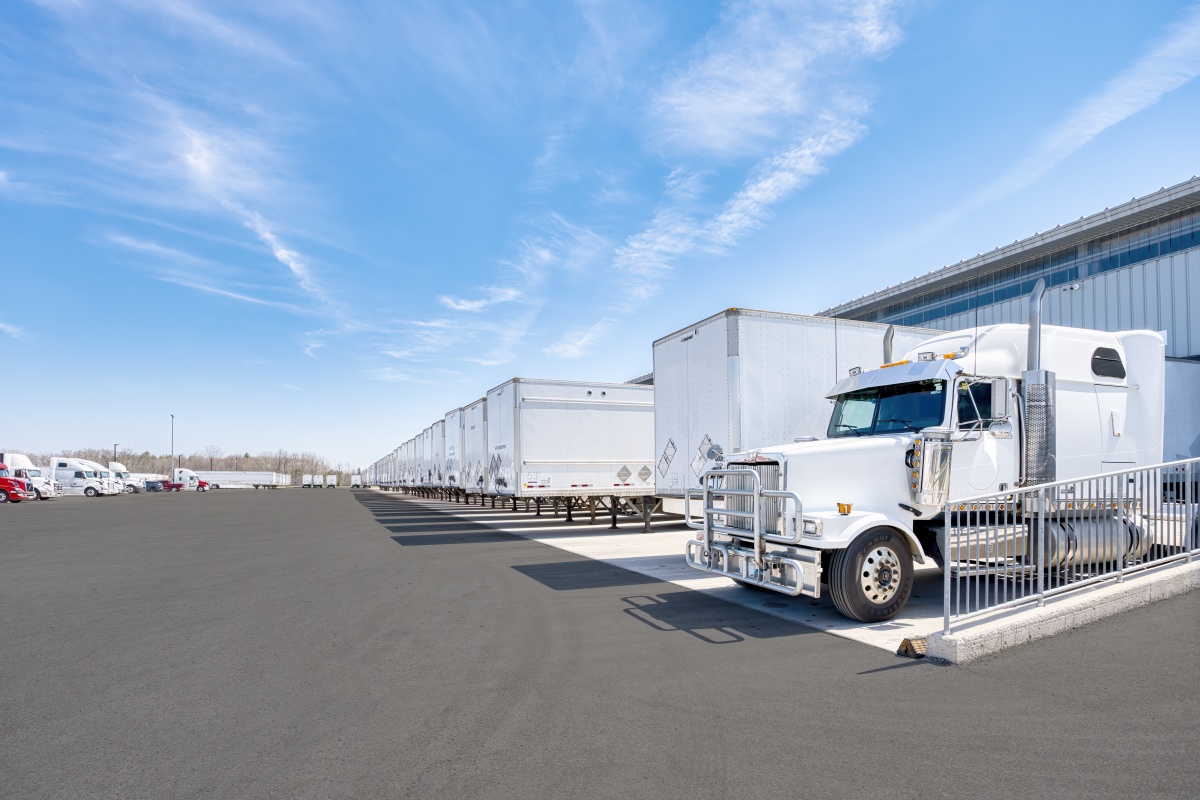
3. Peterbilt 579

The Peterbilt 579 is one of the brand’s most popular highway models and appears frequently in fleets across the country.

The truck typically uses PACCAR MX-11 or MX-13 engines. Horsepower ranges from about 355 to just over 500 horsepower, depending on configuration, with torque reaching roughly 1,850 lb-ft.

What sets this truck apart is its focus on driver comfort. Spacious sleeping areas and extra storage space make it easier for long-haul drivers to spend extended time on the road.

Reliability also influences resale value. Peterbilt trucks often maintain strong resale value because they are associated with long-term durability in the trucking world.

4. Volvo VNL

Volvo trucks have become increasingly popular because of their focus on safety and advanced technology. The Volvo VNL is a long-haul tractor designed to combine fuel economy with safety innovations.

The VNL uses the Volvo D13 diesel engine. This engine produces between about 405 and 500 horsepower and generates torque approaching 1,850 lb-ft.

Volvo integrates advanced safety features such as collision mitigation systems and lane departure warning or lane keeping assist, depending on the truck configuration.

Driver comfort also plays a big role. The cab’s design features a flatter floor and a more open walk-through layout, so drivers can move around without climbing over obstacles during breaks.

Volvo also focuses on noise reduction and seat ergonomics, which helps on long-haul routes where hours behind the wheel can wear you down.

5. Freightliner M2 106 Plus

Not every reliable commercial truck runs long-haul. Many businesses rely on medium-duty chassis platforms that can be upfitted for regional freight and delivery work.

The Freightliner M2 106 Plus is one of the most widely used platforms for these operations. The truck typically features the Cummins B6.7 diesel engine with horsepower ranging from roughly 200 to 360 horsepower.

The platform supports a variety of commercial body types, including box trucks, service vehicles, and utility trucks. Gross vehicle weight ratings (GVWR) typically range from 26,000 to 66,000 pounds.

Because it is designed for daily operations in urban environments, the M2 focuses on maneuverability and maintenance schedules that fleets can plan around.
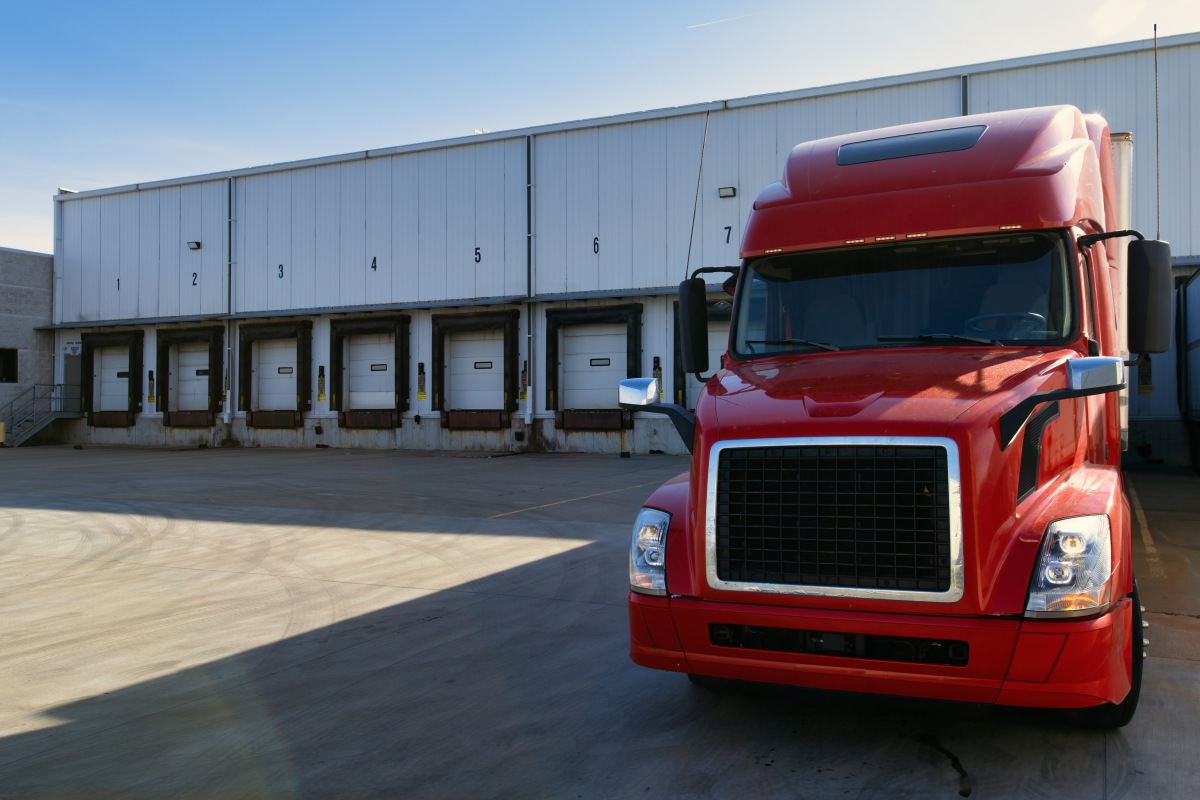
Red modern American semi truck parked at the docks, waiting to get loaded. Shipping and receiving, transportation business concept. Truck driving jobs.

6. International Trucks MV Series

The International MV Series is built for consistent daily work rather than high-mileage highway travel. These trucks usually operate with Cummins B6.7 diesel engines that produce between 200 and 325 horsepower. The platform supports a GVWR of up to 33,000 pounds.

Businesses use these trucks for municipal service work, route-based delivery operations, or equipment transport. Reliability in these environments comes from durable components and a platform designed to handle repeated start-and-stop duty cycles.

It’s best for regional fleets and local service businesses like movers.

7. Western Star 49X

Western Star trucks focus on durability for heavy-duty applications. The Western Star 49X is designed for vocational environments such as construction or heavy hauling.

This truck can use Detroit DD13, DD15, or DD16 diesel engines. Depending on configuration, horsepower can exceed 600 horsepower while torque approaches 2,050 lb-ft. The 49X platform also features reinforced frame construction and heavy-duty suspension systems designed to support extreme loads.

For operators working in demanding environments such as logging operations and oilfield hauling, Western Star trucks provide the durability required for specialized hauling tasks.

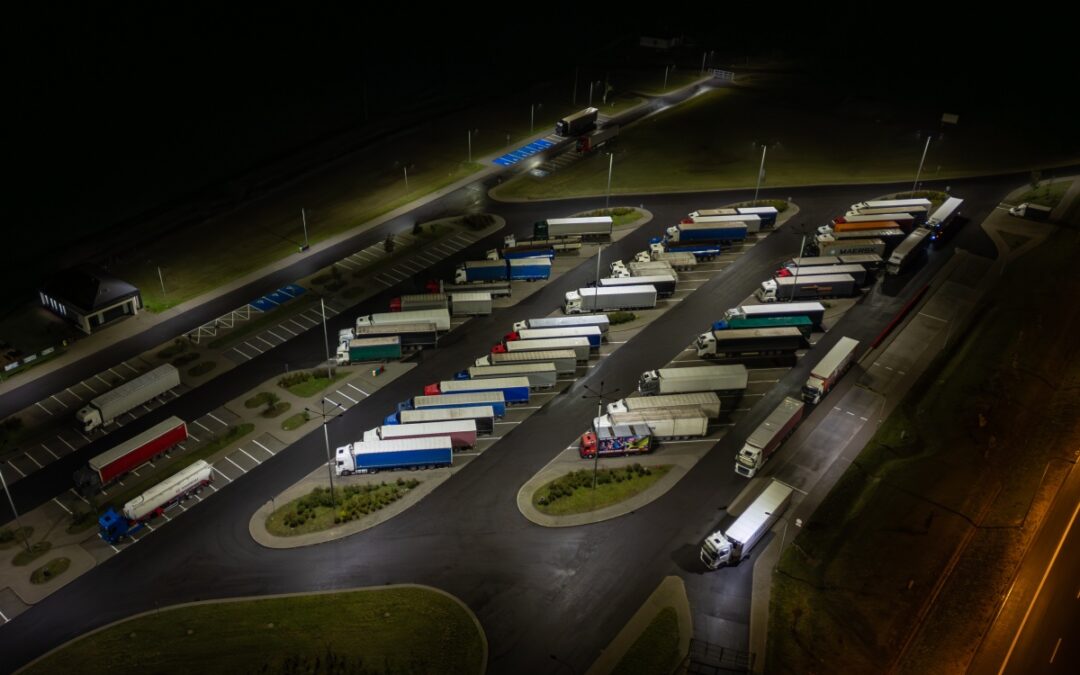
Aerial view parking lot with semi trucks

Spec Comparison of Reliable Commercial Trucks

Truck Model Engine Options Horsepower Range Torque Range Capacity Rating
Freightliner Cascadia Detroit DD13 / DD15 / DD16 370–600 hp Up to 2,050 lb-ft GCWR up to 80,000 lbs
Kenworth T680 PACCAR MX-11 / MX-13 355–500 hp Up to 1,850 lb-ft GCWR up to 80,000 lbs
Peterbilt 579 PACCAR MX-11 / MX-13 355–510 hp Up to 1,850 lb-ft GCWR up to 80,000 lbs
Volvo VNL Volvo D13 405–500 hp Up to 1,850 lb-ft GCWR up to 80,000 lbs
Freightliner M2 106 Plus Cummins B6.7 200–360 hp Up to 800 lb-ft GVWR 26,000–66,000 lbs
International MV Series Cummins B6.7 200–325 hp Up to 750 lb-ft GVWR up to 33,000 lbs
Western Star 49X Detroit DD13 / DD15 / DD16 350–600 hp Up to 2,050 lb-ft GCWR 80,000–140,000 lbs

Conclusion

Determining what is the most reliable commercial truck ultimately depends on the type of work you do.

Long-haul operations often favor semi trucks such as the Freightliner Cascadia, Kenworth T680, Peterbilt 579, and Volvo VNL because they deliver consistent performance and strong fuel economy.

Medium-duty trucks like the Freightliner M2 106 Plus and International MV Series provide reliability for delivery fleets and regional operations, while heavy-duty models like the Western Star 49X support demanding vocational work.

If you are planning to purchase a commercial truck, the right financing can make the process easier.

Mission Financial Services provides financing solutions designed specifically for the trucking industry, helping owner operators and fleet operators acquire reliable equipment and keep their businesses moving forward.

Whether you need a bad credit loan or a first-time buyer loan, we’re here to help. Start your credit application today.
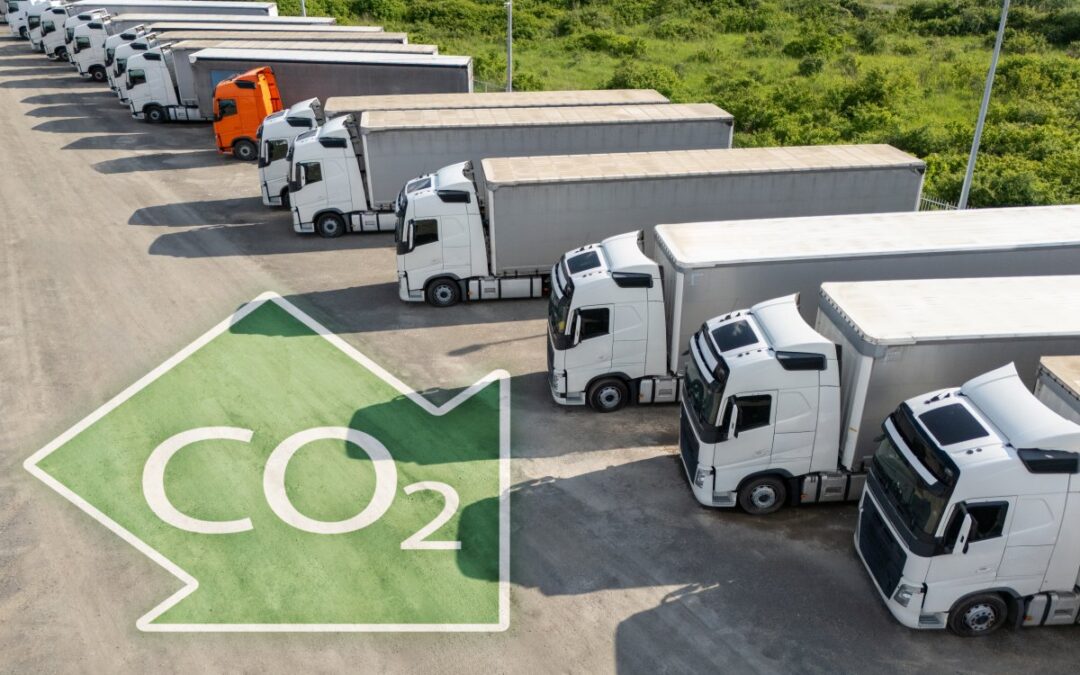
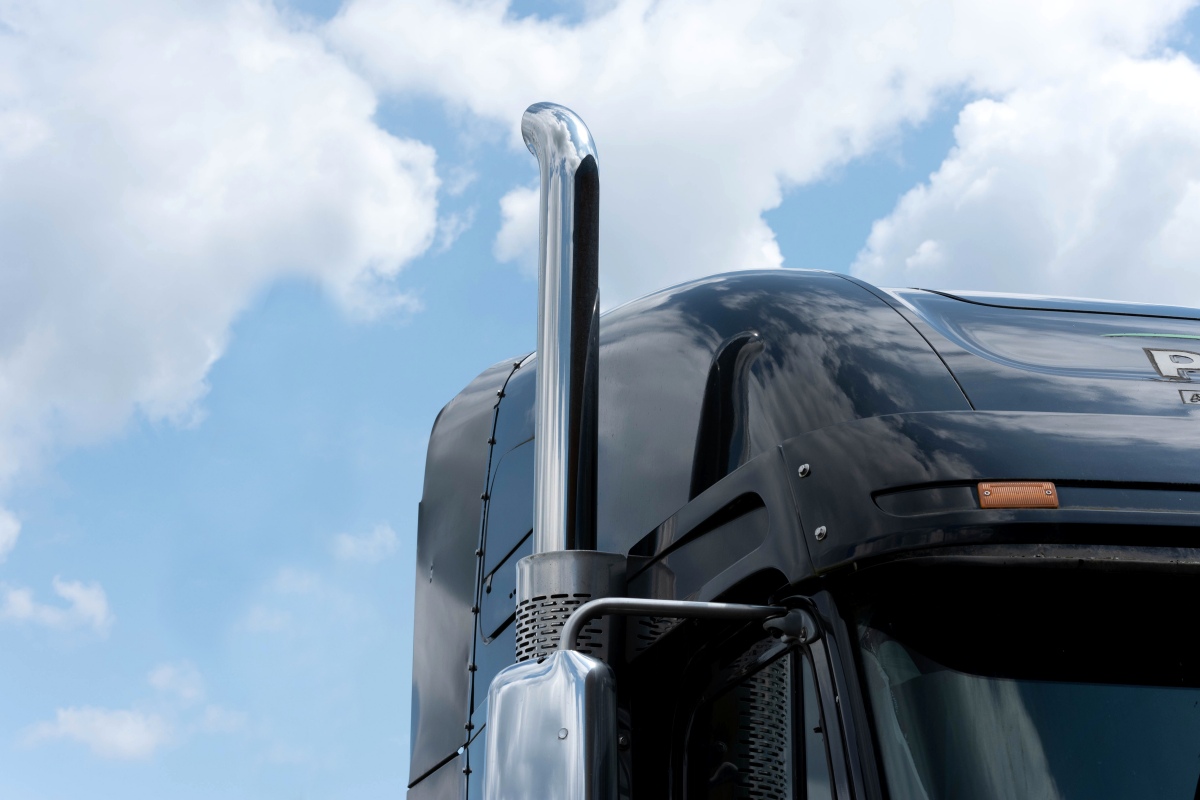
7 Practical Ways to Reduce Truck Emissions for Fleets

7 Practical Ways to Reduce Truck Emissions for Fleets

Reducing truck emissions is not just about meeting emission regulations. For owner-operators and small fleets, emissions problems usually show up as higher fuel costs and trucks that spend too much time parked instead of hauling freight.

If you run a commercial truck, every decision you make behind the wheel and in the shop affects fuel consumption, greenhouse gas emissions, and long-term reliability.

The good news is that most steps that reduce truck emissions also improve fuel efficiency, protect uptime, and lower operating costs. You do not need new technology to get started. You just need consistency.

Truck Greenhouse Gas Emissions: The Basics

Truck emissions include greenhouse gases, such as carbon dioxide, as well as pollutants such as nitrogen oxides (NOx) and nitrogen dioxide (NO2). These gases are usually emitted from engine exhaust.

These tailpipe emissions contribute to air pollution and increase health risks in busy freight corridors.

Heavy-duty diesel trucks emit pollutants when diesel engines burn fossil fuels. That includes time spent idling, running inefficient routes, hauling unnecessary weight, or operating with poorly maintained systems.

Why Daily Habits Drive Emissions

Fuel use is the biggest factor behind truck emissions. The more diesel a truck burns, the more greenhouse gas and carbon emissions it produces. Long idle times and hard acceleration both increase fuel consumption without moving more freight.

How and where a truck operates also makes a difference. Stop-and-go traffic and extended periods of low engine load are common on delivery routes, refuse routes, and in urban driving. These conditions raise emissions and put added strain on emissions systems that are designed to run hottest and cleanest at steady highway speeds.

Why Lower Emissions Usually Mean Better Uptime

Lower emissions usually mean your truck’s engine and aftertreatment systems are running closer to their ideal operating conditions. When fuel economy improves, the engine burns less diesel per mile you drive.

Trucks that burn less fuel produce fewer greenhouse gas emissions and cause less stress on critical components like diesel particulate filters and selective catalytic reduction systems.

A major study on medium- and heavy-duty vehicles found that these trucks contribute roughly 22% of total transportation energy use, largely due to their high fuel consumption.

Reducing fuel use directly lowers emissions, because fuel consumption and carbon output are tightly linked in diesel engines. Lower fuel use also means fewer trips through forced regeneration cycles and fewer opportunities for fault conditions, which keeps the truck on the road instead of in the shop.

When emissions stay high, the truck’s onboard systems work harder to meet the targets set by the Environmental Protection Agency (EPA). That extra work can trigger more fault codes and force the engine into protective behaviors that slow performance and interrupt your schedule.

Less strain on these systems means fewer breakdowns, less unscheduled maintenance, and more consistent uptime.

7 Practical Strategies to Reduce Truck Emissions

If you want to reduce your fleet’s greenhouse gas emissions, focus on daily habits and maintenance checks that cut fuel waste and prevent avoidable downtime.

1. Reduce Idle Time

Idle time adds emissions without moving freight. Waiting at the docks and extended winter warmups all burn diesel fuel while producing tailpipe emissions.

Shut the truck off during long waits. Limit warmups to what is needed for safe operation.

Cutting idle time immediately lowers fuel consumption and reduces wear on the engine and emissions systems.

smoky truck in a traffic jam

2. Keep DPF, DEF, And SCR Systems Healthy

DPF, DEF, and SCR systems are the main components that control emissions on modern heavy-duty diesel trucks.

The diesel particulate filter (DPF) traps soot and fine particles created during combustion. The truck periodically burns that buildup off during regeneration. When regeneration doesn’t happen enough, soot builds up and causes derates or forced regens.

The selective catalytic reduction (SCR) system reduces NOx emissions by injecting diesel exhaust fluid (DEF) into the exhaust stream. DEF reacts inside the SCR catalyst to break harmful gases into nitrogen and water vapor.

If DEF quality is poor, the level runs low, or a sensor fails, the system cannot do its job.

Small issues in any of these systems tend to snowball. Poor DEF quality, a failing sensor, or restricted exhaust flow can raise emissions and trigger forced regenerations.

Keeping DEF clean, paying attention to warning lights, and fixing problems early protects fuel efficiency and prevents downtime.

Healthy systems also reduce NOx emissions and help keep trucks legal in stricter markets like California.

3. Drive For Fuel Efficiency

Driving habits affect emissions because they control how hard the engine works and how much fuel it burns to do the job.

Smooth acceleration keeps the engine from dumping extra diesel fuel into the cylinders all at once. That reduces fuel burn at takeoff and lowers greenhouse gas emissions before the truck even gets up to speed.

Steady speeds matter for the same reason. Constant throttle lets the engine stay in its most efficient operating range instead of constantly correcting for speed changes.

Keeping RPMs in an efficient operating range (high enough to avoid lugging but low enough to prevent over-revving) helps reduce fuel use, limit excess heat, and extend engine life.

4. Stay On Top Of Tires And Alignment

Low tire pressure increases rolling resistance, which forces the engine to burn more fuel just to maintain speed.

Alignment problems add drag and raise fuel consumption.

Regular pressure checks and alignment inspections improve fuel efficiency without changing routes or schedules. This is one of the lowest-cost ways to reduce emissions.

A loaded truck ride on the road with thick black smoke from the exhaust

5. Cut Deadhead And Avoid Congestion

Empty miles burn fuel without generating revenue. Every unnecessary mile increases fuel consumption, raises emissions, and adds wear to the truck without improving the bottom line. Cutting deadhead miles is one of the most effective ways to lower emissions while improving overall efficiency.

Smart route planning is a big part of that strategy. Choose routes that reduce congestion to limit stop-and-go driving. Fewer starts and stops allow diesel engines to stay in more efficient operating ranges.

6. Handle Maintenance Before It Snowballs

Small maintenance issues often raise emissions before they cause breakdowns. Dirty air filters restrict airflow. Sensor problems affect fuel delivery. Minor exhaust leaks can skew emissions readings and trigger avoidable fault codes.

Fix these problems early to protect engine performance and keep fuel consumption under control.

7. Upgrade Equipment When The Numbers Work

Newer trucks often produce lower emissions because their engines run more efficiently and their aftertreatment systems are designed to handle stricter standards. Upgrading equipment can make sense when ongoing repair costs or recurring downtime exceed the monthly payment.

That does not mean every fleet needs zero-emission trucks or a switch to alternative fuels like natural gas. The goal is to match equipment to how you actually operate.

Telematics and AI help track fuel use and maintenance patterns so upgrades happen at the right time, when they support uptime and cash flow rather than create pressure.

Aerial view hydrogen truck on forest highway. Sustainable transportation. Blue zero emission vehicle driving through green landscape. Eco-friendly logistics solution. Clean energy freight delivery.

Frequently Asked Questions

What’s The Fastest Way To Reduce Truck Emissions?

Cutting idle time and fixing maintenance issues usually delivers the fastest results. These steps reduce fuel consumption and emissions almost immediately.

Does Idling Really Increase Emissions That Much?

Yes. Idling burns diesel fuel while the freight isn’t moving. That increases greenhouse gas emissions and air pollution while adding wear and tear on emissions systems.

Can Poor Maintenance Cause Higher Emissions?

Yes. Problems with diesel particulate filters, SCR systems, or sensors can increase emissions. Poor maintenance also increases downtime and repair costs.

Do Fuel-Saving Driving Habits Reduce Emissions Too?

They do. Driving habits that improve fuel economy also reduce carbon emissions and greenhouse gas emissions across the transportation sector.

Conclusion

Reducing truck emissions comes down to consistent habits. Small changes in driving, maintenance, and planning improve fuel efficiency, protect uptime, and lower operating costs over time.

For fleets and owner-operators, steady improvements matter more than chasing every new technology.

Staying compliant and efficient is easier when your equipment and financing strategy work together.

Whether you are managing repairs or upgrading to fuel-efficient engines, Mission Financial Services offers financing options designed for owner-operators and fleet owners.

Ready to get on the road with flexible truck financing? Start your credit application with Mission Financial Services today.

What Is A Light Commercial Vehicle? Complete Guide

What Is A Light Commercial Vehicle? Complete Guide

A light commercial vehicle is often the workhorse behind small businesses that deliver, install, repair, or service goods every day. From local delivery routes to job sites, these vehicles move tools, materials, and products without the size, cost, or complexity of larger trucks.

The term matters because a light commercial vehicle is classified differently from a passenger car or a heavy goods vehicle.

That classification affects operating costs, driver requirements, insurance, and where the vehicle can operate, especially in urban environments.

Understanding what qualifies as a light commercial vehicle and how it differs from other options helps ensure the right choice from the start.

What Is A Light Commercial Vehicle?

A light commercial vehicle is a commercial vehicle that typically falls in U.S. truck Classes 1–2, meaning it has a Gross Vehicle Weight Rating (GVWR) of 10,000 pounds or less. GVWR refers to the maximum safe weight of the vehicle when fully loaded, including cargo, fuel, and passengers.

These vehicles are designed to carry goods or equipment while remaining lighter and easier to operate than medium- or heavy-duty commercial vehicles.

Because light commercial vehicles fall into lower GVWR ranges, they are treated differently under transportation, emissions, and licensing rules than heavier trucks. This classification influences how the vehicle is registered, whether a commercial driver’s license (CDL) is required, and where the vehicle can operate.

For many small businesses, staying within the light commercial category keeps costs lower and operations simpler.

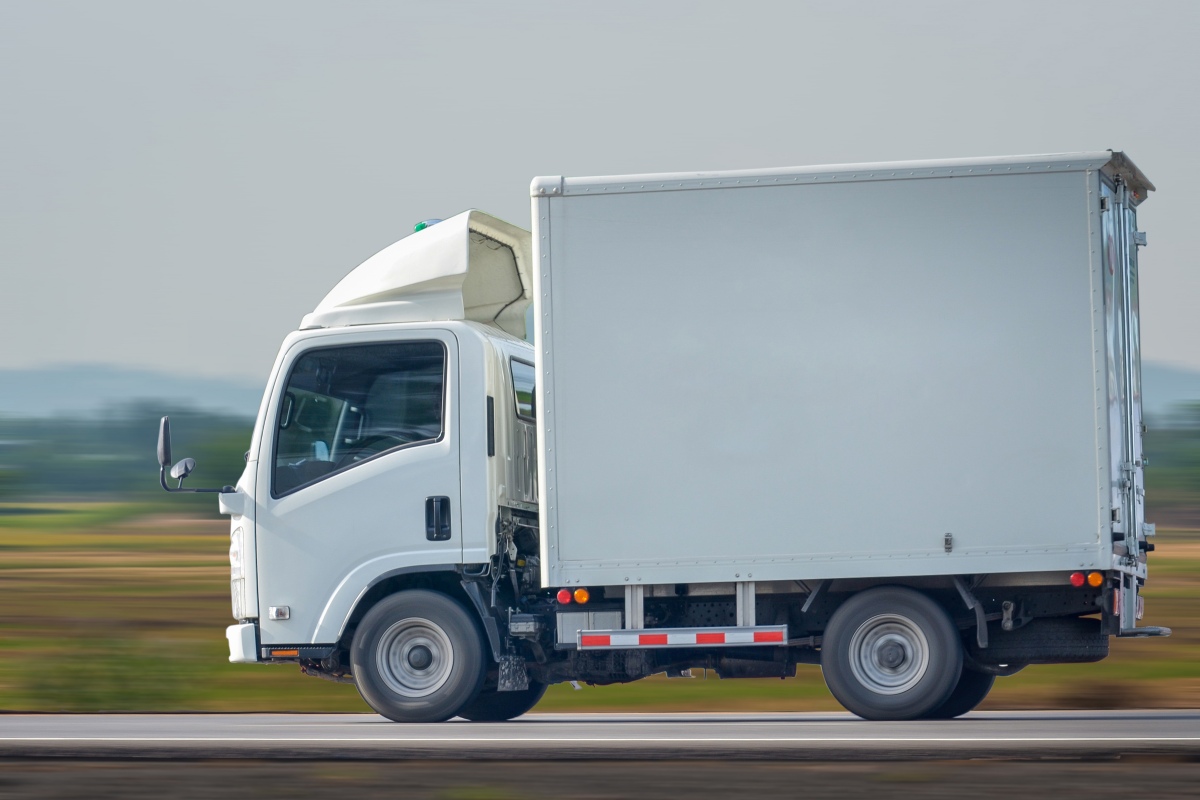
Small truck driving on the highway, Small white delivery truck moving fast on road, distribution business express delivery service

Light Commercial Vehicle Vs. Other Commercial Vehicles

Light commercial vehicles differ from larger commercial trucks in how much they can carry, what they cost to run, and how they fit into everyday business routes.

Medium-Duty Trucks

Medium-duty trucks (Class 3–6, generally 10,001 to 26,000 pounds GVWR) increase payload and cargo volume, but they also raise costs and operational complexity.

You may pay more in fuel, tires, and maintenance, and medium-duty trucks can be harder to park and route efficiently, especially in compact cities.

If your work mainly involves regional travel with frequent stops and moderate loads, a light commercial vehicle is the better choice.

Heavy-Duty Trucks

Heavy-duty trucks are designed for high-capacity hauling and long-run work. In the U.S., they are generally classified as 26,001 pounds GVWR and above, which is also the weight range where many commercial vehicles fall under stricter licensing and compliance rules.

They are the backbone of the freight industry (which moves 72% of all US freight), but they are not always the best tool for small business delivery or service operations.

Heavy goods vehicles typically require higher operating budgets, larger maintenance plans, and specific driver qualifications.

Light commercial vehicles stay closer to car-like drivability, which is why they work well in urban areas and for mixed operations.

The Different Types Of Light Commercial Vehicles

Light commercial vehicles come in different types because “commercial” work varies. A plumber moving parts needs a different setup than a caterer moving perishable goods.

Cargo Vans

Cargo vans are the default option for many businesses because they protect cargo from weather and theft. This category includes panel vans, car-derived vans, and other vans that prioritize enclosed space and easy loading.

Most cargo vans also use practical access features like sliding side doors and wide rear openings, which help when you deliver in tight urban areas or load in crowded parking lots. You will see these vehicles used for courier work, HVAC, electrical, and local delivery.

Pickup Trucks Used Commercially

A pickup truck is often chosen when the work involves bulky materials or frequent loading from the side. The biggest advantage is the open top loading bed, which makes it easy to haul tools, building materials, or equipment that does not fit neatly in a van.

Pickup trucks can be a better fit than vans when the cargo is dirty, oversized, or needs quick loading at job sites. The tradeoff is reduced enclosed cargo space and less security unless you add covers or locking boxes.

Small Box Trucks

Small box trucks are used when a business needs more enclosed volume than a standard van can provide. You may also hear terms like box van and luton vans (common naming in certain markets).

These vehicles are often built on a chassis cab platform that manufacturers use across several commercial models, with different bodies added depending on the job.

Box bodies are ideal for furniture, appliances, and packaged goods because the cargo area is square and easier to stack. That shape helps you carry goods efficiently without having to step up to heavier trucks.

Utility And Service Vehicles

Utility vehicles are configured for specialist work. This includes specialist vehicles like service bodies with compartments, job-site support units, and temperature-controlled options like refrigerated trucks for food or medical delivery.

Refrigerated setups exist for lighter classes, but they reduce payload because the refrigeration unit adds weight and draws power.

Some operations also use passenger carrier vehicles in commercial contexts, especially when moving crews between sites. Those builds often add seating while still preserving a rear cargo area.

Light Commercial Vehicle Use Cases

Light commercial vehicles suit real-world work patterns: short stops, mixed roads, tight turns, and frequent loading. That is why they dominate last-mile and service operations in urban environments and dense metro corridors.

Local Delivery And Logistics

If you deliver packages or supplies, you need a vehicle that can stop frequently and park easily. Vans and compact box trucks are built for that. They allow quick door access, straightforward loading, and enough range to run routes all day without turning into a fuel sink.

Trades And Service Businesses

Trades need a mobile workshop. Vans and service builds provide organized cargo, lockable storage, and dedicated space for tools and parts.

Construction And Maintenance

Construction teams often use pickup trucks for materials and job-site flexibility. Vans can still work well when tools need protection from theft and weather.

Many businesses choose a mix, using trucks for materials and vans for tools, depending on the job.

Mobile Services And Specialty Operations

Mobile detailing, roadside services, catering, and field repair all depend on fast access to equipment. The goal is to carry what you need, serve customers quickly, and keep downtime to a minimum.

Things To Consider Before Buying A Light Commercial Vehicle

A light commercial vehicle affects how much you can carry and what it costs to keep the business moving. Before buying one, it helps to focus on a few practical factors that determine whether the vehicle fits your work.

What Payload And Cargo Space Do You Actually Need?

Start with what you carry on a typical day and what you carry on your heaviest day. If you regularly transport goods that are bulky but light, volume matters more than weight. If you haul dense materials, payload matters more than space.

Be honest about growth, too. If your business grows, your vehicle needs often expand faster than expected.

What Fuel Type Fits Your Routes?

Fuel choice should follow the route pattern. If you run short deliveries in urban areas, electric or hybrid options may suit your stop-and-go work.

If you do longer regional runs, diesel vehicles often remain common due to range and load handling, although maintenance and fuel costs must be managed carefully.

New Vs. Used: What Risk Can You Carry?

Used vehicles lower upfront costs, but they can raise maintenance risk. Review service history, inspect wear items, and budget for baseline repairs after purchase. A “cheap” vehicle becomes expensive when it cannot deliver on schedule.

What Insurance And Registration Category Applies?

Insurance costs depend on classification, usage, cargo type, and driver profile. Light commercial vehicles are often cheaper to insure than heavier trucks, but that is not automatic. Your trucking insurance provider will care about mileage, territory, and what you transport.

How Will You Finance Ownership Without Straining Cash Flow?

Financing should match how the vehicle makes money. If the vehicle is essential for daily revenue, approval speed and flexible terms matter, especially when equipment needs are urgent.

Mission Financial Services supports owner-operators and small fleets with commercial lending options, including pathways for first-time buyers and drivers with challenging credit histories.

Mini truck driving on highway on sunny day. White modern delivery small shipment cargo courier truck moving fast on motorway road to city urban suburb. Busines distribution logistics express service.

Conclusion

A light commercial vehicle makes the most sense when your work demands reliable cargo capacity and the ability to navigate urban environments without the challenges of larger trucks.

The best choice comes from matching vehicle type to payload, route length, and how your business serves customers.

If you are buying your first commercial vehicle, replacing an aging unit, or expanding a fleet, financing can be the difference between waiting and getting to work.

Mission Financial Services helps owner-operators and small fleets pursue commercial vehicle financing that supports real operational needs.

Ready to get on the road with flexible truck financing? Start your credit application with Mission Financial Services today.

What You Need To Know Before Buying A Commercial Truck

What You Need To Know Before Buying A Commercial Truck

Buying a commercial truck usually means your business or plans are at a turning point. Either your trucking business has more work or an important contract on the table, or you need a commercial truck to become your owner-operator.

No matter the reason, getting a new commercial truck is a major financial decision.

So, before you sign any paperwork, it helps to understand what qualifies as a commercial truck and how different types serve different jobs. Truck class, carrying capacity, operating costs, and compliance requirements all shape how the vehicle performs in real-world use.

What Is A Commercial Truck?

A commercial truck is a vehicle used primarily for business purposes, such as hauling goods, transporting equipment, or delivering products to customers.

Commercial vehicles differ from personal vehicles in design, cargo/load capacity, durability, and regulatory treatment under the Federal Motor Carrier Safety Administration (FMCSA).

Common examples of commercial trucks include:

  • Semi-trucks
  • Box trucks
  • Dump trucks
  • Cargo vans
  • Service or delivery trucks

These vehicles are built to handle repeated business use and operating conditions that personal vehicles are not designed to support.

Because commercial trucks fall under different regulatory classifications, they are often treated differently for tax purposes.

Proper income tax treatment depends on how the vehicle is used, its weight rating, and the purchaser’s tax situation. Buyers should seek tax advice from a qualified tax advisor to understand whether any tax benefits apply under applicable tax laws.

semi trucks in line

Common Types Of Commercial Trucks

Commercial trucks are grouped into classes based on gross vehicle weight rating, which affects usage, cost, and licensing requirements.

  • Class 3–5 trucks are light-duty commercial vehicles. These include cargo vans, smaller box trucks, and pickup-based commercial trucks. Businesses use them for local delivery, service calls, and jobs where load capacity is limited. These trucks often facilitate easier loading and, in many cases, operate without CDL requirements (if under 26,001 lbs).
  • Class 6–7 trucks fall into the medium-duty category. These trucks offer higher carrying capacity and often use chassis cabs that accept bodies from independent suppliers. Common uses include utility service, regional delivery, construction support, and fleet operations that need durability without full heavy-duty cost.
  • Class 8 trucks are heavy-duty commercial trucks, including semi-trucks designed to pull trailers. These trucks support maximum payload ratings, heavy loads, and long-distance freight. Higher capability brings higher purchase price, stricter regulations, and increased maintenance demands.

How Commercial Trucks Are Used

Commercial trucks support a wide range of business operations, and how a truck is used should always drive the buying decision.

According to data from the American Trucking Associations, trucks move 72.7% of all freight by weight in the United States. They are central to everyday transportation and supply chains.

Many businesses rely on commercial trucks for freight hauling and long-distance transportation, especially in manufacturing and wholesale distribution.

Construction and contracting companies use trucks to move materials and equipment where durability and carrying capacity matter most.

Local delivery and service operations focus on efficiency, maneuverability, and frequent stops, which is why cargo vans and medium-duty trucks remain common in urban and regional routes.

Specialized businesses also depend on commercial trucks to haul people, operate mobile service units, or transport job-specific equipment.

With so many use cases, choosing a commercial truck without first defining its job often leads to higher costs or limited performance. The right truck supports the work, not the other way around.

Key Factors To Consider Before Buying A Commercial Truck

Before buying a commercial truck, it’s important to evaluate how the vehicle will perform in real business use.

These factors deserve careful consideration before finalizing a purchase:

  • Intended use and payload requirements: Start with how the truck will be used and what it needs to carry. Cargo and load capacity, maximum payload ratings, and whether load capacity is limited determine what the truck can legally and safely handle. Overloading increases safety risks and exposes the business to regulatory issues.
  • New versus used options: New commercial trucks may include a manufacturer’s warranty, updated safety features, and optional equipment configured for the job. Used trucks lower the purchase price but can increase maintenance costs. Carefully review the maintenance and service history, and any independent supplier alterations before committing.
  • Maintenance and operating costs: Costs continue long after the purchase. Fuel efficiency, parts availability, service access, and downtime all affect the total cost of ownership. Driver requirements also matter, since some commercial trucks require a commercial driver’s license based on weight and configuration.
  • Insurance and compliance requirements: Insurance costs and compliance obligations vary by truck class, location, and use. Regulations apply differently across fleets and business models, so confirming requirements early helps avoid delays and unexpected expenses.

How Much Does A Commercial Truck Cost?

Light-duty commercial trucks, such as cargo vans and smaller box trucks, often start in the $30,000 to $60,000 range.

Medium-duty trucks commonly fall between $60,000 and $100,000, depending on carrying capacity and body type.

Heavy-duty trucks, including semi-trucks built for long-haul or heavy loads, can exceed $150,000 or more.

The final price of a truck goes beyond the base vehicle. Dealer fees, optional equipment, accessories, independent supplier modifications, and inventory availability all affect total cost.

Commercial trucks cost more than consumer vehicles because manufacturers design them for continuous business use. Heavier frames, stronger drivetrains, higher weight ratings, and reinforced systems increase durability and safety, but they also raise the purchase price.

You should also account for ongoing costs, including maintenance, insurance, fuel, compliance, and downtime, in addition to the initial vehicle purchase.

Financing And Ownership Considerations

Most buyers finance a commercial truck rather than paying cash up front. Commercial financing works differently from auto loans and typically considers business income, credit history, down payment, and supporting documentation.

First-time buyers may face different approval criteria than established fleets, which is why understanding current commercial truck financing rates matters before committing to a purchase.

Cash flow planning also plays a central role in ownership. Monthly payments should align with revenue from the job or service the truck supports, not strain day-to-day operations.

Before finalizing a purchase, buyers should carefully review financing terms, warranty coverage, and required disclosures to avoid surprises after delivery.

A dedicated trucking financier like Mission Financial Services can help you get faster and fairer rates, even if you have bad credit or are a first-time buyer.

Frequently Asked Questions

What Qualifies As A Commercial Vehicle?

Commercial vehicles are trucks or vans used primarily for business purposes, not personal transportation. This includes vehicles used to deliver goods, haul equipment, transport people for work, or support service jobs. Weight rating, usage, and configuration determine whether a vehicle falls under commercial regulations and insurance requirements.

Are There Tax Benefits When Buying A Commercial Truck?

Yes, commercial truck purchases may qualify for tax benefits. Available tax benefits can include depreciation deductions or other forms of proper tax treatment under applicable federal tax laws. Because tax outcomes vary, buyers should consult a qualified tax advisor before relying on any potential tax benefit.

Is A Cargo Van Considered A Commercial Truck?

A cargo van can qualify as a commercial truck when used for business purposes such as delivery, service work, or transporting equipment. Cargo vans are common in local delivery and trade businesses because they offer enclosed space, easier loading, and lower operating costs compared to larger trucks.

What Are Chassis Cabs And When Are They Used?

Chassis cabs are commercial truck platforms that include the cab, engine, and frame, but no cargo body. Businesses use chassis cabs when they need a customized setup, such as utility bodies, dump beds, or service boxes installed by independent suppliers.

Conclusion

Buying a commercial truck is about choosing equipment that supports the work your business actually does. Truck class, carrying capacity, operating costs, and compliance requirements all shape how that vehicle performs once it is in service.

In the end, the right commercial truck is the one that supports your daily operations, protects cash flow, and allows your business to grow without creating unnecessary risk.

Ready to move forward with a commercial truck that fits your budget and workload?

Mission Financial Services helps first-time buyers, owner-operators, and growing fleets finance commercial trucks with terms designed for real-world business use.

Start your credit application today and secure financing that supports how you work, not just what you buy.

Archives

Sign Me Up!

Stay up to date with the latest news in the commercial trucking industry.

Contact Us
close slider