Office: (404) 975-4800

Commercial truck loan

What Is A Light Commercial Vehicle? Complete Guide

What Is A Light Commercial Vehicle? Complete Guide

A light commercial vehicle is often the workhorse behind small businesses that deliver, install, repair, or service goods every day. From local delivery routes to job sites, these vehicles move tools, materials, and products without the size, cost, or complexity of larger trucks.

The term matters because a light commercial vehicle is classified differently from a passenger car or a heavy goods vehicle.

That classification affects operating costs, driver requirements, insurance, and where the vehicle can operate, especially in urban environments.

Understanding what qualifies as a light commercial vehicle and how it differs from other options helps ensure the right choice from the start.

What Is A Light Commercial Vehicle?

A light commercial vehicle is a commercial vehicle that typically falls in U.S. truck Classes 1–2, meaning it has a Gross Vehicle Weight Rating (GVWR) of 10,000 pounds or less. GVWR refers to the maximum safe weight of the vehicle when fully loaded, including cargo, fuel, and passengers.

These vehicles are designed to carry goods or equipment while remaining lighter and easier to operate than medium- or heavy-duty commercial vehicles.

Because light commercial vehicles fall into lower GVWR ranges, they are treated differently under transportation, emissions, and licensing rules than heavier trucks. This classification influences how the vehicle is registered, whether a commercial driver’s license (CDL) is required, and where the vehicle can operate.

For many small businesses, staying within the light commercial category keeps costs lower and operations simpler.

Small truck driving on the highway, Small white delivery truck moving fast on road, distribution business express delivery service

Light Commercial Vehicle Vs. Other Commercial Vehicles

Light commercial vehicles differ from larger commercial trucks in how much they can carry, what they cost to run, and how they fit into everyday business routes.

Medium-Duty Trucks

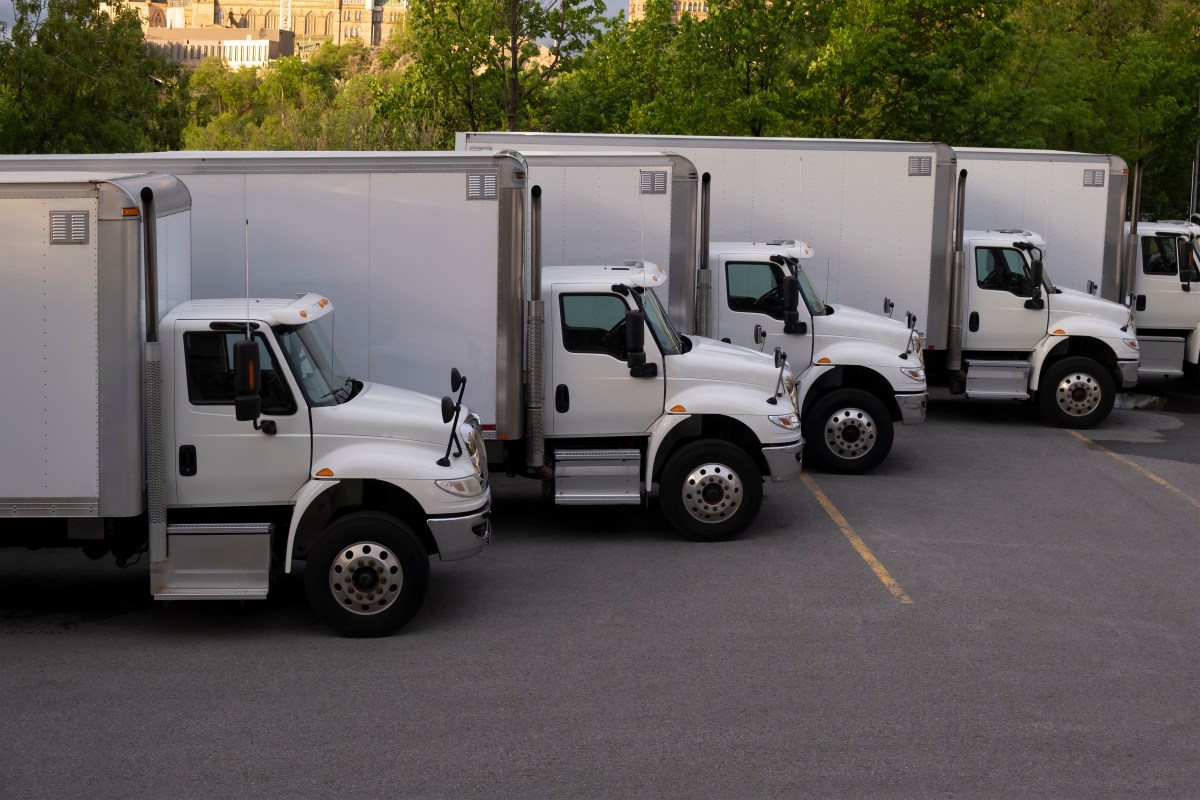
Medium-duty trucks (Class 3–6, generally 10,001 to 26,000 pounds GVWR) increase payload and cargo volume, but they also raise costs and operational complexity.

You may pay more in fuel, tires, and maintenance, and medium-duty trucks can be harder to park and route efficiently, especially in compact cities.

If your work mainly involves regional travel with frequent stops and moderate loads, a light commercial vehicle is the better choice.

Heavy-Duty Trucks

Heavy-duty trucks are designed for high-capacity hauling and long-run work. In the U.S., they are generally classified as 26,001 pounds GVWR and above, which is also the weight range where many commercial vehicles fall under stricter licensing and compliance rules.

They are the backbone of the freight industry (which moves 72% of all US freight), but they are not always the best tool for small business delivery or service operations.

Heavy goods vehicles typically require higher operating budgets, larger maintenance plans, and specific driver qualifications.

Light commercial vehicles stay closer to car-like drivability, which is why they work well in urban areas and for mixed operations.

The Different Types Of Light Commercial Vehicles

Light commercial vehicles come in different types because “commercial” work varies. A plumber moving parts needs a different setup than a caterer moving perishable goods.

Cargo Vans

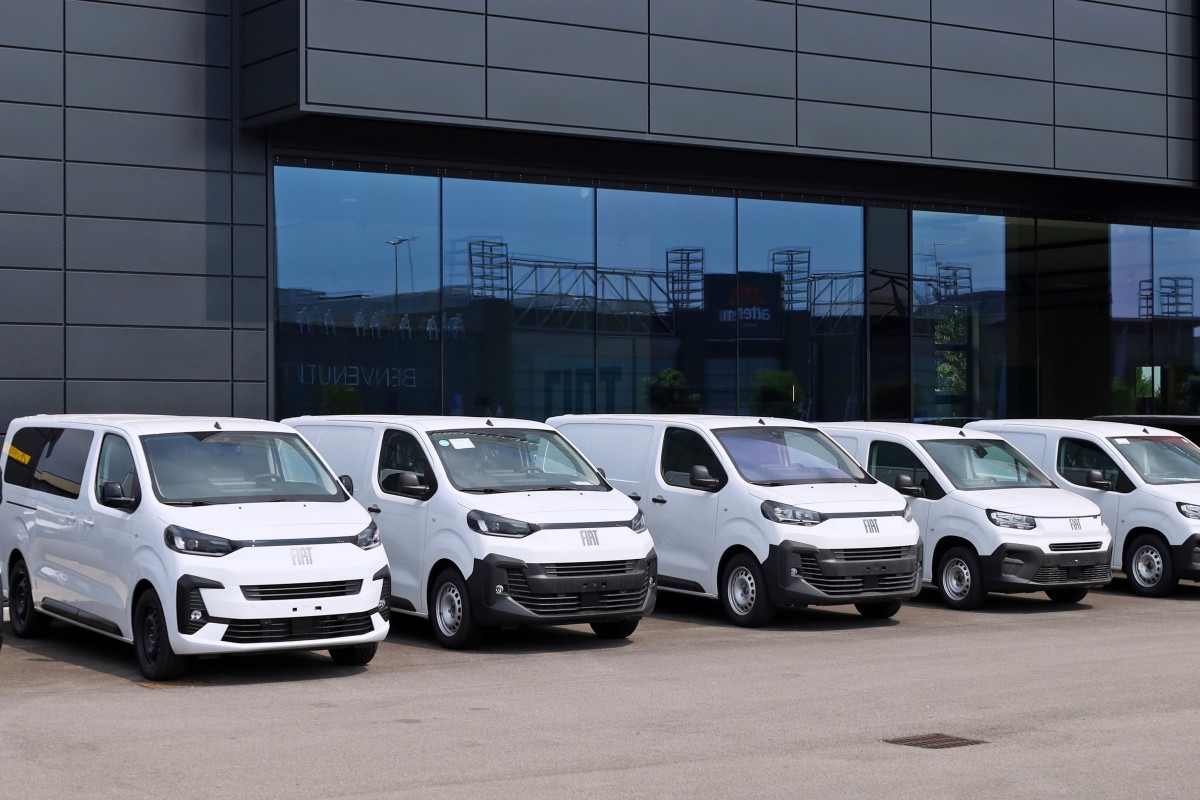
Cargo vans are the default option for many businesses because they protect cargo from weather and theft. This category includes panel vans, car-derived vans, and other vans that prioritize enclosed space and easy loading.

Most cargo vans also use practical access features like sliding side doors and wide rear openings, which help when you deliver in tight urban areas or load in crowded parking lots. You will see these vehicles used for courier work, HVAC, electrical, and local delivery.
Pickup Trucks Used Commercially

A pickup truck is often chosen when the work involves bulky materials or frequent loading from the side. The biggest advantage is the open top loading bed, which makes it easy to haul tools, building materials, or equipment that does not fit neatly in a van.

Pickup trucks can be a better fit than vans when the cargo is dirty, oversized, or needs quick loading at job sites. The tradeoff is reduced enclosed cargo space and less security unless you add covers or locking boxes.

Small Box Trucks

Small box trucks are used when a business needs more enclosed volume than a standard van can provide. You may also hear terms like box van and luton vans (common naming in certain markets).

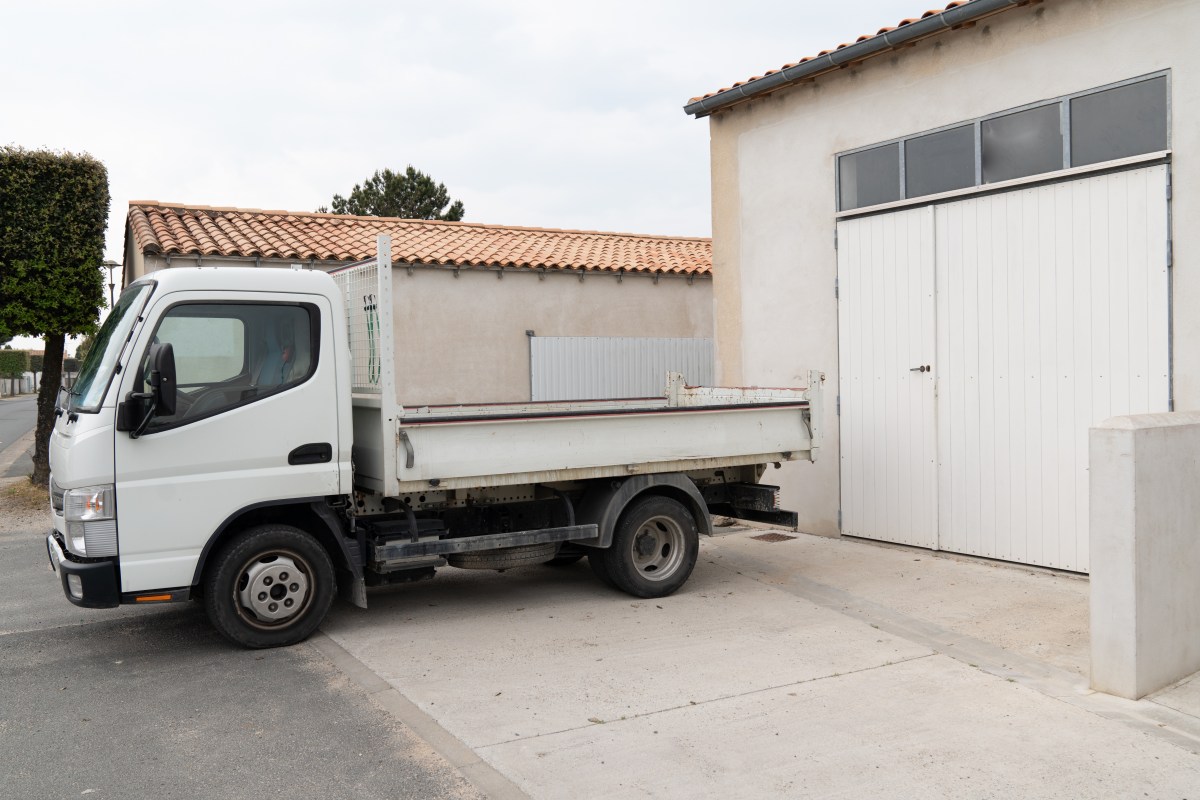
These vehicles are often built on a chassis cab platform that manufacturers use across several commercial models, with different bodies added depending on the job.

Box bodies are ideal for furniture, appliances, and packaged goods because the cargo area is square and easier to stack. That shape helps you carry goods efficiently without having to step up to heavier trucks.

Utility And Service Vehicles

Utility vehicles are configured for specialist work. This includes specialist vehicles like service bodies with compartments, job-site support units, and temperature-controlled options like refrigerated trucks for food or medical delivery.

Refrigerated setups exist for lighter classes, but they reduce payload because the refrigeration unit adds weight and draws power.

Some operations also use passenger carrier vehicles in commercial contexts, especially when moving crews between sites. Those builds often add seating while still preserving a rear cargo area.
Light Commercial Vehicle Use Cases

Light commercial vehicles suit real-world work patterns: short stops, mixed roads, tight turns, and frequent loading. That is why they dominate last-mile and service operations in urban environments and dense metro corridors.

Local Delivery And Logistics

If you deliver packages or supplies, you need a vehicle that can stop frequently and park easily. Vans and compact box trucks are built for that. They allow quick door access, straightforward loading, and enough range to run routes all day without turning into a fuel sink.

Trades And Service Businesses

Trades need a mobile workshop. Vans and service builds provide organized cargo, lockable storage, and dedicated space for tools and parts.

Construction And Maintenance

Construction teams often use pickup trucks for materials and job-site flexibility. Vans can still work well when tools need protection from theft and weather.

Many businesses choose a mix, using trucks for materials and vans for tools, depending on the job.

Mobile Services And Specialty Operations

Mobile detailing, roadside services, catering, and field repair all depend on fast access to equipment. The goal is to carry what you need, serve customers quickly, and keep downtime to a minimum.
Things To Consider Before Buying A Light Commercial Vehicle

A light commercial vehicle affects how much you can carry and what it costs to keep the business moving. Before buying one, it helps to focus on a few practical factors that determine whether the vehicle fits your work.

What Payload And Cargo Space Do You Actually Need?

Start with what you carry on a typical day and what you carry on your heaviest day. If you regularly transport goods that are bulky but light, volume matters more than weight. If you haul dense materials, payload matters more than space.

Be honest about growth, too. If your business grows, your vehicle needs often expand faster than expected.

What Fuel Type Fits Your Routes?

Fuel choice should follow the route pattern. If you run short deliveries in urban areas, electric or hybrid options may suit your stop-and-go work.

If you do longer regional runs, diesel vehicles often remain common due to range and load handling, although maintenance and fuel costs must be managed carefully.

New Vs. Used: What Risk Can You Carry?

Used vehicles lower upfront costs, but they can raise maintenance risk. Review service history, inspect wear items, and budget for baseline repairs after purchase. A “cheap” vehicle becomes expensive when it cannot deliver on schedule.

What Insurance And Registration Category Applies?

Insurance costs depend on classification, usage, cargo type, and driver profile. Light commercial vehicles are often cheaper to insure than heavier trucks, but that is not automatic. Your trucking insurance provider will care about mileage, territory, and what you transport.

How Will You Finance Ownership Without Straining Cash Flow?

Financing should match how the vehicle makes money. If the vehicle is essential for daily revenue, approval speed and flexible terms matter, especially when equipment needs are urgent.

Mission Financial Services supports owner-operators and small fleets with commercial lending options, including pathways for first-time buyers and drivers with challenging credit histories.

Mini truck driving on highway on sunny day. White modern delivery small shipment cargo courier truck moving fast on motorway road to city urban suburb. Busines distribution logistics express service.

Conclusion

A light commercial vehicle makes the most sense when your work demands reliable cargo capacity and the ability to navigate urban environments without the challenges of larger trucks.

The best choice comes from matching vehicle type to payload, route length, and how your business serves customers.

If you are buying your first commercial vehicle, replacing an aging unit, or expanding a fleet, financing can be the difference between waiting and getting to work.

Mission Financial Services helps owner-operators and small fleets pursue commercial vehicle financing that supports real operational needs.

Ready to get on the road with flexible truck financing? Start your credit application with Mission Financial Services today.


What You Need To Know Before Buying A Commercial Truck

What You Need To Know Before Buying A Commercial Truck

Buying a commercial truck usually means your business or plans are at a turning point. Either your trucking business has more work or an important contract on the table, or you need a commercial truck to become your owner-operator.

No matter the reason, getting a new commercial truck is a major financial decision.

So, before you sign any paperwork, it helps to understand what qualifies as a commercial truck and how different types serve different jobs. Truck class, carrying capacity, operating costs, and compliance requirements all shape how the vehicle performs in real-world use.

What Is A Commercial Truck?

A commercial truck is a vehicle used primarily for business purposes, such as hauling goods, transporting equipment, or delivering products to customers.

Commercial vehicles differ from personal vehicles in design, cargo/load capacity, durability, and regulatory treatment under the Federal Motor Carrier Safety Administration (FMCSA).

Common examples of commercial trucks include:

  • Semi-trucks
  • Box trucks
  • Dump trucks
  • Cargo vans
  • Service or delivery trucks

These vehicles are built to handle repeated business use and operating conditions that personal vehicles are not designed to support.

Because commercial trucks fall under different regulatory classifications, they are often treated differently for tax purposes.

Proper income tax treatment depends on how the vehicle is used, its weight rating, and the purchaser’s tax situation. Buyers should seek tax advice from a qualified tax advisor to understand whether any tax benefits apply under applicable tax laws.

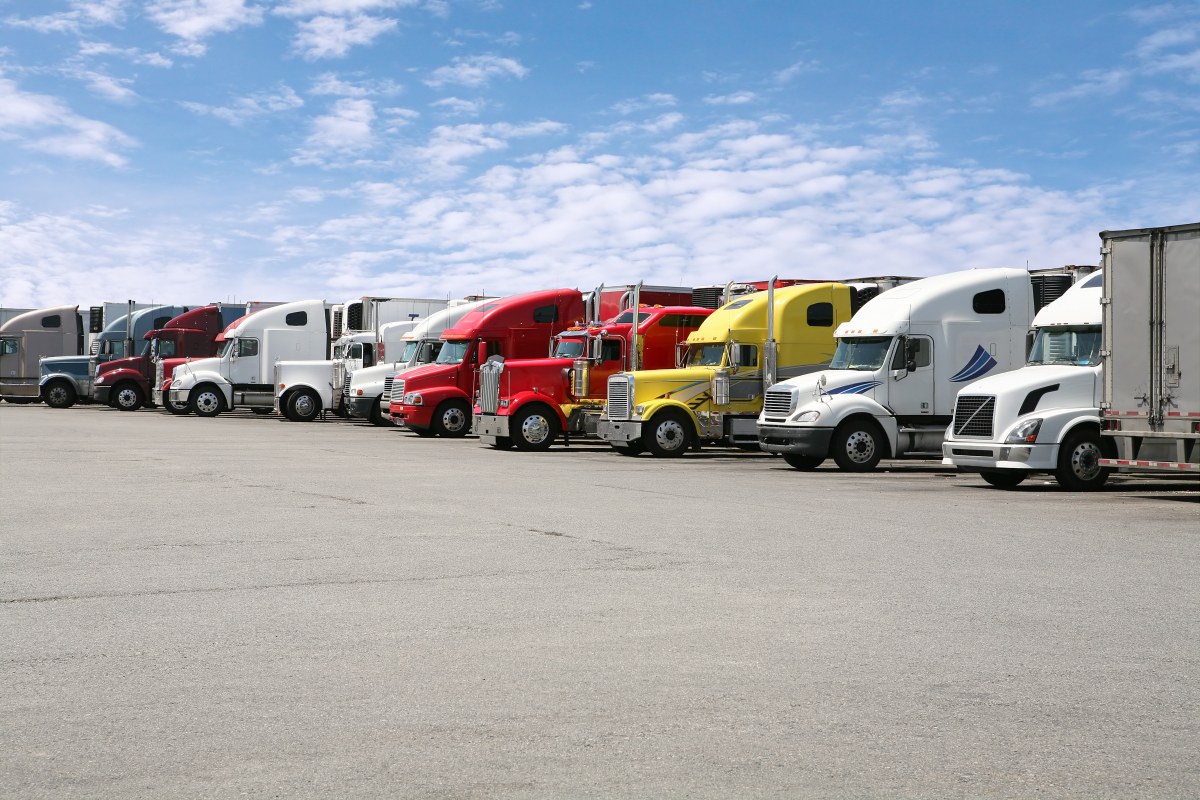
semi trucks in line

Common Types Of Commercial Trucks

Commercial trucks are grouped into classes based on gross vehicle weight rating, which affects usage, cost, and licensing requirements.

  • Class 3–5 trucks are light-duty commercial vehicles. These include cargo vans, smaller box trucks, and pickup-based commercial trucks. Businesses use them for local delivery, service calls, and jobs where load capacity is limited. These trucks often facilitate easier loading and, in many cases, operate without CDL requirements (if under 26,001 lbs).
  • Class 6–7 trucks fall into the medium-duty category. These trucks offer higher carrying capacity and often use chassis cabs that accept bodies from independent suppliers. Common uses include utility service, regional delivery, construction support, and fleet operations that need durability without full heavy-duty cost.
  • Class 8 trucks are heavy-duty commercial trucks, including semi-trucks designed to pull trailers. These trucks support maximum payload ratings, heavy loads, and long-distance freight. Higher capability brings higher purchase price, stricter regulations, and increased maintenance demands.

How Commercial Trucks Are Used

Commercial trucks support a wide range of business operations, and how a truck is used should always drive the buying decision.

According to data from the American Trucking Associations, trucks move 72.7% of all freight by weight in the United States. They are central to everyday transportation and supply chains.

Many businesses rely on commercial trucks for freight hauling and long-distance transportation, especially in manufacturing and wholesale distribution.

Construction and contracting companies use trucks to move materials and equipment where durability and carrying capacity matter most.

Local delivery and service operations focus on efficiency, maneuverability, and frequent stops, which is why cargo vans and medium-duty trucks remain common in urban and regional routes.

Specialized businesses also depend on commercial trucks to haul people, operate mobile service units, or transport job-specific equipment.

With so many use cases, choosing a commercial truck without first defining its job often leads to higher costs or limited performance. The right truck supports the work, not the other way around.

Key Factors To Consider Before Buying A Commercial Truck

Before buying a commercial truck, it’s important to evaluate how the vehicle will perform in real business use.

These factors deserve careful consideration before finalizing a purchase:

  • Intended use and payload requirements: Start with how the truck will be used and what it needs to carry. Cargo and load capacity, maximum payload ratings, and whether load capacity is limited determine what the truck can legally and safely handle. Overloading increases safety risks and exposes the business to regulatory issues.
  • New versus used options: New commercial trucks may include a manufacturer’s warranty, updated safety features, and optional equipment configured for the job. Used trucks lower the purchase price but can increase maintenance costs. Carefully review the maintenance and service history, and any independent supplier alterations before committing.
  • Maintenance and operating costs: Costs continue long after the purchase. Fuel efficiency, parts availability, service access, and downtime all affect the total cost of ownership. Driver requirements also matter, since some commercial trucks require a commercial driver’s license based on weight and configuration.
  • Insurance and compliance requirements: Insurance costs and compliance obligations vary by truck class, location, and use. Regulations apply differently across fleets and business models, so confirming requirements early helps avoid delays and unexpected expenses.

How Much Does A Commercial Truck Cost?

Light-duty commercial trucks, such as cargo vans and smaller box trucks, often start in the $30,000 to $60,000 range.

Medium-duty trucks commonly fall between $60,000 and $100,000, depending on carrying capacity and body type.

Heavy-duty trucks, including semi-trucks built for long-haul or heavy loads, can exceed $150,000 or more.

The final price of a truck goes beyond the base vehicle. Dealer fees, optional equipment, accessories, independent supplier modifications, and inventory availability all affect total cost.

Commercial trucks cost more than consumer vehicles because manufacturers design them for continuous business use. Heavier frames, stronger drivetrains, higher weight ratings, and reinforced systems increase durability and safety, but they also raise the purchase price.

You should also account for ongoing costs, including maintenance, insurance, fuel, compliance, and downtime, in addition to the initial vehicle purchase.

Financing And Ownership Considerations

Most buyers finance a commercial truck rather than paying cash up front. Commercial financing works differently from auto loans and typically considers business income, credit history, down payment, and supporting documentation.

First-time buyers may face different approval criteria than established fleets, which is why understanding current commercial truck financing rates matters before committing to a purchase.

Cash flow planning also plays a central role in ownership. Monthly payments should align with revenue from the job or service the truck supports, not strain day-to-day operations.

Before finalizing a purchase, buyers should carefully review financing terms, warranty coverage, and required disclosures to avoid surprises after delivery.

A dedicated trucking financier like Mission Financial Services can help you get faster and fairer rates, even if you have bad credit or are a first-time buyer.

Frequently Asked Questions

What Qualifies As A Commercial Vehicle?

Commercial vehicles are trucks or vans used primarily for business purposes, not personal transportation. This includes vehicles used to deliver goods, haul equipment, transport people for work, or support service jobs. Weight rating, usage, and configuration determine whether a vehicle falls under commercial regulations and insurance requirements.

Are There Tax Benefits When Buying A Commercial Truck?

Yes, commercial truck purchases may qualify for tax benefits. Available tax benefits can include depreciation deductions or other forms of proper tax treatment under applicable federal tax laws. Because tax outcomes vary, buyers should consult a qualified tax advisor before relying on any potential tax benefit.

Is A Cargo Van Considered A Commercial Truck?

A cargo van can qualify as a commercial truck when used for business purposes such as delivery, service work, or transporting equipment. Cargo vans are common in local delivery and trade businesses because they offer enclosed space, easier loading, and lower operating costs compared to larger trucks.

What Are Chassis Cabs And When Are They Used?

Chassis cabs are commercial truck platforms that include the cab, engine, and frame, but no cargo body. Businesses use chassis cabs when they need a customized setup, such as utility bodies, dump beds, or service boxes installed by independent suppliers.

Conclusion

Buying a commercial truck is about choosing equipment that supports the work your business actually does. Truck class, carrying capacity, operating costs, and compliance requirements all shape how that vehicle performs once it is in service.

In the end, the right commercial truck is the one that supports your daily operations, protects cash flow, and allows your business to grow without creating unnecessary risk.

Ready to move forward with a commercial truck that fits your budget and workload?

Mission Financial Services helps first-time buyers, owner-operators, and growing fleets finance commercial trucks with terms designed for real-world business use.

Start your credit application today and secure financing that supports how you work, not just what you buy.

Archives

Sign Me Up!

Stay up to date with the latest news in the commercial trucking industry.

Contact Us
close slider