
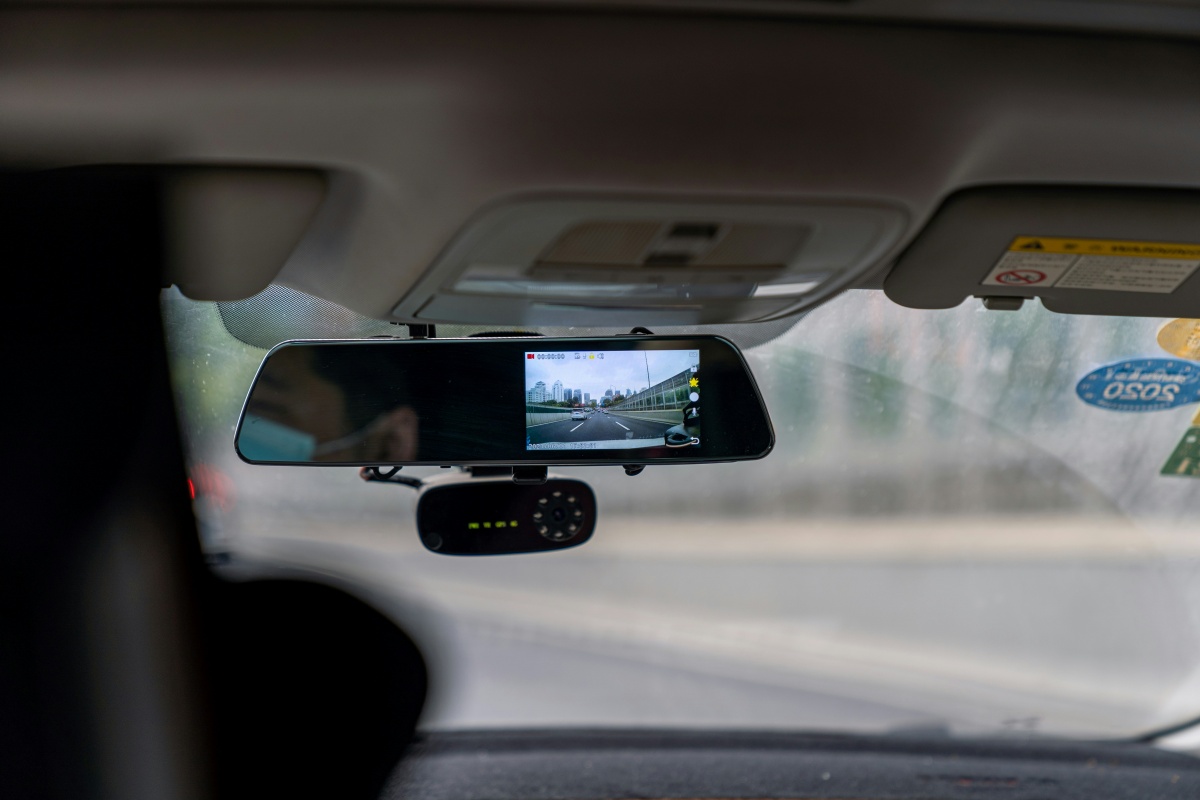
Dashcams and driver-facing cameras have become standard equipment in commercial trucking. Trucking companies use these systems for everything from improving safety to coaching drivers after risky events like hard braking or distracted driving incidents.
At the same time, many drivers still have concerns about privacy and how camera footage gets used. For an over-the-road truck driver, the cab often doubles as both a workplace and a living space. That creates real tension between fleet safety goals and personal privacy expectations.
Below, we cover the federal and state laws governing dashcams in commercial trucks, what’s generally permitted, and how fleets can address driver privacy concerns fairly.
Are Dashcams Legal in Commercial Trucks?
Installing dashcams in semi-trucks is legal in nearly all states. Still, fleets need to follow both federal and state laws when they use camera systems.
The biggest legal distinction usually involves video recording versus recording audio. Video-only systems face fewer restrictions in many states. Once a system records conversations, fleets may fall under stricter consent laws, including two-party consent laws or other party consent requirements.
Some states only require one person involved in a conversation to approve a recording. Others classify themselves as a two-party consent state, which means all parties involved must agree before audio is recorded.
Fleets also need to consider how cameras affect the driver’s view, where devices get mounted, and whether systems comply with federal and state regulations tied to commercial transportation.
An inward-facing camera (driver-facing camera) that records inside the cab may also raise additional privacy concerns compared to outward-facing systems that mainly capture roadway conditions.
For most fleets, the safest approach involves reviewing local laws carefully, creating a written company policy, and making sure drivers fully understand when cameras record video or activate during safety events.
Federal Laws on Cameras in Trucks
Several federal rules affect how trucking companies use dashcams and driver-facing camera systems.
One major law is the Electronic Communications Privacy Act, or ECPA, which prohibits using dashcams as tools for electronic surveillance and intercepting communications without consent. That matters when fleets use systems capable of recording audio inside the cab.
Many fleets now use event-triggered systems instead of continuous recording. Cameras may activate during collisions, sudden lane departures, speeding events, or hard braking incidents. Even with event-based recording, employers still need to obtain consent where required under state law.
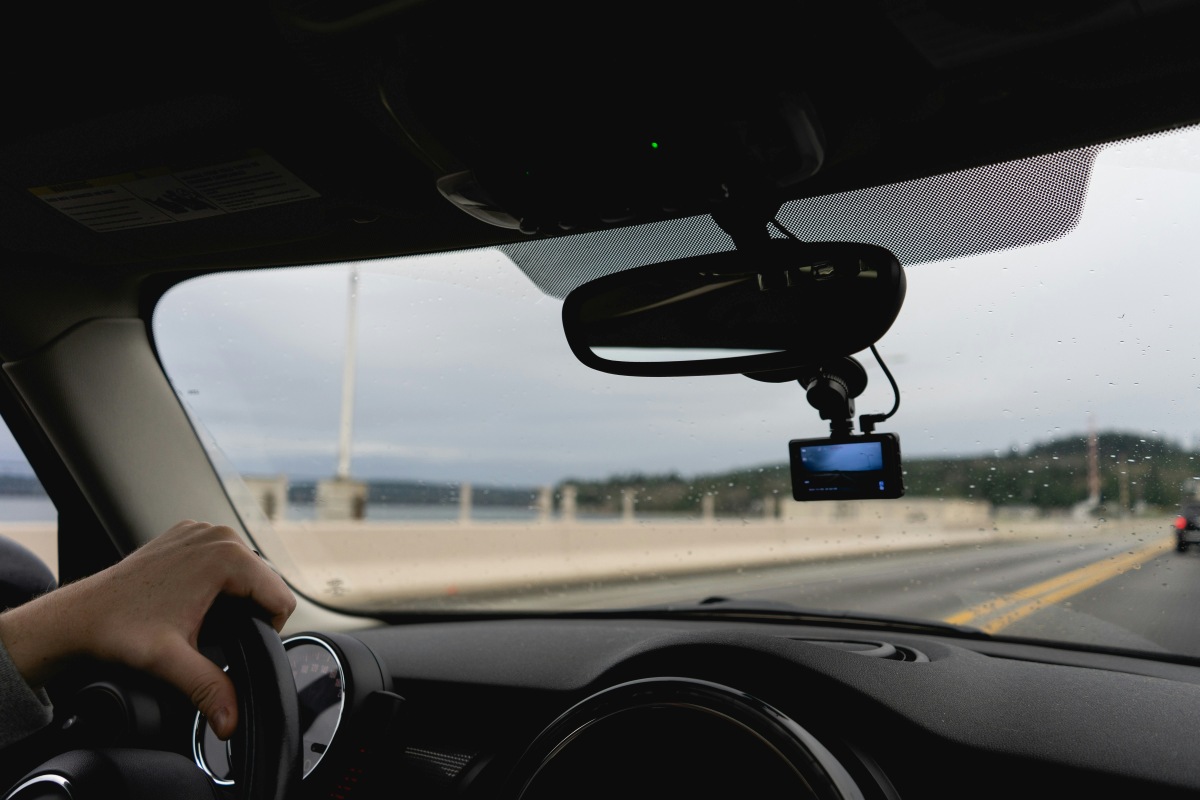
The Federal Motor Carrier Safety Administration (FMCSA) also regulates device placement inside the truck. Under current safety regulations, the FMCSA allows dashcams to be mounted lower on the windshield than previously permitted, specifically up to 8.5 inches below the upper edge or 7 inches above the lower edge of the area swept by the windshield wipers.
Most FMCSA windshield rules focus on keeping mounted devices within approved placement zones to protect visibility. Fleets that ignore placement rules can create safety violations even if the cameras themselves remain legal.
Commercial carriers should also notify drivers clearly before installing a driver-facing camera system. In many situations, notice and acknowledgment are a practical legal requirement, especially when cameras collect biometric data, monitor driver behavior, or store long-term video footage.
State Dashcam Laws Trucking Companies Should Know
State-level rules create most of the complexity around dashcam and driver-facing camera compliance—especially for fleets that operate across multiple states.
Audio Consent: One-Party vs. All-Party States
While video-only recording in public spaces faces very few legal hurdles, recording audio inside a truck cab immediately triggers state eavesdropping and wiretapping laws.
Fleet owners must understand whether a route passes through a “one-party” or “all-party” consent state before enabling in-cab microphones:
One-Party Consent States
In these states, audio recording is legal as long as at least one person participating in the conversation consents to being recorded. If the truck driver knows the camera is recording audio, that satisfies the requirement for any conversation they are a part of.
Key States Include: Texas, Ohio, Georgia, Michigan, and Nevada.
Note: While Michigan and Nevada require all-party consent for telephone wiretaps, their state laws and courts treat face-to-face, in-person conversations under a one-party framework if the driver is an active participant. However, if a driver leaves the cab and the mic records two passengers talking to each other, all-party rules may apply.
All-Party / Notice Consent States
In these jurisdictions, it is a crime to record audio unless every single person in the room (or cab) consents to being recorded, or is given explicit notice that recording is taking place.
Key States Include: California, Florida, Illinois, Pennsylvania, and Oregon.
Note: Oregon strictly requires all-party notice for in-person, face-to-face oral communications under ORS § 165.540.
Fleet Best Practice
Because commercial trucks constantly cross state lines, navigating a patchwork of audio laws is risky.
The safest operational policy for any carrier is to either permanently mute the audio recording function on dashcams or place a highly visible warning sticker on the passenger-side door and dashboard stating: “Notice: For safety and security, this vehicle is equipped with audio and video recording equipment.”

Windshield Mounting Rules
Windshield mounting rules also vary by state. Most states permit dashcams on the windshield as long as the device does not obstruct the driver’s view, matching the federal FMCSA allowances for designated mounting zones.
A few states restrict windshield mounting more strictly. Idaho, for example, prohibits mounting non-transparent objects on the windshield; dashcams must be placed on the dashboard instead. Indiana limits windshield-mounted items to a 4-inch square in the lower passenger-side corner or a 7-inch square in the lower driver-side corner.
Fleets operating in these states should verify current placement rules and document their installation approach.
Biometric Data and Driver Monitoring
Several states have enacted biometric privacy laws that apply when driver-facing cameras use AI-powered features like fatigue detection or facial recognition. Illinois’ Biometric Information Privacy Act (BIPA) and California’s AB-984 are among the strictest.
Fleets using driver monitoring systems that process facial data should obtain explicit written consent from drivers and review applicable state statutes before deployment.
It is also worth noting that a driver inside a sleeper berth or parked on private property may have a stronger reasonable expectation of privacy than when actively operating on a public road. Some fleets address this by configuring driver-facing cameras to disable or limit recording when the truck is parked and the engine is off.
Because of these differences, many commercial trucking companies create standardized fleet policies that meet the strictest applicable rules rather than changing procedures state by state.
Driver Privacy Concerns
Many drivers understand why fleets use cameras, but privacy concerns still remain common throughout the trucking industry.
Perceived Invasion Of Privacy
Over-the-road drivers spend weeks or months inside their trucks every year. For many drivers, the cab functions as both a workplace and a temporary living space.
Constant monitoring from driver-facing cameras can feel intrusive, especially when systems record throughout the day or activate frequently during normal driving conditions.
Even when fleets install cameras for safety reasons, some drivers still view continuous surveillance as excessive.
Data Security And Misuse
Data handling remains another major concern. Truckers worry that cybercriminals might access and misuse the volumes of data that dash cameras collect.
Modern systems often store large amounts of dashcam footage, GPS systems information, event records, and sometimes biometric data. Fleets must think carefully about proper storage, restricted access controls, and secure data management practices.
Some drivers also worry about how long footage stays stored, who reviews it, and whether clips could appear in unrelated legal proceedings later.
Certain states have additional laws tied to biometric information collection. Fleets using facial recognition or fatigue-monitoring technology must comply with laws like BIPA or similar state privacy statutes.
Performance Pressure and Job Loss Fear
Continuous monitoring can also create concerns about micromanagement. Drivers may worry that managers use driver-facing camera footage primarily to discipline employees instead of improving safety.
Some fear that minor mistakes or split-second distractions could trigger write-ups or termination.
Drivers could also interpret the installation of driver-facing cameras as mistrust from their trucking company. Over time, that perception can hurt morale and strain relationships between drivers and management.

Why Trucking Companies Use Dashcams
Despite privacy concerns, many fleets believe camera systems help reduce risk, improve safety outcomes, and protect drivers after accidents.
Improving Driver Safety
Many camera systems actively monitor distracted driving, fatigue, speeding, following distance, and other forms of risky behavior.
Some systems send alerts when drivers look away from the road, use handheld devices, or show signs of drowsiness. Fleets use that information to correct unsafe habits before they lead to a truck accident or serious injury. Doing this helps prevent accidents and develops a safety culture within a trucking company.
Enhancing Driver Training
Camera systems also give safety departments valuable coaching opportunities. Managers can review video footage after incidents, identify patterns in driver behavior, and provide targeted instruction for safer driving habits.
Fleets often use clips from real-world situations during onboarding or remedial training programs.
For new drivers, especially, reviewing driver-facing camera footage can help improve situational awareness and reinforce defensive driving habits.
Speeding Up Insurance Claims
Dashcams frequently help fleets resolve claims faster after collisions or disputed incidents. The cameras help build a powerful defense against fraudulent claims. Clear video evidence may show fault, road conditions, traffic behavior, or unsafe actions from another driver before impact.
That can help reduce claim disputes, lower liability exposure, and strengthen negotiations with an insurance company after a truck hit or roadway incident.
Settling Disputes After Accidents
Dashcams often provide critical legal evidence after collisions. Clear video recording can help exonerate drivers falsely blamed for accidents, document traffic violations, and support defense strategies during litigation.
In serious cases involving injuries, footage may become valuable evidence during lawsuits or insurance disputes. Accurate footage can strengthen legal representation and help establish what actually happened before a crash.
Drawbacks Of Dashcams
Camera systems also create operational challenges that fleets should not ignore.
Dash cameras can fail to record because of technical glitches. Hardware malfunctions, corrupted files, poor internet connectivity, or damaged sensors can all create gaps in footage when drivers need it most.
A driver-facing camera can capture a trucker’s behavior, but fails to capture the external factors that led to the behavior. A sudden maneuver may look unsafe on video while missing roadway hazards, weather conditions, or another driver cutting off the truck.
Some fleets also become too dependent on monitoring technology. Cameras can support safety programs, but they cannot replace experienced judgment, professional training, or defensive driving skills.
Trust remains another major issue. If drivers believe cameras only exist to punish mistakes, fleets may struggle with morale, retention, and recruiting.
Many drivers support safety technology when companies use it fairly and transparently.
Addressing Driver Privacy Concerns
To install dash cameras in commercial vehicles legally, fleet managers must address drivers’ concerns while complying with all privacy laws in their jurisdiction.
Here are a few tips for alleviating the major truck driver concerns we discussed earlier:
- Define your reasons for using dash cameras and ensure you communicate this clearly to your drivers. Is your goal safety improvements, leveraging insurance claims advantages, or aiding in accident investigations?
- Inform your drivers about how the driver-facing camera in their truck will operate. Will it record only during specific events, like hard braking or lane departures, or continuously in real-time? Be transparent about the camera’s intended use. In nearly all states, it is a legal requirement for drivers to be informed about the cameras and to consent to their use before installation.
- Establish clear guidelines on accessing dashcam footage, data handling, and storage. Who will gain access to the data? How long will the data be stored, and what process will you follow to delete footage once the storage period elapses? Robust data management policies will help alleviate drivers’ concerns about data security and misuse.
- Assure drivers of their job security by clarifying that dashcams and driver-facing cameras are coaching tools, not disciplinary ones. When drivers understand footage is used to support (not penalize) them, it builds trust and reinforces a positive safety culture.
Conclusion
Dashcams and driver-facing cameras can improve safety, strengthen training programs, speed up claims handling, and provide important video evidence after accidents. At the same time, privacy concerns remain real for many drivers working long hours inside commercial trucks.
The most effective fleets balance safety goals with transparency, secure data practices, adherence to state and federal laws, and healthy respect for drivers. Clear policies, proper consent procedures, and fair use of footage all help reduce conflict while supporting safer operations.
As fleets continue investing in safety technology, reliable equipment and uptime become even more important for owner-operators and growing carriers.
When privacy, compliance, and safety technology all affect your bottom line, the right truck financing matters.
Mission Financial Services helps owner-operators and small fleets finance semi-trucks and upgrades that keep drivers safer and revenue on track. Start your credit application today and let us help you find the right financing path for your next truck or safety upgrade.