
Office: (404) 975-4800

Uncategorized

CRM for the Trucking Industry

Running a trucking business isn’t just about moving freight – it’s about juggling logistics operations, compliance, and customer expectations.

Without the right tools, it’s tough to manage customer relationships, track shipments, and provide accurate delivery estimates. A logistics customer relationship management software helps streamline processes, manage leads, and use CRM data for smarter decision-making.

Here’s what you need to know about using a CRM for the trucking industry and how it can boost your long-term success.

Why CRM Software Matters for Trucking Companies

Trucking and logistics companies rely on CRM systems to perform many crucial tasks. Here are some of the main functions and benefits of CRM for the trucking industry.

Streamline Your Workflows

CRM software automates many tasks in a logistics business, making daily processes more efficient.

Dispatching can be handled with just a few clicks, making sure that drivers are assigned quickly and effectively. Invoicing becomes smoother with automated billing, reducing errors and making payments faster.

Document management is also simplified. Things like permits, contracts, and compliance records are all stored in a centralized system, which makes them easy to access.

By reducing manual paperwork, a CRM helps logistics companies save time, minimize errors, and focus on growing their business.

Enhance Your Delivery Tracking

Logistics service providers can access real-time tracking and integrated GPS solutions within a CRM. This gives fleet managers complete visibility into their deliveries.

Managers can monitor truck locations, estimated arrival times, and potential delays. If a shipment is running late, the transportation and logistics CRM can automatically notify customers, which reduces uncertainty.

This improves on-time delivery rates in the logistics industry. It ensures better route optimization and boosts customer satisfaction.

A well-tracked delivery system also prevents customer communication issues and allows companies to operate confidently. This is important for customer retention and smarter fleet management.

Empower Your Supply Chain

A trucking company’s success depends on how well it manages suppliers, inventory, and logistics.

CRM software helps streamline these relationships by tracking supplier performance, managing freight contracts, and ensuring steady inventory levels. With better coordination between trucking companies, warehouses, and clients, businesses can prevent delays, optimize storage space, and improve overall supply chain management.

A connected supply chain means fewer disruptions and better overall performance.

Improve Customer Service

The right CRM tools centralize all customer data in one place, which allows trucking companies to provide faster and more personalized service.

When a client calls with a question, you can quickly access their order history, delivery updates, and past interactions. Automated follow-ups can keep customers informed about their shipments, which builds trust and reliability.

This enhanced customer data management improves response times and offers more tailored service. With this, trucking companies can strengthen customer relationships and boost retention rates.

Control Transportation Costs

Fuel, maintenance, and operational expenses add up quickly in the trucking industry. CRM tools help track these costs, providing data-driven insights to cut unnecessary spending.

By analyzing fuel consumption patterns, companies can optimize routes and reduce fuel waste. Expense tracking allows fleet managers to identify cost-saving opportunities, like choosing more efficient carriers or reducing idle time.

Forecasting demand with CRM analytics also helps in adjusting fleet operations, preventing overuse or underutilization of vehicles. This is essential for stable business growth.

Planning and Risk Management

CRM trucking software plays a vital role in risk management by helping trucking companies anticipate potential issues.

For logistics companies, it can store compliance records, driver safety data, and fleet maintenance logs. This means all your critical information is easily accessible.

By identifying risks in supply chains and trucking routes, you can make better strategic decisions.

For example, if a route frequently experiences delays, managers can proactively adjust schedules or find alternative paths. A CRM also helps track driver performance, reducing accidents and maintaining safety standards.

Stay Compliant with Government Regulations

Trucking companies must adhere to DOT and FMCSA regulations to operate legally.

CRM and logistics software simplifies compliance here by storing important documentation, tracking renewal dates for permits and licenses, and automating reporting processes.

This reduces the risk of missing crucial deadlines and helps you avoid expensive fines.

What to Look for in a CRM for the Trucking Industry

A customer relationship management system can include many unique features and functions. For a logistics business, here are some of the most important elements to look out for.

Scheduling and Dispatch Management

Good logistics CRM software helps trucking companies efficiently allocate drivers, plan routes, and schedule maintenance tasks.

Dispatchers can assign loads based on driver availability, truck capacity, and route efficiency, all within the system.

Route planning tools within the logistics CRM can optimize delivery paths to reduce fuel costs and improve on-time performance. This ensures drivers take the most efficient routes, reducing delays and maximizing fleet productivity.

CRM systems can also keep track of vehicle maintenance schedules. Automated reminders help fleet managers stay ahead of routine servicing, inspections, and compliance checks.

Automation That Increases Productivity

CRM software eliminates repetitive tasks by automating invoicing, follow-ups, and contract management.

Instead of manually generating invoices, the system creates them instantly and delivers them to clients. This reduces billing errors and speeds up payments.

Automated follow-up emails ensure customers receive payment reminders, status updates, and renewal notices without manual intervention. This keeps logistics business operations smooth and prevents unnecessary delays.

Contract management tools can store agreements, expiration dates, and rate adjustments within the CRM, ensuring you never miss a renewal or pricing update.

The result is improved operational efficiency which saves time and boosts business performance.

Mobile CRM for Dynamic Work

Trucking operations happen on the road, so a CRM must be accessible from mobile devices.

A mobile-friendly CRM allows drivers and field staff to check schedules, update delivery statuses, and access important documents from anywhere.

With the right CRM solution, dispatchers can instantly communicate with drivers, ensuring they receive new assignments, routing changes, or emergency alerts in real-time. Customers also benefit from improved transparency, as they can receive live updates on their shipments.

Mobile access helps teams stay connected, which reduces delays caused by miscommunication or lack of access to important information.

Centralize All Communication Touchpoints

A CRM should integrate all customer interactions – email, phone, and chat – into a single platform. This means every conversation your business has with a client is logged and easily accessible, preventing miscommunication and improving response times.

When transportation companies can see a full history of interactions and sales data, they provide more personalized and consistent support.

Automated messaging also ensures customers receive timely updates, keeping them informed throughout the shipping process.

Track Lead and Task Updates from Anywhere

CRM software helps trucking companies manage sales pipelines and track new business opportunities in real-time. Sales teams can log leads, set reminders for follow-ups, and track progress through different sales stages.

This ensures that no potential client is overlooked, which is important to increase conversion rates and improve customer satisfaction.

Managers can assign tasks to employees, track completion rates, and ensure that business opportunities are properly pursued.

Having real-time access to task updates allows for better decision-making, even for managers working remotely. With a CRM, trucking businesses can grow their customer base and improve revenue streams without losing track of prospects.

Customize Deals and Client Profiles

A CRM should store detailed customer information, including contract terms, freight rates, and special shipping requirements.

Having this data readily available allows you to offer more customized services based on a customer’s history and preferences. If a customer requires refrigerated shipping or priority handling, the CRM ensures these details are always considered.

Personalization strengthens the customer experience and increases long-term business opportunities.

Automated reminders also help businesses stay ahead of rate negotiations and contract renewals, which ensures smooth client interactions.

Accurate Reporting and Analytics

Data-driven decision-making is crucial in the trucking industry. A CRM provides insights into fleet performance, customer trends, and financial health.

With this, you can track key performance indicators (KPIs) such as delivery times, fuel efficiency, and revenue per mile. These insights help identify operational inefficiencies and allow you to adjust operational strategies accordingly.

Customer data also reveals buying patterns, helping you create targeted marketing campaigns and special offers. Accurate reporting ensures that you can make informed decisions, optimize operations, and maintain profitability.

Conclusion

Investing in the right CRM is essential for trucking companies looking to improve customer communication, streamline compliance management, and enhance sales management – amongst many other things.

The benefits of CRM go beyond organization. A good CRM system helps automate repetitive tasks, analyze customer behavior, and track key data points for smarter decision-making. With better insights from customer feedback, trucking businesses can boost customer satisfaction and optimize operations. This is essential for keeping customers happy and staying ahead of the competition.

Don’t let outdated systems slow you down. Upgrade your fleet with financing from Mission Financial Services. Get started to see just how easy we make it to get the financing you need to start or grow your trucking business based on your specific needs and situation.
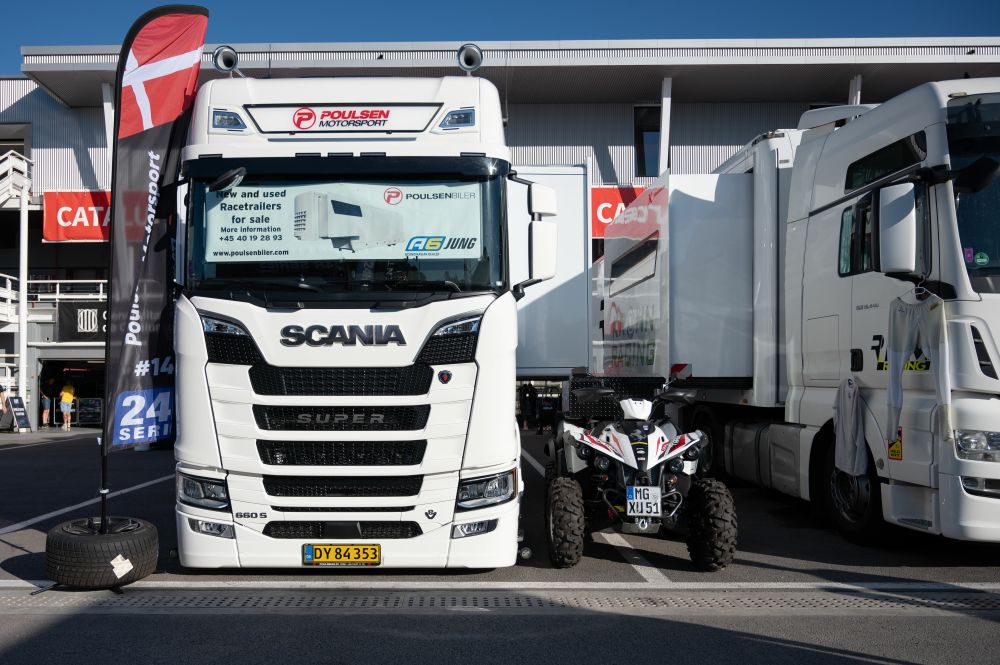

6 Top Tips for Buying Used Commercial Trucks

For anyone in the commercial trucking business, buying used commercial trucks instead of new ones can be a smart move—but only if you know what to look for. The wrong choice could mean unexpected repairs, downtime, and a big hit to your bottom line.

To help you make the right decision, here are our top tips for buying a used commercial truck.

Advantages of Buying Used Commercial Trucks

As we move forward in 2025, businesses across the U.S. are seeking ways to better manage spending and make decisions that will benefit the company over the long term. It’s the same in the commercial trucking industry. Three key advantages of buying used commercial trucks are:

  • Cost Savings: Used commercial trucks come with a lower initial investment compared to new ones. This allows you the opportunity to allocate funds to other critical areas of your business.
  • Slower Depreciation: New trucks depreciate rapidly within the first few years. Choosing a used commercial vehicle instead means you’ve bypassed this steep depreciation curve.
  • Immediate Availability: Unlike new trucks that may require waiting periods because of manufacturing and delivery schedules, used commercial trucks are typically available immediately.

6 Tips for Buying Used Commercial Trucks

Buying a used commercial truck can be a great way to save money, but it requires careful research to avoid unexpected issues. If you’re reading this article, chances are you’re looking to expand your fleet. Here are our top tips for buying a reliable used commercial truck.

1. Buy from a Reputable Truck Dealer

One of the most important steps in purchasing a used commercial truck is choosing a reputable and trusted dealer.

Look for dealers affiliated with organizations that promote ethical and transparent practices, such as the Used Truck Association (UTA), which upholds the highest industry standards. UTA members in good standing follow a strict code of ethics, focusing on integrity, professionalism, and honesty. You’ll want these qualities when choosing who to purchase a used commercial vehicle from.

Examine a dealer’s customer reviews. You can get a good idea of their credibility by engaging with your local trucking community. A well-established and trusted dealer will be transparent about the truck’s history and condition.

Avoid private sellers and auctions, as they may offer lower prices but come with higher risks. These sellers often skip thorough inspections, provide limited reports, and lack warranties. They are typically not specialists in commercial vehicles and may not have the necessary credentials to ensure quality.

2. Request and Review Key Reports

Many commercial trucking companies overlook crucial reports when purchasing a used semi-truck, missing valuable insights that could prevent costly issues.

A condition report outlines the truck’s current state and highlights any existing areas that may need attention. Ask for the truck history report. This will reveal past incidents, including accidents, repairs, and ownership changes.

Another important document is the Engine Control Module (ECM) report. This document provides data on engine performance metrics such as idle hours, fuel efficiency, and potential signs of engine misuse.

3. Investigate the Truck’s Background

Investigate the background of the used commercial truck by asking the dealer key questions. Inquire about the fleet it came from, as trucks from well-maintained fleets typically have consistent service records, ensuring better long-term reliability.

Check the maintenance history to verify adherence to schedules. Also, ask about any repairs or modifications made before sale—ensure high-quality parts were used and that modifications were performed by qualified professionals.

4. Check the Engine and Emissions System

The engine is the heart of any commercial truck, so it’s crucial to thoroughly check it for current or potential issues. Start by reviewing the engine type and mileage, as some engines are more durable while others require frequent maintenance.

Lower mileage typically means less wear, fewer issues, and a longer lifespan, so prioritize trucks with lower mileage. Request an oil analysis to detect hidden problems like metal particles, coolant, or fuel dilution, which indicate engine wear or leaks.

For modern trucks with an emissions system, ensure it’s been properly maintained—performing a forced regeneration can confirm its functionality and prevent costly repairs.

If considering a pre-emission truck, weigh the pros and cons: while older models are easier and cheaper to maintain, they lack modern efficiency features like improved fuel economy and emissions controls. Choose the option that best suits your needs.

5. Inspect the Used Truck’s Physical Condition

Don’t only rely on tests and data. Give the truck a thorough inspection in person to identify signs of wear or potential mechanical problems. A test drive is one of the most effective ways to do this.

Pay close attention to handling, braking efficiency, and transmission responsiveness. Any unusual noises, vibrations, or performance issues can indicate underlying mechanical problems.

Examine the cab and bunk area for signs of excessive wear such as torn seats, damaged storage compartments, or malfunctioning climate controls.  If using the truck for long hauls, comfort and usability should be considered. Look out for features like a well-padded driver’s seat, sufficient storage space, and a functional sleeper bunk.

6. Check for an Existing Warranty and Financing Options

Check if the vehicle has a transferable manufacturer or factory warranty for added protection against mechanical issues. If not, inquire about an extended warranty covering major components.

Consider financing options to preserve your cash flow for other business needs like maintenance, fuel, or expansion. Mission Financial Services specializes in commercial truck financing, offering tailored solutions for owner-operators and small fleets.

Conclusion

Purchasing a pre-owned truck needs careful consideration and thorough research. By focusing on reputable dealers, obtaining detailed reports like maintenance history, checking for a warranty, and conducting thorough inspections, you can make a well-informed purchase. Remember, the goal is to find a reliable used truck that supports your business objectives without leading to unforeseen expenses.

For flexible commercial vehicle financing solutions tailored to your needs, consider partnering with Mission Financial Services. As experts in the commercial trucking industry, we can assist you in securing the right vehicle to grow and expand your business.

Contact us today to set up your commercial truck financing and secure the best options for your business. You can also get pre-approved with our quick and easy credit application process!

semi truck oil change

How Much Does a Semi Truck Oil Change Cost?

semi truck oil change2

Regular oil changes are crucial for keeping your semi-truck’s engine clean and extending its lifespan. However, costs can add up quickly, impacting your profits if not managed wisely.

So, how do you know when it’s time for an oil change, and what does a typical semi-truck oil change cost? This guide covers everything you need to know, including cost factors and money-saving tips to keep your truck running smoothly without breaking the bank.

Understanding the Importance of Oil Changes

Besides getting rid of the contaminants, dirt, and debris in your old oil, keeping your engine clean, and preventing engine seizure, frequent oil changes are crucial for the following reasons:

  • Protecting your engine from premature wear and tear. Your semi-truck engine consists of several precision-engineered parts designed to work together. Oil lubricates these parts, dissipates heat, and prevents friction, which causes wear and tear that can reduce its performance.


  • Increased engine efficiency. When your engine is lubricated properly, it requires less energy to rotate as you drive, maximizing its performance.


  • Better gas mileage. An efficient engine performs at its optimum without overusing fuel. You can cover more miles with less fuel, reducing your fuel budget and saving more money.


  • Environmental benefit. When your semi-truck engine works efficiently, it burns less fuel and releases fewer emissions into the environment.

semi truck oil change

Factors Influencing Oil Change Costs

The average cost of a semi-truck oil change depends on several factors. Some of these include:

  • Engine design complexities. The engines of newer trucks are more complex and may require specialized oil than older ones.


  • Type of oil used. Some truck models work best on synthetic oil, while others require conventional or a blend of synthetic oil. Different types of oil cost different amounts. For example, if your semi-truck requires synthetic oil, your oil changes will cost more as it’s the most expensive oil.


  • Labor and service provider expenses. Some engines are more complex to work on than others, especially the newer models. Service providers will, therefore, charge differently for their oil change labor and other add-on services.


  • Geographic location. Oil change service costs differ in various locations.


Typical Oil Change Intervals for Semi Trucks

Oil change frequency varies by semi-truck, but general guidelines are: 5,000 miles for conventional oil, 8,000 miles for semi-synthetic, and 10,000 miles for full synthetic. However, always refer to your truck’s user manual for the most accurate schedule.

Regular oil level checks during trips are essential to maintaining engine health. Here is a quick guide on checking your semi-truck oil level using the well-known dipstick method.

Risks of Neglecting Oil Changes

You might be wondering what would happen if you neglect regular oil changes. Well, some of the risks you’re exposing yourself to when you put off an oil change include:

  • Engine damage. When you fail to replace your oil with fresh oil, dirt, and debris from the old oil accumulate. Your engine then develops carbon deposits that clog your system, leading to engine damage, which is usually more expensive to repair.


  • Reduced fuel economy. Without proper lubrication, your semi-truck engine burns more fuel faster than usual. It decreases fuel economy as you’ll require more fuel to cover fewer miles. This will increase your operating costs and reduce your profits.

semi truck oil change3


  • Overheating. Extremely low engine oil levels cause your engine to build friction and run at higher-than-normal temperatures. As a result, your engine components begin to wear and tear rapidly, developing costly engine issues.


  • Complete engine failure. Taking too long to change oil turns it into sludge. If this happens, your engine parts will not get lubricated. Instead, the sludge might gum them up, causing your semi-truck engine to seize and fail.

Semi Truck Oil Change Cost

A basic conventional oil change costs around $35, rising to $75 with add-ons like an oil filter replacement and tire rotation. Semi synthetic oil changes range from $40 to $100, while full synthetic costs $65 to $125.

However, prices vary depending on factors like truck model and special filters, with some changes exceeding $260.

Create a Preventative Maintenance Plan

One of the best ways to save money and ensure your engine operates efficiently is to create a preventative maintenance plan for your oil changes at the required intervals.

For cost-effective and reliable service, choose a trusted truck repair shop, preferably an independent one, as they’re often more affordable and provide personalized care.

Once you’ve found a mechanic, set a budget for regular oil changes and maintain a schedule. Keeping records of routine maintenance ensures timely oil changes and helps extend your truck’s lifespan.

Conclusion

Regular oil changes are essential to keeping your semi-truck running efficiently. While they require frequent spending, they help you save on fuel and prevent costly repairs in the long run.

For even greater savings, consider changing the oil yourself. Though you’ll need to invest in wrenches, an oil pan, a jack, and gloves, this one-time cost pays off with every DIY oil change.

If you ever need help financing other semi-truck repairs, call us. We offer affordable semi-truck repair loans tailored to your situation to keep you on the road.

_Understanding the Commercial Vehicle Accident Procedure

Understanding the Commercial Vehicle Accident Procedure

_Understanding the Commercial Vehicle Accident Procedure

Being involved in a commercial vehicle accident can be overwhelming, but understanding the commercial vehicle accident procedure can make a significant difference in your recovery. Your actions immediately after the accident impact your safety, medical care, and legal rights.

Following the right steps ensures you receive timely medical attention and protects your claim for financial and non-financial damages.

Below, we outline everything you need to do after a commercial vehicle accident to help you secure maximum compensation and navigate the aftermath smoothly.

Key Differences Between Commercial Vehicle Accidents and Standard Auto Accidents

Before we discuss the commercial vehicle accident procedure, it’s important to understand how these accidents differ from regular auto collisions.

First, commercial vehicle accidents tend to be more severe than a car accident because of the size and weight of the vehicles, leading to greater injuries, damages, and a more complex compensation process.

Second, commercial vehicles are subject to stricter federal and state regulations, such as the Federal Motor Carrier Administration (FMCSA) insurance requirements, which raises the legal and financial stakes.

Immediate Steps to Take After a Commercial Vehicle Accident

Depending on how severe the accident is and whether you’ve sustained any serious injuries, here are the most important immediate steps you must take after a commercial vehicle accident to compile a comprehensive preliminary accident report:

Ensuring Safety and Calling for Help

  • Prioritize Safety: If the accident is minor and your vehicle is drivable, move to a safe roadside spot to prevent further collisions. If there are serious injuries or significant damage, leave the vehicles in place and use reflective triangles or flares to alert other drivers. Avoid moving injured individuals unless there’s immediate danger, such as fire or water.


  • Call Emergency Services: If you’re involved in an accident, always report it to the police, even if it seems minor. A police report is crucial for insurance claims. Seek medical assistance from a medical professional, even if you feel fine, to rule out hidden injuries.

_Understanding the Commercial Vehicle Accident Procedure2

Gathering Information from Involved Parties

Be keen to exchange contact information and other relevant details with all parties involved in the accident. These include:

  • Contact Information: Collect names, phone numbers, and addresses of drivers, passengers, and any other involved parties.
  • Insurance Information: Obtain the insurance provider name and policy number from all drivers.
  • Vehicle Details: Record the make, model, year, and color of each vehicle involved.
  • Driver’s License Number: Note the license number and issuing state of all drivers.
  • License Plate Numbers: Document the plate numbers of all vehicles to help with claim verification.
  • Witness Information: Get the names and contact details of any witnesses, as their statements may be crucial in determining fault.

Documenting the Scene of the Accident

Once you exchange information, try to capture the accident scene by noting as many details as possible, including:

  • Date and Time: Note the exact date and time of the accident, as this can help establish conditions and responsibilities.
  • Location: Identify the road, highway, or intersection where the accident occurred. If possible, include GPS coordinates.
  • Road Conditions: Describe any hazards, such as potholes, debris, or slick surfaces, that may have contributed to the crash.
  • Weather and Lighting: Record factors like rain, fog, snow, or poor visibility, as these can influence liability.
  • Traffic Signs and Mile Markers: Identify nearby signs, signals, or mile markers to provide context for the accident’s location.
  • Photos and Videos: Capture clear images of vehicle damage, skid marks, traffic signals, injuries, and any surrounding property damage for evidence.

_Understanding the Commercial Vehicle Accident Procedure3

Understanding Relevant Laws and Regulations

Commercial vehicles like semi-trucks and tractor-trailers must meet stricter safety standards than regular vehicles. Knowing key federal and state regulations can help you take the right steps after an accident. Important rules to be aware of include:

Federal Regulations for Commercial Vehicles


  • Trucking companies and their drivers must follow strict vehicle maintenance and inspection regulations. An accident resulting from improper vehicle maintenance means you can build a solid case and pursue compensation from several parties.

State-Specific Laws Impacting Accidents

State laws impact your ability to seek compensation after a truck accident, particularly comparative vs. contributory negligence rules.

  • Comparative negligence states (e.g., Indiana) allow the fault to be shared. Your compensation is reduced by your percentage of fault. If awarded $100,000 but 20% at fault, you receive $80,000.
  • Contributory negligence states bar compensation if you’re even slightly at fault. A 2% fault means you get nothing.

Given these complexities, consulting a legal expert ensures you file your claim correctly. Here’s a quick guide to navigating semi-truck accident claims.

Common Causes of Commercial Vehicle Accidents

Some of the major causes of commercial vehicle accidents include:

Driver Fatigue and Its Impact

Irregular sleep schedules, driving for long hours, and pressure to meet tight delivery schedules can lead to severe driver exhaustion. Exhaustion slows down the trucker’s reaction times, impairs their decision-making abilities, and might cause them to sleep behind the wheel, leading to accidents.

Poor Vehicle Maintenance and Inspections

Poor vehicle maintenance often leads to mechanical issues and other vehicle malfunctions, such as brake failures, steering malfunctions, and tire blowouts. These can cause severe accidents, especially if your vehicle breaks down unexpectedly in heavy traffic or highways.

_Understanding the Commercial Vehicle Accident Procedure 4

Distracted Driving and Other Human Factors

Common driving distractions, such as mobile phone use, eating while driving, or other distractions, divide a trucker’s attention from the road. Inattention, even for a split second, increases the likelihood of causing an accident.

The Investigation Process After an Accident

Building a strong case that’ll help you get the compensation you deserve after a commercial motor vehicle accident involves performing a thorough investigation in line with the correct truck driver accident procedures. Usually, your legal representative will have to contact different parties who play different roles throughout their investigations. A few of these include:

Role of Law Enforcement

The contribution of law enforcement agents toward the entire legal process begins at the accident scene. Because they’re among the first to get to the scene, the information they gather in their police report is one of the most reliable pieces of evidence you need to build your case.

Involvement of Insurance Companies

Insurance companies often send representatives to assess the accident scene and evaluate coverage. In many cases, insurance adjusters may try to persuade you to accept a lower settlement than you deserve. To protect your right to full compensation in a personal injury lawsuit, avoid speaking with them at the scene or afterward. Instead, let your lawyer handle all communications.

Evaluating Witness Statements

Witness statements play a crucial role in reconstructing events of the accident. Accident reconstruction is an indispensable step, if you want to achieve a favorable outcome in your claim. Reviewing credible witness accounts also helps your legal team uncover additional valuable info that can support your position.

Collecting Documentation and Evidence

Another significant aspect of creating a solid case that earns you maximum compensation is collecting relevant documentation and evidence, including the following:

Gathering Photos and Videos

Visual evidence enhances the credibility of your account and the witnesses’ accounts of what happened. They provide a tangible, undeniable representation of the accident, including the actual positions of vehicles involved, road conditions, damage to property, and other potential contributing factors.

_Understanding the Commercial Vehicle Accident Procedure 5

Securing Medical Records and Reports

Obtaining hospital records for injuries sustained in the accident helps determine the compensation amount you deserve. They provide proof of all the types of injuries, psychological effects, and trauma suffered as a result of the accident. It may be physical injuries, such as broken bones and head trauma, or long-term emotional effects, like PTSD or anxiety.

Keeping Records of Communication

Keeping records of all communication with relevant parties proves that you followed the required legal process to build your case. These records include logging emails, calls, and other correspondence with insurance or legal entities.

Understanding Legal Liability

As mentioned earlier, multiple parties can be liable for the injuries and damages caused by a commercial vehicle accident. Depending on the results of your investigations, you can seek compensation for medical expenses and other non-physical damages from the following potential liable parties:

  • Vehicle manufacturers or parts suppliers
  • Fleet owner or trucking company
  • Truck driver
  • Maintenance contractors
  • Cargo loading companies
  • Government entities

Conclusion

Accidents can be overwhelming, leaving you unsure of what to do next. This guide aims to clarify post-accident procedures, helping you gather essential facts while protecting your right to compensation.

The key is to stay calm and work with an experienced commercial vehicle accident lawyer. The right attorney will help you maximize your compensation and recover quickly. Check out our guide on finding the best legal team for your case.

If you need a new or used commercial vehicle after an accident, we’re here to help. We offer tailored commercial vehicle truck loans to finance repairs or replacements, getting you back on the road fast.

semi truck marketing 2

Semi Truck Marketing Strategies

semi truck marketing 2

Marketing in the trucking industry isn’t what it used to be. Traditional semi truck marketing strategies alone won’t cut it in 2025.

With digital advancements and changing customer expectations, trucking companies need to embrace innovative ways to stay ahead and hit business goals. From online marketing to the latest cutting edge technology and software, the right approach will drive more leads, target audience visibility, and business growth.

Ready to significantly enhance your business presence? Here’s what you need to know about marketing as a semi-truck operator.

The Shift from Traditional to Digital Marketing

The trucking industry has long relied on traditional marketing methods like print ads, radio spots, and direct mail. While these methods once dominated, they’re now a thing of the past.

If you’re not actively marketing your business online, you need to be.

The right online platforms give trucking companies the ability to reach a broader audience, engage directly with potential clients, and track marketing performance with real-time data.

For trucking companies used to traditional marketing, transitioning to digital can be challenging. The shift requires new skills, tools, and strategies. Some common hurdles include:

  • Learning how to use digital advertising platforms like Google Ads and Facebook Ads
  • Understanding search engine optimization (SEO) and how to rank higher in online searches
  • Developing engaging content for social media and email campaigns
  • Tracking and analyzing digital marketing metrics

While these challenges exist, businesses that invest in digital marketing can seriously boost their visibility, build a stronger brand presence, generate more leads, and engage customers more effectively.

Here are some of the key opportunities to take advantage of.

Importance of a Robust Company Website and SEO

Your trucking company’s website is its digital storefront.

A professional, well-optimized site builds credibility, attracts potential customers, and serves as the foundation for your other digital marketing efforts.

semi truck marketing

When developing your website, you need to include these key features:

  • Service descriptions: Clearly outline the transport services you offer
  • Contact forms: Make it easy for potential clients to reach out
  • Customer testimonials: Build trust by showcasing positive feedback
  • Easy navigation and mobile optimization: Ensure the site loads quickly and is user-friendly on all devices

And don’t forget about SEO best practices. This is how customers will organically find you online.

To rank higher in search results and attract more traffic, trucking businesses should focus on:

  • Targeting relevant keywords: Use terms like “long-haul trucking services” or “reliable freight solutions” to attract relevant search queries.
  • Local SEO: Optimize your site for regional searches by creating a strong Google Business Profile and using location-specific keywords.
  • Regular blogging: Publishing industry-related content boosts organic traffic and establishes authority.

Using Email Marketing Effectively

Email marketing is one of the most cost-effective ways to stay in touch with clients, nurture leads, and drive repeat business.

It helps trucking companies remain top-of-mind while providing valuable updates and promotions.

To create engaging email campaigns, make sure you focus on personalization. Use recipients’ names and tailor content to their specific needs, and only send relevant messages to your leads (segmentation of your email list helps here).

Always include a strong call-to-action (CTA) in your emails to encourage actions like requesting a quote, scheduling a call, or visiting your website.

It’s also important to send at a balanced frequency. Don’t overwhelm your recipients by sending too many emails.

Social Media Management Best Practices

Of course, social media is an essential part of building your brand presence online. Here are some key platforms to focus on:

  • Facebook: Great for community engagement and sharing company updates
  • Instagram: Ideal for posting fleet photos, driver stories, and behind-the-scenes content (like your dog companion)
  • TikTok: Short-form videos showcasing trucking life can attract a younger audience
  • LinkedIn: Helps build B2B connections and establish industry credibility

semi truck marketing 4

Regular posting and engaging on your socials is key to growing a following and increasing brand awareness.

Trucking companies should create a content calendar to stay consistent and interact with their audience to build stronger connections.


Benefits of Mobile Advertising

People use their phones more than ever to search for services, compare options, and make purchasing decisions. Around 64% of search queries come from mobile, instead of desktop.

So, trucking businesses need a strong mobile presence to ensure potential clients can find and engage with your company easily.

A mobile-friendly website is essential.

It should load quickly, be easy to navigate, and work well on any device.

A mobile inventory showroom allows customers to browse trucks and trailers with high-quality images, clear descriptions, and pricing details.

Lead capture forms should be simple and mobile-friendly to collect potential client information.

Strategic Use of Semi-Truck Wraps

While online advertising is crucial, you can still make the most of the offline world. Wrapping your semi-truck is one of the easiest and most effective ways.

Unlike digital ads that require ongoing spending, a wrap is a one-time cost that lasts for years, making it a budget-friendly way to promote your brand.

With a large trailer space, a well-designed wrap grabs attention on the road. Bold colors, clear branding, and strong messaging turn your trucks into moving billboards that work 24/7.

Customer Relationship Management (CRM) Systems

A CRM system helps trucking businesses manage customer relationships by organizing all client data in one place. It improves communication, boosts customer retention, and makes it easier to track interactions.

One major benefit of a good CRM is automation. It can send follow-up emails, schedule reminders, and keep leads from falling through the cracks.

It also tracks leads and conversions, helping you see what’s working and where to improve.

semi truck marketing 5

Personalization is another advantage. A CRM system stores customer preferences and past interactions, so you can tailor your communications and build stronger relationships.

Popular CRM tools like HubSpot, Zoho CRM, and Salesforce offer powerful features for managing contacts, automating tasks, and growing your trucking business.

Marketing Automation Software

Marketing automation saves time and keeps your business consistently engaged with leads.

It helps trucking companies stay in touch with potential customers without manual effort.

Email campaigns can be automated to send follow-ups, promotions, and updates at the right time. Social media scheduling tools allow you to plan posts, ensuring a steady online presence.

Lead nurturing workflows guide prospects through the sales process, increasing conversions.

Tools like Mailchimp, ActiveCampaign, and Pardot make automation easy.

Future Trends in Semi-Truck Marketing

In terms of trends, a major area is video marketing–which is becoming essential for businesses.

Social platforms have a strong focus on video and help trucking businesses connect with customers through engaging content. Things like fleet showcases, driver testimonials, and behind-the-scenes footage can build trust and boost brand awareness.

AI is changing how companies market their services. It helps personalize ads, emails, and recommendations based on customer preferences. This makes marketing efforts more effective and increases conversion rates.

Of course, it can also save time and effort.

Sustainability messaging is also on the rise. Customers and businesses are looking for eco-friendly solutions. Promoting fuel-efficient fleets and green initiatives can help your trucking company stand out from competitors.

Interactive experiences like virtual fleet tours or augmented reality ads also offer a new way to engage potential clients.

Conclusion

The right marketing strategy can set your trucking business apart.

By embracing digital tools, automation, and mobile-friendly solutions, you’ll attract more leads and grow your brand. Adapt to new trends, keep your digital presence active, and you’ll stay ahead of the competition.

Need financing for your fleet? Get in touch with us at Mission Financial Services to get started.

dump truck financing

Commercial Dump Truck Financing

dump truck financing

Dump trucks keep industries like construction, waste management, and mining moving. Operating a dump truck business can be a great idea, but buying your commercial truck certainly isn’t cheap. That’s where financing comes in.

Instead of paying a huge lump sum, businesses can spread out payments and keep cash flow steady. The right financing plan helps you get the truck you need without breaking the bank.

Here’s what you need to know about how to finance a dump truck.

Understanding Commercial Dump Truck Financing

Commercial dump truck financing refers to a type of loan or lease that helps businesses buy dump trucks without paying the full cost upfront.

Instead of using all their cash, companies can spread out payments over time. This makes it easier to afford the equipment needed for hauling materials.

Financing plays a big role in keeping a business’s cash flow healthy. Instead of draining money on a large purchase, companies can use financing to keep funds available for fuel, maintenance, payroll, and other expenses.

Truck loans also allow businesses to upgrade or expand their fleet without waiting until they have enough cash saved up. Working with the right dump truck financing companies, truckers can stay competitive and take on more jobs while managing their budget wisely.

Importance of Financing for Dump Trucks

The main advantage is that financing a dump truck helps businesses avoid paying the full price upfront, which can be a huge financial burden.

Instead of spending loads of cash all at once, companies can make manageable monthly payments. This makes it easier to afford essential equipment without putting too much strain on their budget.

dump truck financing 2

By spreading out payments, financing keeps cash flow steady.

Business owners can use their money for daily operations. This flexibility allows companies to take on more projects, grow their fleet, and stay competitive.

Truck loans and financing also give businesses access to newer, more reliable trucks. Instead of waiting years to save up, companies can start using their trucks right away and generate revenue while paying them off.

Types of Dump Truck Financing Options

When you’re looking for financing dump trucks, you’ve got two main options.

Dump Truck Loans

Dump truck loans let businesses buy trucks by borrowing money and paying it back over time.

Truck loans can have fixed or variable interest rates. A fixed rate keeps payments the same each month, making budgeting easier. A variable rate can change over time, which might lower costs or increase them depending on the market.

Truck loans are a good option for companies that want to own their trucks outright after making all the payments.

Dump Truck Lease

Leasing dump trucks allows businesses to use the truck without owning it right away.

An operating lease is like renting – companies make monthly payments and return the truck at the end of the term.

A capital lease is more like financing, where businesses can eventually own the truck after the lease ends. Leasing helps reduce upfront costs and often includes maintenance, making it a great option for any dump truck business that needs flexibility or wants to upgrade its equipment regularly.

dump truck financing 3

How Commercial Vehicle Financing Works

While each lender is different, dump truck financing can be a relatively straightforward process. Here’s how it generally works:

  • Application: The business applies for financing by providing details about the company, financials, and the dump truck it wants to buy.
  • Review and approval: The lender reviews the application, checks for bad credit, and financial documents to decide if the business qualifies.
  • Loan or lease terms: If approved, the lender offers financing terms, including the dump truck financing rates, repayment schedule, and down payment requirements.
  • Agreement and funding: Once the business agrees to the terms, it signs the contract, and the lender releases the funds or finalizes the lease.

Now, the business buys or leases the truck and makes regular payments until the loan is paid off or the lease ends.

During this process, lenders check the following factors before financing dump trucks:

  • Credit score: A higher score helps secure better rates and chances of approval.
  • Business revenue and cash flow: Lenders check if the company can afford monthly payments.
  • Time in business: Established businesses have an easier time getting approved.
  • Truck details: The age, condition, and value of the truck affect financing terms.
  • Down payment: A larger down payment lowers risk for lenders and can lead to better terms.

Requirements for Obtaining Financing

If you’re looking to finance a new dump truck, you’ll need to provide the following requirements for any lender.

Credit Score

A good credit score helps businesses get better loan terms, including lower interest rates and smaller down payments.

Lenders use credit scores to measure financial responsibility.

Revenue Requirements

Lenders want to see stable revenue to ensure a business can handle monthly payments. Many require a minimum annual revenue.

Necessary Documentation

Businesses must submit all the necessary paperwork, including financial statements, tax returns, bank statements, and proof of income.

dump truck financing 4

Comparing Financing vs. Leasing

Financing allows a trucking company to own the truck once all payments are made. This is ideal for businesses that plan to keep the truck long-term and want to build equity.

Leasing, on the other hand, offers lower upfront costs and flexibility but does not provide ownership.

Financing requires a higher down payment and larger monthly payments. However, it can offer tax benefits and long-term savings since the business owns the truck outright. However, there’s a risk of depreciation.

Leasing has lower monthly payments and often includes maintenance coverage, reducing repair costs. The downside is that businesses must return the truck at the end of the lease term.

Factors Influencing Eligibility and Terms

Lenders look at a business’s financial health, including revenue, cash flow, and credit score. A strong financial record improves your approval chances and leads to better loan terms.

Businesses with lower credit may still qualify but might face higher interest rates or larger down payments.

The age and condition of the dump truck also matter. Newer trucks are easier to finance and often come with lower interest rates. Older trucks may require higher down payments or shorter loan terms due to depreciation and maintenance risks.

The type of lender affects financing options. Traditional banks offer lower interest rates but have stricter requirements. Alternative lenders provide more flexible approvals, especially for businesses with lower credit, but their rates may be higher.

Assessing Your Business Needs

Before deciding on financing or leasing, consider how often you’ll use the dump truck.

If it’s essential for daily operations, owning through financing may be the better choice. If you only need it occasionally, leasing could save you money.

Budget is another key factor. Financing requires a higher upfront cost, leasing has lower monthly payments.

Think about your long-term goals. If you plan to keep the truck for many years, financing makes sense. If you prefer upgrading to newer models every few years, leasing offers more flexibility.

Common Mistakes to Avoid

Many businesses make the mistake of not fully understanding their loan or lease terms, leading to unexpected costs or financial strain.

It’s important to review your interest rates, payment schedules, and end-of-term conditions before signing.

Another common error is failing to budget for extra costs like insurance, maintenance, and fuel, which can add up quickly.

Finally, choosing the wrong dump truck can hurt your business efficiency and profits.

dump truck financing 4 (1)

Finding Your New or Used Dump Truck

When purchasing a used dump truck, aim for models that are under 10 years old and have fewer than 600,000 miles.

Always check the maintenance records to see how well the truck has been cared for, and consider getting a third-party inspection to spot potential issues.

Buying from reputable dealers is key. Reputable dealers will offer transparency and help ensure you’re getting a truck that meets your business needs. Buying a used truck from a member of the Used Truck Association (UTA) ensures you are working with a dealer committed to ethical business practices and high industry standards. UTA members adhere to a strict Code of Ethics.

Conclusion

Getting the right dump truck is a big decision, but the right financing makes it easier. Just make sure that you take the time to carefully assess your needs and explore your options. Truck financing is a big decision, and it can have a major effect on your long-term business operations and growth.

Need expert help? At Mission Financial Services, we can find the best financing solution for you, no matter your credit score, truck, or time in business. Apply today to get started.

Archives

Sign Me Up!

Stay up to date with the latest news in the commercial trucking industry.

Contact Us
close slider