
Office: (404) 975-4800

News

A Guide: The Steps of Commercial Vehicle Financing


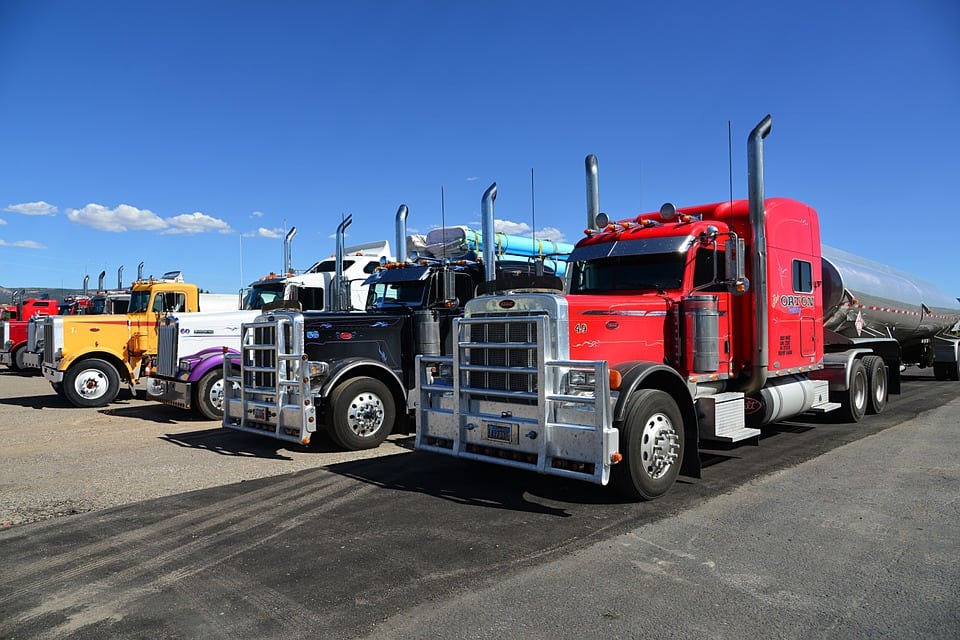
“Commercial vehicles” is an umbrella term that includes any large vehicle used for vocational transport or a service. This means dump trucks, box trucks and vans, semi trucks, tractors and even fire trucks. What makes a commercial truck loan unique? Banks commonly offer auto loans for a normal car, and small business apply for loans at banks all the time. But banks usually don’t finance commercial vehicles to small businesses or owner-operators with less than perfect credit.

This means that your first step toward financing your truck or fleet of trucks is to find an agency that specializes in lending for commercial vehicles. Often, these agencies work directly with dealerships to provide financing options.  

What’s the Cost?

If your goal involves putting your Commercial Driver’s License (CDL) to use as an independent driver (owner-operator), you’ll want to finance a semi-truck. New semi-trucks start at about $80,000 and run up to $150,000 dollars. However, the range in cost of semi-trucks is wide. Factors like horsepower, cargo capacity, fuel efficiency and custom features could push the price up to $200,000. However, pre-owned vehicles are commonly financed as well and are much more affordable.

Commercial vehicle financing refers to either an equipment lease or loan. When you finance a loan, this means that once your debt is paid off you own the vehicle. When you take on a lease, you make payments on the use of the vehicle for the span of your lease term instead of towards ownership. At the end of a lease, you are usually given different options between walking away from the vehicle or buying out the remaining value. Most people prefer loans so that ownership is guaranteed at the end of the term.

What vehicle you choose will depend on the routes you’ll take as a driver, fuel costs, maintenance costs and the cost of insurance. However, many lenders will finance pre-owned highway trucks up to 15 years old, so it’s not necessarily required to invest in a brand new truck. For example, a 7 year old preowned semi truck could run as little as $30,000 to $40,000 dollars. Since most people won’t have the finances to buy a truck up front, the most important questions are:

  • How much your monthly payments will be as part of a financing plan
  • How much your down payment will be

Your downpayment and monthly payment will generally depend on how good your credit is, how much equity you have, the truck you choose, and/or your payment history with an already established commercial vehicle loan (if you’re looking to refinance it or add another vehicle to a fleet). If you’re applying as a brand new owner-operator, this will affect your rates but is certainly not an issue.

When you’ve decided that you want to apply for a loan, there are a few main steps you’ll go through.

1) Consider Your Eligibility  

You’ll be able to determine your eligibility for financing depending on a few major factors. The better your credit is, the lower your downpayment and monthly payments will likely be. Many financing servicers will work with you to find a solution even when your credit isn’t good. If you’re a new owner-operator, your down payment may be a little higher (18-27%). The age of the condition of the truck you choose will also be a factor. Additionally, outstanding serious issues with child support payments, a history of repossessed vehicles, or current bankruptcy proceedings could prevent you from qualifying for the loan as well. Outside of these exceptions, most issues involving credit and history can be worked out with your lender. There are lenders that specialize in loans for people who would have trouble attaining a commercial vehicle loan from a big bank.

Owner Operator Loan Types:

  • First time owner/operator financing
  • Drivers with limited experience
  • Owner Operator with bad credit, bankruptcies, child support or tax liens
  • Small fleets

So when you’re planning your purchase and loan, consider where you stand. Your semi truck dealer may even supply you with financing options via lenders that they work with. Keep in mind that lenders want to work with you to come to an agreement. So what’s the next move?

2) What Documents Will I Need?

Whether your working through a dealership with your lender, or the lender directly, you’re going to need a few documents to get the ball rolling. These will likely include:

  • Documents proving your registered business
  • Current and past bank statements (up to 1 year)
  • Business tax returns (up to 3 years)
  • Current year P&L for your business
  • Current business balance sheet
  • Any business licenses or required certifications
  • Your CDL (commercial drivers license)
  • US Department of Transportation Number (USDOT)
  • Motor Carrier Number

3) Select Your Commercial Vehicle

Decide if you want to finance a new or preowned semi truck. You’ll probably want to select a truck under ten years old to avoid excessive maintenance costs and higher payments. However, many agencies will still finance older trucks up to 15 years old. If you’re looking for a loan for a slightly different reason, some lenders also provide loans for:


  • Truck Repairs
  • Operating Capital
  • Loan Refinance
  • Licensing and Permits
  • Tire Replacements
  • Lease Purchase Buy-Outs

When you’re choosing your vehicle, remember that maintenance is going to be a part of your career. Older trucks may require more frequent or more expensive repairs, and newer trucks are going to have higher price tags initially. Refinancing is also an option if you choose a pre-owned vehicle and later need cash flow for repairs.

4) Select Insurance

Make sure you plan for your insurance coverage as you work out your purchasing options for your semi truck or commercial vehicle. Commercial vehicles need different insurance than regular cars, because they endure much more wear and tear than regular cars. However, the parameters of commercial vehicle insurance are very similar. This kind of insurance still includes liability for property damage and bodily injury, collision coverage and uninsured motorist coverage. However, commercial vehicle insurance includes some features different than regular car insurance, such as coverage for loading and unloading liability. Your insurance plan may even include substitution transportation when your commercial vehicle is being repaired and you need a loaner from the repair shop. One benefit of commercial vehicle insurance coverage is that it’s actually tax deductible.

5) Submit Your Documents and Application

Submitting your application for your loan is the final step. You’ve made it through the process and are one step closer to hitting the road! Your lender will walk you through the process from there and help you set up your payments. Happy driving!

 

5 Reasons to Consider Becoming a Commercial Truck Driver


Choosing a career can be quite challenging. With so many options out there, finding a suitable job can take significant trial and error.

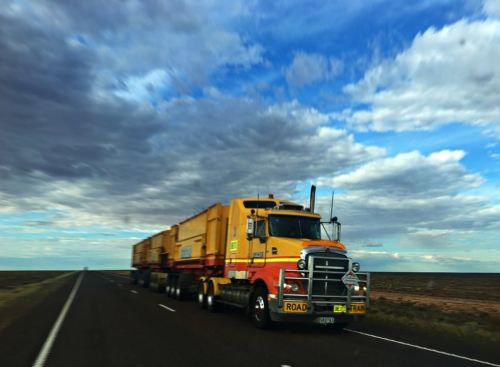
For those seeking security, stability, and comfortable wages, commercial truck driving can be a productive path forward for motivated individuals. Offering a great career that pairs excitement with prestige, commercial truck driving can be the ticket to a happy, healthy life. Here are five reasons to consider a job on the road.


A Comfortable Living

Financial security is often a primary driver behind career choice, especially for those who have families and obligations that require a steady income. Commercial trucking can offer you the stability you seek, boasting salaries that go above and beyond national averages.

With starting wages around $40,000 per year with increases based on seniority, mileage, and routes driven, commercial trucking can provide a comfortable way of life. Furthermore, trucking salaries often come with perks like 401(k)s and health insurance, keeping you and your family covered.


Job Security

With the unstable state of the economy, downsizing is increasingly common. Few careers are impervious to layoffs and restructuring, and commercial trucking offers security that few other professions can rival. With an increase in demand across a wide range of industries, trucking jobs are on the upswing.

If you need a job with a near-guaranteed level of stability, trucking is a wonderful option. With a multitude of companies and firms to choose from, finding a trucking route that suits your unique needs can be a simple process.


Minimal Requirements

Many of the best paying and most stable jobs require extensive education, including a pricey bachelor’s degree or an even more expensive investment in a graduate program. Trucking, however, does not entail four years of additional schooling.

In many companies, a high school diploma or GED, a commercial driver’s license, a clean criminal history, and a passed drug test are among the only requirements for a trucking job. For those who meet the minimum, it’s fairly easy to secure a desirable role.


Travel Opportunities

Far too many jobs keep employees stranded at the office, working long hours behind a desk. For those with a desire to travel and see the countryside, this can be extremely frustrating.

Commercial trucking provides a vast and varying landscape of opportunity, sending truckers down the street and across the nation. Perfectly suited for those with a love of adventure, trucking makes it possible to explore some of the most impressive destinations in the U.S. while still earning a paycheck.


Flexibility and Freedom

In an office environment, your boss is often responsible for every facet of your day-to-day life. Breaks, meals and meeting times are dictated for you, keeping you behind your desk until you’re permitted to get up or go home.

On the road, you are effectively your own boss. How far you drive, when you break, when you eat, and when you sleep aren’t managed by anyone else, allowing you to plan your own days in ways that are right for you.

While there are pros and cons to every career path, commercial trucking offers several distinct advantages. From a comfortable salary to easy and affordable employment requirements, it’s possible to find a fun and flexible fit that’s right for you and your family.


If you are looking to start a career in the commercial trucking industry and need help with your loan, our commercial lending experts are here to help. For more information, visit our website at: www.missionfinancialservices.net.

Easy Steps To Financing A Semi Truck With Bad Credit

A semi truck is a worthwhile investment that has the potential to bring in lots of income. But how can one even think of purchasing a semi truck when they have bad credit?

One thing we must first acknowledge is that the credit climate in the semi truck financing world has gotten very tight. It’s a totally different ball game from what it was before 2009. But there are still four options that truck drivers can use to help lenders look past their credit history and allow them to purchase a truck.

Here’s how to finance your semi truck when you have bad credit.

  1. Put more money down on the truck you’re buying when you apply for a Commercial Truck Loan. Every dollar you can pay up front brings you that much closer to getting approval from a lender. Besides good credit, lenders like to see equity. More money down means more equity on the truck.
  2. Find a co-signer with impeccable credit and a Commercial Driver’s License (CDL). The reason for the CDL is that lenders will no longer accept borrowers to use just anyone as a co-signer. For instance, a grandmother who lives in an assisted living home is not a suitable co-signer. The good news is that a co-signer with a CDL and good credit almost guarantees acceptance from most lenders.
  3. Buy from a dealer who carries their own papers. That is, you pay as much of a down payment as you can and then make monthly payments to the dealer in a sort of lease-to-own agreement. Yes, this means that you will have to buy from their inventory, which means limited options. The upside is that this financing option is open to just about anyone regardless of their credit history.
  4. Put up additional collateral. Some lenders who specialize in semi truck loans will accept additional collateral in lieu of equity. This is the most flexible option and will show you which lenders are will work with you to devise a custom solution to your bad credit problem.

Don’t get caught unawares just because you had to take an alternative route to financing your semi truck. Make your purchase smooth and legal with these tips from semi truck financing pros.

  1. Put at least 10% down before you’re able to drive the semi truck off the lot. This is true whether you are getting a loan or buying direct from the dealer.
  2. Read the fine print when it comes to exactly who is holding the title to the semi truck while you are paying it off. Don’t leave any stone unturned or you could end up with a nasty surprise when it’s discovered that you never really owned the truck in the first place.
  3. Work with a dealer who has a dealer’s license. A registered dealer is accountable for their sales and financing deals, don’t settle for anything less.

Owner Operator Financing Options When You Have Bad Credit

Owner OperatorBad credit – it’s the iron bars on your gateway for freedom. Bad credit prevents you from opening credit cards, getting a good deal on your mortgage, and more importantly – bad credit prevents you from securing the loans necessary to fund your business. Whether you’re operating an entire fleet or just have your own semi truck that needs substantial repairs, a bad credit rating can completely derail your plans – and your business. Fortunately, there are financing options for owner operators with bad credit.

Take Stock of Your Assets

If you have bad credit, there’s a chance you may need to put up some collateral in order to secure a loan. That means your first step should be to take stock of any assets you have. Make a list of any property, vehicles, or businesses you own. After you’ve made a list, determine how much money you can pull from each. This will give you a rough idea of how valuable those assets are as collateral in the eyes of a lender.

Use Collateral to Secure a Loan

Next, you’ll want to meet with someone that specializes in lending to those with bad credit. They’ll know how severe your situation is, and what options are available to help you secure financing for your semi truck or business. They will want to know what sort of collateral you have – as it can be used to secure a more favorable loan. Ideally, you should strive to work with someone who’s familiar with your business, as they’ll have a better understanding of what type of financing you will need in order to thrive.

Consider Grants

Of course, loans aren’t the only way to secure financing for those with bad credit – you can also look for state or federal government grants. Different grants are targeted at different types of businesses – if you’re just starting out, you’ll want to look at start-up grants, for example.

Bad Credit Financing

While bad credit may seem to block you from developing your business, remember that there’s always a way to figure things out – and there’s always a way for people to help you through. Don’t let bad credit stop you from building your business. Many commercial lenders have financing options available for owner operators with bad credit and can help you navigate the process to secure the money you need for repairs and upgrades.

Lease Purchase Vs Owner Operator

Many of us either have our names on a lease or on a mortgage and which one we choose will depend on a number of circumstances and considerations. Owner operator commercial truck drivers have similar factors to consider when deciding whether to purchase or lease their commercial vehicle. A few things to consider when deciding whether to lease or purchase a commercial truck are:

  • How long do you plan to keep the vehicle?
  • What financing options are available for purchasing vs. leasing?
  • What are the tax implications or benefits?

Leasing a Commercial Vehicle: Pros and Cons

Leasing a commercial vehicle is much like paying monthly rent. The money that is paid on a monthly basis is for the use of commercial vehicle, but no ownership equity is ever realized. The leased vehicle remains the property of the company issuing the lease and they will continue to profit from your use of the vehicle. Rules and restrictions may be assigned to the lease, allowing for less control on behalf of the driver. Leases are typically structured for a set time period, ranging from one to three years and payments are required, without fail, for the complete term of the contract. If, at any point, you decide that you are no longer interested in continuing use of the semi truck, and early termination fee will be assessed and the security deposit will be forfeited.

The benefit of leasing is having increased flexibility and less commitment. Leasing commercial vehicles requires less upfront cash and monthly lease payments are usually less than finance payments. When the lease period has expired, the lessee can simply turn in the vehicle. Drivers may be able to claim tax deductions that are available for the use of leased vehicles as well. If you are not confident that you will be driving the commercial vehicle for a minimum of three years, leasing may be the best option for you.

Purchasing a Commercial Vehicle: Pros and Cons

A person who purchases a commercial truck has the assurances of ownership. From the time of the purchase, the truck is considered an asset that may be sold at any time. With each month’s payment, the vehicle gains equity. And, when the truck has been paid off, the driver may drive it indefinitely with no monthly payment. The truck may also be used as a valuable trade in when the driver decides to purchase a new commercial vehicle. Many truck drivers notice that insurance rates for commercial truck loans are often less than insurance for truck leases, which is another savings benefit.

Although commercial truck loan rules can vary among the types of commercial vehicles, there are some general financing details to consider. If you have been operating your business for a while and can demonstrate good cash flows, you are purchasing a newer truck, and you have reasonable credit, many times a down payment will not be required. As additional risk factors increase, the amount of a down payment needed for the semi truck loan may go up.

The industry trend has shown that serious, career truck drivers experience many benefits from owning their own vehicles. Ownership of a commercial vehicle is much like ownership of a home and the long term equity and freedom outweigh the short term benefits that may be experienced through leasing.

September 2015 Newsletter

XPO to Buy Con-way for $3 Billion
XPO Logistics said it has agreed to acquire Con-way Inc. for $3 billion to broaden its supply chain offerings into less-than-truckload and U.S. truckload freight and create a company with annual revenue of $15 billion.

Spot Van, Refrigerated Rates Rebound Slightly
Spot truckload van and refrigerated freight rates finally recovered a little last week after a period of higher demand and declining fuel surcharges, while flatbeds continued to lose ground, according to DAT Solutions, which operates the DAT network of load boards.

Secretary Foxx: Congress ‘Can Achieve a Bipartisan Bill’ (with video) 
WASHINGTON – With about a week to go before a House transportation panel takes up a multiyear highway bill, the country’s top transportation officer said the timing is right for both chambers of Congress to finally approve such legislation.

TCA Seeks Best Fleets to Drive For Nominations 
The Truckload Carriers Association and CarriersEdge are seeking nominations from professional truck drivers for the annual Best Fleets to Drive For contest.

How Startups are Using Big Data to Manage the Holiday Cargo Rush 
Several startups have sprung up to help manage the complicated flow of data involved with the movement of goods.

FHWA Seeking Comment on Truck Size and Weight Study
The Federal Highway Administration is seeking comments through Oct. 13 on its June technical report on the agency’s congressionally mandated Comprehensive Truck Size and Weight Limits Study.

Dicom Acquires Eastern Connection
Private-equity investment firm Wind Point Partners said its Dicom Transportation Group, a business-to-business expedited transportation service based in Montreal, acquired Eastern Connection, a regional overnight parcel business that operates in the northeastern United States.

US Diesel Average Increases for 1st Time in 14 Weeks
Labor Day marked the end of the 14-week price holiday for diesel, as the U.S. average retail price rose by 2 cents a gallon to $2.534, the first such increase since Memorial Day.

Ryder Destroys Volvo Truck in Demo, Challenges Technicians to Fix in 24 Hours
Ryder challenged a team of its technicians to repair a tractor that had run over a spike strip, drove through an exploding debris field and was hit with a 2-ton wrecking ball as part of its “Project Rebirth.”

Ryder Is Hiring Truck Drivers NATIONWIDE!
We are currently seeking drivers in your area. If you are ready to take the next step in your career, we invite you to apply today!

UPS Adds 125 Hybrid Step Vans
UPS has purchased 125 Workhorse E-Gen gasoline-electric hybrid step vans to reduce operating costs and save fuel, the Atlanta-based parcel delivery company announced. The E-Gen trucks will be replacing gasoline-powered vehicles.

18 Ways to Improve the Upfit Planning Process
A “dream team” of 18 fleet truck experts was assembled to discuss ways to optimize the upfitting process. These subject-matter experts reveal how to avoid common upfitting mistakes. It all starts with proper planning.

Commercial Truck Registrations Rise 12 Percent
Commercial and government fleets added 350,837 trucks in classes 3-8 through the first half of 2015 for a 12.1 percent increase from the comparable period a year ago, according to IHS Automotive’s second quarter commercial vehicle report.

Truck Fleets Support Higher Fuel Efficiency Standards
A high percentage of fleet operators recently surveyed by the California clean transportation consortium CALSTART generally support higher national fuel efficiency standards for medium- and heavy-duty trucks, reported Natural Gas Intelligence.

Good News on Trust Fund Is Not Necessarily Good News for Highway Bill
Transportation-policy consultant Ken Orski argues in his latest Innovation NewsBrief update that the urgency to pass a long-term highway bill has “largely vanished” thanks to the Dept. of Transportation revealing that the Highway Trust Fund isn’t in imminent danger of running dry.

FREE WEBINAR

Cummins Filtration offers a choice of coolant (antifreeze) products in North America that meet the needs of many types of engines, ranging from diesel to natural gas to gasoline. Join us for a free webinar on Wednesday, September 30th at 11:00 AM PT/2:00 PM ET to find out how Fleetguard coolant can protect your engine!

This Webinar Will Cover:

  • Fully-Formulated Heavy-Duty Antifreeze/Coolants
  • Cooling System Cleaners
  • Field and Laboratory Testing
  • Common Cooling Issues


Archives

Sign Me Up!

Stay up to date with the latest news in the commercial trucking industry.

Contact Us
close slider