
Office: (404) 975-4800

Equipment

Complete Guide To Semi-Trucks: Everything You Need To Know

Complete Guide To Semi-Trucks: Everything You Need To Know

From groceries and building materials to factory goods and fuel, semi-trucks handle 72.7% of long-haul freight in North America and play a central role in how goods move from factories to stores.

Many people enter trucking for the same reasons: steady demand and the ability to build an independent business as a driver or owner-operator.

Before getting on the road or investing in equipment, it helps to understand what you are actually driving.

Knowing how a semi-truck is built, how big it is, how much fuel it carries, and how its engine works gives you practical context that matters from day one.

What Is A Semi-Truck?

A semi-truck is a combination vehicle made up of two main parts: a tractor and a trailer.

The tractor, often called a semi-tractor or tractor unit, contains the engine, cab, and front axle. The trailer, also known as a semi-trailer or trailer unit, carries the cargo.

The term “semi” comes from the design of the trailer. Unlike a full trailer, which supports itself with front wheels, a semi-trailer supports only the rear half. The front half of the trailer rests on the tractor via a secure connection called a fifth wheel (a horseshoe-shaped coupling mechanism).

This setup allows the tractor to pull heavy trailers while distributing weight across multiple axles.

People use many other common names for semi-trucks, including tractor-trailer, semi-trailer truck, big rigs, 18-wheelers, articulated lorry, and semi tractor-trailers.

Most people recognize them as the large trucks that dominate American highways and long-haul freight routes.
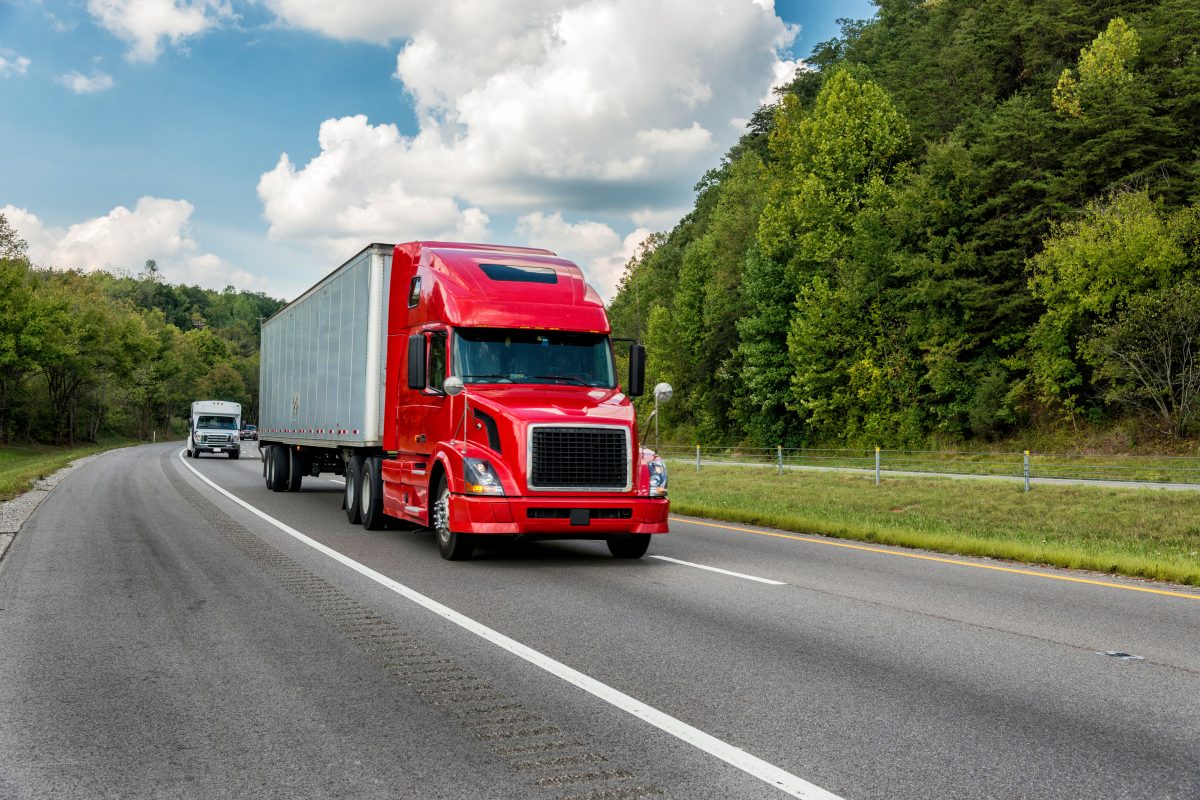
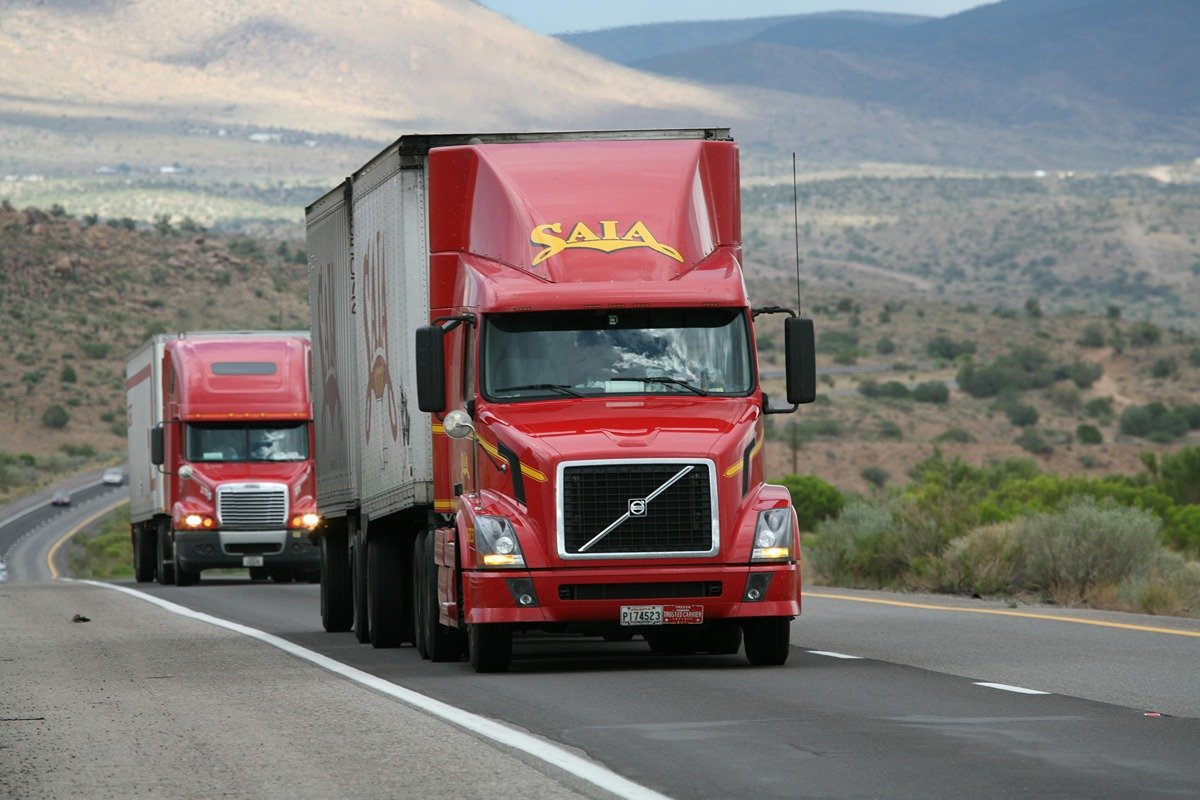
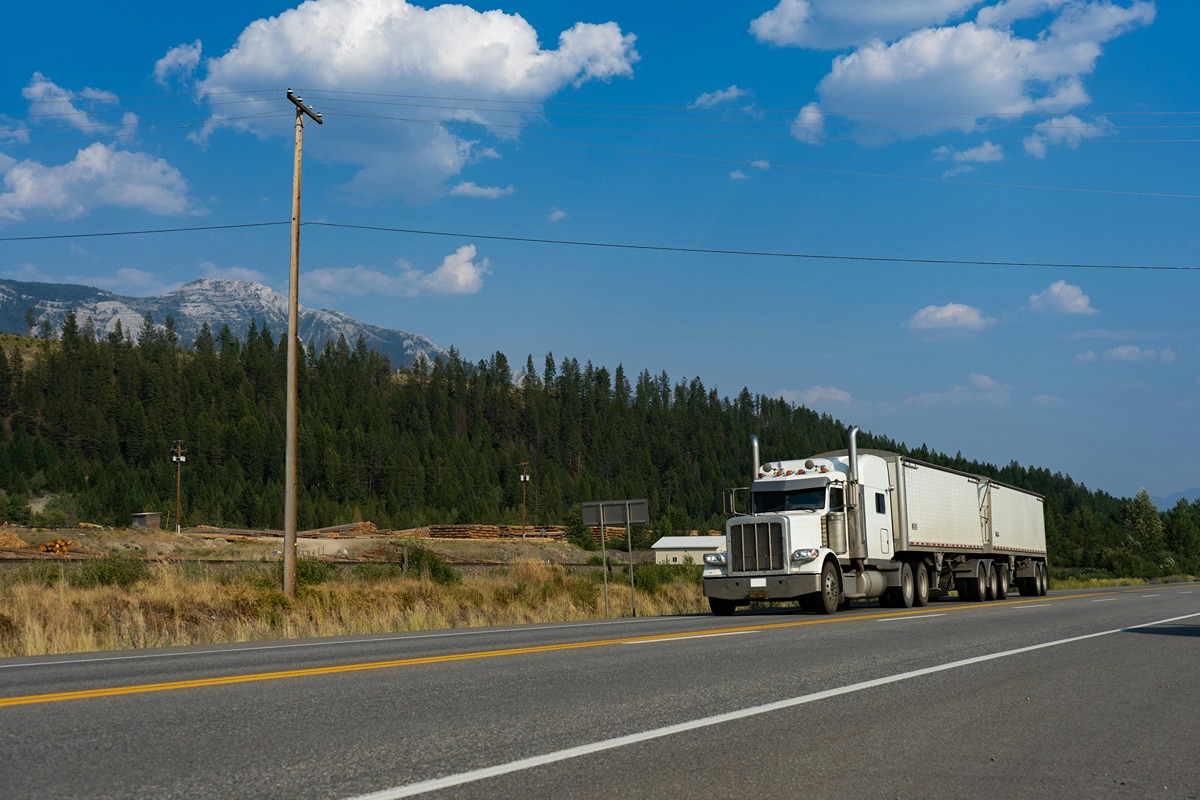
Red Semi Truck On An Interstate Highway

How Long Is A Semi-Truck?

A semi-truck is typically 70 to 75 feet long when pulling a standard 53-foot trailer. The exact length depends on the tractor and the trailer configuration.

The tractor alone usually measures 20 to 25 feet, depending on whether it uses a day cab or a sleeper cab with a roof extension. When paired with a shorter or specialized trailer, such as a flatbed or equipment trailer, the total length decreases but still falls under federal and state guidelines.

Federal law under the Surface Transportation Assistance Act (STAA) and the Federal Motor Carrier Safety Regulations (FMCSA) sets minimum trailer length standards on interstate highways. States control routing, parking, bridge access, and local road restrictions, which determine where long combination vehicles can legally operate.

For truck drivers, understanding overall length helps with route planning, rest stops, oversized loads, and navigating urban areas.

How Many Gallons Does A Semi-Truck Hold?

Most semi-trucks hold between 100 and 300 gallons of fuel, depending on their tank configuration.

Trucks typically use one or two fuel tanks mounted on either side of the tractor frame. Single-tank configurations usually hold 100 to 150 gallons, while dual-tank setups can combine for 200 to 300 gallons of total capacity.

Long-haul drivers benefit from larger fuel capacities because they can travel 1,500 miles or more between fill-ups. This extended range allows them to plan fuel purchases around price differences between states and reduces the number of stops needed on cross-country routes.

How Much Can A Semi-Truck Weigh?

Federal law sets the maximum gross vehicle weight for a semi-truck at 80,000 pounds on interstate highways. This total includes the weight of the tractor, trailer, fuel, and cargo combined.

Weight distribution matters as much as total weight.

Federal regulations limit individual axle weights to prevent road damage and maintain safe handling:

  • Single axle: 20,000 pounds maximum
  • Tandem axles (two axles grouped together): 34,000 pounds maximum

These limits explain why semi-trucks use multiple axles. A standard 18-wheeler configuration spreads weight across the steer axle (front of tractor), two drive axles (rear of tractor), and two trailer axles. This design allows trucks to carry maximum cargo while staying within legal limits.

An empty semi-truck typically weighs 30,000 to 35,000 pounds, which leaves 45,000 to 50,000 pounds of available payload capacity.

Drivers must also account for fuel weight (roughly 7 pounds per gallon) when calculating how much cargo they can legally haul.

States can impose stricter weight limits on certain roads, bridges, or during specific seasons. Some states also issue special permits for overweight loads, but these come with routing restrictions and additional fees.
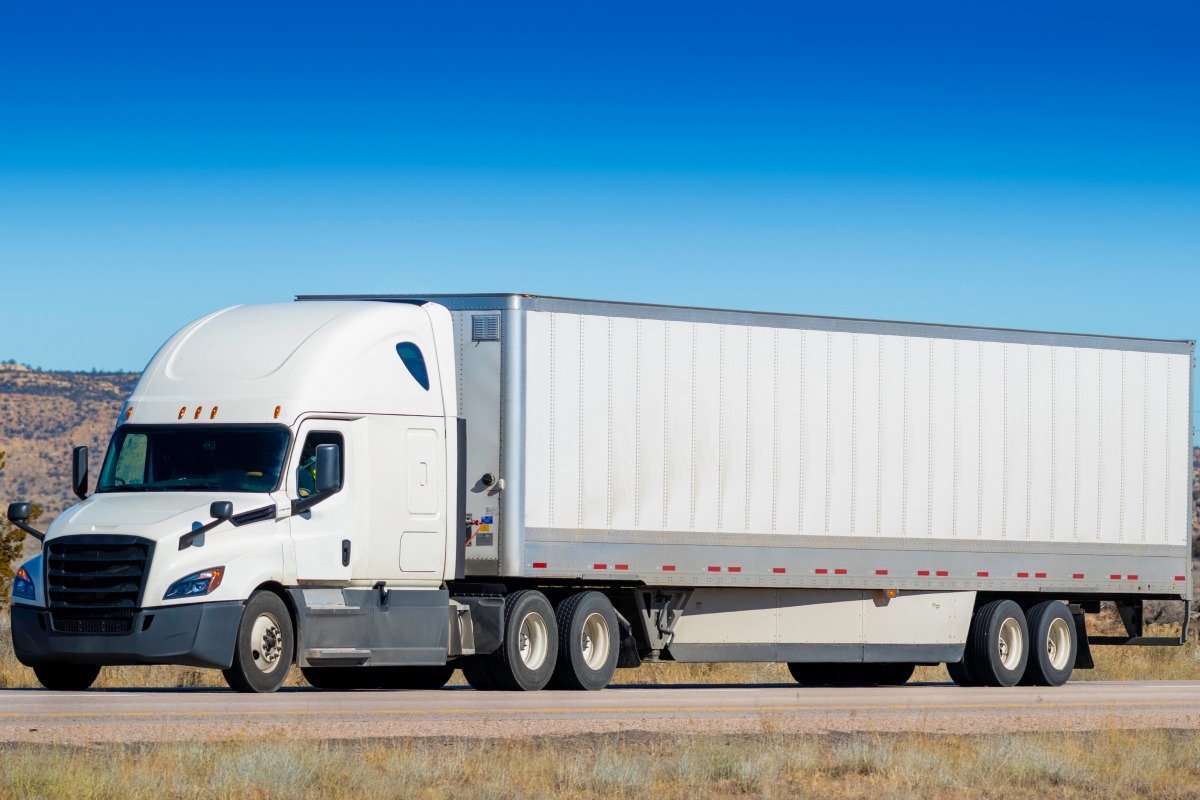
Eighteen wheel big rig tractor with trailer on highway. Trucking industry

How Semi-Truck Engines Differ From Car Engines

Semi-truck engines differ from car engines in both size and purpose. These engines prioritize torque and durability over speed so that they can deliver steady power and pull heavy loads across highways, mountains, and long distances.

Most semi-trucks use diesel engines because diesel produces higher torque, maintains fuel efficiency under load, and supports longer engine life.

Horsepower often ranges from 400 to 600, while torque frequently exceeds 1,500 pound-feet, which helps trucks move fully loaded trailers without strain.

Car engines often reach the end of their service life around 150,000 to 200,000 miles. Semi-truck engines commonly run for one million miles or more with proper maintenance.

Engine choice directly affects pulling power, fuel efficiency, and performance in long-haul and regional driving.

Semi-Trucks Vs. Straight Trucks Vs. Box Trucks

Semi-trucks, straight trucks, and box trucks are different types of commercial trucks and serve different roles in transportation. Their design directly affects how much they carry, how far they travel, and what kind of work they handle.

Straight trucks keep the cab and cargo area on the same frame. This fixed design limits overall weight and cargo size, but it works well for regional routes and city deliveries. Many straight trucks operate on shorter schedules and return to the same locations daily.

Box trucks also use a single-frame design, but they add a fully enclosed van-style cargo box behind the cab. Businesses often use box trucks for local deliveries, moving services, and last-mile freight where maneuverability matters more than maximum capacity.

Semi-trucks separate the power unit from the cargo. The tractor, also called a semi-tractor or tractor unit, connects to a semi-trailer through a fifth wheel. This setup allows drivers to swap trailers, pull heavier loads, and operate efficiently over long-haul routes.

Industries such as manufacturing, retail distribution, agriculture, construction, and fuel transportation rely heavily on semi-trucks.

Dry vans, flatbed semi setups, and other heavy trailers all depend on the semi-truck platform to transport goods at scale.
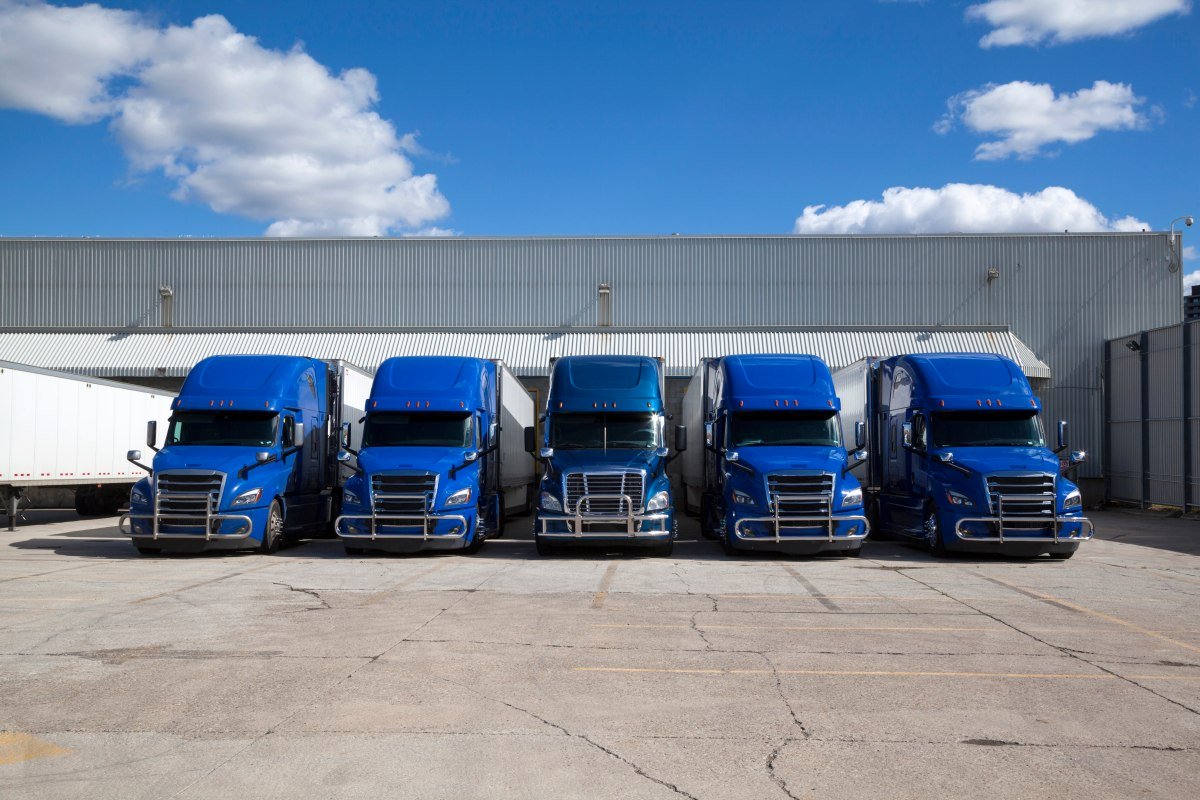
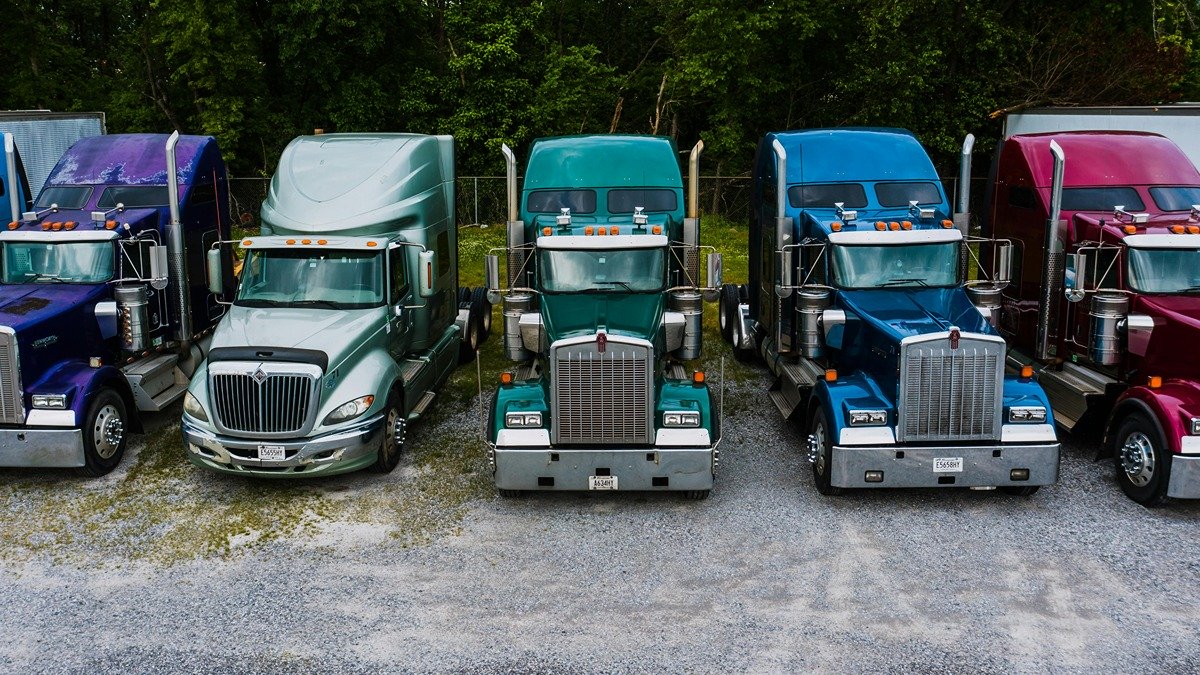
Blue Transport Trucks Lined Up in the Yard of a Warehouse

Core Components Of A Semi-Truck

A semi-truck depends on several key components working together to move freight safely and efficiently. Each part plays a specific role in how such a vehicle performs.

Key components include:

  • The tractor contains the engine, transmission, cab, and front axle. This is where the driver sits and controls the vehicle. Day cabs support local and regional routes, while sleeper cabs allow drivers to stay on the road overnight.
  • The tractor-trailer carries the cargo and connects to the tractor. This creates a secure connection between the two units. Landing gear supports the trailer when it is not attached to a tractor.
  • Axles distribute weight across the truck and trailer. Most setups include a front axle on the tractor, drive axles that deliver power, and trailer axles that help manage heavy loads and maintain balance.
  • The transmission delivers engine power to the wheels and allows the truck to operate smoothly under different load weights and driving conditions.
  • Braking systems rely on air brakes instead of hydraulic brakes. Air brakes provide consistent stopping power for large freight-carrying vehicles and remain effective under heavy loads.

Together, these components enable a full truck to haul loads across different regions and operating conditions safely. The design supports easier loading, stable weight distribution, and consistent control, whether the truck runs short routes or long-haul freight.

When each part works as intended, the semi-truck performs as a reliable system built to handle real-world trucking industry demands.

Frequently Asked Questions

What Is A Semi Trailer Truck?

A semi-trailer truck refers to a vehicle combination where a tractor pulls a semi-trailer using a fifth wheel connection. This setup allows the truck to haul freight efficiently over long distances and makes it the most common configuration used in the trucking industry.

What Is The Difference Between a Tractor Trailer And A Full Truck?

A tractor-trailer separates the power unit from the cargo, while a full truck carries the cab and cargo on the same frame. Tractor-trailer setups allow drivers to swap trailers, haul heavier loads, and operate more efficiently over long-haul routes.

What Is A Day Cab, And When Is It Used?

A day cab is a type of semi-truck cab that does not include a sleeper. Drivers commonly use day cabs for local and regional routes where they return home the same day, making them a practical option for short-haul operations.

Why Does The Trucking Industry Use Semi Trailers Instead Of Fixed Cargo Trucks?

The trucking industry relies on semi-trailers because they allow flexibility in hauling freight. Drivers can drop one trailer, pick up another, and keep moving without taking the tractor out of service. This improves efficiency and reduces downtime.

Can A Semi Trailer Truck Pull Different Types Of Trailers?

Yes. A semi-trailer truck can pull different trailer types, including dry vans, flatbeds, and specialized equipment trailers, as long as the tractor and trailer meet weight and connection requirements.
Conclusion

Understanding what a semi truck is gives you insight into the backbone of freight transportation. From size and fuel capacity to engines and components, semi-trucks combine power and flexibility to move goods across the country.

This foundation prepares you to explore deeper topics like ownership costs, financing, regulations, and equipment choices. When you understand how semi-trucks work, you make better decisions as a driver, owner-operator, or business owner.

Ready to put that knowledge to work and finance the right semi-truck or equipment? Start your credit application with Mission Financial Services today for a first-time buyer loan.
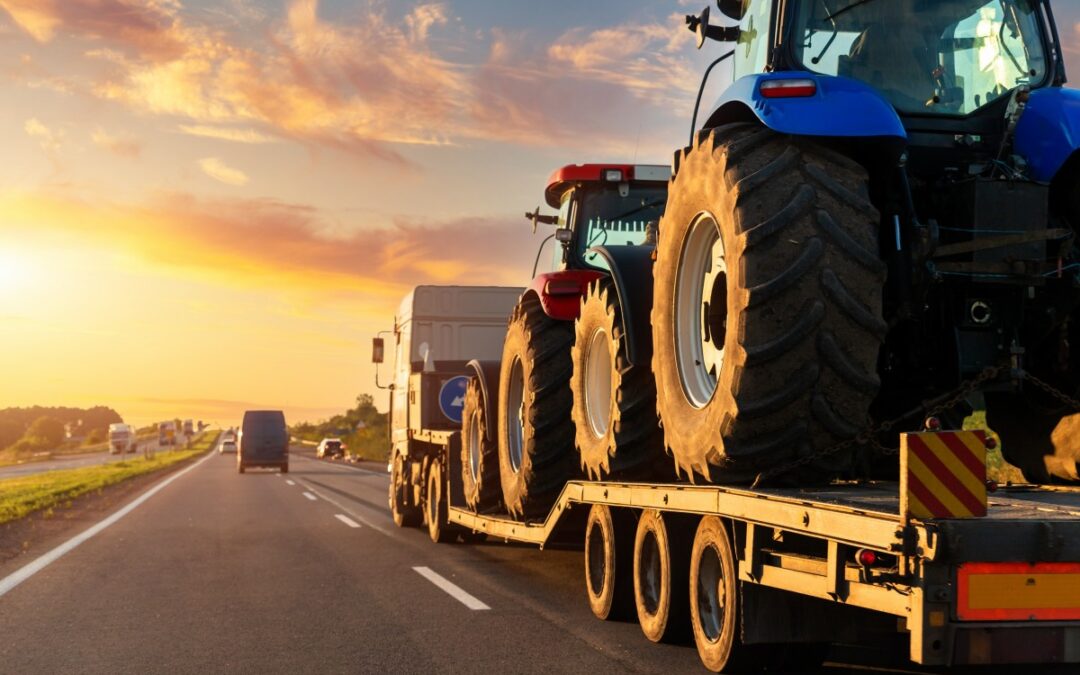

Guide To Common Types of Trailers For Semi Trucks

Guide To Common Types of Trailers For Semi Trucks

Choosing the wrong trailer is a mistake many owner-operators and small fleets make early, and it can be an expensive one. A mismatch between trailer type and freight can lead to missed loads, higher operating costs, compliance issues, and financing headaches that slow business growth.

In an industry where downtime and rejected loads cost real money, knowing what trailer actually fits your work matters.

Fortunately, we’re here to help you by going over the most common trailer types in the trucking industry.

Whether you’re a first-time buyer or a fleet owner planning your next move, understanding the types of trailers for semi trucks will help you choose the equipment that matches your towing vehicle.

Why Trailer Type Matters In The Trucking Industry

Trailer selection directly determines the type of freight you can haul. While many trailers connect to the same tractor unit, each trailer type is subject to different:

  • weight limits
  • axle configurations
  • securement rules
  • compliance requirements

Different trailer types also trigger different regulatory and cost considerations. Federal Motor Carrier Safety Administration (FMCSA) rules set maximum legal weight, axle limits, and overall length standards that vary based on trailer design and cargo weight.

For example, trailers built to carry heavy loads or oversized loads often require additional permits and higher insurance coverage. Flatbed trailers, step deck trailers, and lowboy trailers typically have stricter securement standards and more frequent inspections than enclosed trailers.

Insurance premiums, fuel consumption, and maintenance costs are also tied closely to trailer type. Refrigerated trailers increase fuel consumption and mechanical maintenance due to their temperature-control systems, while tanker trailers introduce liquid-surge risks that affect braking and handling.

Matching the right trailer to your freight lanes and business goals reduces compliance risk and improves your odds of approval when securing financing for equipment or repairs.

Mini truck driving on highway on sunny day. White modern delivery small shipment cargo courier truck moving fast on motorway road to city urban suburb. Busines distribution logistics express service.

Common Trailer Types Comparison Table

Choosing the right trailer starts with understanding what each one is built to haul. This table shows typical dimensions, payload ranges, and common freight for the most common semi-trailer types.

Specs vary by manufacturer and axle setup, so always confirm the exact specifications with the manufacturer for accurate financing and insurance quotes.

Trailer Type Typical Dimensions (L × W × H / Deck Height) Typical Payload Range Common Freight Best Fit For
Dry Van 48–53 ft × 8.5 ft × 13.6 ft 42,000–45,000 lbs Boxed goods, palletized freight, retail shipments General freight with consistent lanes and lower operating risk
Refrigerated Trailer (Reefer) 48–53 ft × 8.5 ft × 13.6 ft 41,000–44,000 lbs Produce, dairy, meat, frozen food, and pharmaceuticals Temperature-sensitive loads that require monitoring and higher maintenance
Flatbed 48–53 ft × 8.5 ft; deck height 60 in 45,000–48,000 lbs Steel, lumber, industrial freight, construction materials Freight that needs top, side, or crane loading and open access
Step Deck (Drop Deck) 48–53 ft × 8.5 ft; upper deck 60 in, lower deck 36-48 in (42 in typical) 43,000 lbs typical (up to 48,000 depending on configuration) Taller equipment, machinery, oversized freight Loads too tall for a flatbed but not heavy enough for a lowboy
Lowboy width 8.5 ft; deck height 18–24 in; length varies by model 40,000-80,000+ lbs (varies by axle configuration) Bulldozers, cranes, heavy construction equipment Oversized loads requiring low deck height and specialized route planning
Tanker 42–53 ft typical; capacity varies by tank design 40,000-45,000 lbs (varies by liquid density and tank capacity) Fuel, chemicals, water, milk, bulk liquids Liquid freight where surge control and safety training matter
Dump Trailer 24–40 ft × 8.5 ft; side walls 4–6 ft 40,000-50,000 lbs typical (varies by axle setup and state limits) Gravel, sand, asphalt, demolition debris Regional job-site hauling with frequent loading and unloading

Common Types Of Semi Truck Trailers

Below is a detailed breakdown of common semi-trailer types:

Dry Van Trailers

A dry van is an enclosed trailer designed to protect freight from weather, theft, and road debris. These trailers are commonly used to carry freight such as boxed goods and palletized shipments.

Dry van trailers are compatible with nearly every loading dock, making loading and unloading efficient at warehouses and distribution centers.

Because they handle lighter loads than specialized trailers, dry vans typically face fewer permitting issues related to maximum weight and legal dimensions.

For first-time buyers and fleet managers, dry van trailers offer predictable freight, steady demand, and lower operating risk.

Refrigerated Trailers (Reefers)

Refrigerated trailers, often called reefers, are essential for transporting perishable goods that require strict temperature control. These semi-trailers use onboard refrigeration units to maintain consistent internal temperatures (typically -20°F to 70°F) while hauling freight over long distances.

Refrigerated trailers are commonly used for produce, dairy, meat, pharmaceuticals, and frozen foods. Because reefers transport perishable goods, they are subject to additional monitoring and maintenance requirements.

Fuel consumption is higher because the refrigeration unit runs independently to maintain temperature control, consuming diesel during transit and idle time. However, refrigerated goods often command higher rates because of the added complexity and costs.

Flatbed Trailers

Flatbed trailers are open trailer platforms with no walls or roof. This enables them to haul large freight that does not fit inside enclosed trailers. Operators commonly use flatbed trailers to transport construction equipment, steel beams, lumber, and industrial materials.

Flatbed trailers allow access from all sides, so loading and unloading move faster at job sites without a loading dock.

However, operators need to closely manage cargo weight and securement requirements. Heavy loads require experience, since improperly secured freight can shift during transport.

Flatbed trailers offer flexibility because they can haul a wide range of freight sizes and shapes, but they require hands-on work and consistent compliance awareness.

Step Deck (Drop Deck) Trailers

Step-deck trailers, also called drop-deck trailers, have an upper deck and a lower deck. This design allows operators to haul taller cargo while staying within the maximum legal freight height and legal height limit.

Operators often use step deck trailers to haul large equipment, machinery, and taller loads that exceed the height capacity of a standard trailer. The lower deck increases clearance and often removes the need for permits.

For drivers who regularly transport freight too tall for dry vans or flatbeds, step-deck trailers offer a practical option. This often includes construction equipment, large generators, and oversized machinery.

Lowboy Trailers

Lowboy trailers are built to haul extremely heavy equipment and oversized loads. These deck-trailer configurations typically feature a double-drop design that lowers the deck height to accommodate tall, heavy machinery.

Lowboy trailers commonly transport construction equipment such as bulldozers and cranes. Many models use multiple axles and extra axles to increase weight capacity and meet maximum weight regulations.

Because lowboy trailers handle specialized freight, operators need experience, careful route planning, and higher insurance coverage.

Tanker Trailers

Tanker trailers transport liquids, gases, and dry bulk materials. Operators pair tanker trailers with semi-tractors to move fuel, chemicals, water, milk, and other liquid freight.

Liquid freight shifts during braking and acceleration, which creates handling challenges. Operators must understand surge dynamics and follow strict weight limits and safety rules. They require specialized training and close attention to safety.

Dump Trailers

Dump trailers haul and unload bulk materials such as gravel, sand, asphalt, and demolition debris. Unlike dump trucks, dump trailers attach to a semi truck or tractor unit and use hydraulic systems to raise the trailer bed during unloading.

Construction and infrastructure projects rely heavily on dump trailers because they support frequent loading and unloading at job sites.

Since these trailers regularly carry heavy loads, operators must monitor cargo weight, axle distribution, and weight limits to stay within maximum legal standards.

Dump trailers often deliver steady regional work, but the hydraulic systems and suspension components experience higher wear. This means maintenance planning and fast repair financing are essential. (See our Essential Truck Maintenance Checklist)

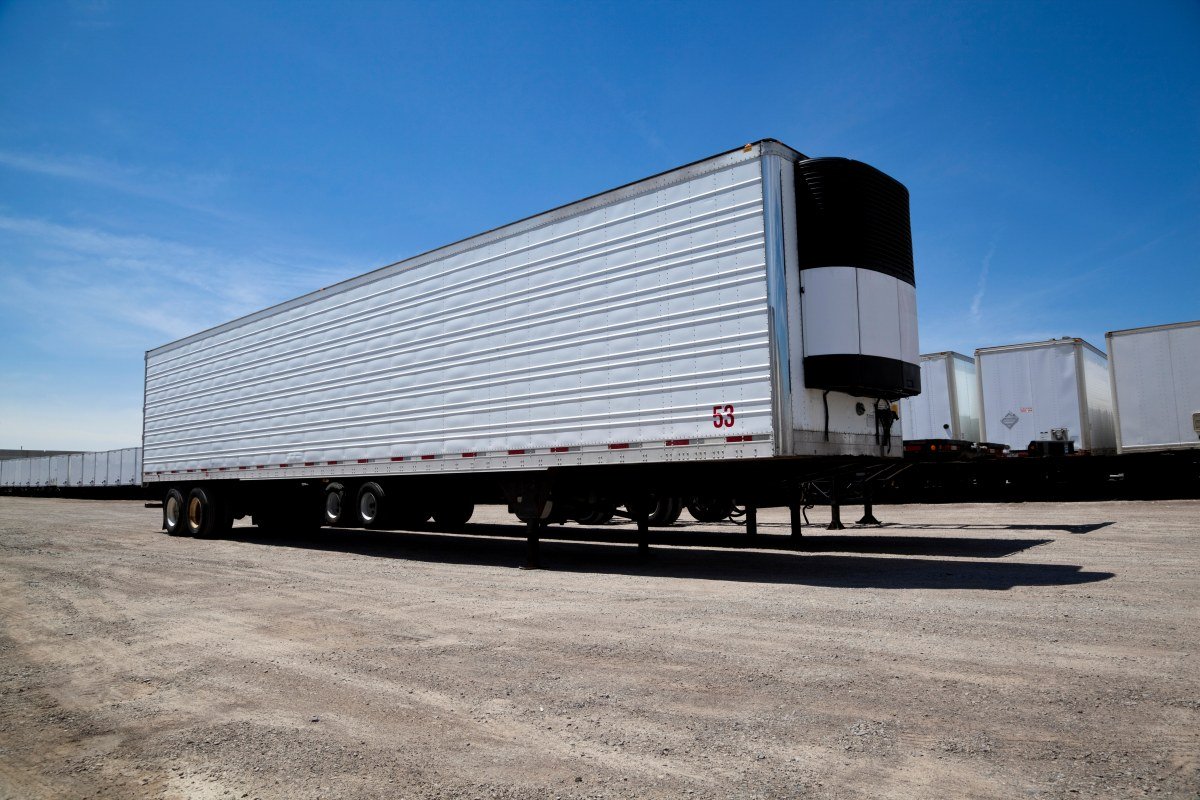
Transport truck trailer sitting in yard with a row of trailers behind it

Specialized Semi-Truck Trailer Types

Beyond standard trailer configurations, several specialized trailers serve specific roles within the trucking industry:

  • Car haulers use upper deck and lower deck systems to transport multiple vehicles
  • Livestock trailers move animals safely using ventilation and internal partitions
  • Pneumatic dry bulk trailers transport materials such as cement and grain using pressurized air
  • Conestoga trailers combine flatbed flexibility with weather protection through a rolling tarp system
  • Extendable flatbeds handle oversized loads and long materials that exceed standard trailer lengths

These specialized trailers can generate higher revenue per load, but they also bring higher maintenance demands and financing considerations.

Operational Considerations When Choosing A Trailer

Choosing a trailer shapes daily operations and cash flow before you ever load freight. The trailer you attach to your semi truck determines where you can haul, how quickly you turn loads, and how often repairs interrupt your schedule.

Focus on these factors with financing and downtime in mind:

  • Weight capacity and legal limits: Trailers that carry heavy loads or oversized freight put more strain on axles, brakes, and suspension. That added stress leads to more frequent repairs and higher costs.
  • Loading and unloading requirements: Enclosed trailers rely on a loading dock, while open trailer designs support ground-level loading at job sites. Faster loading and unloading reduces idle time and keeps revenue moving.
  • Fuel and operating costs: Refrigerated trailers burn more fuel, while tanker and dump trailers place added stress on mechanical systems. These costs affect monthly budgets and influence how much flexibility you need in loan terms.

Insurance costs and maintenance schedules also change by trailer type. When you match the right semi to the right trailer, you reduce downtime, protect cash flow, and improve your ability to secure financing for equipment or repairs.

Conclusion

Understanding common trailer types is essential for building a profitable and sustainable trucking business.

From dry van trailers to lowboy trailers and tanker trailers, each trailer type serves a specific role in transporting goods efficiently and legally.

Before investing in equipment, evaluate freight demand, operating requirements, and financing options that support your goals. The right trailer, paired with reliable funding, will have your truck and trailer working instead of waiting.

Ready to choose the right trailer and keep your truck earning? Start your credit application with Mission Financial Services today for flexible commercial truck financing.

What Is a Commercial Truck? Definition, Types, and Uses

What Is a Commercial Truck? Definition, Types, and Uses

From delivering goods across the country to transporting heavy construction equipment, commercial trucks form the backbone of American commerce. But what exactly is a commercial truck, and how do you decide which type fits your business needs?

This guide explores the definition of commercial trucks, how they’re classified, and the different types by weight and use. You’ll also find useful buying strategies and tips for choosing trailers.

Exploring your options at a commercial truck dealership, considering new commercial trucks, or browsing used commercial trucks for sale? This guide will help you make informed decisions.

How Are Commercial Truck Classifications Determined?

The Federal Highway Administration (FHWA) and U.S. Department of Transportation (DOT) classify commercial trucks in North America by Gross Vehicle Weight Rating (GVWR). This is the maximum total weight of the vehicle, including its chassis, body, engine, fuel, passengers, and cargo.

Understanding GVWR helps businesses comply with safety regulations, licensing requirements, and insurance guidelines.

The FHWA divides trucks into three broader categories after classifying them into eight classes:

  • Class 1–2: Light-duty (GVWR up to 10,000 lbs)
  • Class 3–6: Medium-duty (GVWR 10,001–26,000 lbs)
  • Class 7–8: Heavy-duty (GVWR over 26,001 lbs)

These classes reflect the trucks’ capacities, which roads they can operate on, what licenses drivers need, and how the vehicles are insured and taxed.

What Are the Different Types of Commercial Trucks?

Commercial trucks come in a wide variety of builds and applications, from box trucks used for deliveries to semi-truck tractor-trailers shipping cargo. The type you choose depends on your business function, cargo type, and travel needs.

Let’s take a closer look at these truck types divided by weight class.

Heavy-Duty Commercial Trucks – Class 7 and Class 8: GVWR 26,001–33,000 lbs+

These trucks are built with power, endurance, and long-distance hauling in mind. They’re common in the freight, logistics, and construction industries.

Common types:

  • 18-Wheelers / Tractor-Trailers (Class 8): These trucks are designed for long-haul trucking and pull-enclosed trailers, flatbeds, tankers, or refrigerated units. Ideal for freight and logistics operations, they often require lots of maintenance.
  • Cement Mixers (Class 8): Cement mixer trucks carry wet concrete to construction sites.
  • Dump Trucks (Class 8): Dump trucks are used for moving large volumes of gravel, sand, or demolition debris.
  • Refuse Trucks (Class 7 or 8): Waste management fleets rely on heavy-duty refuse trucks to collect and haul trash.
  • Tow Trucks (Heavy-Duty): What happens when a heavy-duty vehicle breaks down? You call for a heavy-duty tow truck, of course. Manufacturers specially design these vehicles to tow buses and other trucks.

Drivers of heavy-duty trucks like these require a Commercial Driver’s License (CDL).

Medium-Duty Commercial Trucks – Class 3 to Class 6: GVWR 10,001–26,000 lbs

Medium-duty trucks offer versatility for regional deliveries, service calls, and vocational uses like towing or utility work.

Common types:

  • Box Trucks / Straight Trucks (Class 4–6): These are popular among delivery companies and removal businesses. They have an enclosed cargo area attached to the cab rather than a separate trailer.
  • Flatbed Trucks (Class 5–6): Flatbed trucks are used to carry oversized or irregularly shaped loads. These commercial vehicles are ideal for the construction and lumber industries.
  • Utility Trucks / Bucket Trucks (Class 5): Utility trucks have an extendable boom for elevated work. They are common among electrical, telecom, and public works departments.
  • Refrigerated Trucks (Class 5–6): Refrigerated trucks are crucial for the food and medical transport industries. They maintain cold temperatures essential for perishable products.

These trucks don’t always require a CDL, depending on the GVWR and state laws, making them accessible for small to mid-sized businesses.

Light-Duty Commercial Trucks – Class 1 to Class 2: GVWR Less Than 10,000 lbs

Light-duty commercial trucks are perfect for small business owners, tradespeople, and delivery services within cities or suburban areas.

Common types:

  • Pickup Trucks (Class 1–2): Widely used in construction, landscaping, and agriculture. They’re versatile, fuel-efficient, and come in many configurations.
  • Cargo Vans (Class 1–2): Ideal for last-mile delivery, plumbing, HVAC, or repair businesses. Offers secure storage and easy urban maneuverability.
  • Passenger Vans (Commercial Use): Used by shuttle services, hotels, and churches for transporting multiple passengers.

Many new trucks in this class are available through retail dealerships and often qualify for business tax deductions.

How to Choose the Right Trailer for Your Commercial Vehicle Business

A commercial truck’s job isn’t complete without the right trailer. Trailers expand hauling capabilities and enable businesses to customize their operations.

Popular trailers:

  • Dry Van Trailers: Fully enclosed for general inventory and dry goods.
  • Flatbed Trailers: Open design for oversized or heavy materials like steel beams or lumber.
  • Refrigerated Trailers (Reefers): Temperature-controlled trailers used by food distributors and pharmaceutical companies.
  • Tanker Trailers: Used to transport liquids, chemicals, or gases.
  • Dump Trailers: Construction, agriculture, and landscaping professionals use hydraulic lift trailers for various tasks.

Consider these factors:

  • Cargo type: Is it perishable, hazardous, or fragile?
  • Load size and weight: Match trailer specs with your commercial truck’s towing capacity.
  • Operational terrain: Will you operate on highways, rural roads, or off-road environments? Optional equipment may be necessary for off-road use.
  • Regulatory compliance: Ask the sales team about DOT and state regulations for your cargo and vehicle class.

Working with a reputable commercial truck dealership helps you get the right trailer-to-truck match and ensures compliance with all legal requirements.

How Construction Crews Buy Work Trucks vs. Utility Companies

Fleet managers from both sectors often attend commercial truck sales events to find bulk discounts or demo models with low mileage. However, construction crews and utility companies prioritize different features and specs.

Construction Crews

Construction businesses need trucks that handle tough environments, haul heavy tools, and carry building materials. These trucks must be rugged, powerful, and often 4×4 capable.

Common construction trucks:

  • Heavy-duty pickup trucks with toolboxes and towing hitches
  • Dump trucks for debris and raw material transport
  • Flatbed trucks for moving pallets and lumber
  • Crane trucks for lifting equipment on-site

Best buying strategies:

  • Choose durability over luxury.
  • Buy based on payload capacity and off-road performance.

Utility Companies

Utility companies focus on efficiency, safety, and access. They equip their trucks for specialized tasks like line maintenance, underground inspections, and storm response.

Typical utility trucks include:

  • Bucket trucks for aerial work
  • Service trucks with onboard tool storage and generators
  • Cable spool trucks for telecom work

Best buying strategies:

  • Look for trucks with high uptime and easy maintenance.
  • Invest in vehicles with telematics and GPS for fleet tracking.

Finding the Work Truck That’s Right for Your Business

The right work truck boosts productivity, supports your team, and improves customer satisfaction. Whether you’re expanding a fleet or buying your first work vehicle, there’s a truck that fits your business.

Here are a few tips for making a smart investment:

  1. Consider what your truckers are hauling, how far, and how often. Consider the terrain and weather conditions along your routes. The latest technology will give your drivers the confidence they need.
  2. In your search for the perfect truck, match the vehicle to the job. Don’t overspend on a heavy-duty Freightliner-type model if a light-duty vehicle meets your needs.
  3. Factor in the total cost of ownership, not just the initial price. Include fuel costs, maintenance, insurance, and depreciation.
  4. Explore available financing options for the best deals. Many commercial truck dealerships offer flexible financing, leasing, and warranty packages.
  5. Don’t get hung up on brands like Ford, Mack, RAM, Peterbilt, or Isuzu and then forget about scalability. If your business grows, will the truck live up to dealer promises and still meet your needs?
  6. Before you buy, review the truck’s history and maintenance records and have a mechanic inspect it if it’s a used vehicle.

Conclusion

A commercial truck is an essential business asset. From light-duty delivery vans to heavy-duty haulers for construction materials, these vehicles support industries across America.

Understanding truck classifications will help you find the ideal vehicle for your needs when you’re looking to buy a truck. And Mission Financial Services will help you get the funds you need to get those trucks.

We offer owner-operators and fleet services the commercial truck financing they need, even with limited or bad credit. Contact us today and get the funding you need for your next commercial truck purchase.

How to Jump-Start a Semi-Truck

How to Jump-Start a Semi-Truck

Are you a truck driver for a small trucking business or an owner-operator? You’ll face various challenges along the road, and one of them is the dreaded dead truck battery. But learning how to jump-start a semi-truck will give you the confidence you need to deal with this common issue.

This article walks you through everything you need to know, from gathering the right tools to knowing when to call a pro. Our jumpstart for semi-truck step-by-step guides and handy tips will get you back on the road again quickly and safely.

Equipment Required to Jump-Start a Semi Truck

Semi-truck repair insurance does not cover dead batteries. Fortunately, once you know how to jump-start a semi-truck, it’s often a cheap and simple fix. But jump-starting a semi truck requires more than standard automotive tools.

You need heavy-duty jumper cables that can handle large electrical loads and a donor vehicle with a compatible electrical system. You may also want to wear safety glasses and gloves.

Many operators carry a commercial-grade jump starter or portable power pack, which provides a powerful and often safer alternative. Other helpful items include a battery terminal brush and a voltage meter for diagnosing battery issues.

Choosing Heavy-Duty Jumper Cables

The most important thing about jump-starting your truck is that you must use heavy-duty jumper cables.

Light-duty cables designed for cars and vans won’t work on a semi truck. Most semi trucks have 3 or 4 12-volt batteries. Each is rated at around 1000 cranking amps. Therefore, choose cables rated for 1000 amps or more. Use cables at least 20 feet long so you can easily reach between vehicles.

Use 100% copper or high-quality copper-clad aluminum cables. Copper conducts electricity better and lasts longer. Make sure the insulation resists oil, heat, and abrasion. Use clamps that grip battery terminals securely.

Tools Needed for Jump Starting a Semi Truck

In addition to heavy-duty jumper cables, keep the following tools handy:

  • Battery terminal cleaner or wire brush. This removes corrosion for better connections.
  • A multimeter or voltmeter. This measures the voltage before and after the jump-start.
  • Work gloves and safety goggles. They protect hands and eyes.
  • Portable jump starter (optional): It offers a self-contained solution without needing another vehicle.
  • A flashlight to illuminate dark areas under the hood. This is even more useful if attempting a jumpstart in the dark of night.

These tools ensure you can jump-start your semi truck safely and efficiently.

Safety Measures and Precautions

Working around high-voltage systems can be dangerous if you don’t follow proper safety steps. Before you get started, take these precautions:

  • Verify that the donor vehicle has an equal or higher voltage system.
  • Turn off both vehicles before connecting the jumpstart cables. Set both trucks to neutral or park. Engage the parking brakes.
  • Remove metal jewelry and keep tools away from terminals.
  • Avoid leaning over batteries, and wear protective gear like gloves and goggles.

Step-by-Step Guide to Jump-Start a Semi Truck

The life of a trucker can be both exhilarating and challenging. Different truck types, routes, and roles mean that trucking can be a different experience for everyone. But getting sidelined by a dead battery frustrates every trucker.

If your truck won’t start or struggles to start, dead or weak batteries may be the cause.  It’s best to use another truck as the donor vehicle or a dedicated jump starter designed for heavy-duty vehicles. A jumpstart is the quickest and cheapest solution.

Follow these steps carefully, and you’ll know how to jump-start your semi truck safely.

Step 1

The jumper cables have to reach both vehicles’ batteries, so position the truck that will be jumpstarting you as close to your semi as possible. However, the vehicles must not touch each other. Turn off both trucks and set them in neutral or park.

Step 2

Semi-trucks often have dual batteries or multiple batteries connected in series to meet the high power and performance demands of their engines. Open the trucks’ hoods and locate all batteries. Ensure that you understand your battery configuration before attempting a jumpstart.

Step 3

Inspect the batteries closely and check for battery acid leaks and cracks. If you find any damage, leaks, or cracks, don’t continue. The battery needs to be safely disposed of and replaced. Check the battery terminals for signs of corrosion. If you detect corrosion, clean the terminals with a wire brush to remove it.

Step 5

Once you have determined that the battery has no leaks or cracks and is free from corrosion, you may connect the jumper cables:

  • Clamp a red (positive) cable to the positive terminal of the dead battery, and the other red one to the positive terminal of the donor battery.
  • Clamp the black (negative) cable to the negative terminal of the donor battery. Attach the other black one to an unpainted metal surface on the engine block or chassis of your semi with the dead battery.

If you are unsure whether or not the battery is flat or if another issue may be at play, check the voltage before and after jumpstarting. However, this is unnecessary if you are certain that a flat battery is the only problem.

Step 6

Start the donor vehicle. Let it run for a few minutes to supply enough current. After a few minutes, try to start your semi-truck. If it doesn’t start, don’t stress; it can sometimes take a while. Just wait a few more minutes and try again.

Step 7

Remove the cables in reverse order:

  1. Disconnect the black clamp from the chassis.
  2. Remove the black clamp from the donor battery.
  3. Remove the red clamp from the donor battery.
  4. Detach the red clamp from the semi truck battery.

Step 8

Let the semi-truck idle for a while. Keep it running for 15 to 30 minutes to recharge the battery.nDrive it a while or test the battery’s voltage to confirm it’s holding a charge.

How Many Amps to Jump Start a Semi Truck

Semi trucks use powerful batteries. To jump-start a semi truck, you usually need 1000 to 2000 amps. Cold weather may require more. Use a portable jump starter that offers at least 1500 peak amps.

Donor vehicles, like other semi trucks or heavy-duty diesel pickups, can usually provide enough current. Smaller vehicles don’t have the power. Always match your cables and jump starters to your truck’s electrical needs.

Caring for Your Semi Truck Battery

From semi-truck wheel alignment to oil changes, regular maintenance is key to keeping your trucks on the road. But don’t forget about battery maintenance and care. Take care of your semi-truck batteries to reduce the need for future jump-starts.

  • Inspect connections: Tighten loose cables and clean corrosion.
  • Check fluid levels: Add distilled water to non-sealed batteries if needed.
  • Test voltage regularly: Use a multimeter to verify the charge.
  • Avoid deep discharges: Turn off accessories when the engine isn’t running.

Signs of Battery Failure

Watch for these warning signs:

  • Dim headlights or dashboard lights
  • Slow engine cranking
  • Clicking noise when turning the key
  • Accessory malfunctions
  • Swollen or leaking battery case

Replace the battery if you spot these symptoms.

Understanding the Electrical System of a Semi Truck

To know how to jump-start your semi truck, understand its electrical setup. Most semis use 12-volt or 24-volt systems powered by two 12-volt batteries.

These systems supply power to the ignition, lights, refrigeration units, and electronics. Issues with alternators, voltage regulators, or wiring can affect the entire truck. Know how the parts work together to diagnose issues and avoid repeated jump-starts.

When to Call a Professional

Call a professional if you experience the following:

  • Remaining uncertainty about how to jump-start your semi-truck.
  • Battery damage or battery acid leaks.
  • The truck won’t start after multiple attempts.
  • Strange sounds or the smell of burning.
  • You lack a donor vehicle or a high-powered jump starter.

Professionals have the training and equipment to resolve the issue safely.

Conclusion

Knowing how to jump-start your truck is an essential skill for owner-operators and fleet managers. With our guide to jumpstarting a semi and the right tools, you can handle dead batteries efficiently. And our tips for battery care will extend your semi-battery’s life.

But when your problems are bigger than a dead battery, get the funds you need here at Mission Financial Services.

Do you need to do urgent repairs? We offer semi-truck repair loans. Would it be more economical to replace your ailing truck? We’ll start the ball rolling with a loan for a new (or used but new to you) semi-truck. Contact us today for further information and advice.

Semi-Truck vs Full Truck | What Is the Difference?

Semi-Truck vs Full Truck | What Is the Difference?

Trucks are used across almost all industries. In fact, according to the American Trucking Associations, trucks deliver over 80% of all US freight. That makes transporting goods with trucks a good business to be in.

If you’re new to the world of trucking, though, you may be confused by some of the jargon, such as the names of different types of trucks. Don’t worry, we’ve got you covered. Join us as we explore the differences between the semi-truck vs full truck.

What is the Difference Between a Semi-Truck and a Truck?

Most trucks are either full trucks or semi-trucks. So, what is the difference between a semi-truck vs full truck, and why does it matter so much in the trucking industry? They are both trucks used for transporting cargo. However, they have distinct differences that make them suitable for different types of cargo hauling.

A clue to the main difference is in their names. A full truck has a full trailer. A semi-truck has a semi-trailer. Let’s examine the different trailer types to understand what makes them so different.

What is a Full Trailer?

Full trailers move with the trucks that tow them, but do not rely on the towing vehicle to support the load. A full trailer carries its own weight entirely. The full trailer has a drawbar that connects to the coupling on the truck.

What is a Full Truck?

A full truck is a straight truck with its own cargo space. It does not have a detachable trailer. It has a trailer for cargo hooked to the truck itself.

Full trailer trucks are reliable and versatile, and are used widely in a variety of roles. If you’ve ever heard of a box truck, it is a full truck. It is called a box truck because the cargo area is an enclosed, rectangular box that is attached to the truck’s chassis.

Thinking of buying a box truck for your business? Before you do, read our guide to understanding box truck financing.

What is a Semi-Trailer?

Semi-trailers are detachable trailers usually constructed of high-strength steel or aluminum. They get hitched to a truck to transport cargo. Semi-trailers come in different designs to suit specific cargo, for example, raw materials, bulky goods, liquids, chemicals, etc.

The truck can offload the entire trailer without waiting for the goods in it to be offloaded, and attach another one. The trailer often has legs to support it when it is uncoupled from the truck.

What is a Semi-Trailer Truck?

The semi-trailer is used with a tractor truck, more powerful than a regular truck. The truck does not carry cargo itself, but instead pulls the rear trailer carrying the cargo. This combination of a semi-trailer and a tractor truck is called a tractor trailer truck or semi-trailer truck.

It is often just referred to as a semi-truck or a semi in the U.S. Elsewhere, it may be known as an articulated truck. An articulated vehicle is composed of two parts: a tractor unit (or cab) and a trailer.

Driving a semi-tractor truck with a long semi-trailer is very different from driving a delivery van or even a heavy-duty full trailer truck. These giant vehicles are much longer and can have multiple trailers. Remember this when you are looking for drivers for your trucking business.

If you need a driver who has experience driving big semis, state this clearly in the commercial truck driver job description. The last thing you need is for your truck driver to be involved in an accident. A truck accident can be much more costly than a car accident or a motorcycle accident, after all.

Full vs Semi-Truck: Key Differences

There are quite a few differences between a full truck vs semi-truck. Consider these before you purchase a truck to start a truck delivery business.

Connection Mode

The first and most obvious difference between a semi-truck vs full truck is the connection mechanism. A semi-trailer is connected to a truck by a heavy metal coupling called a kingpin.

This cylindrical connection is located underneath the front end of the trailer. It locks the trailer onto the truck. Meanwhile, a full trailer is connected by a front hook on the trailer and a coupling on the truck.

Dimensions

Dimensions are another giveaway in the comparison of a semi-truck vs full truck.

The semi-trailer’s standard dimensions are 48 to 53 ft. long, 8.5 ft. wide, and 13 ft. high. Compare this with the full trailer. Its standard dimensions are only 10 to 26 ft. long, 8.5 ft. wide, and 13 to 14 ft. high. Therefore, the semi-trailer is usually much longer than a full trailer.

Capacity

There’s also a big difference in the capacity of the semi-truck vs full truck. Semi-trailers can carry up to 80,000 lbs in weight. Full trailers typically carry about 33,000 lbs. in weight. Therefore,  the semi-trailer usually carries more weight than a full trailer.

Usage

Because of their different dimensions and capacities, usage is another big difference between the semi-truck vs full truck.

Semi-trailer trucks can take more cargo and are thus often used for long-distance hauling. There are different types of semi-trailers, like refrigerated trailers for perishable foods, and lowboy trailers for oversized loads.

Full trailer trucks can take a lot of cargo, but decidedly less than the biggest semis. That’s why they are typically used for smaller, usually local, deliveries.

Driving a heavy truck, especially a semi, requires a Commercial Driver’s License (CDL).

Components and Design

A comparison of the semi-truck vs full truck shows a very different design and components. Full trucks are trailers on their own wheels, with both front and rear axles, although sometimes, the rear axles are in the middle. And these axles support the entire trailer’s weight.

Semis are a combination of a truck and a trailer, without a front axle. So, why do semi-trailers have no front axles, only rear axles? The front half of the trailer is supported by the back of the truck itself. The rest is supported by the rear axles.

Wheels

A two-axle straight truck will usually have four wheels. The number of wheels on a semi-truck can vary depending on the freight. Six to ten wheels is typical. However, there can be as many as eighteen, and these trucks are often referred to as eighteen-wheelers.

The extra wheels on semi-trucks offer better weight distribution, with more stability and balance for those heavier cargo loads. Of course, heavier loads can impact fuel consumption, but most modern semis offer better fuel efficiency.

Maneuverability

The design of a semi-truck vs full truck affects maneuverability as well.

Semi-trailers generally provide better traction than full trailers and more maneuverability in tighter urban spaces. Semi-trucks are easier to reverse even with the trailer hooked. This is because they only have a single turning point at the coupling, unlike full trailers, which have two: the drawbar and the coupling.

Experienced drivers handle these issues well. However, even new truck drivers will find it easy to handle any truck by attending one of the top CDL training schools. These schools offer practical commercial truck driver training for all heavy trucks, including semis.

The Role of Semi-Trucks in Commercial Transport

In the choice of semi-truck vs full truck, which is more popular? The truth is, they both are, because they both have advantages. Full trailer trucks are easy to drive, have low operational costs, and are ideal for transporting lightweight goods.

However, semi-trucks are especially popular for commercial transport logistics and long haul transport. They can haul much larger volumes. And they fulfill necessary functions at all stages of the commercial journey.

They are crucial for manufacturing, hauling raw materials to factories. They are essential for distribution, carrying finished goods to retailers. And they are just as useful for retail deliveries, transporting the merchandise to waiting consumers.

This makes semi-trucks invaluable for commerce. But they are just as important for agriculture and other sectors. This makes owning or operating a semi-truck fleet a good business to be in.

Conclusion

Now that you know all the differences between a full truck and a semi-truck, you can decide which is the better option for your business.

For a smaller local delivery business, a full truck is fine. Semi-trucks are preferred for long hauls as they can take much more cargo. If you’re building an intracontinental freight business, this is the truck you will need.

Whatever you decide, you’ll need reliable financing to buy your trucks. Mission Financial Services can help you get the funds to buy new or used commercial vehicles and semi-trucks. Contact us today to get started.

How Much Does a Semi-Truck Weigh?

How Much Does a Semi-Truck Weigh?

How heavy is a semi-truck? Is it just the cab that matters, or does the trailer change everything? What happens when it’s fully loaded with cargo? If you’re in the trucking industry, whether you own a single truck or oversee a fleet, understanding these numbers is critical.

The weight of a semi-truck affects more than just how much fuel it burns. It influences stopping distances, tire wear, road safety, and whether you’re following the law. Too much weight can lead to serious mechanical strain, fines at weigh stations, or even catastrophic accidents.

In this article, we’ll break down what contributes to a truck’s weight, how different configurations change the total, and how semi-trucks compare to other vehicles.

How Much Does a Semi-Truck Weigh?

The weight of a semi-truck, also known as a semi tractor, can vary significantly depending on its configuration, whether it’s pulling a trailer, and if it’s laden or unladen. So, how much does a semi-truck weigh?

  • Unladen weight (cab only): Between 10,000 and 25,000 pounds.
  • Empty weight (cab + empty trailer): Around 30,000 to 36,000 pounds.
  • Fully loaded tractor trailer: Up to 80,000 pounds, which is the maximum legal weight allowed by federal regulations without special permits.

To put it in perspective, the average passenger vehicle weighs just 3,000 to 6,000 pounds. That means a fully loaded semi-truck can weigh over ten times more than a typical car or pickup. This dramatic weight difference is a major factor in why semi-truck accidents are so dangerous.

In fact, according to the Federal Motor Carrier Safety Administration, there were roughly 110,000 injury crashes involving large trucks in 2021. With such considerable weight behind them, heavier trucks demand more stopping distance and leave less room for error.

How Much Does a Semi-Truck Cab Weigh?

The cab, also called the semi tractor, is the heart of the truck. It houses the engine, driver, and controls, and often includes a sleeper compartment for long-haul comfort. Depending on the setup, this part alone carries considerable weight.

  • Average weight of a semi-truck cab: Between 10,000 and 15,000 pounds.
  • Sleeper cab models: Can weigh up to 20,000–25,000 pounds, due to extra equipment.

This weight affects everything from fuel economy to braking power. It also contributes significantly to the Gross Vehicle Weight Rating (GVWR), which the manufacturer defines as the total safe operating weight.  Understanding the cab’s mass is critical for safe loading and legal compliance on the road.

How Much Does a Semi-Trailer Weigh?

The semi-trailer is where the real cargo action happens. It’s the part that gets attached to the semi-tractor, and depending on what it’s carrying, its weight can fluctuate quite a bit. There are different trailer types, each with its own weight profile.

  • Empty trailer: Typically weighs 10,000 to 15,000 pounds.
  • Loaded trailer: Depends on cargo, but combined with a tractor, can bring the total truck weight to 80,000 pounds.

Why does this matter? Knowing the trailer’s weight is crucial for drivers to ensure they’re not exceeding legal weight limits. Overloading can result in fines, safety risks, or even accidents.

Keep in mind, the GVWR, which includes both the tractor and trailer weight, determines the maximum weight the truck can safely carry, including cargo and fuel.

How Much Does a Semi-Truck & Trailer Weigh?

With a trailer attached, the combined weight of a semi-truck can vary:

  • Empty truck and trailer: Around 33,000 to 36,000 pounds.
  • Fully loaded semi-truck: Up to the maximum weight of 80,000 pounds.

This weight limit is not arbitrary. Federal regulations impose these restrictions to ensure safety and prevent damage to roads. Exceeding the weight limit can have serious consequences, including fines, increased accident risks, and greater wear and tear on the truck.

How Much Does an 18-Wheeler Weigh?

An 18-wheeler is simply a semi-truck with 18 wheels. There are 10 on the tractor and 8 on the trailer. It’s the most common configuration in freight hauling.

  • Unladen: Around 35,000 pounds.
  • Fully loaded: Up to 80,000 pounds, or 40 tons.

For comparison, an 18-wheeler weighs significantly more than city transit buses, passenger cars, or even garbage trucks, which is why there are strict weight restrictions and federal regulations on these vehicles.

Exceeding the weight limits can put excessive strain on roads, bridges, and infrastructure, not to mention increasing the likelihood of semi-truck accidents.

Laden vs. Unladen Weight

Understanding the difference between laden and unladen weight is essential for truck safety, federal compliance, and avoiding serious consequences on the road.

The unladen weight of a semi-truck refers to the empty weight of the semi tractor and trailer attached, with no cargo, passengers, or extra gear. It’s essentially the “dry” measurement of the truck. On the other hand, laden weight includes everything such as cargo, fuel, the driver, and any equipment or accessories.

Regulators use this loaded weight to determine whether a semi-truck is legally operating under the maximum weight limits allowed by federal regulations. When a semi-truck haul exceeds these limits, it increases the risk of semi-truck accidents and can result in fines or shutdowns at a weigh station.

Components of Semi-Truck Weight

The total semi-truck weight comes from multiple components that together form the gross vehicle weight rating (GVWR):

  • Tractor (semi cab): Engine, frame, fuel, and sometimes a sleeper cab.
  • Trailer: Cargo container or flatbed.
  • Cargo: The most variable component, affecting laden weight.
  • Fuel tanks: Can add several hundred pounds when full.
  • semi-truck tires: Not just weighty, but critical for stability and legal compliance; each semi-truck tire weighs approximately 100–120 pounds.

Understanding these parts helps explain why semi-truck haul weights fluctuate and must be managed carefully.

Factors Influencing Semi-Truck Weight

Several factors influence how much a semi-truck weighs:

  • Type of cargo: Dense materials like steel add more weight than soft goods.
  • Trailer type: Enclosed box trailers, flatbeds, and tankers, which all differ in base weight.
  • Cab configuration: A sleeper cab adds considerable weight.
  • Fuel load: A full tank adds hundreds of pounds.
  • Axle count and tire type: Affects how weight is distributed and absorbed.

When these elements are not balanced correctly, it leads to improper load distribution, overloaded trucks, and a greater risk of semi-truck accidents.

Legal Weight Limits and Regulations

To maintain road safety and protect infrastructure, federal regulations and state laws enforce strict limits on the maximum weight a semi-truck can legally carry. Violating these rules can lead to fines, shutdowns, or liability for serious injury and damage after a crash.

Maximum Capacity Limits

According to the Federal Highway Administration, the maximum legal weight for a fully loaded semi-truck is 80,000 pounds. This includes the combined weight of the semi-truck, trailer, and cargo.

Trucks carrying oversized loads can exceed this limit but must obtain special permits. Violating legal limits can not only lead to penalties but also make the issue a central focus in litigation that a truck accident law firm handles.

Axle Weight Limits and Distribution

In addition to the overall gross vehicle weight rating, axle weight is tightly regulated to prevent road damage and reduce the risk of accidents.

The steering axle is generally limited to 12,000 pounds, while the drive axles and trailer axles must not exceed 34,000 pounds each.

Based on our expertise, exceeding these thresholds or failing to maintain proper load distribution can lead to catastrophic injuries in the event of a rollover or collision. These imbalances are often uncovered during inspections at weigh stations, and they can jeopardize a company’s compliance status.

Impact of Weight

The weight of a semi-truck affects nearly every aspect of its operation. A heavier truck requires more time and distance to stop, increasing the risk of collisions, especially in high-traffic areas.

Based on our research, accidents involving a fully loaded semi-truck or 18-wheeler are far more likely to result in catastrophic injuries or fatalities compared to those involving passenger vehicles or pickup trucks.

Heavy loads also accelerate the deterioration of roads and bridges, adding to public infrastructure costs. When semi-truck accidents occur, investigators often review weight logs and weigh station records to determine whether the vehicle exceeded legal limits.

In many cases, these violations are linked to negligence, which can significantly impact legal outcomes in a personal injury claim.

Conclusion

So, how much does a semi-truck weigh? The answer depends on several factors, but the range typically spans from 30,000 pounds unladen to 80,000 pounds fully loaded. Understanding these figures is vital for safe operation, legal compliance, and smart business management.

Whether you’re a professional owner-operator or just starting your journey in commercial trucking, managing your truck’s weight is essential to your success.

Need financing for your next semi-truck or trailer? Mission Financial Services offers flexible loans even if you have bad credit or are buying your first truck. Contact us today and learn how we can help you keep your wheels turning.

Archives

Sign Me Up!

Stay up to date with the latest news in the commercial trucking industry.

Contact Us
close slider