Office: (404) 975-4800

Business

securing loads

Ways To Find Truck Loads For Owner Operators

securing loads

Ways to find truck loads for owner operators can be one of the toughest challenges, especially compared to being a company driver.

Truck drivers often overlook just how much can be involved in finding loads. It’s a process that can take up a lot of time, and it needs to be carefully managed to ensure your schedule and business plan stay on track.

Luckily, there are plenty of solutions out there to help you find loads and keep you busy on the road.

Here’s how to find truck loads for owner-operators.

7 Ways to Get Loads as an Owner-Operator

The more loads you can find, the more your business will grow. To help you achieve this, here are some of the best ways to get loads for your trucking business.

Use a Freight Broker

Freight brokers act as middlemen between owner-operators and shippers. They help truckers find loads to haul with no need to hunt for them themselves.

Freight brokers have access to vast networks of shippers, making it easier to find work that fits your schedule and preferred routes. A good freight broker will handle most of the negotiations for you. They will set rates and clearly outline all the details, such as delivery times and destinations.

Working with a freight broker can be an excellent option if you want to avoid the hassle of tracking down your own clients. However, keep in mind that brokers charge for their services, typically taking a percentage of the profit from each load.

securing loads 2

Browse Online Load Boards

Load boards are online platforms where shippers post available freight, and carriers can find loads that suit their needs.

These platforms are great for owner-operators because they provide a wide variety of loads to choose from. You can also often filter by destination, load type, or rate to help you find loads that best match your trucking business.

Some of the best load board options include DAT, Truckstop, and 123Loadboard, all of which can give you access to thousands of potential loads daily.

Using load boards is a convenient way to find your own loads, especially if you’re just starting out or don’t have established connections in the industry.

While some load boards are free, others may charge a subscription fee, but the access they provide to a vast array of jobs often makes the investment worthwhile.

Download Load Board Mobile Apps

Many load boards also offer mobile apps for truck drivers, which allow you to search for and accept loads directly from your phone. These apps make it easier to find jobs even while you’re on the road.

You can browse available loads posted, get updates in real time, and even post your truck’s availability so shippers can come to you.

The convenience of using mobile apps is hard to beat. These apps make it possible to fill in gaps in your schedule or find last-minute loads with no need to sit at a computer, saving you both time and hassle.

securing loads 3

Pay a Dispatching Service

Dispatch services can be a valuable resource for owner-operators who prefer to focus solely on driving while leaving the paperwork and freight booking to someone else.

A dispatch service acts as your personal manager, finding loads, handling negotiations, and often taking care of administrative tasks like invoicing and trip planning. Some dispatchers may even help with compliance tasks like tracking mileage and filing paperwork.

By hiring a dispatcher, you can save yourself the time and effort it takes to deal with the business side of trucking. Dispatchers typically charge a percentage of each load’s earnings, but the tradeoff is that you can spend more time on the road and less time on the phone or in front of a computer.

Register as a Government Contractor

Another potential source of steady work for owner-operators is becoming a registered government contractor. Both federal and local governments often need freight hauled, and by registering through the US General Services Administration (GSA) or other government procurement sites, you can bid on these contracts.

Once you’re registered, you’ll be able to access postings for various types of loads that government agencies need to move.

Government contracts can be lucrative and provide stable work. However, being a government contractor requires a competitive registration and bidding process, and it may take time before you win your first contract.

Do Business with a Company

Many trucking companies offer partnerships with owner-operators, allowing you to haul freight under their authority.

When you partner with a more established trucking company, you often gain access to several load boards that they manage, which can be an excellent source of consistent work. Partnering with a company can also provide benefits like fuel discounts, maintenance support, and a more predictable workflow.

The company handles the legal requirements, such as maintaining motor carrier authority, and you get to choose from their available loads.

securing loads 4

Networking

Networking is one of the most effective yet often overlooked ways to find a truck load as an owner-operator.

Building relationships with shippers, brokers, and other drivers can lead to opportunities that may not be available through load boards or brokers. Networking can take many forms, from joining industry associations like the Owner-Operator Independent Drivers Association (OOIDA) to attending trade shows and industry events.

The key to successful networking is consistency. By continually reaching out, making connections, and building a reputation for reliability, you can secure work through word-of-mouth and personal referrals.

Considerations When Finding Loads to Haul

As an owner-operator, you can’t just haul anything and everything. When you find loads, here are some important considerations to keep in mind.

Type of Cargo

When finding loads to haul, consider the type of cargo you’ll be transporting.

Some freight may require special equipment, like refrigerated (reefer) trucks or flatbeds. Make sure the cargo matches your truck’s capabilities. Hauling specialized freight, such as hazardous materials, may require additional certifications but can also bring higher pay.

Always know what you’re hauling, as different cargo can affect your profit margins, insurance, and driving experience.

Transportation Distance

The distance you’ll need to travel is another key factor. Long hauls might pay more, but they also mean more time away from home and higher fuel and maintenance costs.

Shorter trips may not be as profitable per load, but they can allow you to take on more jobs in a week.

You should also consider whether you’ll have to deadhead (drive without cargo) after delivering a load, as this affects your overall earnings.

Payment Terms

Always check the payment terms before accepting a load. Some brokers and shippers pay quickly, while others might take weeks or even months to pay.

It’s important to understand the payment schedule and know whether you’ll need to wait for your money.
securing loads 5

Brokers or Shipper Reputation

Not all freight brokers and shippers are the same, so it’s important to work with reliable ones.

Research brokers or shippers before accepting a load to ensure they have an excellent reputation for fair rates and timely payments. Establishing relationships with trustworthy brokers can lead to more consistent and higher-paying work in the long run.

Do Proper Research

Do your homework before agreeing to haul a load.

Make sure you know the route, delivery deadlines, and any special requirements for the cargo. Check if the load is worth the time and resources it will take to complete.

Research helps you avoid surprises, such as low-paying loads or unexpected road conditions, and ensures you’re maximizing your time and earnings.

Be Flexible

Flexibility is key in the trucking industry. You might not always get the ideal load at the perfect time, so being open to different cargo or routes can help keep your truck moving.

Sometimes taking a less-than-ideal load can lead to a better opportunity later. Flexibility also helps you build strong relationships with brokers and shippers, which can lead to more opportunities down the road.

Stay Motivated

Staying motivated is essential, especially during slow periods. Finding the right loads can take time and persistence, but the effort is worth it.

Keep pushing, even when the market is tough or you’re facing a lot of competition. Set small goals and focus on long-term success.

Keeping a positive mindset and staying motivated will help you continue finding loads and growing your business.

Final Thoughts

Owner-operators should explore the full range of solutions available to help them find truck loads. Whether it’s using a load board, working with freight brokers, or other tactics, finding the right approach is essential to building a steady trucking business.

The more loads you’re able to get consistently, the more your business will grow. And, once you find a system that works for you, you’ll realize that there are plenty of loads out there just waiting for you.

If you’re considering becoming an owner-operator, then the first step is to invest in the right semi-truck. Get in touch with us at Mission Financial, where we make it easy to access truck financing that helps your business move forward.

Growing Your Trucking Company

Steps to Growing Your Trucking Company

Growing Your Trucking Company

Steps to growing your trucking company can be challenging, especially as an owner-operator in the highly competitive trucking market.

The US trucking market size is somewhere around $217.3 billion, so it’s clearly an enormous market to tap into. However, you need to have a careful business plan that follows the right steps if you’re going to achieve consistent growth.

Whether you’re after more clients, want to expand your fleet, or simply want to increase the number of routes your business drives, here are the essential steps for growing your trucking company.

1. Set a Clear Growth Strategy

Before expanding your trucking business, it’s important to create a detailed growth strategy outlining how you’re going to do it.

Start by setting short-term goals (e.g. increasing fleet size or expanding routes in the next 6 months) and long-term goals (e.g. becoming a regional or national player within 5 years). Having clear goals is essential for keeping your trucking business growth on track.

Your strategy should be based on market research to ensure it’s realistic. Identify the types of freight in demand, under-served regions, or industries that need reliable transportation services.

It’s also important that you pace your growth. Expanding too quickly without a solid foundation can lead to operational inefficiencies. Carefully assess your current capacity and avoid overextending financially or operationally.

When planning to expand a successful trucking company, be aware of external factors like fuel price fluctuations, driver shortages, and economic conditions. These are always changing and will impact your strategy.

Growing Your Trucking Company2

2. Know Your Costs and Pricing

As a trucking business owner, running a profitable operation depends on knowing your true costs.

First, understand your fixed and variable costs. Fixed costs (like truck payments, insurance, and permits) stay consistent every month. Your variable costs (like fuel, maintenance, and wages for truck drivers) change based on miles driven.

Owner-operators need to have a clear grasp of their rate per mile vs. cost per mile. Your rate per mile should exceed your cost per mile to generate profit. It’s essential to calculate both regularly, as they help you determine whether you’re pricing your services correctly. Use cost calculators and data from previous trips to make these calculations.

To optimize your business finances, you’ll also need to factor in market conditions. Keep an eye on freight demand and capacity.

Rates fluctuate based on seasonality, fuel prices, and economic conditions. Make sure that your pricing is competitive, but don’t undercut yourself to the point of low profitability.

3. Improve Cash Flow Management

Cash flow is the lifeblood of your business. Delayed payments are common in trucking, with clients often paying 30 to 60 days after delivery.

To manage your cash flow and operating costs effectively, you need to have access to working capital. Options like freight factoring can help. This is when a factoring company pays you upfront for unpaid invoices, helping you avoid cash flow gaps.

Carefully track your accounts receivable (money owed to you) and accounts payable (bills you owe) closely to avoid falling behind.

A great way to boost cash flow is to use billing and invoicing software. This helps you send invoices quickly and monitor payment timelines.

Integrated solutions (like TMS or factoring platforms) allow for faster invoicing and better tracking of unpaid invoices.

Growing Your Trucking Company 5

4. Leverage Technology and Automation

The trucking industry is increasingly driven by technology, and adopting the right tools can streamline your operations, help you save money, and improve efficiency.

For example, a good Transportation Management System (TMS) can automate scheduling, dispatching, billing, and reporting. This saves you time and reduces errors.

Digital load boards allow you to find quality loads efficiently. Instead of searching for individual shipments, you can connect directly with shippers looking for your specific services.

You can also use APIs to connect with carriers, shippers, and brokers for seamless integration. Automating routine tasks – like generating bills of lading or driver logs – frees up time to focus on growing your business.

5. Build and Diversify Your Client Base

To ensure long-term stability as an owner-operator, it’s crucial to diversify your client base.

Relying on just one or two clients can put your business at risk if their freight volume decreases or they decide to switch carriers.

Use load boards and brokers to find new clients when you have open capacity. While load boards can help in the short term, they shouldn’t be your primary strategy. Building direct relationships with shippers leads to better rates and more consistent work.

Some industries are more seasonal than others, so having a mix of clients across different sectors can help maintain consistent freight volume year-round.

Diversifying your geographic reach can also protect your business from regional economic downturns.

Growing Your Trucking Company 4

6. Prioritize Fuel and Asset Efficiency

Fuel is typically one of the biggest expenses in a trucking business. To control fuel costs, it’s important to focus on strategies for fuel efficiency.

Using fleet fuel cards can provide discounts on fuel, while apps like Fuelbook can help find the cheapest pump price along your route.

Transportation technology can also help you monitor fuel consumption. Use GPS and telematics to track fuel usage, driver behavior, and route efficiency. Reducing idle time, optimizing routes, and maintaining proper tire pressure can all contribute to better fuel efficiency.

To avoid “empty miles” (driving without a load), use backhaul strategies. Find return loads or leverage load boards to book outbound and return trips, making every mile count.

7. Invest in Compliance and Documentation

Compliance is non-negotiable in the trucking industry. Falling behind on paperwork or failing to meet regulations can result in hefty fines or even business shutdowns.

Fleet owners need to stay compliant with regulations.Fleet owners must comply with many strict laws that govern hours of service (HOS), safety, environmental standards, and more. Tools like electronic logging devices (ELDs) help ensure you meet HOS requirements.

It’s also essential that you keep your paperwork organized.

Efficient record-keeping (for taxes, maintenance logs, driver qualifications, etc.) ensures you’re always prepared for audits or inspections. A well-organized system can also improve your operational efficiency by reducing downtime caused by compliance issues.

8. Focus on Customer Service Excellence

Customer service is a key differentiator in the competitive trucking industry.

Owner-operators with small and medium-sized trucking companies can excel by providing a more personalized, reliable service than larger competitors. This is one of the biggest advantages that small fleet owners have, so it’s important to make the most of it.

Growing Your Trucking Company 6

Timely communication is one of the most important elements of customer relations.

Keep your clients informed throughout the shipment process. Offering real-time tracking, proactive updates, and on-time deliveries builds trust.

You’ll also want to use feedback to improve your services. Regularly ask clients for feedback. Addressing concerns and continuously improving your service can lead to long-term partnerships and referrals.

Satisfied customers are more likely to recommend your services to others, which helps your business grow organically.

9. Build an Online Presence

We live in a highly competitive digital landscape, so having a strong online presence is essential for growing your business.

Start with a professional website that outlines your services, contact information, and client testimonials. This is your essential digital foundation that helps potential clients find you and learn more about your company.

Trucking companies should also leverage social media. Platforms like LinkedIn and Facebook can help you connect with potential clients, share industry insights, and promote your services. Social media advertising can also help attract new business.

SEO is also invaluable for enhancing your visibility. Optimize your website for search engines so that when companies look for trucking services, your business ranks higher in the results.

Investing in digital marketing can significantly increase your trucking business’s success.

10. Monitor Business Performance

Tracking key metrics ensures that your business is running efficiently and profitably. Here are three important metrics to track when growing your business:

  • Revenue per mile: This tells you how much you’re earning for every mile your trucks travel. It’s one of the most important indicators of your profitability.
  • Fuel efficiency: Monitor how much fuel your trucks use per mile, and look for ways to improve.
  • Driver performance: Use telematics to track driver behaviors (e.g. speeding, harsh braking) that impact safety and fuel efficiency.

By regularly reviewing these metrics, you can identify areas for improvement and adjust your strategies accordingly.

Data-driven decisions will help you optimize your business and drive growth continuously.

Final Thoughts

Growing a trucking business should be a slow and steady process. You can’t expect to make one quick change and grow your trucking business overnight. Instead, it’s about consistently taking the right growth steps and building up your business’s reputation.

Take the right steps, and you’ll set the stage for more sustainable business growth. This is essential for building a trucking business that stands the test of time.

As we mentioned, one of the most important things to get right is your finances. And as purchasing vehicles is the biggest expense for any fleet, working with the right vehicle financing provider is essential. Get in touch with us at Mission Financial to learn how to access commercial truck financing that will help you grow your company.

truck fleet 1

Small Fleet Management

truck fleet 1

Managing a small fleet comes with plenty of daily challenges, from high costs to keeping operations running smoothly.

But with the right strategies, fleet operators can overcome these hurdles and make the most of their limited fleet.

To help you work smarter as a small fleet manager, let’s explore the key financial and logistical challenges small fleets face. We’ll also dig into some practical solutions to improve efficiency, reduce costs, and set your fleet up for long-term success.

Operational Challenges of Small Fleets

Fleet management comes with a range of daily challenges. Here are some of the major fleet operations issues that a fleet manager deals with daily.

Managing Drivers

Managing drivers in a small fleet involves closely monitoring their behavior, keeping compliance with safety regulations, and providing continuous training.

Using telematics and GPS systems helps track driving behavior, providing data for targeted coaching. Regular training sessions can also help reinforce safe driving practices and improve overall performance in driving fleet vehicles.

Driver Retention

Retaining skilled drivers is always an enormous challenge for a fleet manager because of high turnover rates and a competitive market.

Small businesses can’t always match the pay and benefits of larger companies, which makes driver retention even more difficult.

Vehicle Maintenance

For smaller fleets, the breakdown of even a single vehicle can cause serious disruptions.

Keeping a consistent maintenance schedule is vital for any fleet manager to prevent unexpected downtime. Fleet maintenance software can automate maintenance reminders, ensuring that routine inspections and repairs aren’t overlooked.

Educating drivers about the importance of pre-trip inspections and focusing on preventive maintenance schedules is essential for identifying and addressing potential issues early.

Cost Constraints

Operating a small fleet on a tight budget makes it tricky to balance expenses like fuel, maintenance, and driver salaries.

Fluctuating fuel prices add to the financial strain. So, implementing fuel-saving strategies, like optimizing routes and reducing idle time, can significantly cut fleet management costs.

Investing in affordable fleet management software is also a great way to streamline operations and highlight areas for potential savings.

towfiqu-barbhuiya-JhevWHCbVyw-unsplash

Regulatory Compliance

Small business fleet management involves navigating a complex landscape of local, state, and federal regulations to avoid fines and legal issues.

Keeping up with changing rules can be challenging for smaller operations with limited resources. You need to stay informed about regulatory updates and maintain detailed records of vehicle inspections, driver logs, and maintenance activities.

Using fleet management software with compliance features simplifies the process by tracking hours of service, vehicle inspections, and driver certifications.

Financial Challenges

Of course, one of the most difficult areas of fleet management is dealing with the various financial challenges involved in running a fleet.

Capital Investment

Operating a fleet requires plenty of investment in vehicles, maintenance, and operational needs.

Small fleet owners need to budget carefully and adopt cost-saving strategies to manage these upfront costs.

Financing

Access to financing is crucial for spreading the cost of acquiring and maintaining vehicles.

Small fleets should explore various financing options, such as loans, leases, and grants, to find the best fit for their financial situation.

This is important for managing cash flow and keeping operations running smoothly without tying up too much capital.

Fuel Costs

Fuel is one of the biggest and most unpredictable expenses for fleets. It plays a large role in any fleet’s overall profitability.

Fleet managers need to monitor fuel trends and implement fuel-efficient practices and technologies to mitigate the rising fuel costs.

Insurance Costs

Small fleets often face higher insurance premiums per vehicle.

Prioritizing safety through driver training, tracking, and safe driving incentives can reduce accidents, which leads to lower insurance premiums. Regularly reviewing insurance policies and shopping around for the best rates can also help to manage these costs.

pexels-rdne-7821684

Logistical Challenges of Small Fleets

As a fleet manager, you need to operate efficiently to remain competitive. Here are two key logistical challenges you face in this department.

Fleet Maintenance

Keeping vehicles in good condition is essential to avoid unexpected breakdowns and maintain smooth operations.

Small fleet managers need to establish a strict maintenance schedule and use tools like maintenance software to track vehicle health. Educating drivers on pre-trip inspections can also help catch issues early, preventing costly repairs and extended downtime.

Dispatch and Communication

Efficient dispatch and clear communication are critical for keeping operations running smoothly.

Small fleets often struggle with limited resources for real-time tracking and communication. Without proper tools, it can be difficult to monitor vehicle locations, optimize routes, and respond to unexpected issues like traffic or breakdowns.

Investing in dispatch software with GPS tracking helps fleet managers stay connected with drivers, providing them with real-time updates and route adjustments.

The Importance of Efficient Fleet Management

Efficient fleet management is key to running a successful small fleet operation. It helps reduce costs, improve productivity, and increase profits.

By optimizing routes and schedules, fleets can save on fuel and maintenance expenses. Proper fleet management also ensures vehicles are well-maintained, reducing the risk of breakdowns and expensive downtime.

Good fleet management helps small trucking businesses meet their delivery deadlines, which boosts customer satisfaction and leads to more business.

small fleet

Overcoming Small Fleet Challenges

Small fleets face unique challenges, like having limited resources and higher costs per vehicle. However, these challenges can be overcome with smart strategies.

Using technology like fleet management software and GPS tracking helps streamline operations and improve communication. Implementing cost-saving measures, such as fuel-efficient driving practices and regular maintenance, reduces expenses.

Investing in driver training and safety programs can lower insurance costs and improve fleet performance.

By addressing these challenges head-on, small fleets can operate more efficiently and compete more effectively in the market.

Final Thoughts

Running a small fleet can be tough, but overcoming fleet management challenges is possible with smart strategies and the right support. Efficient management and a focus on cost-saving can boost your fleet’s success, no matter how many vehicles you’ve got.

If you’re looking for flexible financing to grow or maintain your fleet, get in touch with us at Mission Financial Services. We offer the most convenient truck financing solutions to keep your business moving forward.

lumper

Lumper Fees: What Are They? 

lumper

Lumpers play a vital but often misunderstood role in the trucking industry, with many truck drivers having mixed views on their services. But understanding lumper fees early can save you money and frustration at the delivery site.

A lumper fee is the charge for hiring third-party workers to unload freight at a warehouse or distribution center when a truck arrives.

If you’re new to trucking, this article explains what lumpers do, why they’re important, and how they can streamline your operations. We’ll also discuss lumper fees so you’ll know what to expect when using their services.

What Is a Lumper?

A lumper is a worker responsible for unloading freight when a truck arrives at a warehouse. Typically hired by carriers, shippers, warehouses, or freight brokers, they provide the expertise and labor to handle large volumes of freight daily.

Lumpers are usually well-trained in offloading, pallet splitting, and securely moving cargo. They also understand the complexities of working in large warehouses and are skilled in using equipment like hand trucks, pallet jacks, and forklifts to unload cargo efficiently.

In many cases, lumpers are employed through lumper companies that act as a third-party services for food warehousing companies and grocery distribution warehouses.

benefit of lumpers

The Role of Lumpers in the Supply Chain

When a commercial truck arrives at a warehouse, lumpers take over the unloading process, freeing truck drivers from that responsibility. They offload the cargo, break it into pallets, verify it against packing slips, and organize it in the warehouse.

In return, they charge a fee, known as the lumping fee. This service helps speed up the shipping process and improves supply chain efficiency by taking on a task that would otherwise fall to truck drivers.

At many warehouses and distribution centers, you’re not allowed to unload your own freight. The facility may require a warehouse lumper or third-party lumper service because they want trained labor on the docks and clear accountability if cargo is damaged or someone gets injured.

Lumpers are commonly found in grocery and food warehouses, where their role is crucial. Since much of the cargo is perishable, quick and careful unloading is essential in the food supply sector.

The Benefits of Using Lumpers

Lumper services exist for one reason: they keep freight moving through high-volume warehouses without making drivers responsible for dock labor.

When a facility relies on a third-party lumper service, the benefits usually show up in safetyand cost control.

  • Drivers avoid dock labor and reduce injury exposure: You still check in, handle paperwork, and manage the appointment, but lumper workers handle the manual labor of unloading freight. That matters because injuries on the dock can trigger medical costs and insurance claims.
  • Faster, smoother unloading at busy facilities: Lumpers often work the same warehouse or distribution center every day, so they know the process, the staging rules, and the equipment flow. That familiarity can reduce delays at loading docks and help you stay on schedule.
  • Less cargo damage and cleaner accountability: Experienced lumpers know how to handle mixed pallets and perishable or frozen cargo without crushing product or breaking packaging. When trained dock laborers load and unload freight, it can also reduce disputes tied to damage claims and chargebacks.
  • Lower labor overhead for the facility or carrier: Outsourcing unloading helps companies avoid direct staffing costs. These costs can include payroll taxes and workers’ compensation insurance, as well as the overhead of hiring and training dock labor.

lumpers

What Is the Average Lumper Fee?

On average, lumper fees range between $100 and $500 per load.

Fees vary based on load size, type, and complexity (e.g., sorting, palletizing), with some jobs exceeding $500 to $1,000 in more extreme cases.

In most cases, lumper fees are paid upfront at the warehouse lumper desk. Payment methods may include cash, checks, lump-sum advances, or digital payment solutions.

After payment:

  1. Obtain a detailed lumper receipt
  2. Submit fee receipts to your carrier or freight broker
  3. Receive reimbursement according to company policy

Make sure you ask for a lumper receipt to receive reimbursement for any lumper fees paid. Lumper receipts act as proof of payment, indicating you qualify for reimbursement from your trucking company.

Factors Affecting Lumper Fees

Lumper fees vary depending on several factors. Understanding these factors as a commercial truck driver is crucial because it will help you negotiate a fair rate.

Some of the key factors affecting lumper fees include:

  • Type of freight: Delicate, perishable, hazardous, or frozen cargo usually requires more labor and care, which increases lumper fees.
  • Volume of cargo and pallet count: More pallets or floor-loaded freight requires more labor than palletized loads.
  • Time required to unload: Most lumpers work at an hourly rate, so longer unloading times increase lumping fees.
  • Time of day: Unloading during peak hours often costs more due to limited warehouse staff availability.
  • Additional services: Extra services like pallet sorting or special handling instructions can add additional fees.

Lumper Fees vs. Paying Driver

According to lumping regulations–Title 49 of the U.S. Code (49) U.S.C. §§ 14103 (a) and 14103 (b), it’s illegal for any trucking company to force their truck drivers or carriers to unload via a lumper service without being reimbursed.

Also, a truck driver or carrier must be reimbursed if they unload their freight.

Most trucking companies choose lumper services because they reduce injury risk, avoid liability from unsafe warehouse conditions, and simplify trucking operations.

Reimbursement policies can vary, so always confirm lumper fee reimbursement terms on the rate confirmation before accepting the load.

lumpers fees

How To Avoid Surprise Lumper Fees As A Truck Driver

Lumper fees usually aren’t the problem. The surprise is paying them without knowing the rules or what paperwork you’ll need to get reimbursed.

Use this quick checklist before you accept the load and again when you arrive.

  • Ask if lumpers are required before you accept the load: Don’t assume you can unload your own freight. Some food warehousing companies and grocery distribution warehouses require a third-party lumper service, and the receiver won’t give you an option.
  • Confirm who pays and how reimbursement works in writing: Check the rate confirmation for reimbursement terms, including whether the trucking company or freight broker reimburses you directly and how fast they pay lumper fees back.
  • Ask if reimbursement has a cap: Some carriers only reimburse up to a set amount. If you don’t confirm the cap, you can end up covering the difference out of pocket.
  • Verify what documentation is required: Many carriers need a lumper receipt that includes the warehouse or distribution center name, load or trailer number, date, and amount. Ask whether they also need a signed BOL note, a fee receipt, or a reference number.
  • Bring a payment method that works at that facility: Lumpers often require payment at the desk, so unloading can start. Some locations use lumper advances, Comchecks, or electronic payments. If you show up without an accepted payment option, you can lose your delivery window.
  • Scan or photograph receipts immediately: Save the lumper receipt and any payment confirmation before you leave the dock. If you wait until later and the receipt gets lost, reimbursement can stall.

Planning ahead protects your cash flow and keeps your delivery schedules from sliding.

Lumper Fees vs Detention vs Layover

These charges get mixed up all the time, and that’s how drivers lose money. Each one pays for a different problem, and you need to label it correctly so your carrier processes it fast.

  • Lumper fee: A charge for loading/unloading freight using lumper workers at a warehouse or distribution center.
  • Detention: Pay for waiting beyond the set period at the receiver or shipper. This is about time lost at loading docks, usually tracked by appointment time, check-in time, and release time.
  • Layover: Compensation when delays push you into an overnight or full-day situation, and you can’t reasonably move to the next load. This is about a schedule disruption that extends beyond normal detention.

When you separate the accessory charges correctly, you invoice cleanly, attach the right documentation, and improve your odds of getting reimbursed without delays.

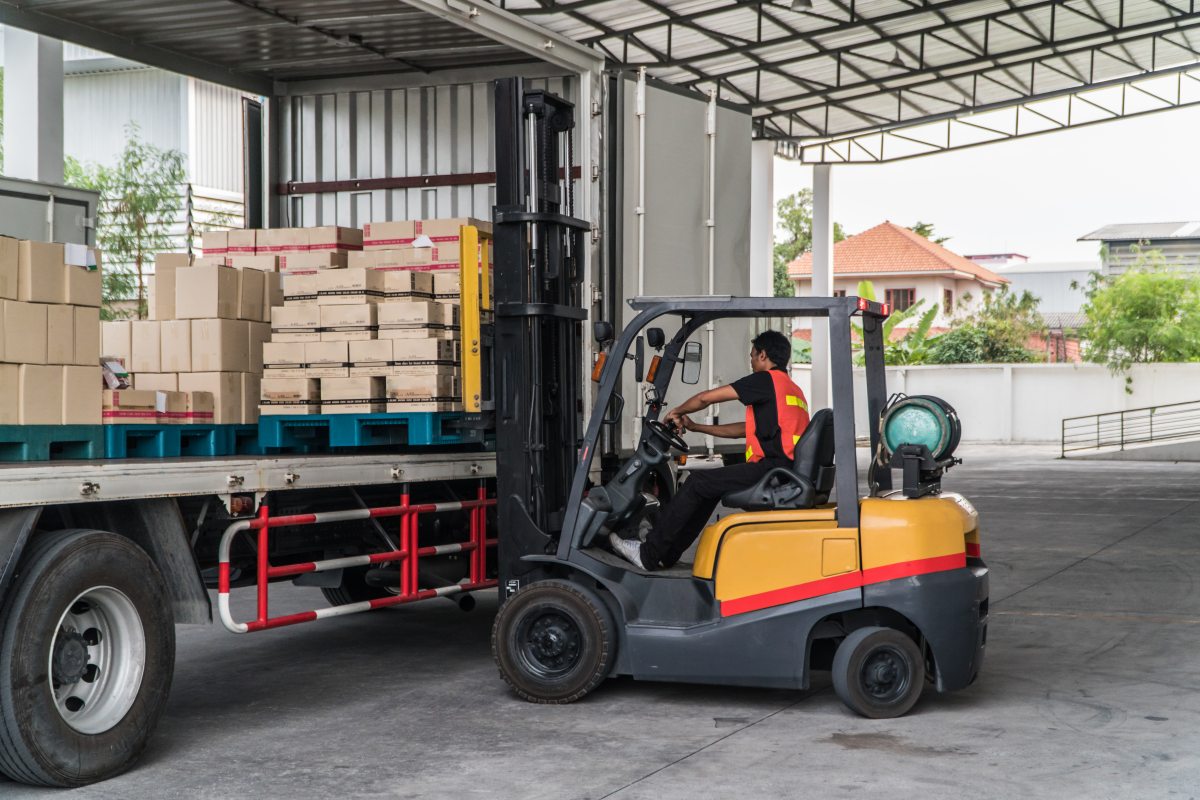
Worker loading pallet with a forklift into a truck

Frequently Asked Questions

Who Typically Pays The Lumper Fee?

Usually, the driver pays the lumper fee upfront at the warehouse or distribution center, then submits the lumper receipt for reimbursement. Most carriers or a freight broker will reimburse lumper fees paid, but policies vary, so confirm the process on the rate confirmation.

Are Lumpers Required At Some Warehouses?

Yes, some warehouses require lumpers, especially food warehouses and grocery distribution warehouses. These facilities use lumper services due to labor rules, insurance requirements, and liability concerns around loading and unloading freight.

Can A Driver Unload Instead Of Paying A Lumper?

Yes, you can unload freight yourself, but many facilities won’t allow it. Always ask before you arrive or at check-in, because unloading rules depend on the warehouse lumper policy and the delivery site.

What Should Be On A Lumper Receipt For Reimbursement?

Your lumper receipt should list the provider name, date, amount, and load or trailer number. Clear fee receipts make reimbursement faster and reduce disputes when you submit lumper payments to the trucking company or broker.

Are Lumper Fees Tax-Deductible For Owner-Operators?

Yes, lumper fees can be deductible as a business expense for an owner-operator. Keep the receipt and payment record, then confirm how to file it with a tax professional based on your setup.

Conclusion

Lumper fees are a routine part of the logistics industry, especially when delivering to food warehouses and high-volume distribution centers.

While lumping services adds an extra step to the unloading process, they help keep freight moving efficiently and reduce risk for truck drivers and companies.

Understanding how lumper fees vary, how the payment process works, and how to receive reimbursement helps you protect your cash flow and stay focused on running profitable trucking operations.

Unexpected lumper fees and other delivery costs can tighten cash flow fast, especially for owner-operators.

At Mission Financial Services, we help truck drivers and small fleets access commercial vehicle financing that accounts for real-world expenses. If you’re planning your next truck purchase or upgrade, we’re here to help you move forward with confidence. Get in touch or start your credit application today.

freight factoring

Freight Factoring: What You Need to Know

freight factoring

One of the major challenges of running a trucking business is maintaining a steady cash flow. Even if your business is generating a good income, you might still have a hard time paying bills on time. This is where freight factoring is so useful.

Working with a leading freight factoring company can be an excellent way to free up your business’s cash without taking on debt or unnecessary risk. We’ll explain everything you need to know about this in the guide below.

What is Freight Factoring?

Freight factoring is a financial service where trucking companies or owner-operators sell their unpaid invoices to factoring companies for immediate cash.

Instead of waiting weeks or months for payment, they get most of the invoice value right away. The factoring company then takes over the collection process, charging a small fee for the service.

This helps trucking businesses maintain steady cash flow to cover expenses like fuel, repairs, and payroll, which helps to keep operations running smoothly.

How Freight Factoring Works

Freight factoring may seem complicated, but it’s actually a straightforward idea. Here’s the general process of how trucking factoring companies work:

  1. Deliver the load: First, a trucking company delivers a load for a customer. Normally, the customer might take 30, 60, or even 90 days to pay the invoice.
  2. Sell the invoice: Instead of waiting for payment, the trucking company sells the invoice to a freight factoring company. The factoring company buys the invoice at a discount, usually paying around 80-90% of the invoice value upfront.
  3. Get paid fast: The trucking company gets the money within a day or two, which helps them cover immediate expenses like fuel, maintenance, and payroll.
  4. Factoring company collects payment: The factoring company waits for the customer to pay the invoice. When the customer pays, the factoring company takes their fee and sends the remaining balance to the trucking company.
  5. Fees: The fee the factoring company charges depends on how long it takes the customer to pay and other factors like the creditworthiness of the customer.

freight factoring

Why Companies Use Factoring

While it’s not always recommended if you can avoid it, working with factoring companies can be a great way for truck drivers to improve their cash flow and operations. This is especially true if you’re a new truck driver building your business.

Here are some of the main reasons truckers use factoring companies.

Simplifies Financial Management

Factoring simplifies financial management by providing a steady and predictable cash flow.

This means trucking companies can manage their budgets better, plan for future expenses, and avoid the complications that come with uneven or delayed payments. It streamlines the financial side of the business, making it easier to focus on growth and operations.

This is especially important if you need to make emergency repairs on your vehicle or run into unexpected truck maintenance costs, as you’ll be able to access cash faster.

Greater Flexibility Compared to Traditional Financing

Traditional loans or lines of credit can be restrictive, with fixed repayment schedules and amounts. Taking out a loan can also be a risky business.

Factoring, on the other hand, offers flexibility.

Companies can factor the invoices they choose, and the amount of available funding grows naturally as their sales increase. Plus, a freight factoring company works off cash you’ve already earned, so it’s a very different scenario to borrowing debt.

This kind of adaptability makes factoring an appealing option for businesses that need different funding levels.

Access to Immediate Working Capital

Companies use factoring to get immediate access to working capital.

Instead of waiting weeks or months for customers to pay their invoices, businesses can convert those invoices into cash right away. This allows trucking businesses to cover essential expenses like payroll, inventory, and rent without delay, to keep operations running smoothly.

towfiqu-barbhuiya-JhevWHCbVyw-unsplash

Reduces Financial Risk

Freight invoice factoring helps companies reduce financial risk by transferring the responsibility of collecting payments to the factoring company.

This means businesses don’t have to worry about late payments or bad debts. The freight factoring companies take on this risk, allowing the trucking business to focus on other areas.

Helps Trucking Businesses With Rapid Expansion

When transportation companies experience rapid growth, they have a greater need for cash on hand.

Freight factoring provides a flexible solution by offering more funding as sales grow. Unlike traditional loans, which might require lengthy approval processes, factoring allows companies to scale up operations quickly without waiting for credit approval.

Working with the best factoring companies offers a convenient solution to gaining working capital when you need it.

Benefits of Freight Factoring

The right freight factoring agreement can offer many benefits to businesses in the transportation industry. Here are some of the main ones.

Helps New Trucking Companies and Owner-Operators Get Established

Freight factoring can be a lifeline for new trucking companies and owner-operators.

Starting a trucking business requires a lot of upfront costs, like buying a truck, fuel, and insurance. But customers often take weeks to pay for deliveries.

Freight factoring gives new truckers quick access to cash by advancing payments on their invoices. This helps them cover their expenses and get their business up and running smoothly.

Get Paid Faster

In the trucking industry, it’s common for customers to take 30, 60, or even 90 days to pay invoices. Freight factoring speeds up this process.

Instead of waiting for weeks, trucking companies and owner-operators get paid within a day or two after delivering the load. This fast payment helps them stay on top of expenses like fuel, maintenance, and payroll.

reduces debt

Helps Owner-Operators Avoid Debt

Freight factoring companies do not provide loans, so owner-operators don’t have to worry about taking on debt.

Instead of borrowing money, they’re simply getting an advance on the money they’ve already earned. This means they don’t accumulate debt or have to worry about making loan payments.

It’s a smart way to maintain financial stability without the burden of additional debt or risk damaging your long-term cash flow.

Improves Cash Flow

Consistent cash flow is crucial for any trucking business.

Freight factoring ensures that money comes in regularly, even when customers delay their payments. This steady flow of cash allows owner-operators to manage their day-to-day operations without financial stress.

They can pay for all necessary expenses without worrying about when they’ll get paid next.

Enables Growth

Freight factoring provides the financial flexibility needed for growth.

With quick access to cash, freight companies and owner-operators can take on more loads, hire additional drivers, or expand their fleet. They don’t have to worry about cash flow problems holding them back.

This enables them to grow their business and take advantage of new opportunities.

Provides Client and Freight Broker Credit Checks

Freight factoring companies often provide credit checks on clients and freight brokers. This service helps owner-operators avoid working with customers who have a history of late payments or financial problems.

By knowing which clients are reliable, truckers can make smarter business decisions and reduce the risk of non-payment. It’s an added layer of protection that can save time and money in the long run.

credit score

Qualifying for Freight Factoring

Qualifying for freight factoring is easier than getting a traditional business loan.

Unlike bank loans, you don’t need to provide a lot of paperwork. Factoring companies mainly focus on the creditworthiness of your customers, not your credit history.

To qualify, you usually need to have unpaid invoices from reliable customers. These invoices should be free of any liens, meaning they haven’t been used as collateral elsewhere.

Of course, the work or service related to the invoices must also be completed. As long as your customers have good credit and pay on time, you have a strong chance of qualifying for freight factoring.

Recourse and Non-Recourse Factoring

Recourse and non-recourse factoring are two types of invoice factoring that differ mainly in who takes on the risk if a customer doesn’t pay the invoice.

In recourse factoring, the trucking companies remain responsible for the invoice if the customer fails to pay. This means the factoring company can ask the business to repay the advance or replace the unpaid invoice with another. Recourse factoring usually has a lower factoring fee because the business bears the risk.

In non-recourse factoring, the factoring company takes on the risk of non-payment.

If the customer doesn’t pay, the business isn’t required to repay the advance. This offers more protection but comes with higher fees, since the factoring company is assuming more risk.

Truck Factoring Rates

Truck factoring rates are the fees that a factoring company charges for advancing payment on your invoices.

These rates typically range from 1% to 5% of the invoice amount. The exact rate depends on factors like the volume of invoices you factor, how creditworthy your customers are, and how long it takes for your customers to pay.

Lenders usually offer lower rates to companies with high invoice volumes or customers with strong credit. If your customers take longer to pay, or if they have poor credit, you’ll probably have to pay higher rates.

Understanding these rates is important because they directly impact your profit margins. It’s also important to compare rates from different factoring companies and consider any extra fees they might charge, like setup costs or monthly minimums.

trucker

Final Thoughts

If you’re having a hard time managing cash flow, then working with a factoring company can be an excellent solution. This is especially true for new trucking businesses without sufficient cash reserves.

Of course, when looking at your business finances, your biggest investment will be your vehicle. So, getting favorable vehicle financing that works for your situation is essential. Discover how Mission Financial Services can help you access easy vehicle financing that helps you grow your trucking business smarter.

semi truck challenges

Challenges Facing the Commercial Trucking Industry Today

semi truck challenges

The trucking industry is an essential part of any global supply chain. We need trucks for moving goods across vast distances and keeping the economy alive. However, challenges facing the commercial trucking industry today, jeopardize the industry’s efficiency, profitability, and long-term sustainability.

From rising fuel costs and stringent regulations to driver shortages and the pressures of technological adaptation, trucking companies must navigate a complex landscape to stay competitive.

Let’s explore some of the major challenges and look at how trucking companies and truck drivers can overcome them.

8 Top Challenges Facing Today’s Trucking Industry

Trucking companies around the world are confronting similar major challenges. Regardless of your specific role within the trucking industry, you’ve likely encountered at least one of these issues.

1. Shortage of Drivers

The trucking industry is struggling with a severe shortage of new truck drivers, a problem that has been escalating over the years.

The American Trucking Associations estimate a shortfall of over 80,000 drivers, with signs that this number could double by 2030.

Driver shortages come down to these three primary factors:

  • Aging workforce: The average age of a truck driver in the US is 49 years old, and many are approaching retirement. The industry has struggled to attract younger workers, who often seek careers with a better work-life balance.
  • Lifestyle challenges: Truck driving is a demanding job that requires long hours on the road, extended periods away from home, and irregular schedules.
  • Regulatory pressures: Increasing regulations, such as stricter hours of service (HOS) rules, add to the complexity of the job, pushing some drivers to leave the industry. These demands can also deter people from pursuing a career in trucking.

pexels-cottonbro-7541988

2. Driver Retention

Retaining drivers seems to be as challenging as attracting them.

The high turnover rate in the trucking industry makes the driver shortage even worse, leading to a cycle of constant recruitment and training.

To improve retention, trucking companies must focus on creating a more supportive and rewarding work environment. This should include better pay, better working conditions, health benefits, and opportunities for career advancement.

People should also understand the benefits of working as an owner-operator in the trucking industry, as this leads to a longer-term commitment to trucking.

3. Operational Costs

One of the biggest issues facing the trucking industry is the cost of operating a trucking business.

Operational costs in the trucking industry are continually rising, putting pressure on profit margins. These costs include fuel prices, insurance, maintenance, and compliance with regulations.

Managing operational costs effectively is crucial for maintaining profitability in a highly competitive market.

4. Adapting to the Energy Transition

The trucking industry is under increasing pressure to reduce its environmental impact.

With stricter emissions regulations and the growing demand for sustainable transport, companies must transition from diesel to cleaner energy sources. While sustainable practices have clear benefits, they also come with significant challenges for trucking companies.

Investing in alternative fuel vehicles, such as electric or hydrogen-powered trucks, requires significant capital. Many companies, especially smaller ones, are hesitant to make this investment without clear long-term benefits and an established infrastructure.

The infrastructure for alternative fuels, particularly electric charging stations and hydrogen refueling stations, is also underdeveloped. This limits the operational range of these vehicles and adds uncertainty over how businesses can adopt them.

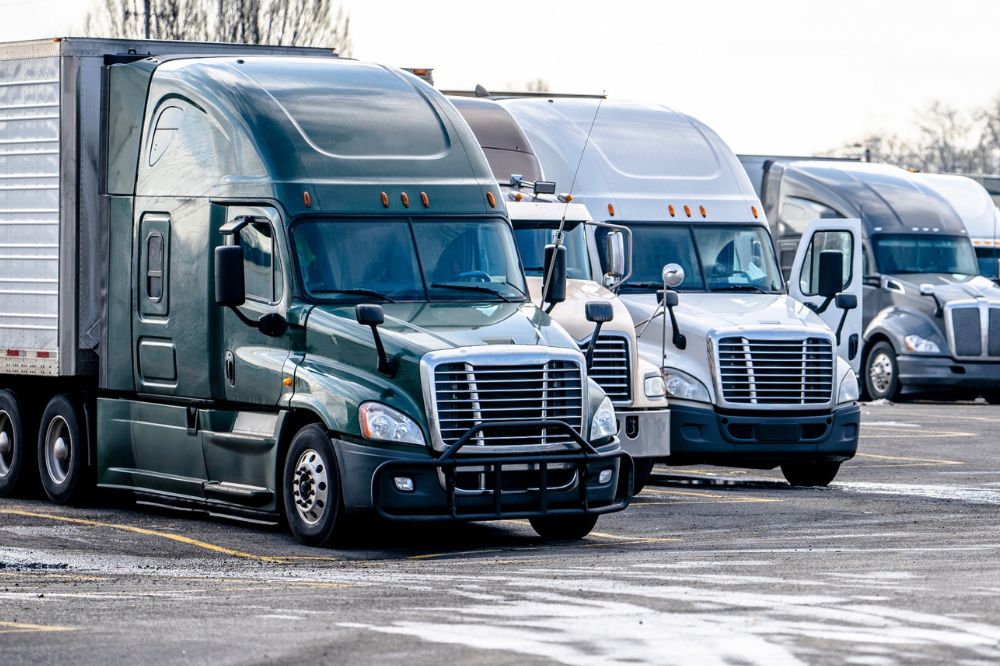
truck stop parking

5. Truck Parking and Infrastructure

Truck parking has been a persistent issue in the industry, and it’s getting worse.

The shortage of safe and secure parking spots forces drivers to park in unsafe locations, increasing the risk of cargo theft and putting drivers in potentially dangerous situations.

This issue can also lead to violations of federal hours of service (HOS) rules when drivers can’t find legal parking spots within their time limits.

In the US, there is only one parking spot available for every 11 trucks on the road, making it extremely difficult for drivers to find a place to rest. The problem is even worse in urban areas and along major freight corridors.

6. Scheduling Delays (Detention Delay)

Detention delays, when drivers are forced to wait at loading or unloading facilities, are a major pain point in the trucking industry.

These delays cost drivers valuable time, reducing their earning potential and leading to plenty of unhappiness in the industry. The problem worsens with staffing shortages at many shipping and receiving facilities, leading to longer wait times.

Most truck drivers are paid by the mile or the load, so time spent waiting is time they’re not earning. This is another aspect that adds to high turnover rates in the industry.

Delays at loading docks can also affect operational efficiency by throwing off carefully planned schedules. This leads to late deliveries and missed deadlines.

This inefficiency can ripple through the entire supply chain, affecting not just the trucking company but its customers and end consumers.

truck regulations

7. Compliance, Safety, Accountability (CSA)

The Compliance, Safety, Accountability (CSA) program is a regulatory framework designed to improve safety in the trucking industry. While its goals are important, navigating the complexities of CSA compliance can be challenging for trucking companies.

CSA covers a wide range of regulations, from vehicle maintenance and driver qualifications to hours of service and environmental standards. Keeping up with these regulations requires ongoing investment in training, technology, and sometimes new equipment.

Non-compliance with CSA regulations can result in severe penalties, including fines, increased insurance premiums, and even the suspension of your operating license. This makes it critical for companies to stay informed and stick to all applicable rules.

CSA scores are also used to assess a company’s safety performance. Poor scores can lead to increased scrutiny from regulators, higher insurance costs, and damage to a company’s reputation, making it harder to attract business.

To manage CSA compliance effectively, trucking companies need to invest in regular training for drivers and staff. Implementing robust safety programs and using the right technology to monitor and ensure compliance is also important – all things that can make operating a trucking company more difficult.

8. Equipment Maintenance and Supply Chain Disruptions

Maintaining a fleet of trucks is a constant challenge, particularly in an environment where supply chain disruptions have made it harder to obtain parts and equipment.

Ongoing global supply chain issues cause delays in obtaining parts, making it difficult to keep trucks on the road. Even minor repairs can become major downtime if parts aren’t readily available.

Many companies have also been forced to keep older trucks on the road longer than planned because of the difficulty in obtaining new vehicles. Older trucks require more frequent maintenance, which increases costs and the risk of breakdowns.

Final Thoughts

Running a trucking operation is demanding in today’s climate. However, while there are plenty of challenges facing the trucking industry, there are also solutions to all of them. Being aware of these challenges and knowing how to overcome them is key to long-term trucking success.

One of the most effective ways to overcome the challenges truck drivers face is by being an owner-operator with a reliable vehicle. Get in touch with us at Mission Financial Services if you’re considering investing in your own truck. We make it easy for all truck drivers to access the financing they need for their ideal vehicle.

Archives

Sign Me Up!

Stay up to date with the latest news in the commercial trucking industry.

Contact Us
close slider