
Office: (404) 975-4800

Adie Marais

Is Leasing a Semi Truck Right for You? Pros and Cons Explained

Is Leasing a Semi Truck Right for You? Pros and Cons Explained

Choosing whether to lease or finance a semi-truck can significantly impact your trucking career’s future. Leasing promises lower upfront costs and flexibility, while financing builds equity and long-term stability. Ultimately, the right choice depends on your goals, your finances, and how you plan to use the truck.

Today, we’re going to discuss what a semi truck lease actually involves, the major advantages and drawbacks, and how to decide whether leasing is the right path for you. We’ll also explore alternatives such as financing and direct lender loans, allowing you to create an informed plan for your business.

What Does It Mean to Lease a Semi Truck?

A semi-truck lease is an agreement where you pay a fixed monthly payment to use a truck for a specified lease term. Unlike buying, you don’t own the truck at the end of the contract unless it’s a lease-purchase deal, where you can buy the truck after making all scheduled payments.

There are different kinds of leasing options:

  • Full-service lease: The leasing company covers most maintenance, repairs, and substitute vehicles, allowing drivers to focus on hauling freight.
  • Lease-purchase agreements: These provide the option to own the truck at the end of the contract; however, the costs are often higher, and the lease agreement may have stricter financing requirements and terms.
  • Short-term rentals: Sometimes, fleets and companies lease trucks by the week or month to fill gaps in inventory or meet seasonal transportation demands.

In every case, you gain access to a truck without having to make the large down payment typically required for traditional financing.

See our guide on the Requirements for Leasing a Semi-Truck for more information.

Delivery, container and happy truck driver moving industry cargo and freight at a shipping supply chain or warehouse. Smile, industrial and black man ready to transport ecommerce trade goods or stock

Pros of a Semi Truck Lease

Leasing a truck comes with clear benefits, especially for new drivers or small businesses looking to improve cash flow. Here are the most prominent advantages.

Lower Upfront Costs Compared to Financing

With a semi truck lease, you don’t need to make a large down payment, which can be tens of thousands of dollars, if you were buying. Instead, you keep more money available for critical operating expenses like fuel, insurance, repairs, and taxes. For a company driver moving into independent contractor work or a new owner-operator, this means you can start hauling freight without draining your savings. In a tight freight market, having that extra cash flow for day-to-day business needs can be the difference between success and struggling to stay afloat.

Flexibility to Upgrade or Switch Trucks

Leasing makes it easier to stay equipped with newer, safer, and more fuel-efficient commercial trucks. At the end of your lease term, you can upgrade instead of being tied to an older vehicle. This matters in a shifting market, where keeping a truck that’s equipped with the latest technology can lower operating costs and improve safety scores. Newer trucks are also more attractive to customers and fleets looking for reliable transportation partners.

Fewer Maintenance Responsibilities and More Money For Business Expenses

With a full-service lease, many of the biggest repairs and routine maintenance tasks are covered by the leasing company. This often includes scheduled service, emergency repairs, and even substitute vehicles if your truck is down. That coverage reduces the hassle and unexpected expenses that can eat into your profit.

For independent contractors and small fleets, this translates into more money available for other business expenses, such as fuel, insurance, taxes, and driver support. Instead of tying up cash in unpredictable repair bills, you can stabilize cash flow and put funds toward growing your transportation business, finding new customers, or staying competitive in a shifting freight market.

Easier Credit Check Approval for Drivers With Bad Credit

Many leasing semi-truck programs have more flexible credit check requirements than traditional loans. This makes them a realistic option for drivers with poor or limited credit history who still want to lease a semi truck and start a business. While monthly payments may be higher than what the best-qualified buyers expect, a lease gives you access to a truck, the ability to haul freight, and a chance to build your record in the industry. A semi truck lease can be the entry point to proving yourself in the trucking market.

Cons of a Semi Truck Lease

A lease isn’t without its drawbacks. In many cases, the downsides outweigh the benefits, especially in the long run.

No Equity or Ownership at End of Lease

At the end of a lease term, you return the truck unless it’s a lease-purchase deal. Unlike financing, where you own a semi truck once it’s paid off, leasing leaves you without an asset to sell or leverage later. That means you can’t trade the vehicle in for an upgrade, borrow against it, or use it to expand your business. This limits long-term success and the ability to build real value and equity in your transportation company.

Higher Long-Term Costs Compared to Buying

A semi truck lease often has lower monthly payments than financing, but over time, the costs add up. Since you never gain ownership, you’re continually paying for access without building equity. Even if you save on repairs or maintenance through a full-service lease, the combined payments over several years may take more money out of your pocket than purchasing or financing a truck would. What initially was a cheaper option actually reduces your improved cash flow in the long run.

Lease Restrictions (Mileage, Customization, Early Termination Fees)

Most lease agreements include restrictions that directly affect how you operate your business:

  • Mileage limits penalize you if you haul too much freight, which can cut into profits during busy weeks in the freight market.
  • Rules against customizing the vehicle may stop you from adding safety technology, improving fuel efficiency, or branding the truck with your company name to attract more customers.
  • Early termination fees can cost thousands of dollars if you need to exit the lease before completion – a major risk if freight slows or your driving plan changes.

These restrictions add hassle and can make it more difficult for independent contractors or fleets to remain flexible.

Risk of Predatory Lease-Purchase Agreements

Some lease completion or lease-purchase programs advertise the opportunity to own a semi-truck after making payments for years. However, these predatory lease agreements often have hidden expenses, inflated costs, and unfair terms, resulting in the driver paying far more than the truck is worth.

In some cases, drivers never gain ownership of their vehicles. Industry experts caution drivers to review every lease agreement carefully, watch for unclear wording, and avoid deals that promise support but deliver little more than debt.

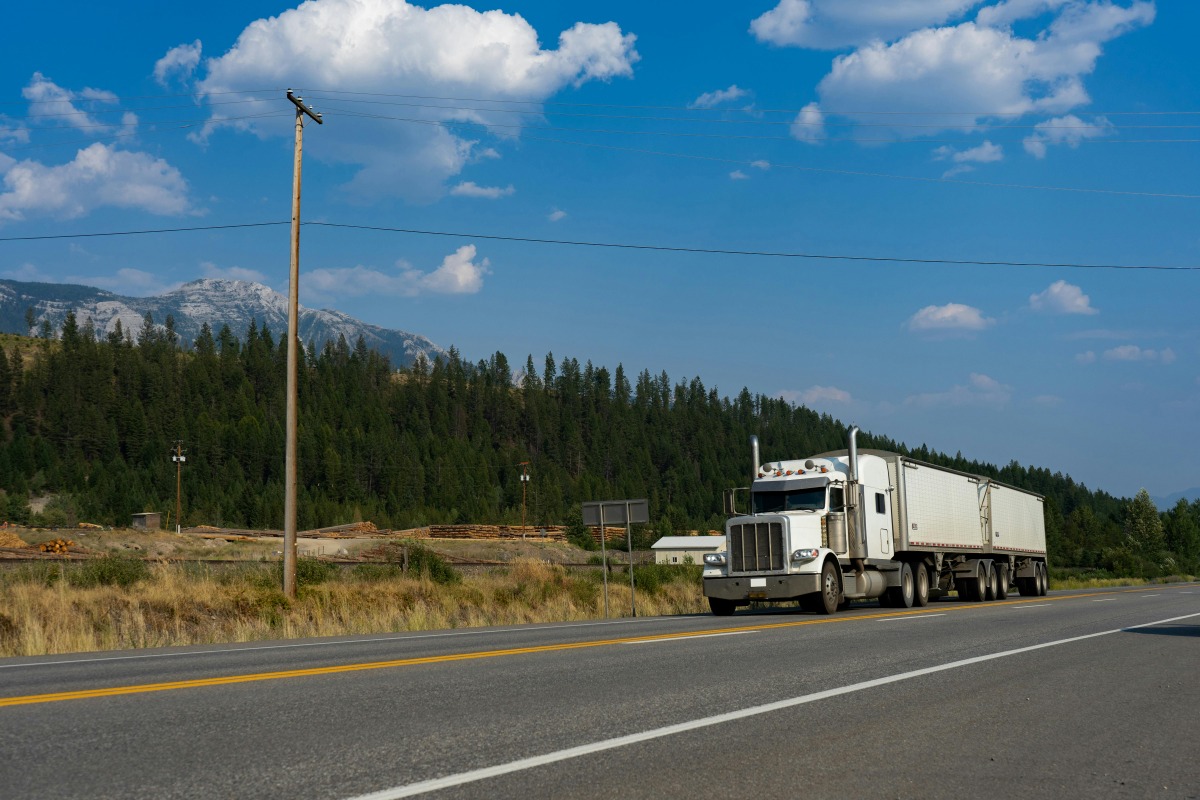
large freight truck on highway

Who Should Consider Leasing a Semi Truck?

Leasing can be a suitable option for some, depending on your goals and circumstances.

First-Time Owner-Operators Testing the Industry

For a first-time owner-operator, a semi truck lease gives you access to a truck without having to come up with a large down payment. Leasing lets you haul freight as an independent contractor while you test the waters of the trucking business. You can focus on gaining experience, serving customers, and building confidence before you decide whether full ownership is the right move for your long-term success.

Drivers With Bad Credit or Limited Financing Options

If your credit history (or lack of it) keeps you from qualifying for traditional loans, leasing semi trucks may be your best option. While you won’t gain ownership at the end of the lease term, you’ll still be able to get on the road, start generating income, and strengthen your credit profile. Over time, this can improve your business standing and eventually make you eligible for financing programs with fewer restrictions and more money going back into your pocket.

Fleets Needing Short-Term or Seasonal Trucks

Leasing can help you cover business needs during peak demand. When seasonal freight volumes rise or your existing inventory of trucks is down for repairs, flexible rentals and short-term lease agreements make it possible to stay equipped without locking into a long contract. You’ll have the vehicle access you need to keep customers happy and your transportation plan running smoothly, while avoiding long-term expenses tied to buying additional trucks outright.
Semi Truck Insurance_ Coverage Types, Costs & Tips to Save 5

Alternatives to Leasing a Semi Truck

If you’re hesitant about a semi truck lease, there are other ways to gain access to a truck.

Financing Through a Direct Lender

Direct lenders, like Mission Financial Services, offer semi-truck loans without the restrictions of leasing. Financing may require a down payment and a credit check, but once the truck is paid off, you gain full ownership – an asset you can keep, sell, or leverage for business purposes.

Owner-Operator Loan Programs

Specialized loan programs help independent contractors become owner-operators. These loans often come with flexible terms, making them ideal if you want to transition from company driver status to owning your own commercial trucks.

Options for Bad Credit or First-Time Buyers

Even if you have low credit, there are bad credit loans designed to help. Mission Financial works with drivers who may not qualify elsewhere, offering financing for semi trucks and commercial vehicles that other lenders won’t cover. Unlike some lease-purchase programs, these loans are structured for fairness and business success.

When Buying or Financing May Be the Better Choice

For many, financing or buying a semi truck makes more sense than leasing. If you plan to stay in the industry long term, financing builds ownership and stability. Once your truck is paid off, you can continue using it without monthly payments, improving cash flow and reducing expenses. Financing also gives you the freedom to customize your vehicle, manage your own maintenance plan, and eventually sell or trade the truck. If you want to build a career and own your business, financing is often the better investment.

Conclusion

Leasing a semi truck can be a smart way to get started, especially if you’re new to the industry, running a fleet with short-term needs, or working with limited credit. But it also comes with trade-offs: no equity, higher long-term costs, and restrictions that limit your flexibility.

If you’re serious about building equity, improving cash flow, and creating long-term stability in your trucking business, financing a truck may be the better move. The right path ultimately depends on your goals and how you want to shape your career.

Mission Financial Services makes that next step easier. We offer flexible financing programs designed for independent drivers, small fleets, and first-time buyers so you can move beyond leasing, own your truck, and grow your business with confidence.

Start your credit application today and take control of your future in the trucking industry.
Commercial Truck Financing Rates in 2026: How to Get the Best Deal

Commercial Truck Financing Rates in 2026: How to Get the Best Deal

Commercial truck financing rates can make or break the deal when you’re buying your next semi, box truck, or dump truck.

For owner-operators and small fleets, the gap between a 9% rate and a 14% rate adds up fast. It can mean hundreds more on your monthly payment and thousands lost over the life of the loan.

Rates in 2026 range from roughly 6% to 35% or much higher, depending on your credit, the lender, the type of loan, and the truck you’re financing. Freight rates are finally climbing again, but operating costs haven’t budged, so locking in the right terms matters more than ever.

In our experience working with owner-operators and small fleets every day, the businesses that shop smart on financing keep more cash for fuel, repairs, and growth.

Here’s what’s driving rates in 2026 and how you can put yourself in the driver’s seat.

What Are Commercial Truck Financing Rates?

Commercial truck financing rates are the interest percentage lenders charge when you borrow money to buy or repair a commercial truck or other commercial vehicle.

These rates shift based on several factors. Your credit history, the lender’s risk assessment, the type of truck, and overall market conditions all play a role.

For truck drivers and small businesses, the financing rate directly affects day-to-day operations:

  • Monthly payments: Higher rates increase what you owe every month, leaving less room in your budget.
  • Total cost of ownership: Interest adds up over the loan term, raising the real price of your truck.
  • Cash flow and growth: Lower rates free up more money for fuel, repairs, and payroll.

Securing competitive commercial truck interest rates helps you keep trucks on the road, expand your fleet, and stay ahead in a tight freight market.

Average Commercial Truck Financing Rates in 2026

If you’re planning to buy a semi truck or grow your fleet this year, knowing the average rates helps you budget realistically.

Rate Ranges by Loan Type

Different financing channels offer different semi truck loan rates, and each comes with trade-offs.

Bank Loans

Bank loans typically start around 6% to 8% for well-qualified borrowers. Banks usually offer the lowest commercial truck loan interest rates and the longest terms, but they require strong credit, a sizable down payment, and a detailed financial history. Approval can take weeks.

SBA Loans

SBA loans split into two main programs, and your rate depends on which one fits your purchase. The SBA 504 program, built specifically for equipment purchases like trucks, offers fixed rates pegged to an increment above the 10-year U.S. Treasury rate, with repayment terms of 10, 20, or 25 years.

The more general SBA 7(a) program tends to run higher than the 504 with interest around the 7.25% to 9.75% range.

Either way, expect plenty of paperwork and a longer wait before funds release.

Online and Direct Lenders

Online and direct lenders, including Mission Financial, offer semi truck loan rates typically from 7.9% up to 30% or more, depending on credit profile and time in business. The advantage is speed, since some approvals happen in 24 to 48 hours.

In addition, a driver who doesn’t meet a bank’s minimum credit score could still secure a bad credit loan through Mission Financial to buy a used semi truck. The rate may run higher than a bank’s, but fast approval gets you back on the road generating income, and you can refinance once your credit improves.

In-House Dealership Financing

In-house dealership financing is convenient since you choose your truck and financing in one place. The lack of competitive shopping usually means you’ll pay more over the life of the loan.

Owner-Operators vs. Small Fleets

Owner-operators typically face higher rates than small fleets. Personal-credit semi truck loans generally run 6% to 12% APR, while business-credit fleet loans land closer to 5% to 9% APR for borrowers who meet conventional lending criteria.

Small fleet loans usually come with better terms because lenders see stronger cash flow and a longer track record across multiple trucks. First-time buyers and newer owner-operators can still find financing, but should expect higher rates until their business credit and revenue history build up.

Commercial Truck Loan Rates for New vs. Used Vehicles

Interest rates on new commercial trucks are generally lower than those for used trucks. Lenders view newer vehicles as a safer investment since they carry fewer repair risks and hold their value longer.

  • New trucks: Average financing rates hover around 8% to 10%, with well-qualified buyers sometimes seeing rates as low as 6%.
  • Used trucks: Rates are higher, averaging 12% to 14%, with some borrowers facing 15% or more depending on credit and lender type.

For first-time buyers, used trucks may look more affordable upfront, but higher semi-truck financing rates can add thousands to the total cost of ownership over the life of the loan.

Look Beyond the Rate: APR, Fees, and the Real Cost of Borrowing

The advertised interest rate rarely tells the whole story.

Several lenders advertise an interest rate instead of an APR. The difference matters because APR folds in origination fees, documentation fees, and other charges. An 8% interest rate with a $2,500 origination fee on a $100,000 loan carries an APR meaningfully higher than 8%.

Always ask for the APR in writing before comparing offers. We’ve seen drivers assume two loans were close in cost, only to find one carried thousands more in fees once the math was done.

Down payment requirements also matter. Most lenders ask for 10% to 20% on good credit, but that climbs to 25% or more for older trucks, lower scores, or shorter time in business.

Loan term length shifts the total cost too. A longer term lowers your monthly payment but adds years of interest on a depreciating asset.

Key Factors That Influence Truck Financing Rates

Knowing how lenders evaluate risk helps you understand why your rate looks higher or lower than average, and what you can do about it:

  • Credit score and credit history: Higher scores mean lower rates; weak credit pushes rates up.
  • Down payment size: A larger down payment reduces the loan amount and often unlocks better terms.
  • Truck age and mileage: Newer trucks cost less to finance, while older, high-mileage trucks raise rates.
  • Type of truck: Semi trucks often get better rates than niche vehicles like dump trucks or delivery vans.
  • Time in business: Established fleets pay less than first-time buyers with no track record.
  • Lender type: Banks may advertise the lowest rates, while direct lenders offer faster approvals and more flexibility.

Improving even one or two of these can meaningfully cut your borrowing costs.

Tax Considerations for 2026

A truck purchase isn’t just a financing decision. It’s also a tax one.

From the 2026 tax year, the IRS allows businesses to deduct up to $2,560,000 in qualifying equipment under Section 179, with the deduction phasing out after $4,090,000 in purchases for the year.

That said, a tax deduction shouldn’t drive the purchase on its own. We always recommend working with a CPA who can weigh Section 179 against your specific financing structure before you sign anything.

Market Trends Impacting Rates in 2026

Several real-world trends are actively shaping truck financing this year.

Interest Rates and the Freight Market

The Federal Reserve’s most recent H.15 release put the bank prime loan rate at 6.75% as of late May 2026. Most business credit products are still priced in an environment where capital carries a real cost.

At the same time, the freight market is recovering. Tender rejections climbed past 14% in late April, and spot rates have moved up double digits year-over-year. That’s good news for revenue, but it doesn’t offset what it costs to operate.

Operating Costs Keep Climbing

According to ATRI’s 2025 Operational Costs of Trucking report, the average cost to run a truck hit $2.26 per mile in 2024. Strip out fuel, and non-fuel costs reached a record $1.78 per mile.

Truck and trailer payments alone climbed to $0.39 per mile, up 8.3% in a single year.

Lenders factor these rising costs into their risk models. That’s why qualification standards have tightened even as headline rates ease slightly.

How to Get the Best Commercial Truck Financing Rates

Securing favorable rates takes preparation. Here’s what consistently works for the drivers and fleets we finance.

1. Improve Your Credit Score Before Applying

A stronger credit score is one of the most effective ways to qualify for better rates. Pay down balances, make on-time payments a habit, and limit new credit inquiries before you apply.

If your credit is still a work in progress, direct lenders like Mission Financial work with drivers who have less-than-perfect credit. You may start with a higher rate, but building credit over time opens the door to refinancing later.

2. Save for a Larger Down Payment

A larger down payment lowers your loan balance and shows lenders you’re committed. Even setting aside a little extra each month adds up and can shrink your total loan costs.

3. Choose the Right Truck for Better Approval Terms

Lenders view newer trucks or well-maintained used models as lower risk. Focusing on vehicles with strong resale value improves your approval odds and sets up a smoother process.

4. Compare Multiple Lenders and Get the APR in Writing

Rates and fees vary widely between banks, SBA loans, and direct lenders. Compare at least two or three offers, and ask each lender for the full APR, not just the headline rate.

5. Have Your Documentation Ready

In our experience, the carriers who move fastest through approval have their paperwork organized before the first call. Bank statements, tax returns, proof of insurance, and your DOT and MC numbers all speed things up.

Conclusion

Commercial truck financing rates in 2026 continue to hinge on credit, market conditions, truck type, and lender policies. For owner-operators, first-time buyers, and small fleets, understanding these factors helps you secure competitive rates and protect your cash flow.

Mission Financial Services makes it easier for drivers and small fleets to get the financing they need, even with bad credit or a limited track record.

Start your credit application with Mission Financial Services today and get back on the road with confidence.

Semi Truck Financing 101: How to Get Approved & What to Expect

Semi Truck Financing 101: How to Get Approved & What to Expect

semi-truck financing

Updated October 2026

Semi-truck financing is a commercial loan that lets you buy a truck with a down payment and monthly payments. The truck usually secures the loan. Lenders look at your credit, CDL experience, down payment, and the truck’s age and value.

A trucking lender can respond in hours, while a bank can take weeks. Here’s how to finance a semi-truck, what lenders check, and what it costs each month.

Key Takeaways

  • Banks, credit unions, SBA lenders, and trucking lenders all finance semi-trucks, with different speed and credit rules.
  • In our experience, first-time buyers put down 20% to 30% of the truck’s price.
  • Bank and SBA loans usually cost less but need strong credit and more paperwork.
  • Mission Financial Services responds to every application within four hours.
  • Check the monthly payment against your cost per mile before you sign.

What Is Semi-Truck Financing?

Semi-truck financing helps drivers and small businesses buy or repair a truck without paying the full cost up front.

You make a down payment and borrow the rest. Then you repay the loan over a set term with monthly payments and an agreed interest rate.

A semi-truck is a significant investment, and few drivers can pay cash for one. The cost of a new semi-truck runs from about $150,000 to $270,000, depending on the cab and features. A used truck with 400,000 to 700,000 miles usually sells for $40,000 to $80,000.

In most cases, the truck itself serves as collateral. That lowers the lender’s risk and opens financing to owner-operators who can’t get a bank loan.

Equipment loans are the main way owner-operators finance a commercial vehicle. Once you pay off an equipment loan, you own the truck free and clear. The interest you pay on a business truck loan may also be tax-deductible, so ask your tax professional.

Lenders can shape the terms around a single used truck or multiple trucks for a growing fleet.

Semi-Truck Financing Options Compared

Four main types of lenders finance semi-trucks:

Lender type Speed Credit needed Best for
Bank or credit union Often weeks Strong credit and business history Established fleets
SBA-backed loan Slowest; heavy paperwork Strong application Businesses that can wait for lower rates
Trucking lender (like Mission Financial Services) Hours to days Flexible; overall credit reviewed First-time buyers, owner-operators, small fleets
Dealer lease-to-own Fast Little or none Drivers who can’t qualify for a loan

Bank Loans and Credit Unions

Banks and credit unions sometimes offer commercial financing for trucks. Their rates are often lower, but approval is harder to get.

Banks usually want strong credit, tax returns, and a long business banking history. For small businesses and first-time owner-operators, that’s often a dealbreaker.

Direct Lenders and Specialized Truck Finance Companies

A direct lender that specializes in semi-trucks offers faster approvals and more flexible terms. They look past your credit score, and your driving experience and the specific truck play a key role. That can get you a commercial loan even with a bad credit score.

At Mission Financial, we finance first-time buyers and drivers with bad credit. We also offer small fleet loans for owners who need more than one truck.

Lease-to-Own and In-House Financing

Some dealerships offer lease-to-own deals or in-house financing. Dealer financing lets you arrange the loan where you buy the truck. Truck manufacturers’ own finance companies work this way too.

You lease the truck and can buy it with a final payment later. Leasing often has lower monthly payments than a loan, but the terms depend on the lease type:

  • TRAC lease: The lease sets the truck’s residual value up front. At lease end, you can buy the truck for that amount.
  • Fair market value (FMV) lease: You can return the truck or buy it at its market price. Your payments don’t build equity in the truck.
  • Rent-to-own: Part of each payment goes toward owning the truck.

Lease agreements may also include mileage limits and early-termination fees. Go over your agreed miles, and you’ll usually pay a fee for the extra.

Lease-to-own can work for drivers who want to try a used truck before they commit. Read the fine print, and weigh the total cost of leasing a semi-truck against buying one.

Mission Financial Services offers purchase loans only, and we don’t offer leases. We can buy out an existing lease purchase, though.

SBA Loans for Trucking Businesses

The SBA’s 7(a) loan program can fund machinery and equipment purchases, up to $5 million. The government guarantees part of each loan, so lenders take on less risk. The tradeoff is heavy paperwork, a strong application, and a longer wait.

If you need a faster answer or have limited credit history, a trucking lender is usually the better fit.

Semi Truck Financing 101_ How to Get Approved & What to Expect 3

How to Get Approved for Semi-Truck Financing

The process of getting a semi-truck loan approved comes down to five steps. Knowing what each lender expects saves time and improves your odds.

1. Prepare Your Application

Start by gathering the documents lenders ask for. Typical financing requirements include:

  • Bank statements or tax returns
  • Your current CDL
  • Proof of insurance
  • A sales order showing the truck’s price, taxes, and fees
  • A spec sheet with the truck’s year, make, model, VIN, and mileage

Most lenders also ask for your Social Security number so they can check your credit. A complete application cuts out back-and-forth and shows the lender you’re ready to buy.

2. Submit Your Paperwork to Lenders

Send your documents to a semi-truck financing provider. Lenders review your credit history, driving record, and the value of the truck.

If you have bad credit, strengthen the other parts of your file. Show steady cash flow, or put more money down.

3. Wait for Loan Approval

The approval timeline depends on the lender. Banks and credit unions can take weeks, especially if they see trucking as risky.

Because they only lend on trucks, trucking lenders move faster. At Mission Financial Services, we respond to every application within four hours. That speed helps when another buyer is looking at the same truck.

4. Review the Loan Terms

Once you’re approved, read your offer closely. Check these terms:

  • Loan term length (how long you’ll make payments)
  • Interest rate, fixed or variable
  • Monthly payment, and whether it fits your budget
  • Any fees or prepayment penalties

Loan terms vary by lender, and older trucks typically get shorter terms. Knowing the full cost keeps you out of terms that strain your business.

5. Funding and Truck Purchasing

Before funding, the lender needs proof of insurance on the truck. When you accept the loan, the lender sends the funds to the seller or dealership. You make your down payment, sign the paperwork, and take the truck. Your monthly payments then cover principal and interest until you pay off the loan.

What Semi-Truck Financing Costs Each Month

Your monthly payment depends on the amount you borrow, your rate, and the loan term.

Here’s what a $70,000 loan looks like at three example rates:

Rate (example) 48 months 60 months
10% About $1,775/month About $1,487/month
15% About $1,948/month About $1,665/month
20% About $2,130/month About $1,855/month

These examples leave out taxes, fees, and insurance.

Borrowers with strong credit and a newer truck qualify for lower financing rates. In our experience, borrowers with bad credit usually see rates near 18% to 20%.

Check the payment against what the truck earns. Running a truck costs carriers an average of $2.336 per mile in 2025, according to the American Transportation Research Institute.

New or Used: Choosing a Truck by Total Cost of Ownership

Compare trucks on total cost of ownership, which adds fuel, maintenance, insurance, and repairs to the purchase price.

New trucks come with warranties and often cost less to fuel and maintain. They also depreciate quickly in their first few years.

A used truck costs less up front, but repair bills grow as it ages. In our experience, a used truck under 10 years old gives owner-operators the best balance of price and reliability.

Plan for how long you’ll run the truck and how many miles you’ll put on it. That long-term plan shows which truck you can afford over the life of the loan.

How Much Down Payment You Need (and Other Approval Tips)

First-time buyers usually need to put down 20% to 30% of the truck’s price.

A bigger down payment can make up for weaker credit or less CDL experience. These steps also help your application:

  • Save for a down payment: Putting your own money in shows commitment and lowers the lender’s risk.
  • Check your credit: Fixing report errors can raise your score. The CFPB explains how to dispute an error.
  • Organize business documents: Clear records of income and expenses build a lender’s confidence.
  • Choose the right truck: A reliable used truck at a fair price keeps your loan amount and down payment lower.
  • Highlight experience: Owner-operators with years in the industry often get better rates than first-time buyers.

Getting your paperwork in order before you apply makes a big difference. A stronger application gets you better terms and a payment you can manage.

Man stacking piles of coins, representing costs

Finance Your Semi-Truck With Mission Financial Services

We work with owner-operators, first-time buyers, and small businesses, including drivers who banks have turned away. We finance single trucks and small fleets, and we lend directly in the 48 continental states.

Ready to finance your next semi-truck? Start your credit application and we’ll respond within four hours.

Frequently Asked Questions

How Hard Is It to Get Financed for a Semi-Truck?

It depends on the lender. Banks want strong credit, tax returns, and years of business history, so many new owner-operators get turned down. Trucking lenders look at your overall credit, CDL experience, and down payment. That makes approval easier for first-time buyers and drivers with bad credit.

What Are Current Semi-Truck Financing Interest Rates?

Rates depend on your credit, the truck’s age, and the lender. Borrowers with strong credit and newer trucks get the lowest rates.

Borrowers with bad credit usually pay rates near 18% to 20%. Older, high-mileage trucks can push the rate higher.

Are Banks Good for Semi-Truck Financing?

Banks and credit unions often offer lower rates. They usually want strong credit and a long business banking history. If a bank turns you down, check a trucking lender or an SBA-backed loan next.

How Much Is a Monthly Payment on a $70,000 Truck?

A $70,000 loan over 60 months costs about $1,487 a month at 10% and about $1,855 at 20%. Over 48 months, the same loan costs about $1,775 to $2,130 a month. Taxes, fees, and insurance come on top.

How Much Down Payment Do I Need for a Semi-Truck?

First-time buyers usually put down 20% to 30% of the truck’s price. A larger down payment can get you approved with weaker credit or less CDL experience. It also lowers your monthly payment.

Can I Finance a Used Semi-Truck?

Yes. Mission Financial Services finances used trucks from dealerships and private sellers. A newer truck with fewer miles usually gets a better rate.

Semi Truck Insurance: Coverage Types, Costs, and Tips to Save

Semi Truck Insurance: Coverage Types, Costs, and Tips to Save

Running a trucking business comes with high stakes. One accident, cargo loss, or compliance slip can cost thousands of dollars and jeopardize your operation. That is why semi truck insurance is not just a legal requirement, but a financial safety net for every driver and fleet.

But finding the right commercial truck insurance coverage can feel overwhelming. Premiums are at an all-time high, requirements differ by state, and insurance companies often view new drivers or those with limited credit as higher risk.

Fortunately, we’ve simplified the process. In this guide, you’ll find which types of insurance coverage are required by federal regulations, which optional protections add the most value, what typical policies cost, and practical tips to lower truck insurance rates.

What Is Semi Truck Insurance?

Semi truck insurance is a specialized form of commercial truck insurance designed to protect drivers, fleets, and the entire trucking business from financial risks.

Unlike personal auto insurance, a commercial truck insurance policy must meet strict federal and state regulations and cover exposures unique to the transportation industry.

A proper commercial auto policy blends liability insurance, physical damage coverage, and cargo insurance with optional protections like non-trucking liability insurance. Without it, one accident, theft, or cargo loss could bankrupt a small operator or stall a fleet’s growth.

Who Needs Semi Truck Insurance?

Every driver or fleet operating a commercial vehicle needs some form of semi truck insurance. But the exact requirements depend on whether you are an owner-operator, a small fleet owner, or a leased driver.

Here’s what that looks like depending on your operation:

  • Owner-operators with own authority: Must carry primary liability and additional truck insurance coverage to comply with FMCSA rules.
  • Small fleet owners (1–10 trucks): Need broader insurance solutions like workers’ compensation, general liability insurance, and occupational accident coverage to keep employees and trucks safe.
  • Leased drivers: Often covered under the motor carrier insurance policy, but still need bobtail insurance or non-trucking liability to stay protected off-dispatch.

Whether you’re an independent driver or managing a growing commercial trucking operation, having the right commercial truck insurance coverage keeps your business operations running smoothly.

Required vs. Optional Coverage Types

Not all commercial truck insurance coverage is the same. Some are mandated by federal law, while others are strongly recommended to protect your assets and keep your business stable.

Understanding which is required versus optional helps avoid compliance penalties and costly financial gaps.

Primary Liability Insurance (FMCSA Required)

Federal law makes primary liability insurance non-negotiable for any driver operating under their own authority. This type of liability coverage pays for injuries or property damage you cause in a crash.

The Federal Motor Carrier Safety Administration (FMCSA) requires this commercial truck insurance coverage with limits between $750,000 and $5 million, depending on the cargo.

Without it, your motor carrier authority is suspended, and you cannot legally operate a commercial vehicle in interstate commerce.

Physical Damage Coverage (Optional but Often Required by Lenders)

While not required by federal and state regulations, physical damage coverage is a critical part of a commercial truck insurance policy, especially if your semi truck is financed or leased.

It combines collision and comprehensive insurance, covering accidents, theft, vandalism, or weather damage.

Most lenders will not finalize a truck insurance policy without this coverage, since a fire, rollover, or storm could leave you responsible for repair costs on a truck you still owe money on. This form of truck insurance coverage provides comprehensive protection for your equipment.

Cargo Insurance (Optional but Frequently Contractual)

Cargo insurance (also referred to as motor truck cargo coverage) protects freight from theft, spoilage, or accidents. While not required by federal law, most shippers and brokers demand proof of this commercial truck insurance coverage before awarding loads.

For example, a refrigerated trailer breakdown that spoils $80,000 worth of produce would be financially devastating without cargo coverage. Having this insurance option in your truck insurance policy ensures your trucking business is protected against such losses.

Bobtail/Non-Trucking Liability Coverage (Required by Carriers for Leased Operators)

When a semi truck is operating without a trailer or off-dispatch, the carrier’s liability insurance does not apply. That is why bobtail insurance and non-trucking liability insurance are required by most carriers for leased operators.

Non-trucking liability coverage ensures protection when traveling between loads or handling day-to-day operations outside dispatch. Including this in your commercial truck insurance policy closes an important gap in protection.

Occupational Accident and Workers’ Compensation (Required or Optional Depending on Setup)

For independent owner operators, occupational accident coverage provides medical payments, disability, and wage replacement if injured while working.

Fleets with employees are generally required by state law to carry workers’ compensation insurance, which functions differently from an occupational accident policy.

Both types of insurance coverage are crucial in the trucking industry, which consistently ranks among the most hazardous sectors for workplace injuries according to the BLS. Without this commercial vehicle insurance, both drivers and fleet owners face significant financial risks.

General Liability Insurance (Optional but Highly Recommended)

Unlike primary liability insurance, which protects you on the road, general liability insurance addresses legal liability tied to your wider business operations. Examples include property damage at a customer’s dock or injuries during loading and unloading.

While not federally mandated, most trucking companies and motor carriers carry it to avoid lawsuits that could threaten their business running smoothly. For fleets and large trucking companies, it provides an additional layer of comprehensive protection beyond standard truck insurance coverage.

How Much Does Semi Truck Insurance Cost?

Insurance premiums are a top operating line item for many trucking businesses.

The American Transportation Research Institute (ATRI) reports that truck insurance premiums averaged $0.088 per mile in 2022 across for-hire carriers, rising with other cost centers as total marginal cost hit $2.251 per mile that year. In 2023, insurance premium costs rose another 12.5 percent to $0.099 per mile.

Average Premium Ranges for Owner-Operators and Fleets

Instead of broad ranges, use ATRI’s per-mile benchmark to estimate your annual insurance outlay based on how many miles you run:

Use the formula: Insurance premium spend ≈ insurance CPM × annual miles.

At $0.088 per mile and 78,863 average miles per truck in 2022, the benchmark spend is about $6,941 per truck per year.

At $0.099 per mile (2023 benchmark), the same annual miles imply ~$7,808. These are industry averages, not quotes, but they give owner-operators and small fleets a defensible planning number.

Keep in mind, ATRI’s figures are aggregated across sectors and fleet sizes. Your commercial truck insurance policy can be priced higher or lower based on risk factors, coverage limits, and loss history.

Factors That Influence Cost

Your insurance premium can be affected by a number of factors, including:

  • Truck type and age: Higher tractor values generally push physical damage coverage higher, especially with newer equipment and costly repairs.
  • Driving history and experience: Clean records and strong safety performance tend to reduce liability insurance costs, while violations and losses increase premiums.
  • Operating radius and routes: Long-haul, dense metro areas, and high-exposure corridors tend to carry higher-risk loads that influence pricing.
  • Cargo type and limits: Hazardous materials or high-value freight often require higher cargo insurance limits. FMCSA minimum financial responsibility for public liability ranges from $750,000 to $5,000,000, depending on the commodity.
  • Regulatory environment: Interstate operations must meet federal minimums, while some states set additional intrastate requirements. Always confirm current rules with your state DOT or insurance department.

Cost Differences: New Authority vs. Leased Operators

Insurance costs also look very different depending on whether a driver holds their own authority or operates under a motor carrier lease.

Understanding the gap is key to planning realistic truck insurance rates:

  • New authority: Carriers with their own authority typically face higher truck insurance rates at the outset because they lack a safety record and file higher federal liability limits.
  • Leased operators: When leased to a motor carrier, some liability coverage is often provided by the carrier’s policy while the driver still purchases non-trucking liability and physical damage. Actual premiums vary by contract terms, equipment value, and driver history.

For budgeting, ground your expectations in verifiable benchmarks. ATRI’s insurance premium cost per mile, multiplied by your realistic annual miles, gives an evidence-based estimate you can refine once you receive a formal truck insurance quote.

Semi Truck Insurance_ Coverage Types, Costs & Tips to Save 5

Tips to Lower Semi Truck Insurance Premiums

While high premiums are common in the trucking industry, there are effective ways to reduce costs on semi truck insurance without compromising the coverage your business depends on.

1. Maintain a Clean Driving Record

Safe and defensive driving is the most effective way to lower semi truck insurance premiums. A history free of crashes and violations tells insurance companies that you present fewer liability claims, which directly reduces truck insurance rates.

For owner operators and small fleets, keeping violations off your record can save thousands of dollars each year on a commercial truck insurance policy. Training drivers, monitoring hours of service, and enforcing safety rules are proven ways to keep your record clean.

2. Invest in Safety Programs and Telematics

Many insurance providers now offer discounts when fleets use dashcams, telematics, or GPS systems. These tools document safe driving habits, lower accident frequency, and help manage day-to-day operations.

A commercial auto policy priced at $0.099 per mile can shrink significantly if an insurer sees verifiable safety investments. For trucking companies with multiple drivers, this can mean tens of thousands in annual savings.

3. Increase Deductibles Strategically

Raising deductibles is a simple way to secure affordable truck insurance, but it comes with trade-offs. Higher deductibles lower your premium on physical damage coverage and comprehensive insurance, yet they increase out-of-pocket repair costs after a loss.

The key is balancing short-term savings with long-term financial risks. If you have steady cash reserves, increasing deductibles can be a smart strategy.

4. Bundle Coverage and Compare Truck Insurance Quotes

Combining liability coverage, physical damage insurance, and cargo insurance into one commercial truck insurance policy often results in competitive rates.

In addition, every trucking business should compare at least three truck insurance quotes before committing. Comparing quotes ensures you’re not overpaying for the same coverage options.

Just make sure each quote offers identical limits, deductibles, and protections before making your choice.

5. Work With Specialized Trucking Insurance Agents

Not all insurance companies understand the trucking industry.
Agents who specialize in commercial trucking can match you with the right commercial truck insurance coverage for your operation, whether you need motor truck cargo coverage, non-trucking liability insurance, or a general liability insurance add-on.

They’re also more familiar with federal regulations and state requirements, helping you avoid compliance issues that could result in fines or suspended authority.

6. Improve Business Credit and Financial Standing

Your credit history matters to both lenders and insurance providers. A strong business credit profile can unlock better truck insurance rates and increase access to capital when you need it.

While drivers with poor or limited credit often pay more for commercial auto insurance, improving creditworthiness lowers costs over time. Building business credit cards, maintaining positive cash flow, and paying down debt can all make your insurance policies more affordable.

Choosing the Right Semi Truck Insurance Provider

Finding the right commercial truck insurance provider is just as important as choosing the policy itself. Here are key factors to evaluate when selecting an insurance company for your trucking business.

Expertise in Commercial Vehicle Insurance and Federal Rules

Look for insurance providers with experience in commercial vehicle insurance, motor carrier insurance, and compliance with federal and state regulations.

This ensures your policy includes the proper liability coverage and meets FMCSA requirements for primary liability.

Responsive Claims Management

Accidents and cargo losses can put a truck out of service for days. The best insurance companies have dedicated claims management teams who handle liability claims quickly, coordinate repair costs, and minimize downtime.

Ask providers about average claims response times before you sign a truck insurance policy.

Transparent Terms and Coverage Options

Every commercial truck insurance policy comes with exclusions, deductibles, and specific coverage options. Reliable insurance providers explain how these terms impact your business, including cargo insurance, physical damage, or non-trucking liability, helping you avoid surprises when filing a claim.

Reputation and Financial Stability

Choose insurance companies with strong credit ratings, great add-on coverage, and a proven track record in the insurance industry.

A provider’s financial health directly affects their ability to pay large liability claims or handle multiple settlements at once. Industry leaders have built reputations around serving trucking companies specifically.

Support for Fleets and Growth

If you operate a small fleet or plan to expand, confirm that your provider offers scalable insurance solutions. Some carriers specialize only in single-truck operations, while others can cover large fleets under a single commercial auto policy with consistent competitive rates.

Choosing the right partner not only gives you reliable insurance coverage but also stabilizes your financial footing.

For example, pairing a trusted truck insurance provider with flexible financing tools like commercial truck repair loans or small fleet loans helps keep your business operations running smoothly when high premiums or sudden repair bills strain your cash flow.

Final Thoughts

Semi truck insurance is the foundation that protects your truck, your cargo, and your livelihood from financial risks.

From primary liability required by the FMCSA to optional protections like cargo coverage, non-trucking liability insurance, and general liability insurance, the right commercial truck insurance policy keeps your business compliant and your future secure.

For owner operators, small fleets, and drivers establishing their own authority, insurance is only one part of staying resilient. Premiums, deductibles, and unexpected repair costs can put real strain on cash flow. That’s why pairing the right truck insurance coverage with accessible financing makes sense.

Mission Financial Services helps drivers handle expenses that insurance doesn’t cover, keeping trucks on the road and business operations running smoothly.

Looking for ways to balance insurance costs with reliable capital? Apply with Mission Financial Services today and keep your trucking business protected and moving forward.

Cass Transportation Indexes July 2025: Freight Volumes Decline and Tariffs Hit Hard

Cass Transportation Indexes July 2025: Freight Volumes Decline and Tariffs Hit Hard

The July 2025 Cass Freight Index confirms what many drivers have already felt: loads are lighter, costs remain stubborn, and tariffs are reshaping the market.

For semi-truck owner-operators, small fleets, and first-time buyers, the combination of weaker volumes and higher costs is pushing margins thin – and making access to reliable trucking financing more critical than ever.

July 2025 Cass Index Reveals Freight Slowdown

According to the Cass Freight Index report, shipment volumes fell 1.8% month-over-month and 6.9% year-over-year, marking the steepest annual decline so far in 2025.

While volumes retreated, expenditures only slipped 1.5% from June and actually ticked up 0.4% compared to July 2024, showing that carriers are still paying nearly the same for less freight.

The real standout is the “inferred freight rate,” calculated by dividing expenditures by shipments. In July, this metric jumped 7.9% year-over-year, meaning the cost per unit of freight rose sharply even though volume shrank.

Analysts from ACT Research, which partners with Cass on index analysis, describe it as an “air pocket” in demand worsened by tariffs and uneven inventory cycles.

Tariffs Intensify Pressure on Trucking Costs

The July report makes it clear that new tariffs introduced in 2025 are magnifying the strain.

Tariff increases, including a 25% duty on most goods from Canada and Mexico, plus tariffs on Chinese imports that have increased from 10% to 20% retroactively, have reverberated across supply chains, disrupting pricing and sourcing strategies.

Some shippers pulled freight forward earlier in the year to beat tariff deadlines, leaving a mid-year demand slump in their wake.

Tariffs also raise costs beyond freight demand. Higher import prices mean more expensive replacement parts, tires, and even new trucks, squeezing owner-operators already contending with volatile diesel prices and elevated insurance premiums.

As Cass notes, freight demand is weakening at the same time operating expenses remain high – a double hit for small commercial truck carriers.

What Declining Freight Means for Small Carriers

For large carriers, diversified contracts and stronger shipper relationships provide some cushion. Conversely, the July Cass Index depicts a harsher scenario for independent drivers and small fleets:

  • Fewer load opportunities: With shipment volume down nearly 7% year-over-year, competition intensifies for every available haul.
  • Rising cost per mile: Even as freight spend softens, higher inferred rates reflect modal shifts toward truckload, leaving small carriers paying more to move less.
  • Cash flow uncertainty: Reduced freight options can delay truck payments, repairs, and insurance premiums – critical obligations for small operators.
  • Tariff exposure: With imported equipment and parts becoming more expensive, repair costs climb at the worst possible time.

These pressures are especially acute for first-time buyers or drivers with limited credit history. Without steady access to capital, even one unexpected repair bill or fuel price spike can take a truck off the road.

Financing as a Lifeline for Owner-Operators

This is where Mission Financial Services becomes a critical partner. While banks and traditional lenders may tighten credit in soft freight markets, we continue to provide tailored solutions for drivers often overlooked elsewhere.

With approvals in as little as four hours and consideration for credit scores as low as 460, Mission Financial Services supports:

By smoothing cash flow, ensuring trucks stay operational, and covering unexpected costs, financing becomes a lifeline for small carriers navigating downturns.

Practical Takeaways from the July Cass Index

The July 2025 Cass Index is more than a set of figures. It’s a guide for how drivers and fleets should respond in a shifting market.

Key takeaways include:

  • Prepare for tighter competition: With shipment volumes down 6.9% year-over-year, expect fewer freight opportunities and more carriers bidding for the same loads.
  • Track costs against revenue: Tariffs and inflation are driving up prices on parts, tires, and equipment. Using tools like the Cass Index to ensure you’re not hauling freight at a loss.
  • Protect your cash flow: In a downturn, steady access to working capital is just as important as finding loads. Flexible financing options, such as commercial truck repair loans or title loans, can cover expenses when income dips.
  • Plan with cycles in mind: Cass data shows freight markets move in waves, not straight lines. Positioning your business with a strong financial footing now ensures you’re ready to scale when demand rebounds.

Final Thoughts

The July 2025 Cass Freight Index tells a tough story: freight volumes are shrinking, tariffs are raising costs, and small carriers feel the pinch most. Yet downturns don’t last forever.

By combining smart load evaluation with steady access to financing, owner-operators and small fleets can stay in business today and be ready for tomorrow’s rebound.

Ready to keep your operation moving despite freight headwinds? Start your credit application with Mission Financial Services today, and get the financing support you need to stay on the road and ahead of the curve.

Beyond The Rate: How To Evaluate Loads Using Overdrive’s Profit Tool

Beyond The Rate: How To Evaluate Loads Using Overdrive’s Profit Tool

Every semi‑truck owner-operator needs more than just a good rate per mile. With bouncing fuel, insurance, and repair costs, the real measure of a successful haul is profitability. Overdrive’s Load Profit Analyzer (sometimes called the Profit Tool) helps you see past the gross rate and calculate true profitability.

Keep reading to learn how leveraging this tool can help you make smarter decisions and stay financially healthy with fast, flexible financing from Mission Financial Services.

Why Rate Per Mile Isn’t Enough In Today’s Freight Market

Many drivers still select loads based on rate per mile (RPM), but RPM alone doesn’t paint an accurate profit picture.

In 2025, softening spot rates collide with climbing operational costs, making RPM a risky sole metric. Here’s why:

  • Fuel remains a major cost. While diesel has softened (around $3.51 per gallon in April 2025), the cost is volatile and impacts margins dramatically. A 10-cent swing in diesel price can mean hundreds of dollars difference in weekly fuel expense.
  • Operating costs outpace rates. In Q2 2025, spot freight rates fell 0.5% year-over-year and 1.4% quarter-over-quarter, while fuel outlays declined 10.6% year-over-year. Costs remain a challenge, even as diesel prices ease.

A load paying $10/mile may actually yield less profit than a longer haul at $3/mile, once you factor in fuel, insurance, maintenance, downtime, and other expenses.

Why Profitability Tracking Matters For Owner-Operators In 2025

For small fleets and independent drivers, thin margins make cash flow management critical. Unexpected fuel hikes or repair bills can delay truck payments, force skipped maintenance, or weaken financing applications.

Without visibility into true costs, even seasoned operators risk eroding their business foundation.

By tracking profitability rather than just RPM, drivers protect their ability to:

  • Cover truck and insurance payments on time.
  • Build reserves for maintenance and repairs.
  • Strengthen financing applications for owner-operator loans, first-time buyer loans, or bad credit loans.

This context shows why tools that highlight the real numbers are no longer optional.

Overdrive’s Profit Tool Helps Drivers See the Real Bottom Line

Overdrive designed the Profit Tool as a straightforward solution for calculating profitability in minutes.

It lets drivers input revenue, mileage, and expenses (including fuel, tolls, and fixed costs like insurance, truck payments, and permits), and then displays per-mile and per-day net profit.

The analyzer makes it simple to compare multiple loads side by side, giving owner-operators and small fleets clarity on which hauls truly add to the bottom line.

You can test it out through Overdrive’s Load Analyzer, and even follow an Overdrive Radio podcast that walks through real scenarios.

How To Use the Profit Tool To See True Load Profitability

Overdrive’s Profit Tool works like a business calculator for commercial truck drivers, showing not just what a load pays, but what it really earns after expenses.

To get the most out of it, you’ll want to enter details as accurately as possible. Here are 5 steps to follow.

1. Enter the Load Offer

Start with the basics: miles, freight rate, and total expected revenue. This sets the foundation for the analysis.

For instance, a 1,200-mile run at $2.40 per mile equals $2,880 in gross revenue. By entering these details up front, you establish a baseline that the Profit Tool will measure against your actual costs, giving you a clearer sense of whether the offer is worth your time.

2. Add Variable Expenses

Fuel is the most important line item here. Enter the cost per gallon and your truck’s average miles per gallon (MPG) to get a precise figure. At 6 MPG, a 1,200-mile trip consumes 200 gallons.

If diesel is $3.75 per gallon, fuel alone costs $750. Don’t forget tolls, fuel surcharges, and lumpers. If you’re paying a second driver or splitting miles, add that labor cost.

3. Include Fixed Costs

The tool lets you spread daily fixed costs over each trip. Add your trucking insurance, permits, and truck payments. If your monthly truck payment is $2,400, divide it by 30 to get $80 per day under load. You can also enter a daily salary figure to ensure you’re paying yourself first.

4. Calculate and Compare

Hit “Calculate,” and the Profit Tool generates a complete breakdown:

  • Total cost of the haul
  • Cost per mile
  • Net profit (gross revenue minus total cost)
  • Profit per mile and per day
  • Profit plus salary, if you included a personal pay figure

The real advantage comes when you run the numbers on two or three load offers side by side. The tool makes it clear which run keeps more money in your pocket.

5. Evaluate the Results

Because the interface is simple, drivers can calculate profitability in just a few minutes – even on the road. That means less time guessing and more time choosing the best freight.

The real advantage comes when you stack two or three loads side by side, since the tool highlights which one puts more money in your pocket after fuel, time, and fixed expenses.

Final Thoughts

The rate per mile is only part of the story. Profitability is the ultimate metric. Overdrive’s Load Profit Analyzer helps drivers make data‑driven choices, considering both time and cost to spotlight the most profitable loads.

That clarity keeps your operation stronger and more predictable, especially when you need financing to buy, repair, or expand.

Profit tools help you see which freight keeps money in your pocket. Financing helps you put that insight to work. Whether you need a first-time buyer loan, a repair loan, or support after bad credit, Mission Financial Services has you covered with approvals in as little as four hours.

Make better choices on loads and loans. Start your Mission Financial Services application today.

Archives

Sign Me Up!

Stay up to date with the latest news in the commercial trucking industry.

Contact Us
close slider