

Commercial Vehicle Title Loans: Complete Guide
Did you know that you can get quick cash using your commercial vehicle title? Commercial vehicle title loans can offer fast access to capital when timing matters, but they aren’t right for every situation.
Approval often depends more on the vehicle, its equity, and your income than on a perfect credit score.
But what are commercial vehicle title loans? How do they work? Are there any drawbacks to getting these loans? By the end of this guide, you’ll have a clear picture of how commercial title loans work and everything else you need to know.
Commercial Vehicle Title Loans Explained
Commercial vehicle title loans are a type of loan where you offer your commercial vehicle title as collateral to a lending company. This way, you can meet your immediate financial obligations.
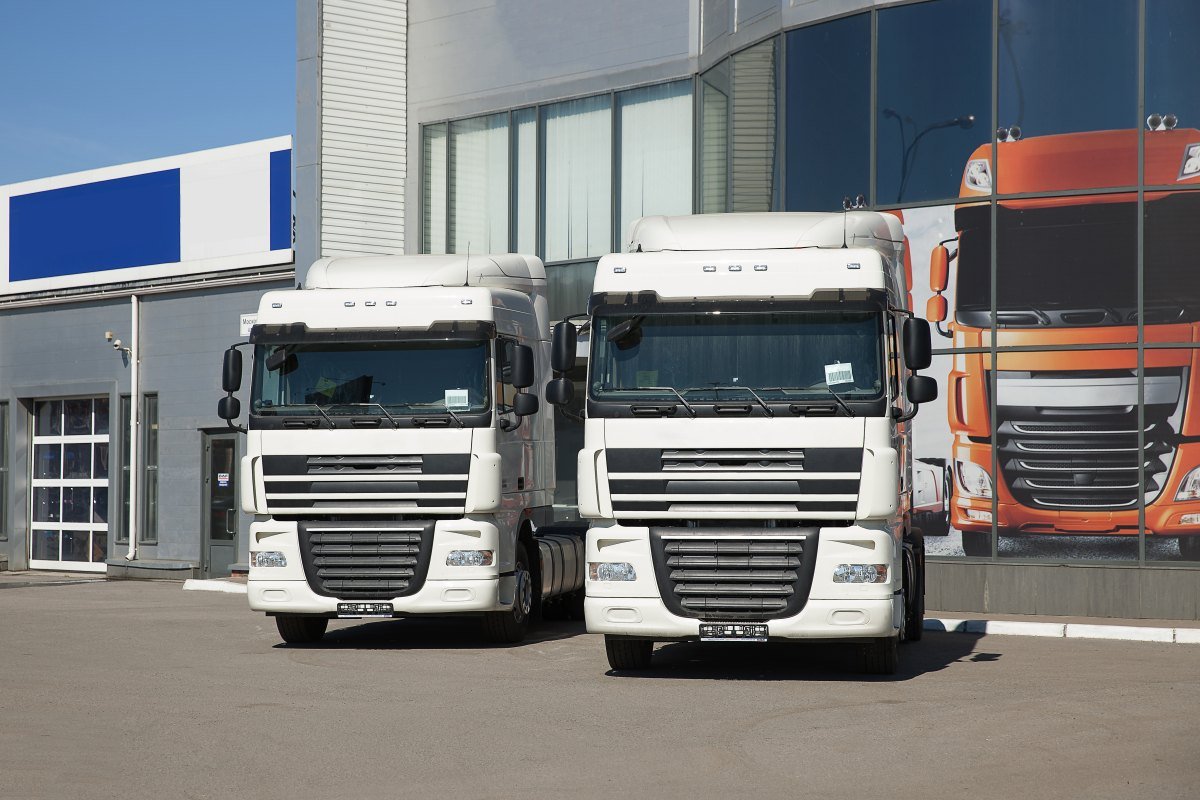
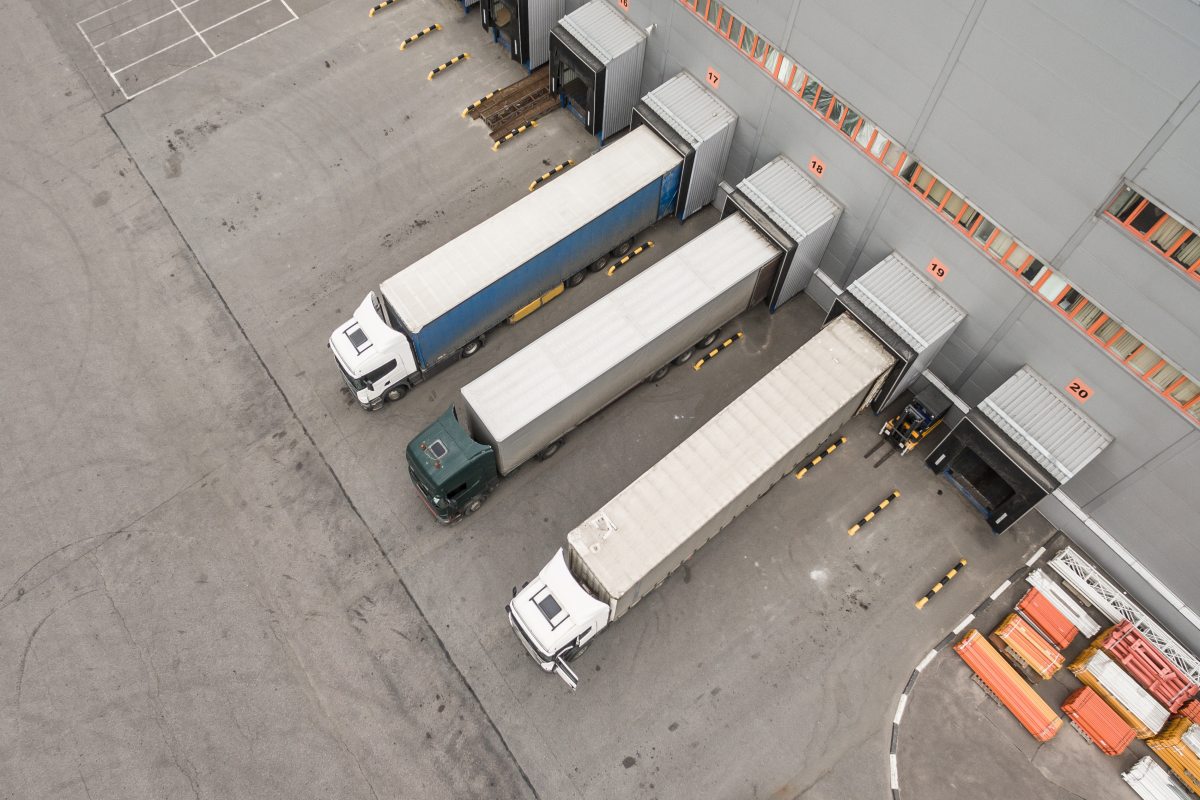
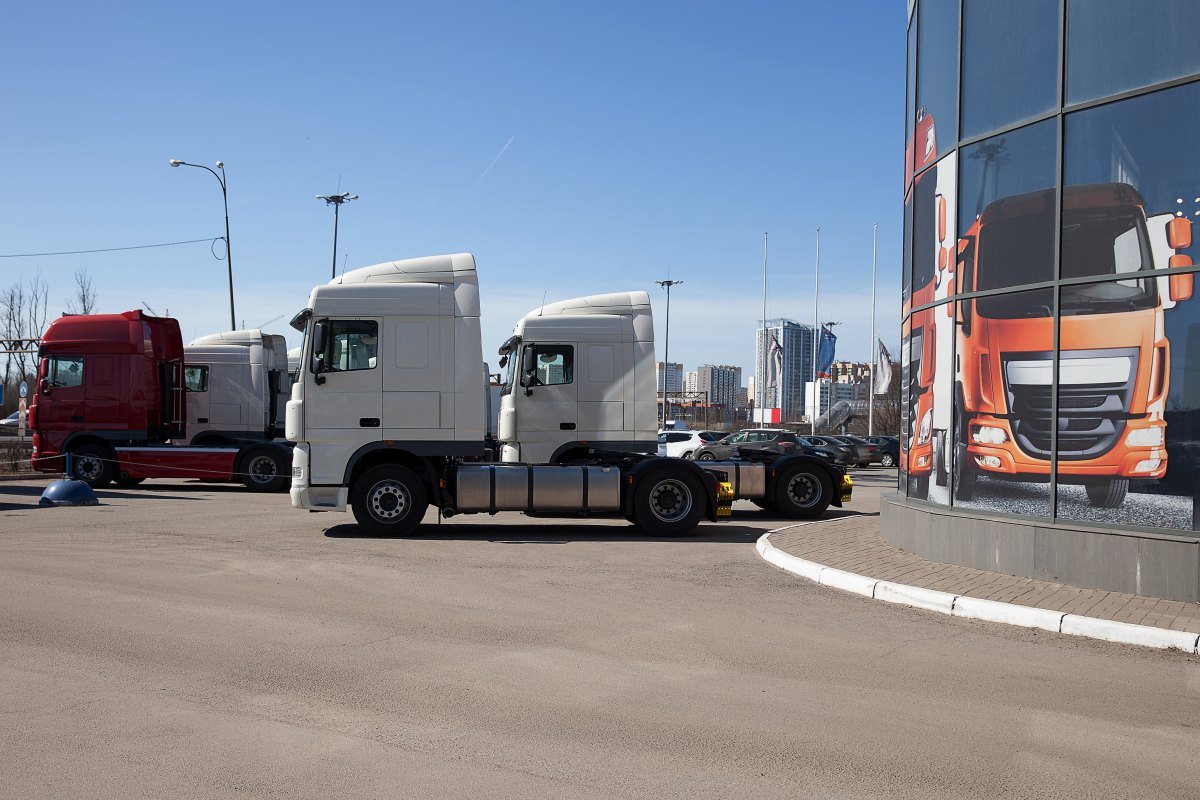
Most lenders accept various types of commercial vehicles as collateral when issuing auto title loans. These can include commercial trucks, like semi-trucks, dump trucks, box trucks, and cement trucks.
The loan amount you may qualify for is tied to the vehicle’s age and condition, along with your ability to repay the loan. Some lenders review credit history, but many focus more on income and the strength of the collateral.
In most cases, lenders require the truck title to be free and clear. If the truck still has a loan, you’ll need enough equity remaining after the payoff to secure the title loan.

How Commercial Vehicle Title Loans Work
The process of getting commercial truck title loans is straightforward once you have all the documents. Lenders will create the financing terms of your loan based on your vehicle’s fair market value.
Borrowers can often access a portion of the truck’s current market value, though the percentage varies by lender, loan type, and state regulations.
To illustrate how commercial truck title loans work, here’s an example:
Let’s say you own a semi-truck with a current market value of $20,000 and you need $7,000 in short-term funding.
If your truck is paid off and free of any liens, you have the full $20,000 in equity. Most lenders will offer a loan worth a portion of that value. In this case, you could qualify for up to $10,000, making it possible to get the $7,000 you need.
Approval depends on the truck’s condition and iif you have a steady income.
Now let’s say you still owe $2,000 on the truck. Your equity would be $18,000 ($20,000 market value minus the $2,000 balance).
Because your equity is lower, the lender may offer a slightly smaller loan – around $9,000. That amount would still be enough to cover your $7,000 need.

What Lenders Typically Review For A Commercial Vehicle Title Loan
Before approval, lenders usually look at:
- The commercial truck’s value and condition: Expect questions about year, make/model, VIN, mileage, engine and transmission condition, maintenance history, and whether the truck is roadworthy. Some lenders may require photos or a vehicle inspection.
- Proof of income or business cash flow: Be ready to show recent bank statements, settlement statements, invoices, or other proof that you have consistent income to cover the repayment schedule.
- Title status and lien position: Lenders need to confirm who is on the title, whether the title is free and clear, and whether there are any liens. If the truck isn’t paid off, they’ll look at how much equity is available after the payoff amount.
- State-specific requirements: Rules vary by state, so lenders may require specific disclosures, maximum fee or interest limits, a cooling-off period, or in-person signing depending on where the title is registered.
Title Loan Repayment Options: Single-Payment vs Installment
Customers can access a commercial truck title loan as a single payment or an installment loan.
Single-payment loans require you to pay the entire loan amount plus interest as a one-off payment at an agreed time. Because the full balance comes due at once, single-payment loans can be riskier if cash flow tightens unexpectedly.
Installment loans let you pay back the money in small, regular monthly payments over a specific period of time. In some cases, installment loans may run longer depending on income and loan size. Longer terms lower monthly payments, but usually increase total interest paid over time.
Refinancing a Commercial Vehicle Title Loan
You can repay the loan in full at any time without penalties. You might also choose to refinance the loan.
Refinancing means replacing your current title loan with a new loan, often with a new repayment schedule. It can lower your monthly payment by extending the term, but that usually increases the total interest you pay over time.
Before you refinance, confirm the new annual percentage rate (APR), total cost of borrowing, fees, and whether the new loan resets any repossession risk triggers in the loan agreement.
How to Apply for a Commercial Truck Title Loan
You can apply online and get the process started. Visit the lender to complete the paperwork, get a vehicle inspection, and receive your funds.
To apply for a truck loan, most applications follow a simple flow:
- Submit a loan application
- Provide vehicle and title details
- Complete inspection or valuation
- Review and sign loan terms
- Receive funds, sometimes the same day
Documents you’ll need:
- Truck title: Must show ownership and lien status. Some lenders require it to be free and clear, or they’ll verify available equity.
- Government-issued ID: Used to confirm identity and match the name on the title.
- Proof of insurance: Usually, current commercial insurance on the truck being used as collateral.
- Proof of income or bank statements: Recent settlements, bank statements, or invoices showing cash flow to support repayment.
- Vehicle details: VIN, mileage, year, make, model, and basic condition information.
- Business information (sometimes required): Business name, EIN, or operating details if the truck is owned by an LLC or used in a business entity.
Benefits of Commercial Truck Title Loans
Commercial vehicle title loans can be useful when you need working capital fast, and your truck has enough value to support the loan.
The upside isn’t that they’re “better” than other financing, it’s that they can solve a specific short-term cash problem when timing matters.
- Keep operating while you borrow: You use your truck title as collateral, but you typically keep the truck and keep running loads while you repay. For owner-operators, this is key because the truck is what generates income.
- Approval may rely more on the truck and income than credit alone: Because the loan is secured, some lenders weigh vehicle value, title status, and proof of income more heavily than a perfect credit profile. You may still qualify for financing with a bad credit score, depending on the lender’s requirements and the equity in the truck.
- Faster funding than some traditional financing paths: Once the vehicle information is verified, documents are reviewed, and the loan agreement is signed, funding can move quickly. That can help when you’re covering fuel, repairs, insurance, or other business costs tied to keeping the truck on the road.
Risks and Drawbacks
A title loan is real money with real consequences. If you’re using your truck as collateral, you need to be clear-eyed about the downside before you sign.
- Repossession risk if you default: If you miss payments and fall into default, the lender can repossess the truck. That’s not just losing an asset; it can stop your ability to generate income.
- Higher total cost with some lenders: Some title loans carry higher interest rates, a higher annual percentage rate, or added fees compared to commercial truck loans. Always calculate the total cost over the set time period.
- Tighter repayment timelines can squeeze cash flow: Short terms, especially single-payment structures, can force hard decisions if freight slows down or expenses spike.
- Refinancing can cost more over time: Refinancing can lower monthly payments, but it often extends the loan and increases total interest paid. Treat it as a last-step option, not the plan.
If the payment only works in a “perfect month,” the risk is usually too high.
How to Compare Commercial Truck Loans So You Don’t Overpay
Two lenders can quote the same loan amount and still have very different total costs. Use this checklist to compare offers in a way that protects your cash.
- Ask for the annual percentage rate and the interest rate, then confirm which one the lender is using when they quote you. APR is usually the clearer view of the true cost.
- Don’t stop at the monthly payment. Ask what you will pay in total if you follow the full repayment schedule.
- Confirm origination fees, processing fees, late fees, and any charges tied to inspections or paperwork. Small fees add up fast.
- Compare single-payment versus installment, whether there’s a grace period, and whether you can pay early without penalties.
- Read the loan agreement language on missed payments, cure periods, and when repossession can happen. This is the part most borrowers skip, and it matters.
A careful comparison helps you avoid surprises and choose the lowest-cost option you can realistically repay.
Frequently Asked Questions
Can I Get a Title Loan If My Truck Isn’t Paid Off?
Yes, sometimes. You’ll need enough equity in the truck after subtracting what you still owe on the existing vehicle loan. The lender looks at the title status and lien position first, then determines whether the remaining value is enough collateral for a title loan.
How Fast Can I Get Funds From a Commercial Title Loan?
In some cases, you can receive funds within one business day after your loan application is approved and the vehicle is inspected or valued. Timing depends on how quickly you provide documents, how fast the lender verifies details, and any state requirements.
What Happens If I Miss a Payment?
Missing a payment can trigger late fees and put you in default under the loan agreement. If the account stays delinquent, the lender may have the right to repossess the truck because the title is collateral for the loan.
Are Commercial Vehicle Title Loans Available With Bad Credit?
They can be. Some lenders focus more on the truck’s value, your income, and your ability to repay than on credit alone. That said, bad credit may still affect your interest rate, fees, or approval terms, depending on the lender.
Is a Title Loan the Same as Commercial Vehicle Financing?
No. A title loan is usually a short-term loan secured by your truck title and can carry higher costs. Commercial vehicle financing is typically longer-term, designed for buying or refinancing commercial vehicles, and may offer more flexible terms.
Conclusion
Commercial vehicle title loans can provide fast access to working capital when timing is tight, but they aren’t the right tool for every situation.
Understanding how loan amounts are calculated, how repayment works, and where risks come into play helps you make a more informed decision.
If you’re weighing a title loan against other financing options, Mission Financial Services can help you compare paths and choose what fits your operation best.
We work with owner-operators and small fleets to secure commercial truck loans with competitive rates and flexible terms, so you can keep moving without taking on unnecessary risk.
Get in touch with us or start your credit application today.