Office: (404) 975-4800

bad

When Truck Financing Costs More Than Expected: A Practical Guide for Owner-Operators

When Truck Financing Costs More Than Expected: A Practical Guide for Owner-Operators

Mock-up of tractor-trailer, coins placed on light background. Concept. Tariffs, calculation, freight transport costs by truck.

Many owner-operators begin shopping for a truck with a rough estimate of what the monthly payment might look like. Once offers arrive, though, the actual truck financing costs can be higher than expected.

While that can be frustrating, receiving an approval still means a lender is willing to fund the truck purchase – which is good news!

Understanding why financing terms change and how they affect your truck payment helps buyers make better decisions before signing a loan contract.

Below, we discuss the factors that influence commercial truck loans and how to structure financing so the purchase remains affordable for your business.

Why Truck Financing Costs Sometimes Come In Higher Than Expected

Several factors influence the cost of truck financing, and many of them relate to how lenders evaluate risk:

  • Credit history: A strong credit profile usually leads to lower interest rates, while limited credit or past issues can place the borrower in a higher-risk category. Lenders rely on credit reports to evaluate how reliably a borrower has handled debt in the past.
  • Time in business: Experienced operators with established revenue often qualify for better financing terms than first-time buyers. Lenders view a stable business history as a sign that the borrower can handle long-term obligations.
  • Type of truck: A used truck with high mileage may carry more risk than a newer vehicle because repairs and downtime can affect the borrower’s ability to make payments. Older trucks can still be good purchases, but lenders sometimes adjust loan terms to account for potential maintenance costs.
  • Down payment: A larger down payment reduces the amount owed on the loan and lowers the lender’s exposure. Buyers who contribute more capital upfront often receive better terms.
  • Market interest rate: The broader market conditions influence commercial lending. When interest rates rise across the financial markets, financing for vehicles and equipment typically increases as well.

Caucasian Semi Truck Driver Hitting the Road

What Higher Rates Actually Mean for Your Monthly Payment

When financing costs rise, many buyers focus only on the interest rate. While the rate matters, what really affects day-to-day operations is the monthly payment and the loan’s total cost over time.

Consider a simplified example for a commercial truck purchase. Assume a buyer finances $120,000 for a truck over a five-year loan term.

  • At a 7% interest rate, the monthly truck payment might be around $2,376.
  • At a 10% interest rate, the monthly payment increases to roughly $2,549.

That difference may not seem huge at first glance, but it changes the total amount paid over the life of the loan.

A higher rate increases the total cost of financing even if the monthly payment remains manageable. Over several years, those small differences in interest can add up to thousands of dollars.

Buyers should evaluate both the monthly affordability and the loan’s long-term cost. Tools such as affordability and payment calculators can help estimate how different rates and terms affect the total repayment amount.

The Difference Between Interest Rate, APR, and Total Loan Cost

Many truck buyers assume the interest rate tells the whole story, but financing costs involve several numbers that work together.

  • Interest rate: The interest rate is the annual rate used to calculate interest on the loan’s principal. It drives how much interest you pay as you make payments over time.
  • APR: The annual percentage rate (APR) is a standardized rate that reflects the yearly cost of borrowing by combining the interest rate with certain lender-required finance charges (such as origination fees).
  • Total loan cost: The loan term affects what you pay overall. A longer repayment schedule usually lowers the monthly payment, which can help with affordability. However, because you’re borrowing for longer, interest has more time to accrue. So it often increases the total amount paid over the life of the loan.

Truck Drivers Shift Work Vehicle Keys Transfer

How to Plan for Financing Before You Shop

Truck financing becomes easier when buyers prepare before they start shopping for vehicles. A little preparation helps determine what you can comfortably afford and reduces surprises during the approval process.

  1. Start by reviewing your credit report. Checking your credit early gives you time to correct errors or improve your credit profile before applying for financing.
  2. Next, evaluate your business income and expenses. Lenders want to see that your business’s cash flow supports the proposed payment. Gathering bank statements and financial records in advance helps demonstrate stability.
  3. It is also important to understand typical down payment requirements. Many commercial truck loans require a percentage of the purchase price upfront. Planning for that amount prevents delays when the right truck becomes available.
  4. Finally, think carefully about the type of vehicle you truly need. Buying the right truck for your workload often matters more than buying the newest model available.

What to Do if Your Loan Offer Is Higher Than Expected

If your truck loan offer comes back with a higher rate than you anticipated, the first step is to understand why.

Lenders evaluate several factors when pricing a loan, including credit history, time in business, the type of truck being financed, and the size of the down payment. Asking your lender to explain what influenced the terms can help clarify whether the rate reflects credit factors, market conditions, or the structure of the deal.

Next, look at ways to adjust the financing structure. Increasing the down payment, extending or shortening the loan term, or selecting a lower-priced truck can sometimes make the monthly payment more manageable. Even small changes to the loan structure can improve affordability.

It is also helpful to evaluate the loan in the context of your business. If the truck will generate reliable revenue, the key question is whether the payment fits comfortably within your expected cash flow.

Finally, remember that financing terms are not always permanent. Borrowers who make consistent payments and improve their credit profile may be able to refinance later at a lower rate.
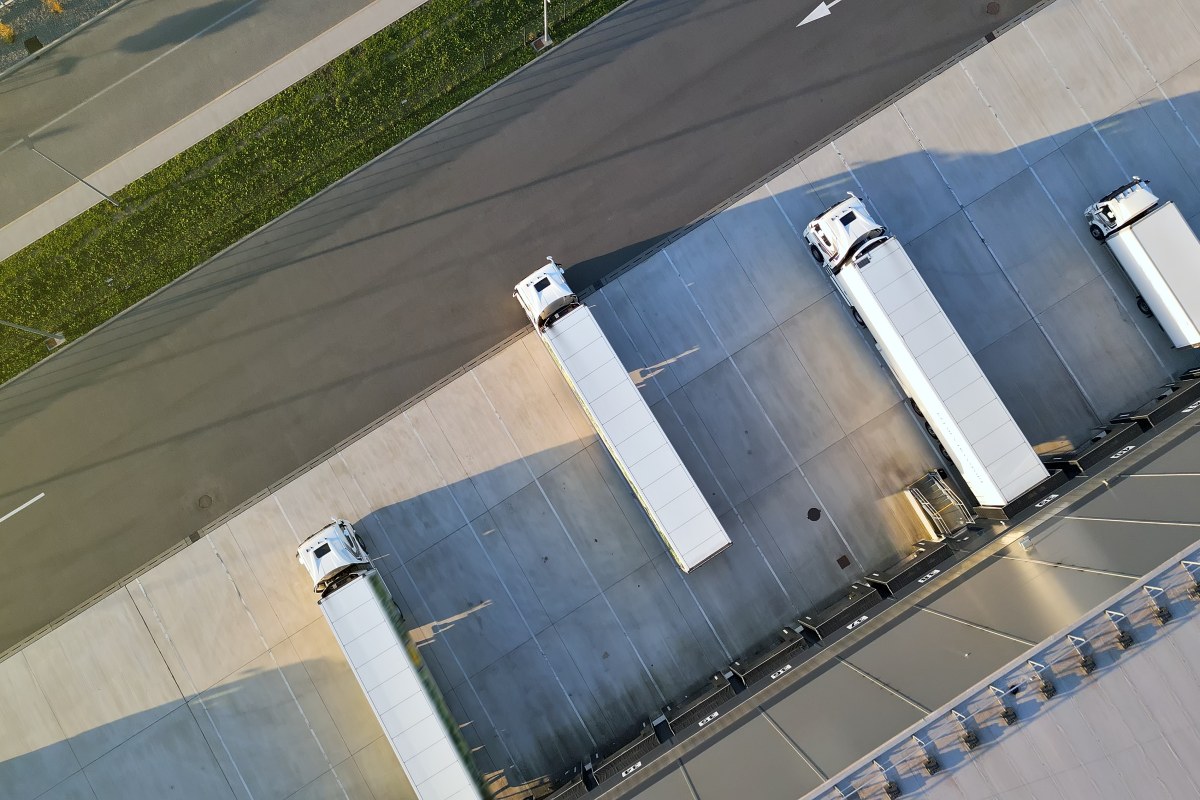
Aerial top view of truck and cargo trailer unloading in logostics center.

Protecting Cash Flow When Financing Costs Are Higher

Commercial truck ownership involves more than the purchase price. Operating expenses such as insurance, maintenance, and fuel all affect profitability.

When financing costs rise, protecting cash flow becomes especially important. Structuring payments so they align with expected revenue helps prevent financial stress.

For example, a truck working consistent regional routes may generate predictable income. Matching the loan payment with those revenue patterns keeps the business stable.

Operators should also plan for maintenance. Even well-maintained vehicles eventually require repairs. Setting aside funds for suspension work or engine service helps avoid unexpected disruptions.

Insurance costs also influence affordability. Higher-value vehicles often carry higher insurance premiums, which can affect the overall cost of ownership.

Balancing all of these factors helps ensure the truck supports the business rather than becoming a financial burden.

Conclusion

When truck financing costs come in higher than expected, it does not automatically mean the purchase is a bad decision. What matters most is whether the monthly payment aligns with your business revenue and long-term goals.

Understanding how interest rates, loan terms, truck condition, and down payments affect the total cost of financing helps buyers make informed decisions.

If your truck financing costs came in higher than you expected, you don’t have to fight your way through the next step.

Mission Financial Services helps owner-operators, first-time buyers, and small fleets secure funding for commercial trucks with terms built around real-world cash flow, not perfect-credit assumptions.

So, if you are trying to lock in a workable monthly payment and get the right truck on the road without stalling your business, start your credit application with Mission Financial Services today.

Frequently Asked Questions

Why Is My Truck Loan Rate Higher Than I Expected?

Truck loan rates depend on several factors, including credit history, time in business, the type of truck being financed, and current market interest rates. Borrowers with limited credit or smaller down payments may see higher rates because lenders must account for additional risk.

Can I Lower My Commercial Truck Loan Rate?

Improving your credit score, increasing your down payment, or selecting a lower-priced truck can sometimes lower the interest rate lenders offer.

Does a Larger Down Payment Help?

Yes. A larger down payment reduces the amount borrowed and lowers the lender’s risk. This can sometimes result in better loan terms and a smaller monthly payment.

Should I Wait for Rates to Drop?

Interest rates move with broader economic conditions. While waiting may lower financing costs, it could also delay income opportunities if you need a truck for work.

How Much Down Payment Do You Need to Lease a Semi Truck?

How Much Down Payment Do You Need to Lease a Semi Truck?

Leasing a semi truck can be a convenient way to get on the road, but the deal can feel unclear until you know what you will actually need upfront. The first question most drivers ask is the right one: how much of a down payment will you need to lease a semi-truck?

The honest answer is that it depends on numerous factors, including your credit score, credit history, the truck you choose, and how the lease is structured.

Two drivers can look at the same truck and end up with very different down payment requirements and monthly payment numbers.

Below, we go over typical down payment ranges and the specific factors lenders consider when setting terms.

How Much Down Payment To Lease A Semi Truck: Quick Answer

For most drivers, the down payment to lease a semi truck typically falls between 0% and 15% in advertised down payment, depending on how the lease is structured and what costs are due at signing.

Here’s how it usually breaks down in real-world deals:

  • Low end (0%–5% down): Often limited to the first monthly payment plus fees, not truly zero cash due. These structures usually come with higher monthly payments and are most common for drivers with strong credit and stable income.
  • Mid-range (5%–10% down): A common range for many owner operators. This level helps secure approval while keeping the monthly payment manageable without draining cash flow.
  • Higher end (10%–15% or more): More likely when credit is challenged, the truck is older, or the lease carries more risk. A higher down payment reduces lender exposure and can improve approval odds.

Because down payment requirements vary so widely, working with a lender that understands the trucking industry can make a major difference.

For example, at Mission Financial Services, we focus on flexible commercial truck financing structures and fast approvals, helping drivers explore realistic and achievable options.

What Determines Your Down Payment For A Semi Truck Lease

There is no single down payment number that applies to every driver or every deal. When lenders decide how much money you need upfront, they look at a combination of credit, business stability, the truck itself, and how the lease is structured.

Each factor affects risk, and higher risk usually means more cash required at signing.

Here are the main factors lenders consider when setting a semi truck lease down payment:

  • Credit score and credit history: Strong credit often qualifies for lower down payments and more flexible terms. Bad credit or a thin credit file typically leads to higher down payment requirements.
  • Time in business and business history: New businesses and first-time buyers are considered higher risk, even with solid income. Established fleets with consistent revenue usually have more options.
  • Truck age, condition, and type: New semi trucks with controlled mileage are easier to place in a lease than older, high-mileage used semis. Truck type and expected value at the end of the lease also matter.
  • Monthly payment target and lease term: A longer lease with lower monthly payments may require a larger down payment. Shorter lease terms often shift more of the cost into the monthly payment instead.
  • Cash flow and bank statements: Lenders review how money moves through your business. Strong, steady cash flow can sometimes offset weaker credit or limited business history.

Leasing Vs Financing Options: Why Down Payments Work Differently

Leasing a semi-truck and financing a truck are not the same, and down payments work differently in each structure.

With a lease, the lender or leasing company typically retains ownership of the vehicle. Because the truck is not becoming your asset right away, the lease shifts risk differently. Mileage limits, wear guidelines, and end-of-lease conditions all factor into the payment requirements.

With a semi truck loan or financing, you are purchasing the vehicle. The down payment creates equity in the truck from day one. While financing often requires a larger down payment and longer loan term, it can be a better fit for drivers focused on ownership and long-term value.

Commercial vehicle financing may make more sense if you plan to keep the truck for many years or build equity as a part of your business finances. Leasing can be a convenient way to manage short-term costs and preserve cash, but it often leads to higher total costs over time.

Additional Upfront Costs When Leasing A Semi-Truck

The down payment is only part of the upfront cost to lease a semi truck. Even if the monthly payment looks affordable, these items can change what you can realistically budget before you take delivery.

Common upfront costs when leasing a semi truck include:

  • First payment and timing: Often due at signing, and some dealers collect the first and last payment up front.
  • Security deposit: Often required for new businesses or borrowers with limited credit. It’s typically refundable at the end of the lease, but it does tie up cash for the duration of the term.
  • Insurance down payment: Frequently one of the highest upfront costs, especially for an owner-operator with new authority.
  • Permits and compliance costs: IRP and IFTA setup, plates, and other required items can hit early in the process.
  • Sales tax, registration, and documentation fees: Sales tax varies by state and lease structure, but it adds to the total cost at delivery.
  • Maintenance reserves and warranty coverage: Used truck deals often require a stronger maintenance plan, and setting aside cash up front can reduce the risk of missing a payment later.

How To Lower Your Down Payment on a Commercial Truck

Lower down payments usually come from lowering lender risk. You do not have to be perfect, but you do need to make your credit application easy to approve and easy to price.

Here are practical ways to improve approval odds and reduce the down payment requirement:

  • Strengthen your credit profile before the credit check: Paying revolving balances and fixing errors can raise your credit score faster than most drivers expect. Even a small improvement can reduce your payment requirements or move you to better financing options.
  • Match the truck to lender guidelines: A new semi or a late-model used semi that fits common lender rules (reasonable miles, standard truck type, clean condition) is usually easier to secure with lower down payments than an older, high-mileage used truck.
  • Bring documentation that proves stability: Bank statements show cash flow and spending patterns. Tax returns show business history. Settlement statements and contracts show income consistency. Strong documentation can help offset bad credit or limited time in business.
  • Control your monthly obligation picture: Lenders look at whether the payment fits your budget. If you already have high debt payments, you may be pushed toward a higher down payment or higher monthly payments. Keeping debt-to-income in check improves the financing work behind the scenes.
  • Have a clear plan for the lease term and end of the lease: Lenders pay attention to long-term plans. If the plan is unclear, the deal is riskier. If your plan is stable, the structure can be more flexible.

Frequently Asked Questions

Can I Lease A Semi Truck With No Money Down?

True $0 down is uncommon once the paperwork is finalized. In most cases, “no money down” still means an upfront cost like the first payment, fees, or a security deposit, and the deal may be offset with higher monthly payments.

What Credit Score Do I Need To Lease A Semi Truck?

There is no single credit score cutoff because lenders also look at credit history, income documentation, and business stability. With bad credit, you may still qualify, but you may need a higher down payment or a structure similar to semi truck financing.

Do I Need A Down Payment If I Have A Co-Signer?

A co-signer can improve approval odds, especially if they have strong credit and a stable income. Even so, many lenders still require a down payment to reduce risk and confirm the borrower can contribute cash to the deal. A co-signer may also help you qualify for a better interest rate or more flexible truck financing terms.

Aerial view semi truck trailer cargo on mountain curve road, Semi truck trailer cargo business logistic transportation on green forest road curve, Semi truck delivery asphalt road green forest tree.

Conclusion

Locking down the numbers early keeps you in control of the deal instead of scrambling at the finish line.

Once you know what you can put down and what you need to keep in reserve, it’s much easier to choose terms that fit your monthly budget, protect cash flow, and support the way you want to run your business long term.

If you are comparing a lease to semi-truck financing, or want to see what approval could look like, Mission Financial Services can help you map out the most practical financing options. The right plan can protect your business vehicle and keep your finances steady as your business grows.

Get in touch with us or start your credit application online for fast approvals and comprehensive support.

Archives

Sign Me Up!

Stay up to date with the latest news in the commercial trucking industry.

Contact Us
close slider