
From groceries and building materials to factory goods and fuel, semi-trucks handle 72.7% of long-haul freight in North America and play a central role in how goods move from factories to stores.
Many people enter trucking for the same reasons: steady demand and the ability to build an independent business as a driver or owner-operator.
Before getting on the road or investing in equipment, it helps to understand what you are actually driving.
Knowing how a semi-truck is built, how big it is, how much fuel it carries, and how its engine works gives you practical context that matters from day one.
What Is A Semi-Truck?
A semi-truck is a combination vehicle made up of two main parts: a tractor and a trailer.
The tractor, often called a semi-tractor or tractor unit, contains the engine, cab, and front axle. The trailer, also known as a semi-trailer or trailer unit, carries the cargo.
The term “semi” comes from the design of the trailer. Unlike a full trailer, which supports itself with front wheels, a semi-trailer supports only the rear half. The front half of the trailer rests on the tractor via a secure connection called a fifth wheel (a horseshoe-shaped coupling mechanism).
This setup allows the tractor to pull heavy trailers while distributing weight across multiple axles.
People use many other common names for semi-trucks, including tractor-trailer, semi-trailer truck, big rigs, 18-wheelers, articulated lorry, and semi tractor-trailers.
Most people recognize them as the large trucks that dominate American highways and long-haul freight routes.
How Long Is A Semi-Truck?
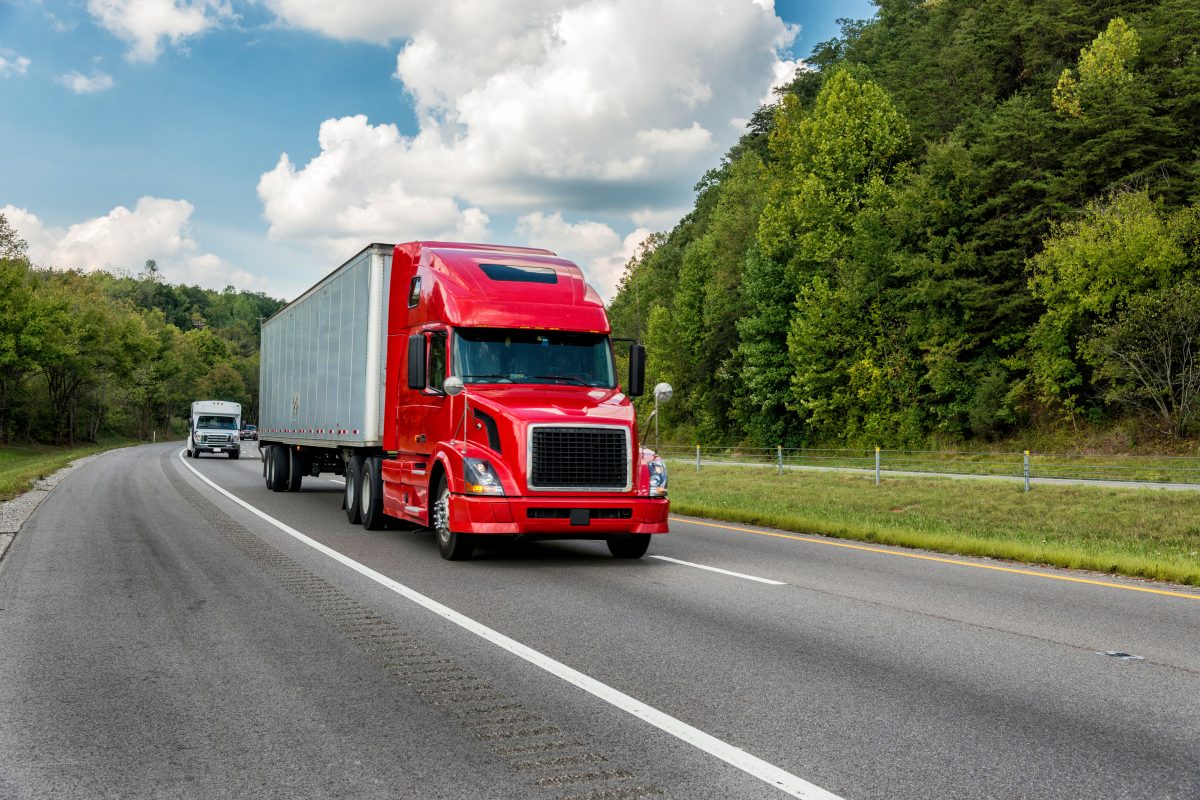
A semi-truck is typically 70 to 75 feet long when pulling a standard 53-foot trailer. The exact length depends on the tractor and the trailer configuration.
The tractor alone usually measures 20 to 25 feet, depending on whether it uses a day cab or a sleeper cab with a roof extension. When paired with a shorter or specialized trailer, such as a flatbed or equipment trailer, the total length decreases but still falls under federal and state guidelines.
Federal law under the Surface Transportation Assistance Act (STAA) and the Federal Motor Carrier Safety Regulations (FMCSA) sets minimum trailer length standards on interstate highways. States control routing, parking, bridge access, and local road restrictions, which determine where long combination vehicles can legally operate.
For truck drivers, understanding overall length helps with route planning, rest stops, oversized loads, and navigating urban areas.
How Many Gallons Does A Semi-Truck Hold?
Most semi-trucks hold between 100 and 300 gallons of fuel, depending on their tank configuration.
Trucks typically use one or two fuel tanks mounted on either side of the tractor frame. Single-tank configurations usually hold 100 to 150 gallons, while dual-tank setups can combine for 200 to 300 gallons of total capacity.
Long-haul drivers benefit from larger fuel capacities because they can travel 1,500 miles or more between fill-ups. This extended range allows them to plan fuel purchases around price differences between states and reduces the number of stops needed on cross-country routes.
How Much Can A Semi-Truck Weigh?
Federal law sets the maximum gross vehicle weight for a semi-truck at 80,000 pounds on interstate highways. This total includes the weight of the tractor, trailer, fuel, and cargo combined.
Weight distribution matters as much as total weight.
Federal regulations limit individual axle weights to prevent road damage and maintain safe handling:
- Single axle: 20,000 pounds maximum
- Tandem axles (two axles grouped together): 34,000 pounds maximum
These limits explain why semi-trucks use multiple axles. A standard 18-wheeler configuration spreads weight across the steer axle (front of tractor), two drive axles (rear of tractor), and two trailer axles. This design allows trucks to carry maximum cargo while staying within legal limits.
An empty semi-truck typically weighs 30,000 to 35,000 pounds, which leaves 45,000 to 50,000 pounds of available payload capacity.
Drivers must also account for fuel weight (roughly 7 pounds per gallon) when calculating how much cargo they can legally haul.
States can impose stricter weight limits on certain roads, bridges, or during specific seasons. Some states also issue special permits for overweight loads, but these come with routing restrictions and additional fees.
How Semi-Truck Engines Differ From Car Engines
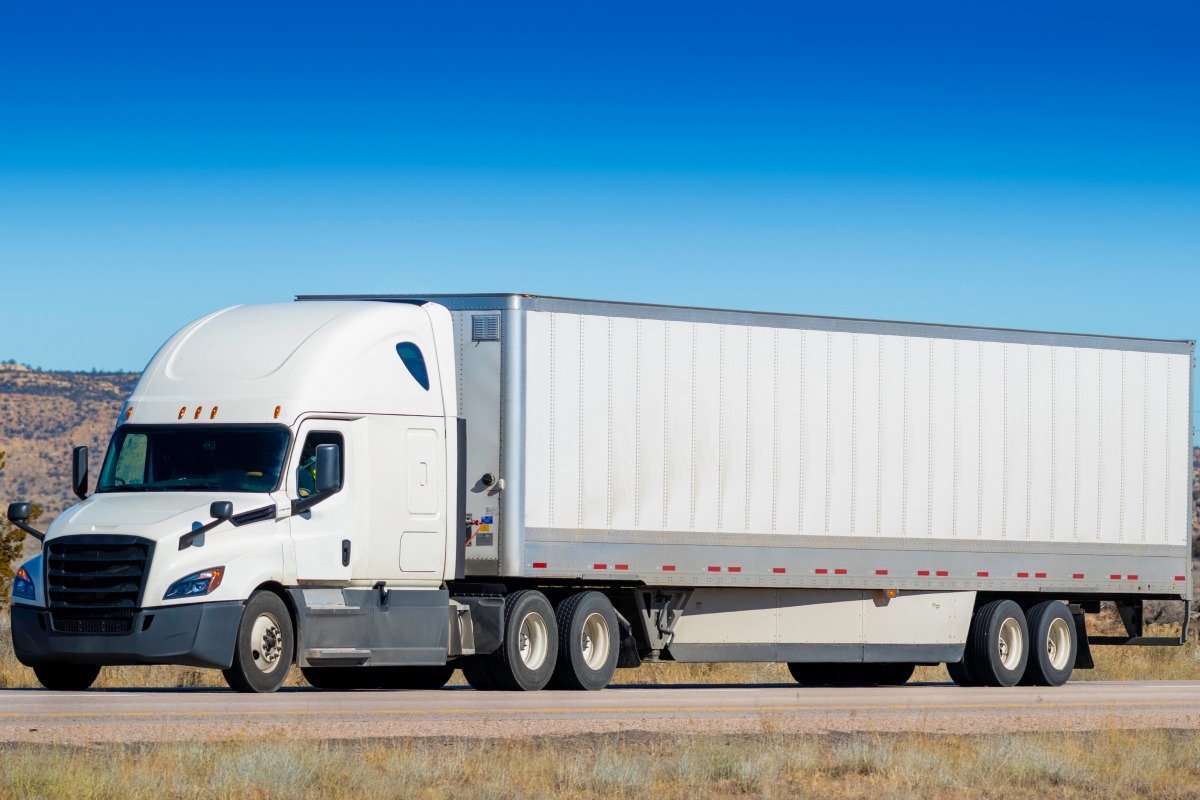
Semi-truck engines differ from car engines in both size and purpose. These engines prioritize torque and durability over speed so that they can deliver steady power and pull heavy loads across highways, mountains, and long distances.
Most semi-trucks use diesel engines because diesel produces higher torque, maintains fuel efficiency under load, and supports longer engine life.
Horsepower often ranges from 400 to 600, while torque frequently exceeds 1,500 pound-feet, which helps trucks move fully loaded trailers without strain.
Car engines often reach the end of their service life around 150,000 to 200,000 miles. Semi-truck engines commonly run for one million miles or more with proper maintenance.
Engine choice directly affects pulling power, fuel efficiency, and performance in long-haul and regional driving.
Semi-Trucks Vs. Straight Trucks Vs. Box Trucks
Semi-trucks, straight trucks, and box trucks are different types of commercial trucks and serve different roles in transportation. Their design directly affects how much they carry, how far they travel, and what kind of work they handle.
Straight trucks keep the cab and cargo area on the same frame. This fixed design limits overall weight and cargo size, but it works well for regional routes and city deliveries. Many straight trucks operate on shorter schedules and return to the same locations daily.
Box trucks also use a single-frame design, but they add a fully enclosed van-style cargo box behind the cab. Businesses often use box trucks for local deliveries, moving services, and last-mile freight where maneuverability matters more than maximum capacity.
Semi-trucks separate the power unit from the cargo. The tractor, also called a semi-tractor or tractor unit, connects to a semi-trailer through a fifth wheel. This setup allows drivers to swap trailers, pull heavier loads, and operate efficiently over long-haul routes.
Industries such as manufacturing, retail distribution, agriculture, construction, and fuel transportation rely heavily on semi-trucks.
Dry vans, flatbed semi setups, and other heavy trailers all depend on the semi-truck platform to transport goods at scale.
Core Components Of A Semi-Truck
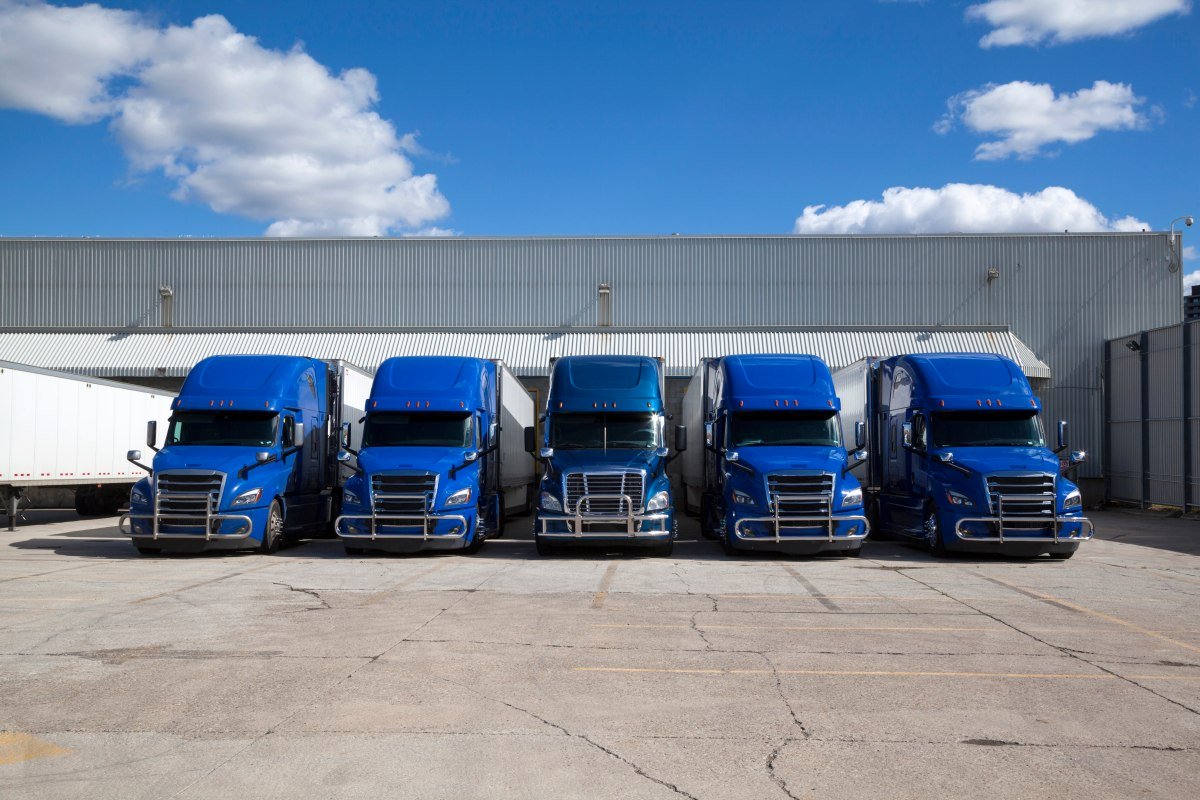
A semi-truck depends on several key components working together to move freight safely and efficiently. Each part plays a specific role in how such a vehicle performs.
Key components include:
- The tractor contains the engine, transmission, cab, and front axle. This is where the driver sits and controls the vehicle. Day cabs support local and regional routes, while sleeper cabs allow drivers to stay on the road overnight.
- The tractor-trailer carries the cargo and connects to the tractor. This creates a secure connection between the two units. Landing gear supports the trailer when it is not attached to a tractor.
- Axles distribute weight across the truck and trailer. Most setups include a front axle on the tractor, drive axles that deliver power, and trailer axles that help manage heavy loads and maintain balance.
- The transmission delivers engine power to the wheels and allows the truck to operate smoothly under different load weights and driving conditions.
- Braking systems rely on air brakes instead of hydraulic brakes. Air brakes provide consistent stopping power for large freight-carrying vehicles and remain effective under heavy loads.
Together, these components enable a full truck to haul loads across different regions and operating conditions safely. The design supports easier loading, stable weight distribution, and consistent control, whether the truck runs short routes or long-haul freight.
When each part works as intended, the semi-truck performs as a reliable system built to handle real-world trucking industry demands.
Frequently Asked Questions
What Is A Semi Trailer Truck?
A semi-trailer truck refers to a vehicle combination where a tractor pulls a semi-trailer using a fifth wheel connection. This setup allows the truck to haul freight efficiently over long distances and makes it the most common configuration used in the trucking industry.
What Is The Difference Between a Tractor Trailer And A Full Truck?
A tractor-trailer separates the power unit from the cargo, while a full truck carries the cab and cargo on the same frame. Tractor-trailer setups allow drivers to swap trailers, haul heavier loads, and operate more efficiently over long-haul routes.
What Is A Day Cab, And When Is It Used?
A day cab is a type of semi-truck cab that does not include a sleeper. Drivers commonly use day cabs for local and regional routes where they return home the same day, making them a practical option for short-haul operations.
Why Does The Trucking Industry Use Semi Trailers Instead Of Fixed Cargo Trucks?
The trucking industry relies on semi-trailers because they allow flexibility in hauling freight. Drivers can drop one trailer, pick up another, and keep moving without taking the tractor out of service. This improves efficiency and reduces downtime.
Can A Semi Trailer Truck Pull Different Types Of Trailers?
Yes. A semi-trailer truck can pull different trailer types, including dry vans, flatbeds, and specialized equipment trailers, as long as the tractor and trailer meet weight and connection requirements.
Conclusion
Understanding what a semi truck is gives you insight into the backbone of freight transportation. From size and fuel capacity to engines and components, semi-trucks combine power and flexibility to move goods across the country.
This foundation prepares you to explore deeper topics like ownership costs, financing, regulations, and equipment choices. When you understand how semi-trucks work, you make better decisions as a driver, owner-operator, or business owner.
Ready to put that knowledge to work and finance the right semi-truck or equipment? Start your credit application with Mission Financial Services today for a first-time buyer loan.