

Lumpers play a vital but often misunderstood role in the trucking industry, with many truck drivers having mixed views on their services. But understanding lumper fees early can save you money and frustration at the delivery site.
A lumper fee is the charge for hiring third-party workers to unload freight at a warehouse or distribution center when a truck arrives.
If you’re new to trucking, this article explains what lumpers do, why they’re important, and how they can streamline your operations. We’ll also discuss lumper fees so you’ll know what to expect when using their services.
What Is a Lumper?
A lumper is a worker responsible for unloading freight when a truck arrives at a warehouse. Typically hired by carriers, shippers, warehouses, or freight brokers, they provide the expertise and labor to handle large volumes of freight daily.
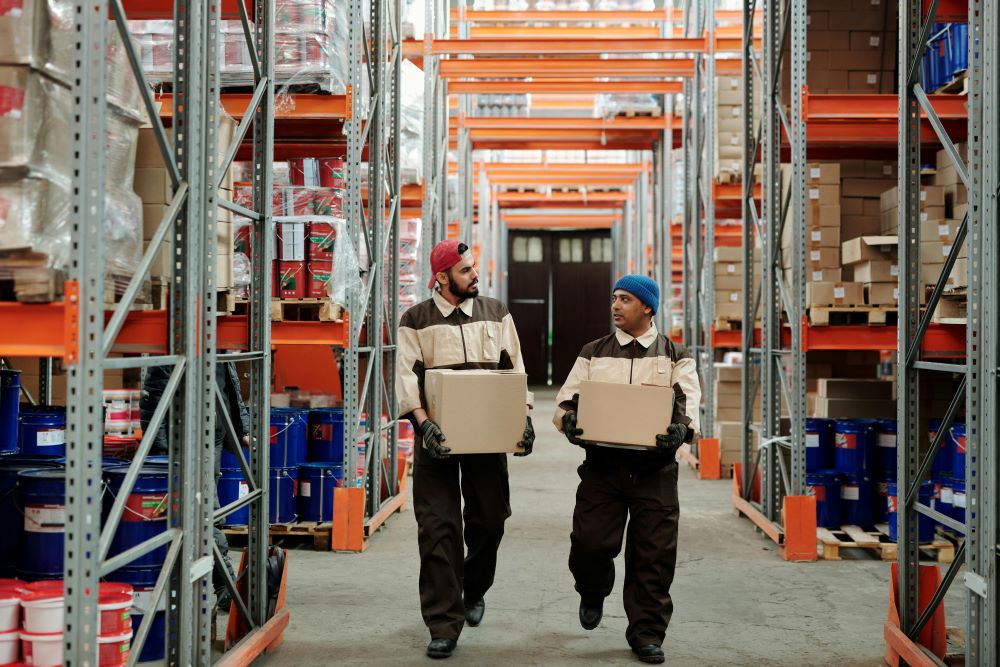
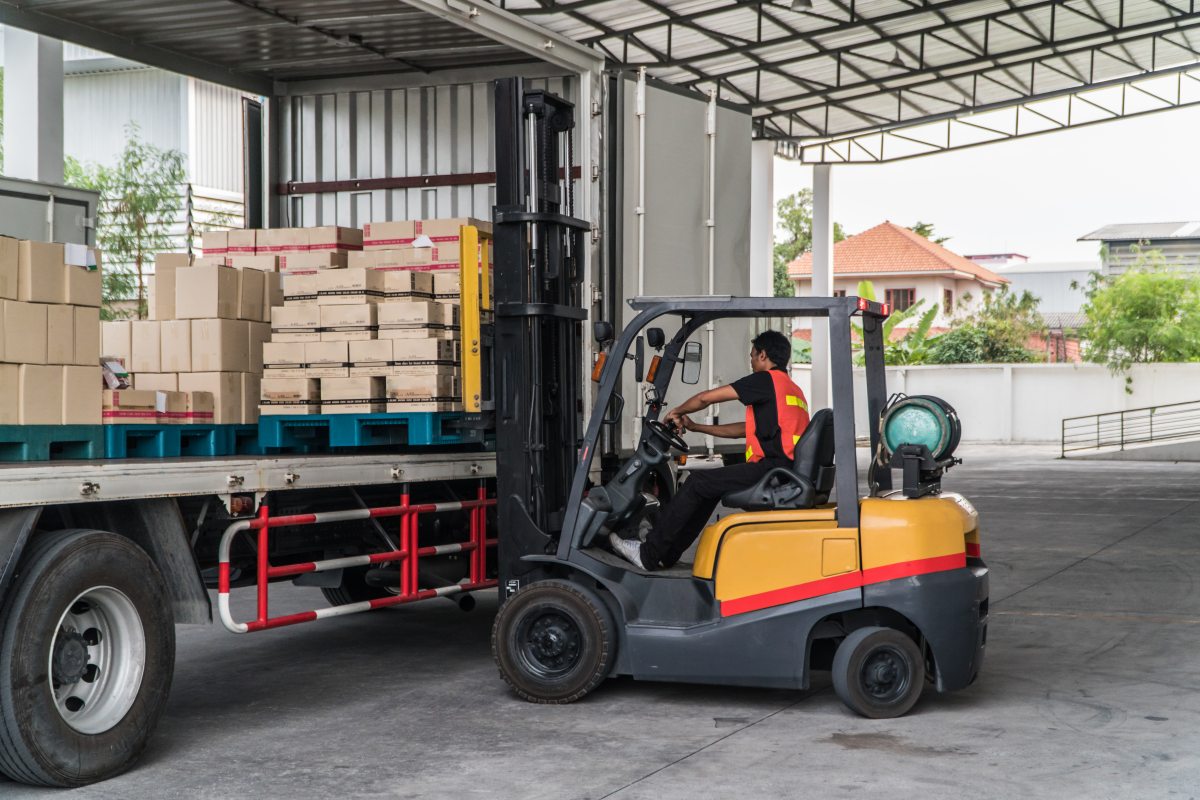
Lumpers are usually well-trained in offloading, pallet splitting, and securely moving cargo. They also understand the complexities of working in large warehouses and are skilled in using equipment like hand trucks, pallet jacks, and forklifts to unload cargo efficiently.
In many cases, lumpers are employed through lumper companies that act as a third-party services for food warehousing companies and grocery distribution warehouses.
The Role of Lumpers in the Supply Chain
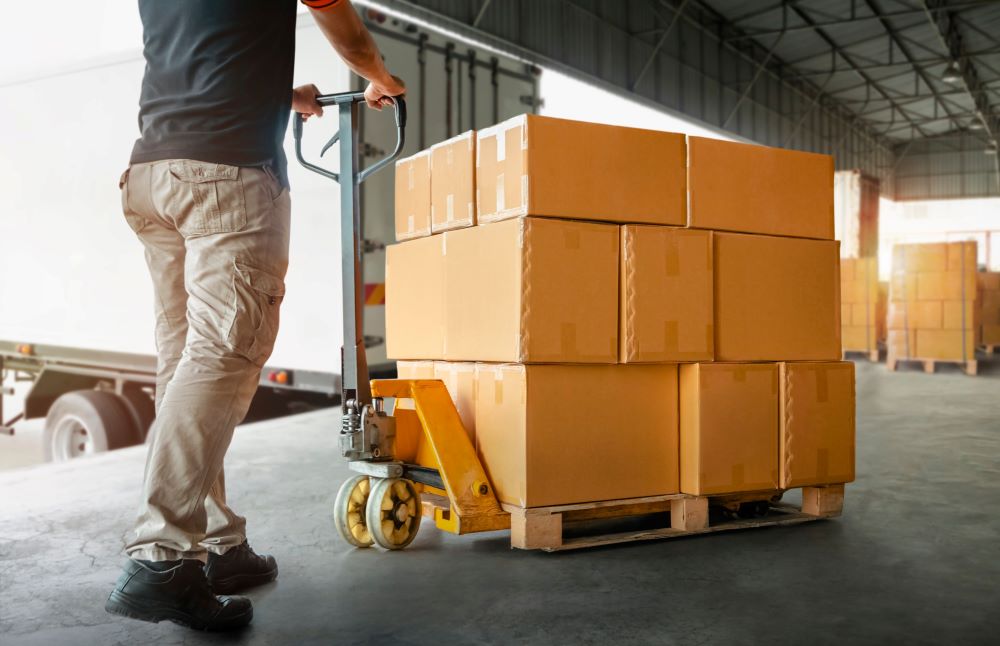
When a commercial truck arrives at a warehouse, lumpers take over the unloading process, freeing truck drivers from that responsibility. They offload the cargo, break it into pallets, verify it against packing slips, and organize it in the warehouse.
In return, they charge a fee, known as the lumping fee. This service helps speed up the shipping process and improves supply chain efficiency by taking on a task that would otherwise fall to truck drivers.
At many warehouses and distribution centers, you’re not allowed to unload your own freight. The facility may require a warehouse lumper or third-party lumper service because they want trained labor on the docks and clear accountability if cargo is damaged or someone gets injured.
Lumpers are commonly found in grocery and food warehouses, where their role is crucial. Since much of the cargo is perishable, quick and careful unloading is essential in the food supply sector.
The Benefits of Using Lumpers
Lumper services exist for one reason: they keep freight moving through high-volume warehouses without making drivers responsible for dock labor.
When a facility relies on a third-party lumper service, the benefits usually show up in safetyand cost control.
- Drivers avoid dock labor and reduce injury exposure: You still check in, handle paperwork, and manage the appointment, but lumper workers handle the manual labor of unloading freight. That matters because injuries on the dock can trigger medical costs and insurance claims.
- Faster, smoother unloading at busy facilities: Lumpers often work the same warehouse or distribution center every day, so they know the process, the staging rules, and the equipment flow. That familiarity can reduce delays at loading docks and help you stay on schedule.
- Less cargo damage and cleaner accountability: Experienced lumpers know how to handle mixed pallets and perishable or frozen cargo without crushing product or breaking packaging. When trained dock laborers load and unload freight, it can also reduce disputes tied to damage claims and chargebacks.
- Lower labor overhead for the facility or carrier: Outsourcing unloading helps companies avoid direct staffing costs. These costs can include payroll taxes and workers’ compensation insurance, as well as the overhead of hiring and training dock labor.

What Is the Average Lumper Fee?
On average, lumper fees range between $100 and $500 per load.
Fees vary based on load size, type, and complexity (e.g., sorting, palletizing), with some jobs exceeding $500 to $1,000 in more extreme cases.
In most cases, lumper fees are paid upfront at the warehouse lumper desk. Payment methods may include cash, checks, lump-sum advances, or digital payment solutions.
After payment:
- Obtain a detailed lumper receipt
- Submit fee receipts to your carrier or freight broker
- Receive reimbursement according to company policy
Make sure you ask for a lumper receipt to receive reimbursement for any lumper fees paid. Lumper receipts act as proof of payment, indicating you qualify for reimbursement from your trucking company.
Factors Affecting Lumper Fees
Lumper fees vary depending on several factors. Understanding these factors as a commercial truck driver is crucial because it will help you negotiate a fair rate.
Some of the key factors affecting lumper fees include:
- Type of freight: Delicate, perishable, hazardous, or frozen cargo usually requires more labor and care, which increases lumper fees.
- Volume of cargo and pallet count: More pallets or floor-loaded freight requires more labor than palletized loads.
- Time required to unload: Most lumpers work at an hourly rate, so longer unloading times increase lumping fees.
- Time of day: Unloading during peak hours often costs more due to limited warehouse staff availability.
- Additional services: Extra services like pallet sorting or special handling instructions can add additional fees.
Lumper Fees vs. Paying Driver
According to lumping regulations–Title 49 of the U.S. Code (49) U.S.C. §§ 14103 (a) and 14103 (b), it’s illegal for any trucking company to force their truck drivers or carriers to unload via a lumper service without being reimbursed.
Also, a truck driver or carrier must be reimbursed if they unload their freight.
Most trucking companies choose lumper services because they reduce injury risk, avoid liability from unsafe warehouse conditions, and simplify trucking operations.
Reimbursement policies can vary, so always confirm lumper fee reimbursement terms on the rate confirmation before accepting the load.
How To Avoid Surprise Lumper Fees As A Truck Driver
Lumper fees usually aren’t the problem. The surprise is paying them without knowing the rules or what paperwork you’ll need to get reimbursed.
Use this quick checklist before you accept the load and again when you arrive.
- Ask if lumpers are required before you accept the load: Don’t assume you can unload your own freight. Some food warehousing companies and grocery distribution warehouses require a third-party lumper service, and the receiver won’t give you an option.
- Confirm who pays and how reimbursement works in writing: Check the rate confirmation for reimbursement terms, including whether the trucking company or freight broker reimburses you directly and how fast they pay lumper fees back.
- Ask if reimbursement has a cap: Some carriers only reimburse up to a set amount. If you don’t confirm the cap, you can end up covering the difference out of pocket.
- Verify what documentation is required: Many carriers need a lumper receipt that includes the warehouse or distribution center name, load or trailer number, date, and amount. Ask whether they also need a signed BOL note, a fee receipt, or a reference number.
- Bring a payment method that works at that facility: Lumpers often require payment at the desk, so unloading can start. Some locations use lumper advances, Comchecks, or electronic payments. If you show up without an accepted payment option, you can lose your delivery window.
- Scan or photograph receipts immediately: Save the lumper receipt and any payment confirmation before you leave the dock. If you wait until later and the receipt gets lost, reimbursement can stall.
Planning ahead protects your cash flow and keeps your delivery schedules from sliding.
Lumper Fees vs Detention vs Layover
These charges get mixed up all the time, and that’s how drivers lose money. Each one pays for a different problem, and you need to label it correctly so your carrier processes it fast.
- Lumper fee: A charge for loading/unloading freight using lumper workers at a warehouse or distribution center.
- Detention: Pay for waiting beyond the set period at the receiver or shipper. This is about time lost at loading docks, usually tracked by appointment time, check-in time, and release time.
- Layover: Compensation when delays push you into an overnight or full-day situation, and you can’t reasonably move to the next load. This is about a schedule disruption that extends beyond normal detention.
When you separate the accessory charges correctly, you invoice cleanly, attach the right documentation, and improve your odds of getting reimbursed without delays.
Frequently Asked Questions
Who Typically Pays The Lumper Fee?
Usually, the driver pays the lumper fee upfront at the warehouse or distribution center, then submits the lumper receipt for reimbursement. Most carriers or a freight broker will reimburse lumper fees paid, but policies vary, so confirm the process on the rate confirmation.
Are Lumpers Required At Some Warehouses?
Yes, some warehouses require lumpers, especially food warehouses and grocery distribution warehouses. These facilities use lumper services due to labor rules, insurance requirements, and liability concerns around loading and unloading freight.
Can A Driver Unload Instead Of Paying A Lumper?
Yes, you can unload freight yourself, but many facilities won’t allow it. Always ask before you arrive or at check-in, because unloading rules depend on the warehouse lumper policy and the delivery site.
What Should Be On A Lumper Receipt For Reimbursement?
Your lumper receipt should list the provider name, date, amount, and load or trailer number. Clear fee receipts make reimbursement faster and reduce disputes when you submit lumper payments to the trucking company or broker.
Are Lumper Fees Tax-Deductible For Owner-Operators?
Yes, lumper fees can be deductible as a business expense for an owner-operator. Keep the receipt and payment record, then confirm how to file it with a tax professional based on your setup.
Conclusion
Lumper fees are a routine part of the logistics industry, especially when delivering to food warehouses and high-volume distribution centers.
While lumping services adds an extra step to the unloading process, they help keep freight moving efficiently and reduce risk for truck drivers and companies.
Understanding how lumper fees vary, how the payment process works, and how to receive reimbursement helps you protect your cash flow and stay focused on running profitable trucking operations.
Unexpected lumper fees and other delivery costs can tighten cash flow fast, especially for owner-operators.
At Mission Financial Services, we help truck drivers and small fleets access commercial vehicle financing that accounts for real-world expenses. If you’re planning your next truck purchase or upgrade, we’re here to help you move forward with confidence. Get in touch or start your credit application today.