

Starting a box truck business can be a practical way to enter freight without taking on the cost and complexity of a big rig. But that doesn’t mean the process is easy. The real challenge is building a plan that covers compliance, startup costs, consistent loads, and cash flow from day one.
A lot of new box truck operators make the same mistake early. They focus on the vehicle first, then try to figure out the business around it.
The stronger move is the opposite: choose your lane, price your operating costs, then buy the right truck for the work you want to haul. If you’re unsure where to start, follow the guide below.
What Is a Box Truck Business?
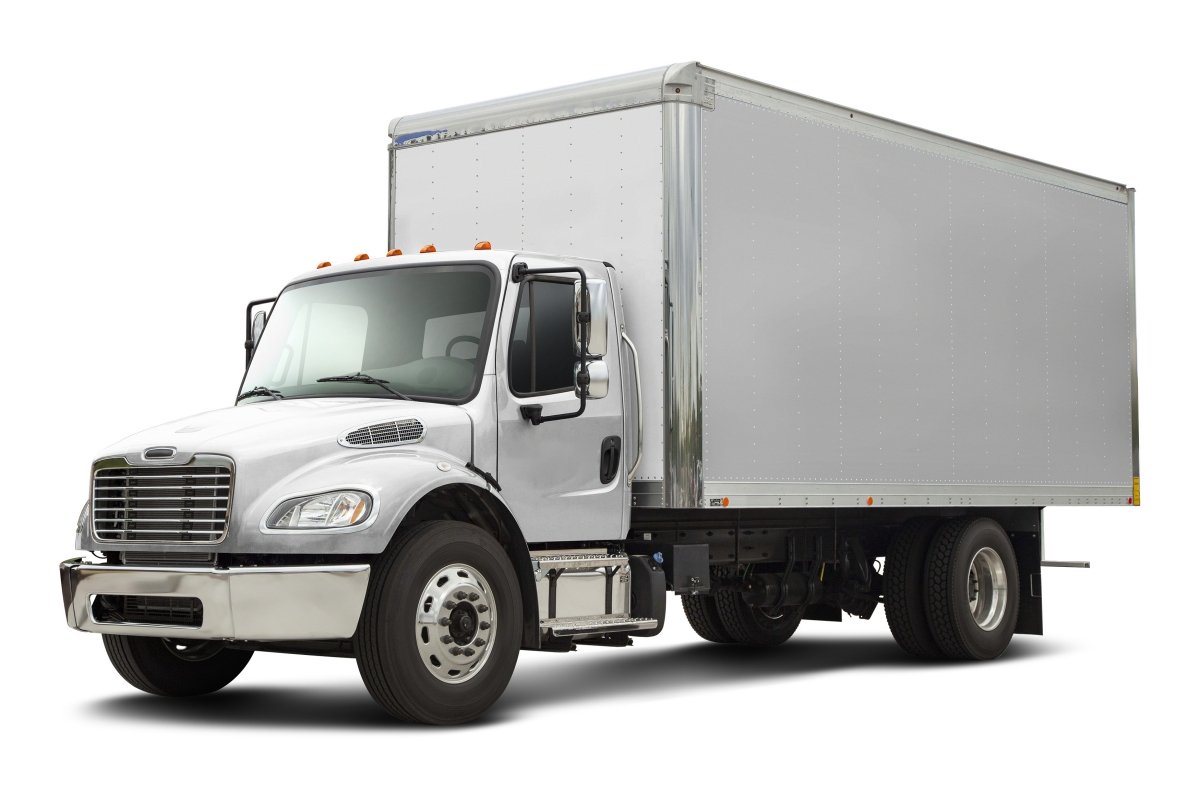
A box truck is a truck with an enclosed cargo area attached to the chassis. Unlike a tractor-trailer, it is a single unit, which makes it easier to operate for many local and regional delivery jobs.
Box trucks are common in last-mile delivery, moving services, retail logistics, and contract freight.
That flexibility is a big reason it’s easier to make money with a box truck. You have a lot of options to choose from. One operator may focus on furniture and appliance delivery, while another handles e-commerce freight and medical supplies.
You also don’t need a commercial driver’s license to drive a box truck with a Gross Vehicle Weight Rating (GVWR) under 26,000 lbs, which lowers the barrier to entry and makes it much easier to get started without going through CDL training.
Revenue usually comes in one of three ways: per load, per mile, or through contract work with a shipper, broker, or platform. In practice, the most stable operators tend to move toward repeat contracts because consistent work is easier to plan around than random load-board freight.
Understanding the Startup and Monthly Costs of a Box Truck Business
For many one-truck operators, startup costs fall between $10,000 and $30,000 or more, depending on the truck and insurance.
Your startup costs usually include:
- Truck purchase or down payment
- Insurance deposit
- Registration and permits
- Equipment, such as a pallet jack, straps, or dollies
Monthly costs typically include:
- Truck payment
- Fuel
- Insurance
- Maintenance
- Tolls
Monthly costs vary by usage, but these core categories will drive your operating costs and cash flow from the start.
5 Steps to Start a Box Truck Business Today
A good launch starts with the business model, then moves through registration, equipment, insurance, and load strategy.
Each step affects the next one, so the more tightly you build the operation, the easier it is to stay profitable.
1. Choose Your Business Model
Before you buy anything, decide what kind of work your box truck business will do. That choice affects your truck size, your insurance, your schedule, and how you attract clients.
You will need to decide between a few operating paths:
- Local delivery or regional work
- Contract freight or load board freight
- A broad service mix or a niche focus
- Solo owner-operator work or a plan to scale into a fleet
Local routes can give you more predictable hours and lower fuel spend. Regional work can raise revenue, but it can also increase maintenance, empty miles, and scheduling pressure.
Niche work, such as white-glove moving services or hazardous materials handling, can be a successful box truck business model but you need to make sure you meet the necessary service requirements, such as a hazmat endorsement.
2. Register Your Business
Registration requirements depend on your state, your business structure, and whether you plan to operate locally or across state lines.
Most new operators choose either a limited liability company (LLC) or a sole proprietorship. An LLC can help separate business liabilities from personal assets, while a sole proprietorship is simpler to set up but offers less separation between you and the business.
You will also need to register your business name and get an employer identification number (EIN) if you need one for banking or taxes. You will also need to check your local and state rules for licenses and tax registration.
If you plan to haul for hire across state lines, you may need a USDOT number and, in many interstate for-hire situations, operating authority with an MC number as well. If you operate as a for-hire carrier, you may also need to file a BOC-3 to designate a legal process agent.
If you hire drivers, FMCSA also requires a driver qualification file for each qualified driver operating a commercial motor vehicle covered by the rule.

3. Buy or Finance Your Box Truck
A used box truck can often run from about $20,000 to $70,000, but comes with a unique set of pros and cons, like higher maintenance costs.
A new box truck can range between $80,000 to $150,000 or more, depending on GVWR, body length, liftgate setup, and whether you buy gas or diesel.
Before you commit to a truck purchase, look closely at four things that will shape both revenue and operating costs:
- Truck size and payload
- Liftgate needs
- Gas versus diesel
- Route type and delivery profile
If you have identified the right box truck but want to protect cash flow, Mission Financial Services can help structure financing around the way you actually plan to operate. That matters most when you’re trying to launch with one truck and still keep enough money in reserve to handle the first few months on the road.
4. Get Commercial Insurance
Commercial box truck insurance is one of the first major costs you need to price out because it affects both compliance and your ability to book freight.
Many box truck operators start with three core coverages:
- Auto liability
- Cargo coverage
- Physical damage coverage
The exact coverage you need depends on how you operate and what you haul. If you plan to run for hire across state lines, you may need proof of public liability coverage to get operating authority.
Cargo insurance is not required for every for-hire property carrier, but some shippers and household goods jobs may require it. On top of that, certain contracts may ask for higher limits or additional policy types before they will assign loads.
For a new box truck business, insurance is one of your highest fixed costs. Most operators can expect to pay around $900 to $1,000 per month, or roughly $10,000 to $12,000 per year on average.
In practice, total insurance costs can range from about $3,500 to over $20,000 annually, depending on your location, driving history, cargo type, and how the truck is used.
A few factors usually have the biggest effect on your rate:
- Where you operate
- Your driving record
- What cargo you haul
- Whether you run local, regional, or under contract requirements
The key is to get a quote for insurance before you commit to the truck. A truck that looks affordable on paper can become a much more expensive business decision once the insurance bill is added in.

5. Find Loads and Start Driving
For beginners, the fastest path is usually a mix of load boards like DAT and direct outreach. Load boards help you get started quickly, while direct contracts tend to offer better rates and more consistent work.
You can self-dispatch to stay in control, or work with a dispatcher to keep the truck loaded, as long as the cost fits your revenue.
Most first loads come from:
- Load boards
- Brokers
- Local moving or delivery companies
- Direct outreach to businesses with recurring freight
Conclusion
Starting a box truck business is straightforward on paper. Making it profitable takes tighter execution.
The operators who last are the ones who control costs early, choose the right freight, understand the box truck industry, and build around cash flow instead of guesswork.
If you are ready to start a box truck business and need financing that fits the real cost of getting on the road, Mission Financial Services can help.
Whether you are buying your first truck or setting up for contract freight, the right financing structure can help you launch faster without draining the cash you need to operate. Start your credit application and start your box truck business today.