
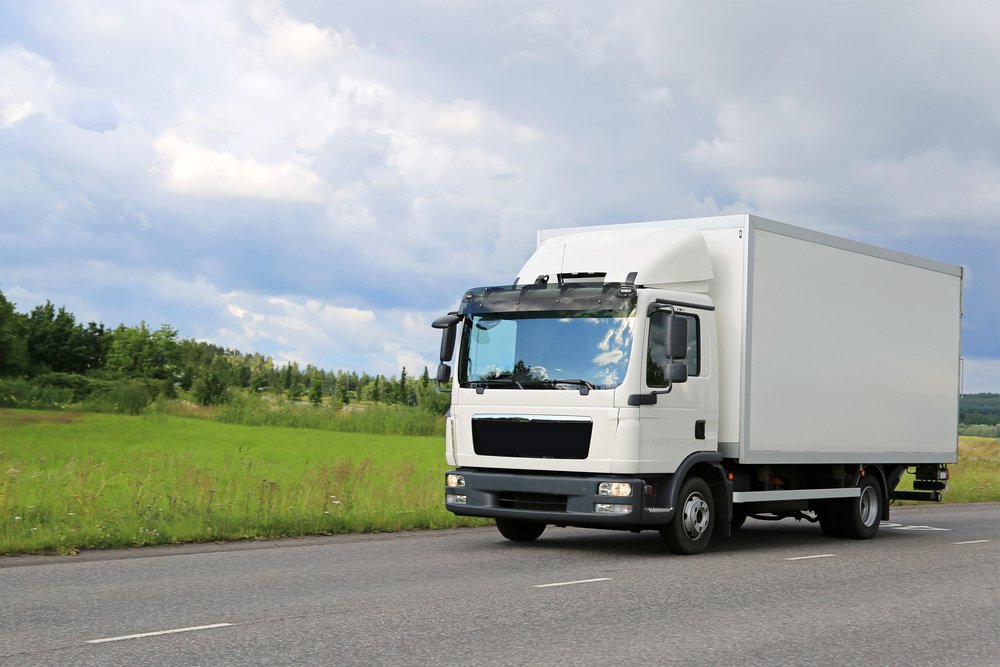
For owner-operators and small fleets, commercial box truck insurance is a recurring cost that directly affects pricing, margins, and cash flow. Without insurance, your operating authority can be suspended, stopping your truck from running and generating revenue.
Today, higher repair costs, increased claim severity, and tighter underwriting standards influence how insurers price box truck policies. Here’s what you need to know.
How Much Does Commercial Box Truck Insurance Cost?
Commercial box truck insurance costs typically run $231–$950 per month, or about $3,000–$10,910 per year.
Insureon reports that box truck operators pay an average of $909 per month, or $10,910 per year, for commercial vehicle insurance. However, your actual premium could fall outside this range depending on your specific situation.
What Factors Affect Commercial Box Truck Insurance Costs?
Several factors influence what you’ll ultimately pay for commercial truck insurance:
Box Truck Type And Specifications
Insurance premiums are closely tied to a box truck’s size, weight, and overall setup.
Larger trucks, such as a 26-foot box truck, generally cost more to insure than smaller 12- or 16-foot models because they pose a greater risk of damage in an accident.
Newer trucks often carry higher premiums due to replacement costs, while older trucks may be penalized for lacking modern safety features.
Equipment like automatic braking, stability control, and telematics can help lower rates, whereas custom modifications typically increase premiums by raising vehicle value and repair complexity.

Coverage Requirements
Your choice of coverage significantly affects pricing.
- Primary liability insurance is mandatory. For interstate for-hire carriers, minimum federal liability limits often start at $300,000 for GVWR < 10,001 pounds and go up to $750,000 for GVWR ≥ 10,001 pounds (for non-hazardous property carriers). Intrastate operations follow state-specific requirements.
- Physical damage coverage protects the truck against collision and non-collision losses.
- Cargo coverage pricing depends on the value and type of goods transported.
- Uninsured or underinsured motorist coverage protects against inadequately insured drivers.
- Medical payments or personal injury protection may be required depending on state law.
Higher liability limits and comprehensive coverage raise premiums but reduce exposure to large out-of-pocket losses.
Driver And Company Driving History
Insurance companies look closely at driving history because it’s one of the strongest predictors of future claims. Most carriers review the past 3-5 years to see how often drivers were involved in accidents, violations, or preventable incidents.
Clean driving records signal consistency and lower risk. When drivers avoid claims and serious violations, insurers often reduce premiums over time.
Recent accidents tell a different story. They suggest a higher chance of repeat claims, which is why rates commonly increase after a loss.
Serious violations such as DUI or repeated speeding offenses carry even more weight. These events indicate elevated liability exposure. In many cases, they can double insurance costs or limit which insurers are willing to offer coverage at all.
Company history matters too. New businesses without an established loss record are priced cautiously. Insurers simply have less data to work with, so they protect themselves through higher premiums.

Cargo Type
What a box truck carries directly affects how costly a claim could become. Insurance companies price cargo risk based on value, fragility, and how often damage claims occur.
General retail goods and household items usually cost less to insure because claims tend to be smaller and easier to resolve.
Medical supplies, electronics, and other high-value items increase premiums because even minor damage can result in large payouts.
Hazardous materials raise insurance costs significantly. These loads carry added environmental and safety risks.
Fragile goods also drive rates higher. Items like glass or specialty equipment break more easily, increasing the likelihood of claims even when accidents are minor.
Business Location And Operating Area
Where a box truck operates matters as much as what it carries; insurers track claim frequency by region, and pricing reflects those patterns.
Urban areas cost more to insure because traffic density increases the likelihood of collisions. Theft, vandalism, and fraud claims also occur more often in metropolitan markets. States with historically high claim volume continue to see above-average premiums, regardless of truck size.
Weather plays a role as well. Regions prone to hurricanes, flooding, hail, or winter storms create more opportunities for damage claims.
Crime rates factor in, too, especially for theft-related losses. All of these risks compound, which is why identical trucks can cost far more to insure in one city than another.
Box Truck Value
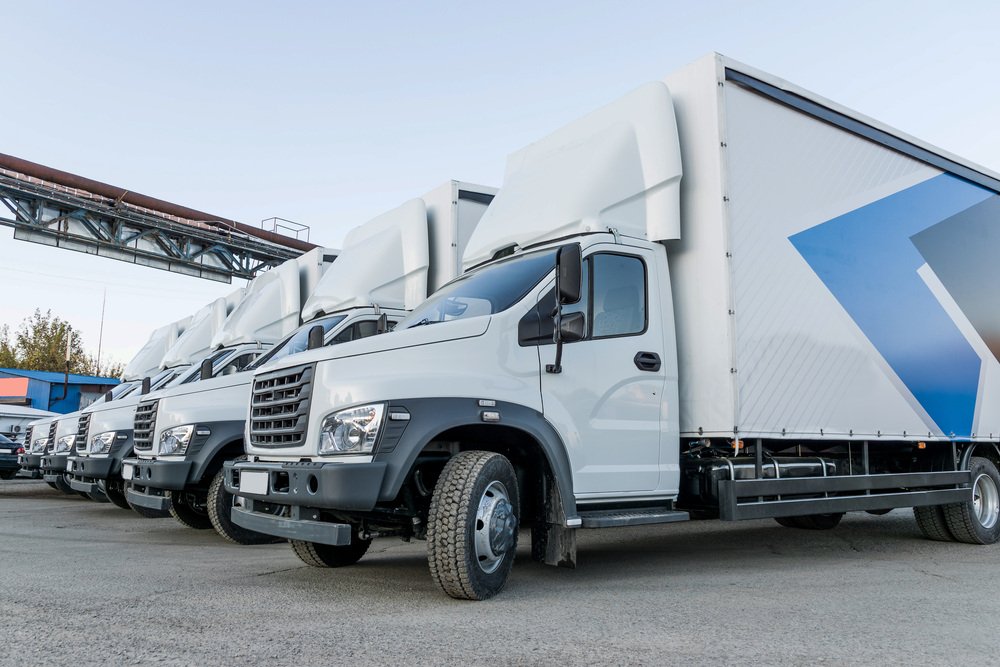
The value of a box truck directly influences physical damage premiums because it determines how much an insurer may need to pay after a loss.
A newer box truck valued at $80,000 costs more to insure than an older truck worth $20,000 because repairs and replacement parts are more expensive. Higher-value vehicles also tend to involve longer repair times, which increases claim costs.
As trucks age and depreciate, physical damage premiums often decline. Some operators choose to reduce coverage on older trucks once the cost of insurance outweighs the vehicle’s remaining value.
Distance Traveled And Annual Mileage
Mileage increases exposure. The more time a truck spends on the road, the more chances there are for accidents, breakdowns, or claims.
Local routes usually cost less to insure because they involve shorter trips, lower speeds, and more predictable driving conditions. Regional routes add complexity and time on the road, which raises risk.
Type Of Trucking Business
Insurance companies also consider how a trucking business operates day to day. Different business models create different risk profiles.
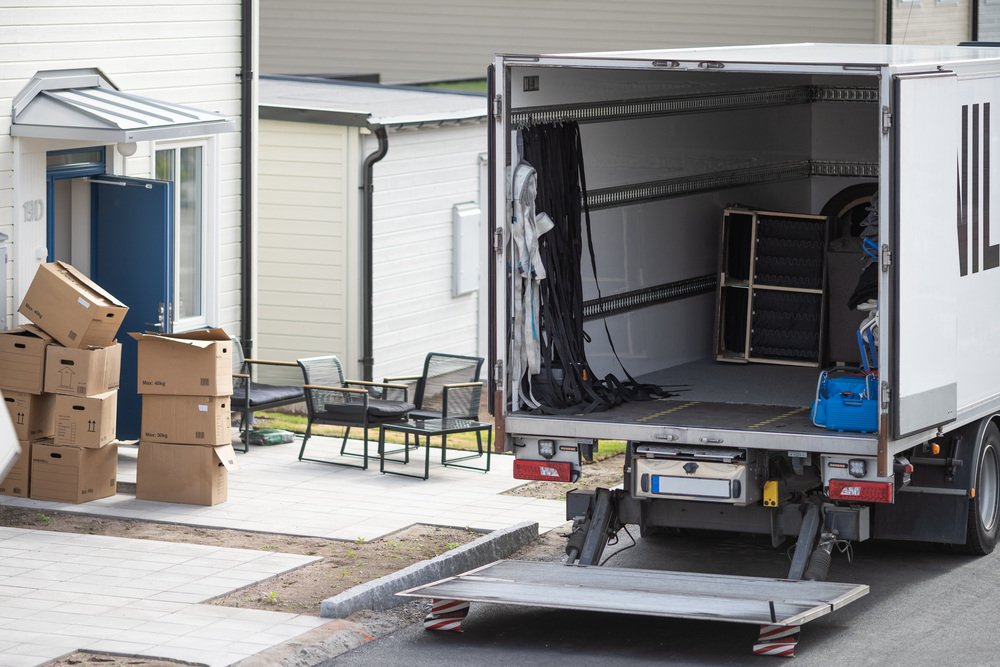
Moving companies often pay higher premiums because cargo is handled frequently and damage claims are common. Contractors hauling tools or equipment usually face lower cargo risk, which can reduce insurance costs.
Food service operations introduce spoilage risk. Refrigeration failures, missed deliveries, and frequent stops increase the likelihood of claims. Insurers price these exposures into premiums, even when the truck itself is identical.
How To Lower Your Commercial Box Truck Insurance Cost
Lowering insurance costs starts with understanding how insurers evaluate risk, so you can save money without cutting important coverage.
Compare Multiple Insurance Quotes
Insurance carriers evaluate risk differently, which means pricing can vary widely for the same operation. One insurer may focus more on driving history, while another prioritizes cargo type or operating area.
Requesting quotes from three to five carriers helps uncover these differences and often leads to lower premiums without sacrificing coverage.
Adjust Your Deductibles Strategically
Higher deductibles shift more risk back to the business, which lowers premiums. This works best when cash reserves are available.
Choosing a higher deductible only makes sense if the business can absorb out-of-pocket costs when claims occur.
Bundle Insurance Policies
Bundling commercial auto insurance with general liability or workers’ compensation reduces administrative costs for insurers. Those savings are often passed back to the business as discounts.
Use Safety Programs And Technology
Insurers reward businesses that actively reduce risk. Documented safety training, regular driver reviews, telematics systems, GPS tracking, and anti-theft devices all help lower claim frequency. As telematics becomes more common, these programs carry more weight than ever during underwriting reviews.
Industry Connections And Policy Reviews
Industry associations sometimes negotiate preferred rates with insurers. Specialized brokers and insurance agents understand trucking-specific risk and can often find better coverage options than general agents.
Regular policy reviews matter too. As trucks depreciate and operations change, coverage should adjust. Removing unnecessary coverage or increasing deductibles on older equipment can free up cash for other business needs.
Frequently Asked Questions
How Much Does Box Truck Insurance Cost Per Month?
The average monthly cost typically ranges from $231 to $950 per month, depending on coverage, risk profile, and payment structure.
What Is The Minimum Insurance Required For A Box Truck?
Most states require commercial liability coverage, commonly starting at $750,000, though requirements vary by operation and cargo.
Is Box Truck Insurance Cheaper Than Semi-Truck Insurance?
Yes. Box truck insurance is generally less expensive due to lower weight, mileage, and cargo exposure compared to semi-trucks.
Do I Need Cargo Insurance For A Box Truck?
Cargo insurance is not always legally required, but many shippers require it contractually, especially for high-value or time-sensitive freight.
Does My Personal Driving Record Affect Commercial Insurance?
Yes. Insurers review both personal and commercial driving history when pricing policies, particularly for owner-operators and small fleets.
Conclusion
Commercial box truck insurance is a required operating cost that protects businesses from financial risk, from basic liability coverage to full coverage that includes cargo and physical damage protection.
Today, premiums remain sensitive to claims trends, repair costs, and underwriting standards. Understanding what drives that pricing helps you plan ahead and avoid unnecessary costs.
Mission Financial Services works with trucking businesses to finance equipment while accounting for insurance costs and day-to-day operating expenses.
Start your credit application today to explore financing options that align with how your business actually runs.