
Office: (404) 975-4800

Uncategorized

how long can a semi truck last

How Many Miles Can A Semi Truck Last

how long can a semi truck last

If you’ve just invested in a new commercial vehicle, then you’ll probably ask, “How many miles can a semi-truck last?”

The short answer is this: the better you take care of the truck, the longer it will last. And if you’re careful, you might even get your truck to the million-mile mark.

How Long Does a Semi Truck Last?

A well-maintained semi-truck typically lasts around 750,000 miles and can even reach a million miles with good maintenance. This is impressive when compared to regular cars, which often start having problems after 200,000 miles.

Given that they usually drive about 45,000 miles a year, you can expect a semi-truck to last around 15 years. The average semi-truck should last somewhere between 500,000 to 750,000 miles.

Although, the lifespan of a semi-truck depends on how you maintain and keep the truck running smoothly.

Highest Mileages of a Semi Truck

Some semi trucks have impressively high mileage, with many trucks reaching almost 2 million miles.

With proper maintenance and care, semi trucks can last significantly longer than the average lifespan, which shows just how durable and reliable they are for long-haul transportation.

Factors that Affect How Long Semis Last

How many miles semi-trucks can do depends on various factors. Keep these things in mind if you want to get the best possible lifespan out of your long-haul truck.

Operating Environment

The environment where your truck operates significantly affects how long it will last.

Trucks that operate in harsh climates with extreme temperatures, heavy snow, or frequent rain can experience more wear and tear. The ice road trucking industry is one example of trucks that experience extra strain under harsh conditions.

Trucks that drive mainly on highways tend to last longer than long-haul trucking vehicles frequently navigating rough or unpaved roads.

Maintenance and Preventive Care

Regular maintenance and preventive care are crucial for extending a semi truck’s lifespan.

Routine checks, regular oil changes, and replacing worn-out parts can prevent major issues.

Trucking companies need to perform consistent preventative maintenance to avoid breakdowns and keep their trucks in good working condition for many years.

pexels-cottonbro-7541350

Driver Experience

The longevity of a semi-truck often comes down to experienced drivers.

Skilled drivers know how to handle vehicles more efficiently. They avoid aggressive driving and recognize early signs of potential problems.

Proper driving habits reduce strain on the truck and help prevent unnecessary damage.

Road and Traffic Conditions

Road and traffic conditions play a vital role in how long a semi-truck lasts. Trucks that mainly travel on smooth, well-maintained highways experience far less stress compared to trucks that drive on bumpy or poorly maintained roads.

Heavy traffic can also cause more stop-and-go driving, which leads to increased wear and tear.

Type of Cargo Transported

The type of cargo that a truck carries can affect the vehicle’s durability.

Heavy cargo puts more strain on the engine, suspension, and brakes. Consistently carrying heavy loads can lead parts of the truck to wear faster. On the other hand, lighter or less demanding cargo results in less stress on the truck.

Diesel Engine vs Gasoline Engine

Diesel engines typically last longer than gasoline engines in semi-trucks.

Manufacturers build diesel engines to handle higher levels of stress and typically make them more sturdy.

They’re also more fuel-efficient and can better endure the rigors of long-distance hauling. This is why they’re a preferred choice for heavy-duty trucks.
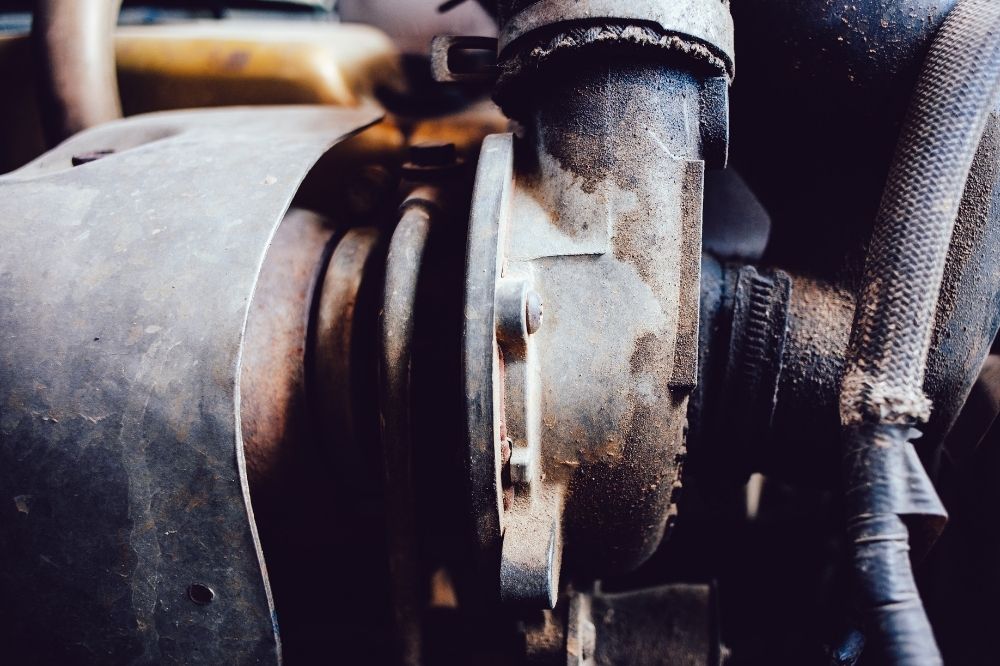
_diesel semi truck miles

Signs Your Truck is Reaching the End of its Lifespan

While we’d all love our vehicles to hit the million-mile mark, it’s important to know when it might be time for a truck replacement.

Here are some key symptoms of a truck that’s nearing the end of its life.

Frequent Breakdowns

If your semi-truck is constantly experiencing breakdowns, it may be near the end of its lifespan.

Constant mechanical issues are a sign of worn out key components that need replacing. Frequent breakdowns that disrupt your schedule and lead to high repair costs suggest it might be time to invest in a new truck.

Costly Repairs

When repairs become more frequent and more expensive, it’s a sign that your truck is aging.

Constantly having to fix major components like the engine, transmission, or brakes can quickly add up. At a certain point, the cost of these repairs might outweigh the value of the truck.

Decreased Fuel Efficiency

If you notice a big drop in the fuel efficiency of your truck, it’s a sign that the vehicle is wearing out.

As engines age, they often become less efficient and consume more fuel. So, a major decrease in fuel economy often suggests that your truck is reaching the end of its useful life.
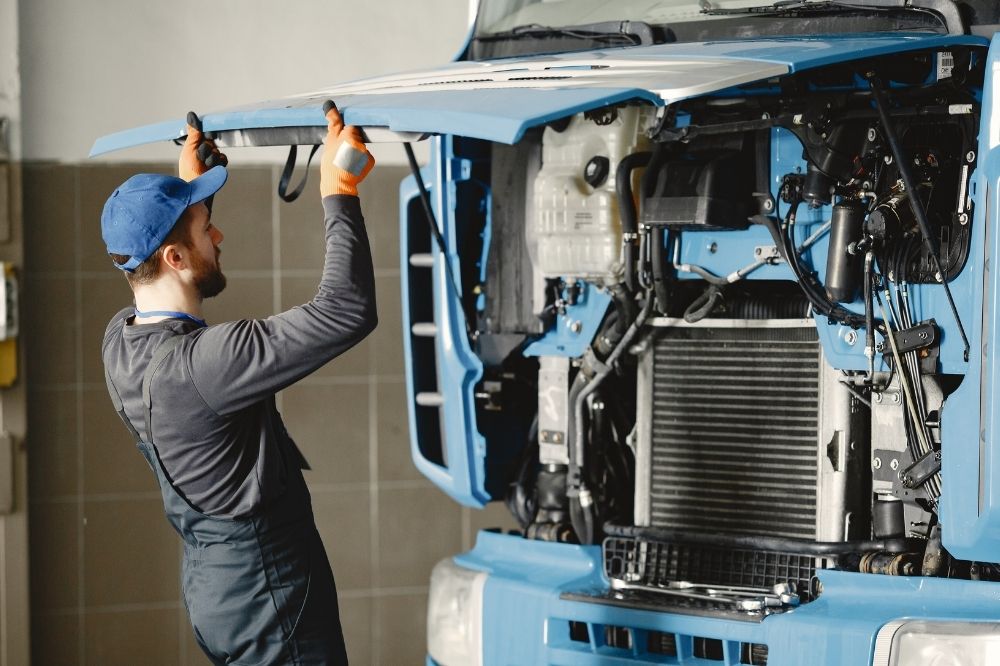
_semi truck miles2

Engine Problems

Constant engine problems are a clear sign that your semi truck might be on its last legs.

Issues like frequent stalling, power loss, or difficulty starting are signs that the engine might be failing. Engine repairs can be seriously expensive, and purchasing a new truck often makes more sense.

Unusual Noises

Unusual noises, such as knocking, rattling, or grinding, could be signs of serious issues within your truck.

These sounds often signal problems with the engine, transmission, or other critical components. If these noises continue after regular maintenance, your truck may be approaching the end of its operational life.

Excessive Smoke

Excessive smoke from the exhaust can be another big warning sign of engine trouble.

Blue, black, or white smoke can indicate burning oil, fuel system issues, or coolant leaks. If your truck emits a lot of smoke, it’s a sign that the engine isn’t functioning properly.

Structural Damage

Visible rust and structural damage are serious concerns for truck owners.

Rust can weaken the frame and other vital parts of the truck, compromising its safety and durability. If the structural integrity of the truck is compromised, it might be more cost-effective to replace it rather than repair it.

Tips for Extending the Life of Your Semi Truck

Whether you travel short or long distances, here are some key things to keep in mind to avoid premature wear and keep your truck in good condition.

Regular Maintenance

Regular maintenance is essential to keep your semi truck in top condition.

Routine oil change, filter replacements, and brake inspections are simple ways to keep your truck running longer. Quickly address any issues to prevent bigger, costly problems down the road.

Using the Right Fuel

Always use the recommended fuel for your semi-truck. High-quality fuel can improve engine performance and efficiency. It also helps reduce engine wear and prolongs the life of your truck.

No Overloading

Exceeding the weight limit of your truck puts extra stress on the engine, suspension, and brakes. Stick to the recommended load capacity for longer-lasting operation.

Careful Driving

Avoid aggressive driving, sudden stops, and rapid acceleration. Smooth and steady driving reduces wear and tear on the truck’s components.

Final Thoughts

Semi-trucks are built to last a long time. However, they need proper maintenance and care if they’re going to reach their full potential. Luckily, this is pretty easy to get right.

Ready to invest in a long-lasting semi-truck? See how we can help you get started on accessing the financing you need for a commercial vehicle.


Safety Features In Commercial Trucks

Safety Features In Commercial Trucks

pexels-cottonbro-7541981

Truck safety is a serious topic for any commercial driver. Luckily, nowadays manufacturers fit safety features In commercial trucks to help keep drivers, and other road users, safe.

Some trucks include the latest safety equipment as standard features, while other truck drivers may want to install their own safety systems in their vehicles. Either way, having an extensive knowledge of truck safety features can be incredibly beneficial for any truck driver, owner-operator, or fleet manager.

Benefits of Safety Features in Commercial Trucks

Today’s commercial vehicles are equipped with various safety features, which, needless to say, are essential for keeping drivers and commercial fleets safe on the road.

Most importantly, these features reduce the risk of accidents and fatal crashes, protecting both truck drivers and other road users.

Safety technology helps prevent collisions and keep the driver alert. This not only saves lives but also lowers costs related to accidents, such as repairs, legal fees, and insurance premiums.

Operating vehicles with proper safety features is also important for boosting a company’s reputation. Companies known for prioritizing safety are more likely to attract and retain skilled drivers and repeat clients.

Ultimately, investing in truck safety equipment and features boosts efficiency, reliability, and general fleet safety. This is necessary for a more successful and responsible business.

happy truck driver

11 Top Commercial Truck Safety Features

Commercial vehicles can be equipped with various safety systems. As a driver, it’s essential to understand these safety features and how they work.

Driver Assist Technology

Driver assist technology includes features like adaptive cruise control, lane-keeping assistance, and automatic emergency braking to keep drivers safe on the road.

These safety features help drivers maintain control of the truck and warn drivers to avoid collisions. They also make driving easier, which helps reduce fatigue on the road.

Distracted Driving Mitigation

Distracted driving mitigation systems monitor the driver’s behavior while they’re behind the wheel.

These advanced systems use cameras and sensors to detect signs of distraction, like looking away from the road. If the system senses distraction, it alerts the driver to refocus.

Such new safety features help prevent accidents caused by inattentiveness, which makes the roads safer for everyone.

Automatic Braking

Automatic braking systems activate the brakes when a collision is imminent.

Sensors detect obstacles and other vehicles, and the system can apply the brakes if the driver doesn’t react in time.

This feature reduces the severity of collisions and can even prevent rear-end collisions entirely.

Blind-spot Monitoring

Blind-spot monitoring systems use sensors to detect vehicles in the truck’s blind spots. They alert the driver if a vehicle approaches.

This helps drivers make safer lane changes and reduces the risk of side collisions.

electronic logging device (1)

Electronic Logging Devices

Electronic logging devices (ELDs) record a truck’s driving hours automatically. They ensure drivers comply with hours-of-service regulations, which helps to prevent fatigue-related accidents.

ELDs also simplify record-keeping and improve efficiency in managing fleets.

Dashboard Camera Monitoring

Dashboard cameras record the road and the driver’s actions. They provide valuable evidence in case of accidents and can help improve driver behavior.

By reviewing footage, companies can improve the way they train drivers and reduce risky driving habits. Dash cams can be especially valuable for fleet safety for larger fleets of vehicles.

Rear-View Cameras

Rear-view cameras help drivers get more visibility when reversing.

They provide a clear view of the area behind the truck, which is especially helpful in large commercial vehicles with significant blind spots.

This relatively simple technology can play a major role in reducing the risk of back-over accidents and helping in tight parking situations.

GPS Fleet Tracking

GPS fleet tracking systems keep track of a truck’s location in real time.

They help fleet managers optimize routes, reduce fuel consumption, and improve delivery times. Enhanced tracking also improves security by helping recover stolen vehicles.

safety features in trucks

Lane Departure Warning Systems

Lane departure warning systems alert drivers if their truck unintentionally drifts out of its lane.

The technology uses cameras to monitor lane markings and clearly warns drivers in case of lane drifting. This can be a big help in preventing accidents on long, monotonous drives.

Pedestrian & Hazard Detection

Pedestrian and hazard detection systems use sensors to identify people and obstacles around the truck. They alert the driver to any potential dangers, which helps avoid accidents where there are blind spots.

These systems are especially useful in busy urban areas where pedestrians and unexpected obstacles are common. They can also protect passers-by while trucks park or pull off.

Adaptive Cruise Control

Adaptive cruise control maintains a set speed while adjusting for traffic conditions. It uses radar or cameras to detect vehicles ahead and can slow down or speed up to maintain a safe following distance.

This feature is useful for reducing driver fatigue on long hauls.

Safe Driving Practices

Safe driving practices are essential for preventing accidents and ensuring everyone’s safety on the road. While vehicles can be equipped full of new safety features, it’s still down to the driver to apply safe driving practices to avoid accidents.

Drivers need to always stay alert and focused, avoiding distractions like phones. It’s crucial to follow speed limits, maintain a safe distance from other vehicles, and use turn signals. Regular breaks are essential for keeping drivers attentive and responsive.

Understanding and using safety technology can seriously enhance driving safety. However, drivers must remember that these systems assist but don’t replace human vigilance.

Staying informed about how these features work and their limitations ensures drivers can react appropriately to any situation, promoting a safer driving environment for all.

Final Thoughts

Having the right tools for safer driving is something every truck driver should consider. In many cases, these safety features are pretty simple to install but can make a major difference if they help avoid accidents and keep your vehicle secure.

Considering purchasing a new commercial vehicle? Then you’ll need to work with the right financing partner. At Mission Financial Services, we can help you gain financing for a semi-truck in the easiest way possible. Get started on owning your dream truck.


semi truck types

The Essential Guide To Semi Truck Types

semi truck types

In the world of commercial trucks, a wide variety of vehicles exist to perform different jobs and transport specific cargoes. Our essential guide to semi truck types will help you navigate these options.

Semi-trucks are incredibly versatile, with various tractor-trailer combinations allowing drivers to haul any type of goods over long or short distances. As a truck driver, understanding the different semi-truck options available and determining which ones best suit your needs is crucial.

What is a Semi-Truck?

A semi-truck, also known as a tractor-trailer or an 18-wheeler, is a large truck used to transport goods over long distances.

These trucks comprises a powerful truck (tractor) that pulls a long trailer where the cargo is stored. The “semi” part comes from the trailer having wheels only at the back, so it needs to be attached to the tractor to move.

Semi-trucks are essential heavy-duty trucks for moving goods across countries. They’re a common sight on highways and form the foundation of the long-distance trucking industry.

Common Types of Semi-Trucks

While the tractor-trailer concept of semi-trucks is always the same, semi-truck drivers can drive a range of different vehicles. Here are the most common types of semi-trucks that you see on the roads.

Day Cabs

Of all the different types of semi-trucks, day cabs are the most common. They’re designed specifically for short hauls and regional deliveries.

These semi-trucks don’t have a sleeping compartment, so they’re lighter and more fuel-efficient than sleeper semi-trucks. They’re also easier to maneuver, especially in urban settings with tight streets and frequent stops.

These tractor-trailers are ideal for drivers who return home at the end of their shift and don’t need any overnight accommodation. Day cabs are the usual choice for local deliveries, such as transporting goods from warehouses to stores within a city or region.

Sleeper Trucks

Sleeper semi-trucks have a built-in sleeping compartment behind the driver’s seat, where drivers can sleep during long hauls. Drivers can set this up as either a flat roof sleeper or a raised roof sleeper.

Sleeper truck compartments can vary in size and amenities, from basic bunks to more luxurious setups with beds, small refrigerators, and entertainment systems. These trucks are useful for long-distance transport, as they make it easy for drivers to comply with hours-of-service regulations that require rest periods.

Raised or flat roof sleepers reduce the need for overnight stays in motels, which can save money on long-distance trips. These types of semi-trucks are a staple of long-haul and across-state trucking.

tom-jackson-H2UzCyX32p4-unsplash

Slope-Nosed Trucks

Slope-nosed trucks, also known as cab-over or COE (Cab-Over-Engine) trucks, have a flat front where the cab sits directly above the engine.

These types of semi-trucks offer better visibility for the driver and allow for better maneuverability, especially in tight urban environments or on narrow roads. The shorter wheelbase of slope-nosed trucks makes it easier to turn and park.

While this design is less common in North America, it’s often seen in Europe and other regions with tighter space and length regulations.

Conventional Nose Trucks

A conventional nose semi-truck, also known as a long-nose truck, has a protruding engine compartment in front of the cab. When you think of a semi-truck, this is the most common and classic design.

These types of semi-trucks have better aerodynamics, which can improve fuel efficiency and reduce drag. The design also provides a smoother ride and makes it easier to access the engine during maintenance.

The longer nose of the semi-truck helps to distribute the vehicle’s weight more evenly, which can also mean better stability and handling.

These types of commercial vehicles are popular in North America, particularly for long-distance hauls. In fact, if you look at the commercial truck market share, these semi-trailer trucks hold the vast majority.

Custom Haulers

Custom haulers are designed for transporting unique or specialized cargo that doesn’t fit into standard categories. These vehicles often have specialized equipment or features to accommodate the unique needs of their cargo and trucking business.

They require specific permits and regulations due to their unique loads, making them distinct from regular haulers. As a result, custom haulers offer solutions for transporting items that standard trucks cannot handle.

semi truck haulers

Trailers for Semi-Trucks

When looking at different semi-truck types, it’s also important to understand the various semi-trailer options.

Flatbed Trailer

Flatbed trailers are open platforms with no sides or roofs, making them extremely versatile for transporting a range of cargo options.

Flatbed semi-trailers are ideal for loads that are too big or awkwardly shaped to fit inside enclosed trailers. This typically includes construction materials, machinery, and large equipment. The open design also makes it easier to load and unload from any side, using cranes or forklifts.

However, these semi-trailers do not offer any protection from the outside elements.

Lowboy Trailers

Lowboy trailers, also known as low loaders, have a lower deck height compared to standard trailers because of their design.This allows them to carry tall and heavy loads that would exceed height restrictions on regular trailers.

They’re commonly used to transport heavy construction equipment, such as bulldozers and excavators. The low deck height provides a lower center of gravity, which improves stability and safety during transport.

A lowboy trailer comes with detachable goosenecks, which makes it easier to load and unload the cargo.

Dry Van Trailers

Dry van trailers are closed boxes on wheels. The point of these semi-trailers is to offer a protected environment for the cargo.

They’re the most common type of trailer used for shipping general freight, such as packaged goods, electronics, and clothing. The enclosed design shields the cargo from weather conditions, theft, and damage.

Dry van trucks are versatile and widely used for both short-haul and long-haul transportation.

Refrigerated Trailers

Refrigerated trailers, or reefer semi trucks, resemble dry van trailers but have cooling systems.

They’re used to transport perishable goods, such as food, pharmaceuticals, and flowers, that require temperature control. These trailers maintain a specific temperature range to ensure the cargo stays safe.

Tanker Trailers

Tanker trailers are specialized semi-trucks designed to transport liquids, gasses, or dry bulk cargo.

They’re commonly used for hauling fuel, chemicals, food-grade liquids, and other substances that need to be transported in bulk. Tanker truck manufacturers use specific materials to contain and transport their contents safely, often including insulation or compartments for different types of cargo.

pexels-rachael-holzman-3433910-5368145

Final Thoughts

Choosing the right semi-truck should depend on the type of cargo you plan to carry and the distance you plan to travel. Each type of semi-truck comes with its pros and cons, but it’s essential that you choose a vehicle that matches your transportation needs.

If you’re looking to purchase a commercial vehicle, then you’ve got to fully understand the different semi-truck variations out there to find a vehicle that best matches your trucking requirements.

Whatever kind of semi-tractor-trailers you’re looking for, you’ll need to start by having the right financing partner on your side. Get in touch with us at Mission Financial – we make gaining semi-truck financing easy.

semi truck maintenance check list

Essential Truck Maintenance Checklist for Owner-Operators

semi truck maintenance check list

Every mile you drive in your truck adds wear to the parts that keep your truck earning: brakes, tires, belts, and the engine oil that keeps everything moving. Skipping service might save a few hours today, but it almost always costs more later.

A solid truck maintenance checklist is your best defense against downtime. It keeps your commercial truck safe and running at peak performance, no matter what route you take.

That combination of savings and peace of mind is what separates growing operators from everyone else. Now, let’s walk through the essential truck maintenance checklist that keeps every system in your rig performing the way it should.

Why Routine Maintenance Matters for Owner-Operators

Routine maintenance keeps semi trucks compliant, efficient, and earning. It ensures every system, from tires to the air brake system, is safe and ready for inspection under FMCSA Part 396.

Every inspection you pass and breakdown you prevent has a measurable impact on profit. A well-maintained truck uses less fuel and stays in service longer. Keeping up with basic maintenance tasks, like monitoring tire pressure and topping off engine oil, protects your margins more than any upgrade ever could.

When those small details are ignored, problems stack up fast.

For example, underinflated tires hurt fuel efficiency. Low brake fluid or worn brake pads reduce stopping power and can trigger an out-of-service violation during a DOT inspection. Even something as simple as a loose belt can shut down your cooling system and cost you a load.

The American Transportation Research Institute (ATRI) reported that the average cost of operating a truck in 2024 was about $2.26 per mile. That figure covers everything – fuel, maintenance, insurance, and driver pay – and gives owner-operators a clear way to estimate the true impact of downtime.

For example, if your truck usually runs 500 miles a day, every day parked could cost you more than $1,100 in lost productivity.

Miss a week due to a preventable repair, and those numbers climb into the thousands. That’s why every fleet manager and motor carrier needs to treat preventive maintenance as both a safety requirement and a financial strategy.

Understanding Preventive Maintenance Schedules

Every truck requires a structured maintenance schedule based on mileage, time intervals, and operating conditions.

A preventive maintenance plan should align with the manufacturer’s recommendations and include key systems: braking, cooling, electrical, hydraulic, and steering.

Below is a simple example:

Interval Key Maintenance Tasks Purpose
Daily / Pre-Trip Inspection Tires, brakes, brake lights, fluids, emergency gear Safety, compliance, and reliability
Weekly Batteries, filters, couplings, hoses Prevent leaks and electrical issues
Monthly Oil, alignment, suspension, exhaust Enhance fuel efficiency and vehicle performance
Quarterly / 25,000 mi. Transmission, air conditioning system, fuel system Long-haul dependability
Annually / 100,000 mi. Full DOT inspection, diagnostics, emissions Ensure compliance and longevity

Your preventive maintenance efforts will vary depending on route type, vehicle class (medium-duty trucks vs. heavy-duty trucks), and environment.

For example, dusty, mountainous, or hot climates accelerate wear on truck parts, especially filters, brakes, and cooling systems. So, if you regularly drive through these conditions, increase inspection frequency and shorten service intervals.

Adapting your maintenance plan to your operating environment helps you prevent premature wear and keep your truck performing reliably year-round.

truck exhaust system

Daily or Pre-Trip Truck Maintenance Checklist

Daily checks, often called pre-trip inspections, are mandatory under federal law. They’re the most effective way to detect early problems before they escalate into costly repairs or safety violations.

Tires and Wheels

Inspect every tire for proper air pressure or uneven tire wear. Tire blowouts are a common roadside failure among commercial trucks, usually caused by underinflation or poor alignment.

Check tread depth (minimum 4/32 inch on steering tires, 2/32 on others) and look for stones or nails embedded in grooves. Tighten lug nuts if you notice rust trails or vibration.

Proper inflation also improves fuel efficiency and handling, saving thousands annually in fuel and repair costs.

Brake Function and Air Systems

Test both the service brakes (your primary, foot-pedal system) and the parking brakes (the spring-brake system engaged when parked) before departure to confirm proper air pressure and brake response.

The air brake system should build pressure from 85 to 100 PSI within 45 seconds. Slow pressure build-up or audible air leaks indicate compressor or line issues that demand immediate service.

Drain moisture from air tanks daily to prevent freezing and corrosion. For hydraulic or disc systems, inspect brake pads and rotors for visible wear.

Lighting and Electrical Components

Test brake lights, headlights, turn signals, and clearance markers. Clean lenses with a microfiber cloth and replace dim bulbs immediately.

Next, inspect battery terminals for corrosion and ensure electrical components such as horns and wipers are functioning correctly.

Fluids and Leaks

Check engine oil, brake fluid, power steering fluid, and coolant levels daily. Dirty or milky oil suggests contamination and requires immediate attention.

You also need to inspect under the cab for drips. Even minor coolant leaks can escalate quickly and damage your cooling system or engine belts.

Safety and Emergency Equipment

Confirm that your fire extinguisher is charged and mounted, and that reflective triangles are accessible.

Verify the presence of spare fuses and a flashlight.

These small checks help you stay compliant and safe during roadside emergencies.

truck maintenance checklist wheels

Weekly Truck Maintenance Checklist

Weekly maintenance checks catch wear that builds slowly, i.e., the issues you won’t always notice until they affect vehicle performance or driver comfort.

Building them into your preventive maintenance schedule keeps your truck in service and your maintenance costs predictable.

Battery and Electrical Systems

Your truck’s electrical systems power everything from lights to the air conditioning system, so a weak battery can cause more than just slow starts.

Once a week, inspect battery terminals for corrosion and clean them with a wire brush. Apply dielectric grease to keep moisture and oxidation away.

Use a multimeter to check voltage: around 12.6 volts when off and 13.7–14.7 volts while running. Readings outside that range could point to a weak alternator, parasitic draw, or grounding problem.

Don’t ignore dim lights or slow cranking – those are early warning signs of electrical failure.

Air and Cabin Filters

Restricted airflow is a very common and preventable cause of lost fuel efficiency. Dirty air filters make the engine work harder, cutting MPG and raising emissions.

Replace the engine filter every 15,000 to 25,000 miles, or sooner if you haul dusty or off-pavement routes.

Cabin filters deserve equal attention. A clean filter keeps your HVAC system moving air freely, improving air conditioning performance and keeping the cab comfortable for long hours on the road.

Belts, Hoses, and Fluids

Belts and hoses are the lifelines of your truck’s cooling system and hydraulic systems. Each week, look for cracks, glazing, or frayed edges on belts. Squeeze hoses gently; if they feel soft or spongy, replace them before they burst under pressure.

Tighten loose clamps and top off brake fluid or power steering fluid if levels drop. Consistent checks like these prevent overheating, steering loss, and other costly repairs that start with small leaks.

Trailer and Coupling Systems

Safe hauling starts with secure connections. Inspect your fifth wheel, kingpin, and safety chains to ensure a tight, clean lock. Apply grease to the fifth-wheel plate regularly for smooth operation and to reduce wear.

Don’t overlook wiring and air lines. Corrosion or air leaks in the coupling system can cause braking system malfunctions or lighting failures that lead to DOT inspection violations.

A clean, lubricated connection reduces vibration and protects both the tractor and trailer from unnecessary stress during long runs.

donna-elliot-44eZ3uxC0VQ-unsplash

Monthly Truck Maintenance Checklist

Monthly service is your opportunity to reset the truck’s overall condition AND spot gradual wear that quietly drives up repair costs and fuel use.

Engine and Oil System

Your engine depends on clean, high-quality engine oil to protect moving parts and maintain proper operation. Change oil every 15,000–25,000 miles, depending on route conditions, idle time, and load weight. Heavy long-haul work may require shorter intervals.

If possible, send a small oil sample for lab analysis. Elevated metal levels indicate internal wear, while traces of fuel or coolant reveal leaks in injectors or seals.

Replace oil filters at every change, and inspect gaskets for seepage around the pan or filter housing.

Preventing contamination protects pistons, bearings, and valves – the core of every semi truck maintenance checklist.

Brake and Suspension Systems

Your braking system is one of the most inspected components on any commercial truck. Check brake drums, rotors, and brake pads for cracks, glazing, or uneven wear. Listen for squeals or grinding. Both mean it’s time for service.

Verify air brake system pressure and confirm there are no leaks along hoses or fittings.

Next, examine the suspension components. Cracked leaf springs, leaking shocks, or worn bushings affect handling and increase driver fatigue. Poor suspension can also cause uneven tire wear and premature steering issues.

Tire Rotation and Alignment

Tires are among the most expensive wear items in any fleet. Rotating them every 10,000 miles helps distribute wear evenly and extends their lifespan. Use a tread gauge to track tread depth, and pay attention to scalloping or cupping – both signal misalignment or balance issues.

Once rotated, verify the truck’s alignment. A properly aligned truck rolls smoothly, keeps the steering wheel straight, and reduces driver strain. For fleet managers, those savings compound fast across multiple units.

pexels-cottonbro-7541350

Quarterly or 25,000-Mile Maintenance Checklist

Quarterly service focuses on the high-stress systems that quietly wear down over time. Tackling these systems every 25,000 miles helps prevent small inefficiencies from becoming major repairs.

Transmission and Differential Service

The transmission and differential take more abuse than almost any other components in a drivetrain. Both operate under extreme heat and torque, and both depend on clean, correctly filled fluid to prevent metal-on-metal wear.

Check the transmission fluid and differential oil for color and odor. If either looks dark or smells burnt, oxidation has begun, and the fluid needs to be replaced.

For manual gearboxes, inspect the drain plug and output seals for drips; for automatics, replace filters and gaskets on schedule.

When you replace engine oil, take a minute to check transmission and hydraulic systems too. Maintaining consistent fluid levels prevents overheating and protects gears, pumps, and clutches.

Steering and Suspension Systems

A solid steering system means control and confidence behind the wheel. If the steering wheel feels loose or vibrates on uneven pavement, you may have worn tie-rod ends or failing bushings. Inspect all linkages and check for power steering fluid leaks around hoses or the steering box.

For the suspension, look at the air bags, shocks, and leaf springs. Any leaking shock or cracked spring can throw off ride height, affect alignment, and cause uneven tire wear.

Catching these problems early improves handling and reduces fatigue on long runs – a win for both fleet performance and driver safety.

Fuel and HVAC Systems

A clean fuel system keeps the engine breathing and burning efficiently. Replace fuel filters every 25,000 miles, and drain water separators to prevent corrosion inside injectors. Examine the fuel tank for rust or sediment buildup, especially on older commercial trucks or units that sit idle between loads.

Your air conditioning system deserves attention, too. Confirm that the compressor cycles correctly and that the cab stays cool under load. Warm air or weak airflow usually means low refrigerant or a clogged condenser. Clean the coils and test airflow through the cooling system so drivers stay comfortable and alert on long hauls.

Annual or 100,000-Mile Maintenance Checklist

Annual service is your opportunity to reset the truck for another year of reliable work. It’s also the point where compliance meets long-term cost control. A full maintenance plan built around annual inspections ensures every vehicle stays in line with FMCSA Part 396 and DOT standards.

DOT-Level Inspection Readiness

Federal law under FMCSA 396.17 requires every motor carrier to have each truck inspected at least once every 12 months. These inspections verify that commercial trucks and any intermodal equipment subject to regulation are structurally sound and functioning correctly.

Before scheduling your annual check, review your internal maintenance checklist and make sure every item from prior reports has been addressed.

Keep a digital copy of the inspection certificate inside your ELD or tablet. Inspectors can ask for it during audits, and missing paperwork can result in an out-of-service citation.

Major System Replacements

Annual service focuses on replacements rather than tune-ups.

Drain and refill the cooling system and hydraulic systems with OEM-approved fluids. Swap out engine belts and hoses. Rubber and fluid degrade over time, even if the truck hasn’t logged heavy miles.

Check the exhaust system for cracks, loose clamps, or soot trails around gaskets that signal leaks.

Inspect electrical systems and wiring harnesses for corrosion, especially on fleet maintenance operations that run through salt or humidity.

Emissions and Diagnostic Testing

Modern commercial vehicles rely on electronic control modules (ECMs) to monitor every system, from the fuel system to the air conditioning system.

Run a diagnostic scan at least once a year, even if no lights are on, to catch hidden codes early.

Pay attention to sensors tied to the braking, cooling, and exhaust systems. Failing sensors can create false alarms or mask real problems.

Replace any components showing erratic readings to preserve vehicle health and avoid costly repairs later.

Final Thoughts: Building a Reliable Maintenance Culture

Successful truck drivers and fleet managers know that regular maintenance is an investment in their business uptime and general safety.

By performing these maintenance tasks on schedule (checking tire pressure, testing air brake systems, changing engine oil, monitoring the air conditioning system, etc.), you reduce repair costs and prevent breakdowns before they happen.

Keeping your trucks in top condition takes planning and money. When a major repair or replacement catches you off guard, Mission Financial Services can help you cover the costs without missing a load.

Start your credit application today for fast, flexible truck financing and grow your trucking business.

truck tires

Truck Tire Service And Maintenance Tips

truck tires

Your tires are one of the most important elements of your truck. Keeping them in good condition is essential for reliable, safe, and cost-effective truck operations.

The good news is that tire maintenance is really simple. And, when done right, it goes a long way.

We’ll cover everything you need to know about truck tire maintenance in the guide below.

Importance of Tire Maintenance

One of the most important (and easiest) parts of maintaining a truck is keeping your tires in good condition. This will help you improve tire longevity, avoid premature tire wear, increase fuel economy, and keep other parts of your vehicle working at their best.

Let’s break down the three key benefits of truck tire maintenance.

Safety

Maintaining your truck tires is crucial for safe driving.

Poor truck tire maintenance can lead to blowouts or failures, which significantly increase the risk of accidents. In fact, tire-related issues cause nearly one-third of all truck-related crashes.

Regular tire checks and maintenance help prevent these accidents and make the roads safer for everyone.

Cost Efficiency

Taking care of your tires is also important for saving money on vehicle maintenance.

Keeping optimal tire pressure, and performing regular tire balancing and tire rotation means your tires will last longer. This is important as new tires for trucks are seriously expensive.

Well-maintained tires also improve fuel efficiency. In fact, a truck’s tires contribute around 30% of the vehicle’s fuel economy. Well-maintained tires also help you prevent wear and tear on other parts of your truck – like your shocks or kingpin.

Performance

Well-maintained tires with the correct tire pressure are essential for optimal truck performance and handling.

Properly aligned and inflated tires help your truck handle better in various driving conditions, and provide better control.

tire maintenance

Tips for Tire Maintenance

Maintaining your truck tires is really simple. Here are some of the most important things to do to keep your tires at their best.

Regular Tire Inspections

Performing regular inspections is key to tire maintenance.

All you need to do is a quick visual inspection of your tires each day, looking for visible wear and damage. Check your tire’s tread to ensure it’s not too worn. Of course, pay attention to any obviously underinflated tires.

You’ll also want to do more detailed inspections at least once a month to catch any issues early.

Tire Pressure

Keeping the correct tire pressure is one of the most important aspects of tire maintenance.

Use a reliable tire pressure gauge to check the air pressure regularly. This is an essential part of any semi-truck driver’s toolkit.

Under-inflated tires wear more quickly and aren’t as fuel-efficient. Over-inflated tires could cause a harsher ride and uneven wear.

Tread Depth

Keeping an eye on the depth of your tire’s tread is important for safe traction.

Use a tread depth gauge or the penny test to check the depth. Having deep enough treads helps you keep a good grip on the road, especially in wet conditions or driving on ice roads.

Wheel Alignment and Balancing

When it comes to truck tire maintenance, regular wheel alignments and balances are essential for preventing uneven tire wear.

If your vehicle pulls to one side, or you’re seeing irregular wear on the treads, then you probably have misaligned wheels. You’ll notice balancing issues if you feel vibrations in the steering wheel.

tire change

Rotation

Rotate your tires regularly to ensure even wear. This simple practice means all of your tires wear at the same rate, which extends their lifespan.

Check your owner’s manual for the manufacturer’s recommendation on this, but it typically involves rotating every 6,000 to 8,000 miles.

Cleaning

One of the easiest ways to maintain your tires is to simply keep them clean.

Keeping your tires clean of debris and chemicals helps keep them in their best condition. Just use mild soap and water to clean your tires, and be sure to avoid harsh chemicals that can degrade the rubber.

Considerations When Servicing Tires

Regular tire servicing is necessary for ensuring safety in vehicles and helping your tires last in the long run. Here are a few things to keep in mind for proper tire servicing.

Professional Service

Always have your tires serviced by qualified professionals.

Experts have the knowledge and equipment to handle tires correctly. They’ll help you detect issues that you might miss during self-inspections. This is a small price to pay for proper truck maintenance.

Replacement Timing

It’s important to know when to replace your tires instead of repairing them or doing a retread process.

Signs that your tire life has come to an end include visible tread wear, cracks, and frequent air loss. If the tire is over six years old or has damage that can’t be safely repaired, it’s time for a new one.

Seasonal Considerations

It’s important to adjust tire care for different weather conditions.

Use winter tires for better traction in snow and ice, and switch to summer tires for better performance in warmer weather. Seasonal tires are designed to handle specific conditions, which will help your tires last longer.

tire inspection

Load Capacity

Ensure your tires match your truck’s load capacity. Check the load ratings on the tire sidewall and compare them to your vehicle’s requirements.

Overloading tires is a fast way to bring on blowouts and premature wear.

Legal Compliance

Make sure you stick to any regulations regarding tire condition and maintenance for commercial trucks.

These regulations should specify the minimum tread depth, proper inflation, and overall tire condition. Staying compliant is necessary to avoid fines and stay safe on the road.

Conclusion

Keeping your tires properly maintained doesn’t take a lot of effort, but it does make a major difference to your truck’s overall well-being and safety. A few simple checks are all it takes to keep your tires in great condition.

Looking to purchase a truck? Then get in touch with us at Mission Financial Services. We make gaining financing for a commercial truck as easy as it gets.

aerodynamics

Effective Ways To Improve Truck Aerodynamics

aerodynamics

Looking to boost your truck’s fuel efficiency and performance on the road? Understanding effective ways to improve truck aerodynamics is crucial.

By optimizing airflow and reducing drag, you can enhance your vehicle’s efficiency and reduce fuel costs. This article explores practical strategies and tips to streamline your truck’s aerodynamics, ensuring smoother and more economical journeys.

What are Trailer Aerodynamics?

Truck aerodynamics is a crucial concept to understand if you’re an owner-operator or fleet manager because it affects your truck’s fuel efficiency and fuel costs.

As a semi-truck moves on the open road air collides with its surfaces, creating resistance. This air resistance, often known as aerodynamic drag, slows down the semi-truck and reduces its performance. The truck then requires more engine power to push through the drag and maintain highway speeds.

To improve your truck’s fuel efficiency and lower costs, you must reduce drag so the vehicle cuts through any wind resistance effortlessly.

Reducing aerodynamic drag requires streamlining the parts of a semi-truck and trailer that influence its aerodynamics. This way, air flows past the truck instead of working against it.

fuel efficiency

Why Are Aerodynamics Important for Semi Trucks?

Paying attention to your truck’s aerodynamics is essential for the following reasons:

  • Optimize Fuel Economy: Improving aerodynamics allows you to manage your fuel economy. Specifically, it reduces drag, lowering fuel consumption and increasing fuel efficiency. In the long run, this reduces operational costs and increases fuel savings.
  • Reduce Gas Emissions: With optimized aerodynamics, your vehicle will cut through the air smoothly. As a result, it will burn less fuel, minimizing greenhouse gas emissions and reducing environmental pollution.
  • Improved stability and safety: Increased air resistance from crosswinds can destabilize your vehicle, causing it to sway or tip over. Aerodynamic improvements prevent this by promoting smooth airflow around the truck, ensuring it remains stable.
  • Less Wear and Tear: When your truck’s aerodynamics are well-optimized, the engine doesn’t work as hard since there’s less resistance to overcome. Because of this, it lasts longer.

Main Points of Drag

Understanding types of aerodynamic drag that can affect a truck’s performance is crucial as it can help you develop unique ways of optimizing your specific vehicles’ performance.

There are four primary types of drag, namely:

Form Drag: Overall, trucks with a wide open front area experience more drag than those with a pointed or round design since there’s more surface area for air to act on.

Skin Friction Drag: Skin friction drag occurs when air passes over a truck’s surfaces, with rough surfaces creating more drag due to increased friction between air particles and the surface. Smooth surfaces reduce this friction, resulting in less drag.

Interference Drag: Caused by the interaction between tractor-trailer components. Gaps and protrusions create varying airflows and resistance, increasing drag.

Induced Drag: – also known as lift-induced drag, occurs when high-pressure air below the truck flows to the low-pressure area above, creating drag.

drag

Products and Devices to Reduce Tractor-Trailer Drag

There are several products to help you modify your truck, reduce aerodynamic drag, and enhance its performance. A few of these essential devices include the following:

Trailer Skirts

Trailer skirts are panels attached to the trailer’s underside (lower side edges), between the axles, to reduce drag caused by air interacting with the truck’s wheels and other underbody structures. They redirect airflow and eliminate drag from the undercarriage. This places less strain on the truck’s drive train, reducing fuel consumption and increasing its efficiency at high speeds.

Trailer Tails

Trailer tails, often called boat tails or rear tail fairings, are devices attached to the back of the trailer to streamline airflow. They reduce air turbulence at the trailer’s rear end, preventing the formation of a turbulent vacuum that can tug the vehicle backward, creating drag. The best types of trailer tails are easily detachable to accommodate the loading and unloading of the semi-truck.

Gap Reducers

Gap reducers minimize the gap between the tractor and the trailer. An example of such devices is cab extenders.

Cab extenders get attached to the sides of the cab, pointing back and outwards, away from it. They direct airflow away from the tractor-trailer gap, minimizing drag.

Wheel Covers

Large center indentations plus other small crevices on truck wheels trap air when spinning. This disrupts airflow, increasing aerodynamic drag. Wheel covers close off these gaps, letting air flow past the wheels and minimizing drag.

A few types of wheel covers to choose from include:

  • Full wheel covers – they cover the entire wheel, protecting your car from damage while reducing drag
  • Center caps – only cover the wheel hub, preventing dust accumulation, which often adds to drag
  • Trim rings – cover the outer rim only. These add a polished, classy look to your vehicle and reduce drag.

When choosing a cover for your wheels to reduce aerodynamic drag, consider your vehicle specifications, design compatibility, ease of installation, and durability to find the perfect balance between functionality and aesthetics.

Aerodynamic Mirrors and Cameras

Consider replacing some of your truck’s traditional features with more aerodynamic designs to lower wind resistance and reduce aerodynamic drag. For example, you can replace traditional windshields and mirrors with sloped front windshields and pedestal door mirrors to enhance the truck’s performance.

You may also opt for camera monitor systems in place of traditional mirrors. They will enhance the vehicle’s aerodynamics while improving visibility and safety. But you’ll have to be keen to ensure you comply with all regulations regarding rear visibility in cars.

Roof Fairings

Roof fairings work the same way as trailer skirts, but they’re mounted on the truck’s roof to direct the airflow over the trailer instead of on the sides. These are particularly helpful when using full-height trailers and the height of the tractor doesn’t match the trailer’s height.

The roof fairing or air deflector closes the height gap between the tractor’s roof and the top of the trailer, so air flows directly over the trailer’s top surface.

roof fairing

Aerodynamic Mud Flaps

Most trucks have heavy, solid rubber mud flaps to prevent road debris, dirt, and rocks from damaging the undercarriage. Consider replacing these with vented or slotted mud flaps. These allow air to pass straight through them, reducing drag.

Fifth Wheel Placement

Whether fixed or sliding, install the fifth wheel properly with enough (not too much) clearance for the trailer to swing sideways without touching the cab, trailer landing legs, or side extenders. Keep the trailer gap to a minimum, around 36 inches or less.

Aero Bumpers

Smooth aero bumpers, often called drive fenders, direct air away from your truck instead of over the cab.

Additional Considerations

Besides modifying your truck using the products and devices above, consider taking the following steps to ensure your car performs optimally.

Regular Maintenance

Installing aerodynamic components is not enough. You must ensure they’re well-maintained and functioning as they should. Walk around your trucks, inspecting all the aerodynamic features you’ve installed.

If you notice any wear and tear that can reduce a device’s efficiency, repair or replace it as soon as possible. Include this inspection as part of your daily pre-trip inspection activities.

truck driver training

Driver Training

Adequate driver training is crucial to reducing resistance and improving fuel consumption. Some trucking techniques that enhance aerodynamics include:

  • Maintaining a constant speed and avoiding significant speed changes. Maintaining a consistent speed helps keep pressure aerodynamic drag forces low. As your truck’s speed increases, air resistance increases, and this can increase aerodynamic drag exponentially.
  • Use cruise control to minimize excessive acceleration
  • Keep your load height low to reduce wind resistance and ensure the truck moves smoothly.

Technological Advancements

Aerodynamic innovations are transforming the trucking industry by reducing fuel consumption and lowering carbon emissions, driving the sector toward sustainability. Truck manufacturers are designing aerodynamic trucks with advanced technologies, like electrification and autonomous systems, to minimize drag and optimize performance.

Emerging technologies, such as automated manual transmissions (AMT), improve driving smoothness and vehicle mileage, and are set to revolutionize trucking in the coming years.

Conclusion

As diesel prices continue to increase, more fleet managers and owner-operators are looking into aerodynamic improvements because of their effectiveness in enhancing fuel efficiency and cutting fuel costs.

Simple and affordable aerodynamic adaptations have a significant impact on your bottom line. For example, adding multiple devices, such as side skirts and trailer trails, can reduce your truck’s overall drag by nearly 25%, leading to an approximately 13% reduction in fuel consumption.

Instead of making the aerodynamic improvements above, you can replace your older vehicles with newer models with the latest aerodynamic features and technologies. If you choose this route, reach out to Mission Financial Services. We’ll tailor our commercial vehicle loans to your situation so you can switch seamlessly.


Archives

Sign Me Up!

Stay up to date with the latest news in the commercial trucking industry.

Contact Us
close slider