Office: (404) 975-4800

News

skills

Truck Driver Skills for Your Resume

skills

To succeed as a commercial truck driver, you’ll need more than just driving expertise. Mastering technical and soft skills, such as time management, communication with dispatchers, and regulatory compliance, is key.

In this guide, we’ll cover the essential truck driver skills for your resume, how to develop and improve them, and tips for showcasing them effectively. These skills will help you thrive in your career and stand out in the trucking industry.

What are Truck Driving skills?

Truck driver skills are needed to operate commercial vehicles safely and efficiently. These skills help drivers make timely deliveries, maintain trucks, ensure road safety, and provide great customer service. Key skills for success fall into several categories, including:

Key Hard Skills for Truck Drivers

Hard skills are the tangible or technical skills required to operate a commercial truck and perform specific tasks related to maintaining and driving the vehicle. Common hard skills include:

Mechanical Knowledge

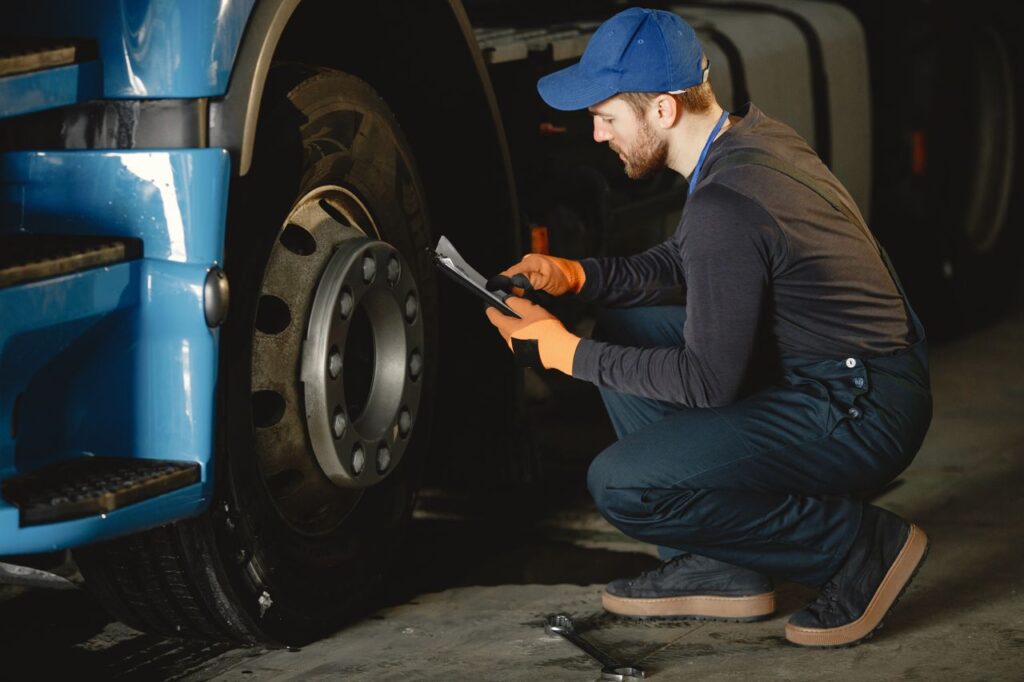
While you don’t have to be a certified mechanic, basic practical knowledge of how different parts of the vehicle work is necessary. It’ll help you perform all the various jobs truck drivers do effectively. These include pre-trip inspections and small servicing tasks, like topping off fluids, hitching a trailer, checking tire pressure, and replacing wiper blades.

You’ll also be able to address minor mechanical issues in good time to avoid unnecessary delays and promote safety.

Safe Driving Practices

If you want a successful truck driving career, safe driving skills are vital. These skills include avoiding distractions, driving within the required legal speed limits, and maintaining a safe distance from other vehicles.

You should also be keen enough to identify and respond to challenging situations quickly to avoid road accidents. Failing to observe safe driving practices puts your commercial driver’s license (CDL) on the line.

skills 2

Logistics Management

Efficient logistics management is an invaluable requirement for a successful career in truck driving. This includes studying routes keenly and knowing how to plan trips to adapt to different road conditions. It helps prevent accidents, ensuring safe and smooth transportation.

Proper route planning or logistics management also promotes timely deliveries. Meeting delivery schedules is essential to providing excellent service in this high-stakes transportation industry.

Regulatory Understanding

The Federal Motor Carrier Safety Administration (FMCSA) sets regulations to ensure road safety, including weight limits and hours of service.

Truckers must understand and follow these rules, keeping accurate logbooks to track hours, miles, and rest breaks. Failure to comply can result in fines or license revocation.

Technical Skills and Tools

Other relevant hard skills and tools include:

  • Proficiency in GPS Systems: Effective navigation skills involve reading maps and using GPS systems to avoid costly errors, such as driving on restricted roads or getting stuck on low or weight-restricted bridges.


  • Familiarity with Logistical Software: Trucks with logistics systems improve efficiency and customer satisfaction, and reduce costs. These systems assist with inventory management, route optimization, and freight tracking. Familiarity with basic logistics software gives you a competitive edge in the industry.


  • Load Securing Techniques: Proper load securement prevents accidents, cargo damage, and hazards. With the right skills, you can avoid weight imbalances and maintain vehicle control. This includes using chains, straps, and tie-downs to keep cargo in place.


skills3

Essential Soft Skills

Unlike hard skills, soft skills are intangible and usually focus on building positive relationships. They include behavioral, communication, and interpersonal skills. Essential soft skills that make successful truck drivers include the following:

  • Strong Communication: Truck driving requires effective communication with dispatchers, customers, and fellow drivers. Strong communication helps build relationships, update customers on shipments, and share safety information, ensuring customer satisfaction and road safety.


  • Time Management: Many drivers get paid by the mile or hour. That means managing your time well can increase your earnings. You can plan to stay on the road longer and cover more miles. Managing your time ensures you make timely deliveries while complying with FMCSA’s driving hours of service regulations to avoid penalties or losing your CDL.


  • Adaptability: As a truck driver, you’ll face challenges like traffic and weather. Adaptability allows you to adjust to changing conditions, such as rerouting or altering schedules, ensuring success. It also helps you stay open to industry trends and new technologies, making you a versatile driver employers seek.


  • Patience: Truck driving involves stressors like traffic, aggressive drivers, long fuel lines, and delays at weigh stations or loading docks. Patience helps you stay calm and manage these situations, leading to a more enjoyable and less stressful career.

Importance of Skills in the Trucking Industry

Having the correct set of skills for trucking is essential for three main reasons:

Enhancing Safety

When you drive properly following safe driving practices, are well-versed with the required navigation skills, and comply with applicable regulations, you enhance overall road safety.

Improving Efficiency

Both hard and soft skills increase efficiency and productivity while reducing operations costs. Specifically, proper planning, good customer service, communication, and organization skills help you meet delivery deadlines and offer excellent customer service to clients.

skills4

Complying with Regulations

Complying with regulations is non-negotiable if you want to thrive in the transportation industry long-term. Specific technical expertise, such as load-securing techniques and vehicle inspection skills, help you comply with various regulations easily.

Securing New Job Opportunities

Highly skilled truck drivers are always in high demand. Not only that, they can also explore more job opportunities and negotiate higher pay than their less-skilled counterparts.

How to Improve Your Truck Driving Skills

While soft skills come naturally for some individuals, you can gain almost all the necessary skills through consistent learning and practice. A few common ways to build and improve the skillset you need to thrive in trucking include:

Attending Training Programs

Several defensive driving courses exist to help you learn defensive driving skills and stay up-to-date with the industry’s best practices. Most trucking companies also offer training programs. You can take advantage of all these programs to improve your expertise.

Practice Driving

Practical experience is one of the best ways to master a skill. Spend more time on the road to refine your driving skills, mechanical knowledge, and other skills.  You can also simulate challenging situations, such as backing into tight spaces, for additional practice to improve your skills.

Learn from Other Drivers

Don’t be afraid to seek advice and learn from other drivers, especially veteran truckers. Most are knowledgeable in almost all aspects of the field and can offer valuable insights you can use to improve your skills. For example, they can share information on specific routes, delivery procedures, and traffic patterns that can help increase your efficiency.

Stay Updated on Driving Regulations

Truck driving regulations change. Staying up-to-date with the latest developments is, therefore, necessary for you to improve your trucking skills accordingly and operate within the law. You can stay updated by attending industry conferences, joining professional organizations, and following reputable online resources or publications.

truck driver skills4

Showcase Skills on a Resume

Gaining the correct skills is one thing, and showcasing these skills on your resume so potential employers can know what you’re capable of is another. Here are a few tips on showcasing your skills effectively on your resume:

Highlighting Hard skills

Create a dedicated section on your resume to showcase your most relevant hard skills. This section should be clearly visible and organized, making it easy for potential employers to identify your expertise at a glance. Use bullet points to list your skills, ensuring each one stands out.

Be specific about technical abilities like driving certifications, knowledge of logistics software, or maintenance skills, and tailor this section to match the job requirements. By doing so, you’ll make a strong impression and demonstrate that you have the practical skills needed to succeed in the role.

Demonstrating Soft Skills

Demonstrate your competence by providing examples of how various skills helped you to take specific actions. For example, you can include real-life examples of your accomplishments by giving information on the number of deliveries made, miles driven, and special awards or recognition because you provided excellent customer service.

Tailoring to Job Descriptions

Personalize your resume for different opportunities you apply for. You can do this by emphasizing the relevant skills that’ll benefit the employer for the specific position you’re after.

Final Thoughts

Mastering hard and soft skills is crucial for standing out and succeeding in the trucking industry. By developing a well-rounded skillset, you’ll position yourself for rapid career growth as opportunities in trucking continue to expand.

To ensure you’re on the right path, assess your current skills and identify areas for improvement. Create a list of what you’ve mastered, what needs work, and what new skills you should acquire. Then, use the strategies we’ve outlined to improve your skills step by step. As you grow in competence, you’ll gain more confidence behind the wheel and experience greater fulfillment in your career.

Remember, consistent learning and practice are the keys to skill development. For more valuable lessons and tips to help you succeed as a truck driver, visit our Mission Financial Services blog.


 

warning lights

Interpreting Semi Truck Warning Lights: What Each One Means and What to Do Next

warning lights

Interpreting Semi Truck Warning Lights

Interpreting semi truck warning lights is essential to keeping your truck in top condition and ensuring road safety. These lights are your vehicle’s way of signaling either a potential issue that requires immediate attention to prevent a malfunction or a fatal accident, or a reminder for routine maintenance.

The problem is that semi trucks have many warning lights, and new ones are added as technology improves. This can make it hard to know what each warning light means and what to do when they come on.

We’ve created a quick guide to help you understand common dashboard warning lights, their meanings, and what to do about them.

What The Color Of A Warning Light Tells You

Before you worry about a specific icon when a warning light appears, look at the color first. Color tells you how much time you have before a small problem gets bigger.

Red Lights Mean Stop Now

Red lights signal an immediate safety risk. Low oil pressure, a failing brake system, or an overheating engine can cause serious damage within minutes.

Pull over as soon as you safely can and shut the engine down.

Yellow Or Amber Lights Need Attention Soon

Amber lights are a heads-up, not a five-alarm fire. You can usually finish your current run. Just don’t ignore these for weeks.

For example, a check engine light or a DEF warning falls into this category.

Green And Blue Lights Are Just Information

Green and blue lights confirm that a system is switched on. High beams and cruise control are good examples. They’re not warnings, so you don’t need to take any action.

warning lights2

Common Dashboard Warning Lights And What They Mean

Every truck brand labels its lights a bit differently. Even so, the same handful of systems trigger warnings across nearly every make and model. Here are the most common warning lights and what each of them means:

Check Engine Light

The check engine light covers a wide range of issues. It can mean anything from a loose gas cap to a misfiring cylinder.

A steady light usually means you can finish your trip and schedule a diagnostic within the week.

A flashing light is more serious. It often points to a misfire that can damage your catalytic converter. Pull over and get it looked at right away.

Engine Oil Pressure Light

This is one of the most serious lights on your dash. If it comes on while driving, you may have less than a minute before bearing damage starts.

Pull over immediately and shut the engine off. Don’t restart it until a technician has diagnosed the problem.

Low oil pressure can come from a leak, the wrong viscosity, or simply an overdue oil change.

Diesel Exhaust Fluid (DEF) Warning

Modern diesel engines use DEF in a selective catalytic reduction system. This keeps nitrogen oxide emissions in check. When the tank runs low, you’ll see an amber warning well before you run dry.

Historically, an unresolved DEF warning triggered a fast, severe engine derate. Some trucks dropped to just 5 mph. The EPA issued updated guidance in 2025 on this. It gives manufacturers room to phase derates in more gradually.

Newer software updates should give drivers more time to refill or repair before performance drops. Either way, don’t wait. Top off DEF at your next stop and get any fault code checked.

DPF Status Light

The diesel particulate filter (DPF) traps soot from your exhaust. When it fills up, the truck needs to burn off that buildup through regeneration.

A steady light usually clears on its own. Just drive at highway speed for 20 to 30 minutes to allow passive regeneration.

If the light keeps returning or starts flashing, you’ll likely need a forced regen at a shop. Don’t let it go, or the filter can clog and damage the engine.

Coolant Temperature Light

A coolant warning means your engine is running hotter than it should. Pull over and shut the engine down. Let it cool for at least 30 minutes before you check the coolant level.

Driving on an overheating engine risks warped heads. That’s a repair bill that can run into the thousands.

warning lights 3

ABS And Trailer ABS Lights

Your anti-lock brake system prevents wheel lock during hard stops. If the light comes on, basic braking still works. You just lose that extra layer of protection, especially on wet or icy roads.

A trailer ABS light points to the same issue on the trailer side. It raises your risk of a jackknife during hard braking.

Brake defects are consistently one of the top reasons trucks get placed out of service.

The FMCSA requires a warning device for service brake failures on air, hydraulic, and vacuum brake systems.

Treat any brake light as a reason to get inspected before you’re back on the interstate.

Tire Pressure Warning Light

More trucks now come equipped with tire pressure monitoring, and for good reason. Underinflated tires run hotter and wear faster. They’re also more likely to blow out under a heavy load.

When the pressure in one or more of your tires drops below the recommended minimum, the tire pressure monitoring systems (TPMS) warning lights will alert you.

If this light comes on, check your tire pressure at your next stop. Don’t wait for a full inspection.

How To Respond When A Light Comes On

Most warning lights fall into one of three responses.

First, pull over. Any red light, or a flashing check engine light, means stop as soon as it’s safe. Shut the engine down and don’t restart it until you know what’s wrong.

Second, troubleshoot. Your owner’s manual usually explains what a light means for your specific make and model. Some issues, like a DEF top-off, you can handle yourself.

Third, get it checked. Yellow and amber lights that don’t clear up on their own need a technician’s eyes. Catch them early, before they turn into a bigger repair.

A thorough pre-trip inspection catches a lot of these issues early. It’s a lot easier to fix a slow leak in the yard than on the shoulder of an interstate.

man conducting a pre-trip inspection of his truck

Preventing Warning Lights With Regular Maintenance

We’ve found that the drivers who see the fewest surprise warning lights share a habit. They stick to a maintenance schedule instead of waiting for a light to tell them something’s wrong.

A regular truck maintenance checklist keeps small issues from becoming emergencies. For example, a slipping belt or aging oil is a lot cheaper to fix than a seized engine.

Financing Repairs When A Warning Light Turns Into A Bigger Bill

Sometimes a warning light means a quick fix. Other times it means a transmission rebuild or an engine repair you never budgeted for. Either way, a truck sitting in the shop isn’t earning, and that adds up fast.

We offer commercial truck repair loans for exactly this situation.

We work with owner-operators every day who need funding fast, not a weeks-long approval process while their truck sits idle. A major repair shouldn’t force you to drain your cash reserves or turn down loads while you wait on parts.

Knowing what your dashboard is telling you is the first step. Having a plan to pay for the fix is the second.

If a warning light just turned into a repair estimate you weren’t expecting, reach out to our team and let’s talk about your options.

Paid CDL Training Programs

Paid CDL Training Programs

Paid CDL Training Programs

If you want to enroll in a paid CDL program but don’t know where to start, we’re here to help.

Joining a paid CDL training program is an excellent way to start your truck driving career. Unlike private programs, these often cover tuition and guarantee employment upon completion, though they may come with certain conditions.

Below, we’ll outline the essentials of paid CDL programs, including types, benefits, and the training process, and recommend top trucking companies with reliable programs to consider.

Overview of CDL and its Importance

A commercial driver’s license (CDL) opens the door to various careers in the transportation industry. It is required to legally operate commercial vehicles with a Gross Vehicle Weight Rating (GVWR) of 10,000 lbs. or more, or those designed to transport 16 or more people, including the driver. This includes trucks, transit buses, and other public service vehicles.

Many people pursue a CDL for the financial stability that comes with commercial truck-driving jobs. Entry-level drivers typically earn around $30,000 per year, with earnings increasing as they gain experience in the industry. Experienced professional truck drivers can earn over $60,000 annually.

You can join a private CDL school or participate in different types of paid CDL training programs for your CDL.

Types of Paid CDL Training Programs

Several types of CDL training programs exist to help you launch and pursue your truck driving career with ease. Let’s look at the most common types.

Company-sponsored training programs

In company-sponsored CDL training programs, trucking companies pay or offer free CDL training to potential truck drivers.

In return, the drivers commit to driving for the trucking company for a specific period once they complete the training. They can also agree to have the company deduct a portion of their paycheck as reimbursement for the training costs.

paid cdl training 2

These programs work in 3 different ways:

  • You receive free CDL training and sign a contract to work for the trucking company that pays your training costs for a certain period (usually 6 to 24 months).
  • You receive free CDL training and get paid during training, but you must work for the company for a set period (often 6 to 24 months).
  • You receive free training, but the trucking company recovers its training costs by deducting a portion of your paycheck afterward.

There are two kinds of company-sponsored training programs: in-house and external programs. In-house programs mean a trucking business owns and runs its paid CDL program. In this case, the company controls the program and will customize the curricula to prepare drivers for various business operations.

An external company-sponsored program involves a paid partnership between a trucking company and a third party, often a private truck driving school. The trucking company pays the school to train its drivers. Here, the training focuses on completing the CDL exam successfully and may not include training drivers on the company’s systems or operations.

Tuition reimbursement programs

Tuition reimbursement programs work almost the same as external company-sponsored programs, where a trucking company partners with a third-party driving school. The difference is the company will only cover the tuition fee for your training. You may also pay for your tuition and then get reimbursed after graduation.

Independent driving schools

Some independent driving schools offer paid CDL training by partnering with trucking companies. They cover most of your tuition, allowing you to pay the remainder through a payment plan. While there are no upfront costs, you must commit to working for a partner trucking company after graduation to repay the investment.

paid cdl training 3

Benefits of Paid CDL Training

Training programs vary from one trucking company to the next. But most paid CDL training offers several benefits, including the following:

Earning while learning

Some companies offer compensation during training, either as a flat rate or other benefits. For instance, Hirschbach provides trainees a weekly payment of around $475, while Pam Transport offers new drivers a $100 Walmart gift card each week.

Reduced financial burden

Private CDL training schools charge approximately $4,000 to $12,000 for the course. This might be a high amount to raise, especially if you’re getting started. But, with paid programs, you won’t have to worry about such costs since the company takes up the financial burden.

Job placement assistance

With paid CDL programs, you’re assured of employment at the end of the training. It’s different from private training schools, where you’ll have to hunt for jobs after graduation.

Support resources for trainees

Most programs provide additional support resources for all trainees. These may include – free practice tests, full scholarships for veterans, and networking opportunities that’ll help you thrive within the industry.

Drawbacks of Paid CDL Training

While there are many benefits to a paid CDL course, it’s important to be aware of the downsides.

  • Additional expenses while in training: Not all companies will pay you during training. You may have to cover your travel, accommodation, and meal expenses during the training period if the training school is far from your home state. Always confirm the terms of your contract to ensure there are no hidden costs before you commit to it.
  • Short training period: Some company-sponsored CDL programs are rushed and may not cover the required curricula in-depth within a few weeks. This can put you at a disadvantage with some employers as they’ll doubt your competence.
  • Less flexibility: With paid CDL, you’re locked into an agreement with one company for 6 to 24 months and cannot leave even if it’s not a good fit for you.
  • Wages in the first year of employment may be average.

paid cdl training 4

Key Steps to Obtain a CDL

CDL licenses come in three classes—A, B, and C—each allowing you to operate different types of commercial vehicles based on size and weight. Higher weight limits open more trucking and career opportunities.

To obtain a CDL, you must complete key steps: secure a commercial learner’s permit, fulfill training requirements, and pass the CDL exam. Here’s a step-by-step guide to help you navigate the process of becoming a semi-truck driver.

Training Process in Paid CDL Programs

The training process in paid CDL programs involves three main parts:

  • Classroom Instruction: Begin with classroom learning led by a certified instructor, covering the theoretical aspects of truck driving.
  • Hands-On Driving: Gain supervised, on-road experience using your CDL permit to practice essential skills for the CDL exam.
  • Safety and Compliance: Learn safe driving practices. For over-the-road (OTR) trucking, many programs require at least 30,000 miles of supervised driving before solo hauling.

Major Companies Offering Paid CDL Training

Here is a list of a few reputable companies running some of the best-paid CDL training programs in the transportation industry. Almost all of them will pay you nearly $475 – $600+ during training and an above-average wage upon completion. Also, their employment opportunities include several employee benefits such as health, dental, and vision plans, 401(k) with company match, paid time off (PTO), and paid vacations with family.

  • Schneider
  • Roehl Transport
  • Knight Transportation
  • Maverick USA
  • TMC Transportation
  • Halvor Lines
  • Swift Transportation

Conclusion

Paid CDL training remains the simplest and most affordable way to get your trucking career going. You have to choose a program that best suits you for it to work well, though, since CDL training programs are not created equal.

Carefully review the terms and conditions of each program before committing. Breaching a contract can lead to serious consequences, such as repaying the full training cost, additional fees, or even being barred from working with other trucking companies. The penalties depend on the contract’s terms and the severity of the breach.

If you fulfill your contract and aspire to become an owner-operator, Mission Financial Services is here to help. Contact us for tailored commercial vehicle loans and financing options to make purchasing your first truck simple and stress-free.

accounting

Choosing the Right Trucking Accounting Software

accounting

One of the most important parts of running and growing a trucking business is careful financial management. To get this right, you need to use the right accounting software.

The trouble is that trucking companies have many unique accounting needs. This means regular business accounting solutions won’t always cut it. Instead, you must use specific trucking accounting software to help you stay compliant and manage all of the essential financial elements of running a trucking operation.

In this guide, we’ll cover everything you need to know about finding the right trucking software.

Trucking Accounting Software vs. General Accounting Software

Of course, the main difference between trucking accounting software and general accounting software is in their focus.

General accounting software, like QuickBooks, is designed for any business. It handles all the core accounting and bookkeeping tasks, like invoicing, payroll, profit and loss reports, and financial reporting. However, general platforms like this lack trucking company-specific features, such as International Fuel Tax Agreement (IFTA) reporting or cost-per-mile tracking.

These gaps often require trucking companies to rely on extra tools for those specific business accounting functions.

In contrast, trucking accounting software is built specifically for the trucking industry. It includes a range of features designed to manage trucking-specific needs, such as load tracking, fuel expense monitoring through fuel receipts, monitoring the latest fuel tax rates, and automated IFTA compliance.

In many cases, trucking office software streamlines operations by integrating bookkeeping software with fleet management, dispatching, and equipment tracking. This makes it a one-stop solution for trucking businesses, saving time and improving accuracy.

While general accounting software can be cheaper and easier to set up, trucking accounting software is a better investment if you want an all-in-one platform to handle financial and operational tasks.

accounting 2

Why You Need Accounting Software for Your Trucking Business

Finding the best trucking accounting software for your business can save time, reduce stress, and improve accuracy.

Beyond the general reasons to use good accounting software, like generating expense reports and managing your financial statements, here’s why it’s essential for truckers.

1. Streamline Billing and Invoicing

Trucking businesses often deal with multiple clients, loads, and payment terms.

Accounting software helps you create and send invoices quickly. Invoices can be automatically generated. Plus, the software automatically tracks unpaid bills, reducing the risk of errors or missed payments.

With organized billing, you can focus more on running your business instead of chasing payments.

2. Meet IFTA Compliance

Tracking fuel use across state lines for IFTA reporting can be a headache.

Accounting software designed for trucking automates this process. It calculates and prepares your IFTA reports by pulling data from your trips and fuel purchases. This saves loads of time, especially as an owner-operator, and ensures compliance, helping you avoid penalties.

3. Accurate Driver Pay

Paying company drivers fairly and on time is crucial for your business.

Trucking accounting software can calculate driver wages based on mileage, hours worked, or percentage of load revenue.

This eliminates guesswork and ensures drivers are paid accurately. It also helps you track payroll costs for better financial management.

How to Choose the Right Trucking Accounting Software (Key Features)

Choosing the right trucking accounting software is key to keeping your business efficient and your finances in order. To help you find the right solution, here are the most important features to look for.

1. Cost vs. Value

Don’t just go for the cheapest option – focus on value.

Look for software that fits your budget while providing all the tools you need. A slightly more expensive program might save you time and money in the long run by streamlining tasks like IFTA reporting, billing, and expense tracking.

Think about how much time and effort the software will save you, allowing you to focus on growing your business.

accounting 3

2. Key Features and Integrations

Make sure the software offers trucking-specific features like cost-per-mile tracking, IFTA compliance, and load management.

It should also integrate seamlessly with your existing systems, like ELDs, fuel cards, or dispatching tools. A lack of integration can create gaps in your data, causing inefficiencies or errors.

3. User-Friendliness

Good software should be easy to learn and use.

Look for a system your team can adapt to quickly, even if they’re not tech-savvy. The sooner everyone is comfortable using the software, the faster you’ll see the benefits.

4. Scalability

Choose software that can grow with your business. If you only have a few trucks now but plan to expand, pick a program that can handle larger fleets and more complex operations in the future.

This prevents the hassle of switching systems later on.

Top 5 Accounting Software Solutions for Trucking Companies

While there are many different options out there, here are our top picks for accounting solutions designed specifically for trucking businesses.

Rigbooks

Rigbooks is an accounting software solution built specifically for trucking operations. It starts at just $19 per month, offering affordable, trucking-specific tools like cost-per-mile tracking and IFTA reporting.

Designed to simplify bookkeeping, Rigbooks helps you track expenses, profits, and fuel usage in real-time, even while on the road.

It’s user-friendly and accessible on any device. Unlike general accounting software, Rigbooks calculates trucking costs accurately, letting you make smart decisions about loads and expenses.

accounting 4

Axon

Axon is a fully integrated accounting and management software for midsize and larger trucking operations.

Its standout feature is real-time integration, which syncs accounting, dispatch, and fleet management to eliminate repetitive data entry. Axon automates IFTA tax calculations and includes tools for payroll, dispatching, and fleet management.

While its comprehensive features and regular updates make it a powerful solution, it does require a bit of a learning curve for some users. Overall though, it’s ideal for trucking companies seeking efficiency and real-time insights.

TruckingOffice

TruckingOffice is a top choice for owner-operators and fleet builders who want an easy way to manage their trucking business.

Starting with a free trial, this software combines trucking management tools with an integrated ELD system for seamless operations. It handles dispatching, invoicing, expense tracking, and IFTA reporting all in one place.

Users love its ability to sync data automatically, reducing paperwork and saving time. It’s accessible from any device, ensuring you can manage your business from the road. It’s a smart choice for trucking professionals of all sizes.

Truck Logics

TruckLogics is a versatile trucking management software designed to simplify fleet operations. It allows users to manage dispatches, expenses, trip sheets, and maintenance in one convenient place.

The platform includes features like load tracking, payroll management, and driver portals, making it ideal for both owner-operators and larger fleets.

Users appreciate its affordability, and the ability to integrate brokers, carriers, and owner-operators into a single system.

The overall functionality and ease of use make TruckLogics a valuable tool for organizing trucking businesses and staying efficient in a competitive industry.

accounting 5

ProTransport

ProTransport is a powerful trucking software solution that fits fleets of all sizes. With its three tiers, it caters to small operators and large fleets alike.

Features include IFTA filing, driver pay statements, dispatch tools, and maintenance tracking. Integration with QuickBooks, fuel cards, and ELDs makes things easy to manage.

Its centralized platform simplifies operations, while the mobile app improves communication with drivers by supporting messaging, trip planning, and document uploads.

ProTransport also offers affordable subscription pricing which makes it a cost-effective choice. With excellent customer support and extensive features, it’s a smart solution for optimizing trucking operations and cutting costs.

Cost of Trucking Accounting Software

The cost of trucking accounting software can vary widely depending on your business size and needs.

For owner-operators or small fleets, basic trucking accounting software typically costs between $5 and $25 per month. This is great for smaller businesses with straightforward needs like basic invoicing, expense tracking, and IFTA reporting.

For larger fleets, the price goes up. Trucking management software designed for bigger operations usually costs $100 to $500+ per month.

The price often depends on the number of trucks or users. Some providers offer customized pricing for large businesses based on their specific requirements, which could include advanced features like fleet tracking and detailed payroll management.

Keep in mind that some businesses may need to combine multiple systems to get all the features they need. For example, you might use one tool for trucking-specific tasks like load tracking and another for payroll.

While this offers flexibility, it can increase the overall cost. Carefully consider pricing and functionality to ensure you’re getting good value for your investment.

Final Thoughts

Ultimately, the best accounting software solution comes down to your trucking company and its unique needs. Compare different options, trial different software where possible, and look for a solution that offers the exact set of features and integrations to make sunning your business an easier process.

If you’re starting or operating a trucking business, then getting the right commercial vehicle financing is also essential. At Mission Financial Services, we offer easy financing solutions for everyone, no matter what your credit score looks like or what type of truck you’re after. Get started today.

truck driver benefits

Benefits of Being a Truck Driver

truck driver benefits

Truck driving is more than just a job – it’s one of the most exciting and rewarding career paths. That’s not to mention how important truck drivers are for the economy.

Being a professional truck driver opens up a lifestyle that many desk workers would only dream of. You get absolute freedom, you get to see the world, and every day is a new adventure. Plus, truck drivers can enjoy a very stable and fruitful career.

Thinking of becoming a professional truck driver? Here’s why you should consider it.

The Critical Role of Truck Drivers

Truck drivers are the backbone of the US economy, transporting over 70% of all freight tonnage country-wide.

Without truck drivers, industries like retail and manufacturing would face major disruptions, causing shortages of goods and a halt in production. With around 3.54 million people employed in the truck driving profession in the US, they play a critical role in connecting factories to warehouses, delivering essential items to stores, and ensuring businesses and consumers receive what they need on time.

Trucking companies play a vital role in supporting economic growth and job creation. They’re indispensable to the nation’s supply chain.

However, the trucking industry faces many challenges, including a growing shortage of drivers. This shortage leads to delayed deliveries, higher transportation costs, and increased pressure on current truck drivers, who often work long hours under demanding conditions.

These issues ripple across the economy, affecting everything from food availability to construction supplies.

11 Truck Driver Benefits

Truck driving offers a rewarding career with excellent benefits and the freedom to shape your work life to suit your needs. Whether you value financial security, independence, or adventure, it’s a profession with something for everyone.

Here’s a closer look at what this profession offers:

truck driver benefits 2

Steady Pay and Job Security

Being a professional truck driver means earning competitive wages, with steady paychecks increasing with experience.

Because trucking is vital to keeping the economy running, the demand for drivers remains high. This ensures excellent job security and makes it a stable career choice.

Experienced drivers can also choose from a wide range of jobs, or decide to work for themselves. Overall, it’s an enormous industry that’s been facing a shortage of drivers. This means there’s plenty of opportunity to build a reliable truck driving career.

Travel and Adventure

Truck driving is the perfect career fit for those who enjoy traveling.

Drivers get to see new parts of the country, from big cities to scenic rural areas. Truck drivers are always on the move, always seeing new places. For many truck drivers, no two days are the same.

Every trip can bring a new adventure, making the job exciting for those who love life on the move. Of course, this is particularly true for long-haul trucking, where you drive across the country.

Independence and Flexibility

Few jobs offer the level of independence that trucking does.

Drivers spend much of their time on the road, managing their time and tasks without constant supervision. Plus, many companies offer flexible schedules, so you can choose routes and working hours that suit your lifestyle.

New drivers need to be self-reliant and able to work independently.

Career Opportunities and Growth

The trucking industry offers diverse opportunities for growth.

Drivers can specialize in local deliveries, regional hauls, or long-distance routes. With experience, you could transition into roles like fleet management and logistics or start your own trucking business.

The possibilities in trucking are vast, with numerous companies and career paths to choose from. As you embark on your journey as a truck driver, consider the direction you want your career to take and explore the opportunities that align with your goals.

truck driver benefits 4

Improved Driver Experience

Modern trucks are more comfortable and advanced than ever.

Many feature ergonomic seating, climate control, entertainment systems, and Wi-Fi. These upgrades make life on the road easier and help drivers feel at home, even while working.

While there are often concerns that your personal life will take a hit as a truck driver, your comfort on the road should never be an issue.

Employee Benefits and Insurance

Many trucking companies provide comprehensive benefits packages. These include health insurance, retirement plans, and paid time off.

Such benefits add financial security and peace of mind for drivers and their families.

With the high demand for truck drivers, many trucking companies are enhancing job appeal by offering better benefits and more competitive pay.

Bonuses and Incentives

On top of base pay, many companies offer bonuses for things like safe driving, fuel efficiency, and on-time deliveries. These incentives add up and can make a big difference in your overall earnings.

Education and Training Costs

Starting a trucking career has relatively low barriers compared to other professions.

You don’t need a college degree, and many companies cover training costs or reimburse you for earning your commercial driver’s license (CDL). This makes it an accessible and cost-effective career path.

Choosing Driving Distance

One of the biggest perks of trucking is the flexibility to choose how far you want to drive.

Whether you prefer staying local and being home daily, working regionally, or exploring the open road on long-haul trips, there’s an option that fits your lifestyle.

truck driver benefits 5

Time on the Road and Community

For those who enjoy solitude and time to themselves, trucking offers plenty of it. Long hours on the road can be peaceful and reflective.

At the same time, the trucking community is close-knit, with drivers often forming bonds and supporting each other out on the highways.

Bring Pets Along

Many trucking companies now allow drivers to bring their pets along for the ride. This perk is a game-changer for animal lovers, providing companionship during long trips and making the job feel less lonely.

The Impact of Driver Benefits

While the truck driving profession has seen a significant drop-off, all of these benefits of becoming a truck driver could turn things around.

When drivers receive good pay, insurance, retirement plans, and paid time off, they feel valued and secure. This leads to better job satisfaction, lower turnover rates, and improved performance.

Flexible schedules and options to choose driving distances also help drivers maintain a better work-life balance, making the career more sustainable long-term.

Perks like modern truck features and bonuses for good driving skills improve life on the road, reducing stress and isolation. These incentives motivate drivers to prioritize safety and efficiency.

For companies in the trucking industry, offering strong benefits attracts skilled drivers, which helps address shortages and keeps the supply chain moving smoothly.

Final Thoughts

Truck drivers don’t always have the easiest time striking a good work-life balance. They spend long hours on the road, they’re often away from family, and life on the road could get lonely. However, all of the benefits of being a professional truck driver often make up for this.

For the right person, truck driving offers an unbeatable sense of freedom, independence, job security, and satisfaction.

Interested in becoming your boss as an owner-operator in the trucking industry? Then the first step is investing in the right commercial vehicle. At Mission Financial Services, we make this easy through accessible financing options. Get started today.

lease or buy

Leasing vs. Buying a Semi Truck: Which Is Right for You?

lease or buy

Buying a semi truck usually costs less in the long run if you run high miles for years. Leasing takes less money upfront. But you don’t build equity, and mileage caps can add fees.

The right pick comes down to your cash, your miles, and how long you’ll keep the truck. We finance truck purchases and lease-purchase buyouts, so we see where both paths leave drivers a few years in.

What’s the Difference Between Leasing and Buying a Semi Truck?

When you lease, a leasing company owns the truck and you pay to use it. When you buy, you own the truck outright or through a loan.

A lease is a contractual agreement that runs for a specific length of time. Ending it early usually costs you a fee.

You can lease from a dealer, an independent leasing company, or a carrier. When the lease ends, you usually return the leased truck, extend the lease, or buy it at a set price.

Some carriers also offer lease-to-own semi-truck programs, where your payments go toward owning the truck.

Leasing vs. Buying at a Glance

This table shows the main trade-offs side by side.

Factor Leasing Buying
Upfront cost Lower. Many leases need a small down payment or none. Higher. You’ll need a down payment plus cash for insurance and registration.
Monthly payment Generally fixed for the lease term, and often lower Often higher, but payments stop once the loan is paid off
Equity None Every payment builds equity
Mileage Caps are common, with fees for extra miles No limits
Maintenance Sometimes included, depending on the lease Your responsibility
Customization Limited Up to you
Taxes Lease payments are usually deducted as a business expense Depreciation and loan interest may be deductible
End of term Return, extend, or buy Keep, sell, or trade in

lease or buy 2

Pros and Cons of Buying a Semi Truck

Buying is the more financially sound choice in the long run if you keep the truck for years. The trade-off is more cash upfront, and every repair bill is yours.

Pros of Buying

  • Equity: Every payment builds value you can sell, trade, or keep running after the loan ends.
  • No mileage limits: Run as many miles as your loads need, with no overage fees.
  • Customization: Add the sleeper setup, APU, or aero parts that suit your work. You’re not modifying someone else’s equipment.
  • Tax write-offs: Owners can often deduct depreciation and loan interest.

Cons of Buying

  • Higher upfront cost: First-time buyers usually put down 20% to 30% of the truck’s price upfront.
  • Depreciation: A truck loses value as the miles add up, which lowers its resale price.
  • Repairs are on you: ATRI puts 2025 repair and maintenance costs at 40.4 cents per mile. That’s up 8.6% from 2024.

In our experience, buyers who pick a truck under 10 years old with solid service records get fewer surprise bills.

Pros and Cons of Leasing a Semi Truck

Leasing keeps more cash in your pocket at the very beginning. The catch is that the truck never becomes yours unless you buy it at the end.

Pros of Leasing

  • Lower upfront cost: You can get on the road with less starting capital.
  • Predictable costs: A fixed monthly payment makes budgeting easier.
  • Newer equipment: You can switch to a newer model when the term ends.
  • Maintenance may be covered: In a full-service lease, the lessor pays for routine maintenance. Check the specific arrangements in your contract.

Cons of Leasing

  • No equity: Your payments don’t build ownership, so there’s nothing to sell at the end.
  • Mileage caps: Going over the limit costs extra per mile.
  • Wear-and-tear charges: You may pay fees if the truck comes back in rough shape.
  • Insurance rules: Some lessors make you buy extra insurance, like higher physical damage limits.
  • Complex contracts: When you lease from a carrier, federal truck leasing rules govern the lease agreement. Read every clause on pay and chargebacks before you sign.

lease or buy 4

What to Know About Lease-Purchase Programs

Lease-purchase programs let you lease a truck from a carrier and work toward owning it. A federal task force found few drivers reach ownership, so go in with realistic expectations. In January 2025, the federal Truck Leasing Task Force told Congress to ban these agreements.

The task force said the programs “cause widespread harm without offering meaningful scale opportunities” for would-be owners.

Here’s what drivers often run into:

  • The carrier controls your loads, so it also controls how much you earn.
  • Payments come out of your settlement before you see a dime.
  • If you leave early, you can lose everything you’ve paid toward the truck.

If you’re already in a lease-purchase deal, you may be able to buy the truck out. We finance lease-purchase buyouts. The truck becomes yours, and you pay it off on a standard loan.

How Leasing and Buying Affect Taxes and Cash Flow

Buying usually brings bigger tax write-offs. Leasing keeps more cash free in the first year.

Tax Benefits

The biggest tax advantages come from buying. For tax years starting in 2025, Section 179 lets businesses expense up to $2.5 million in equipment (IRS). Qualifying property bought after January 19, 2025, can also get 100% bonus depreciation.

Lease payments work differently. You usually deduct them as a regular business expense each year.

Fuel, tolls, and per diem are deductible either way.

Cash Flow

Leasing ties up less cash at the start, which leaves more for fuel costs, insurance, and slow weeks.

Buying costs more upfront, but the payments end. After that, the truck earns without a monthly note.

Before you choose, run a simple lease-vs-ownership analysis using your cost per mile under each option. If saving money over the full term matters most, buying usually wins.

Lease rates have climbed alongside truck prices, which shrinks leasing’s upfront edge.

lease vs buy

Which Option Fits Your Business?

Buying fits most owner-operators with steady freight. Leasing fits drivers who need low startup costs or short-term flexibility.

Buying is likely the better fit if you:

  • Run high miles every year
  • Plan to run your trucking business for at least four or five years
  • Have cash for a down payment and a repair fund

Leasing may suit you better if you:

  • Are testing the waters in trucking
  • Run seasonal or low-mileage work
  • Want maintenance bundled into one payment

Final Thoughts

Leasing gets you on the road with less cash. Buying costs more upfront but leaves you with an asset and no mileage limits.

Ready to own? We offer semi-truck financing for first-time buyers, drivers with less-than-perfect credit, and small businesses. Fill out our credit application to see what you qualify for.

Frequently Asked Questions

Is it smart to lease, then buy a truck?

It can be, if the buyout price is fair. Compare the buyout to what similar trucks sell for. Get the truck inspected before you commit.

What is the average monthly lease payment for a semi truck?

There’s no reliable public average, because payments swing with the truck’s age, the term, and what’s included. Get quotes and compare the total cost over the full term.

Is now a good time to buy a semi truck?

It’s a good time if your freight is steady and you have cash reserves. Margins are thin across the trucking industry right now. ATRI found truckload carriers averaged a 0.4% operating margin in 2025. A cushion for repairs and slow weeks matters more than timing the market.

Archives

Sign Me Up!

Stay up to date with the latest news in the commercial trucking industry.

Contact Us
close slider