
Office: (404) 975-4800

Logistics

Could The Trucking Shortage Be Raising The Price Of Groceries?


Prices on consumer goods are on the rise for a variety of reasons. From new tariffs against China upping prices on technology, tires and other imported items, to inflation, there are many reasons we may be seeing higher prices on the things we buy every day. But could the trucking shortage also be a contributing factor? Especially when it comes to the rising prices of groceries, there is reason to believe the deficit of truckers could be directly related.

Grocery Prices on the Rise

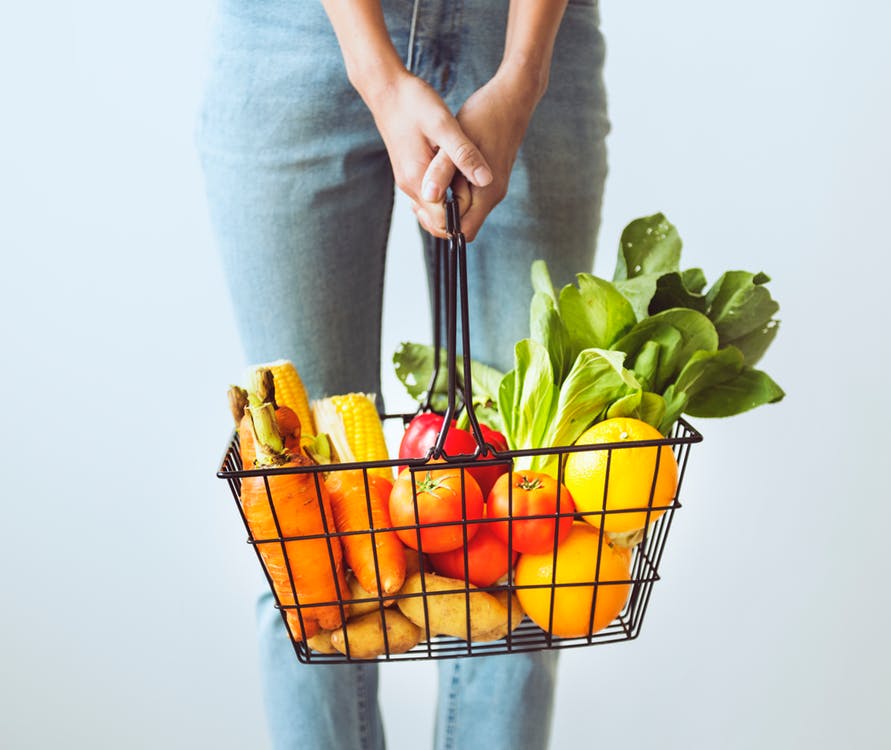
According to the U.S. Department of Agriculture, food prices will increase by 1-2 percent in 2019. This was a common trend for many decades; however, the rise of food prices has slowed over the past few years. Now, these prices are back on the rise, with notably higher prices on groceries of all kinds.

The price of dairy products is projected to increase by 3-4 percent, vegetable costs will rise 2.5-3.5 percent, and both bakery and fruit prices will increase by 2-3 percent. As for meat, all costs are expected to rise by from 1-3 percent, with the exception of pork, which could actually drop in price by .75 percent.

What is Causing this Raise in Prices?

The rise is grocery prices could be due to a number of factors. From oil prices to overseas trade, a variety of things can spark a cost increase at the grocery store.

High Oil Prices

Oil prices can affect grocery store prices in two different ways. High oil prices often lead to increased shipping costs, which results in higher grocery prices. Because of the higher oil prices, food that gets transported across long distances costs more to ship, so grocery stores have to charge their customers more. Oil prices are constantly in flux and are influenced by several complex factors of their own.

Oil can also affect farming, which can make groceries more expensive as a result. Oil byproducts are an important part of fertilizers, and their price accounts for 20 percent of the cost of growing grains.

Climate Change

Climate change can cause extreme weather conditions that harm crops or make them much more difficult to grow. Because of greenhouse gas emissions, the hot air can absorb moisture and cause it to rain less, drying up ponds and lakes. Additionally, when it does finally rain, the water runs off the land and doesn’t get absorbed by the crops.  These factors force farmers to invest more money into yielding a smaller number of crops and selling them to market at a higher price.

U.S. Government Subsidies

Because it is used to create ethanol, a large percentage of the U.S.’s corn production is subsidized. Currently, 40 percent of corn crops go to producing ethanol, which is a huge increase from 2000’s six percent. This means less corn is going to the food supply each year, causing the prices at the grocery store to rise.

World Trade Organization

The World Trade Organization also has a say in the world’s corn and wheat stockpiles. Because many developed countries like the U.S. and countries in the EU subsidize their agricultural production, they have an advantage over poorer, developing countries. To compensate, the World Trade Organization limits the amount of stockpiling a country may do. However, this means that in a shortage, prices of corn or wheat could rise dramatically in the U.S.

How Does the Truck Driver Shortage Contribute?

In recent announcements, brands including Mondelez, Hershey, Nestle, Unilever, and Coca-Cola stated they will need to increase prices in 2019. These price hikes are in reference to two factors: Higher ingredient costs and increased freight expenses.

A detailed analysis revealed that the cost of a refrigerated truck moving from Washington State to New York rose by 18 percent in only a few weeks. So, a shipment that costed $8,450 jumped to $10,000 a few weeks later. In addition, a truckload heading east out of California saw prices rise by 25 percent during the same time period.

So, what does this have to do with the trucking shortage? Because there are less truckers on the road, the demand for qualified drivers is boosting prices across the board. The cost to transport food across the country has risen, and those higher prices are reflected in markets and grocery stores as well.

American Trucking Associations says the industry is lacking at least 50,000 drivers. If the trucking shortage continues on its current path, that number will be at 174,000 by 2026. And in a decade, it could take 890,000 new drivers to adequately close the gap. Now more than ever, trucking companies are on the lookout for new, qualified drivers to help keep grocery prices low and the economy healthy.


The Importance Of Trucking During The Holiday Season


This holiday season is off to a record-breaking start; from Black Friday, to Cyber Monday and beyond, sales have skyrocketed in store and online. In fact, a record-breaking $6.22 billion was reported from online sales alone this Black Friday, which is a 24 percent increase from last year. And not only are there more sales this year, but the average order value has increased to $146, an 8.5 percent increase from 2017. Cyber Monday also had its most-ever sales at $7.9 billion, a 19.4 percent increase from last year’s $6.6 billion.

According to the National Retail Federation (NRF), November and December make up nearly 20 percent of annual retail sales, and this number is only expected to rise. These increased sales mean big things for the U.S. economy and businesses everywhere. They also force consumers to reflect on how important truck drivers and the freight industry are during the holiday season.

Communities Rely on the Trucking Industry

Studies show that 80 percent of communities across the U.S. receive all of their goods by truck. That means that without truck drivers, the large majority of the U.S. would not have access to food, clothes or supplies all year-round. This becomes even more prevalent during the holiday season, as families around the country rely on truckers to deliver the food, decorations, and gifts to help fulfill their family traditions.

Without truck drivers, packages would not arrive at people’s homes in time for Christmas or other days of celebration, office shelves and storage closets would remain empty year-round, and retail establishments would have no products to sell. Especially in areas that have no alternative means of delivery, businesses rely on weekly or monthly shipments from reliable truck drivers in order to make a profit throughout the season.

Truckers Help Keep Holiday Roads Safe

During Thanksgiving alone, an estimated 54.3 million Americans traveled at least 50 miles away from their homes; a 4.8 percent increase from last year. As more and more people start traveling for the holidays, the risk of accidents also increases. However, each year, truckers are doing their part to keep the roads as safe as possible through extensive training, innovative technology and safety communication campaigns. In fact, the American Trucking Association invests over $9 billion annually into these facets. This is to ensure truckers are well-trained and given the best, most up-to-date vehicles possible, so that everyone can arrive safely during the holidays and year-round.

Rise of Online Shopping and the Freight Industry  

Because of the rise in Amazon’s frictionless shopping experiences, low prices, and same-day / two-day deliveries, consumers now have heightened expectations when it comes to shopping. People want a personalized experience, the lowest price, and as little social interaction as possible. Most importantly, they want their merchandise immediately. This phenomenon called “The Amazon Effect,” has left traditional online and retail stores to alter their business models to keep up. However, for many businesses across America, competing with Amazon will be impossible. In fact, industry analysts project that 20 percent of retail stores will be permanently closing their doors in the next 5-7 years.

For the businesses that wish to stay afloat, fast shipping is a must. This has inspired solo truckers to pair up, so they can alternate shifts and keep the truck moving all day and night. One trucker will sleep while the other drives, usually switching every 10 hours. Fast shipping is especially important during the holidays because the percentage of online shoppers increases dramatically during this time. Last year, for example, there was a 16.9 percent increase in online shopping during the fourth quarter. Truck drivers have to work tirelessly to make sure every gift, package and holiday parcel arrives at its destination on time.

The Demand for Truckers is Increasing

As time goes by, despite concerns about new AI,  the need for truck drivers is only going to increase. According to the American Trucking Association’s “U.S. Freight Forecast to 2024,” there will need to be a 20 percent increase in freight volumes of all kinds to keep up with demand by 2024. This report, originally published in 2013, has proven prophetic in the increase we have already seen within the trucking industry, and the numbers are only getting higher. Additionally, due to the new tariffs rolling out against overseas trade,  U.S. trucker demand will skyrocket again as more and more goods are manufactured and distributed in the U.S.


Tis the season to be grateful for truckers everywhere, and if you are considering becoming a commercial truck driver yourself, there is no better time to get started. Jumpstart the process and get yourself behind the wheel of a big rig as soon as possible and leave your financing needs in the capable hands of Mission Financial.

Archives

Sign Me Up!

Stay up to date with the latest news in the commercial trucking industry.

Contact Us
close slider