

The cab you choose affects driver comfort, storage, maneuverability, total length, and long-term operating costs. So, what are the different cab sizes for semi-trucks?
Most buyers compare day cabs, flat-roof sleepers, mid-roof sleepers, raised-roof sleepers, and double-bunk sleepers. A local hauler may need a lightweight day cab that’s easier to back into tight docks, while an over-the-road driver may need extra room for overnight stays and personal equipment.
Choosing the wrong cab can leave you paying for space you don’t use or fighting storage and comfort limits every day on the road.
The Main Types of Semi-Truck Cab Sizes
Most semi-trucks fall into two primary categories: day cab and sleeper cab.
Within sleeper trucks, manufacturers offer several additional layouts and sizes, including:
- Flat-roof sleepers
- Mid-roof sleepers
- Raised-roof sleepers
- Double-bunk sleepers
The main difference between cab sizes comes down to three things:
- How much room the driver needs
- How much storage the truck must carry
- And how the added cab space affects the truck’s total length, weight, fuel economy, and hauling flexibility
A local delivery truck can usually stay compact, while a cross-country hauler needs enough space for gear and long hours on the road.
What Is a Day Cab Semi-Truck?
A day cab truck does not include a sleeper compartment behind the driver’s seat. These trucks are designed for shorter routes where drivers return home daily instead of sleeping inside the vehicle overnight.
Common examples include the Freightliner Cascadia Day Cab, Peterbilt 579 Day Cab, Kenworth T680 Day Cab, and International LT Day Cab.

Day Cab Features
Most day cab configurations include:
- One row of seats
- Compact cab layout
- Reduced overall vehicle weight
- Shorter wheelbase
- Less storage space
Because the truck doesn’t include a sleeper section, day cabs are typically lighter and easier to maneuver in tighter environments.
Best Uses for a Day Cab
Day cab trucks are commonly used for:
- Local delivery routes
- Port operations
- Construction hauling
- Regional freight
- Fleet delivery work
- Short-distance towing
Many fleets also choose day cabs because the reduced total length makes backing, parking, and navigating urban areas easier.
Day Cab Pros and Cons
Even the best semi-truck brands have their pros and cons. Here are the ones we consistently notice with day cabs.
| Pros | Cons |
| Lower purchasing cost | Limited storage |
| Better fuel economy | Less room for drivers |
| Reduced vehicle weight | No sleeping compartment |
| Easier maneuverability | Less comfort for overnight travel |
| More payload flexibility | Not ideal for long-haul routes |
What Is a Sleeper Cab Semi-Truck?
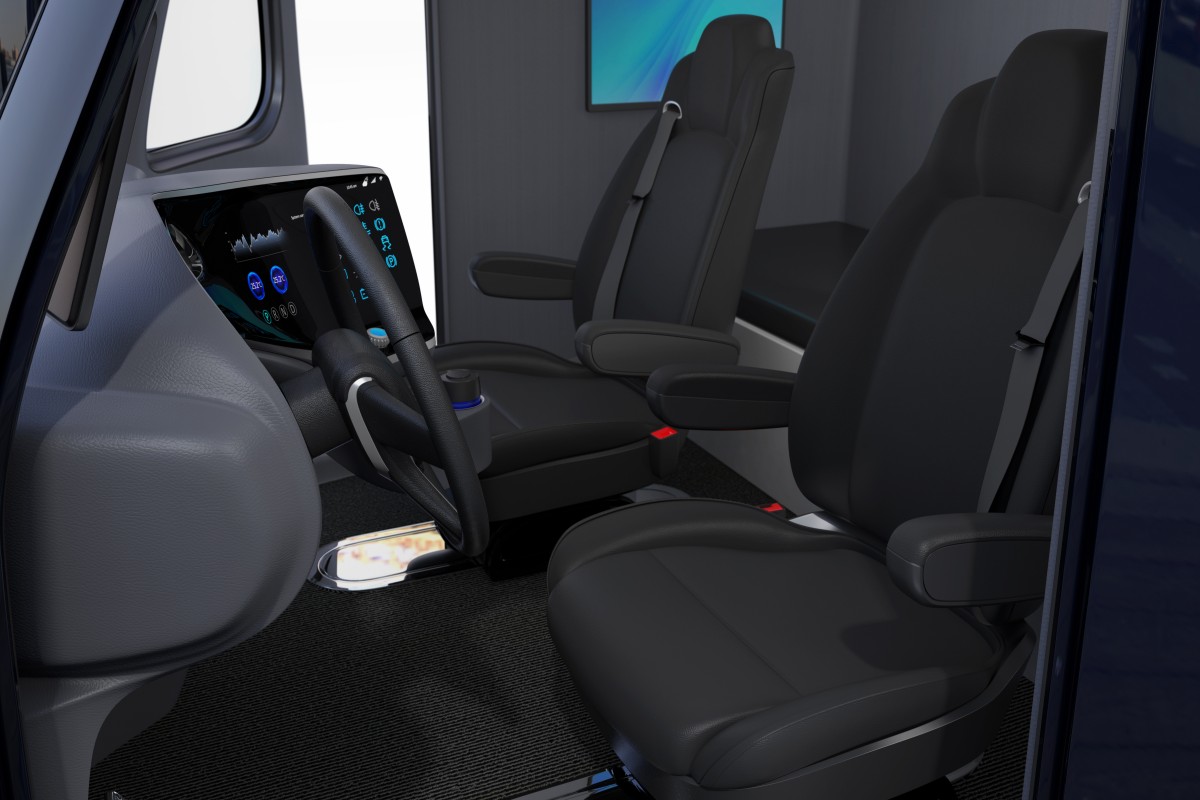
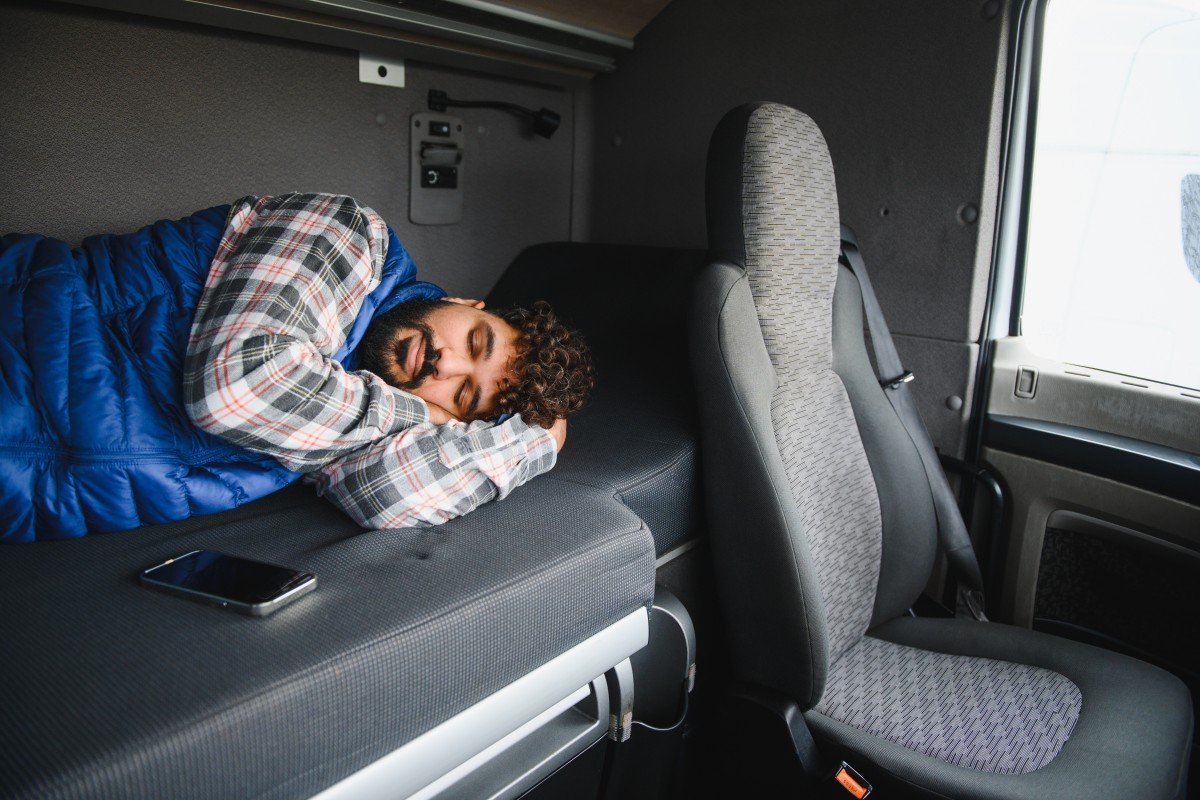
A sleeper cab includes a built-in sleeping compartment behind the driver’s area. These trucks are designed for long-haul operations where drivers spend extended time on the road transporting cargo across multiple states.
Common examples include the Peterbilt 579 UltraLoft, Volvo VNL 760, and Mack Anthem Sleeper.
Sleeper Cab Features
Sleeper cabs often include:
- Sleeping bunk
- Storage compartments
- Cabinet systems
- Space for gear and personal equipment
- Additional room for drivers and passengers
Some larger sleeper models also include custom upgrades like refrigerators, workstations, entertainment systems, and double-bunk configurations for team driving.
Common Sleeper Sizes
Truck manufacturers offer several sleeper sizes depending on the model and intended use.
Common sleeper sizes include:
- 36-inch sleeper
- 48-inch sleeper
- 72-inch sleeper
- 80-inch sleeper
Smaller sleepers typically work better for regional routes where drivers need minimal overnight accommodations. Larger sleepers provide extra room, more storage, and better comfort for long-haul drivers spending extended periods inside the truck.
Sleeper Cab Pros and Cons
Like day cabs, sleeper cabs also have their own pros and cons.
| Pros | Cons |
| More storage space | Higher purchasing cost |
| Better driver comfort | Increased vehicle weight |
| Reduced hotel expenses | Longer overall truck length |
| More room for gear and equipment | Slightly reduced fuel economy in some models |
| Better long-haul practicality | Reduced maneuverability in tighter areas |
Larger sleeper configurations can also make backing, parking, and navigating crowded delivery environments more difficult.
Raised Roof vs Flat Roof Sleeper Cabs
Not all sleeper trucks provide the same amount of interior space. Flat-roof sleepers are typically smaller and lighter. They work well for regional hauling operations where drivers need some sleeping space without increased cab height.
Raised-roof sleepers provide:
- More standing room
- Larger storage areas
- Better organization
- Improved long-haul comfort
- More space for equipment and gear
Many owner-operators prefer raised-roof configurations because the additional room makes extended trips more manageable. The tradeoff is a slightly higher weight and a larger overall truck profile.
Day Cab vs Sleeper Cab: What’s the Difference?
Here is a quick overview of the differences between the day cab and sleeper cab options.
| Feature | Day Cab | Sleeper Cab |
| Sleeping Area | None | Included |
| Storage Space | Limited | Larger |
| Total Length | Shorter | Longer |
| Fuel Economy | Usually better | Slightly lower |
| Driver Comfort | Moderate | Higher |
| Long-Haul Capability | Limited | Best |
| Maneuverability | Easier | Larger footprint |
Drivers operating local or regional routes often prefer day cabs because they help reduce costs and improve maneuverability.
Drivers hauling freight long distances usually choose sleeper trucks because they provide better comfort and operational flexibility.
How Cab Size Affects Truck Operations
Cab size affects far more than driver comfort. The wrong configuration can create operational problems that affect efficiency, storage, fuel usage, and long-term profitability.
- Storage and cargo organization vary significantly by cab size: Larger sleeper cabs provide significantly more room for tools and truck accessories. Day cabs offer less storage but leave more flexibility for payload and shorter overall truck length.
- Truck size directly affects maneuverability and hauling efficiency: A larger sleeper truck may provide better comfort for long-haul drivers, but it can also make backing into tight docks, navigating crowded yards, and operating in urban delivery environments more difficult.
- Driver fatigue often depends on available space and comfort: Long-haul drivers spending days or weeks inside the truck usually benefit from additional room and improved sleeper storage. Regional drivers may not need the extra size or weight of a large raised-roof sleeper.
- Cab configuration affects how much equipment and gear drivers can carry efficiently: Owner-operators transporting tools, emergency equipment, personal supplies, or additional cargo often need more storage flexibility than local fleet drivers operating short routes.
- The right cab depends on how the truck actually operates: A regional hauling operation may work perfectly with a lightweight day cab, while a cross-country owner-operator may need the comfort and passenger space of a larger sleeper model to stay productive on longer trips.
Conclusion
Understanding the different cab sizes for semi-trucks helps you choose equipment that matches your routes, revenue goals, and day-to-day driving needs.
A day cab can keep costs lower and maneuverability stronger for regional work. A sleeper cab can support longer routes, better rest, more storage, and fewer hotel stops when you’re hauling freight across state lines.
The right choice comes down to how the truck will earn money. If a larger sleeper helps you take better-paying long-haul work, it may be worth the higher purchase price. If a day cab keeps your operation lean on local routes, paying for extra space you won’t use doesn’t make sense.
At Mission Financial Services, we help you finance the truck that fits the job, whether you’re buying your first day cab, upgrading to a sleeper, or replacing equipment that no longer supports the way you run.
Tell us how you work, and we’ll help you explore financing options that keep your business moving in the right direction. Start your credit application today.