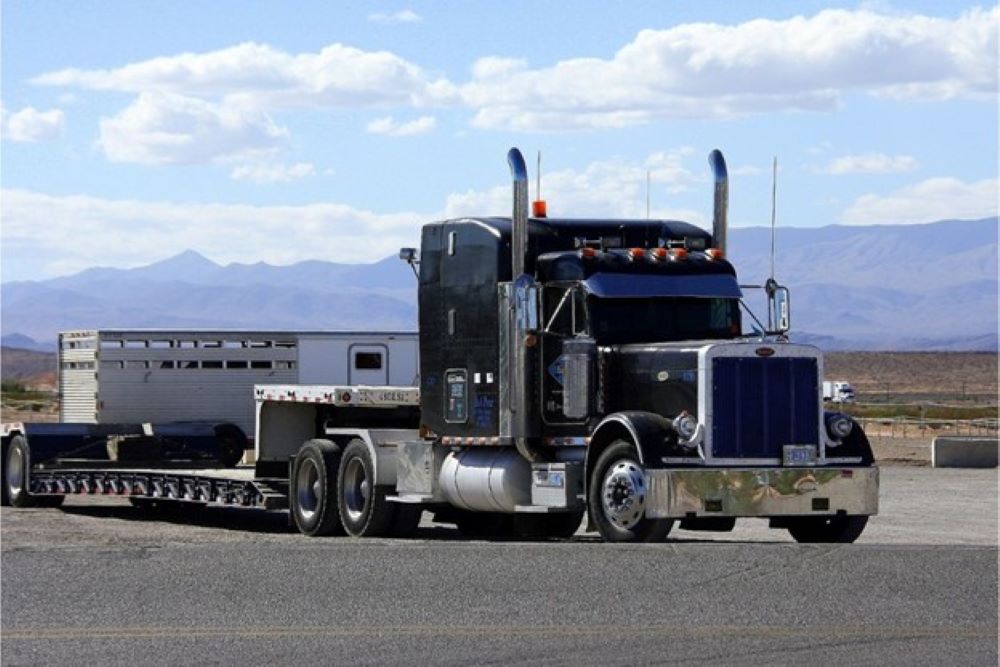
Are you interested in becoming a commercial truck driver? It can be a fantastic career path for the right person.
Being a truck driver involves much more than just sitting behind the wheel on a highway. You’ll need to manage many different responsibilities and skills on each delivery route you drive. No two days as a commercial truck driver are the same.
Fortunately, we’re here to break down what to expect based on real work hours and daily routines, and the trucking reality for modern truckers.
How Many Hours Do Truck Drivers Work?
Most truck drivers work up to 11 hours of driving time within a 14-hour on-duty window. That’s the standard set by federal hours of service regulations, often called HOS rules.
Here’s how the system works:
- You can drive up to 11 hours after 10 consecutive hours off duty
- You have a 14-hour driving window to complete your workday
- You must take a 30-minute break after 8 hours of driving
- You’re limited to 60 hours over 7 days or 70 hours over 8 days
These service rules apply to most commercial driver’s license (CDL) drivers, whether you’re running a local job or working as one of the many long-haul truck drivers running coast to coast.
Not all your work hours are spent driving. Your clock keeps running while you:
- Wait at a dock
- Handle unloading cargo
- Complete inspections
- Deal with paperwork
That means your day can stretch long even if your actual driving time stays under limits. Most truck drivers quickly learn that managing the full work window is more important than just tracking miles.
Driver fatigue is a real issue in this industry. The HOS regulations exist to reduce fatigue-related accidents and keep drivers safe during long periods behind the wheel. If you exceed your limits, you risk fines, violations, and shutdowns.

What a Typical Day Looks Like for Long-haul Truck Drivers
A typical day in truck driving follows a general flow, but no two days ever run exactly the same.
You start with a pre-trip inspection. You check your truck, trailer, tires, lights, and load. Skipping this step leads to breakdowns, delays, or even an accident.
Then you hit the road. Driving usually happens in blocks. You plan your routes around fuel stops, required breaks, and traffic. If you’re an over-the-road driver, you may spend long hours covering hundreds of miles in a single day.
Throughout the day, you’ll:
- Stop for your required break
- Fuel your long-haul truck
- Adjust your route for traffic or weather
Adverse driving conditions like storms or road closures can slow everything down. When that happens, your entire schedule shifts.
At your destination, you deal with delivery. That can mean waiting hours at a dock, helping with unloading, or verifying paperwork. After that, you log your hours, update records, and plan your next load.
Key Responsibilities of a Commercial Truck Driver
Being a truck driver is a dynamic and challenging job with various functions. While no two truck drivers’ jobs are the same, here are some primary responsibilities you can expect as a commercial truck driver.
Driving Long Hours
Of course, the main thing you can expect as a truck driver is spending long hours driving your semi-truck. Depending on the type of trucking you do, this could involve driving across states or even across countries. However, you could also do shorter local routes.
As a long-haul commercial truck driver, you can expect irregular work schedules and possibly overnight trips or extended stays away from home. Being a truck driver is all about traveling long distances and spending the bulk of your working hours behind the wheel.
Driving long hours directly impacts your income. The more miles you cover, the more money you typically earn. But pushing too hard leads to fatigue and compliance issues.

Safety Responsibilities
Safety is a top priority in commercial truck driving. You will be responsible for the safe operation of your vehicle, which involves maintaining a safe speed, following traffic laws, and being alert to potential hazards on the road.
You’ll also need to ensure you keep your cargo safe, as this is why you’re driving your trucking route in the first place. Depending on the type of cargo you’re carrying, you may need special skills and qualifications to manage it.
Safety affects everything. One violation or accident can shut down your operation or increase your insurance costs overnight.
Vehicle Inspections
Beyond just driving a truck, commercial truck drivers also need to make sure their trucks are in good condition and adhere to federal regulations. As your vehicle is vital to your job, you must spend plenty of time keeping it running well.
Before and after each trip, you’ll need to thoroughly inspect your truck, checking for any mechanical issues, leaks, or other problems that could affect its safety or performance. This means commercial truck drivers need to have a good understanding of the different parts of their truck and how their truck works.
Downtime costs money. A missed issue can turn into a breakdown that takes you off the road for days.
Maintaining a Delivery Schedule
The whole reason that commercial truck drivers are on the roads is to ensure their cargo is delivered to the right place on time. This means commercial truck driving involves managing delivery schedules and working within tight time frames.
As a commercial truck driver, you must know how to plan your routes and drive efficiently to keep your deliveries on schedule. Missed delivery windows can reduce pay or cost you future loads with a trucking company.

Paperwork and Records
Everything you do as a commercial truck driver needs to be recorded. This is important for the smooth operation of your trucking business and for any legal reasons, like making a commercial insurance claim.
You’ll be responsible for maintaining accurate records, including logbooks, mileage reports, and delivery receipts. This documentation helps with compliance. It also makes it easier to get paid. If your logs are off, you risk audits and lost income.
How Much Does a Commercial Truck Driver Make?
Truck driver pay varies depending on experience, equipment, routes, and how you’re paid, but recent data shows that earnings are stronger than you might expect.
As of 2026, the average truck driver salary in the United States sits around $92,000 per year, based on aggregated job posting data.
Entry-level drivers or those in lower-paying local roles may earn closer to $45,000 annually, while experienced drivers, specialized haulers, or owner-operators can earn well into the six-figure range, with top earnings approaching $190,000 or more.
The biggest factor behind this range is how drivers are compensated. Company drivers are typically paid per mile, per load, or as a salary, while owner-operators earn based on revenue generated from loads, minus operating expenses like fuel, maintenance, and insurance. This means gross income for owner-operators can be significantly higher, but so are the costs.
Other key factors that impact earnings include:
- Type of freight: Specialized loads (hazmat, oversized, refrigerated) often pay more
- Route type: Long-haul (OTR) drivers usually earn more than local or regional drivers
- Experience level: Higher-paying loads and contracts tend to go to more experienced drivers
- Equipment ownership: Owning your truck opens up higher revenue potential but adds risk
Ultimately, truck driving income is less about a fixed salary and more about how you structure your operation. Drivers who optimize routes, control costs, and secure consistent work tend to earn the most over time.
Types of Truck Driving Jobs and How They Affect Your Schedule
Commercial truck driving could look very different for each commercial motor vehicle driver. This depends on the type of trucking you do.
- Local drivers usually run shorter routes. You start and end at the same work reporting location each day. You get more predictable work hours and consistent home time.
- Regional drivers cover a wider area. You might be out for several consecutive days, then home for a reset. Your schedule has more variation, but still some structure.
- Long-haul drivers or over-the-road (OTR) drivers spend extended time on the road. You may live out of a sleeper berth and run across the country. These drivers deal with irregular schedules, long periods away from home, and heavier reliance on HOS rules.
Luckily, the demand for goods transport keeps the trucking industry relatively stable. This means you should have good job security as a reliable driver. In the end, your schedule, income, and lifestyle all depend on the type of routes you decide to run.
The Skills You Need to Succeed as a Truck Driver
To become a commercial truck driver, you must match the right skills for the job. Here are some of the most essential skills you should possess:
- Physical stamina: Truck driving can be physically demanding, as you may be required to load and unload cargo, handle paperwork, and spend extended periods sitting and driving. Make sure you’re up for the challenge.
- Independence: While you may have a dispatcher or supervisor to guide you, commercial truck driving involves plenty of independence. You’ll be responsible for making decisions on the road and completing your deliveries. You’ll also be alone for long periods.
- Time and stress management: Commercial truck drivers manage tight schedules. You must also know how to keep calm in emergencies or stressful driving conditions. Good planning helps you protect your driving window, avoid wasted hours, and keep loads moving on time.
- Communication: Even though you spend long periods alone, you must also deal with multiple people in the supply chain. You’ll need to show good communication skills to everyone involved in your delivery schedule and other drivers. This is essential for smooth trucking operations. Clear updates with dispatchers, shippers, and receivers can prevent delays and protect your pay.
Licensing, Training, and Requirements
To become a commercial truck driver, you’ll need a CDL specific to the type of commercial vehicle you’ll be operating. The specific process and training in getting your commercial driver’s license can differ from state to state.
That CDL proves you have the baseline training to operate a commercial vehicle safely, but it’s only the starting point. New drivers also need to understand how their license connects to the type of truck they drive, the cargo they haul, and the routes they plan to run.
You must also have relevant qualifications and licenses to carry certain goods. Some types of dangerous cargo require additional training.
That’s where endorsements come in. Hazmat, tanker, and doubles/triples endorsements can open the door to more specialized freight. Those loads often come with stricter rules, but they can also give drivers access to better-paying opportunities and steadier work.
CDL drivers also need to ensure they stay updated with the laws and regulations around commercial trucking wherever they operate. These laws can often differ as you pass state borders, so ensure you understand what is required of you in each state you drive.
Rules affect your driving time, weight limits, inspection requirements, and paperwork. A missed requirement can lead to fines, delays, or lost loads.
For new drivers, staying compliant protects more than your license. It protects your income, your schedule, and your ability to keep moving.
Conclusion
Being a commercial truck driver is full of challenges. It’s also an exciting career path for people with the right skills and motivation.
Truck driving is demanding, but it’s structured. If you understand how hours, service regulations, and scheduling work, you can build a stable income and long-term career in this industry.
Many drivers start as company drivers, then move into ownership to gain more control over their time and money. If you’re planning that next step, having the right financing partner makes a difference.
You may also need to purchase a semi-truck to start a trucking business. Mission Financial Services makes it easy for any commercial truck driver to gain financing for buying a vehicle. Start your credit application today for fast and easy financing.
Frequently Asked Questions
How Many Hours Do Truck Drivers Work?
Most truck drivers work up to 11 hours of driving within a 14-hour on-duty window, following federal HOS regulations.
How Many Hours Do Truck Drivers Work per Week?
Drivers can work up to 60 hours over 7 days or 70 hours over 8 days, depending on their schedule and employer.
Are Truck Driving Hours Flexible?
They can be. Local drivers have more predictable schedules, while long-haul drivers deal with more variation depending on routes and freight.
What are the 14 Hour HOS Rules for Truck Drivers?
The 14-hour rule limits how long you can stay on duty after starting your day. Once your 14-hour window closes, you must take the required rest before driving again.
Do Truck Drivers Make $100,000 a Year?
Yes, many truck drivers can earn $100,000 or more per year, but it depends on the type of work. Experienced drivers, long-haul (OTR) drivers, and those hauling specialized freight are the most likely to reach this level. Owner-operators can also exceed $100,000 in gross income, though they have higher expenses that reduce take-home pay.